ZhiCloud AI
ZhiCloud AI
ZhiCloud AI
Direct availability of professional enterprise AI servers, next-generation deep learning platforms, and core silicon storage accessories.
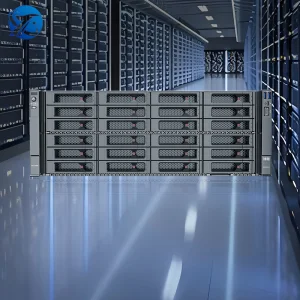
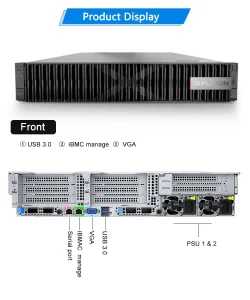
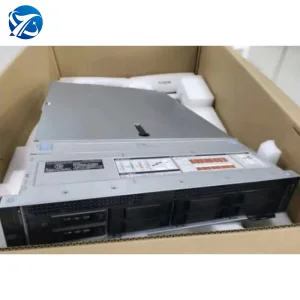
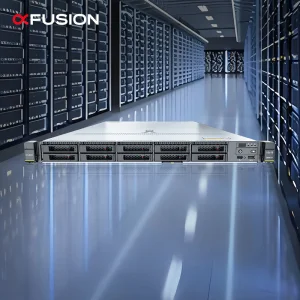
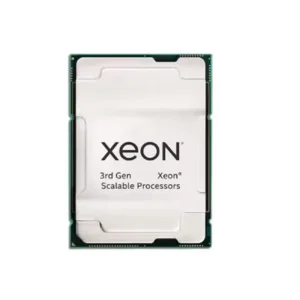
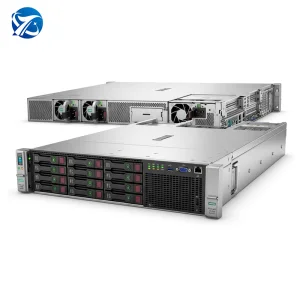
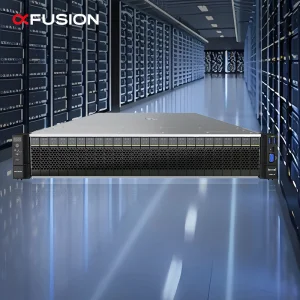
Uncovering the growth of AI deployments, deep learning models, and custom high-density server configurations.
In the contemporary digital landscape, cloud computing has transitioned from general-purpose virtual machine provisioning to highly specialized, accelerated computing infrastructures. As large language models (LLMs) like DeepSeek, GPT-4, and multi-modal neural networks experience exponential growth, traditional computing topologies struggle to sustain the computational workloads. Standard CPU-based servers no longer meet the training and inference demands of modern enterprise algorithms. This gap has created an urgent demand for Custom OEM GPU servers and bare-metal server integrations configured specifically for parallel computation.
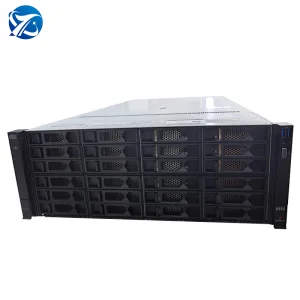
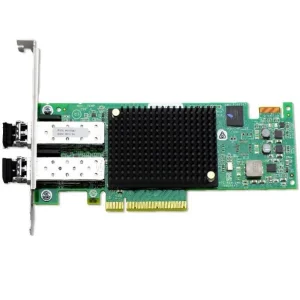
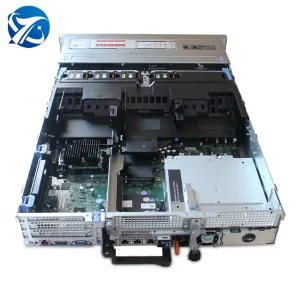
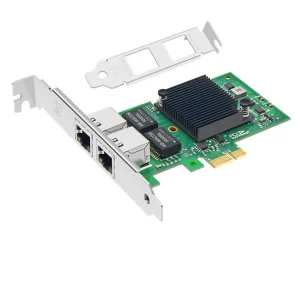
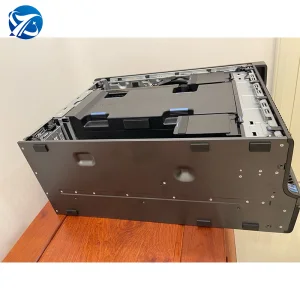
Global cloud deployments now demand specialized node hardware that balances power usage effectiveness (PUE) with computational density. Enterprise environments are shifting from typical off-the-shelf options toward dedicated 1U, 2U, and 4U chassis layouts. These layouts are designed for dense thermal dissipation, PCIe Gen 5 configurations, high-capacity SAS/NVMe storage controllers (such as the 9540-8i RAID system), and high-frequency, low-latency network interconnects (like Emulex dual-port Fibre Channel HBA cards). Modern servers must run continuously under full load without throttling, requiring rigorous customization of hardware BIOS, cooling loops, and power distribution units.
Furthermore, energy concerns and carbon compliance mandates require that hardware manufacturers innovate beyond simple air cooling. The industry is adopting hybrid and liquid cooling systems, direct-to-chip microfluidic cold plates, and advanced software-defined thermal policies. These technologies are crucial for high-density GPU nodes that draw over 700 watts per card. To navigate this hardware revolution, modern enterprises partner with custom OEM/ODM manufacturers like Shenzhen Intelligent Computing Cloud Technology Co., Ltd. (ZhiCloud AI). These partners provide the supply chain agility and engineering expertise required to configure, test, and deploy customized high-performance computing clusters at scale.
Analyzing key requirements, risk mitigation strategies, and the critical priorities of modern IT procurement officers.
Enterprise IT buyers, data center operators, and purchasing managers face a complex global hardware supply chain. When procuring AI server hardware and networking equipment, buyers prioritize specific requirements. Rather than focusing solely on unit price, they evaluate the Total Cost of Ownership (TCO), long-term operational reliability, and component availability. This strategic perspective is key because unexpected system downtime in a production AI cluster can cost tens of thousands of dollars per hour in idle research cycles and lost service availability.
Key priorities for enterprise buyers include:
ZhiCloud AI aligns with these demands through a transparent, engineer-led OEM process. We support corporate purchasers with detailed documentation, physical component trace histories, and open verification methods that ensure compatibility with existing data center frameworks.
How Shenzhen's high-tech manufacturing ecosystem enables rapid prototyping, cost efficiency, and reliable global exports.
China's smart manufacturing sector, especially within the Shenzhen electronic and IT corridor, represents a significant evolution in industrial productivity. The Shenzhen ecosystem provides deep integration across the entire manufacturing cycle, from basic silicon and metal fabrication to advanced software engineering. Under this Factory 4.0 paradigm, Shenzhen Intelligent Computing Cloud Technology Co., Ltd. (ZhiCloud AI) combines traditional mechanical manufacturing with digital control processes. This integration allows us to deliver high-quality custom systems faster than traditional Western integrators.
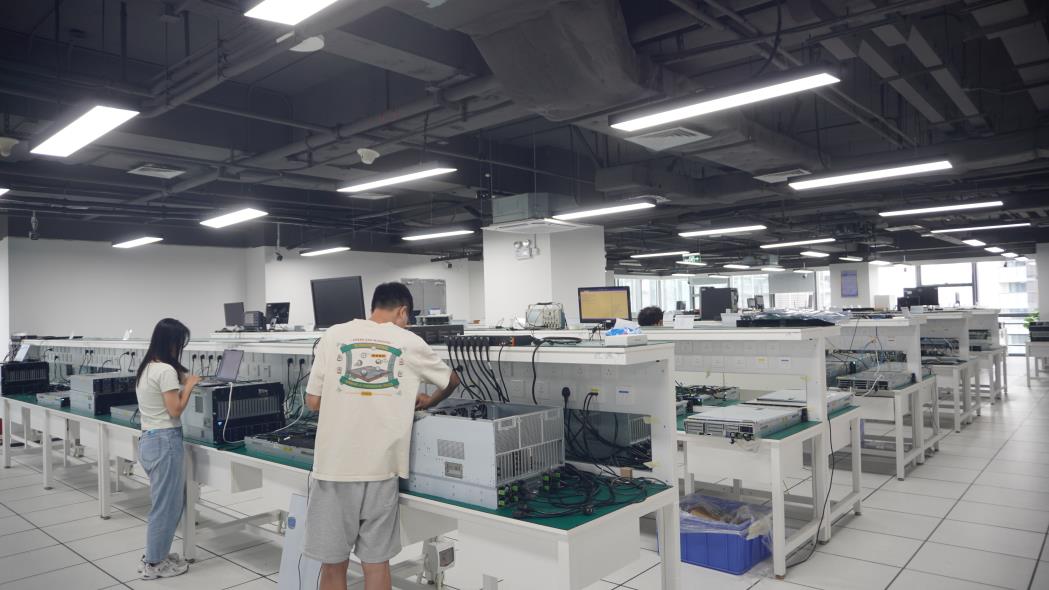
ZhiCloud AI operates a modern precision systems assembly facility that acts as a central hub for raw material processing, PCBA testing, SMT integration, and comprehensive physical stress testing. By utilizing localized supply chains, we source key inputs like sheet metal chassis parts, passive cooling components, high-density server power units, and mainboards within a narrow geographical radius. This proximity reduces logistics latency and allows us to rapidly prototype custom components (e.g., customized GPU power brackets or liquid-cooling manifolds) in days rather than weeks.
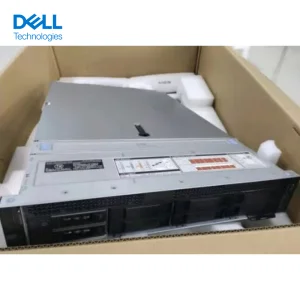
Our facility operates under strict quality standards, supported by 45 dedicated quality control professionals. Our supply chain resilience is backed by 1,200 strategic partners, allowing us to maintain stable manufacturing schedules during component shortages. For global buyers, this infrastructure translates into high manufacturing consistency, fast turnarounds, and competitive pricing on complex systems like the 1U/2U/4U Xeon GPU rack servers and specialized components.
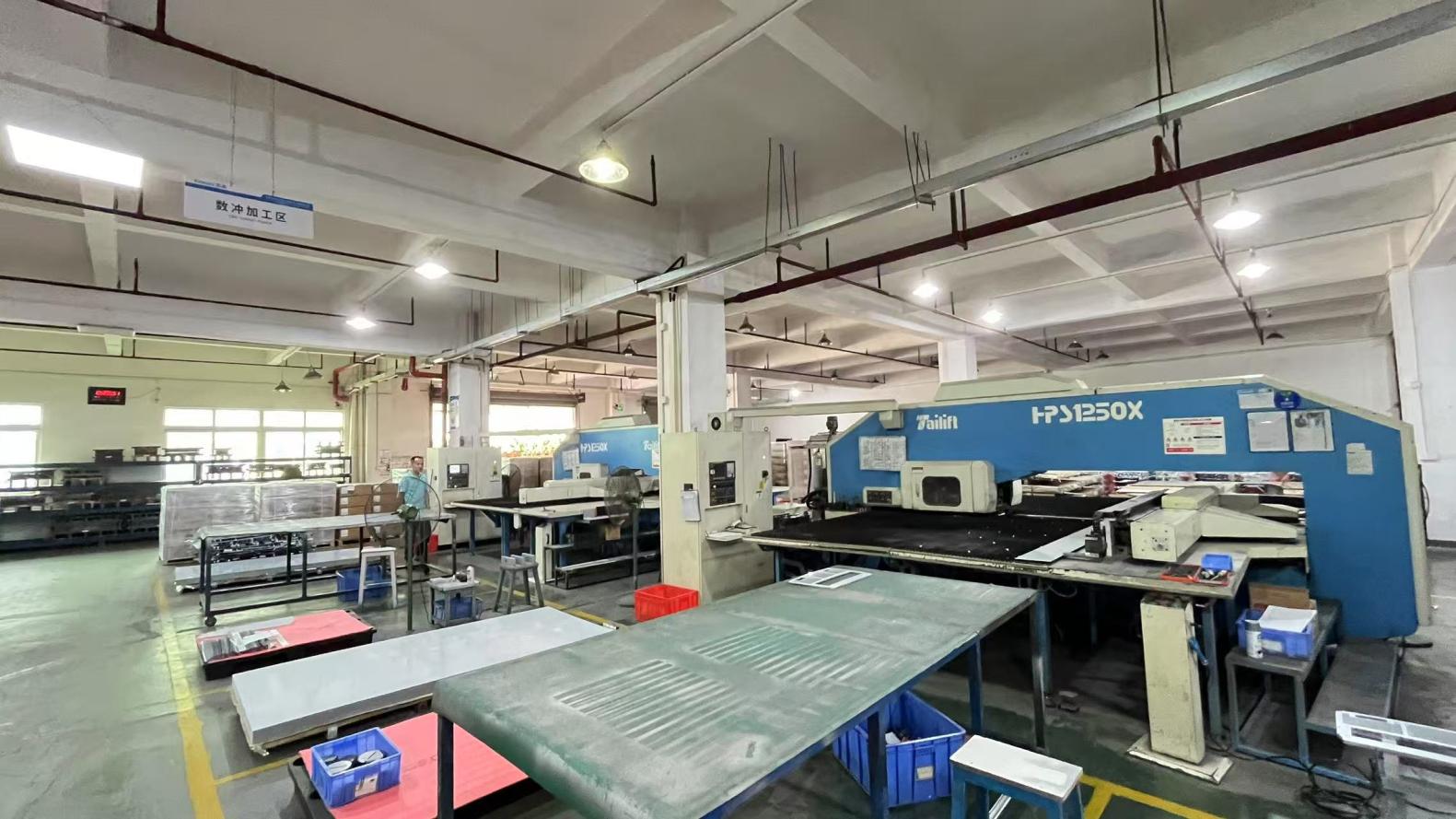
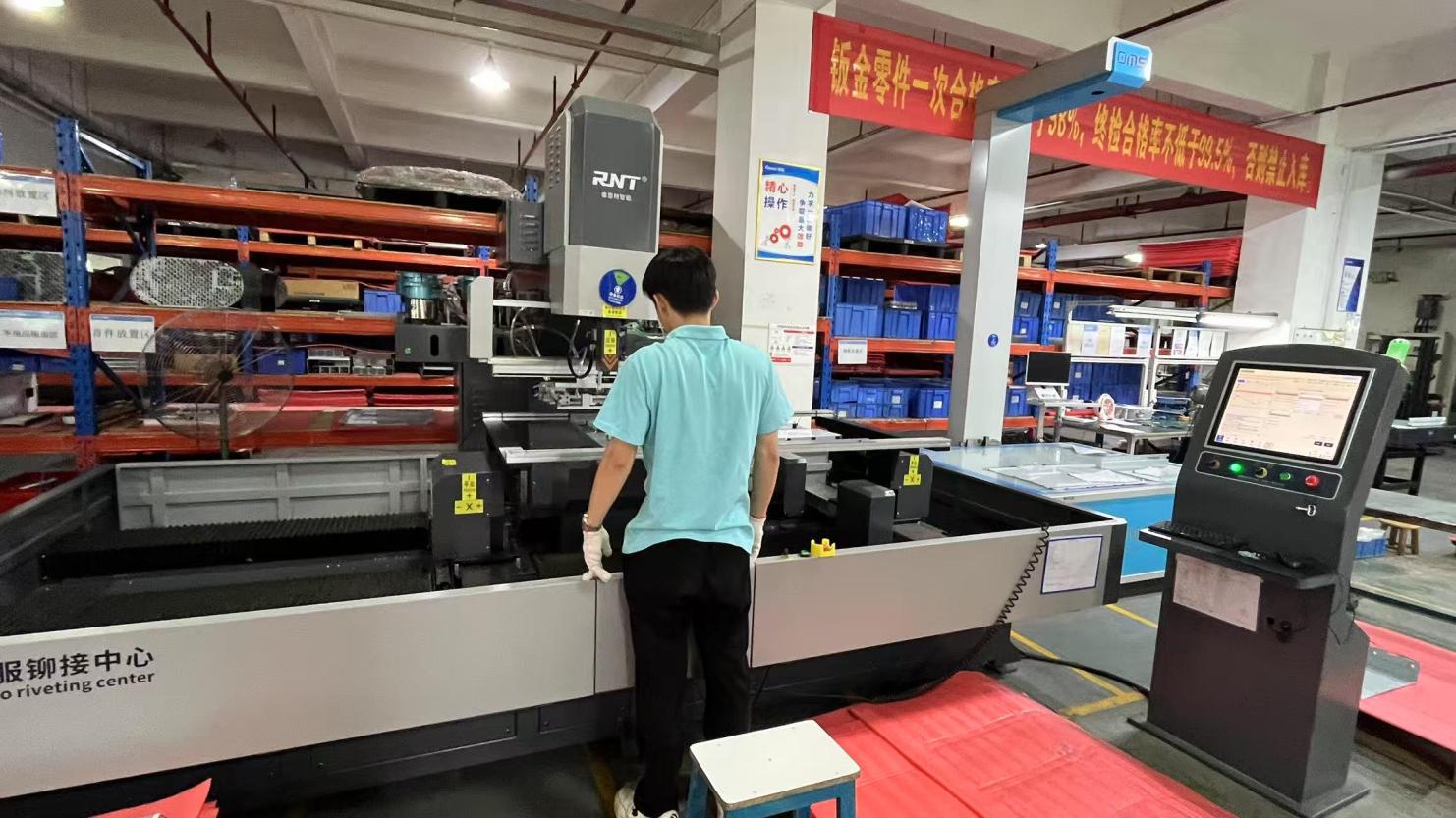
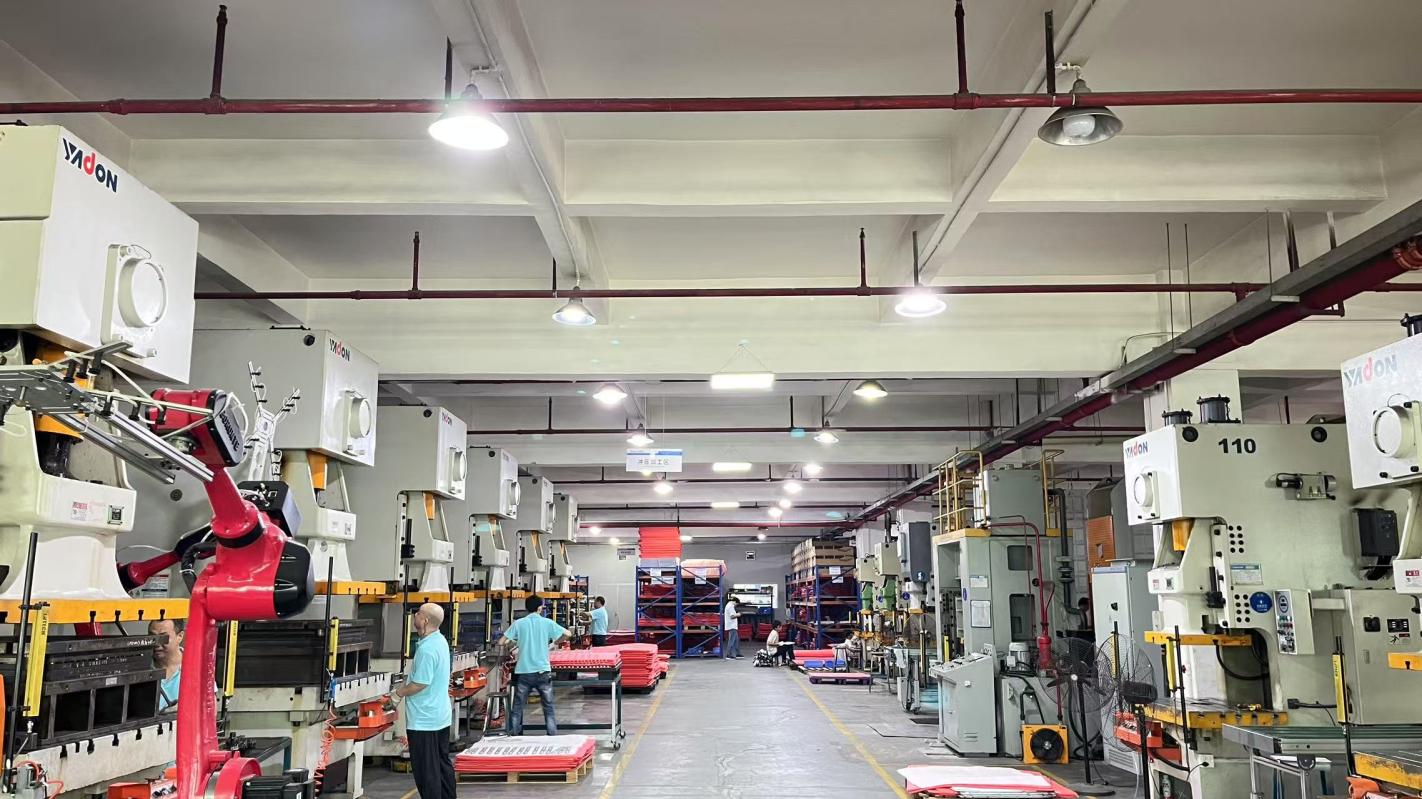
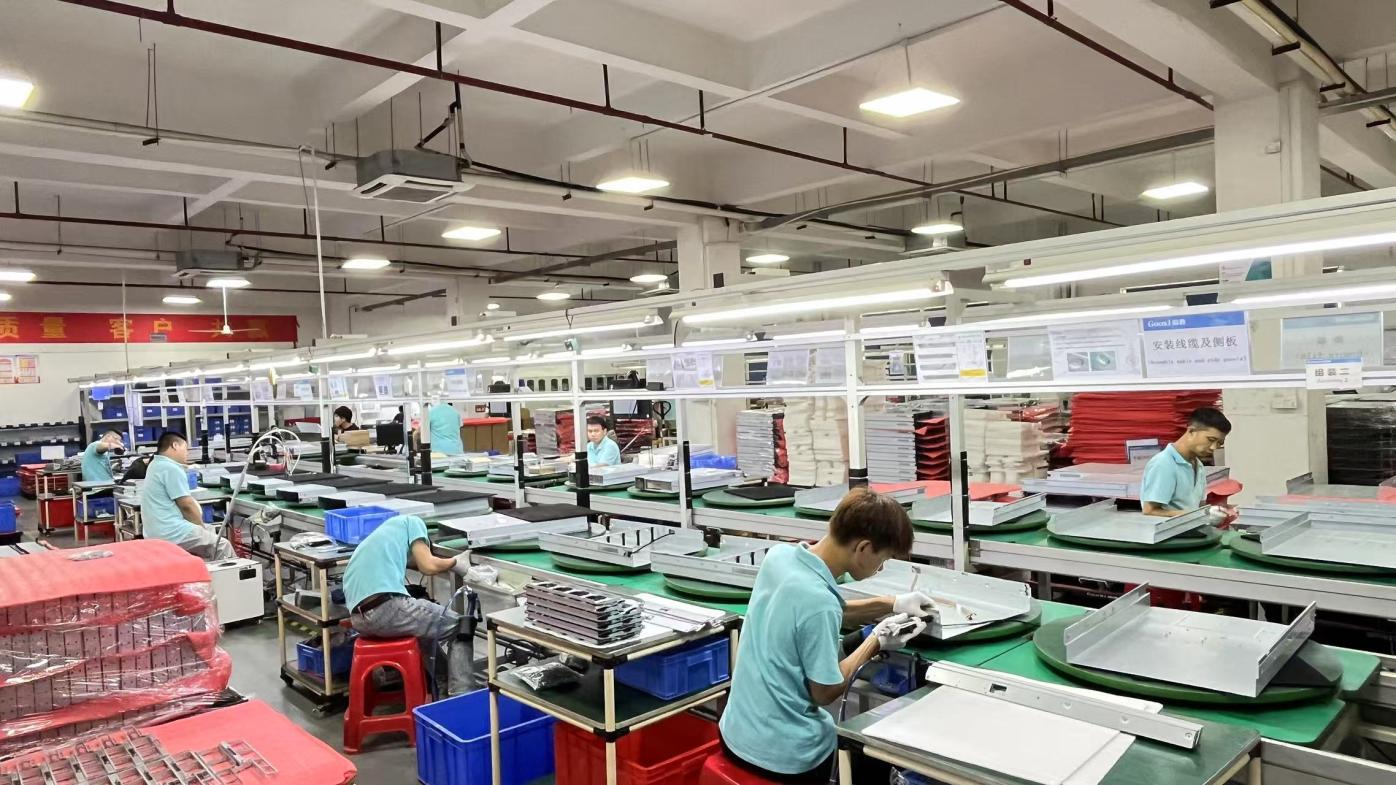
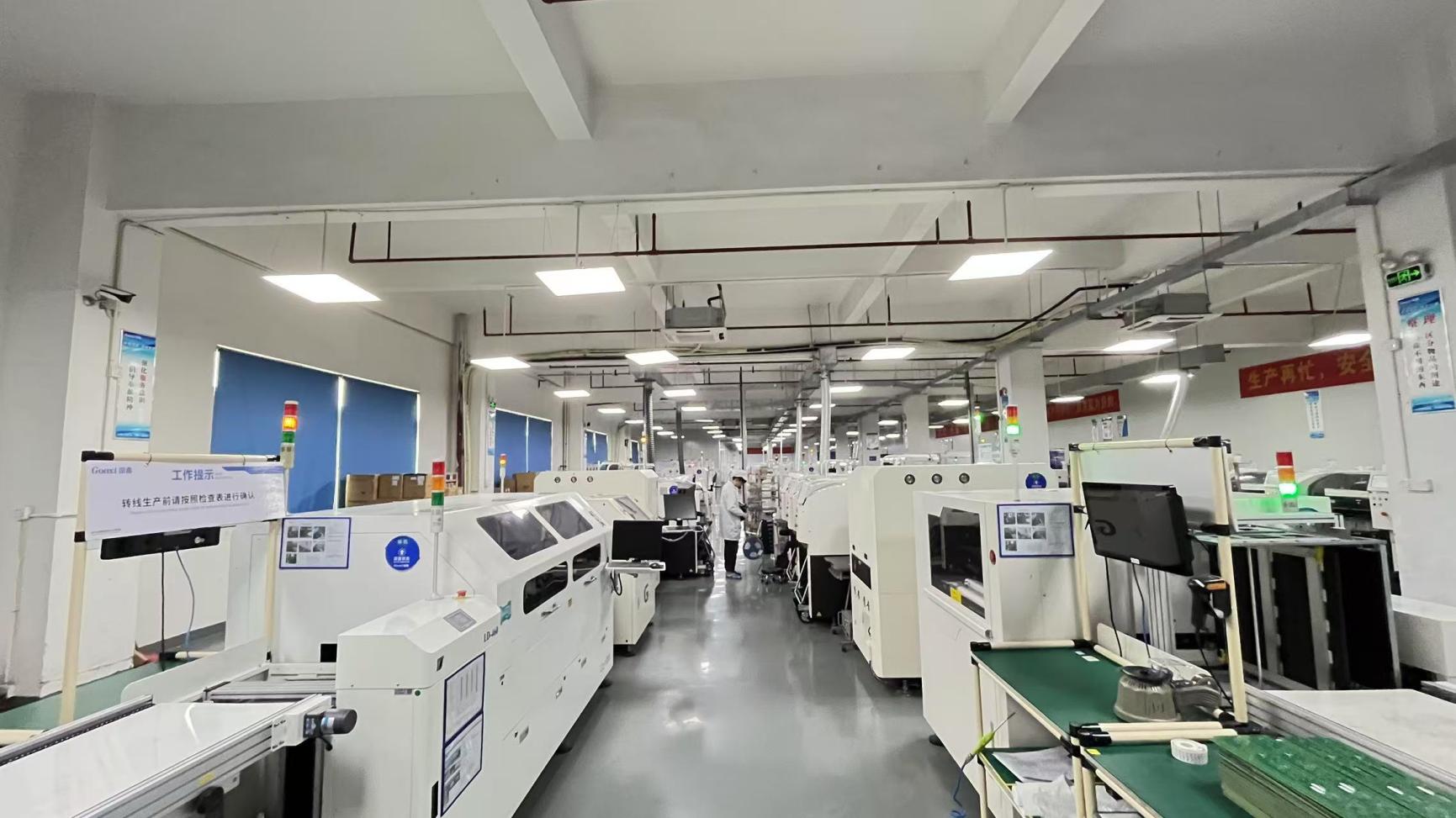
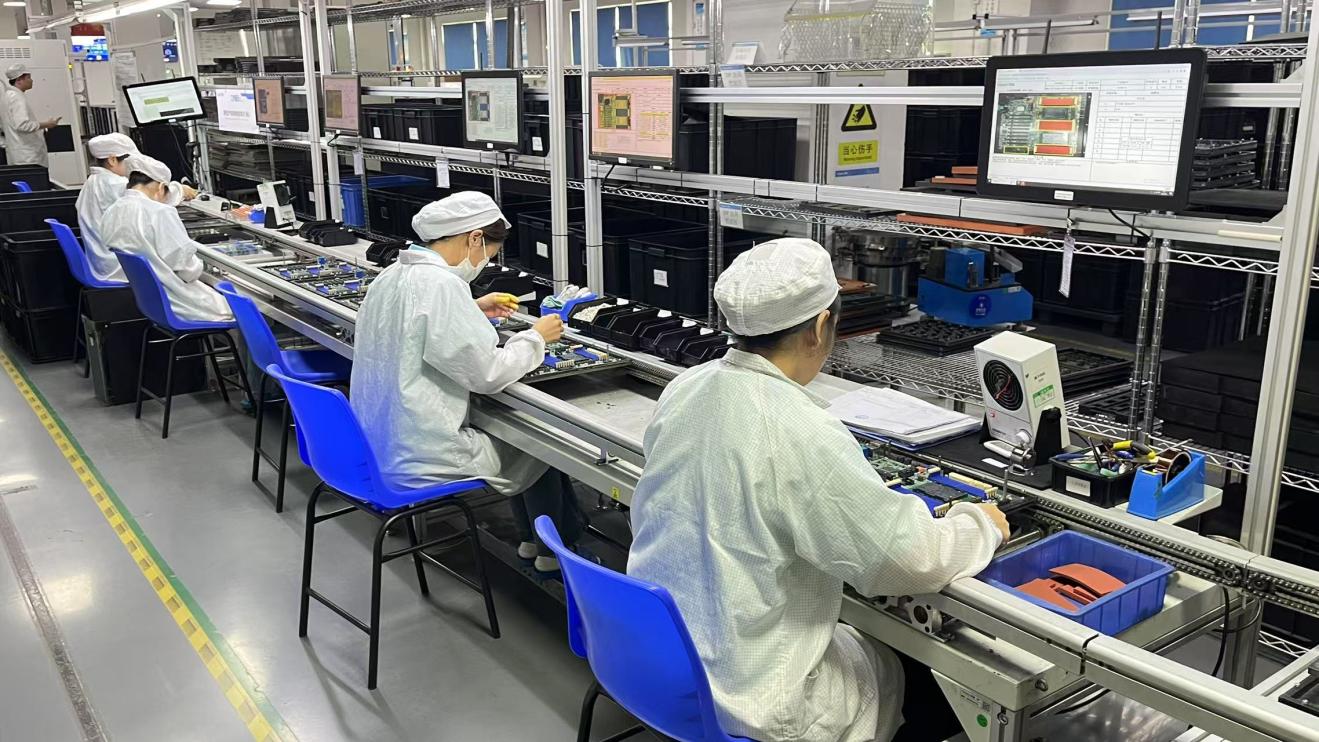
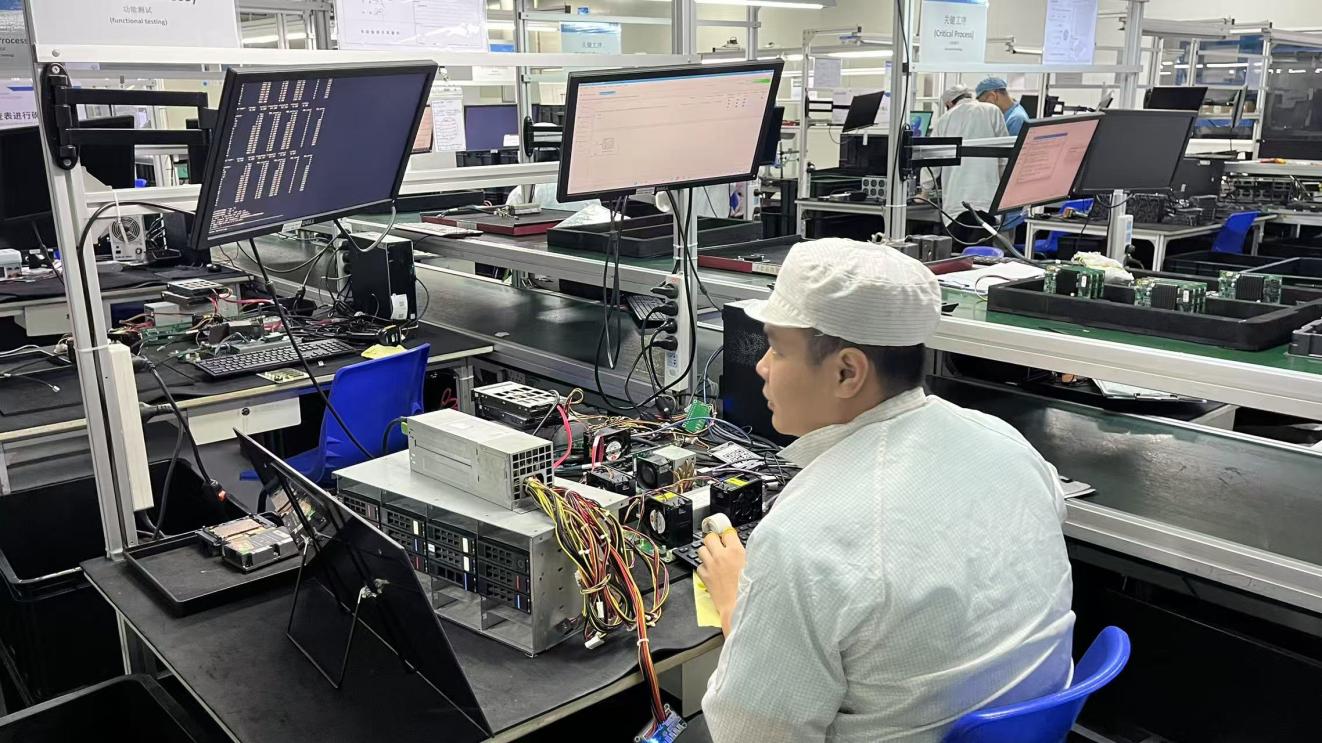
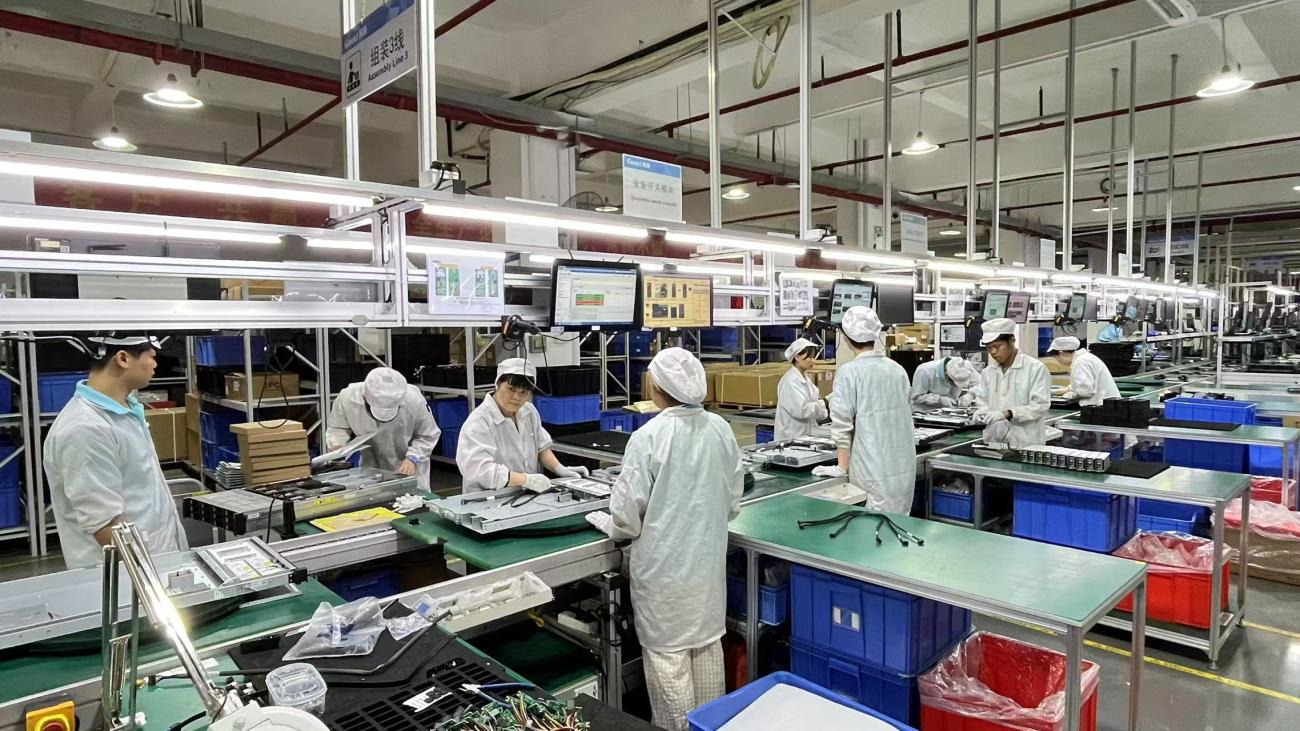
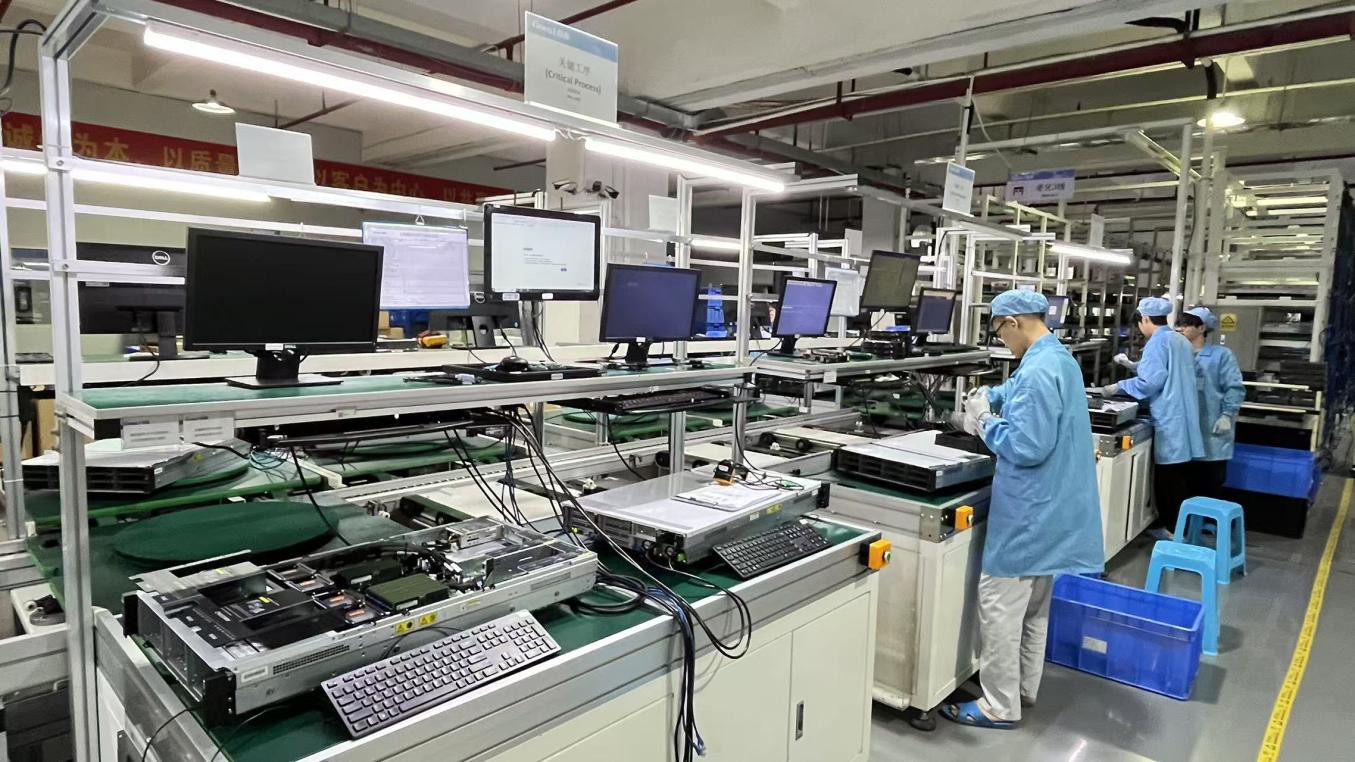
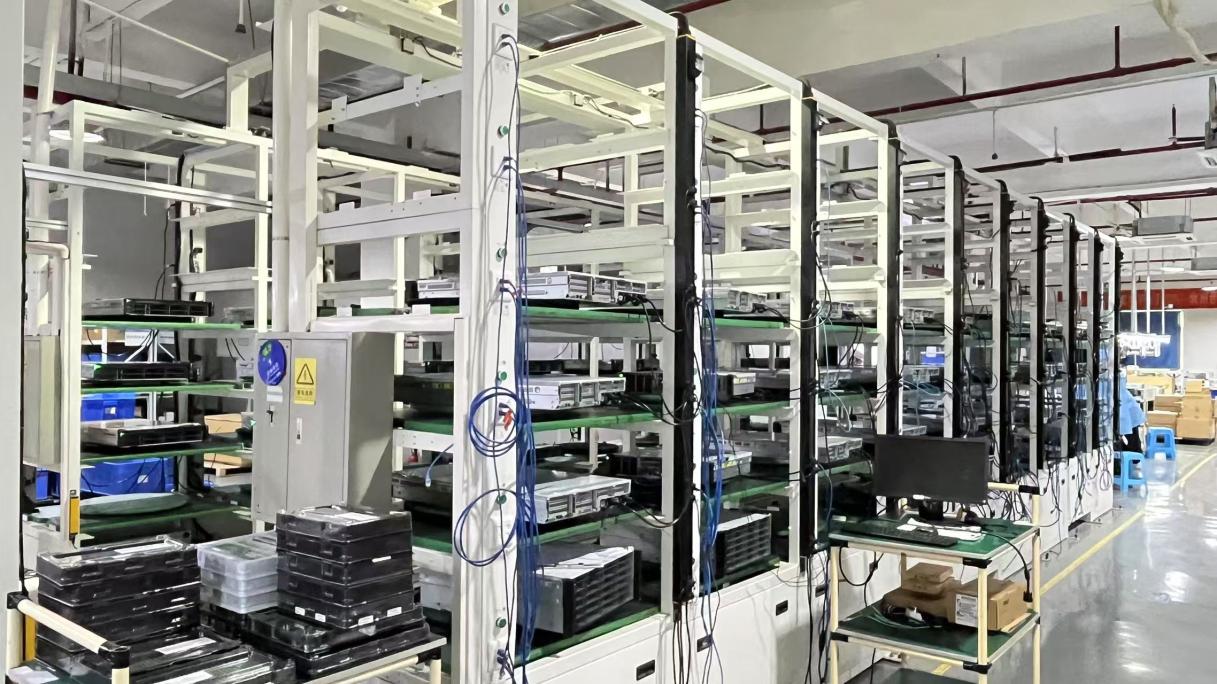
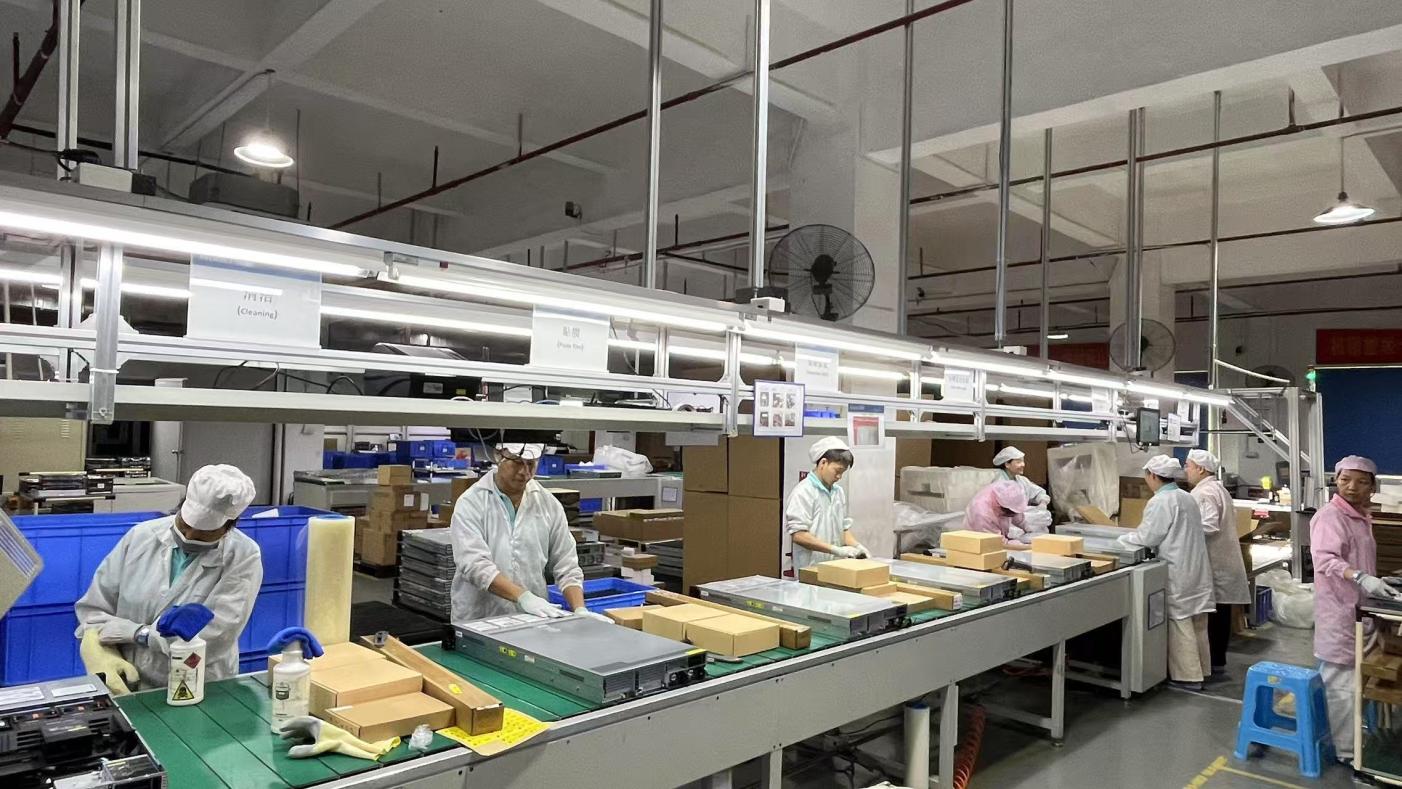
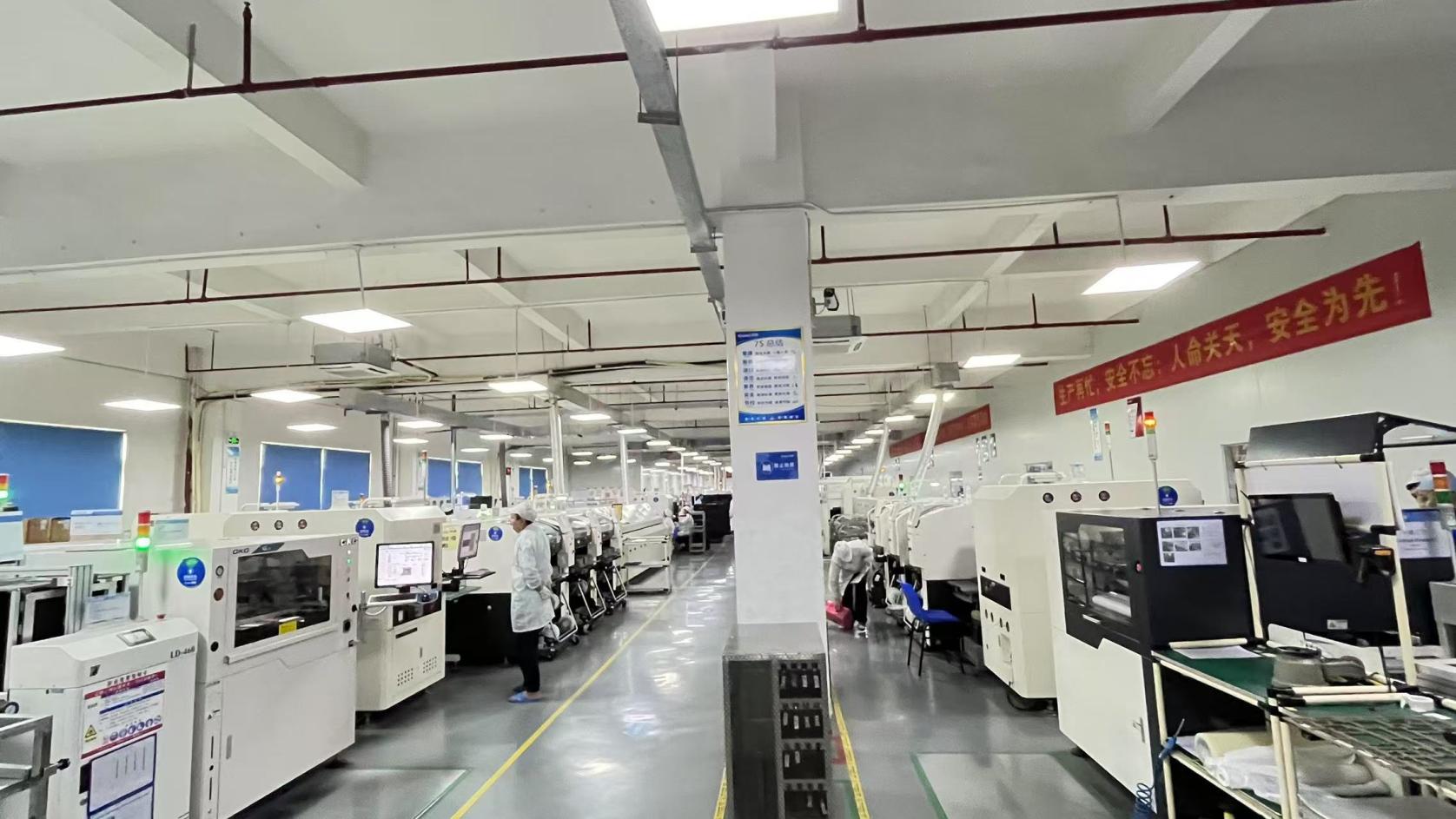
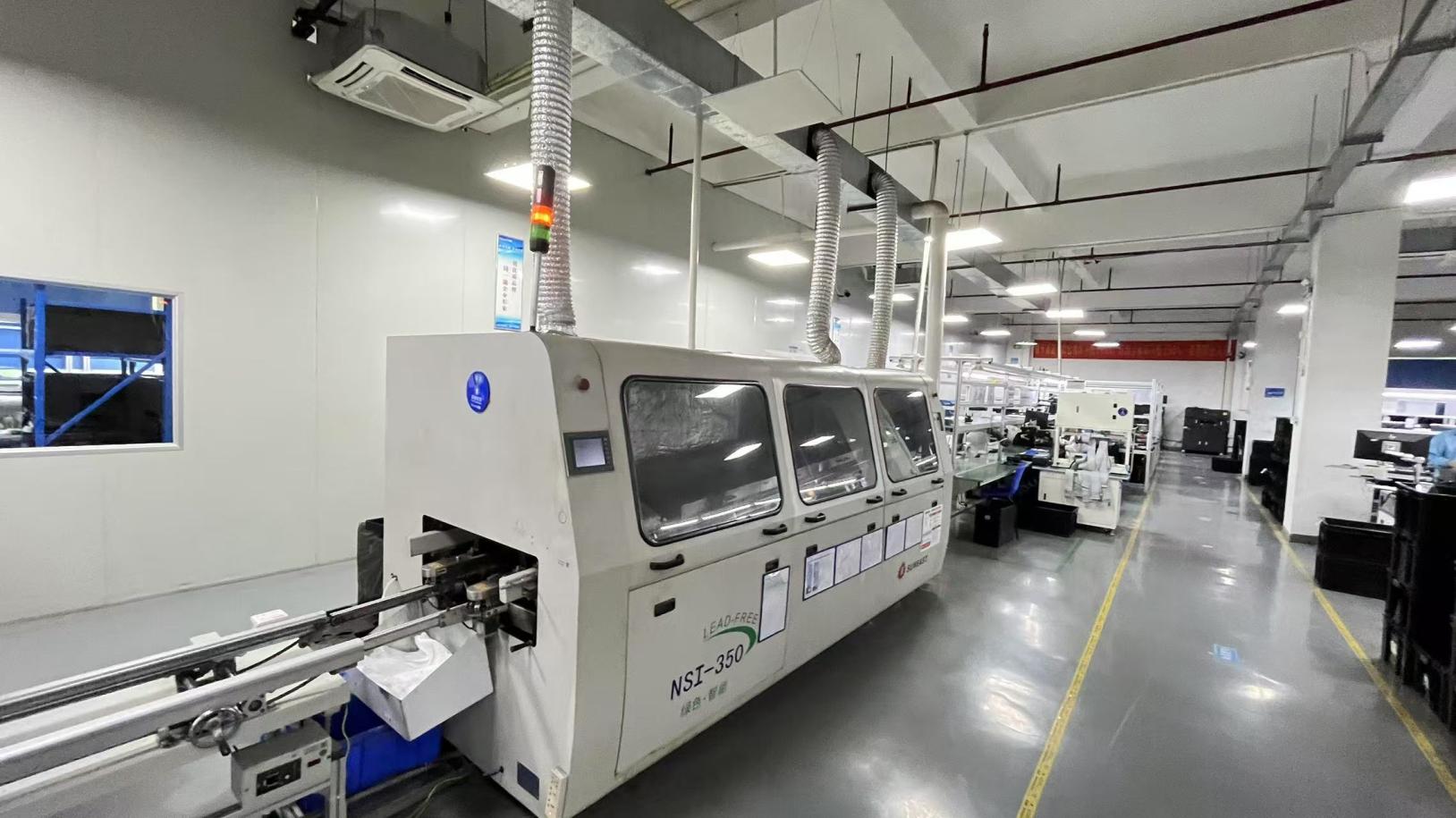
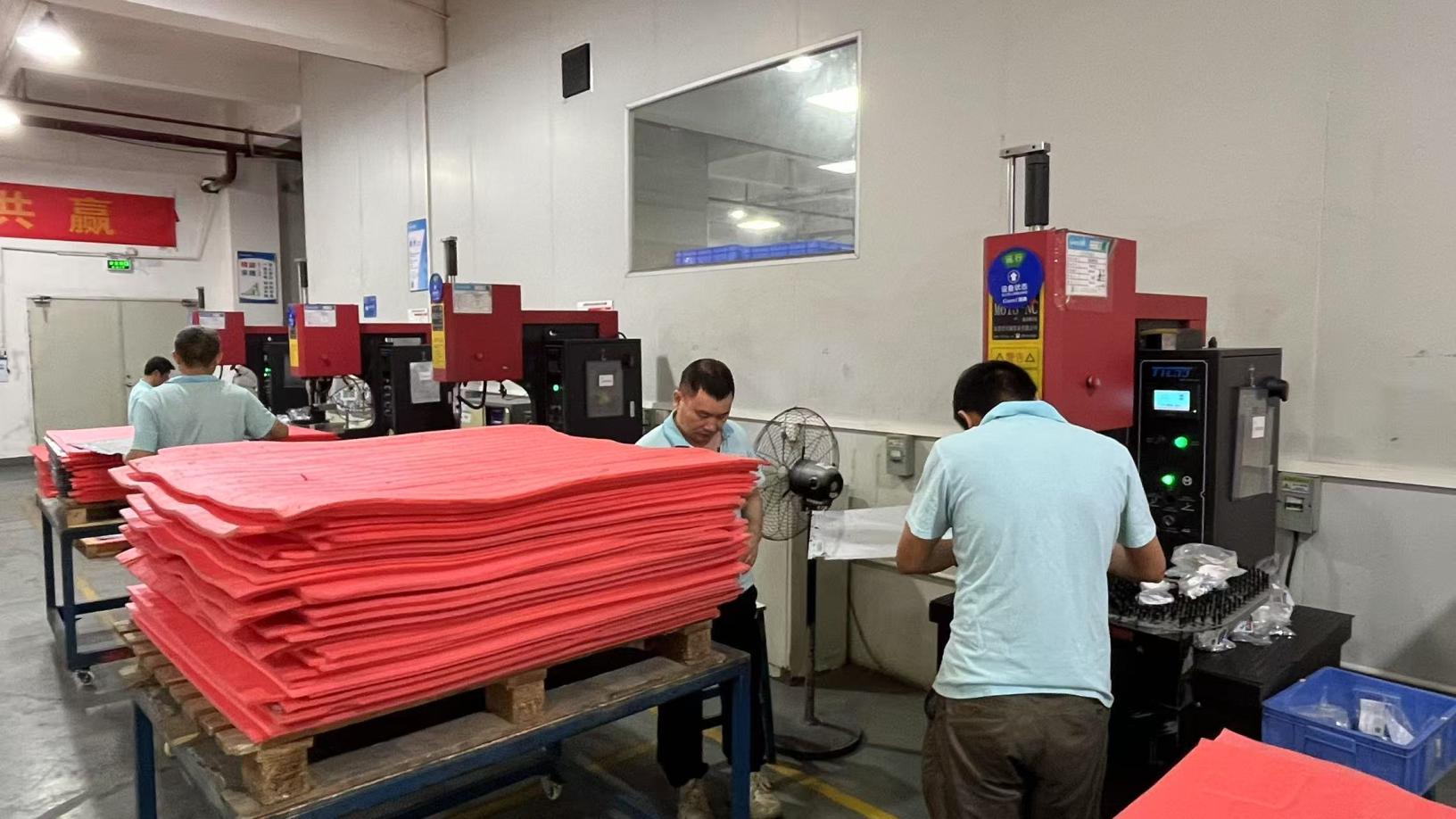
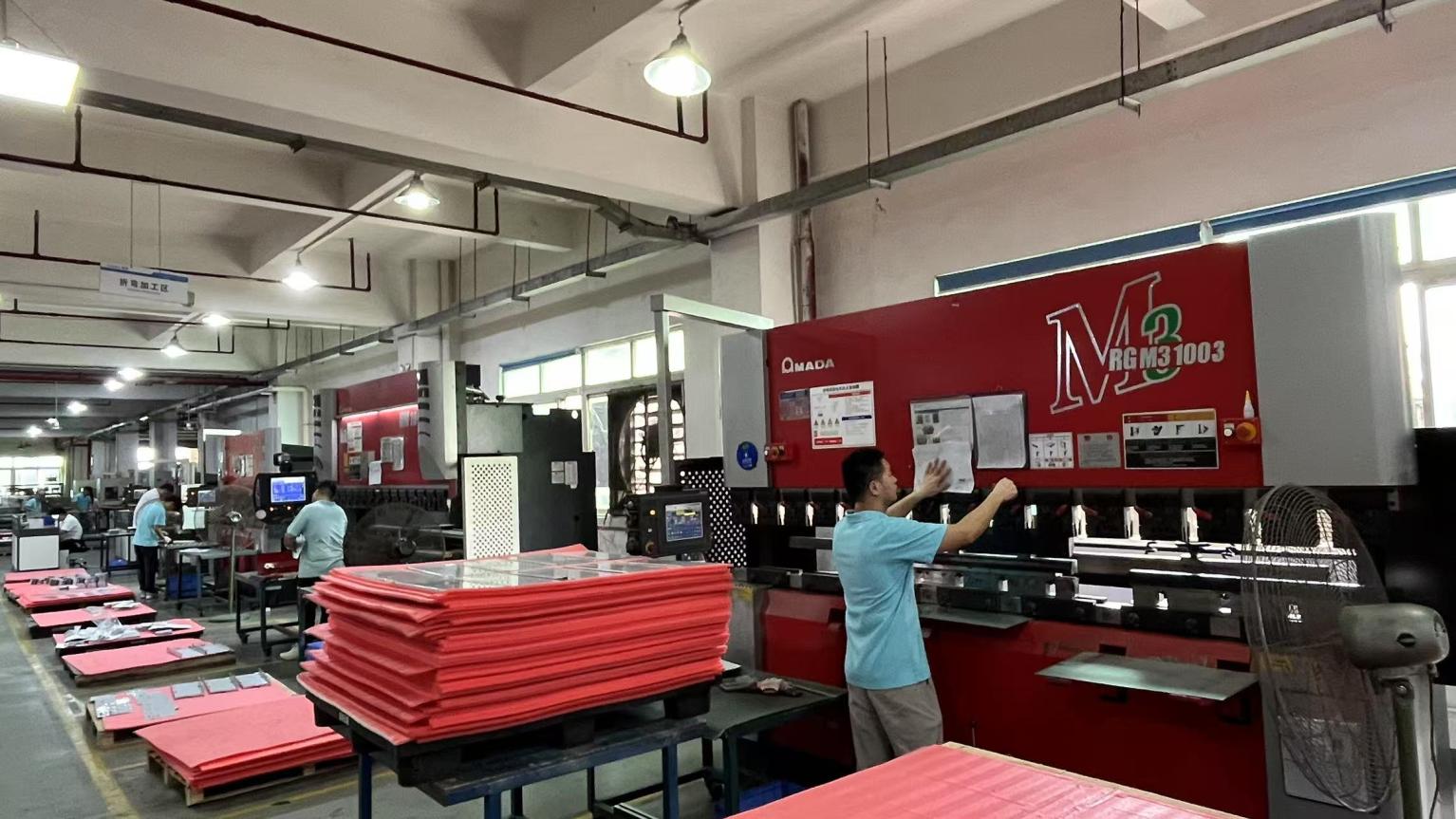
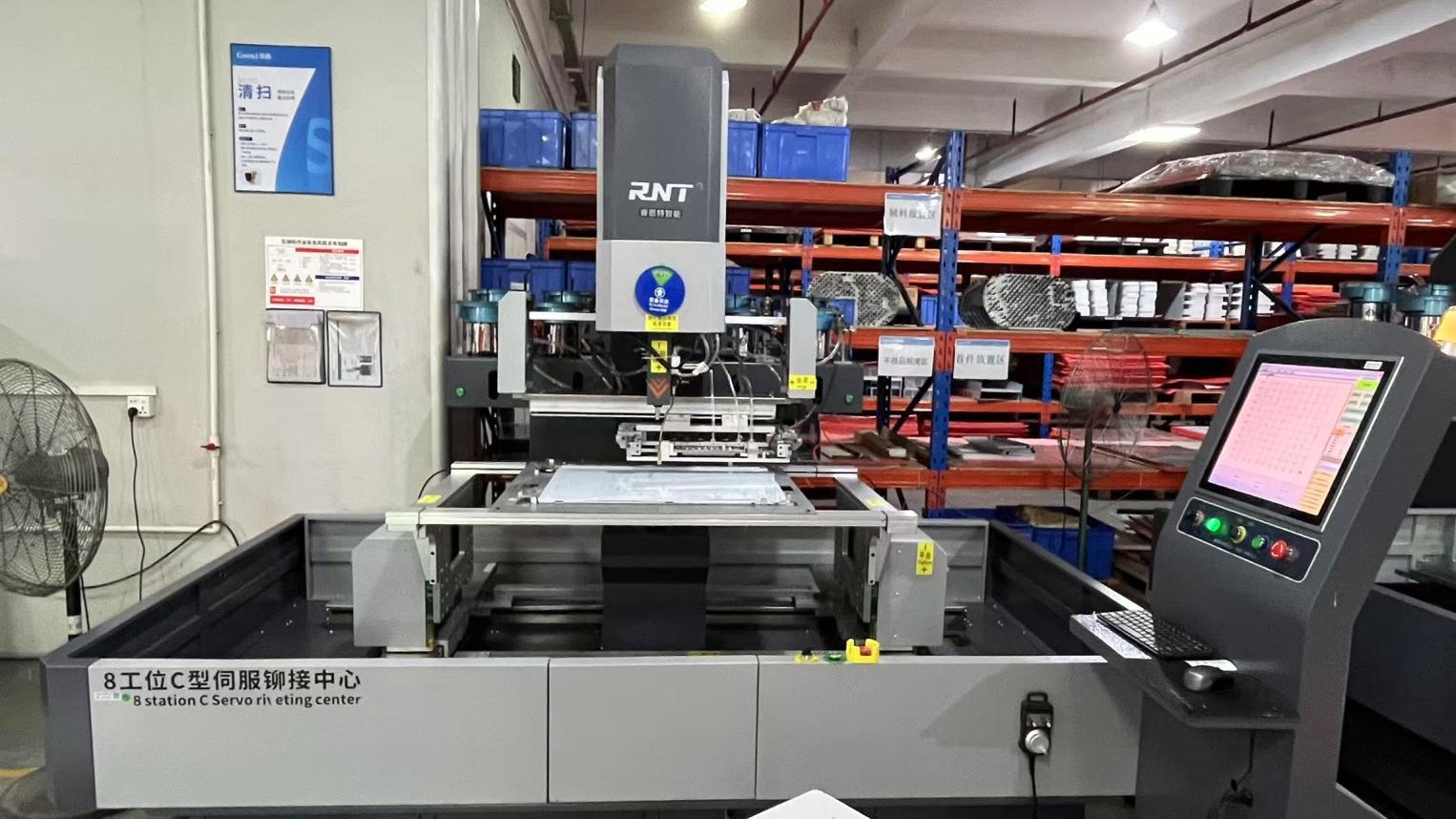
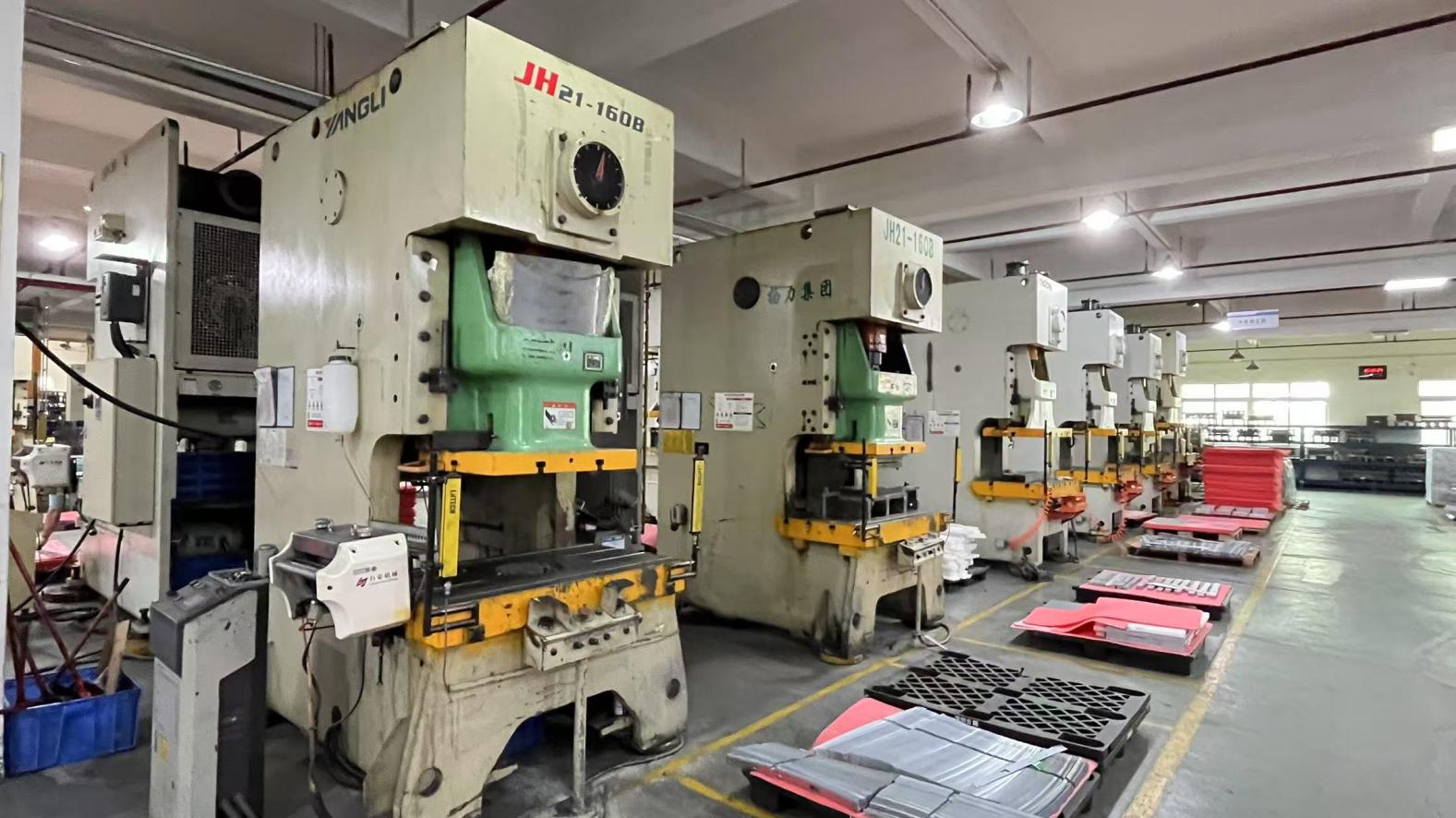
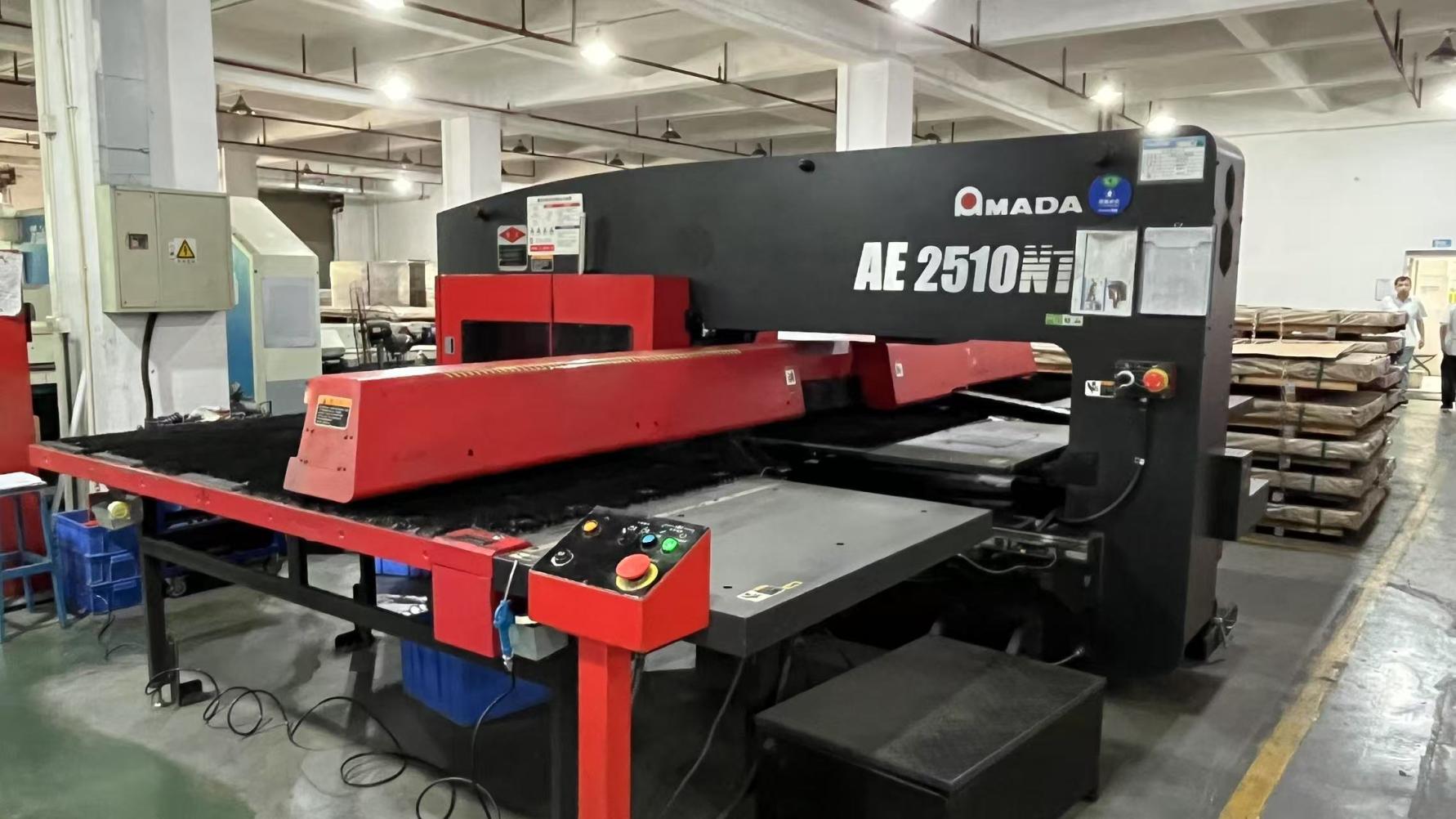
Behind the scenes of our 45-person QC inspection protocols, designed to ensure enterprise reliability.
A server is only as reliable as its weakest joint or component. Because AI clusters operate continuously under high compute loads, a single failing board component can cause cascading system failures. ZhiCloud AI uses a multi-stage validation methodology to evaluate every system component, sub-assembly, and completed server unit. This quality control pipeline is managed by a team of 45 dedicated QC engineers using specialized industrial testing equipment.
Key components of our testing process include:
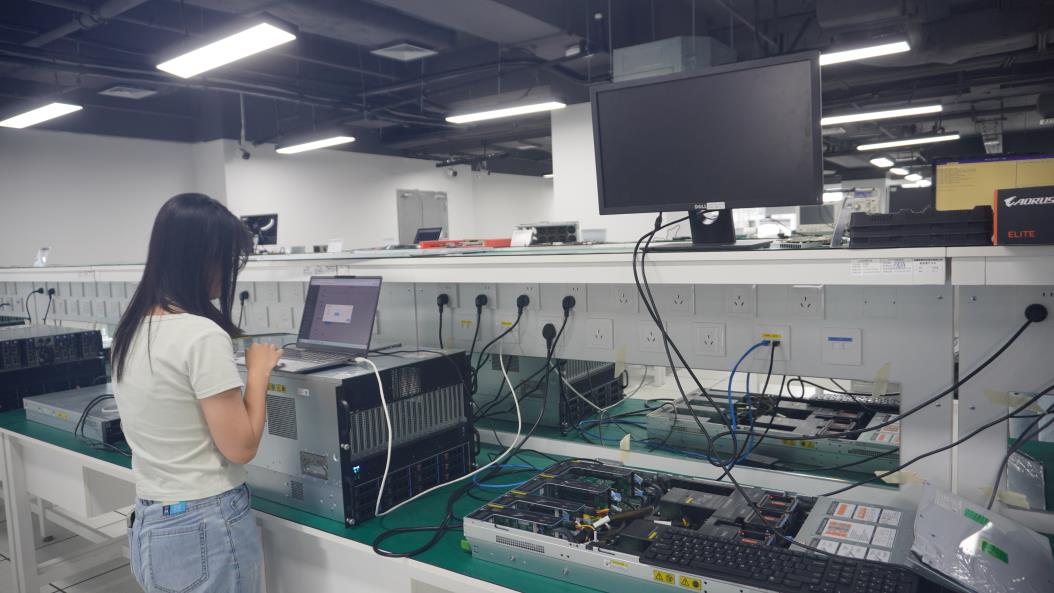
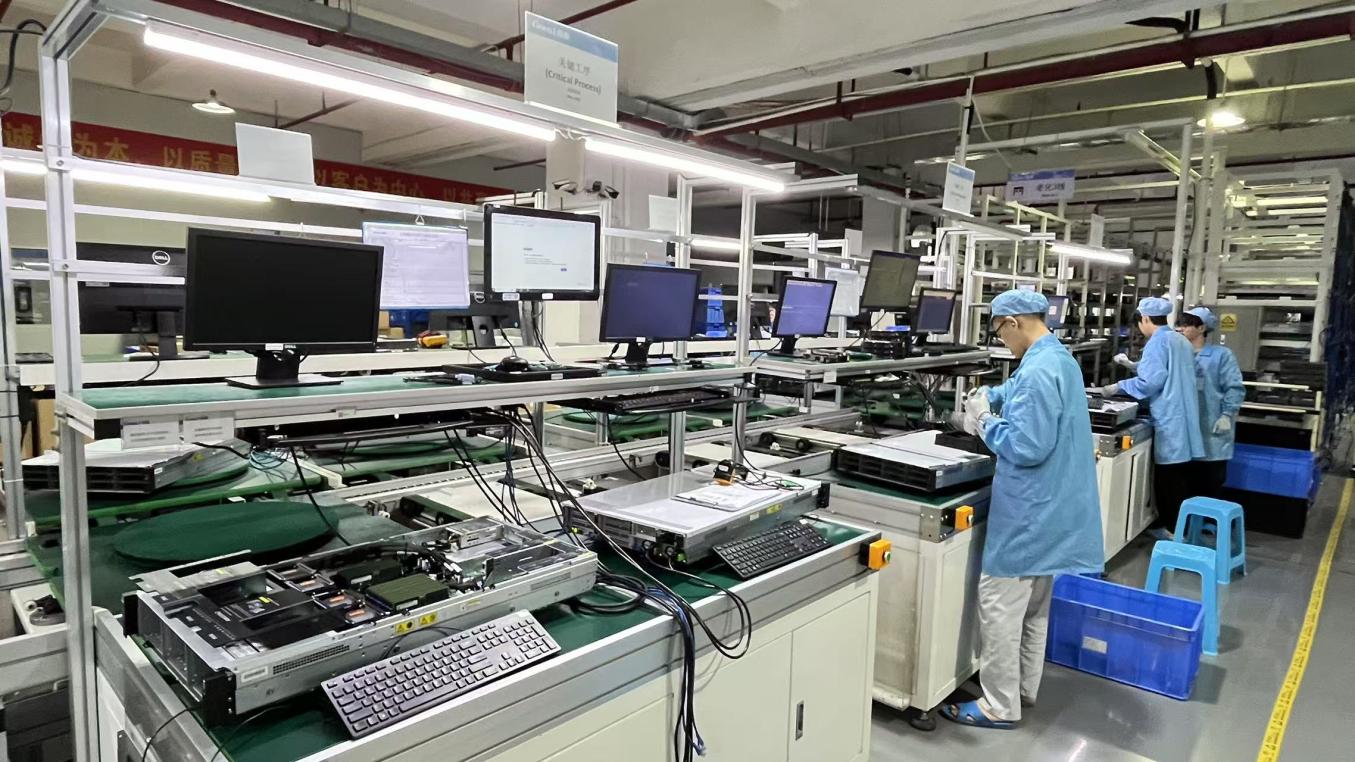
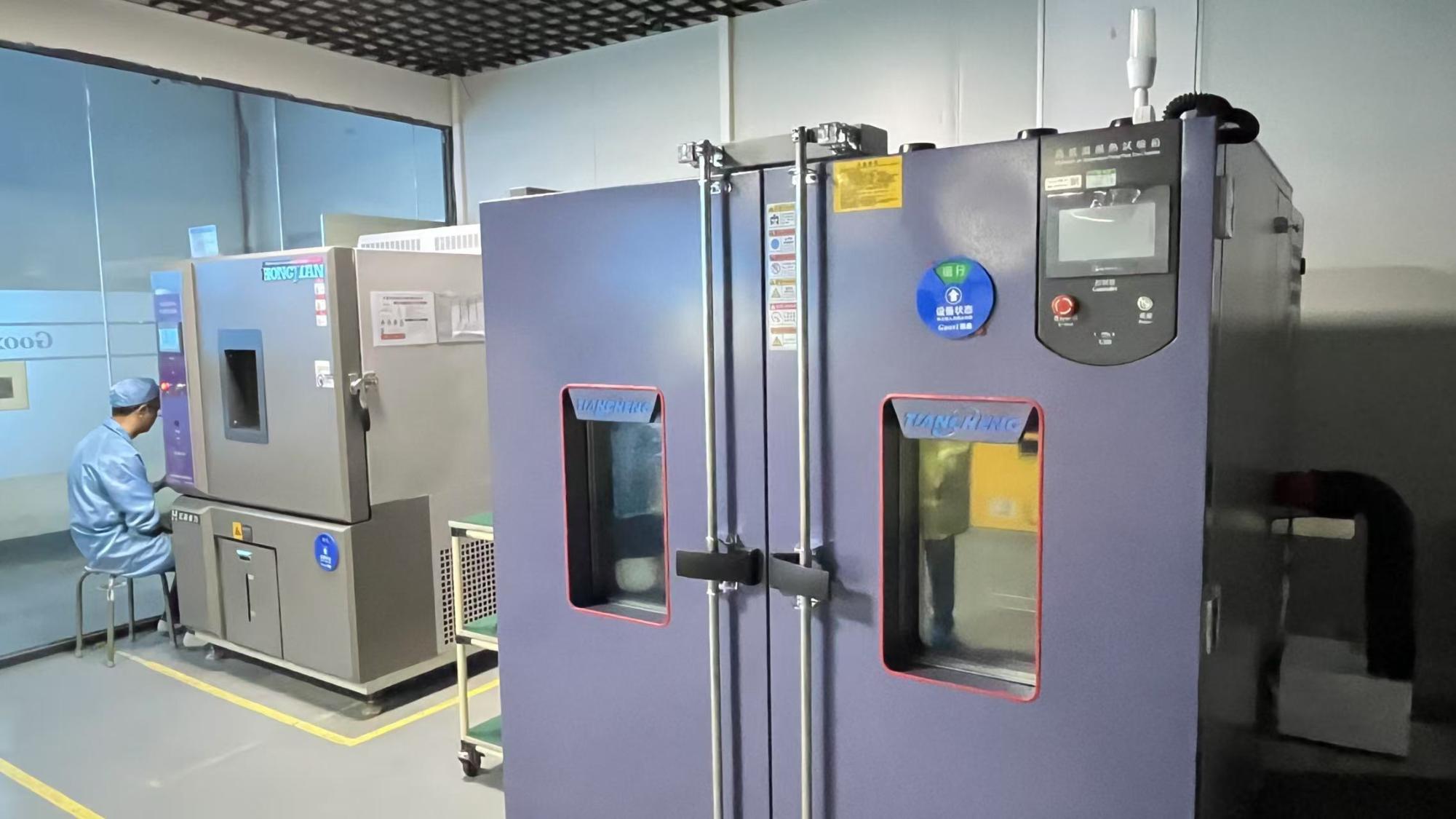
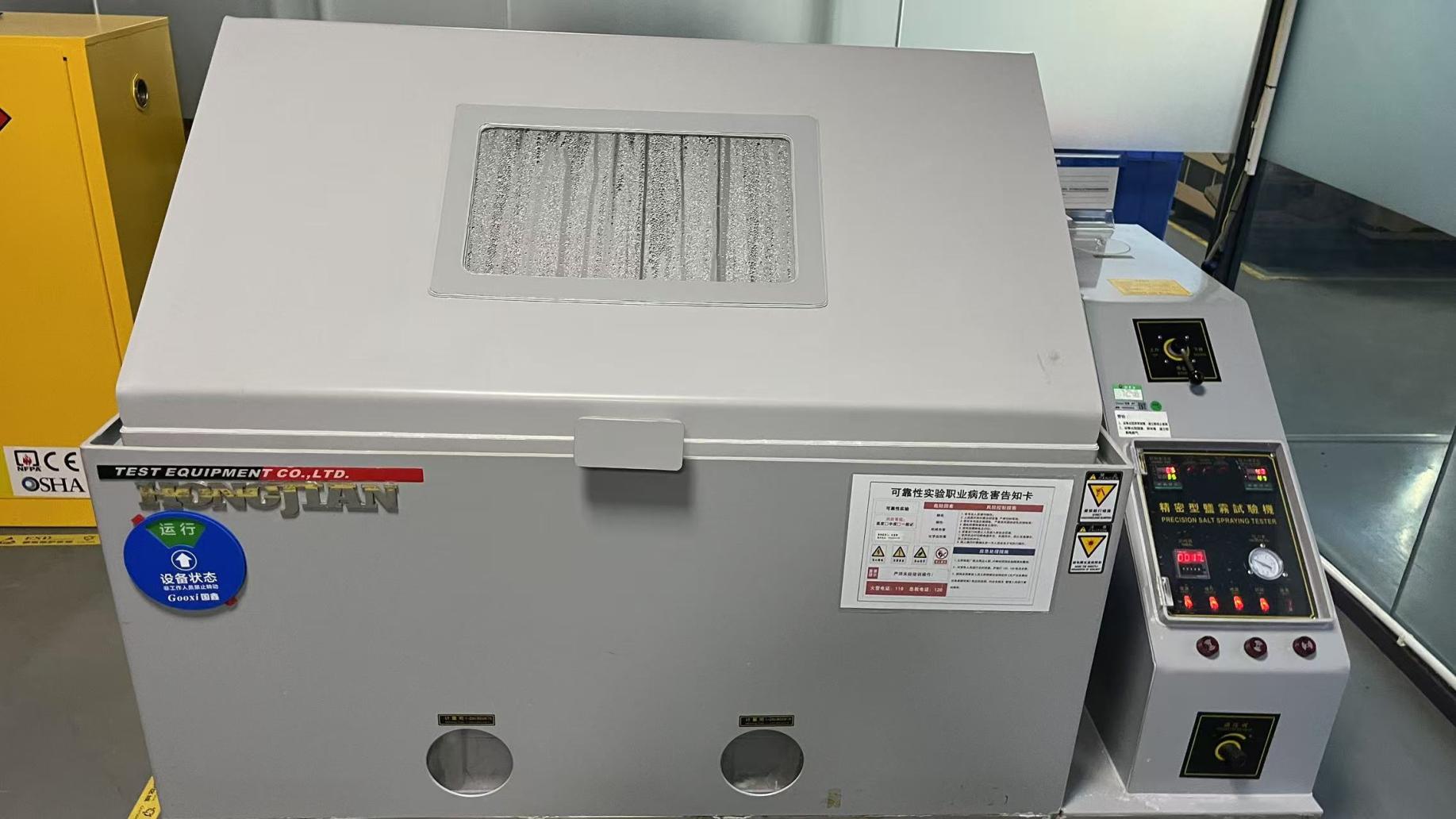
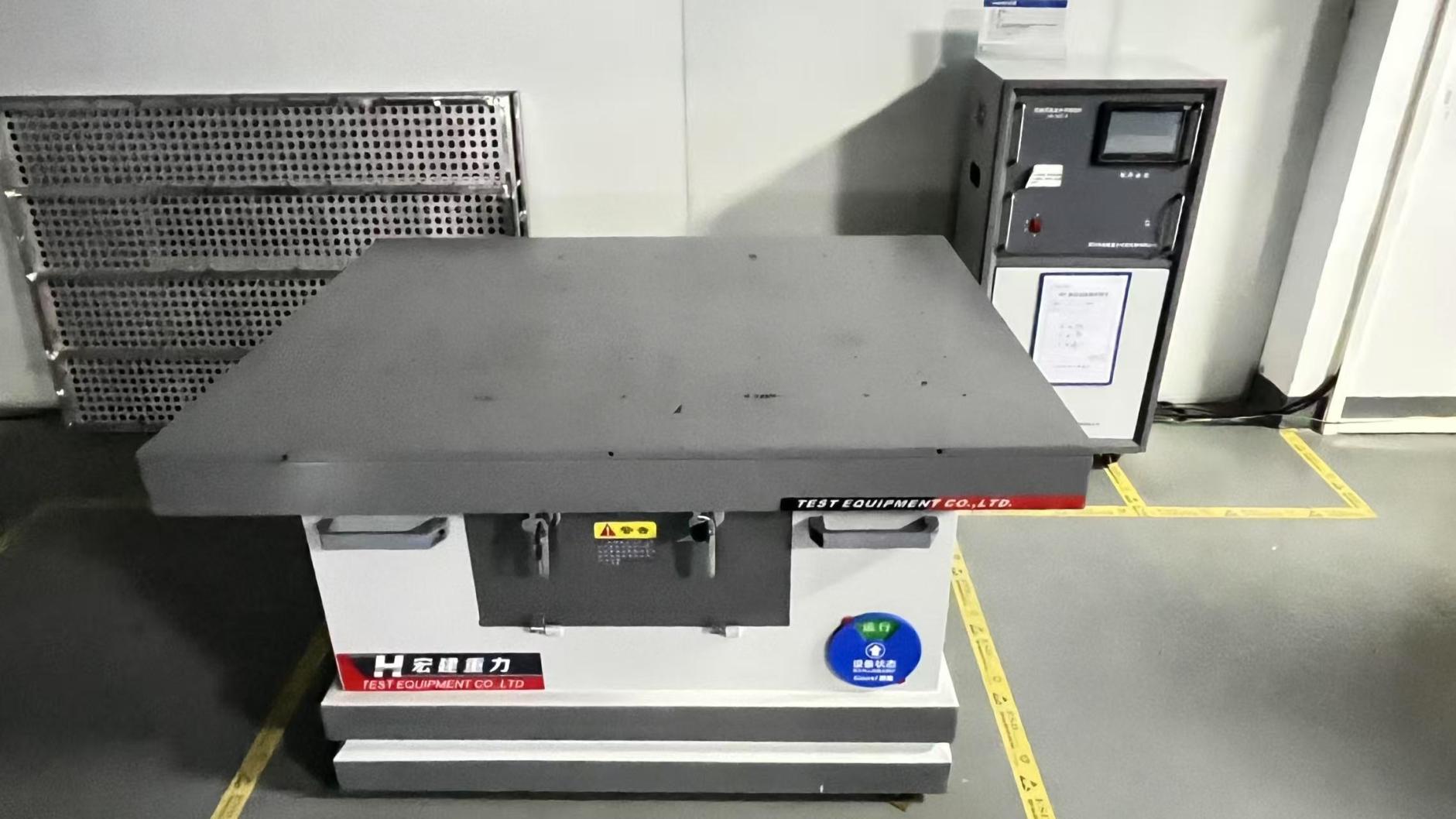
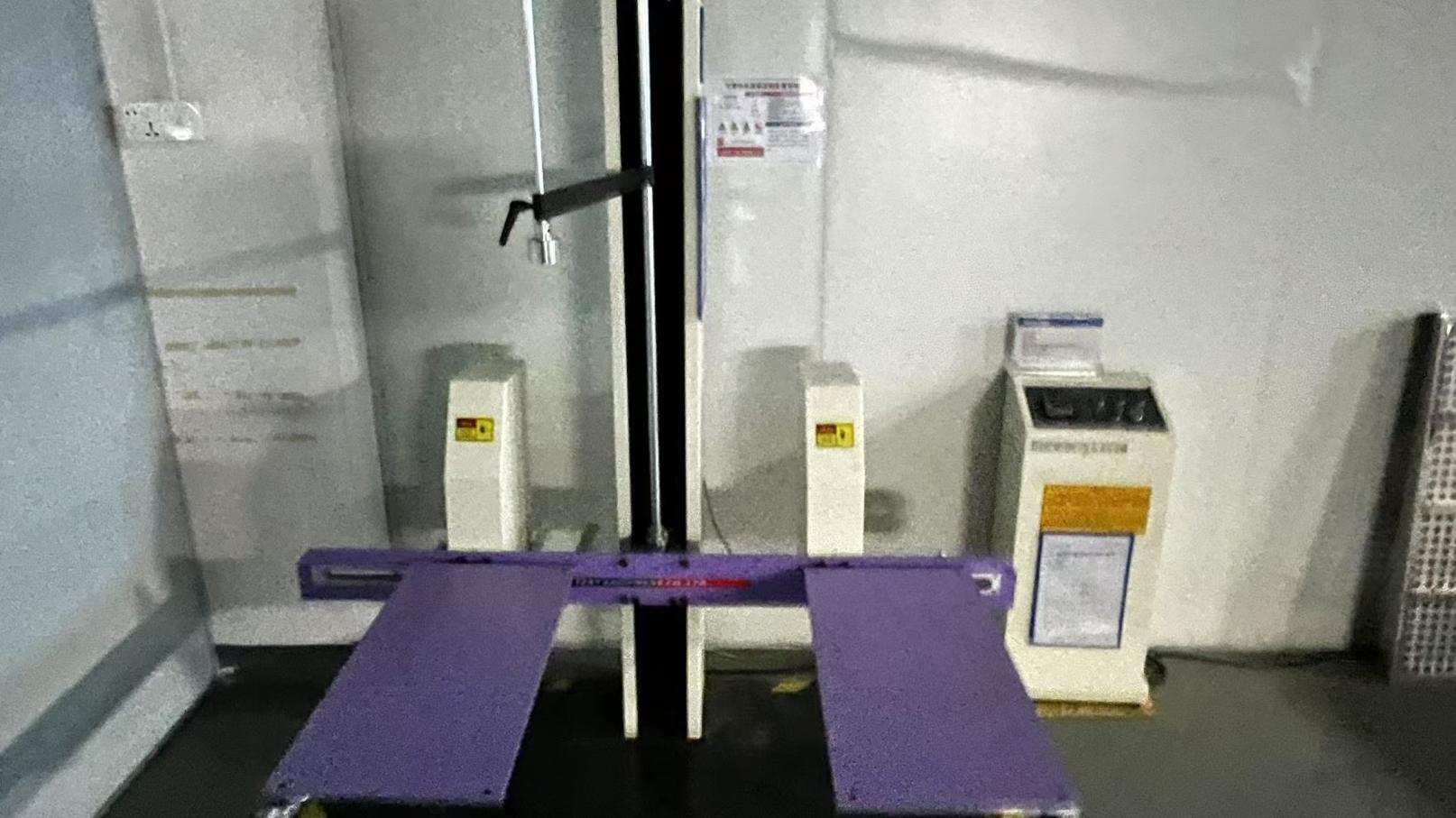
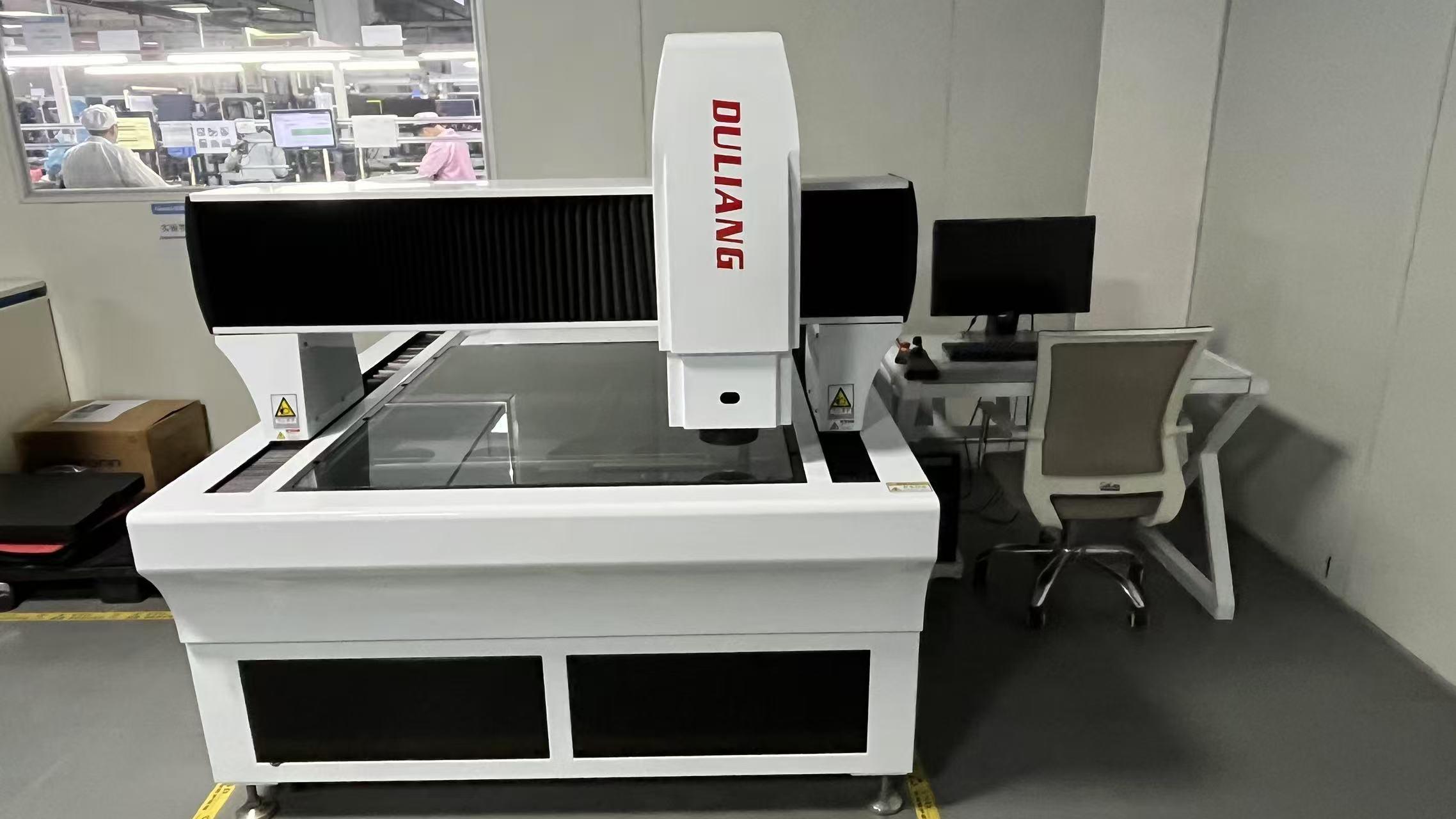
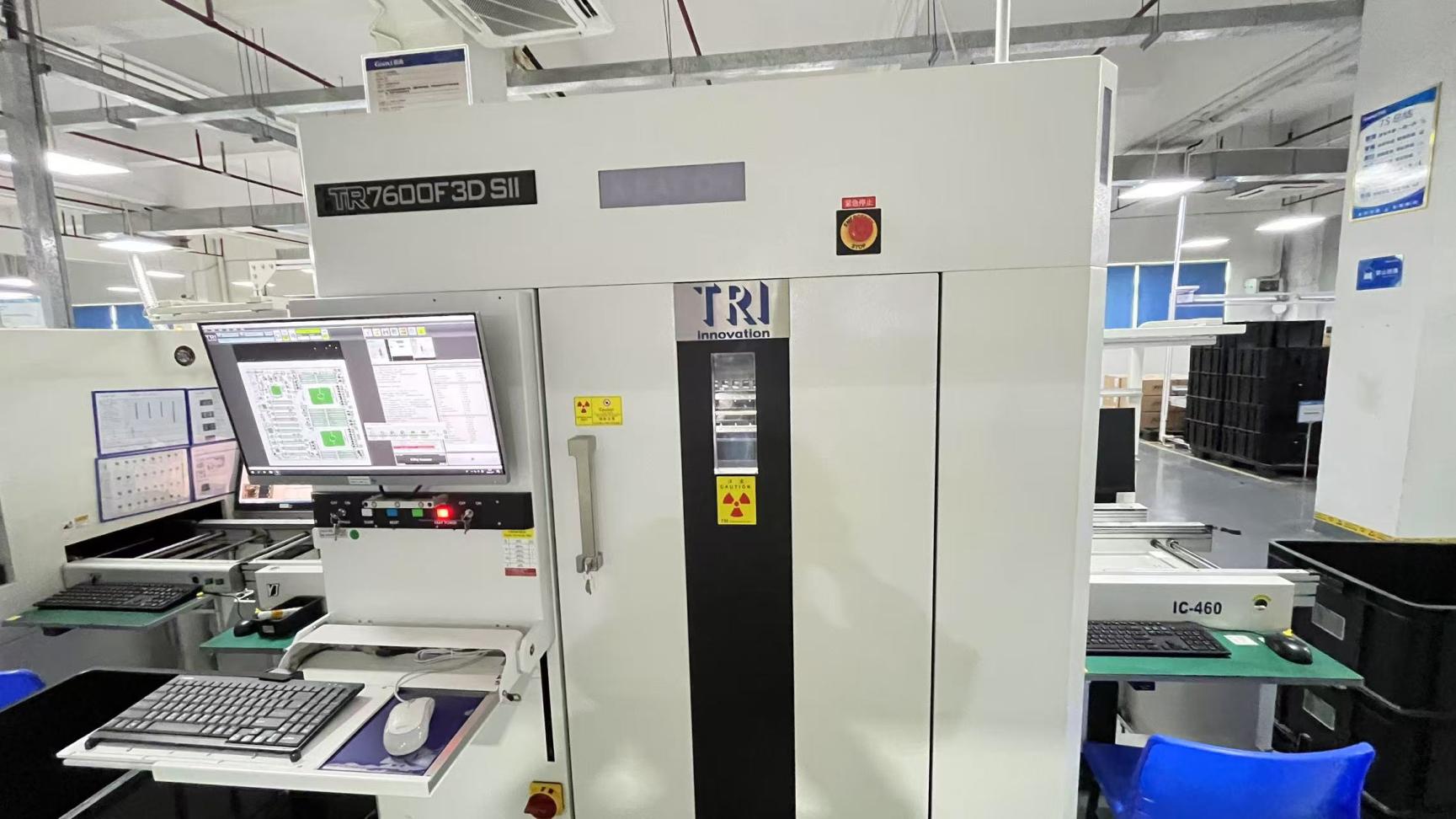
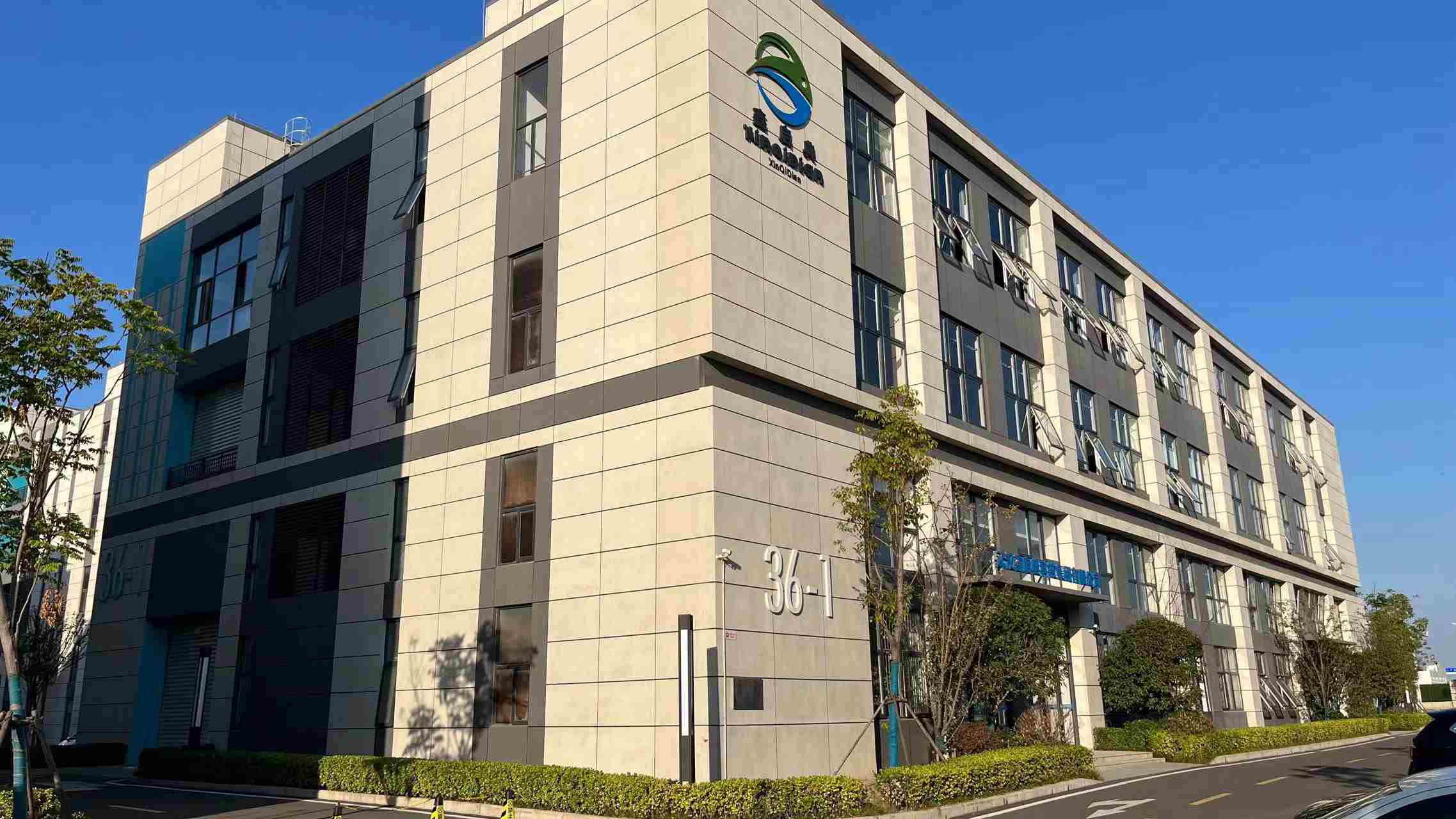
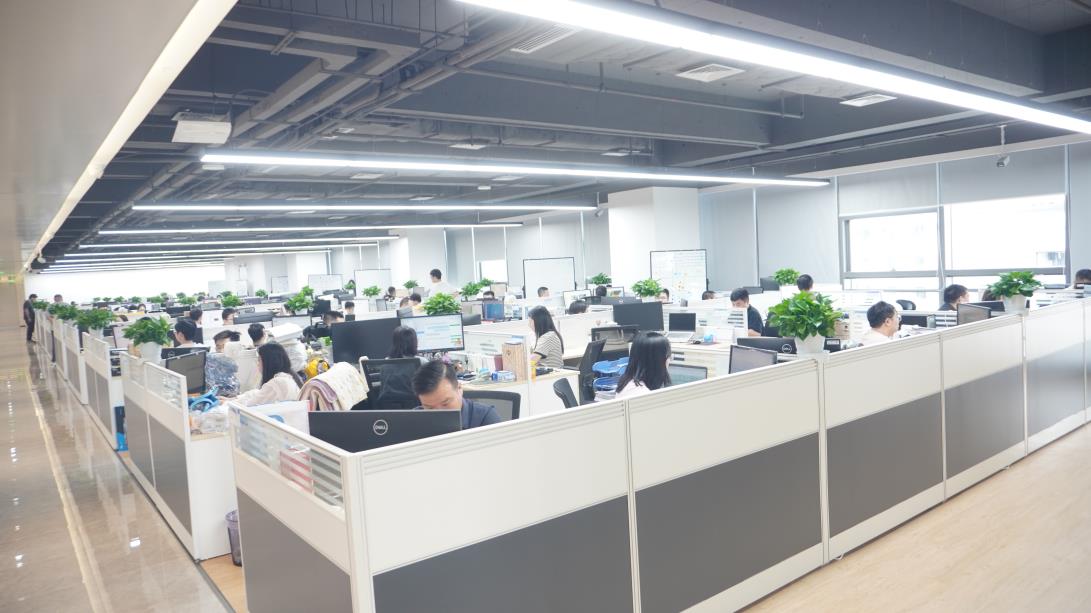
A gallery showcase highlighting our assembly cleanrooms, material processing, storage facilities, and testing environments.
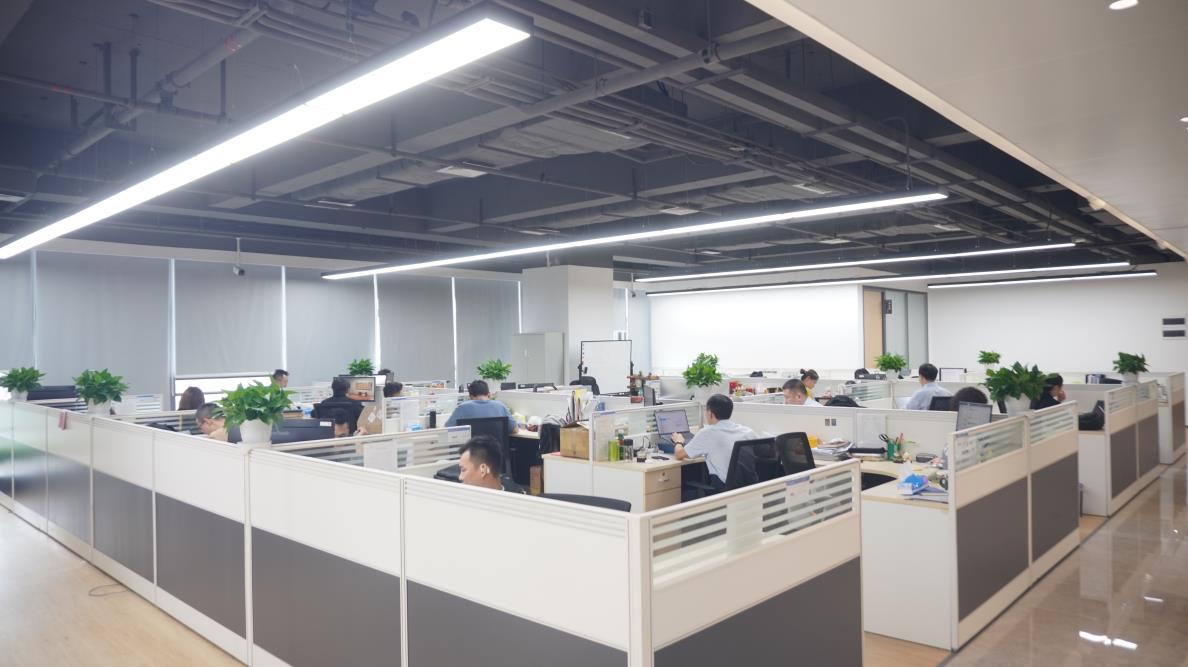
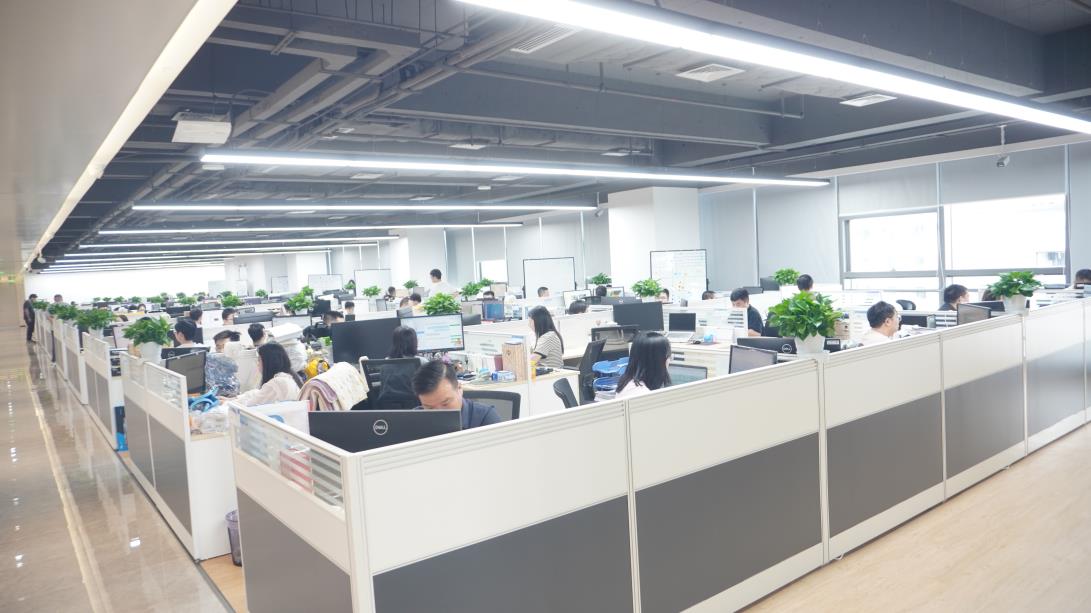
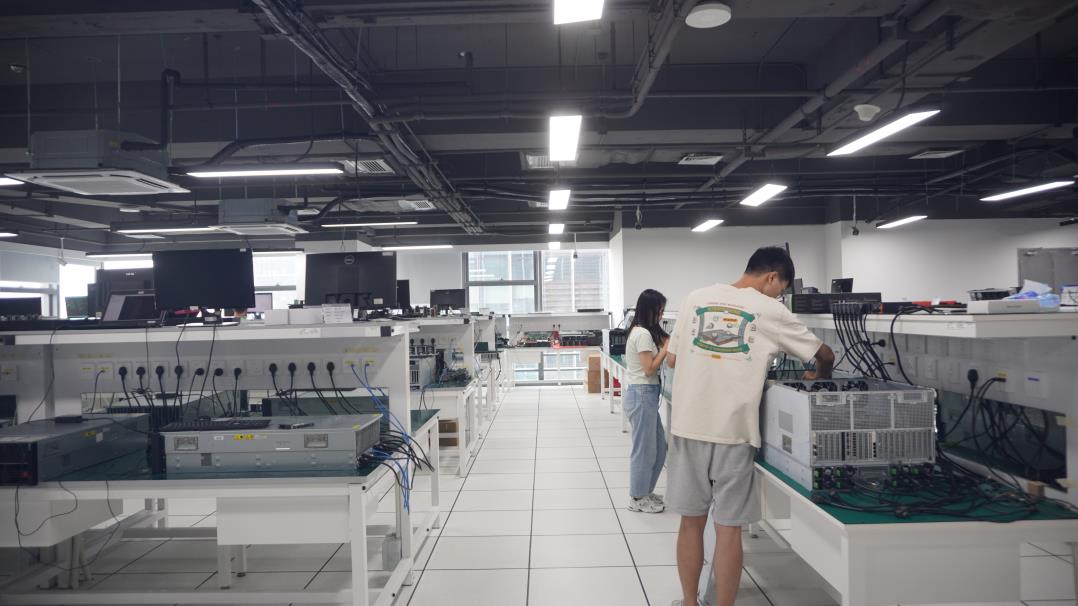
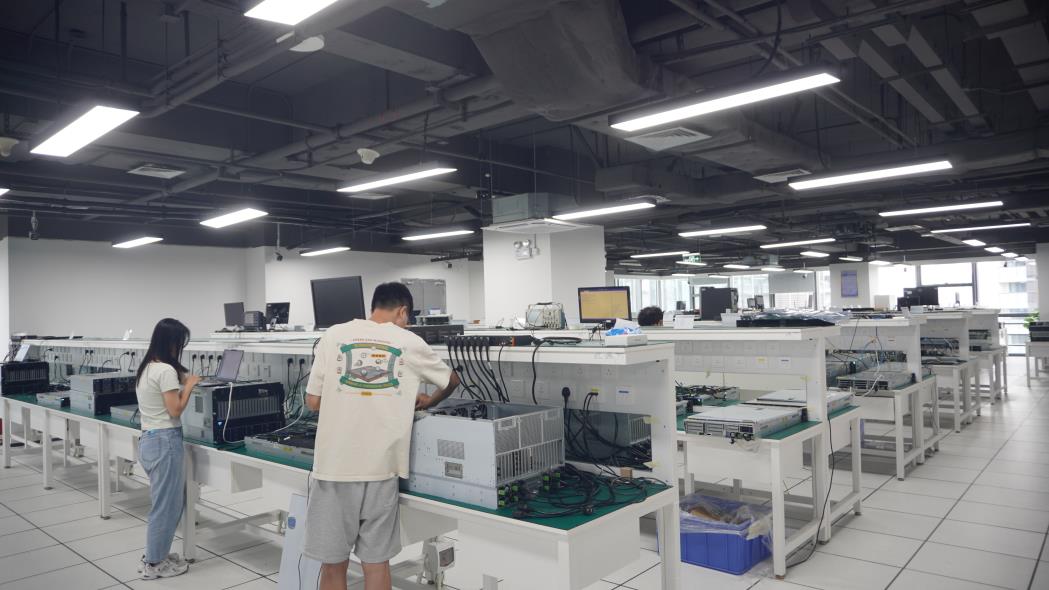

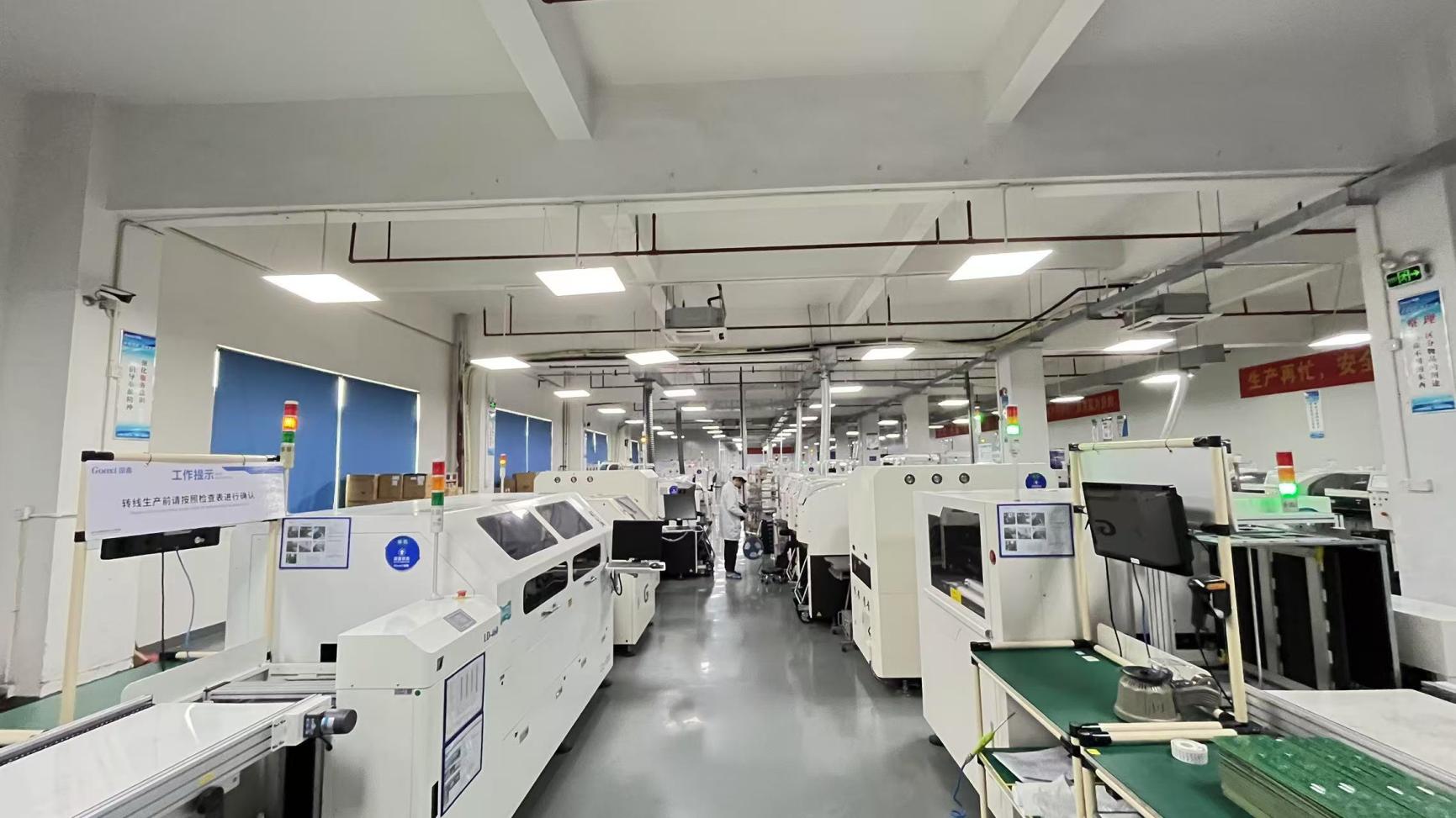
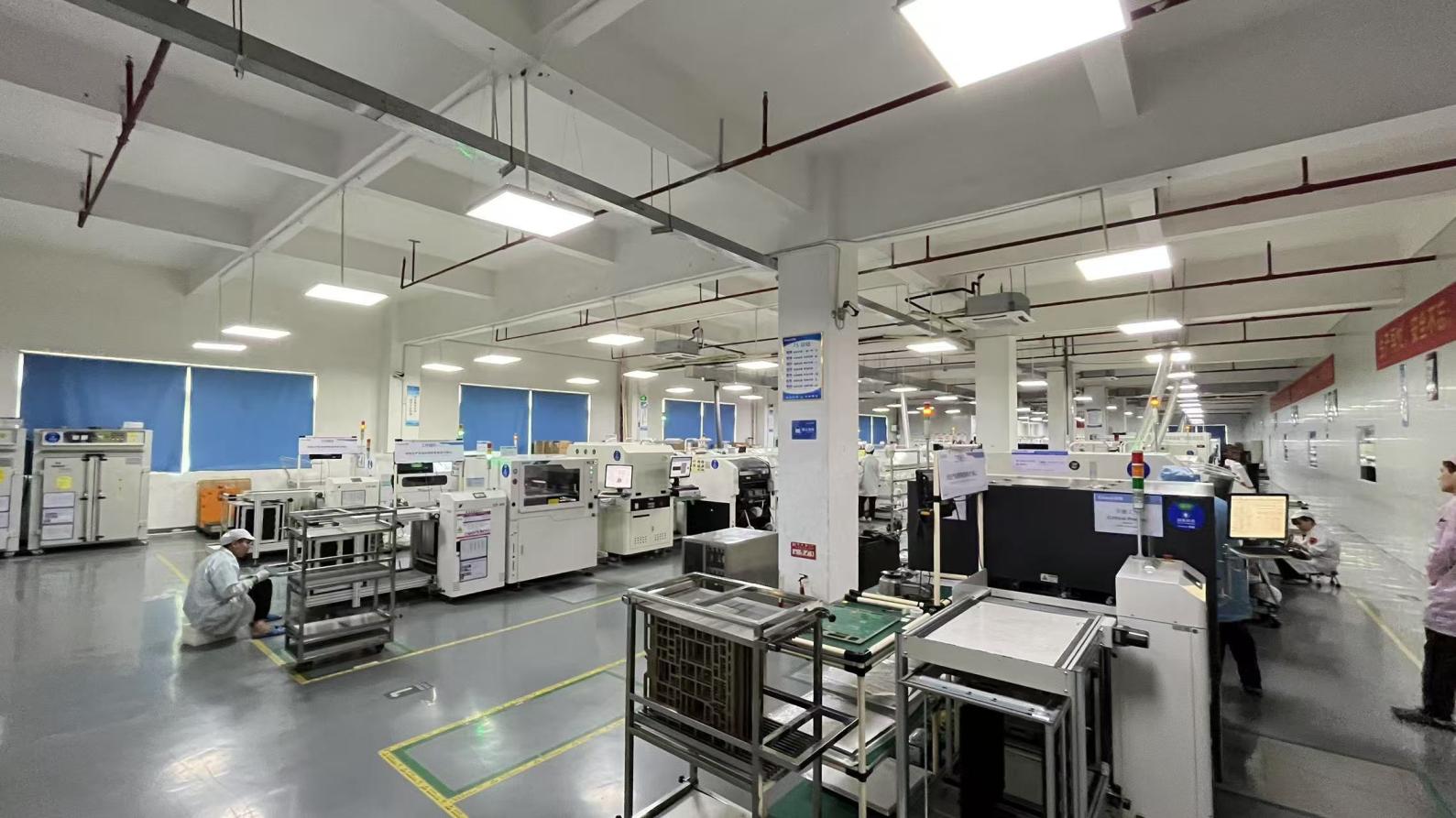
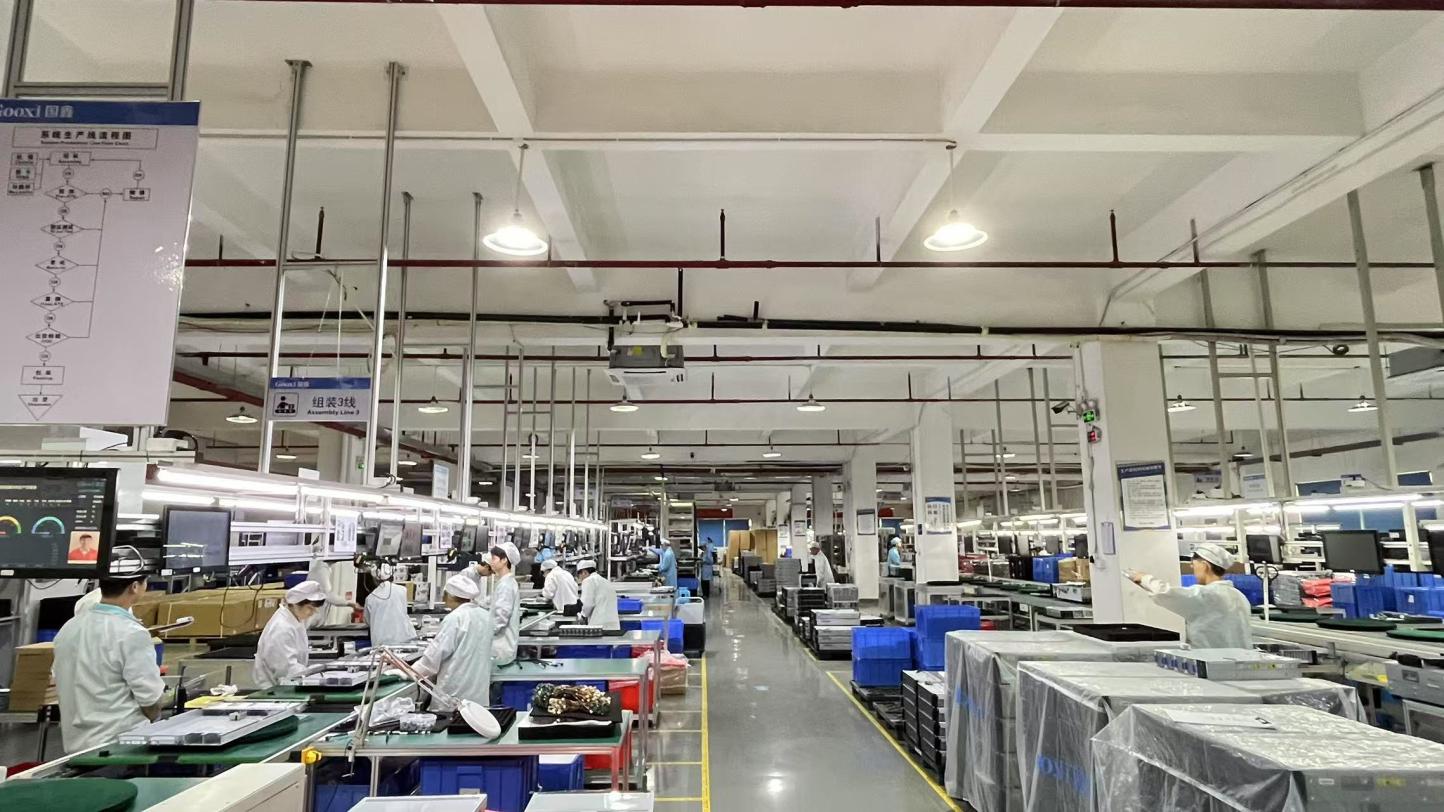
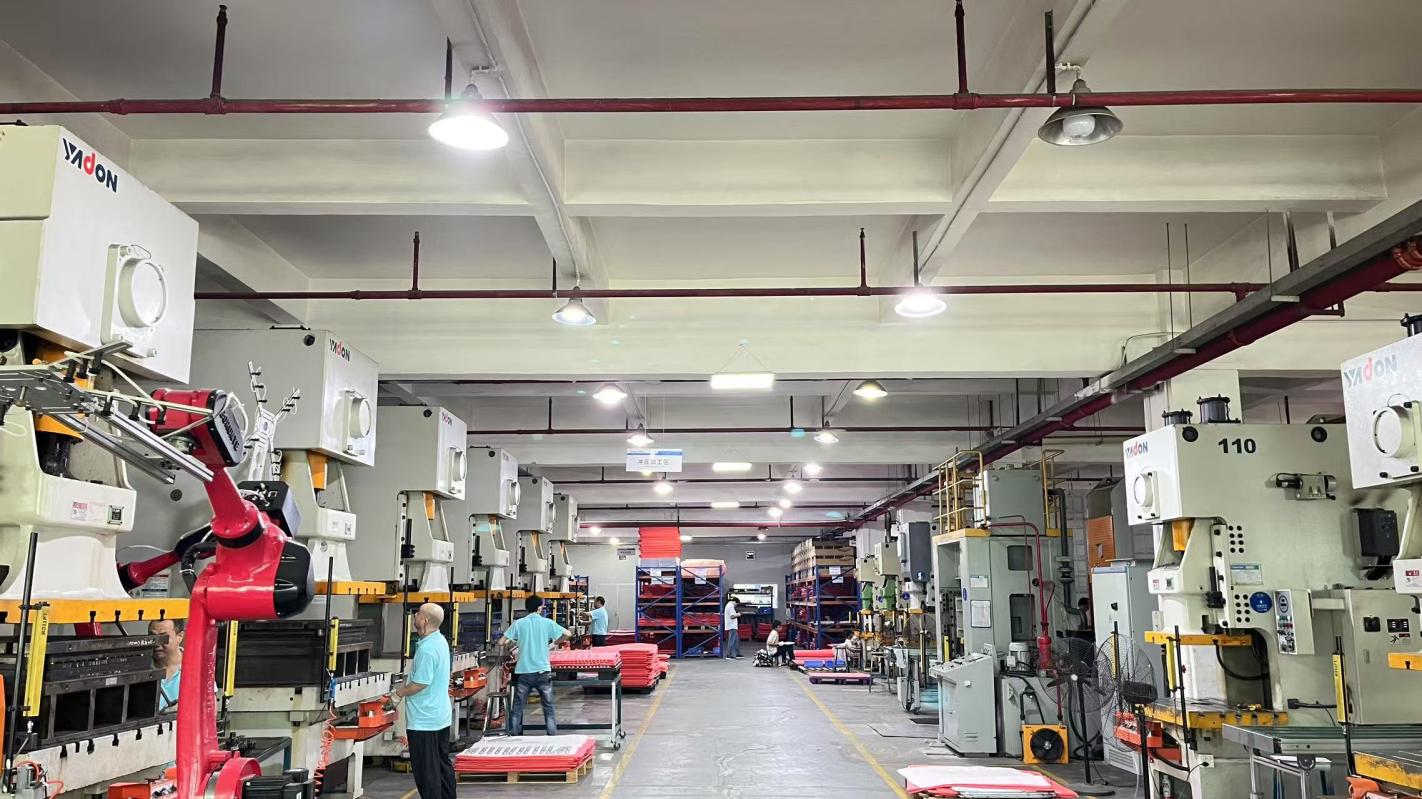
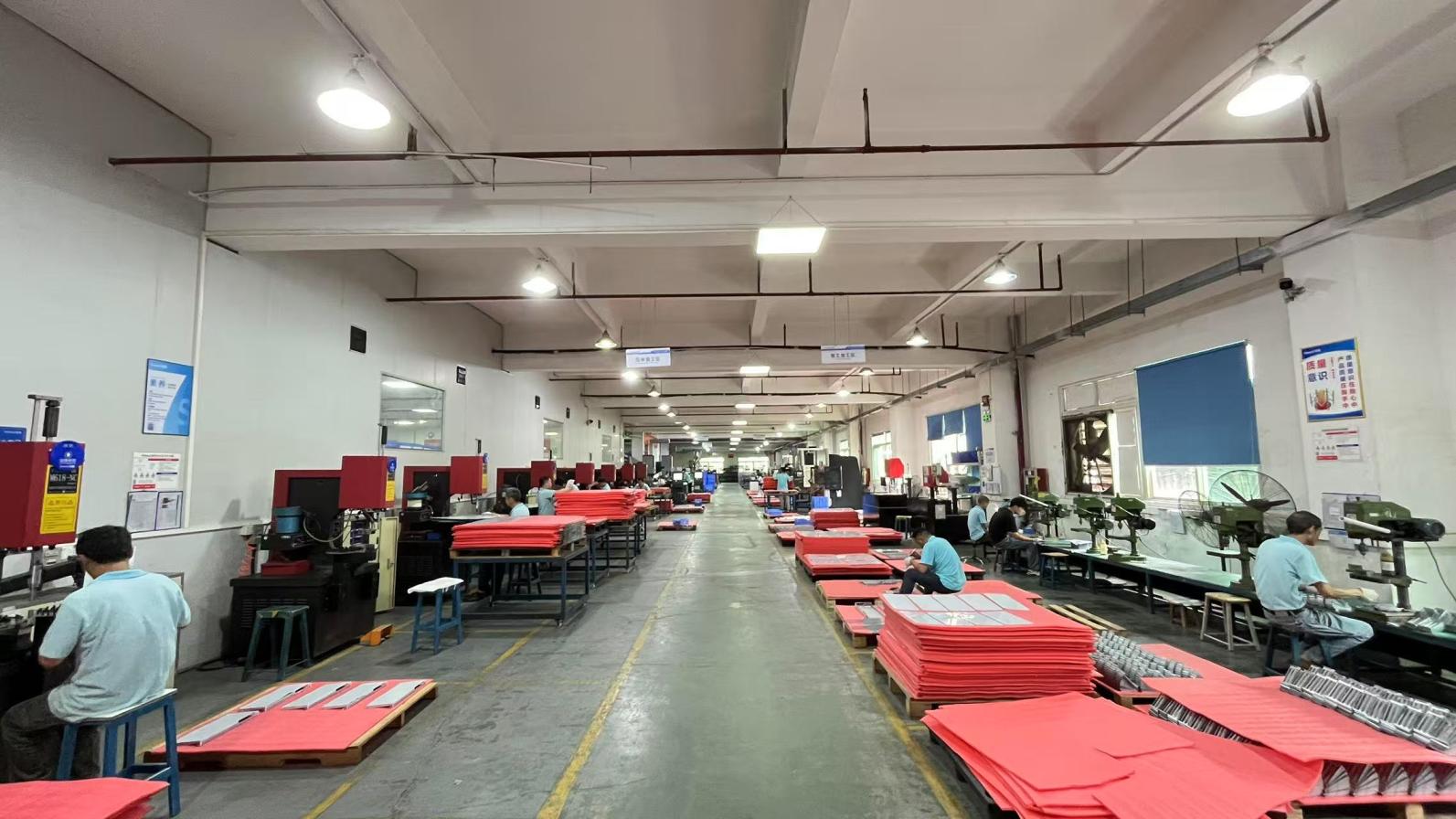
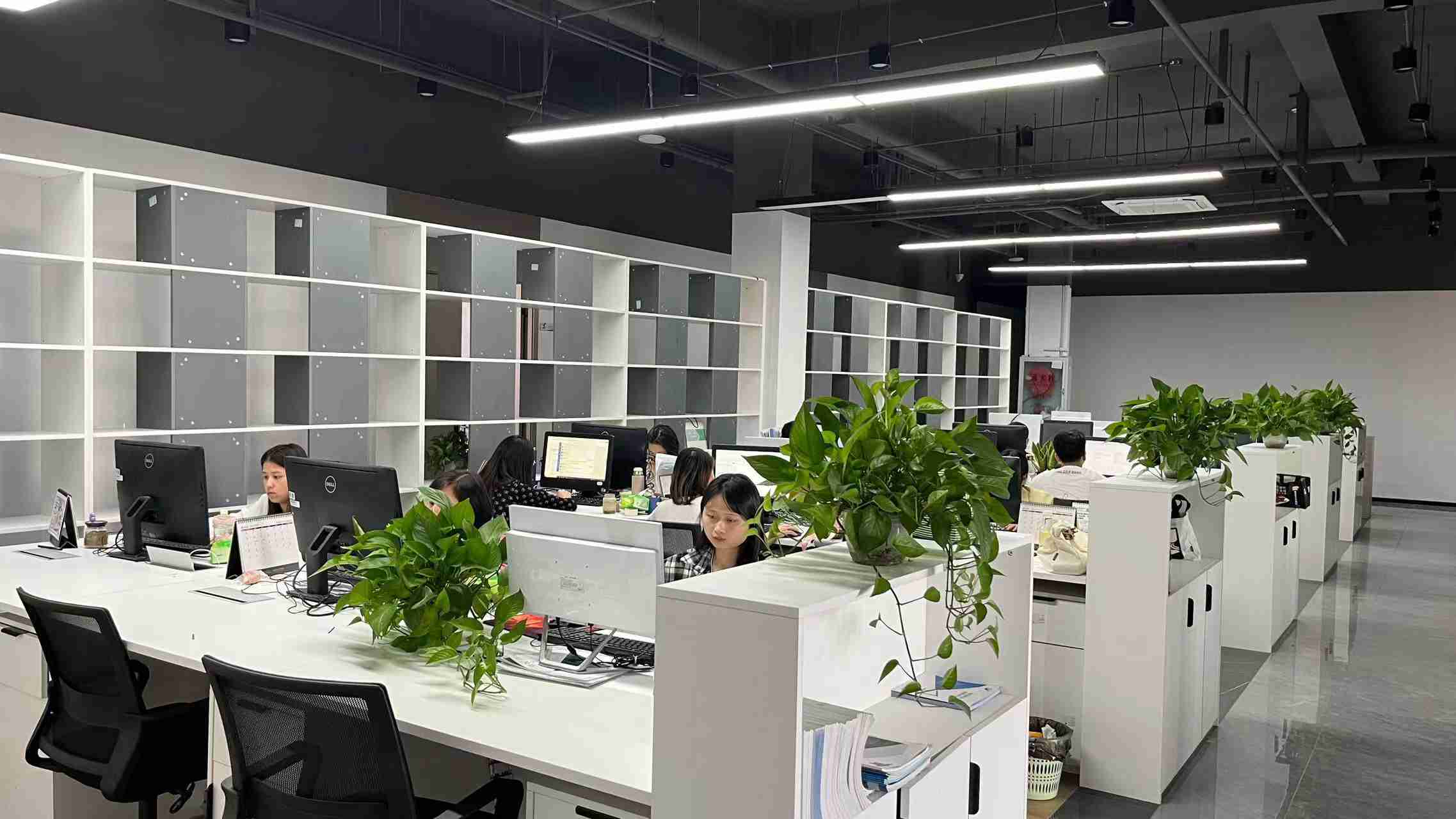
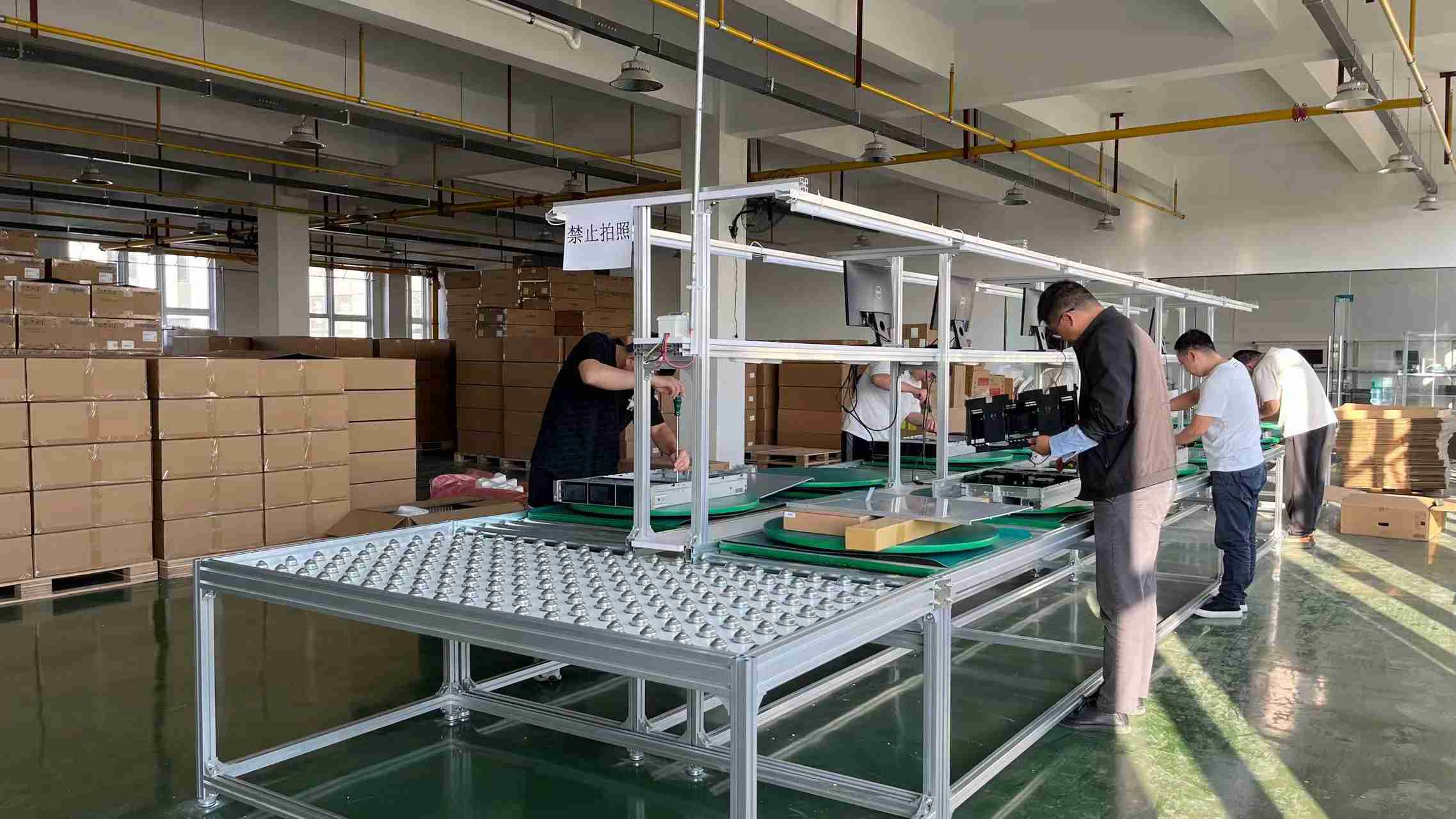
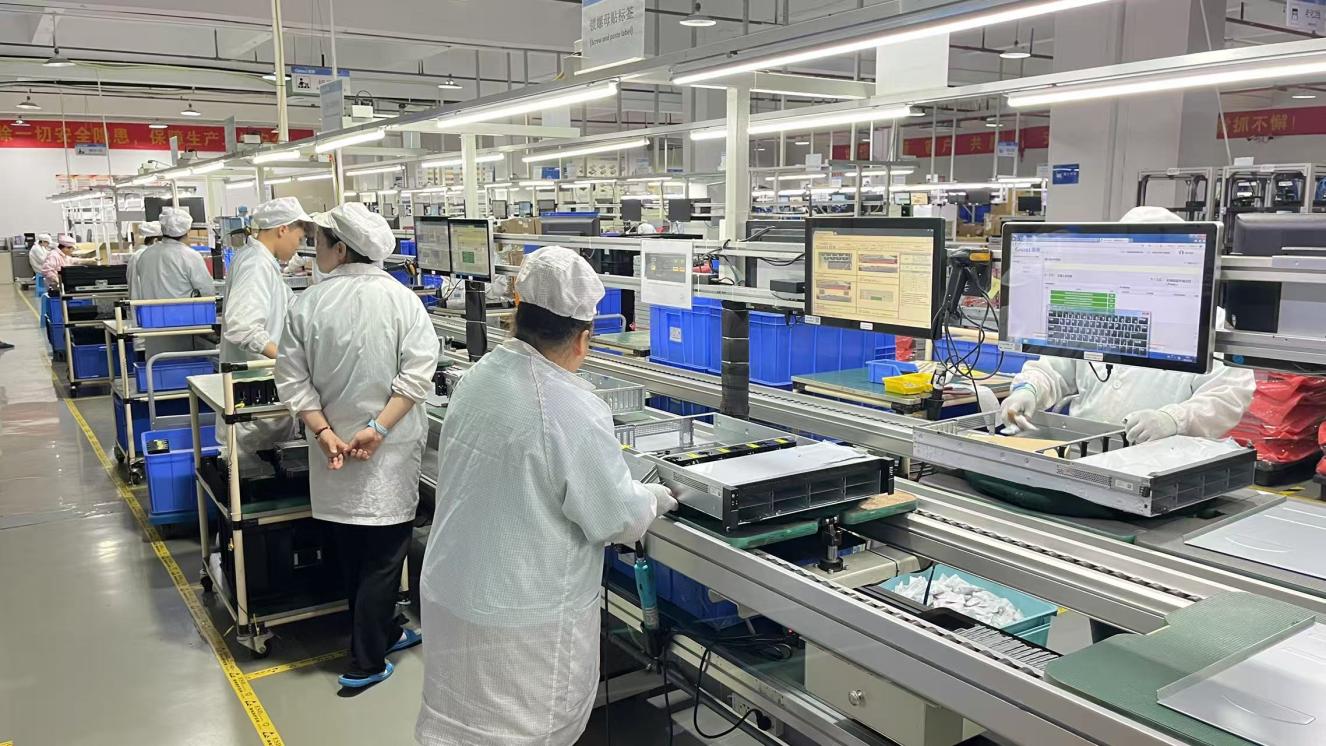
Connecting specialized computational layouts with enterprise workloads across global regions.
Every enterprise data deployment runs on unique software stacks and operating environments. A general-purpose rack server config can lead to compute bottlenecks or underutilized components, reducing overall efficiency. ZhiCloud AI offers hardware OEM customization services to resolve this. We configure and optimize server systems specifically to align with target software environments, workload properties, and thermal requirements.
Our customization framework covers:
These customized platforms are deployed in diverse environments, including high-frequency trading networks in North America, high-density AI research nodes in European research institutions, and distributed edge computing systems in Southeast Asia and the Middle East.
Direct technical answers to help purchasing directors make informed decisions about complex system integration.
Our engineering teams test hardware layouts prior to physical assembly using advanced system simulation. We verify PCIe lane distribution across CPUs, signal integrity on riser cards, and power delivery limits. Following assembly, all servers undergo diagnostic testing to confirm hardware compatibility under high workloads.
We supply standard fan arrays with variable-speed PWM controllers, custom high-volume copper heatsinks, and direct-to-chip liquid-cooling blocks. For high-density GPU nodes, we customize internal airflow pathways, install high-static-pressure fans, and configure BIOS thermal profiles to prevent throttling under load.
We secure finished server components in thick, multi-layer foam packaging and heavy-duty, moisture-sealed shipping crates. Every outbound shipment is packed to survive transit, with drop indicators and tilt sensors included to verify handling quality during transport.
Standard custom configurations are completed within 2 to 4 weeks, depending on component availability and customization requirements. Because we maintain strong partnerships with over 1,200 strategic suppliers, we source hard-to-find components like specific Xeon chips and high-capacity SAS/SATA RAID cards faster than average integrators.
Yes, our systems include Baseboard Management Controllers (BMCs) that support IPMI 2.0, Web GUI management, and RESTful Redfish APIs. This compatibility allows IT managers to monitor server health, update firmware, and manage power controls remotely from their existing administration dashboards.
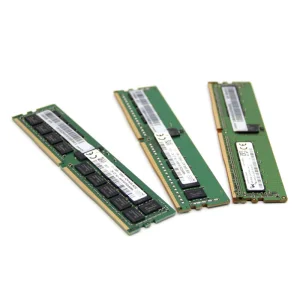
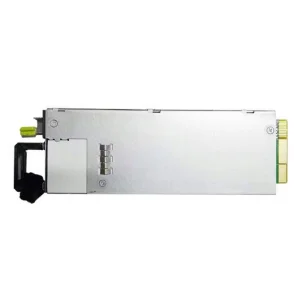
Complementary hardware solutions, including high-capacity storage controllers, server power modules, and fiber channel interface cards.