ZhiCloud AI
ZhiCloud AI
ZhiCloud AI
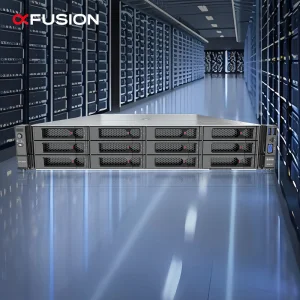
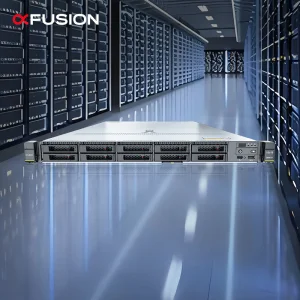
Deploying powerful 1U and 2U rack server systems configured for high thermal efficiency and peak processing performance.
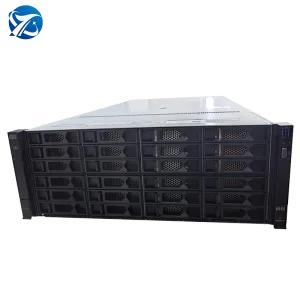
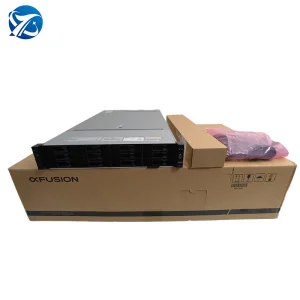
The Kingdom of Saudi Arabia, through its ambitious Vision 2030 program, is executing one of the most rapid digital transformations globally. As the geographical and economic heart of the country, Riyadh is transforming into a world-class smart metropolis and a focal point for regional cloud hosting, high-performance computing (HPC), and artificial intelligence deployments. Major investments in smart city infrastructure (such as NEOM, Red Sea Project, and Qiddiya) require massive, decentralized data processing capacities.
To fulfill the demands of these massive projects, local datacenters require hardware that represents the absolute pinnacle of efficiency, durability, and computational output. The deployment of V7 Rack Servers in the Riyadh market has become crucial. Standard IT hardware often struggles to maintain stability under the region's elevated ambient temperatures, making optimized thermal design, redundant cooling paths, and highly efficient energy management absolute necessities.
By collaborating with specialized manufacturing factories in China, Middle Eastern enterprises can acquire highly customized server architectures that directly address these local environmental and computing requirements, ensuring reliable operation for mission-critical digital pipelines.
V7 servers utilize intelligent thermal sensor arrays and dynamically adjusted high-airflow fan assemblies to operate flawlessly in ambient temperatures exceeding 35°C in data facility corridors.
Fully certified to comply with Saudi Standards, Metrology and Quality Organization (SASO) requirements and CITC telecommunication regulations, simplifying import procedures and customs clearance.
Partnering with regional systems integrators in Riyadh to offer on-site spare part replacement, deployment verification, and immediate localized technical maintenance.
An in-depth look at how next-generation V7 servers are designed to maximize throughput, minimize latency, and provide robust computing architectures for enterprise workloads.
The V7 rack platform incorporates dual-socket Intel Xeon Scalable processors (Gen 4/5) or AMD EPYC architectures, offering up to 128 cores per server. Utilizing PCIe 5.0 high-speed buses, the systems deliver twice the bandwidth of previous generations, enabling ultra-fast interconnectivity between CPUs, GPU accelerators, and network controller modules.
Specifically configured with massive RAM capacities (up to 256GB and above) and high-bandwidth GPU nodes, our V7 architectures are optimized to host large-scale open-source and proprietary models like DeepSeek. The systems drastically reduce matrix multiplication bottlenecks, optimizing inference performance for localized Arabic language models.
By integrating storage, networking, and virtualization resources onto a single physical box, V7 hyperconverged infrastructure (HCI) nodes drastically reduce structural complexity. With options for NVMe and SSD mixed storage bays, organizations in Riyadh can achieve scalable software-defined storage (SDS) configurations with zero data loss.
For technical decision-makers in Saudi Arabia, procuring V7 servers requires detailed understanding of sub-component resilience. Each server is built with highly robust components, including titanium-grade power supply units (PSUs) achieving up to 96% power conversion efficiency. In a metropolitan area like Riyadh, where high summer temperatures stress external grid infrastructures, reducing energy consumption and waste heat generation inside data centers translates to massive operational cost savings.
Furthermore, the inclusion of remote out-of-band management modules via BMC (Baseboard Management Controller) supporting IPMI 2.0 and Redfish APIs allows local data center teams to monitor hardware status, temperature thresholds, and fan states in real-time, executing system shutdowns or adjustments proactively before failures occur.
Take an interactive tour inside ZhiCloud AI's advanced factory. From raw metal stamping to high-precision SMT assembly and extreme environment burn-in testing, our process ensures military-grade server reliability.
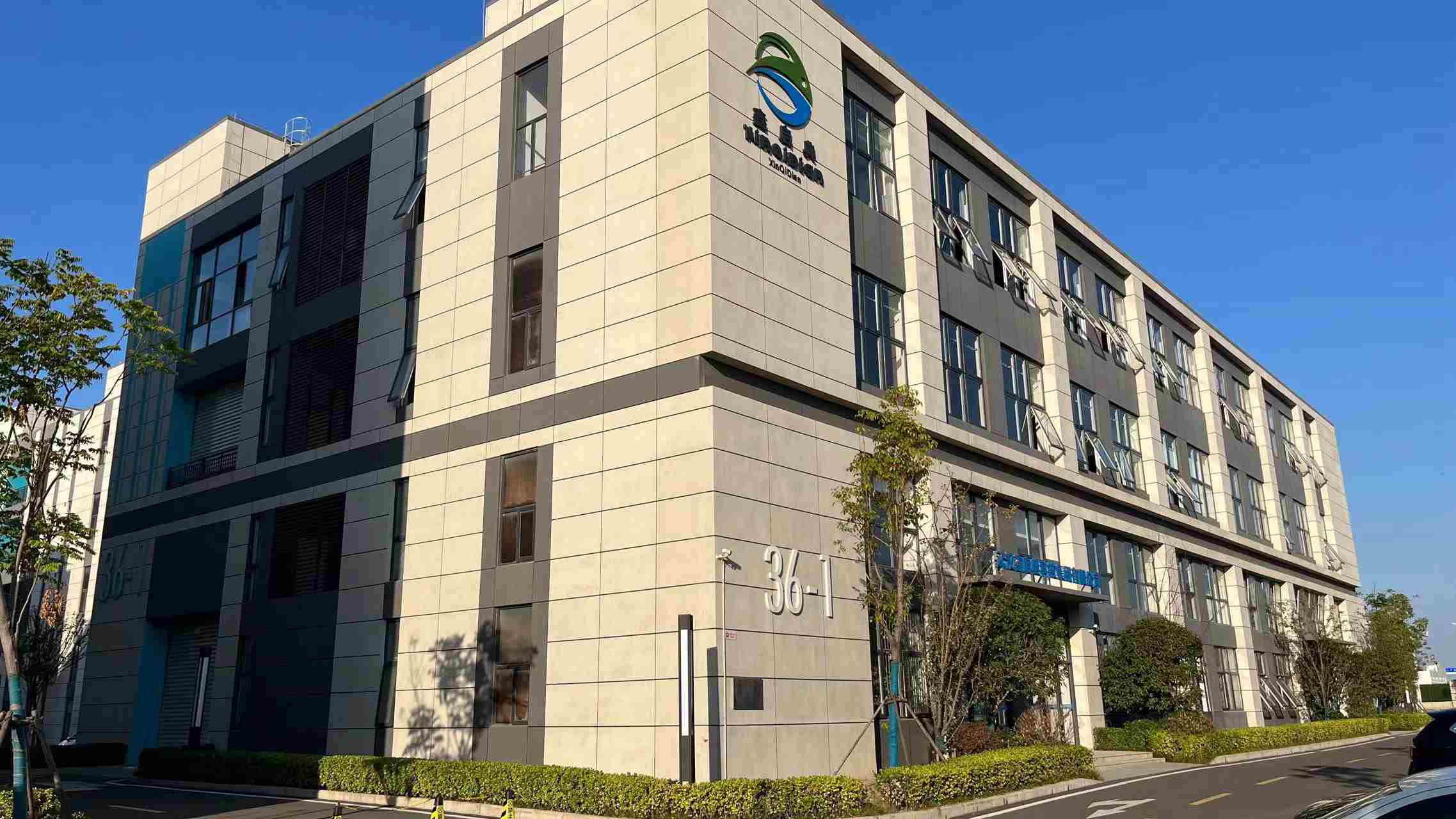
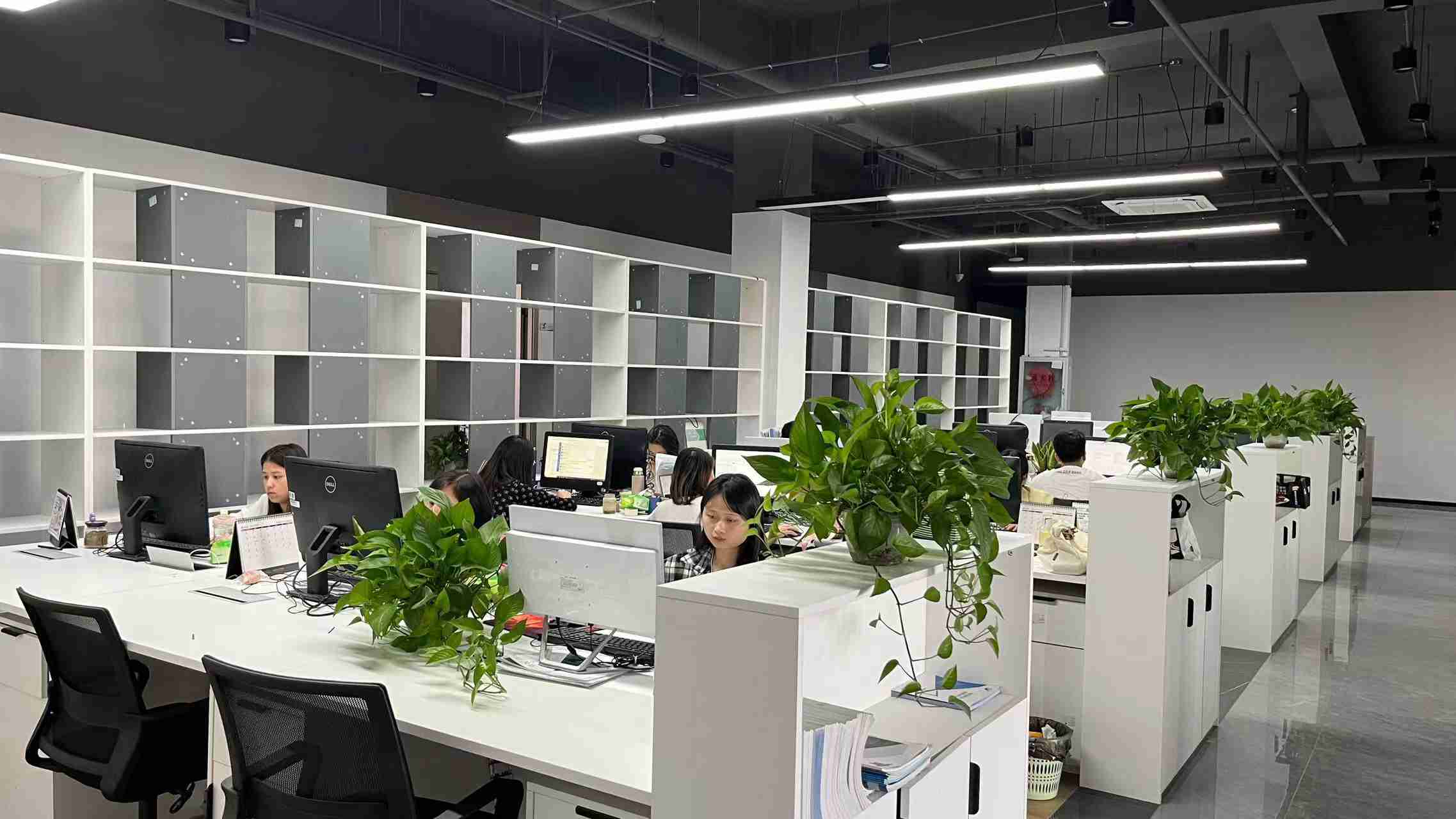
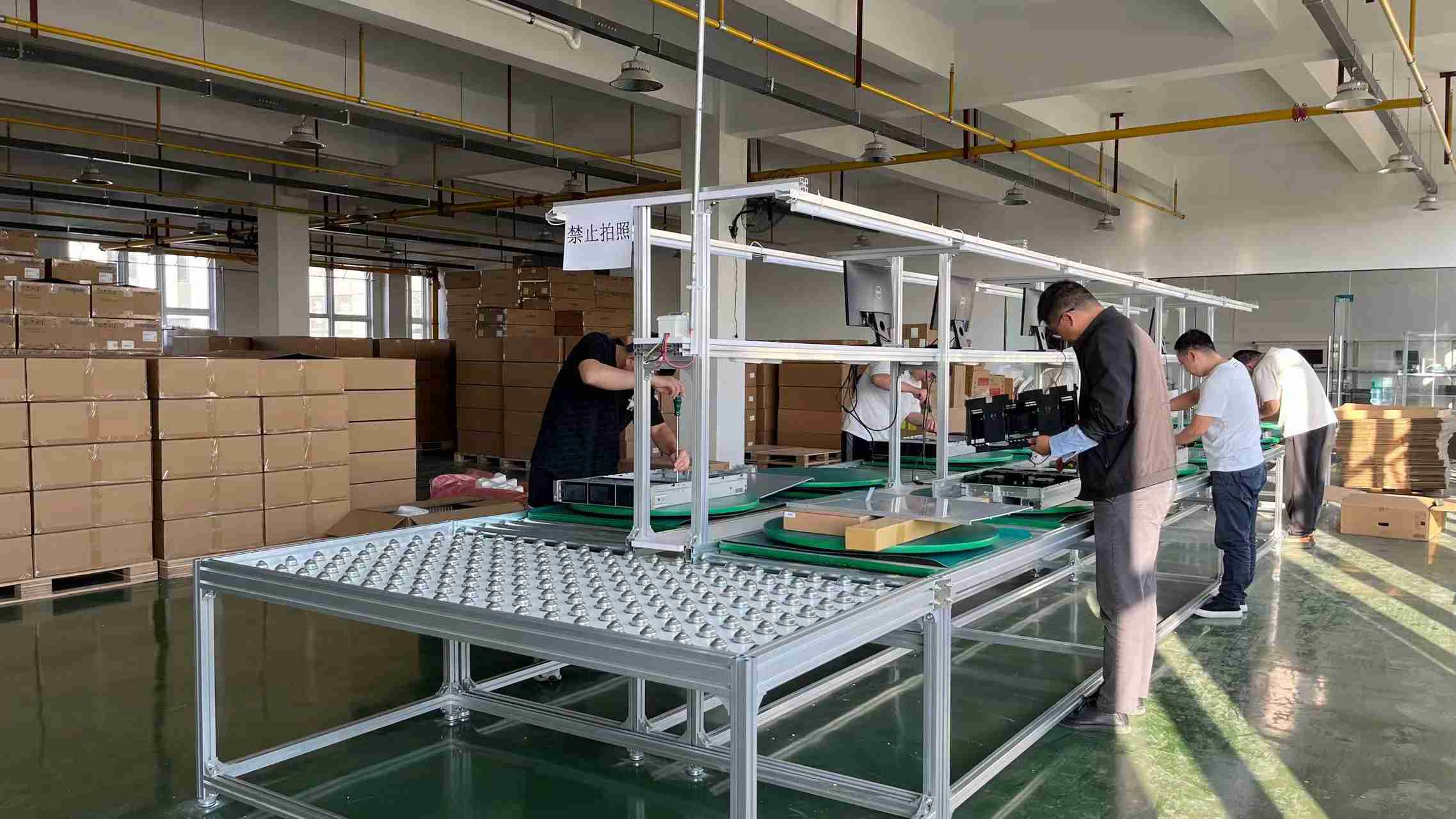
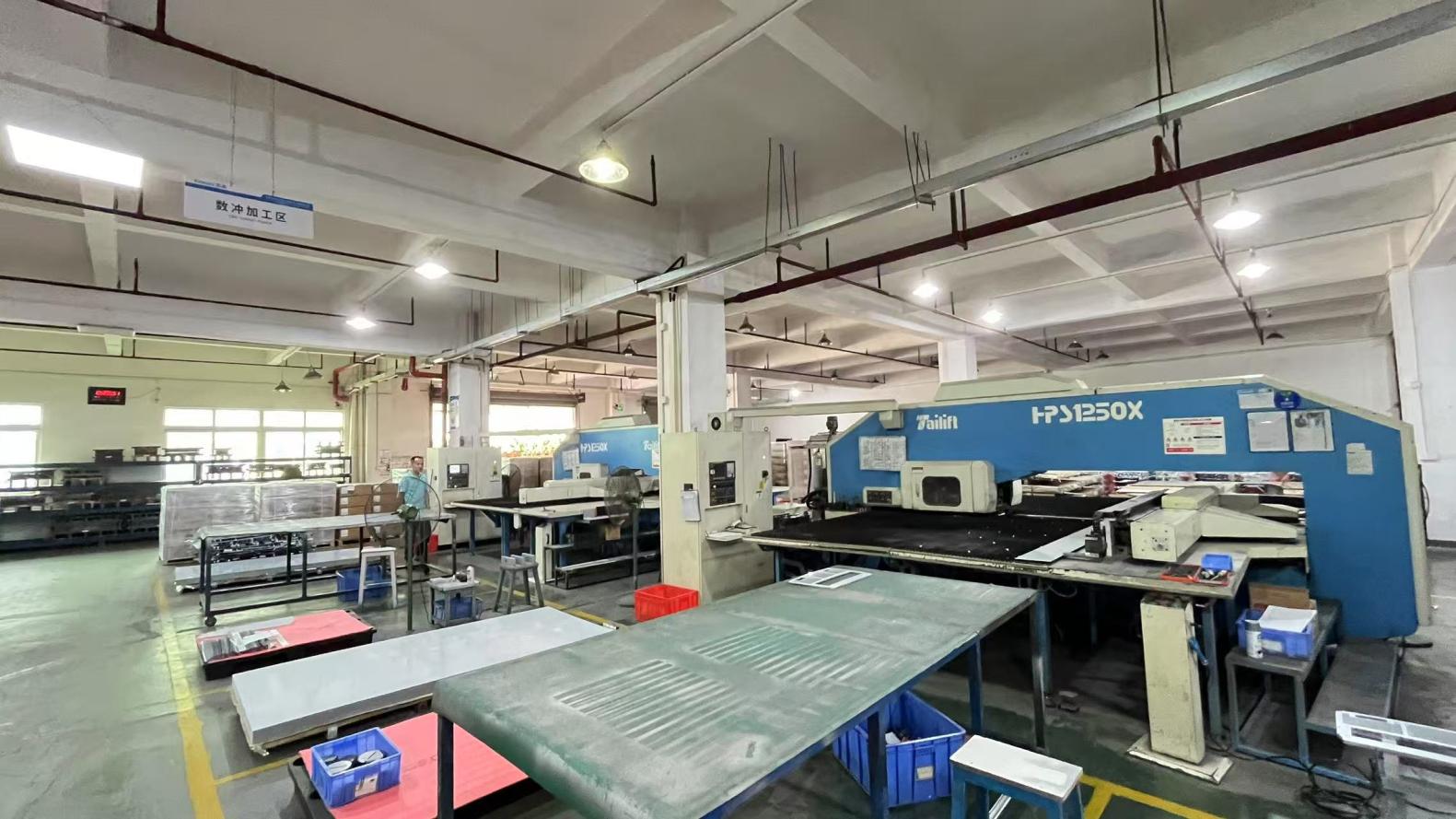
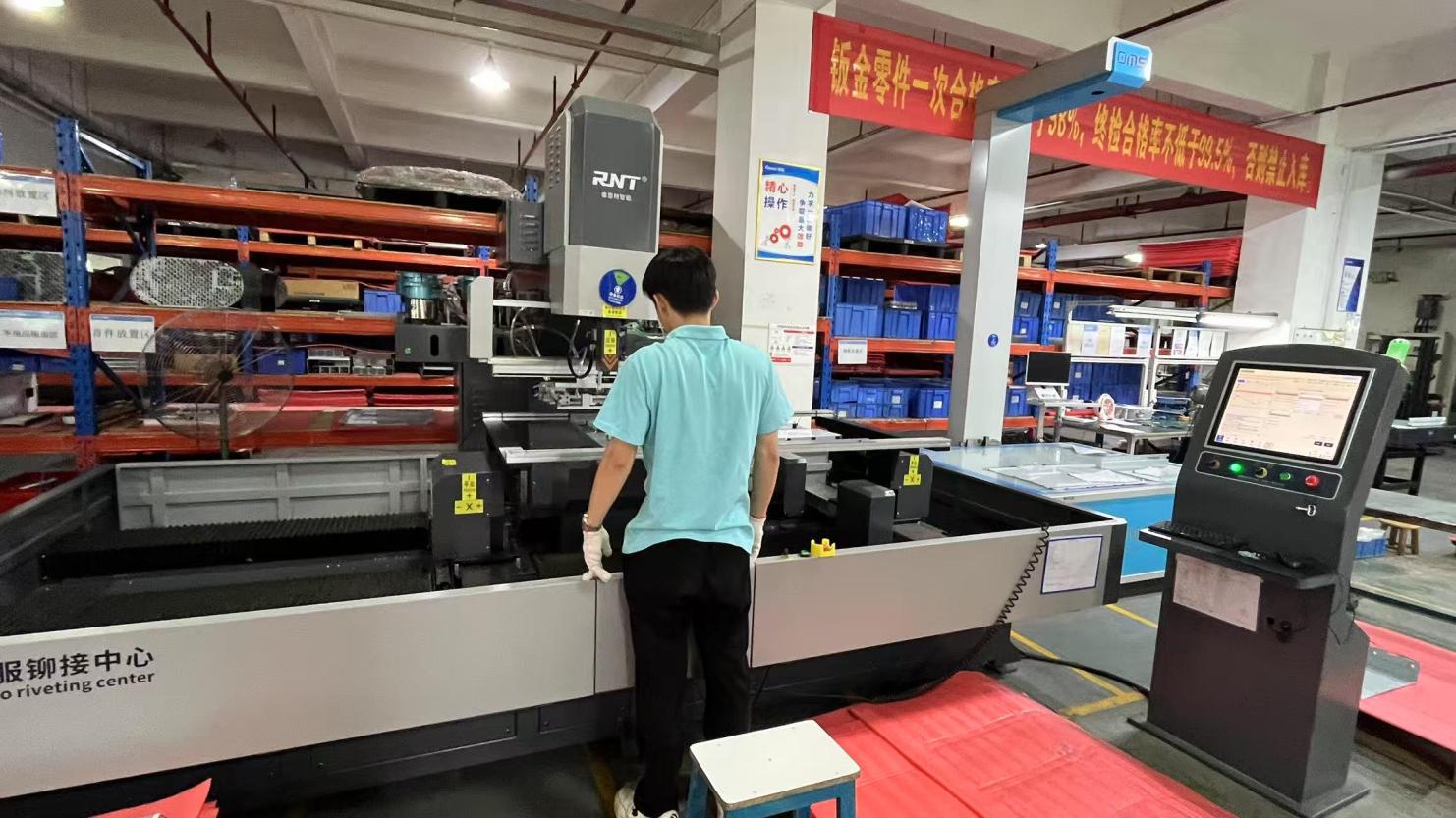

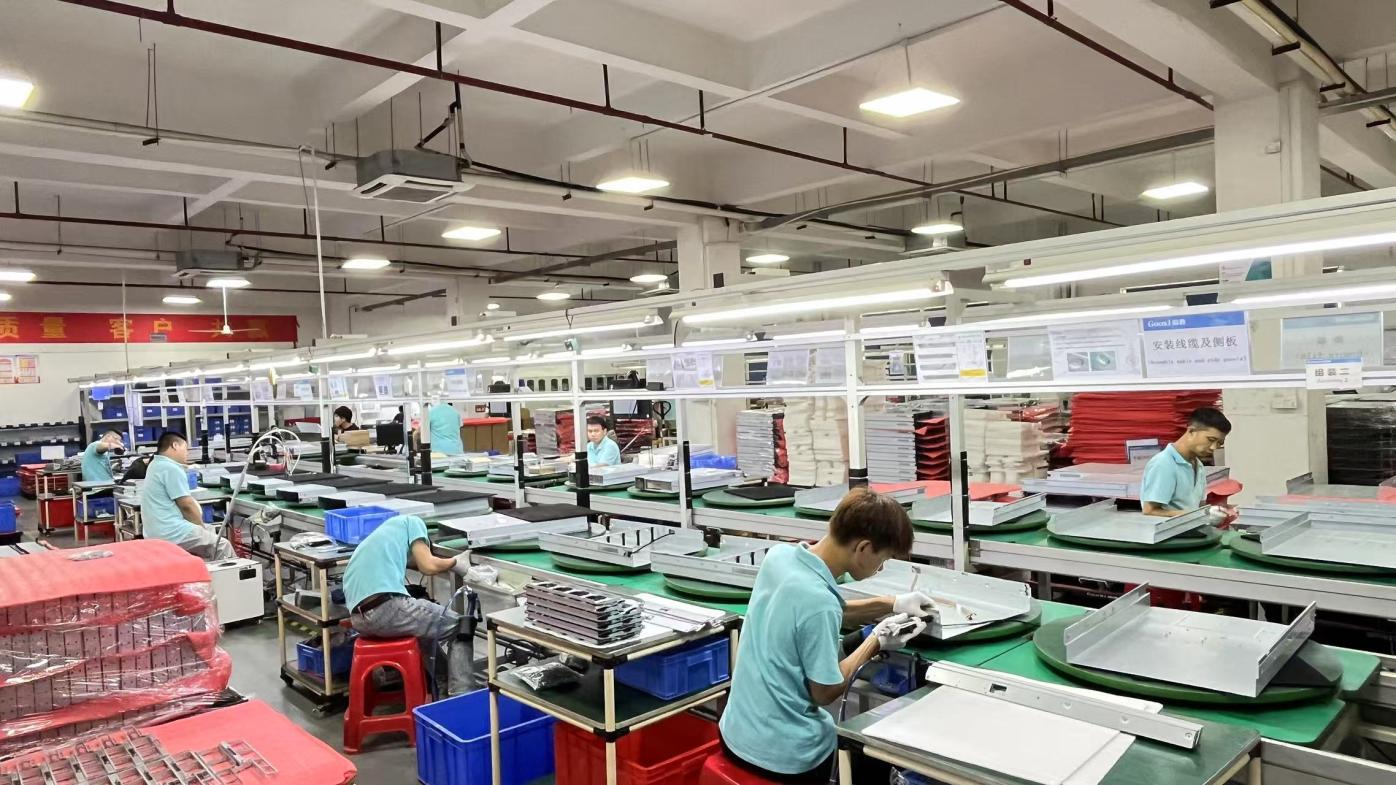
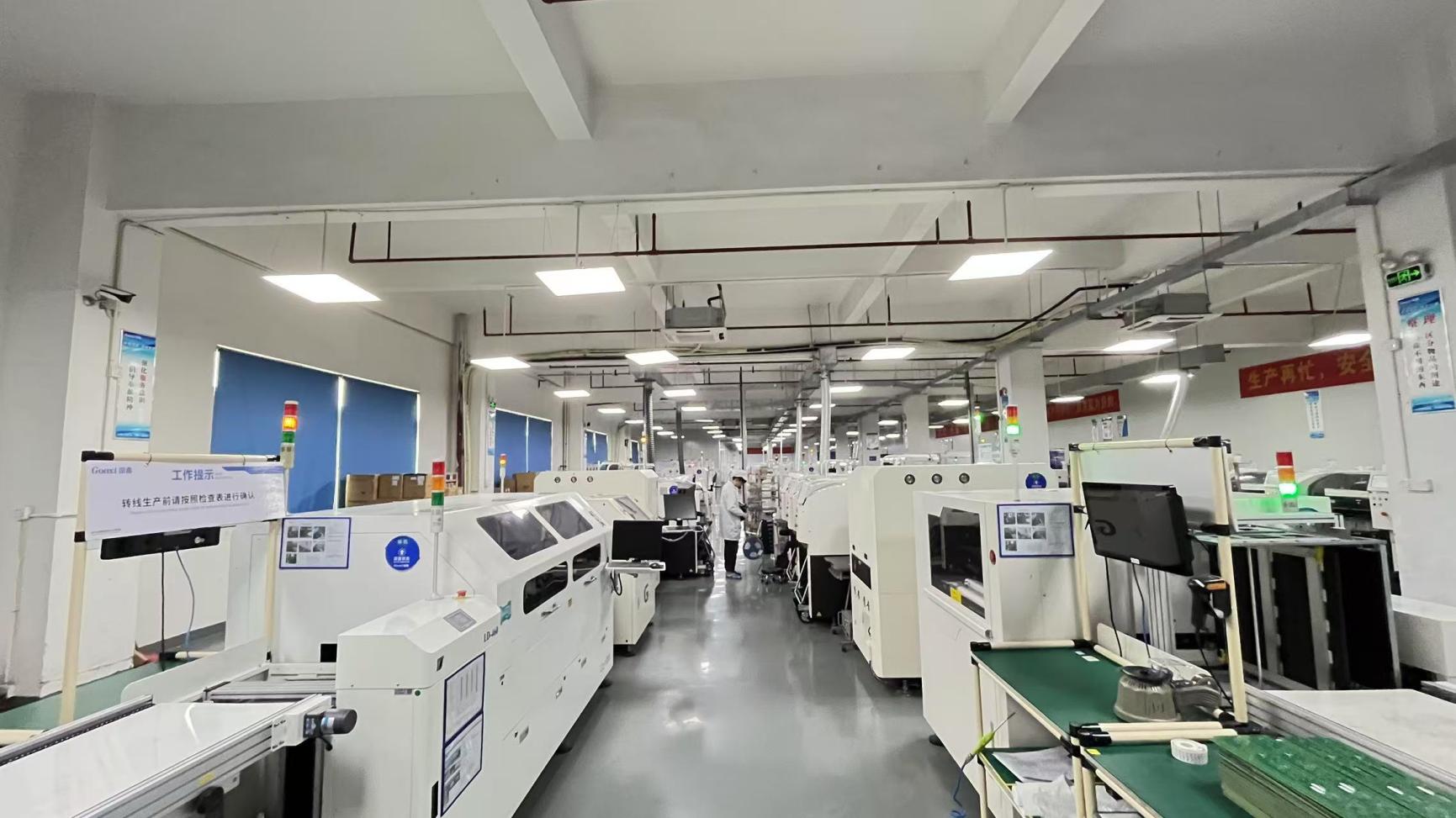
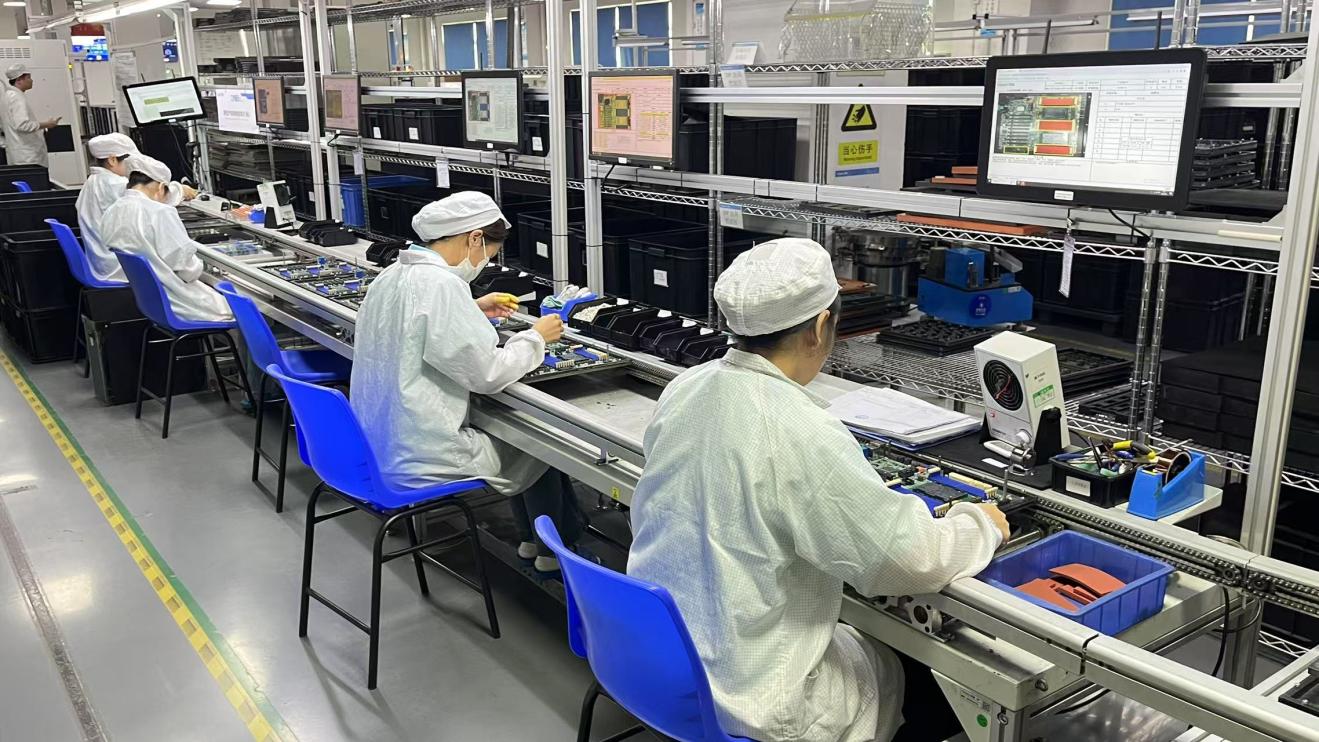
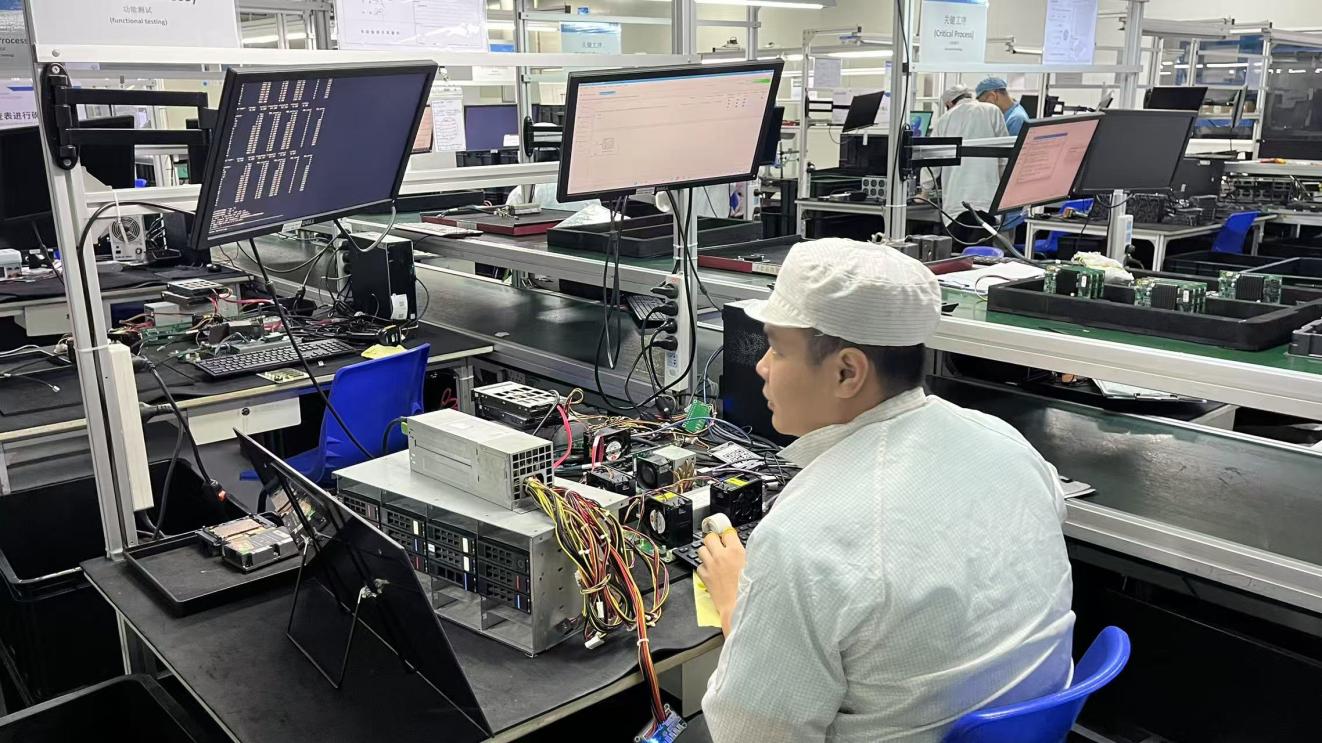
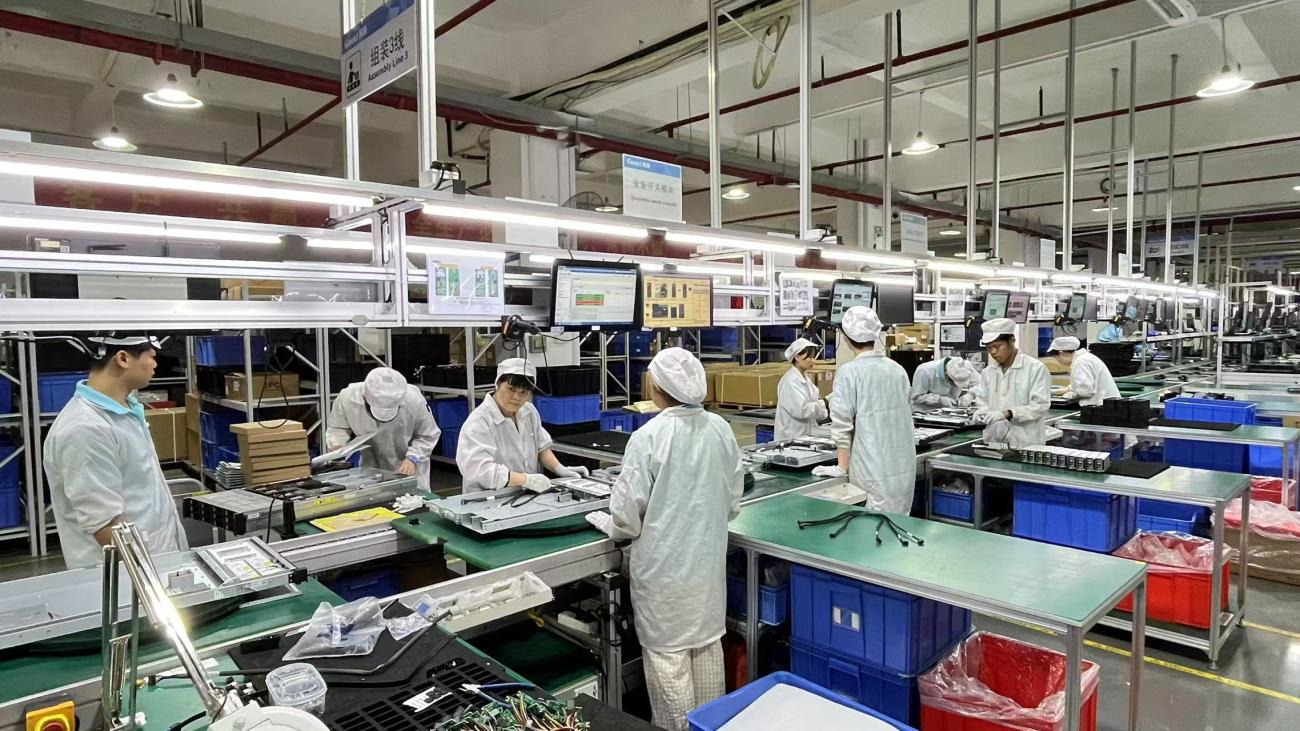
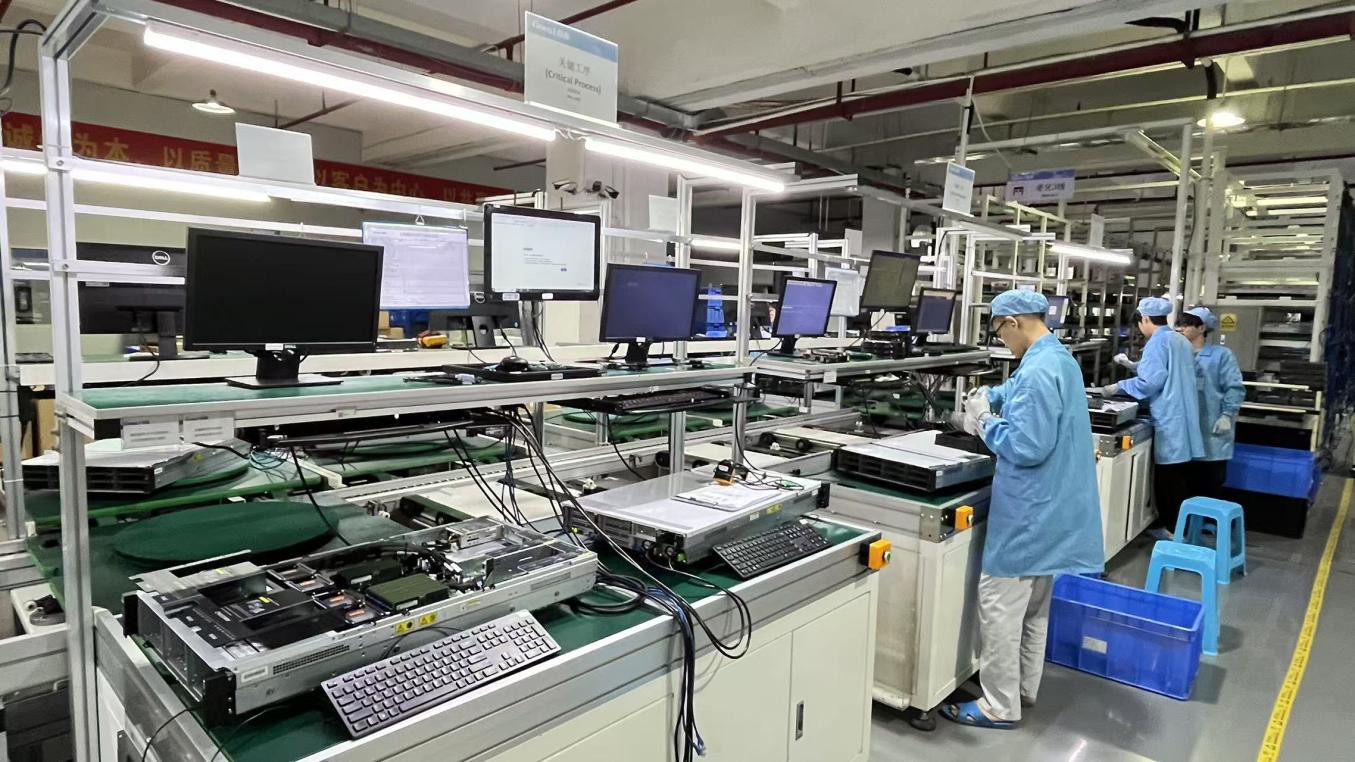
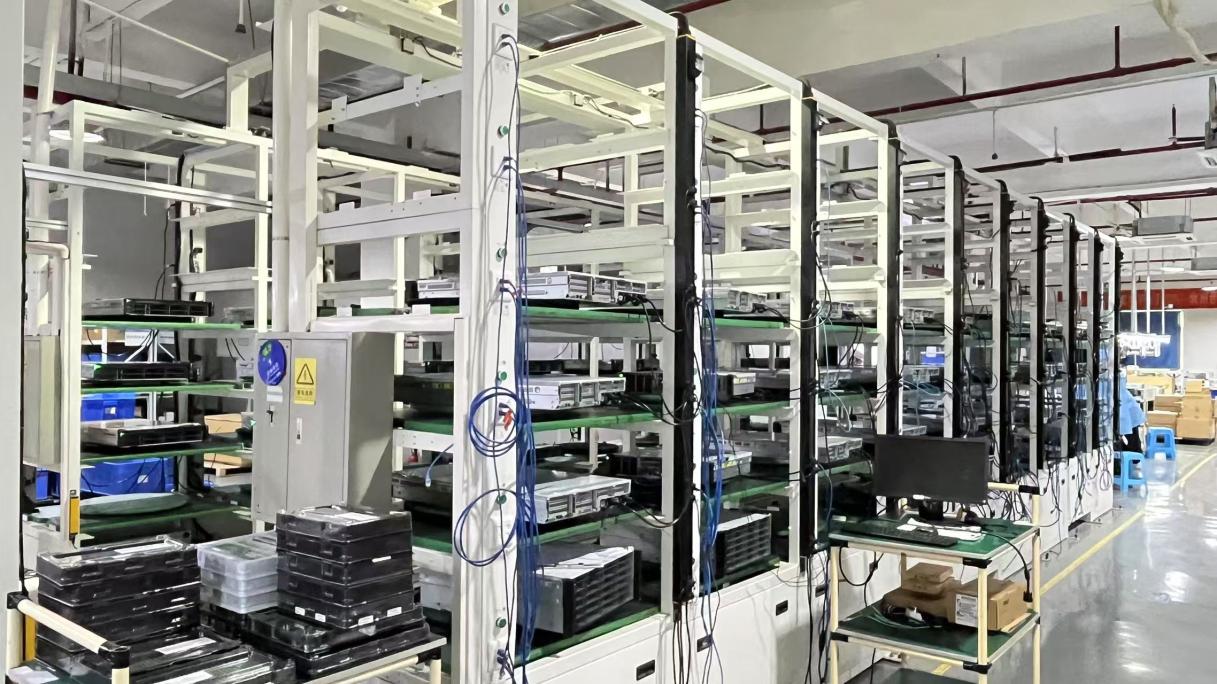
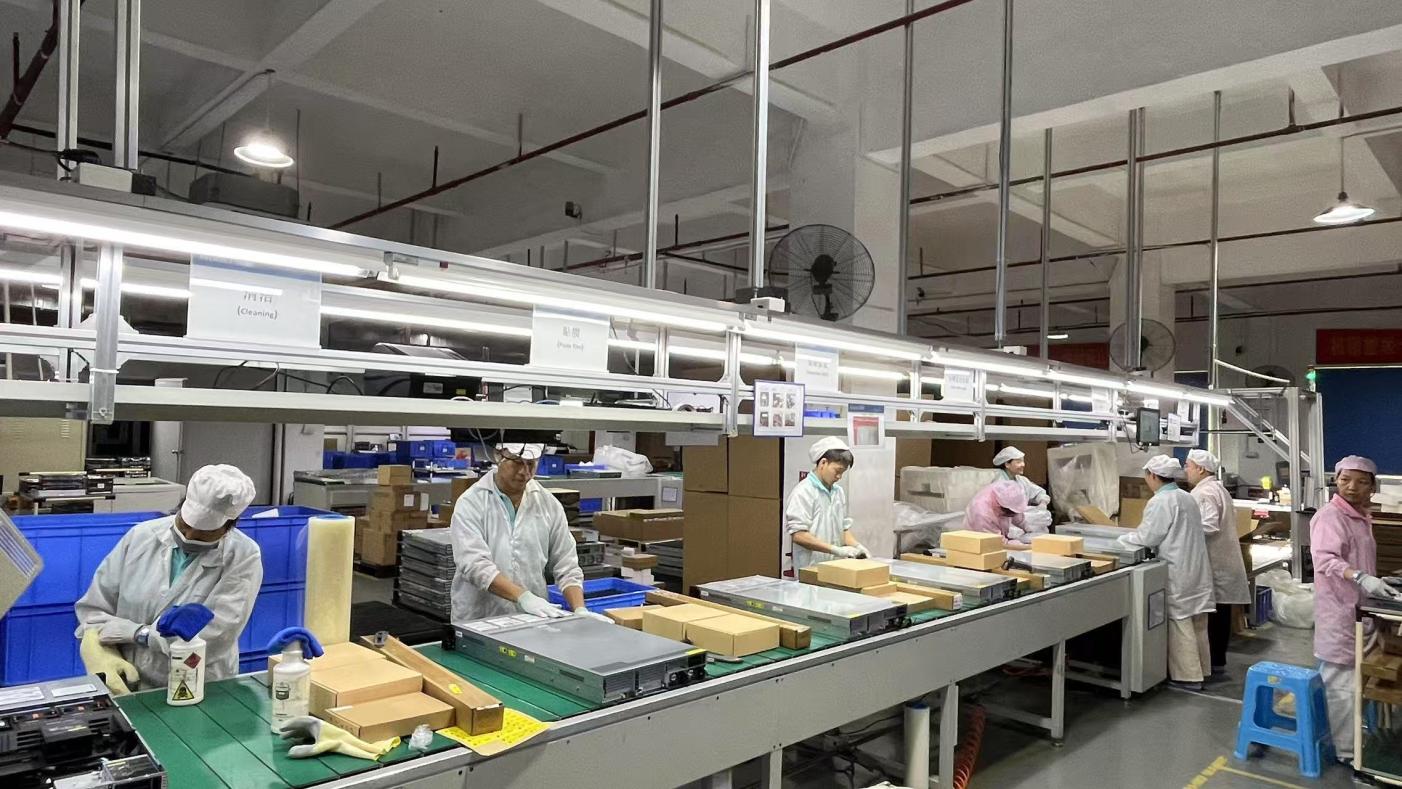
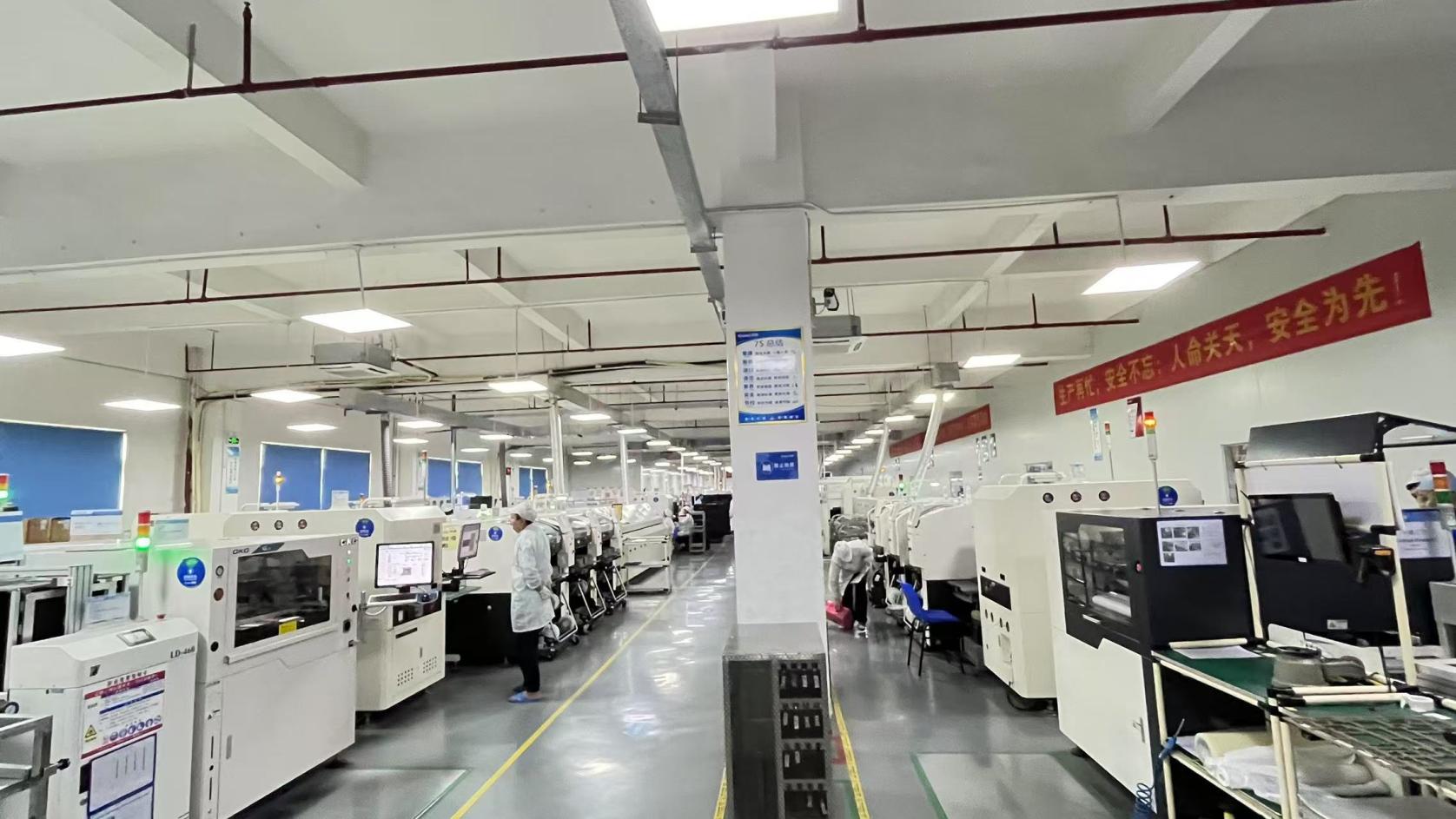
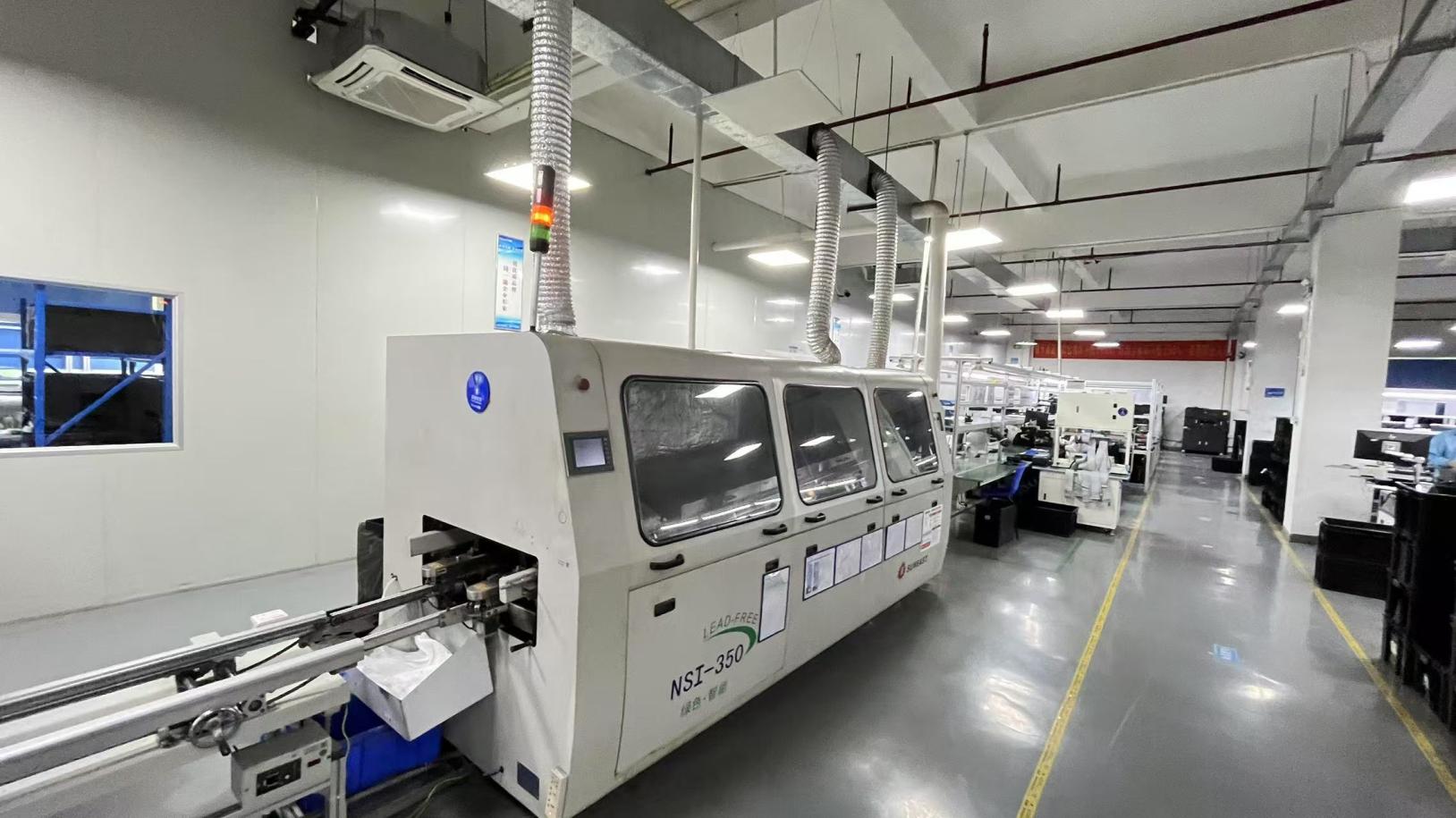
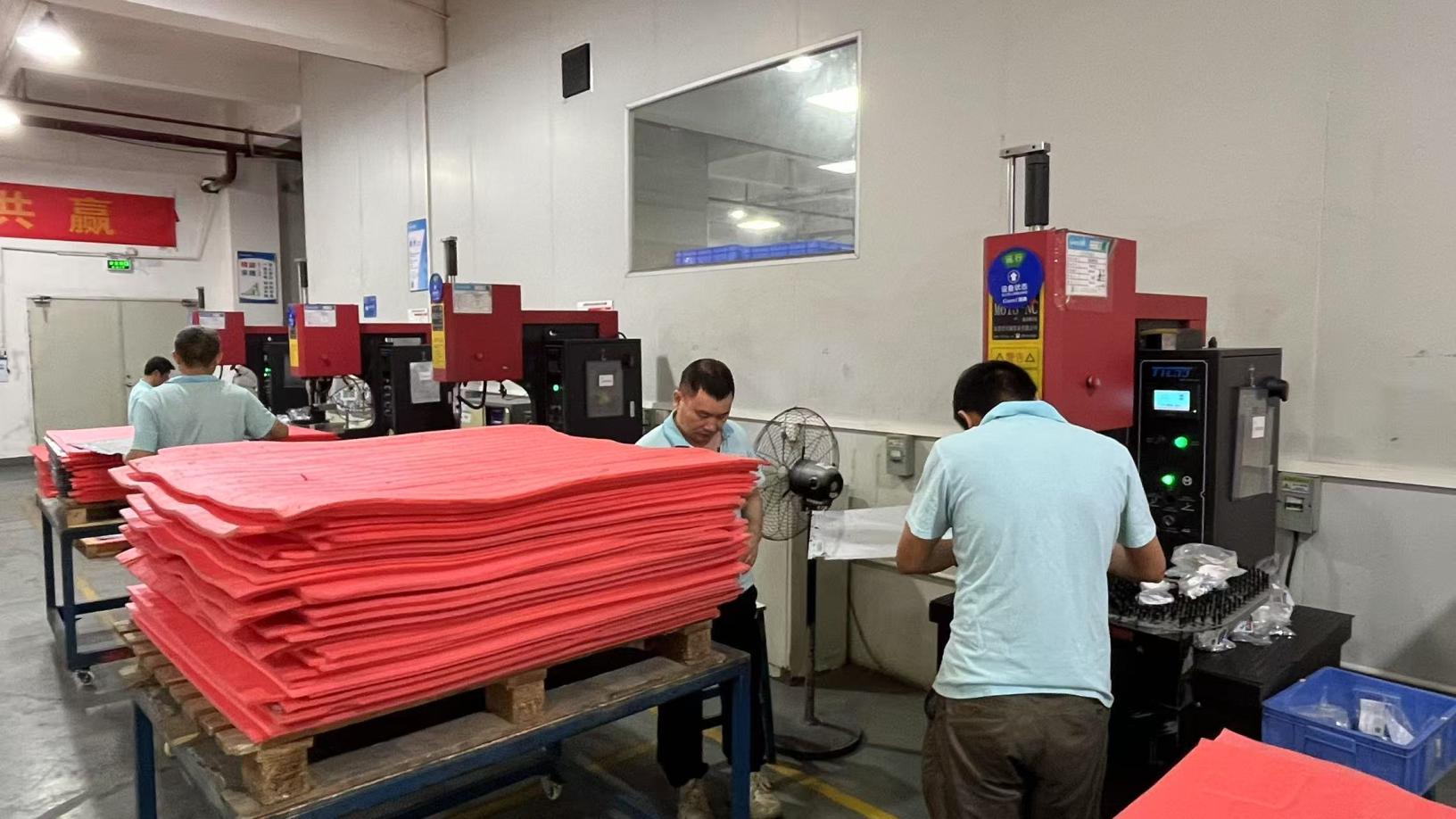
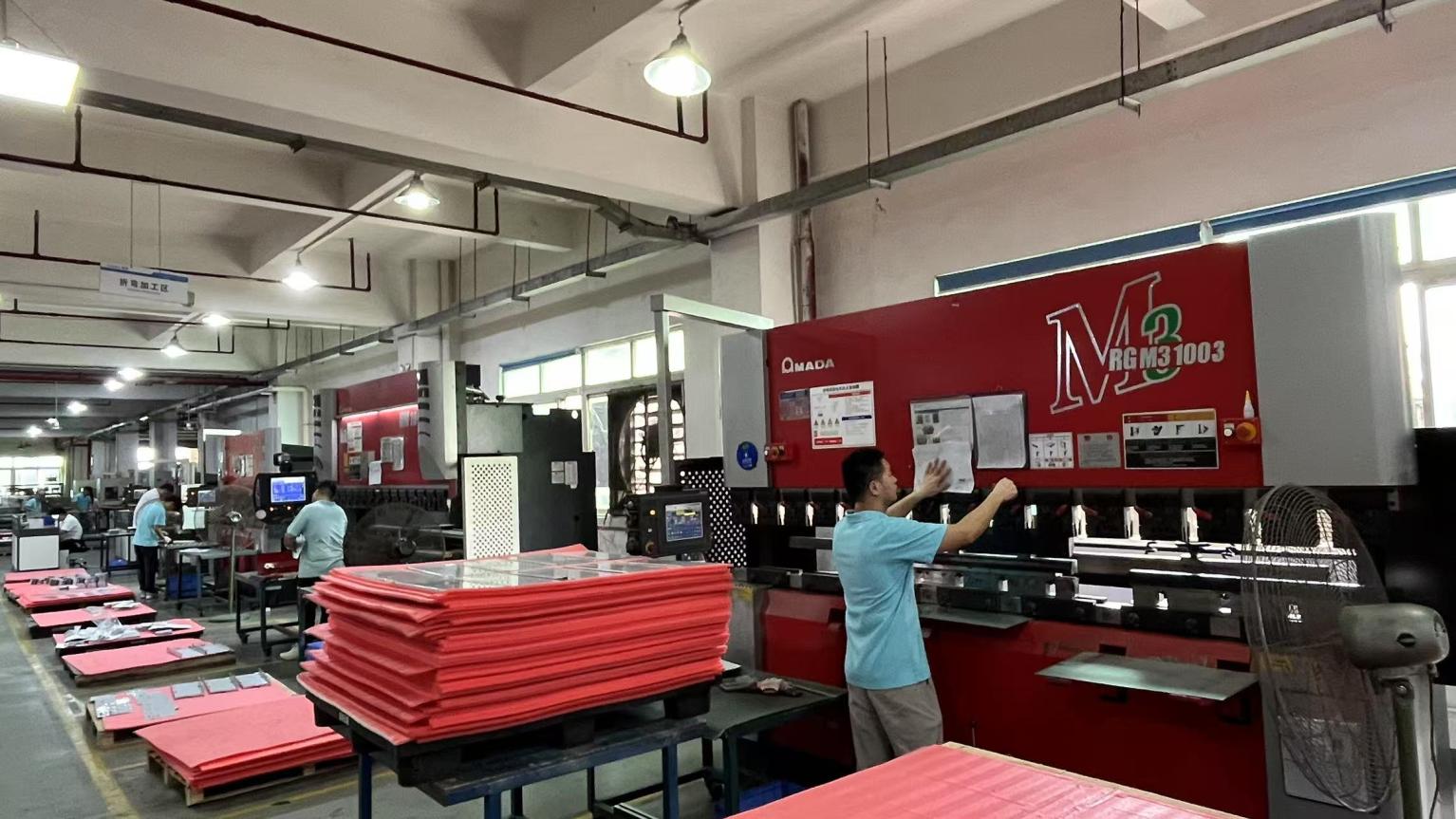

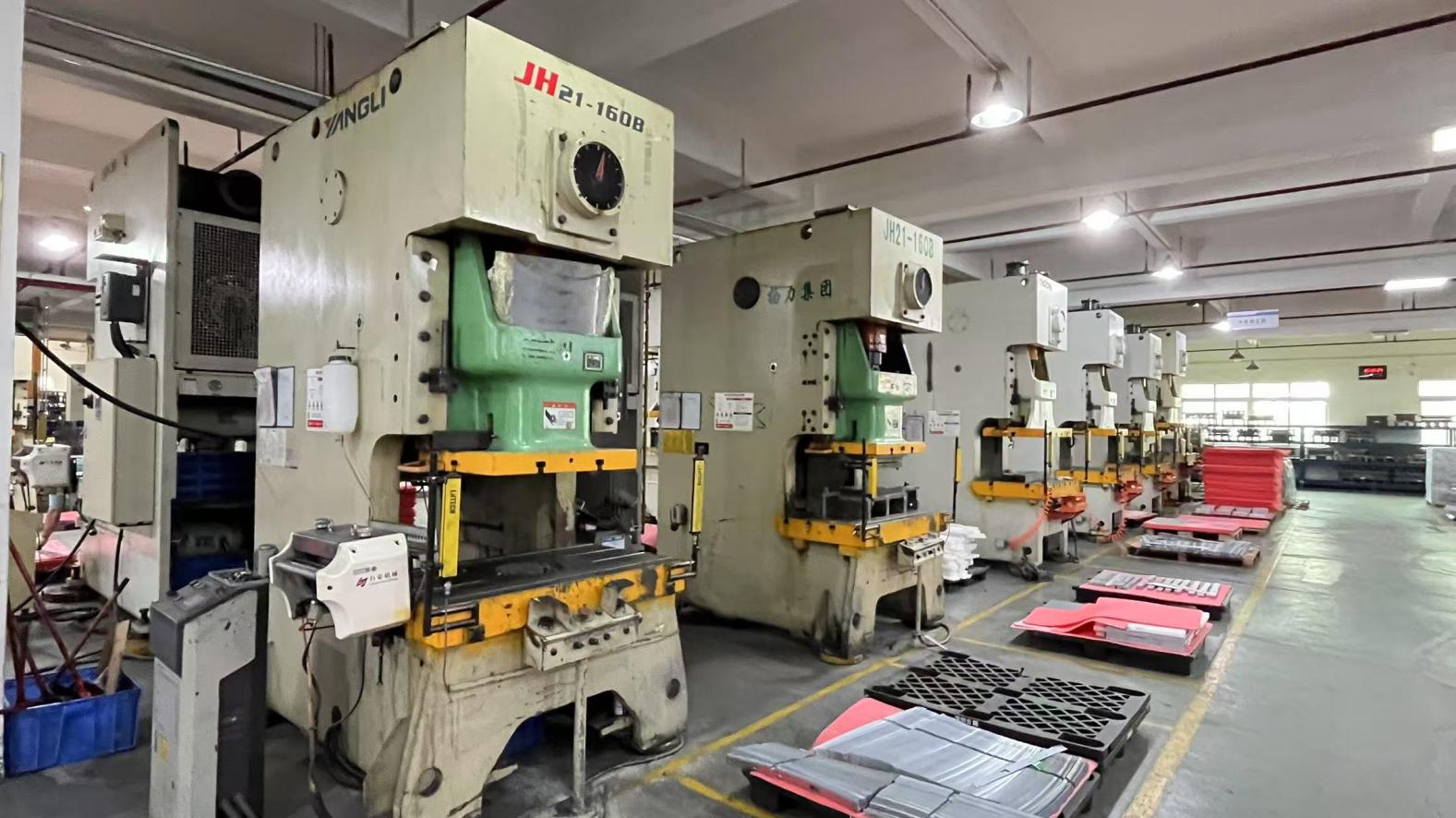
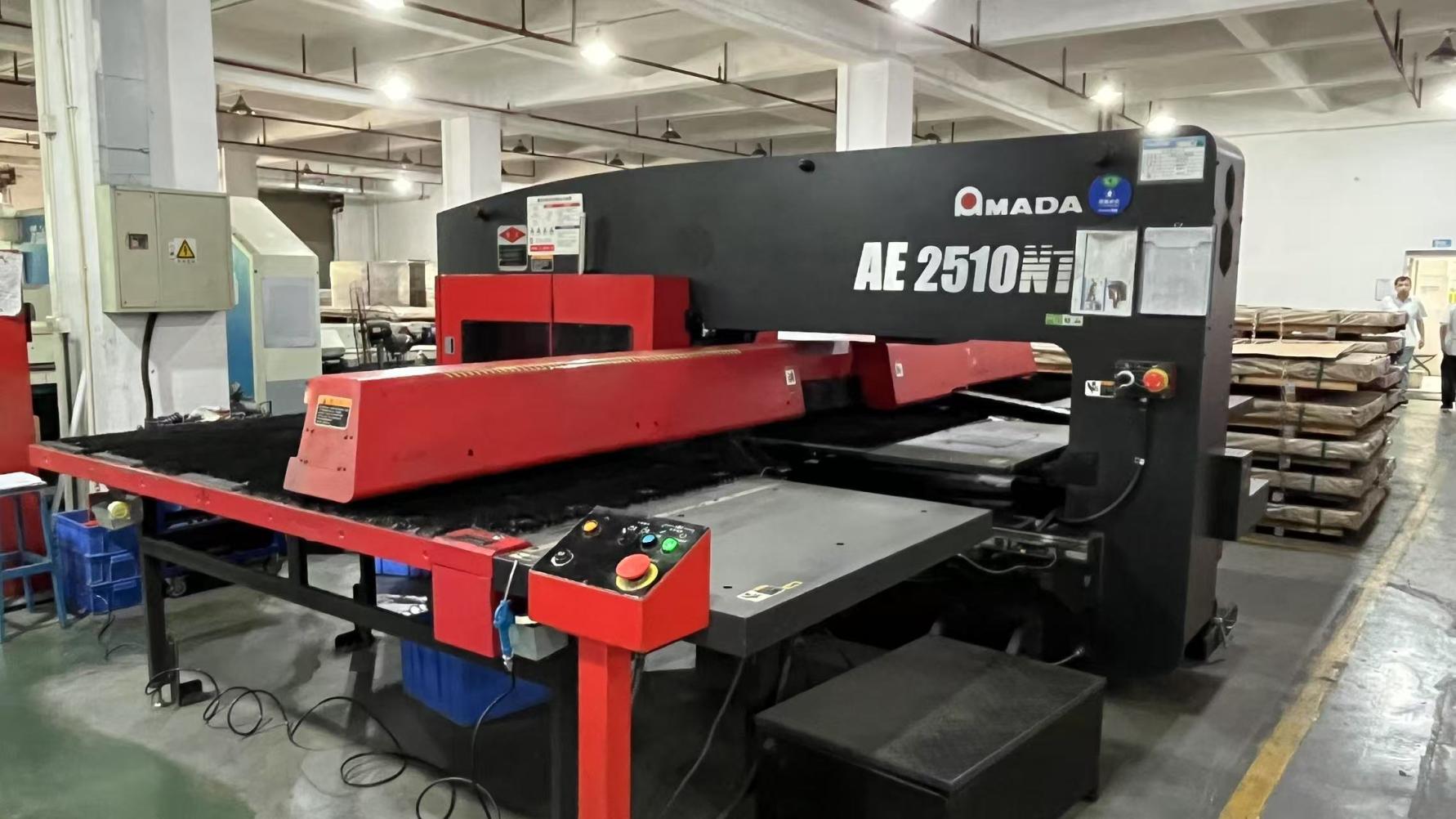
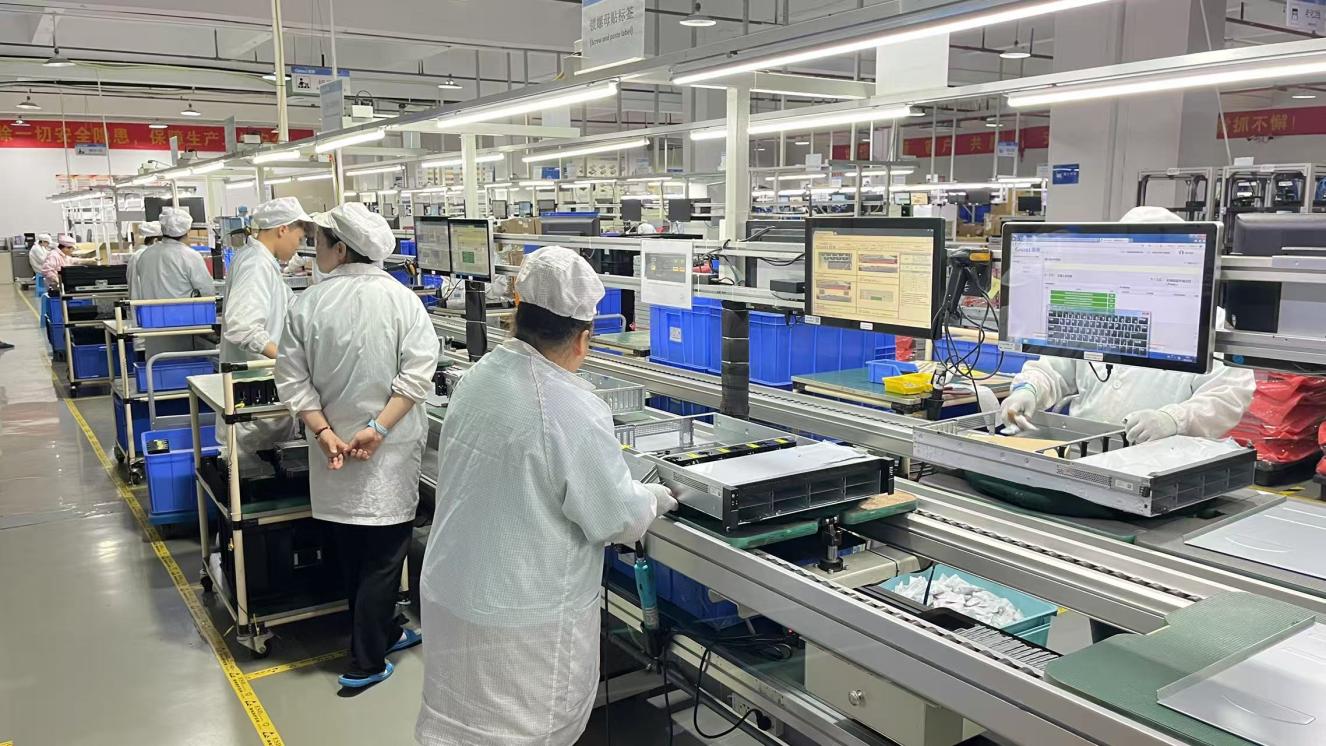
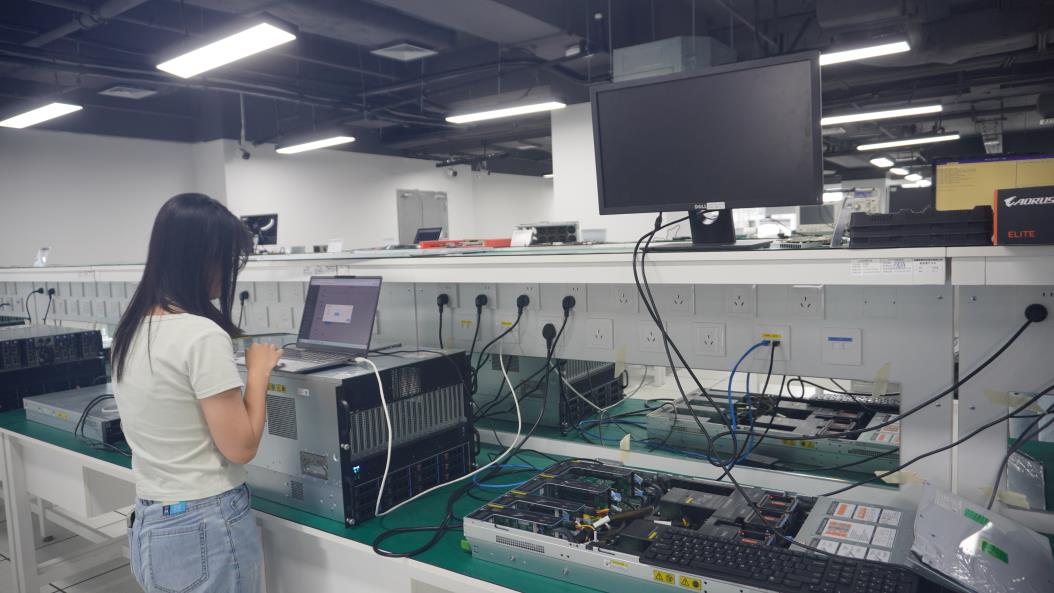
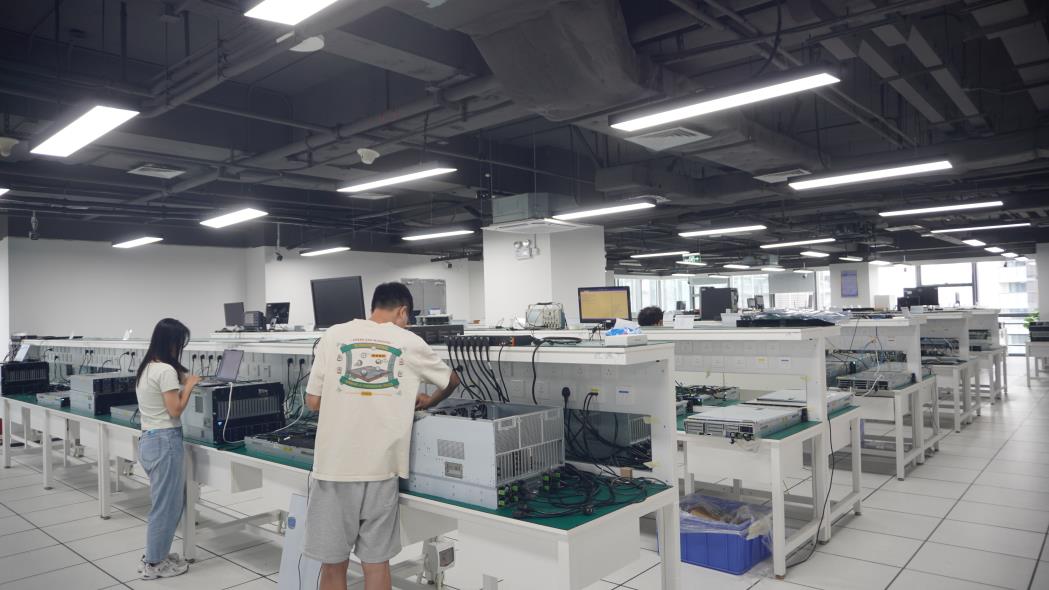
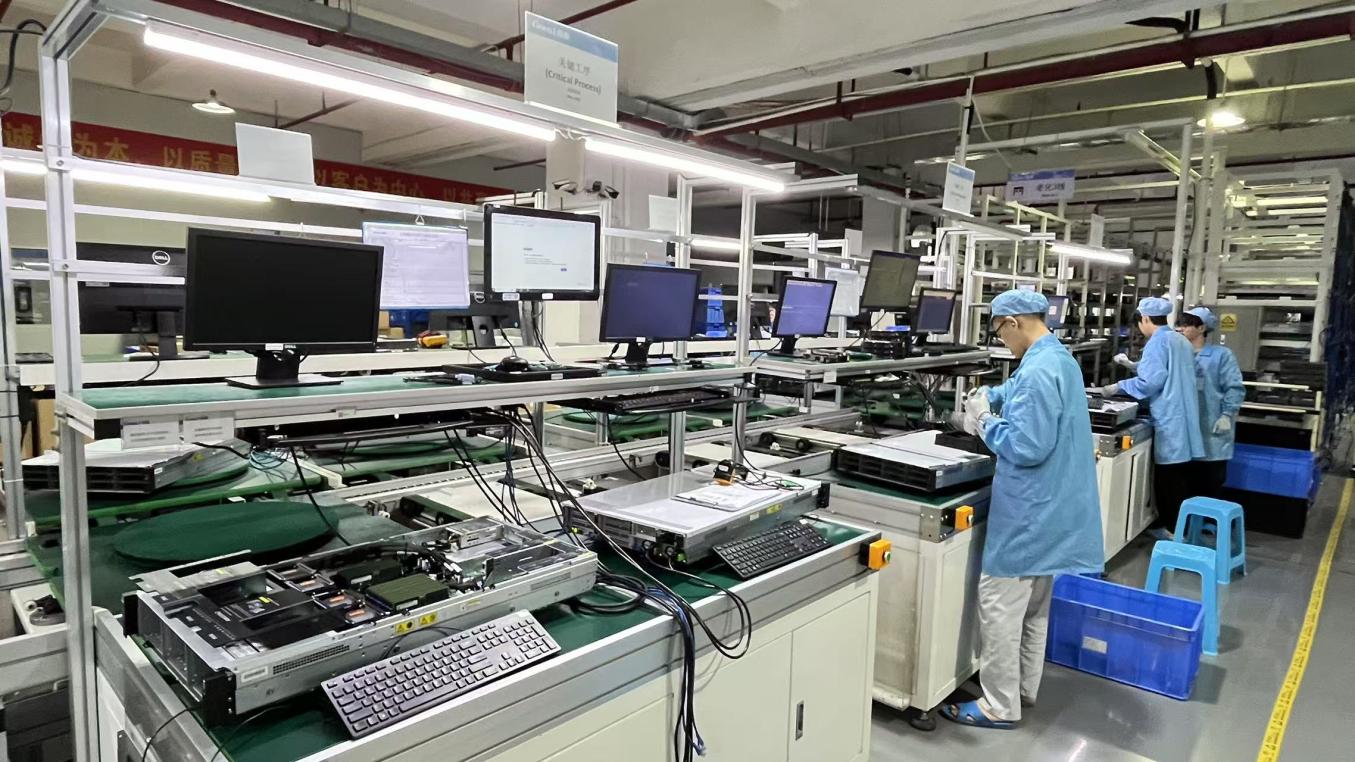
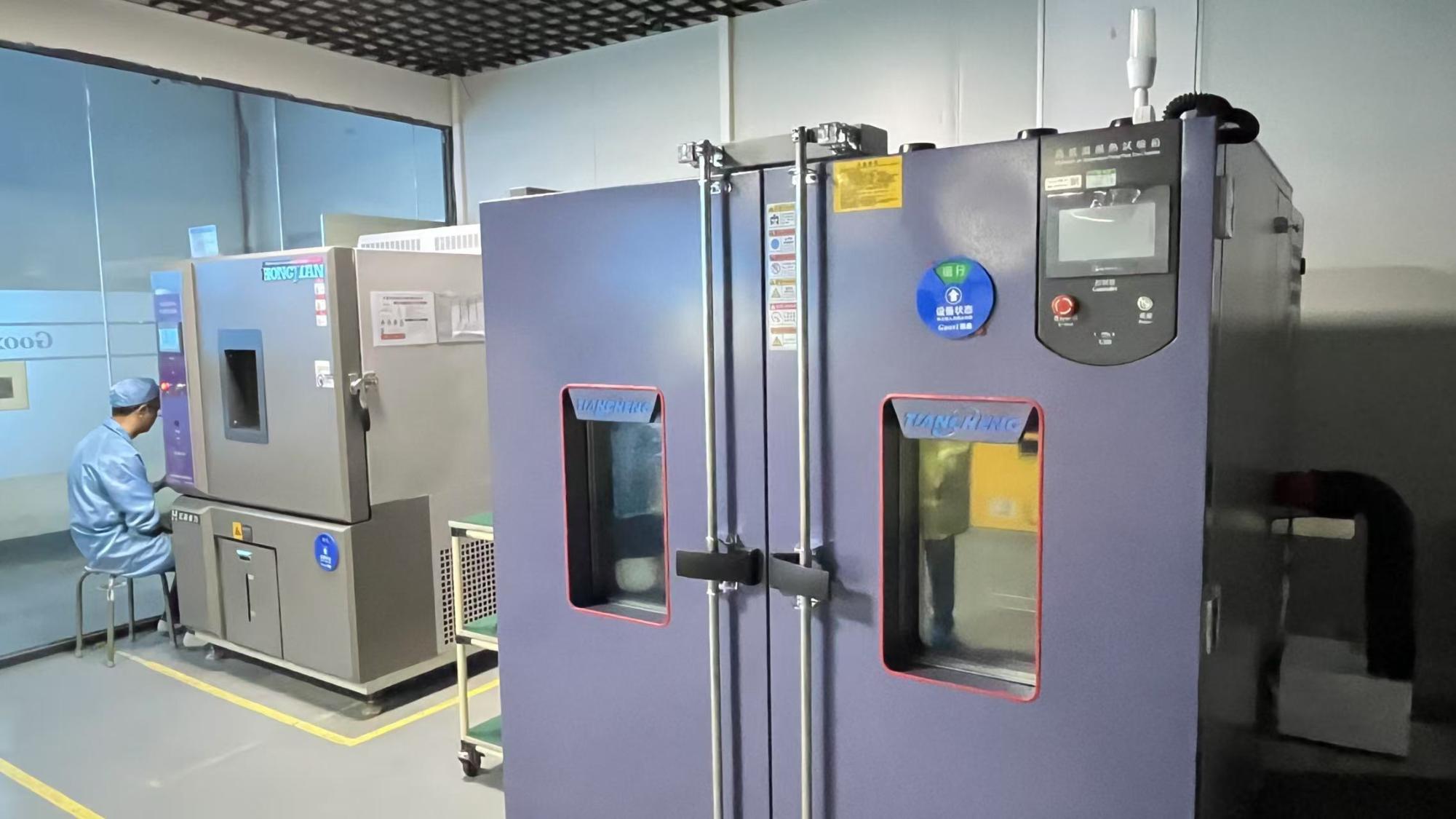
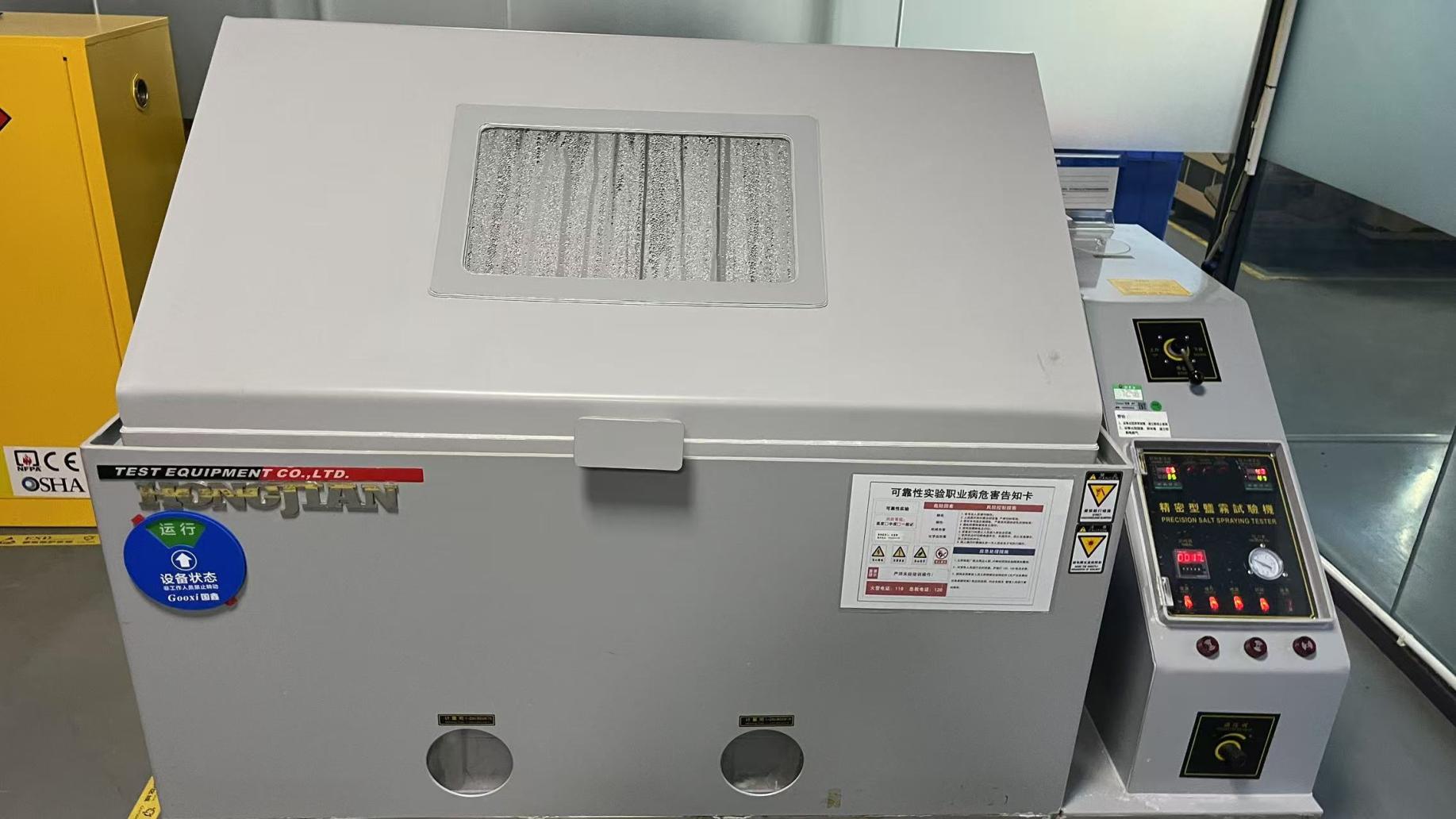
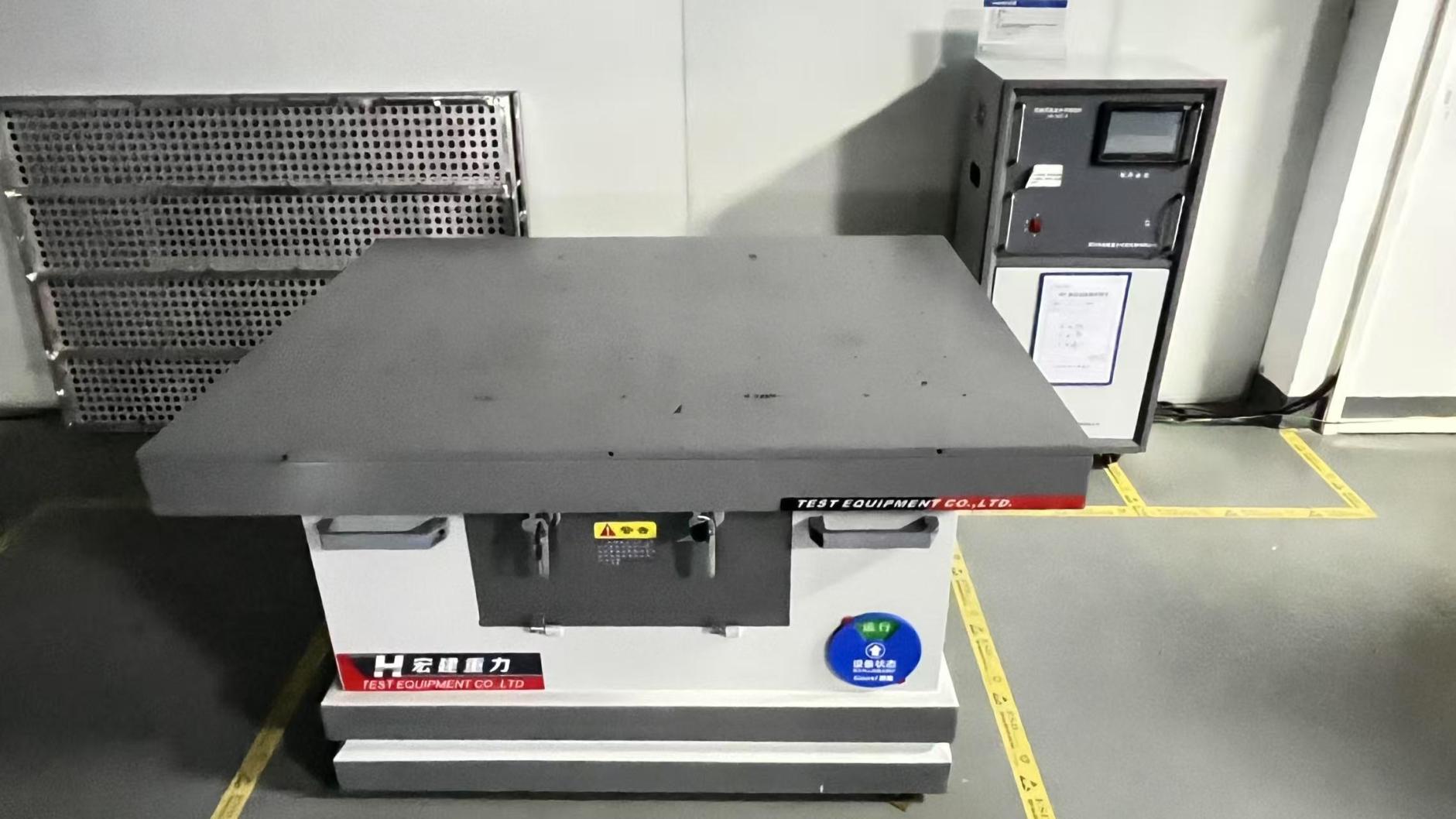
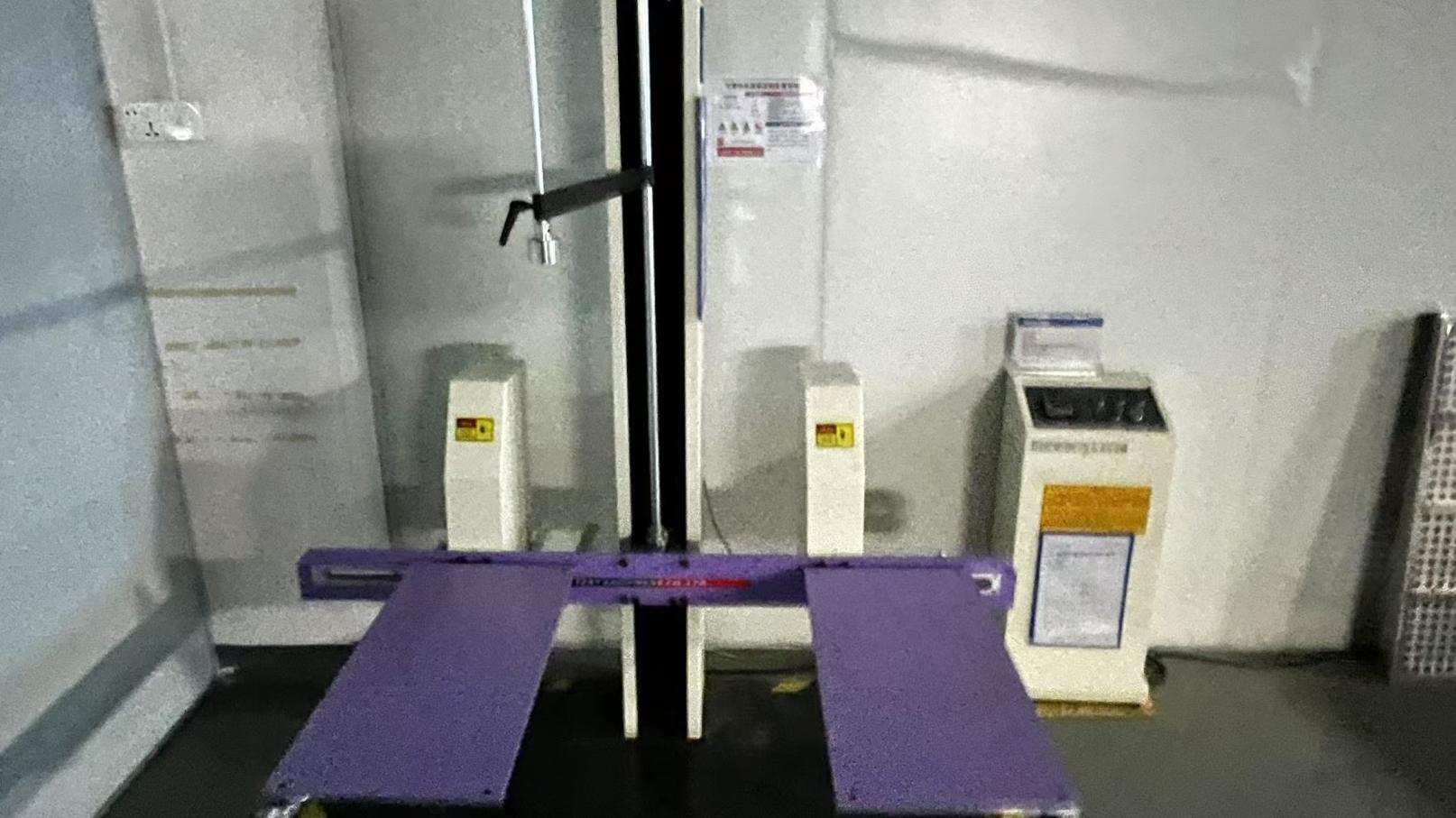
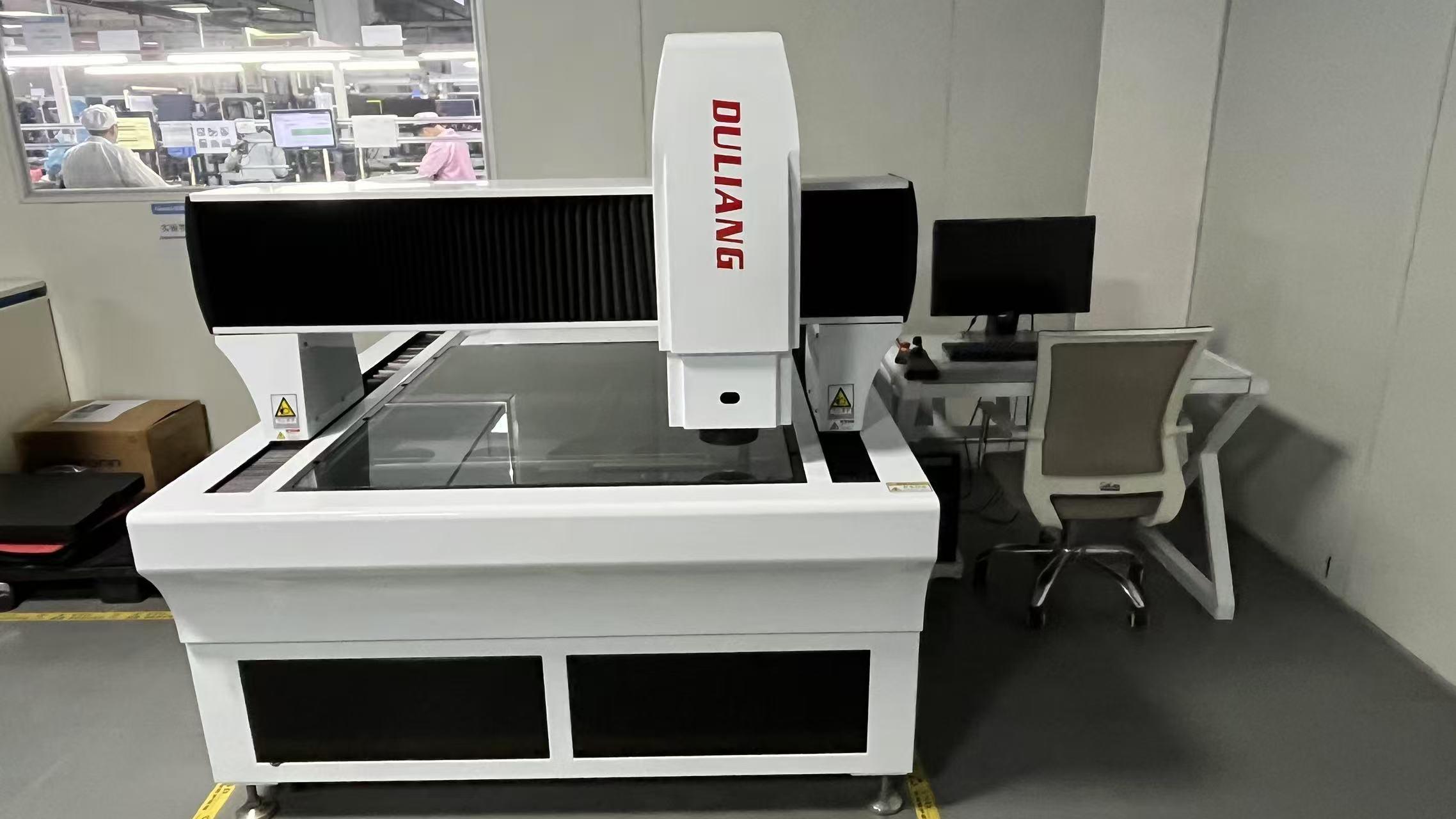
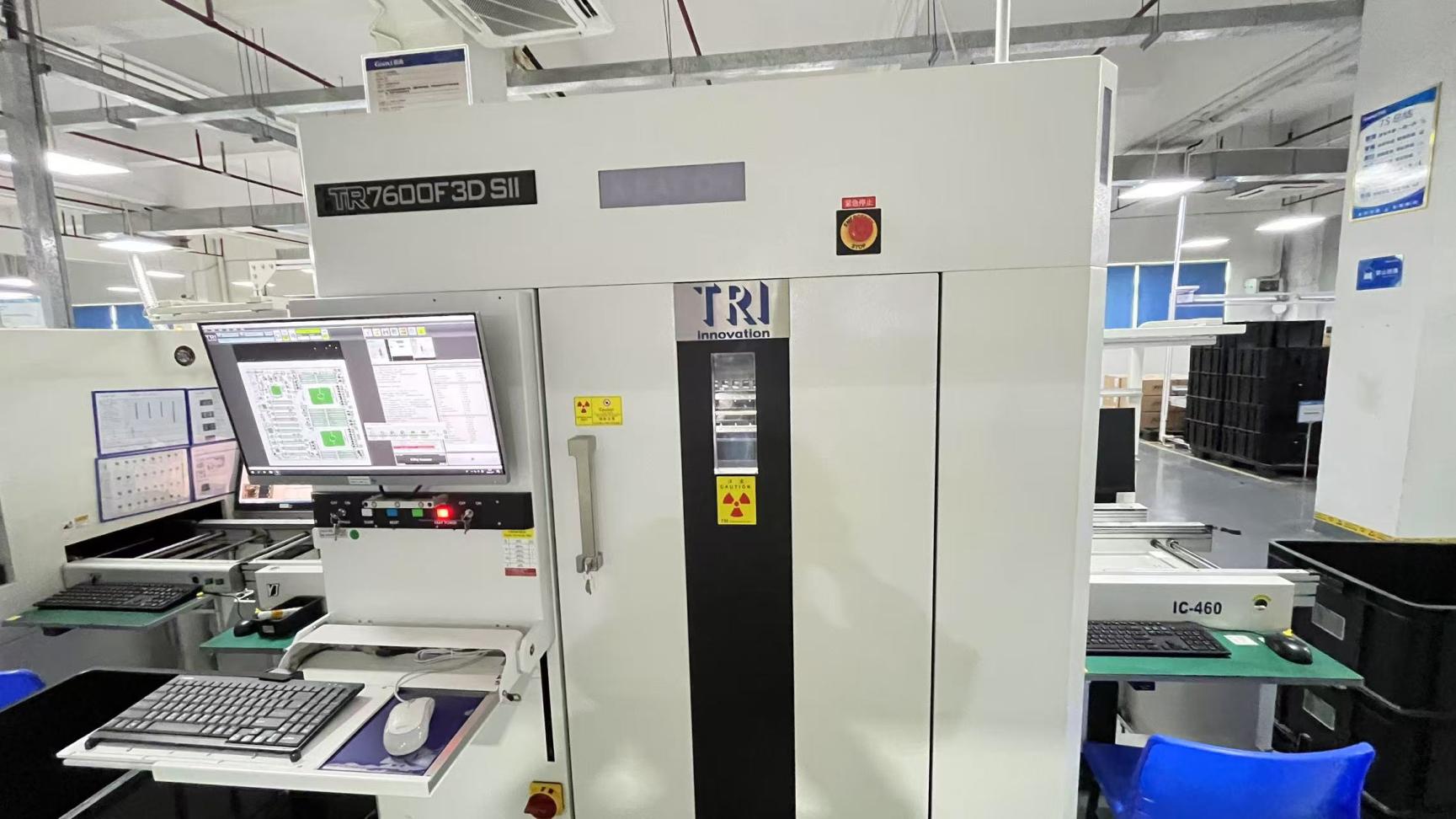
Our factory utilizes these specialized testers (Thermotank, Drop Tester, Salt Spray, X-Ray) to guarantee the structural and electrical resilience of every rack component exported to the Kingdom of Saudi Arabia.
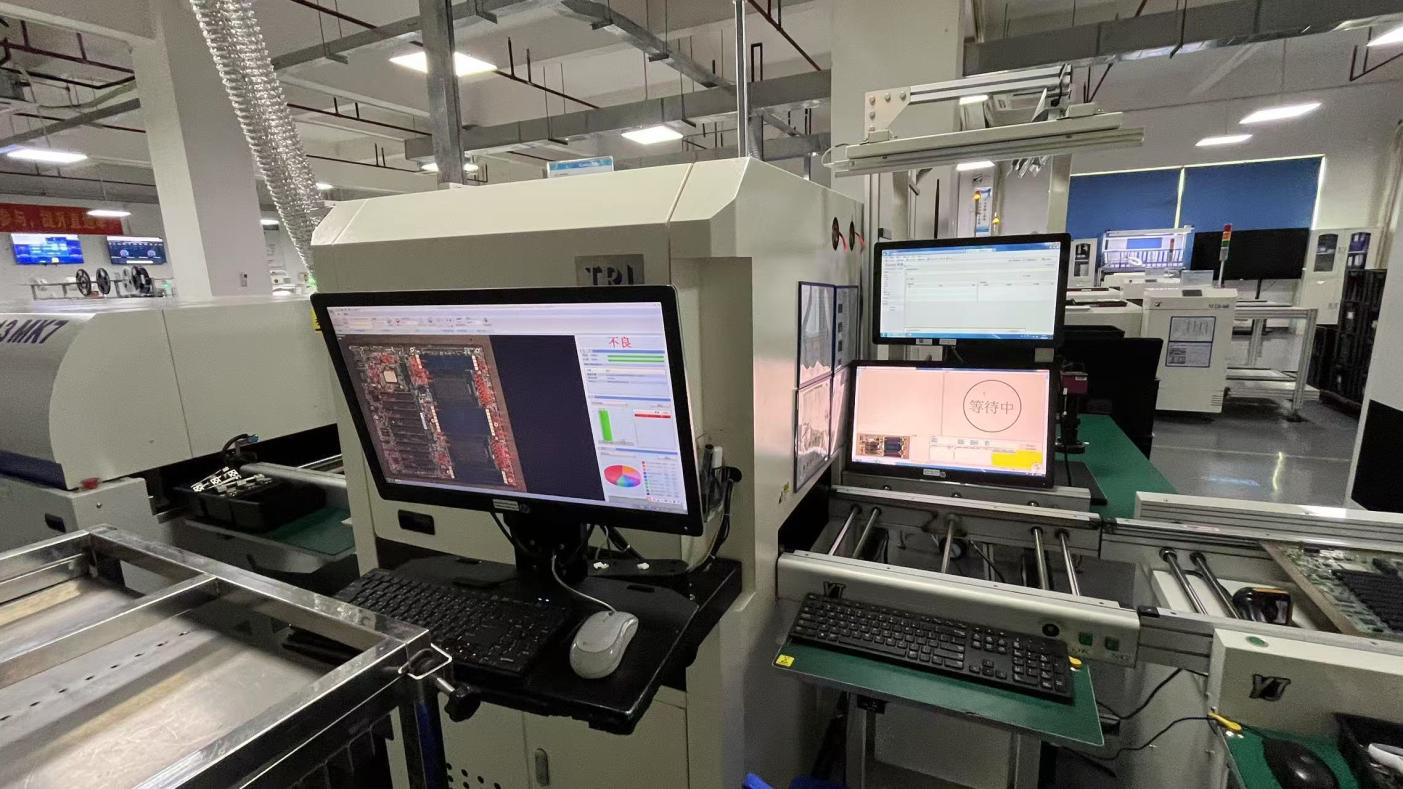
ZhiCloud AI (Shenzhen Intelligent Computing Cloud Technology Co., Ltd.) acts as a premier partner for Middle Eastern businesses. Producing state-of-the-art server components requires high levels of precision and integration. Operating out of our advanced production facility, we apply Industry 4.0 automation strategies. These strategies incorporate laser cutting, automated riveting, high-speed SMT lines, and reflow soldering machinery to eliminate human error and maintain tight component tolerances.
With over 1,200 strategic partners worldwide, our factory guarantees consistent supply channels for primary silicon, high-speed DRAM, motherboard PCBA components, and custom alloy rack enclosures. This supply chain resilience is a key factor behind our successful track record, enabling us to deliver high-performance hardware even during global chip shortages.
For procurement officers in Riyadh, this translates to predictable manufacturing lead times, highly competitive volume pricing, and the ability to customize server chassis designs to meet specific room layouts. We offer comprehensive OEM/ODM options, ranging from custom logo paint finishes to customized storage backplane designs.
Importing enterprise computing hardware into Saudi Arabia involves navigating complex regulatory requirements. Any server, workstation, or storage array must comply with SASO (Saudi Standards, Metrology and Quality Organization) regulations and CITC (Communications and Information Technology Commission) guidelines. Without appropriate IECEE certification and compliance paperwork, shipments risk facing extensive delays at ports of entry, such as King Khalid International Airport (RUH) in Riyadh or Jeddah Port.
ZhiCloud AI handles these regulatory requirements directly. Our experienced export team manages all certification processes, ensuring every exported V7 Rack Server receives the required SASO Certificate of Conformity (CoC) and SABER registry filings before leaving our factory. We coordinate with major international air and sea carriers to guarantee safe, door-to-door delivery to Riyadh's industrial zones.
In addition to regulatory compliance, local operational support is crucial for data center administrators. We collaborate with regional technical partners in Riyadh to offer SLA-driven support services, including:
Select from our comprehensive list of rack-mount and GPU-accelerated computing nodes, fully certified and ready for deployment in Riyadh.
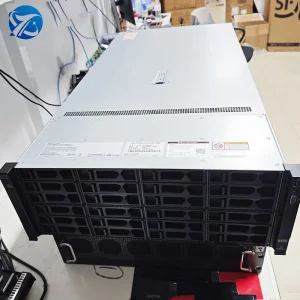
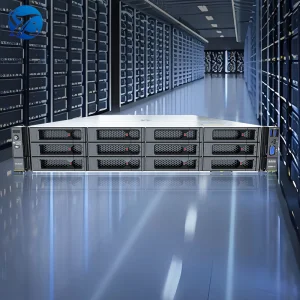
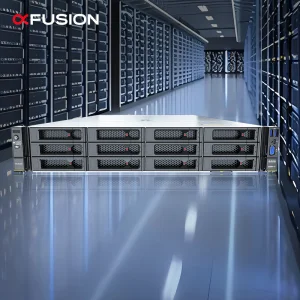
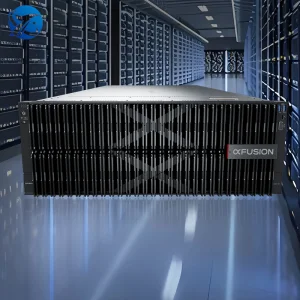
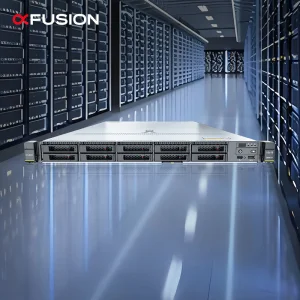
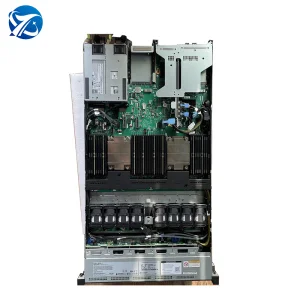
Riyadh is characterized by an arid desert climate where summer temperatures regularly exceed 45°C. For traditional datacenters, keeping server intake temperatures within the ASHRAE-recommended range (18°C to 27°C) requires massive HVAC energy usage. In such conditions, standard servers suffer from structural thermal throttling, where processors automatically reduce clock speeds to prevent overheating, causing significant drops in processing performance.
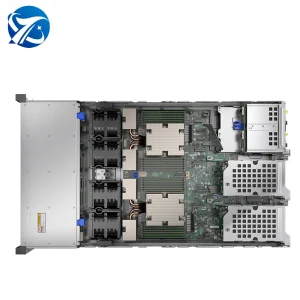
To address this challenge, the V7 Rack Server platform incorporates a series of proprietary thermodynamic features. Our factory design integrates independent, high-pressure hot-swappable cooling fans featuring intelligent speed controls. These fans dynamically adjust their rotation speeds based on real-time readings from internal thermal sensors positioned near the CPU, GPU, and RAM slots. The physical layout within the chassis is also optimized to channel cold air directly over the highest-heat components, maximizing heat dissipation efficiency.
Furthermore, we offer customized liquid-cooling loop integrations for high-density GPU deployments. By replacing traditional heat sinks with direct-to-chip (D2C) liquid-cooling blocks, heat is transferred out of the chassis via closed-loop coolant systems. This reduces the server's Power Usage Effectiveness (PUE) to as low as 1.15, enabling data center operators to lower energy costs while maintaining peak processing outputs.
Get answers to common technical, shipping, and regulatory questions from our expert engineers.
Get in touch with our enterprise B2B sales engineers today for a custom quote, technical layout advice, and logistics information tailored for the Saudi Arabia market.