 ZhiCloud AI
ZhiCloud AI
ZhiCloud AI
Optimized hardware units engineered for low latency, computational intensity, and immediate deployment in Paris Metropolitan Area data centers.
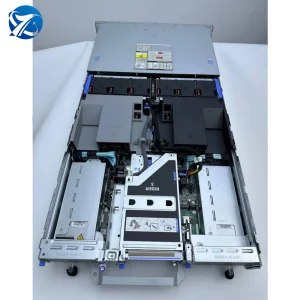
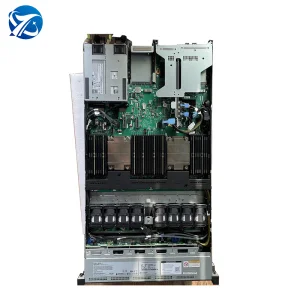
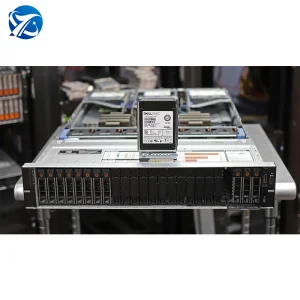
How local infrastructure demands drive high-performance server customization for French startups and research labs.
Paris has solidified its position as one of continental Europe's preeminent hubs for Artificial Intelligence, machine learning research, and commercialized high-performance computing (HPC). Powered by public sector initiatives such as the "Choose France" investment drive and private funding injected into foundational startups in the 13th arrondissement and Station F, the demand for enterprise-grade GPU servers has escalated exponentially. Local data centers in Seine-Saint-Denis (such as Interxion, Equinix, and Telehouse) are facing rigorous density constraints requiring servers optimized for extreme thermal efficiency, high computation per rack unit, and compliance with local environmental standards.
As a leading supplier of AI and GPU servers, ZhiCloud AI bridges the gap between hardware manufacturing and Paris-based digital operations. We address the key engineering challenges local companies face: minimizing operational PUE (Power Usage Effectiveness), ensuring hardware compatibility with regional power grids, and offering bare-metal configurations tuned for open-source AI frameworks, including the highly demanded DeepSeek-671B models and large-scale PyTorch pipelines.
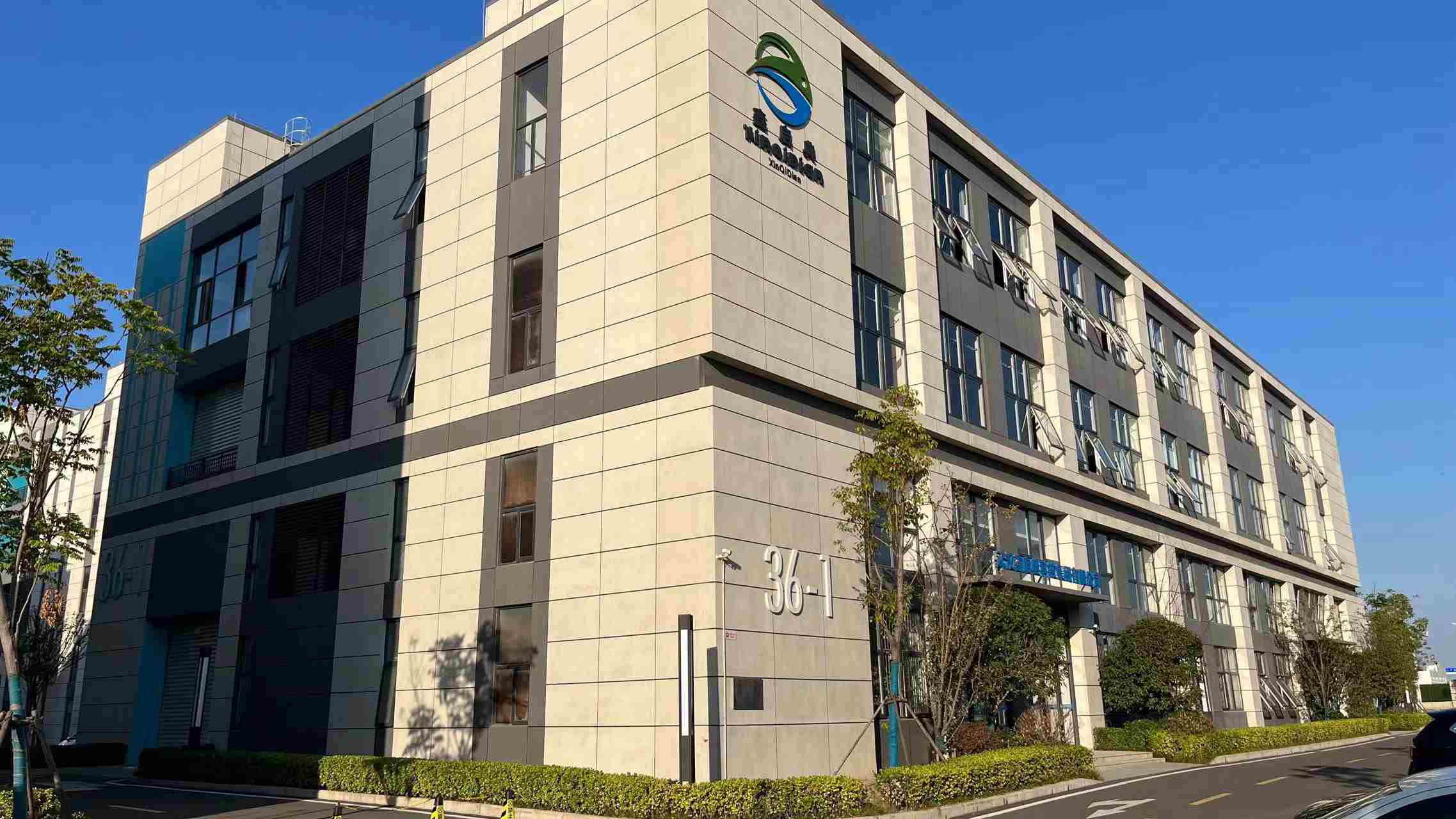
Engineered reliability, global export footprints, and certified R&D scaling.
Empowering research, banking, retail, and manufacturing sectors across the Parisian technology landscape.
The financial district of La Défense relies on rapid algorithmic processing, portfolio risk assessment, and real-time fraud detection. Our customized dual-socket Intel Xeon and AMD EPYC servers, loaded with ultra-fast NVMe storage and high-frequency memory, provide the sub-millisecond calculation speeds necessary to maintain absolute stability.
Automotive engineering clusters surrounding Paris require multi-GPU nodes for processing high-fidelity sensory inputs, training computer vision systems, and managing pathfinding neural networks. ZhiCloud AI's high-density GPU chassis offer the thermal endurance required to run massive workloads continuously.
The high density of world-class universities and labs at Saclay Plateau demands flexible computing. Our platforms enable dynamic partitioning of compute power to serve multiple research teams working simultaneously on genomic sequencing, molecular modeling, and deep learning architectures.
Fast-growing French startups require developer-friendly, cost-effective infrastructure that can scale rapidly from proof-of-concept models to production API deployment. We deliver configured rackmount systems pre-installed with custom OS frameworks, saving engineering time and reducing setup complexities.
Meeting the hardware requirements for next-generation neural networks and cooling demands.
As artificial neural networks scale towards trillion-parameter configurations, conventional server cooling methods are reaching physical limits. ZhiCloud AI's technical roadmap for the 2025–2028 cycle prioritizes Direct-to-Chip (D2C) Liquid Cooling Integration, allowing server nodes to dissipate heat safely at density loads exceeding 100 kW per rack. This evolution is vital for Paris operators striving to meet the European Union's strict Energy Efficiency Directive (EED) and localized PUE limits.
Additionally, our systems leverage PCIe Gen5 and emerging Gen6 system buses, unlocking high data-transfer pathways between GPUs and NVMe arrays. This minimizes data transfer delays, which are often the bottleneck in distributed deep learning training. With built-in support for CXL (Compute Express Link), our modern architectures pool memory dynamically across nodes, vastly improving resource utilization for massive datasets.
By designing servers with modular power distribution units (PDUs) and supporting dual-source redundant titanium-grade power supplies, we ensure that power dips do not compromise uptime. Whether running resource-heavy operations or training custom enterprise LLMs, our hardware infrastructure is designed to keep your workflows running smoothly.
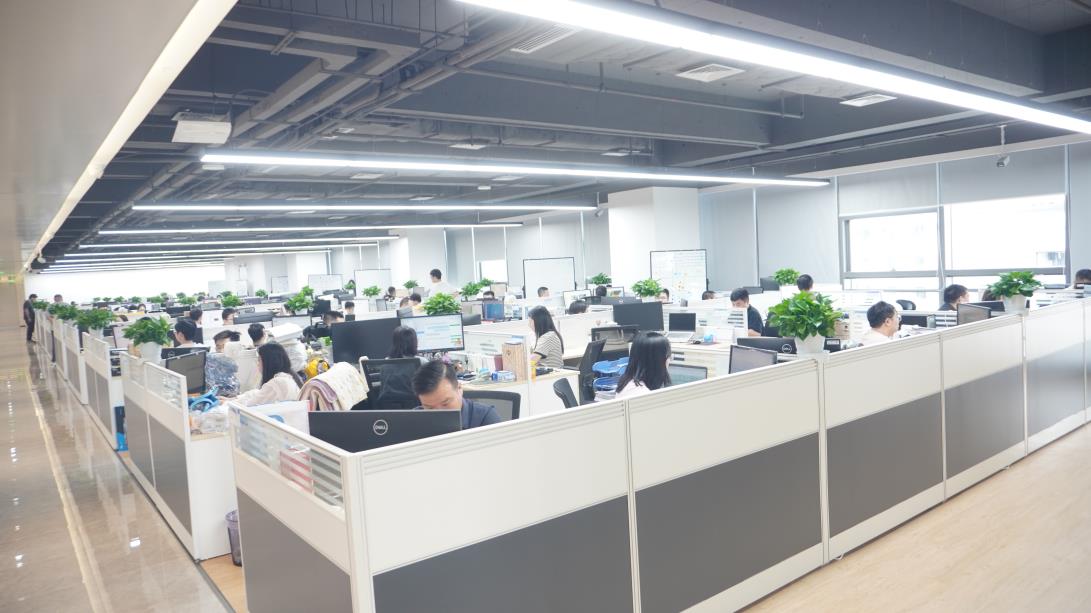
How ZhiCloud AI leverages the Shenzhen electronic cluster to deliver cost-effective and reliable computing power to Europe.
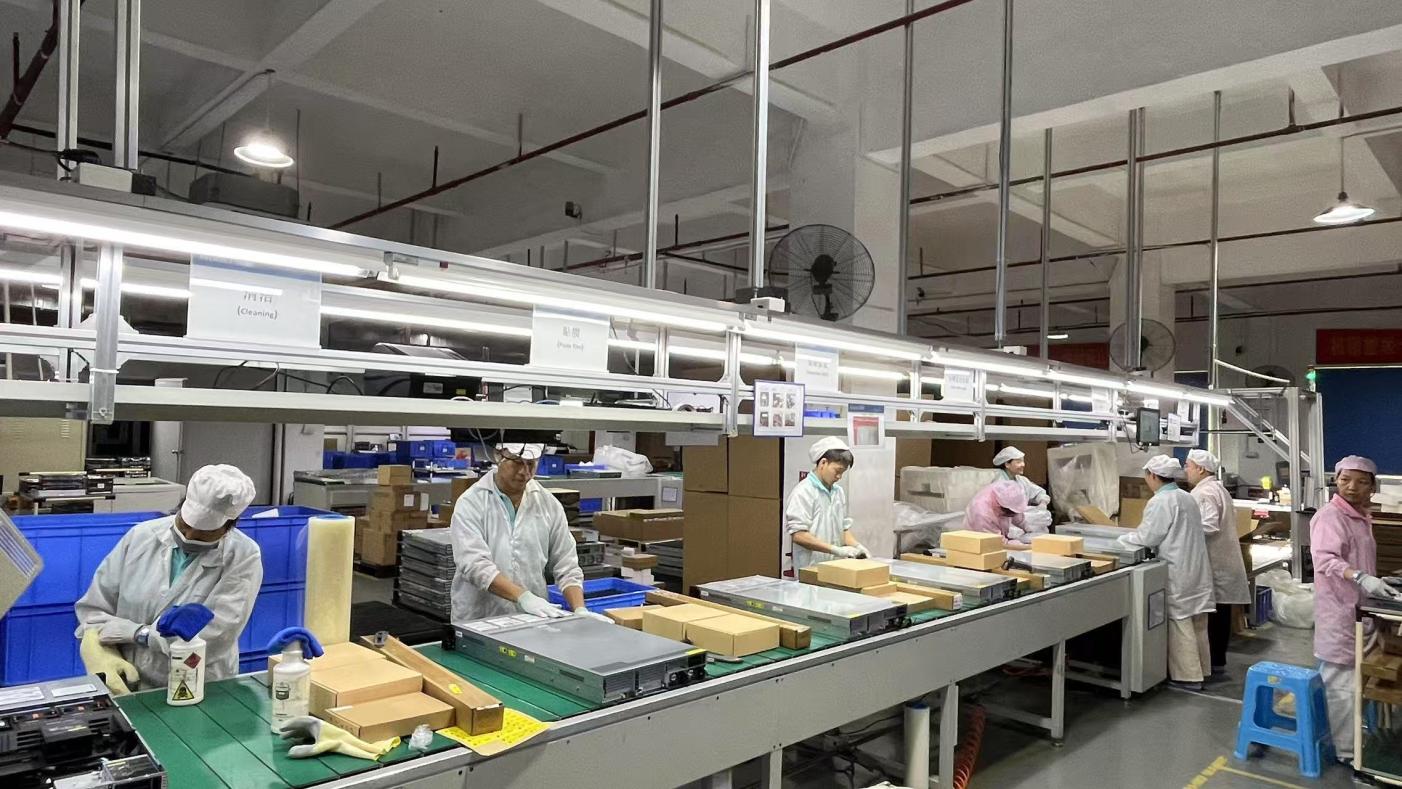
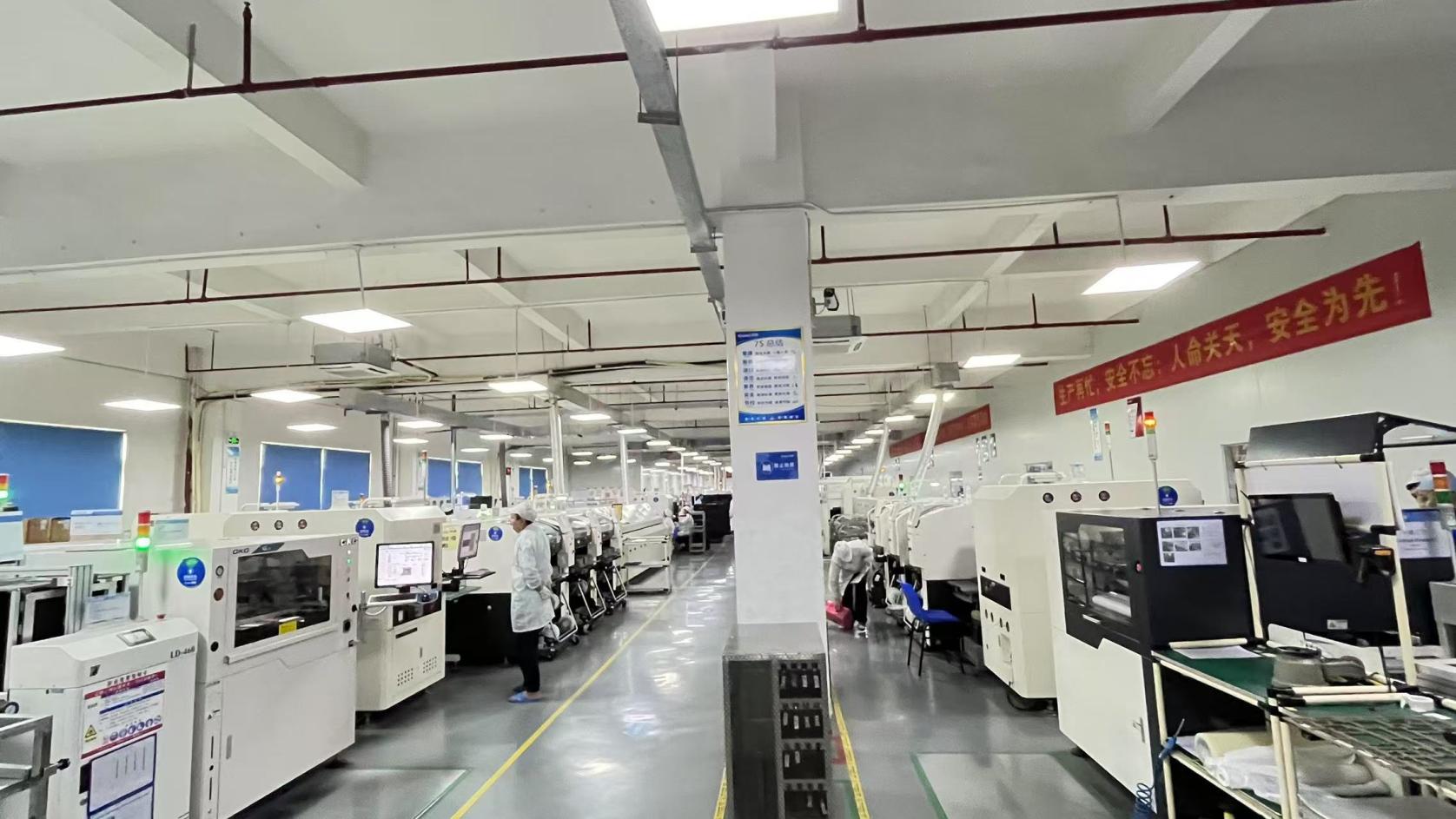
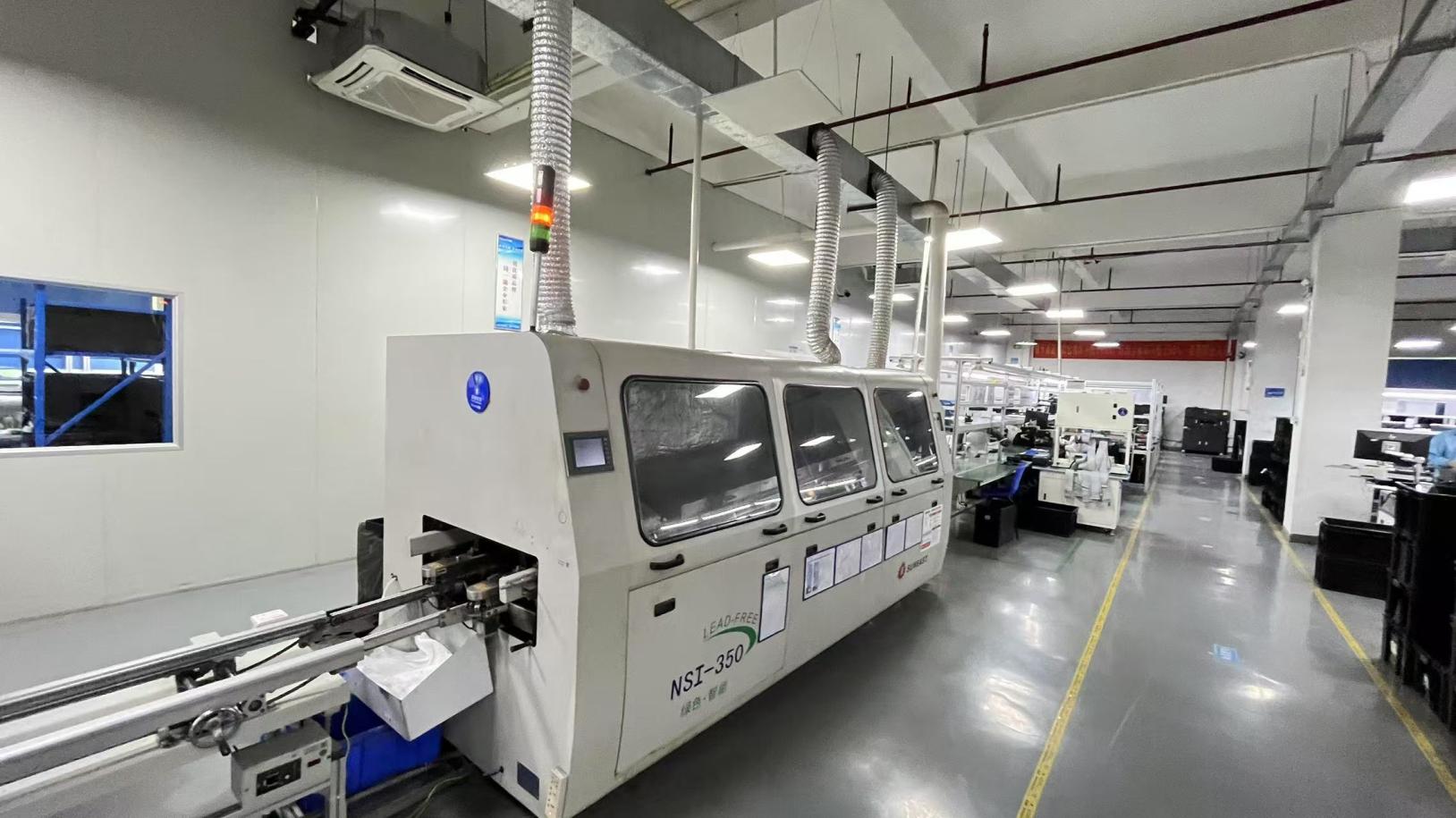
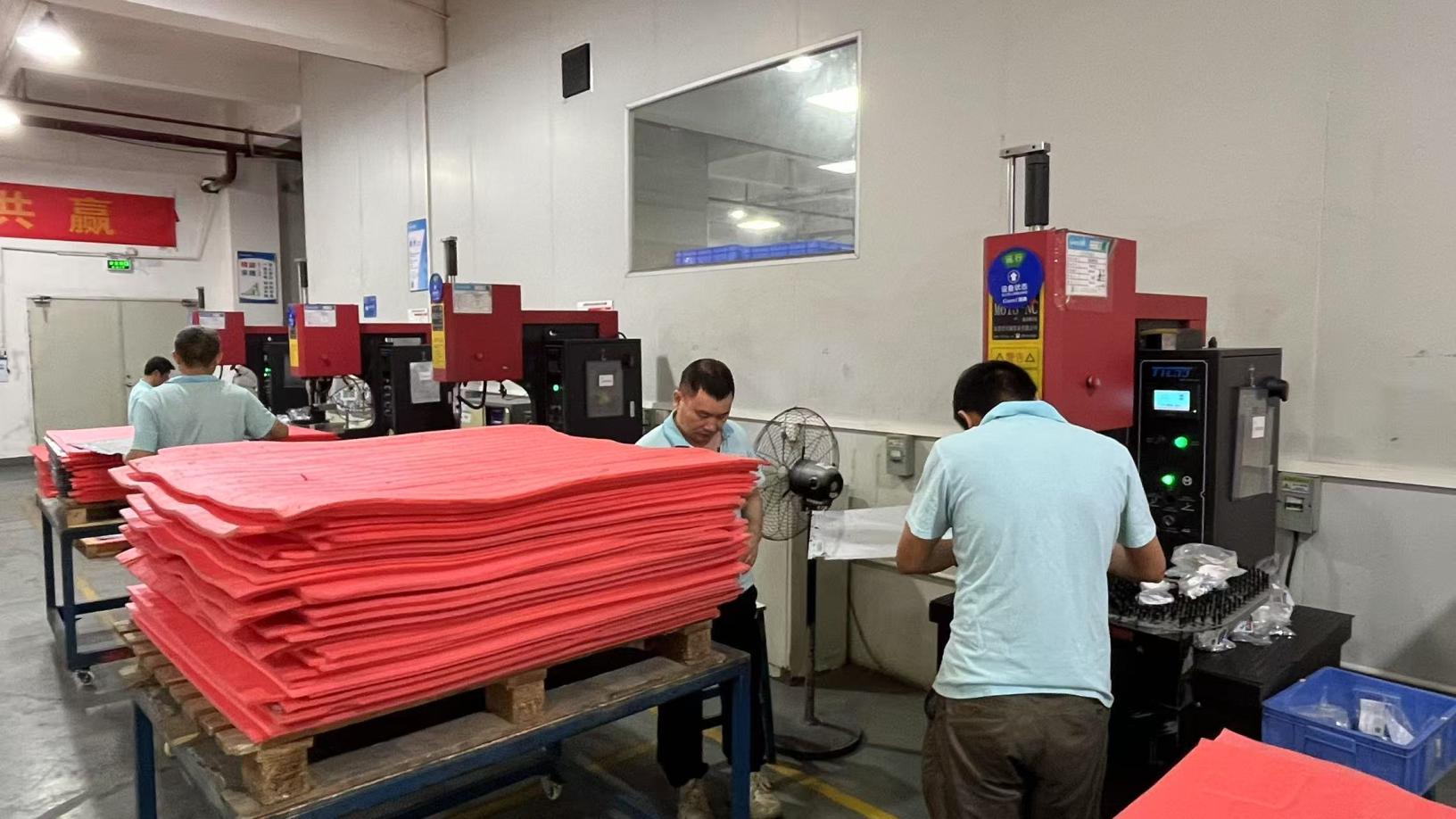
Operating within the world’s most dynamic hardware ecosystem in Shenzhen, Shenzhen Intelligent Computing Cloud Technology Co., Ltd. (ZhiCloud AI) coordinates component selection, architectural design, assembly, and testing. Our facility operates with extreme agility, enabling fast procurement of rare components, memory systems, and processors. This efficiency is backed by a robust supply chain network consisting of over 1,200 strategic partners, safeguarding our production lines from unexpected component shortages.
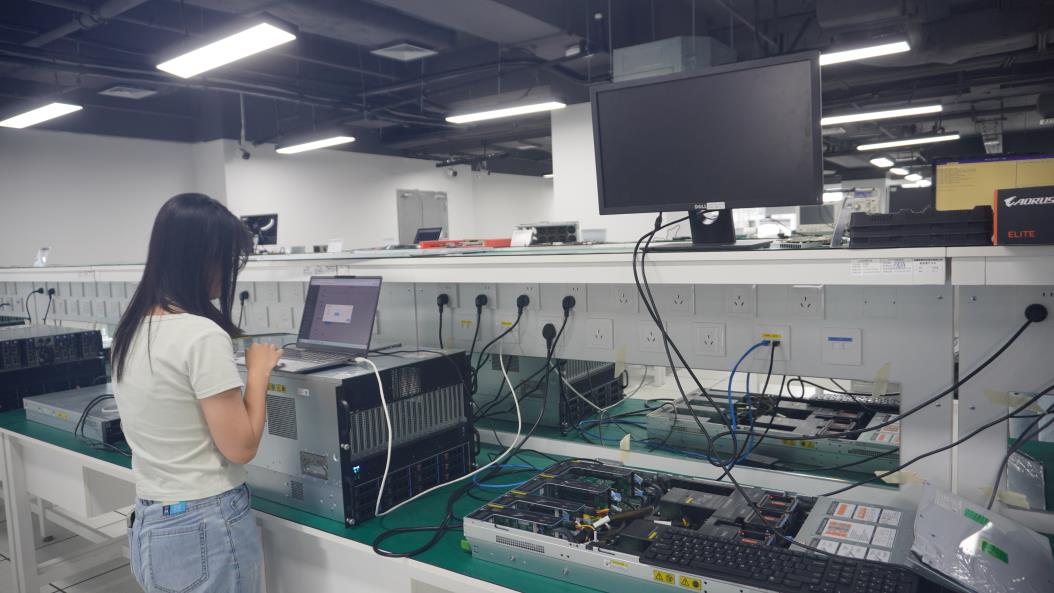
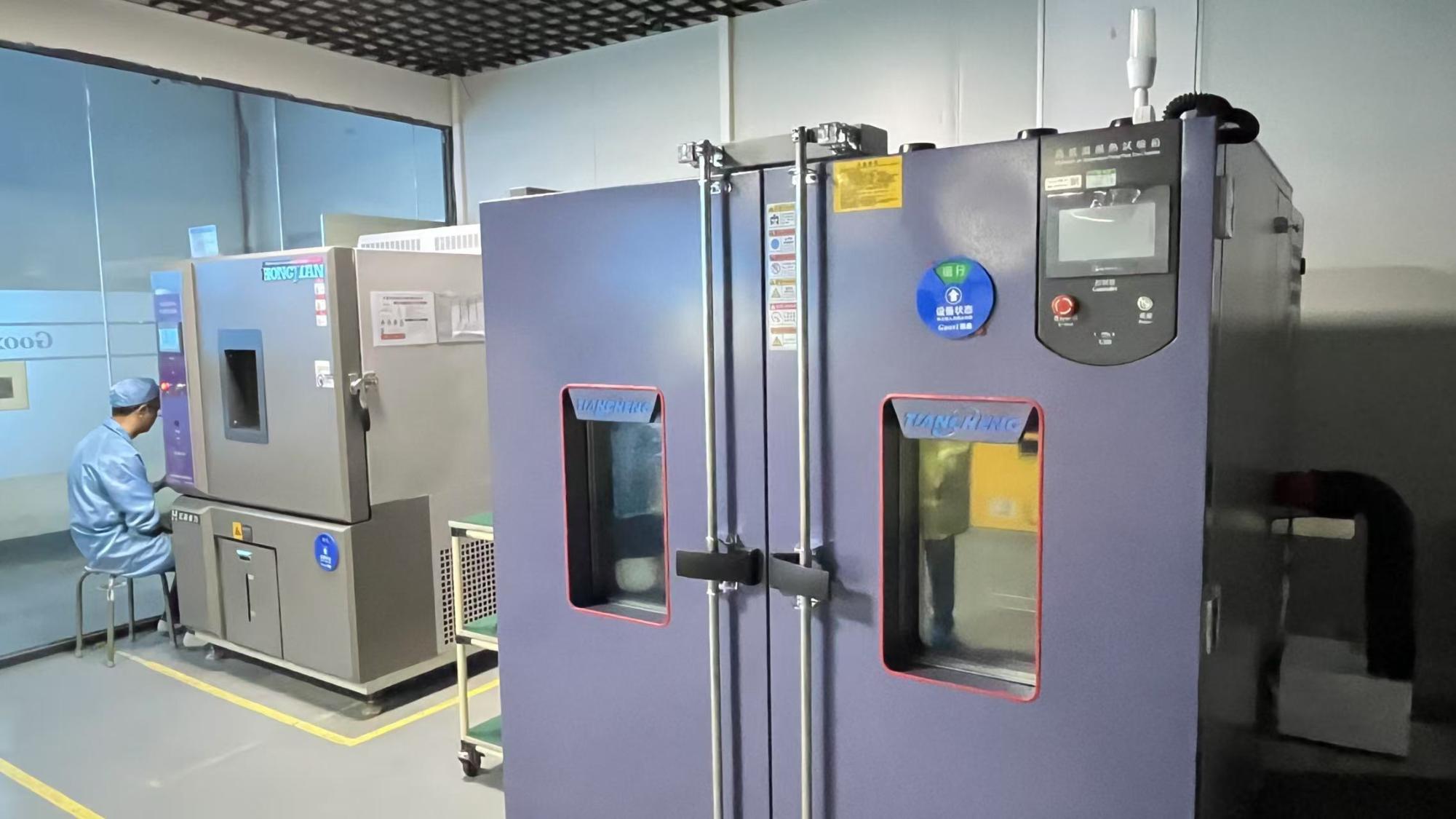
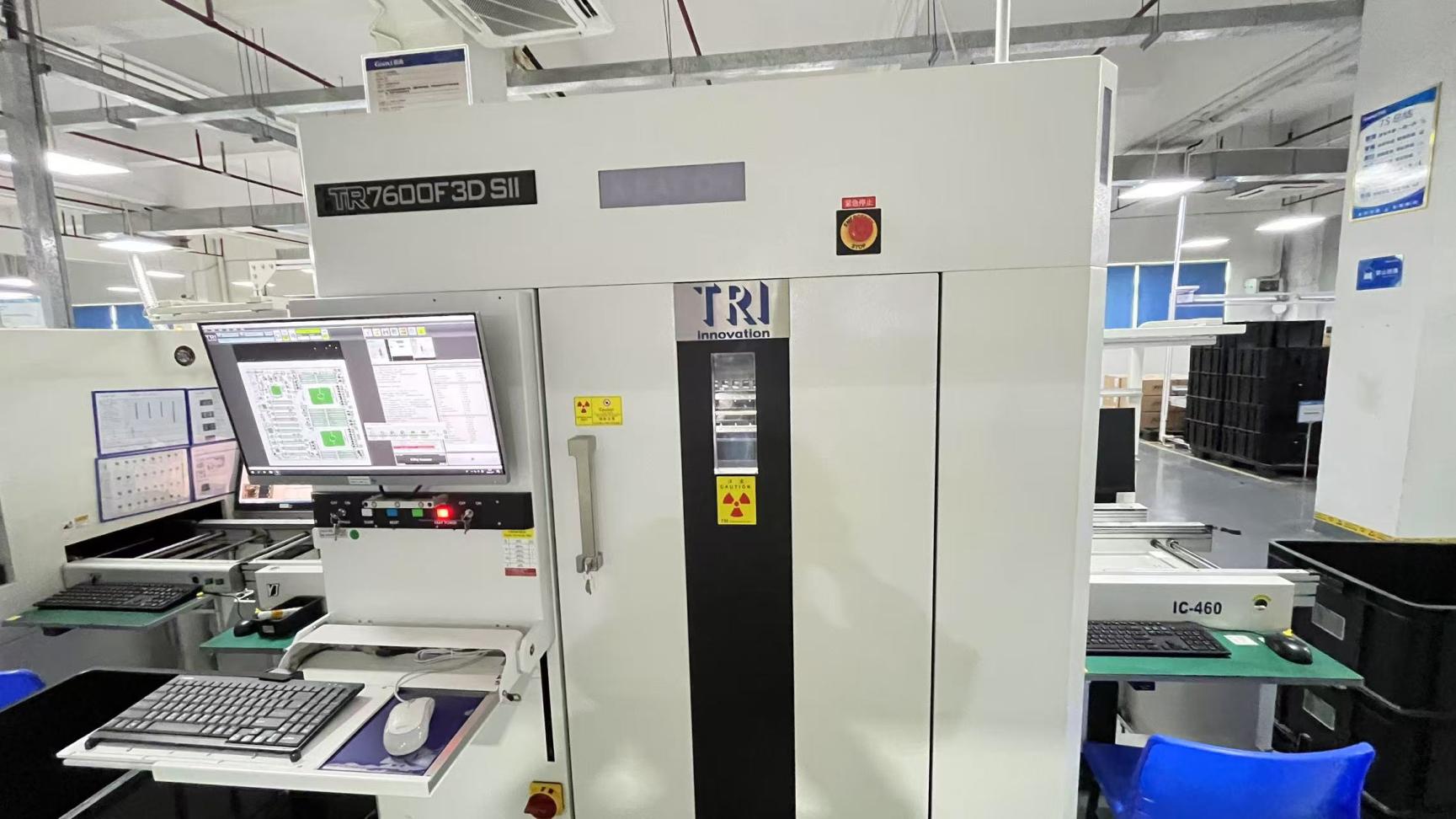
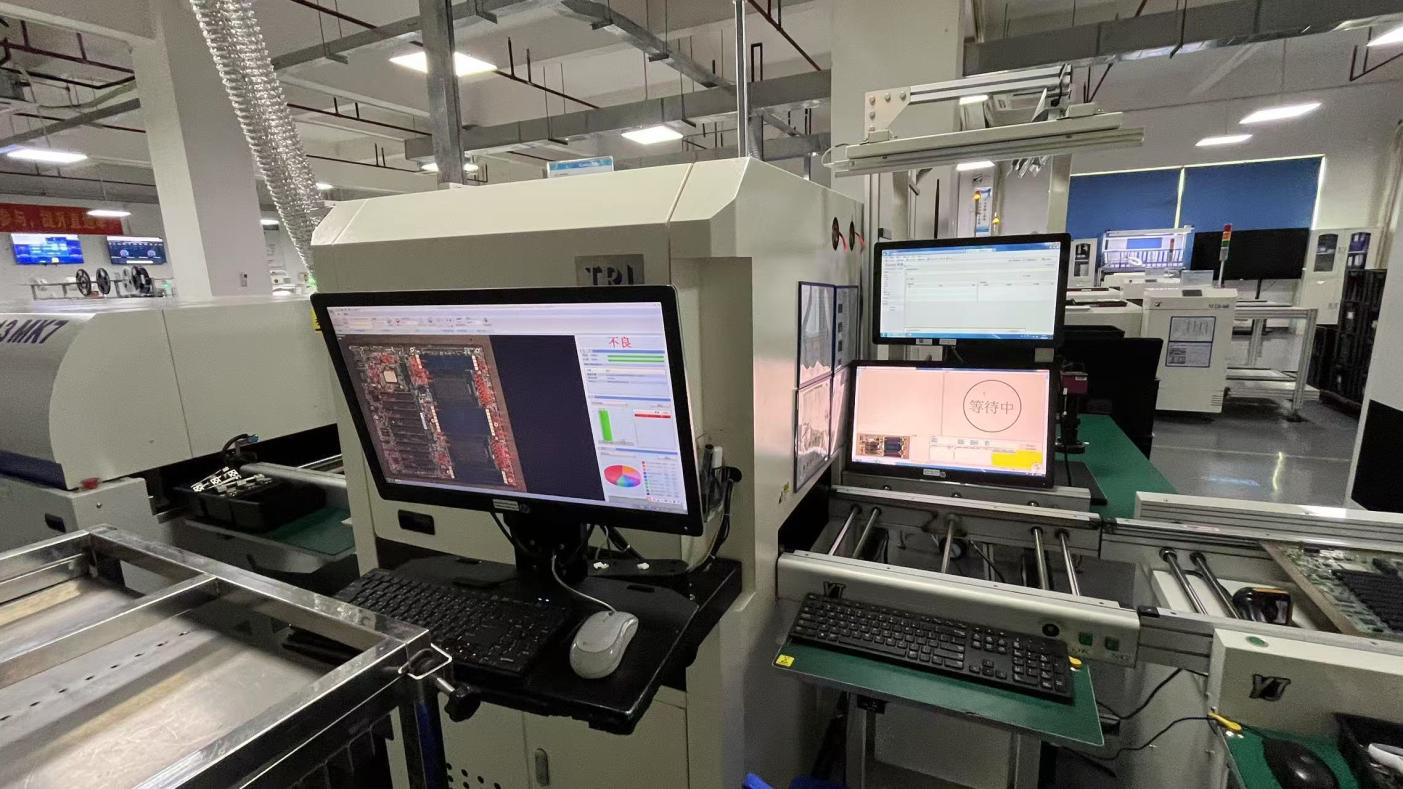
Our strict quality assurance protocols are managed by a team of 45 dedicated Quality Control (QC) specialists. Each server undergoes a series of rigorous testing phases, including thermal stress, performance benchmarking, and comprehensive system burn-in tests. This ensures our hardware operates reliably under heavy workloads. Last year alone, our 120-person R&D engineering division released approximately 180 new products, highlighting our commitment to rapid hardware innovation.
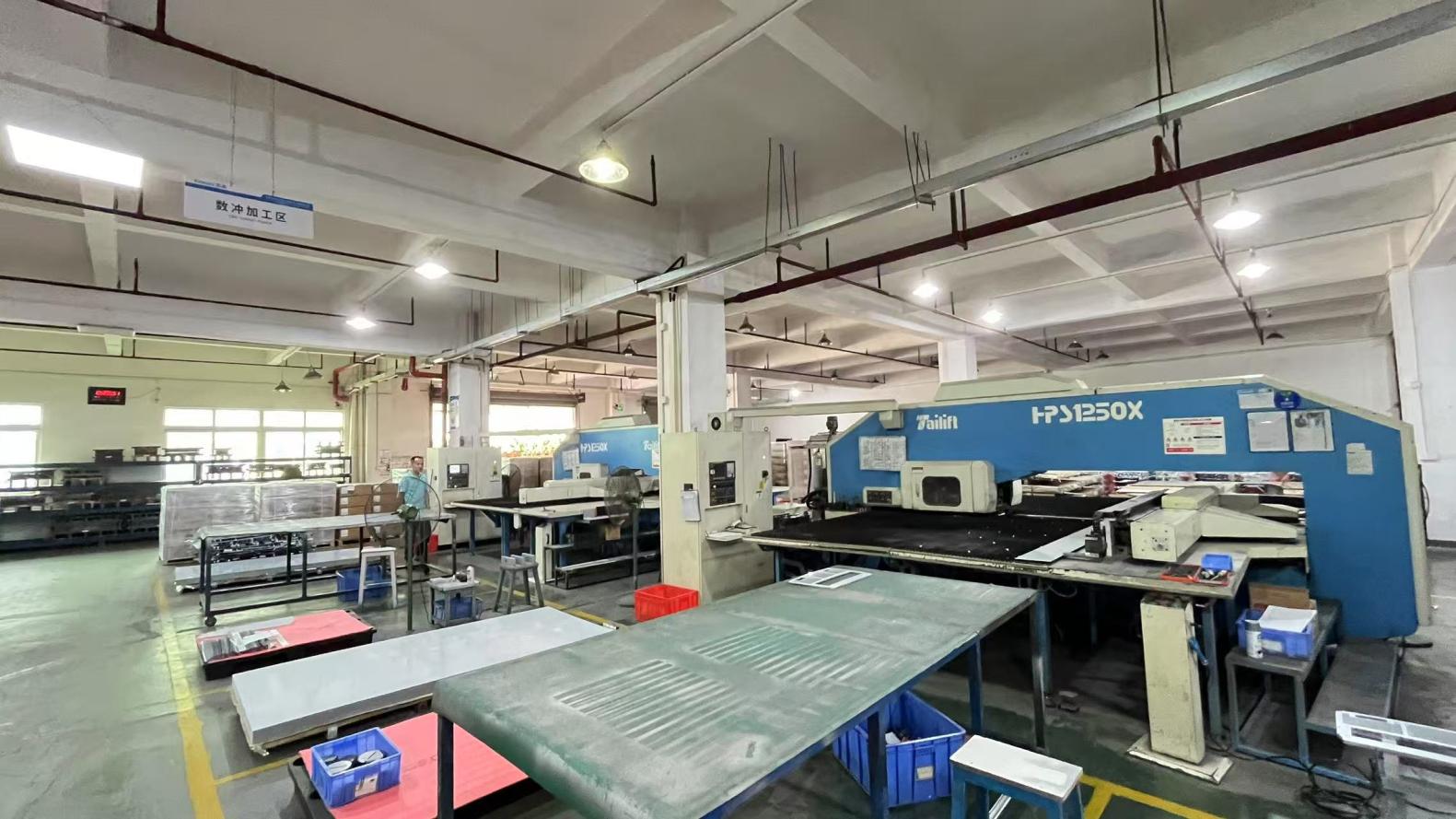
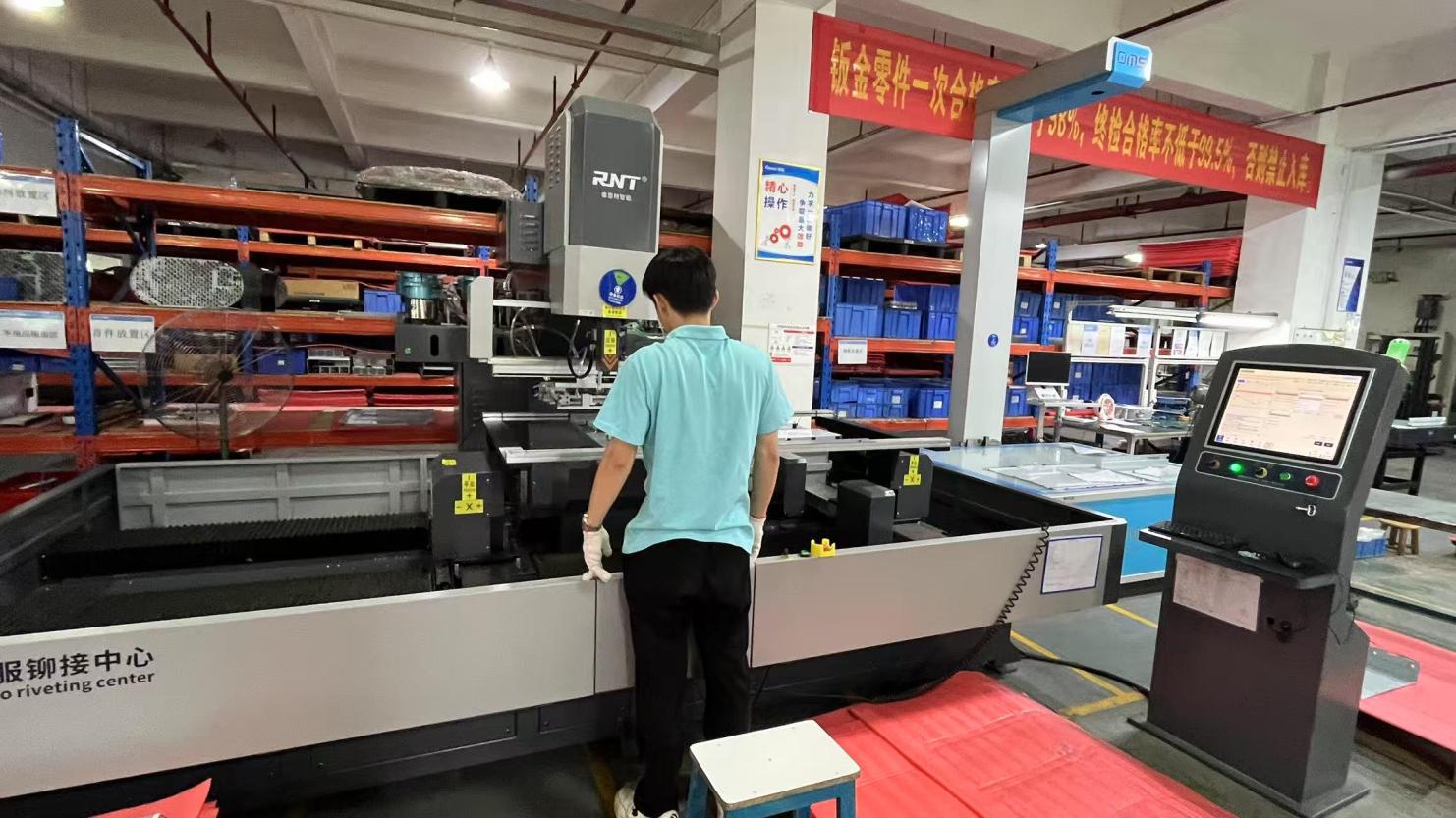
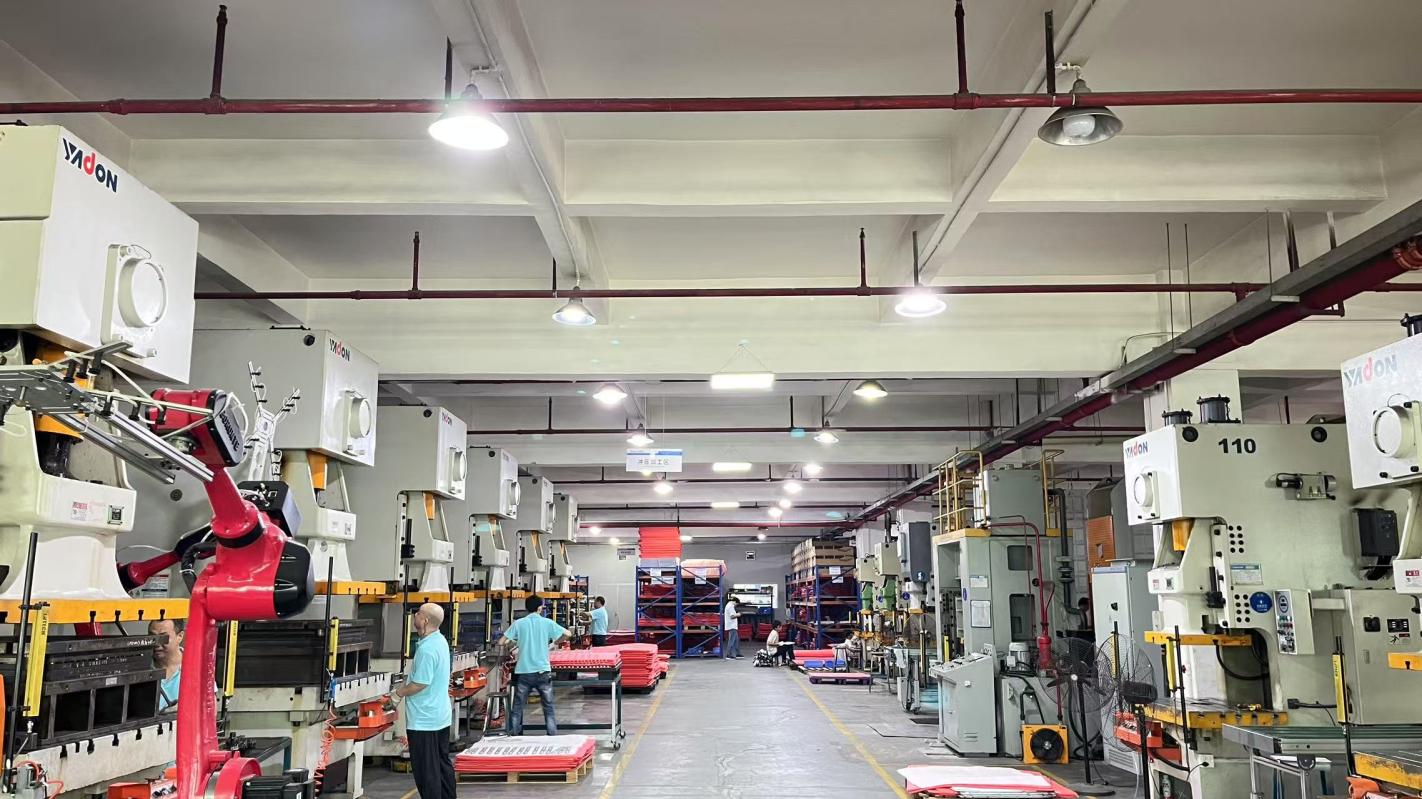
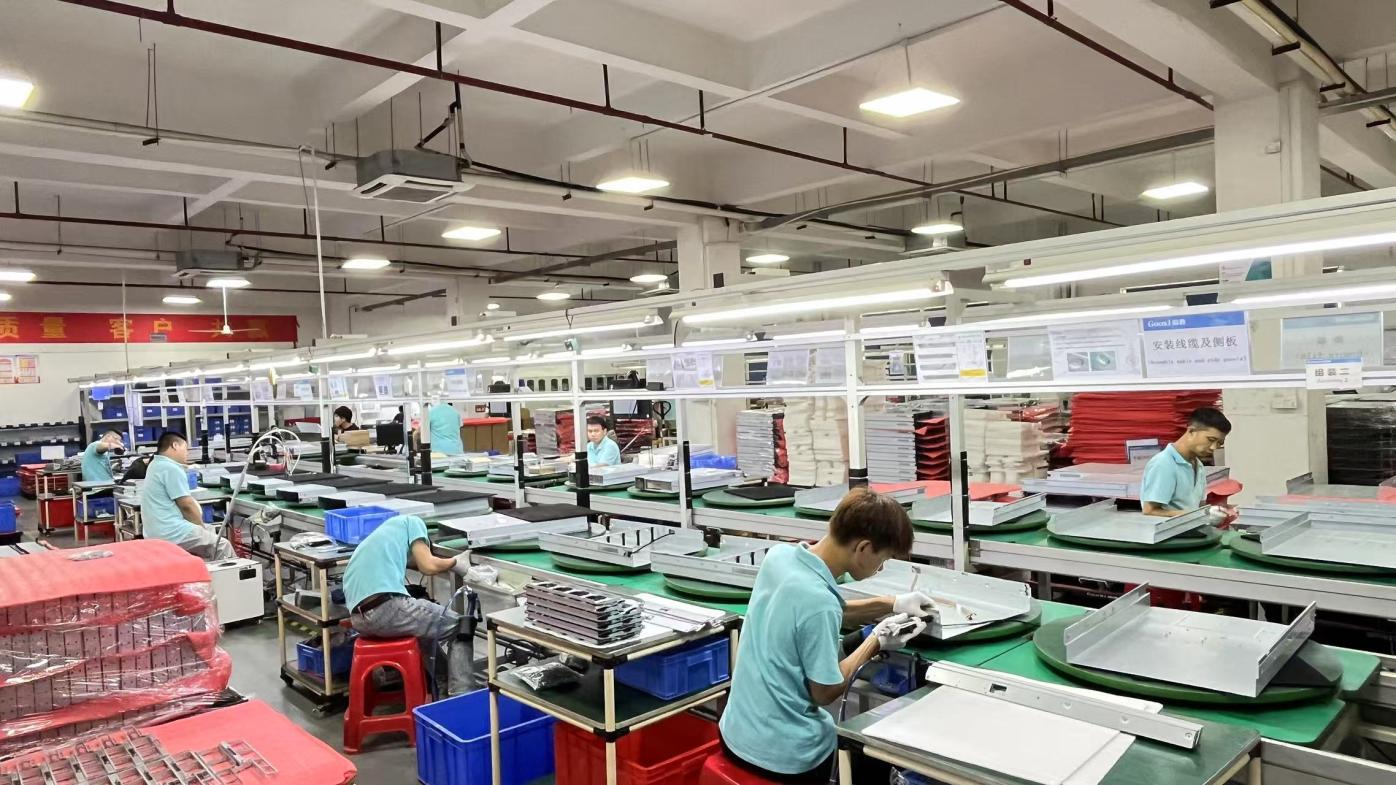
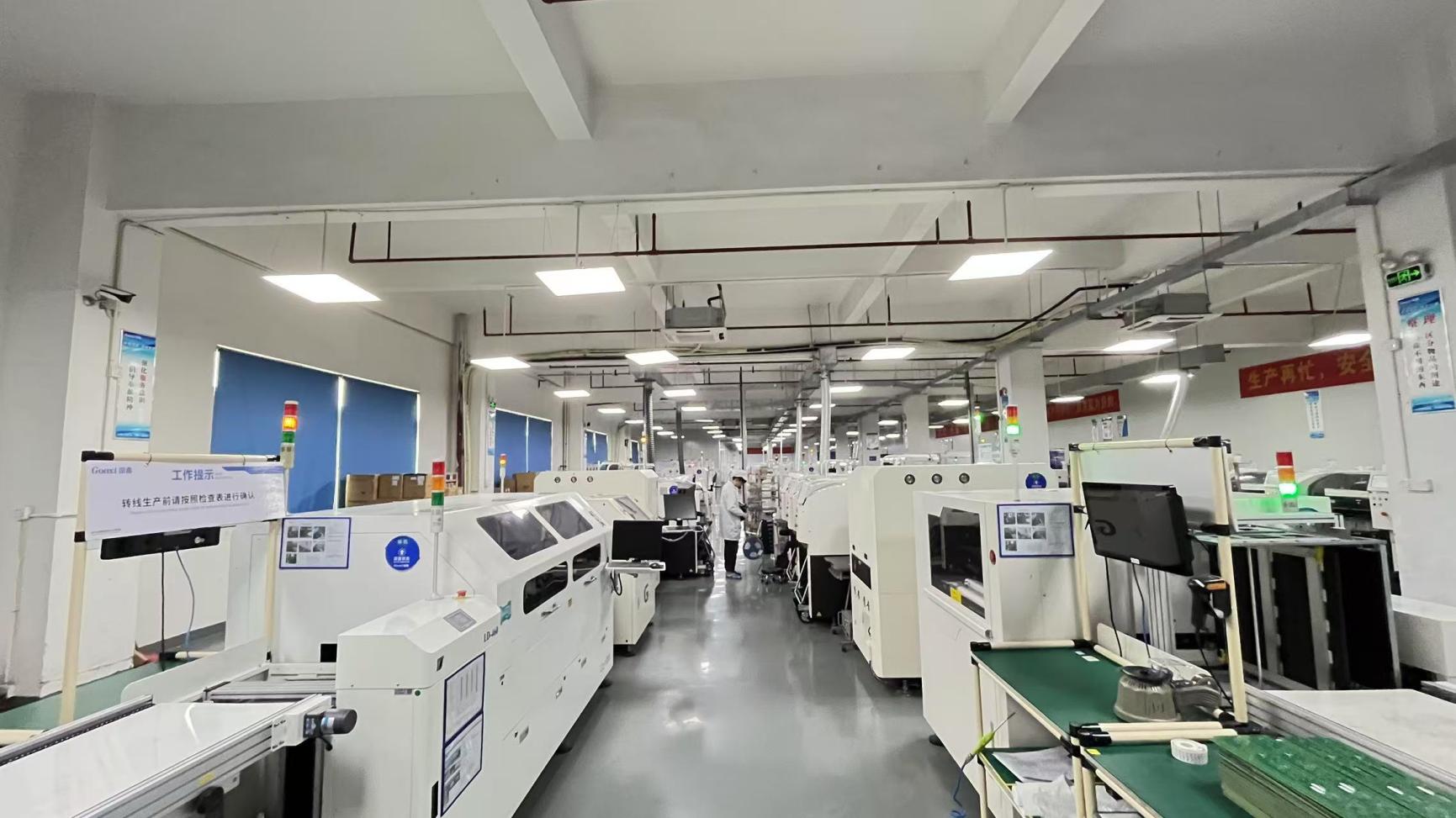
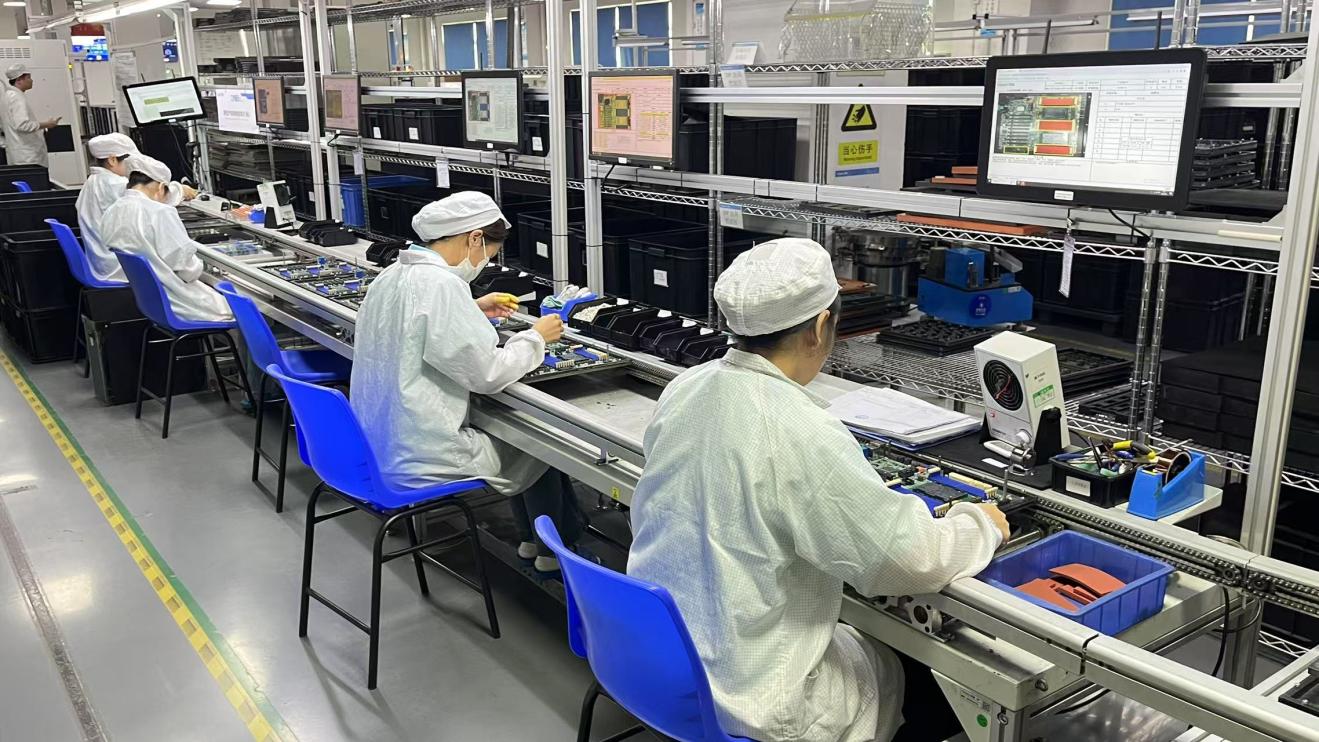
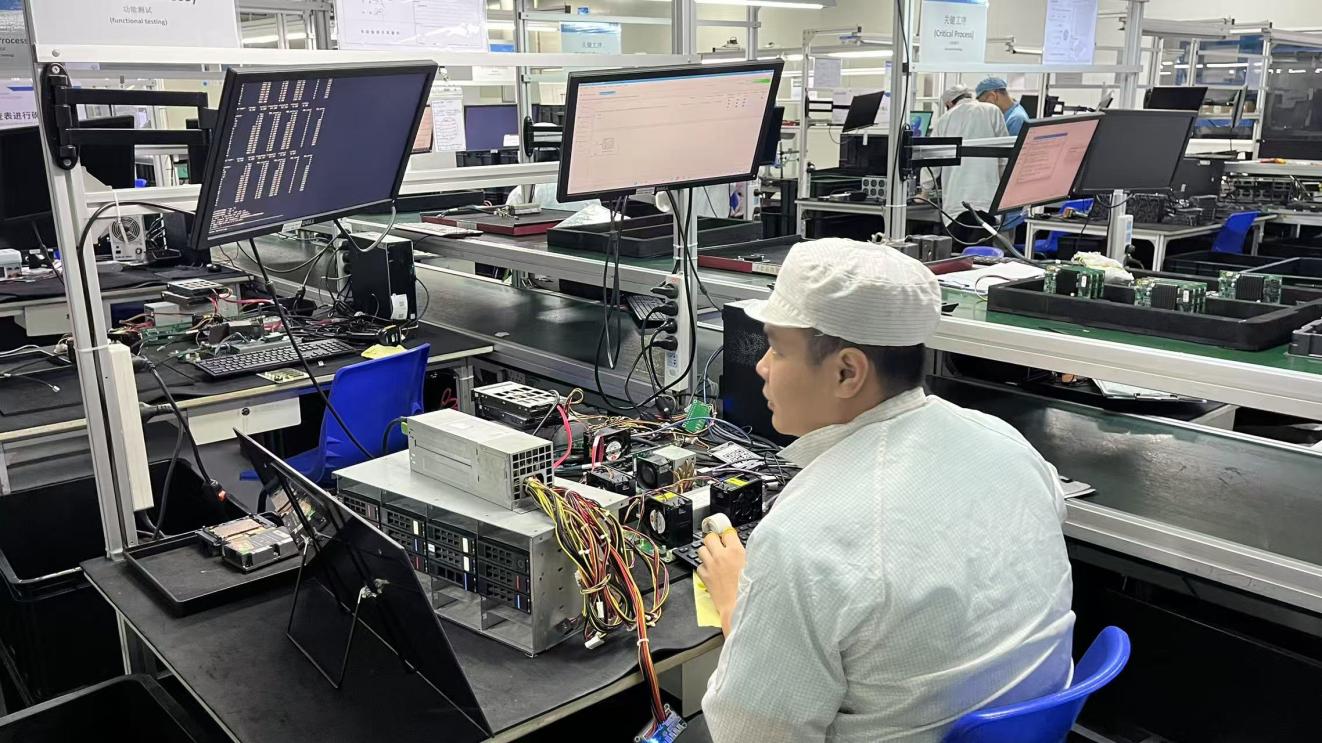
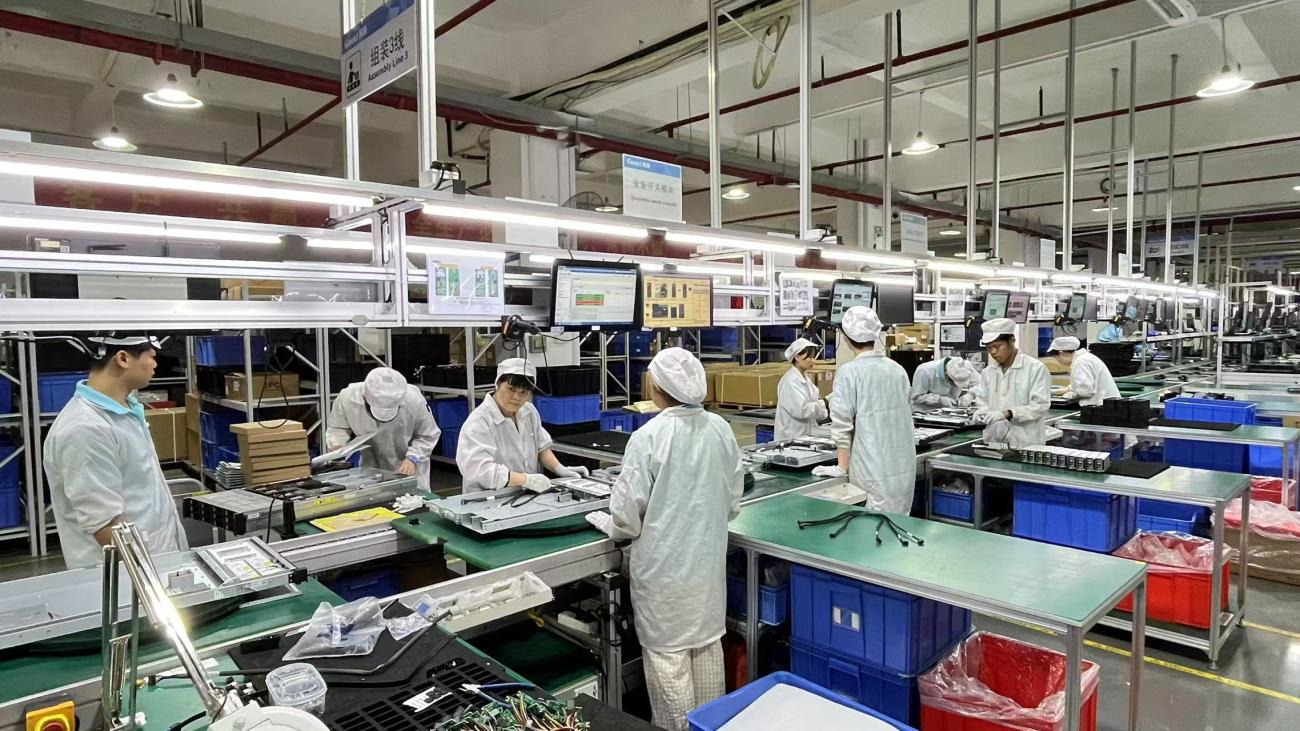
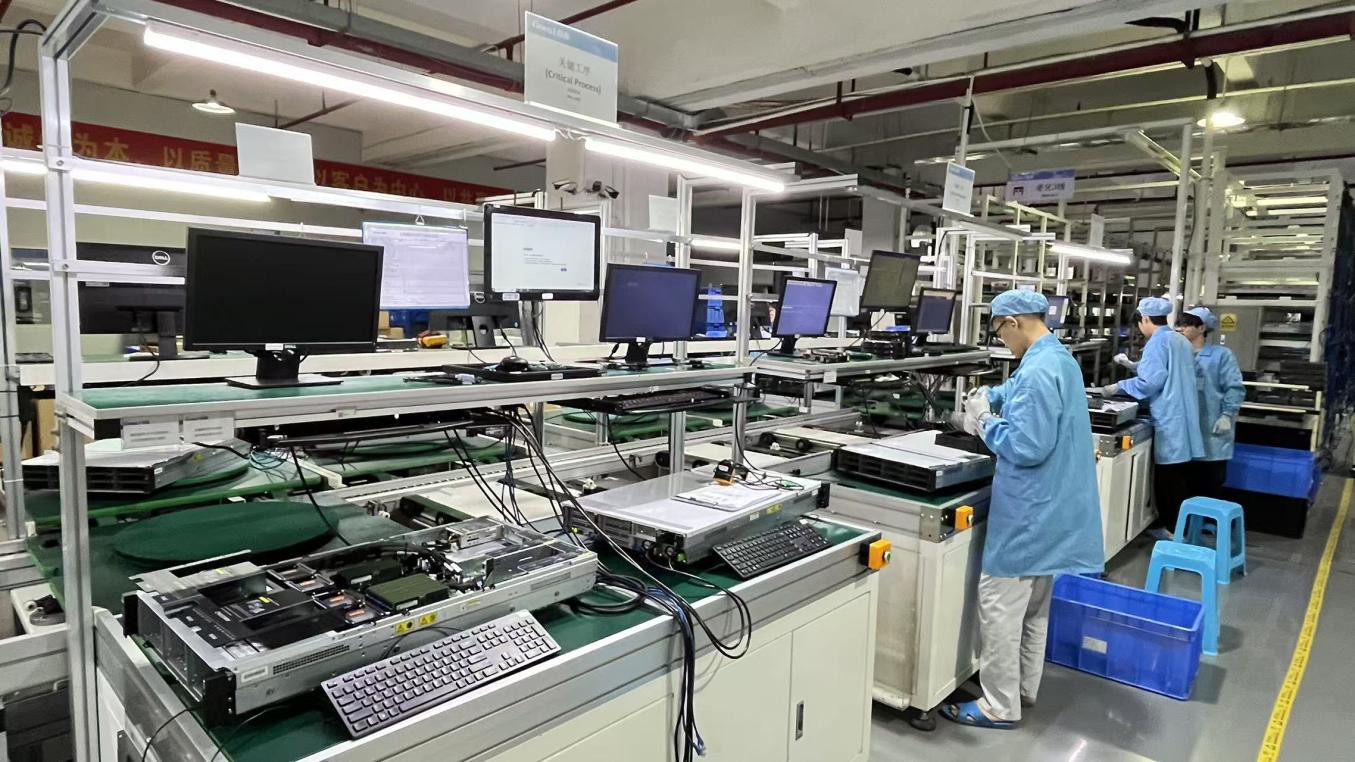
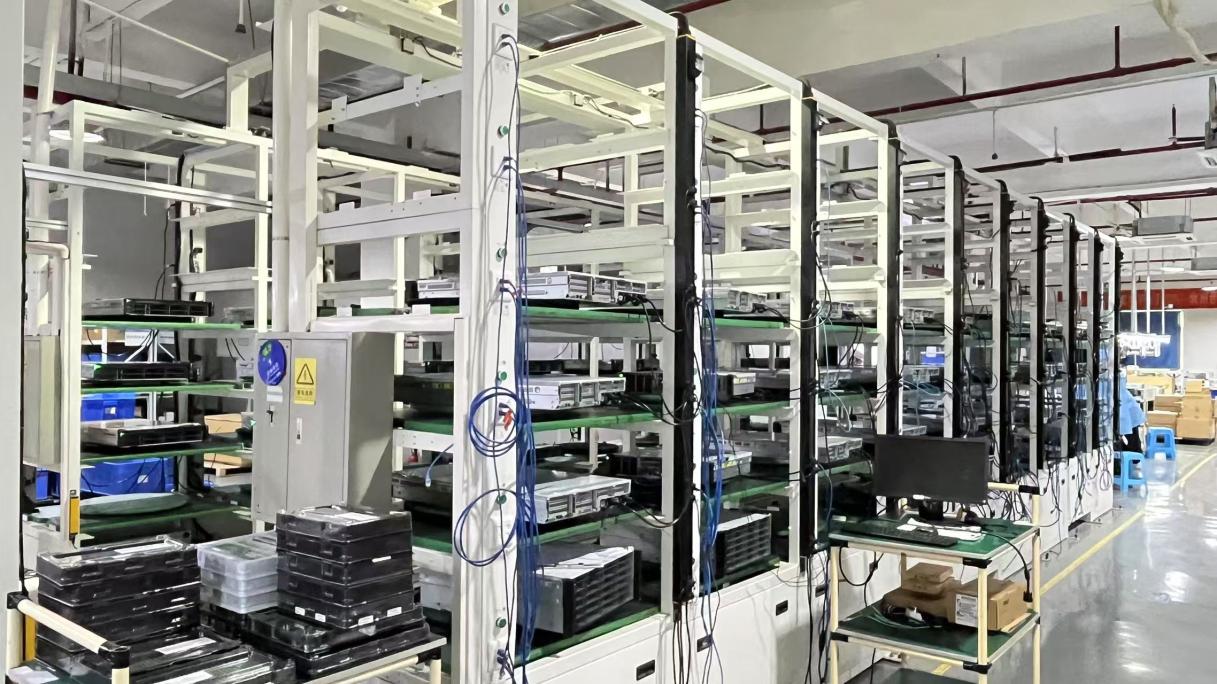
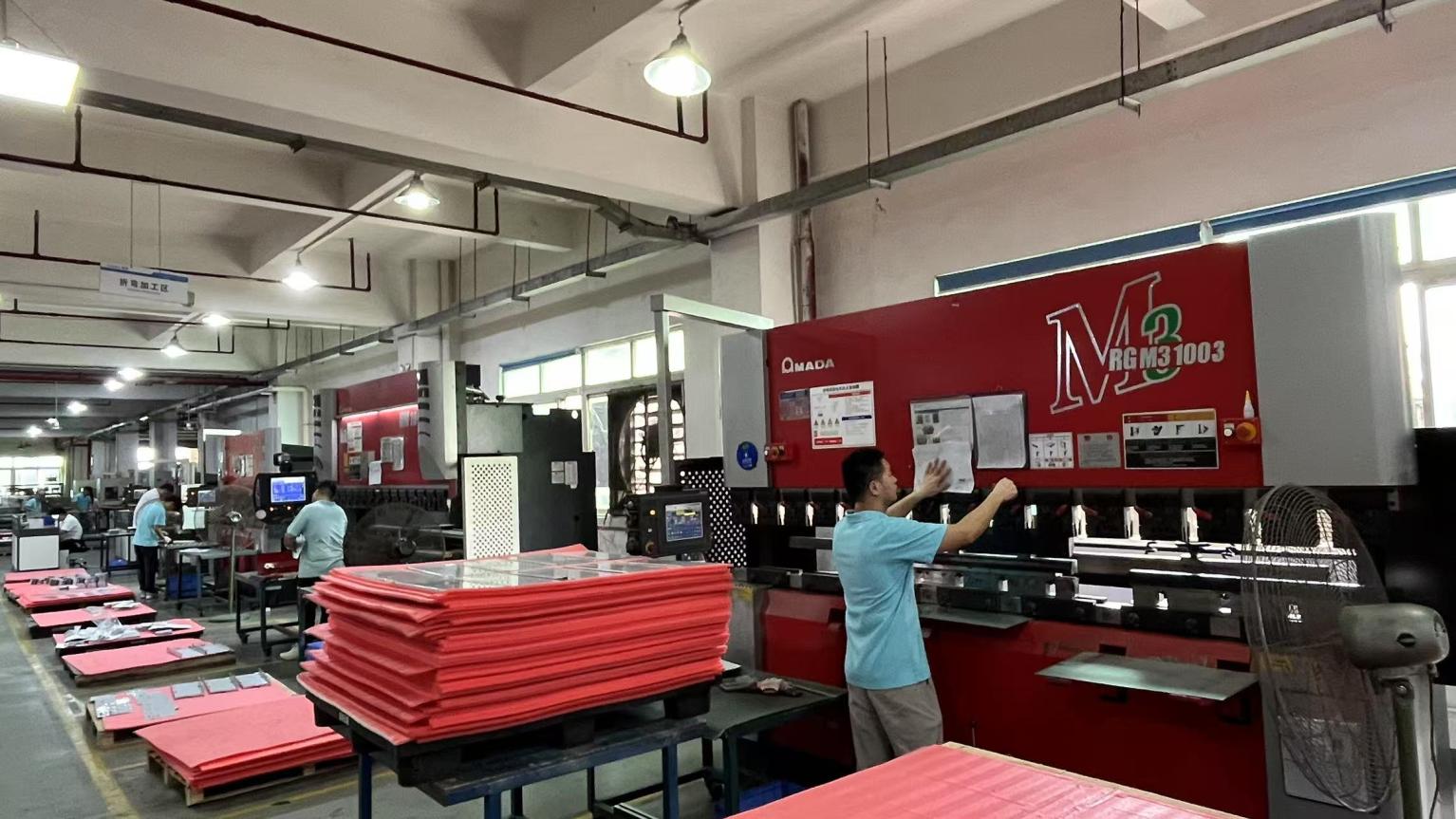

Ensuring hardware resiliency for Paris deployments, meeting EU requirements including CE, RoHS, and WEEE directives.
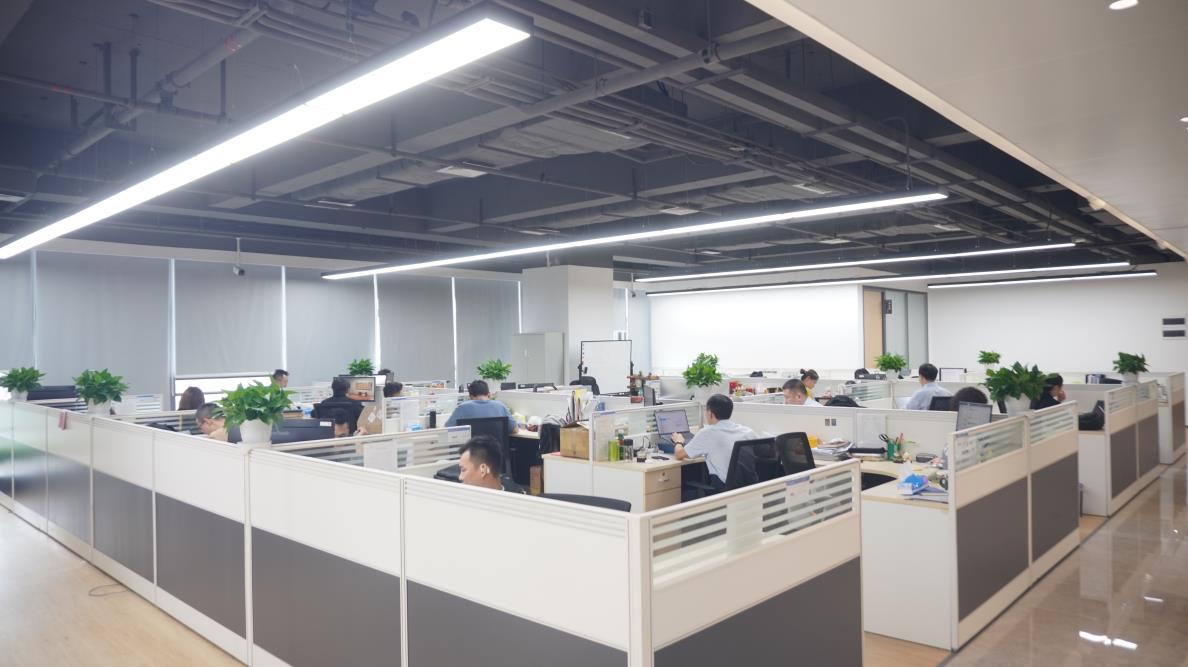
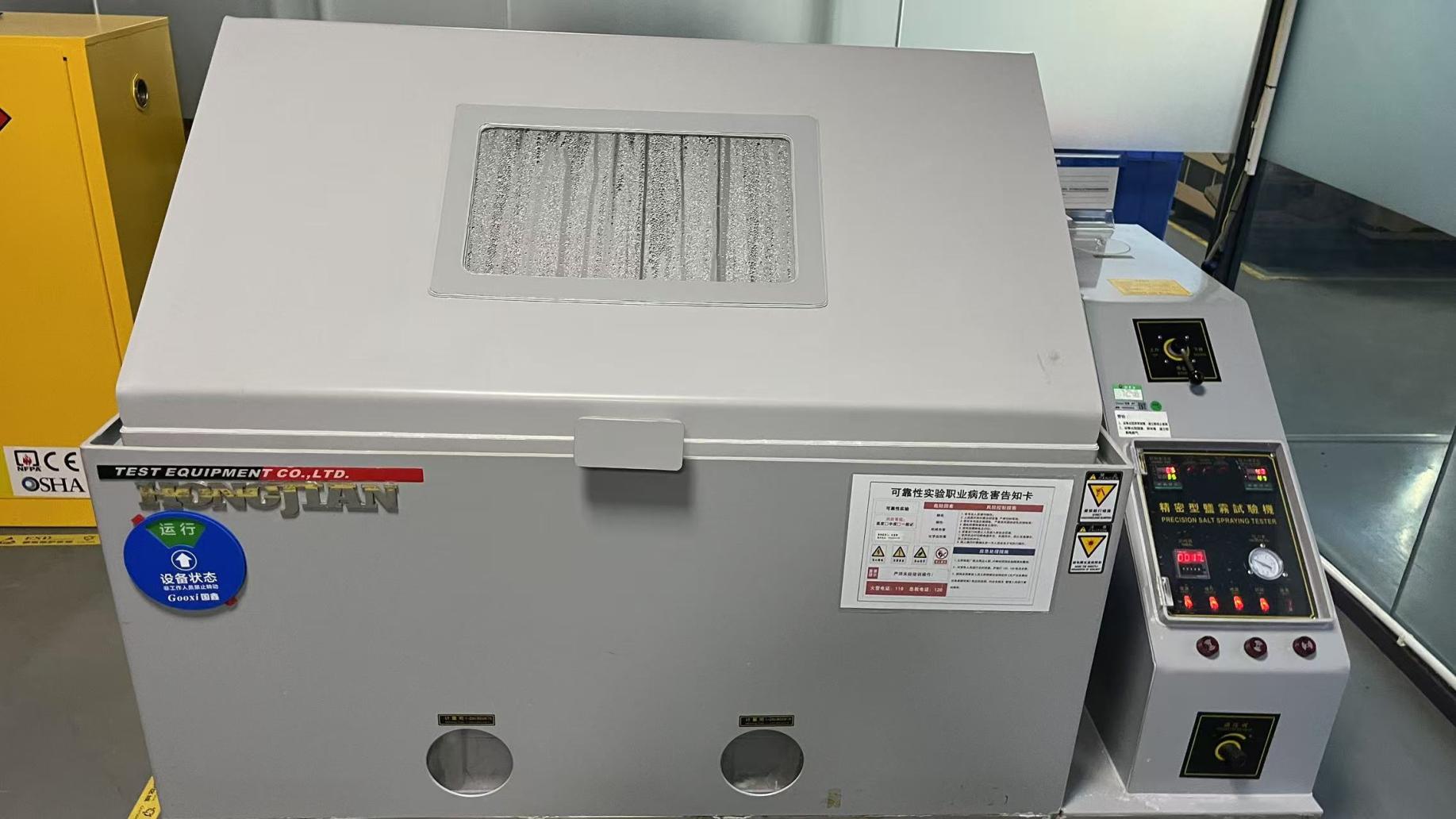
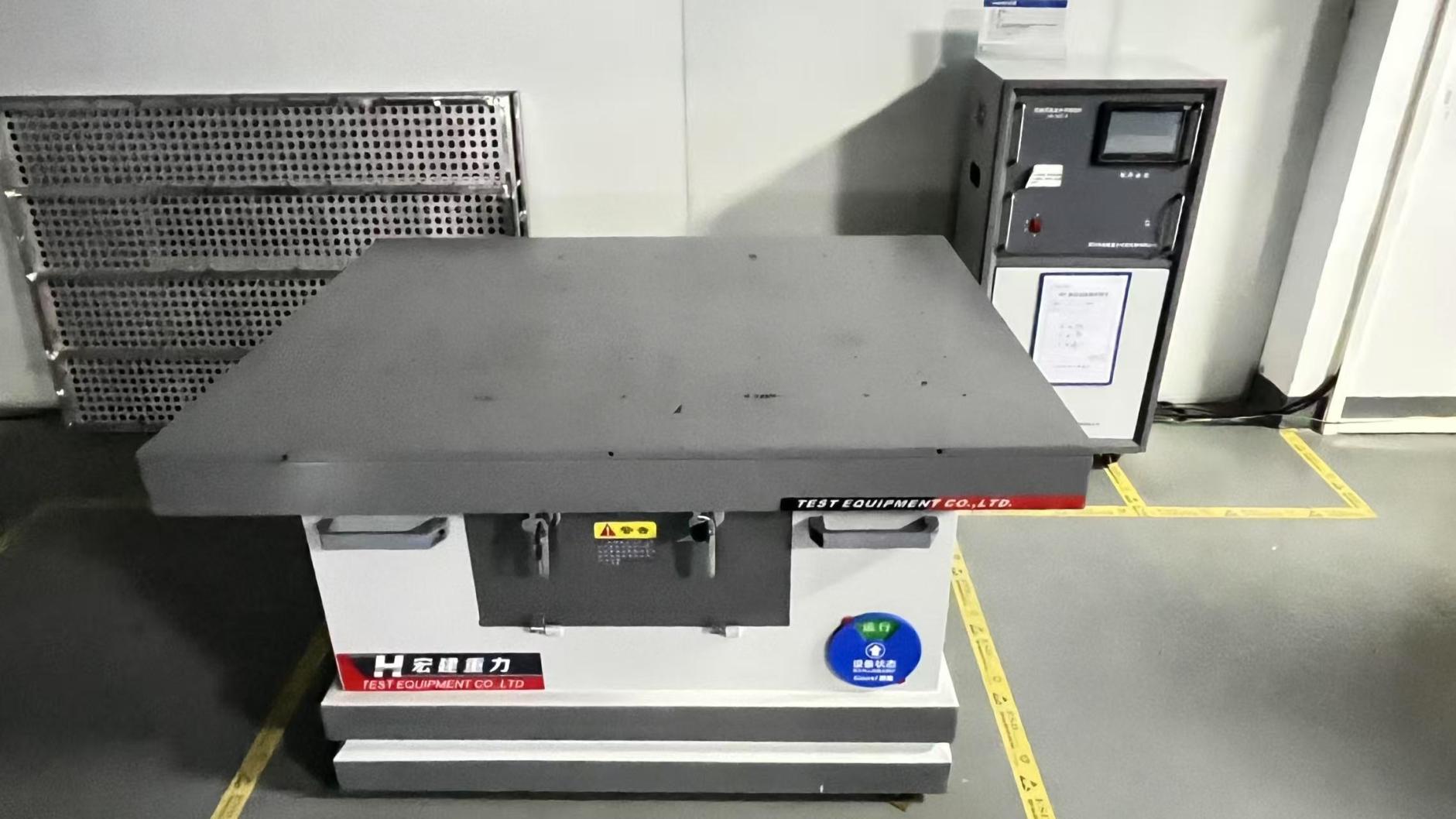
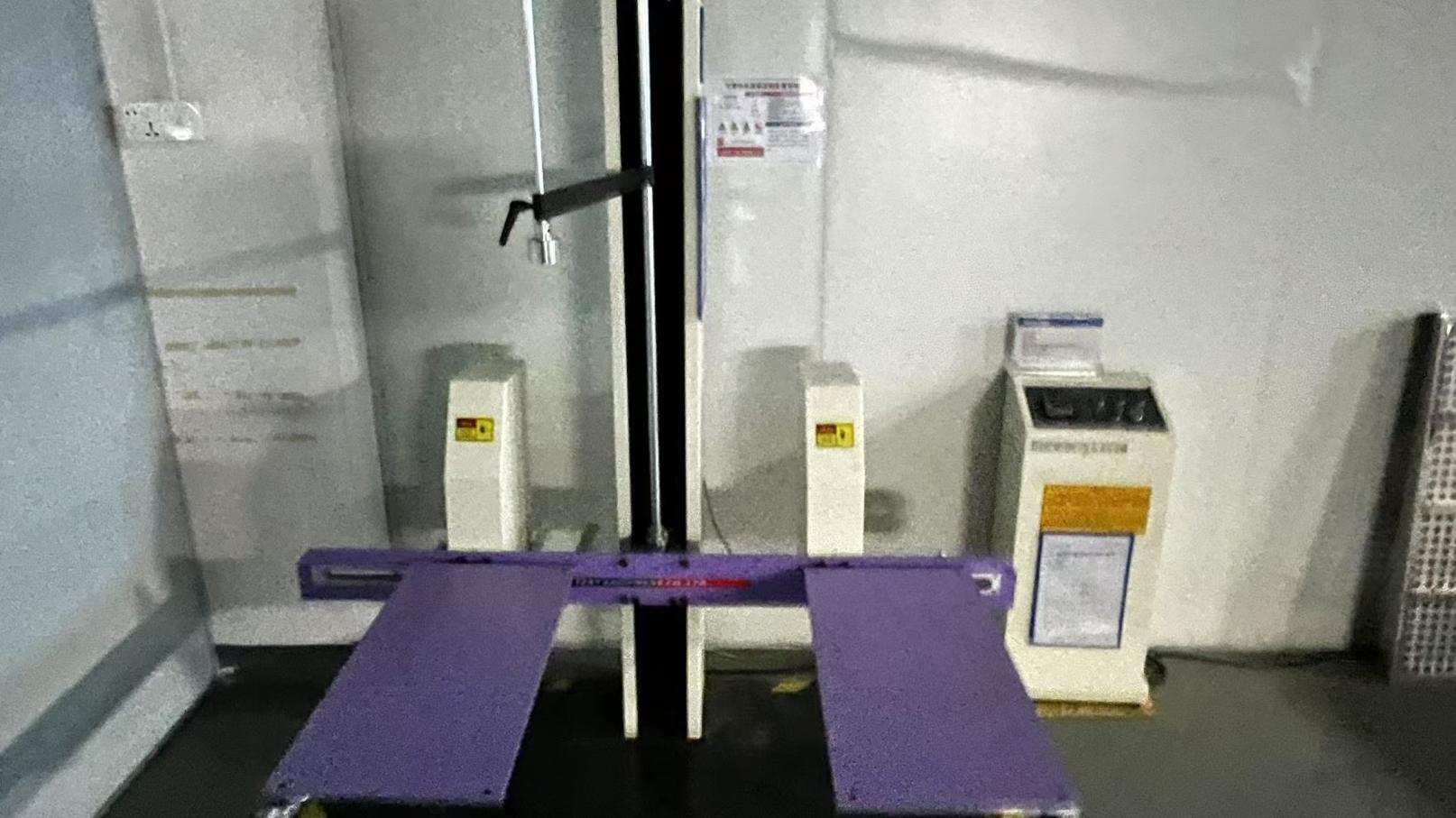
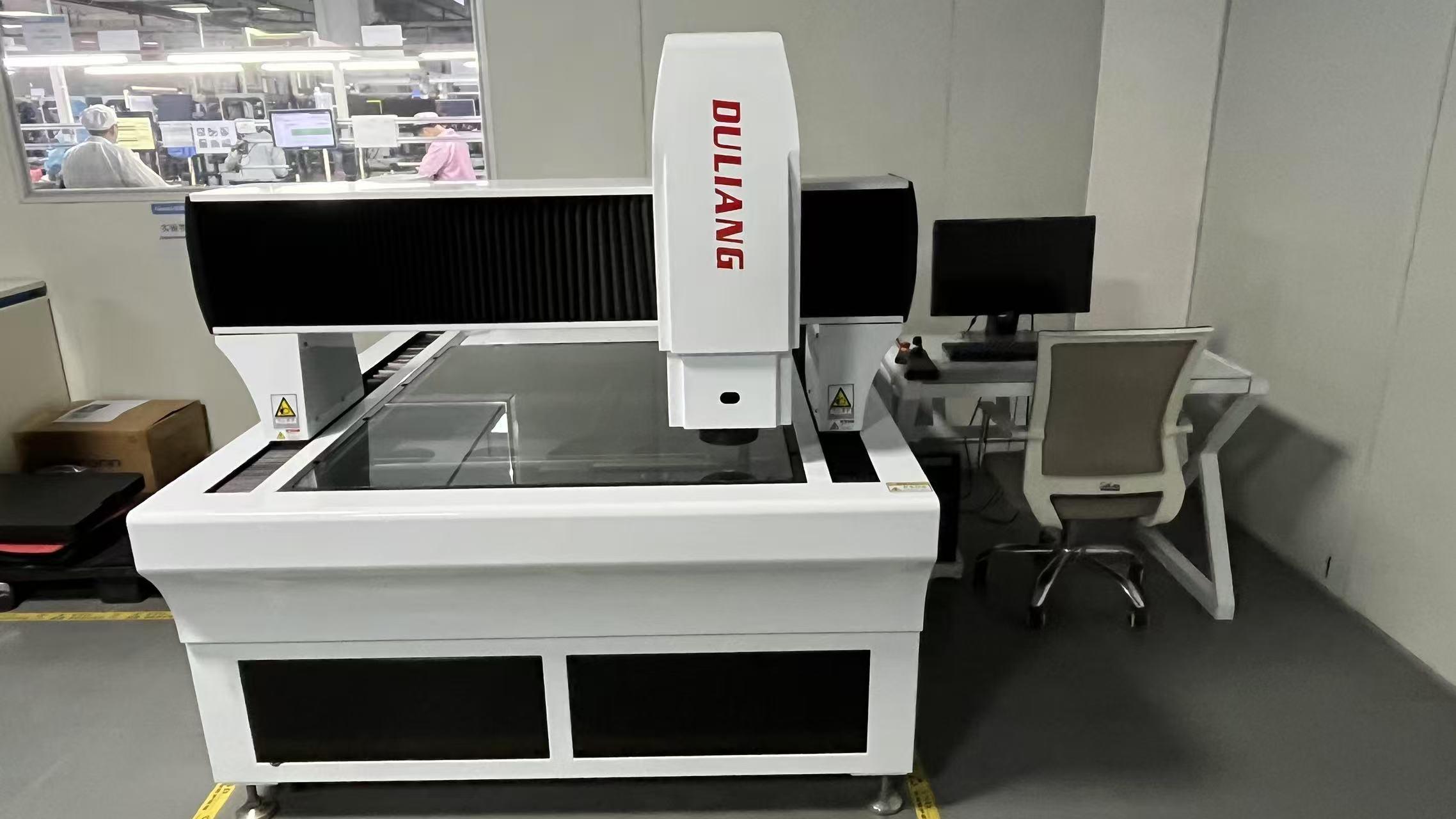
Deploying AI servers within Parisian data facilities requires strict adherence to environmental regulations and hardware safety standards. ZhiCloud AI's infrastructure products undergo rigorous testing before dispatch. Our facilities are equipped with environmental simulation tools to verify system performance in demanding conditions:
By offering CE-marked, WEEE-compliant, and energy-optimized configurations, we help French clients achieve compliance and smooth verification during audits.
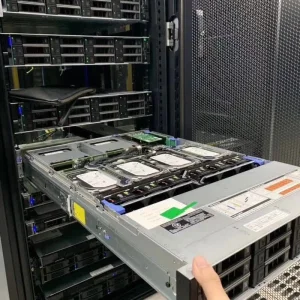
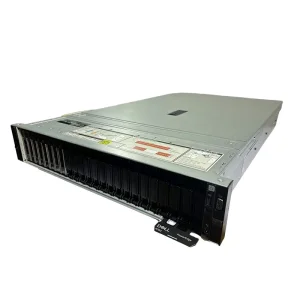
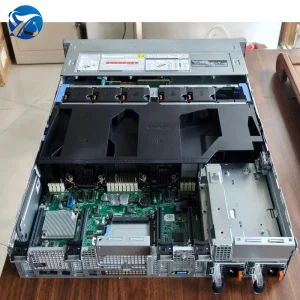
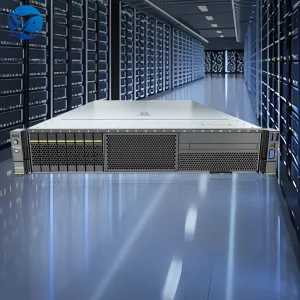
Browse our selection of pre-configured and fully customizable platforms optimized for computational speed, virtualization, and storage.
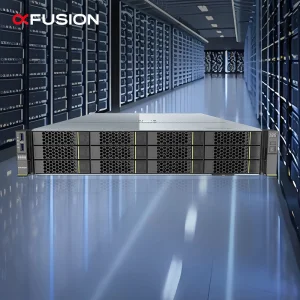
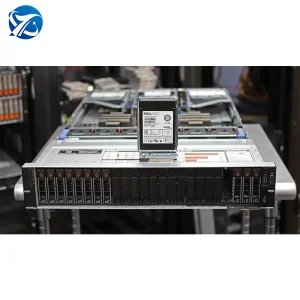
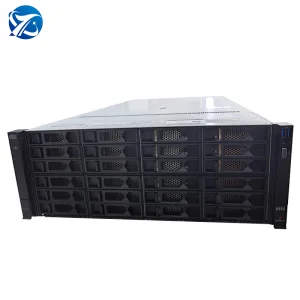
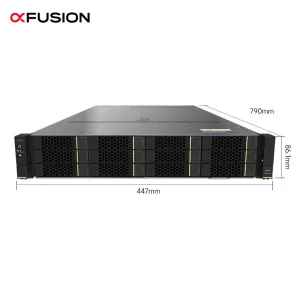
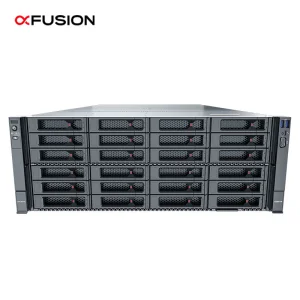
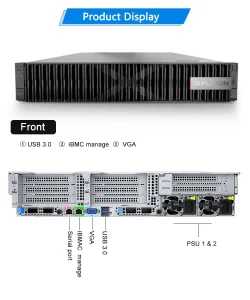
Key technical, logistical, and compliance considerations answered by our senior hardware architecture engineering team.