ZhiCloud AI
ZhiCloud AI
ZhiCloud AI
Explore our premium fleet of enterprise-grade compute platforms, high-speed servers, and data center accessories designed for mission-critical operations.
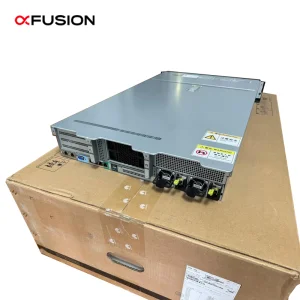
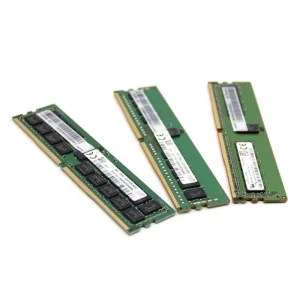
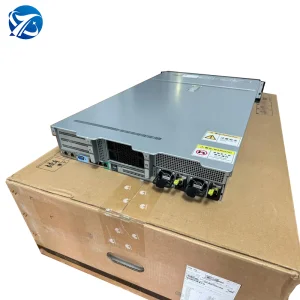
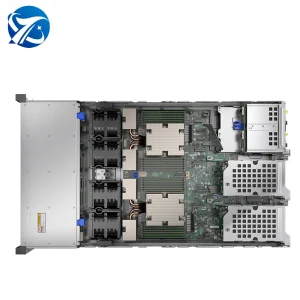
We build highly-specialized computing platforms for deep learning, artificial intelligence, and high-density virtualization workloads.
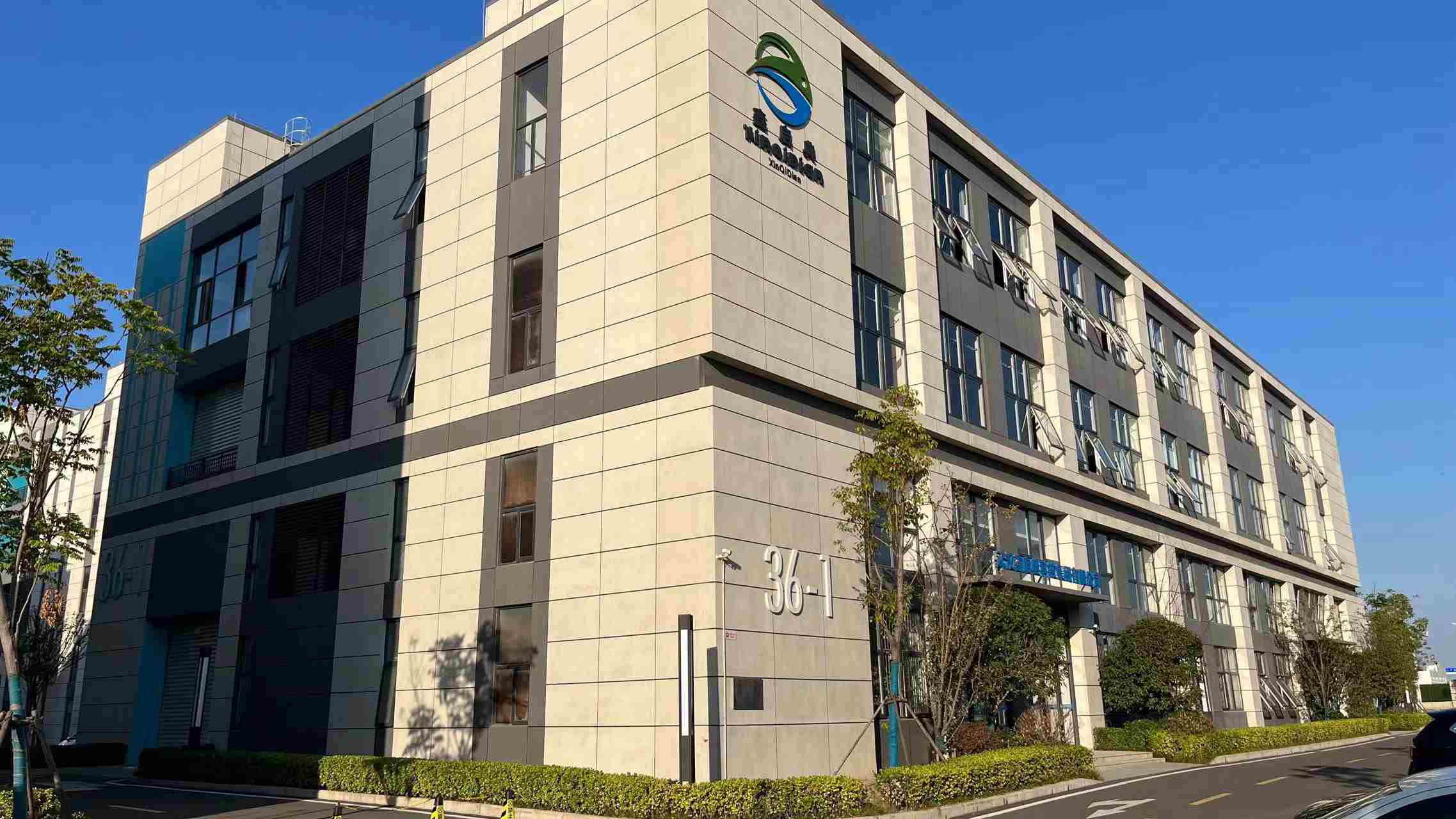
Shenzhen Intelligent Computing Cloud Technology Co., Ltd. (ZhiCloud AI) is a professional AI server and high-performance computing (HPC) solution provider. We specialize in configuring and distributing high-density GPU servers, server RAM, storage components, and hyperconverged infrastructure. Operating globally, we help companies bridge the gap between heavy AI engineering loads and robust, stable hardware architectures.
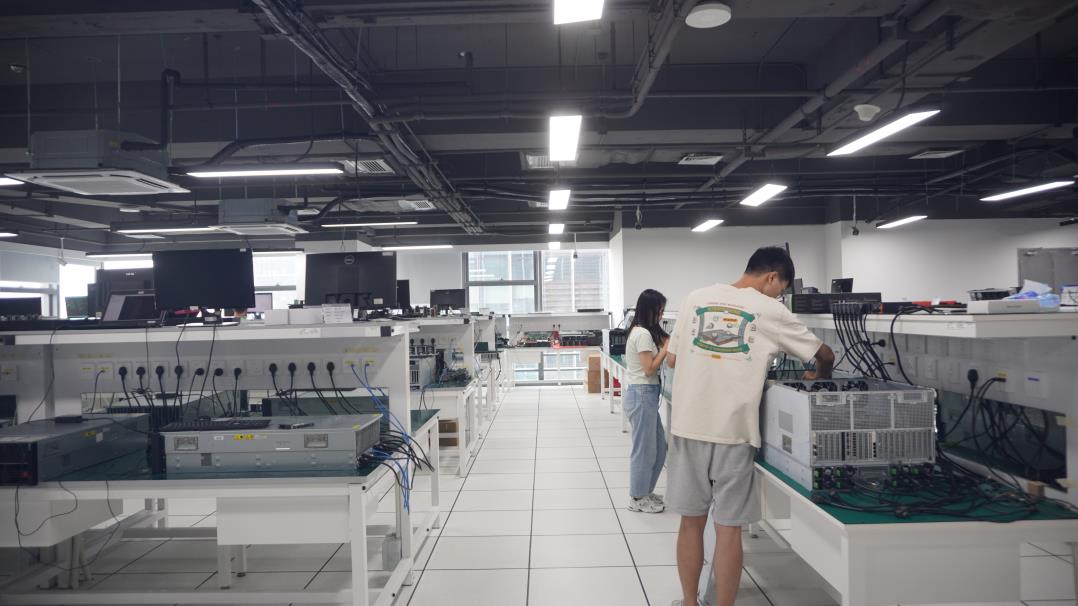
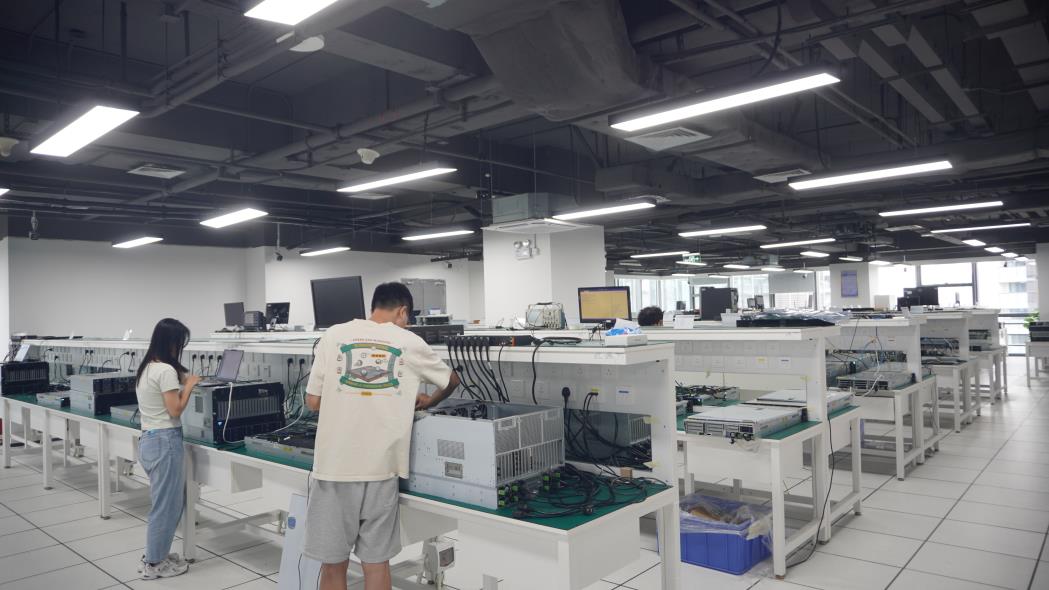
Quality reliability is the backbone of ZhiCloud AI. Backed by 11 years of deep server system design and engineering integration expertise, we operate a meticulous, multi-stage testing setup. We leverage 45 dedicated QC engineers executing thermal stress tests, full system burn-in diagnostics, signal path verification, and environmental simulation testing to guarantee that shipped hardware functions continuously under stressful production loads.
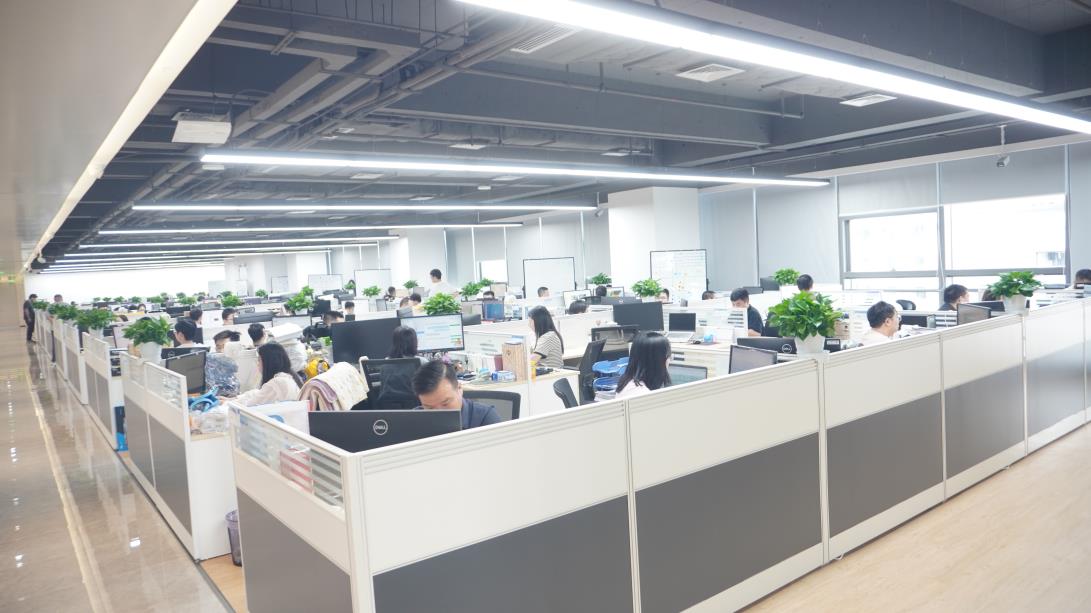
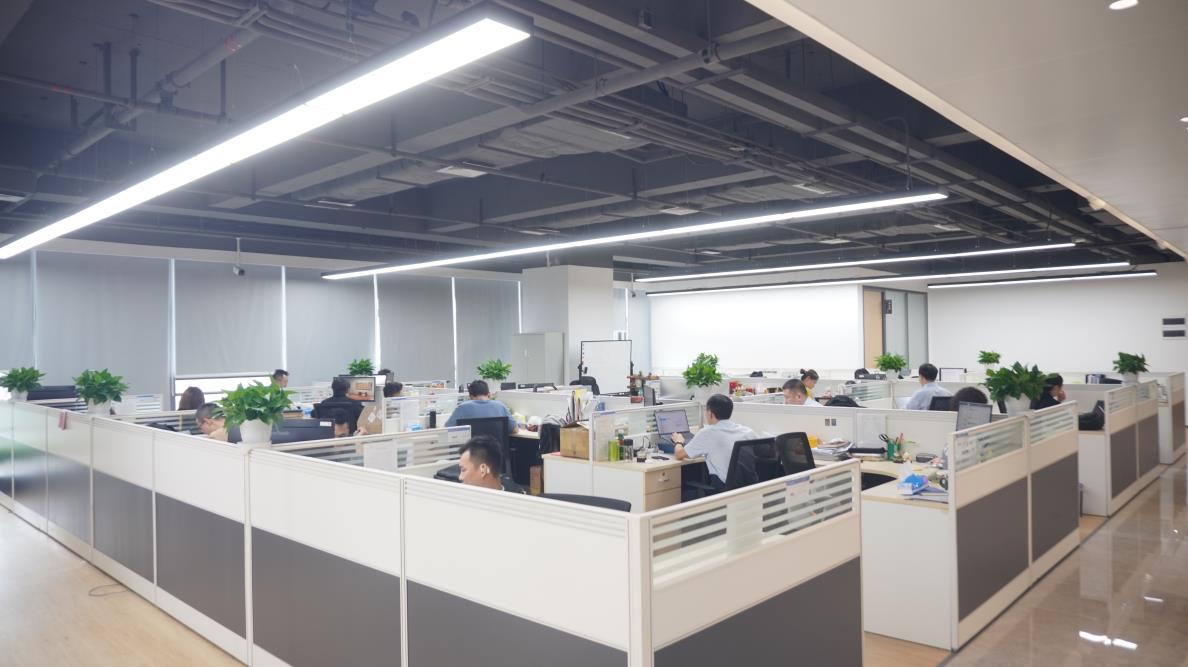
With an active ecosystem of over 1,200 strategic supply partners, we maintain a robust inventory of server platforms and accessories. Our procurement networks insulate enterprise clients from unexpected semiconductor and component supply shocks. Last year alone, we released 180 new products, representing customized server structures and bleeding-edge storage modules developed by our 120 dedicated R&D engineers.
An in-depth analysis of the technological paradigms shaping modern computing, network density, and data center thermal design.
The rise of complex, multi-billion parameter models like DeepSeek R1 and large language models (LLMs) has shifted the demands on standard rack systems. General-purpose servers are being replaced by highly specialized GPU servers and deep learning nodes. Enterprises are moving away from pure public cloud hosting toward hybrid architectures, preferring on-premise AI deployments to safeguard proprietary data, limit execution latency, and manage computational costs.
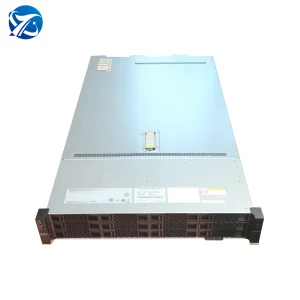
Data centers are rapidly embracing Hyperconverged Infrastructure (HCI). By integrating computing power, massive software-defined storage arrays, and high-performance network fabric into single chassis packages (like the 2U dual-socket architectures), enterprises reduce complex network routing overheads. Software-defined networks require high-throughput backplanes and ECC memory modules to ensure compute clusters do not bottle up at the network layer during heavy read-write training operations.
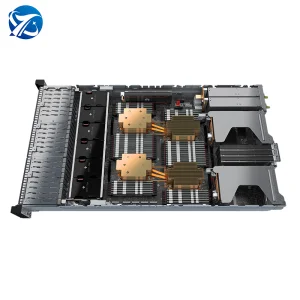
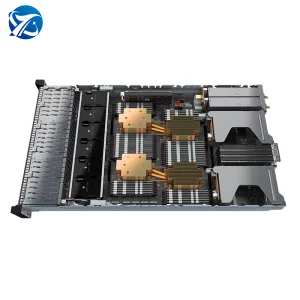
Modern servers packing dual Xeon or EPYC chips alongside multiple high-TDP accelerators pull unprecedented power. Standard fan arrays are meeting their cooling limits. The industry is responding with liquid-to-air cooling options, hybrid chassis structures, and advanced airflow profiles. High-depth chassis structures allow improved component layout, ensuring optimal thermal boundaries and increasing hardware lifespan and uptime in enterprise racks.
Architecting server setups to match workload profiles is critical. Here is how ZhiCloud AI lines up technology components to address structural needs.
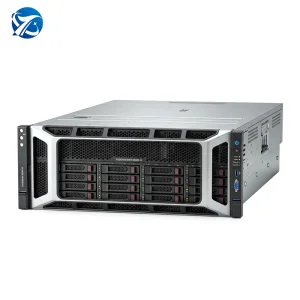
For workloads deploying deep learning models, training algorithms, or video analytic clusters, standard CPU nodes fall short. The xFusion G5200 V5 GPU servers and AI-optimized Xeon configurations offer dedicated PCIe space for multi-card GPU deployment. Working in tandem with container systems, these machines handle high concurrent pipelines for Smart Cities, AI-generated content (AIGC), and localized deep-inference models with minimal latency.
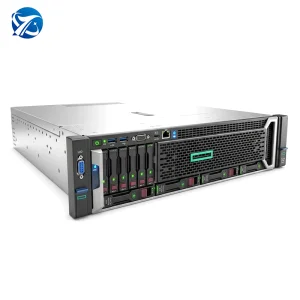
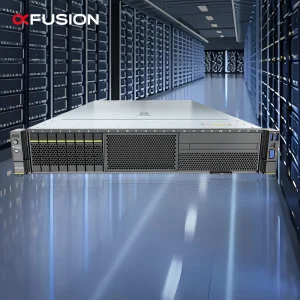
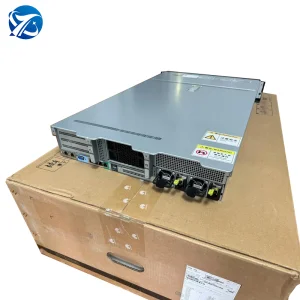
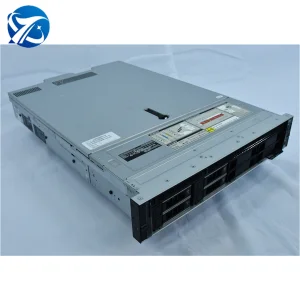
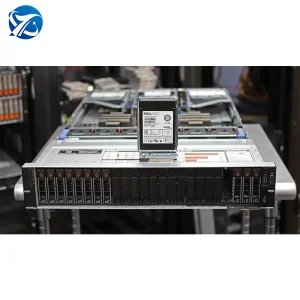
Traditional corporate systems, database engines, and virtualization stacks demand extreme memory and CPU core densities. The Dell PowerEdge R750/R760xs and xFusion FusionServer V6/V7 series offer 2-socket architectures with extensive DDR4/DDR5 capacity support. These systems allow IT managers to spin up hundreds of virtual machines with ECC RAM checks, avoiding memory leaks and keeping backend applications secure and responsive.
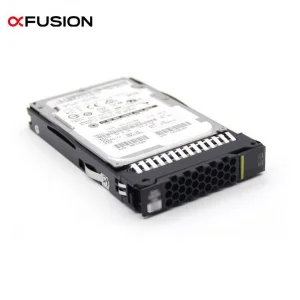
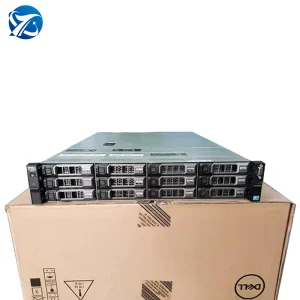
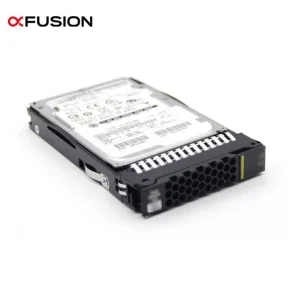
Unstructured data, system backups, and big data clusters require scalable, low-latency storage architectures. By integrating Enterprise SATA and NL-SAS drives ranging from 4TB up to 20TB into storage-optimized 2U platforms, enterprises gain structural reliability. Optimized SAS 12Gb/s channels enable high sequential throughput, perfect for hosting vast corporate archives, network-attached storage (NAS) layouts, and cold-storage archives.
Enterprise procurement departments must navigate complex variables like components sourcing, long-term testing, and multi-market compliance.
In a volatile silicon market, relying on a narrow supply chain is risky. ZhiCloud AI leverages a network of over 1,200 strategic partners to secure vital server processors, ECC RAM, and high-end controllers. This breadth allows us to maintain stable production lead times and offer custom hardware sourcing for client builds. Whether you require standard Dell PowerEdge configurations, specialized xFusion server blocks, or custom OEM designs, our trade background ensures component continuity.
Furthermore, our 7-year export legacy spanning North America, Europe, Southeast Asia, and the Middle East means we handle shipping compliance, documentation, and customs clearance protocols smoothly. This minimizes shipping holdups, securing your equipment delivery timeline.
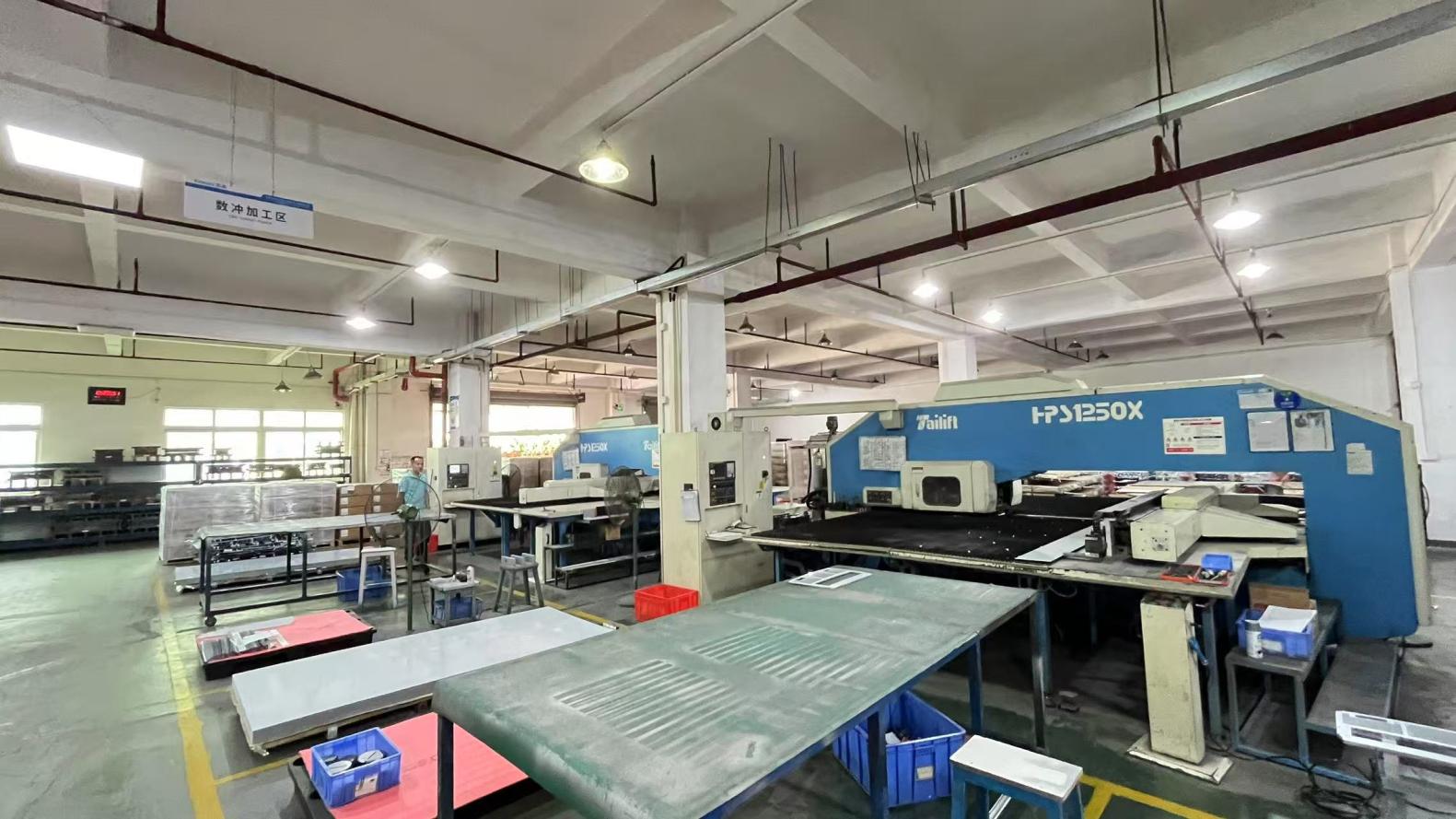
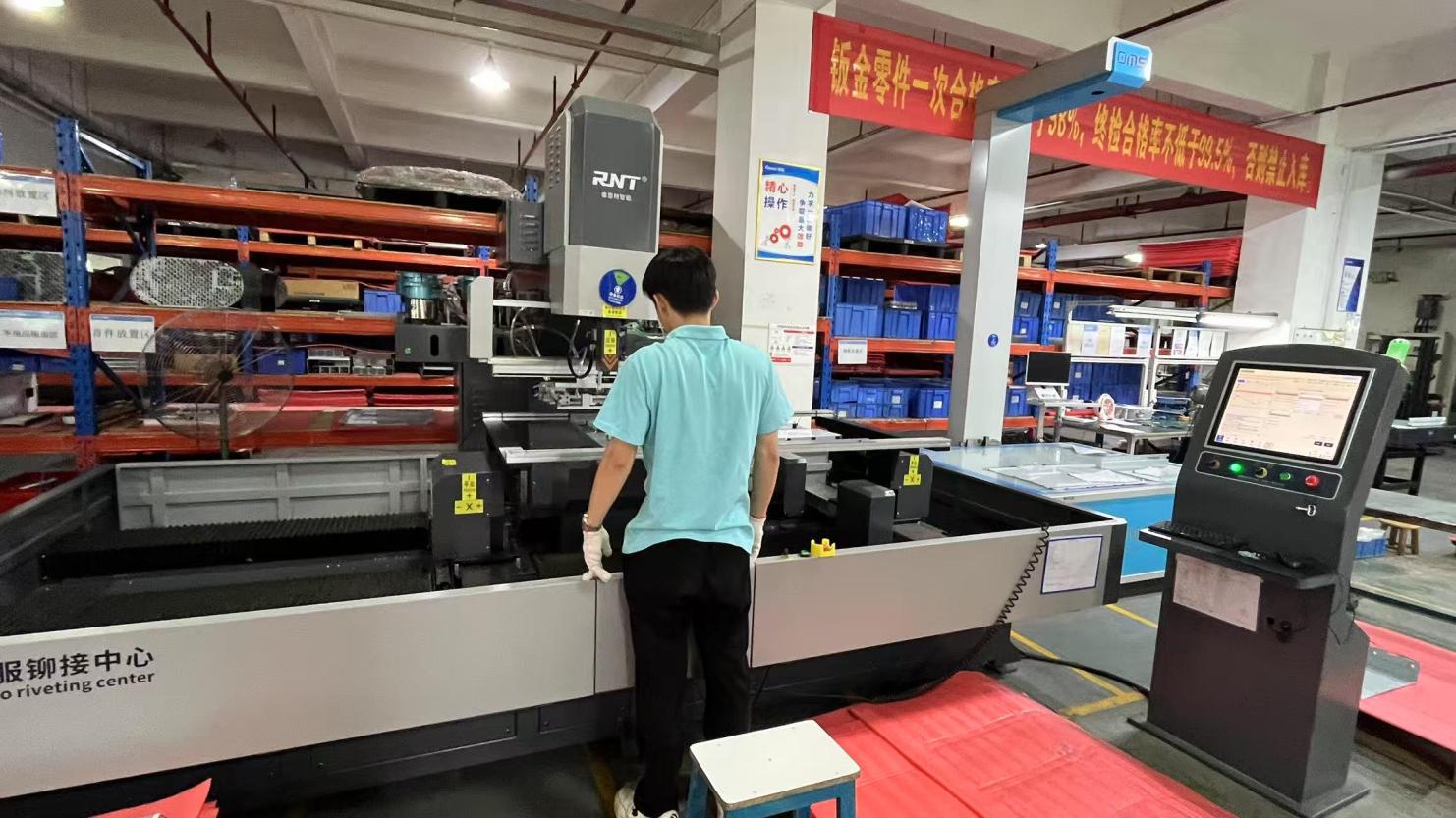
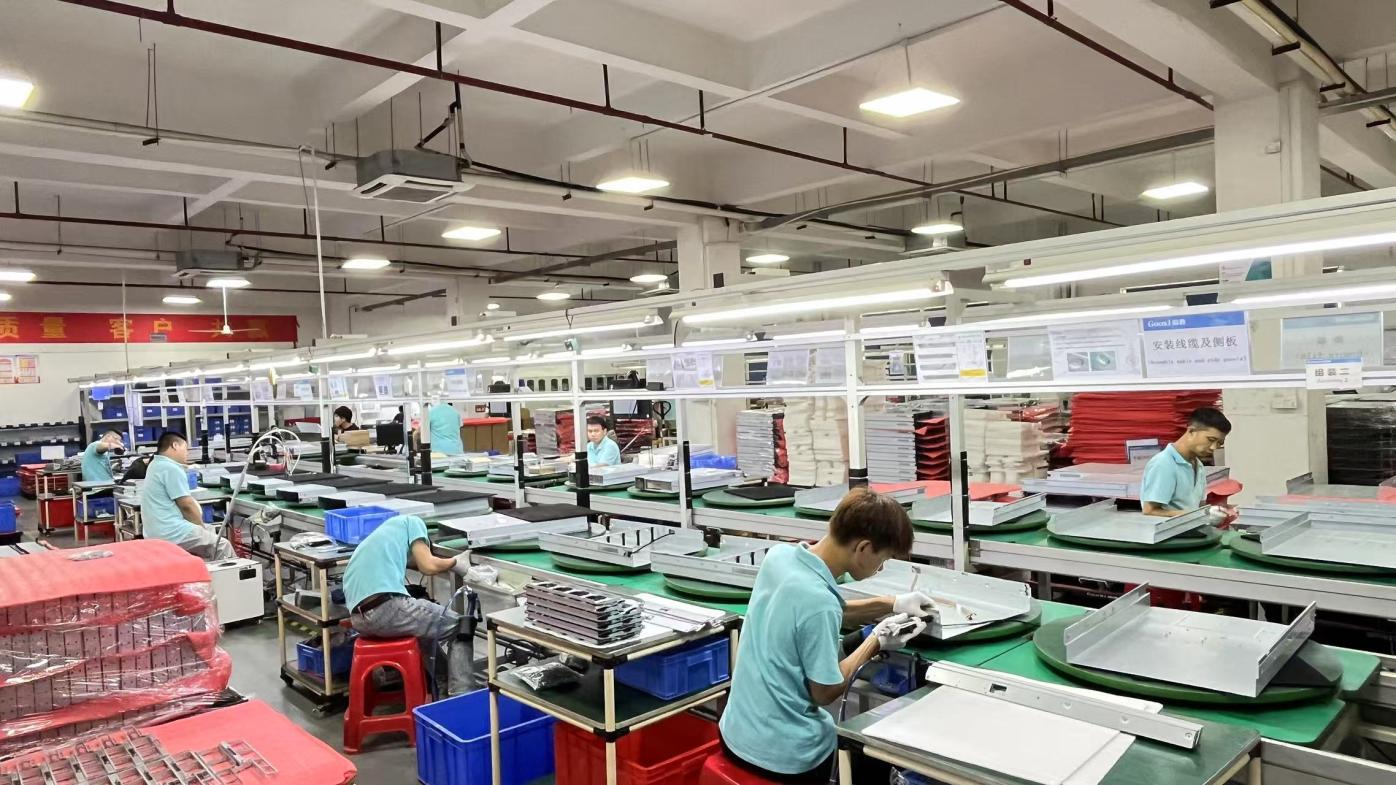
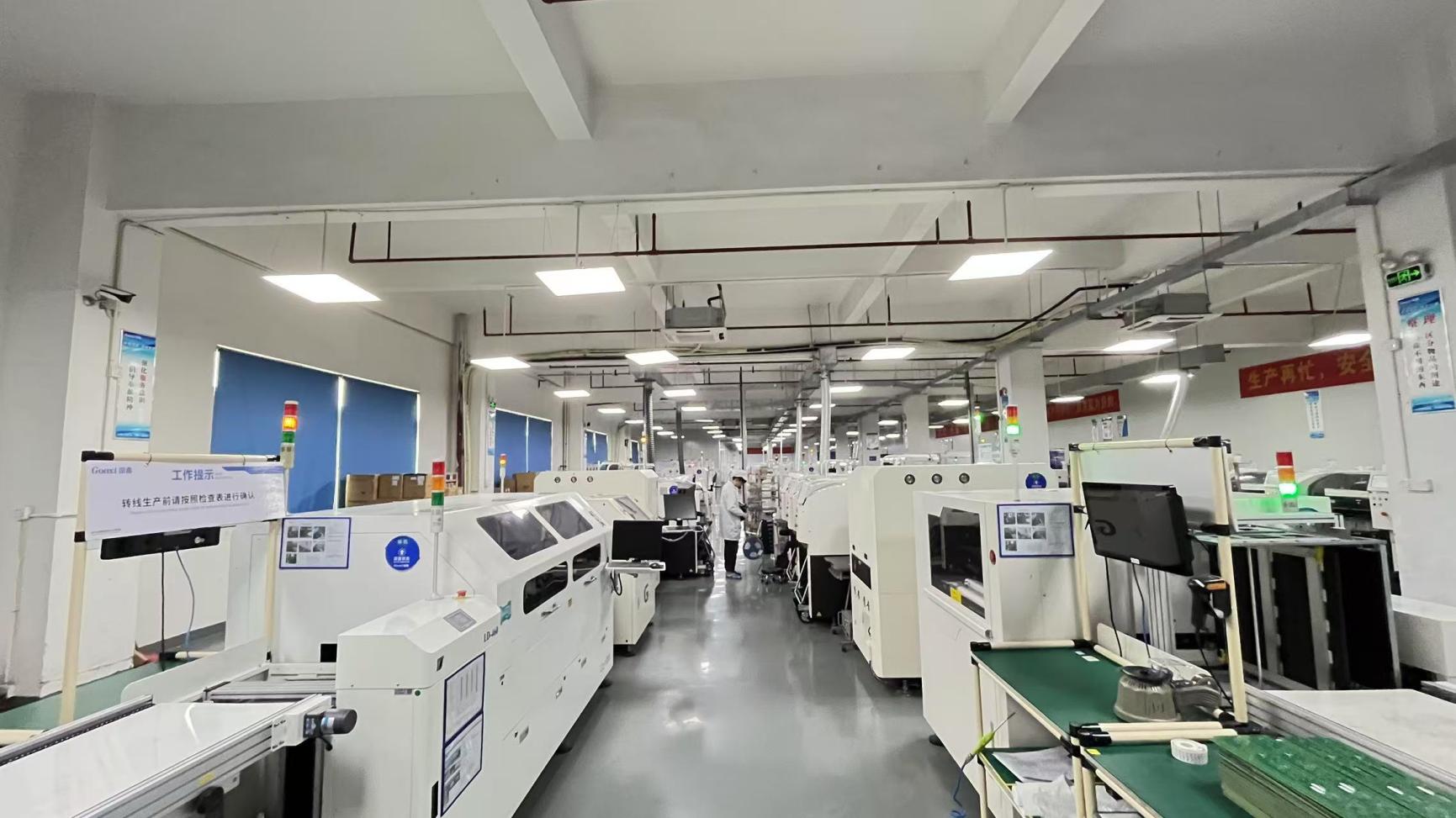
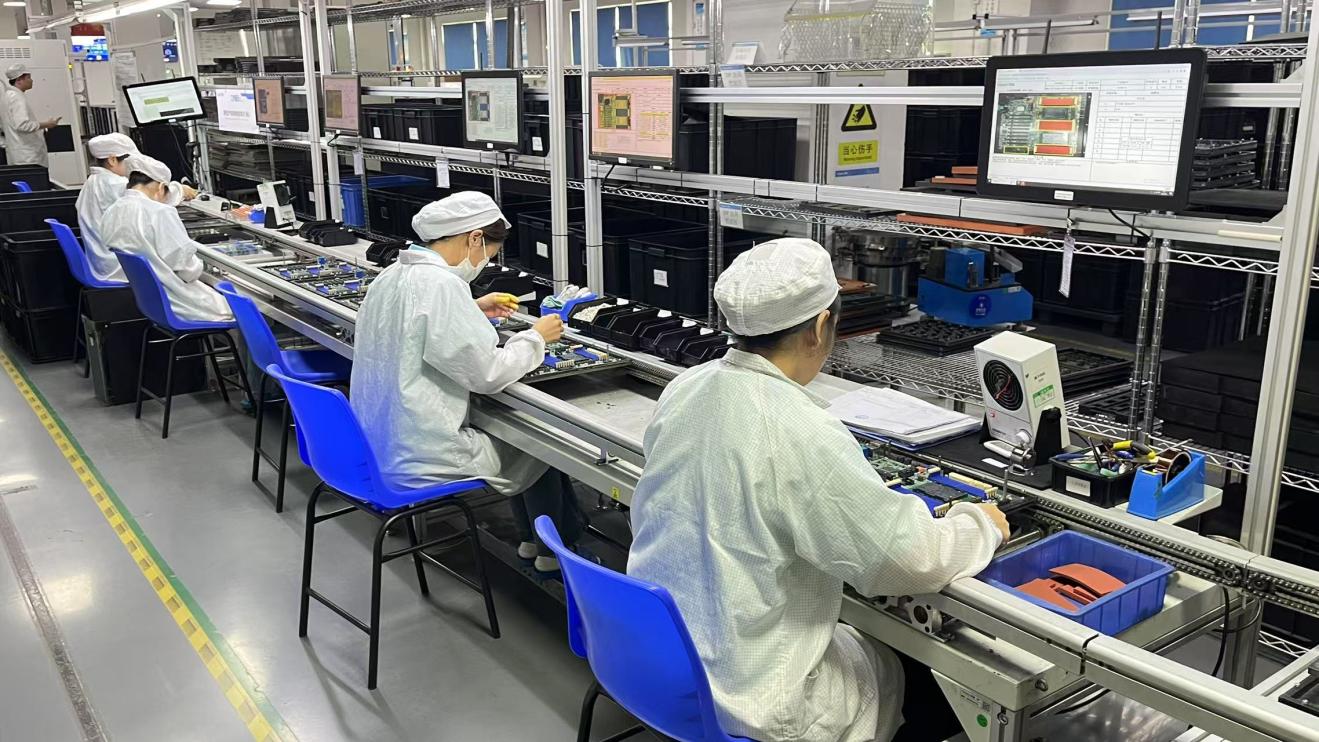
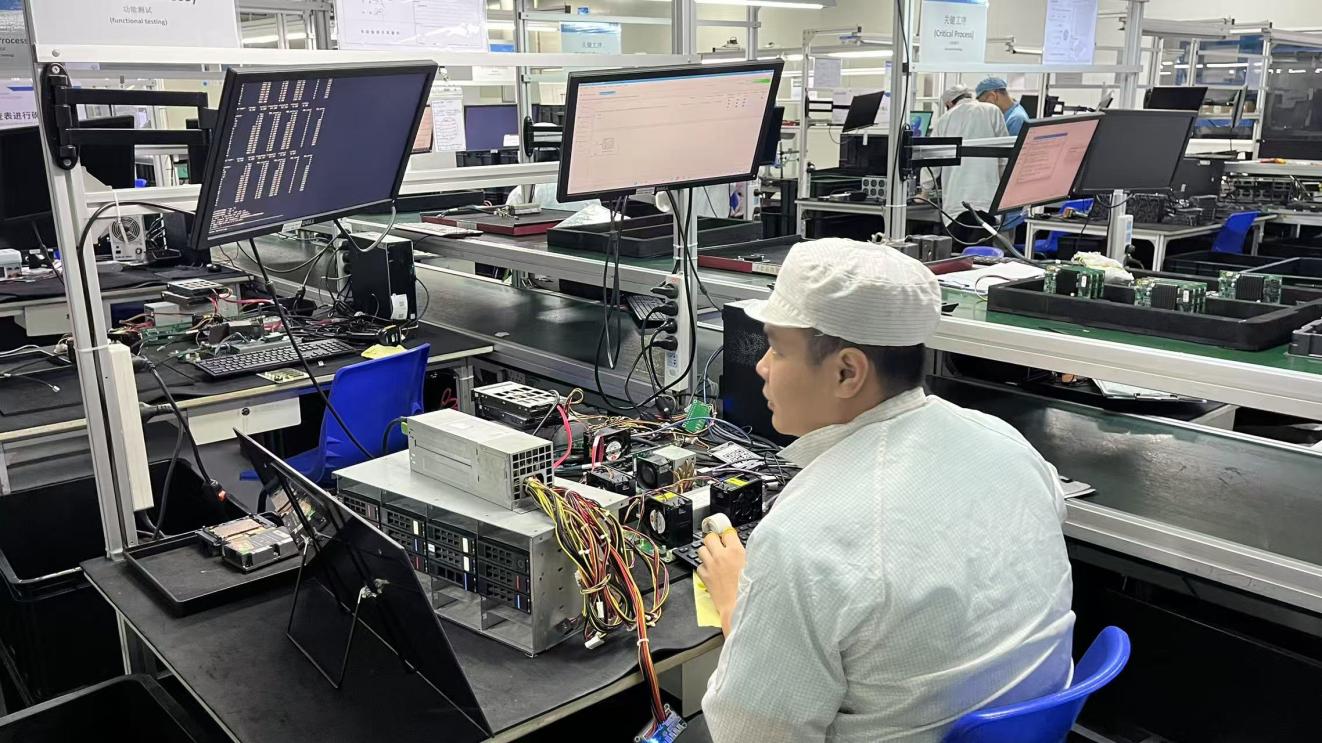
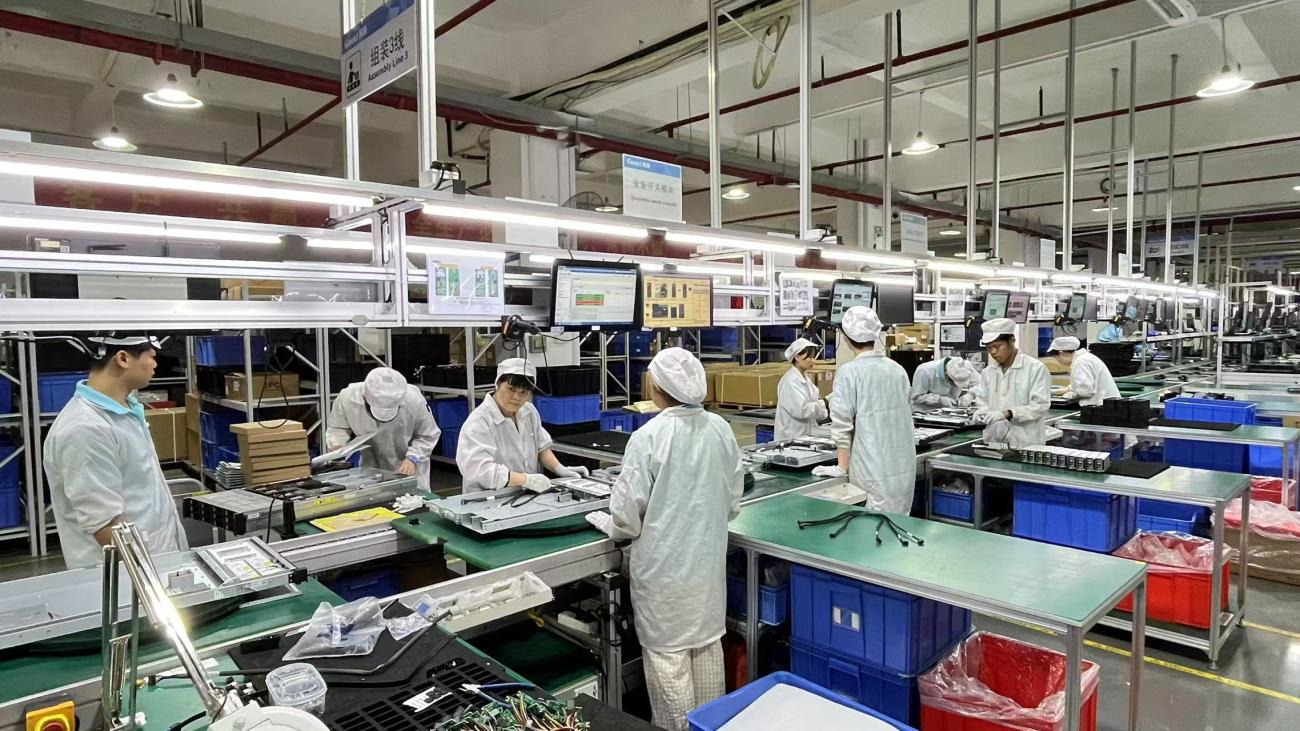
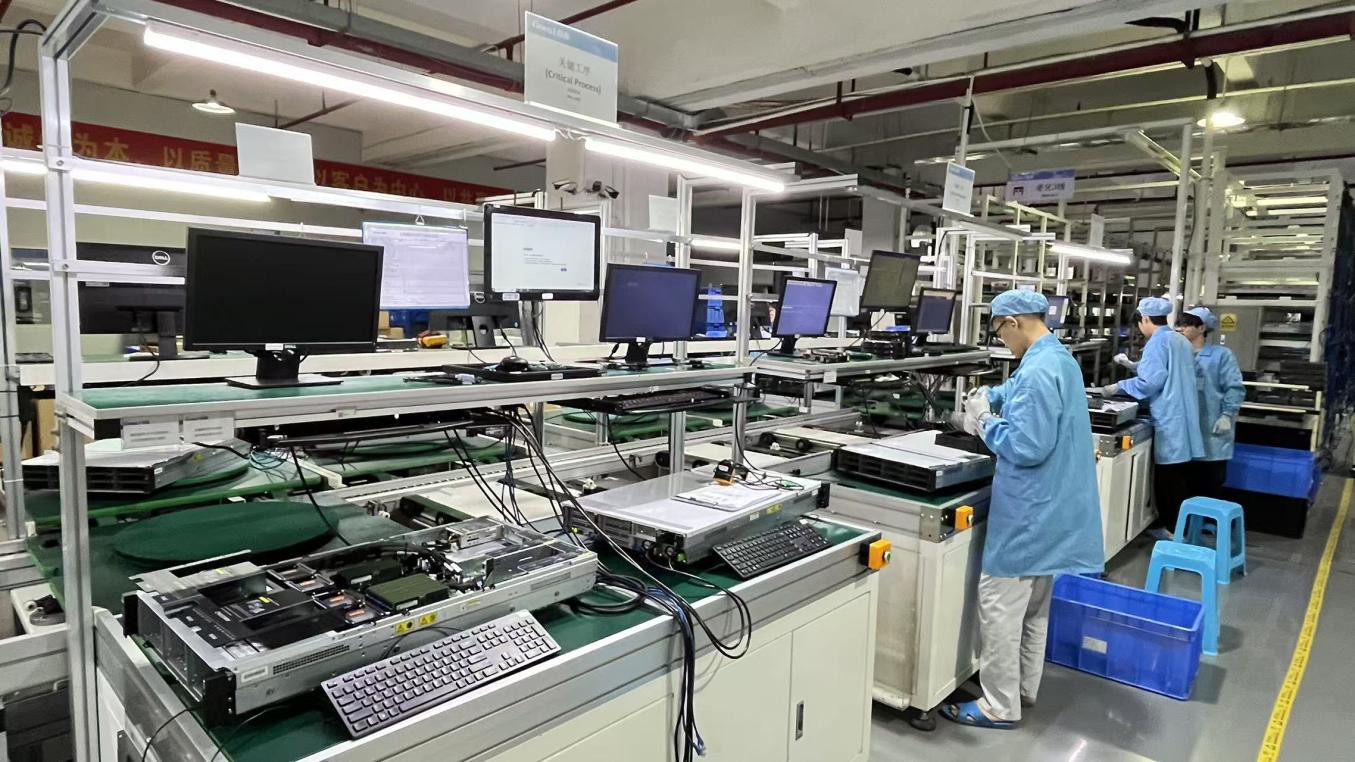
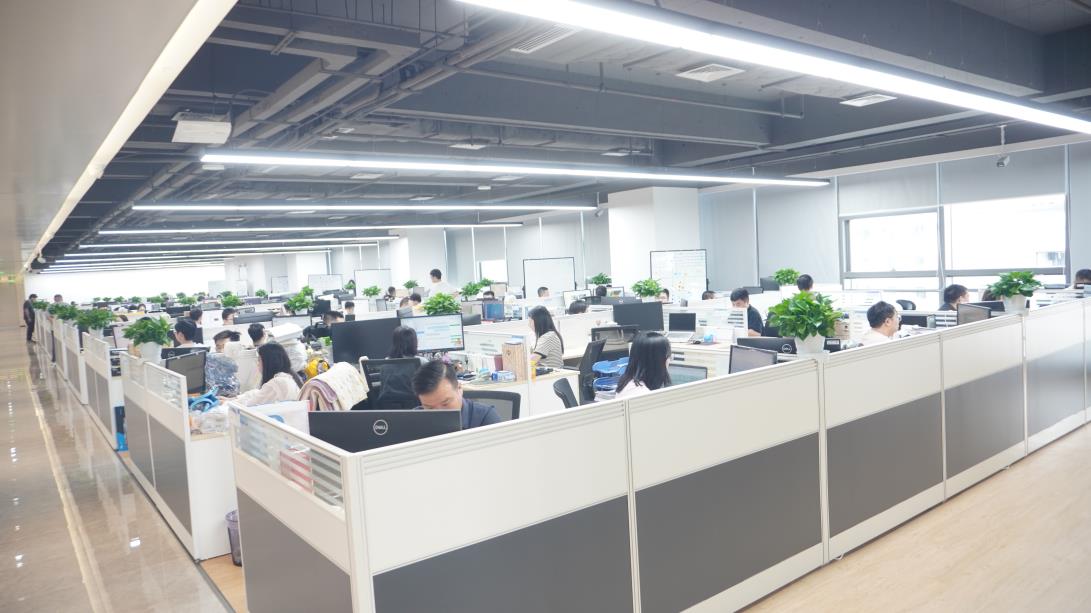
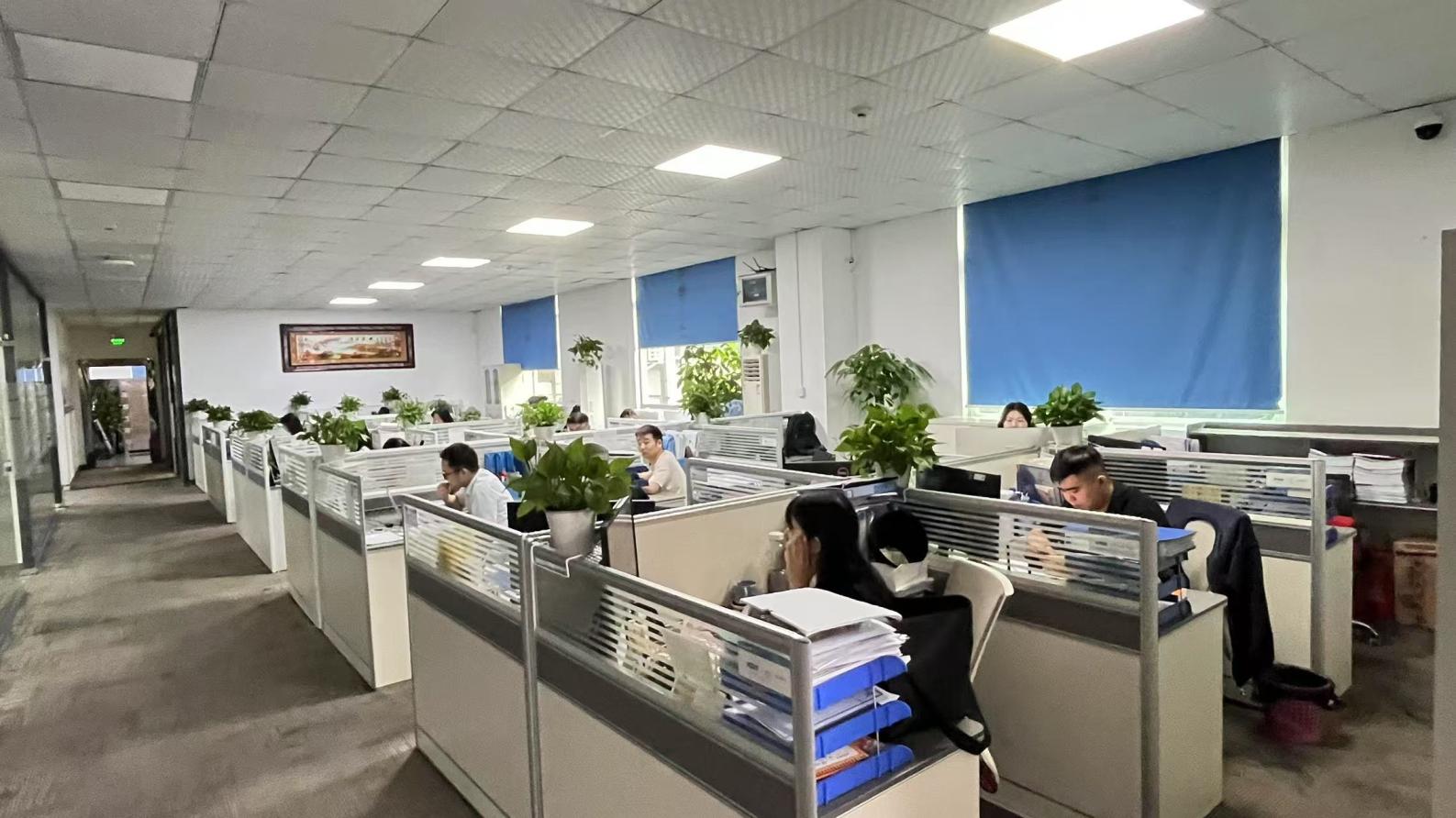
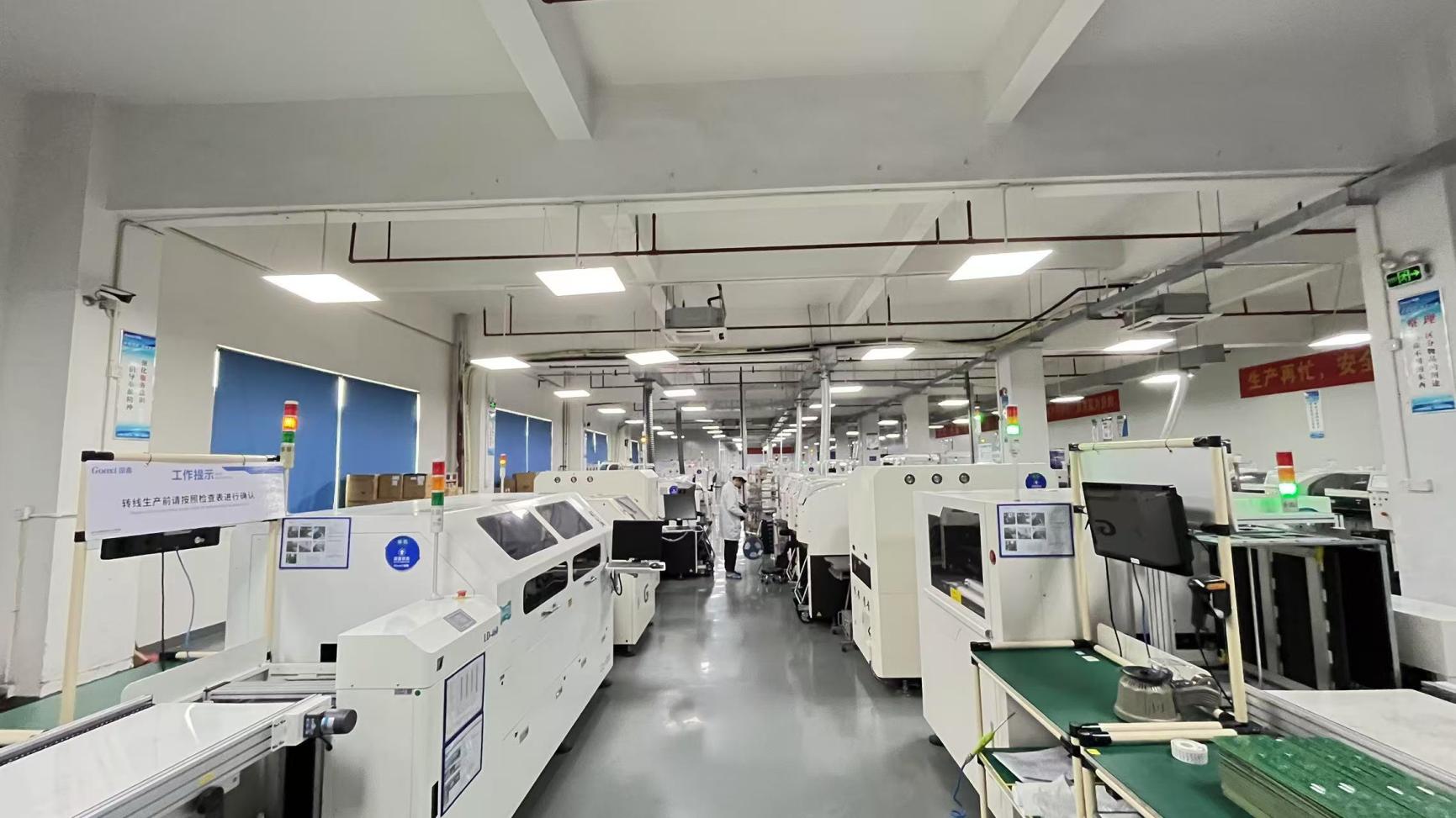
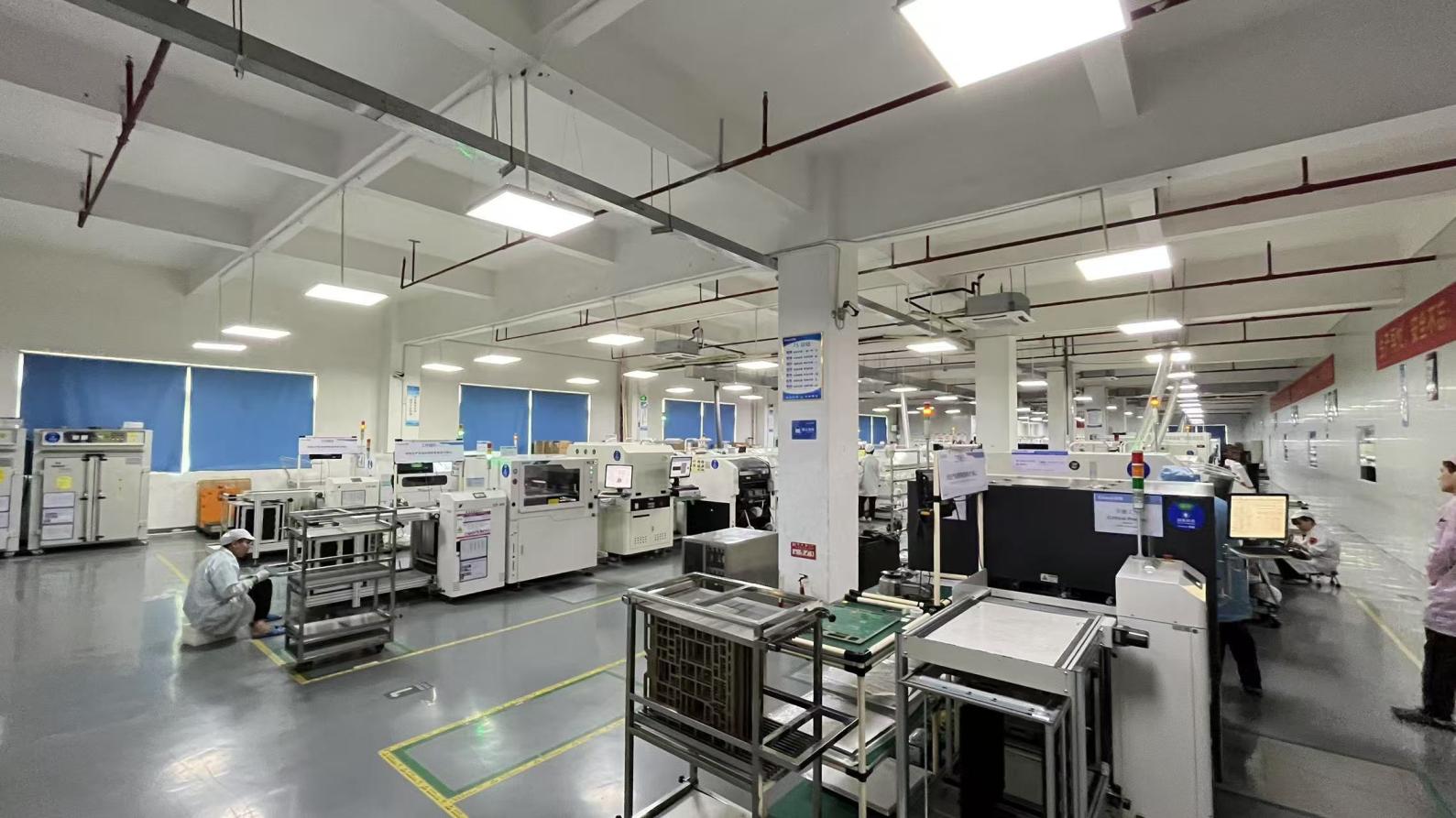
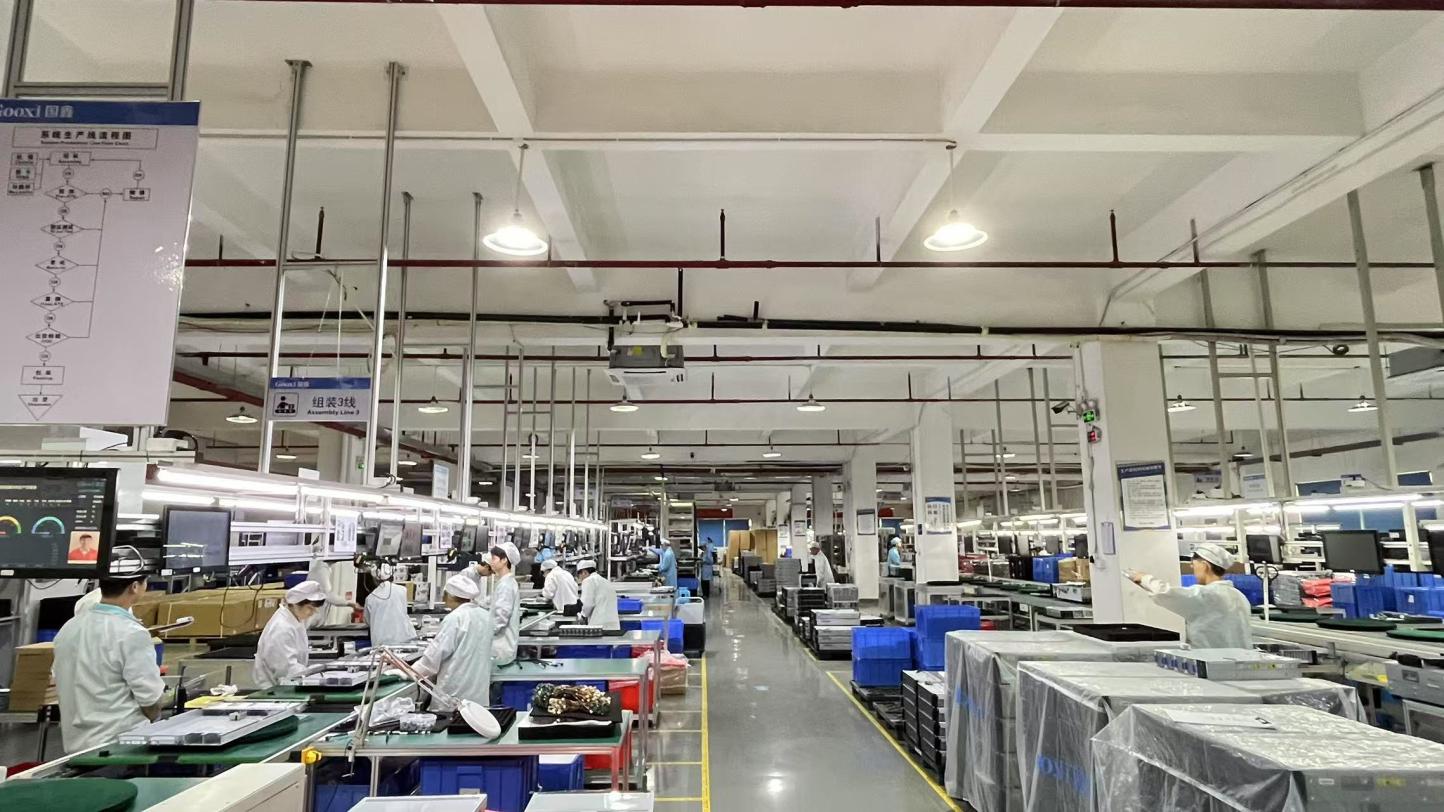
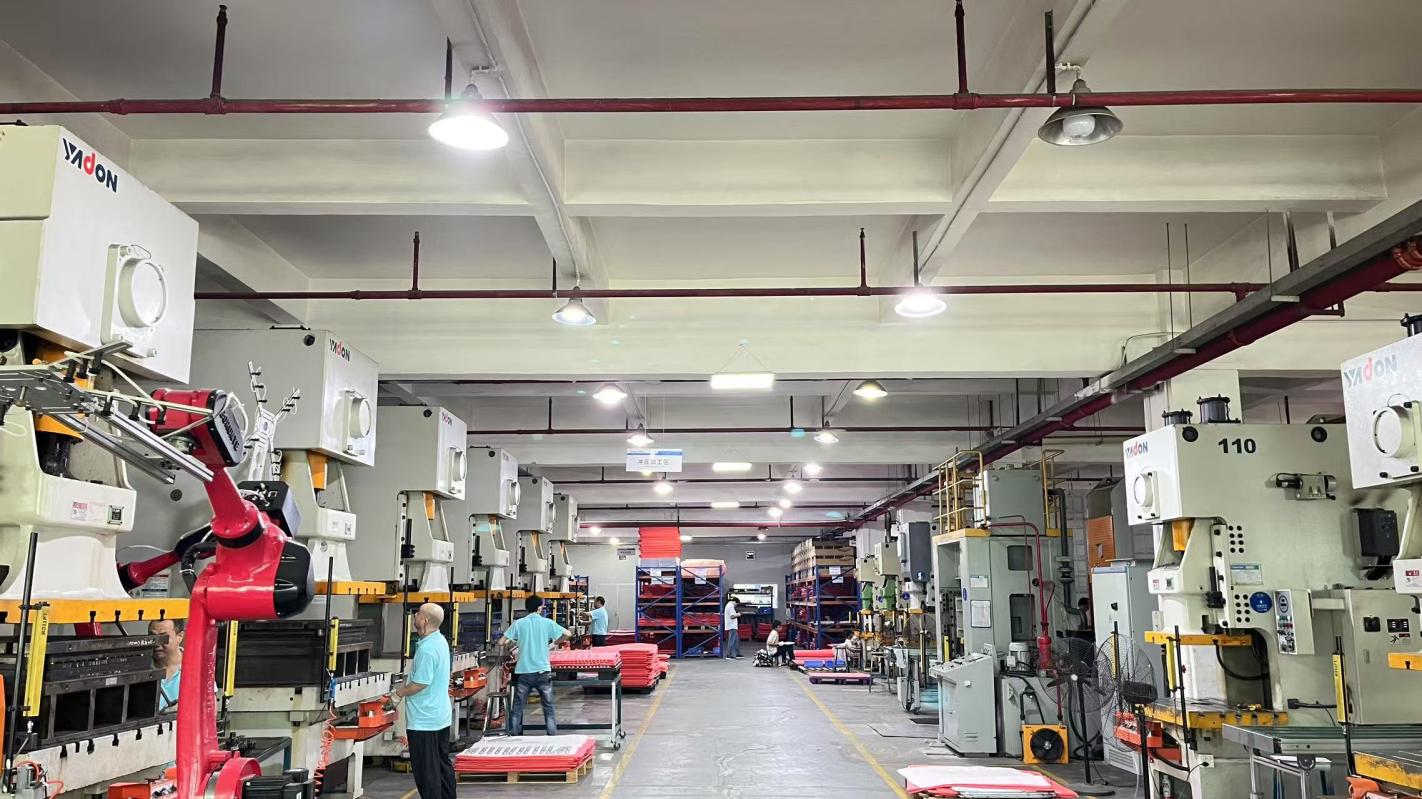
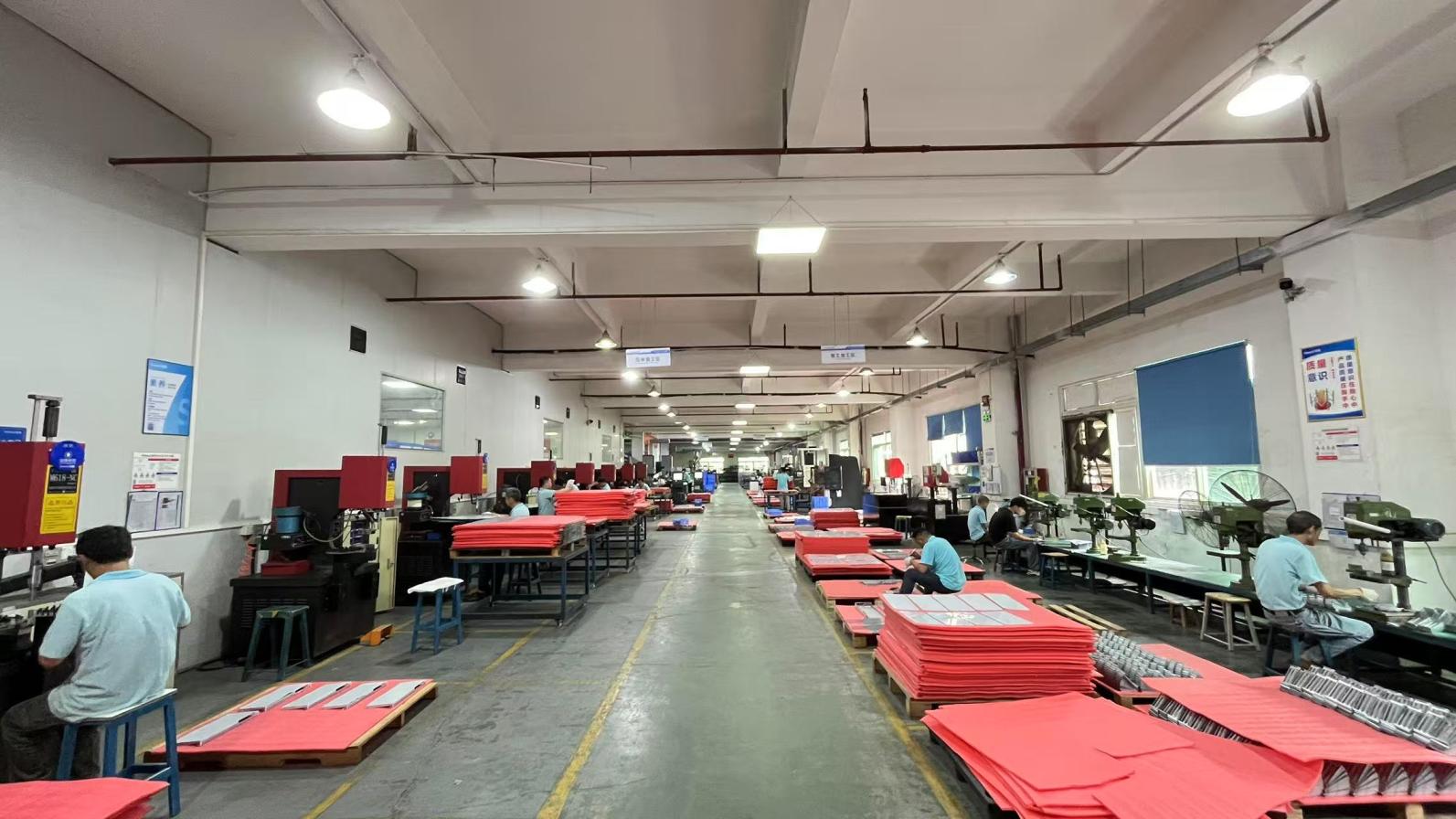
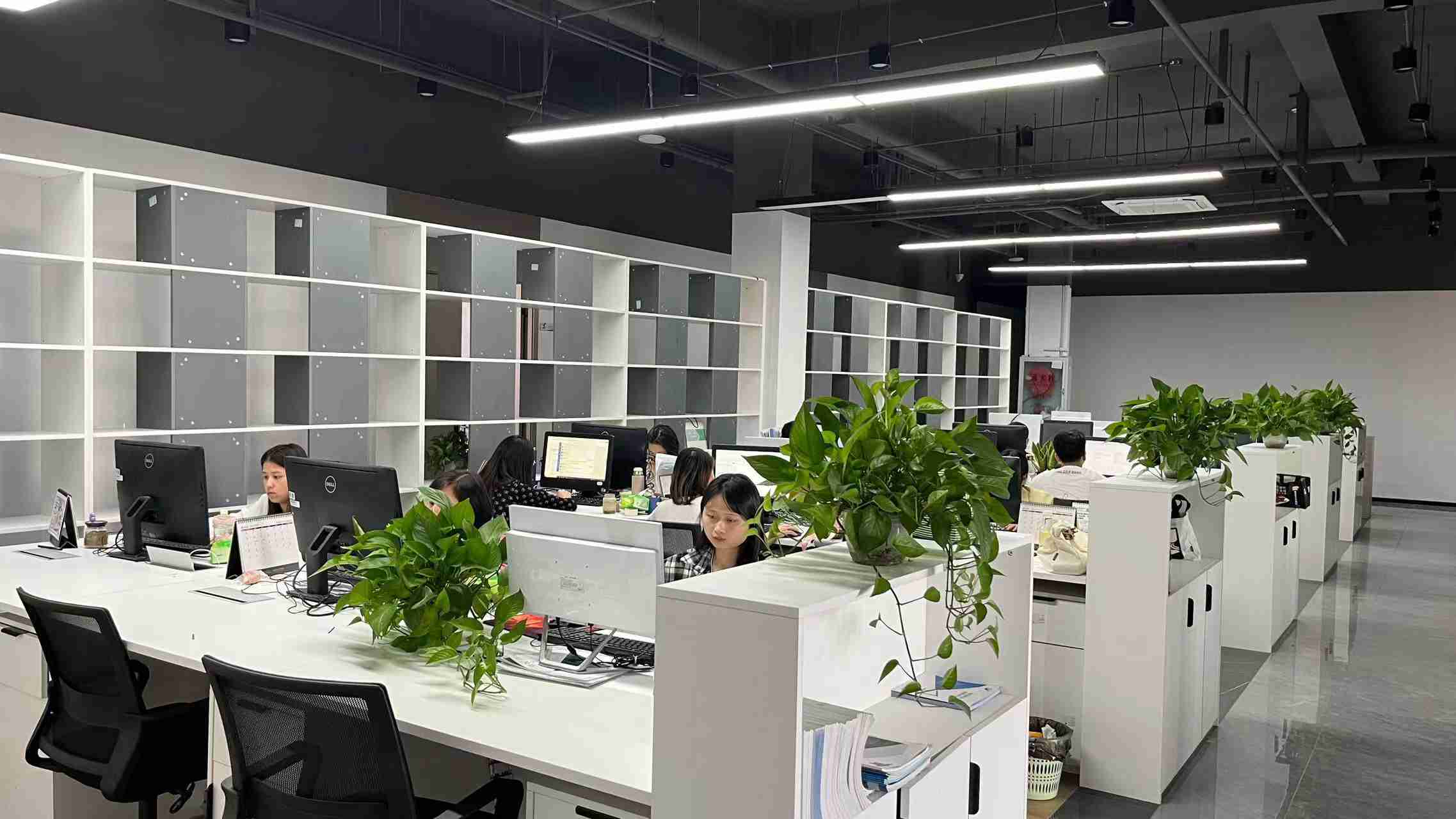
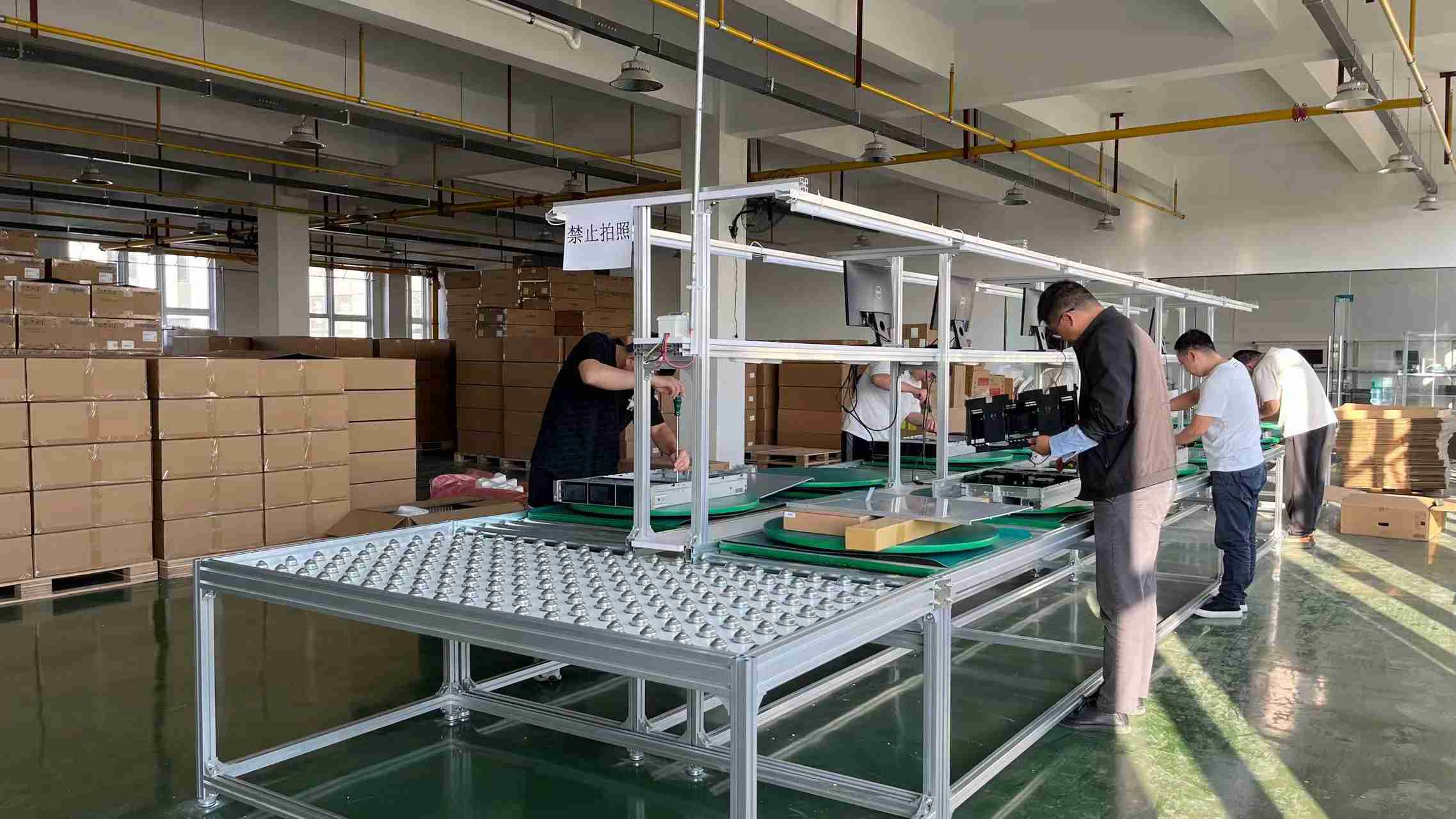
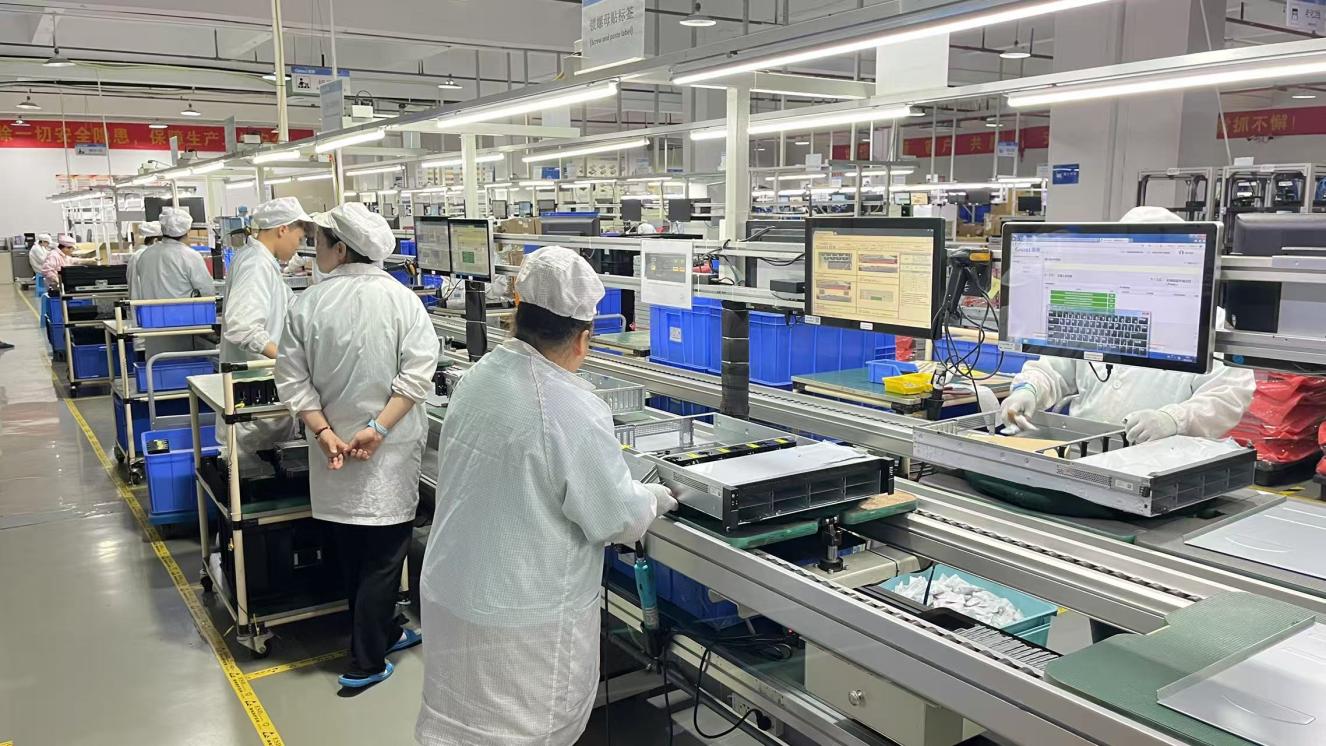
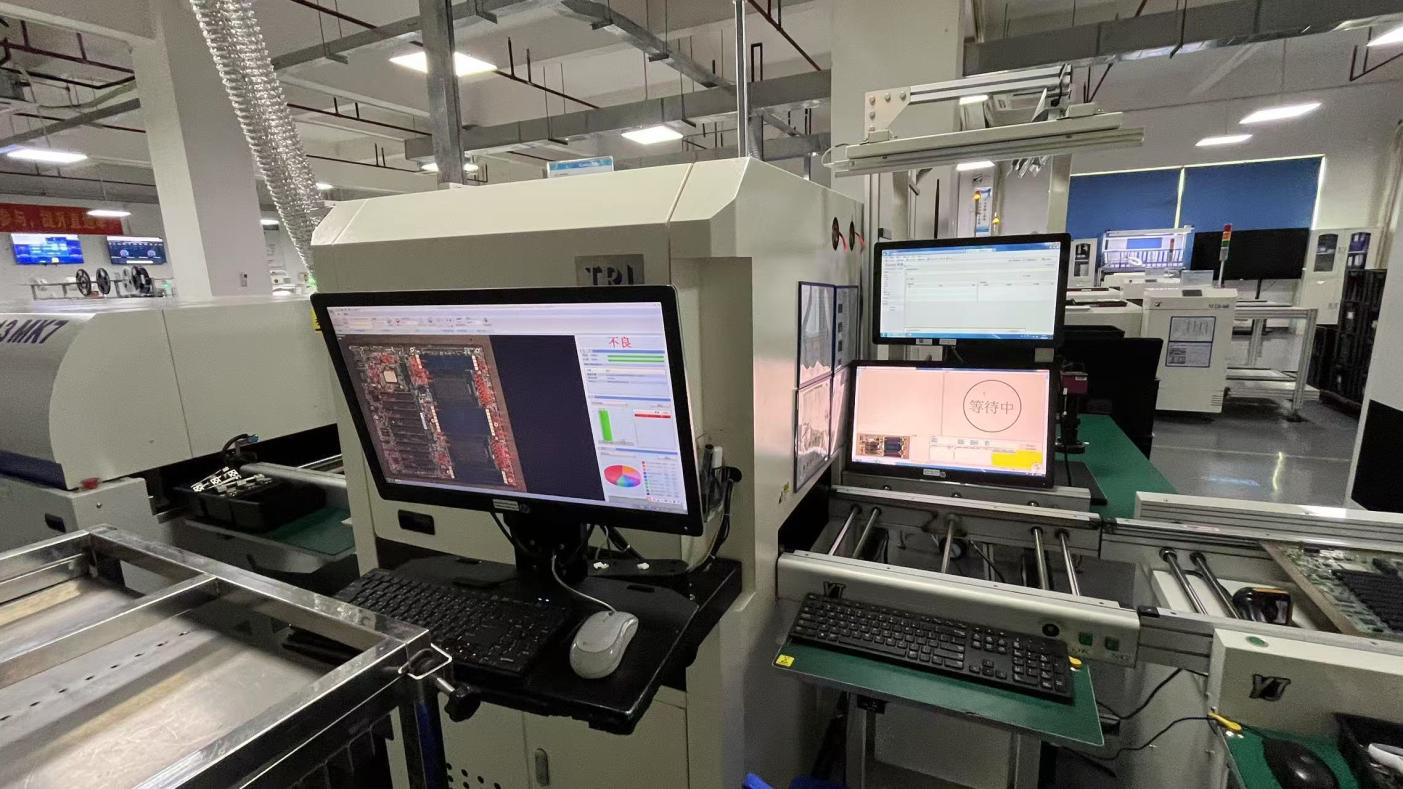
Take a closer look at our structured engineering, material preparation, and system assembly line operations.

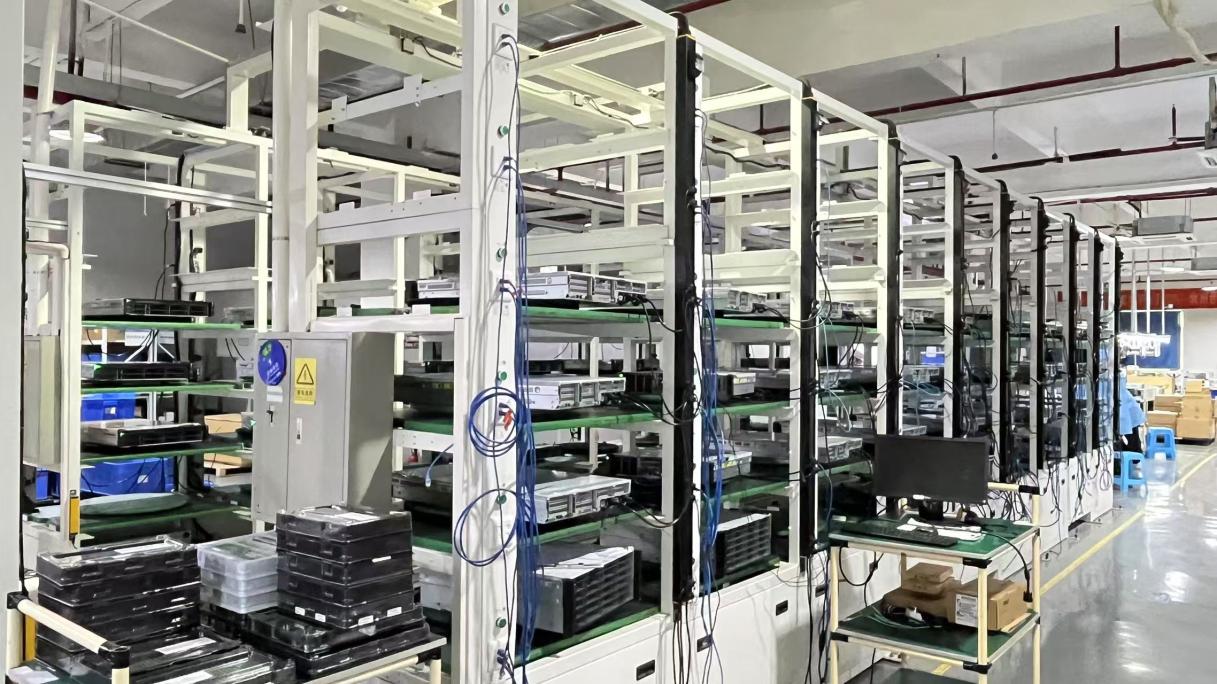
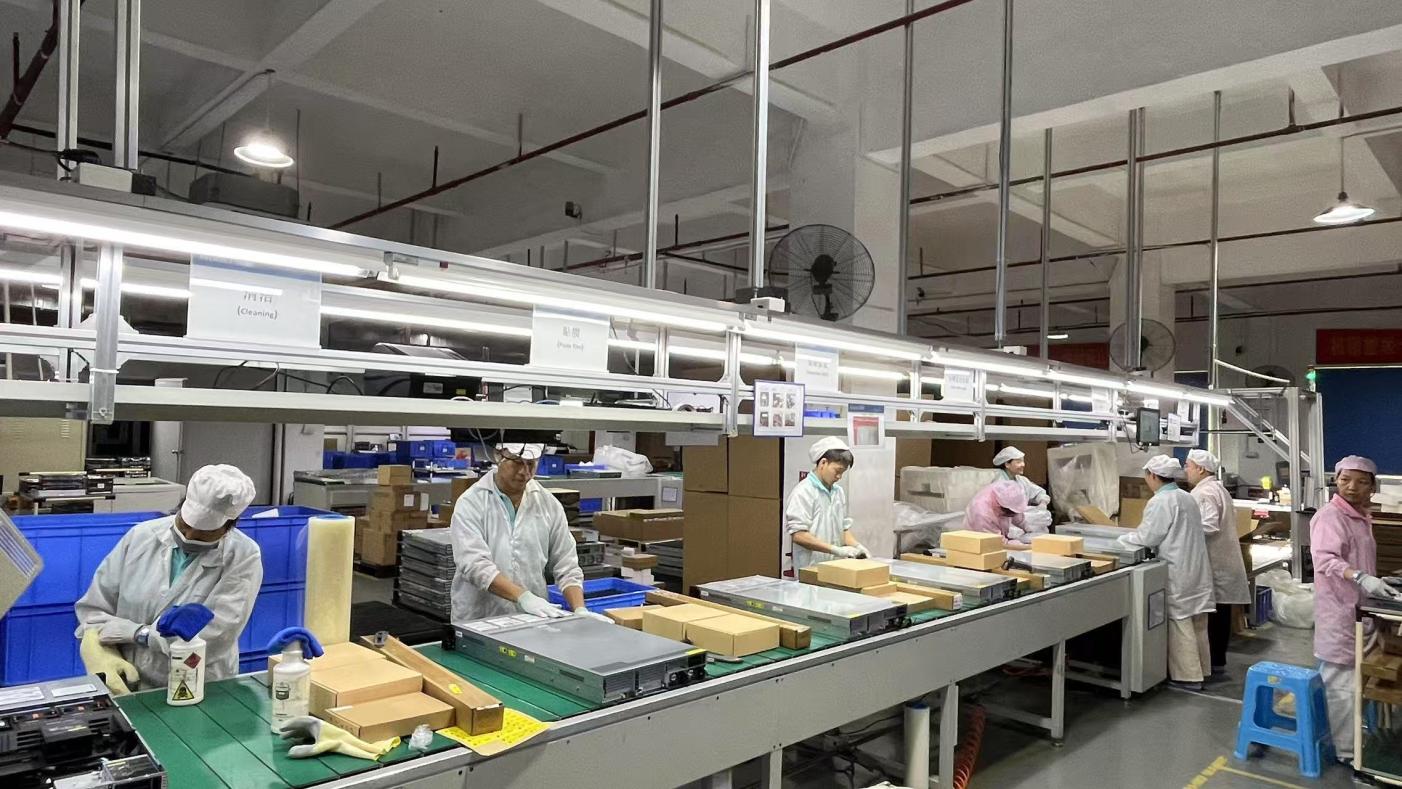
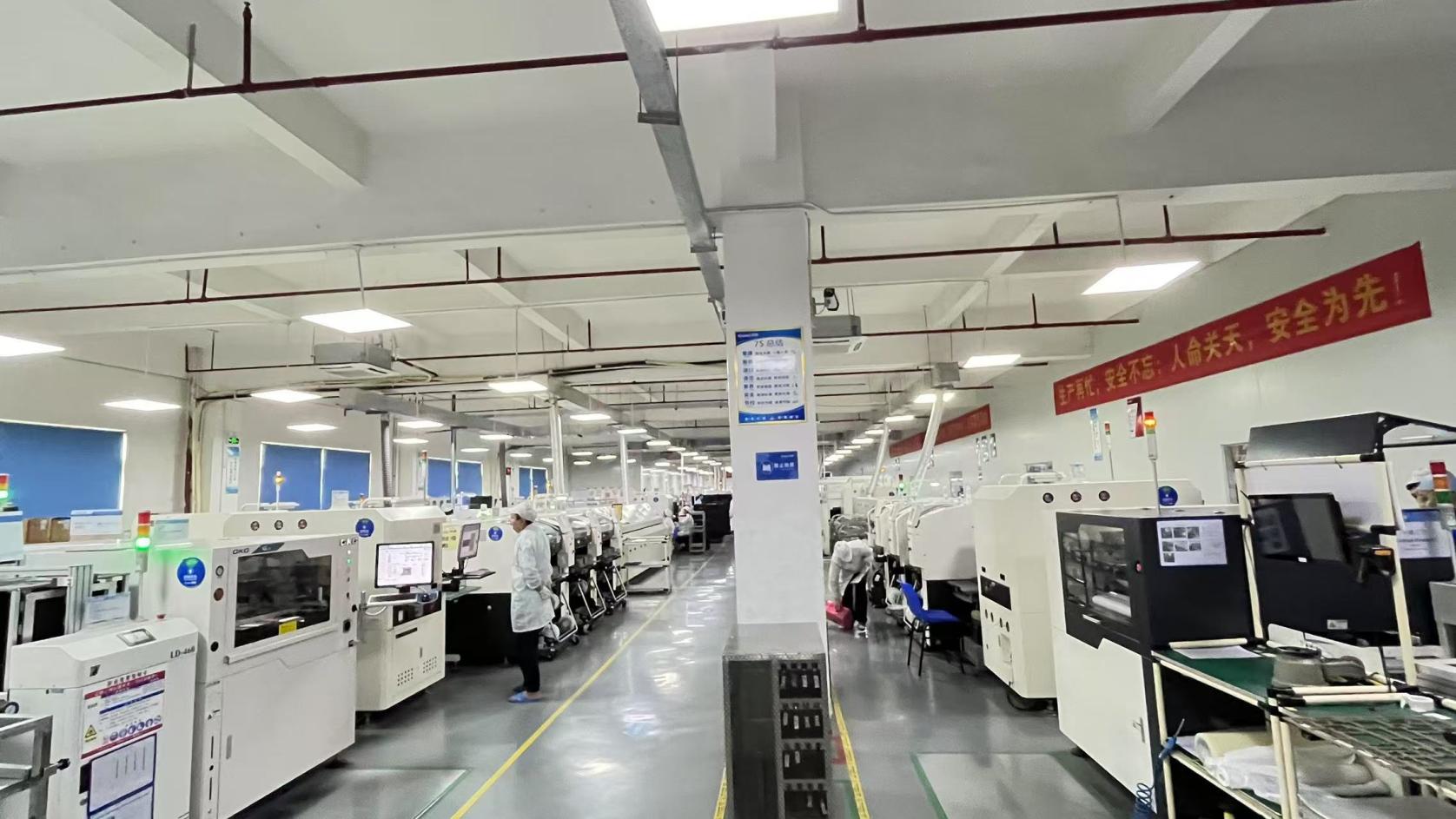
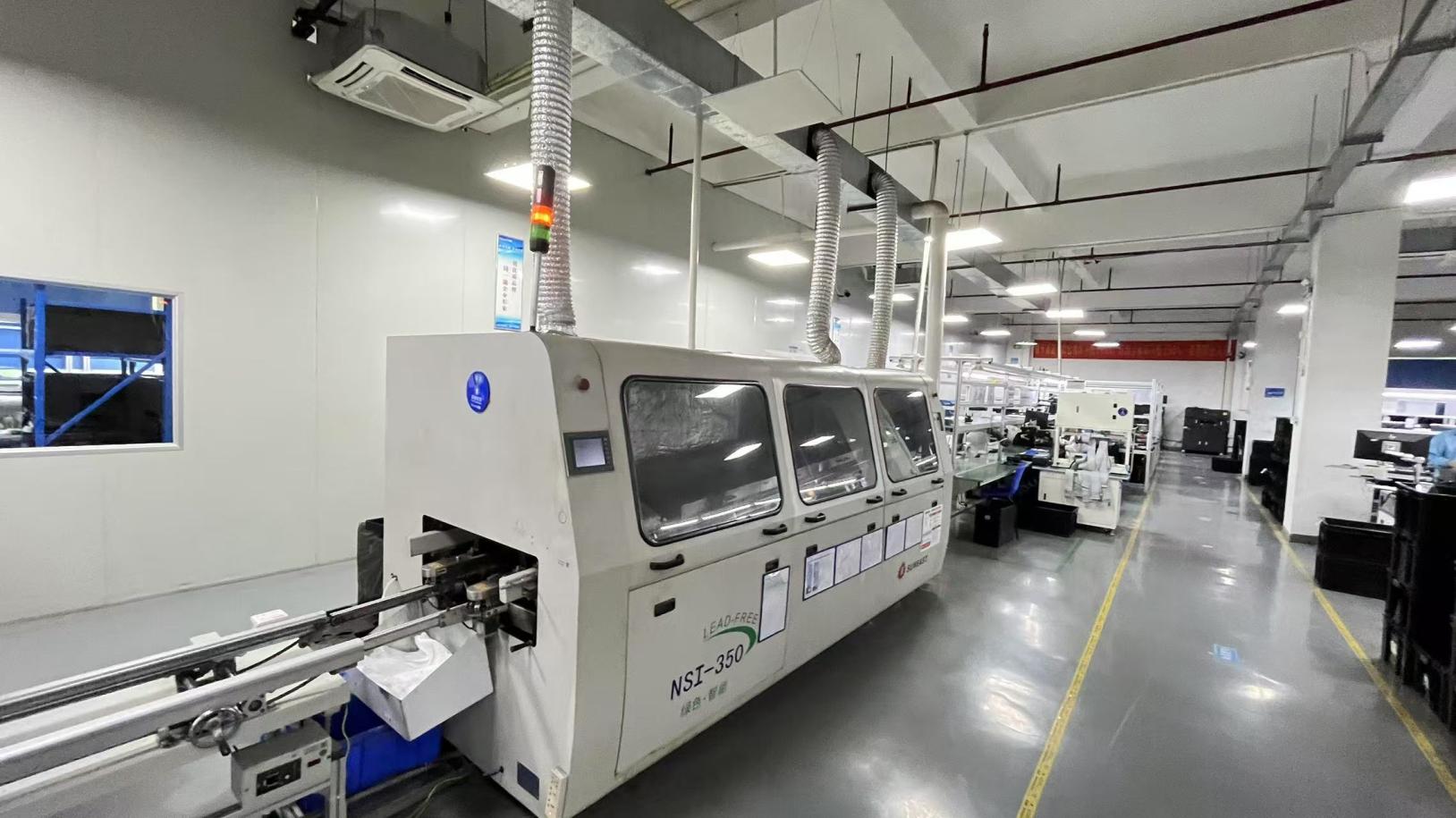
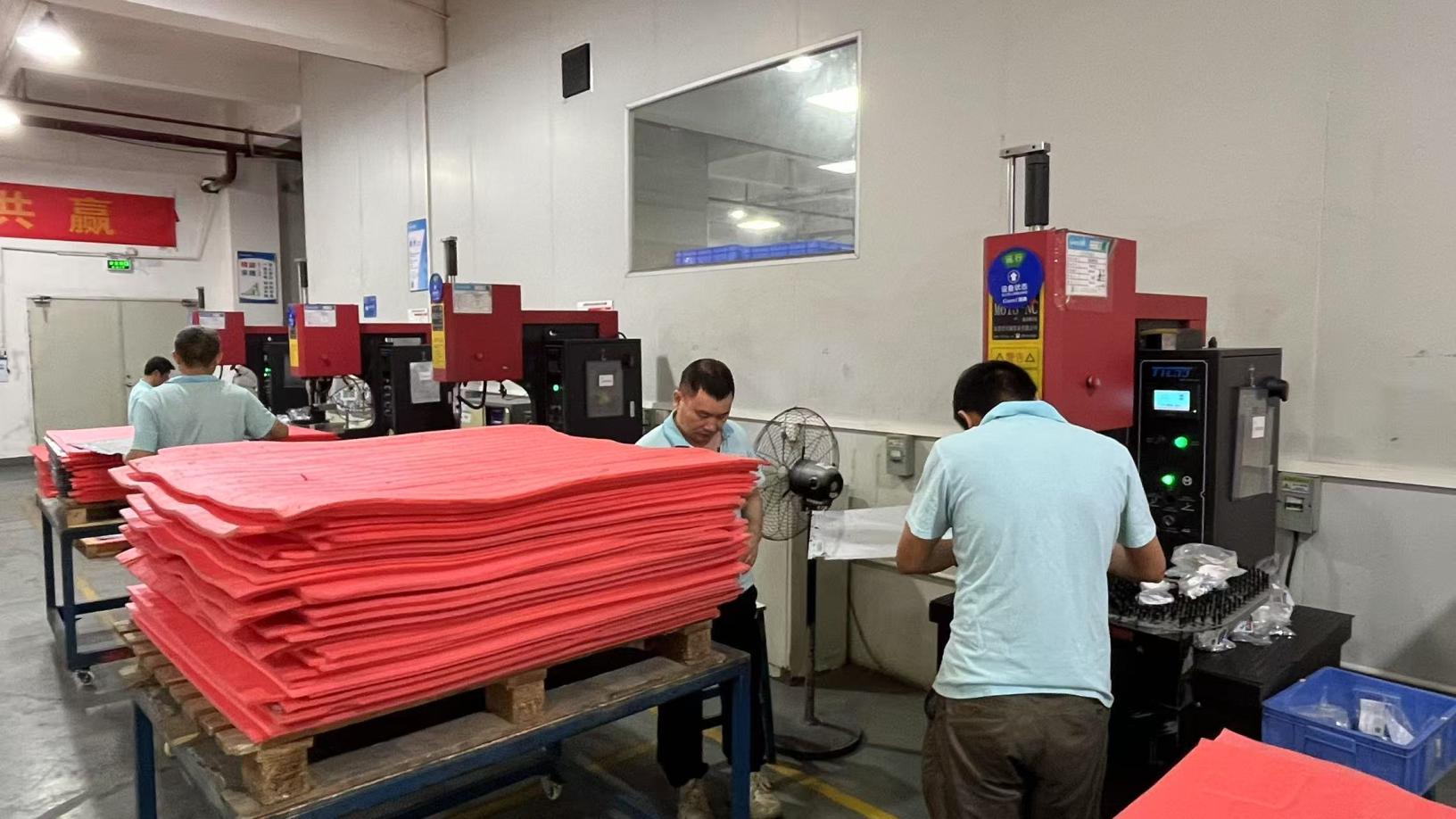
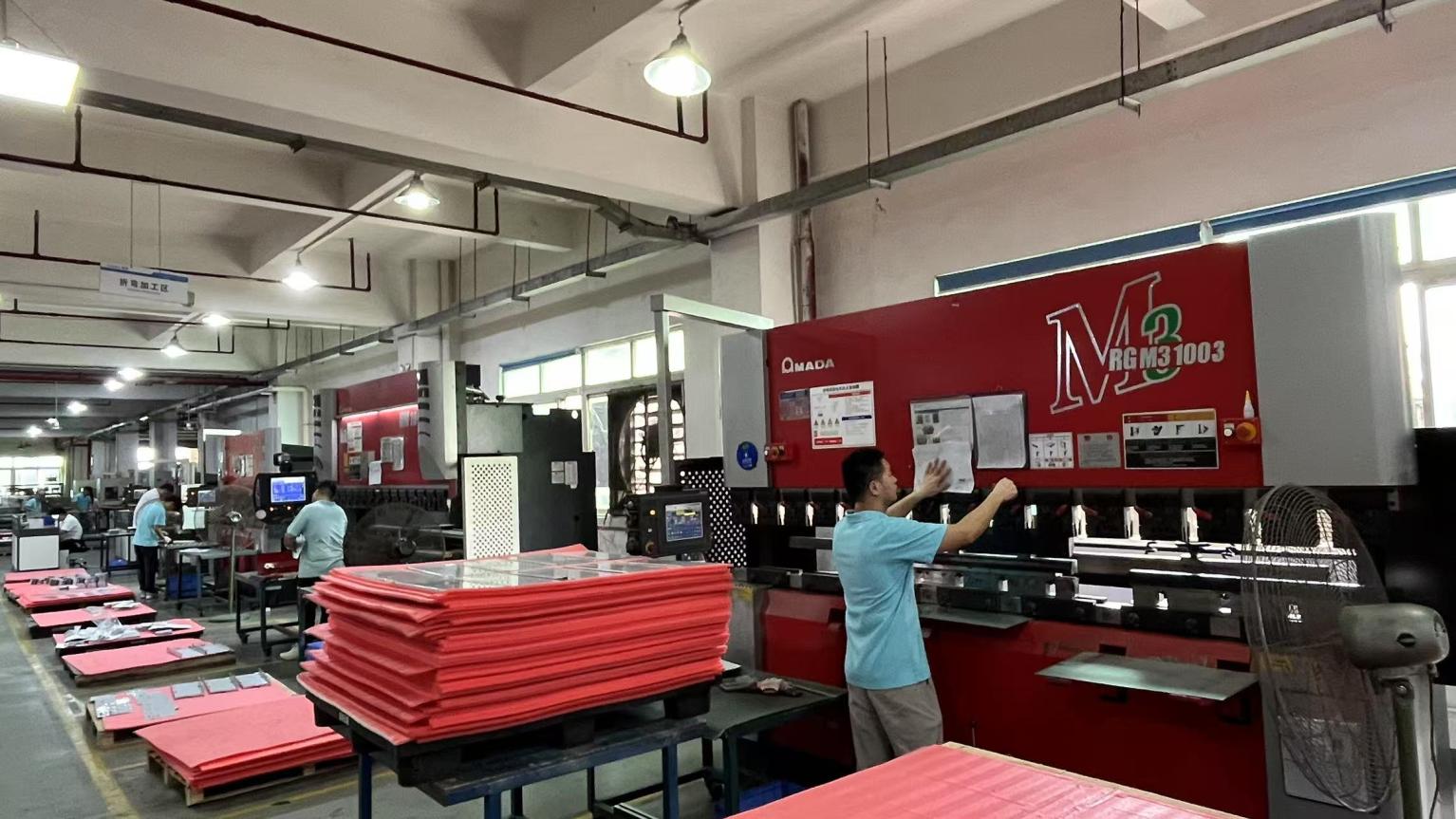

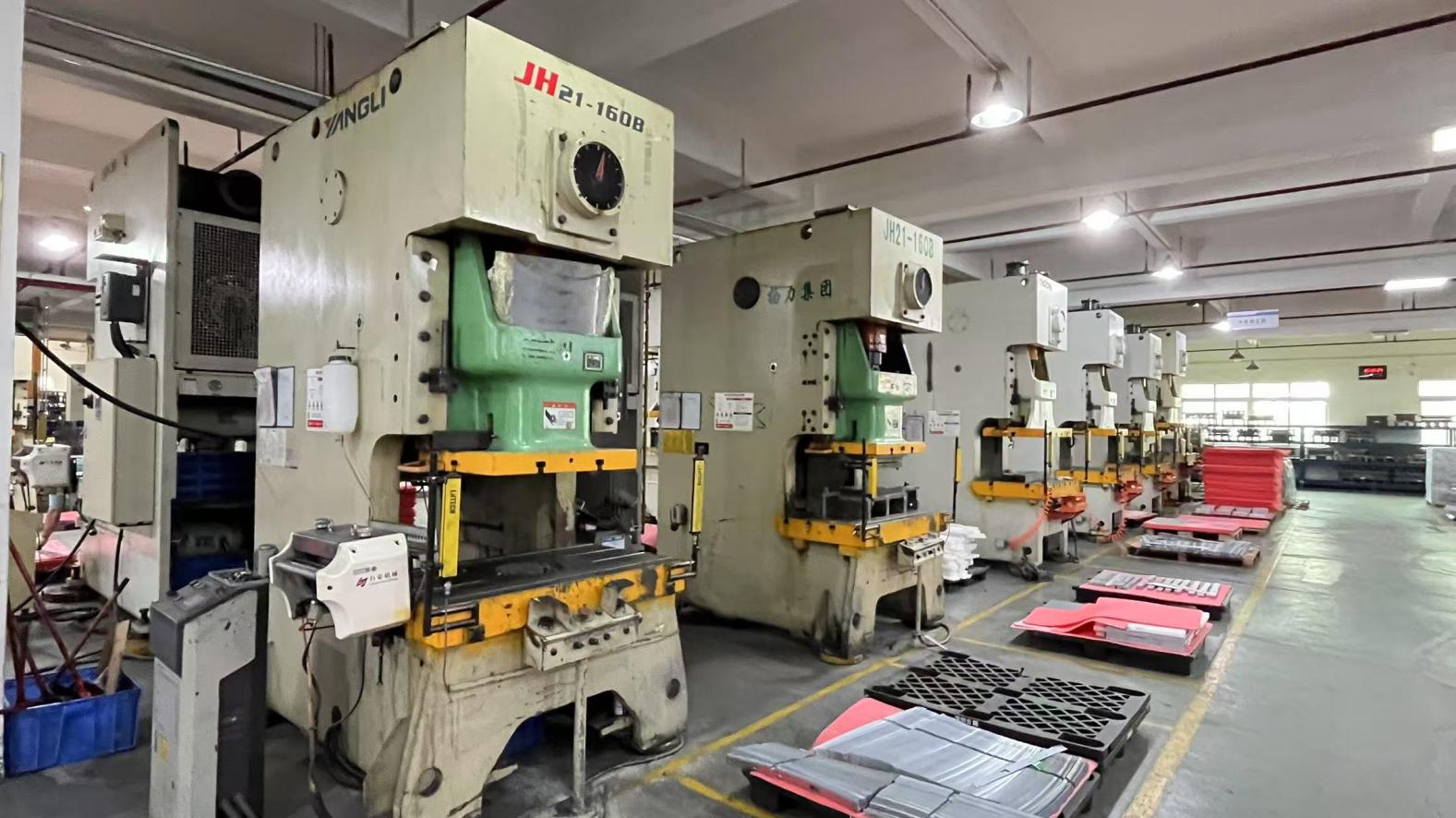
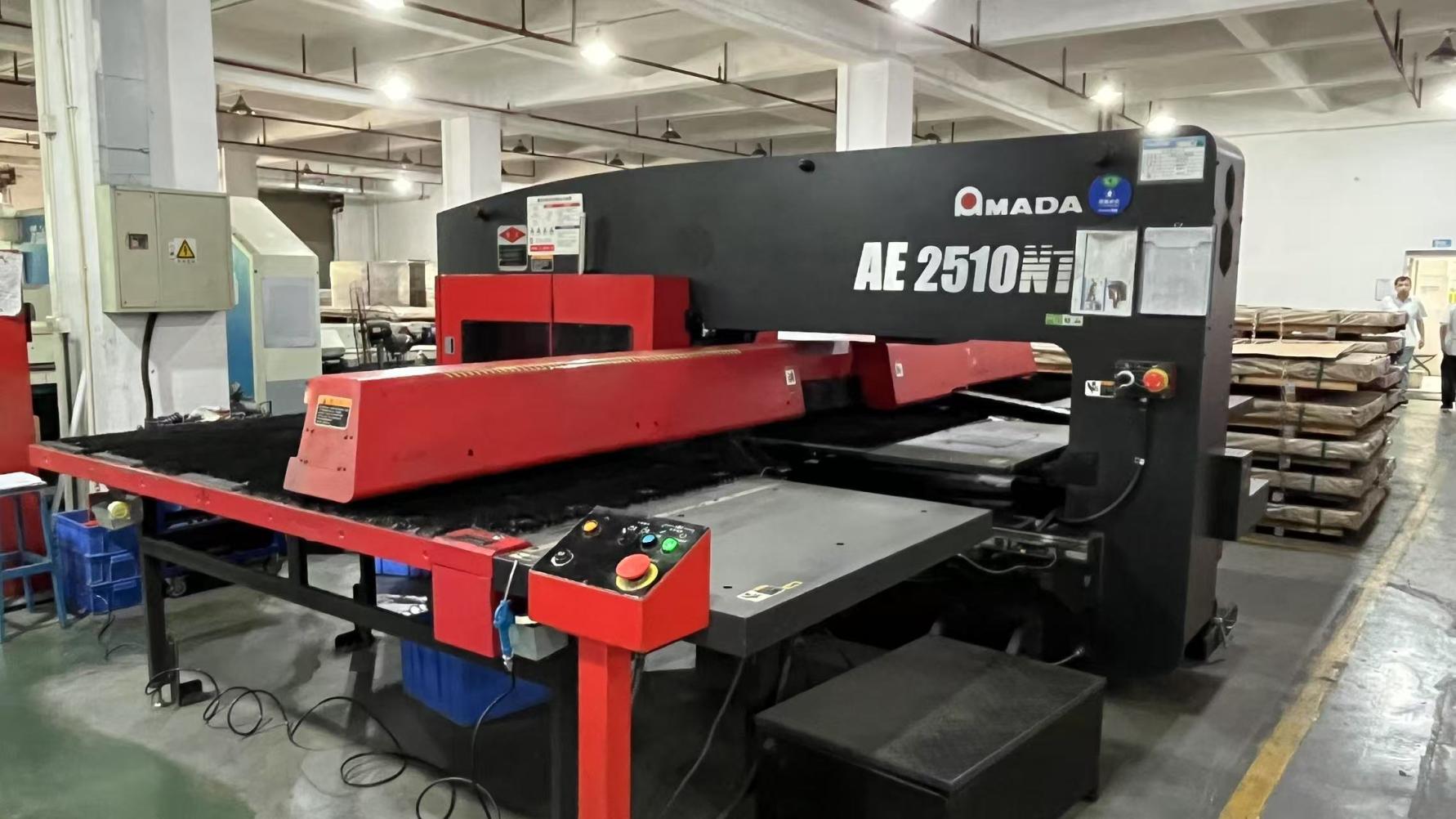
How we ensure extreme performance stability and structural reliability under hard operational environments.
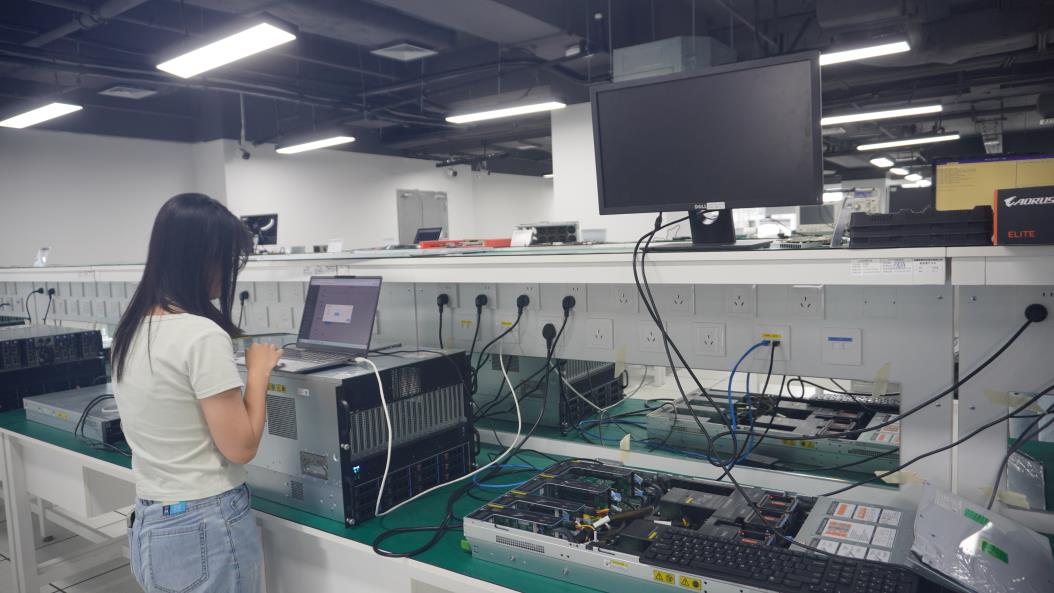
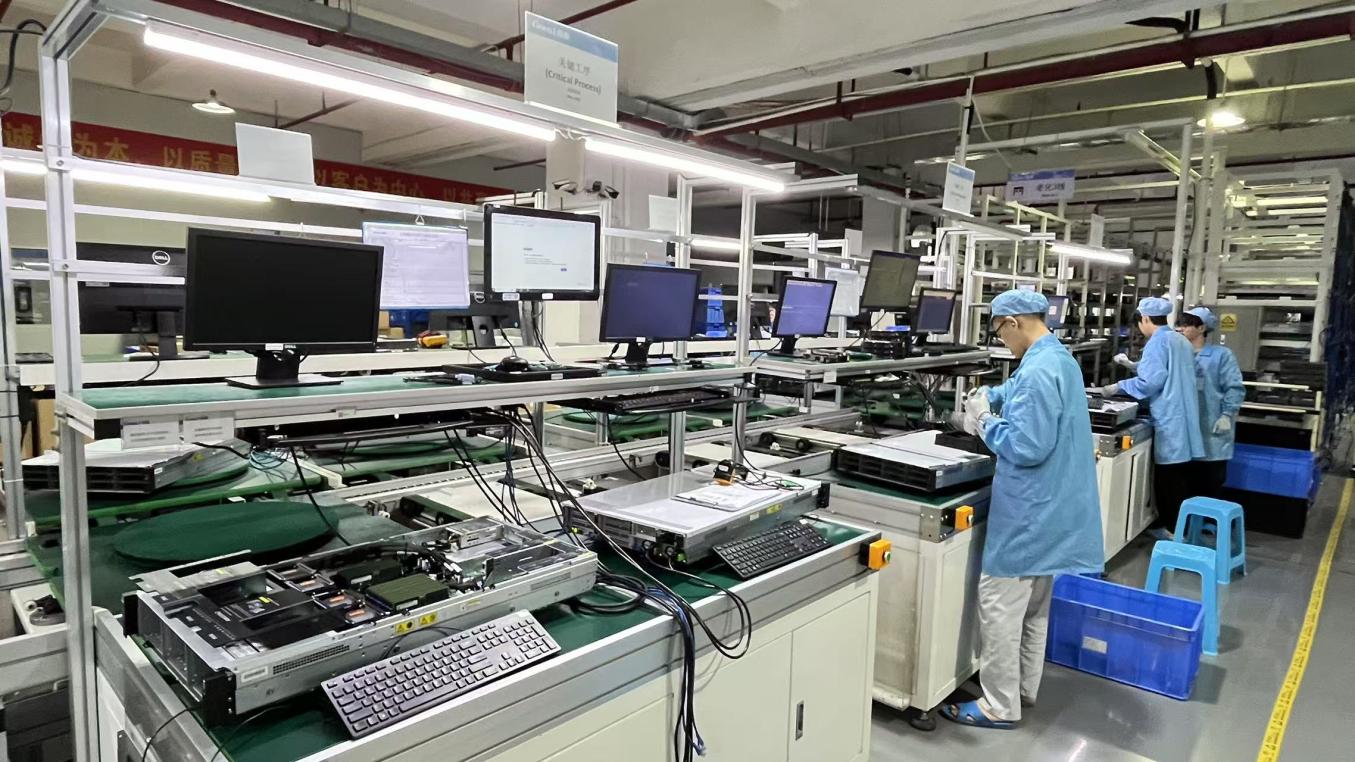
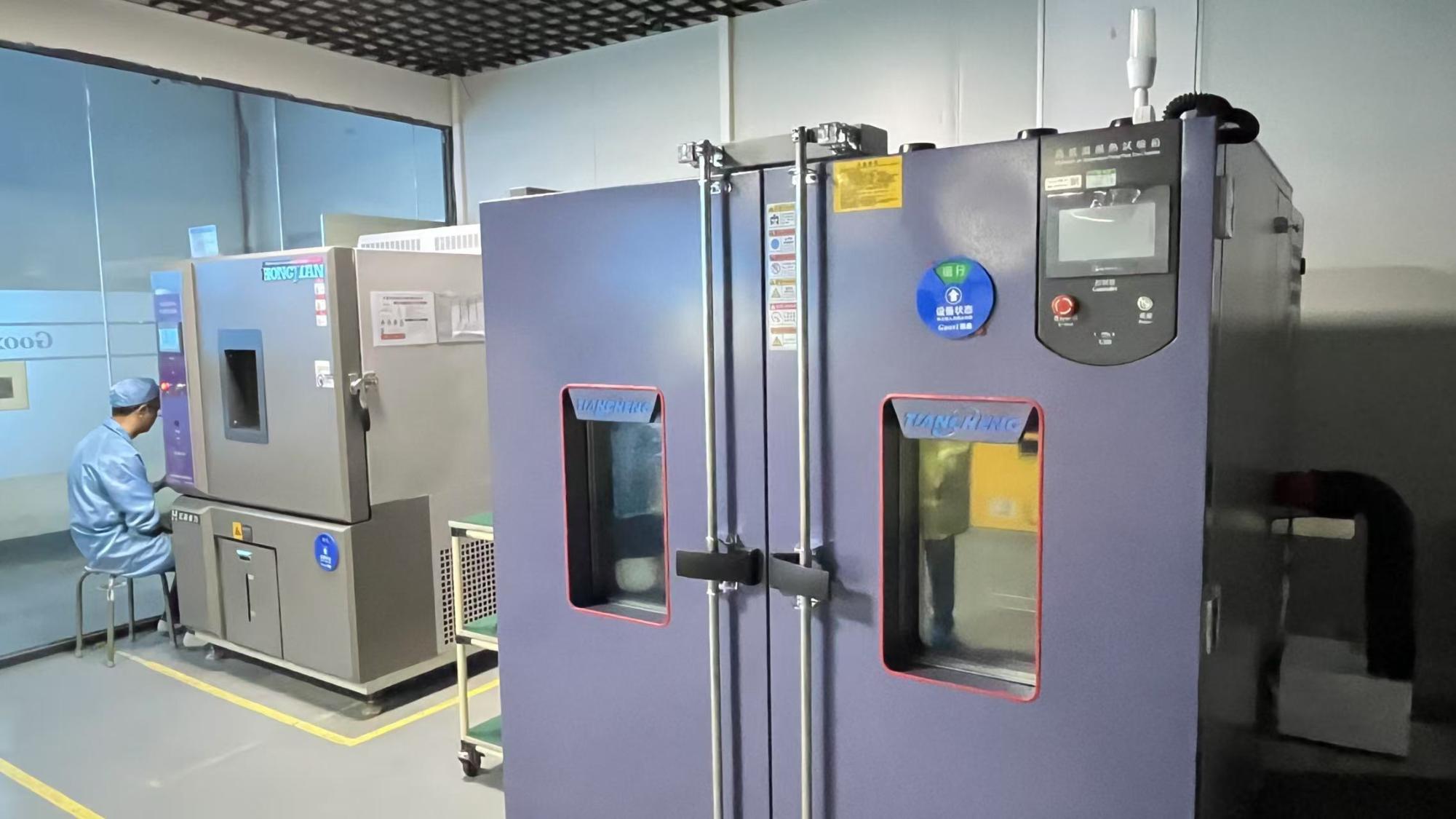
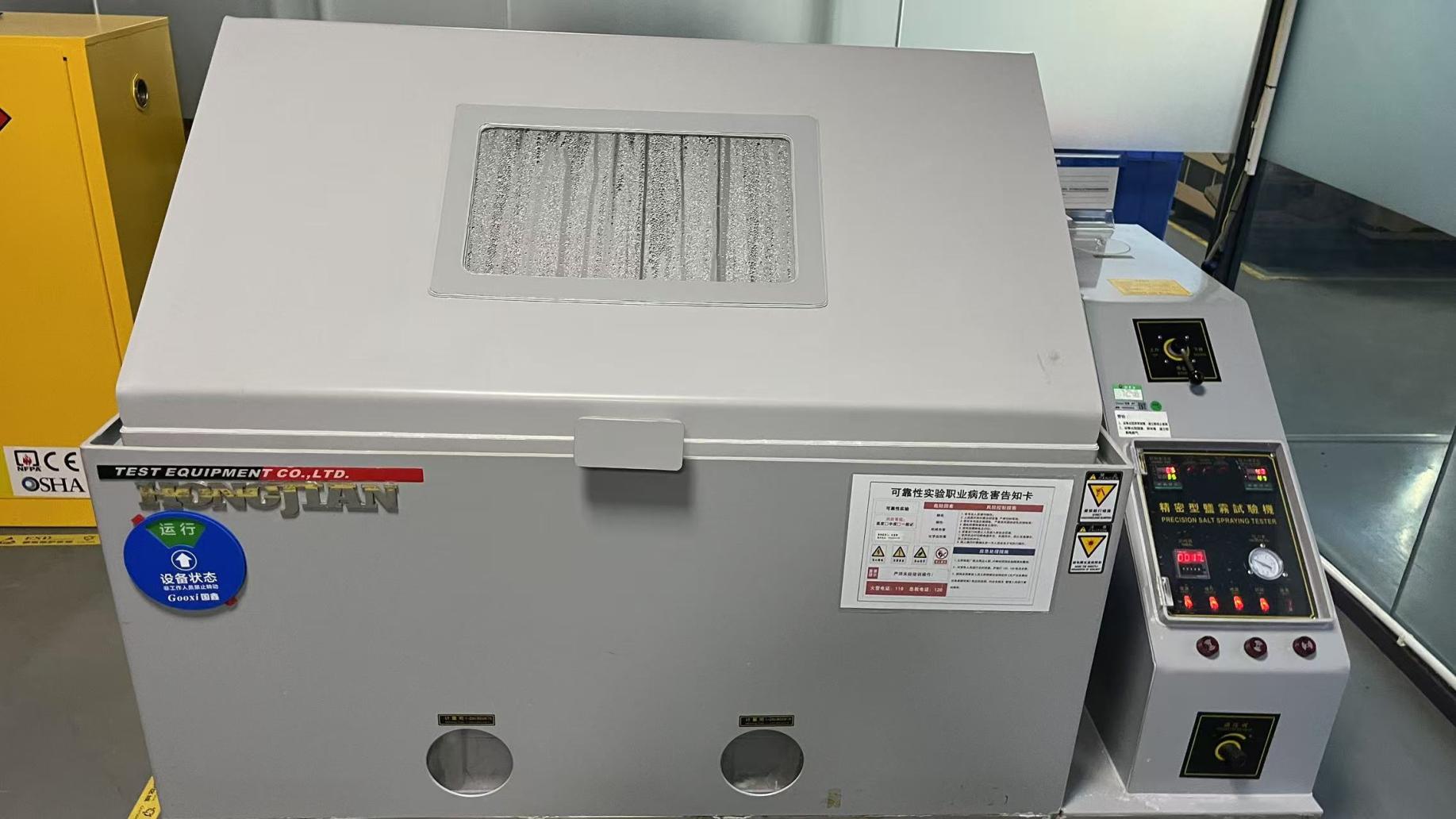
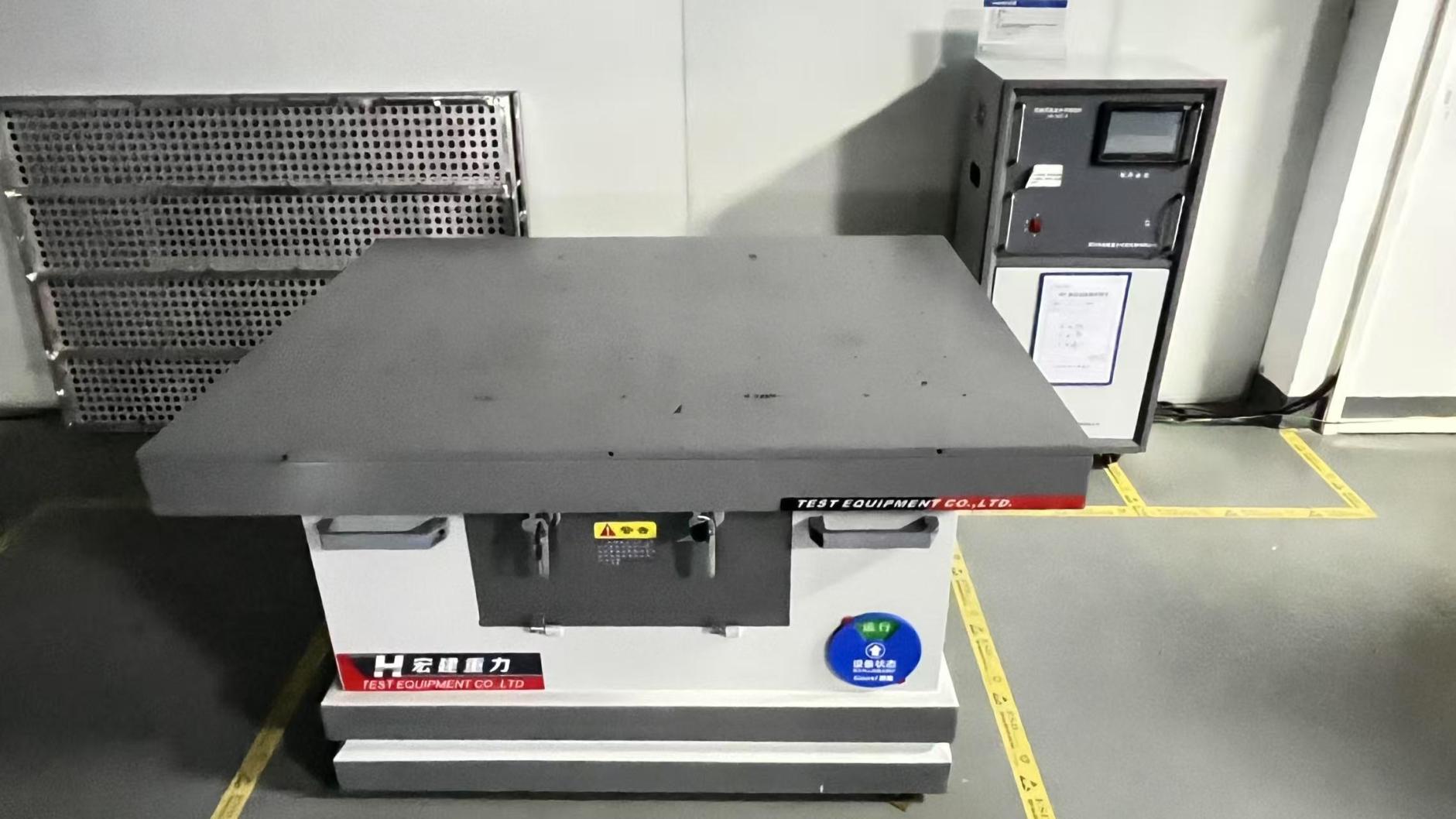
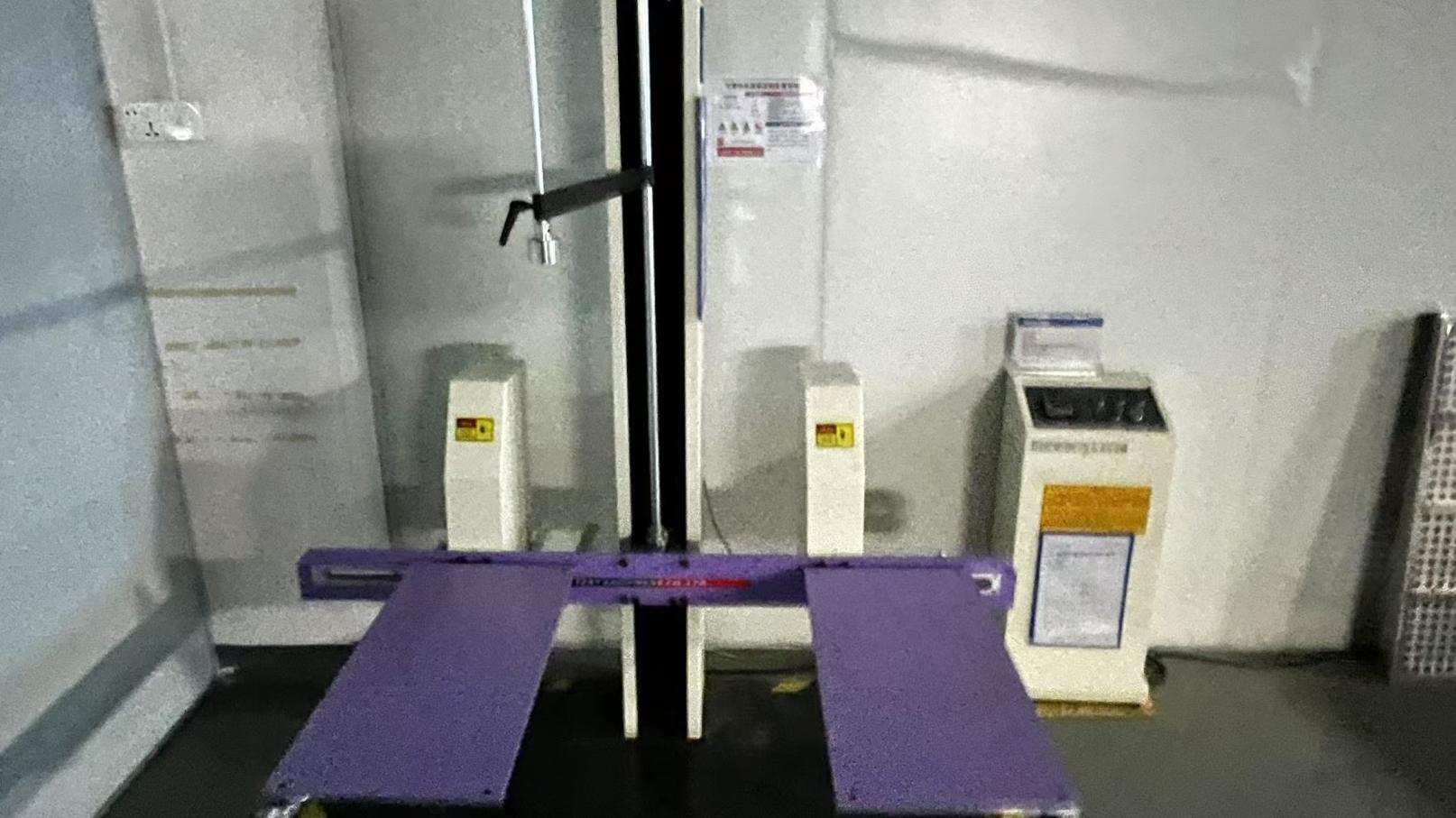
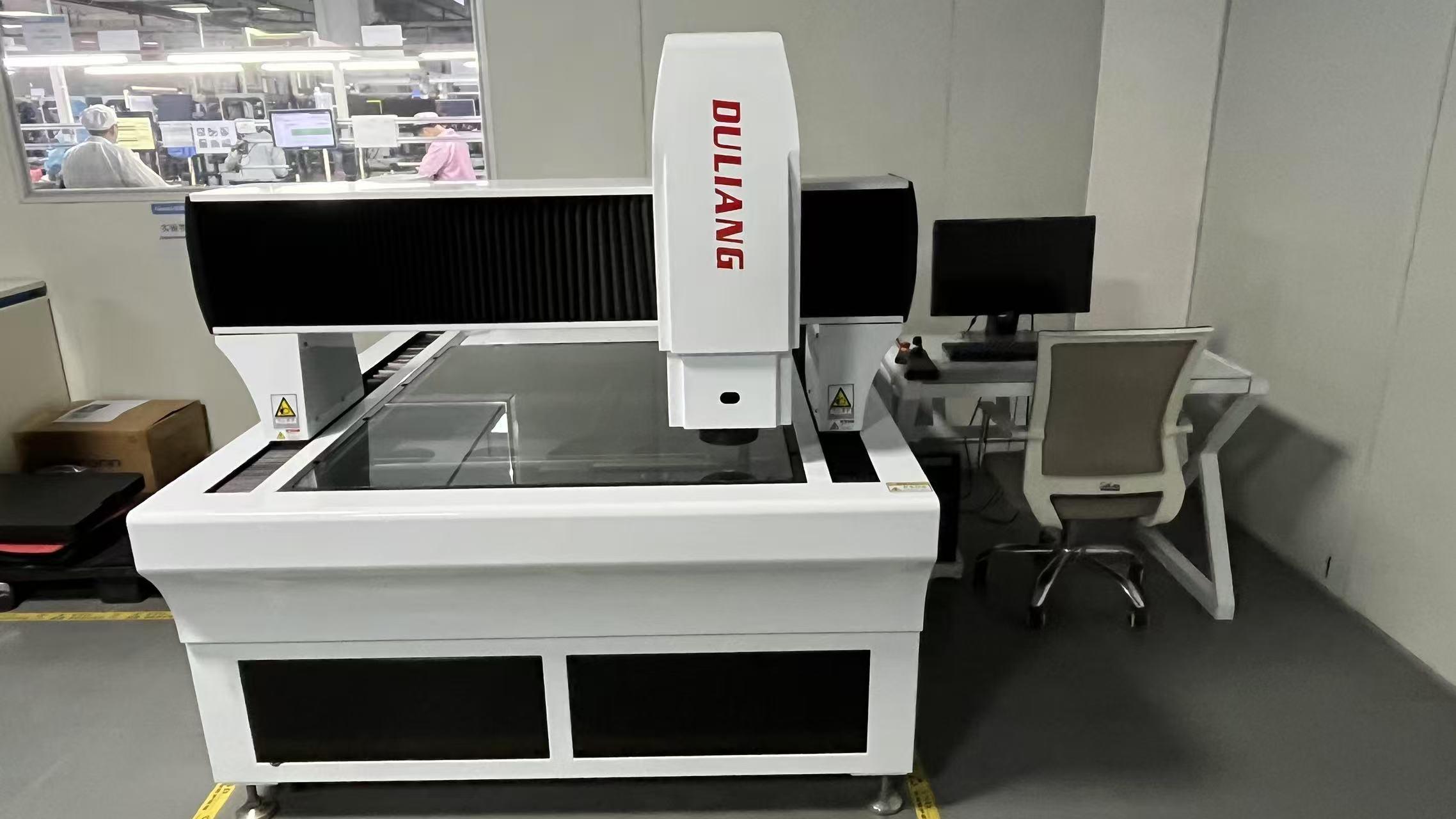
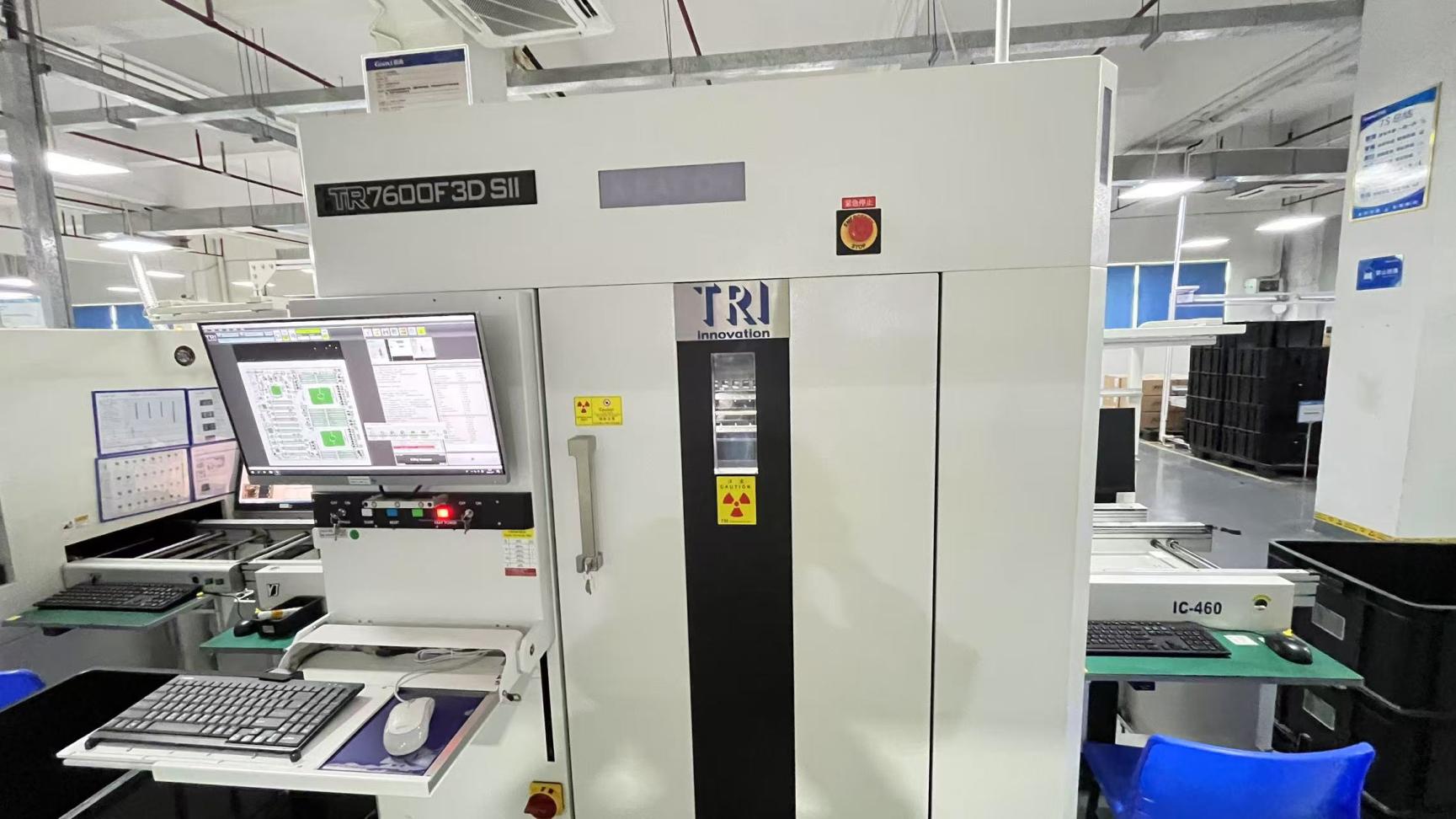
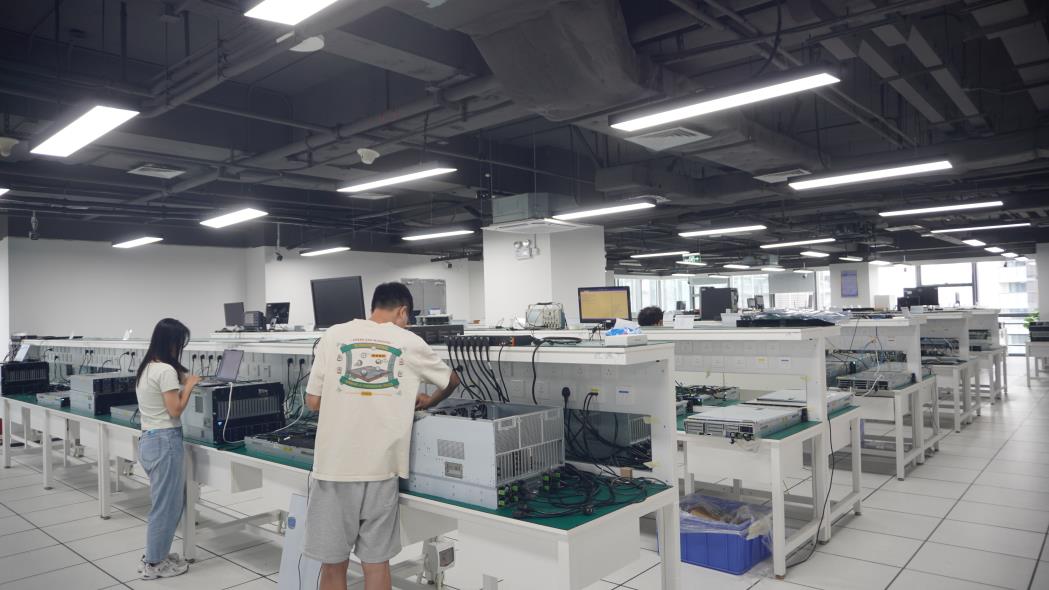
Every piece of networking equipment and enterprise computing system we configure must undergo demanding QC checks. The CMM coordinates validation ensures physical tolerances fit precisely into server rack arrays. X-Ray inspections spot internal soldering voids on motherboard layouts before packaging.
Our environmental simulations (High-Temperature Thermotank chambers, Salt Spray Tester for coastal/humid installations, and Vibration & Drop Testers) confirm that the transit journey does not degrade system connections. When hardware reaches your loading dock, it is functional, verified, and ready for deployment.
A preview of our engineering directions, hardware architecture plans, and sustainability goals.
To support massive data transfers required by larger model arrays, our R&D team is preparing server motherboards featuring PCIe Gen 6.0 slots. This double-bandwidth design ensures that GPUs receive uninterrupted data streams from storage systems, matching the high-speed data flow needs of modern data centers.
We are expanding liquid-to-air cooling options for our GPU server enclosures. Providing direct-to-chip water block setups allows enterprises to run dense computing configurations without needing expensive data center renovations. This helps clients manage thermal design challenges efficiently while reducing power consumption.
Our upcoming systems will include optional pre-installed environments for Kubernetes, Docker, and specific machine learning frameworks like PyTorch and DeepSeek-optimized runtimes. This configuration allows clients to transition from bare metal to model execution with minimal setup times, reducing hardware deployment friction.
Expert answers addressing the primary hardware queries of system integrators, data center operators, and enterprise IT leads.
Explore our selections for scaling processing, memory, and high-density file system storage.