ZhiCloud AI
ZhiCloud AI
ZhiCloud AI
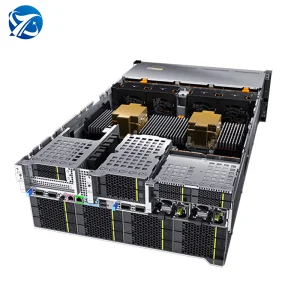
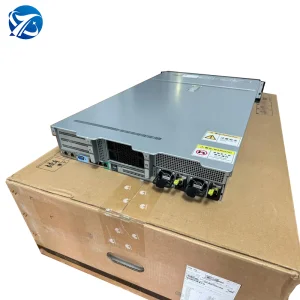
Accelerate data delivery and eliminate transfer bottlenecks with our professional server systems and cabling peripherals.
Whitepaper Analysis on High-Performance Interconnects, Data Integrity, and Thermal Optimization in Next-Gen Compute Clusters.
Modern data centers leverage Direct Attach Copper (DAC) and Active Optical Cables (AOC) to maintain microsecond latencies. Our internal array systems utilize elite SAS/SATA RAID cabling structures engineered for PCIe 4.0 and PCIe 5.0 environments, preserving signal integrity up to 12Gb/s and 24Gb/s thresholds.
Crosstalk, attenuation, and electromagnetic interference (EMI) are the primary enemies of high-density AI clusters. By integrating premium STP (Shielded Twisted Pair) cabling matrices and customized RAID cabling setups, we guarantee consistent data flow across high-capacity servers and HBAs.
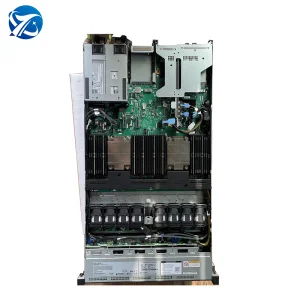
Proper server routing depends heavily on physical space optimization. Low-profile internal SAS RAID cables, combined with custom rack cabling layouts, maximize cooling efficiency within GPU servers. Airflow impedance is mitigated, allowing sustained peak workloads without thermal throttling.
High-performance cabling systems serve as the foundation for modern enterprise networking. From financial trading systems where nanoseconds define profit margins, to complex AI computing nodes processing billions of parameter matrices, the physical layer cabling topology represents a vital component in network reliability.
Industries worldwide are facing massive challenges with legacy copper structures. The transition toward high-density fiber-optic configurations (such as MPO/MTP systems) and specialized active copper interfaces requires strict adherence to global physical-layer guidelines. We engineer interconnect and internal transmission products to bridge this gap, ensuring enterprise servers function cohesively under peak system loads.
In the international B2B IT infrastructure market, logistics speed, custom packaging, and regulatory certifications are essential. Enterprise networks must operate globally but remain strictly compliant with local standards, such as fire hazard prevention ratings (LSZH - Low Smoke Zero Halogen) and UL listing guidelines.
Our strategic operations ensure that clients across North America, Europe, Southeast Asia, and the Middle East receive certified products optimized for local requirements. We address regional needs through local-market configurations, technical documentation translation, and localized physical topology guidance.
With an export infrastructure built to handle massive deployment schedules, we bridge the distance between precision manufacturing facilities and live production environments worldwide.
Providing High-Performance AI Server Systems, High-Density Computing Clusters, and Physical Layer Connectivity.
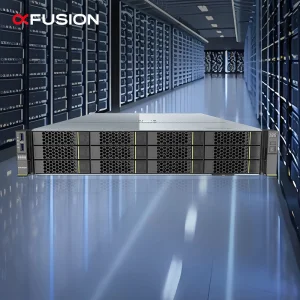
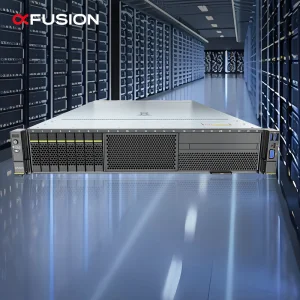
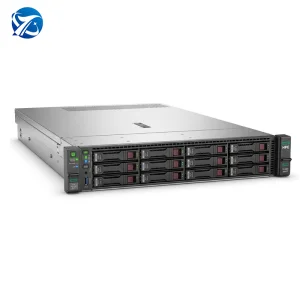
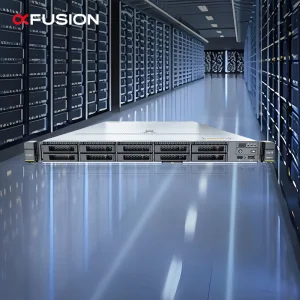
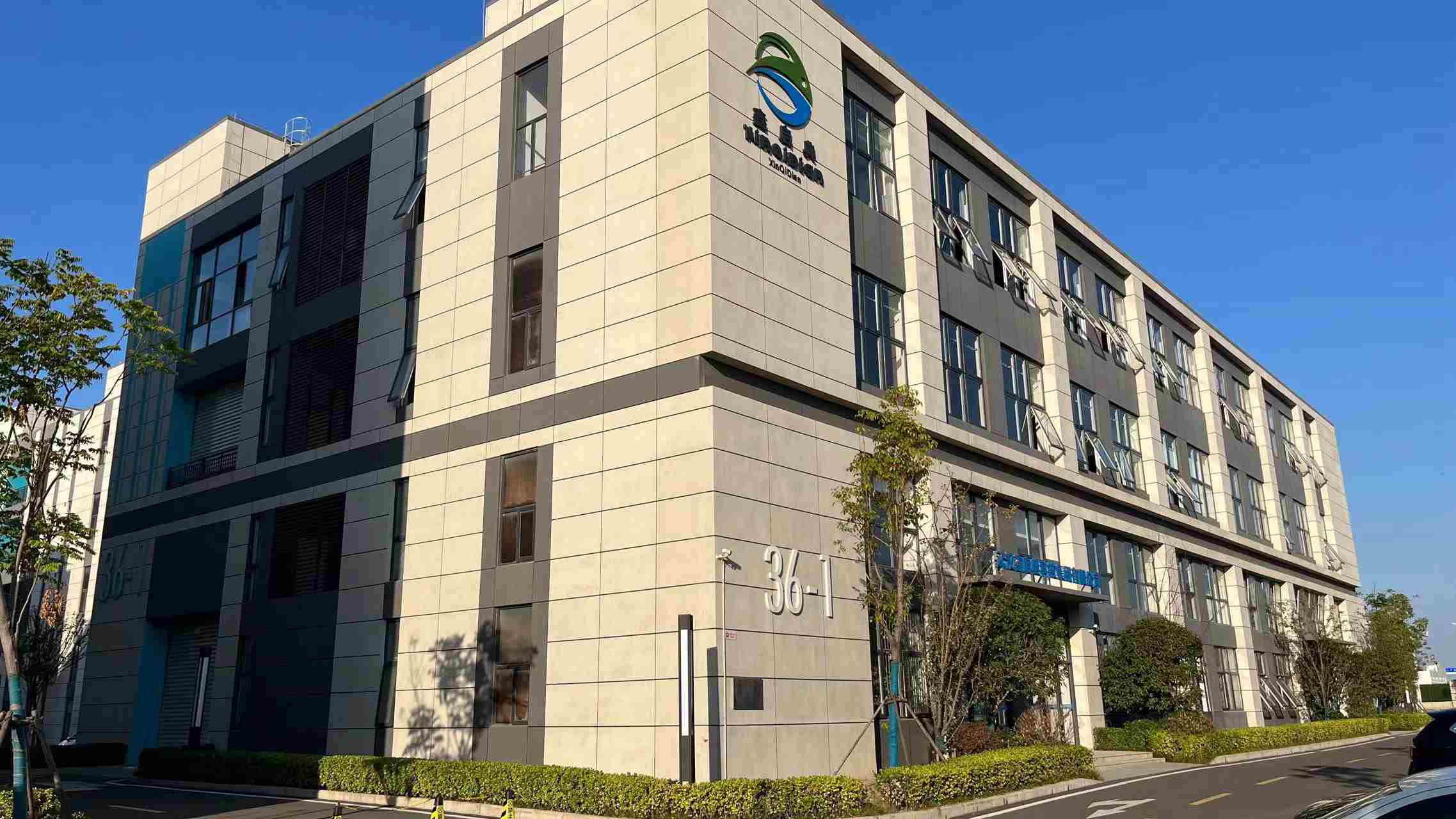
Founded in 2016, Shenzhen Intelligent Computing Cloud Technology Co., Ltd. (ZhiCloud AI) is a premier global provider specializing in high-performance AI computing hardware, server integration, and infrastructure solutions. Working with system integrators, AI startups, research institutes, and data center operators, we deliver fully customized server topologies and internal structural cabling solutions.
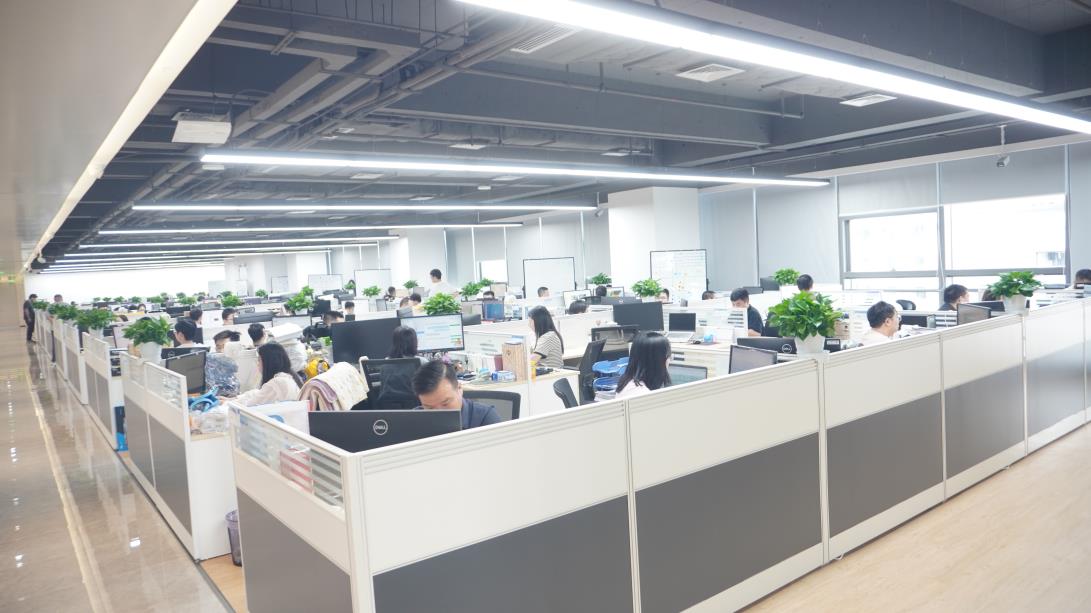
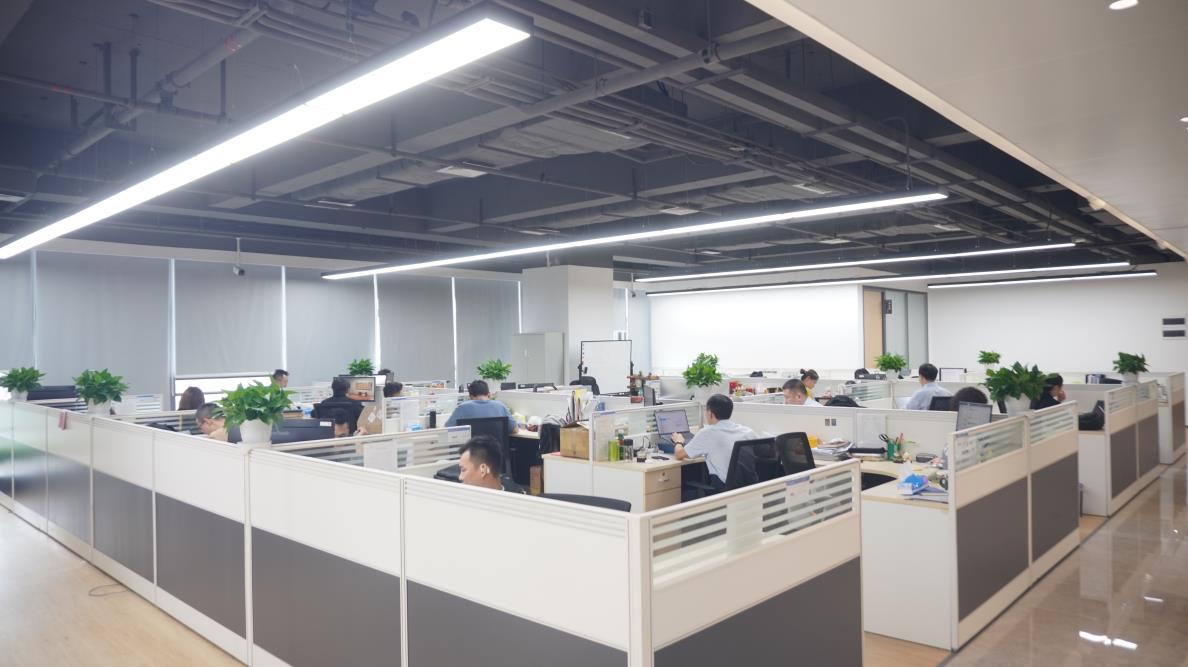
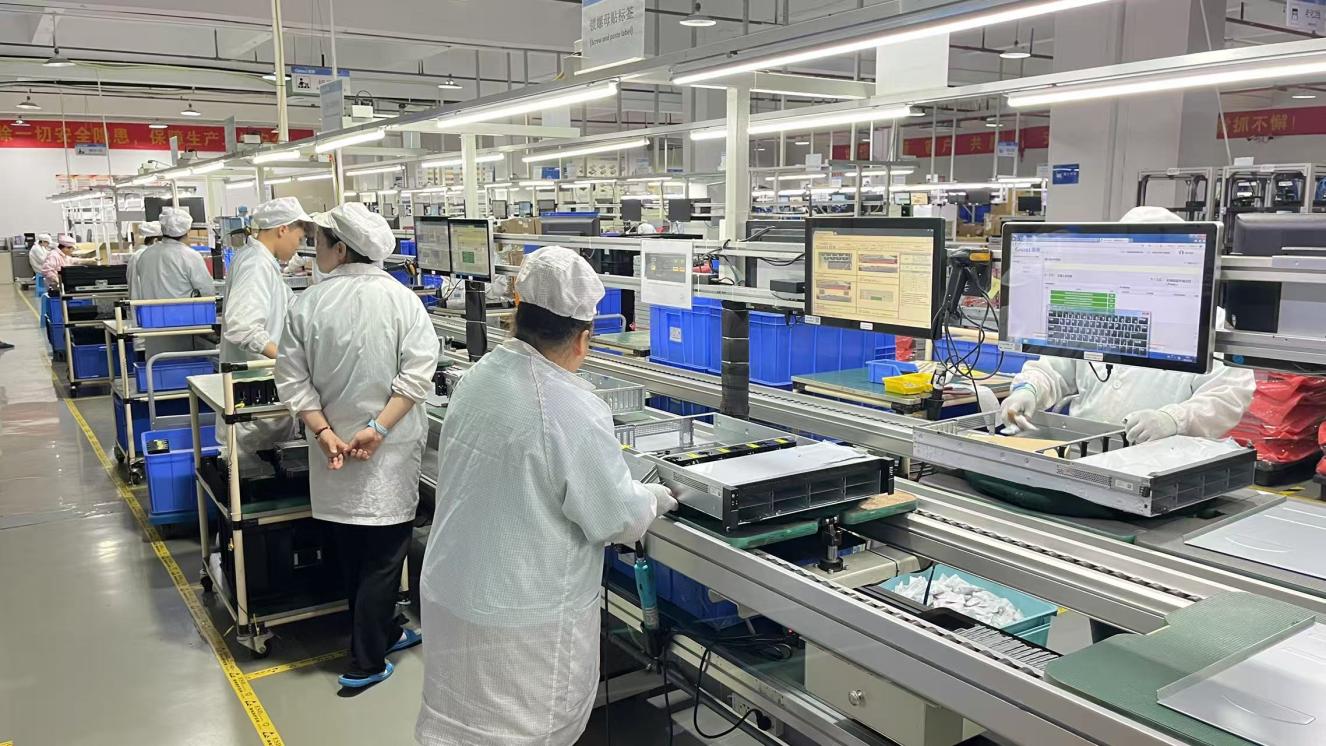
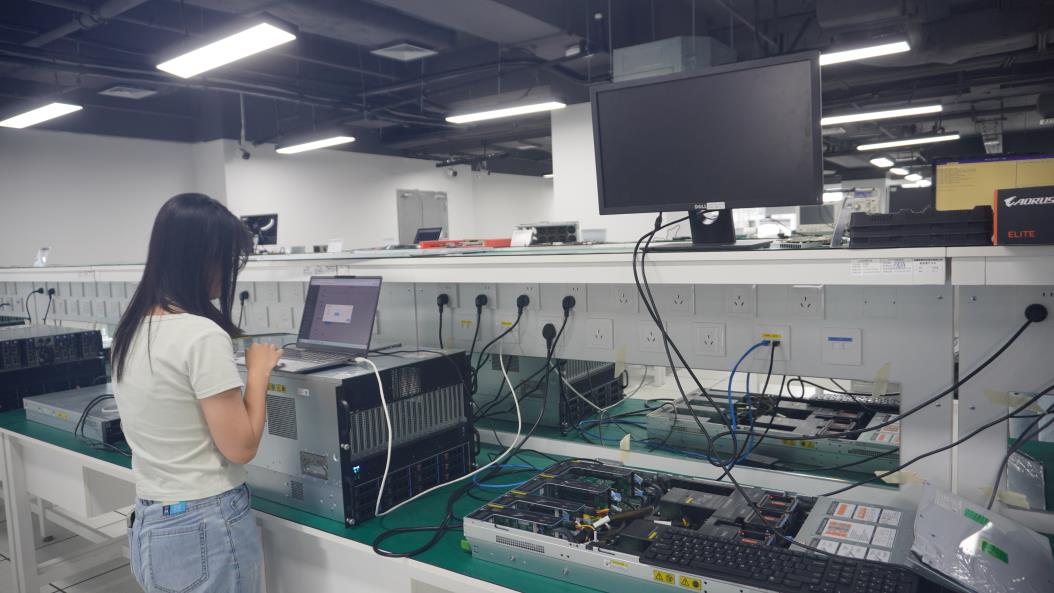
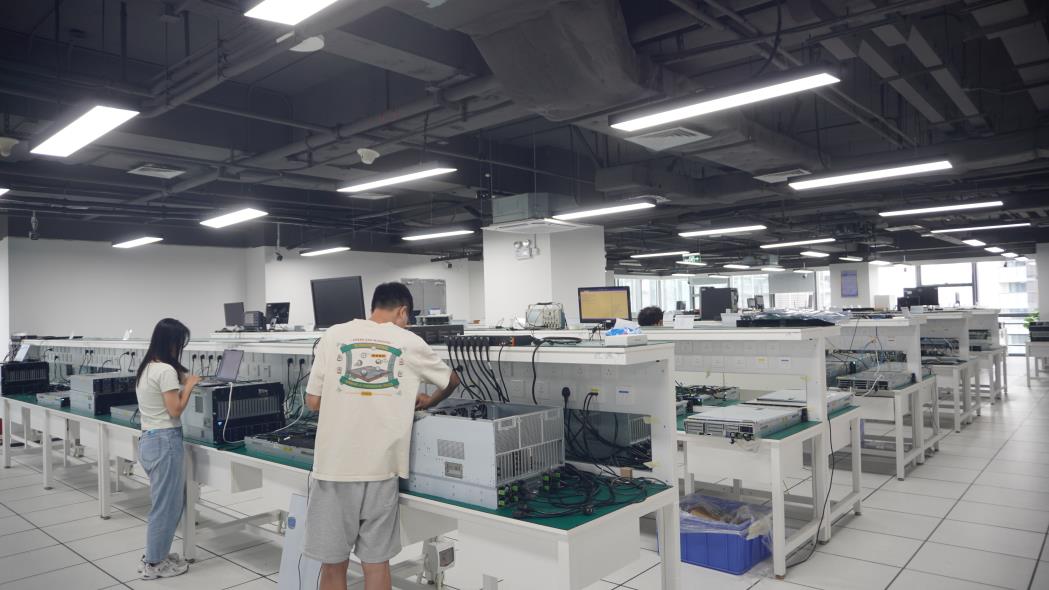
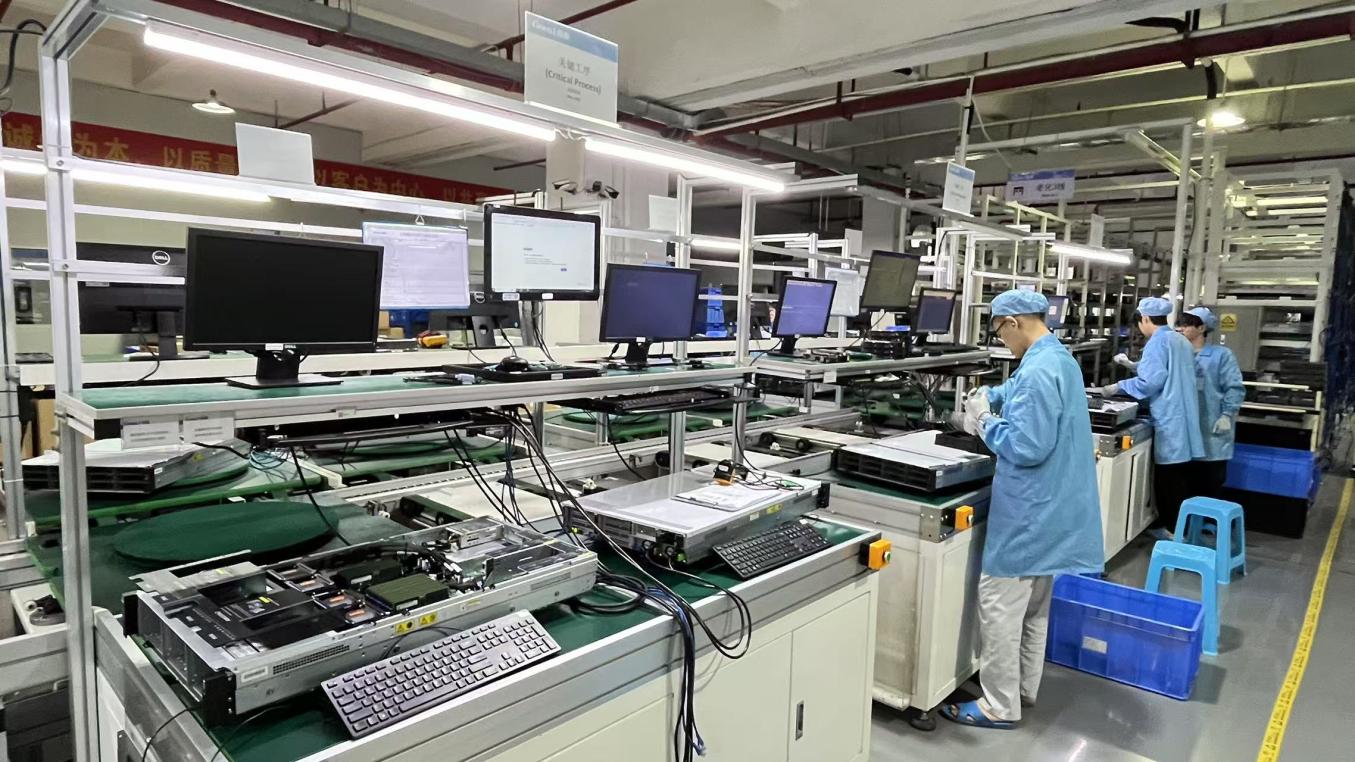
Operating a modern, high-precision manufacturing, testing, and assembly hub, our team handles systems from simple server setups to complex 1.6T physical network architectures. Each unit undergoes stress testing to meet the rigorous demands of enterprise clients.
We implement a strict multi-stage testing process. A dedicated team of 45 QC specialists verifies every server module and cable component against strict performance standards.
Our customizations cover hardware setup, GPU selection, storage drive backplane configuration, branding layout, and specialized pre-installed software, allowing IT teams to deploy systems optimized for immediate operation.
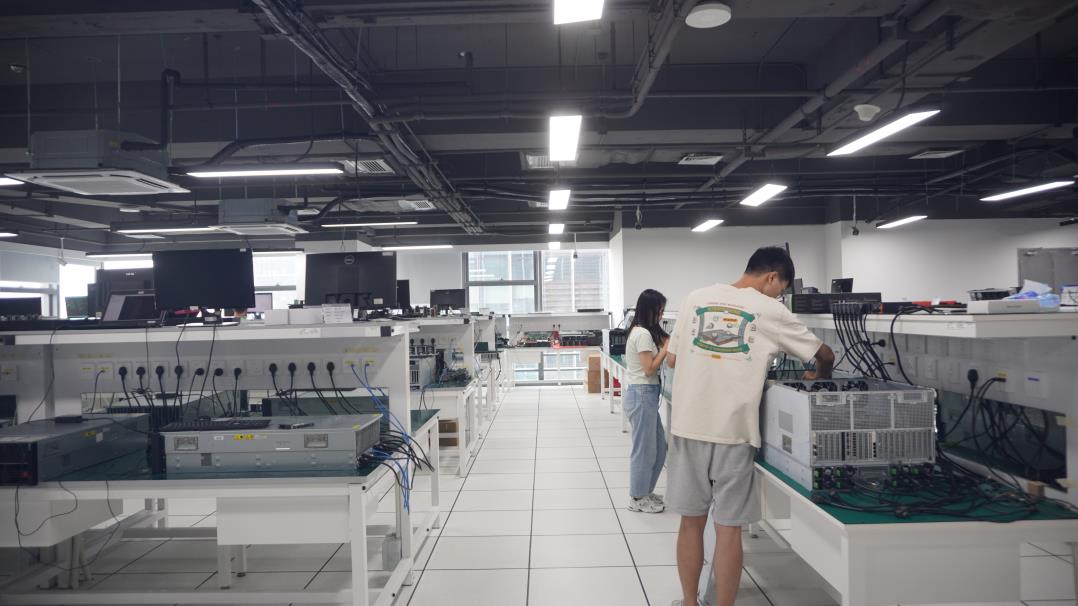
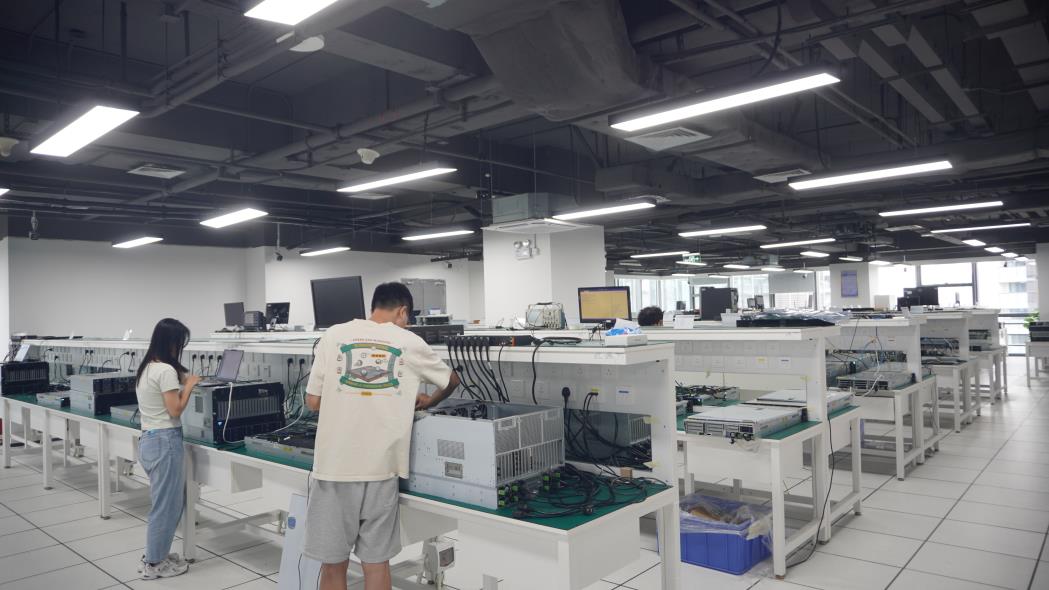
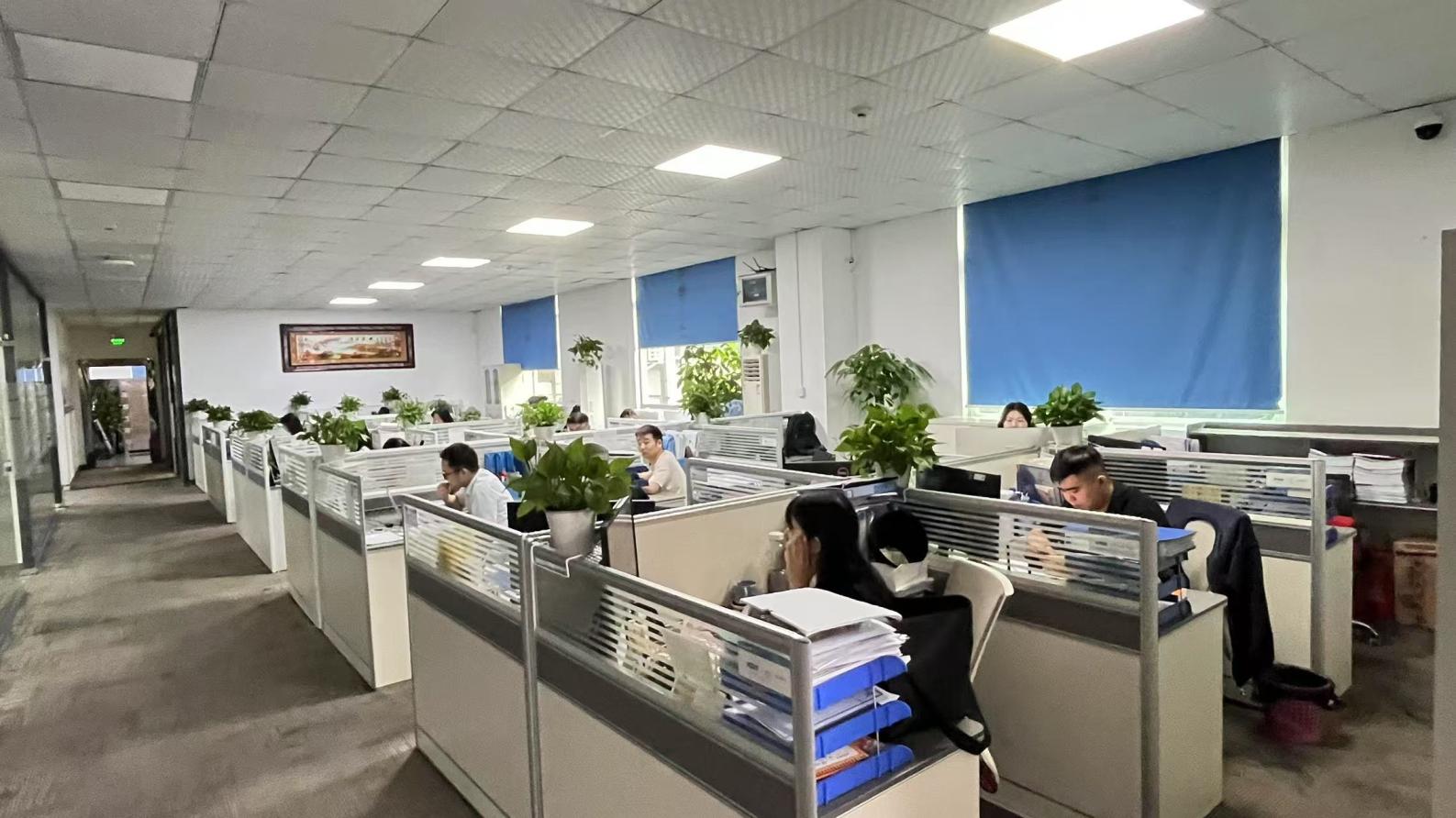
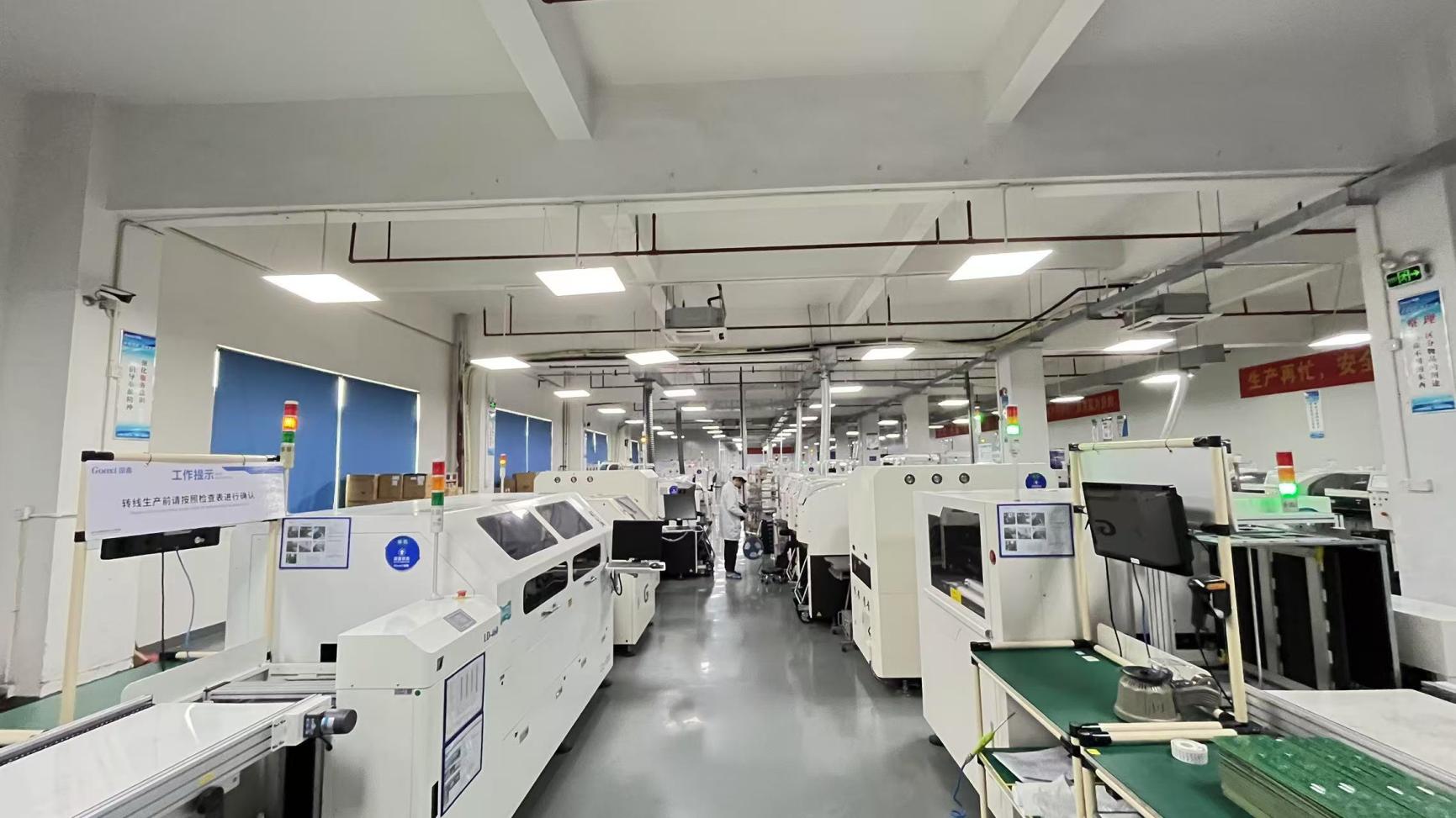
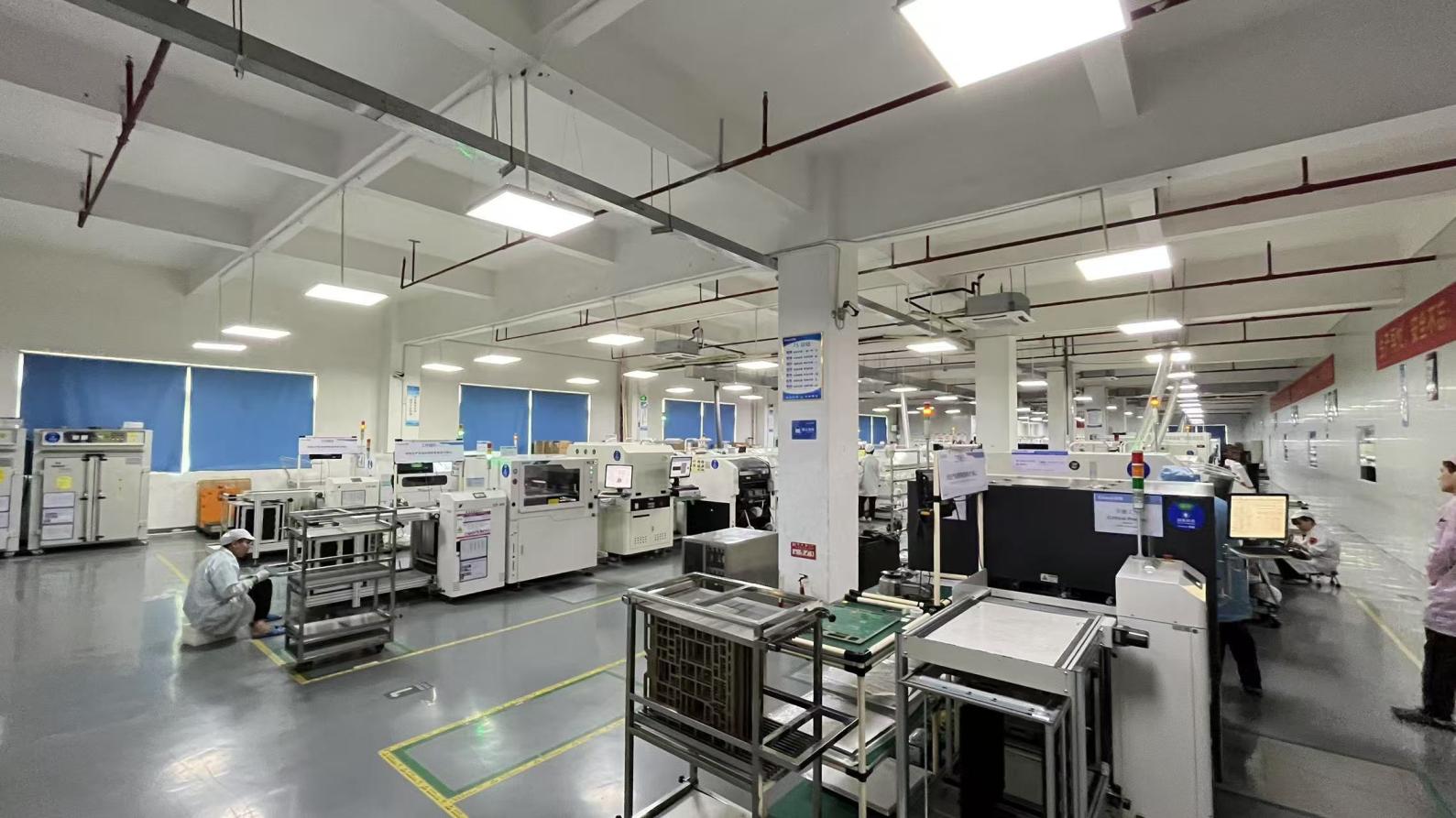
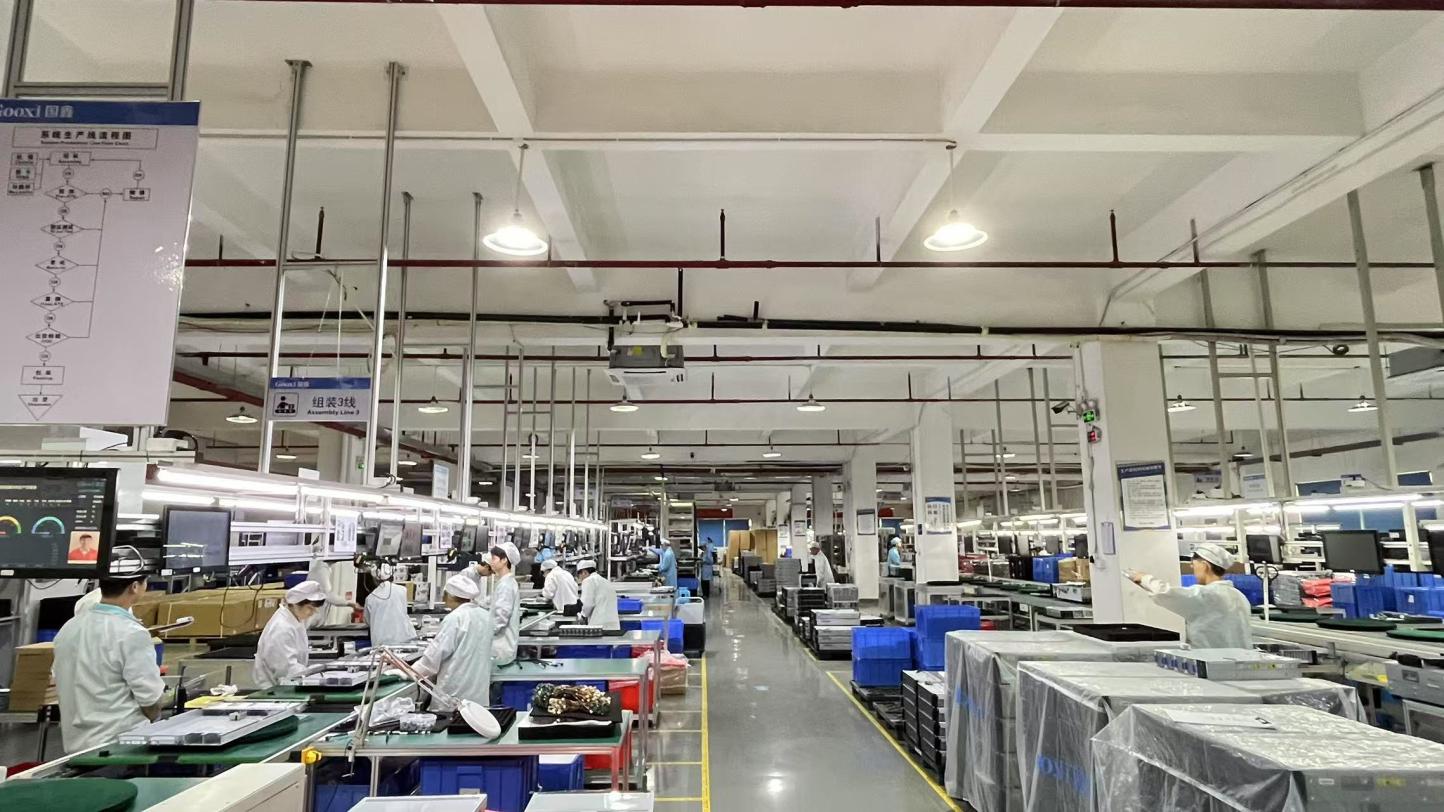
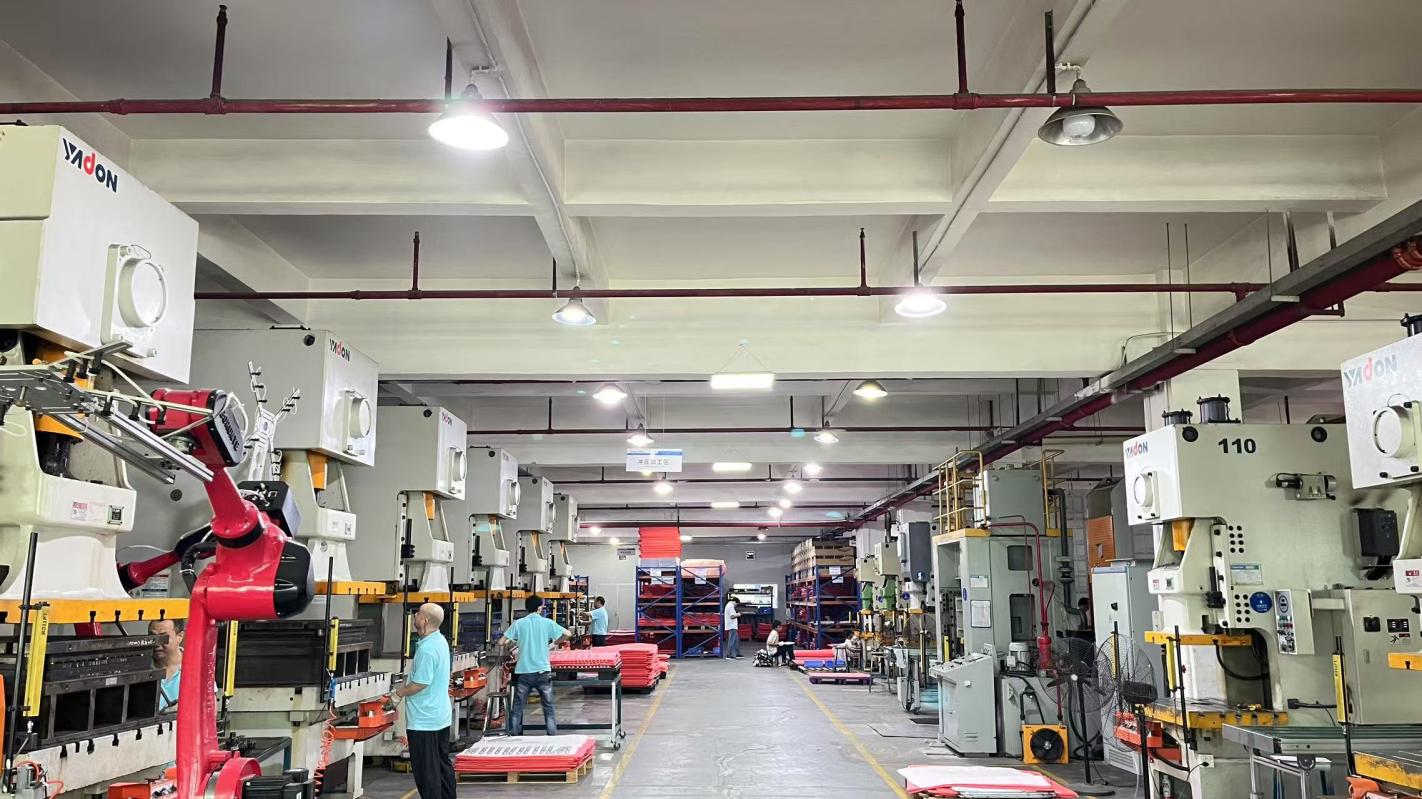
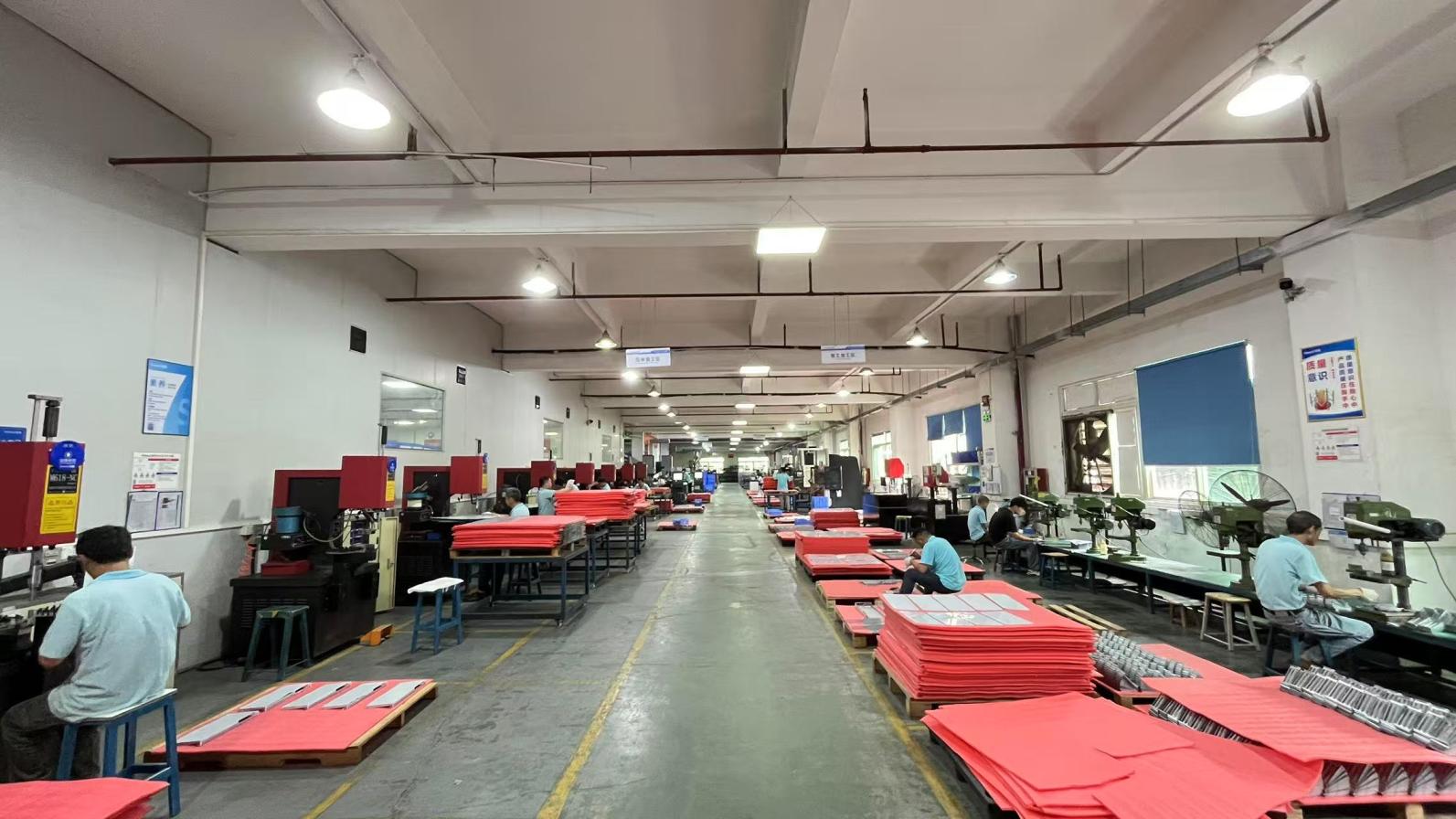
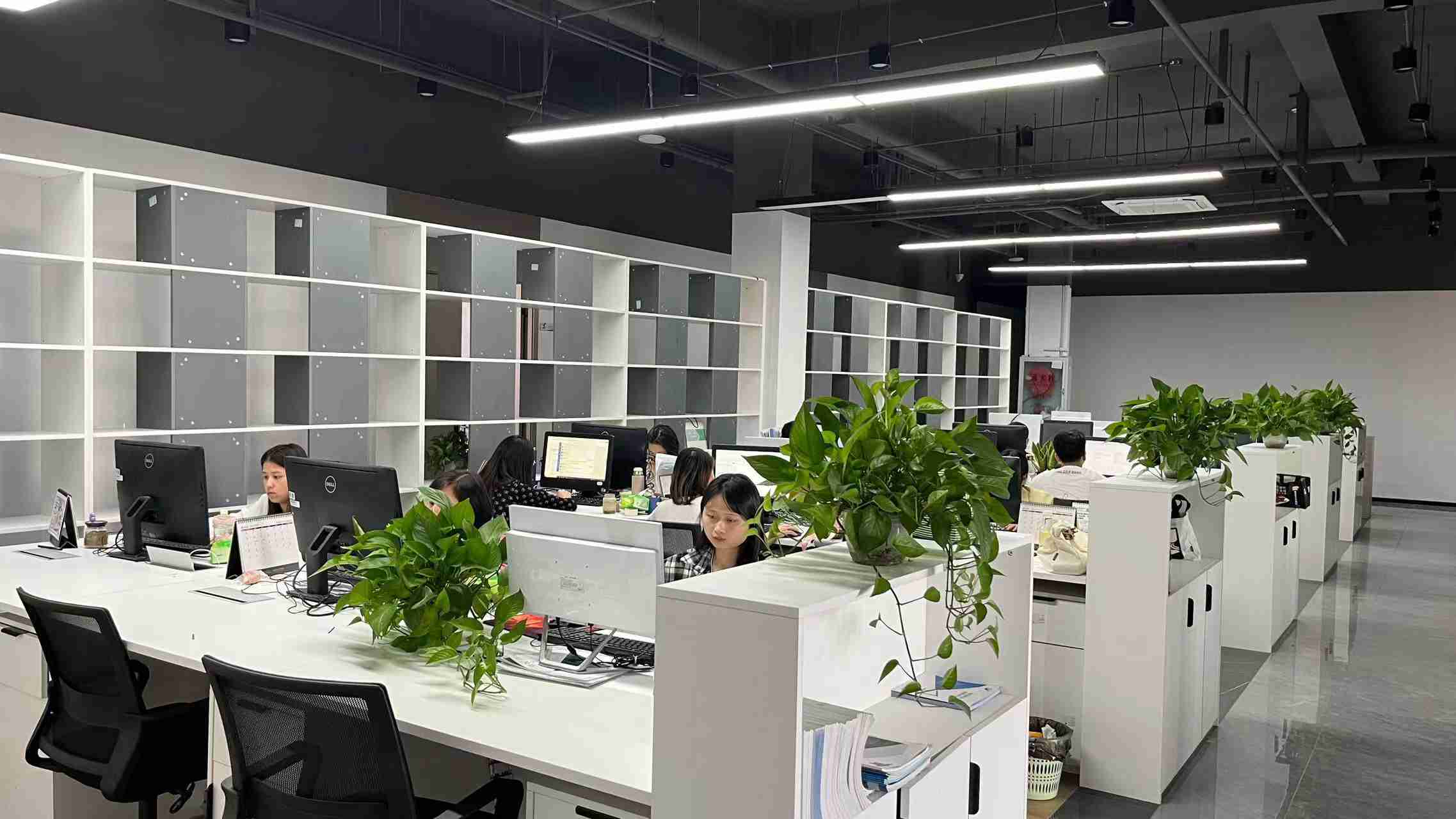
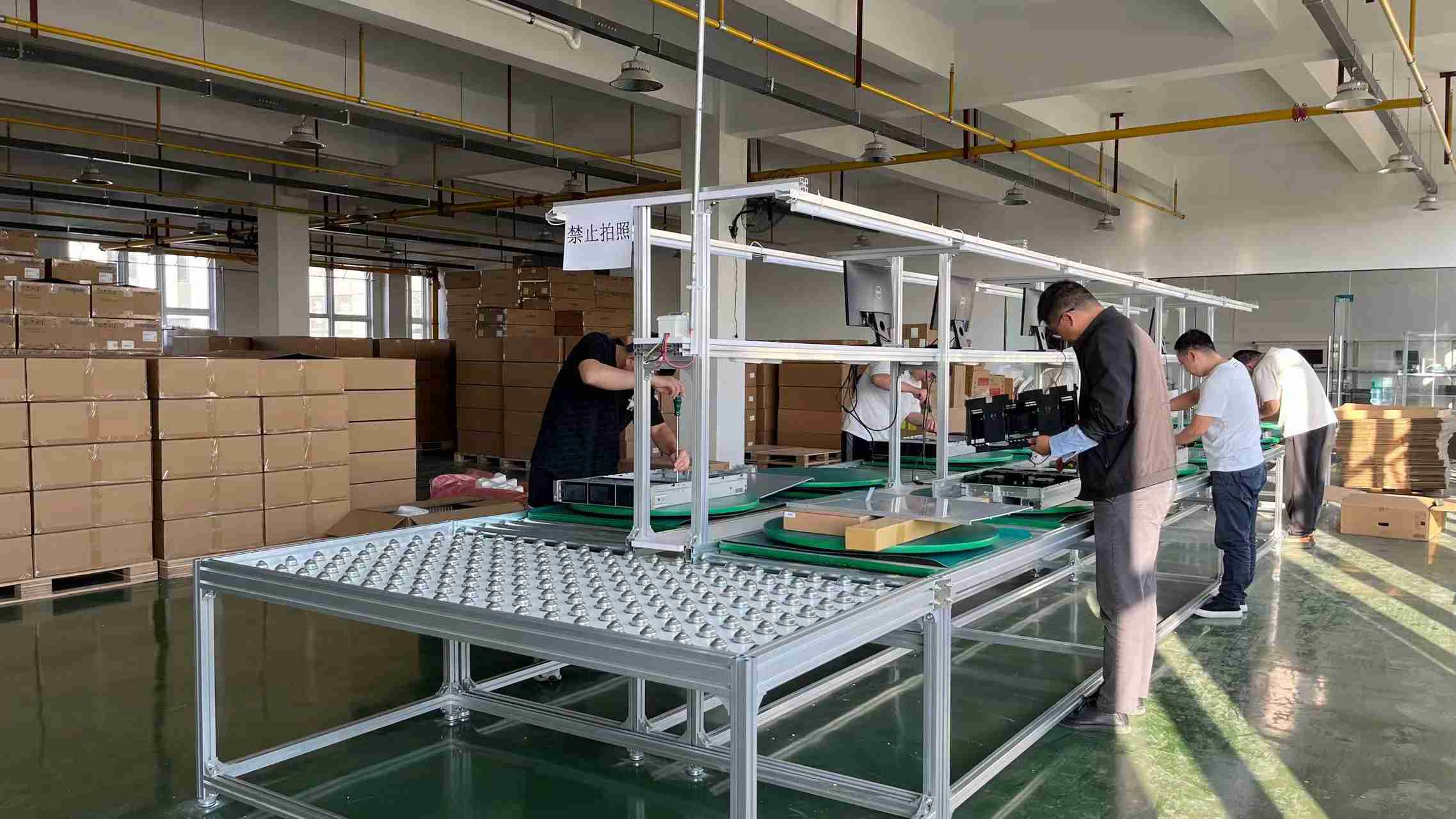
How we build hardware: step-by-step engineering verification of server components and cabling products.
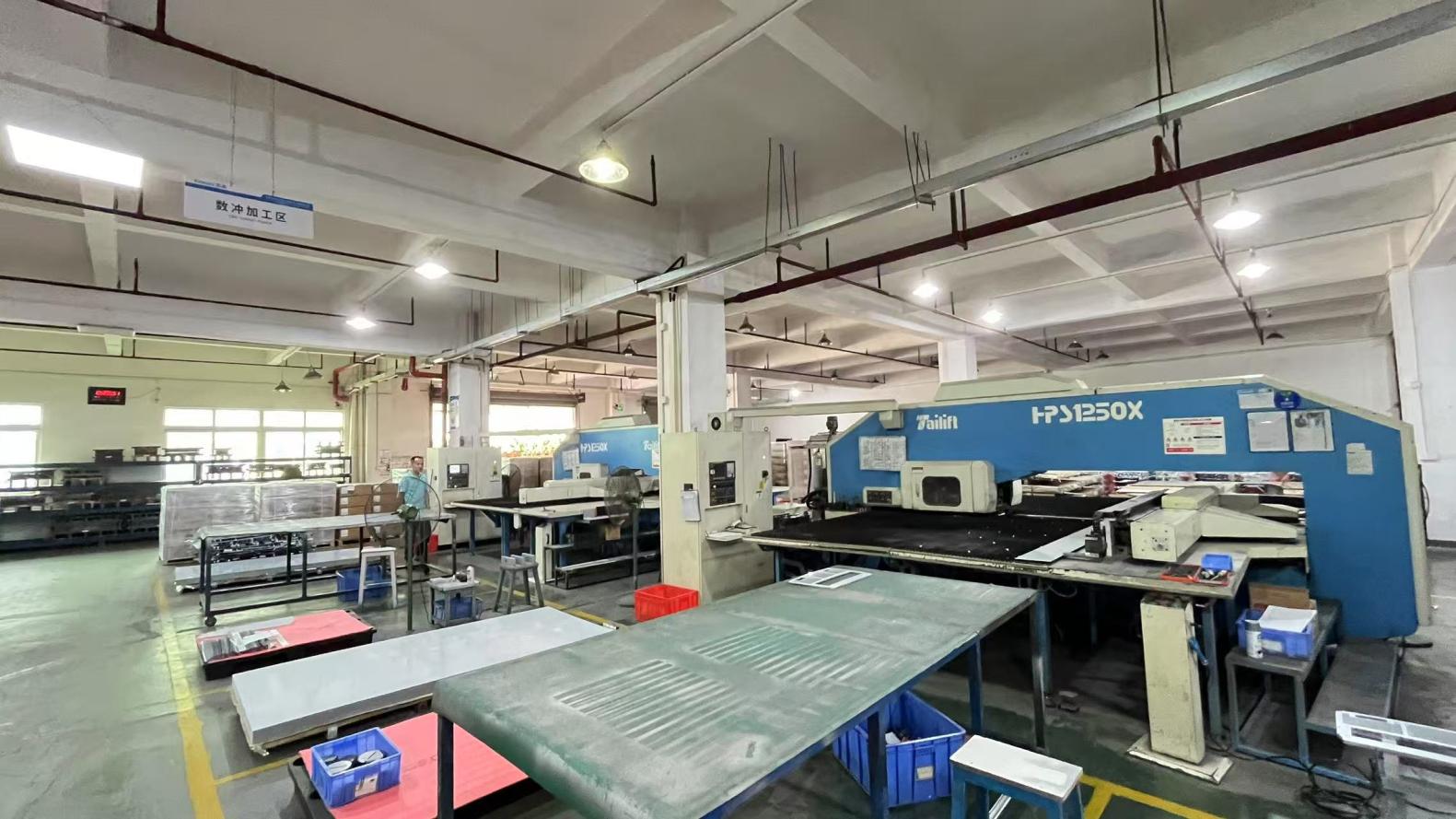
Material Cutting
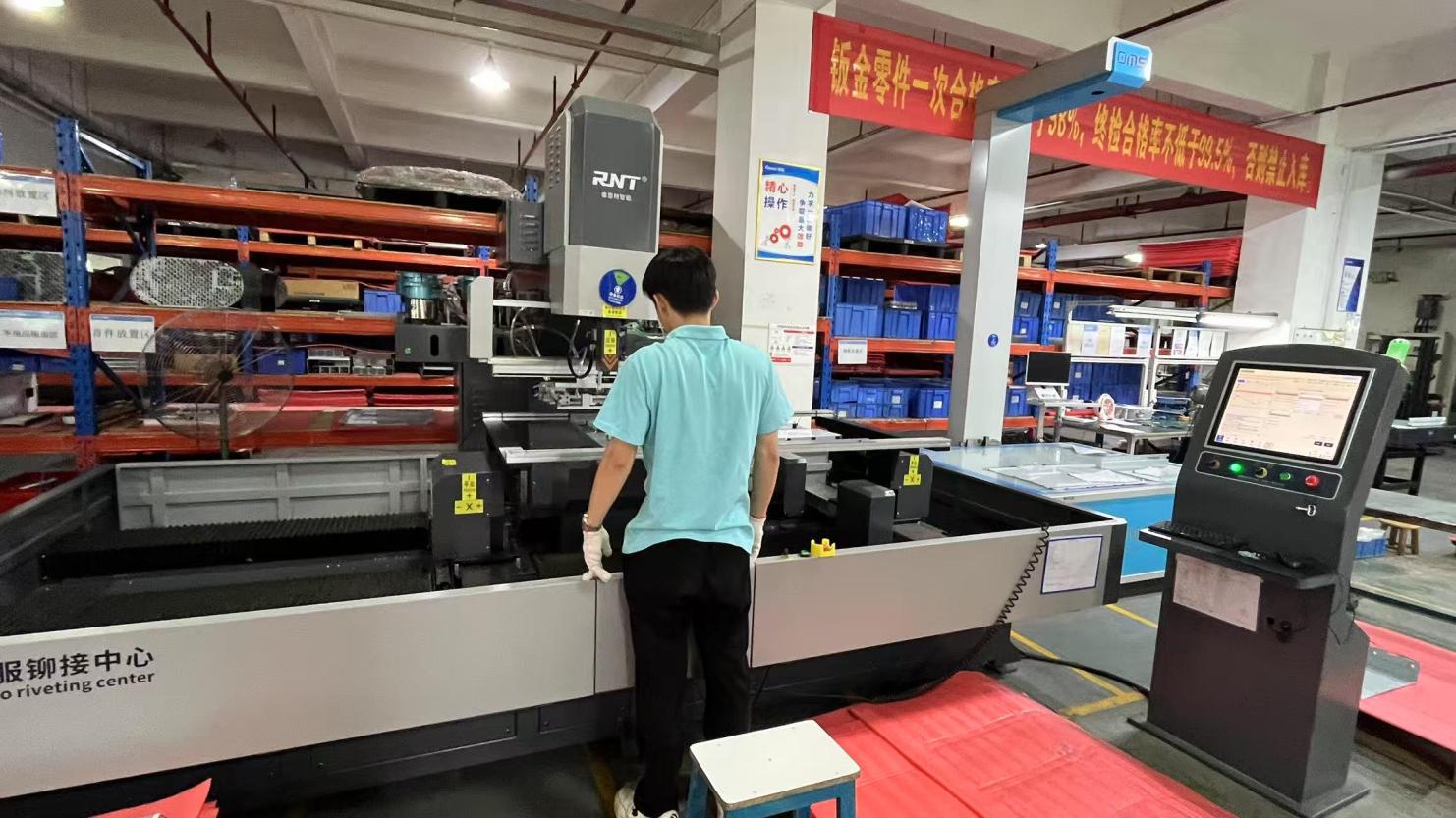
Riveting
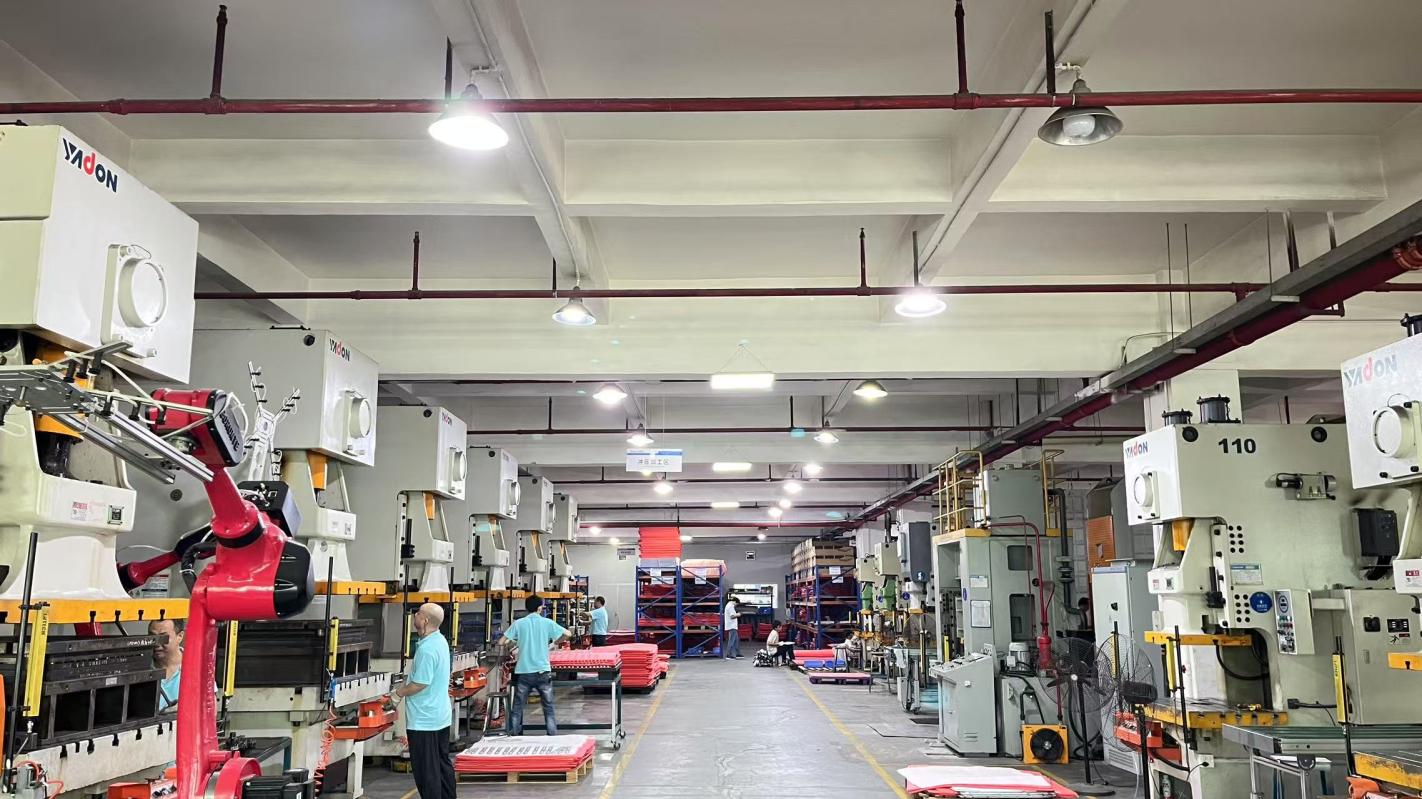
Stamping
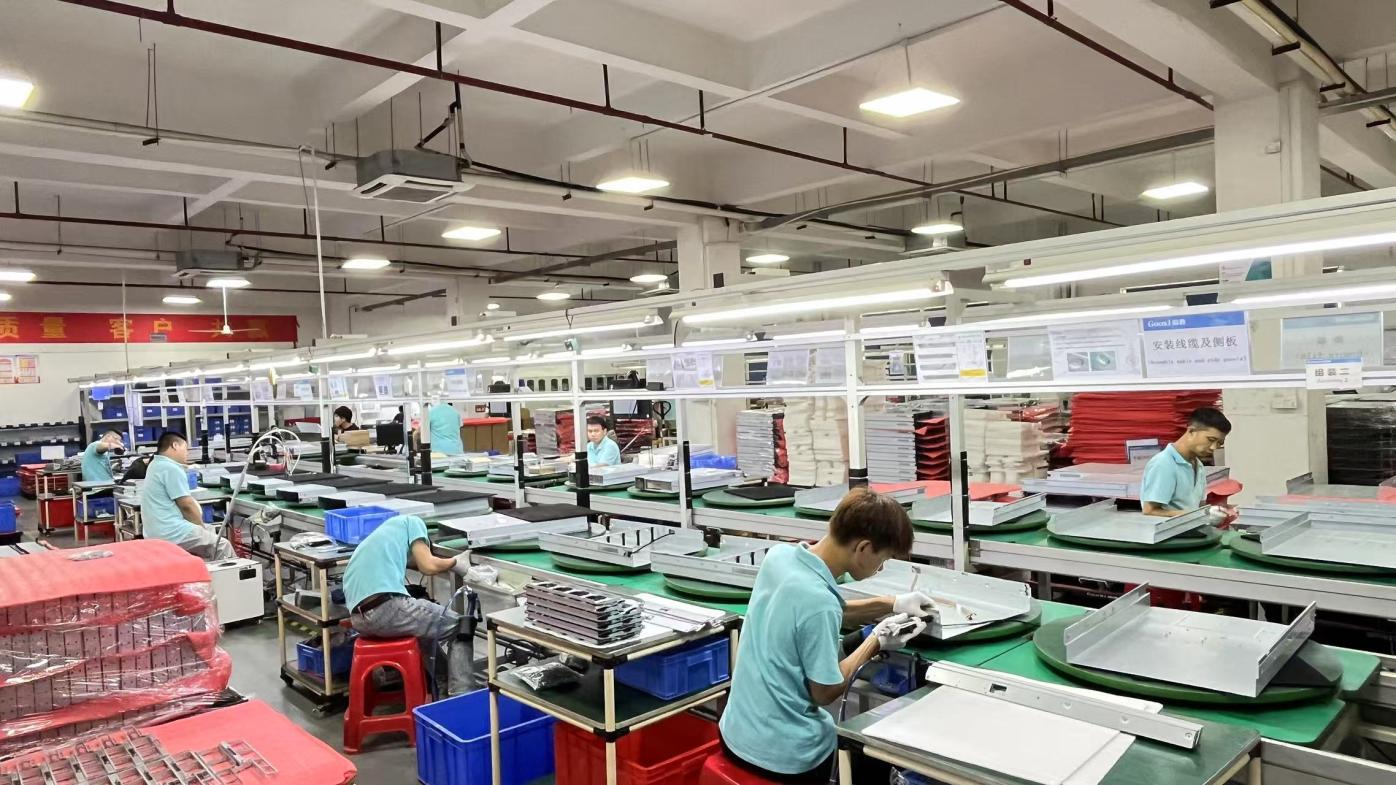
Housing Assembly
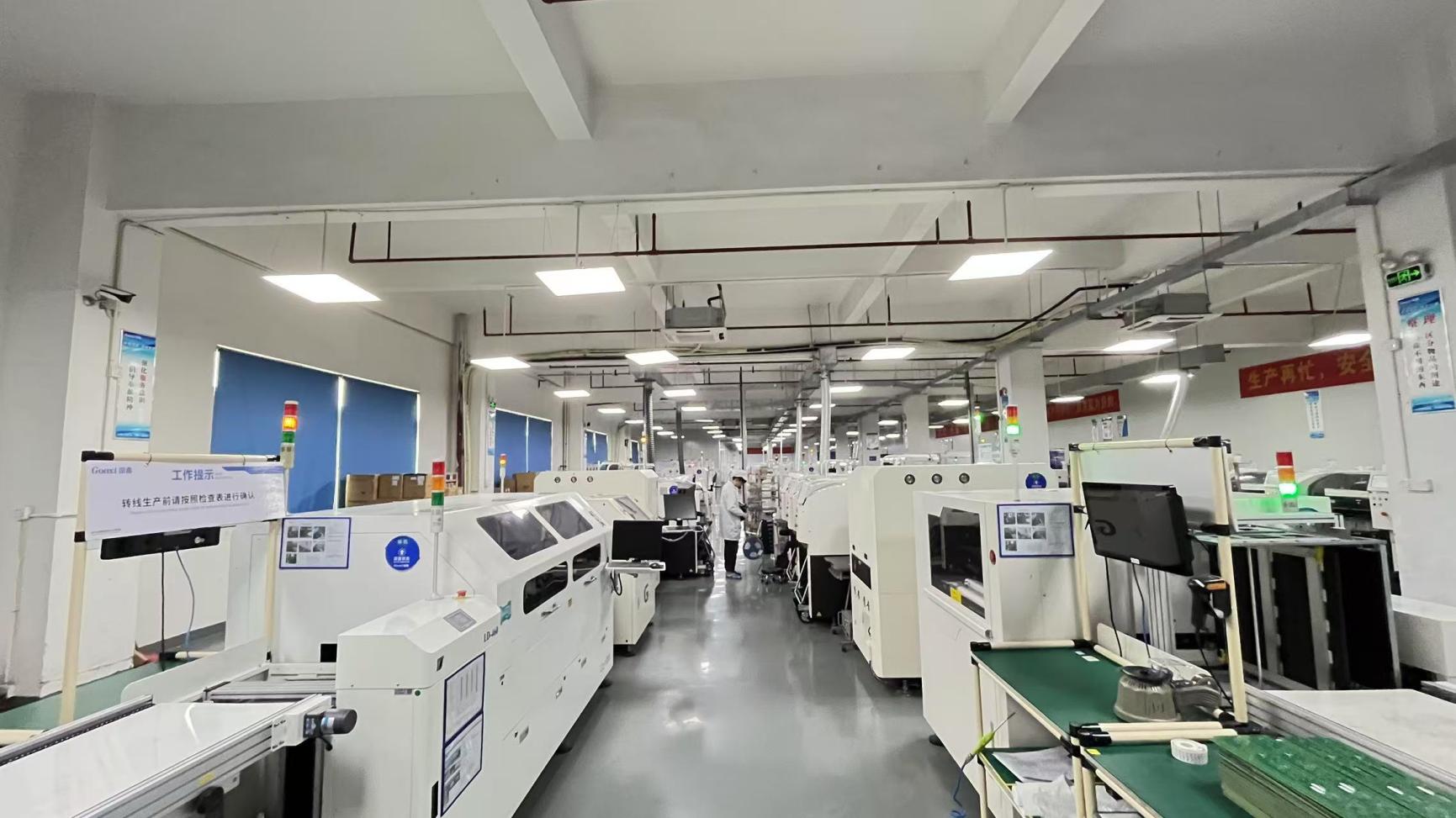
SMT Process
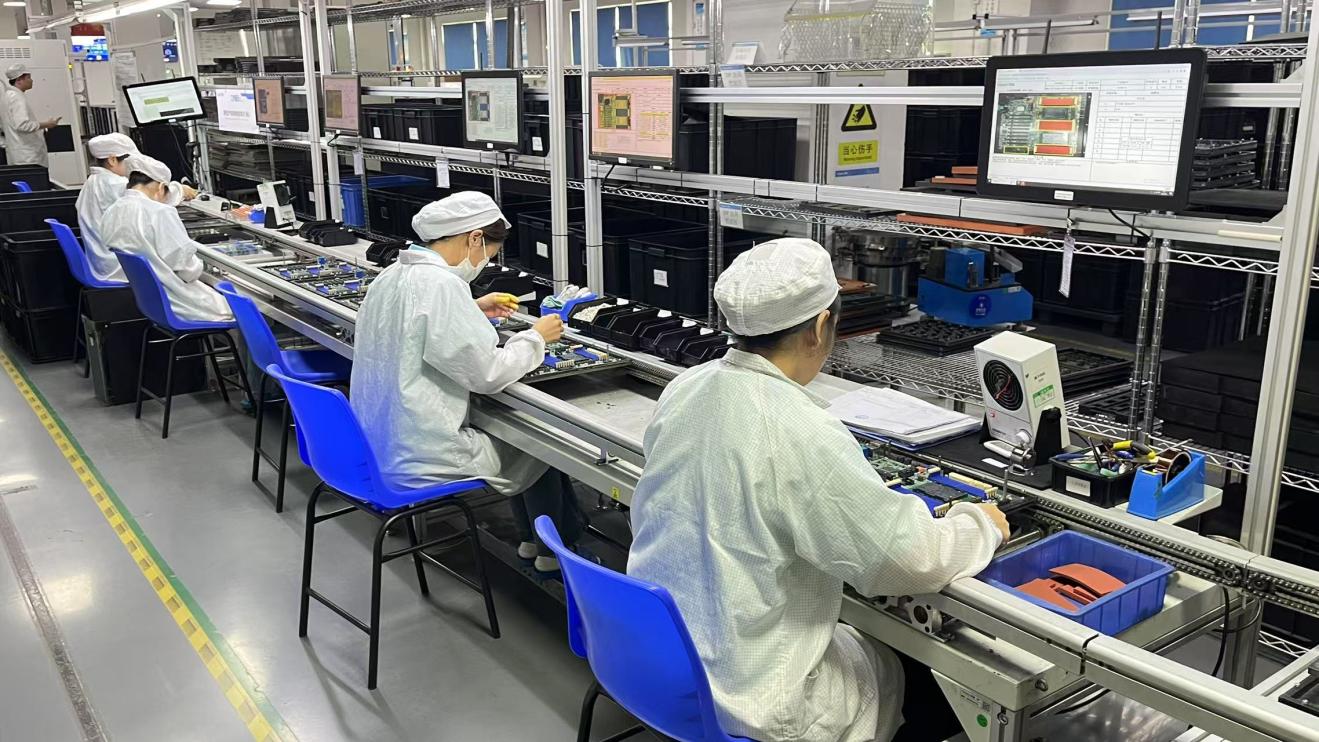
MI Line
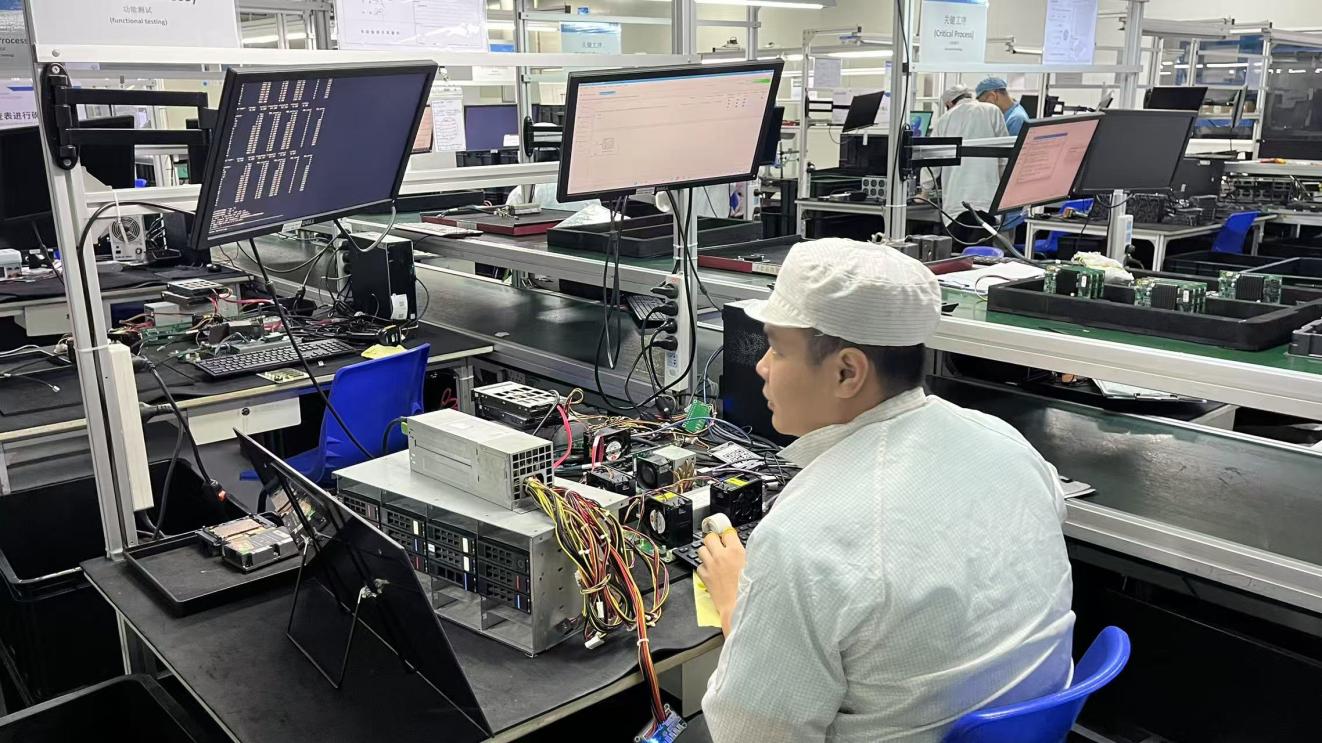
PCBA Test
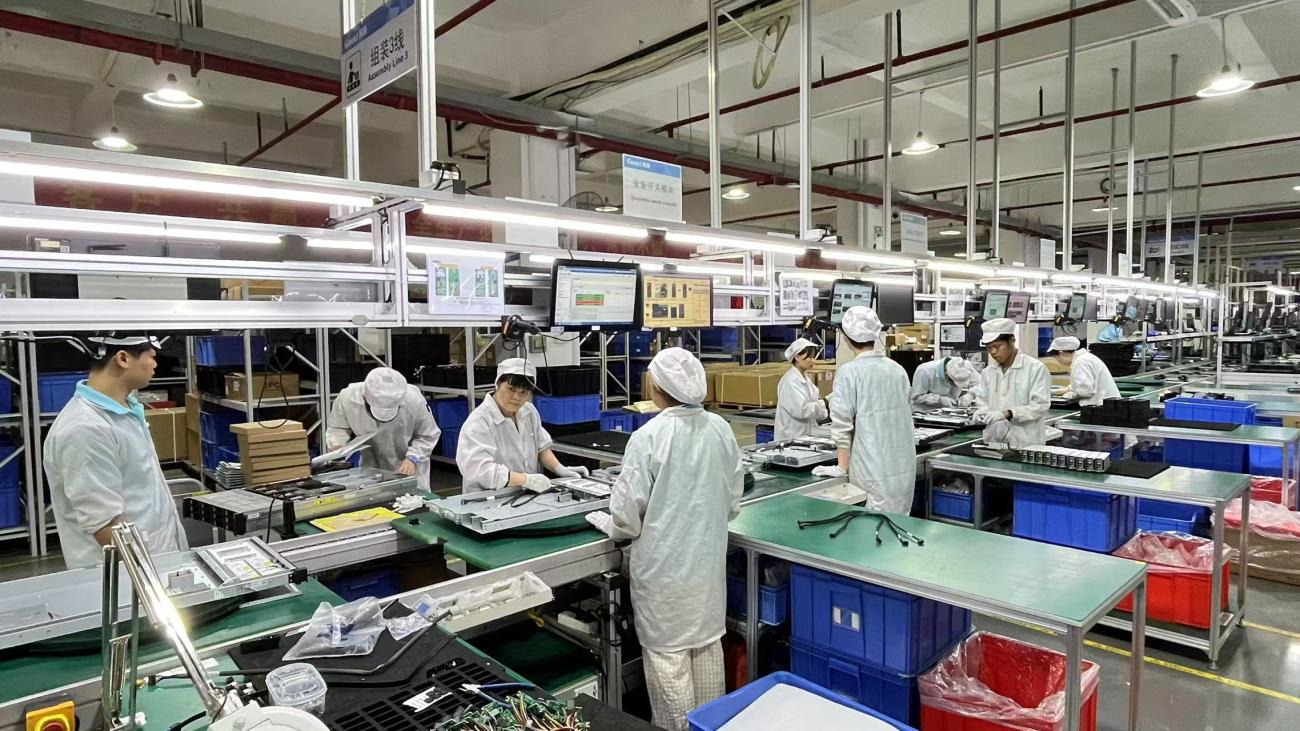
Final Assembly
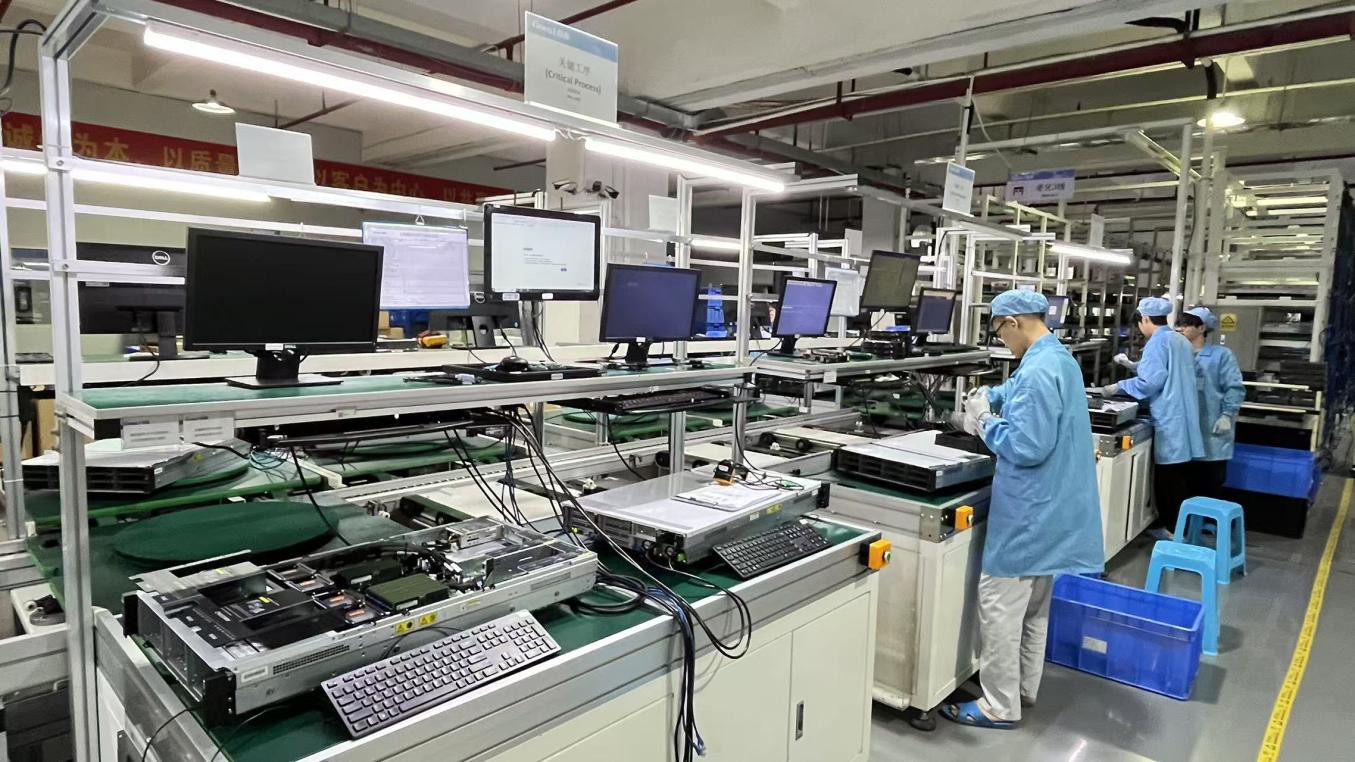
Testing
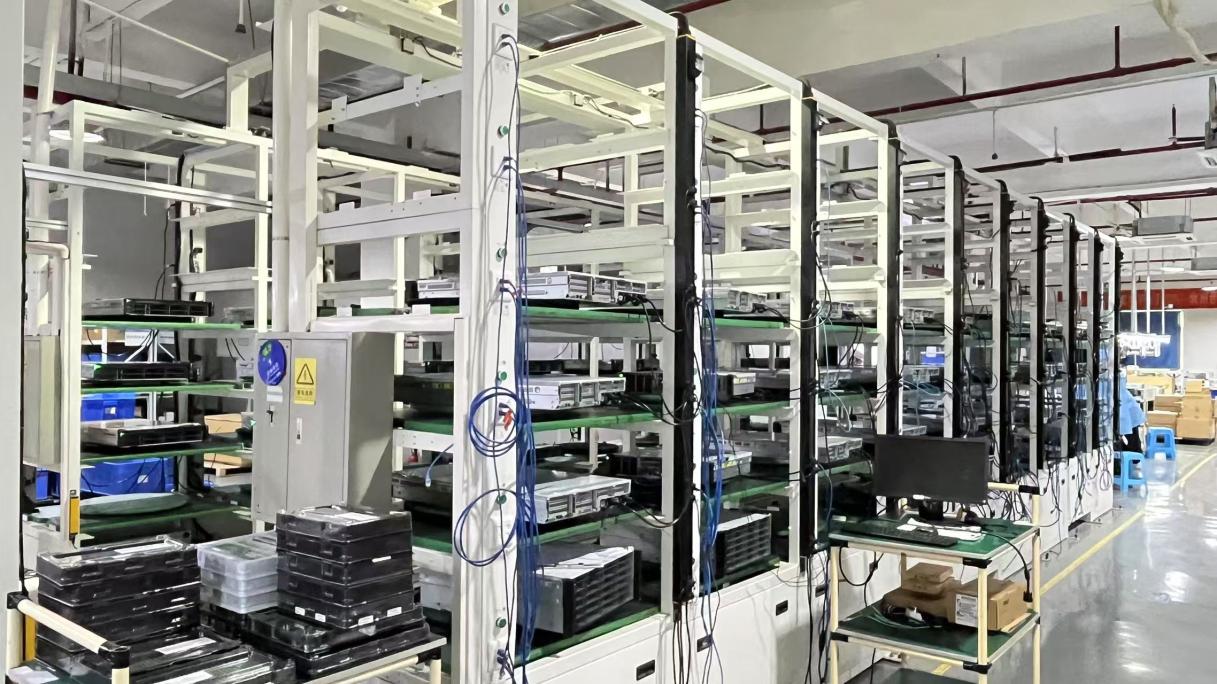
Aging Test
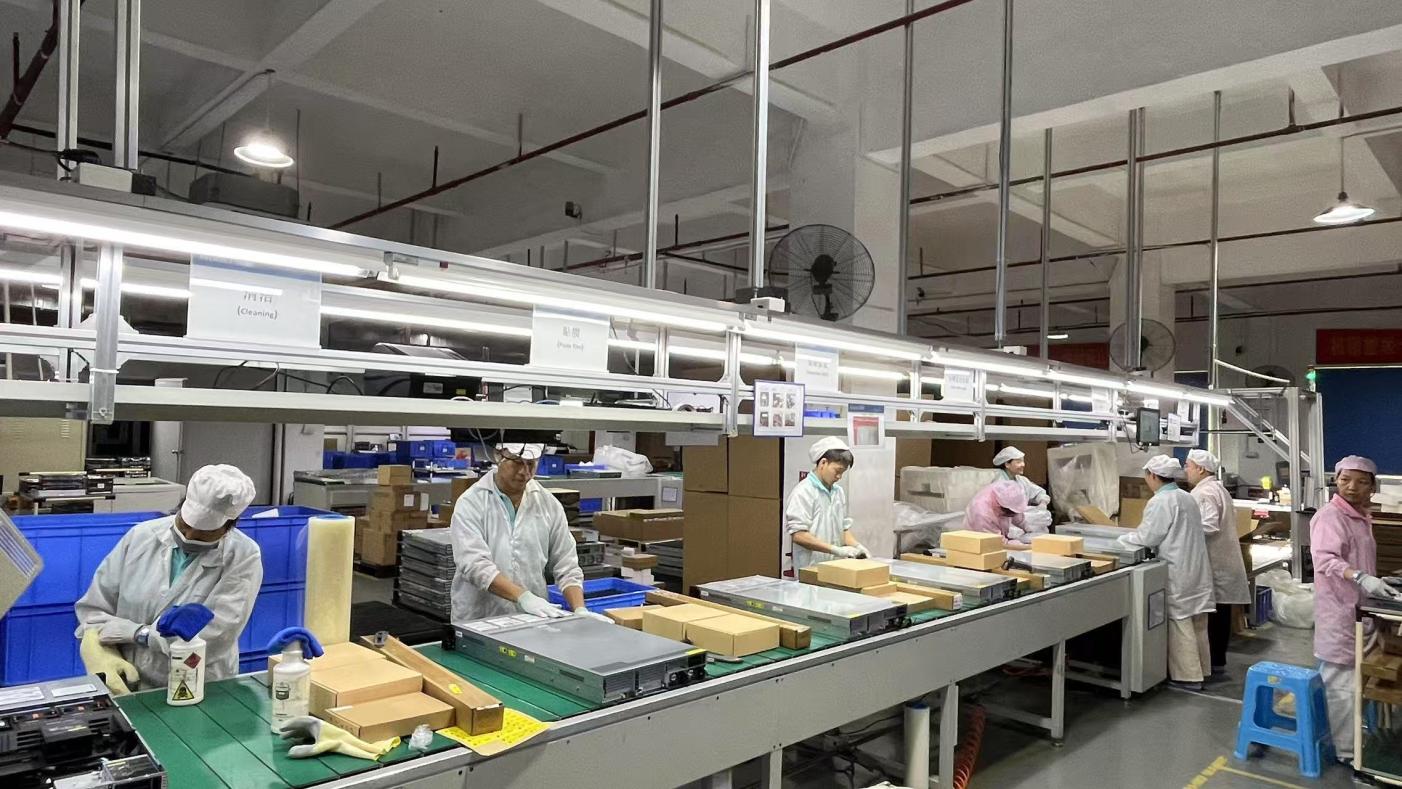
Packing
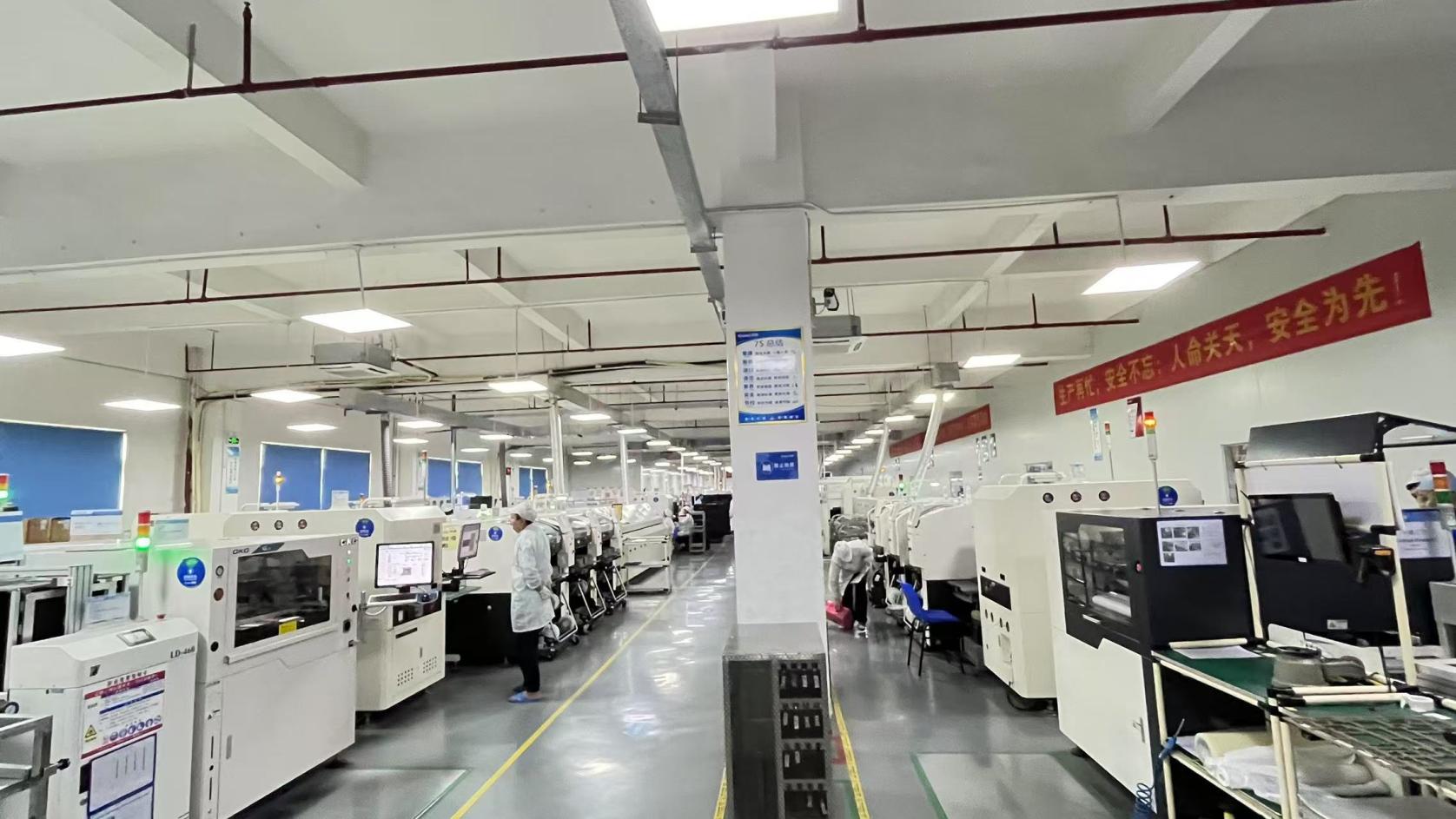
SMT Line
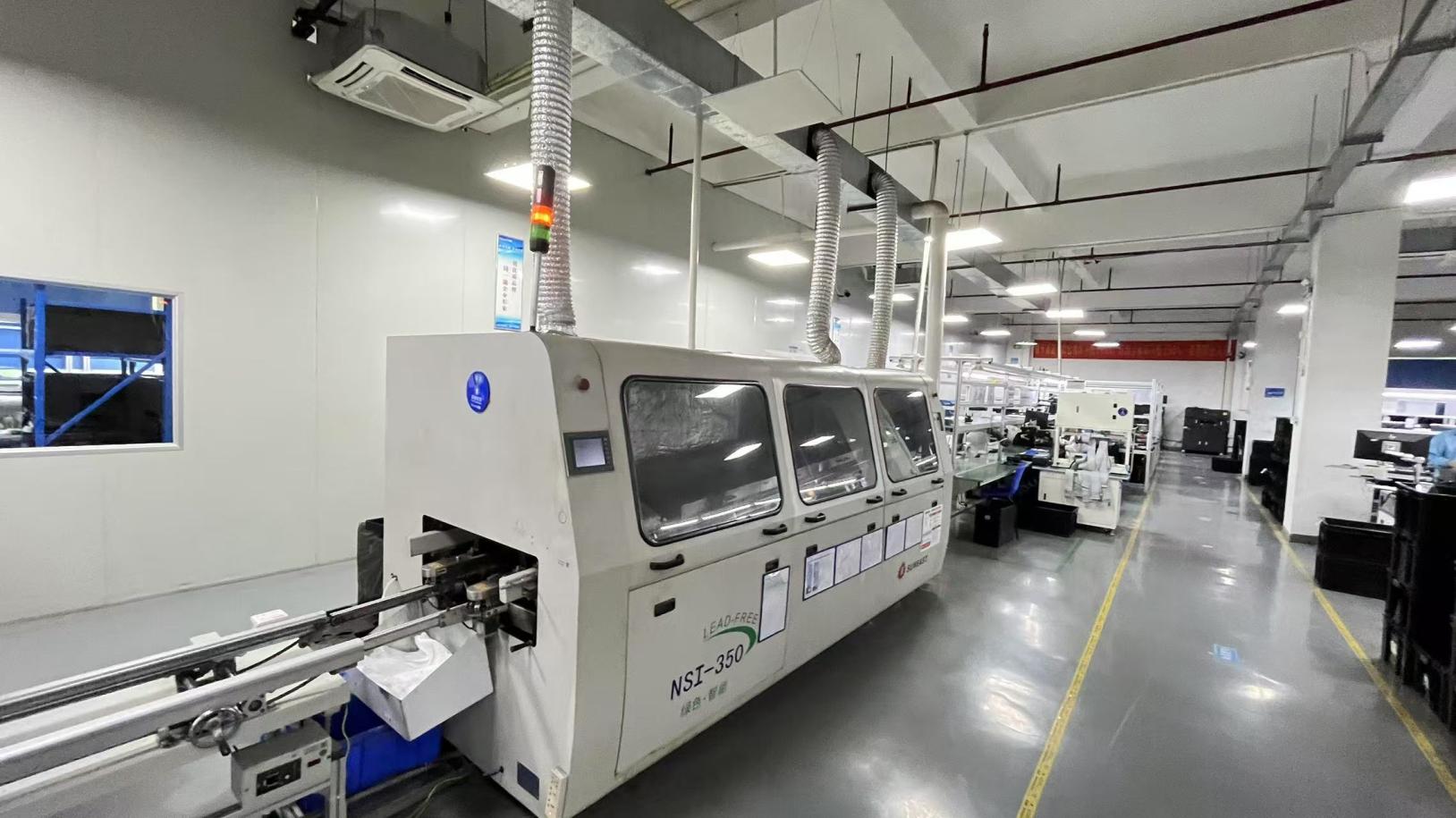
Reflow Soldering
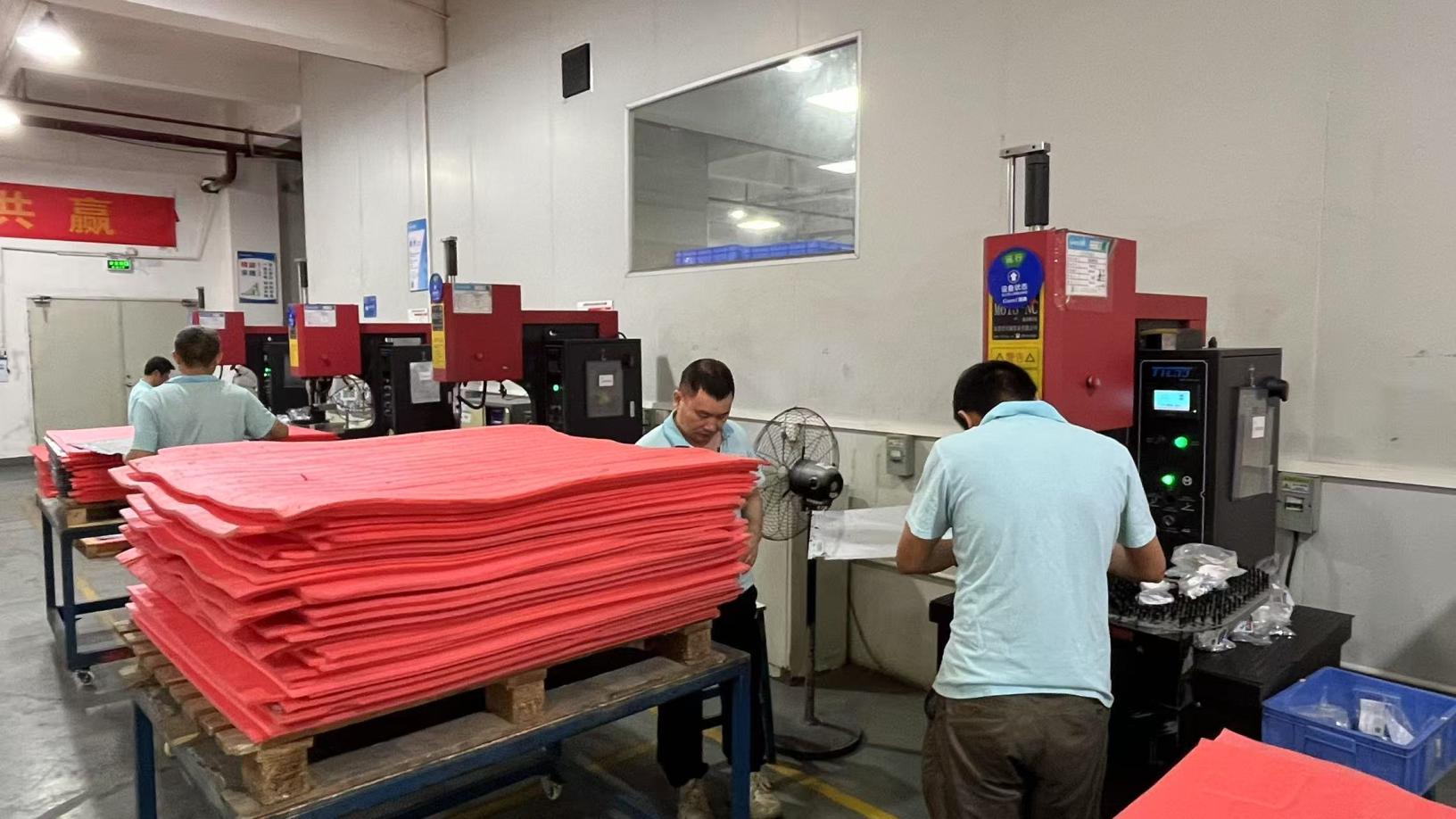
Rivet Machine
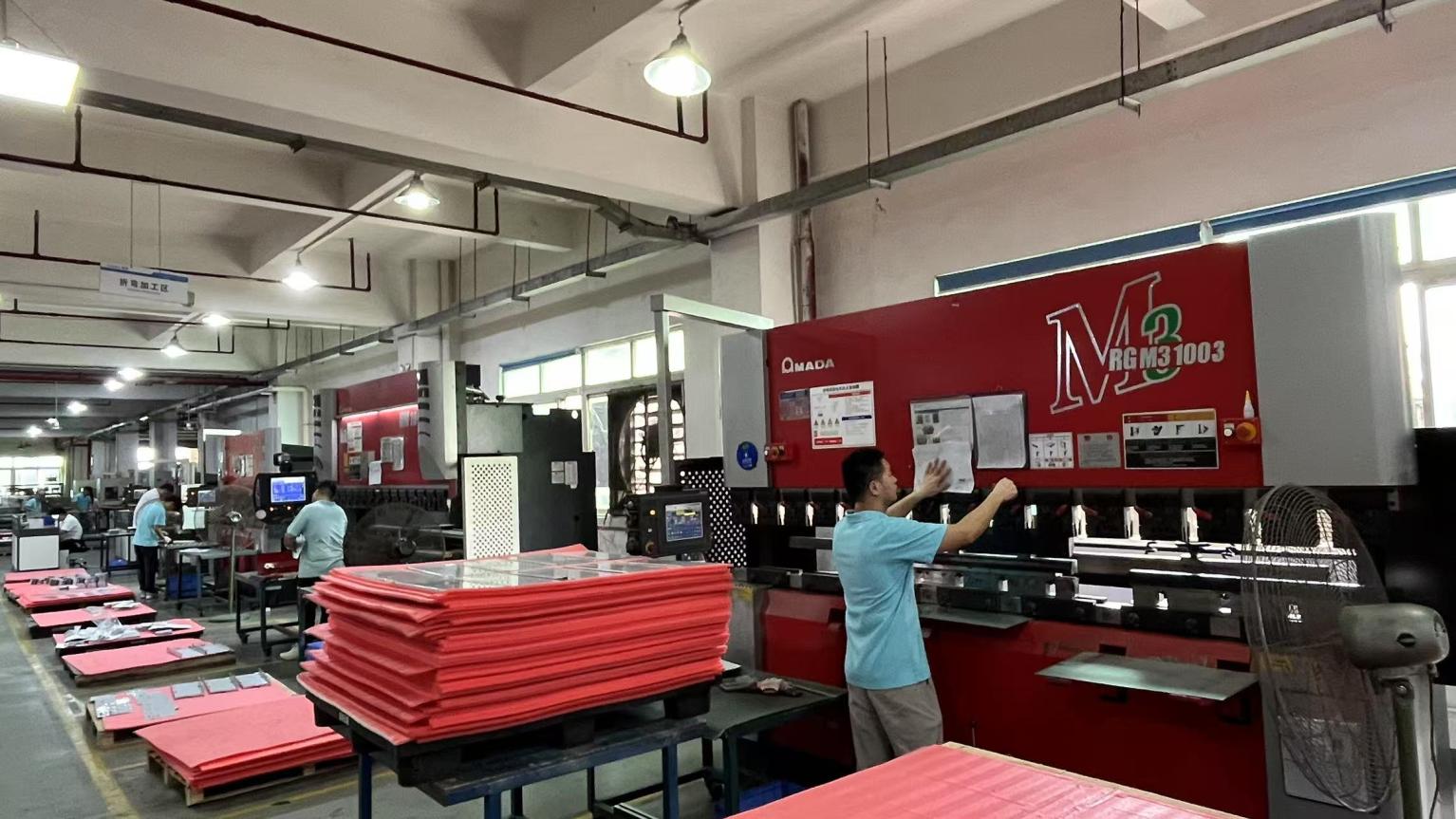
Bending Machine
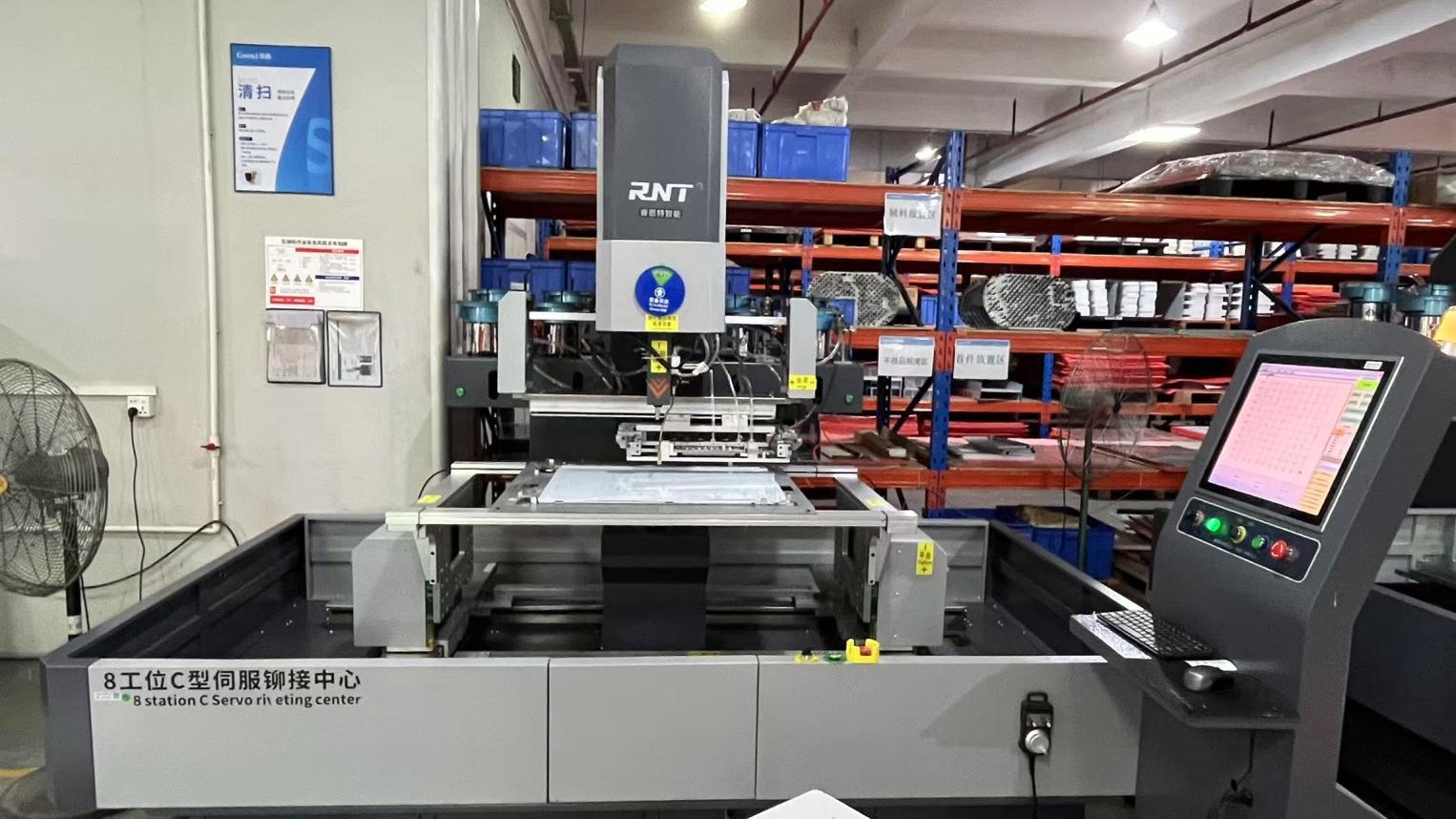
Riveting Center
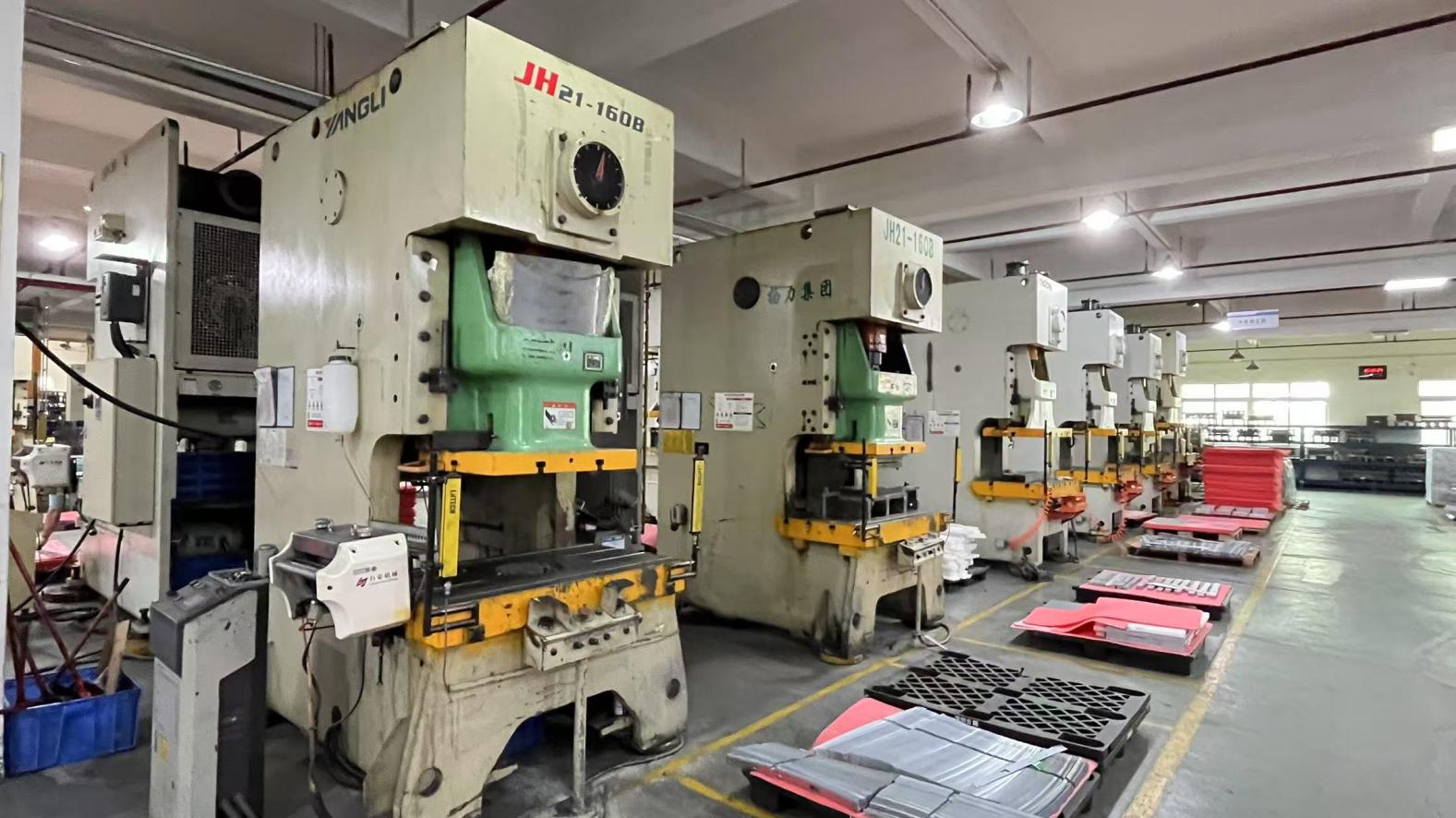
Stamping Machine
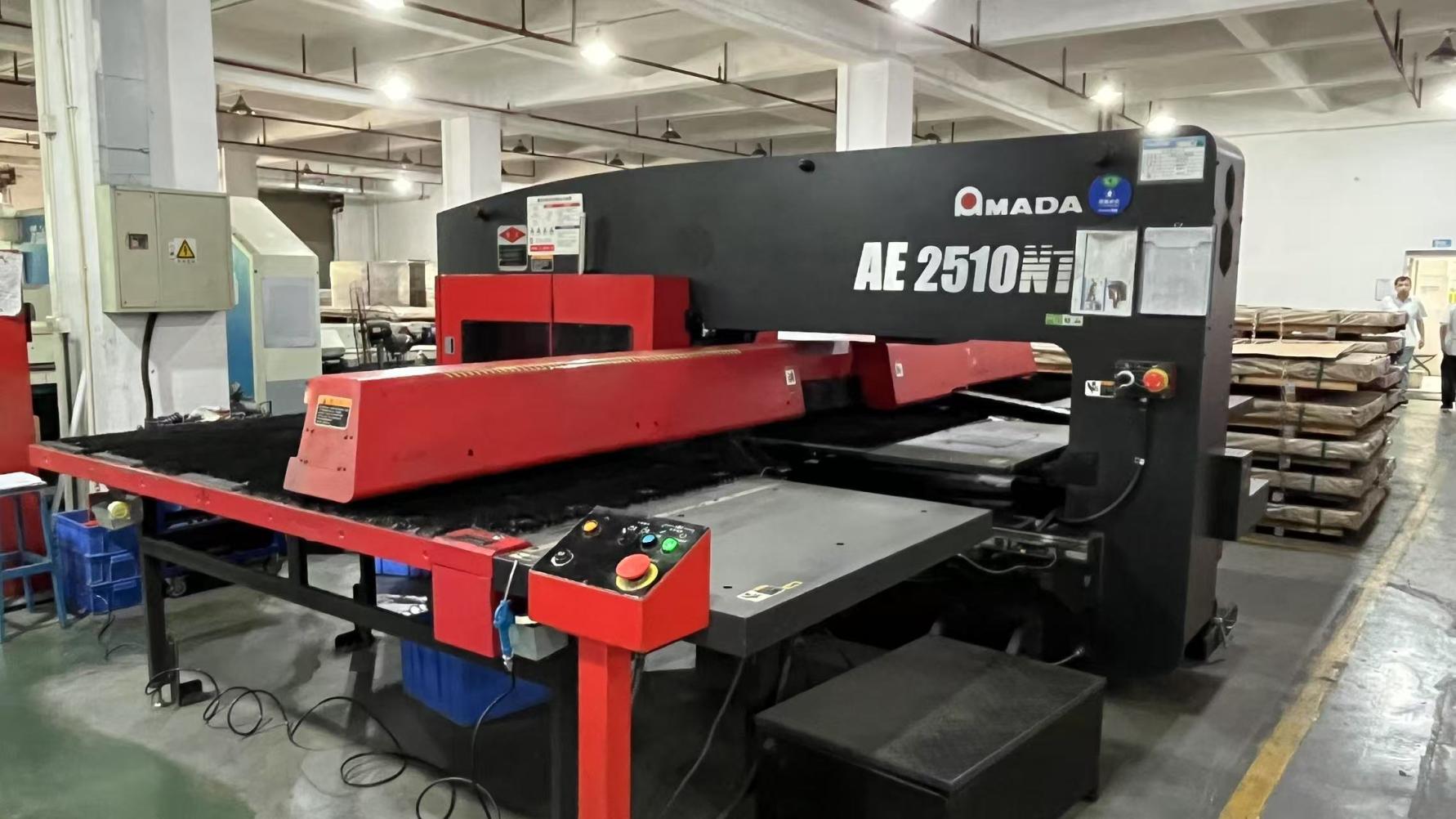
Laser Cutting
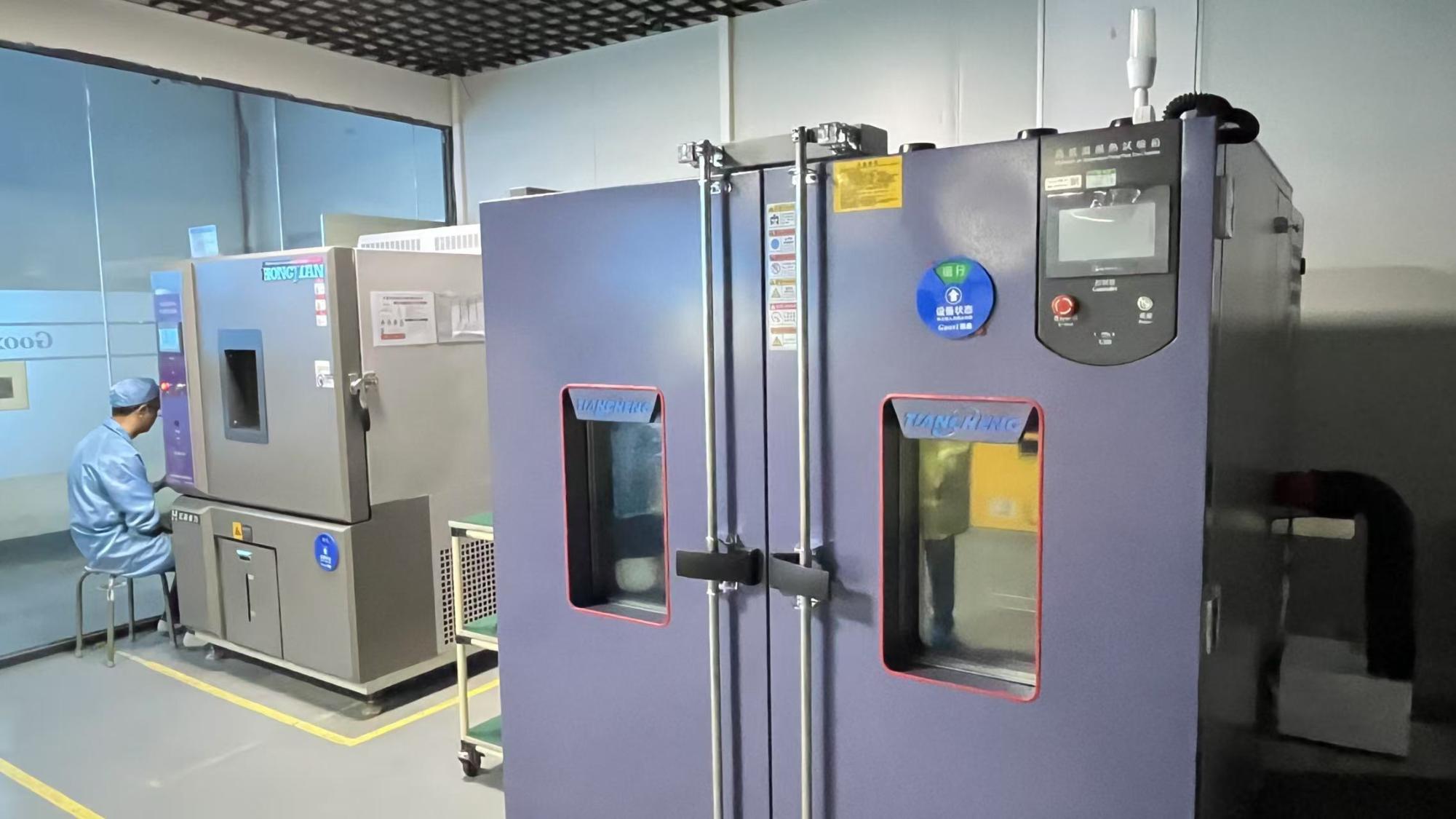
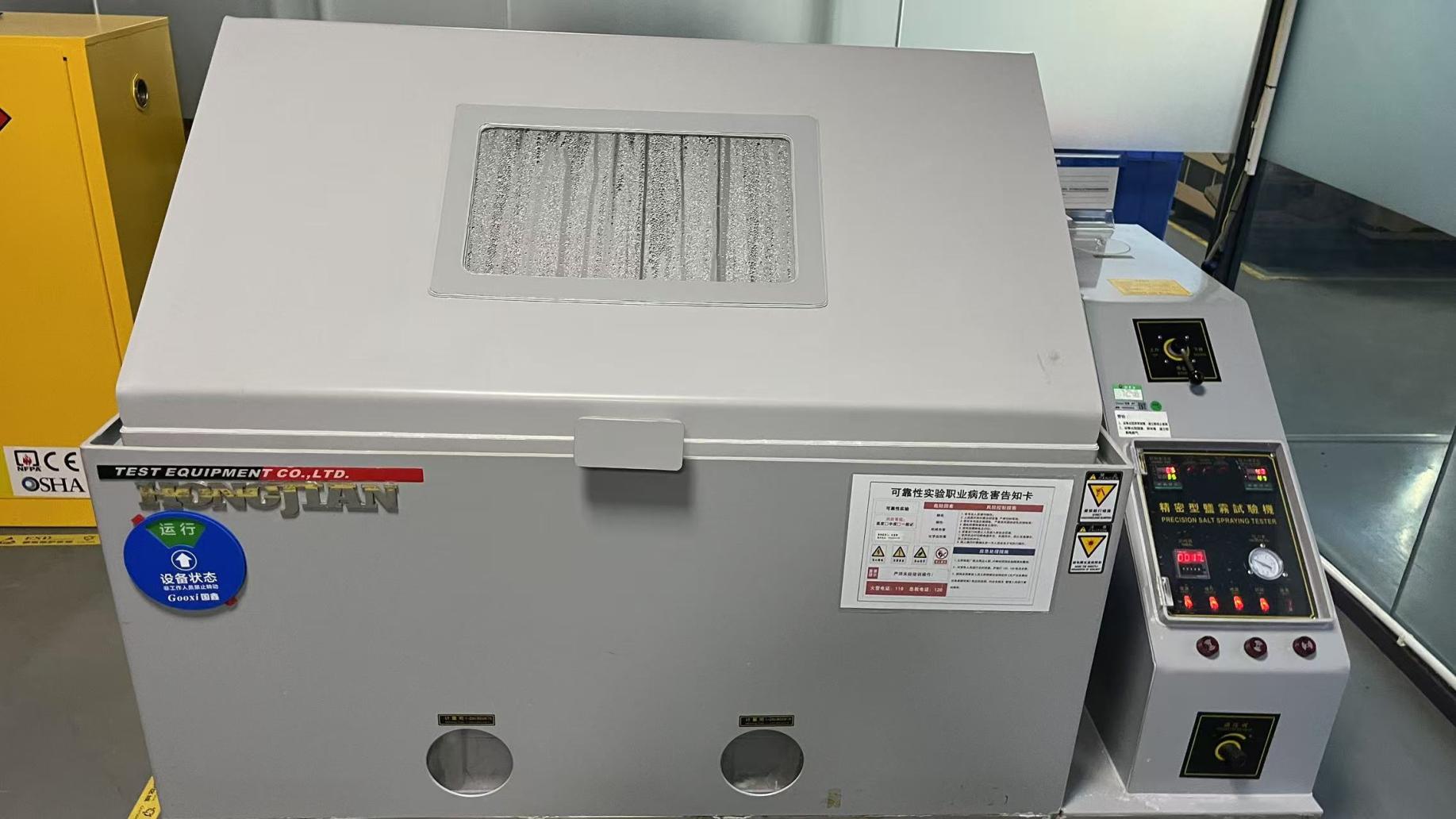
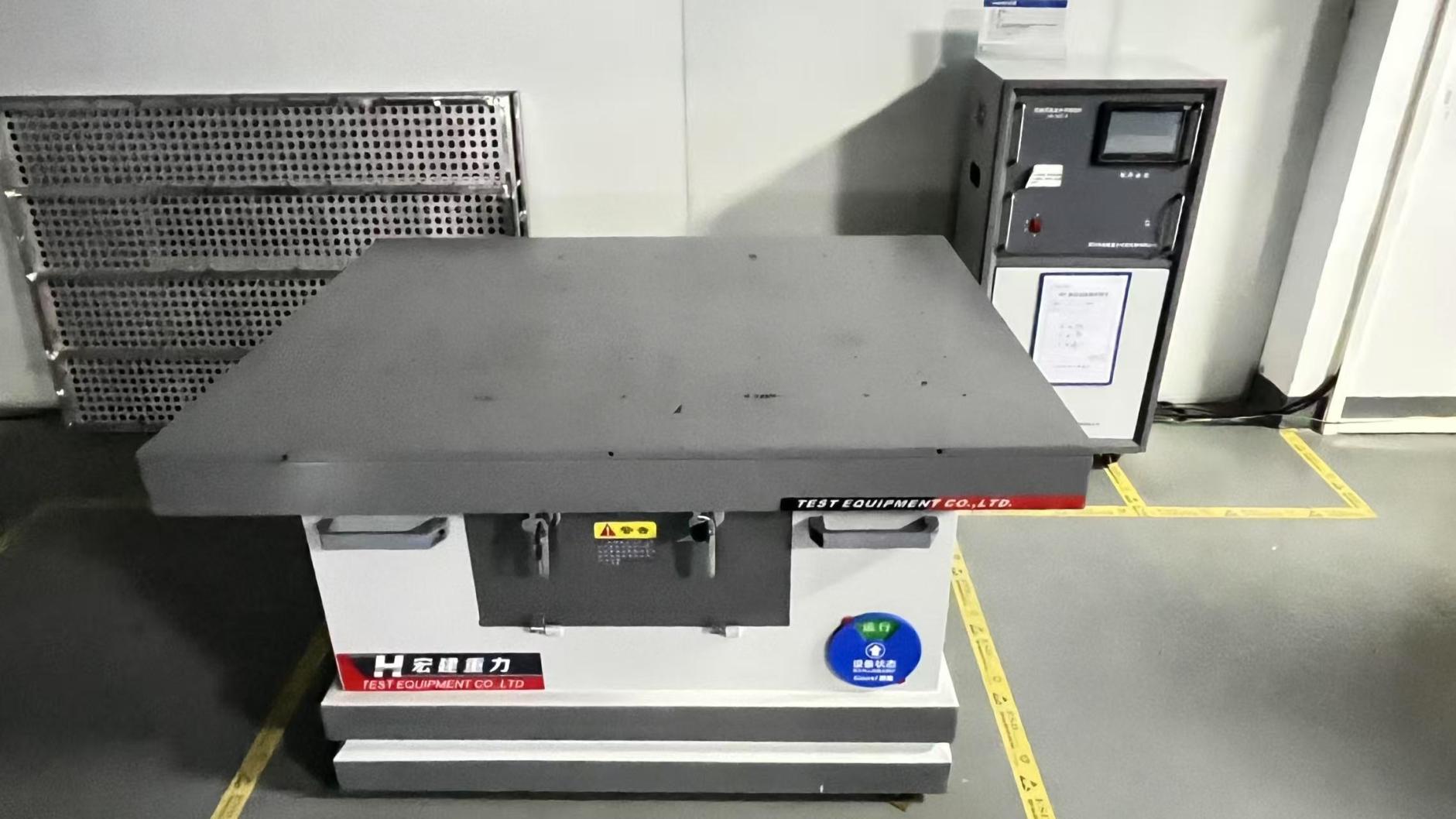
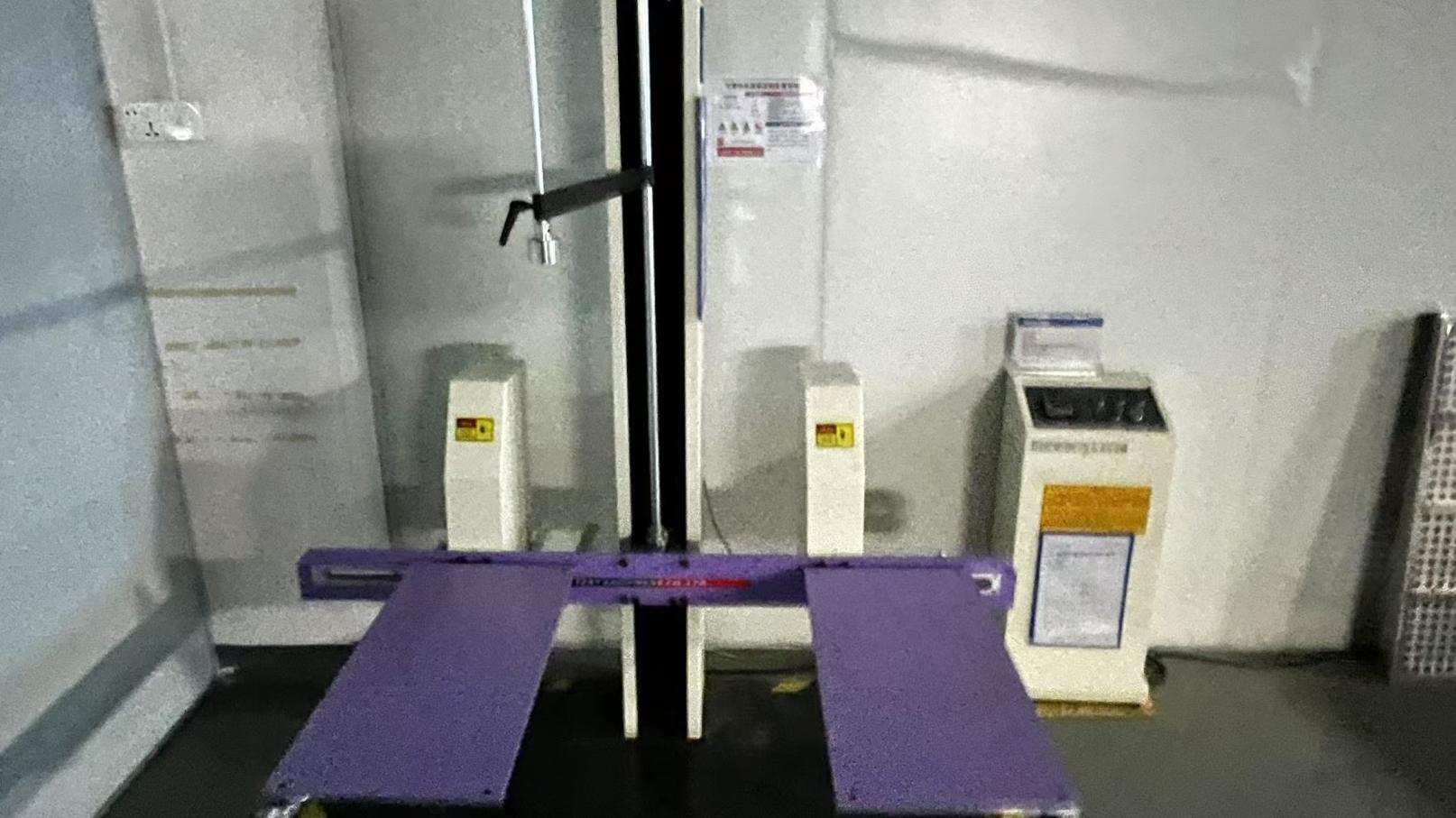
Ensuring hardware performance and connection integrity under extreme conditions.
Modern data infrastructure demands components that resist degradation, wear, and physical stress. Every custom cabling product, backplane interface, and integrated server rack undergoing our QC process is tested in simulated real-world environments.
Our quality verification systems test products under thermal, physical, and environmental stress. This guarantees that all internal interconnects and array cards operate without packet loss or signal decay over years of continuous compute cycles.
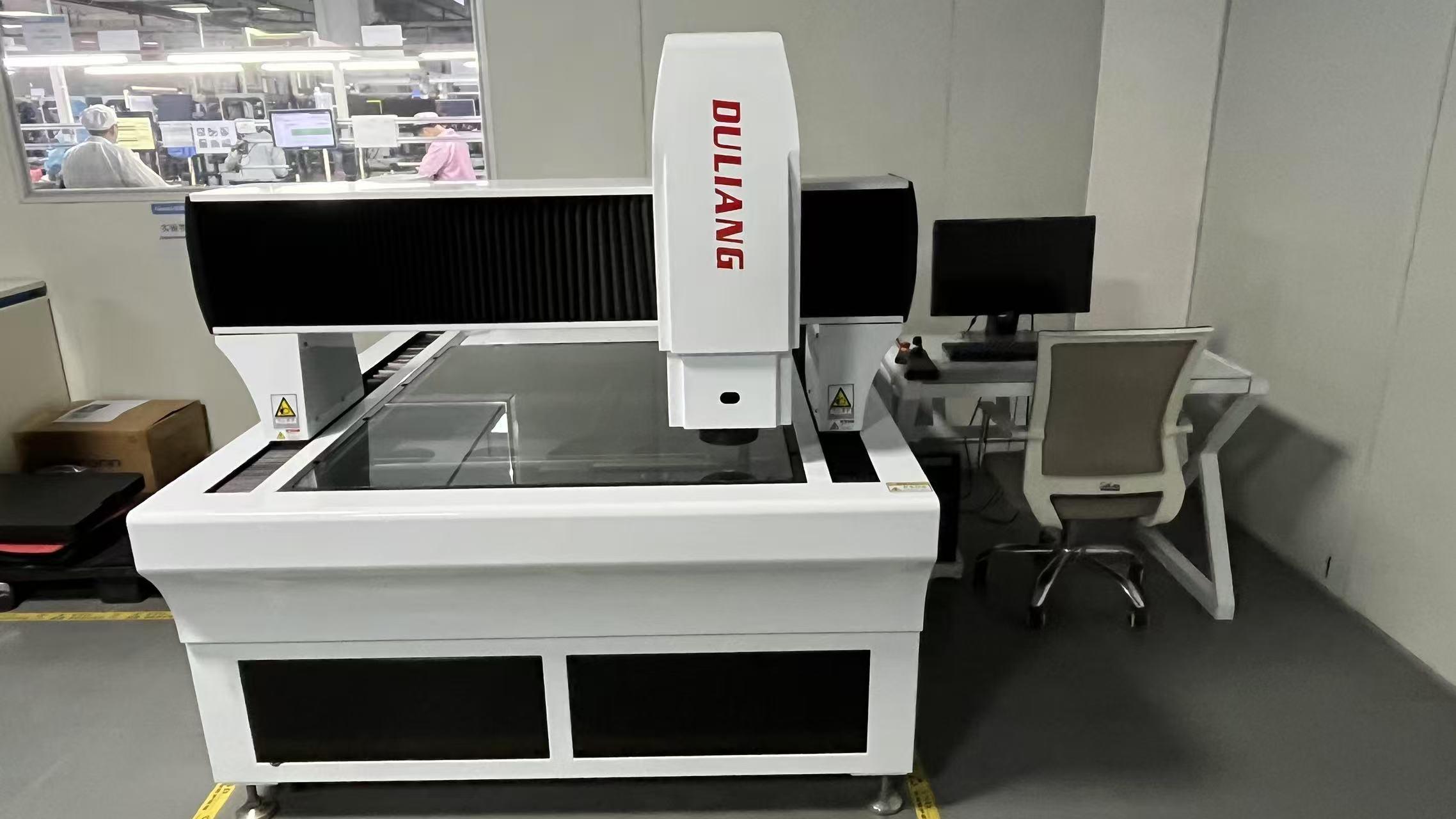
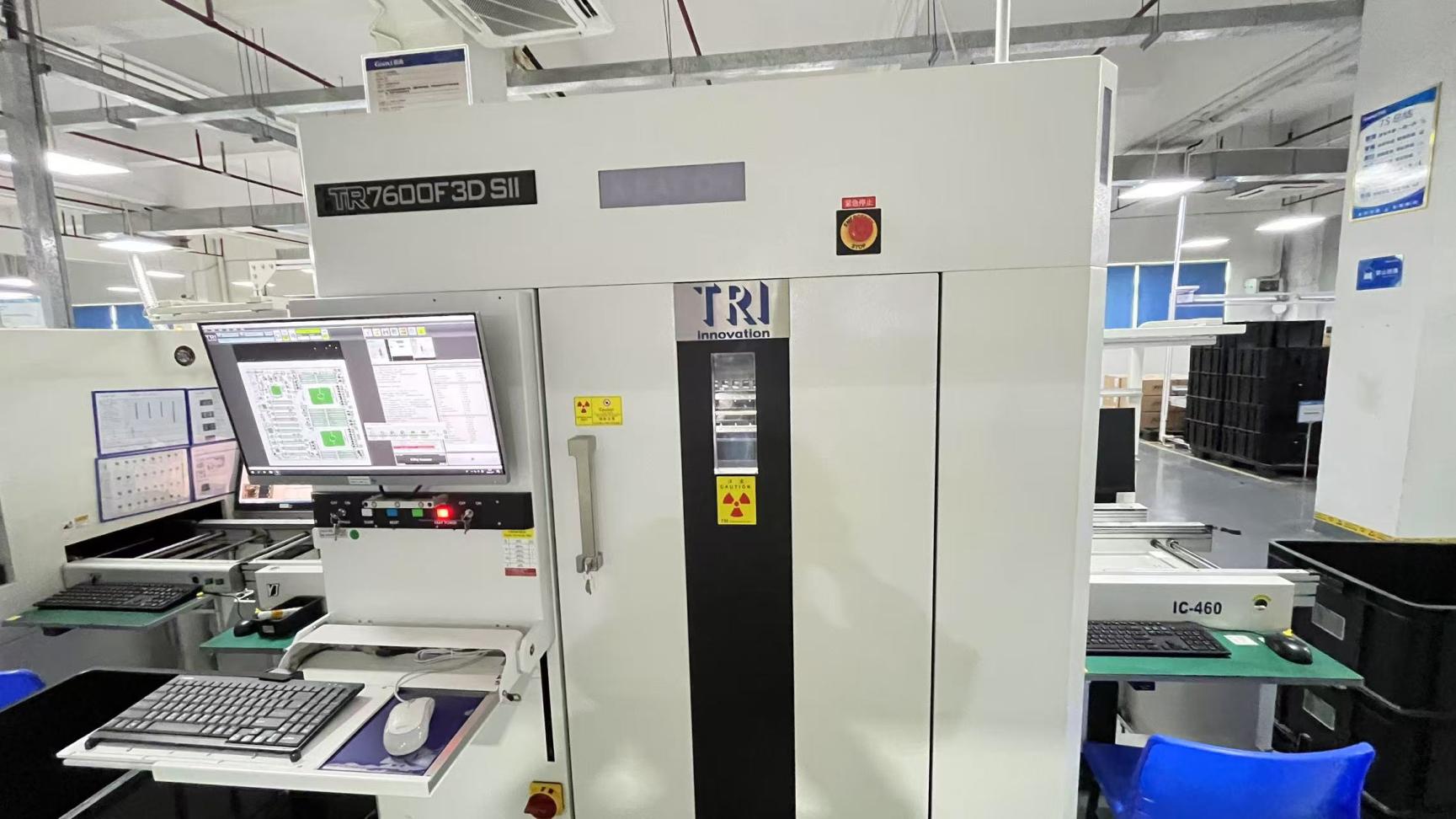
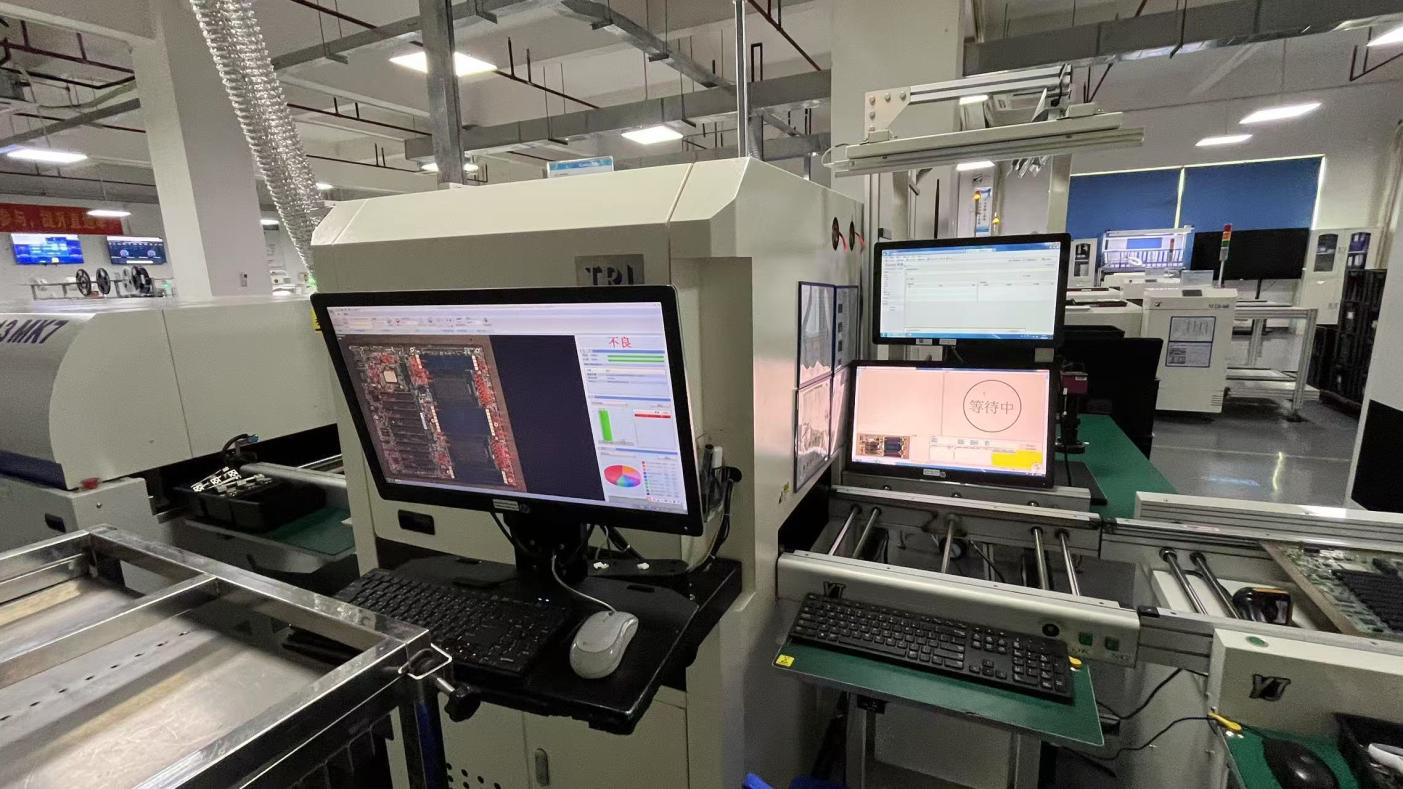
Adapting connectivity solutions to meet next-generation AI demands.
As PCIe Gen 6.0 and Gen 7.0 emerge, data rates will push beyond 64 GT/s per lane. Traditional copper cabling faces distance and signal attenuation limitations at these frequencies. Our engineering focus shifts toward optimizing PAM4 signaling pathways, minimizing insertion loss, and refining return loss performance metrics.
We are developing high-density, low-latency connector designs that route signals from motherboard components directly to backend PCIe expansion bays, reducing path distance and signal degradation.
The convergence of copper connectivity and optical fibers leads toward Co-Packaged Optics (CPO) architectures. Replacing copper traces with fiber optics directly to the ASIC package reduces power consumption and heat output. Our research initiatives focus on high-durability optoelectronic interfaces that connect traditional server clusters to optical-mesh architectures, preparing your hardware for future industry standards.
How customized infrastructure scales in distinct market segments.
To support high-density processing zones, deployments utilize specialized structural cooling pathways and low-loss SAS/SATA assemblies to comply with ASHRAE thermal regulations and maximize rack energy efficiency.
Projects follow strict fire hazard, smoke, and toxic emission rules (CPR class Cca/B2ca cabling). Systems integrate server architectures with halogen-free cabling structures.
Edge nodes deployed across urban and rural sites require physical resistance to high humidity and temperature variation. High-protection outer sheath components are selected to prevent signal loss.
Technical answers regarding network cabling, SAS array setups, and server integration.
A: Internal SAS/SATA array cables (like SFF-8643 to SFF-8643 or Slimline designs) are engineered to support high data transfer speeds. High-quality cables with proper shielding prevent signal crosstalk and attenuation, which can cause array resets or packet degradation. Ensuring correct cable length and proper routing helps prevent data transmission issues.
A: Direct Attach Copper (DAC) cables use a physical copper conductor, ideal for short rack distances (under 5–7 meters) due to low latency, power consumption, and cost. Active Optical Cables (AOC) use optical fiber to convert electrical signals to light, allowing longer reach, lighter weight, and zero susceptibility to electromagnetic interference (EMI).
A: We use high-grade PCB materials and premium internal routing cables. Every integrated server platform undergoes strict signal integrity tests, thermal stress testing, and hardware burn-in procedures to ensure reliable connection pathways under continuous workloads.
A: LSZH cables are built with jacketing compounds that reduce toxic and corrosive gas emissions in high-temperature environments. This is a critical requirement in many international data centers to protect both on-site operators and sensitive server electronics from acidic gas exposure.
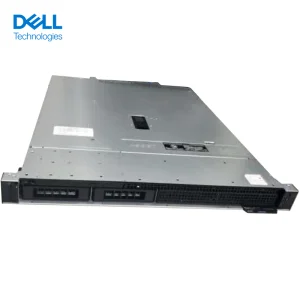
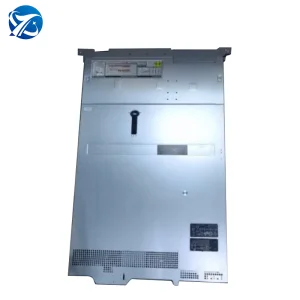
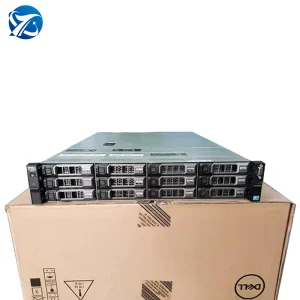
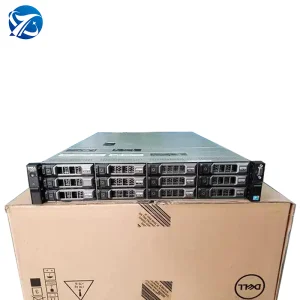
A: Yes, we provide custom array cabling layouts, specific SFF host/target connectors, customized bracket sizing, and varying cable lengths to fit server chassis profiles, including Dell PowerEdge and xFusion server systems.
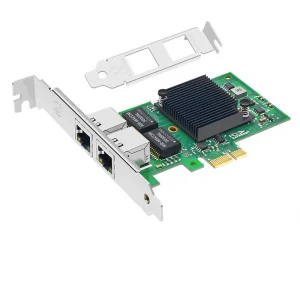
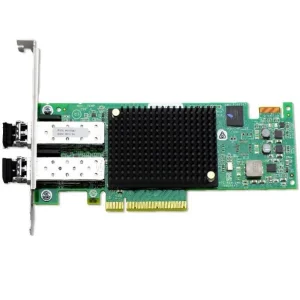
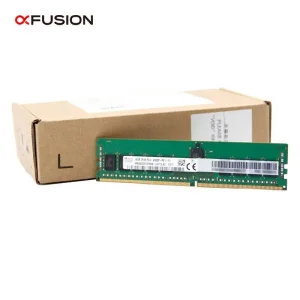
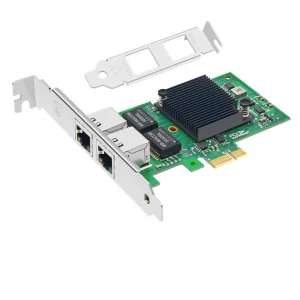
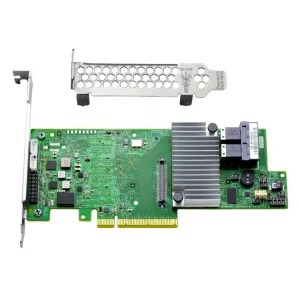
Explore our specialized interface cards, high-speed RAID array cable solutions, and memory components.