ZhiCloud AI
ZhiCloud AI
ZhiCloud AI
Premium high-performance server hardware, enterprise-grade storage architectures, and scale-out GPU compute systems.
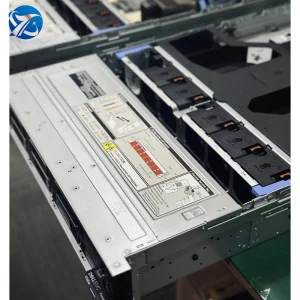
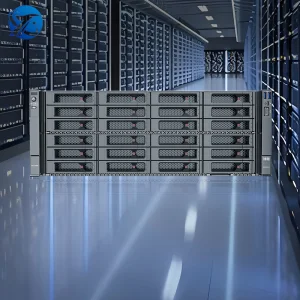
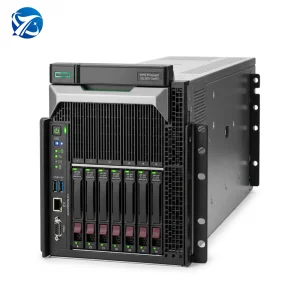
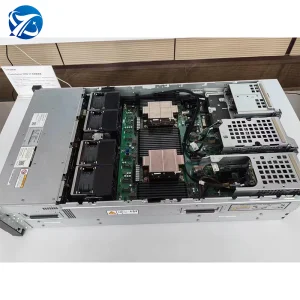
The global digital landscape is undergoing a massive paradigm shift. Traditional database queries, which relied strictly on keyword matching, have evolved into Semantic Search and User Intent Mining. This evolutionary leap is powered by Large Language Models (LLMs), deep learning, and vector search engines. These systems process contextual relationships within data, analyzing not just what the user typed, but the exact intent and context behind it. Consequently, this computational shift demands robust, low-latency, and high-throughput infrastructure. As a result, standard enterprise servers are being replaced by highly specialized high-performance AI computation systems.
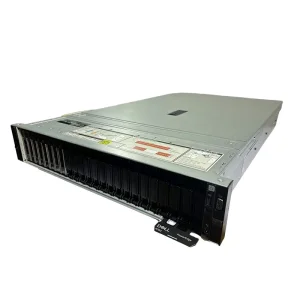
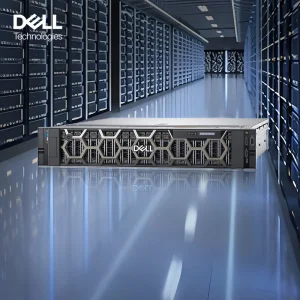
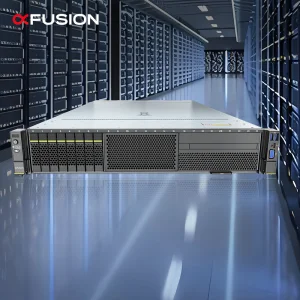
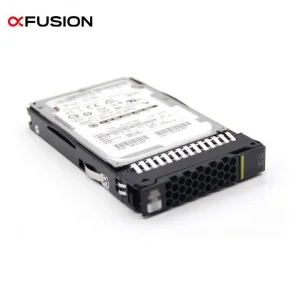
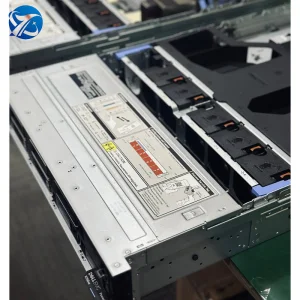
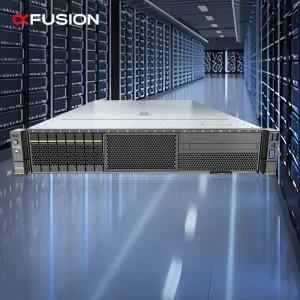
Modern enterprises operate within massive data lakes. Crucial business intelligence is no longer restricted to static SQL tables. Instead, unstructured text, conversational speech, video streams, and real-time behavioral tracking data constitute over 80% of modern enterprise data workloads. Processing this unstructured data demands high-performance GPU clustering and multi-layered storage solutions. Industry leaders must invest in high-capacity storage servers equipped with enterprise SSDs (such as the PM897 SATA hybrid read-write series) and high-density computing platforms (like the Dell PowerEdge R760 or xFusion Hyperconverged Infrastructures) to maintain competitive indexing and query processing times.
According to recent market studies, the global data analytics and computing infrastructure market is projected to reach over USD 350 billion by 2030, exhibiting a compound annual growth rate (CAGR) of 18.2%. The driving forces behind this growth include:
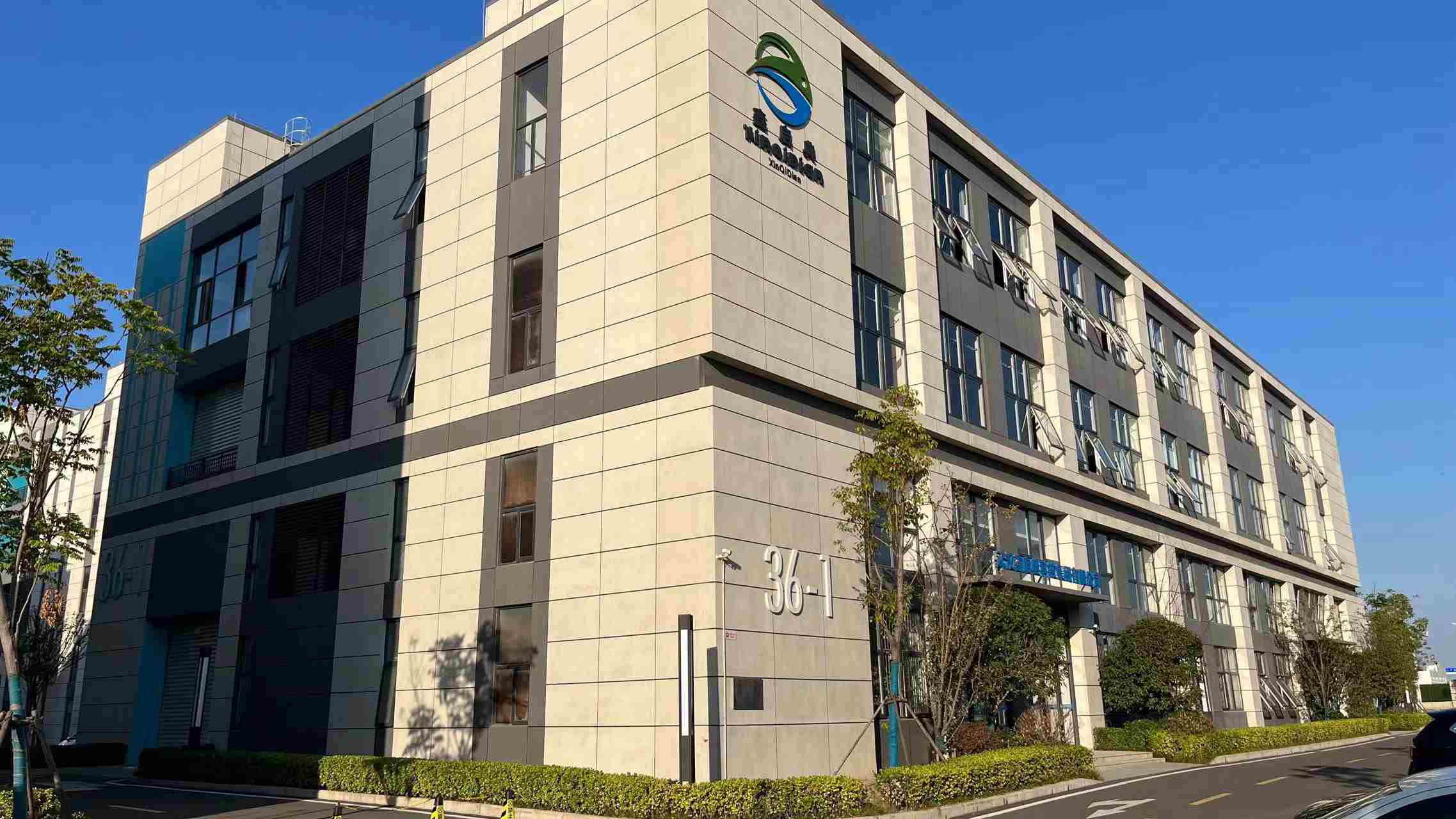
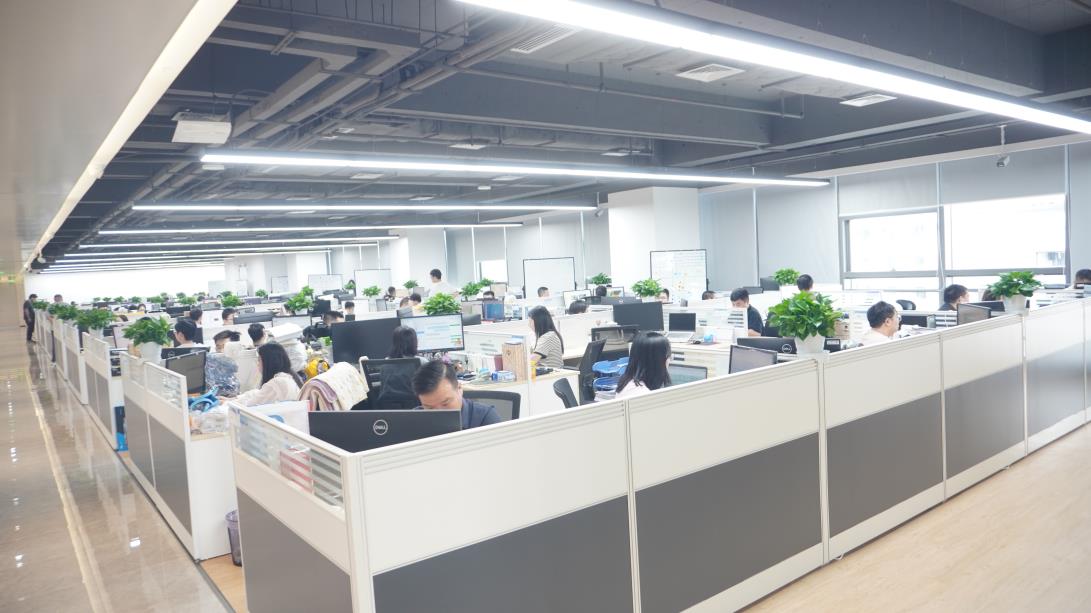
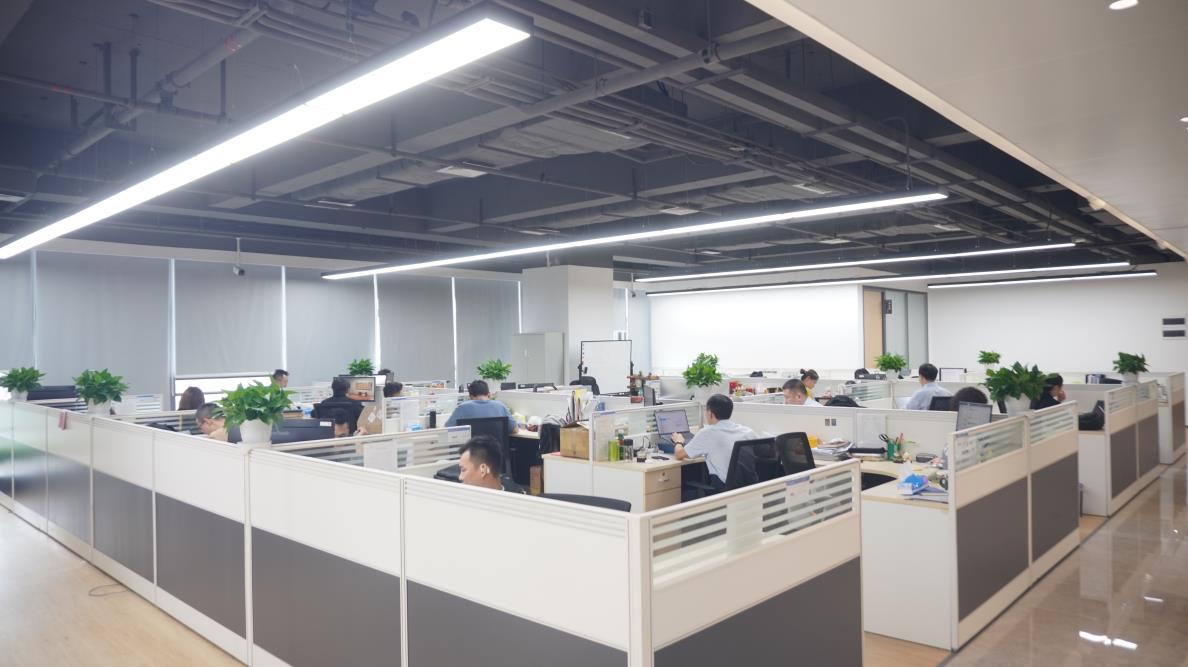
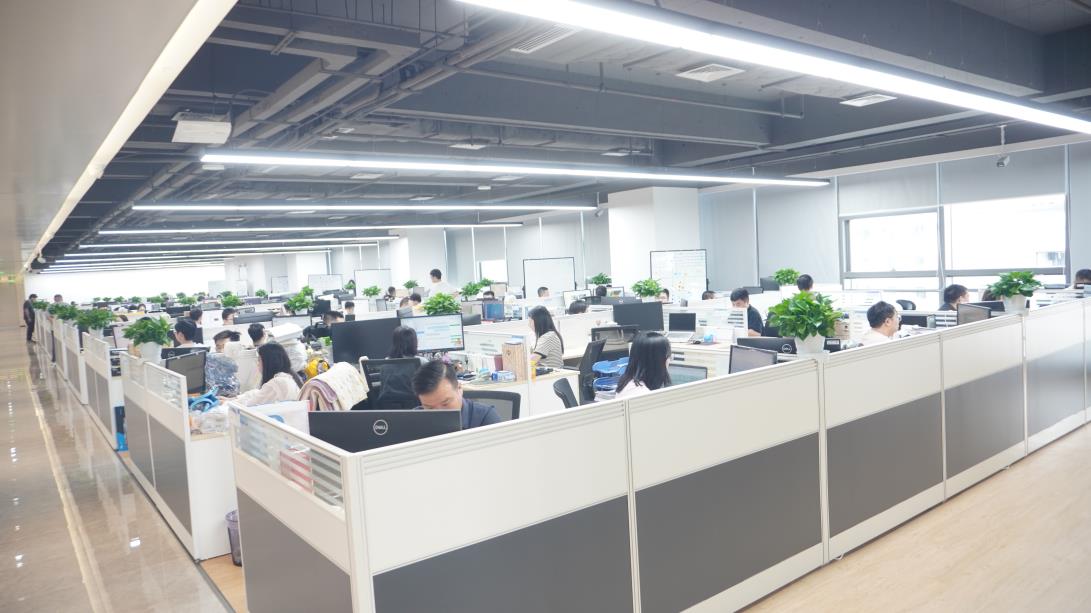
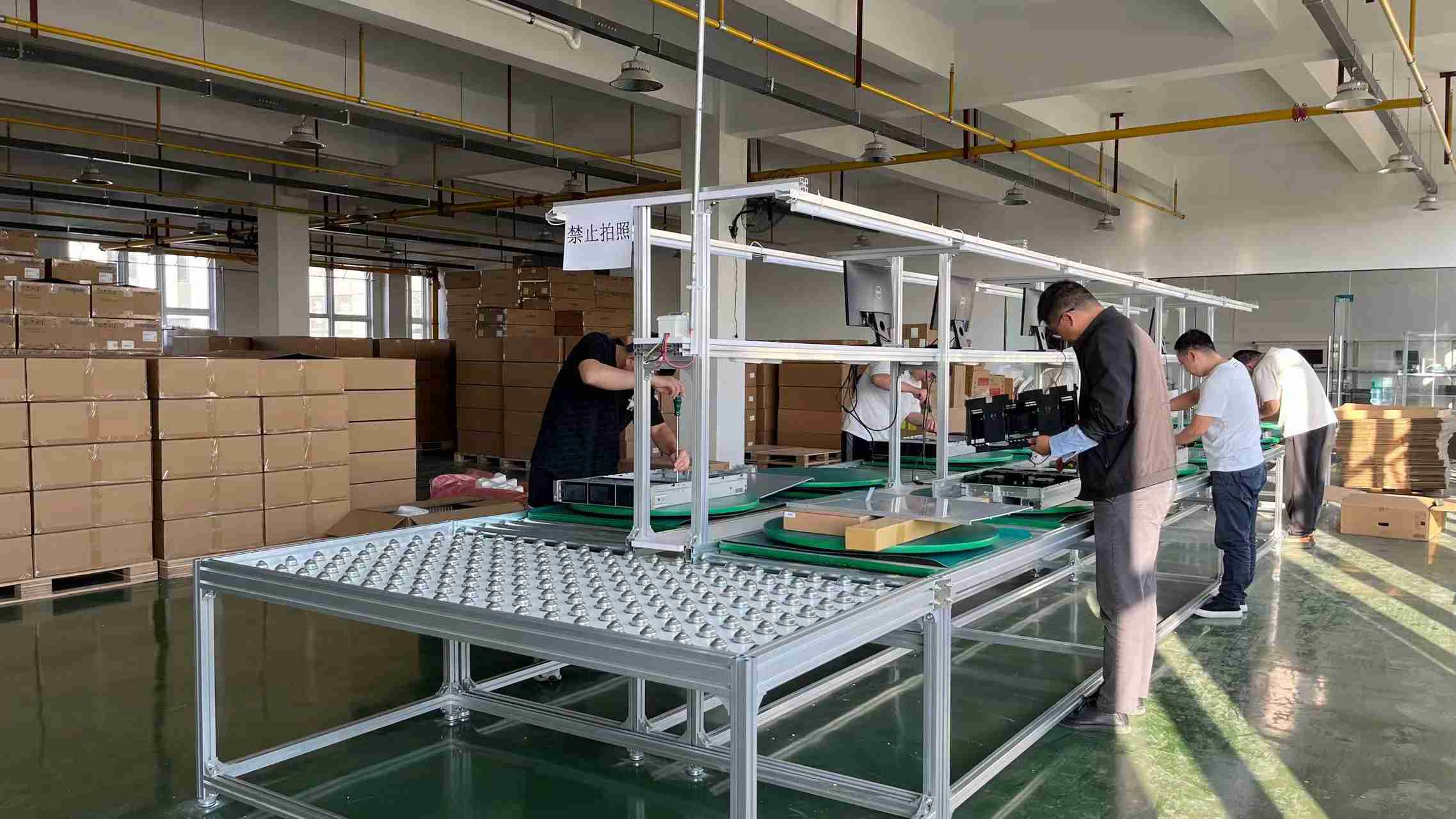
Shenzhen Intelligent Computing Cloud Technology Co., Ltd. (ZhiCloud AI) stands at the nexus of the global computational revolution. Founded in 2016, ZhiCloud AI has dedicated over 11 years of engineering and server design expertise to delivering cutting-edge hardware. As an expert-oriented B2B enterprise, the company operates a state-of-the-art production facility of approximately 320㎡, strategically optimized for systems integration, customized assembly, and quality validation.
With an annual export revenue exceeding USD 12 million and over 7 years of global trade experience, ZhiCloud AI exports high-density servers and storage options to North America, Europe, Southeast Asia, and the Middle East. Through its extensive network of 1,200+ strategic supply partners, the company guarantees access to core components, including high-capacity enterprise SSD storage and next-gen processing units, ensuring stable lead times and predictable scalability even during semiconductor supply pinches.
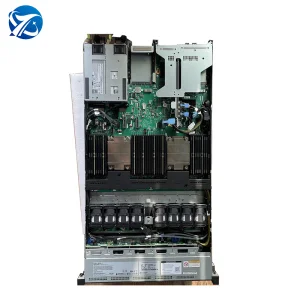
We configure motherboard sockets, memory hierarchies, storage speed profiles, cooling systems, and specialized BIOS configurations to align perfectly with your internal databases and search index software.
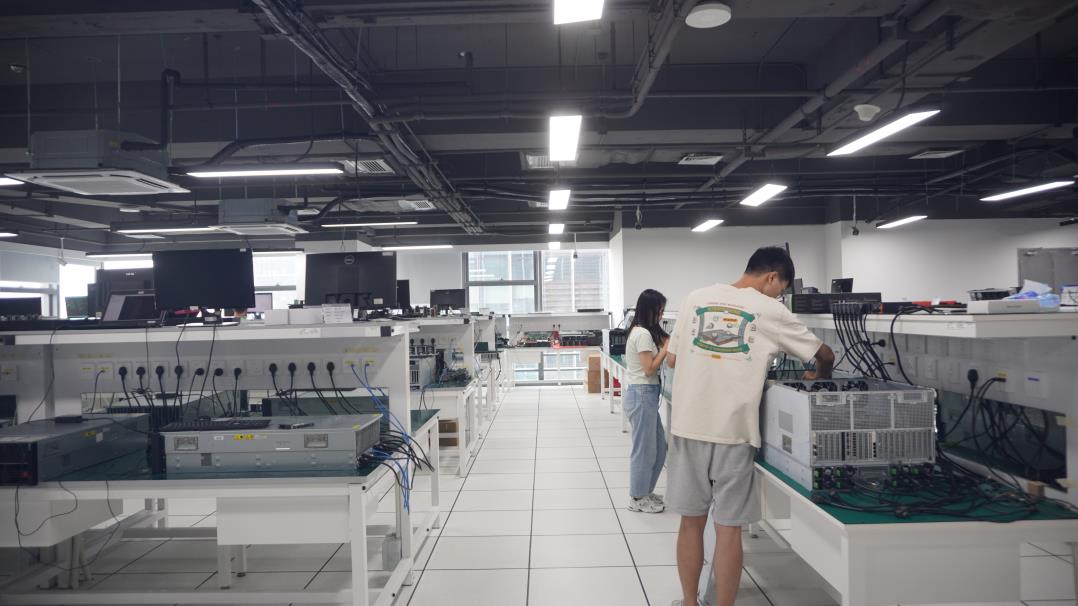
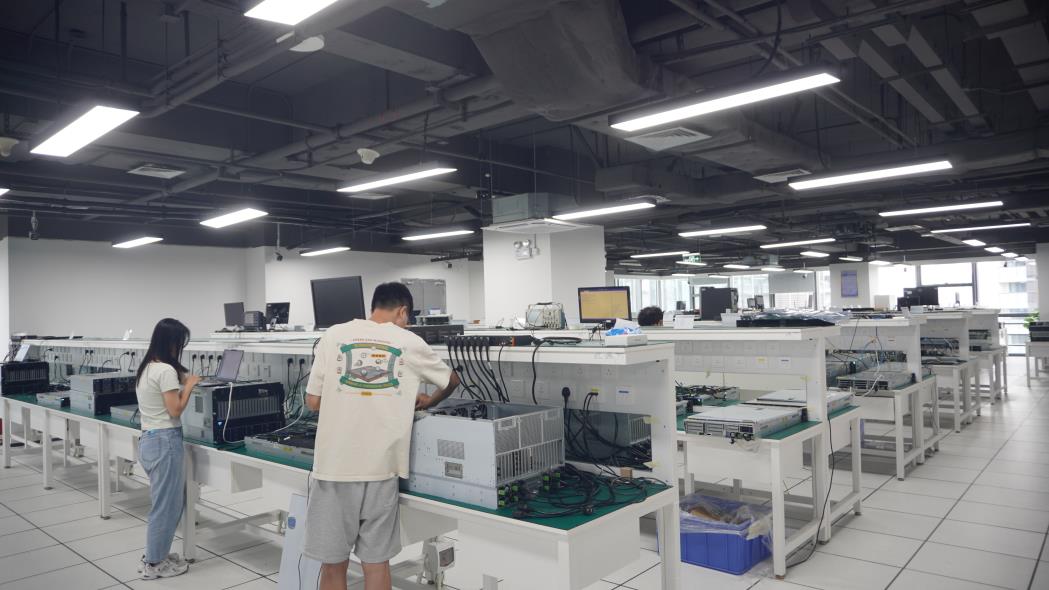
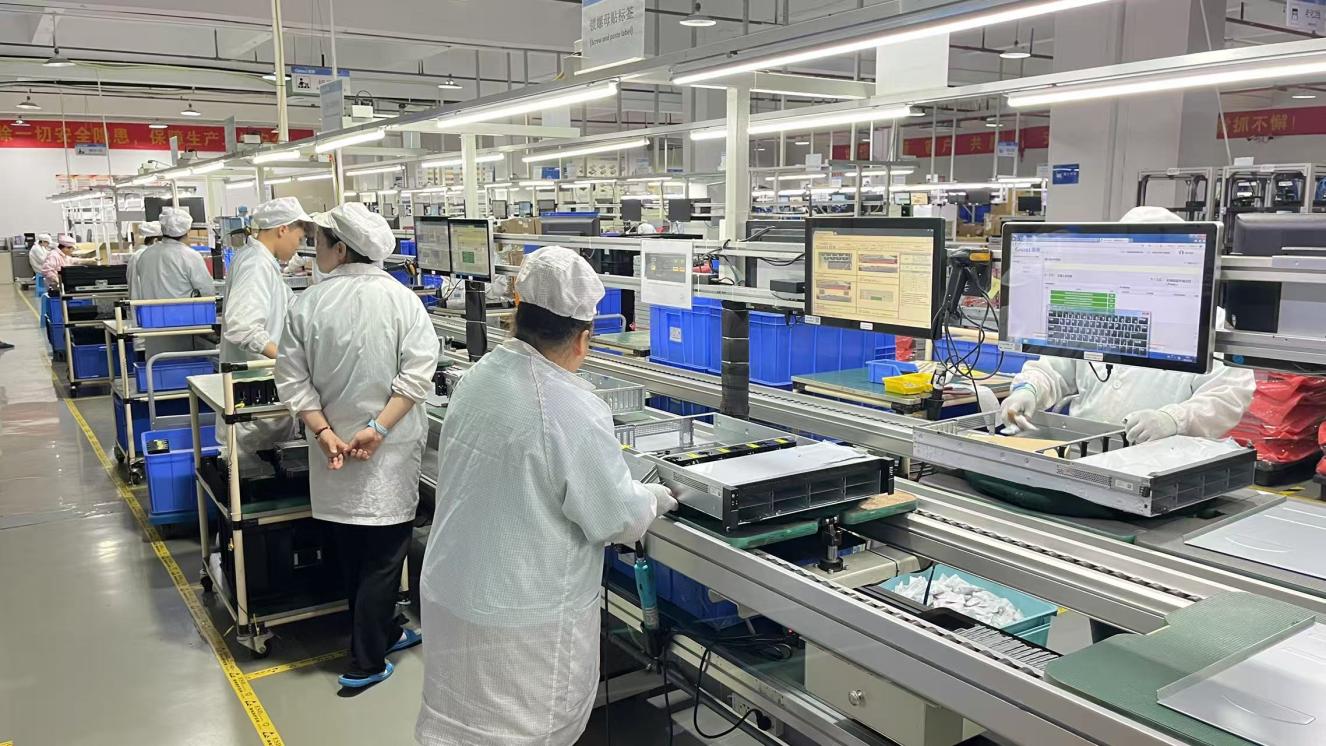
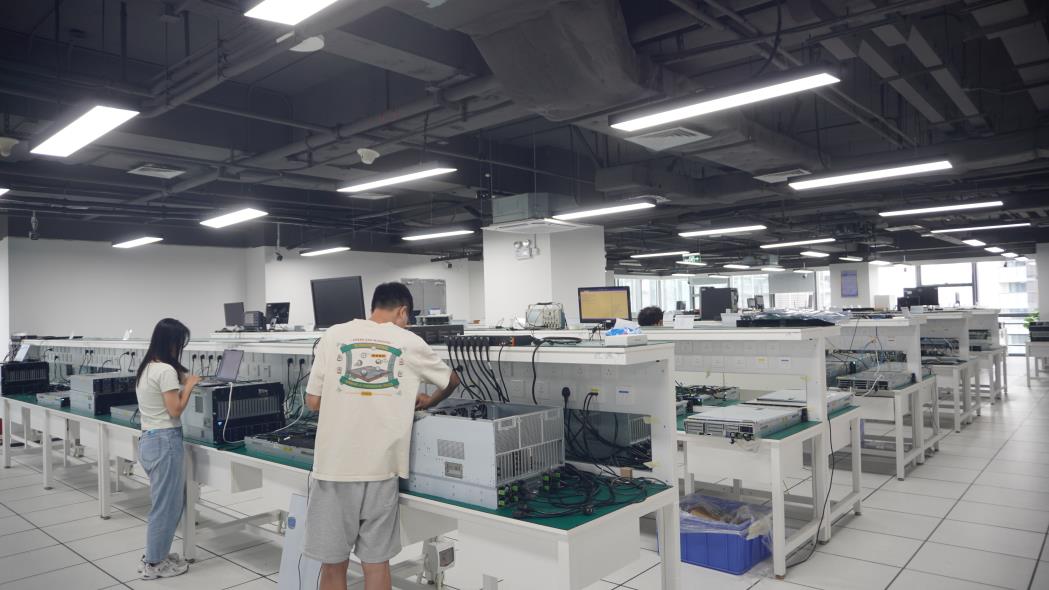
Our quality verification team includes 45 dedicated QC engineers executing strict compliance checks, thermal benchmarking, stress workloads, and hardware failure modeling before logistics clearance.
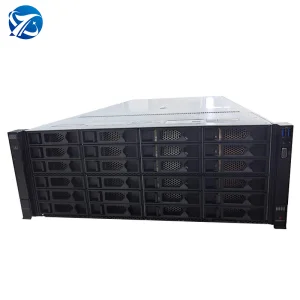
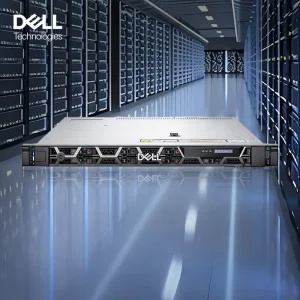
From 1U hyper-converged instances to heavy-compute 4U GPU models, our catalog scales seamlessly to meet massive parallel processing workloads and distributed semantic databases.
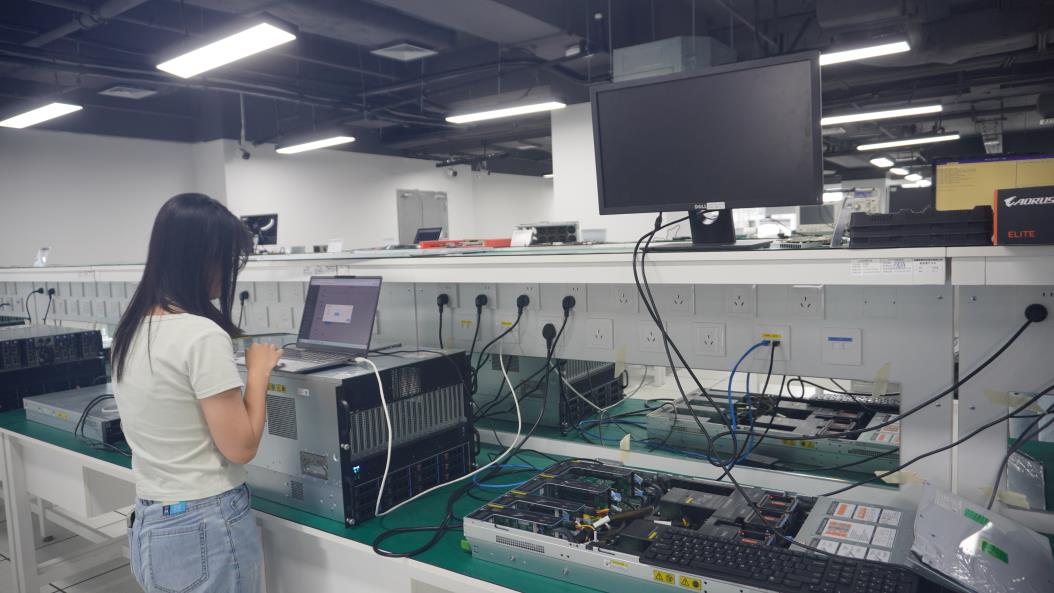
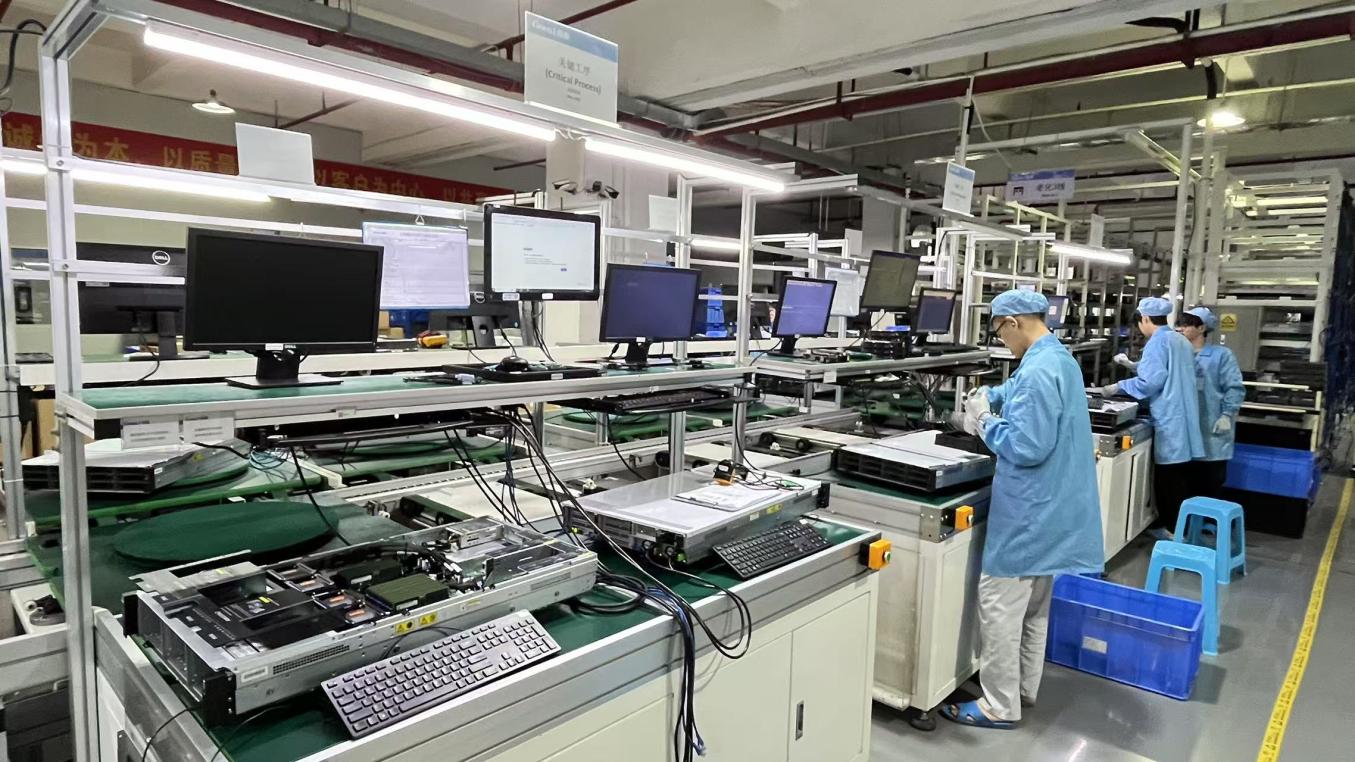
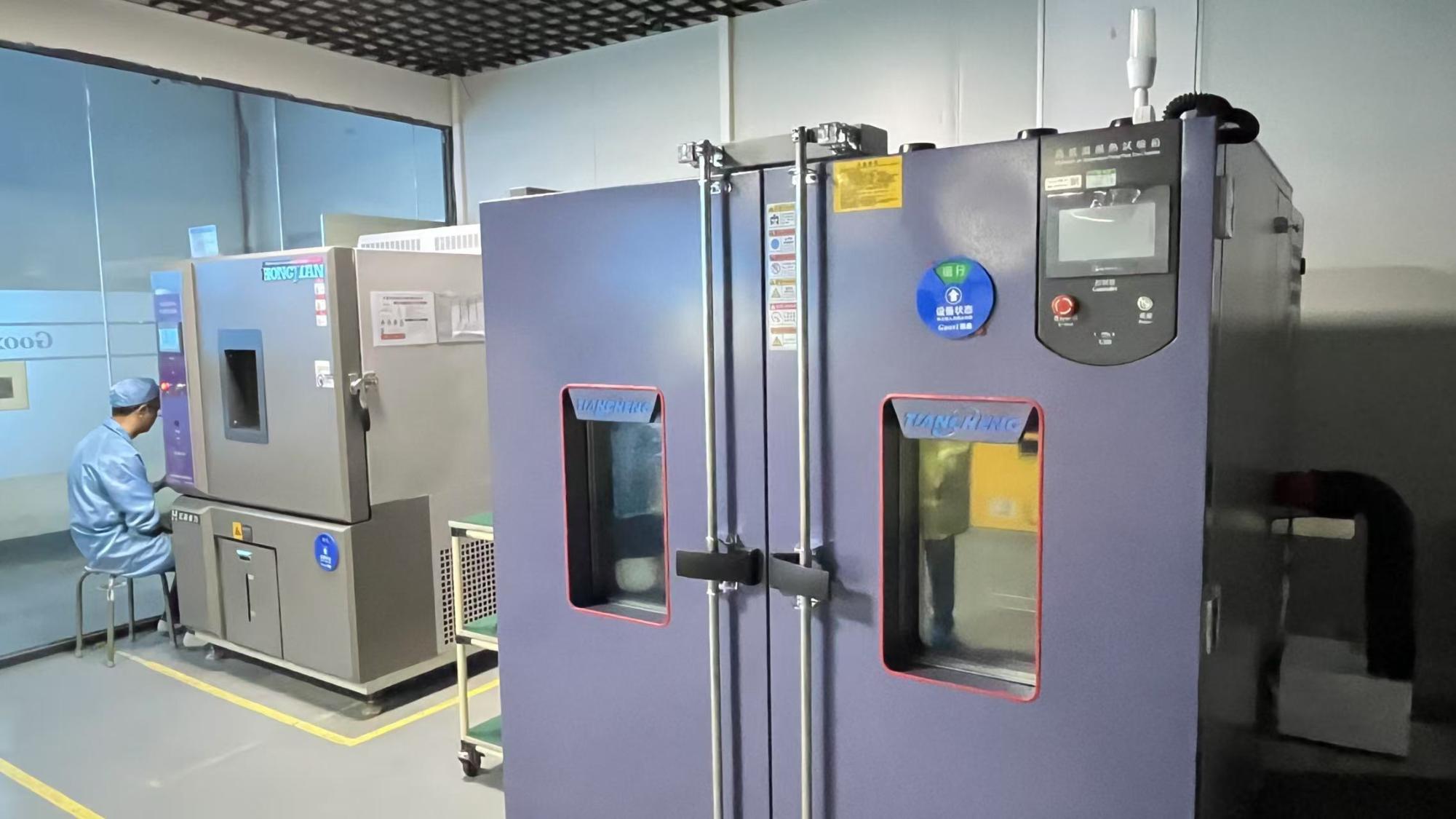
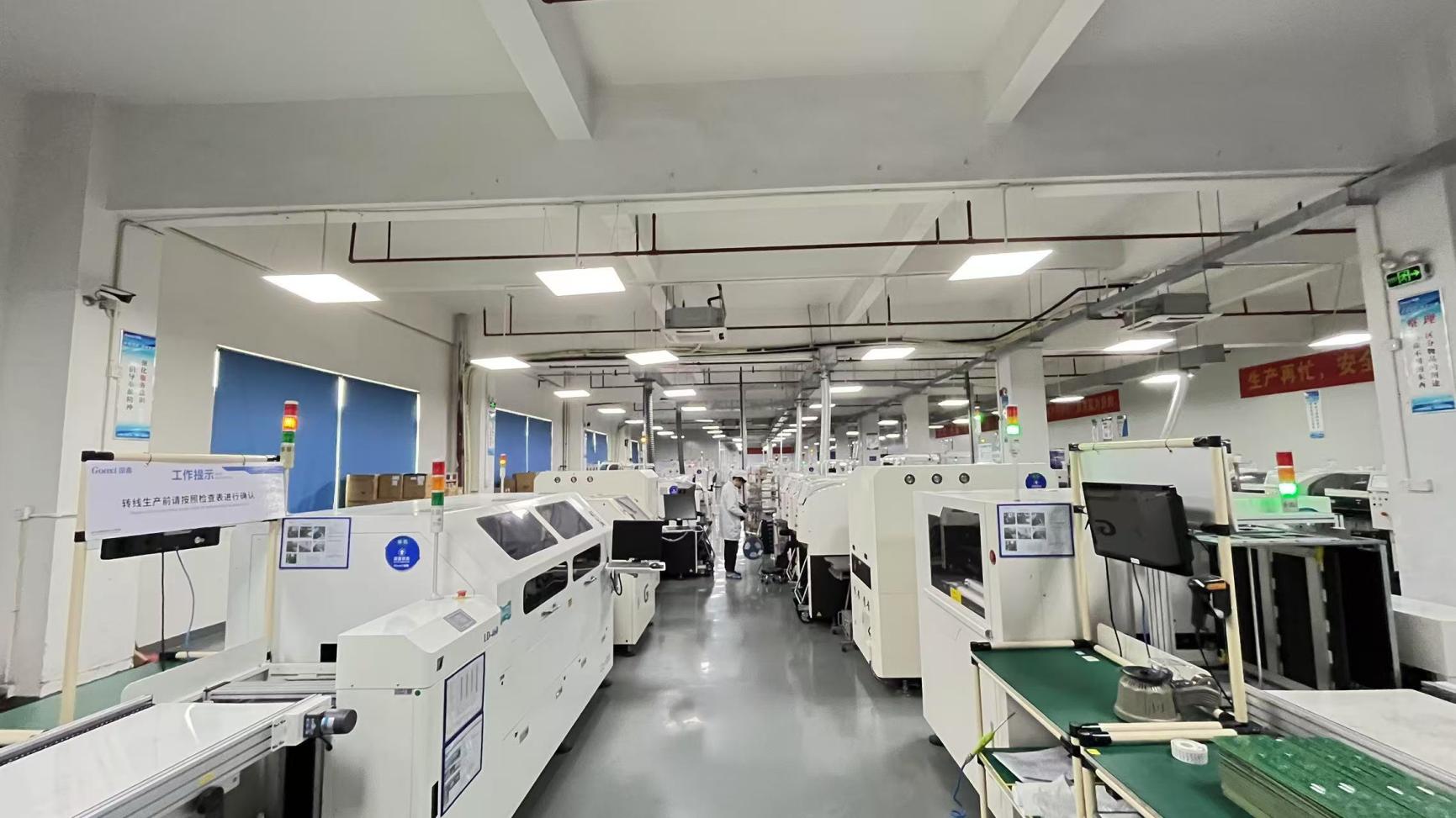
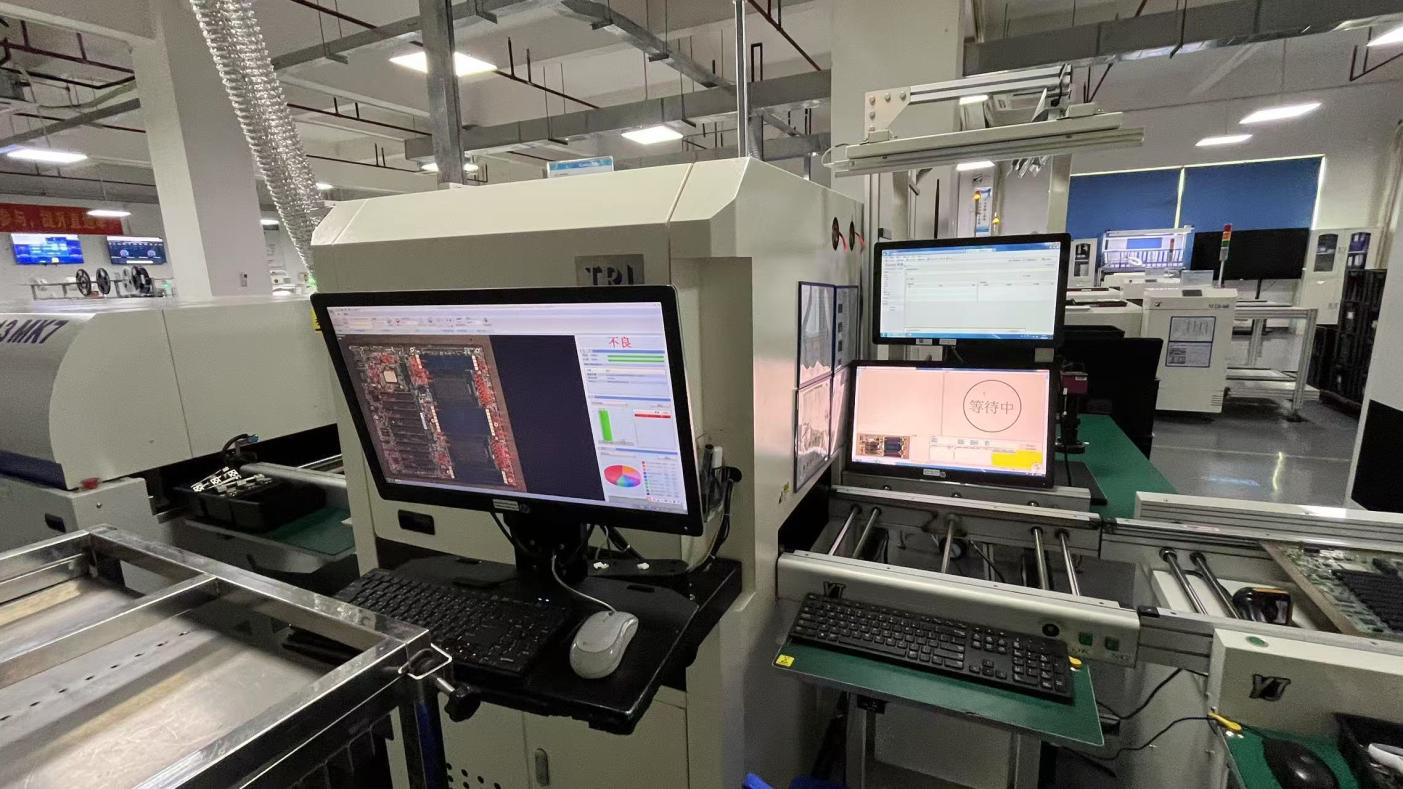
High-Performance Computing (HPC) nodes operate under severe thermal profiles, volatile power environments, and continuous high-bandwidth memory usage. To construct a reliable system, quality assurance cannot simply be a post-assembly inspection check. Instead, it must be integrated into every stage of the manufacturing process. From raw material cutting to full system burn-in testing, ZhiCloud AI enforces rigorous, standardized validation procedures to ensure long-term stability and reliability in the field.
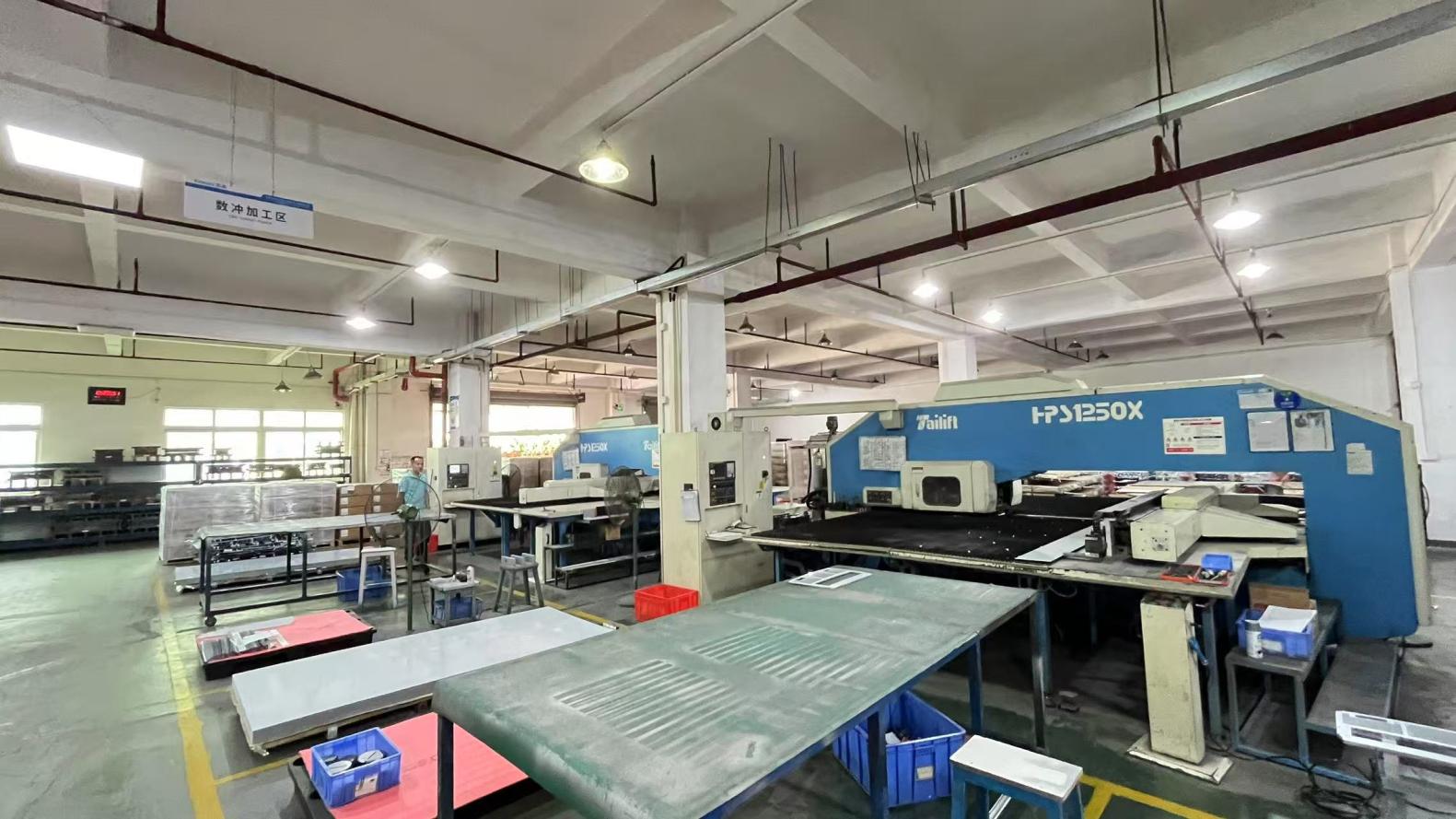
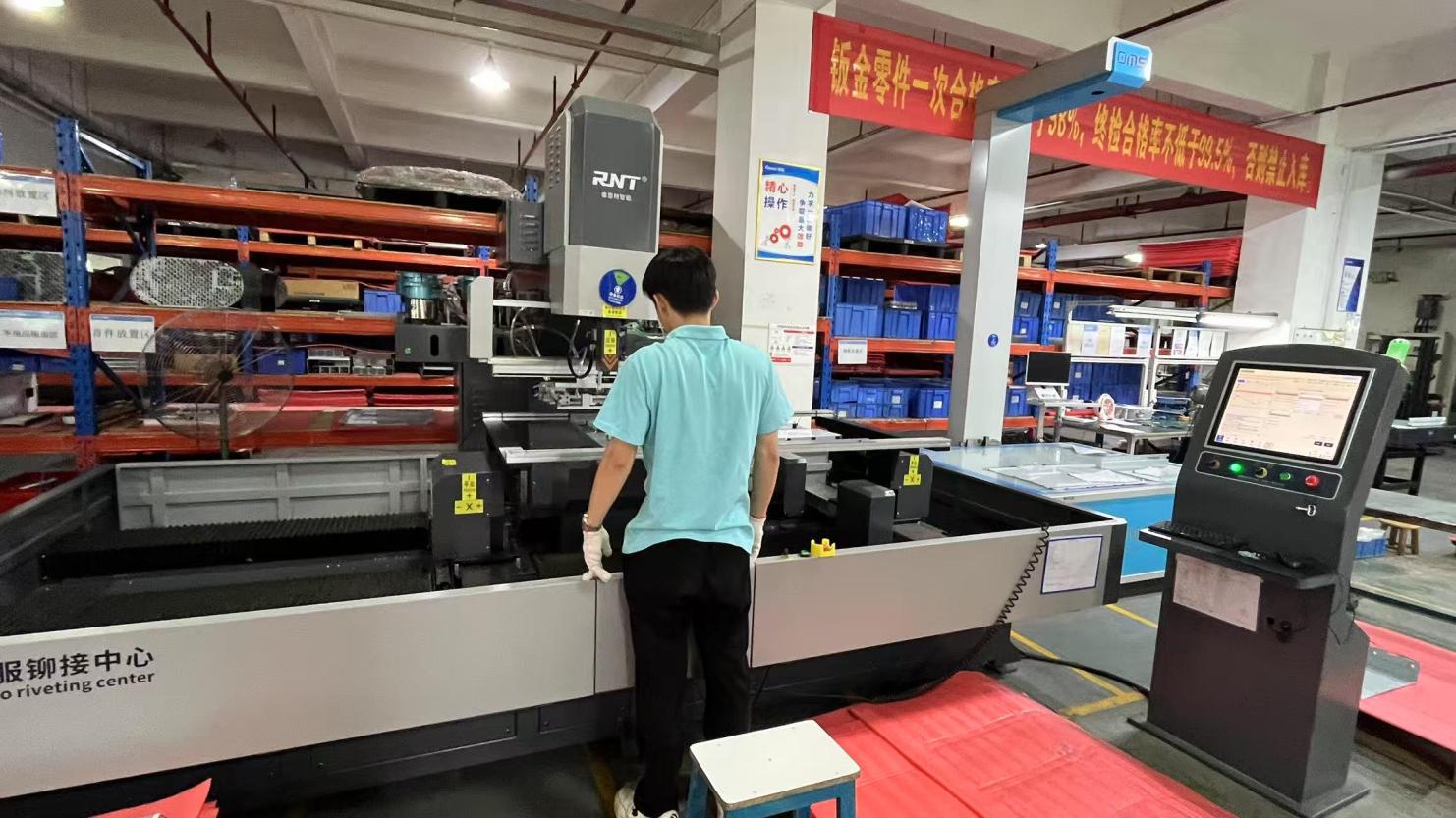
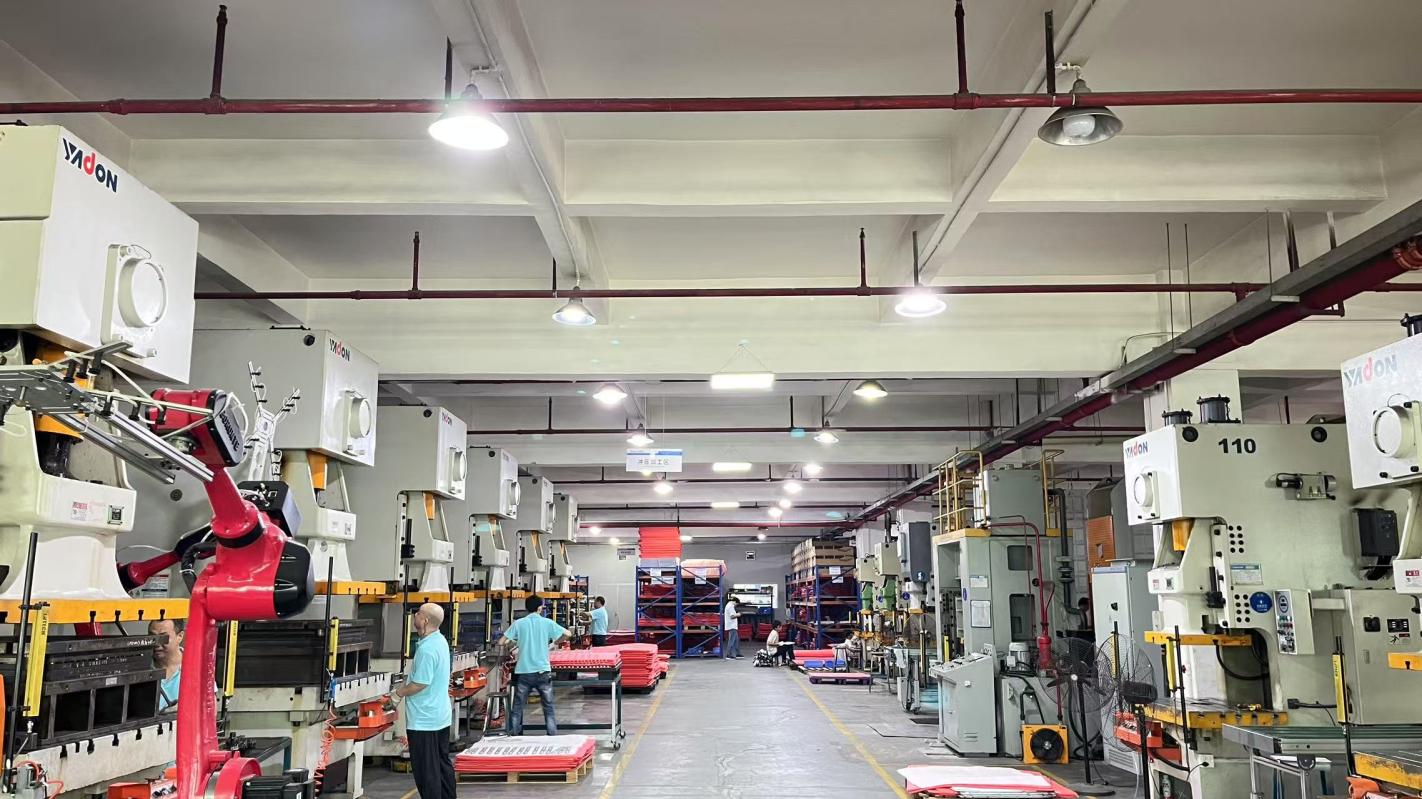
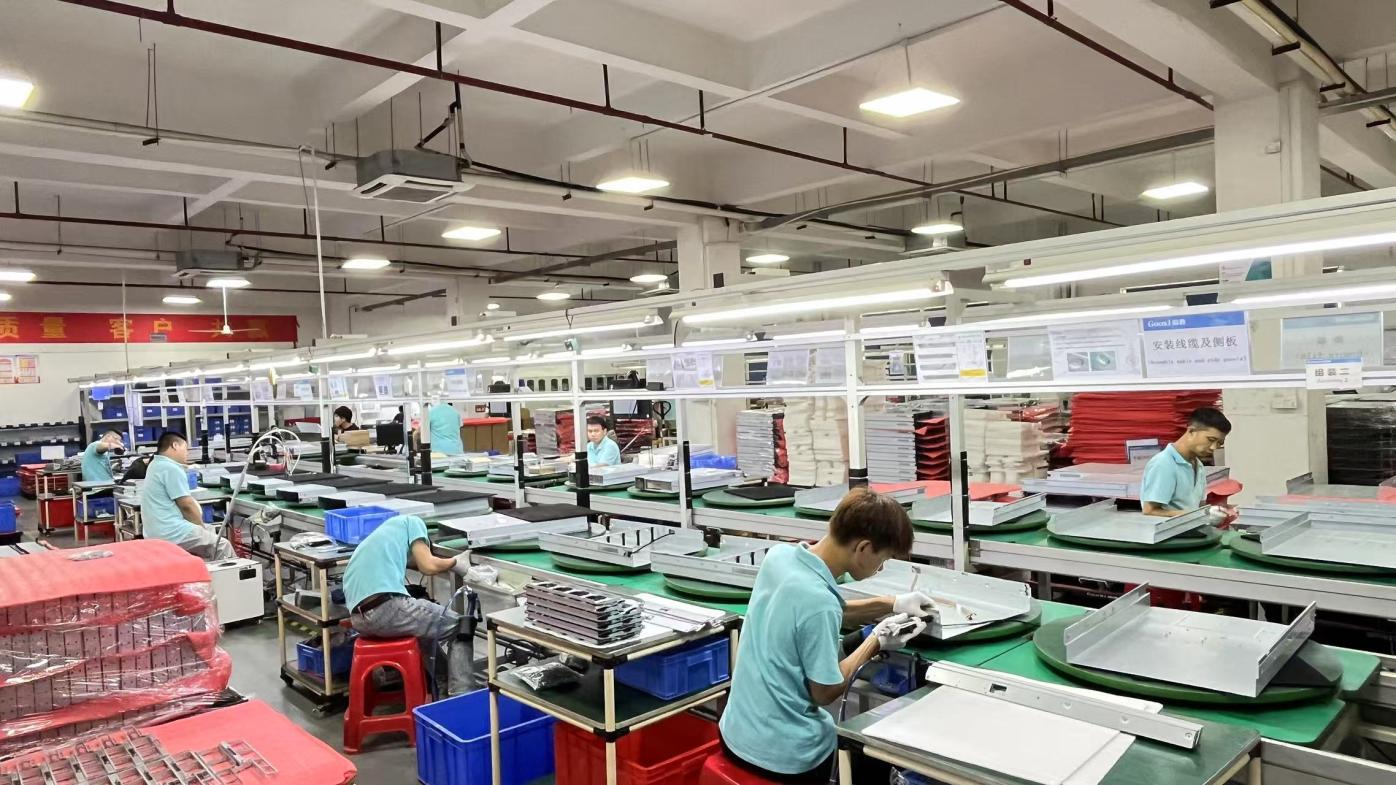
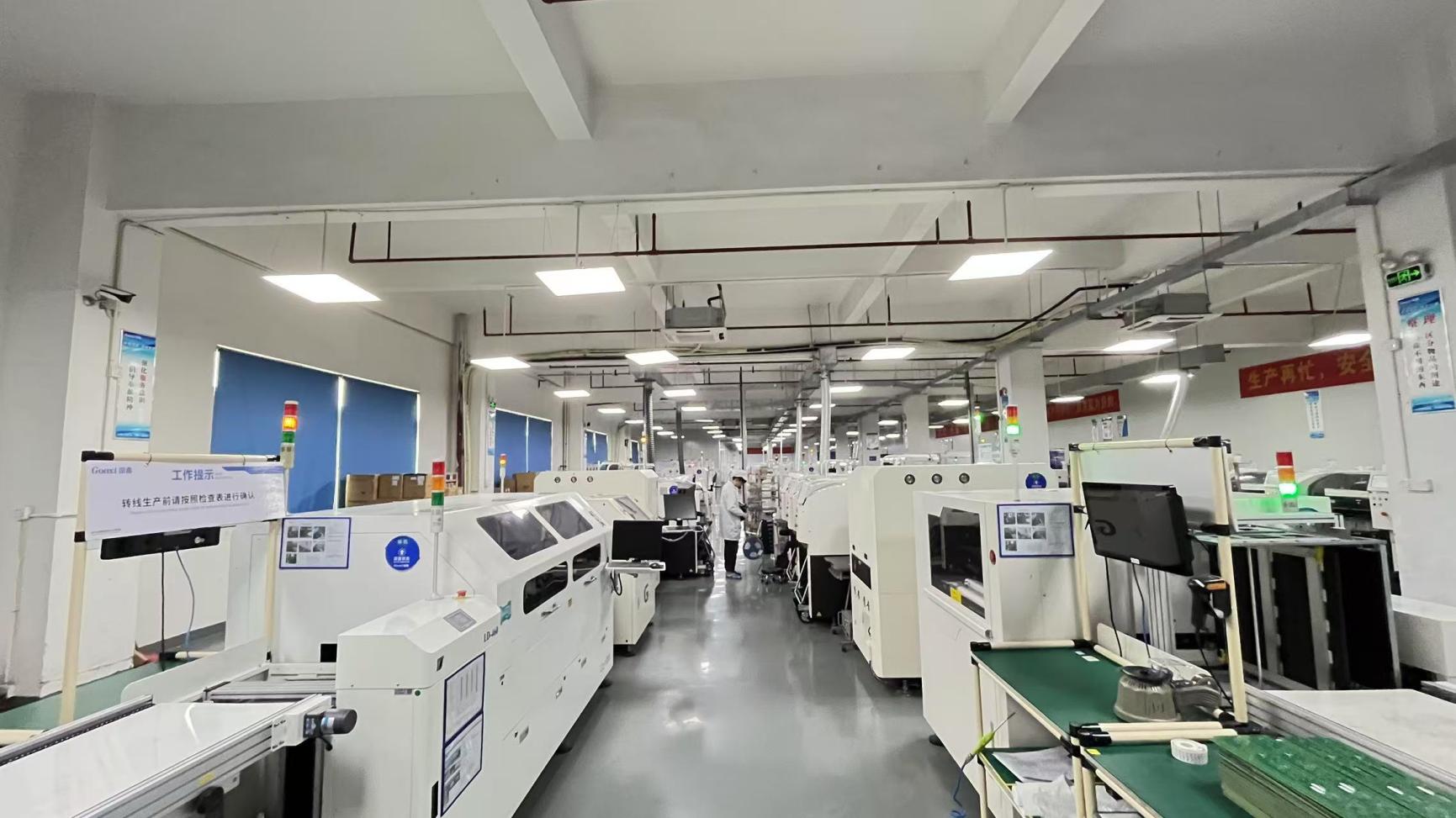
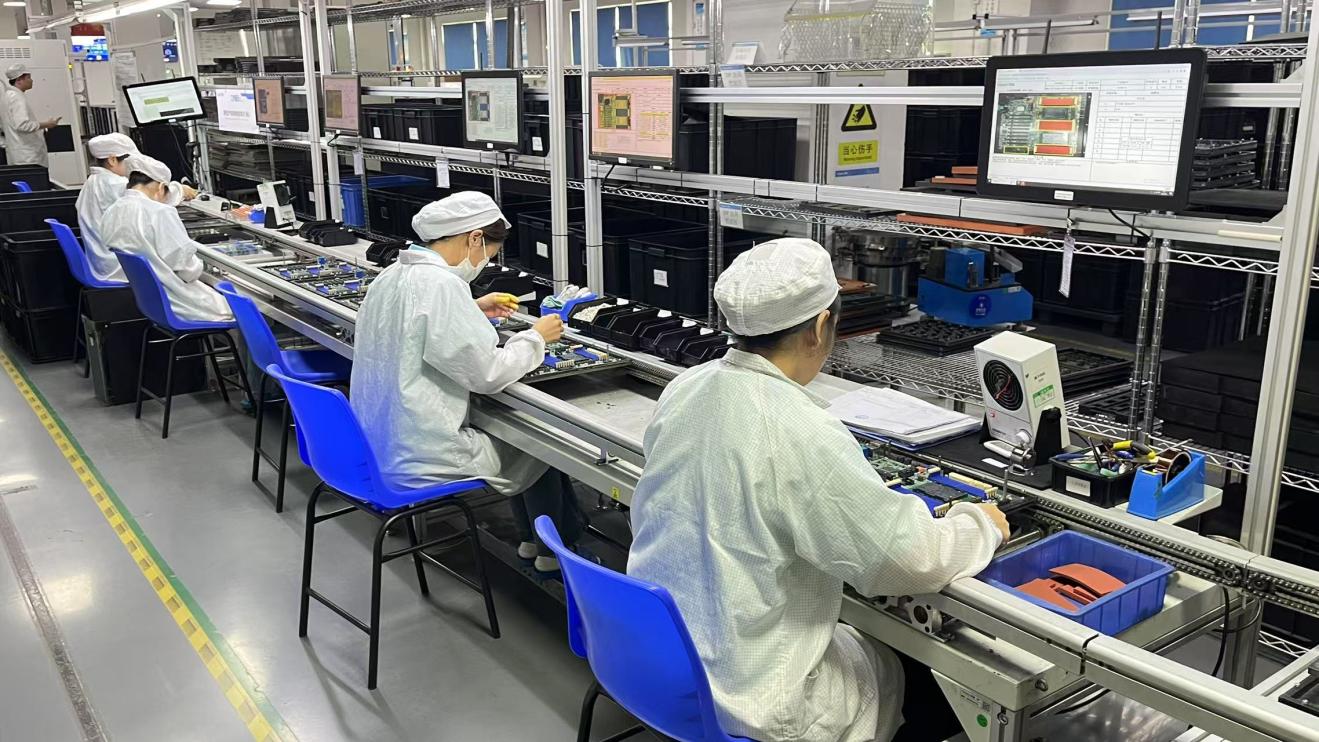
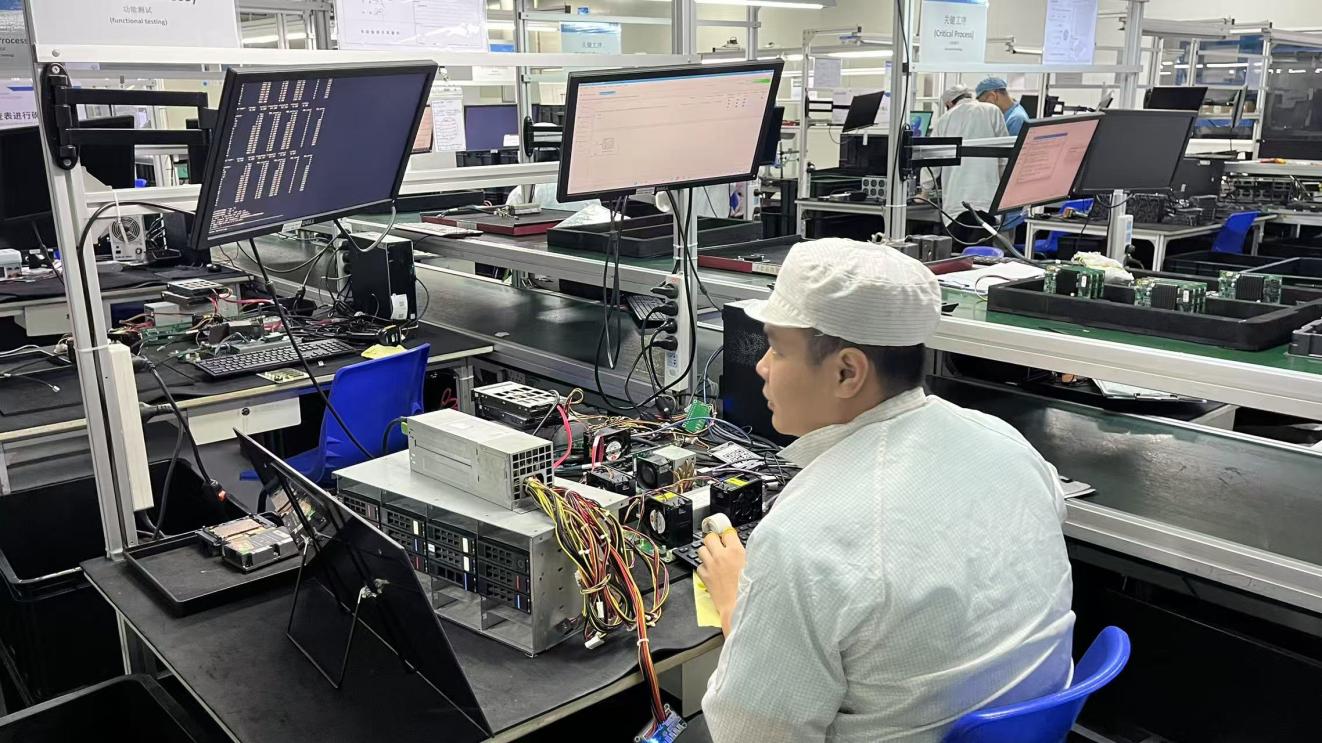
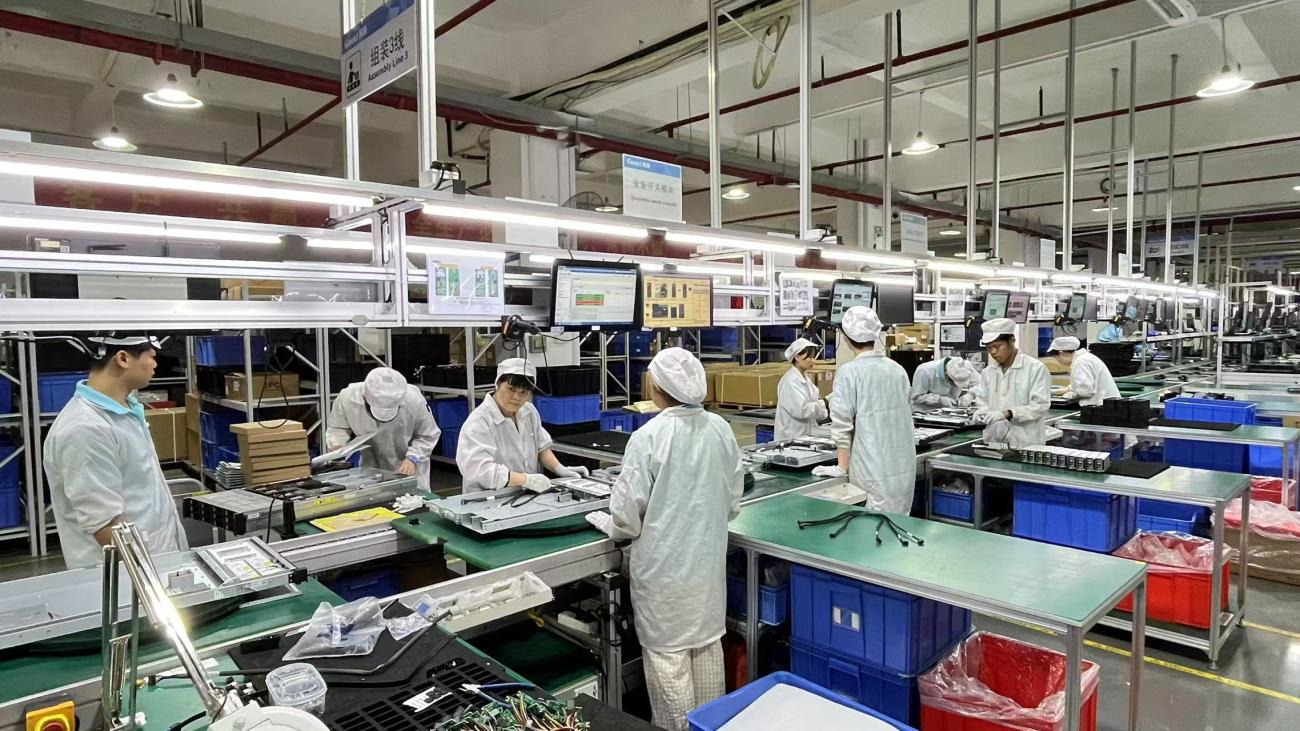
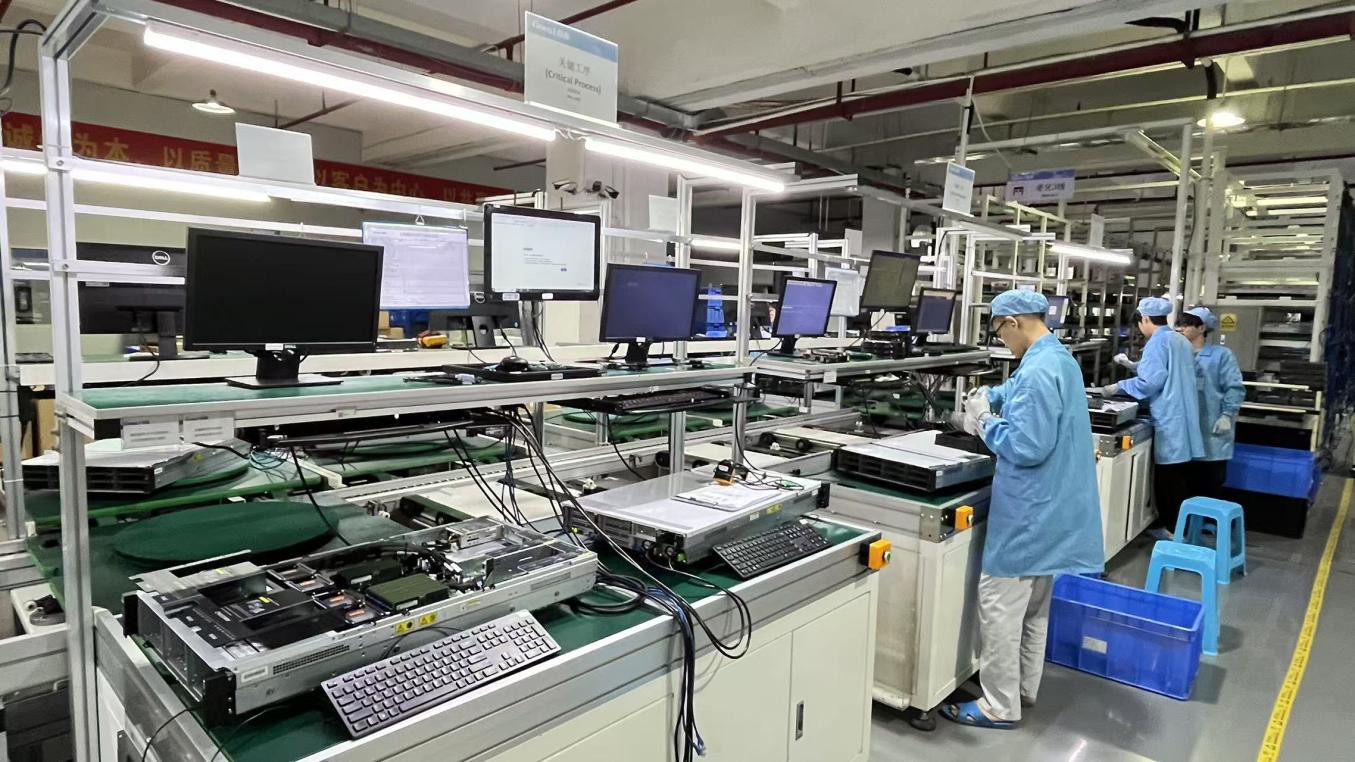
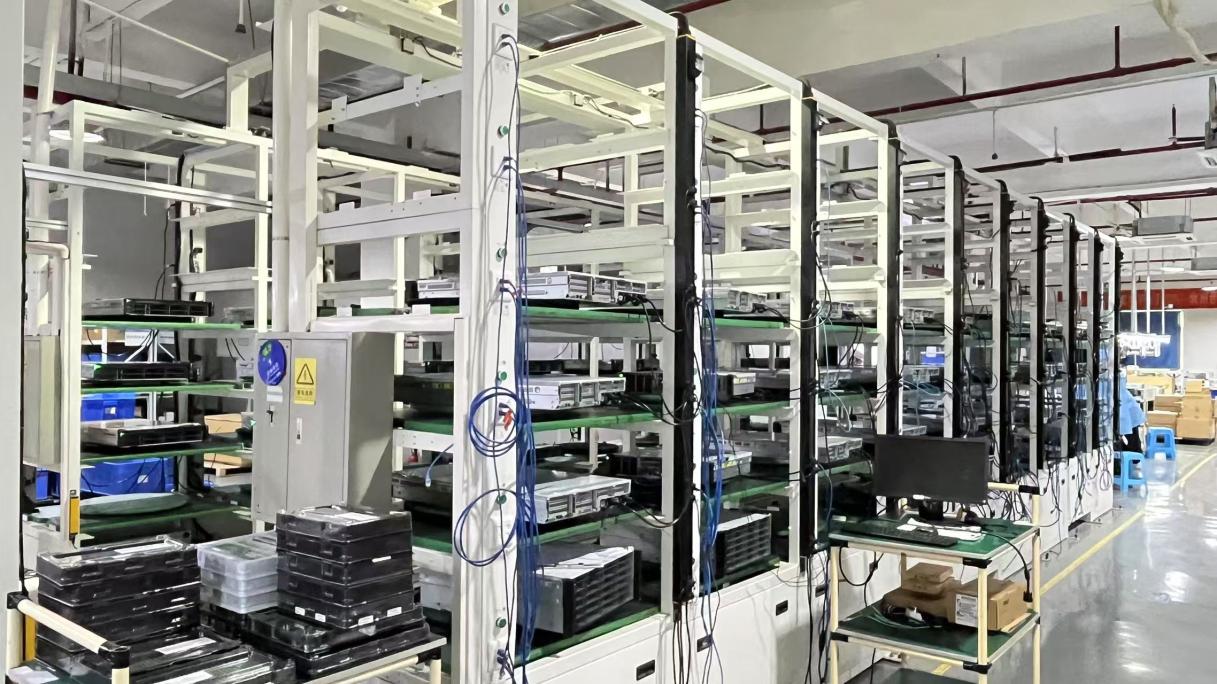
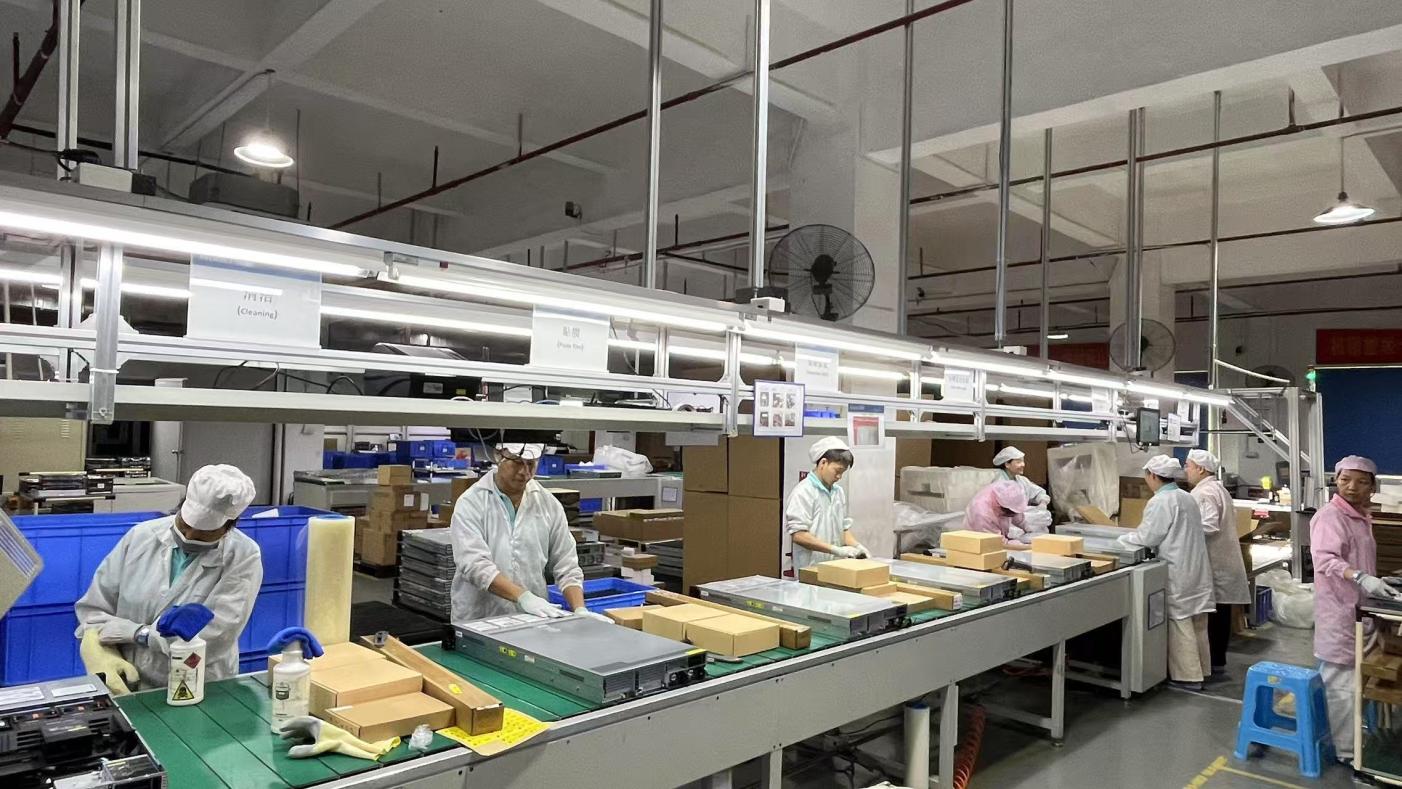
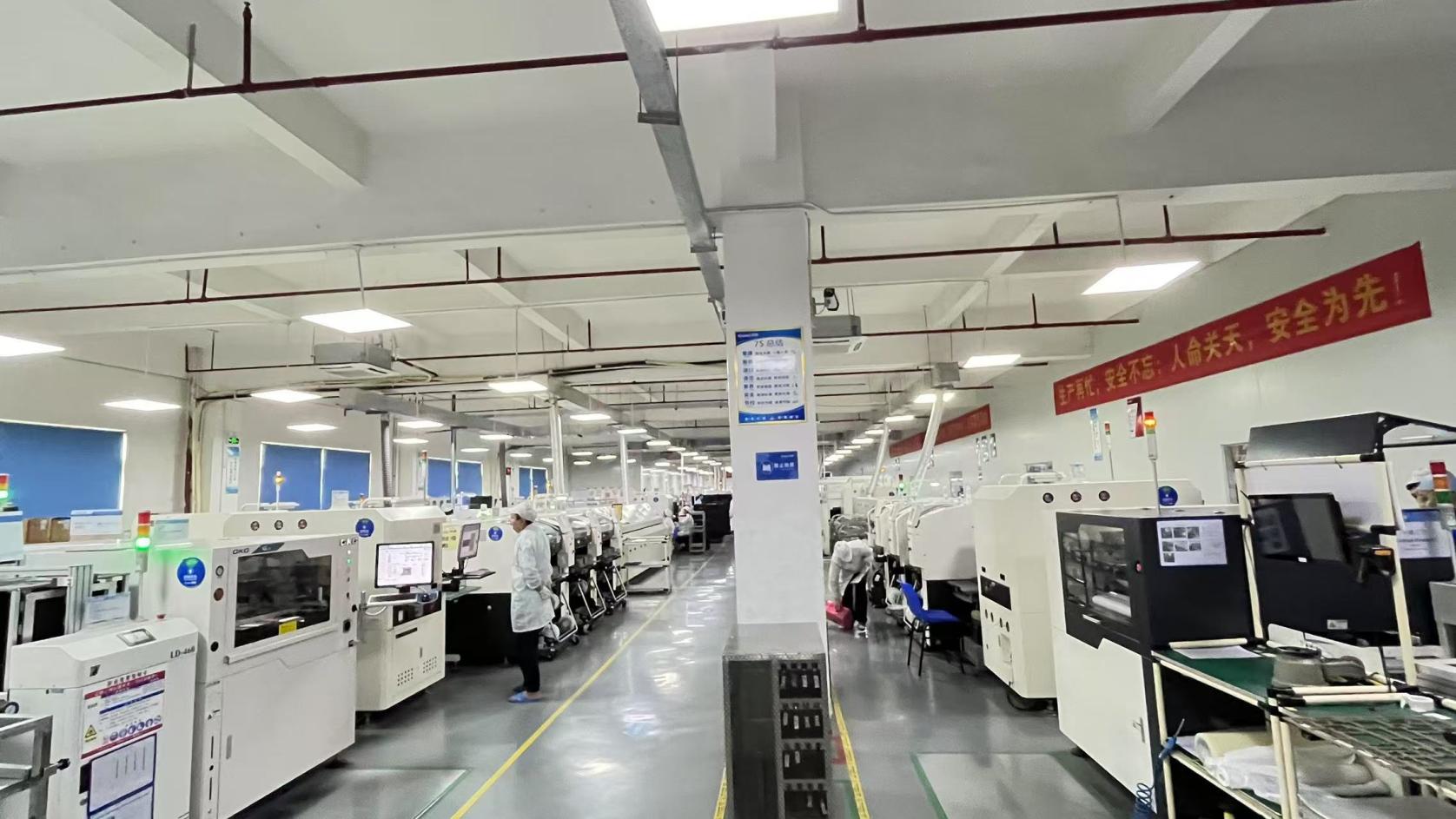
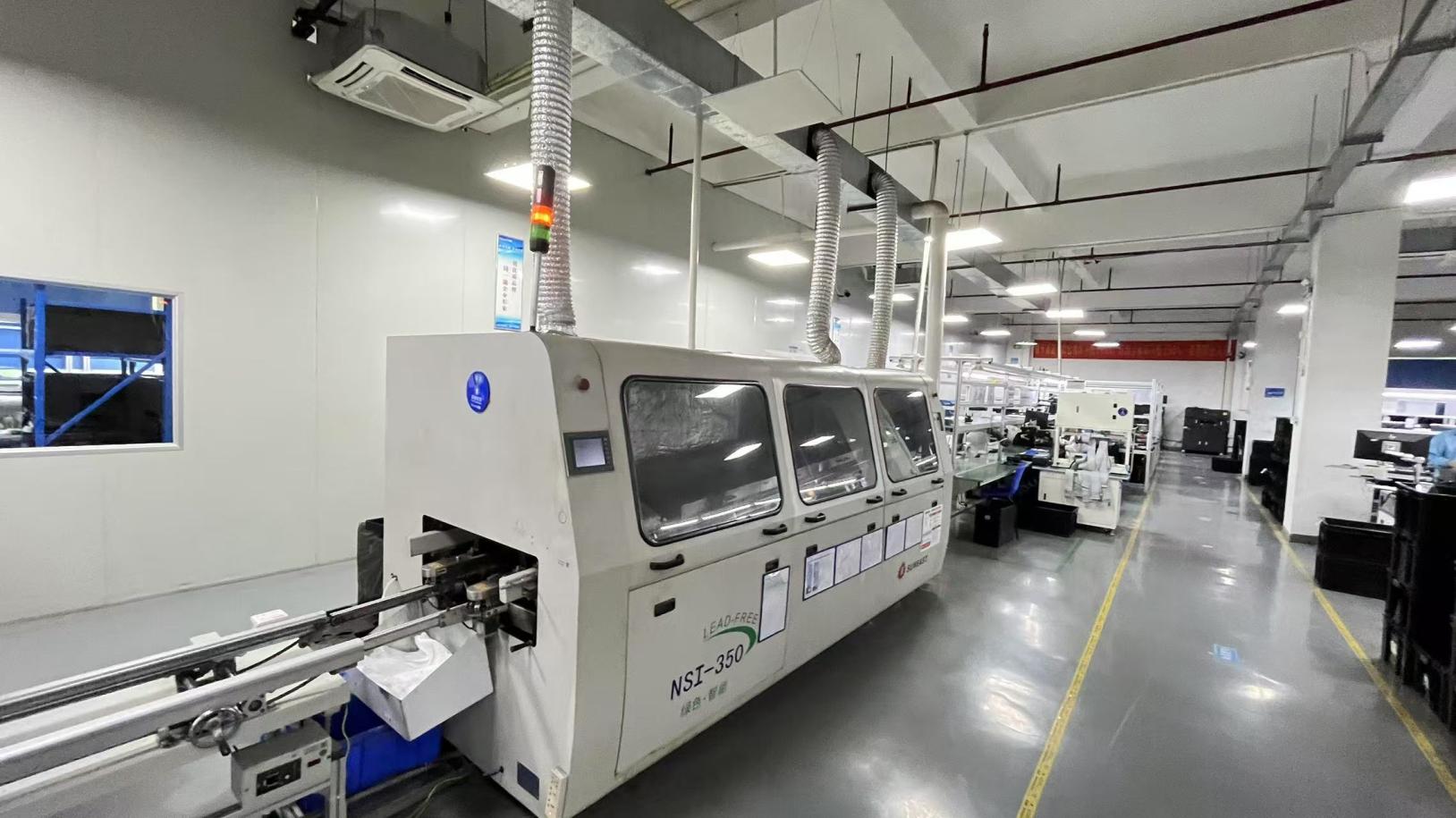
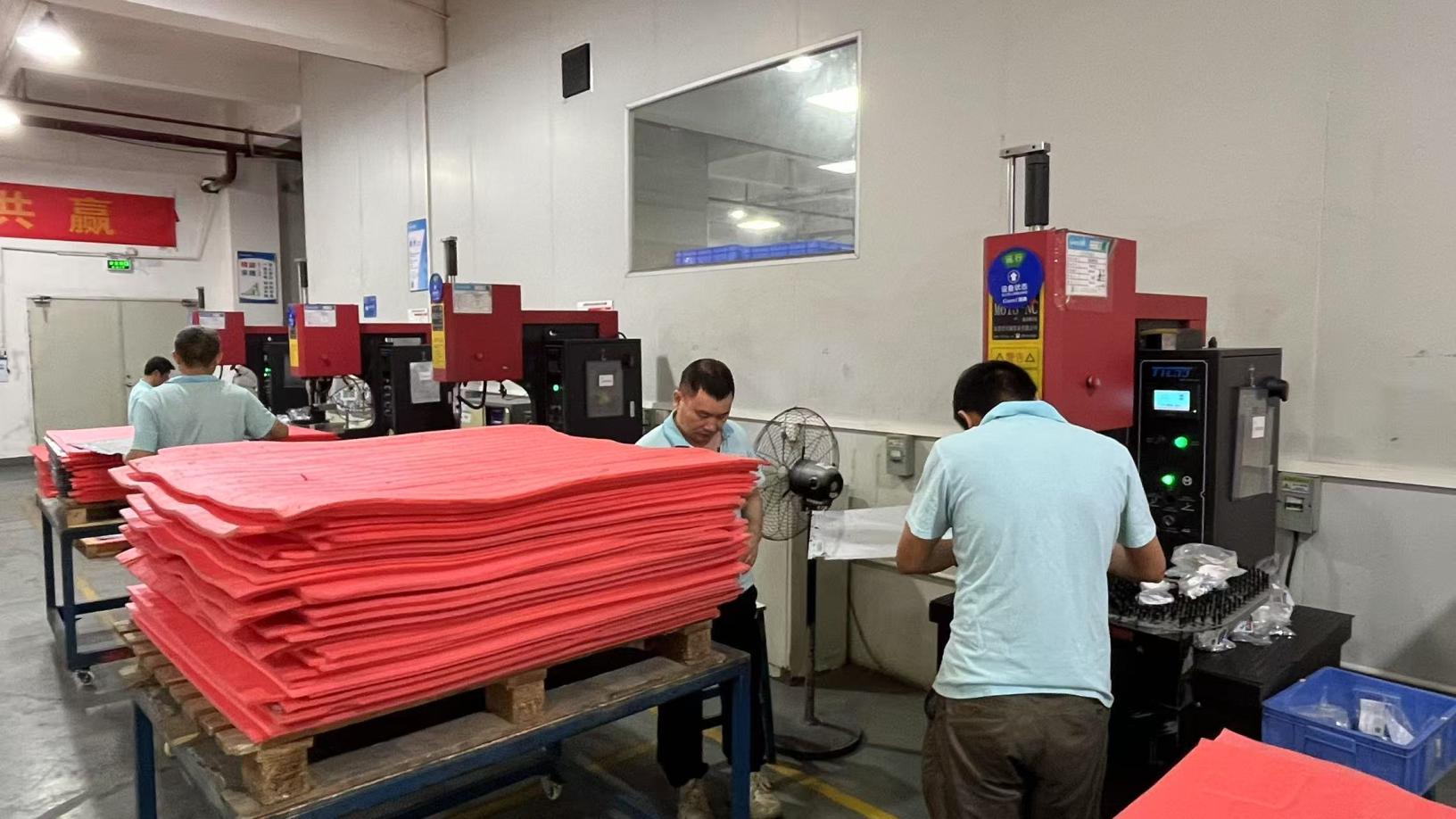
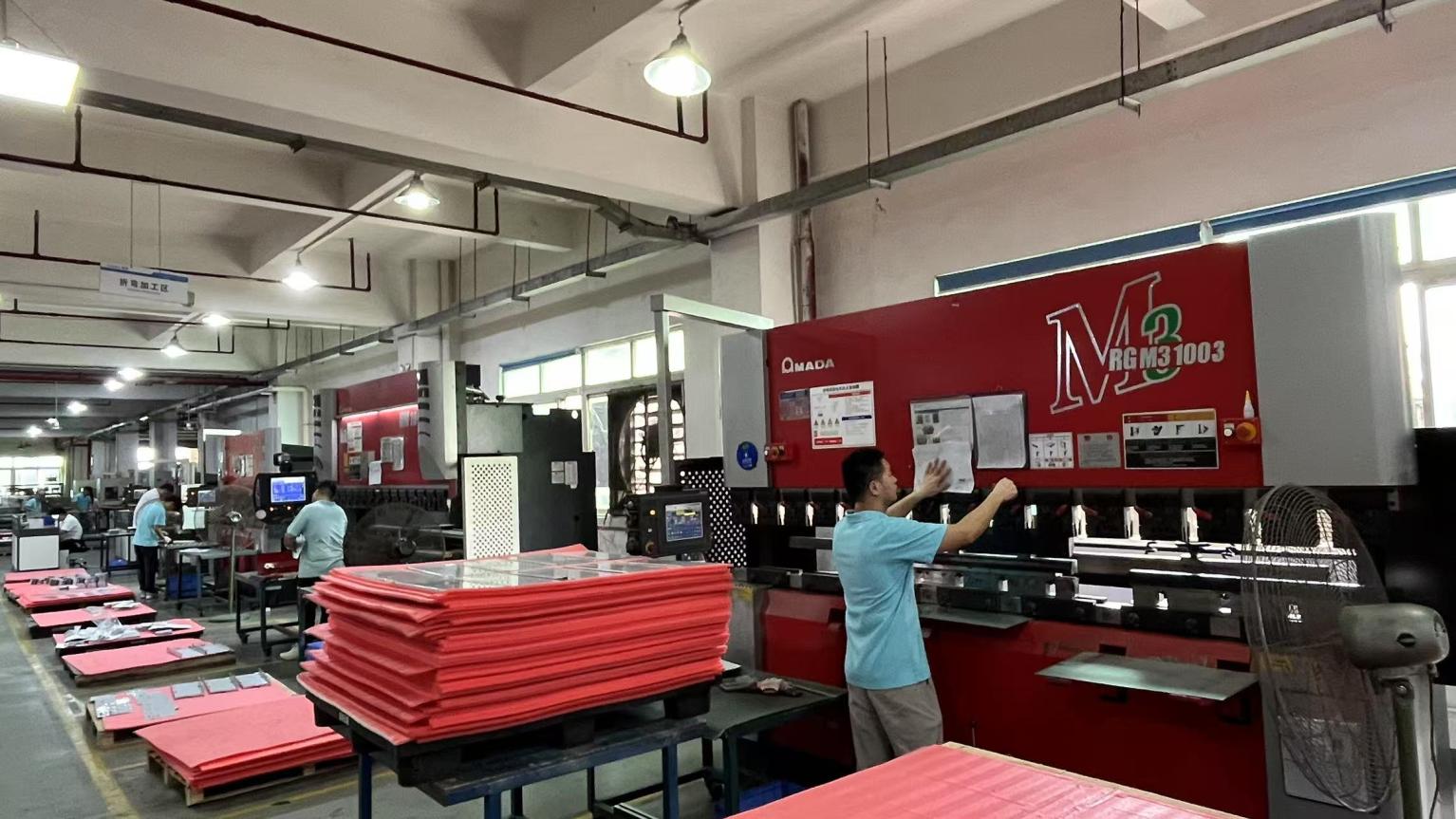

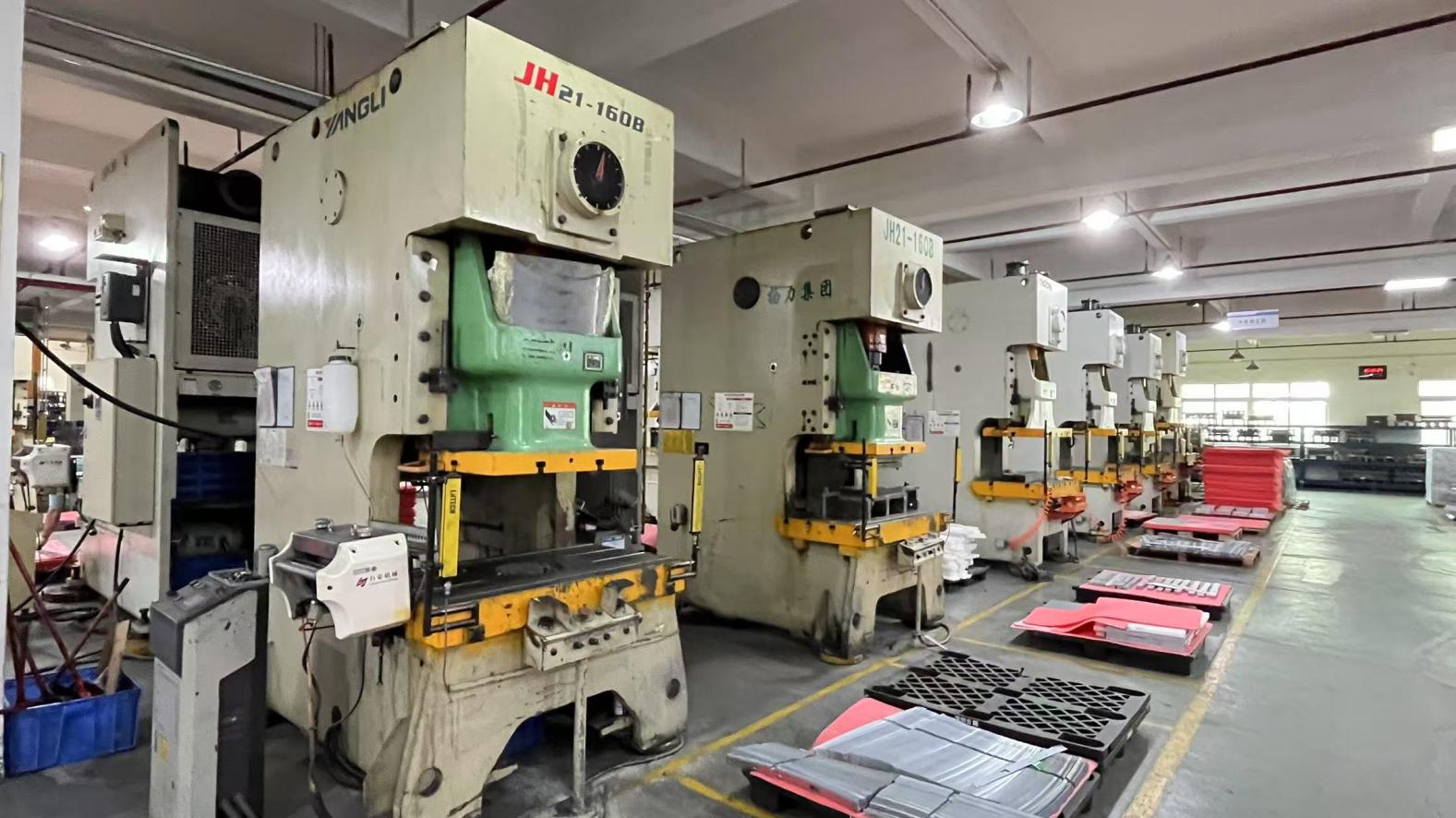
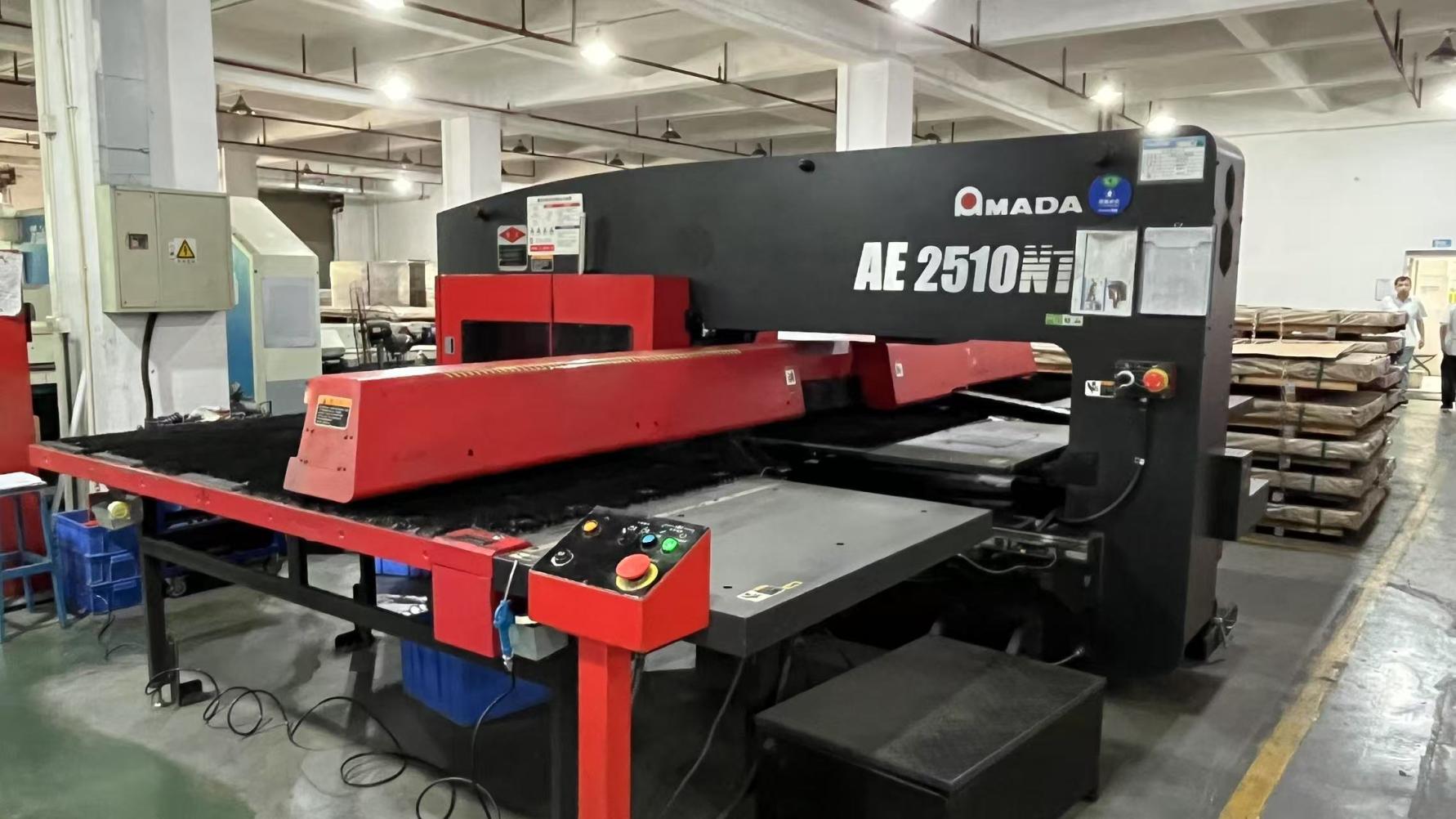
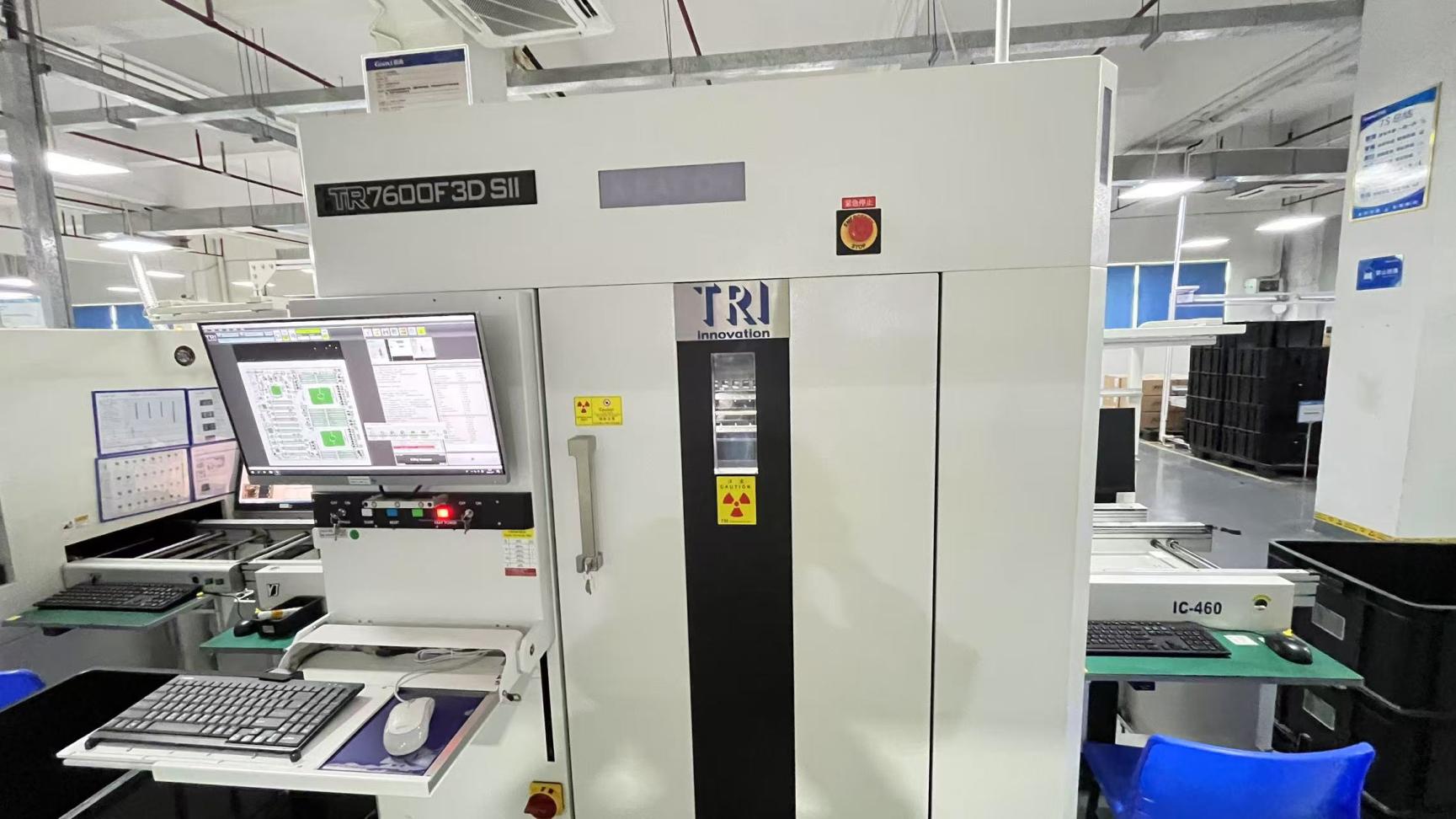
Beyond standard structural checks, our products undergo dynamic physics, thermal, and electronic strain validation tests. We use advanced diagnostic machinery to guarantee hardware resilience under severe load profiles, transportation stress, and extreme environmental variables.
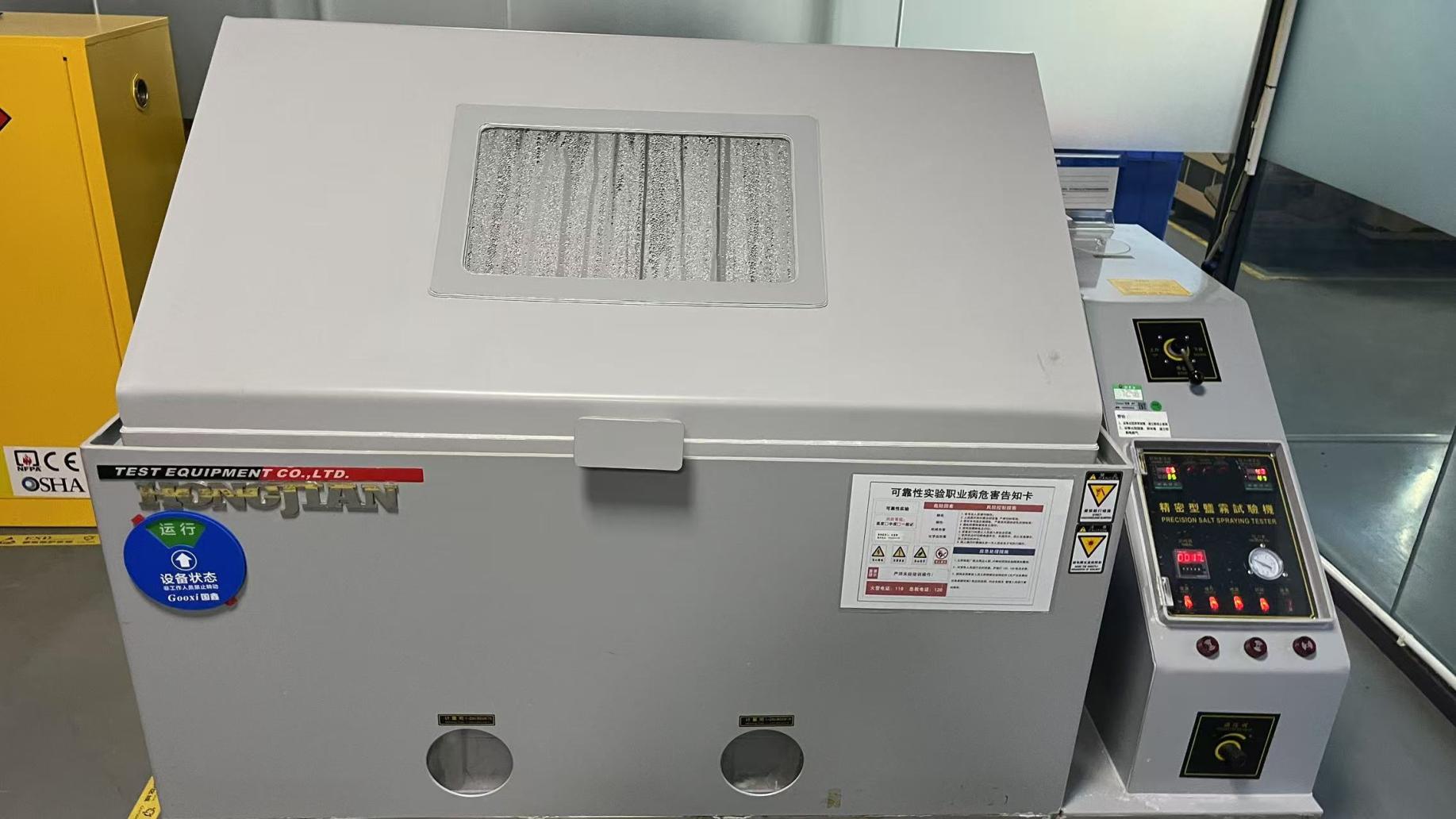
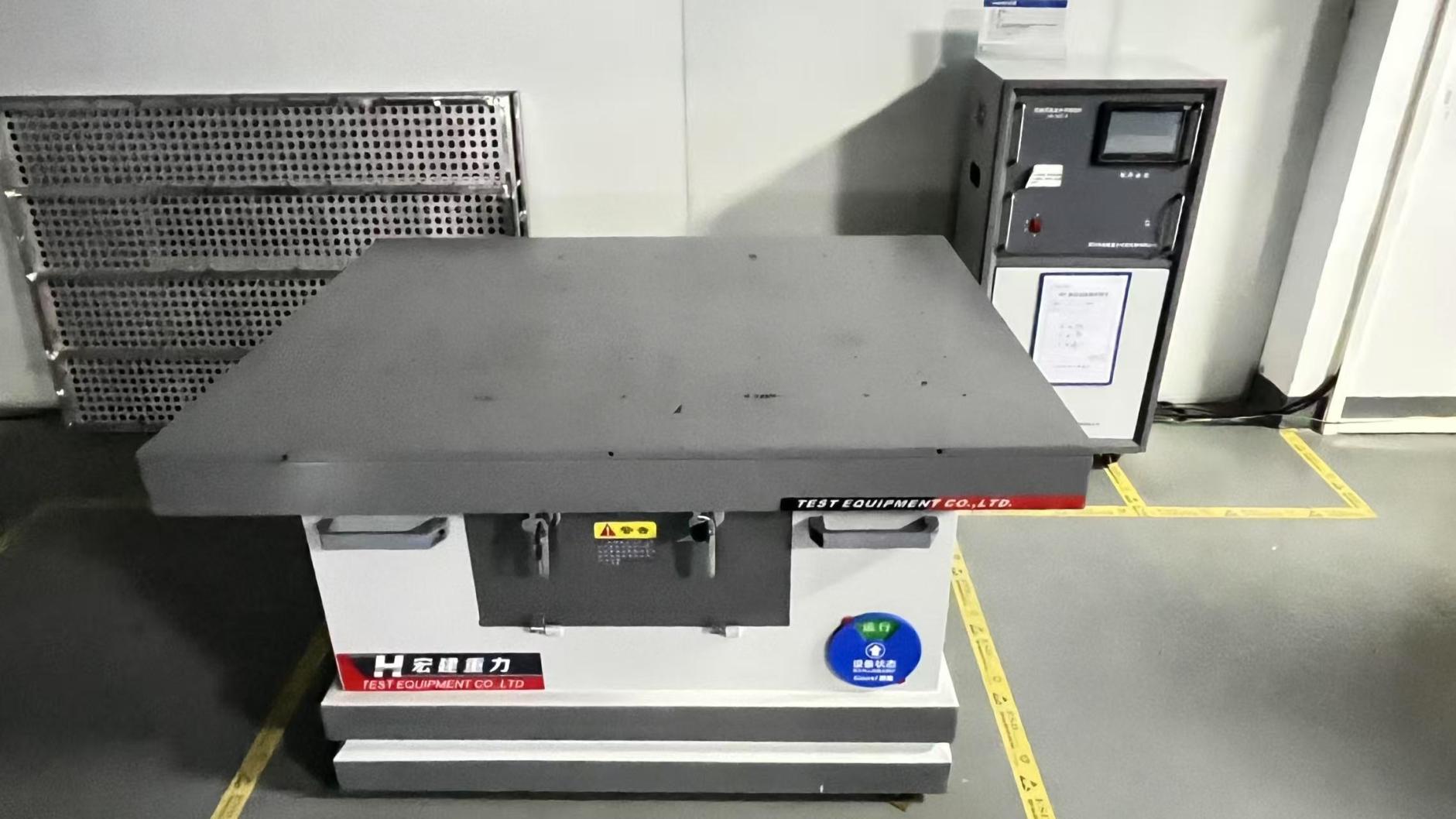
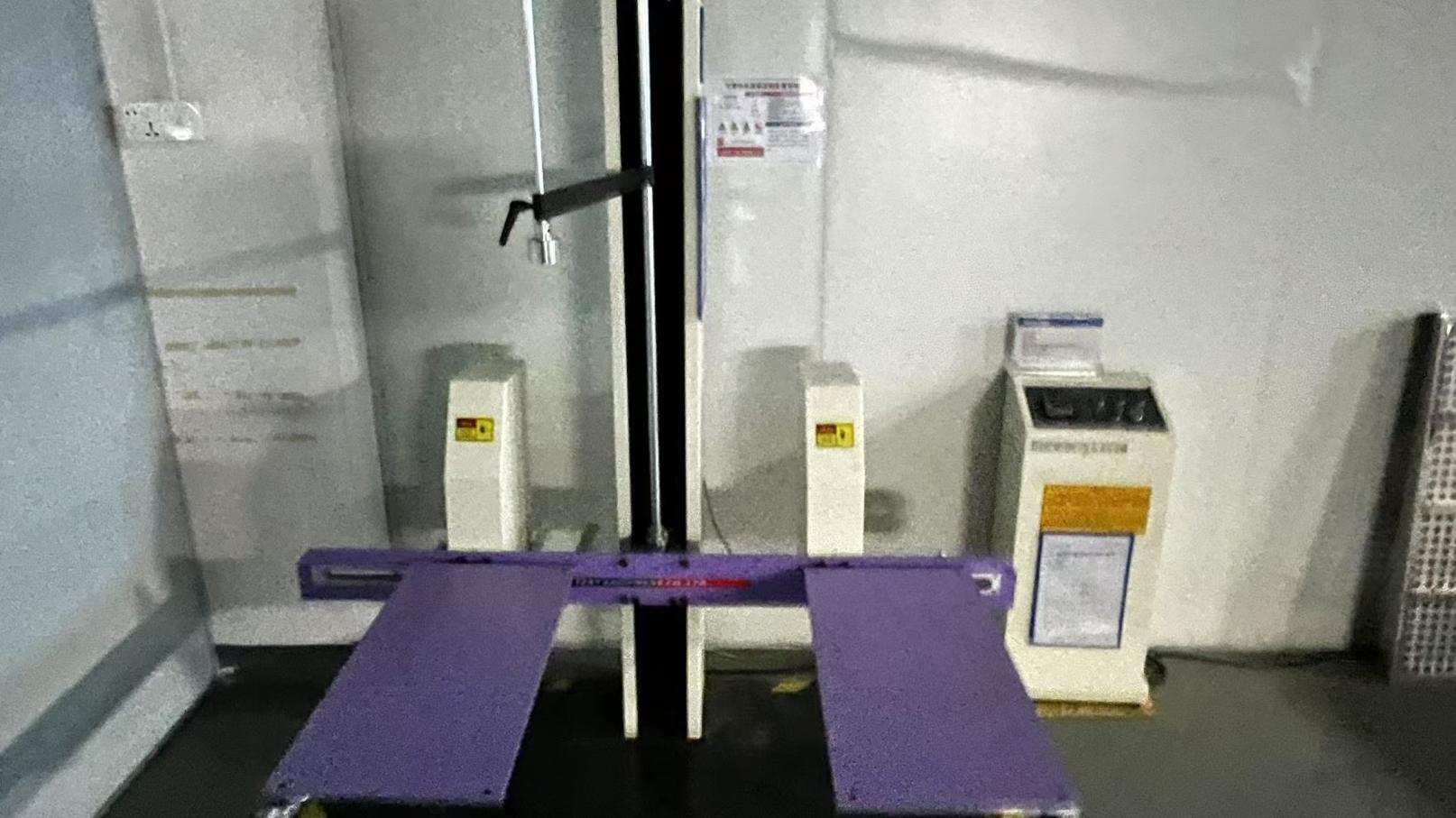
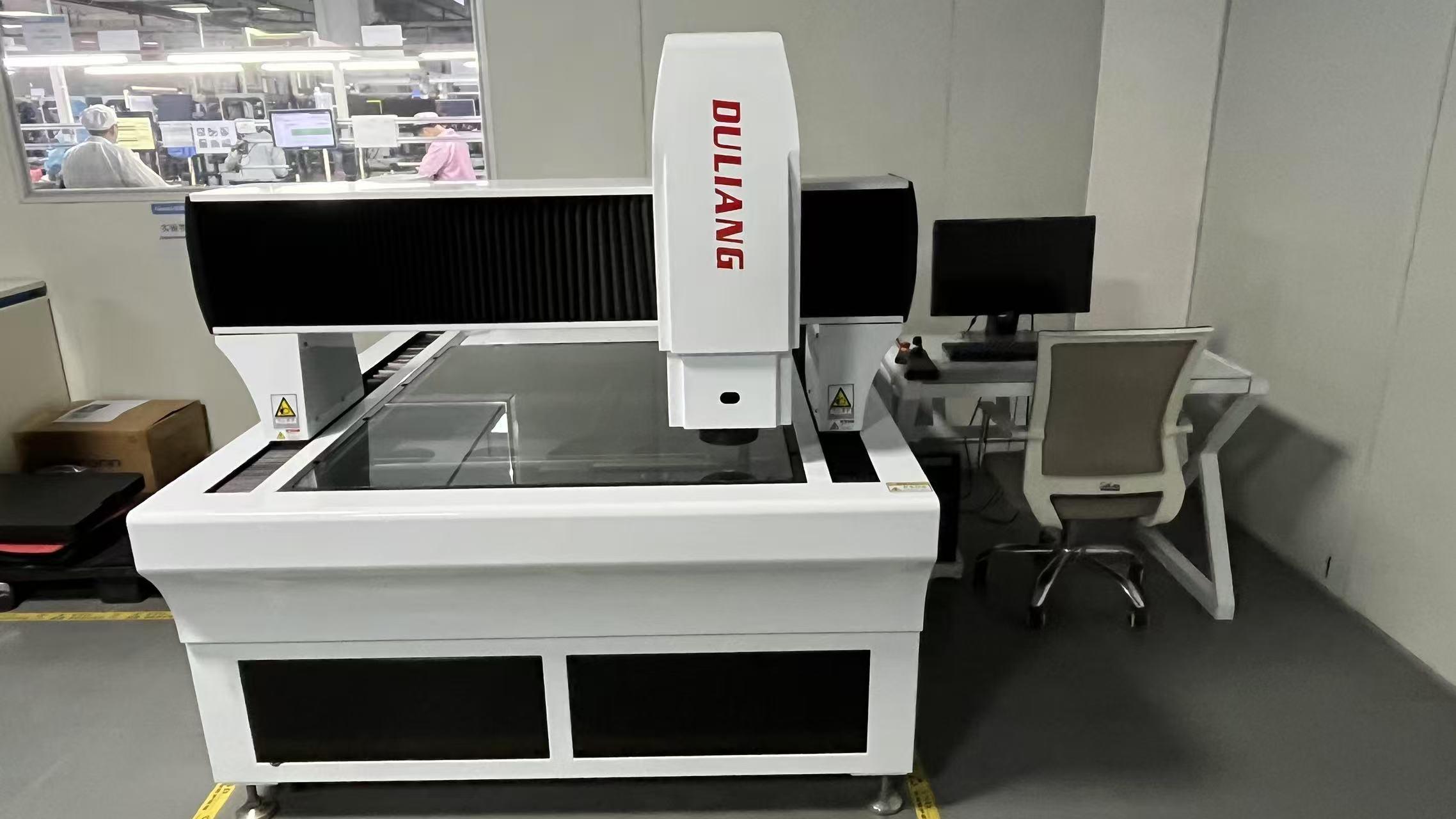

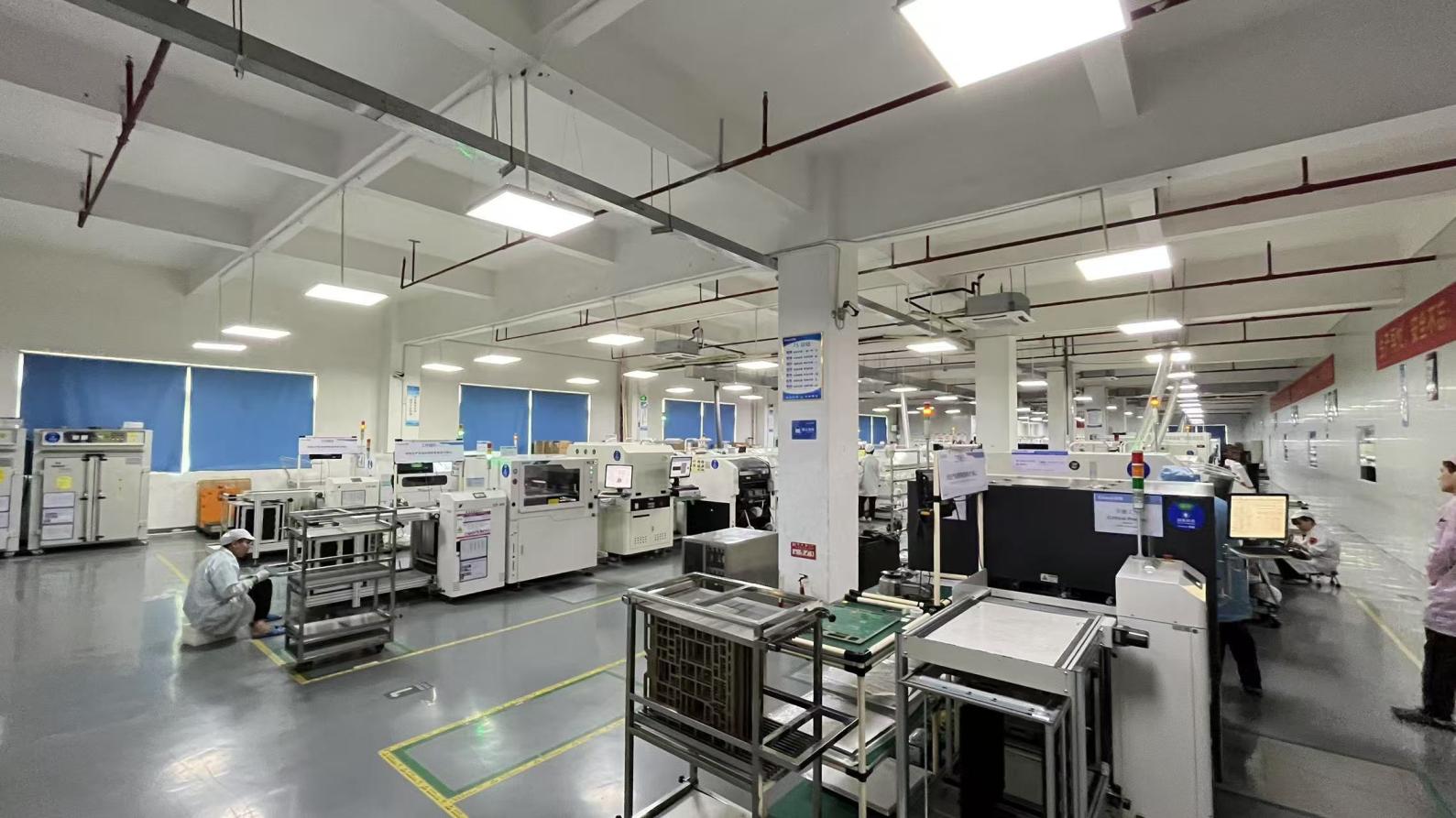

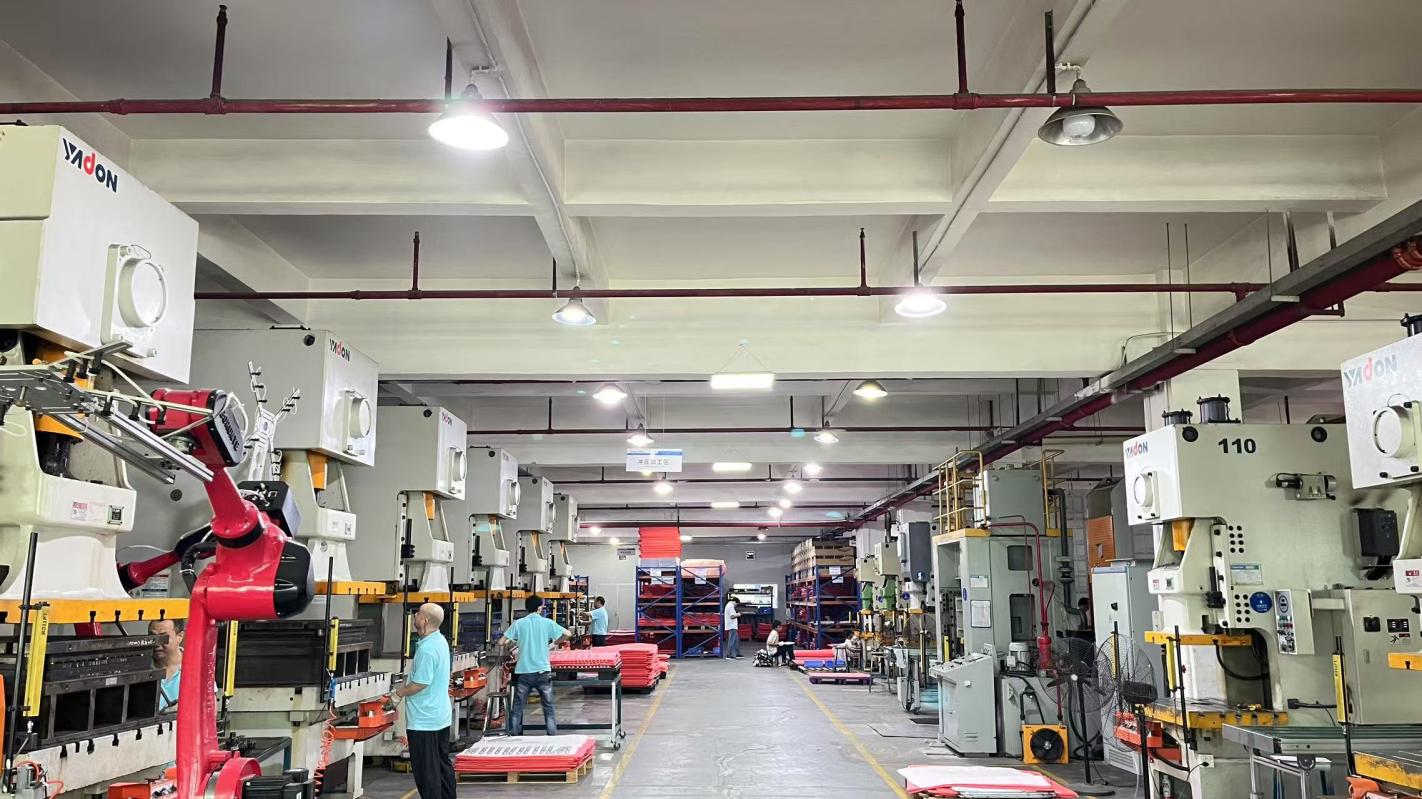
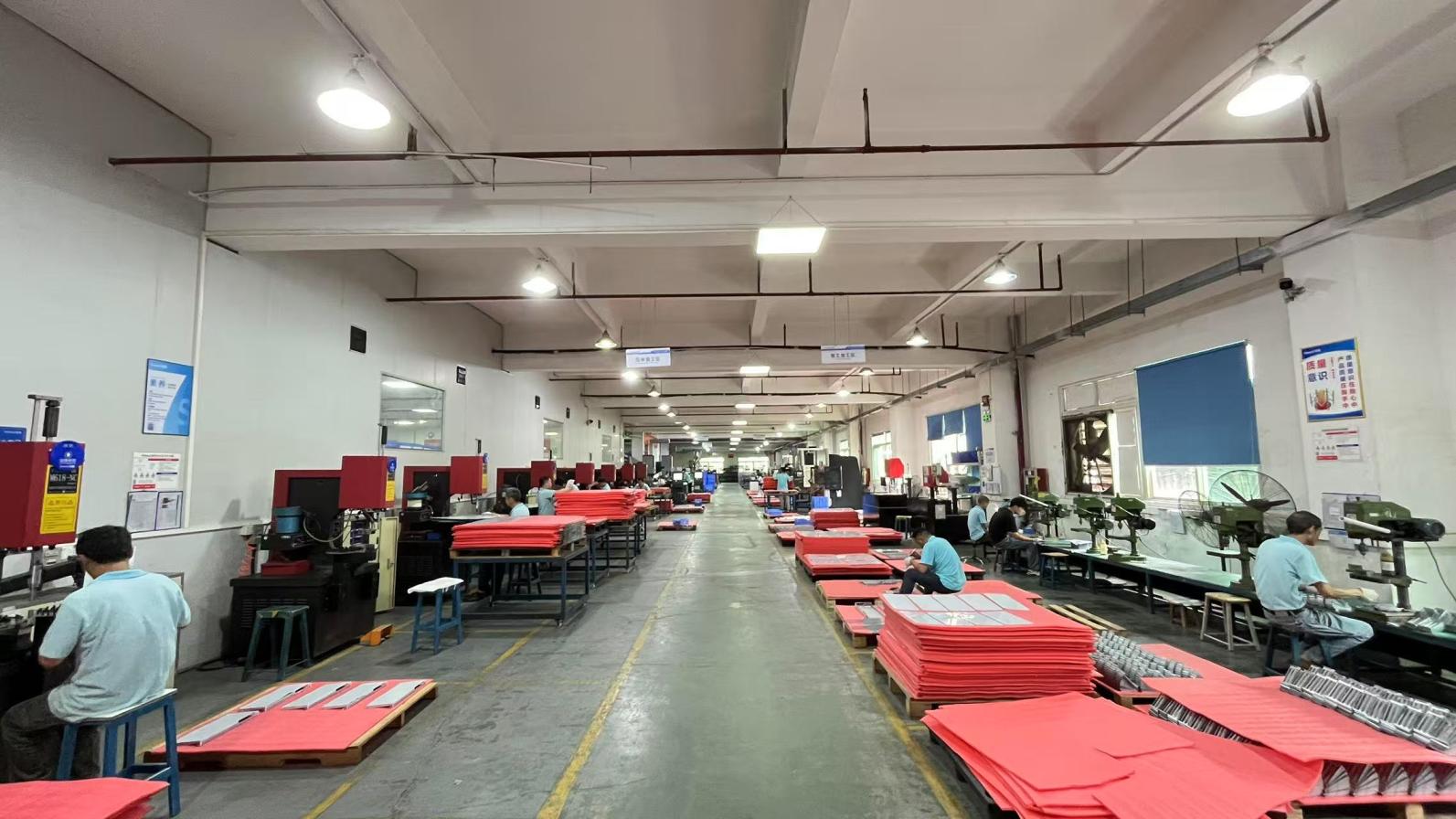
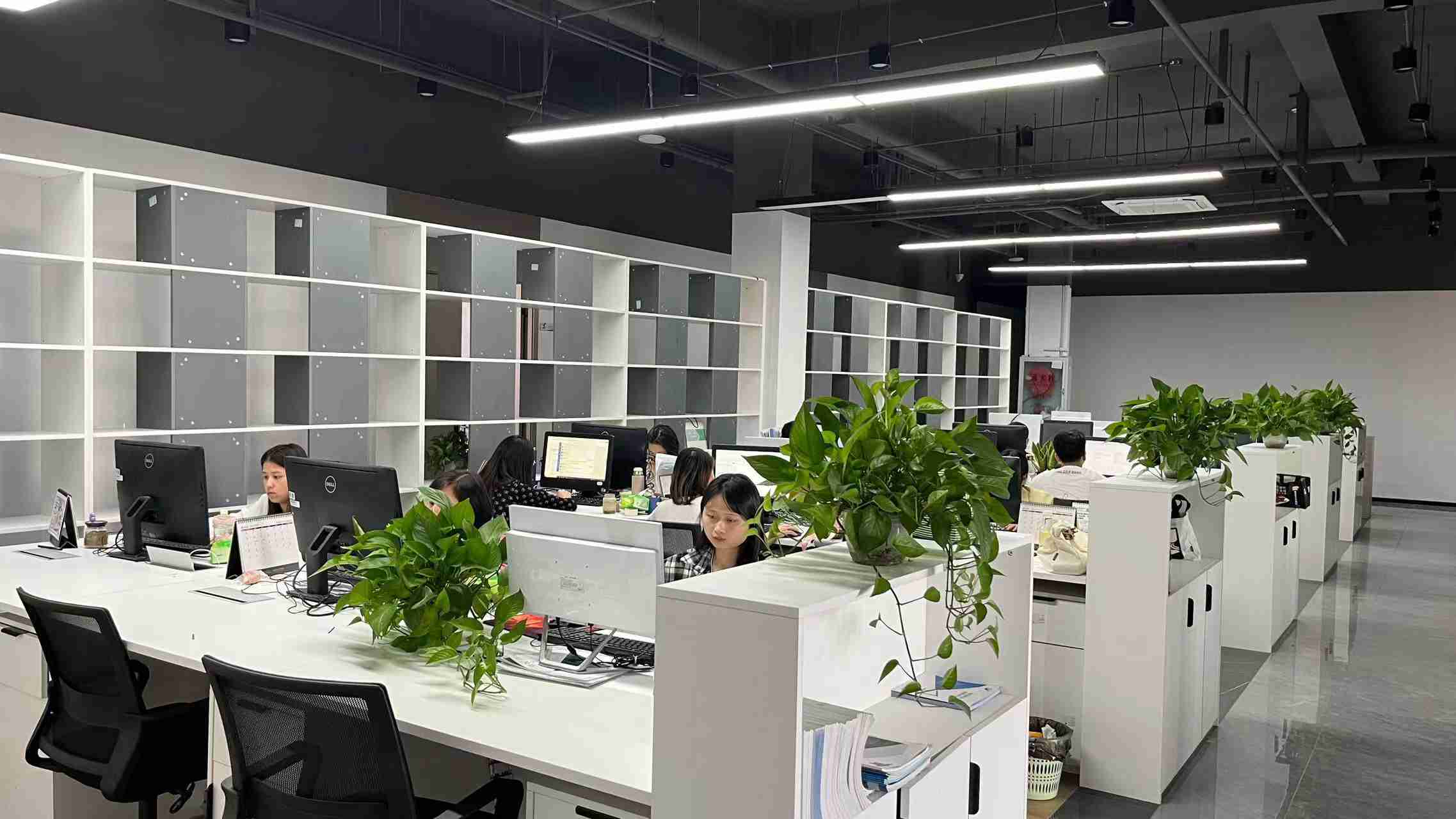
Data analytics infrastructure is not a one-size-fits-all product. Different economic sectors and regions demand tailored configurations to meet distinct local network properties, compliance policies, and power availability profiles.
In mature financial hubs, firms run high-frequency quantitative models, automated risk assessments, and real-time fraud mitigation. These applications require low latency and high bandwidth, relying on NVMe storage and fast processing units. High-frequency reads are handled by custom storage configurations, preventing bottlenecks. Security is also paramount, requiring hardware-level encryption (such as Intel SGX or AMD SEV) to comply with HIPAA and GDPR standards.
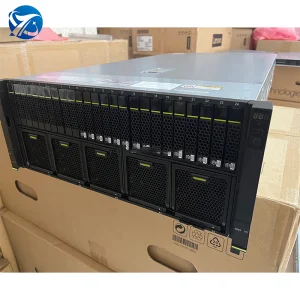
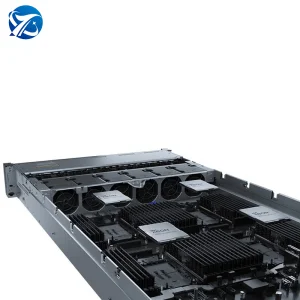
The rise of e-commerce across Southeast Asia requires massive parallel search engines that process user intent dynamically. Systems like the xFusion 2288H V6 or FusionServer series enable developers to deploy distributed search nodes. These nodes leverage vector embeddings to map buyer profiles to catalog offerings, accelerating personalized recommendations.
Industrial settings in the Middle East often deploy server configurations to model reservoir dynamics, optimize smart grids, and process seismic measurements. These workloads are characterized by massive data input streams and require high-density storage arrays that can operate reliably in harsh ambient environments. ZhiCloud AI's configurations, featuring advanced thermal designs and salt spray protection, are optimized for these operations.
As CPU core counts increase and GPU architectures evolve, enterprise hardware design must keep pace. ZhiCloud AI's design team focuses on several key technological trajectories:
Expert technical answers regarding server hardware customization, B2B procurement, and deployment configurations.
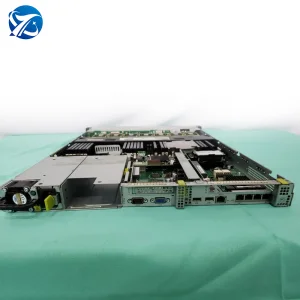
High-performance network hardware, AI processing units, and high-density rack servers optimized for modern analytics workloads.