ZhiCloud AI
ZhiCloud AI
ZhiCloud AI
The global paradigm of Unified Communications (UC) and Unified Communications as a Service (UCaaS) has shifted from simple legacy telephony structures to high-density, AI-enabled cloud infrastructure. As voice, video conferencing, real-time translations, and collaborative tools merge, the demand on computing resources has grown exponentially.
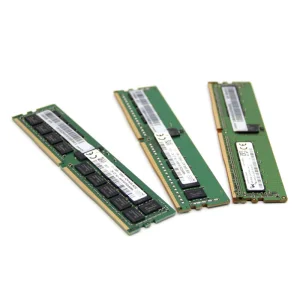
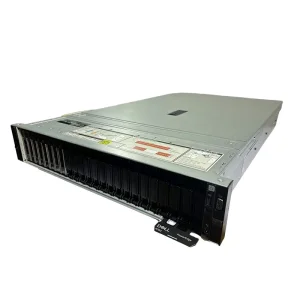
Modern UC deployments require backend compute clusters capable of handling heavy DSP (Digital Signal Processing) loops, low-latency audio packet delivery, real-time AI noise suppression, and secure multi-tenant cloud operations. Behind every global service level agreement (SLA) for enterprise communication tools lies robust, high-performance hardware—specifically advanced rack servers, GPU acceleration boards, secure SSD configurations, and hyper-reliable ECC memory.
Enterprise voice-over-IP and video conferencing require specialized hardware optimization:
Sourcing server hardware and computing nodes for Unified Communications platforms requires a delicate balance of cost, reliability, and component availability. Shenzhen, China, remains the epicenter of the global ICT (Information and Communications Technology) supply chain. The region's integrated manufacturing ecosystem offers distinct structural advantages:
Immediate access to semiconductors, PCB fabrication, and raw metal stamping reduces lead times from months to weeks.
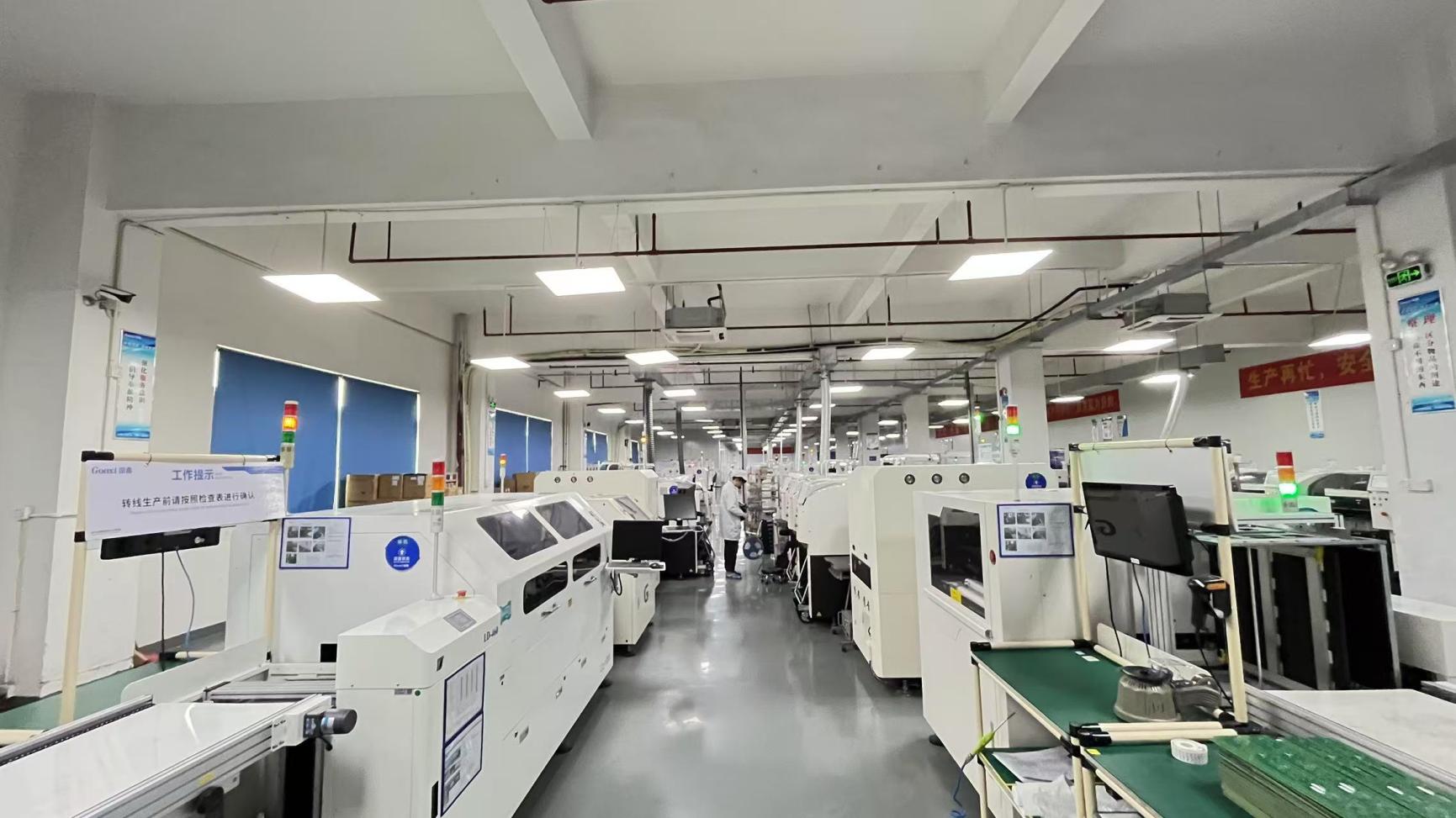
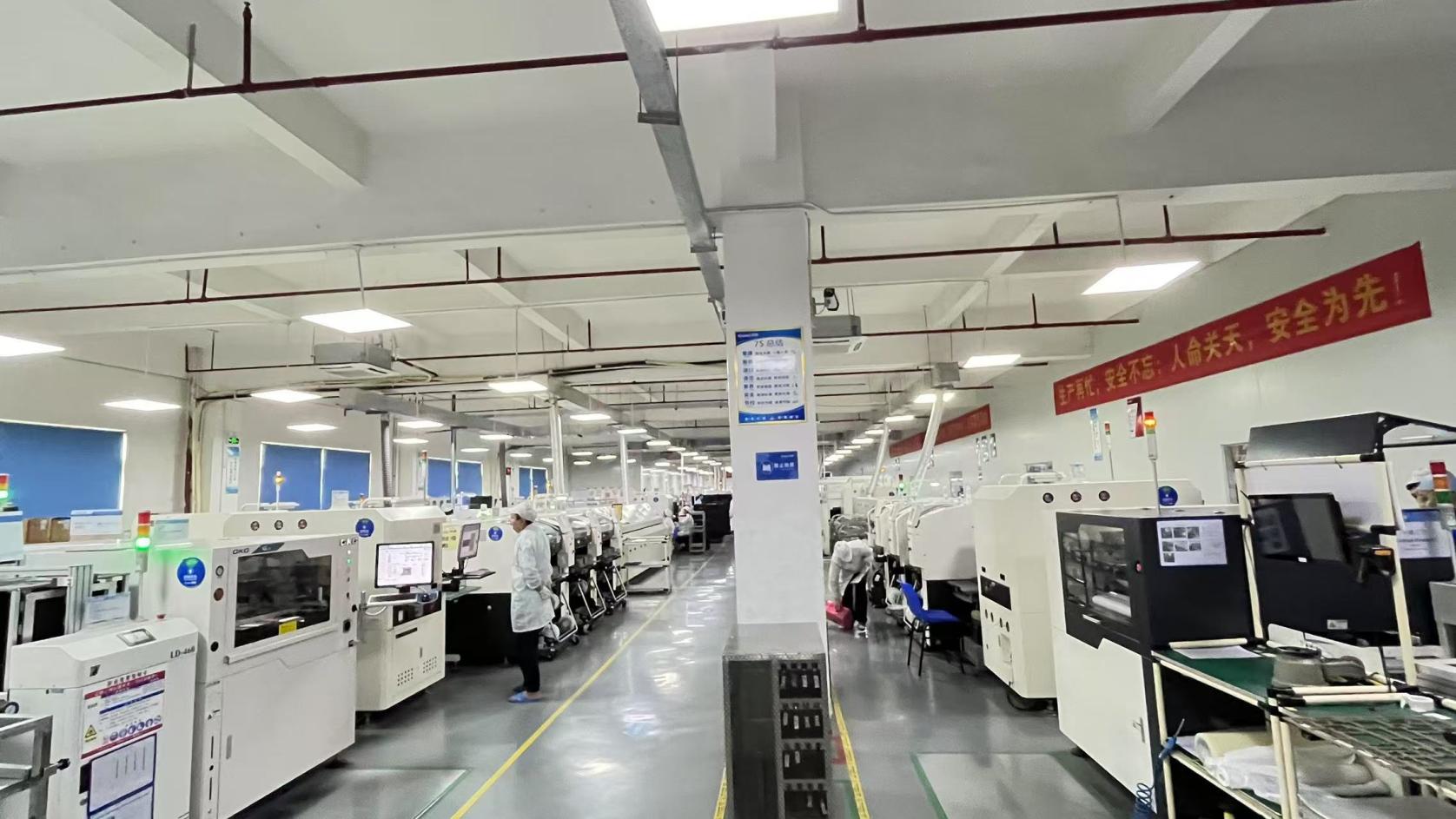
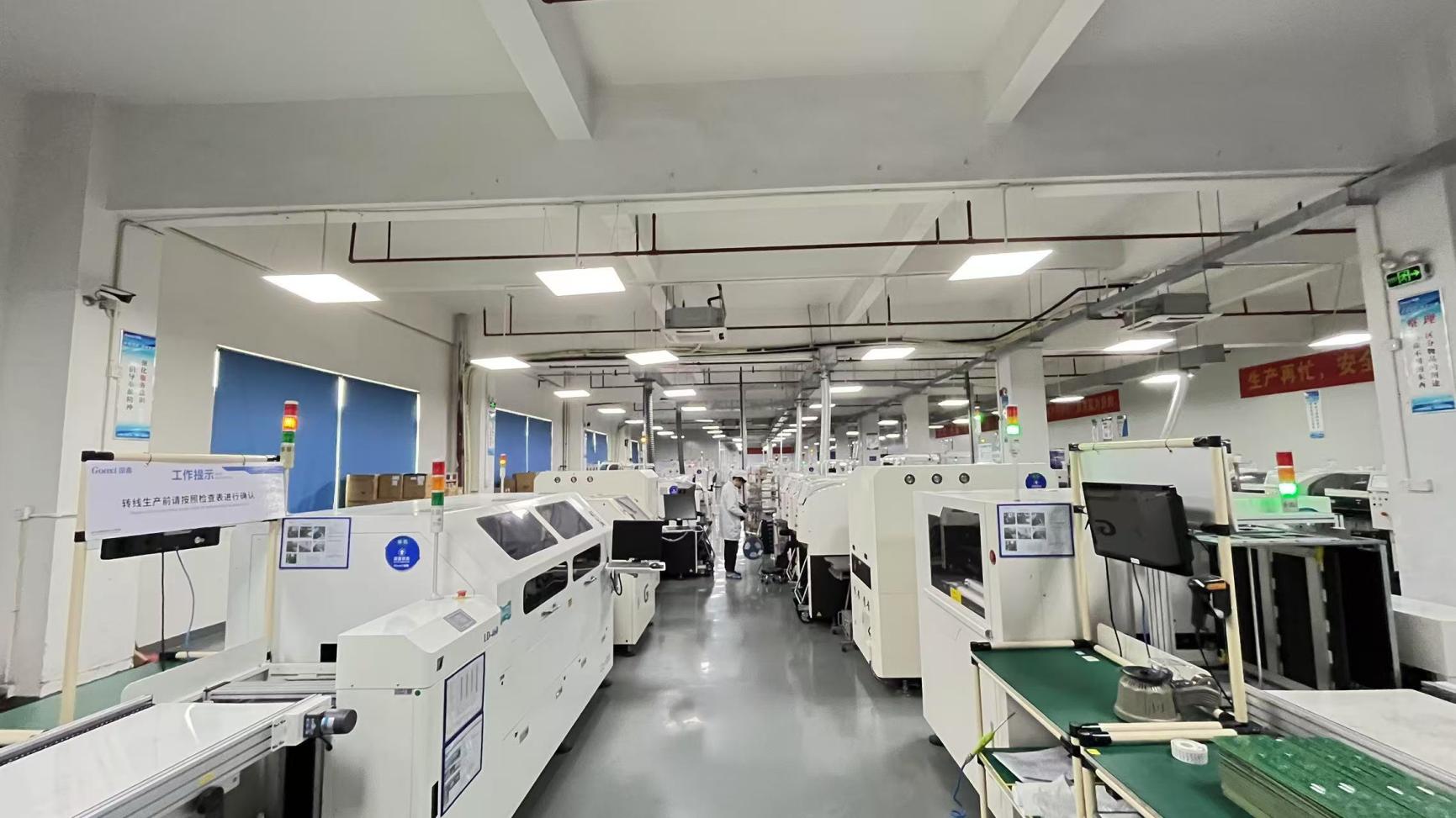
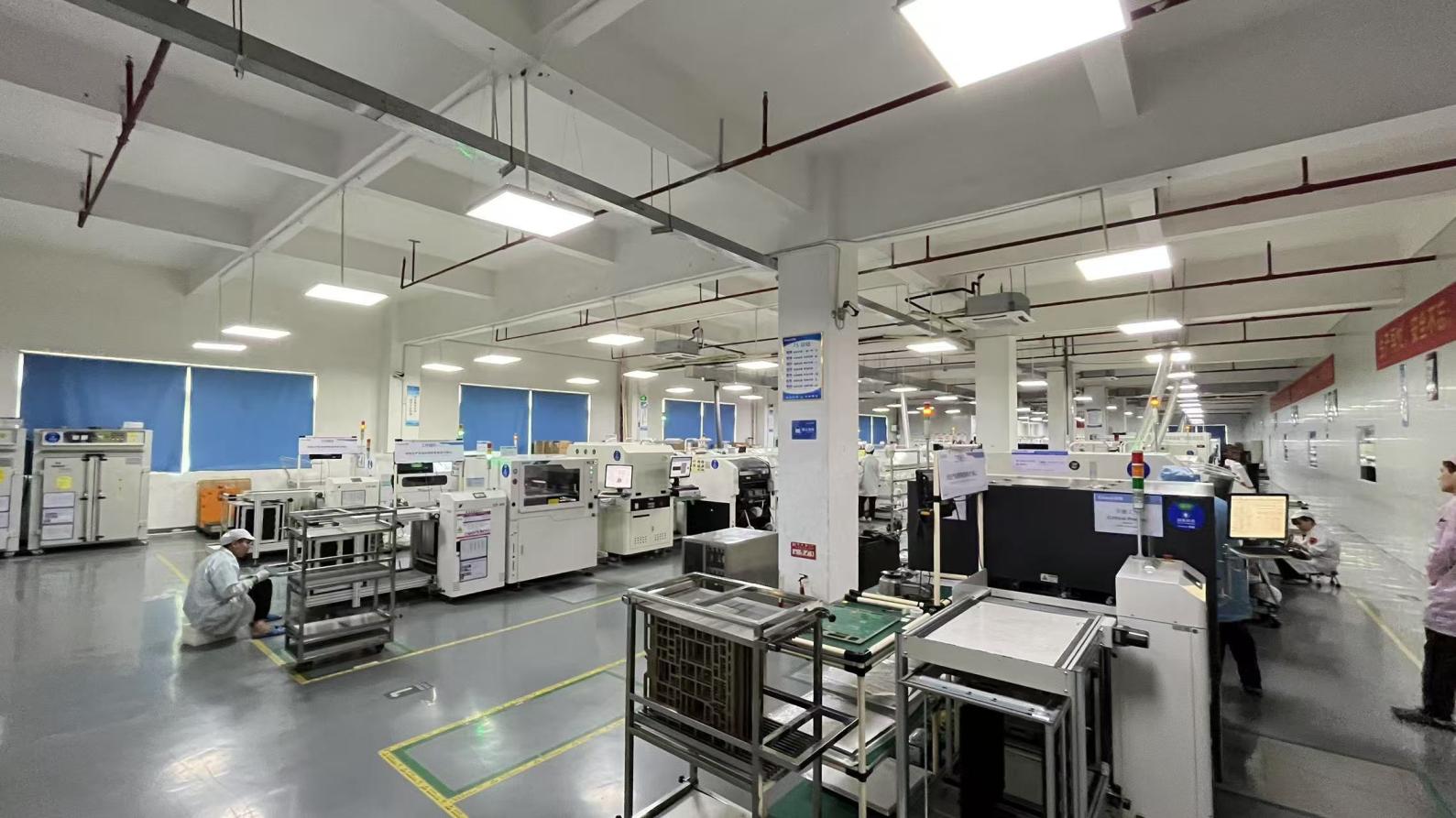
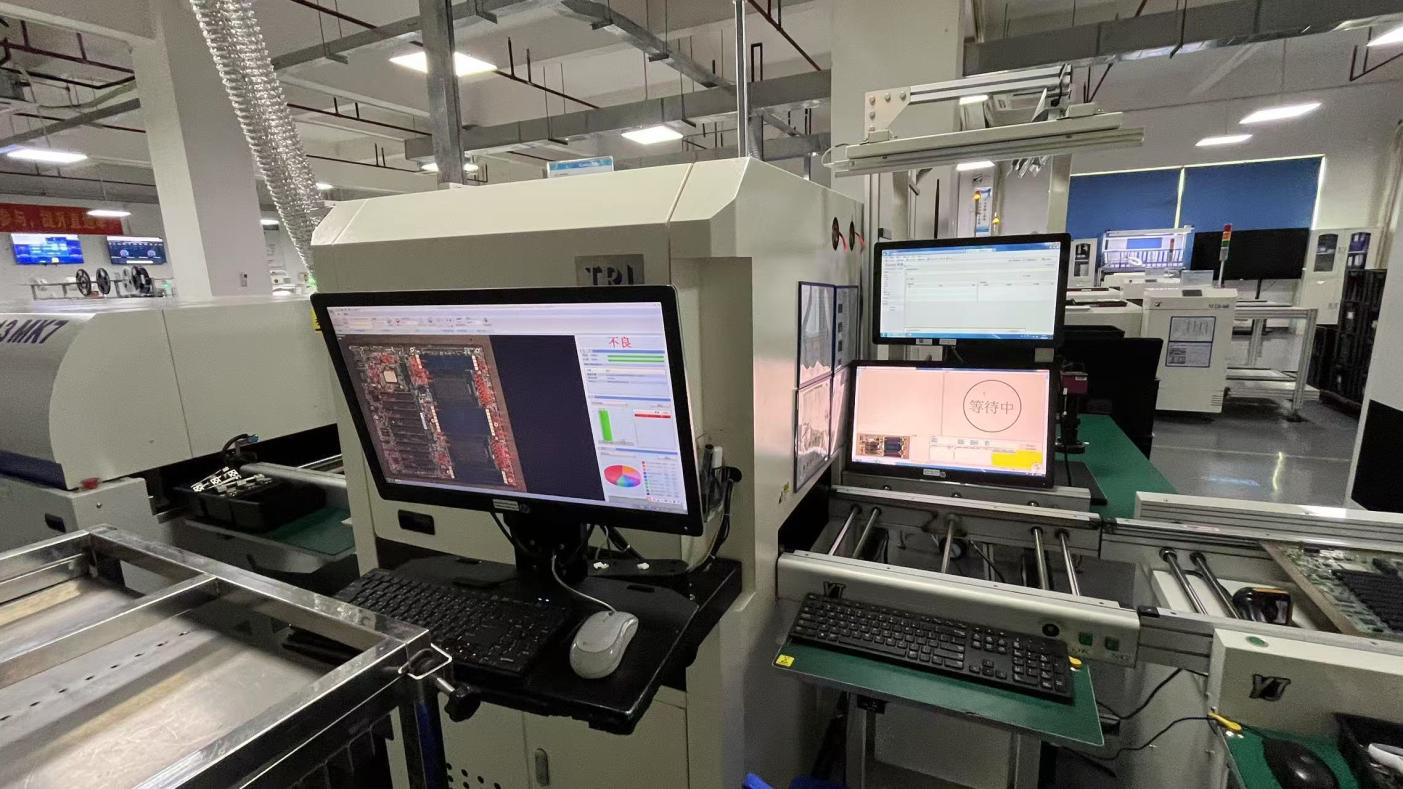
State-of-the-art Surface Mount Technology (SMT) lines deliver high-precision memory assembly and motherboards with low defect rates.
Whether deploying private cloud architectures for medical teleconsultation or global SaaS voice platforms, scaling capacities is structurally streamlined.
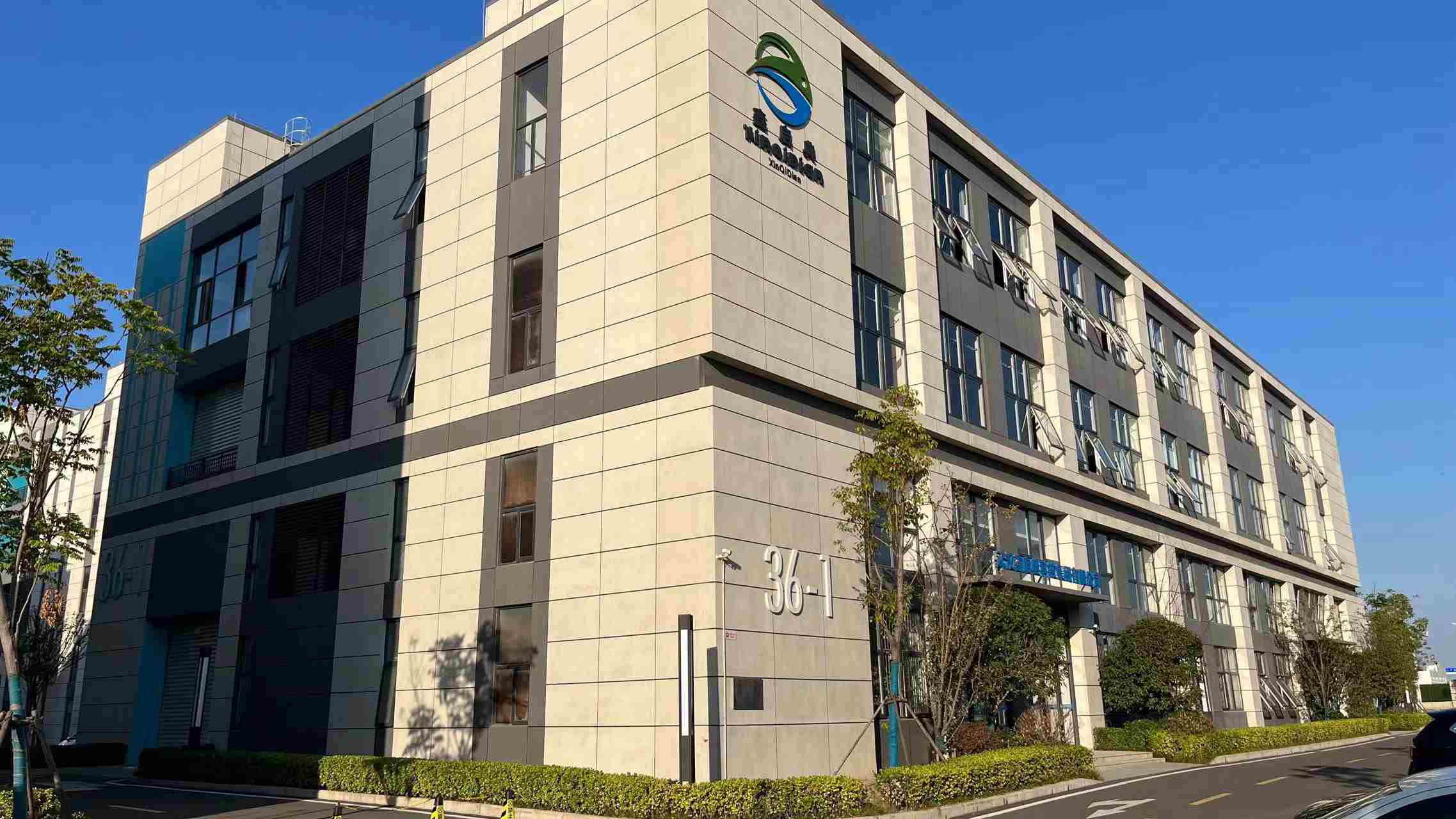
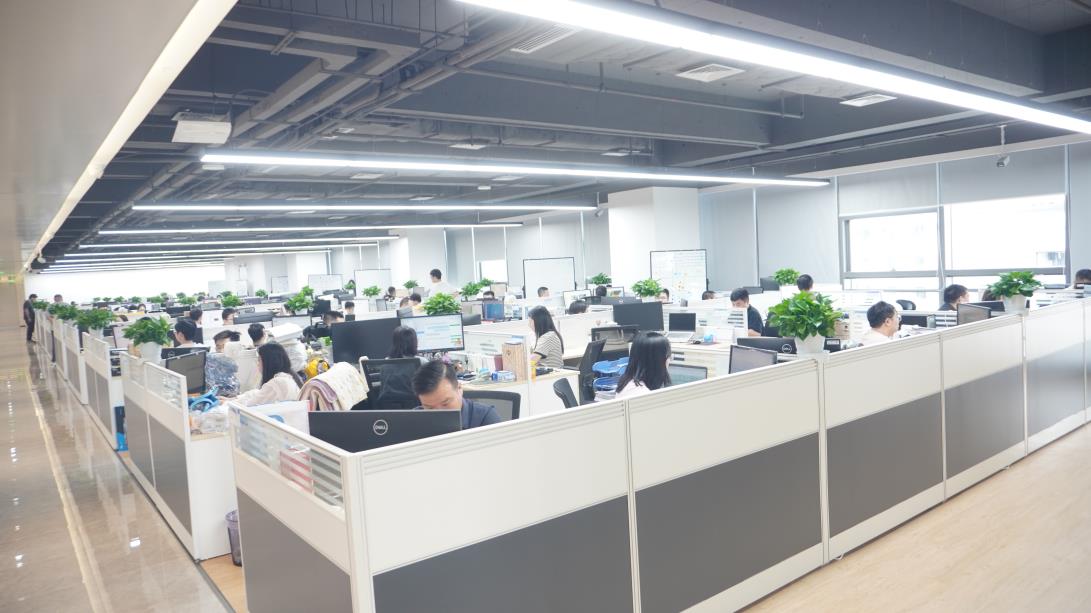
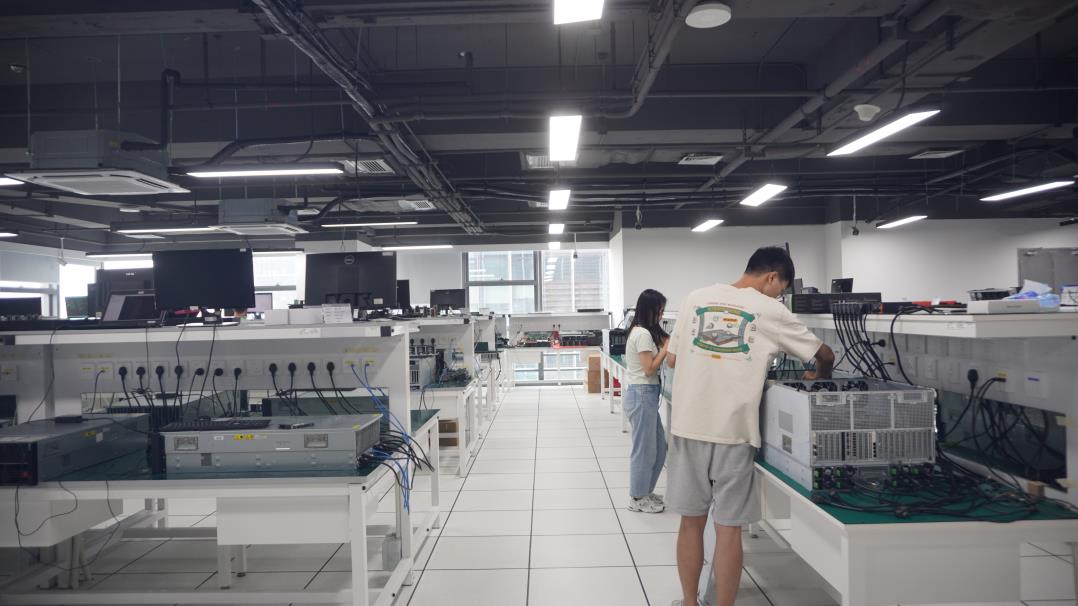
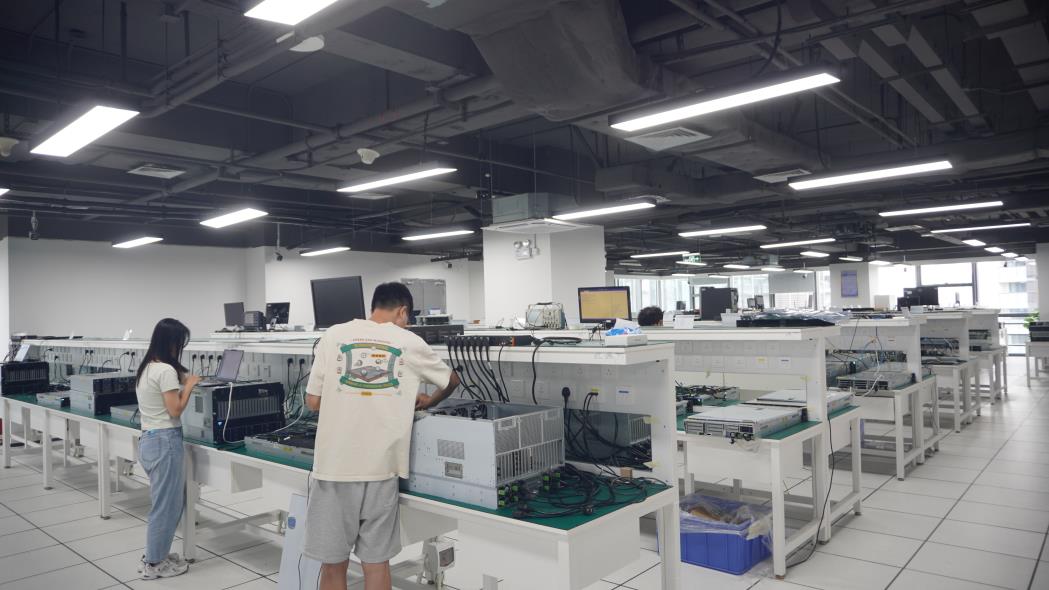
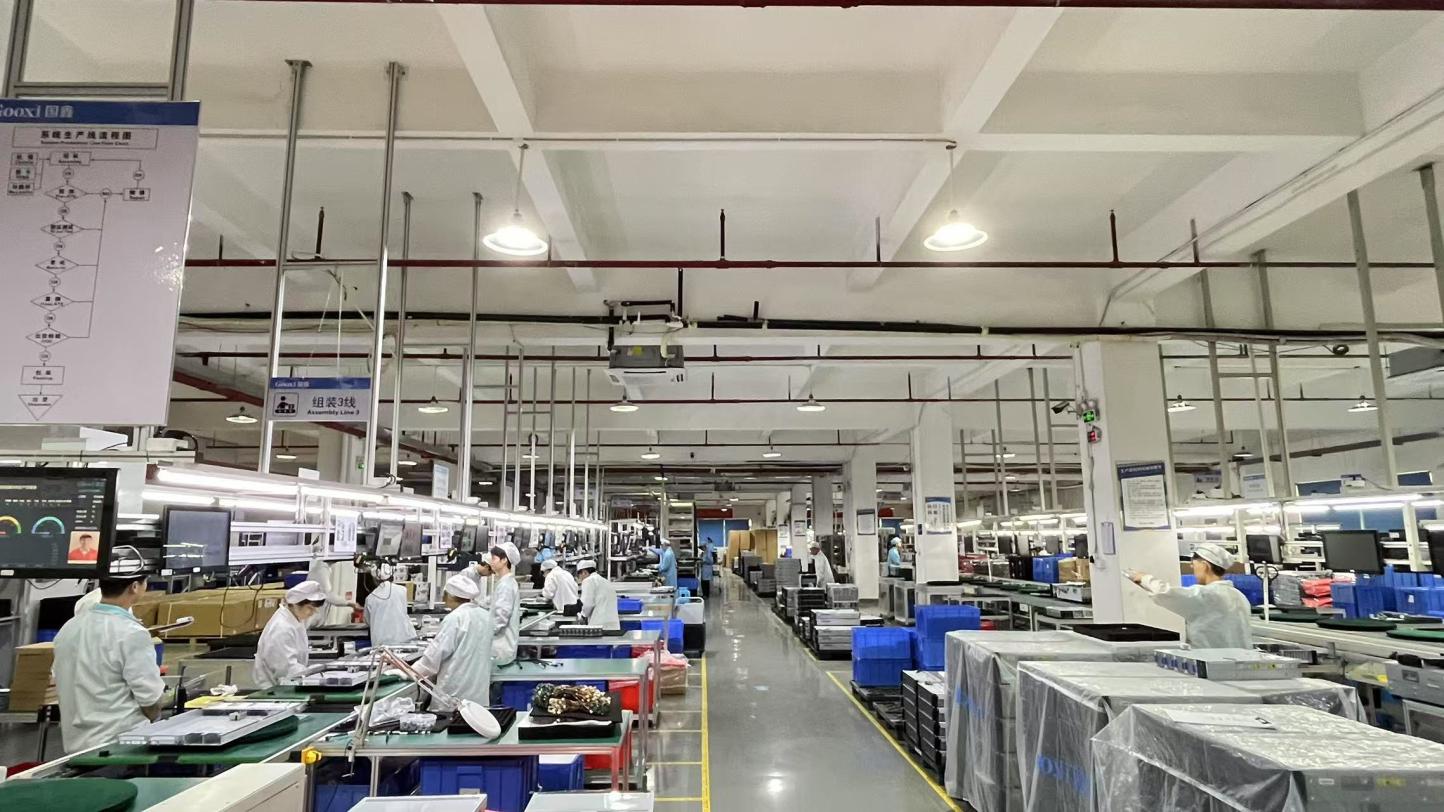
Established in 2016, ZhiCloud AI has carved a niche as a high-performance server manufacturer and system integration specialist. Operating out of a modernized facility equipped with multi-stage testing bays, ZhiCloud AI supports global B2B ICT infrastructure needs.
The company specializes in providing custom-configured GPU server configurations and compute nodes essential for modern high-load communications systems. Backed by 11 years of engineering expertise and 7 years of global trade and export experience, ZhiCloud AI ensures that critical elements like thermal stress optimization, RAM density, and reliable data throughput meet the requirements of today's Unified Communications vendors.
From processing high-density video signals to routing data over secure private networks, ZhiCloud AI designs server platforms for enterprise workloads that require stable, high-availability architecture.
As data protection regulations become increasingly strict worldwide, enterprise UC environments must adhere to precise national guidelines. Hardware configuration plays a critical role in satisfying legal and performance-based localization frameworks:
Global SaaS tools must store and process localized client data within defined geographic boundaries. System administrators and cloud operators rely on designated regional datacenters. ZhiCloud AI offers customized storage and computing configurations, including dedicated NVMe storage tiers, multi-core server nodes, and RAID controllers to guarantee strict hardware-level data isolation, reliable local processing, and redundant encryption keys.
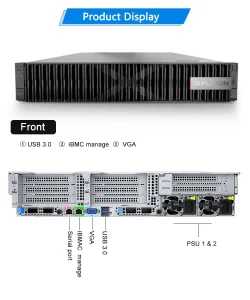
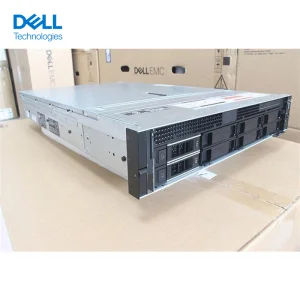
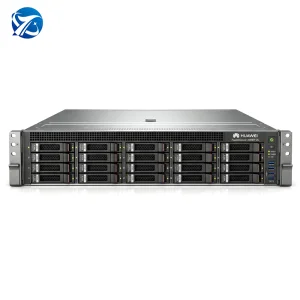
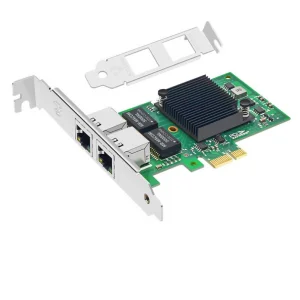
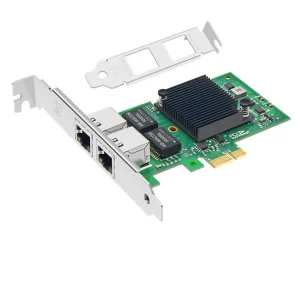
Real-time collaboration tools fail if latency exceeds 150ms. Deploying localized edge compute nodes powered by high-performance 1U and 2U rack servers closer to the end-users prevents packet drop and audio jitter. Utilizing stable network interface cards (NICs) and processing components ensures smooth traffic delivery under heavy enterprise data loads.
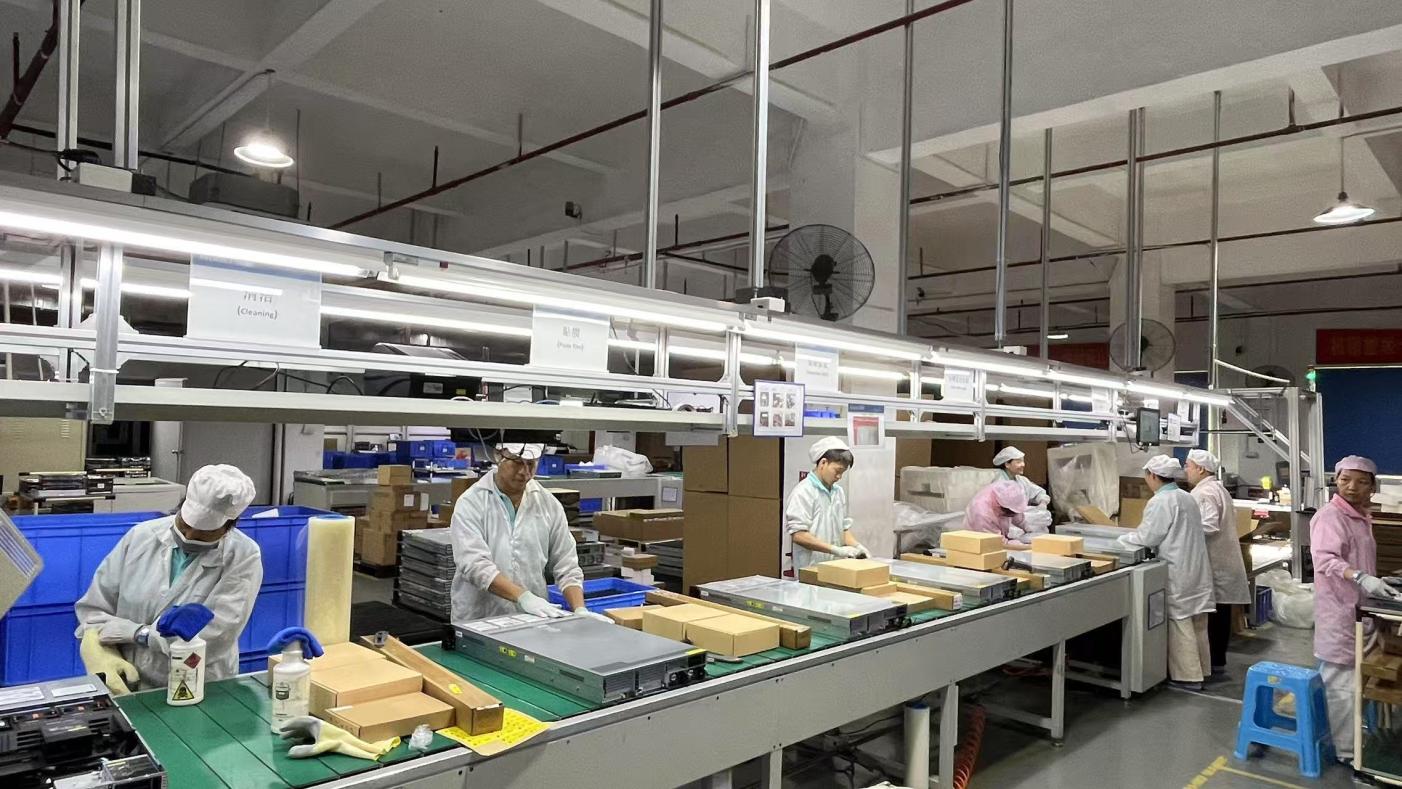
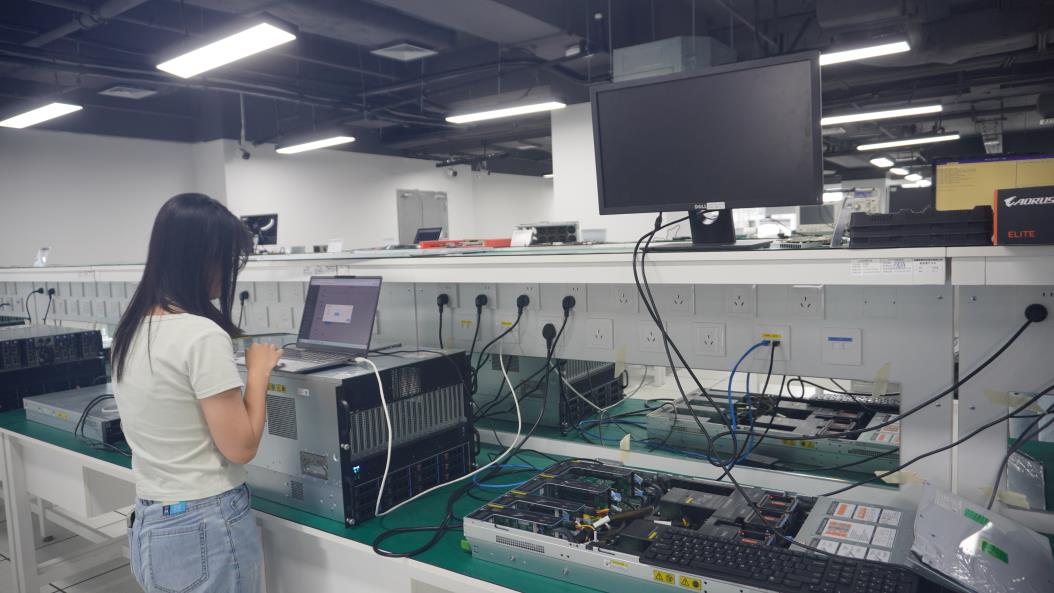
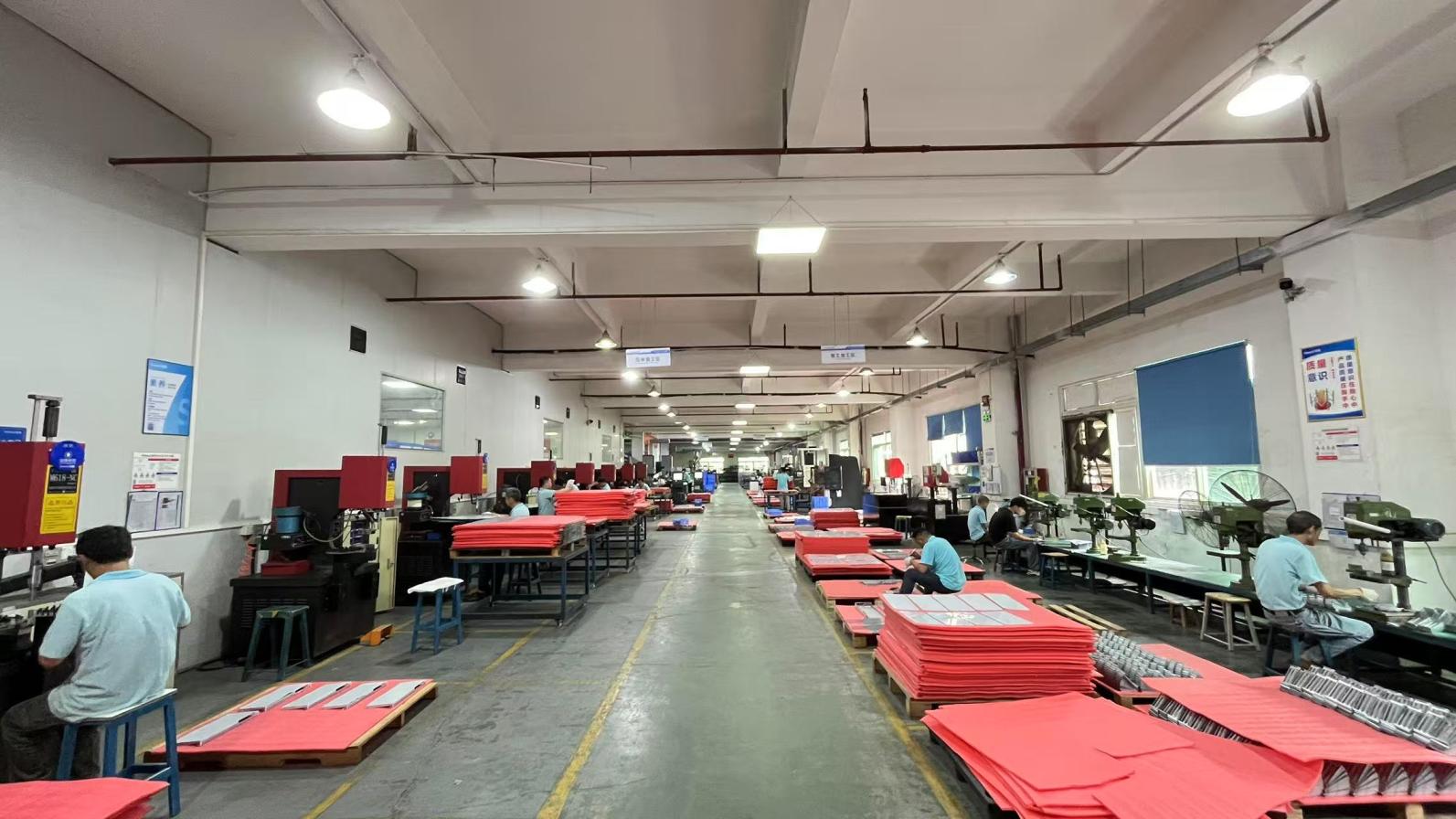
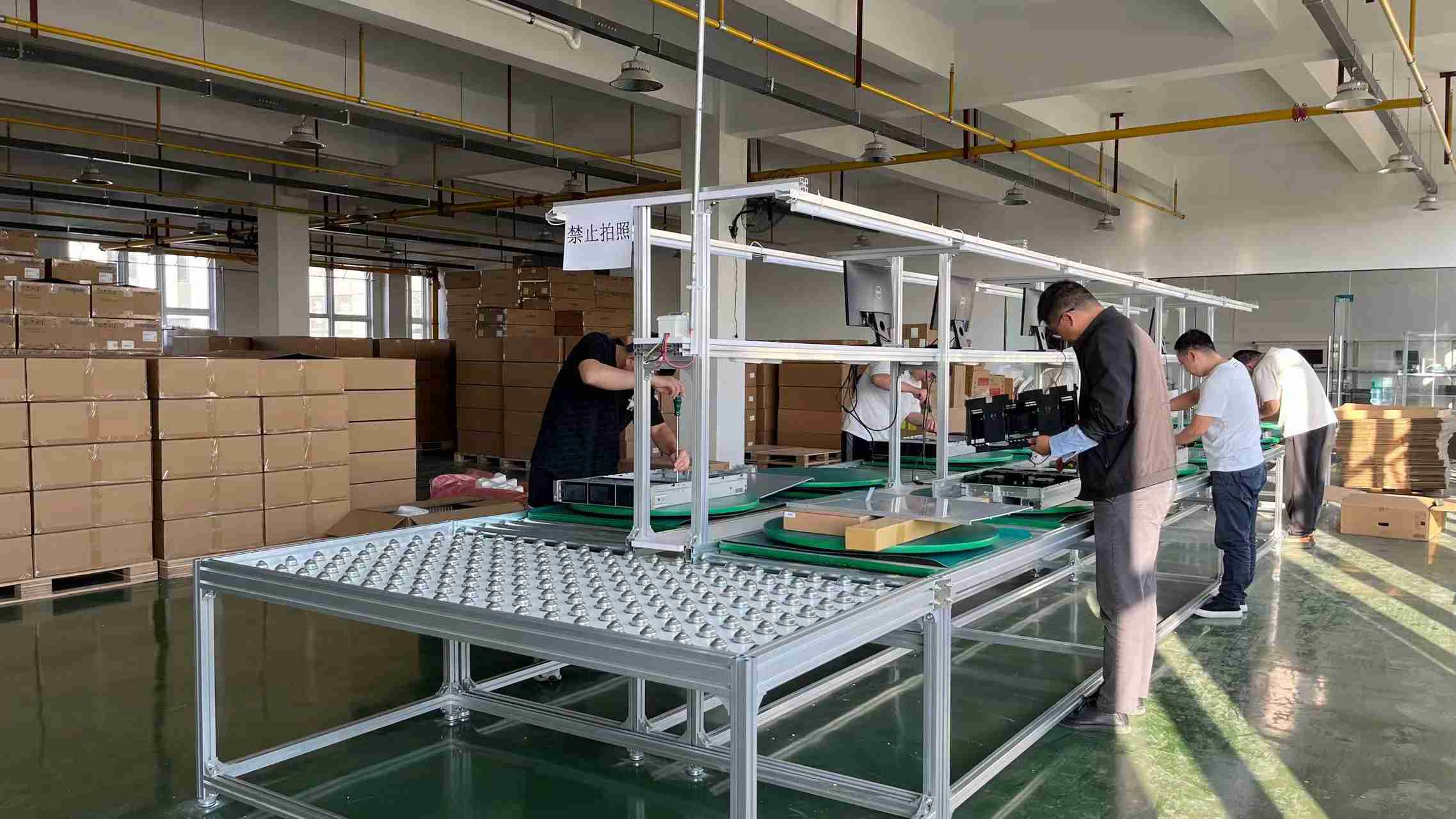
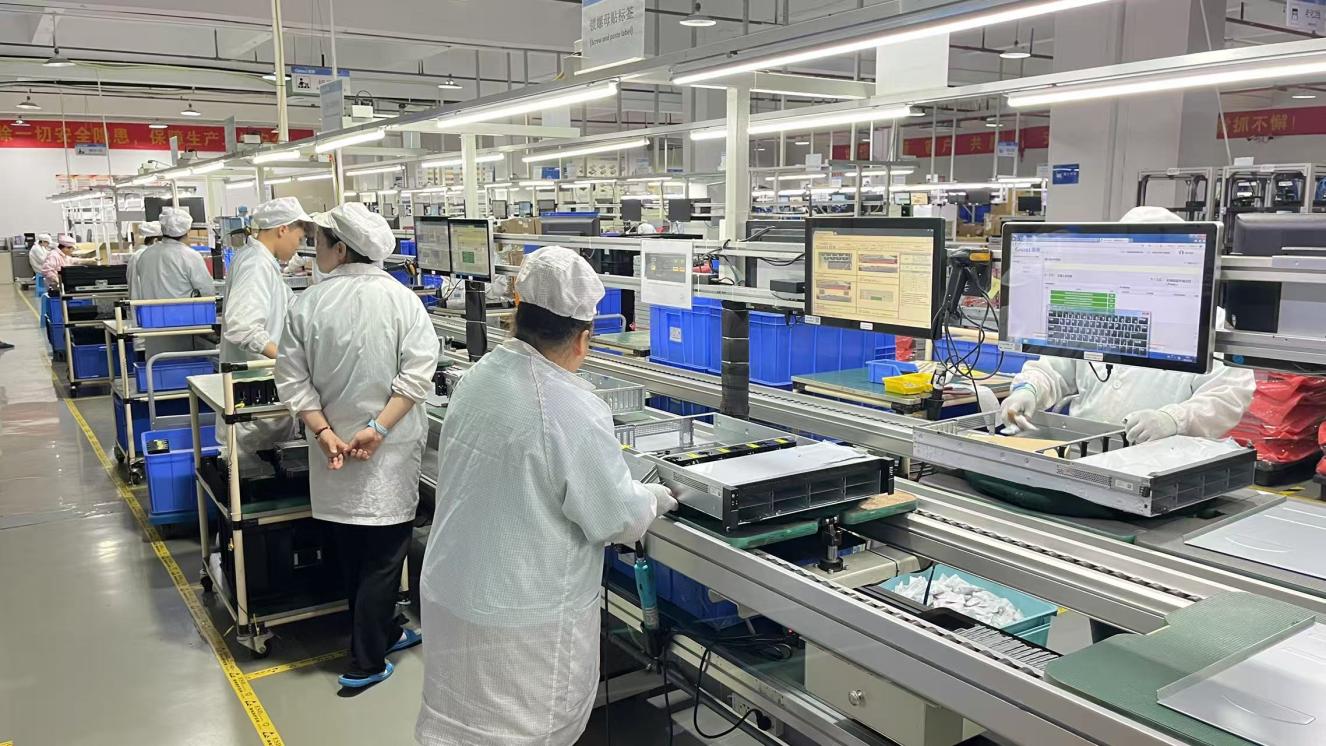
To ensure maximum stability for mission-critical enterprise systems, every system integration goes through strict engineering validations. Here is a step-by-step look at our SMT line, assembly steps, and rigorous stress testing protocols.
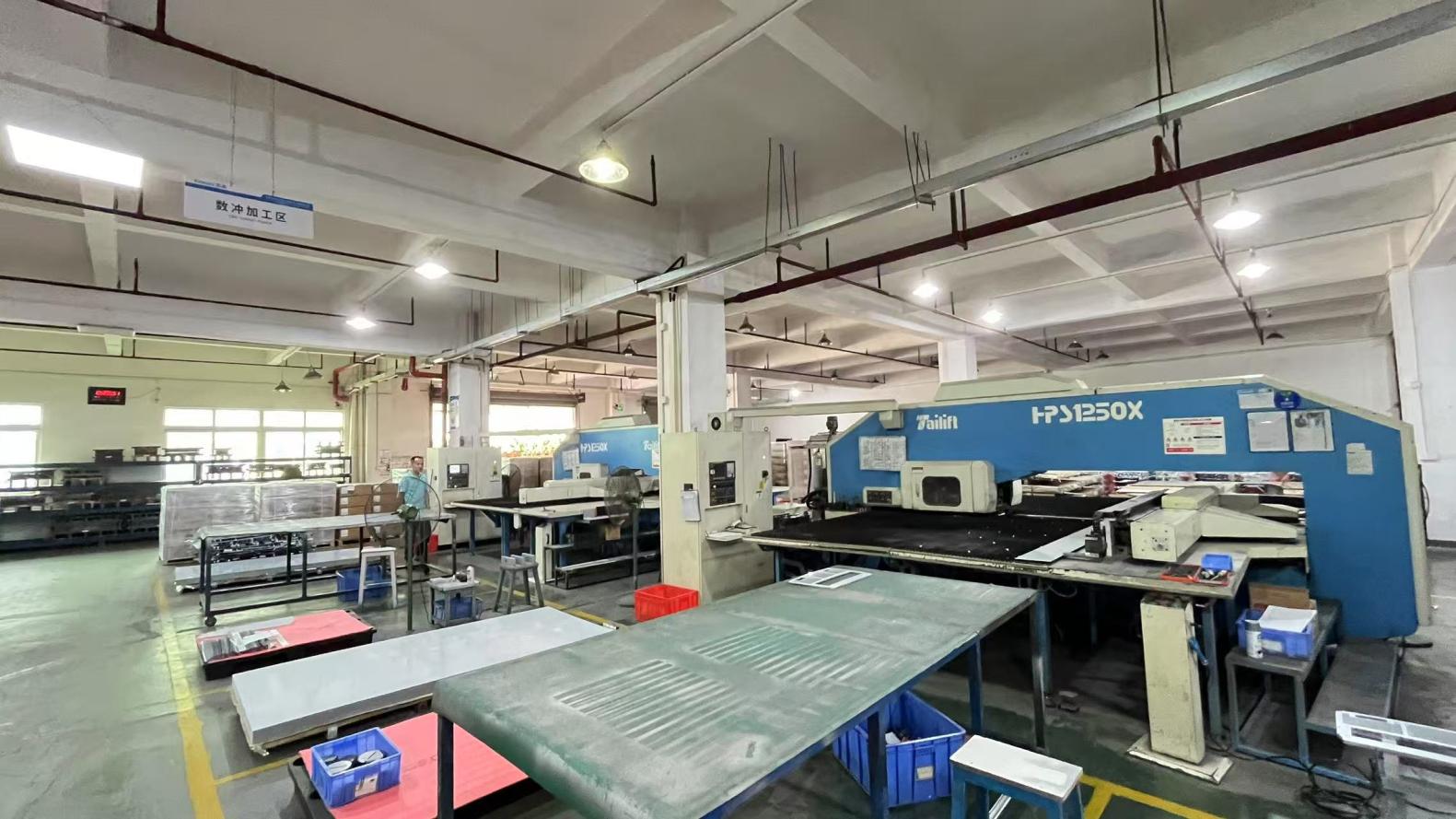
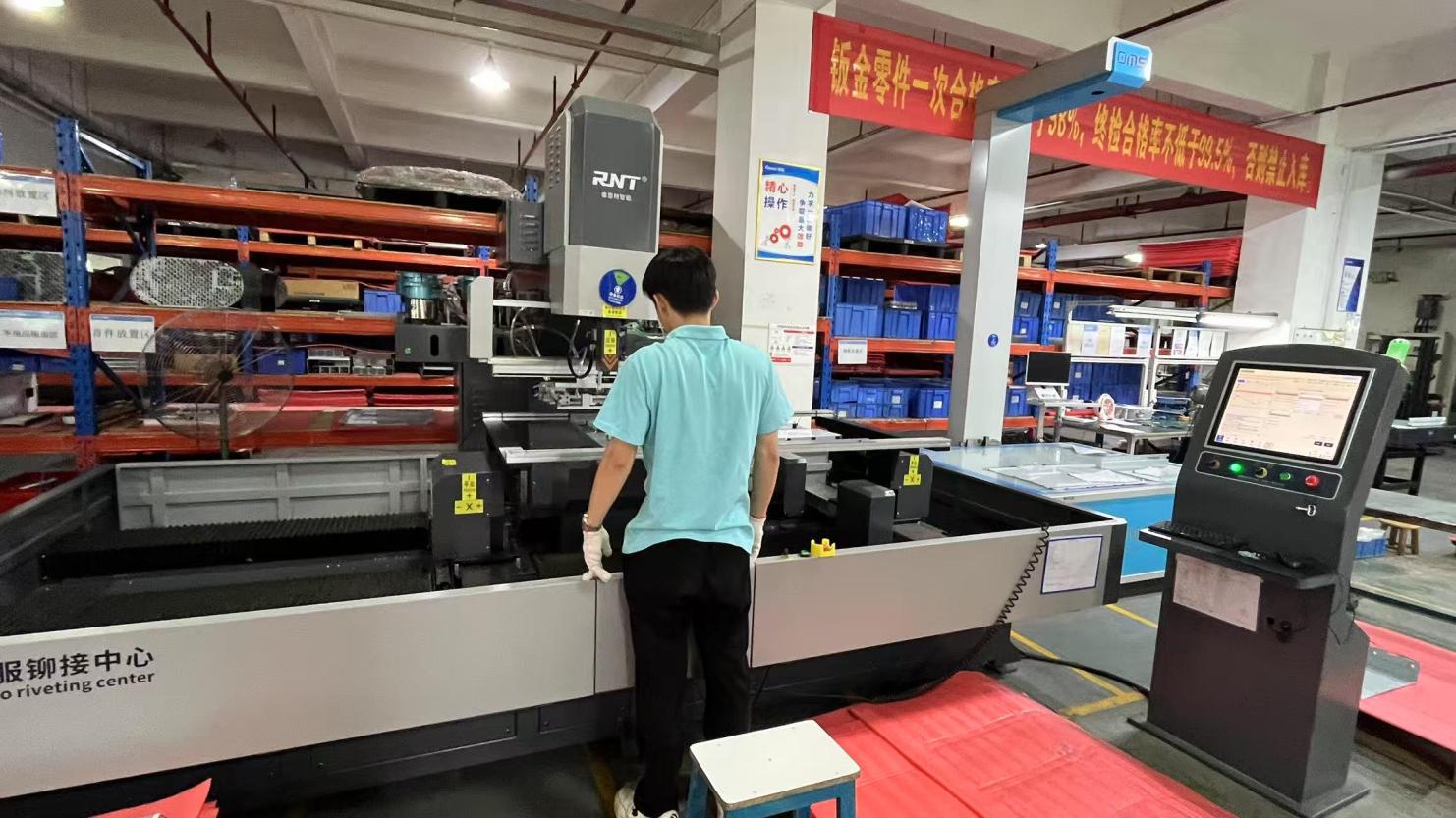
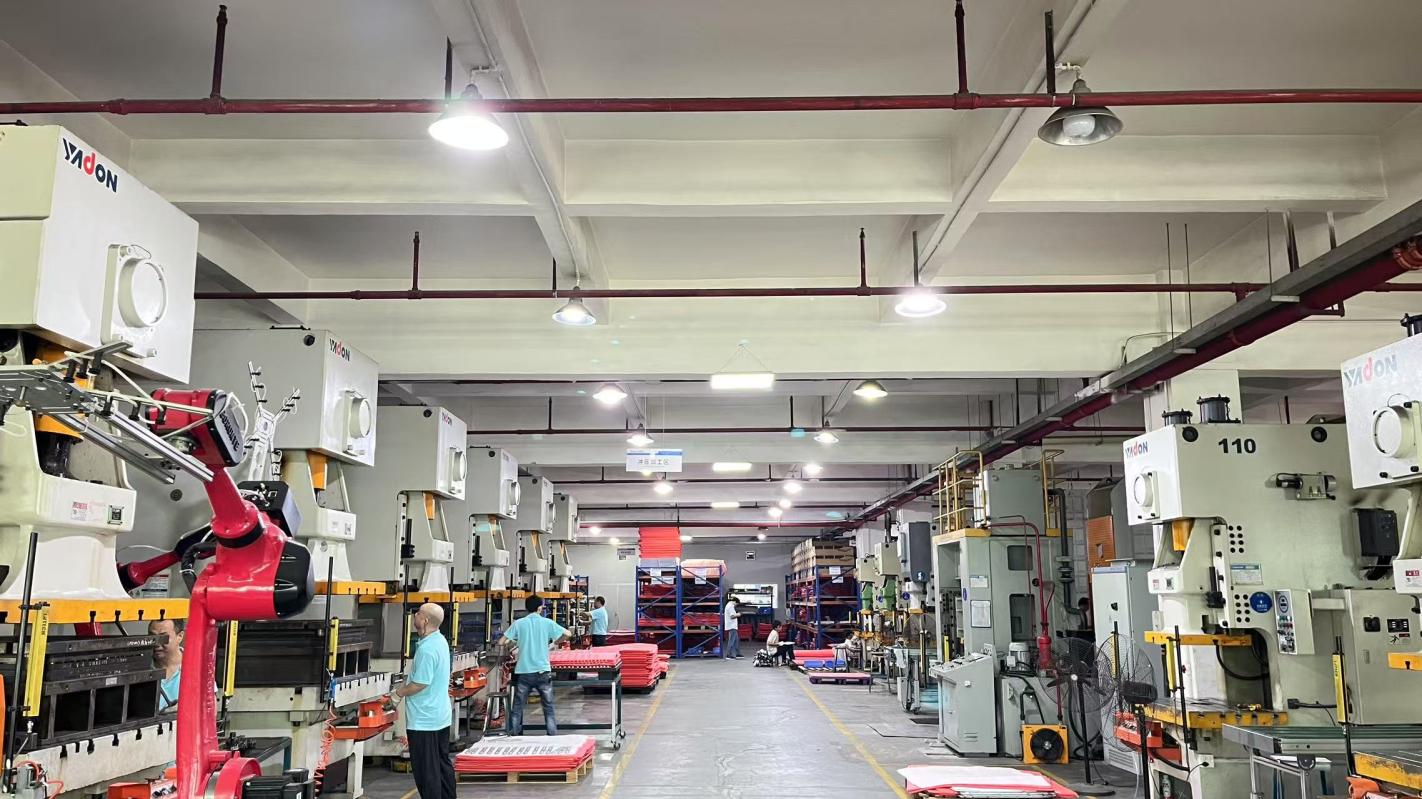
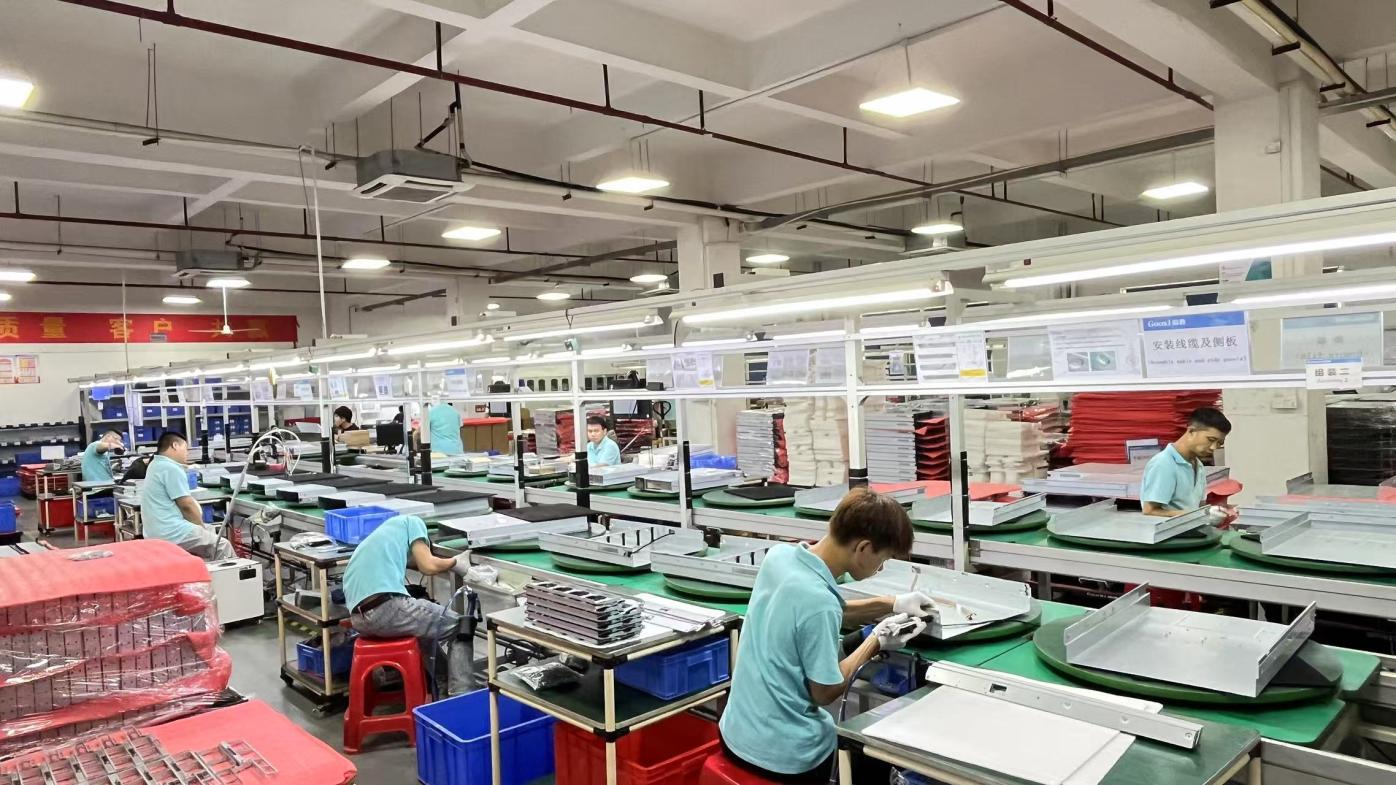
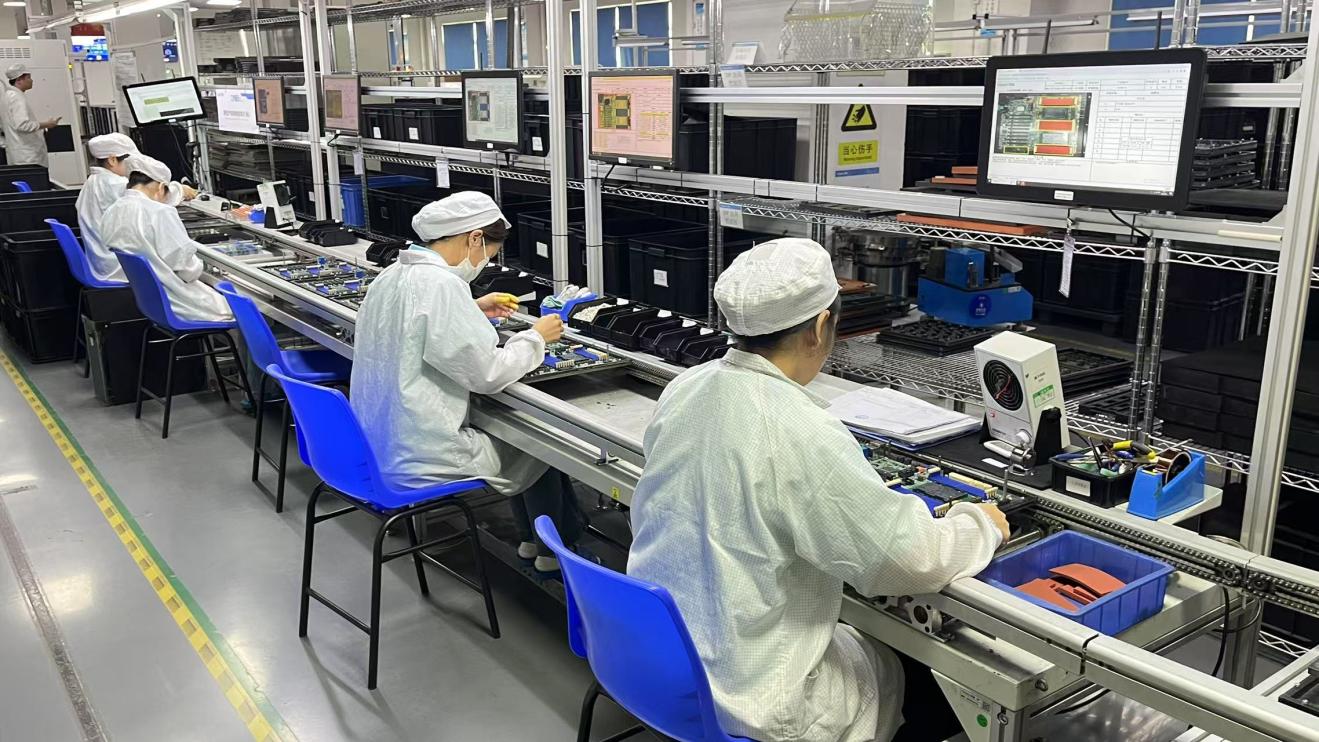
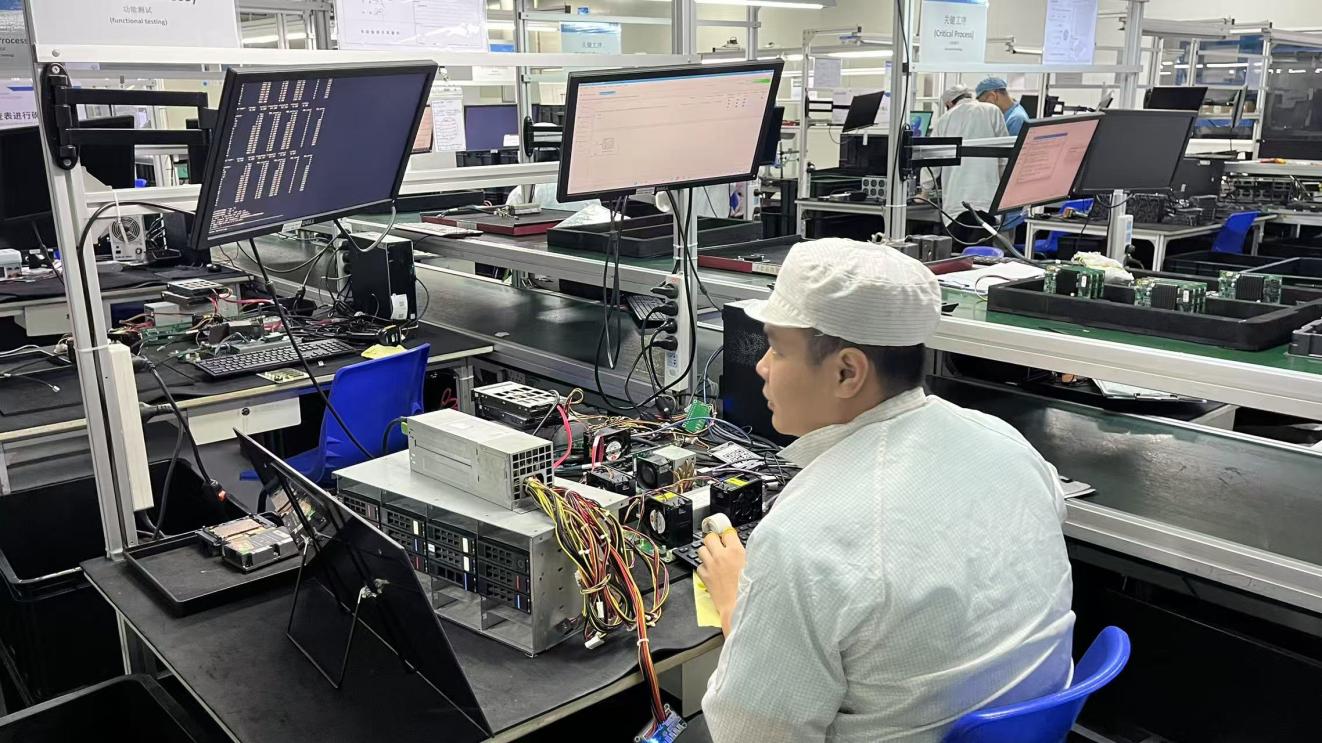
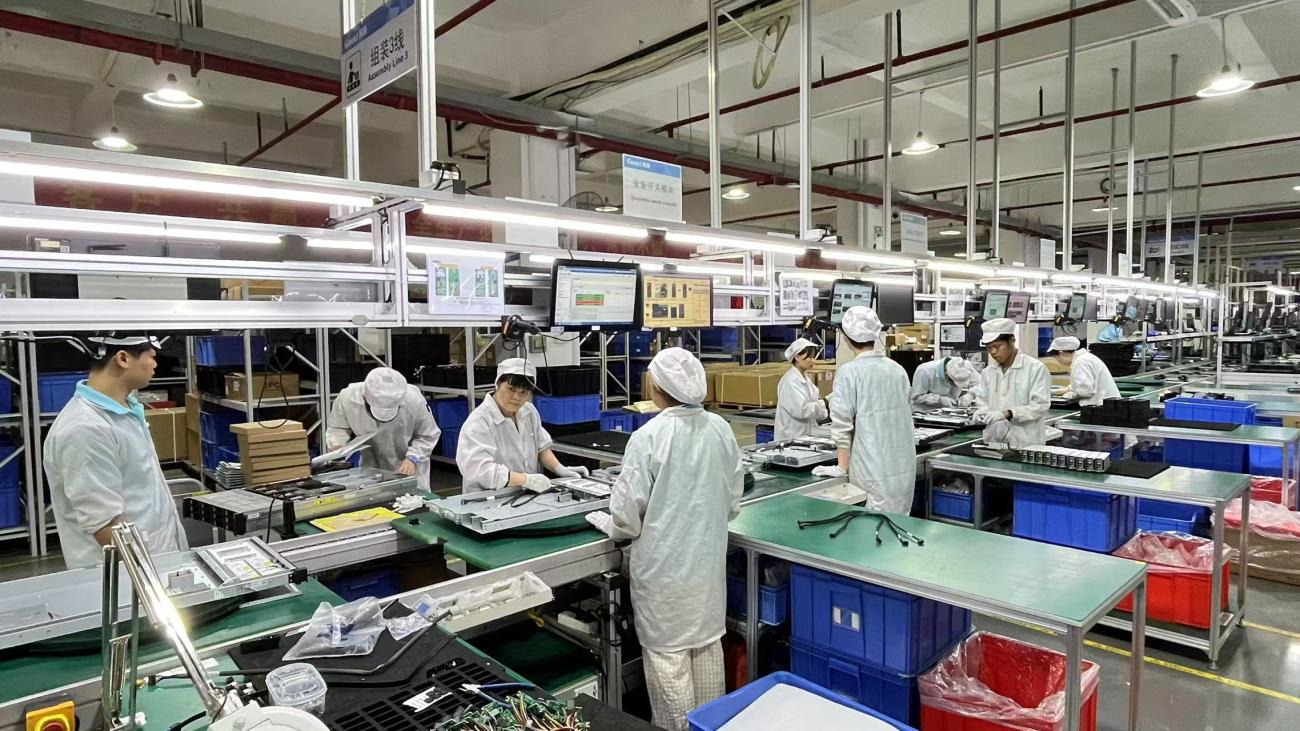
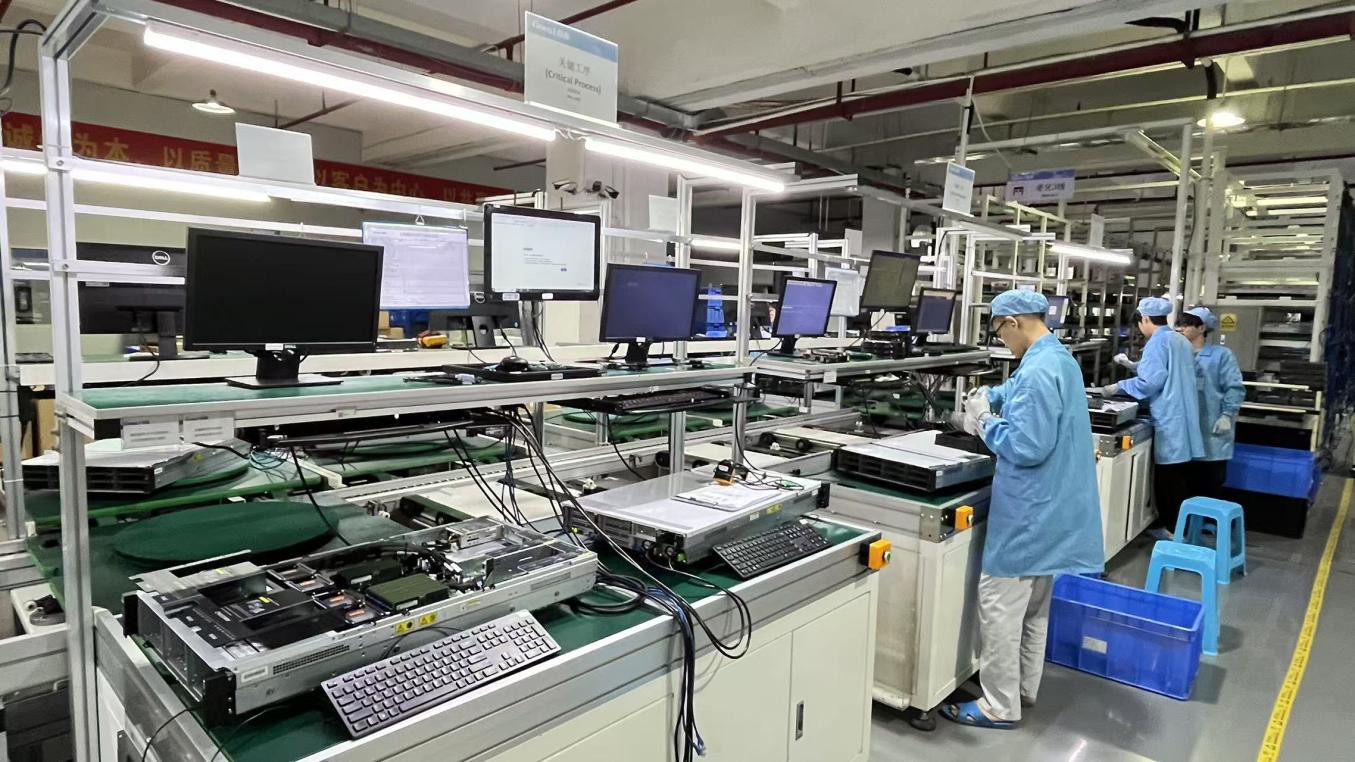
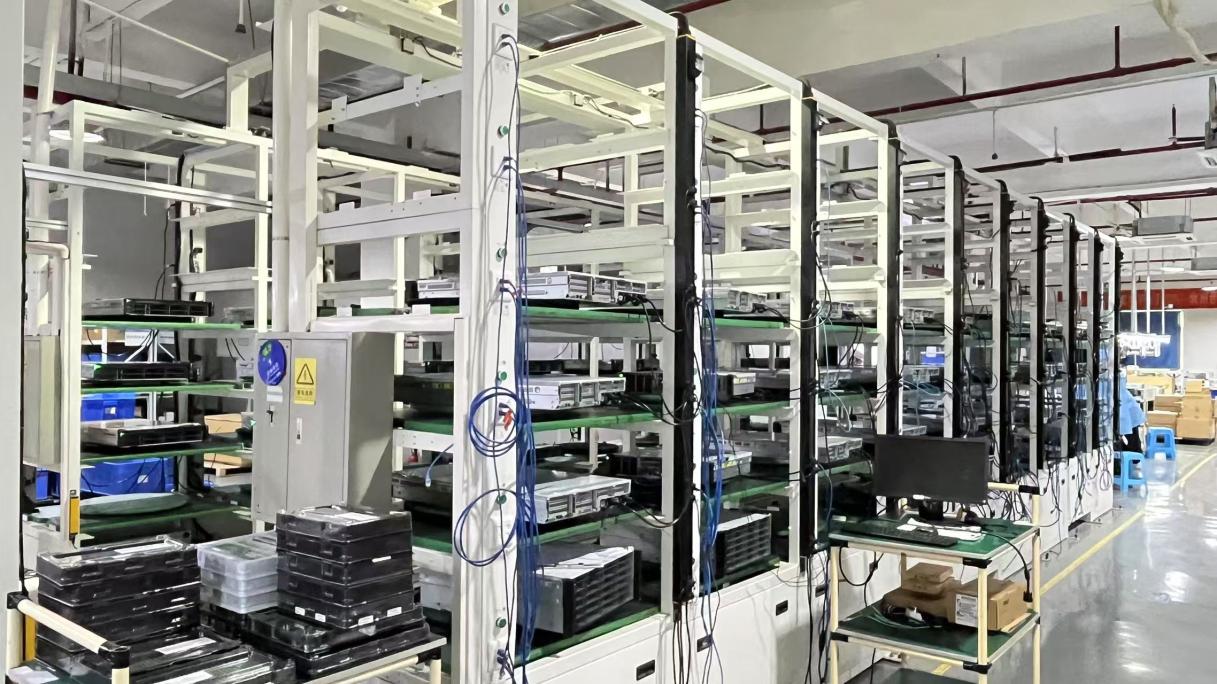
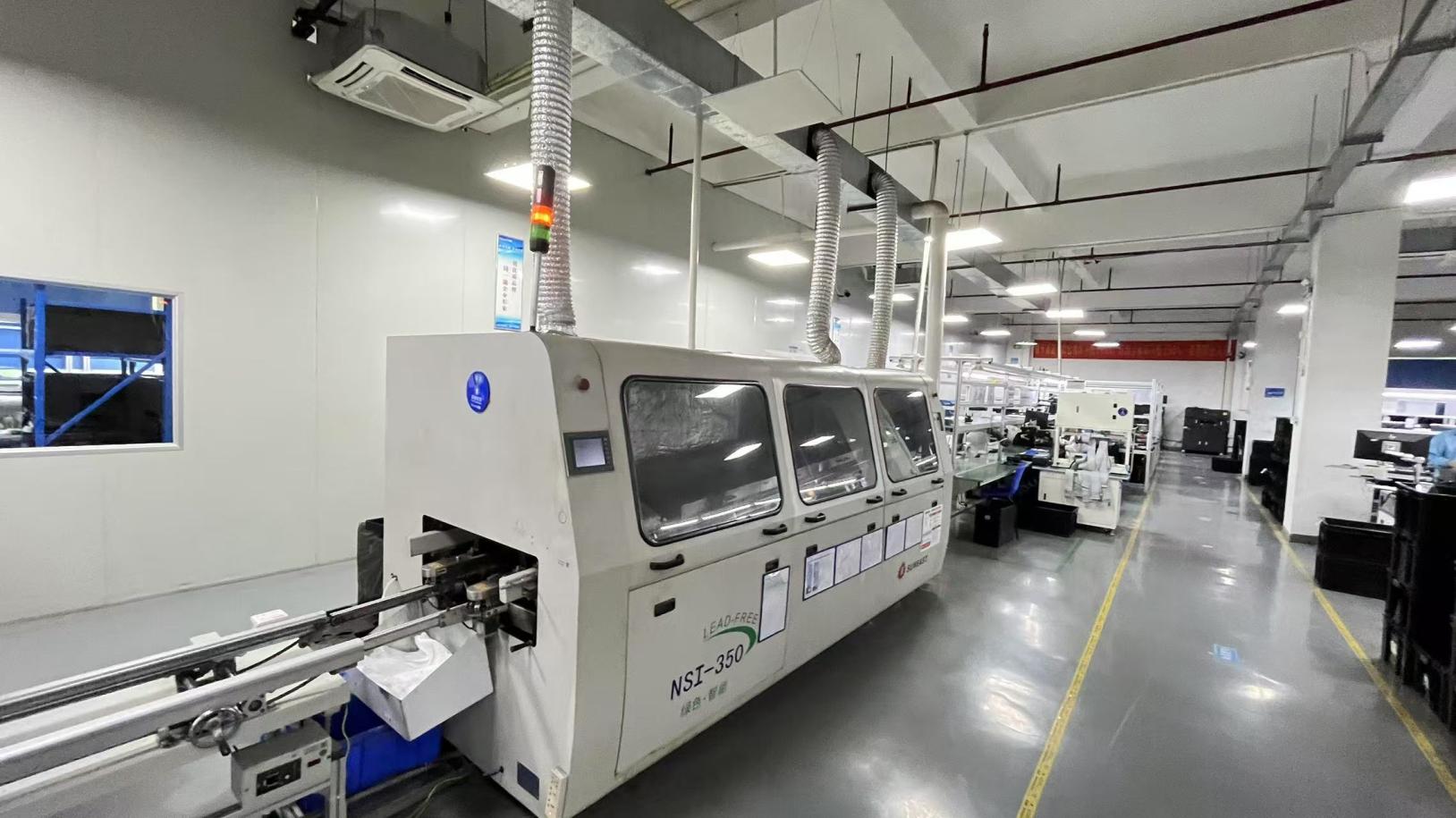
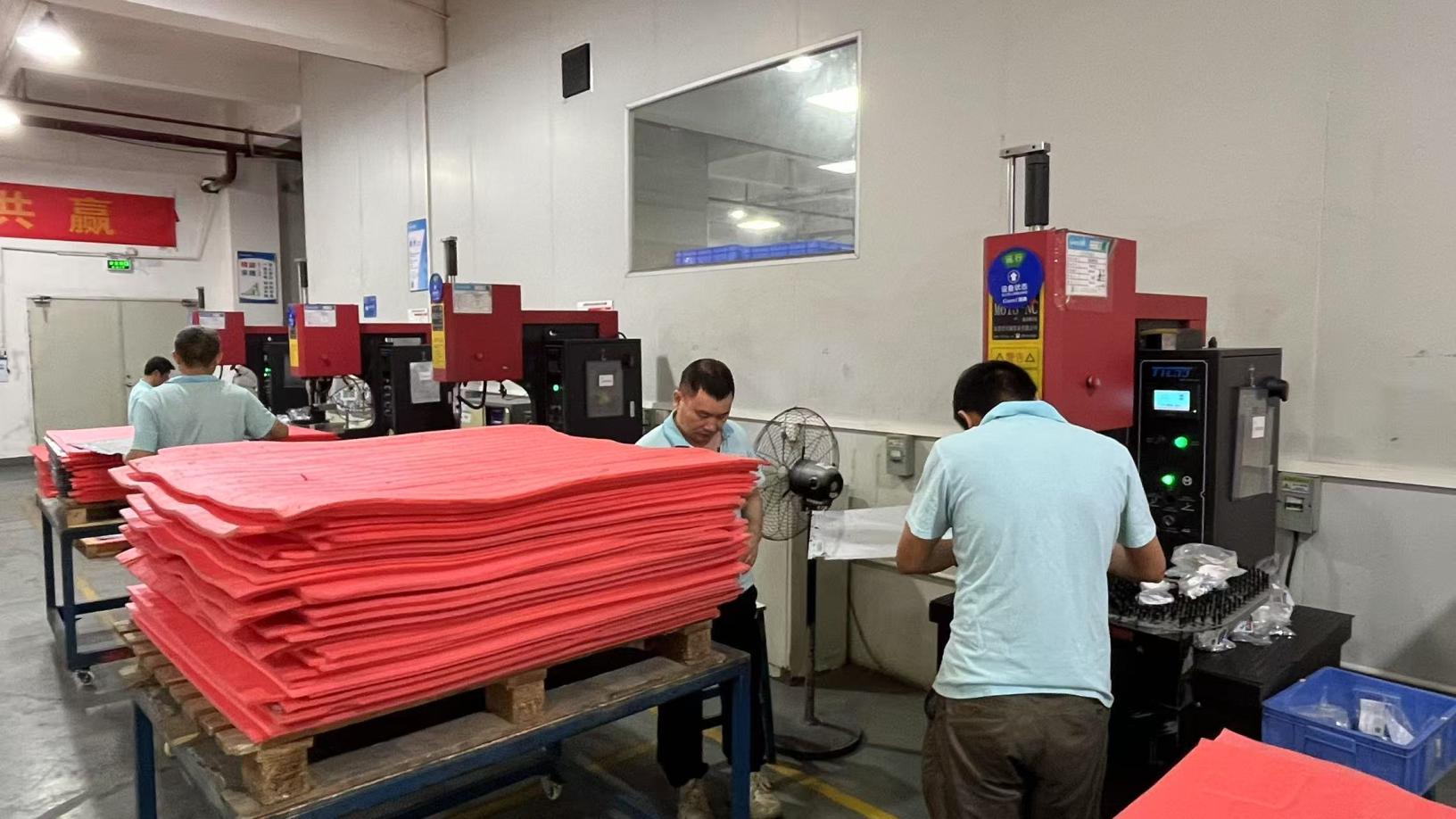
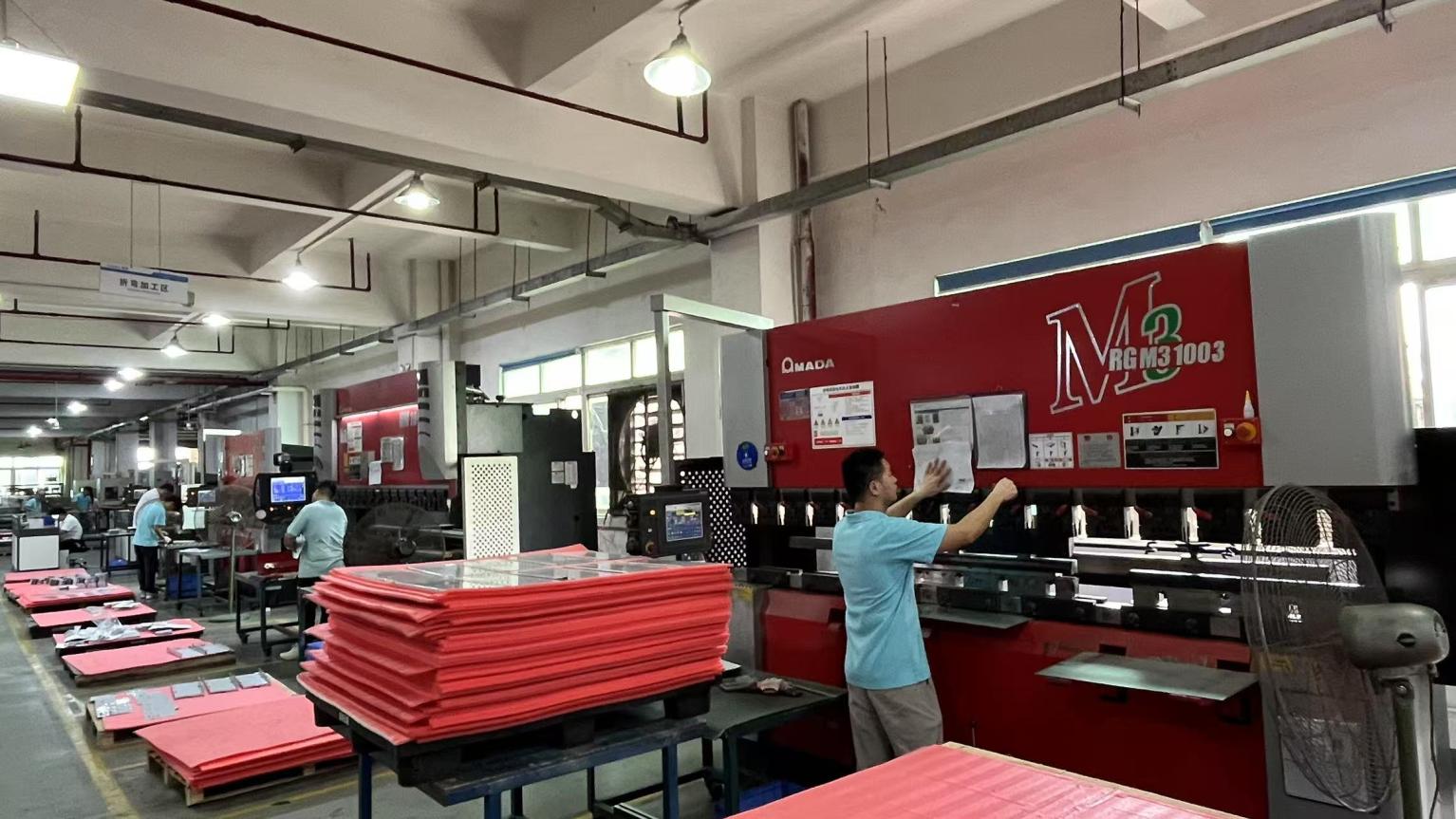
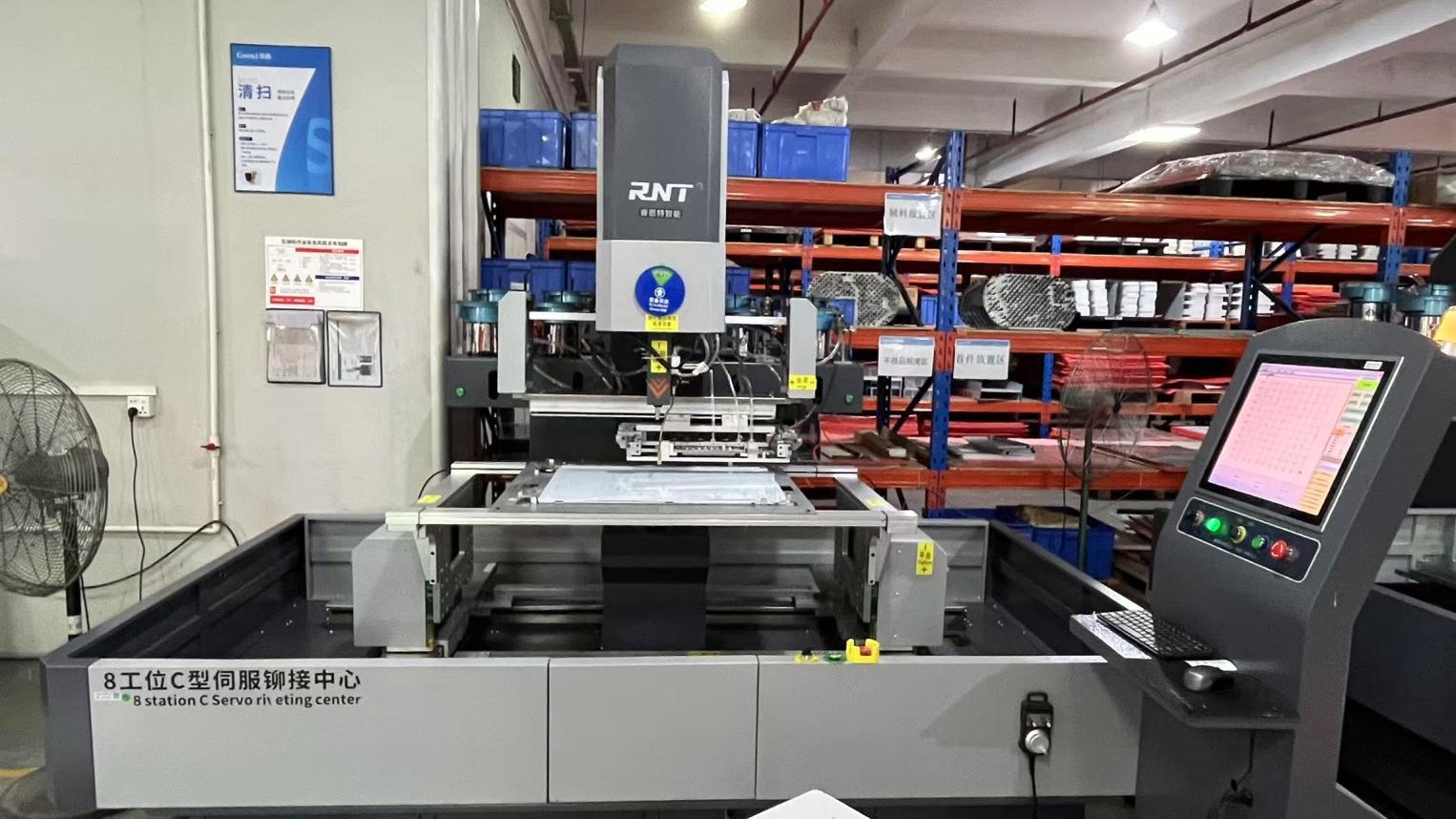
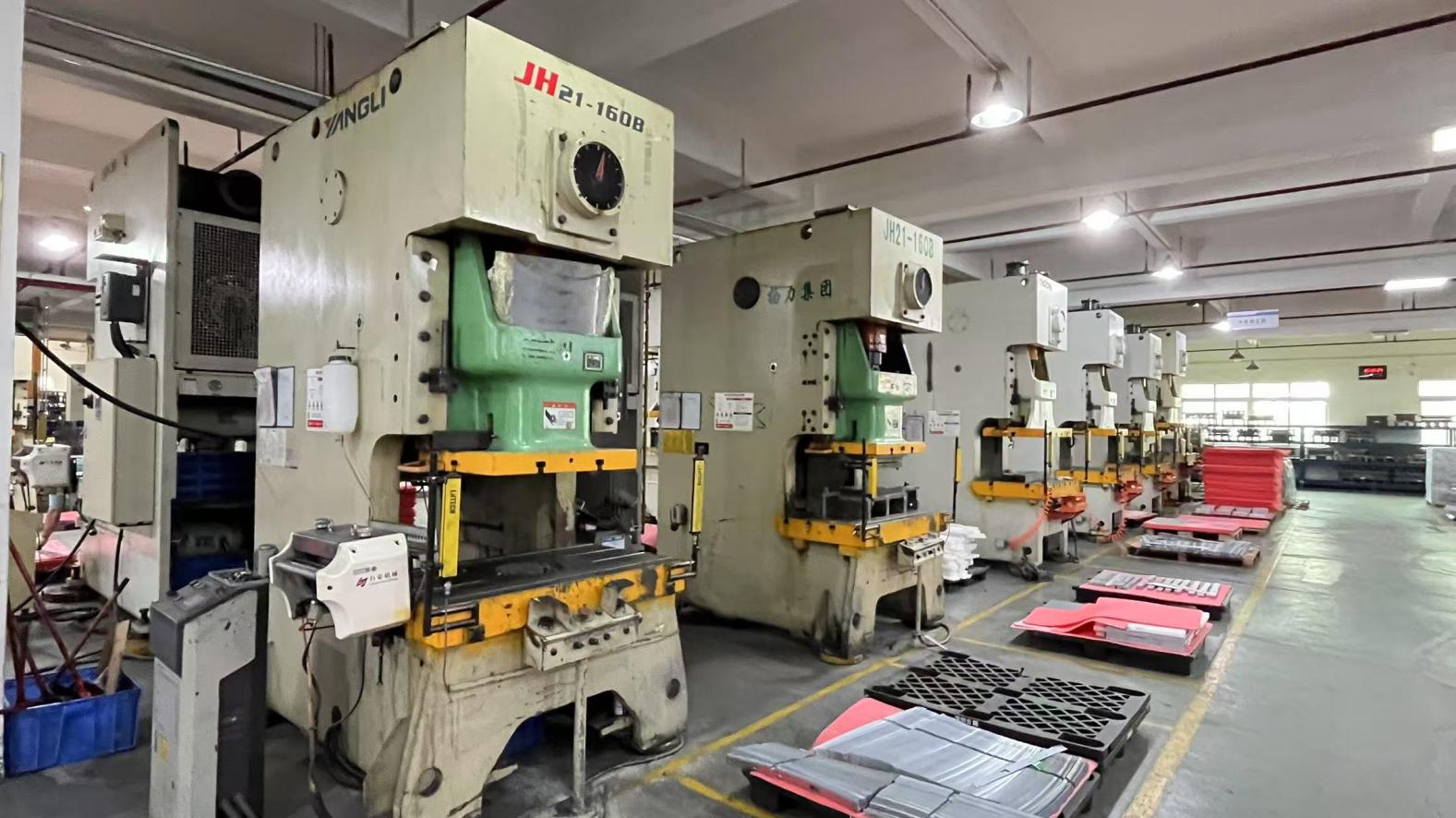
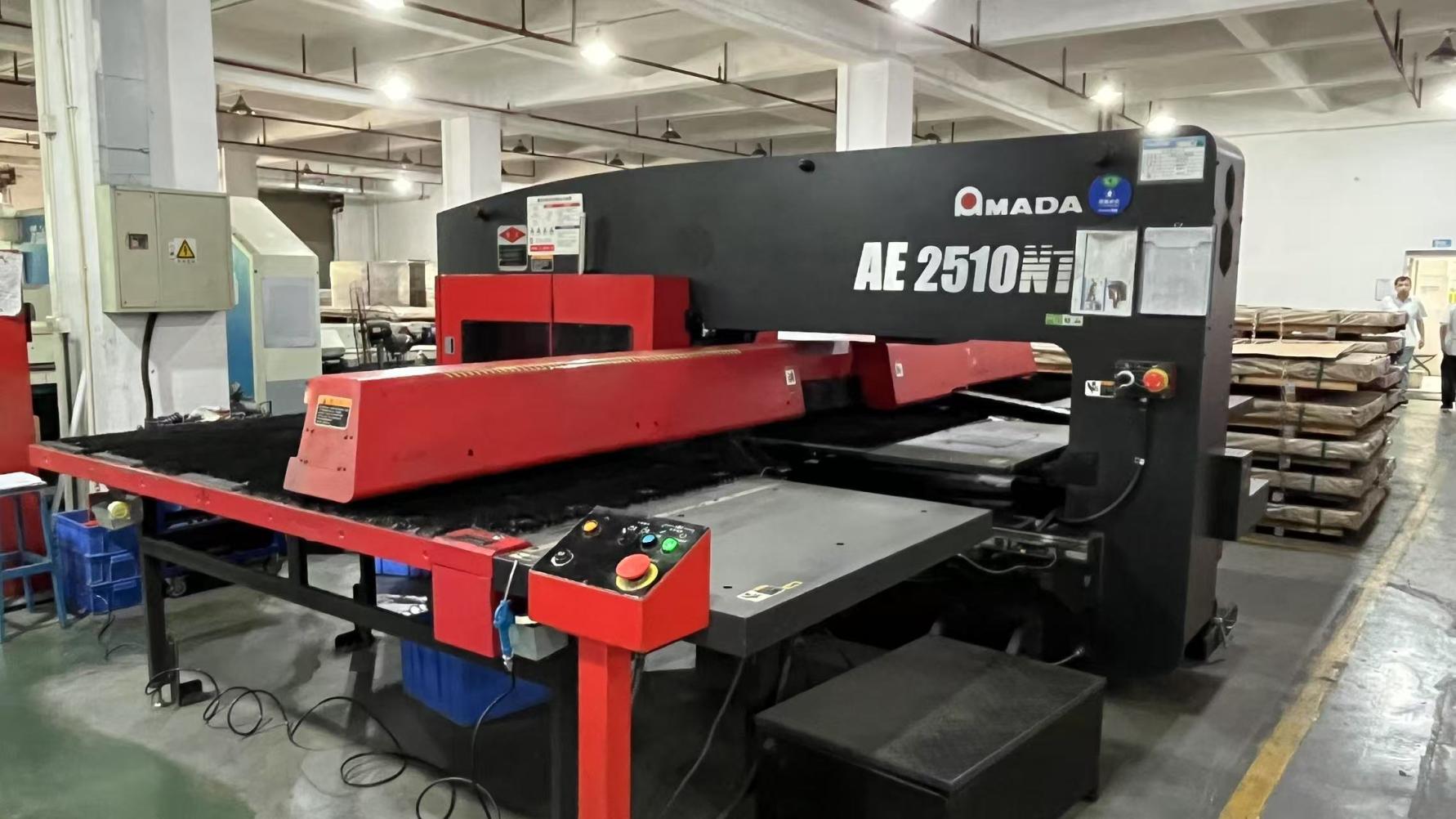
Unified Communications networks demand 99.999% uptime. Hardware failure at the CPU, RAM, or storage controller level disrupts business continuity immediately. In order to mitigate hardware issues, servers must pass a rigorous testing suite before global dispatch:
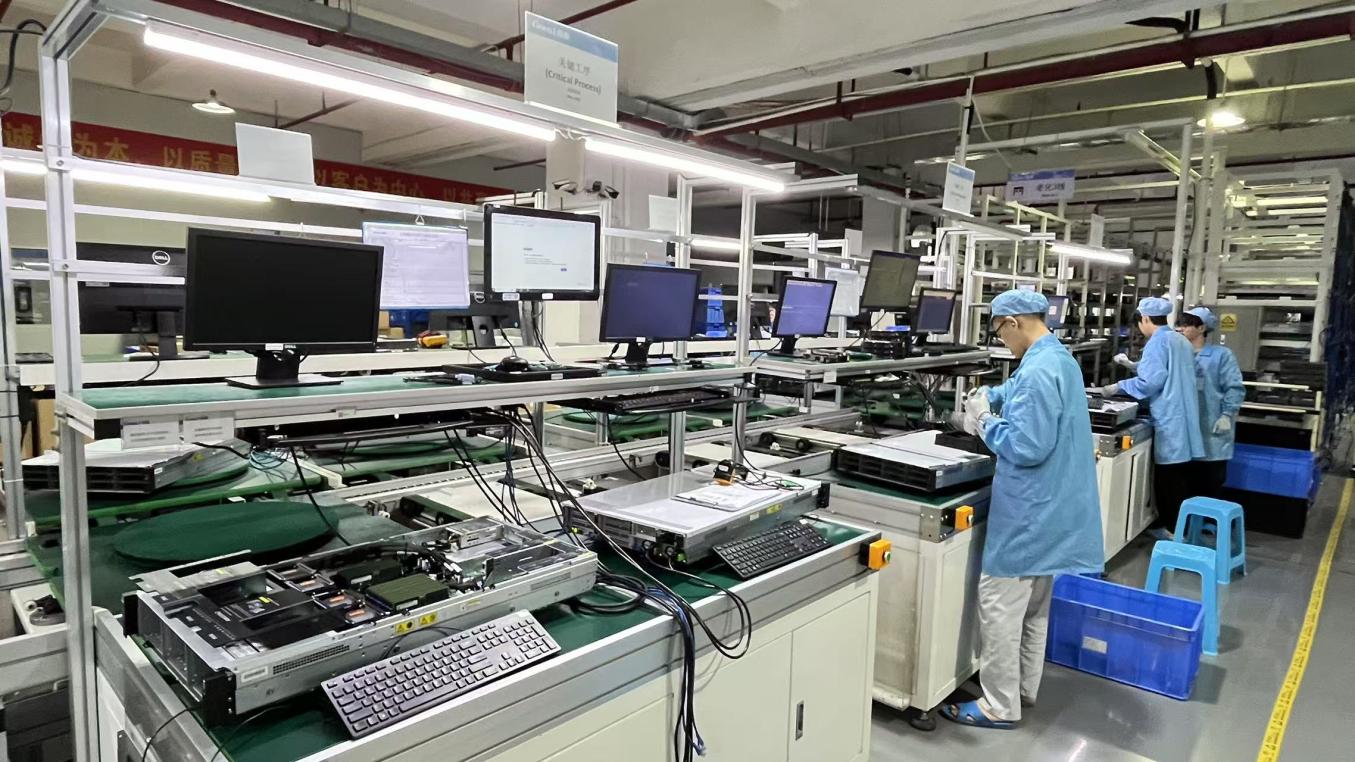
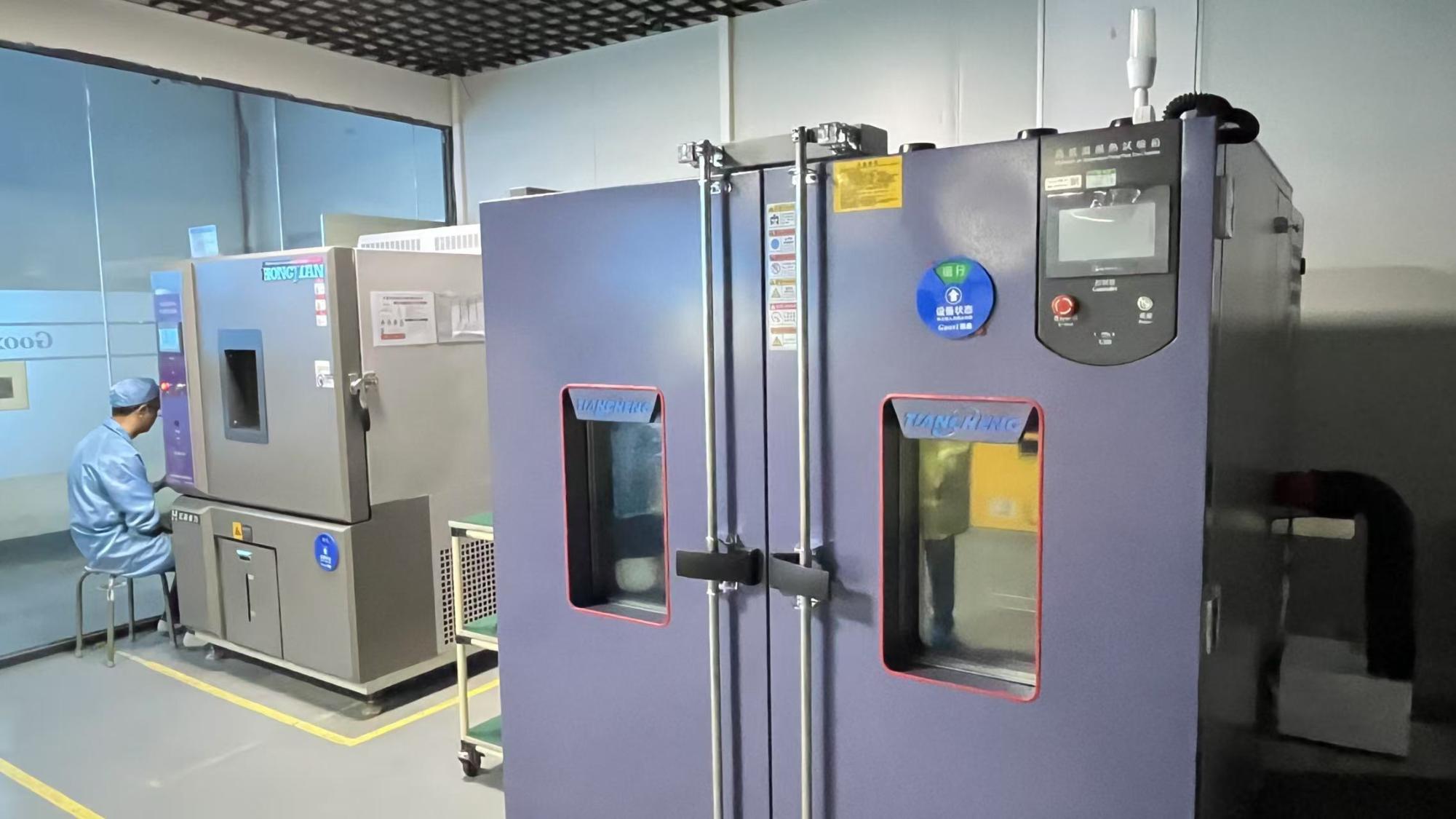
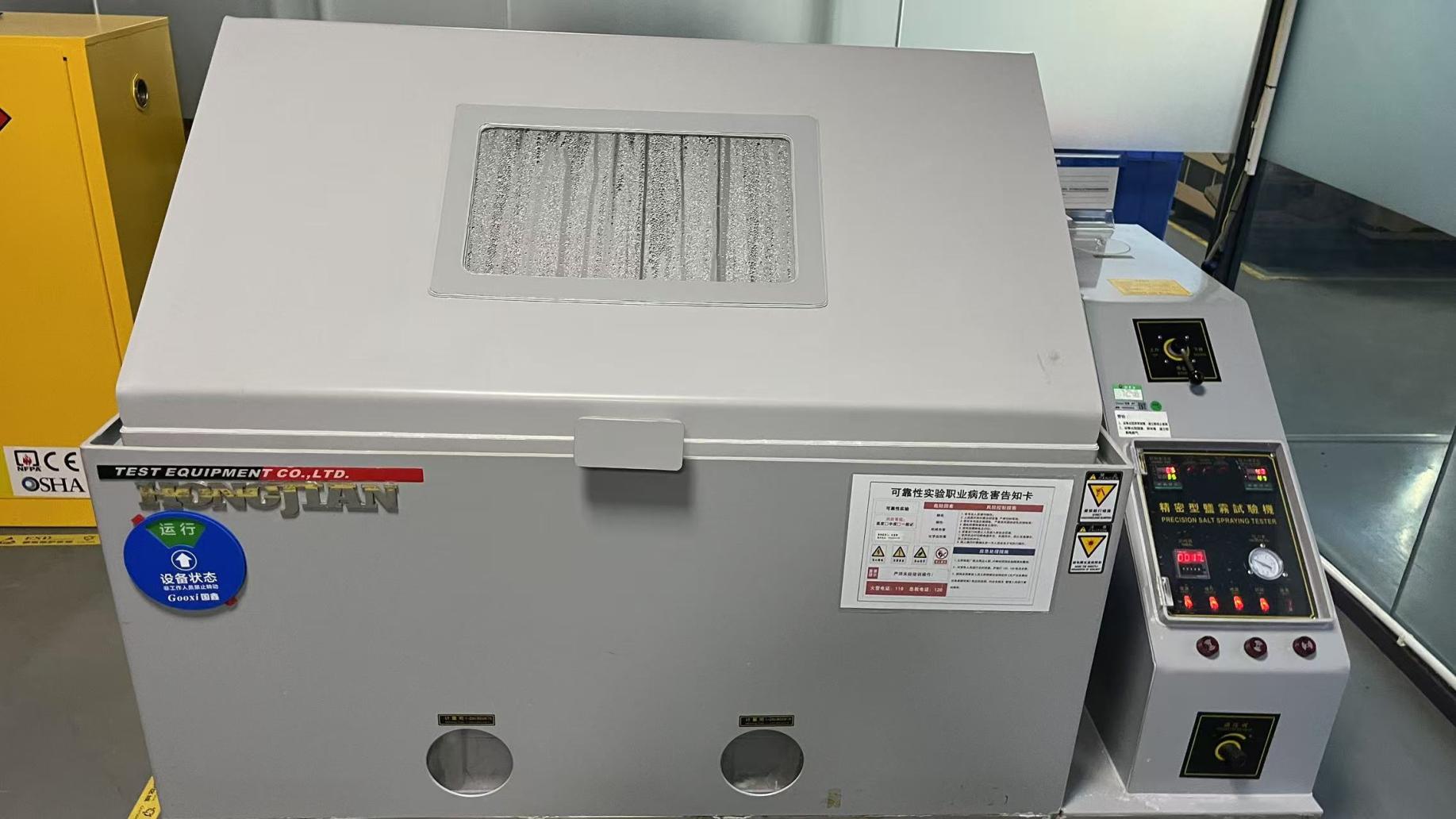
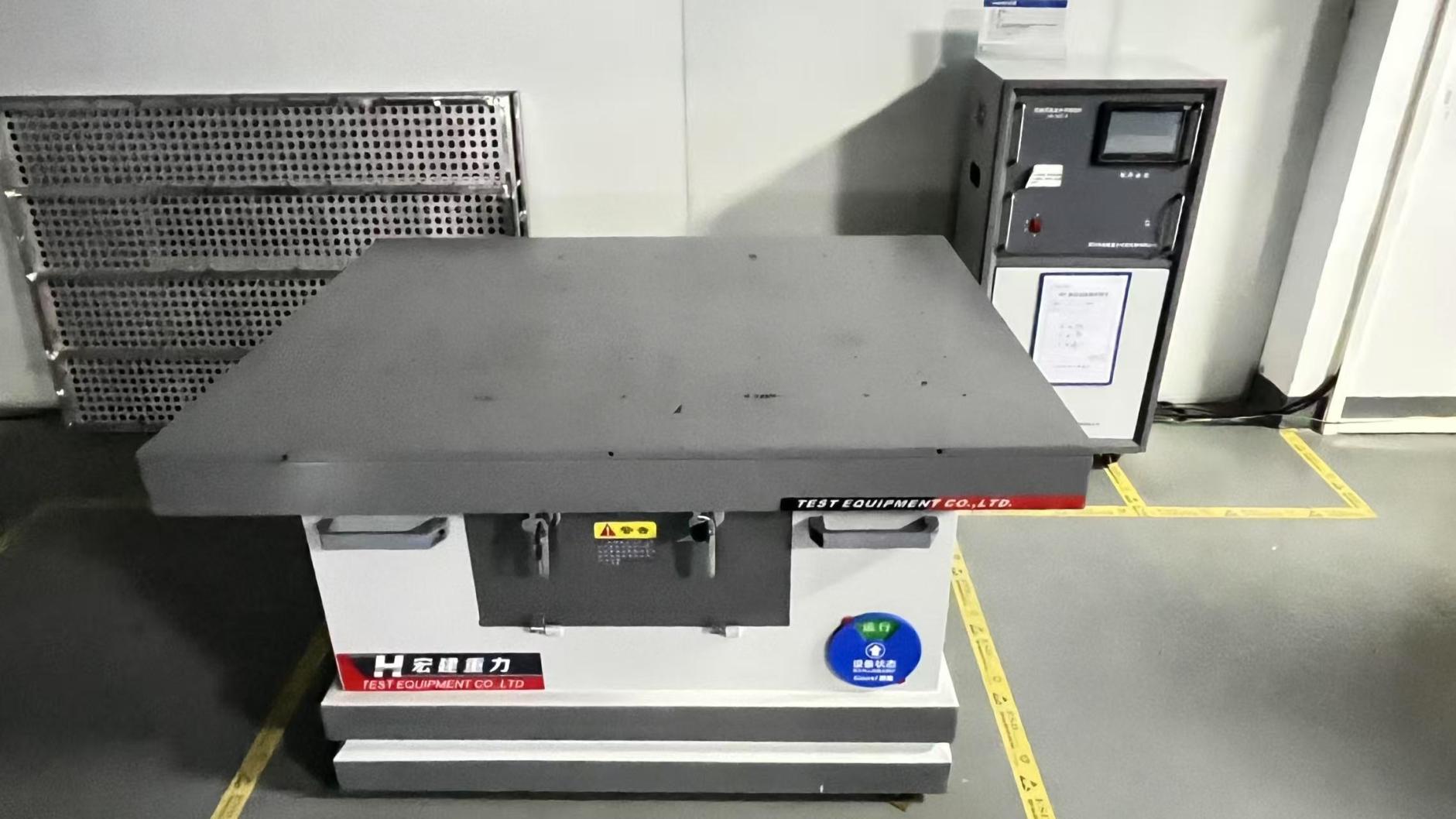
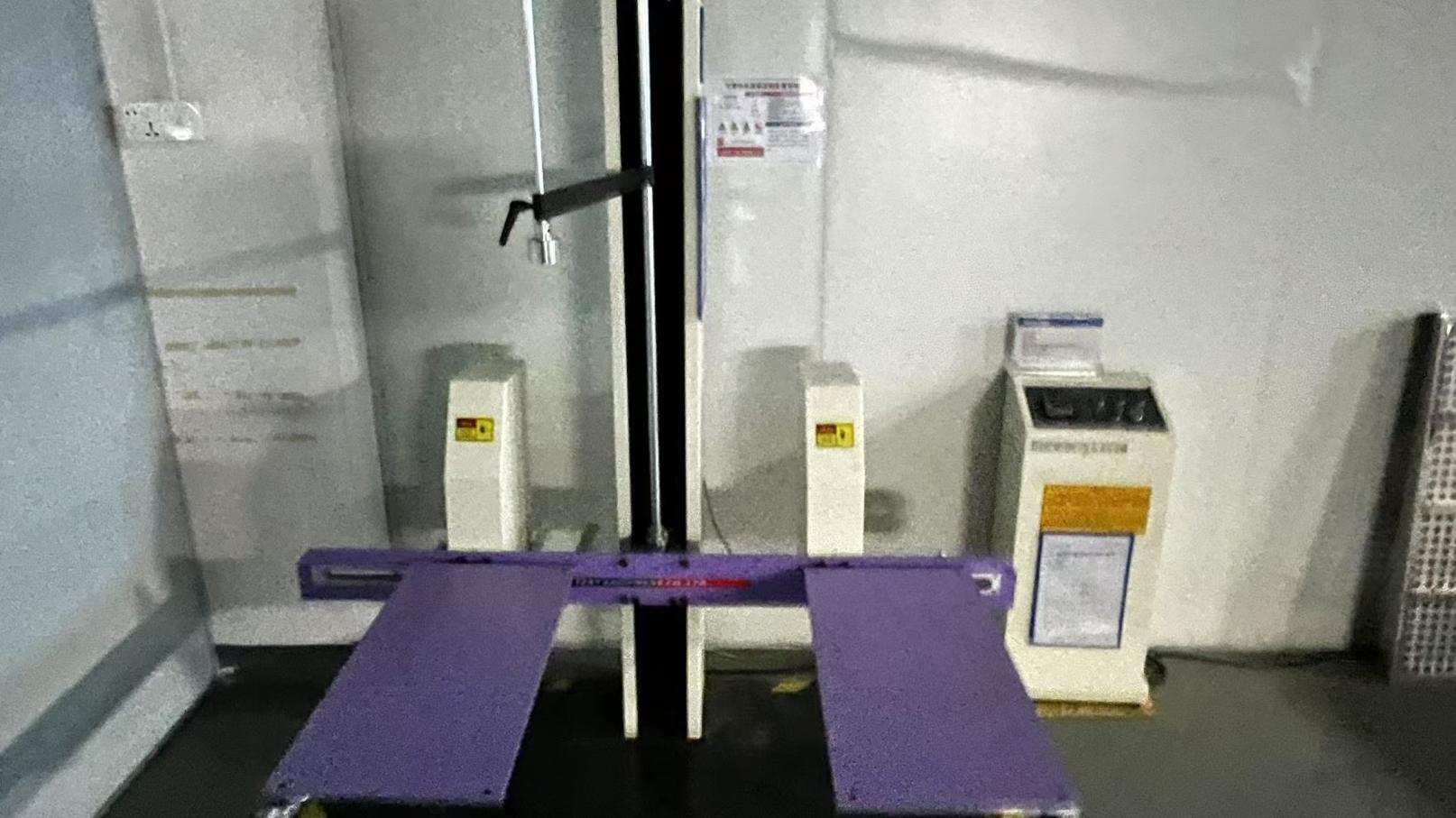
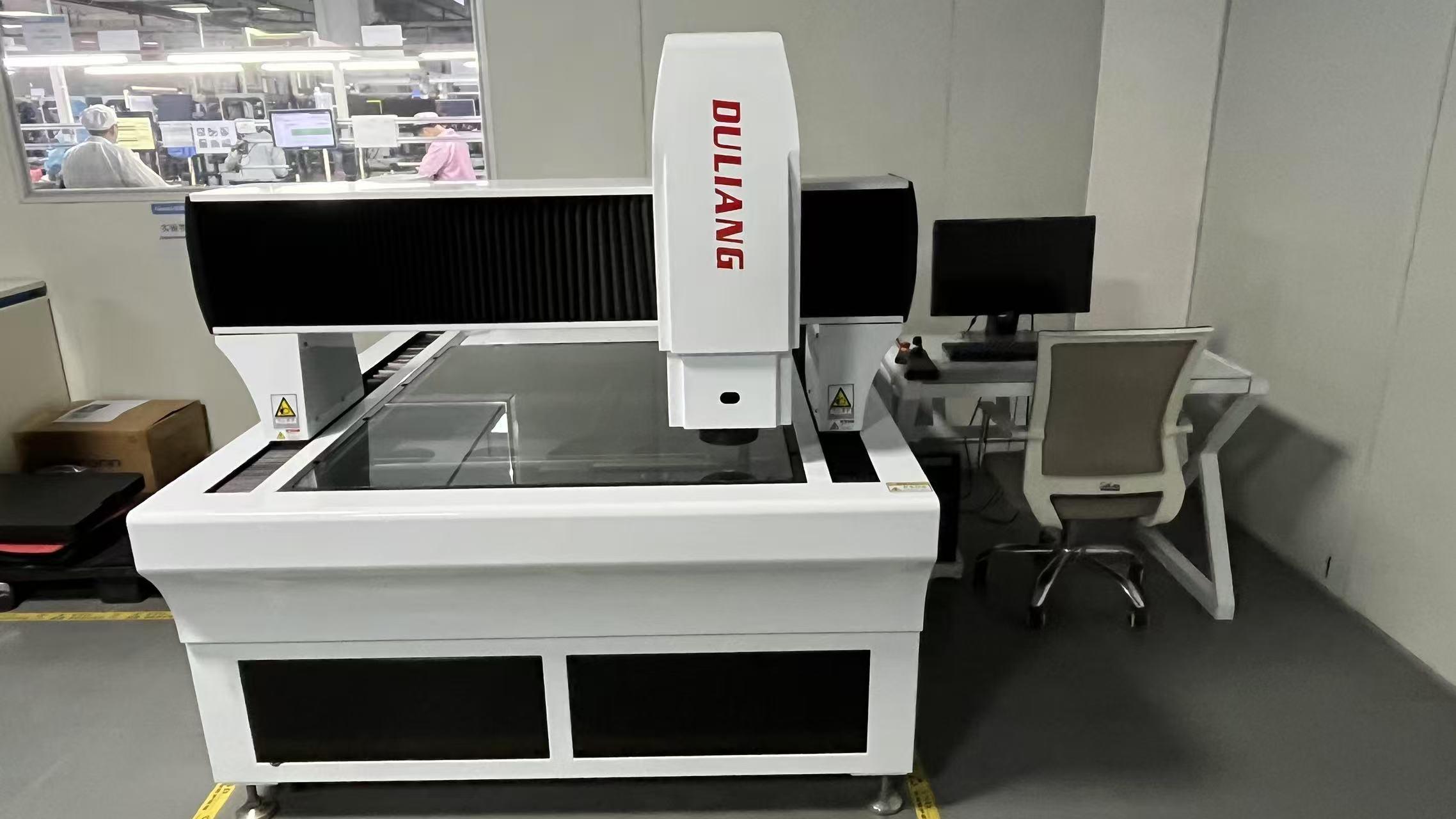
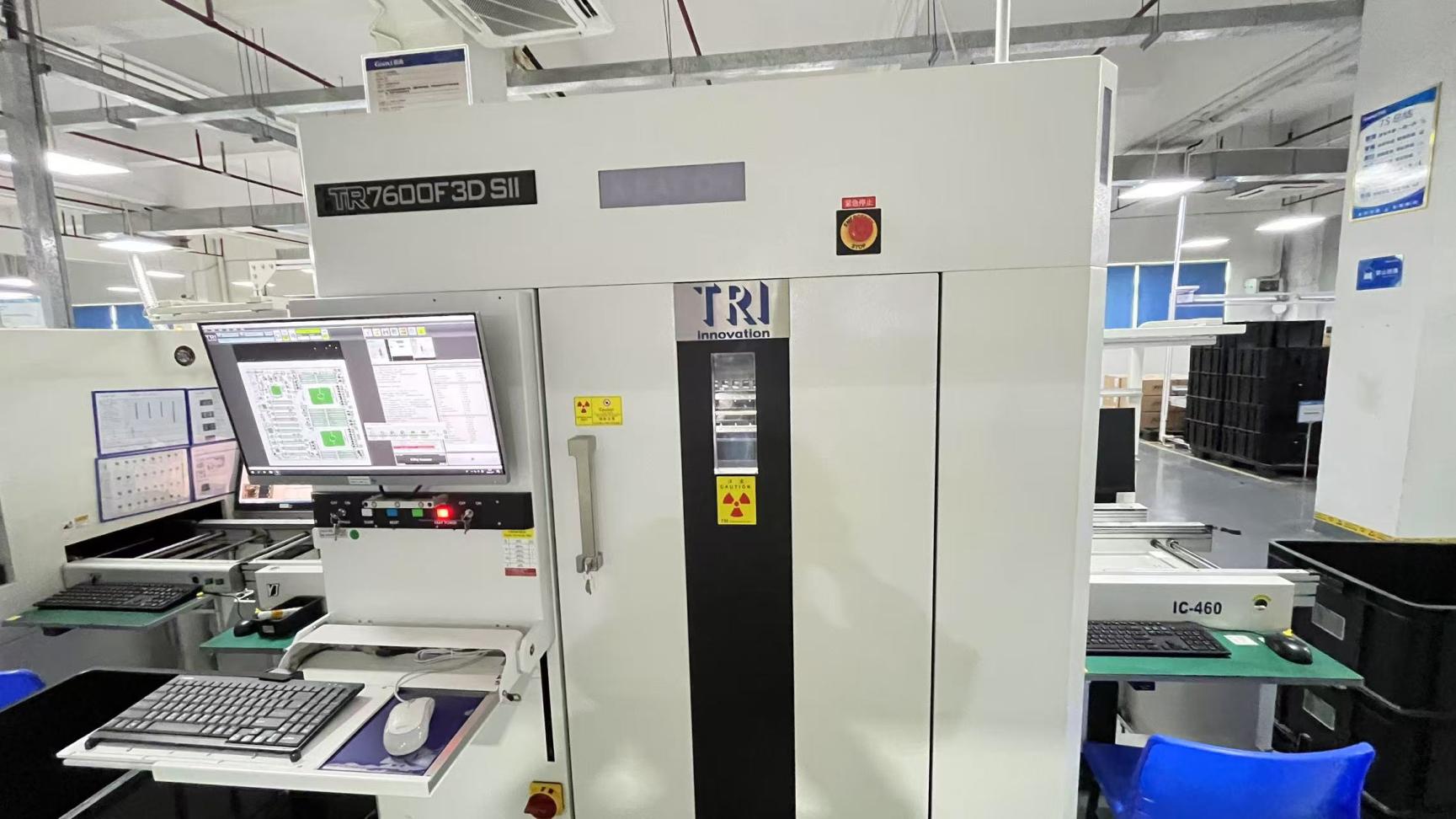
Reliable inventory management and rapid deployment capabilities ensure consistent supply patterns for our global client base.




Unified Communications is undergoing a major technological transformation. The future demands higher computational density and lower power consumption profiles at the server level:
Real-time translation, automated sentiment analysis, and transcript summaries are moving from generalized cloud layers directly to dedicated edge servers. Hardware with integrated GPU expansion capabilities is vital to handle neural workloads without adding network latency.
As server densities rise to handle continuous multimedia streaming, legacy air-cooling systems reach their limits. Next-generation server chasses are incorporating hybrid liquid loop cooling pathways to reduce thermal throttling and lower Datacenter PUE (Power Usage Effectiveness).
Modern UCaaS is built on containerized microservices. System motherboards and PCIe expansions must support high-speed NVMe-oF (NVMe over Fabrics) interfaces to dynamically allocate block storage to real-time communication modules.
Sourcing managers and CTOs must focus on structured validation rules when ordering hardware elements for large-scale communications networks:
Select partners who offer flexible options for CPU selections, RAM speed steps, and custom brand packaging. Tailored server dimensions and customized rack brackets speed up the physical integration at global datacenters.
Ensure manufacturing facilities run full burn-in and thermal testing cycles. Look for validation parameters including salt spray testing (for maritime shipping or coastal datacenter resistance) and drop testing (to protect against damage during transport).
Real-time call routers require high read/write endurance. Verify that systems leverage high-end RAID controllers and enterprise SSD configurations with adequate Write-Per-Day (DWPD) ratings to prevent system crashes under continuous write workloads.
Work with vendors located near component manufacturing hubs. Proximity to major ports and key component suppliers guarantees a stable supply chain and helps secure replacement parts during long-term operational maintenance.
Crucial insights for technical buyers sourcing Unified Communications infrastructure.