ZhiCloud AI
ZhiCloud AI
ZhiCloud AI
As enterprise digital architectures shift towards large-scale artificial intelligence models, massive parallel data analysis, and private cloud orchestration, compute scaling has evolved from a linear upgrade roadmap to a multidimensional operational discipline.
Modern scalability is divided into two primary vectors: Scale-Up (Vertical Scalability) and Scale-Out (Horizontal Scalability). Scalability solutions now require dynamic orchestration layers capable of managing diverse high-compute workloads like DeepSeek-R1 models, molecular simulations, and real-time algorithmic trades.
Through robust multi-socket architectures, high-bandwidth memory pooling (CXL), and modular NVMe storage fabrics, systems can scale dynamically without suffering compute bottlenecks. ZhiCloud AI bridges these bottlenecks with tailored server integration and precision hardware balancing.
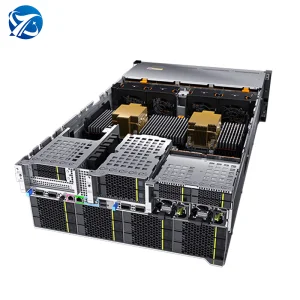
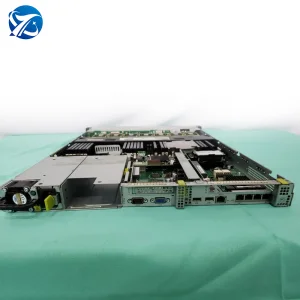
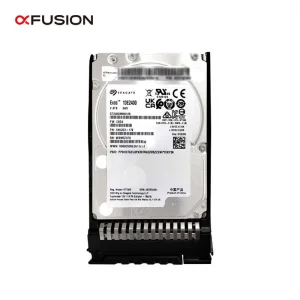
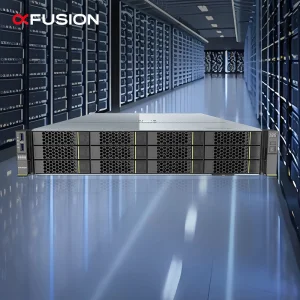
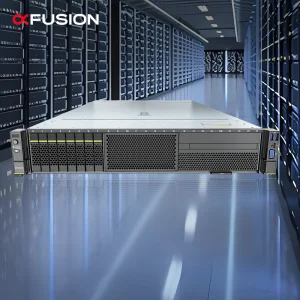
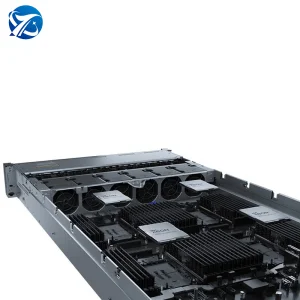
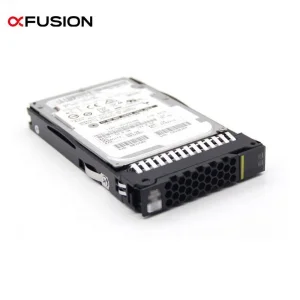
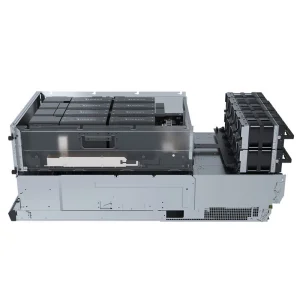
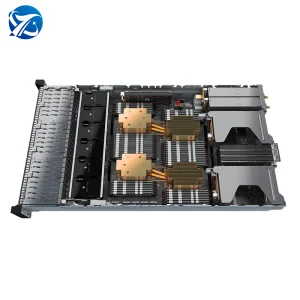
Explore the primary hardware building blocks of our scalable rack server arrays, featuring certified AI infrastructure components and multi-socket server nodes.
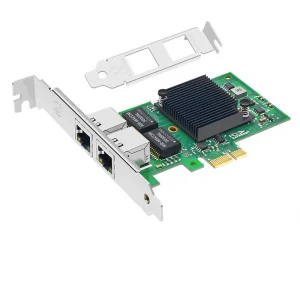
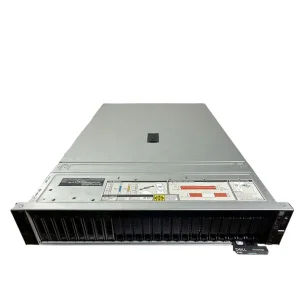
A deep dive into how modern computing ecosystems are globally structured, sourced, and scaled to maintain maximum availability across borders.
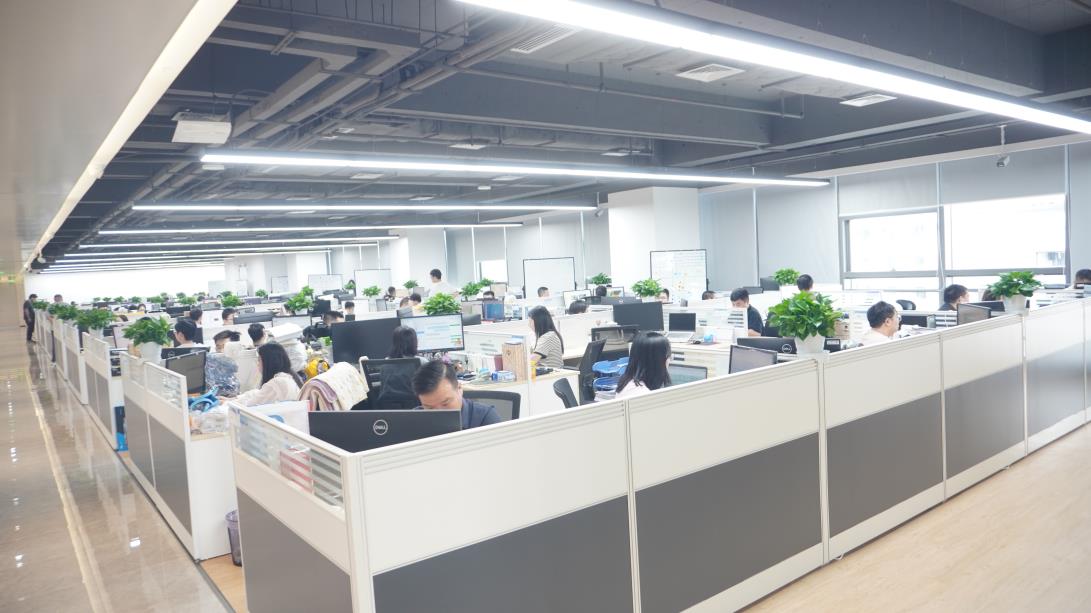
The B2B electronics industry faces highly complex global supply pathways. Unpredictable chipset availability, regulatory adjustments in custom protocols, and geographic logistics variability necessitate dynamic enterprise adaptation.
By working with over 1,200 strategic hardware suppliers, ZhiCloud AI ensures continuous procurement of critical microprocessors, PCIe accelerators, and ultra-high-density storage drives. Our established channels serve as a buffer against material bottlenecks, keeping global deployments on track.
Through robust system integration processes in Shenzhen and strict international transport protocols, we maintain seamless scaling capabilities for AI clusters in North America, Europe, Southeast Asia, and the Middle East.
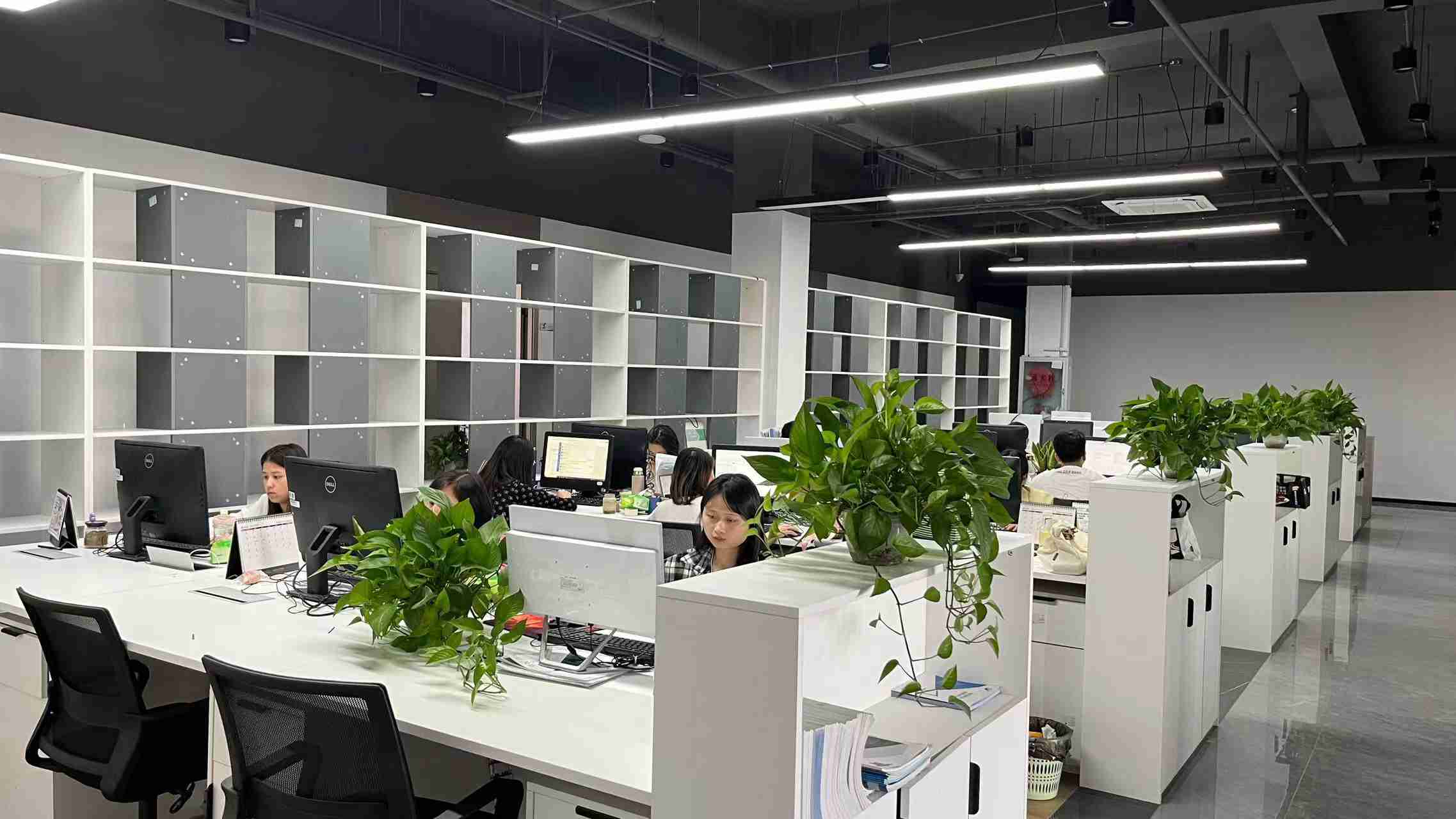
Our foundational framework relies on seasoned R&D engineering, extensive verification protocols, and custom server configuration adjustments.
We modify and optimize core hardware systems for deep learning, virtualization, and storage setups. These include custom physical footprints, GPU selection, memory density scaling, and pre-installed system platforms.
A powerhouse team of 120 experienced engineers constantly researches thermal dynamics, multi-phase voltage regulator configurations, and liquid-to-chip heat dissipation frameworks for top-tier servers.
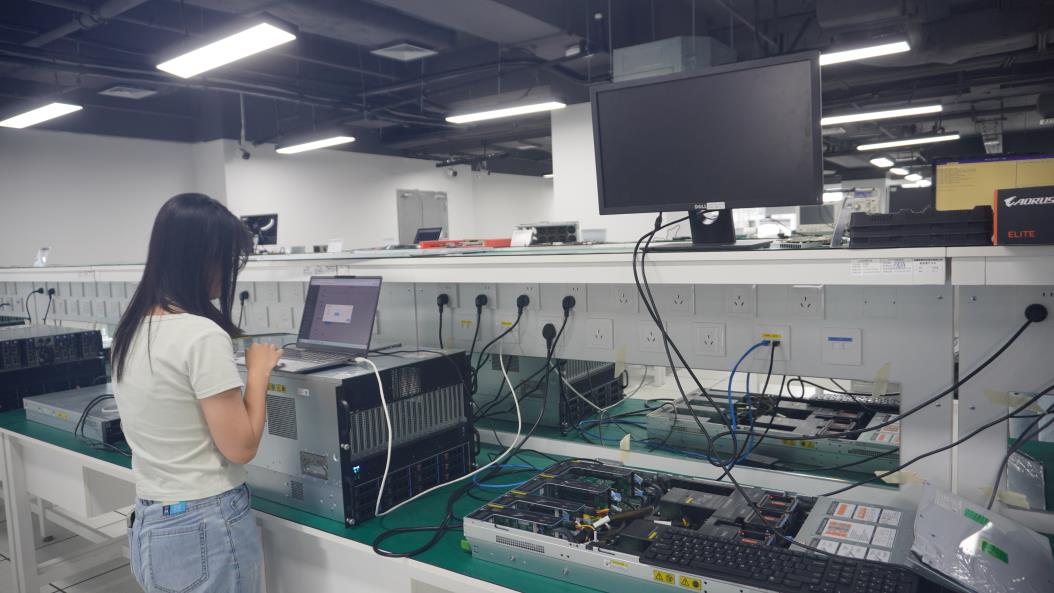
Supported by 45 dedicated QC specialists, every server node undergoes comprehensive multi-stage validation, including high-stress thermal chamber testing and system-wide full-load stress testing.
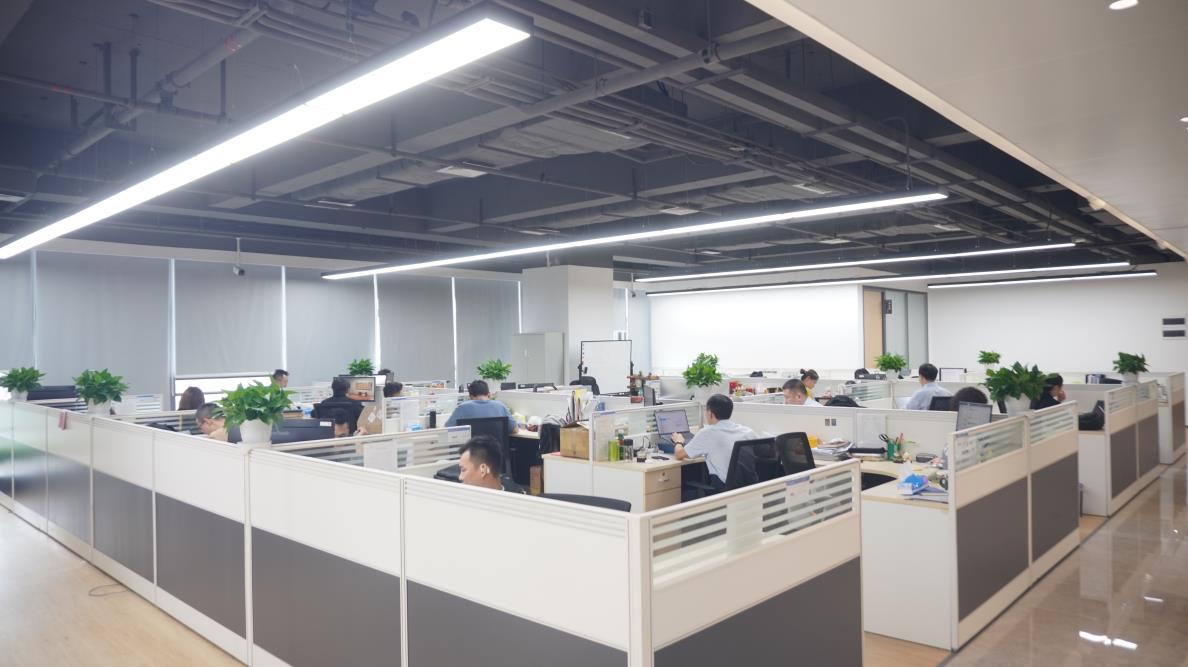
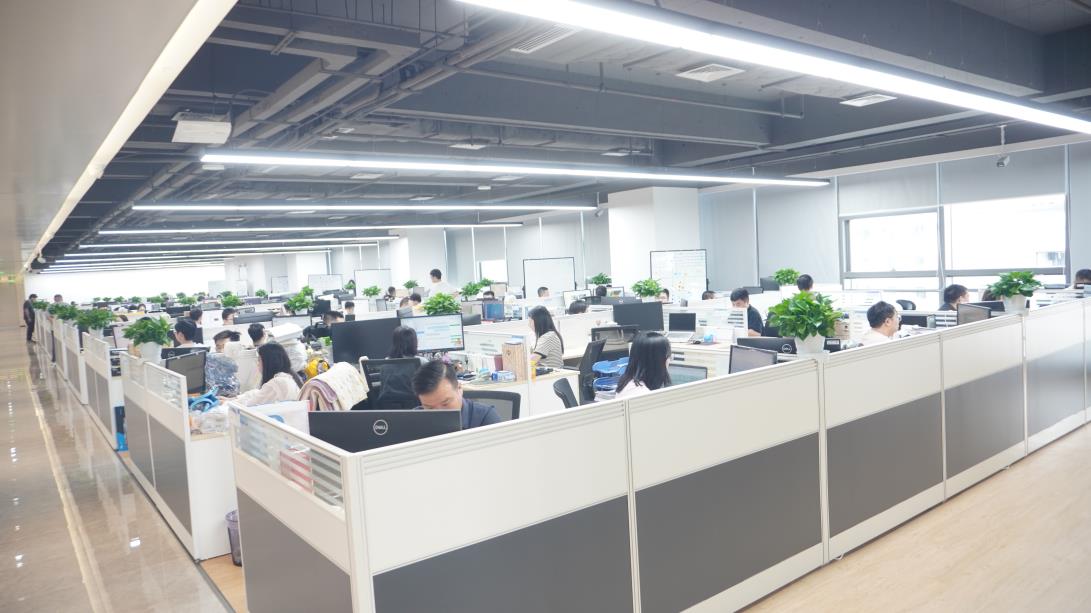
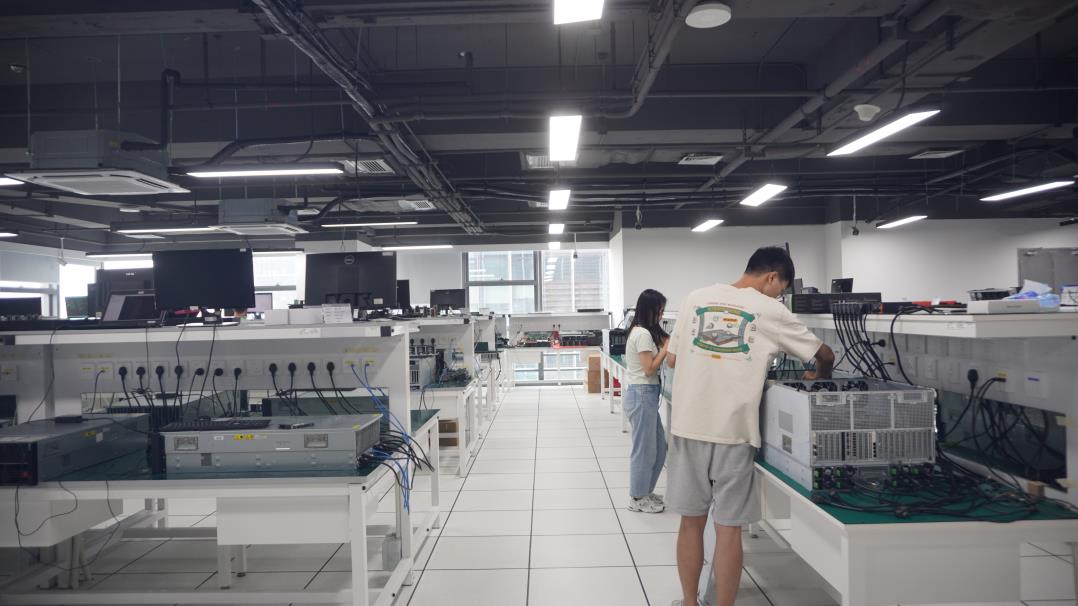
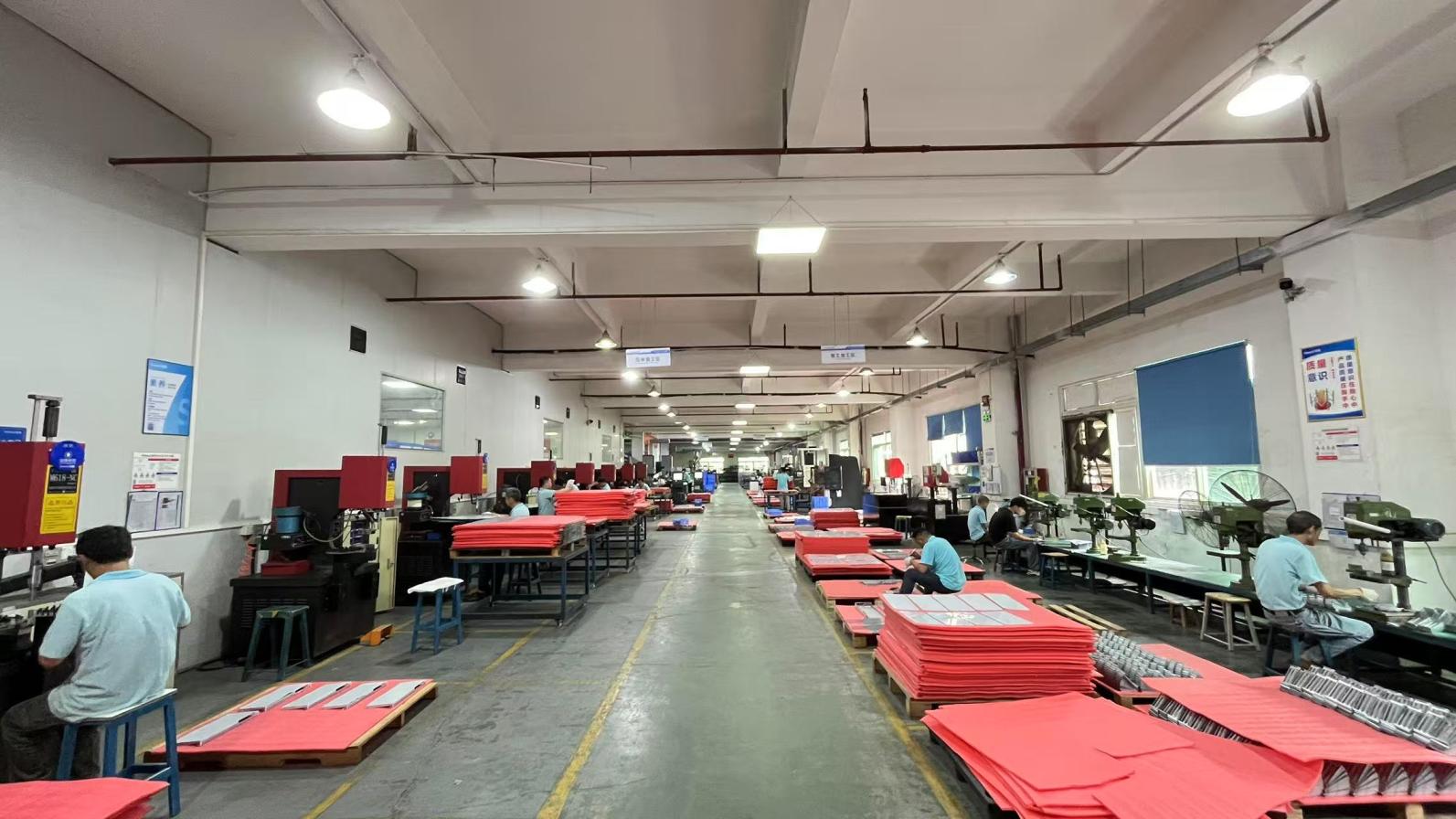
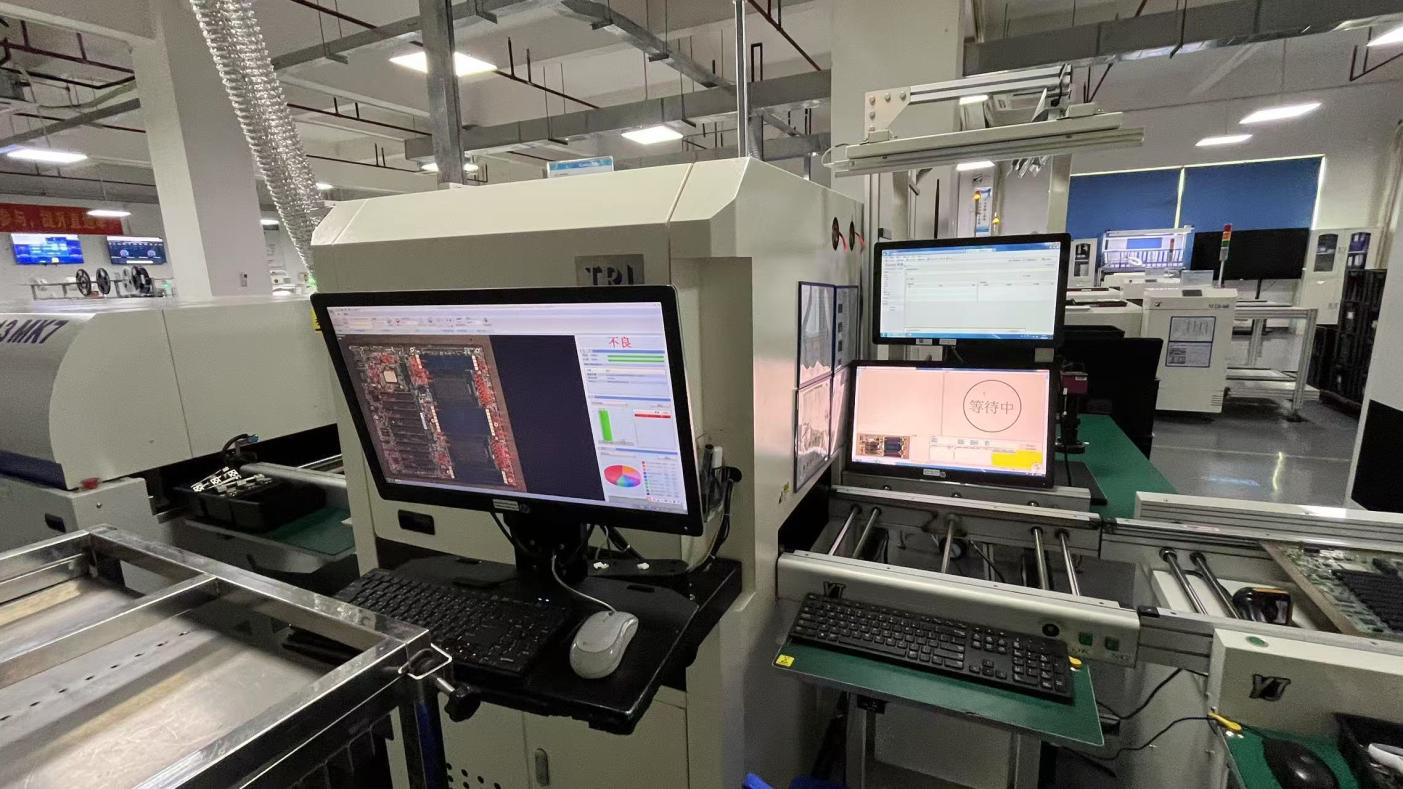
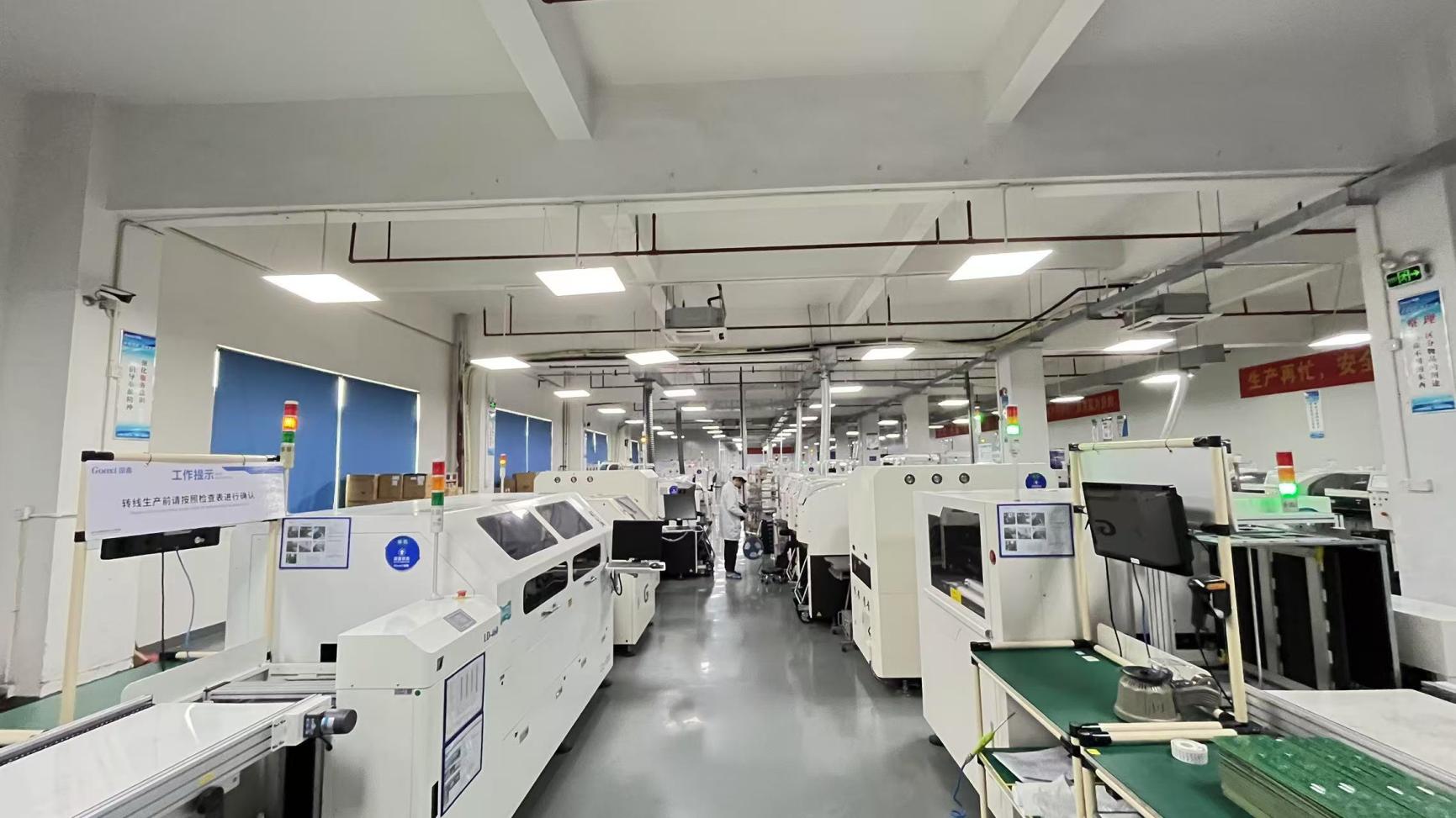
From initial sheet metal cutting and riveting to high-speed SMT printed circuit board assembly and detailed thermal aging validation.
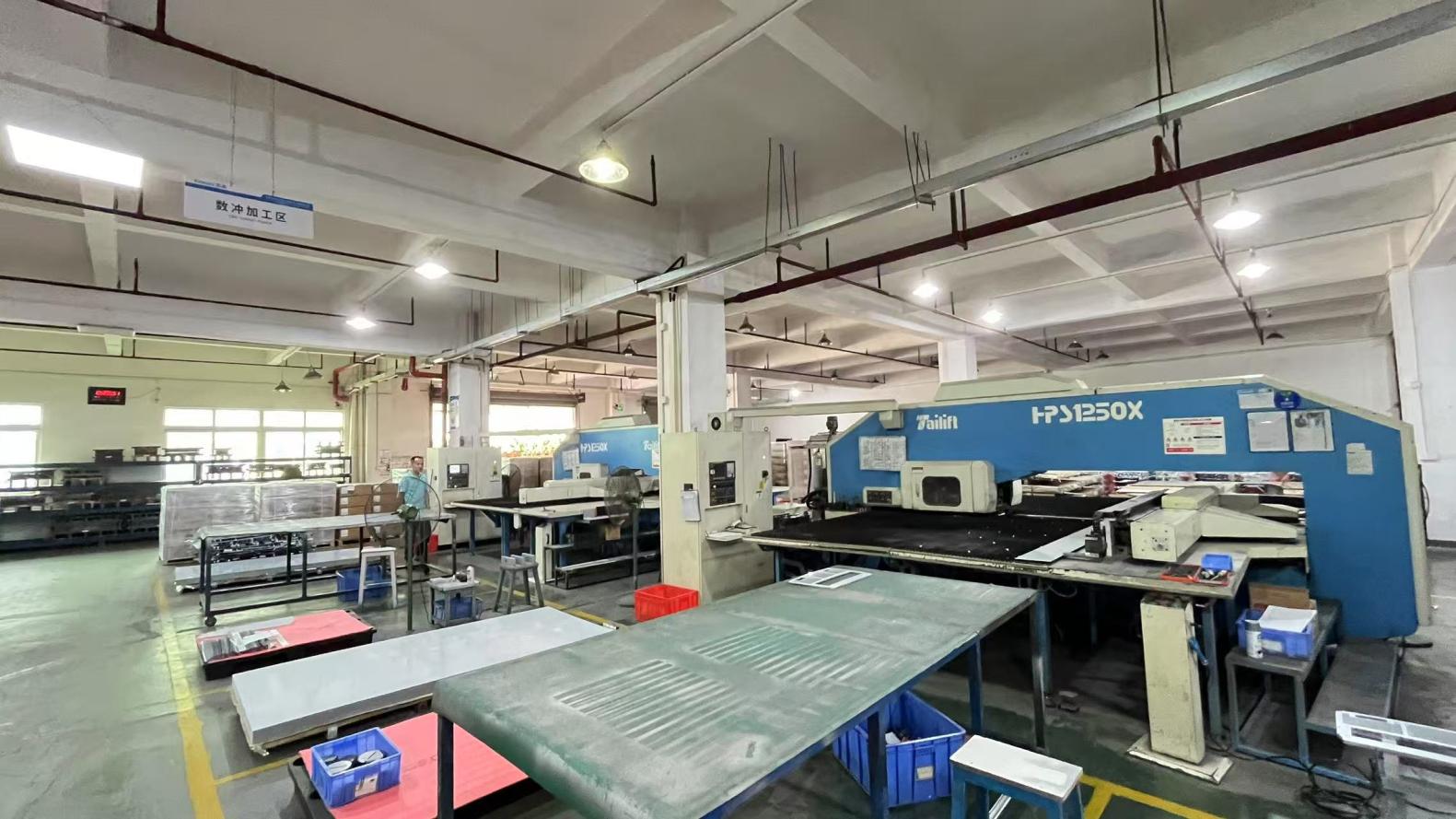
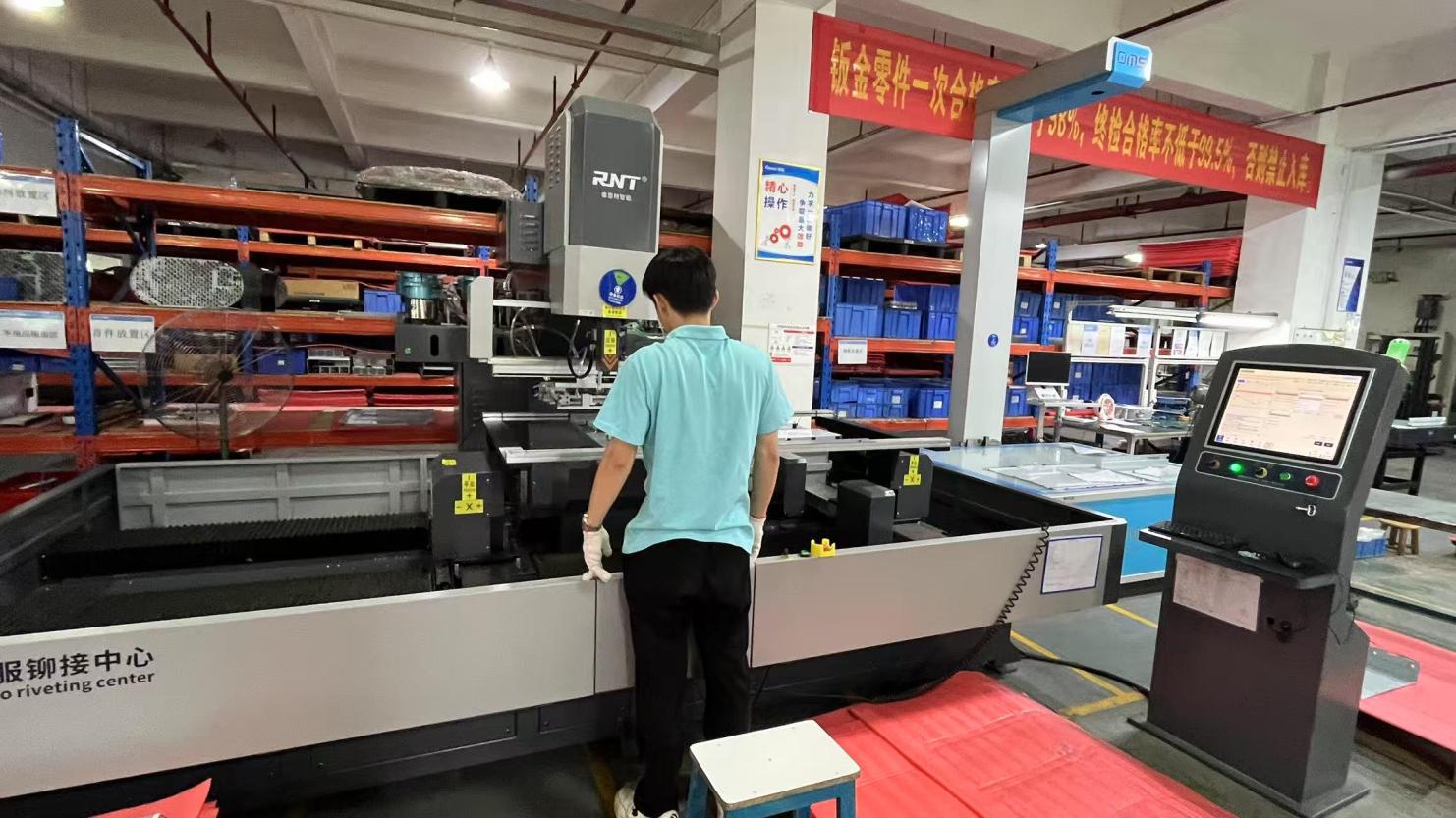

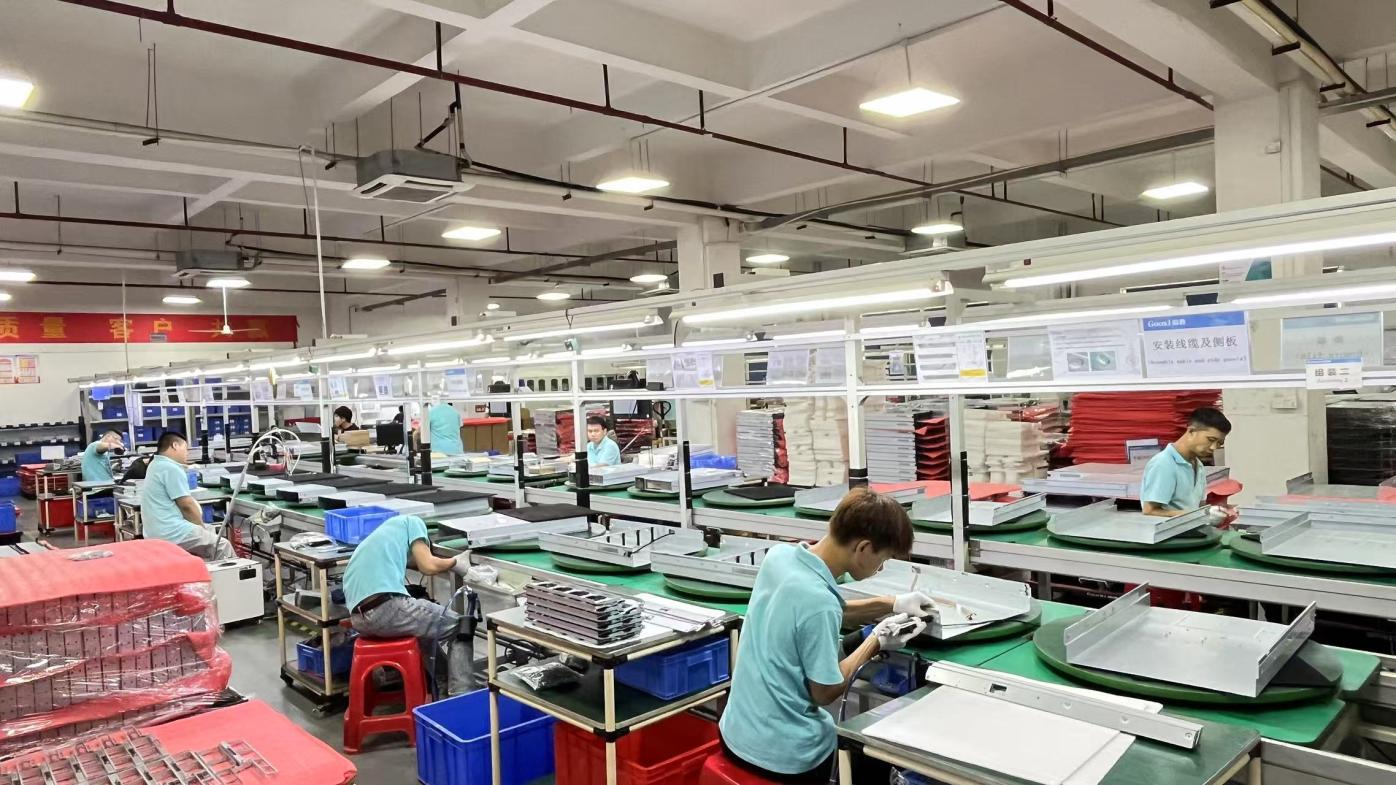
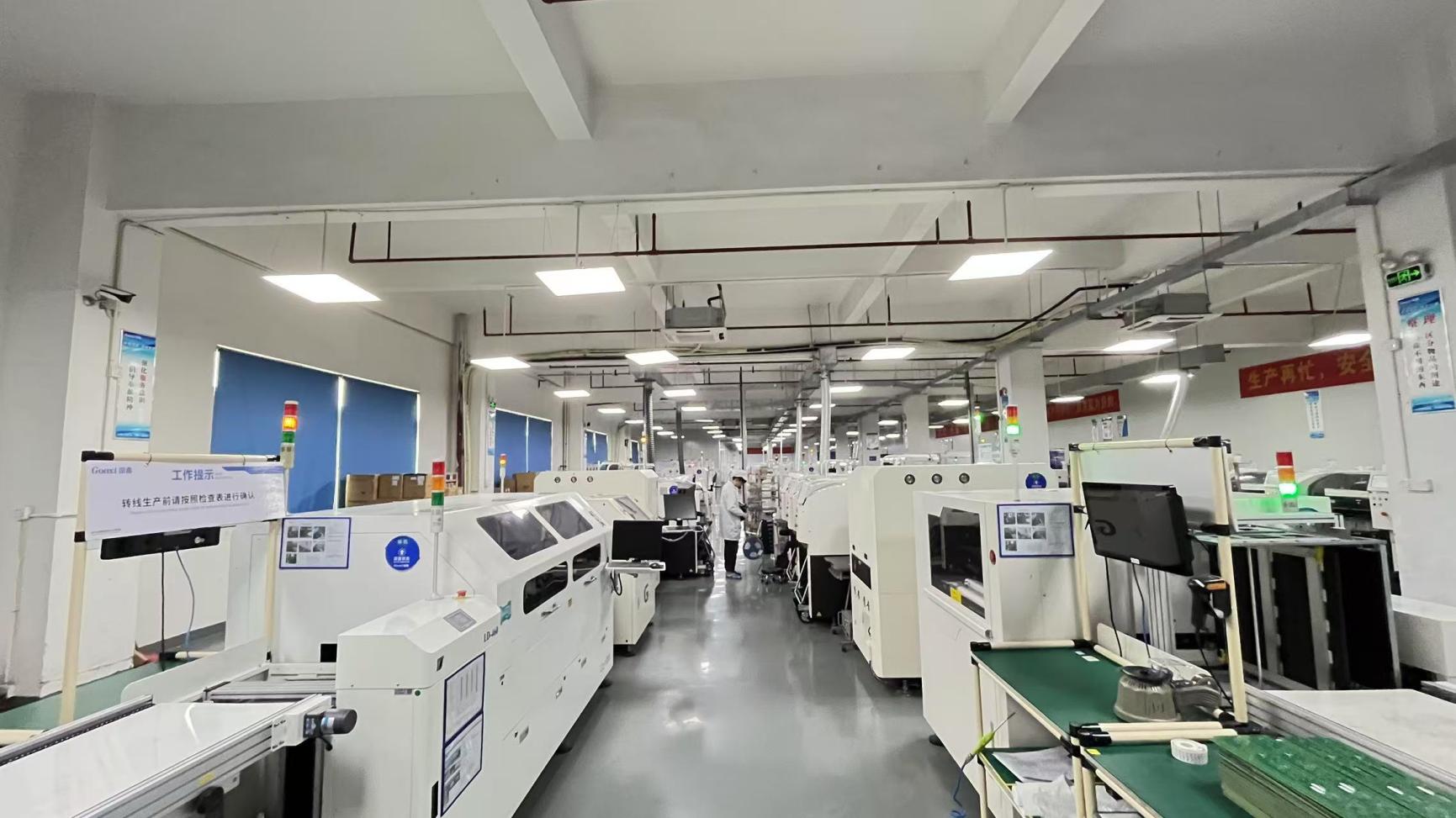

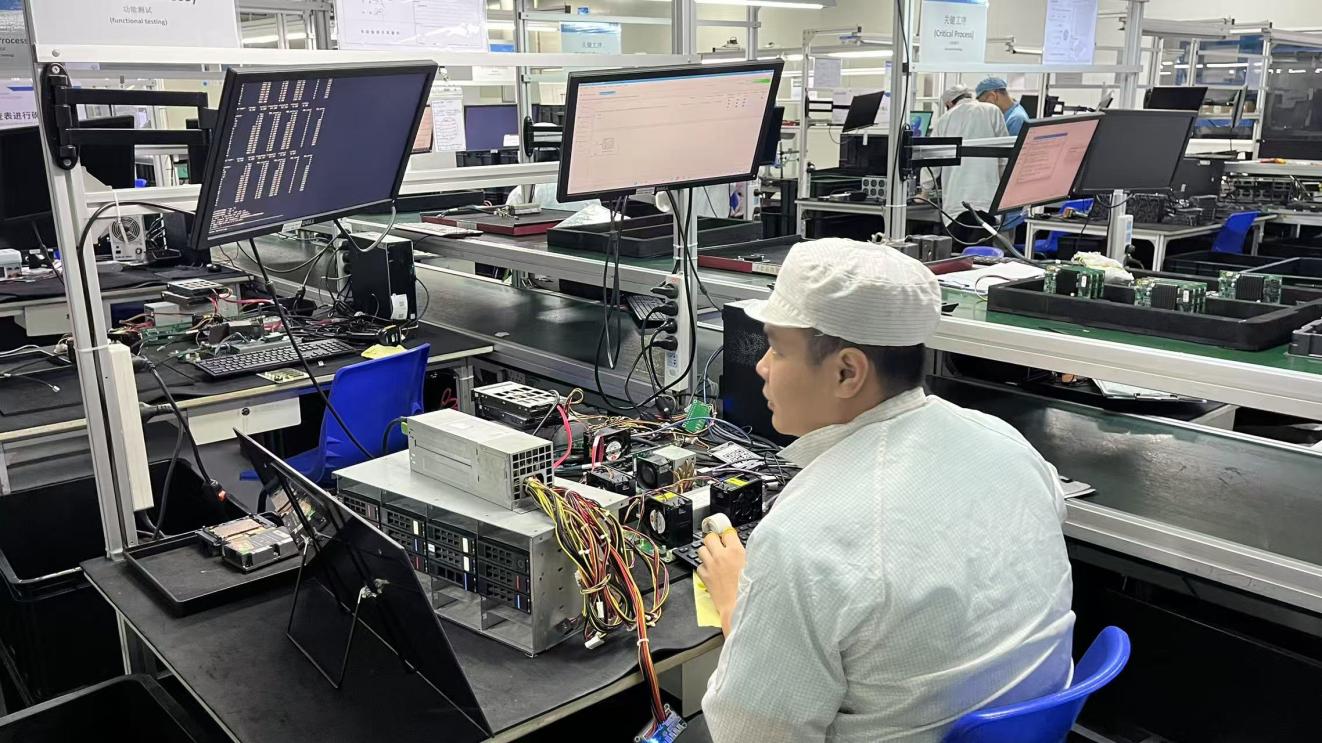
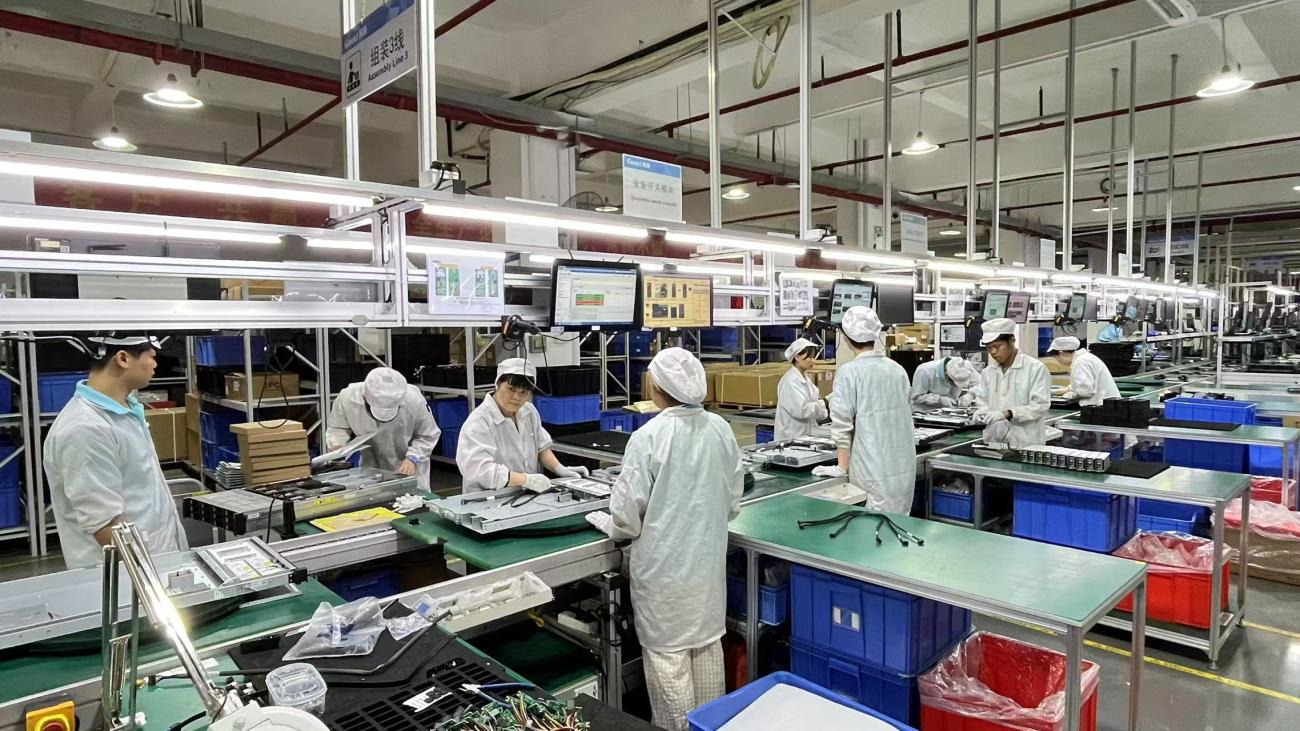

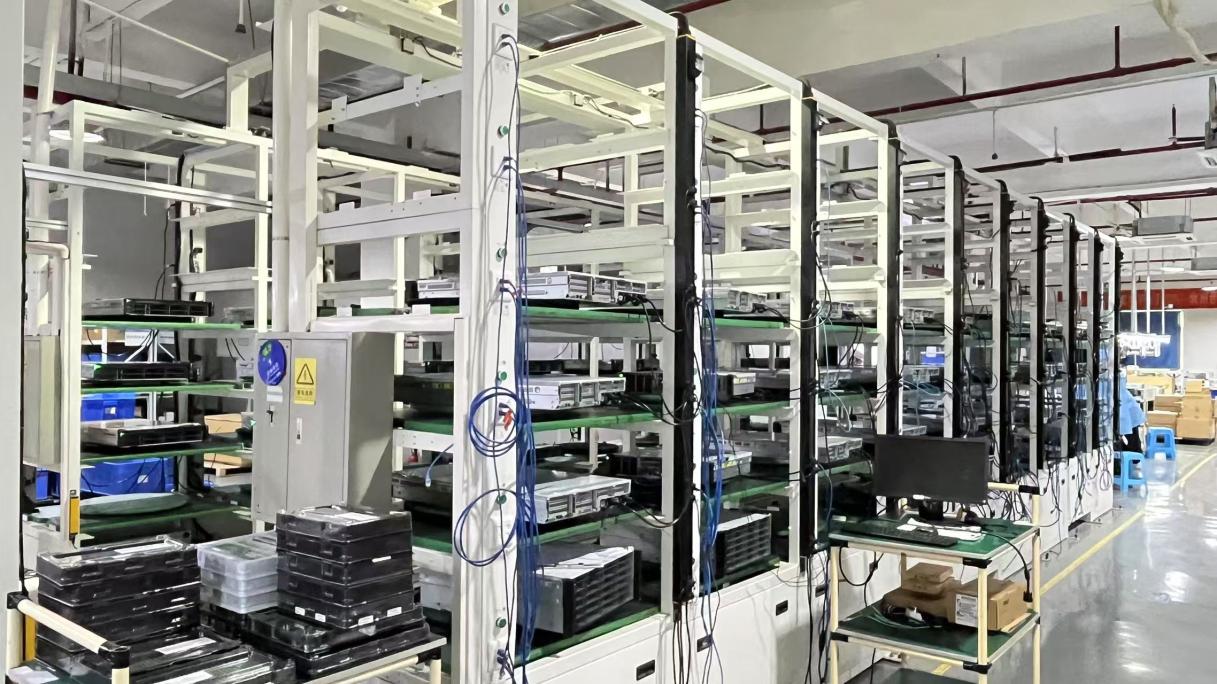
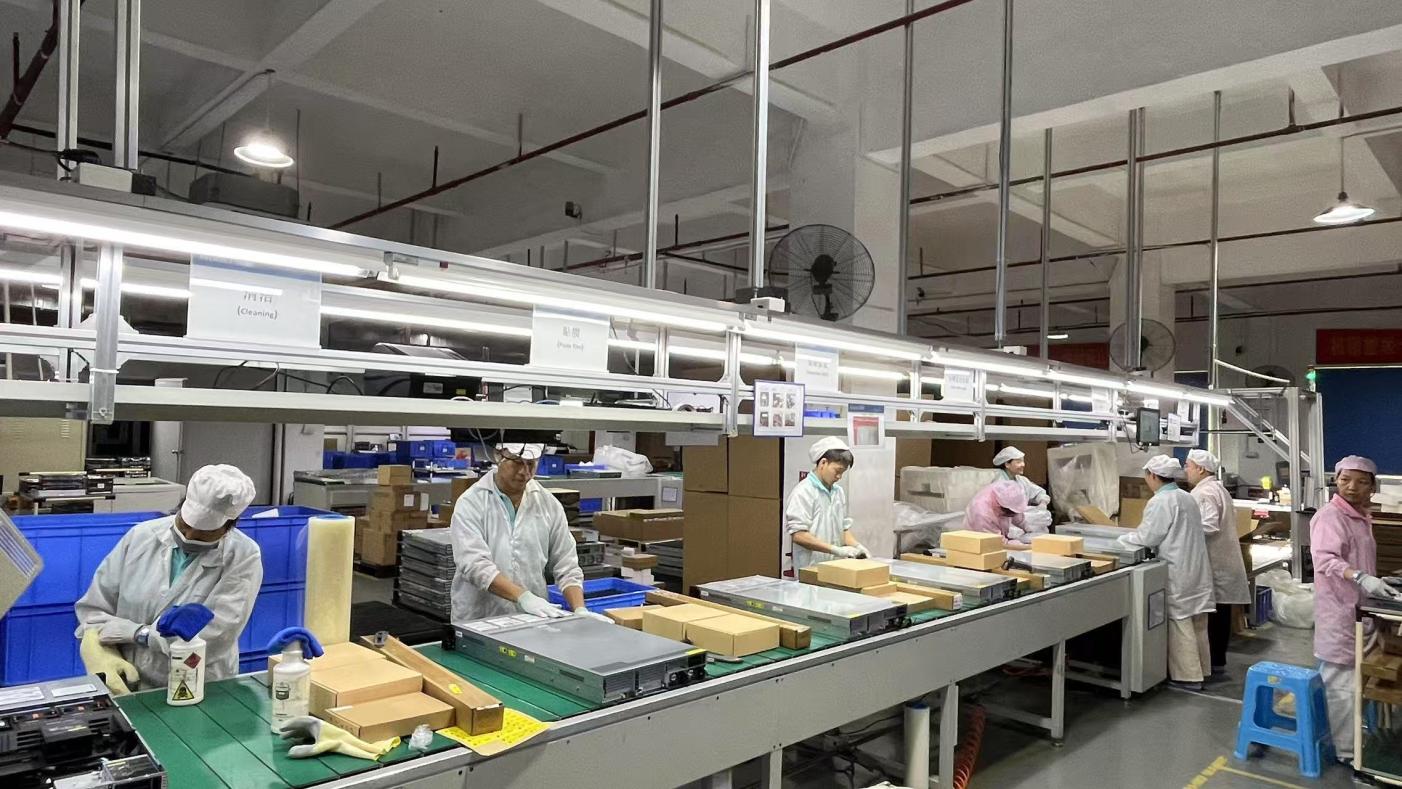
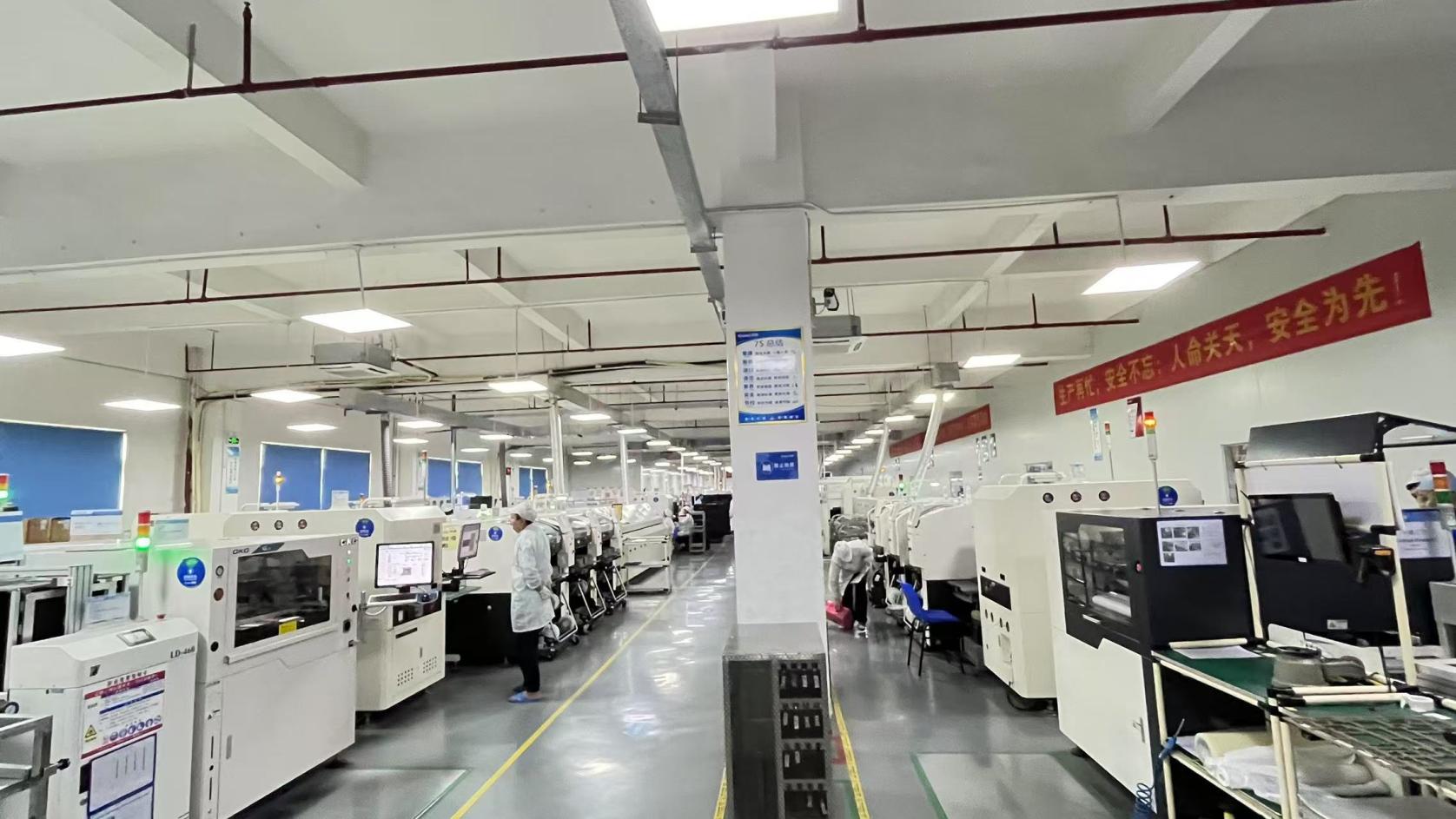

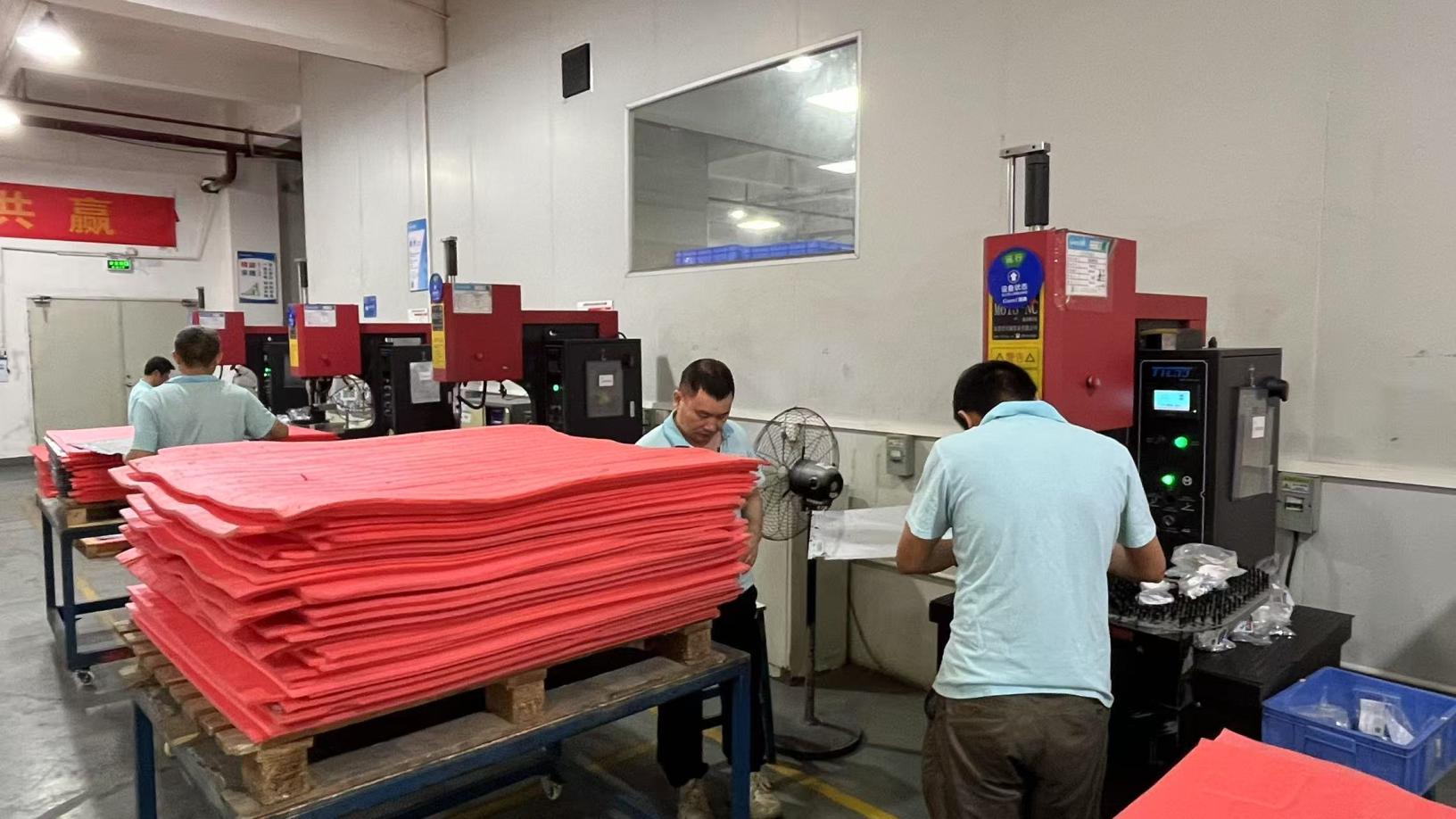
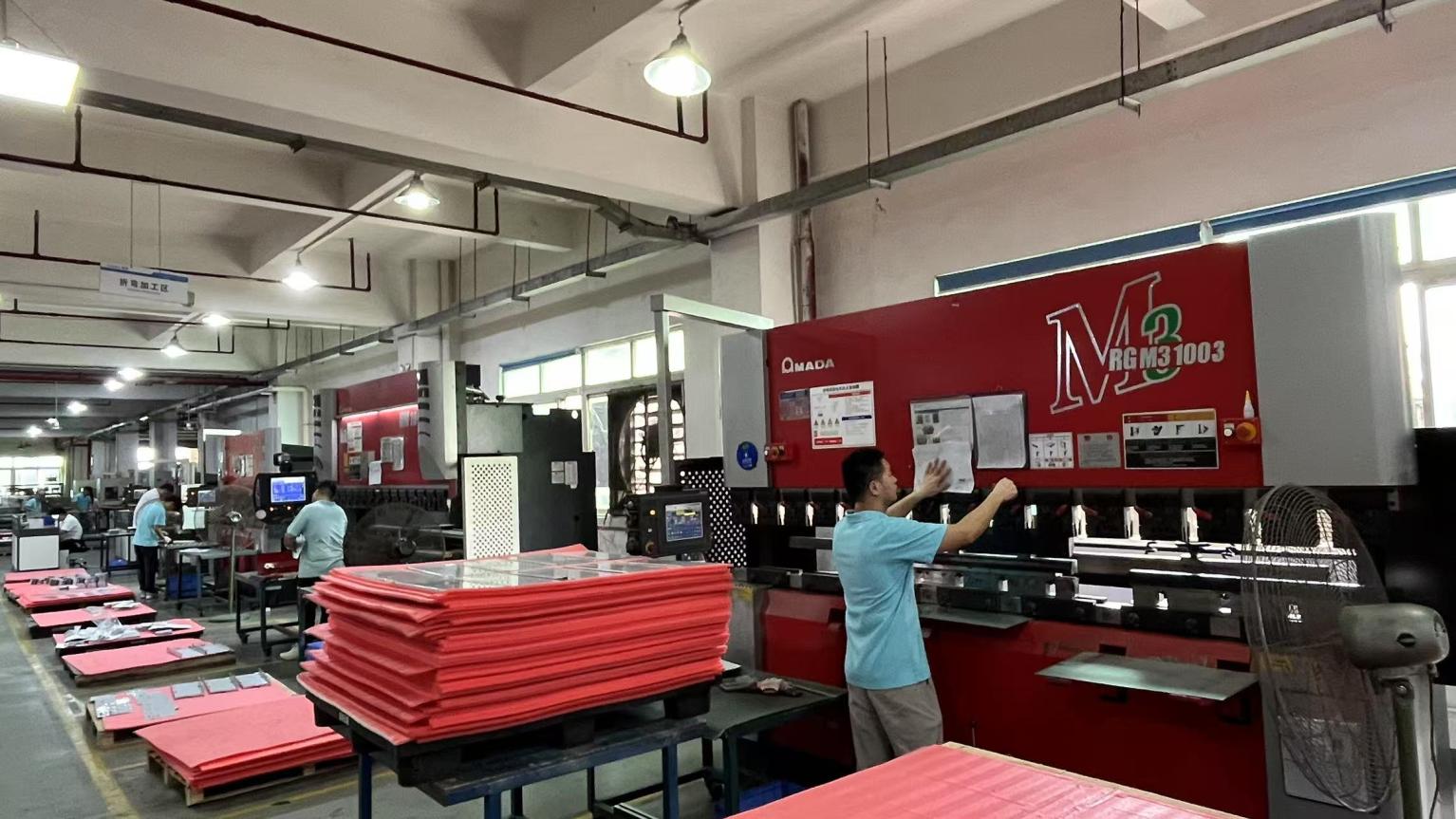

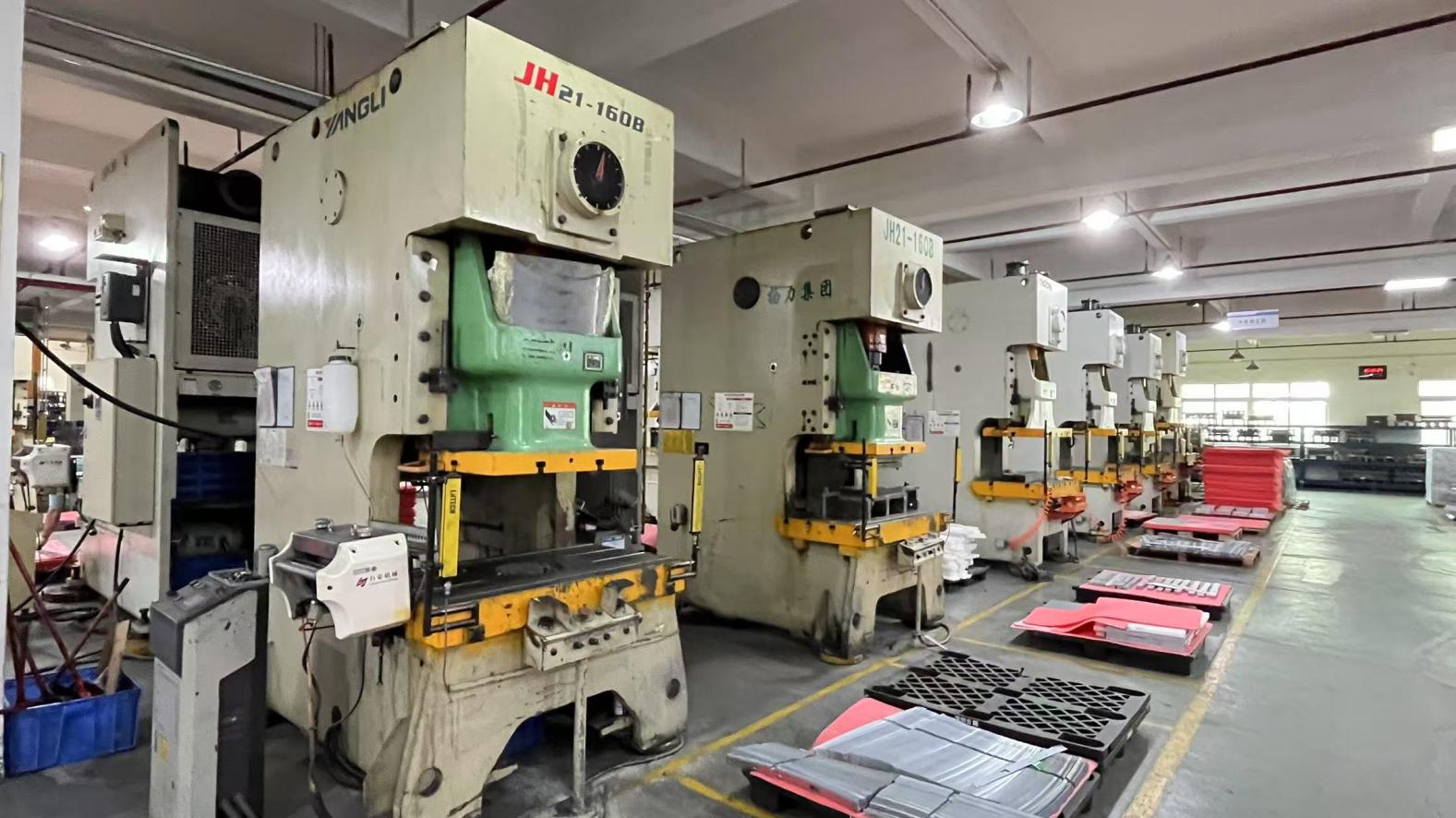

Our specialized validation laboratory subjects systems to extreme operational environments, vibration simulations, and comprehensive hardware diagnostics.

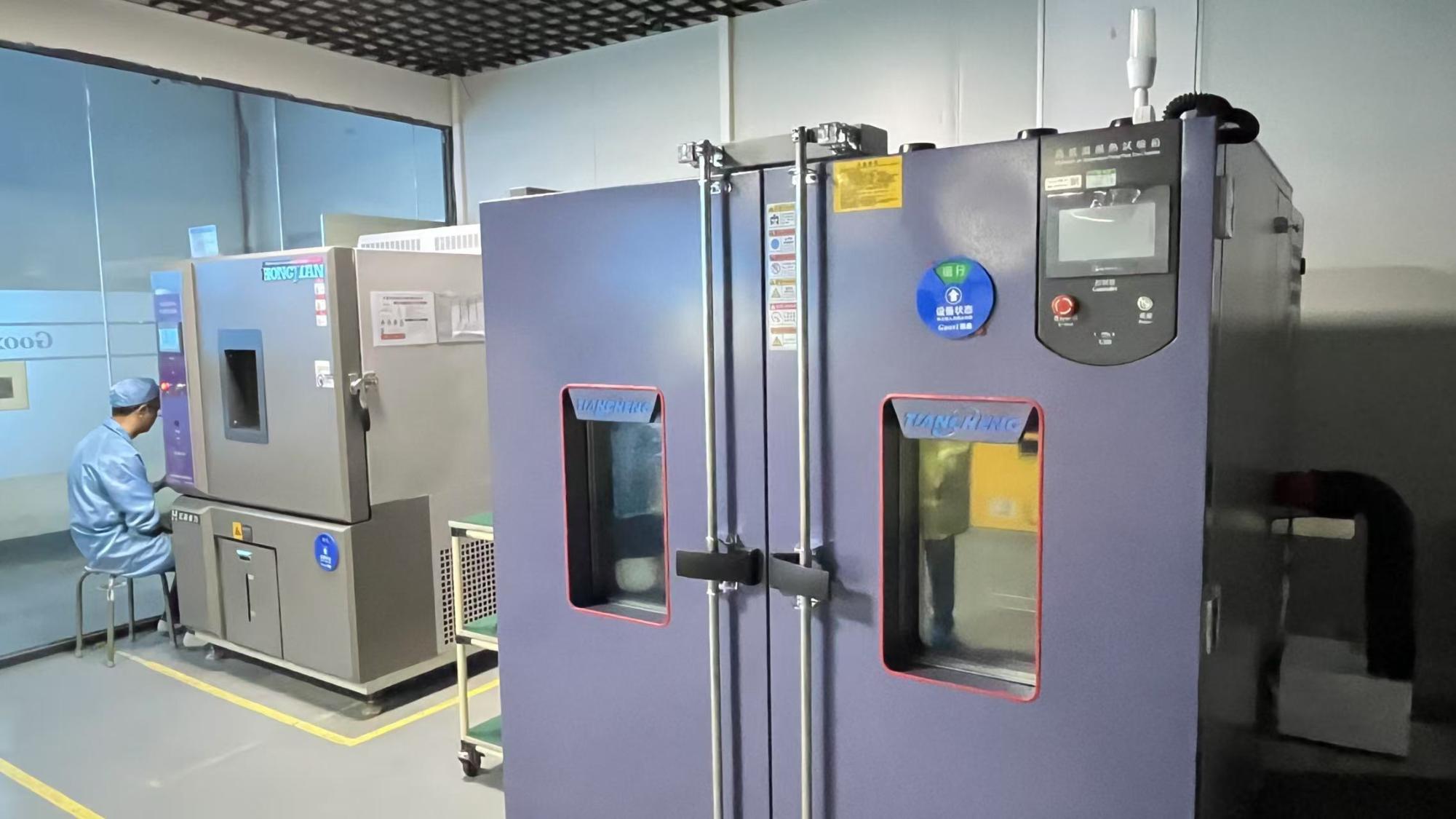
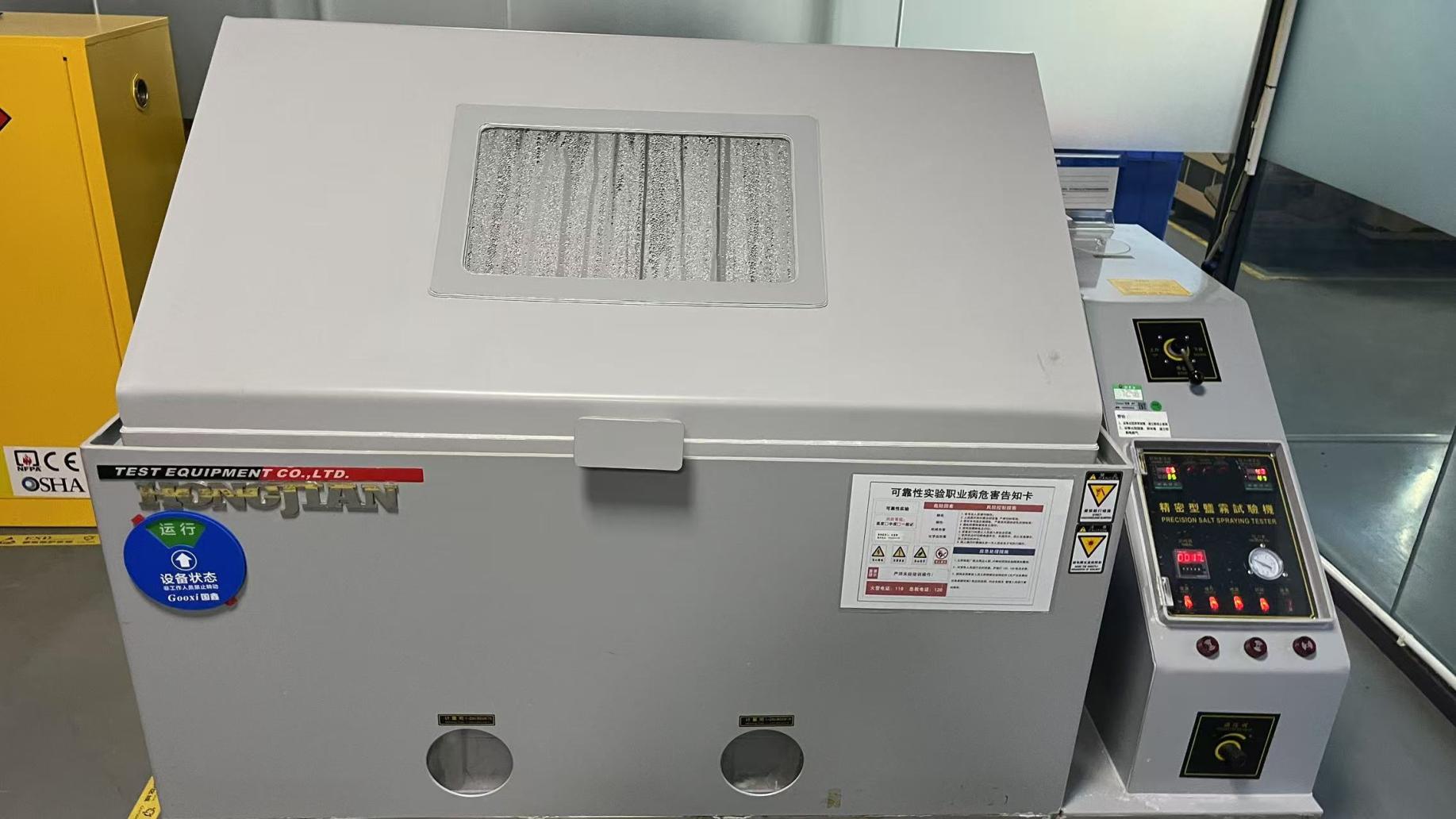
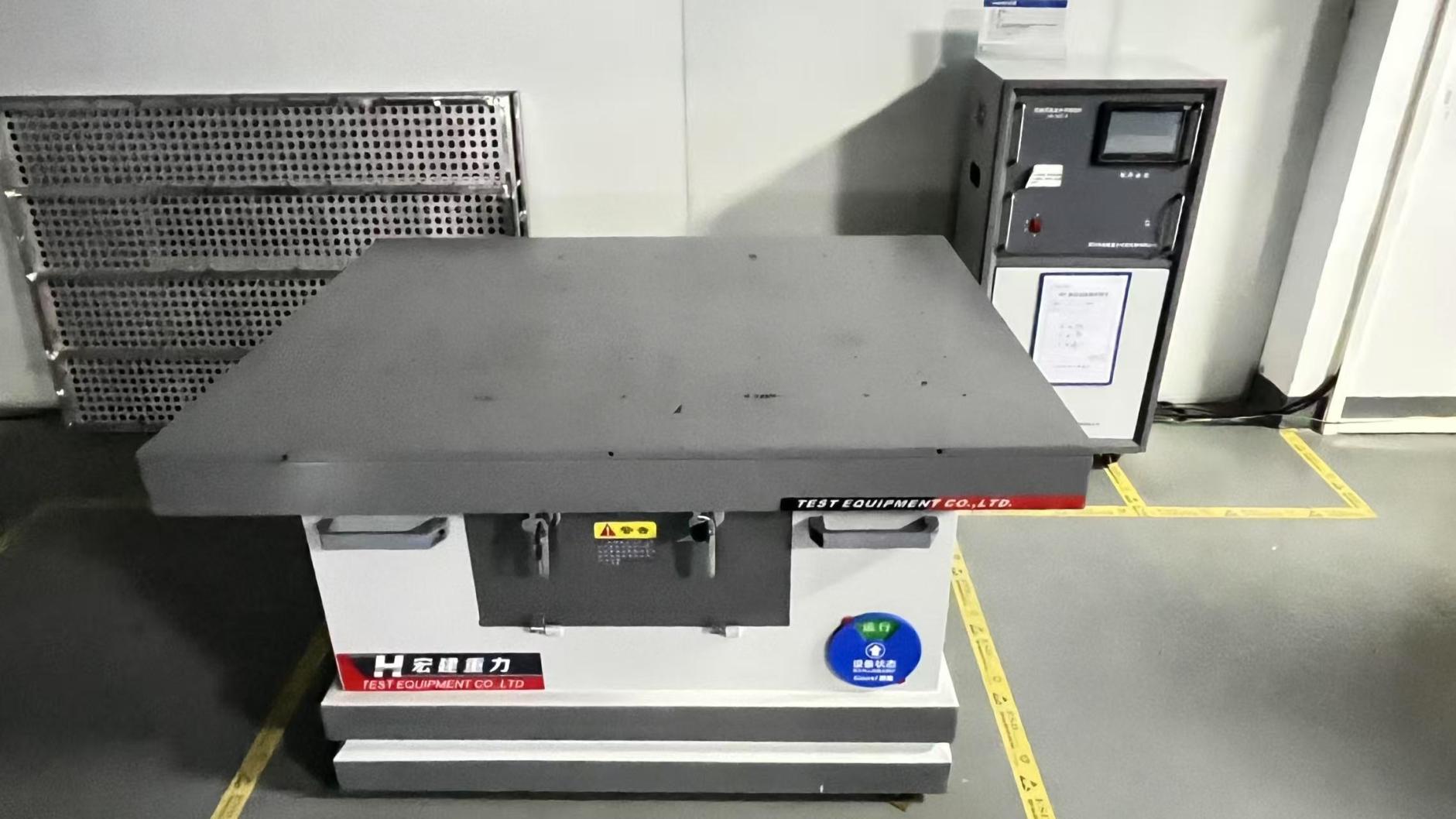
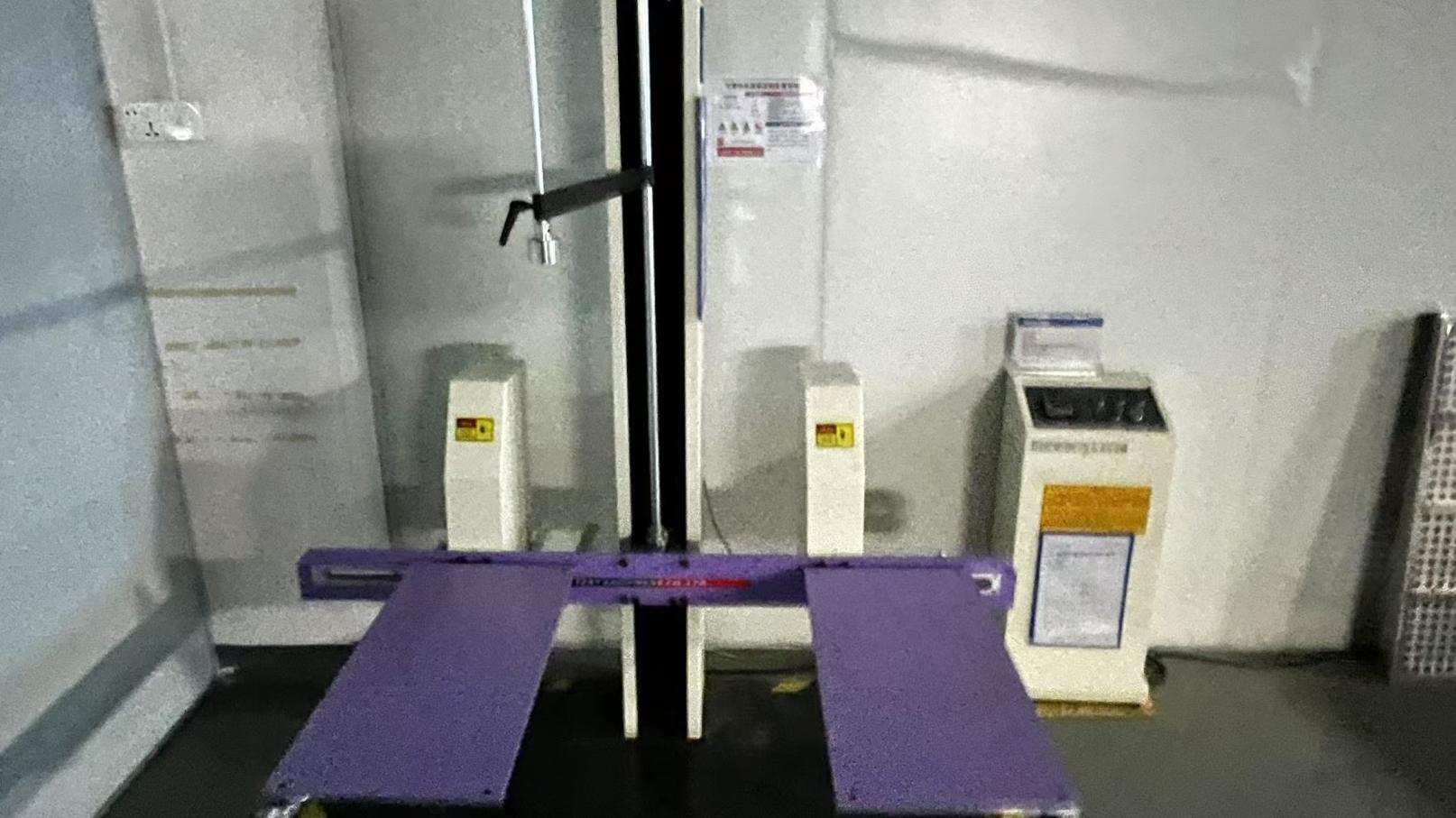


Due to the high vibration stresses experienced during multi-modal ocean and air freight routing, ZhiCloud AI subjects standard enterprise configurations to heavy mechanical vibration analyses and drop testing. In addition, our salt spray chamber tests chassis coatings to prevent corrosion on coastal or marine shipping routes.
Our micro-level quality protocols utilize advanced X-Ray detection to identify micro-voids in dense PCBA ball grid arrays, ensuring long-term reliability under thermal cycling.
Deploying high-compute nodes worldwide requires strict compliance with international electric, environmental, and radio regulations.
Operating high-performance servers across North America, Europe, and the Middle East requires strict compliance with CE, FCC, RoHS, and UL safety standards. Electromagnetic compatibility (EMC) testing ensures our high-frequency GPU server backplanes do not disrupt colocated data center equipment.
Additionally, our designs feature modular, hot-swappable power supplies that meet 80 Plus Platinum/Titanium efficiency ratings, simplifying compliance with strict regional power usage effectiveness (PUE) guidelines.
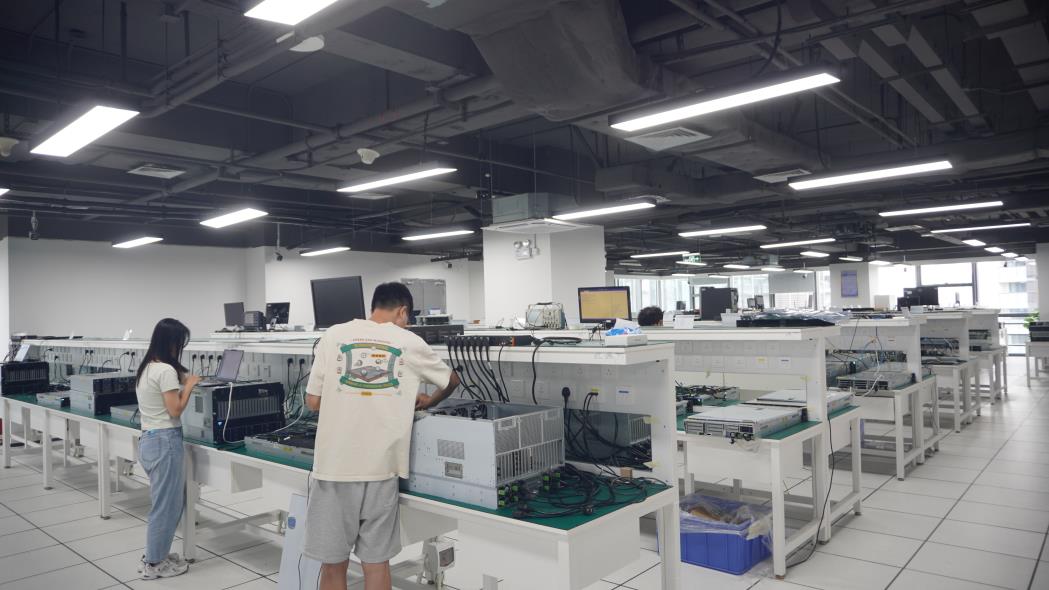
From AI startup nodes to public utility clusters, scalable hardware systems power the core layers of modern technology.
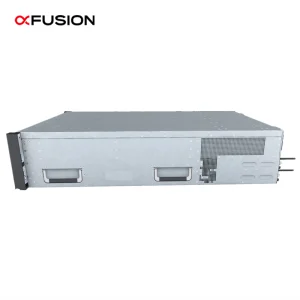
High-density GPU architectures, like the xFusion 2488H V7 and G8600 V7, provide the massive tensor compute capacity and high-throughput memory channels needed for real-time model inference and deep training loops.
Ultra-low latency network controllers and optimized storage arrays allow financial institutions to process transaction streams within microseconds, scaling dynamically to manage volatile trading volumes.
Processing complex genomic datasets requires vast memory bandwidth and scalable storage setups. Our PCIe NVMe storage options deliver reliable read-heavy throughput for continuous analytical workloads.
When deploying platforms like DeepSeek, server systems face extreme data transfer demands across the internal PCIe bus. Standard hardware configurations struggle with latency under these loads. By using optimized RAID host bus adapters (such as the XC170-M-8i) alongside enterprise NVMe SSD arrays, storage bottlenecks are resolved, allowing CPU and GPU accelerators to run at peak capacity.
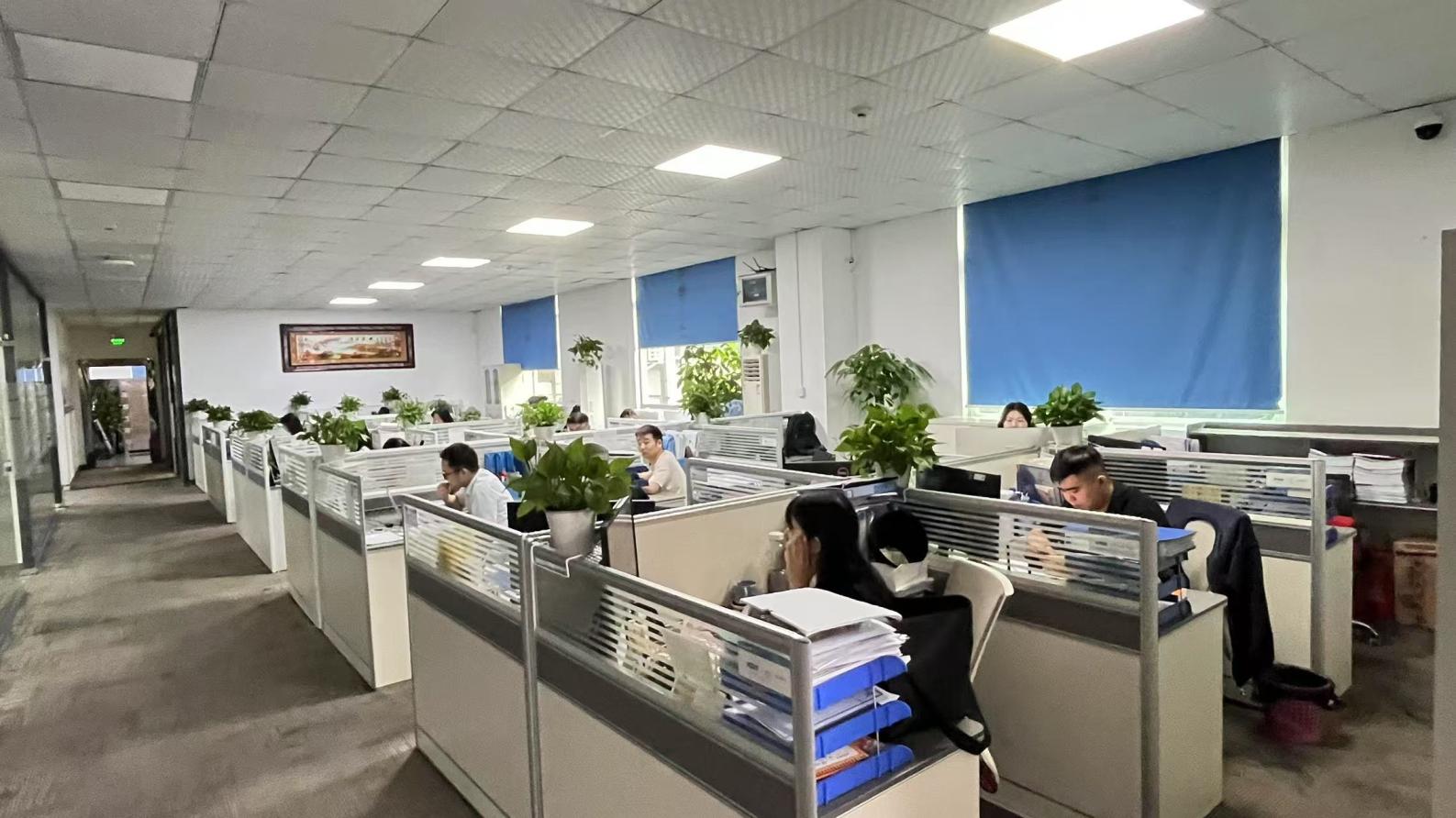
How our R&D team addresses emerging challenges in power density, computing efficiency, and structural system design.
As TDP (Thermal Design Power) thresholds for next-generation AI processors approach 1000W, traditional air cooling is reaching its physical limits. Our development team is actively engineering integrated direct-to-chip (D2C) liquid-cooling manifolds to manage these heat profiles effectively.
We are also designing configurations around Compute Express Link (CXL) architectures, which enable unified memory pools between CPU, memory, and acceleration components. This reduces latency and improves overall system performance.
By designing modular chassis layouts, we ensure data centers can easily transition from standard air-cooled setups to liquid-cooled racks without requiring complete re-cabling or structural overhauls.
Common technical questions regarding system optimization, hardware scalability, and enterprise server configurations.

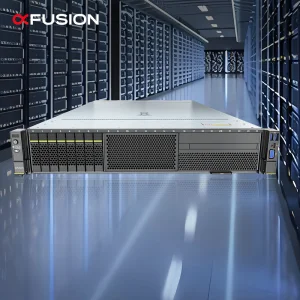
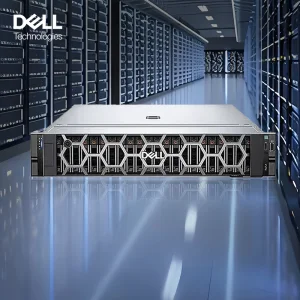
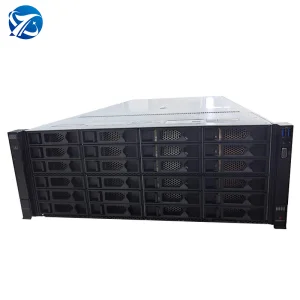
Explore the rest of our lineup, featuring optimized multi-socket rack servers, high-capacity SATA SSD nodes, and GPU computing workstations.
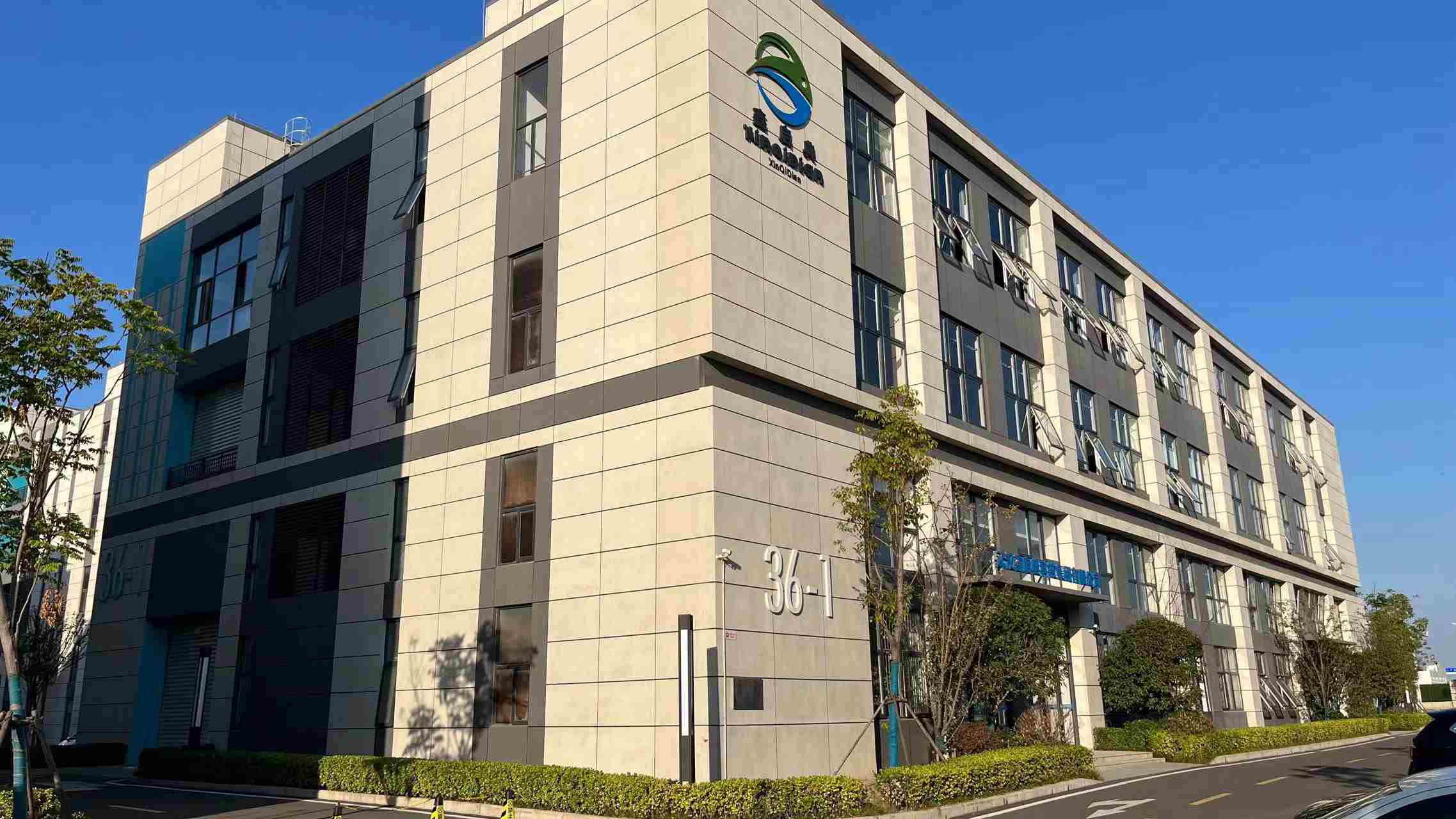
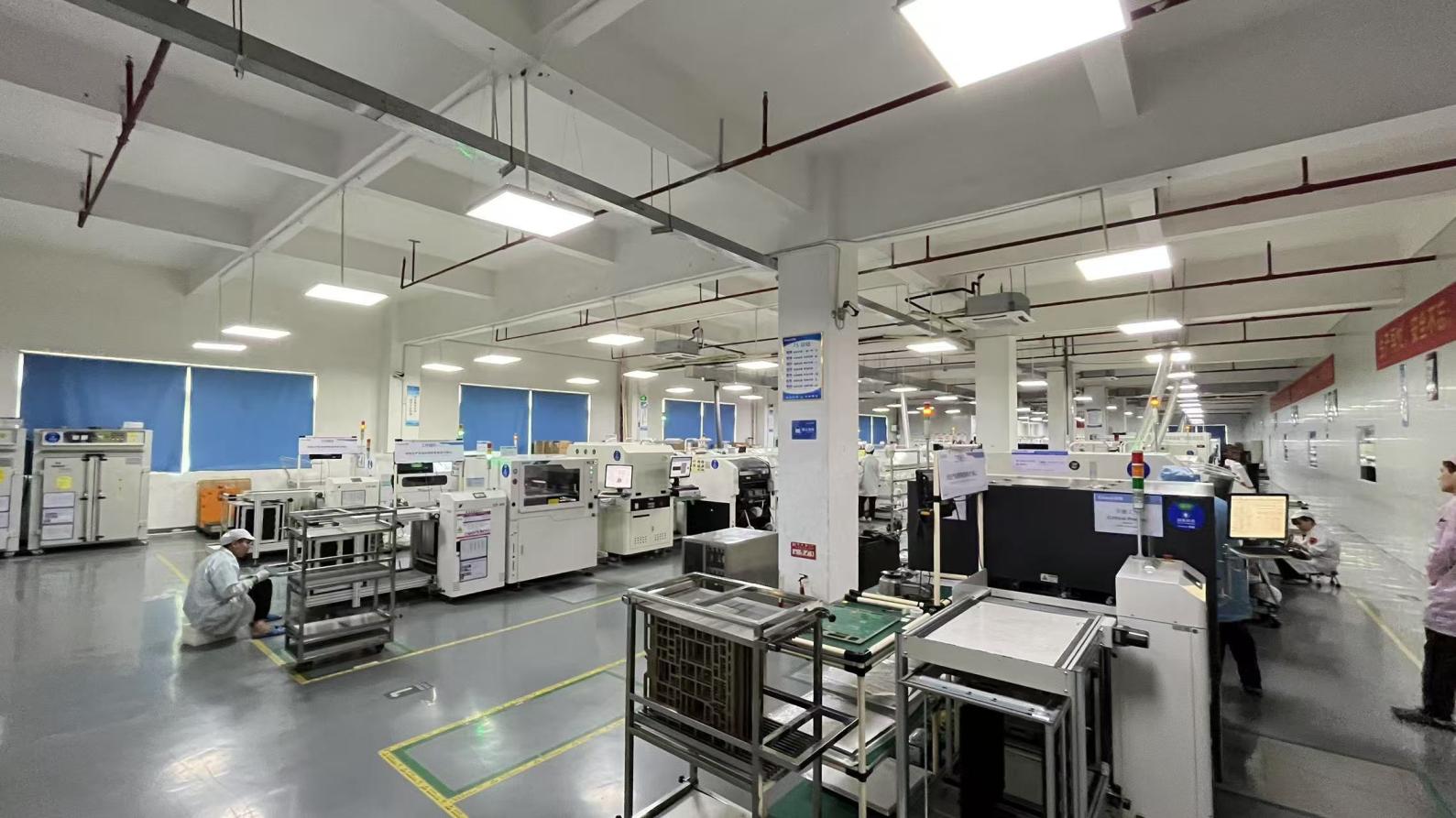
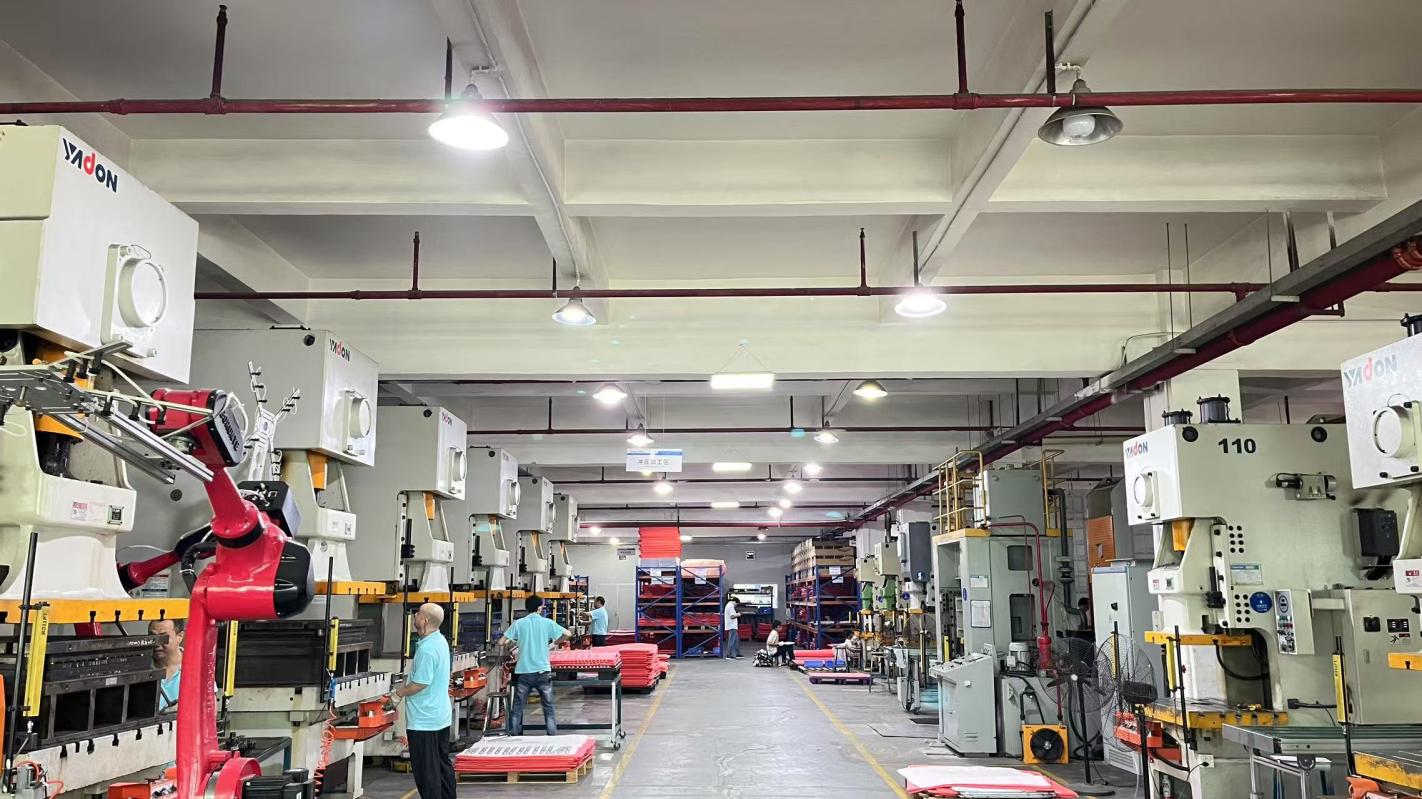
Our manufacturing facility features streamlined layouts that optimize assembly flow and speed up product shipping times.
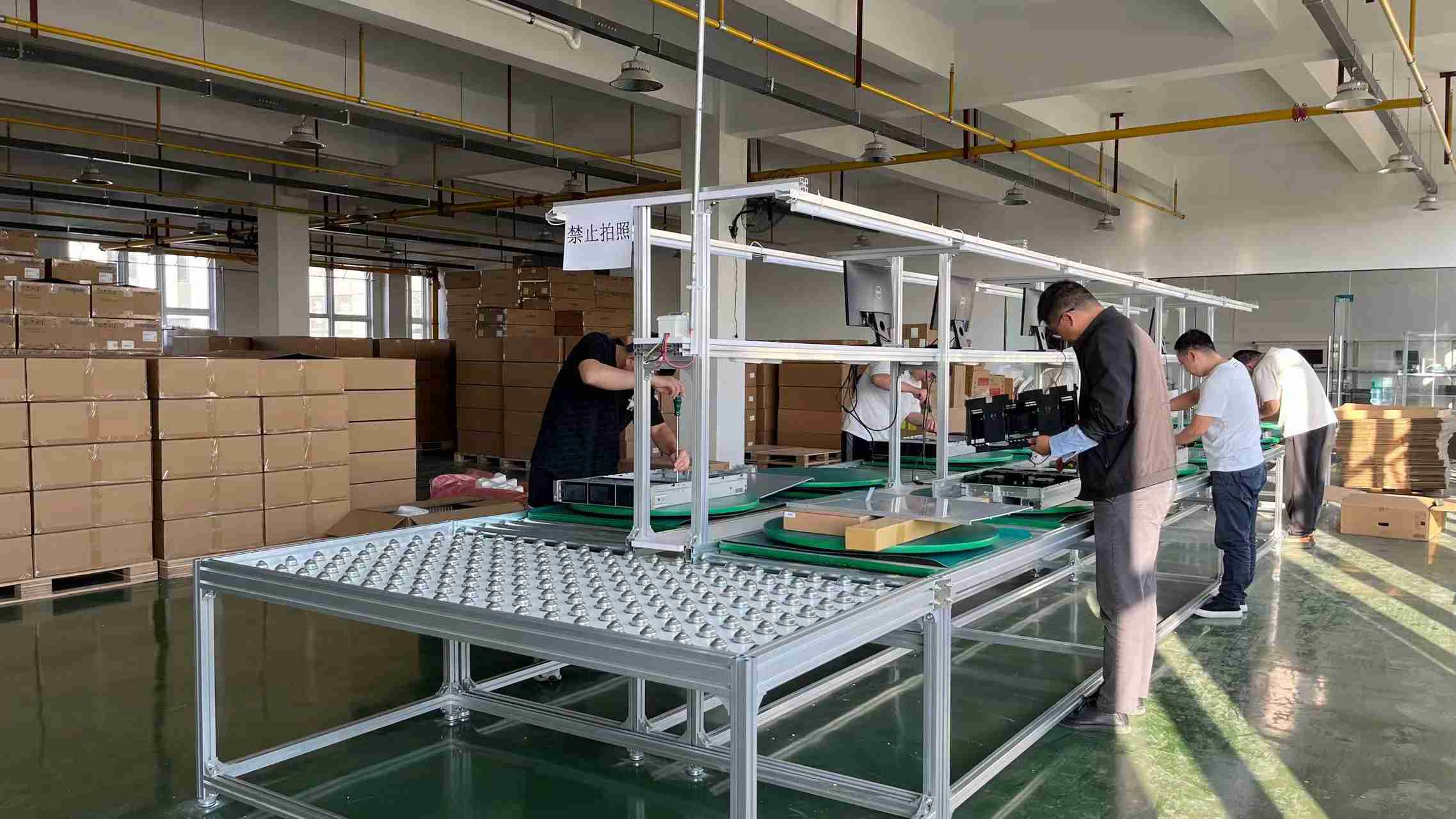
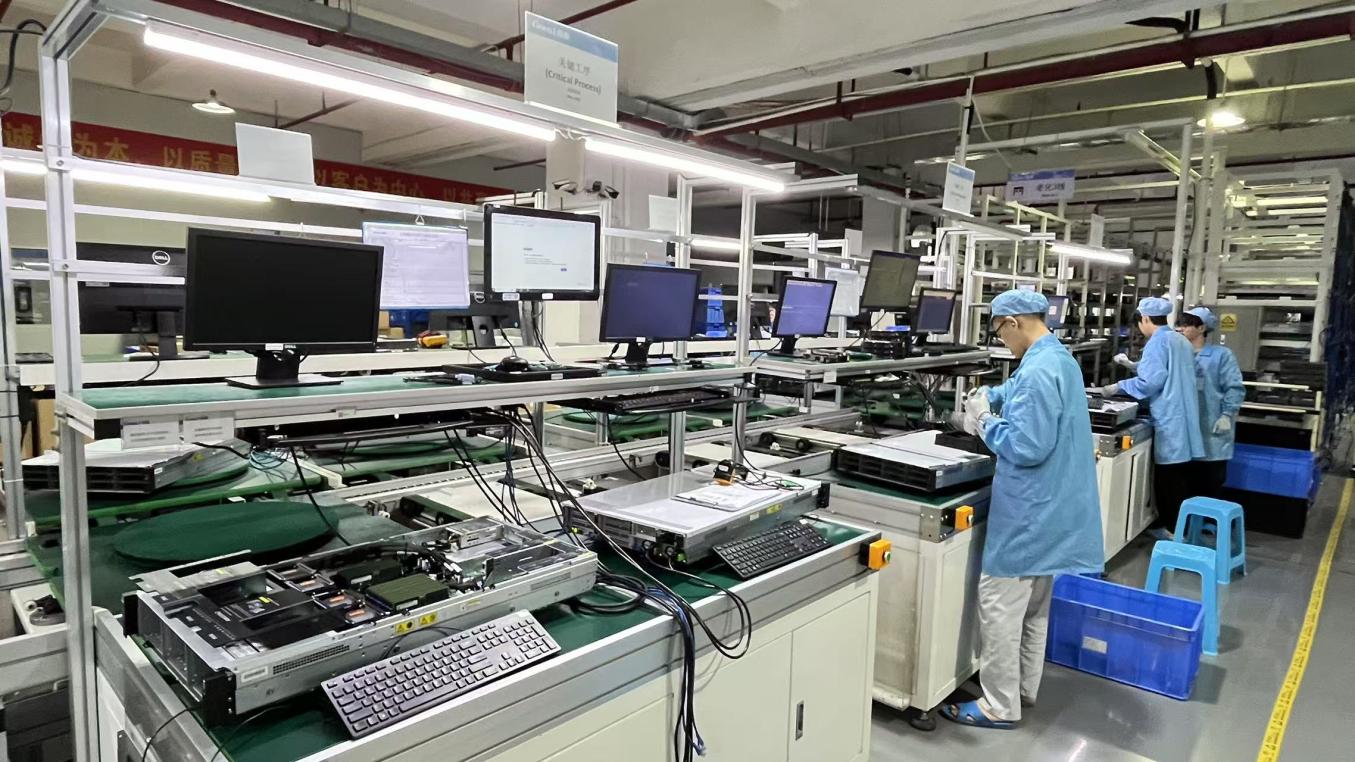
Operating from our 320㎡ facility in Shenzhen, ZhiCloud AI combines automated manufacturing processes with precision manual assembly. Our assembly floor features dedicated workstations for SMT, mechanical assembly, PCBA inspection, and final quality validation.
This integrated workflow allows us to scale production to meet large order volumes. By managing both components fabrication and final testing under one roof, we reduce processing times, maintain product traceability, and meet strict project deadlines.
Our facility works with a nearby logistics hub to coordinate secure packing and international customs handling, helping ensure safe and timely delivery for high-performance servers globally.