ZhiCloud AI
ZhiCloud AI
ZhiCloud AI
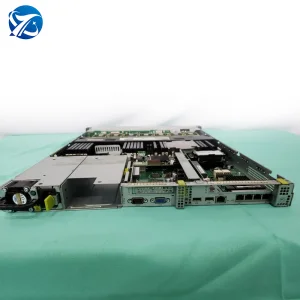
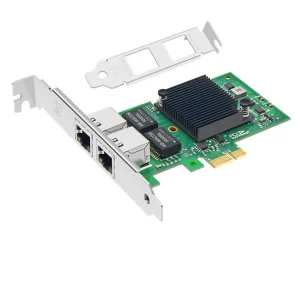
Deploy enterprise-class reliability and cutting-edge data transmission architectures with our premium network adapters, high-density server configurations, and system memory components.
An authoritative analysis of Lenovo's global industrial footprint, ODM/OEM engineering strategies, and the critical role of specialized integration partners in the AI computing era.
The global server market has experienced a paradigm shift, transitioning from general-purpose compute architectures to highly dense, acceleration-centric clusters designed to handle deep learning, Large Language Models (LLMs), and hyper-scale virtualization workloads. Within this environment, Lenovo has emerged as a cornerstone of modern digital infrastructure, occupying a dominant position in the global server vendor space. Through its flagship ThinkSystem line and advanced Neptune Direct-to-Chip Liquid Cooling technology, Lenovo supports data centers in achieving unprecedented PUE (Power Usage Effectiveness) performance.
This industry analysis provides a granular breakdown of the global server supply chain, highlighting the TOP 10 manufacturing facilities and OEM/ODM engineering networks that support the creation, testing, and delivery of Lenovo server architectures. We analyze how Lenovo leverages both proprietary factories and world-class Taiwanese and mainland Chinese ODMs (Original Design Manufacturers) to maintain supply chain resilience under volatile geopolitical conditions.
Lenovo employs a hybrid manufacturing model that combines *in-house manufacturing* with *OEM/ODM strategic partners*. This approach allows the corporation to address localization, trade regulations, customized software pre-installation, and rapid order execution simultaneously.
For example, in the North American market, server customization and final integration occur closely in regional centers like Monterrey, Mexico, to comply with US-MCA regulations and reduce transit latency. For European and EMEA enterprise buyers, the Üllő facility in Hungary serves as a localized assembly powerhouse, ensuring GDPR-compliant security integrations and CE certified components. Meanwhile, high-volume manufacturing of motherboards (PCBA) and high-density computing blocks is handled in major industrial hubs in mainland China, leveraging the deep supply chains of Hefei, Shenzhen, and Wuhan.
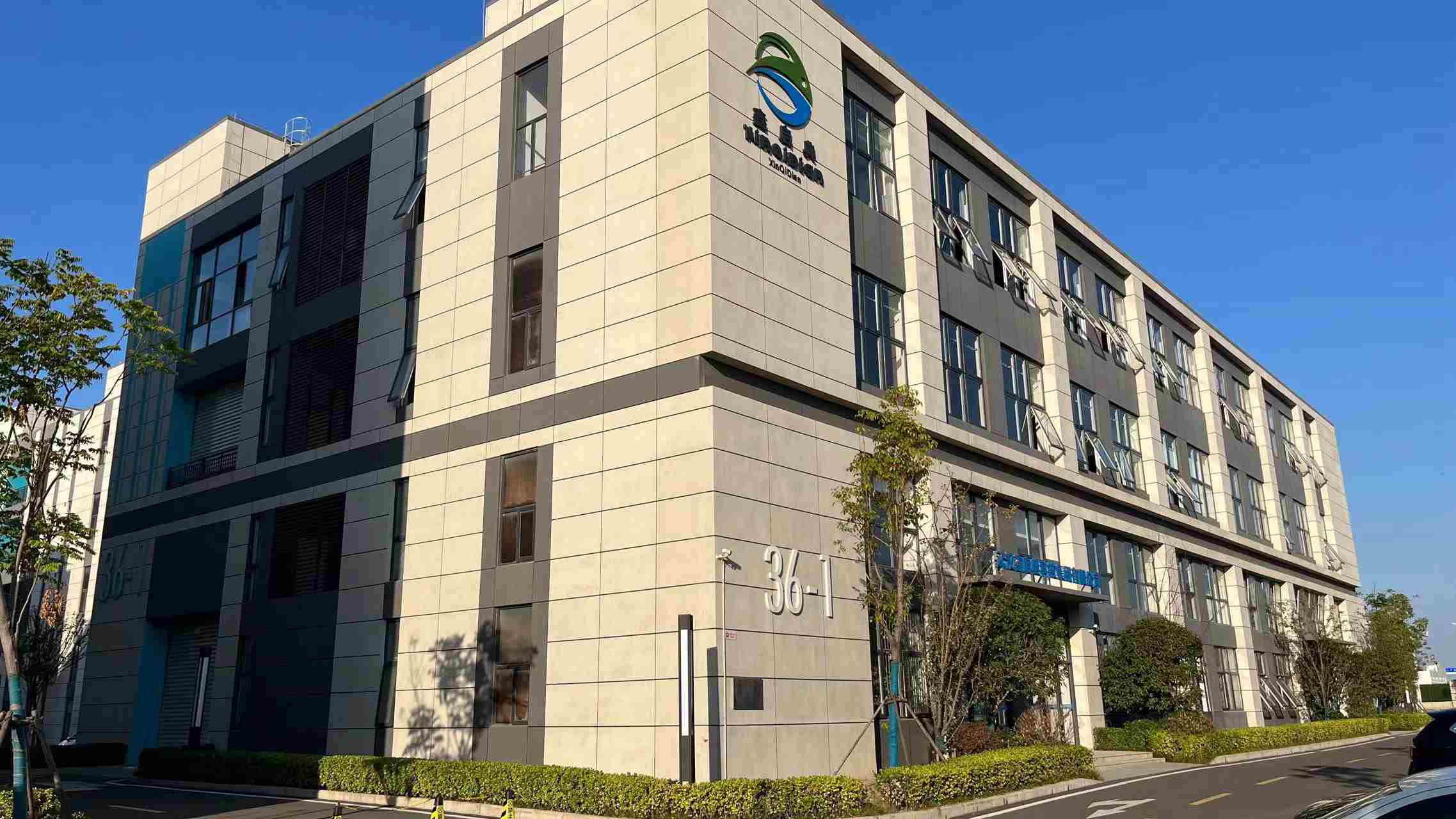
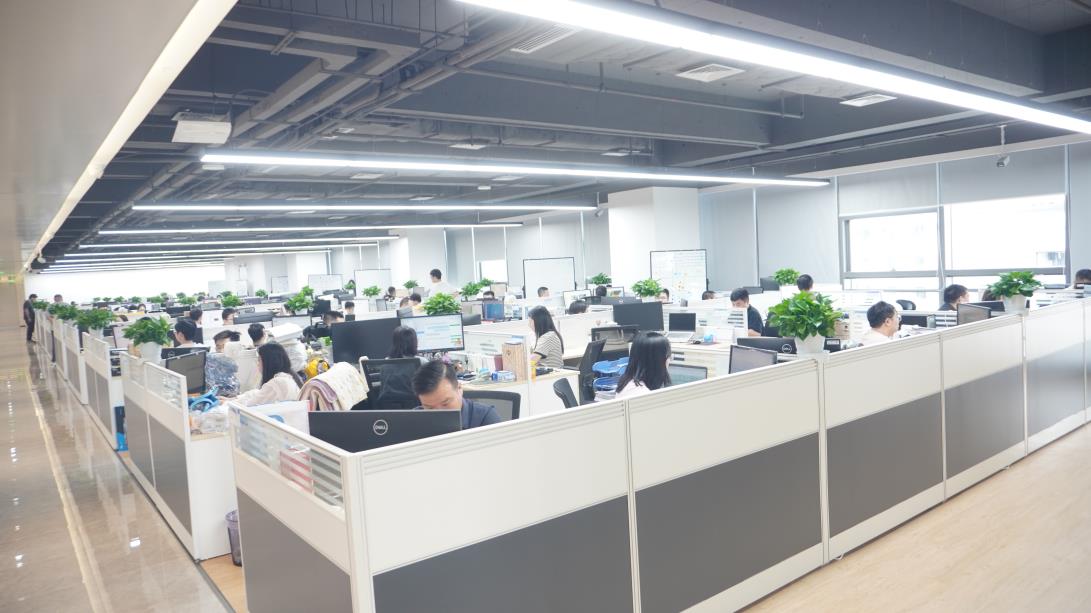
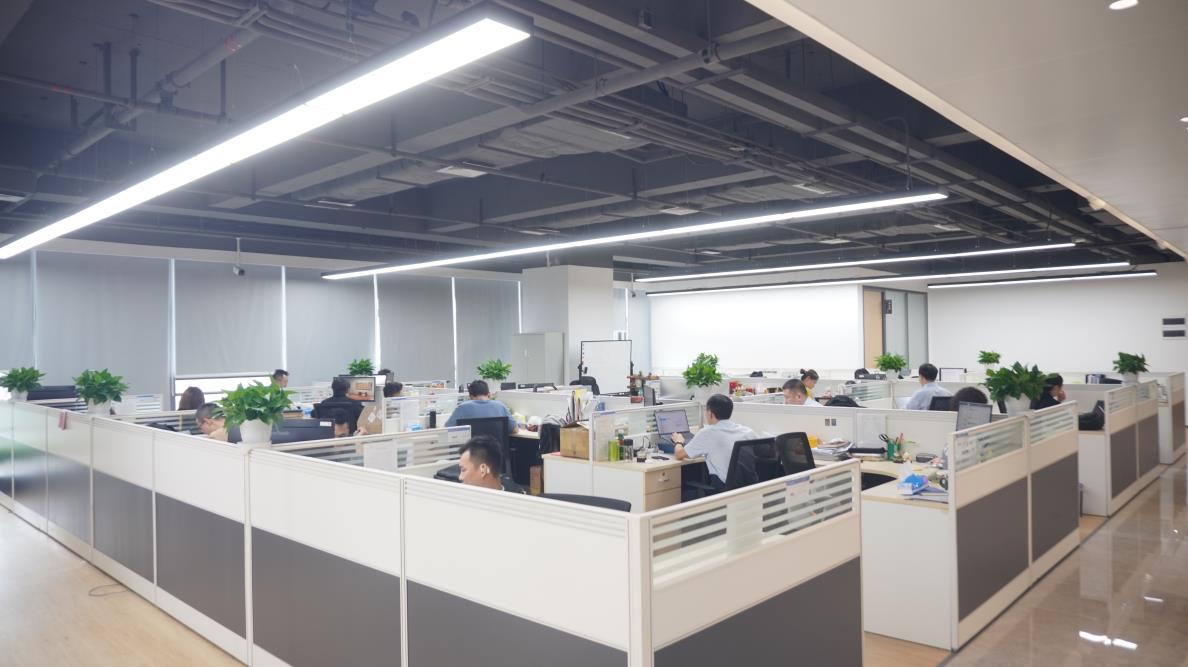
Among the specialized players in the server customization and high-performance computing (HPC) landscape, Shenzhen Intelligent Computing Cloud Technology Co., Ltd. (ZhiCloud AI) occupies a crucial position. Operating since 2016, ZhiCloud AI combines 11 years of deep industry expertise in computing hardware with 7 years of direct global export operations, building a strong market presence in North America, Europe, Southeast Asia, and the Middle East.
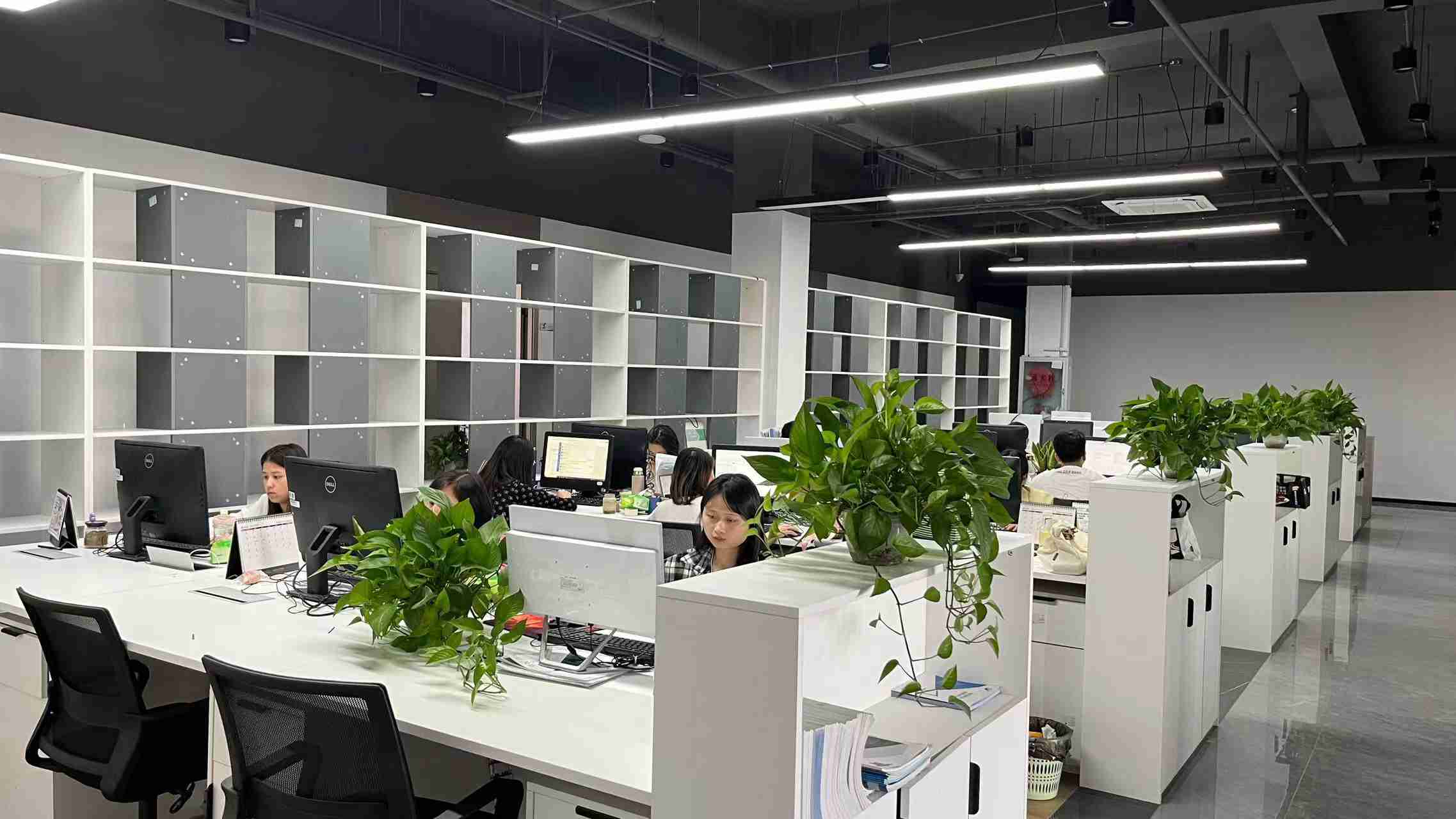
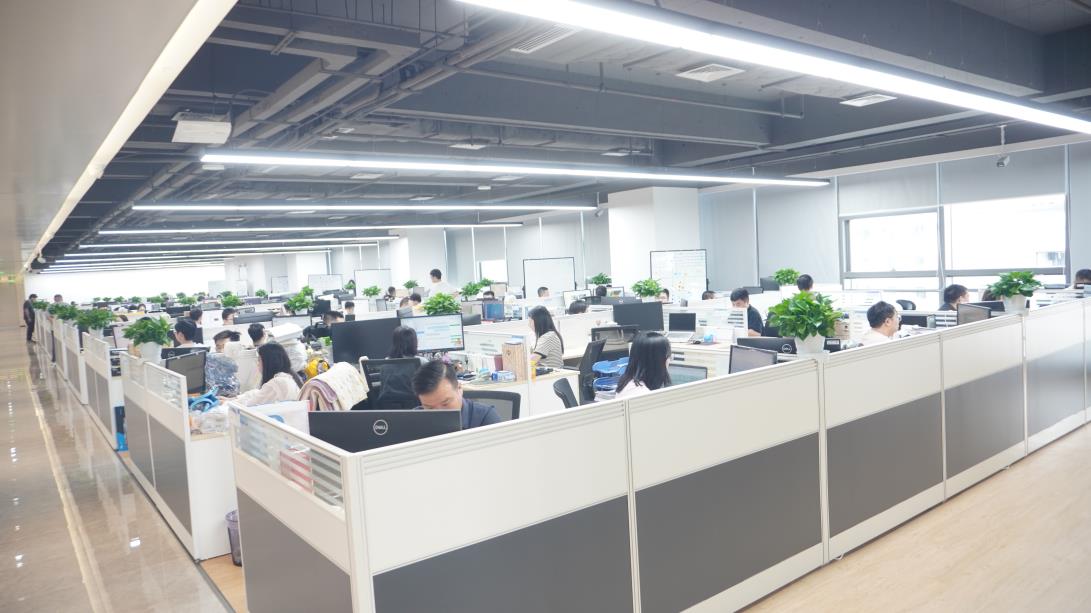
Operating a modernized, tech-focused system integration facility, ZhiCloud AI specializes in turning high-performance computing components into optimized AI clusters. With an annual export volume reaching approximately USD 12 million, the company maintains stable supply routes by partnering with over 1,200 strategic supply chain vendors, ensuring consistent access to high-demand enterprise components (including advanced processors, GPUs, RAID controller cards, and Fibre Channel HBAs).
A look at the numbers behind our high-capacity system integration and worldwide distribution footprint.
Founded & Established
Modern Integration Facility
Annual Export Revenue
Computing Industry Expertise
Dedicated R&D Engineers
QC Inspection Personnel
Below is a detailed analysis of the primary manufacturing centers, OEM production units, and ODM facilities that constitute the Lenovo server ecosystem globally.
As Lenovo's flagship manufacturing facility globally, LCFC stands as the benchmark for Industry 4.0 smart manufacturing. It handles high-volume PCBA manufacturing, layout designs, and complete assembly of the ThinkSystem and ThinkAgile enterprise lines. Incorporating advanced robotics and automated testing cells, LCFC ensures high throughput and strict quality standards.
Serving as the core infrastructure hub for Europe, the Üllő plant focuses on the customization and assembly of high-end enterprise servers and supercomputing clusters. By manufacturing locally within the EU, this factory provides European clients with fast shipping, localized regulatory compliance, and customized hardware-level configurations.
This facility serves as the strategic gateway for North American hyperscalers and enterprises. Specifying and configuring servers directly for the US and Canadian markets, it allows Lenovo to provide rapid shipping and custom integration services while meeting local trade compliance and regional supply chain requirements.
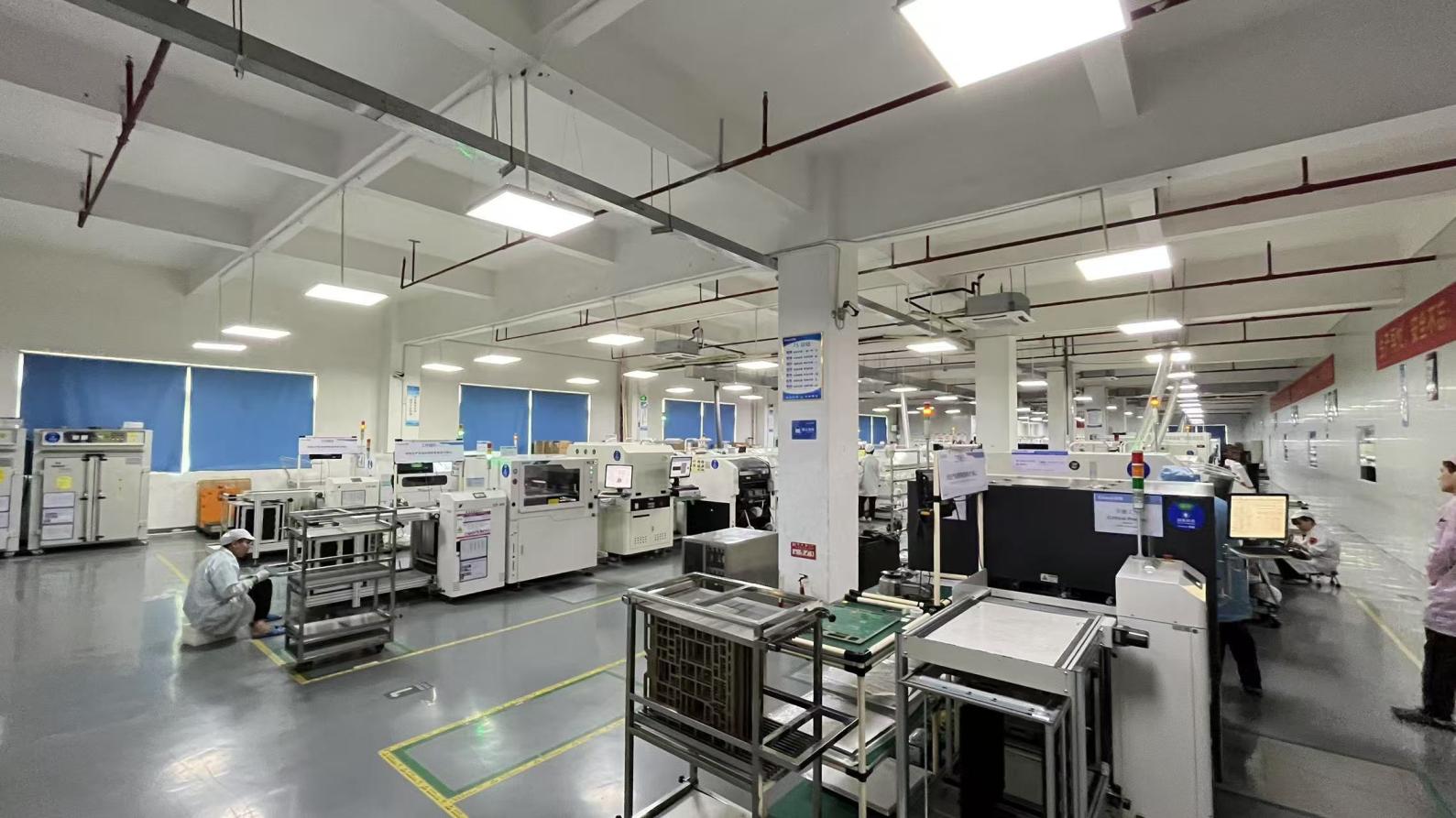
A specialized, high-flexibility integration partner that optimizes server architectures for AI and deep learning. Leveraging its location in Shenzhen's hardware corridor, ZhiCloud AI customizes GPU configurations, liquid cooling systems, and specialized network adapters to meet the performance needs of global enterprise clients.
As one of the world's leading server ODMs, Inventec is a key partner in co-designing and manufacturing motherboard assemblies and raw chassis platforms for Lenovo's ThinkSystem series, providing scalable engineering support and design capabilities.
Foxconn's high-precision manufacturing infrastructure provides Lenovo with large-scale board level production and assembly services, utilizing automated SMT lines and high-volume component sourcing to deliver stable, high-yield server motherboards.
Focusing on smart production technologies, the Wuhan facility is integrated with IoT networks to handle edge servers, cellular infrastructure equipment, and lightweight rack-mount servers designed for distributed computing and cloud environments.
Working as a high-precision ODM partner, Wistron provides component fabrication, high-speed riser card production, and structural chassis components designed for multi-node GPU systems and modular storage arrays.
Quanta provides engineering support and motherboard manufacturing capabilities, collaborating on architectural layouts to optimize PCIe lane utilization and signal integrity for high-bandwidth server platforms.
Rounding out the Top 10, Pegatron supports server board assembly and system validation, running automated quality checks and SMT mounting to build stable foundations for compute-heavy server architectures.
The concentration of server manufacturing in mainland China, particularly in the Shenzhen-Dongguan hardware corridor and the Hefei manufacturing belt, is driven by the depth of the local supply chain ecosystem. Unlike regional assembly operations that depend on imported parts, local factories have immediate access to secondary and tertiary components within a 50-kilometer radius.
This includes metal chassis fabrication, high-density interconnect cables, thermal management blocks, custom heat sinks, and PCB raw materials. This proximity reduces procurement lead times, allowing factories to scale production up or down rapidly based on market demand. Additionally, localized SMT and MI engineering lines provide high efficiency in prototyping, allowing custom server configurations to transition from layout validation to production with minimal delay.
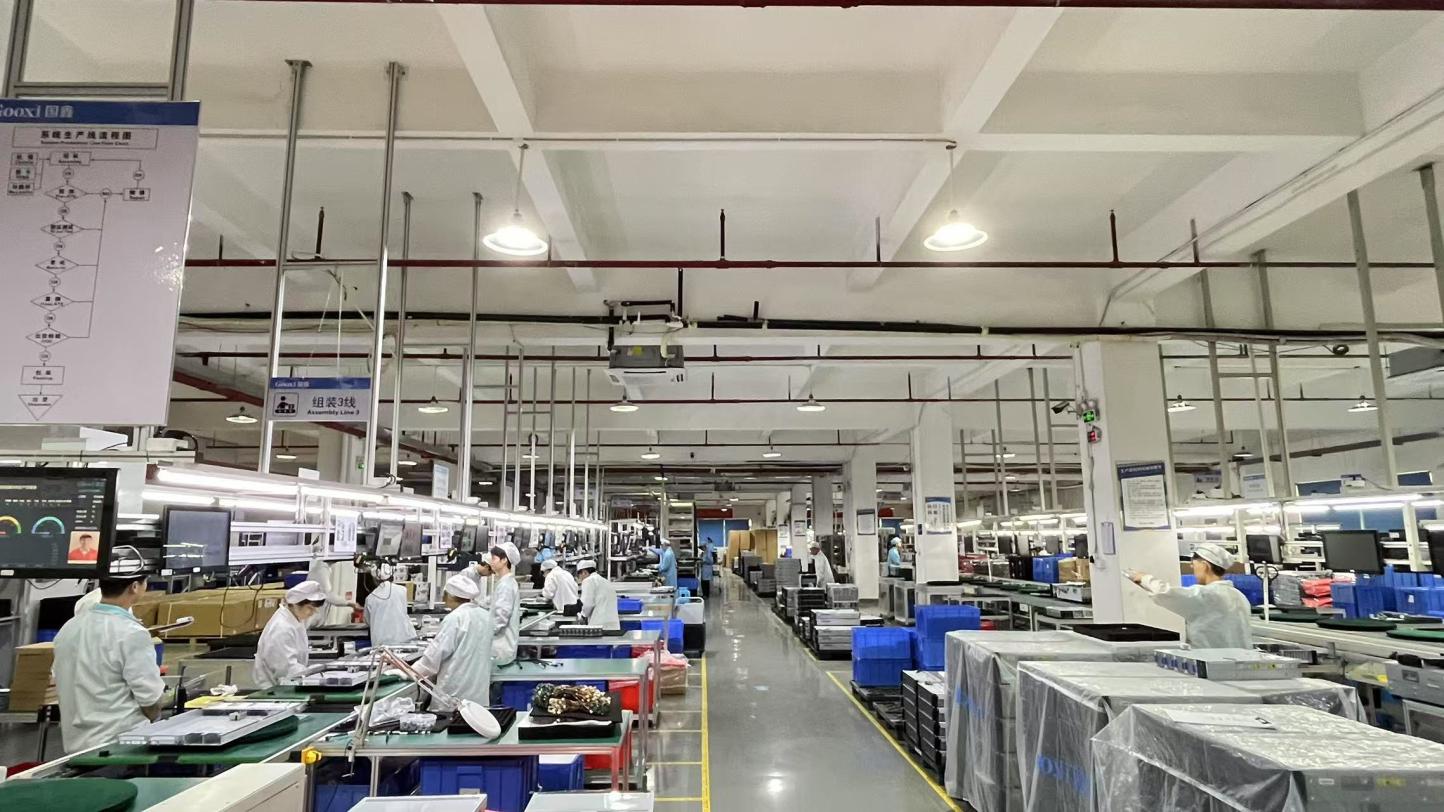
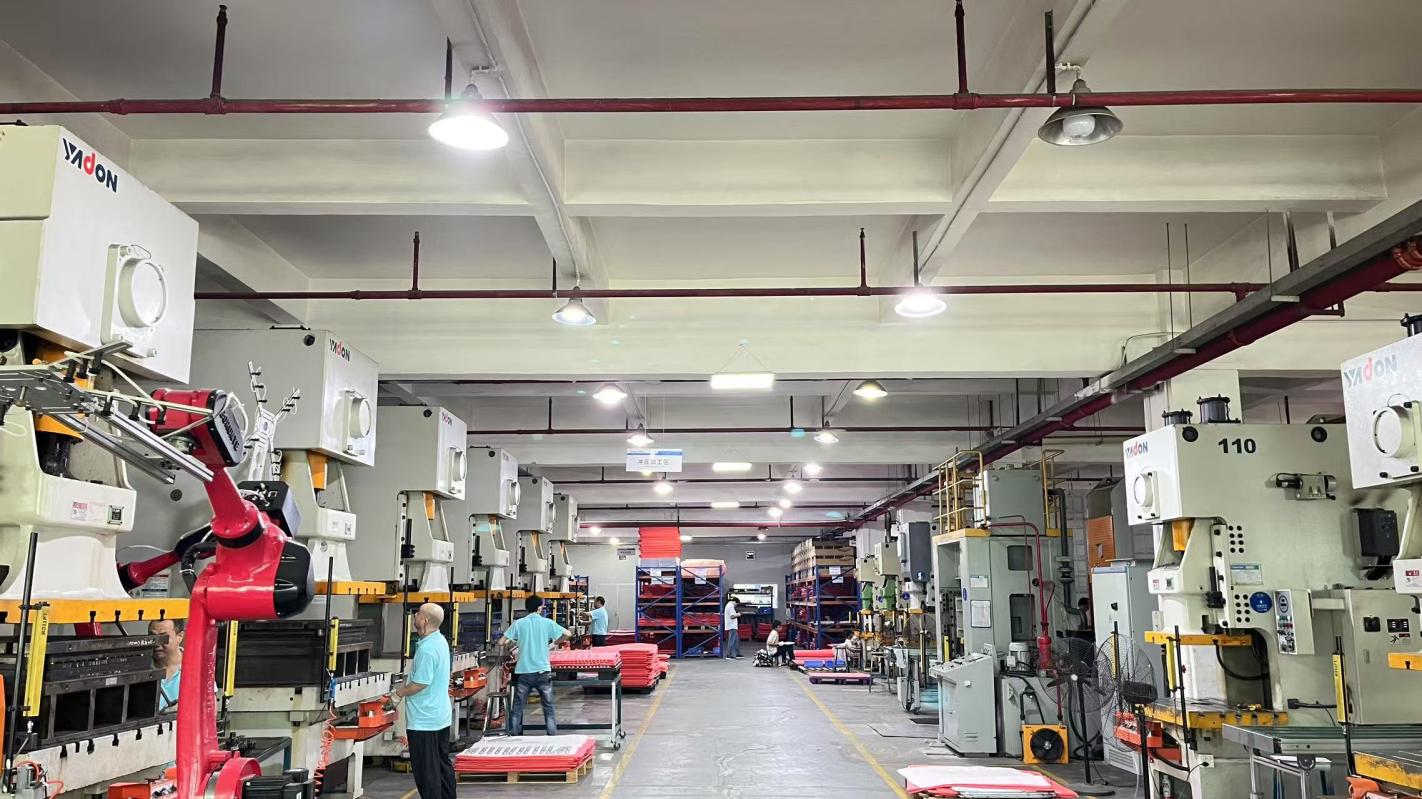
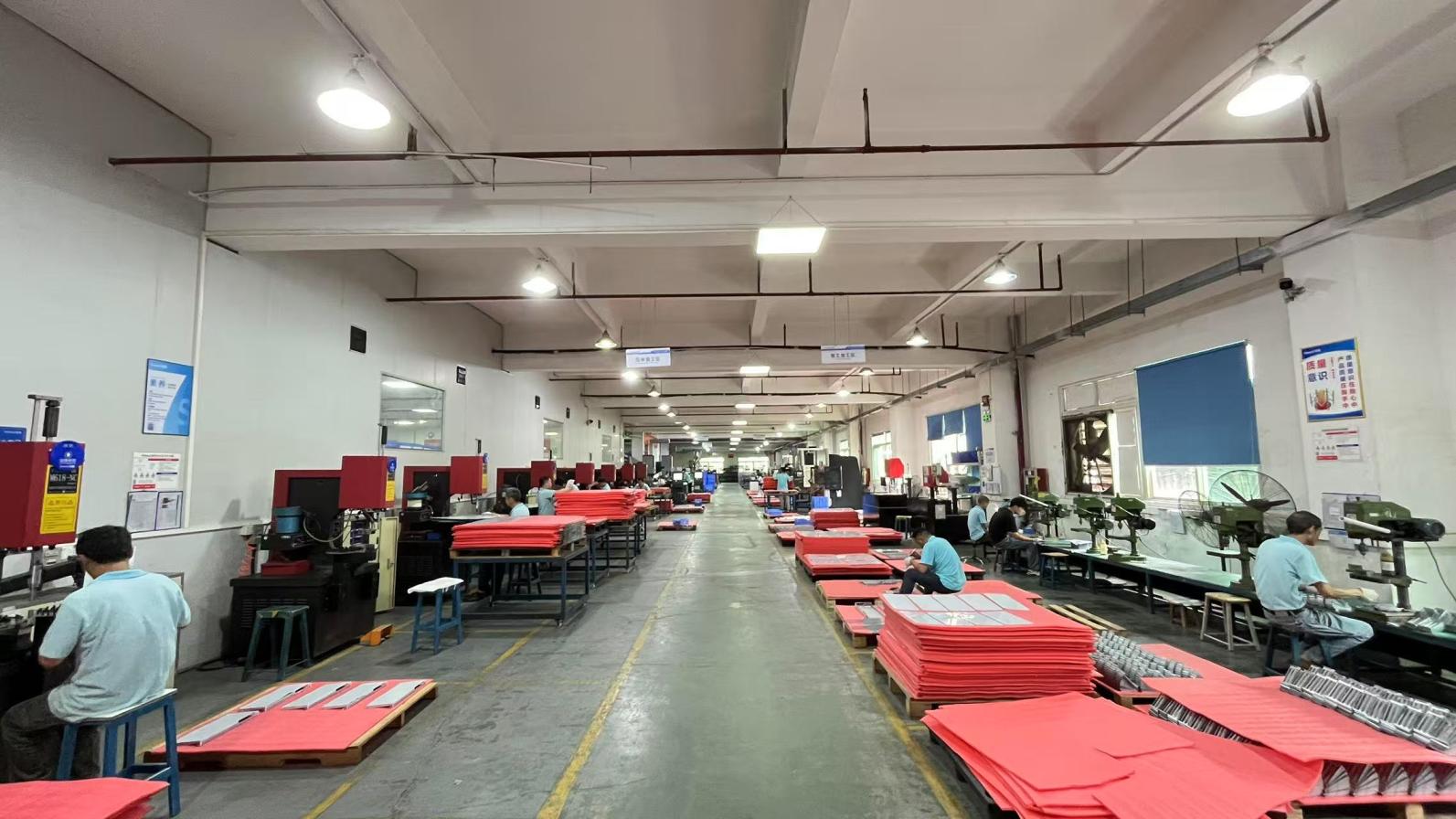
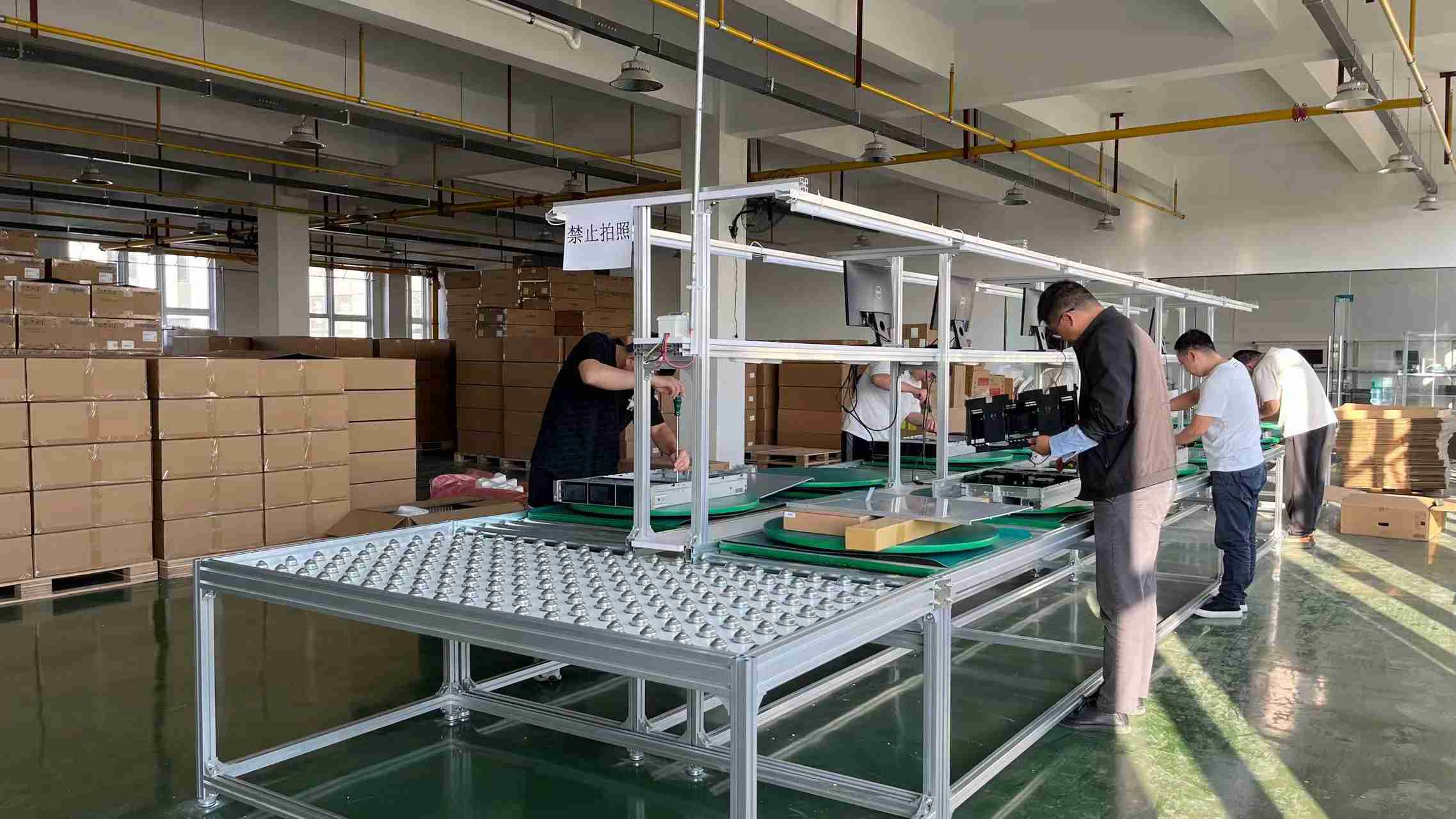
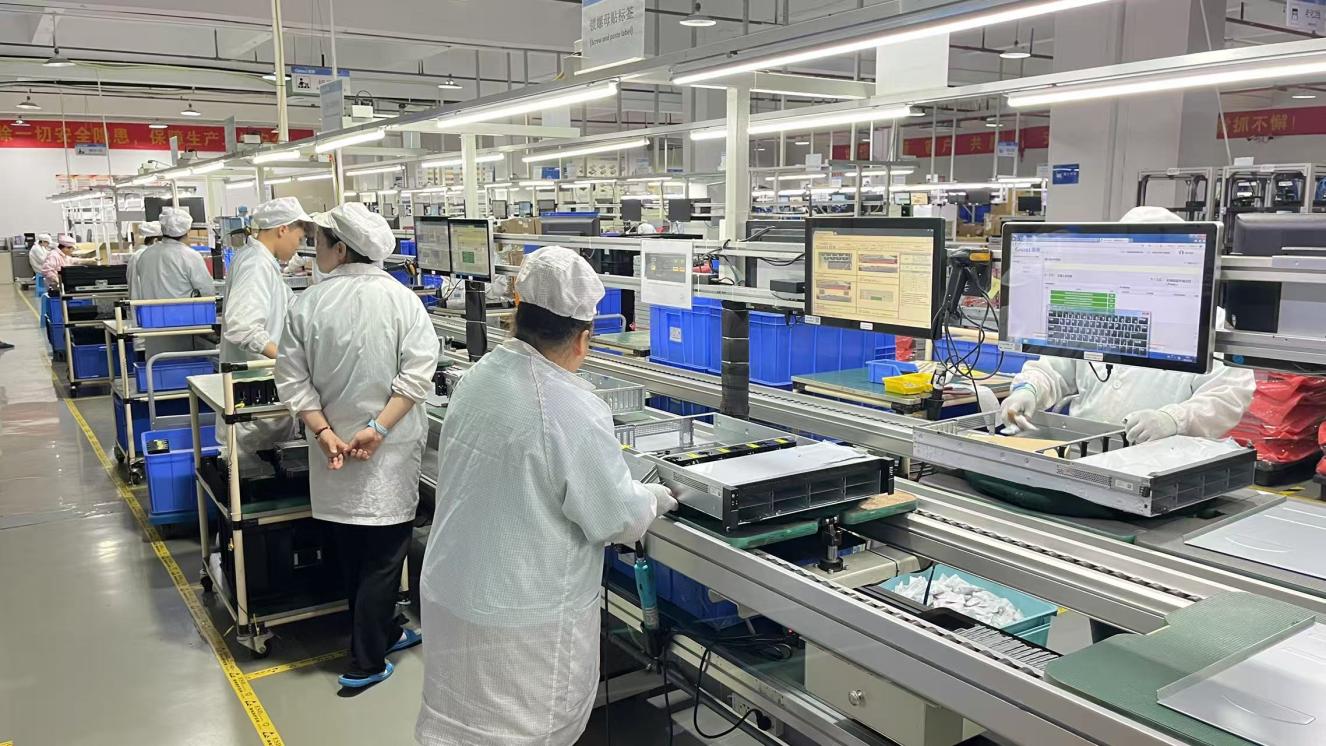
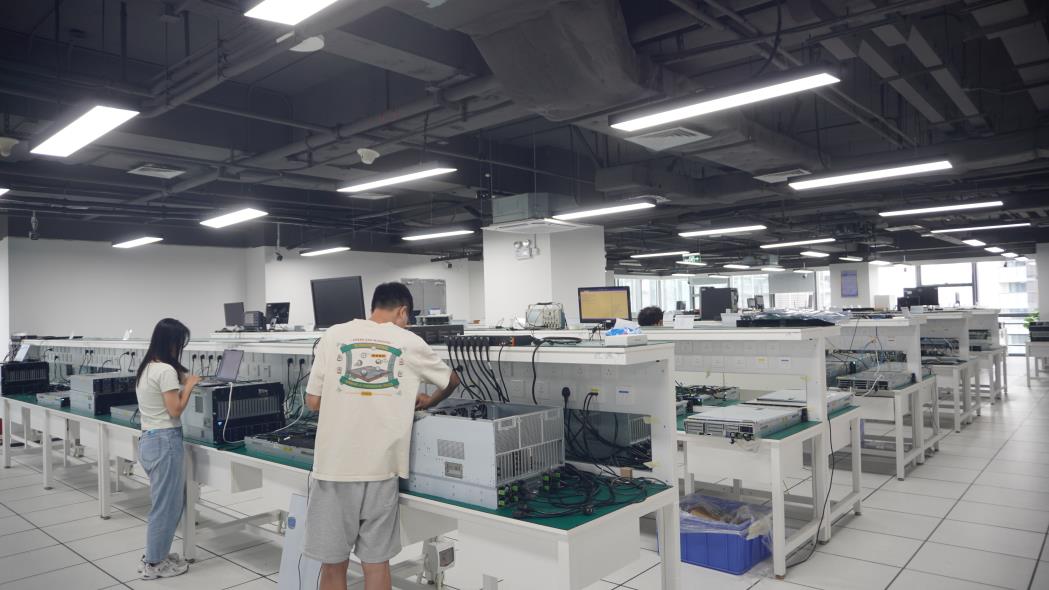
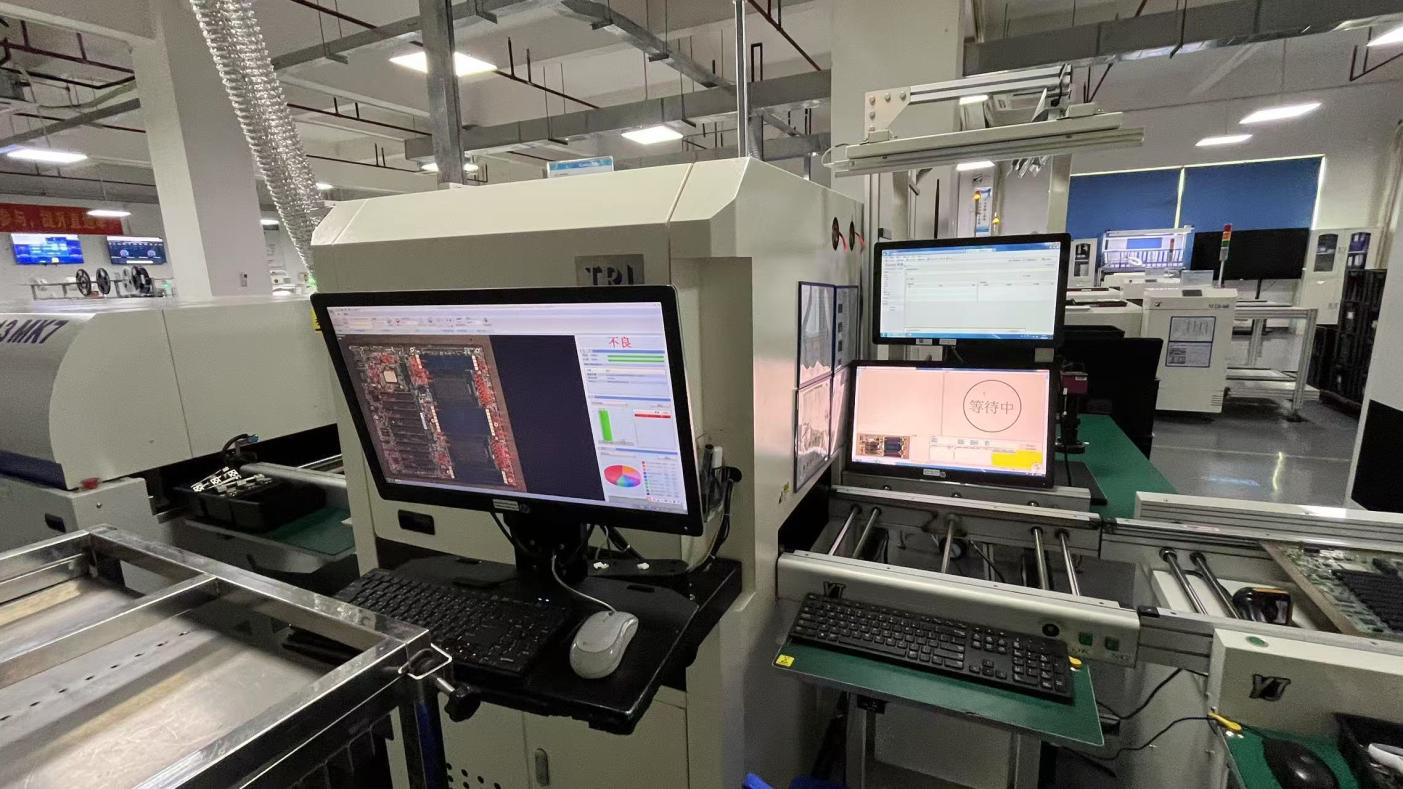
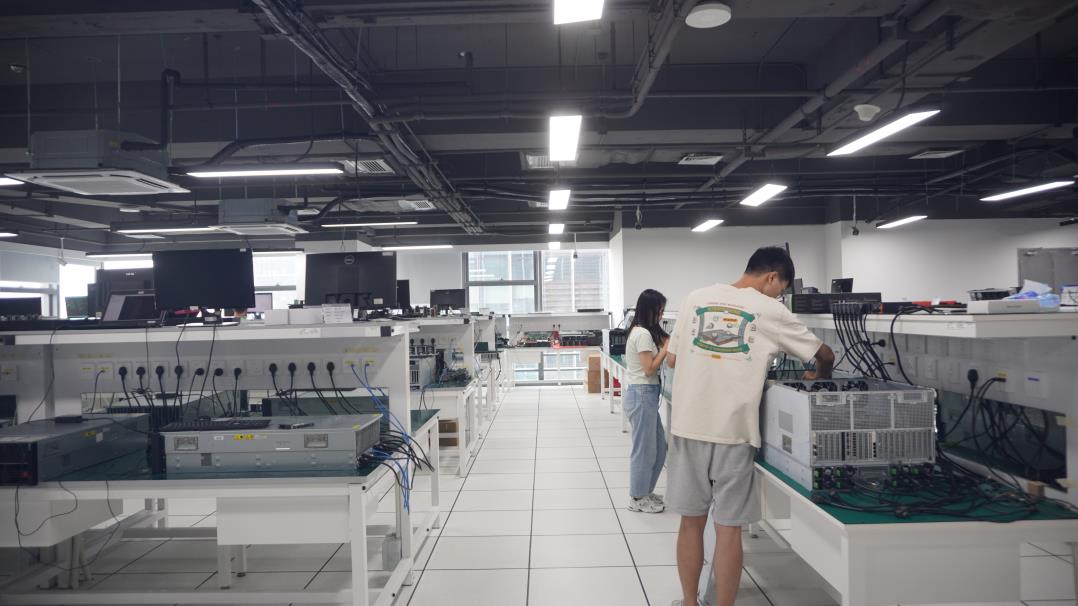
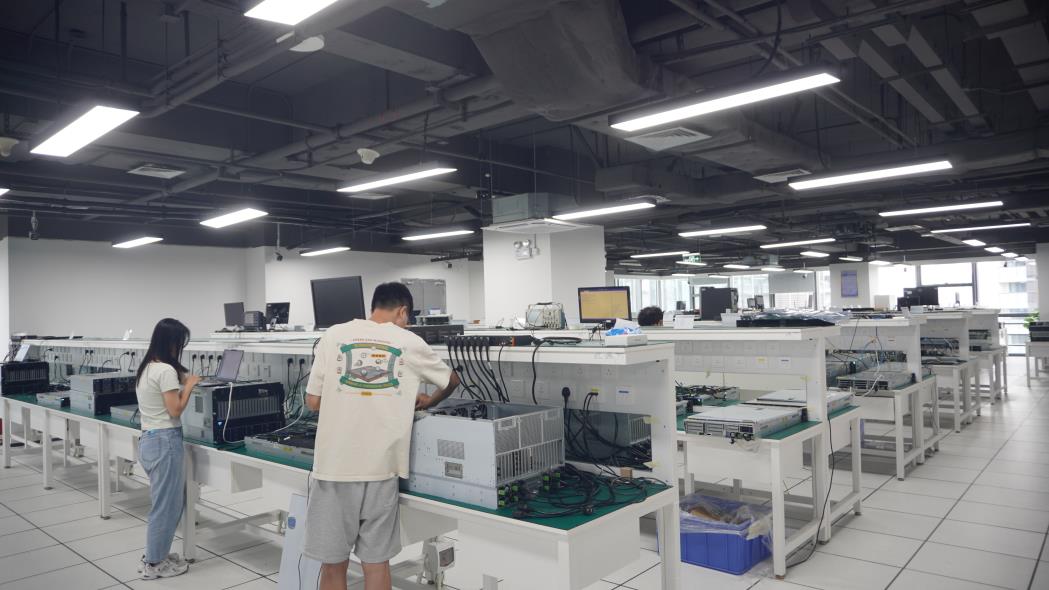
Visualizing the manufacturing stages from raw material cutting and high-speed SMT assembly to environmental stress testing and final QA inspections.
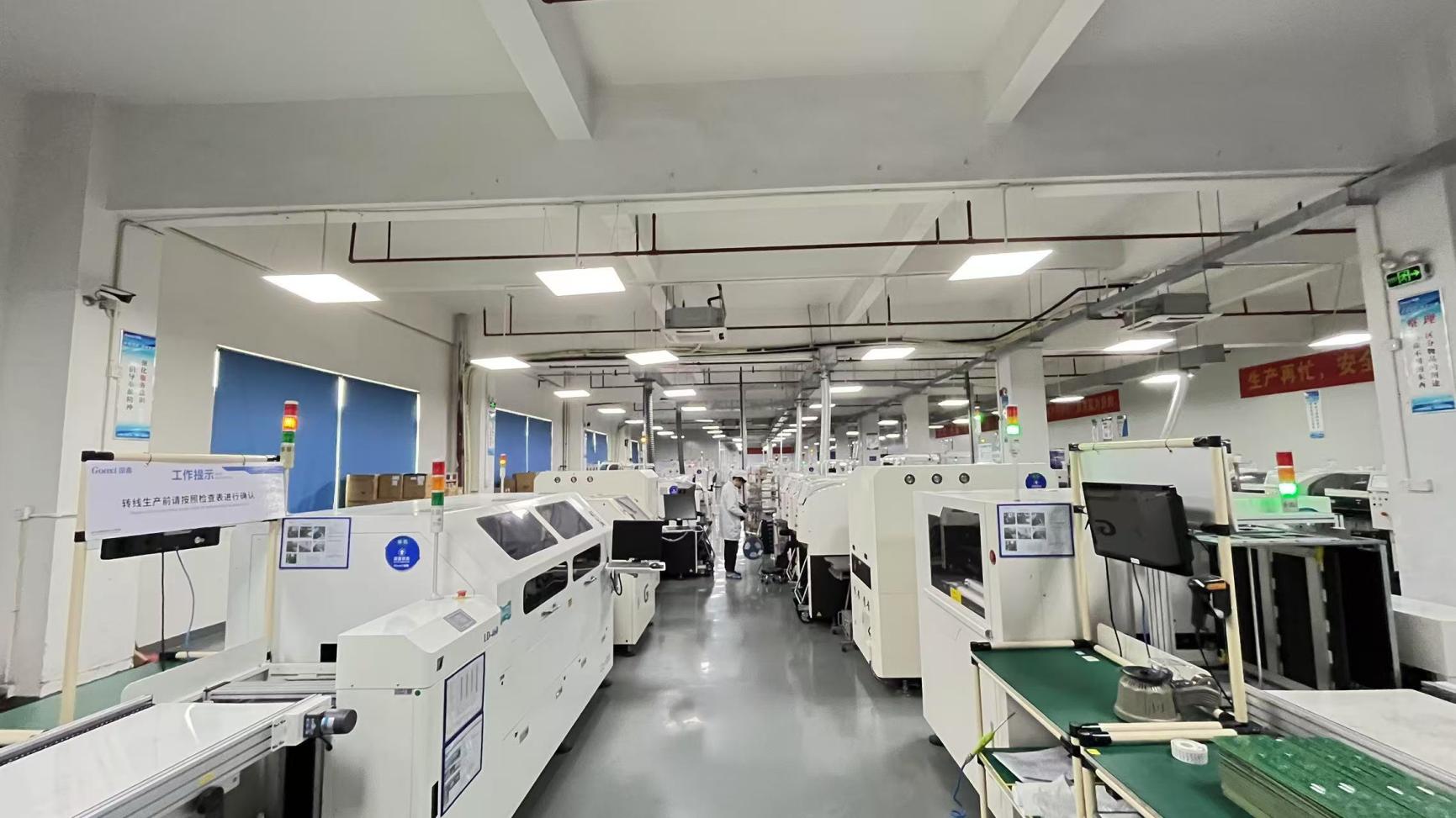
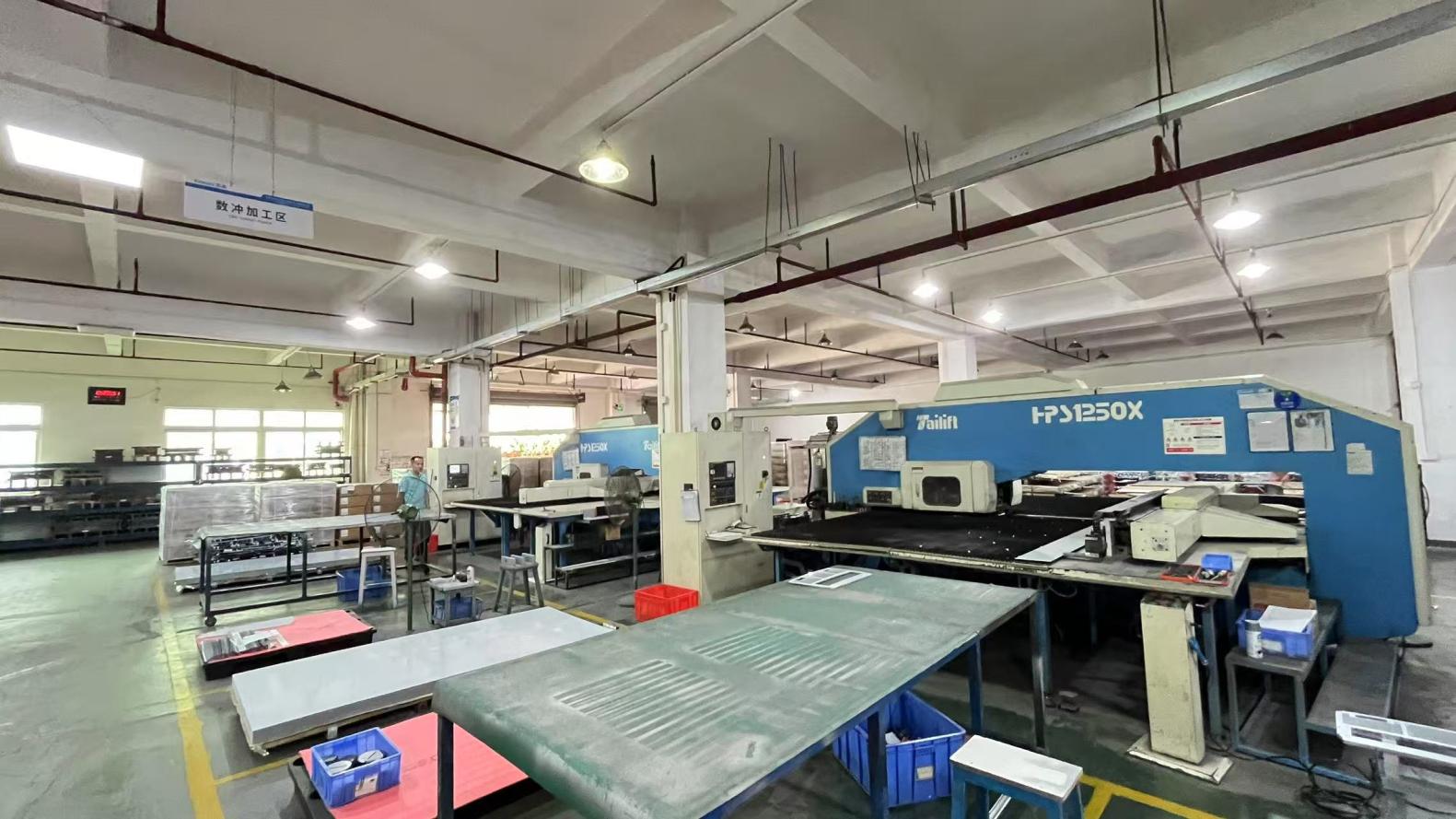
Material Cutting
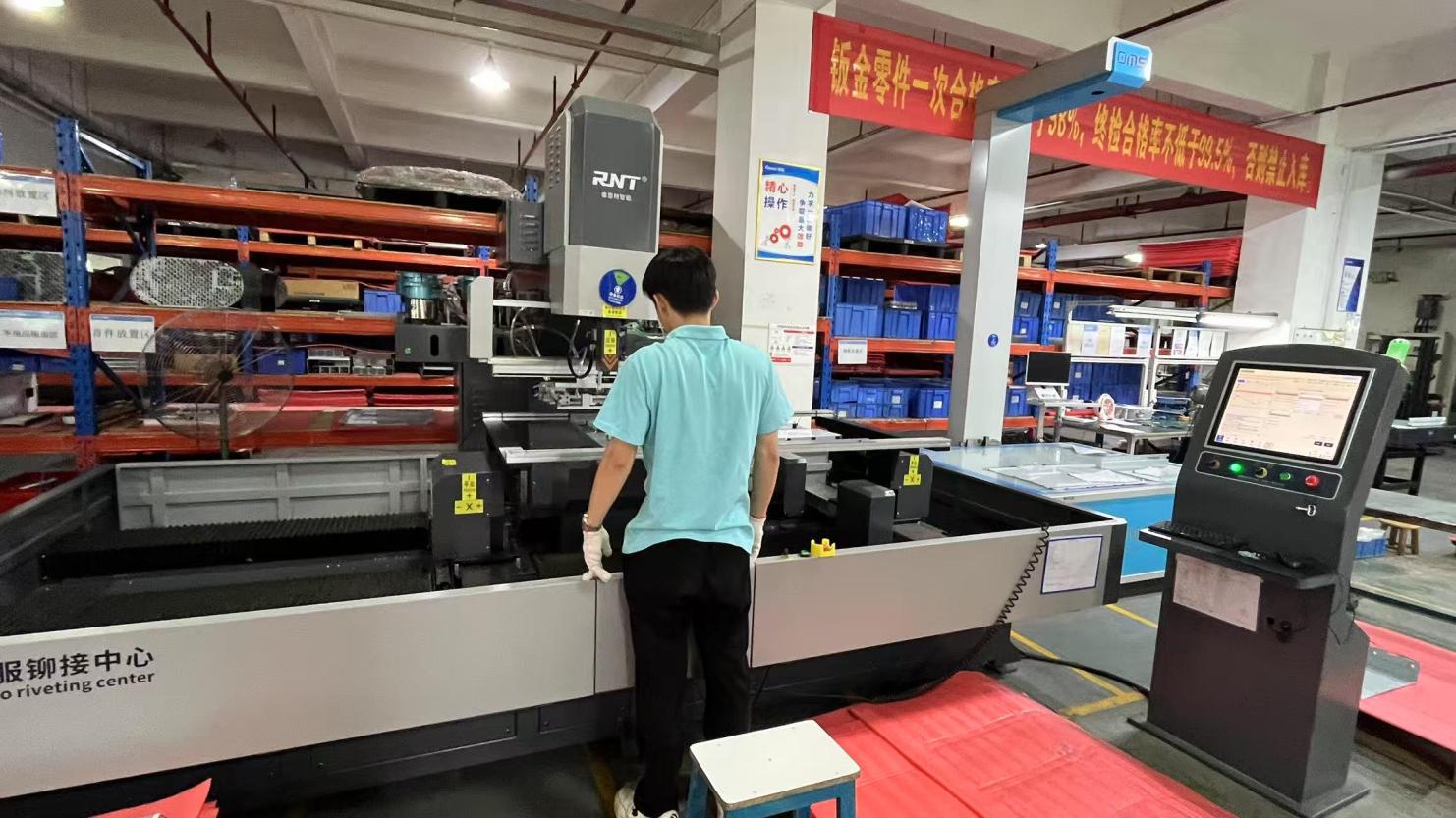
Riveting
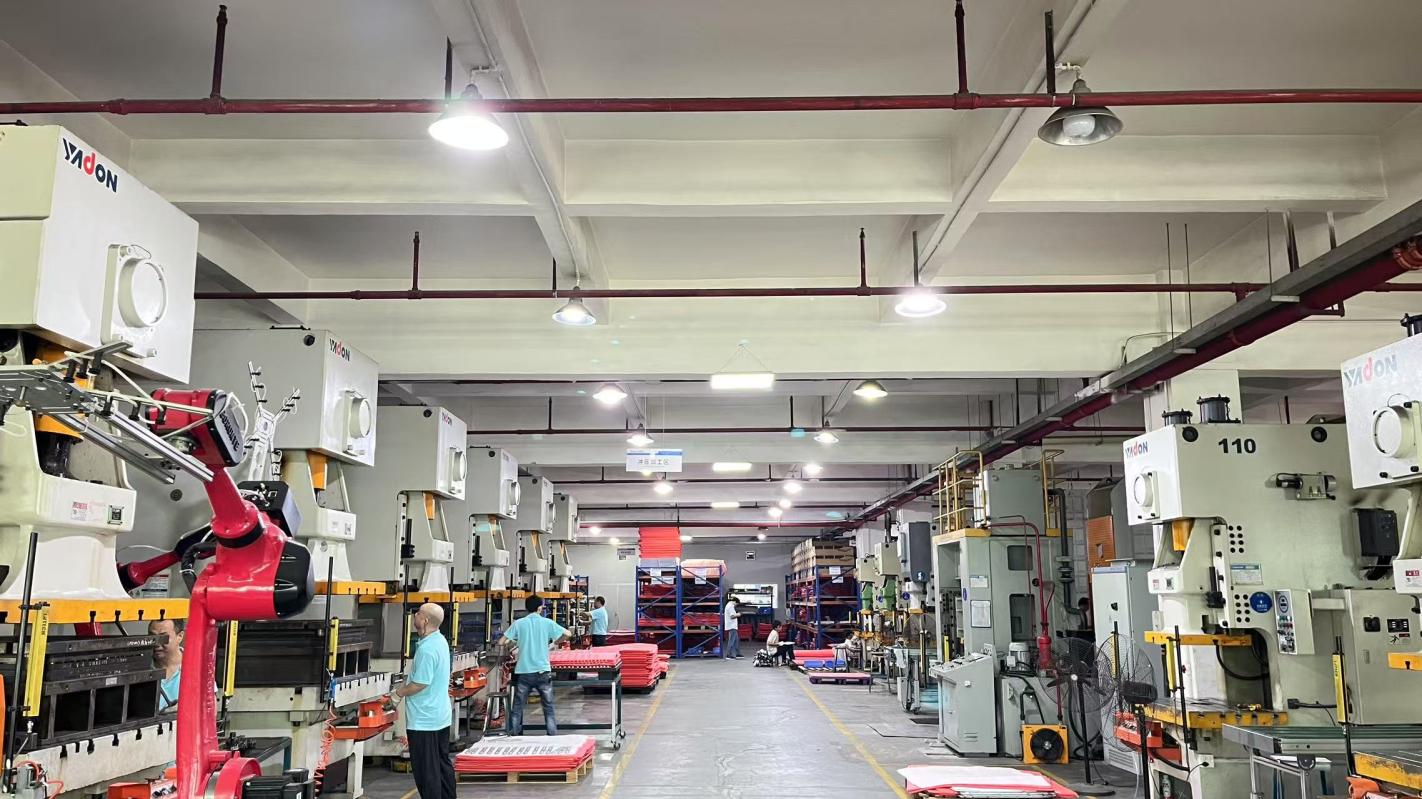
Stamping
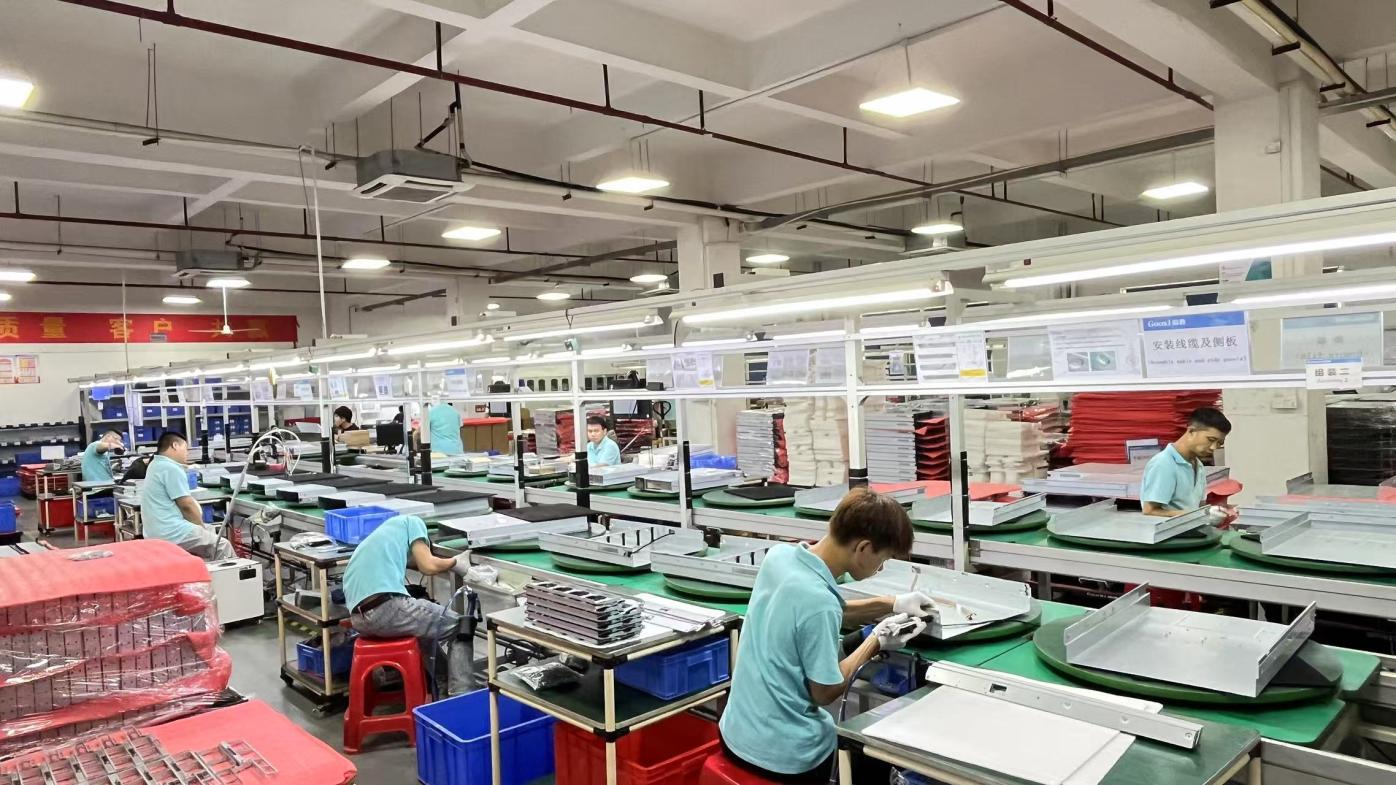
Housing Assembly
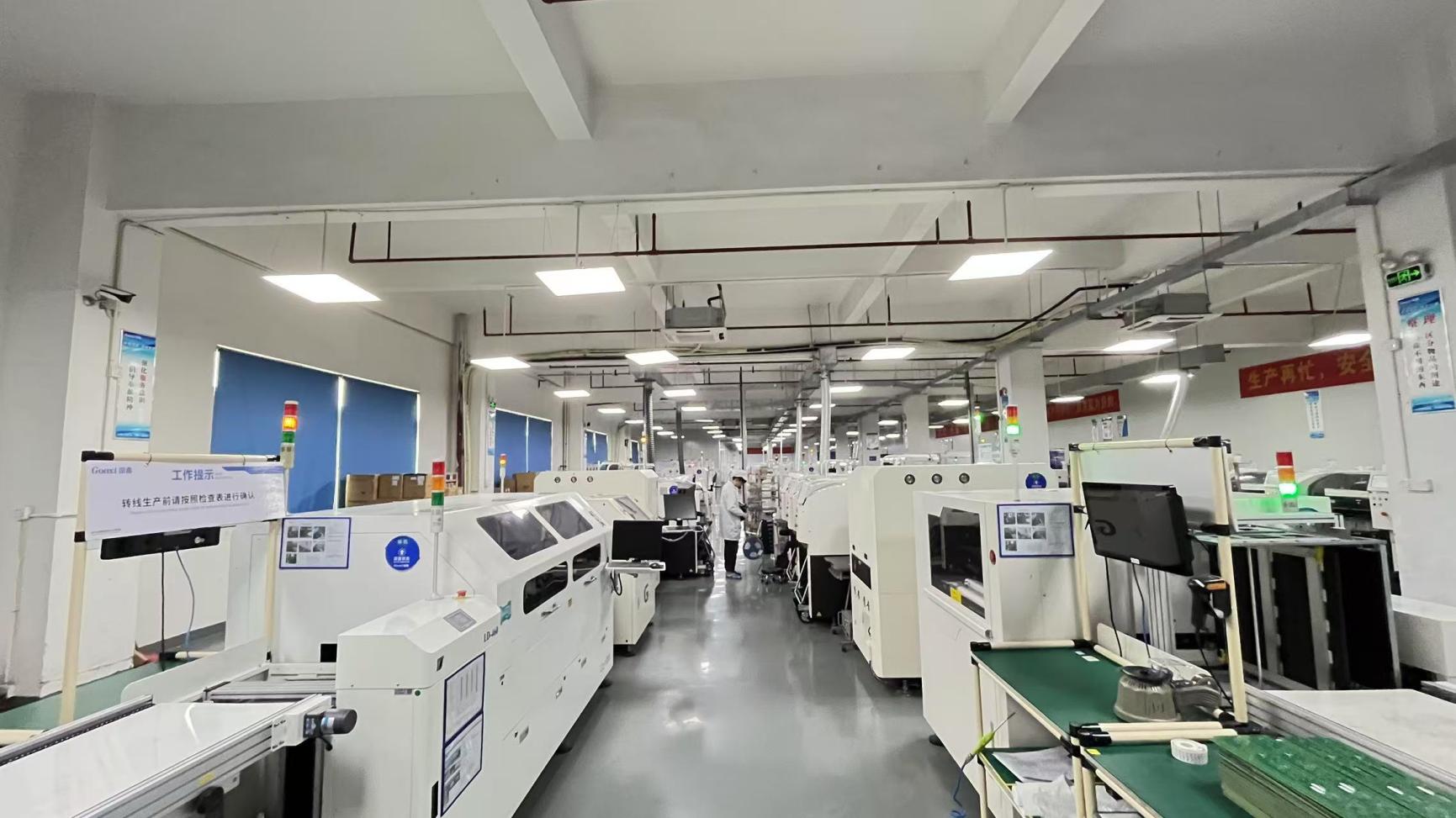
SMT
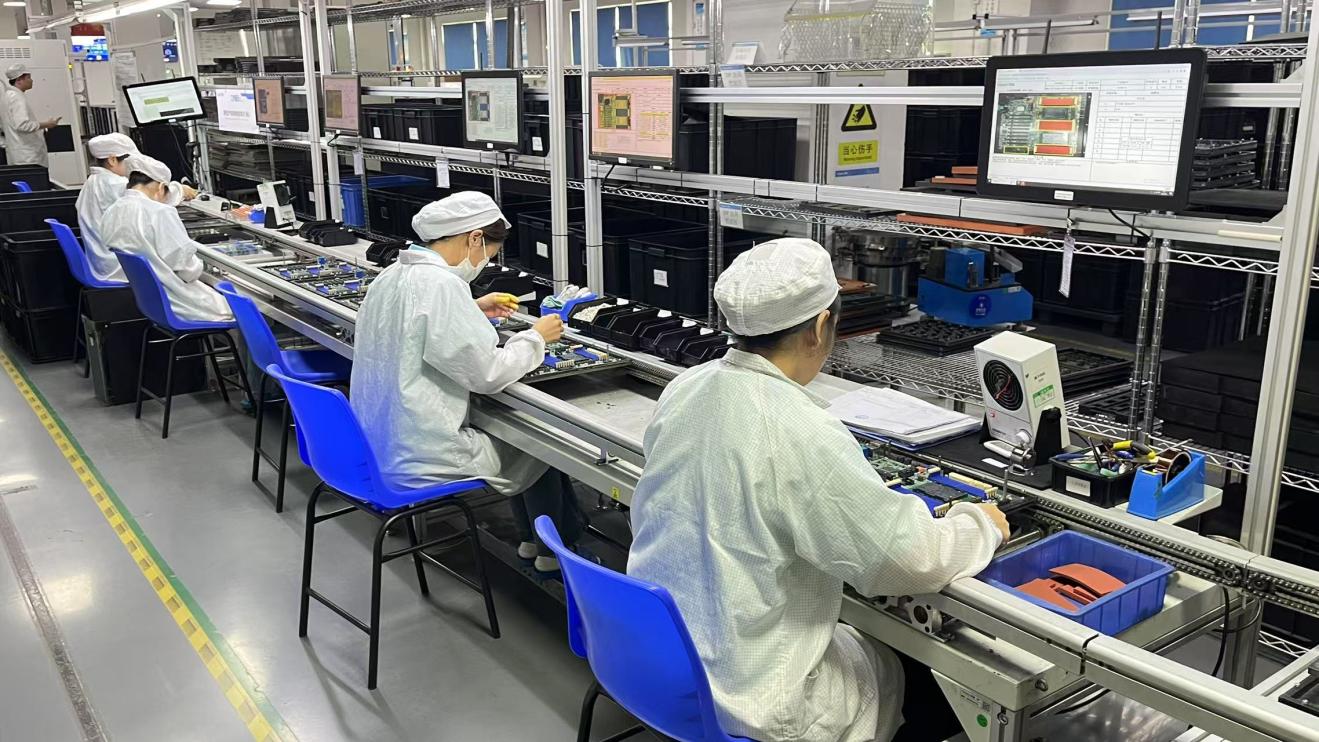
MI
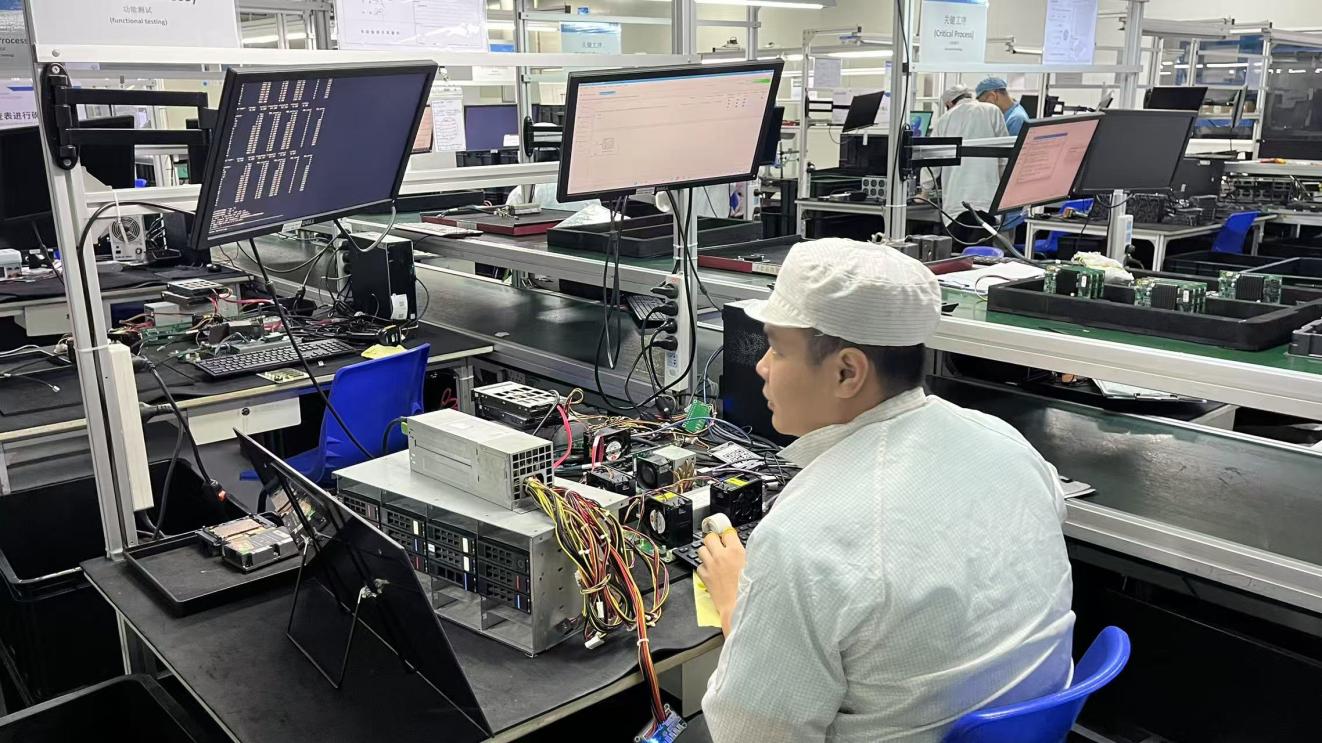
PCBA Test
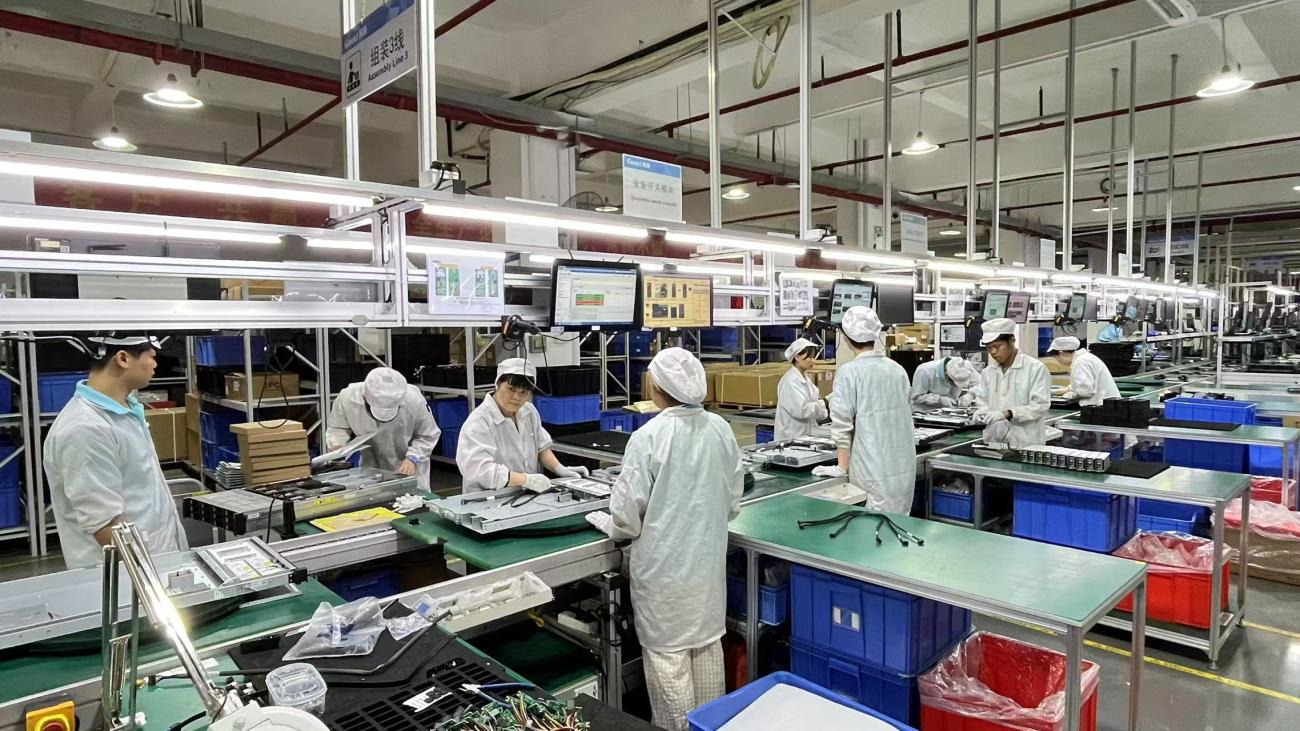
Final Assembly
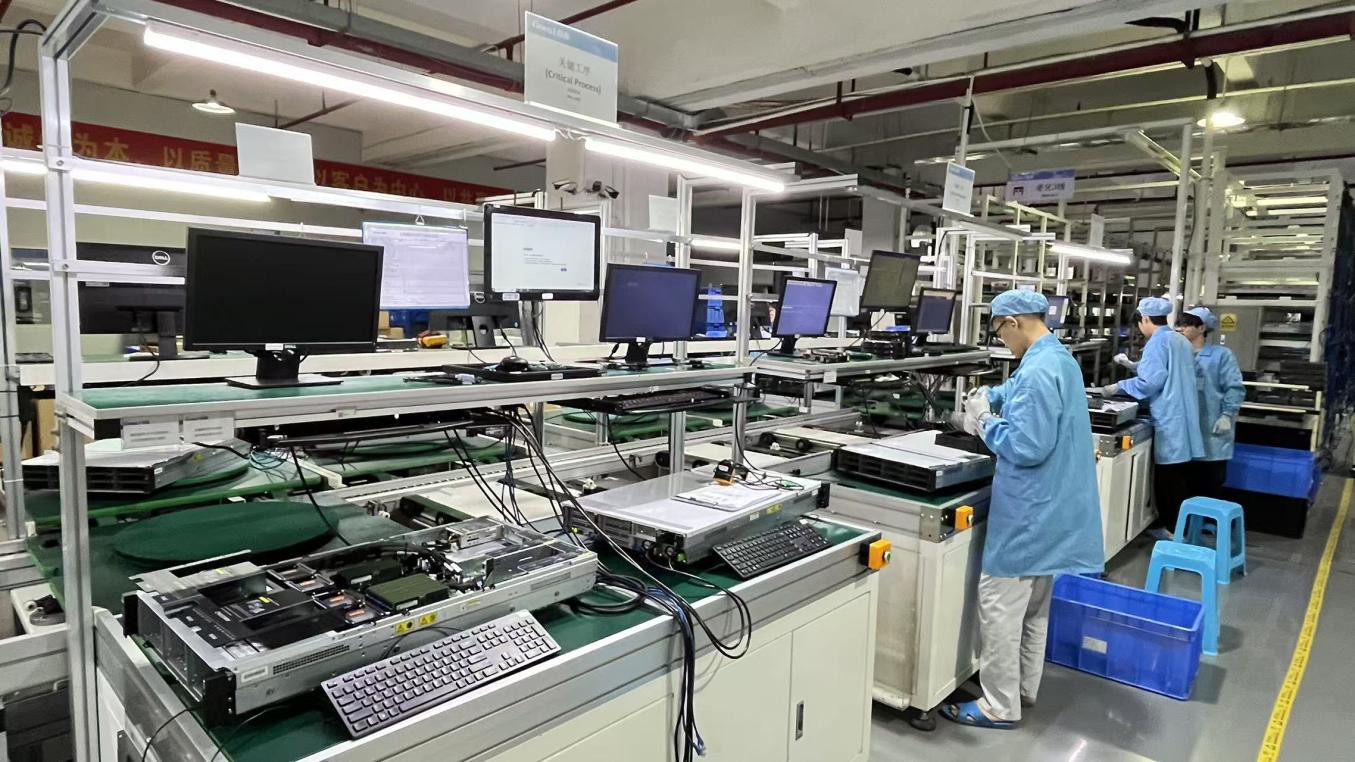
Testing
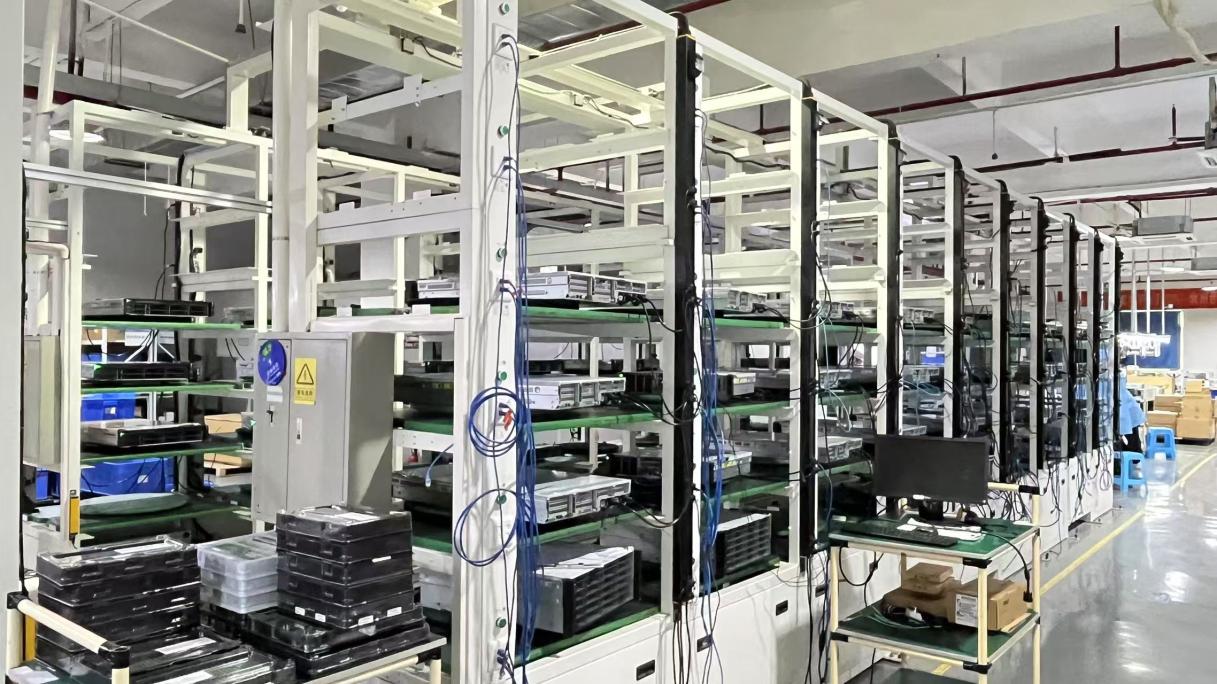
Aging Test
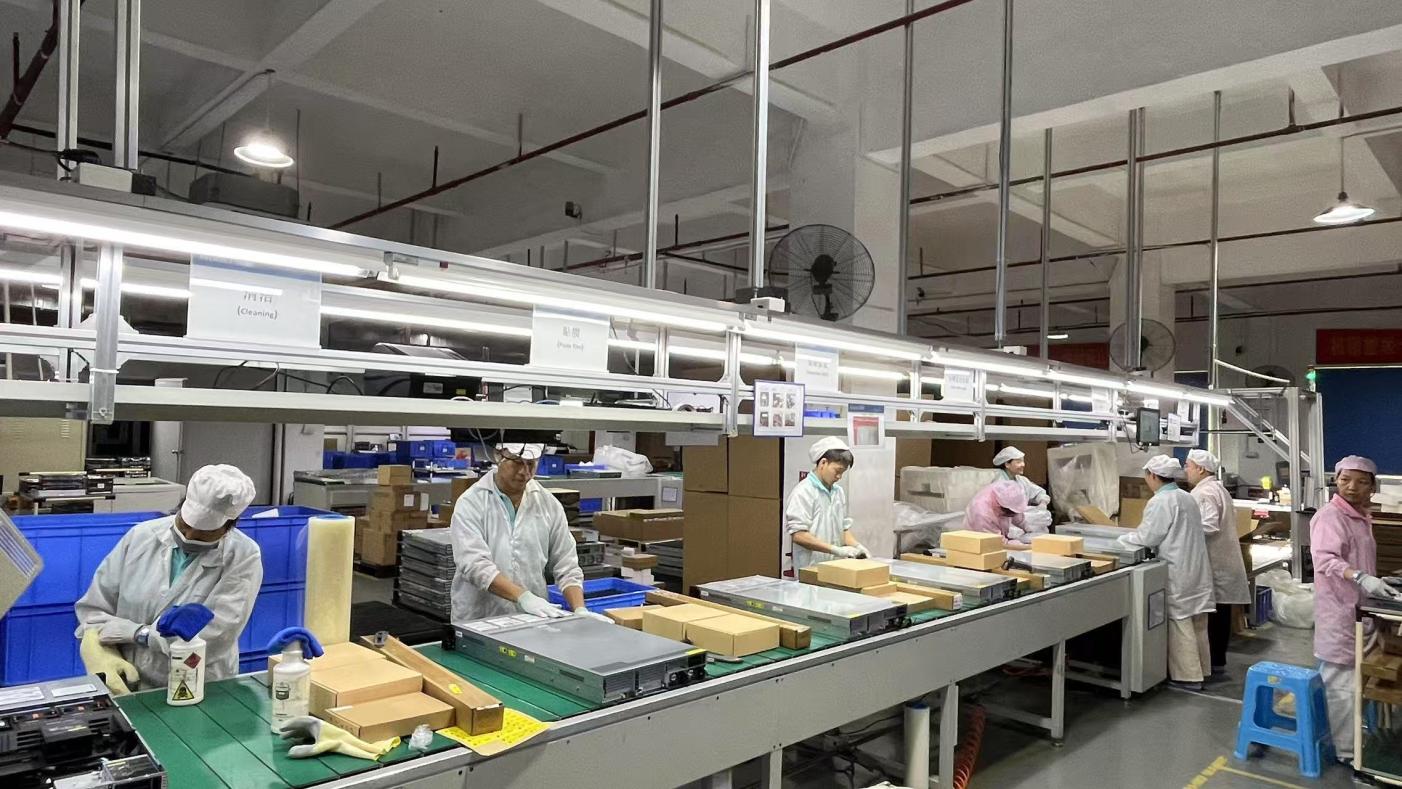
Packing
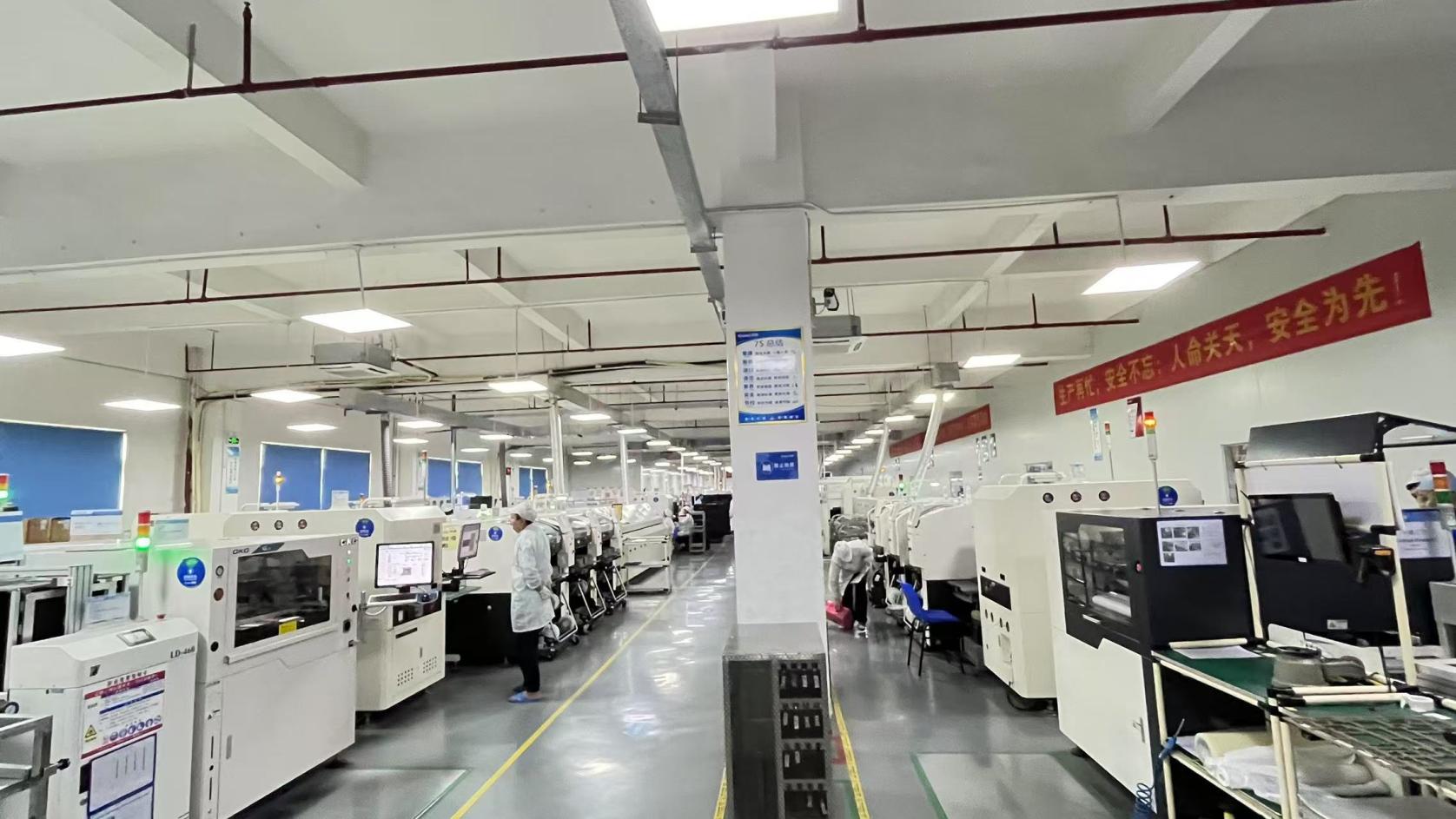
SMT Line
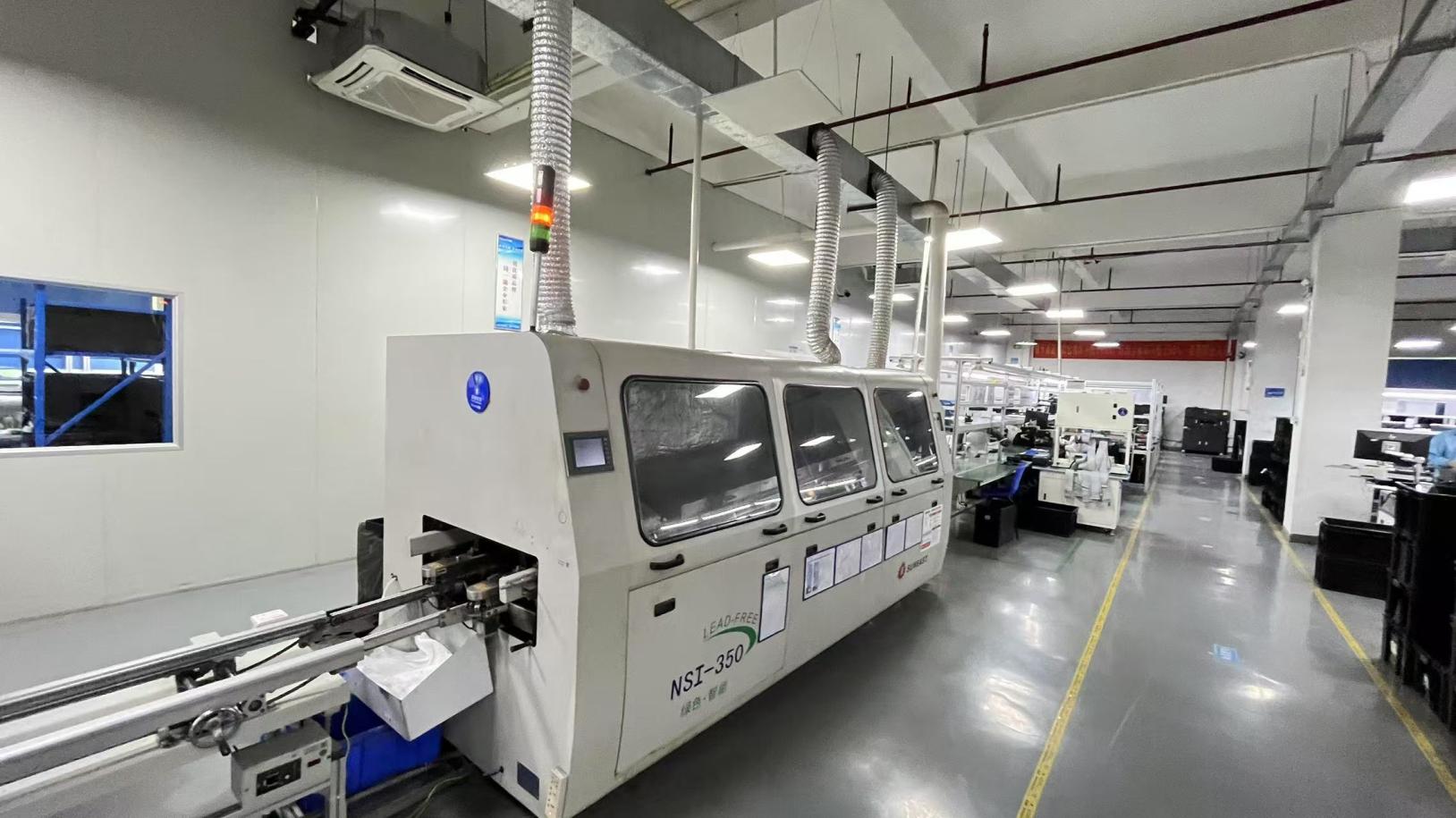
Reflow Soldering
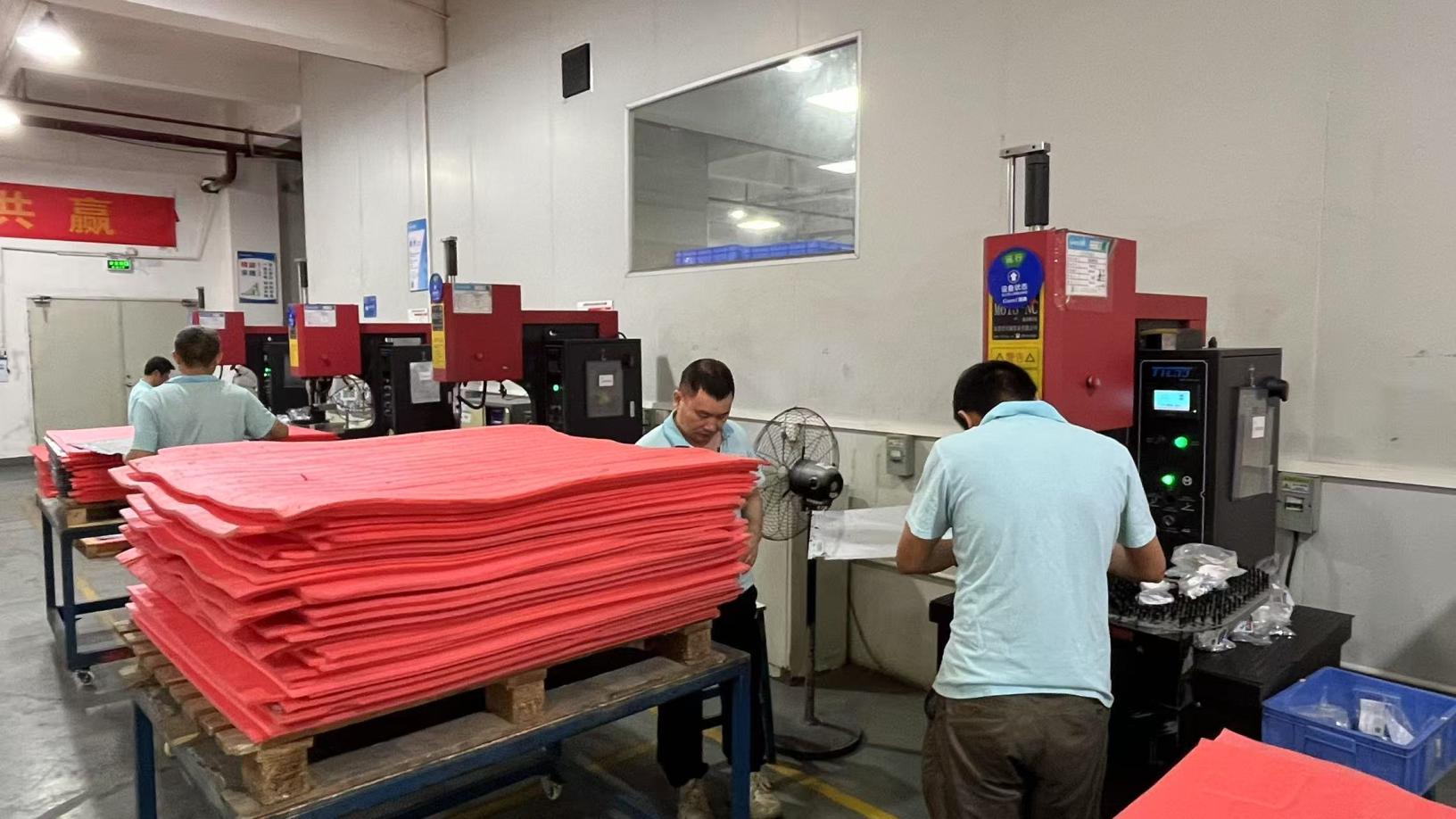
Rivet Machine
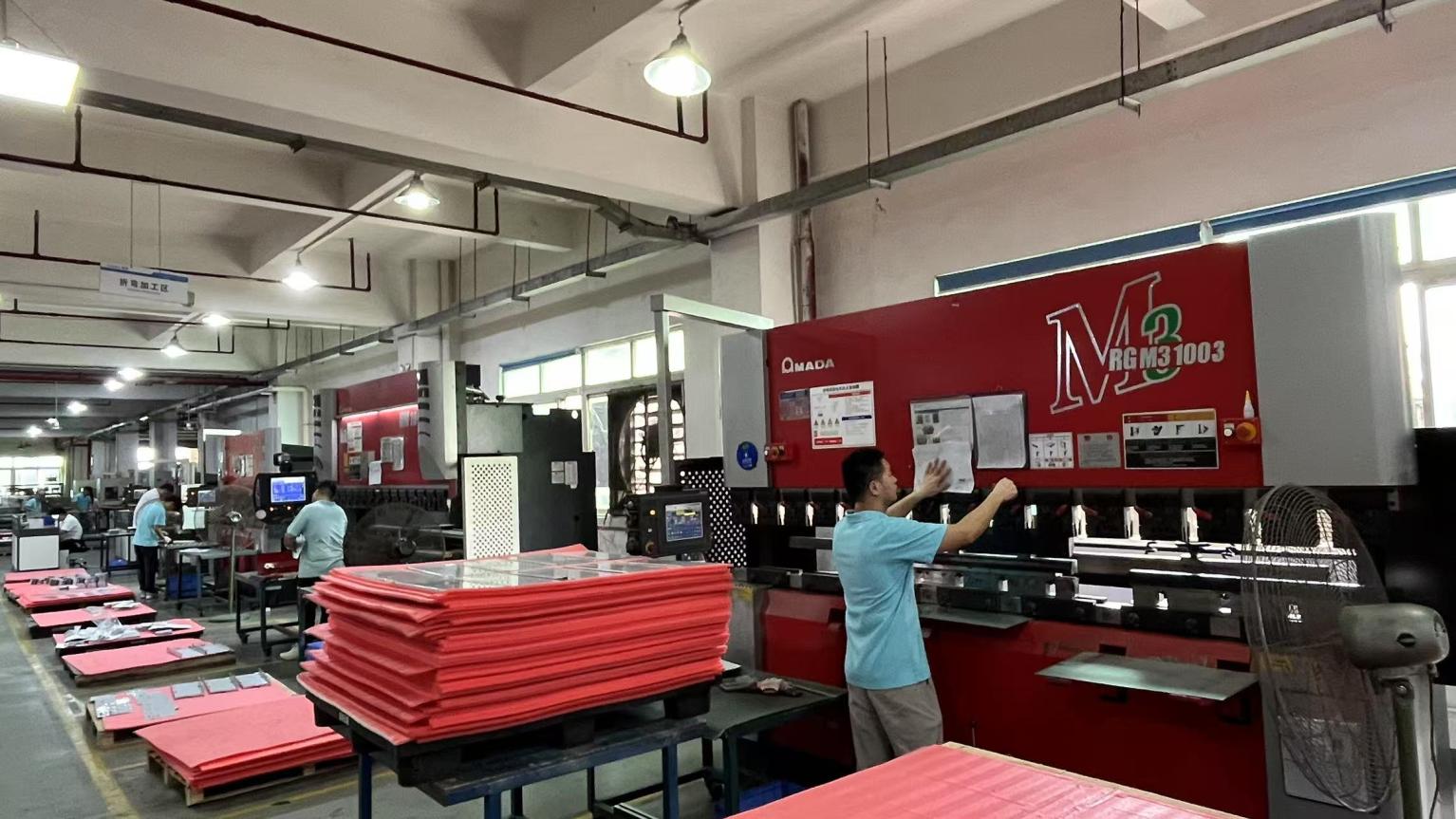
Bending Machine
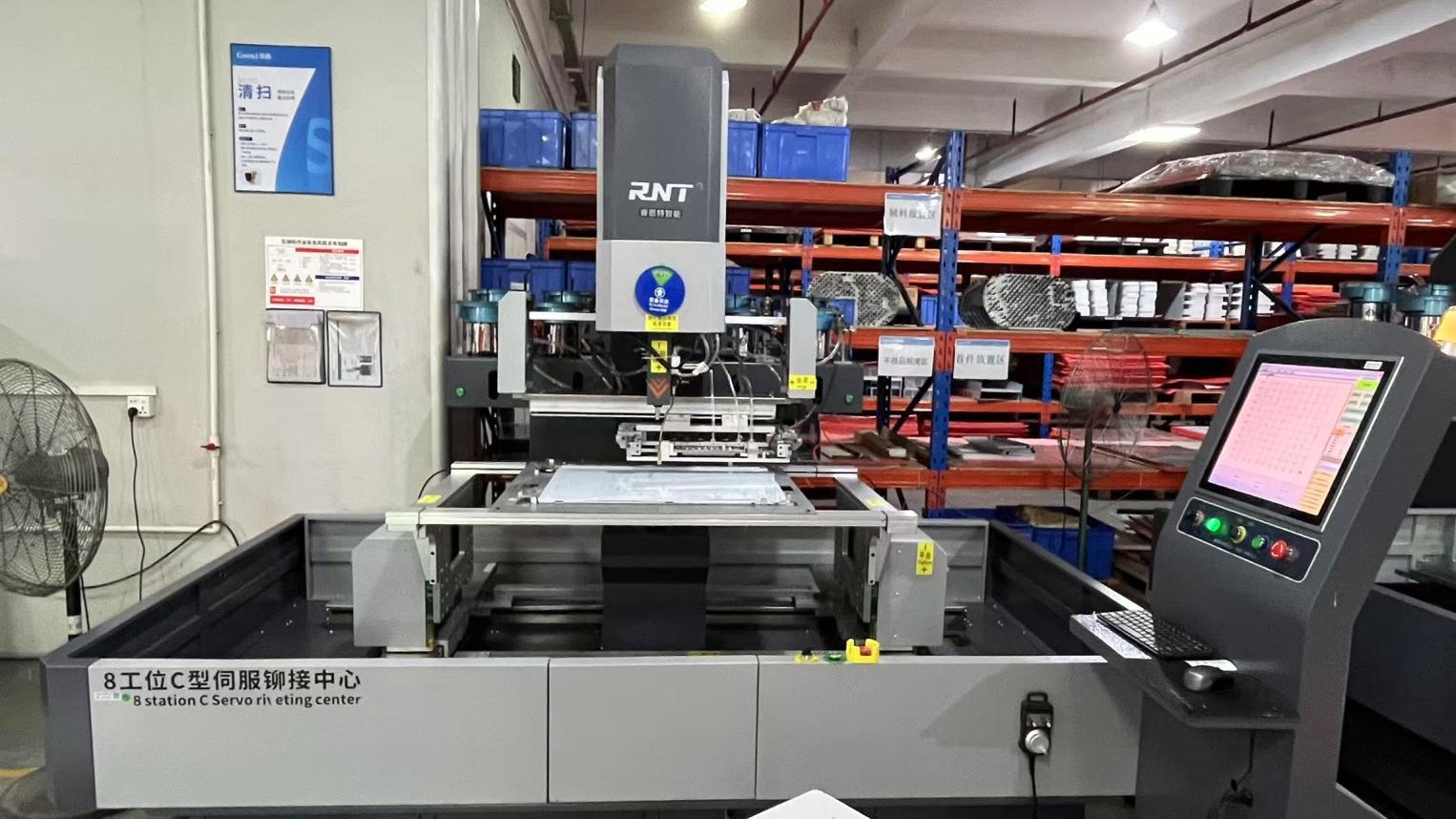
Riveting Center
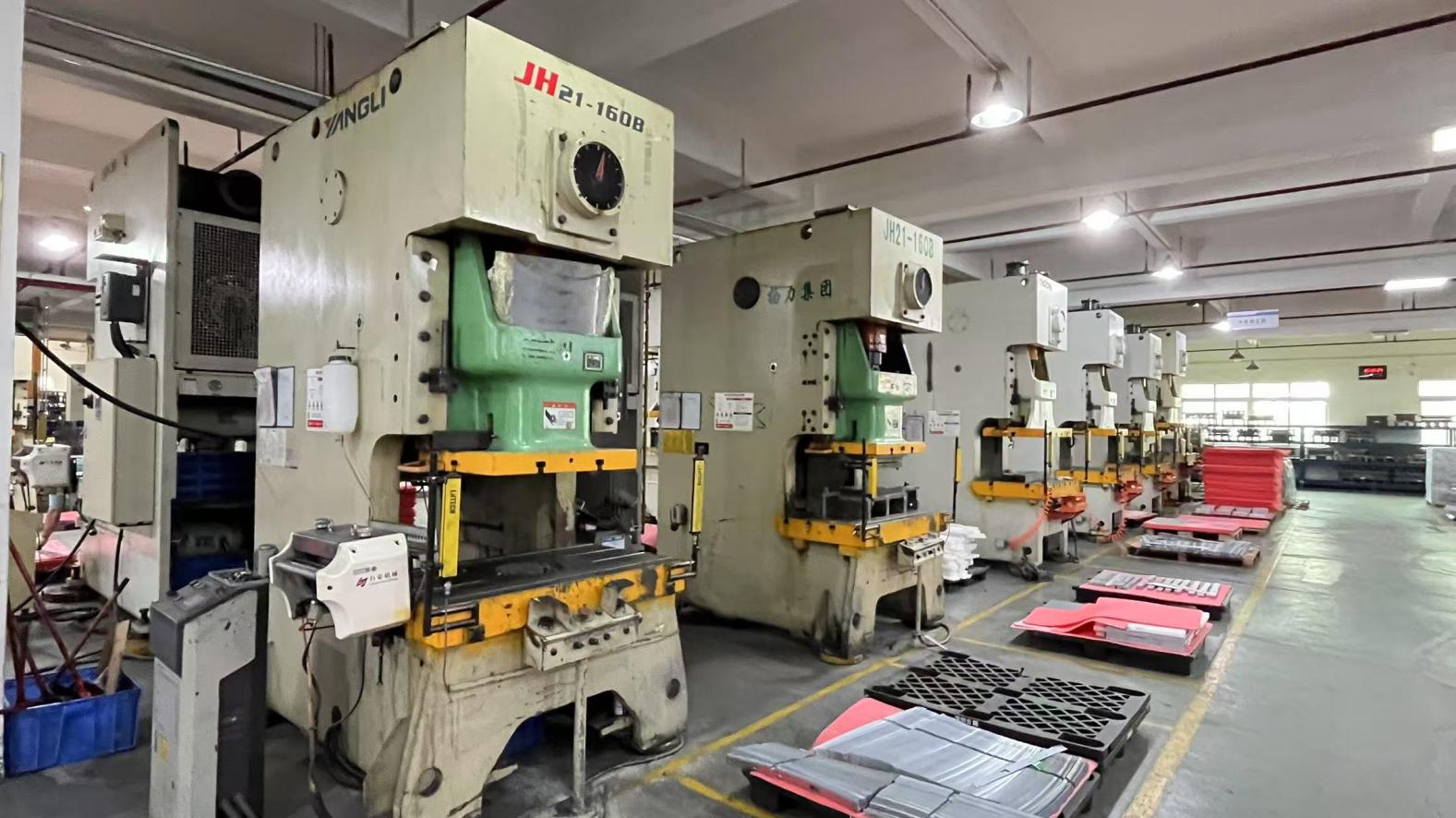
Stamping Machine
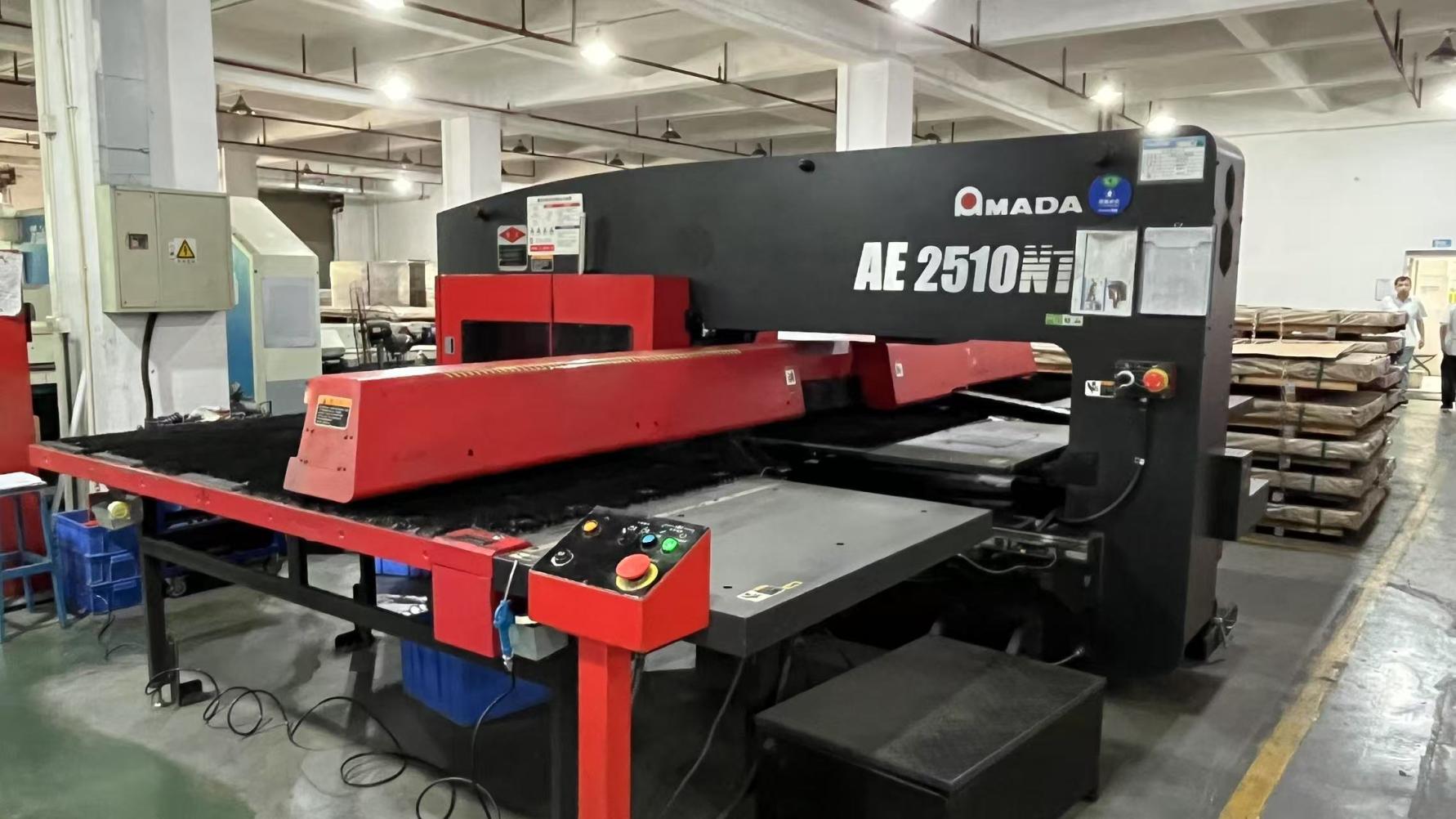
Laser Cutting
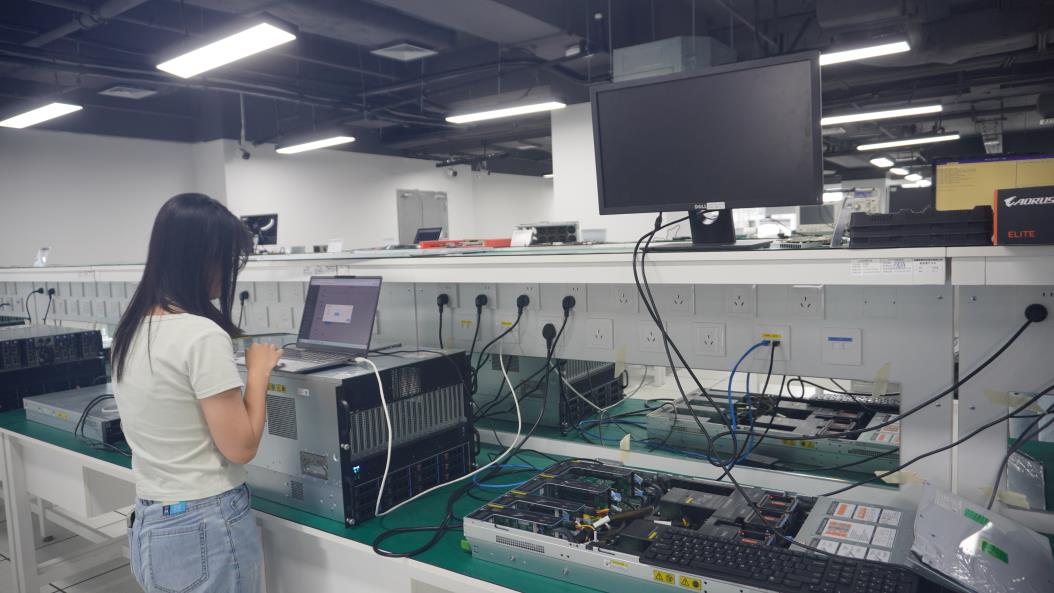
System Testing
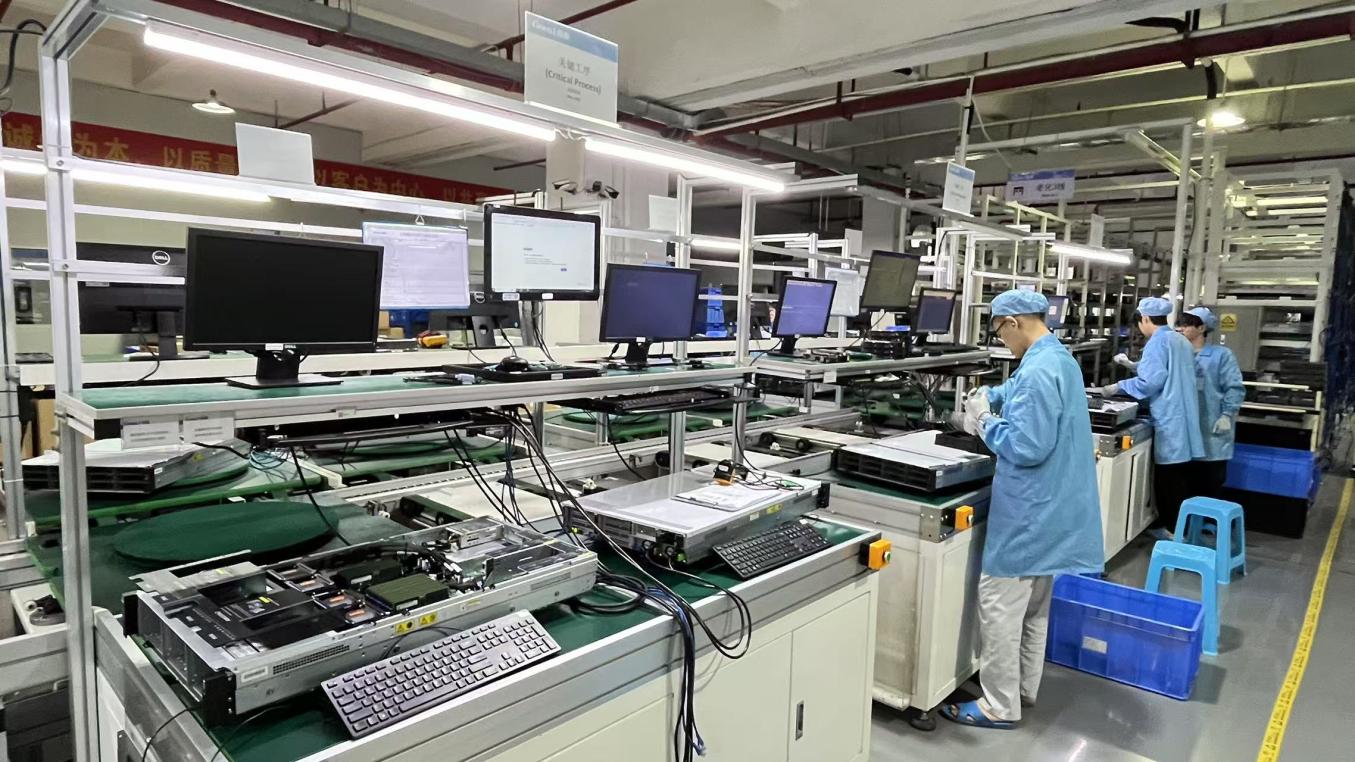
Functional Test
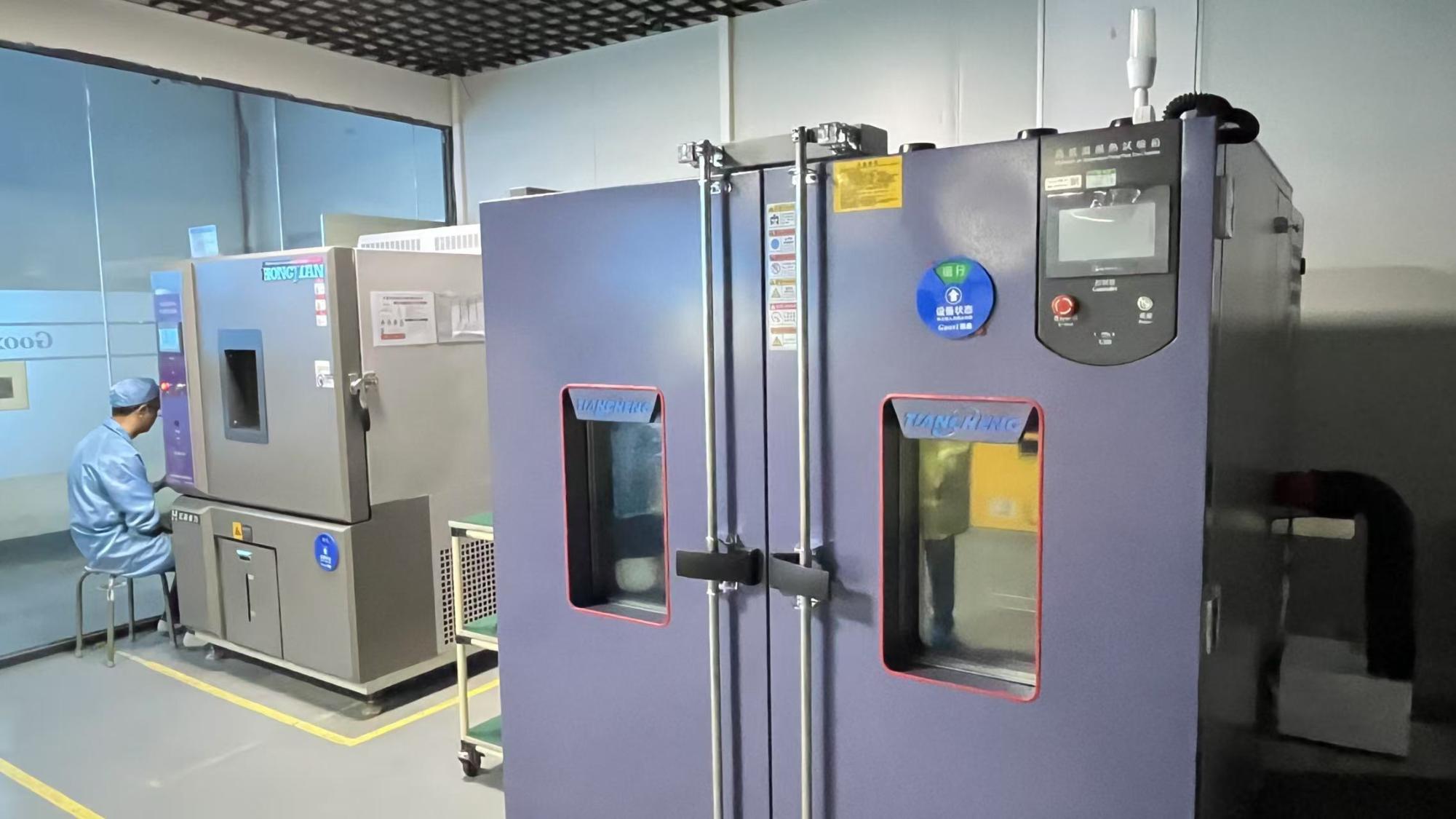
Thermotank
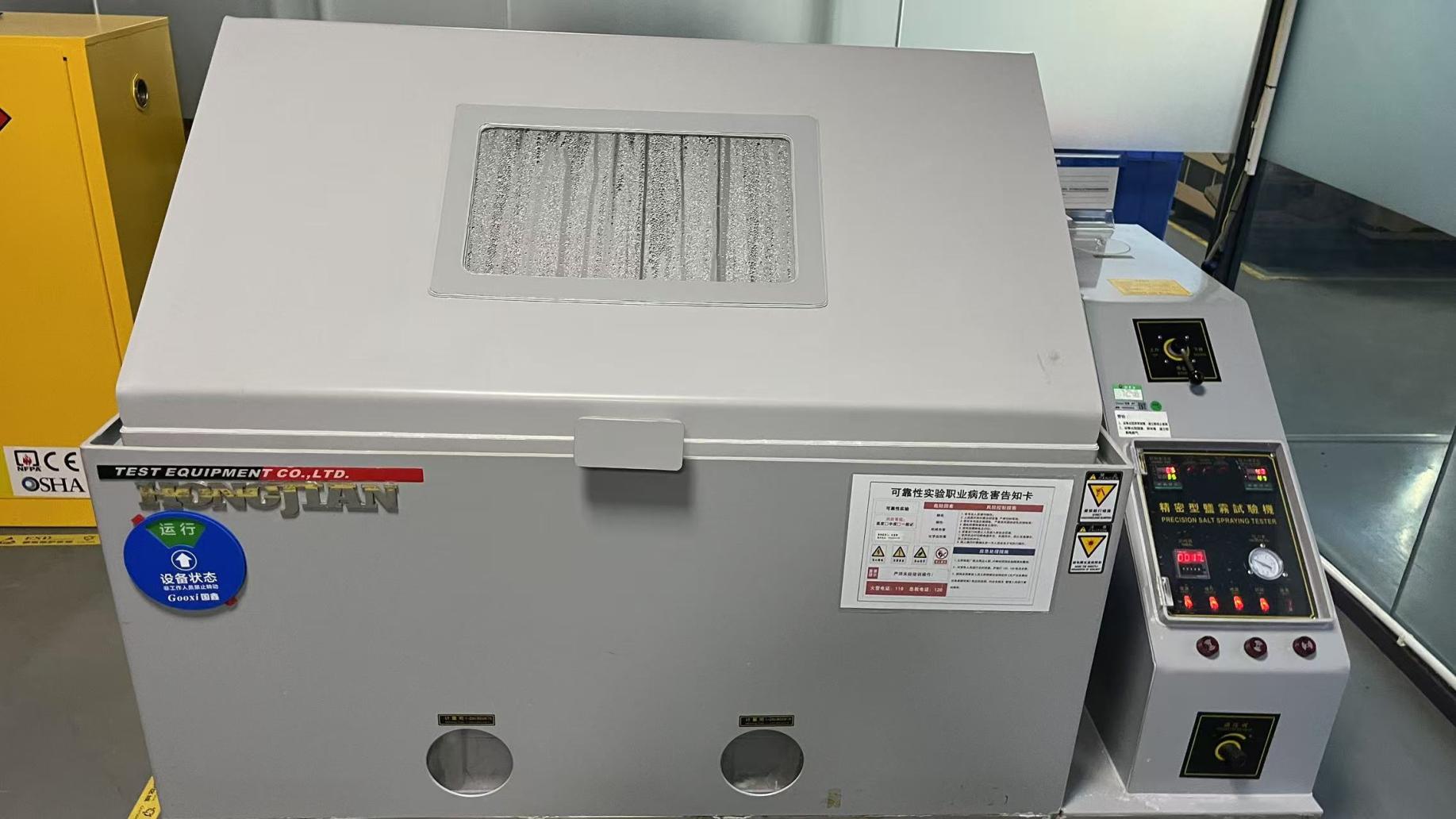
Salt Spray Tester
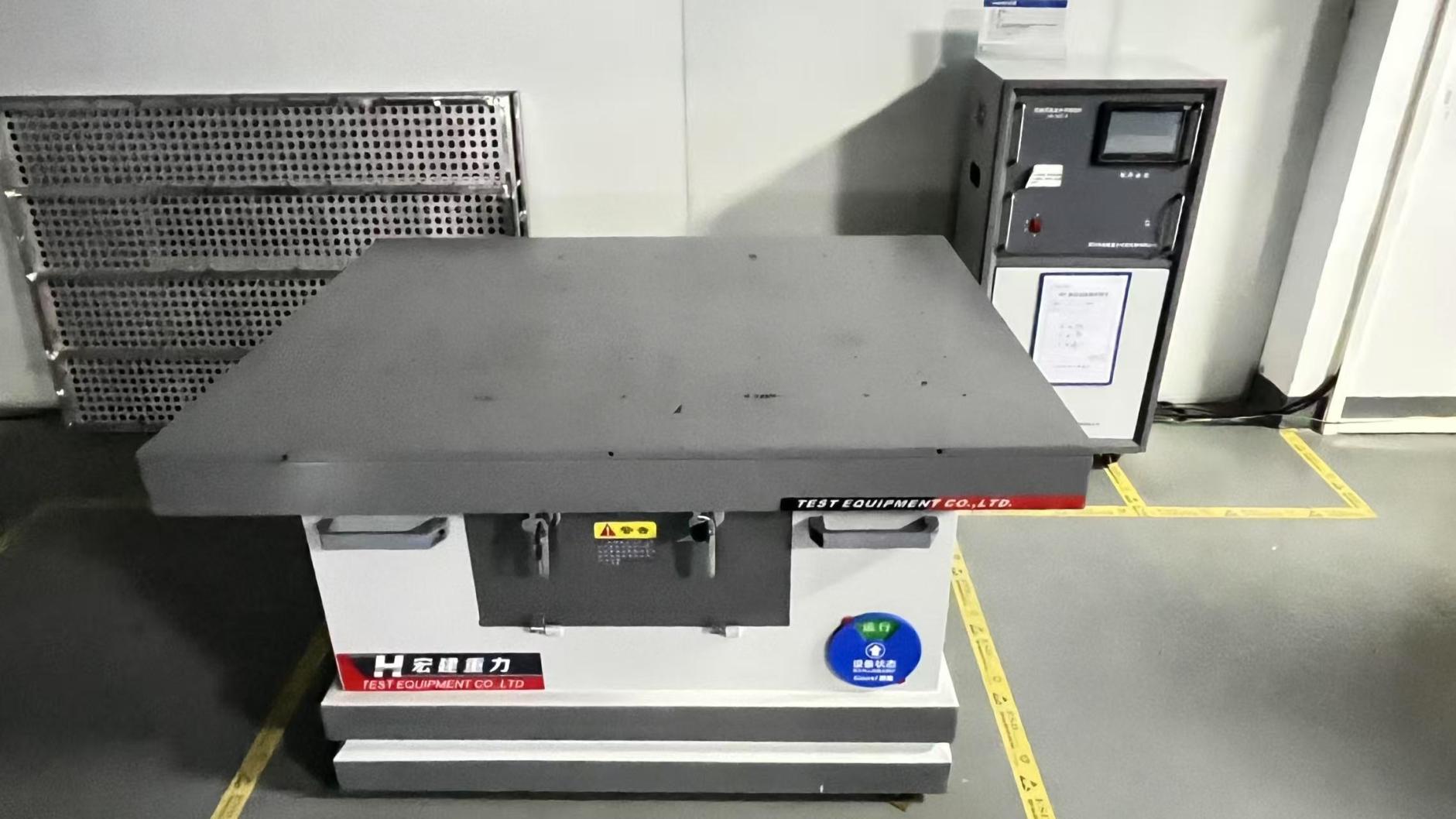
Vibration Tester
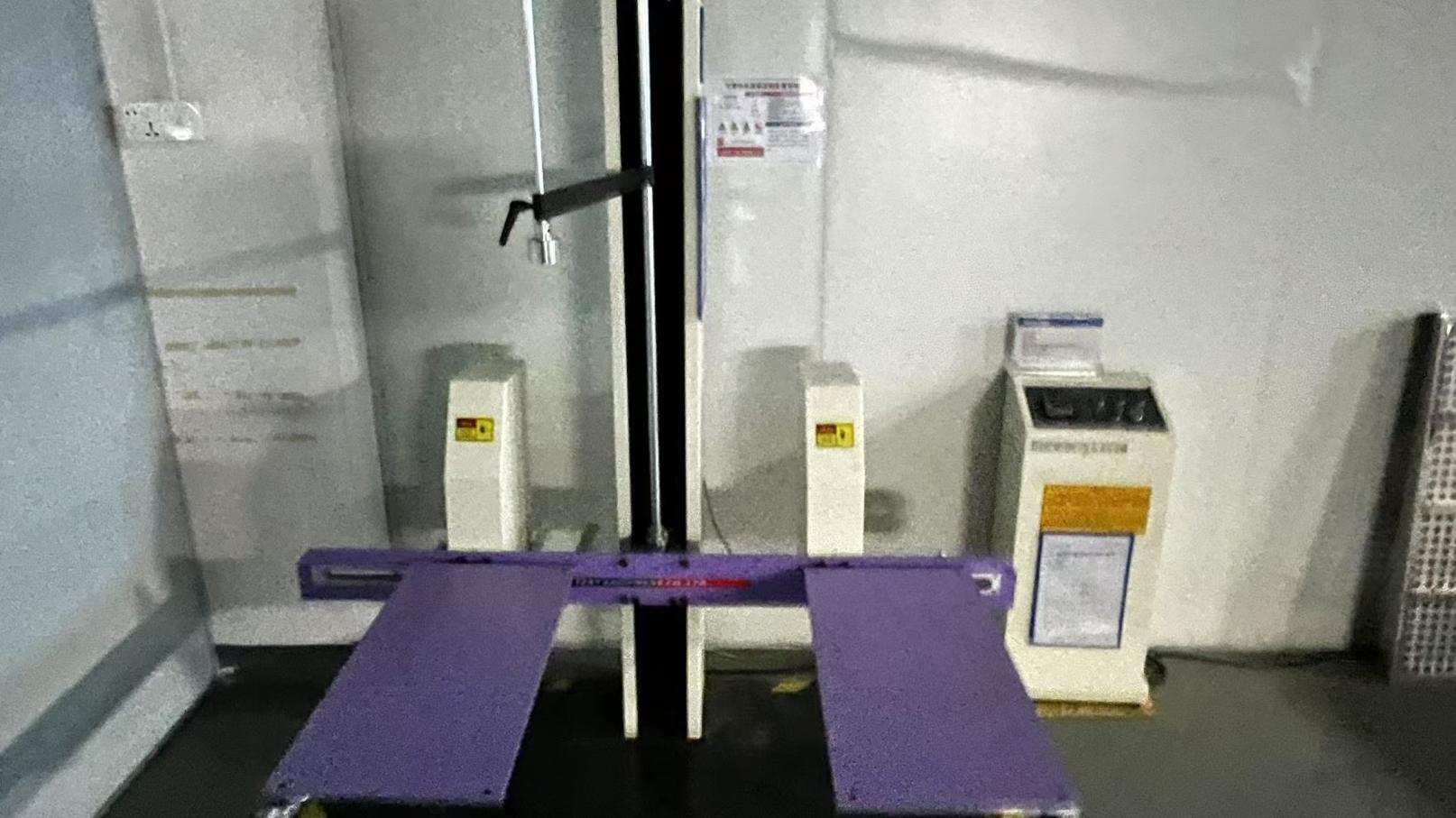
Drop Tester
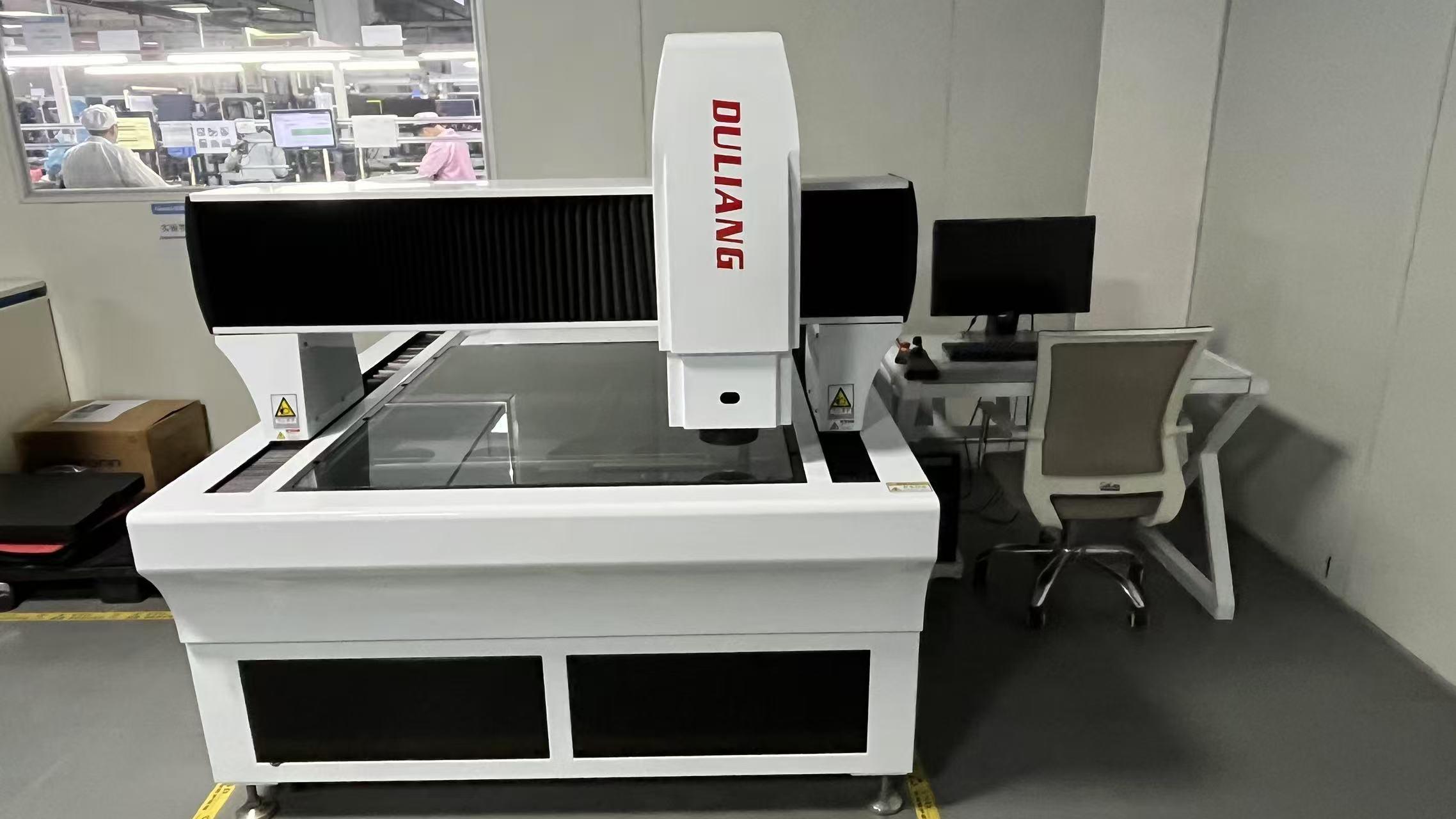
CMM
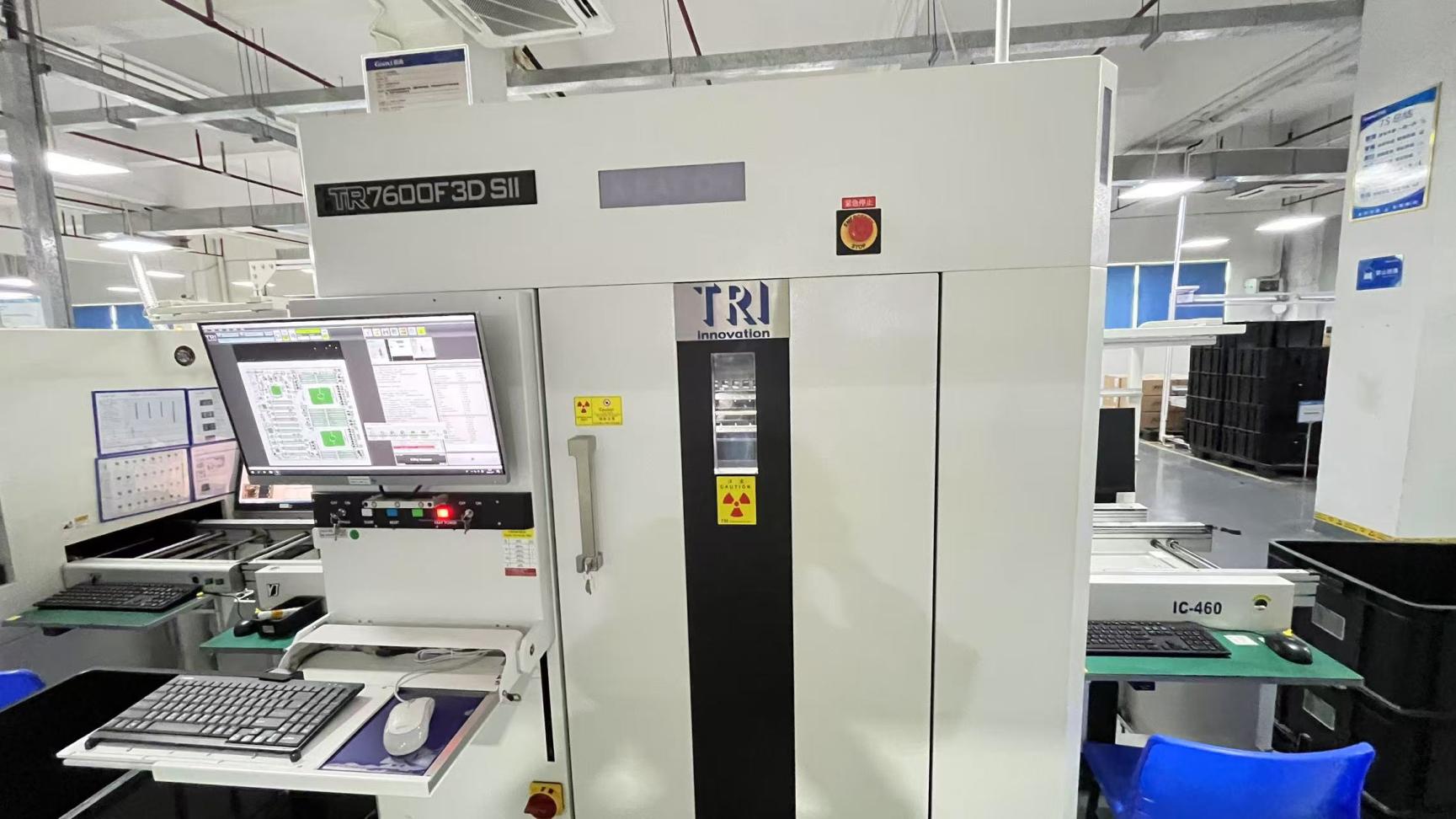
X-ray Inspection
Modern servers are not static compute engines; they are dynamic components configured for specific physical environments and regulatory jurisdictions. Below are the primary application scenarios where optimized configurations (such as those engineered by ZhiCloud AI and Lenovo) are deployed:
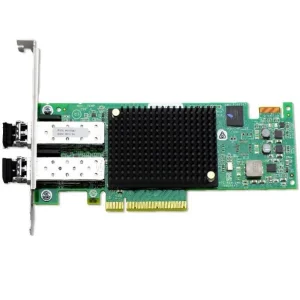
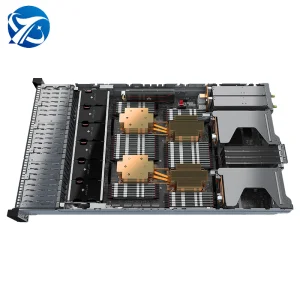
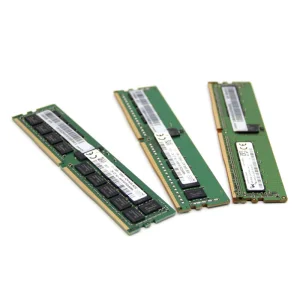
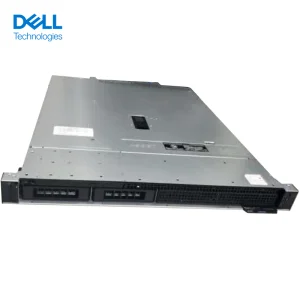
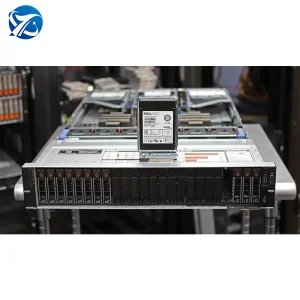
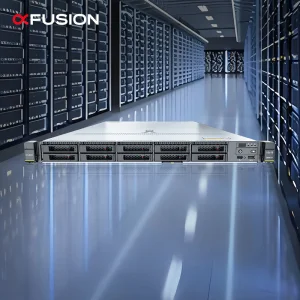
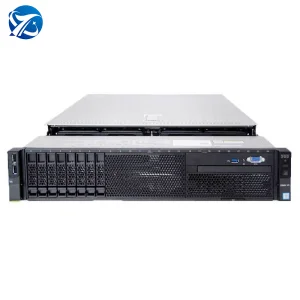
Enterprise data centers use multi-node configurations, like the FusionServer 2488H V6, to host Hyper-Converged Infrastructure (HCI). By integrating dense system memory arrays and multi-port Fibre Channel adapters (e.g., the Emulex LPe35002-M2), operators can run thousands of isolated virtual machines with high network throughput and minimal storage latency.
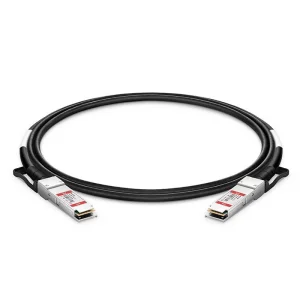
Training Large Language Models (LLMs) requires high inter-node communication speeds and robust thermal management. Leveraging multi-GPU server designs, custom setups allow enterprises to deploy and manage workloads locally. These installations utilize high-speed direct-attach QSFP+ cabling to connect GPU nodes directly to storage area networks (SANs), preventing data bottlenecks.
Financial systems rely on optimized motherboard architectures that support the latest generation of processors (such as 6th Generation Intel Xeon CPUs). These platforms feature low-latency PCI Express buses and DDR5 ECC RAM running at high clock speeds, minimizing transaction latency and supporting real-time market data analysis.
As server architectures move toward higher densities, manufacturing technologies must evolve to address new physical limits in power and cooling. The roadmap for next-generation platforms focuses on the following key areas:
Deploying server infrastructure globally requires compliance with regional safety, environmental, and communications standards. Working with qualified integration partners helps ensure that systems meet necessary certifications, including CE, FCC, RoHS, WEEE, and CCC. Beyond certification support, enterprise customers can access localized warranties, remote diagnostics, customized BIOS configurations, and spare parts management to maintain system uptime.
Common questions regarding server manufacturing, custom configurations, quality testing, and international compliance.
Explore our range of storage drives, GPU servers, RAID controller cards, and processors designed for high-density enterprise configurations.