ZhiCloud AI
ZhiCloud AI
ZhiCloud AI
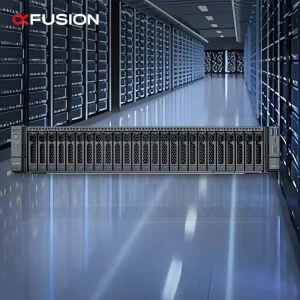
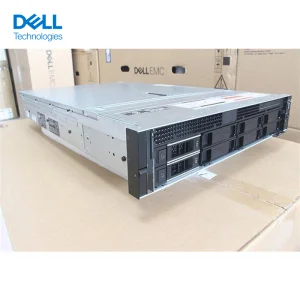
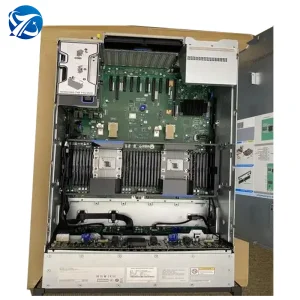
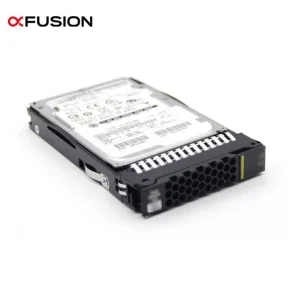
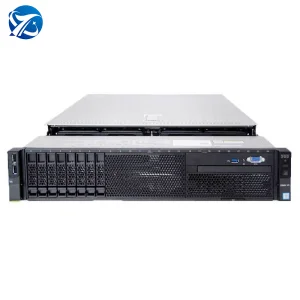
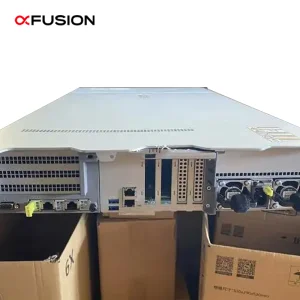
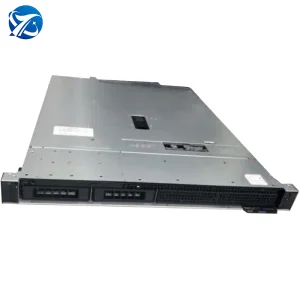
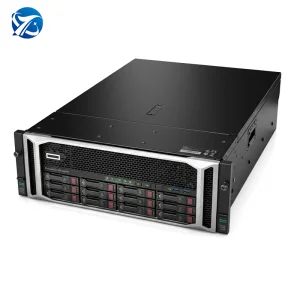
Premium server systems, high-density storage drives, and RAID expansion solutions optimized for data center orchestration.
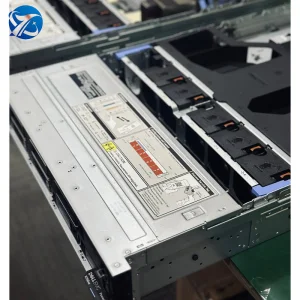
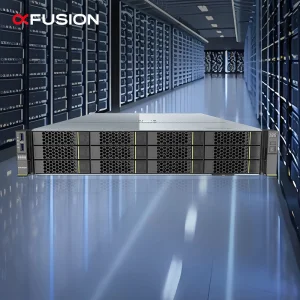
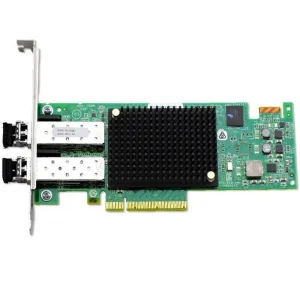
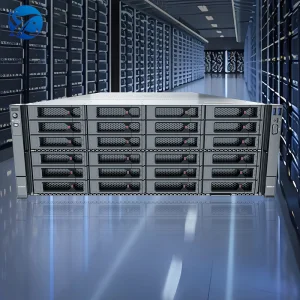
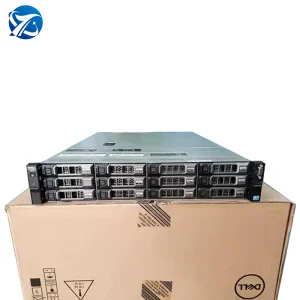
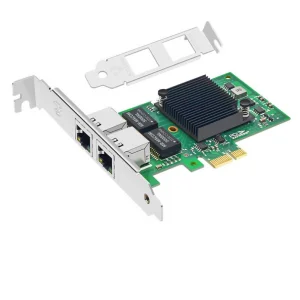
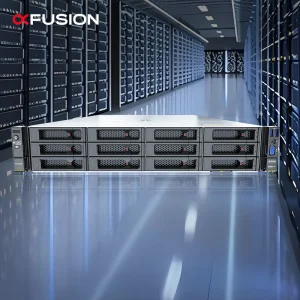
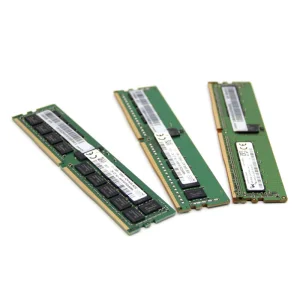
The enterprise hardware ecosystem is witnessing a historic paradigm shift. Originally pioneering inside Huawei's internal IT and enterprise business groups, the x86 server business transitioned to xFusion Digital Technologies Co., Ltd. in late 2021. Today, xFusion stands as an independent powerhouse, maintaining strict R&D genes inherited from its parent development pipeline while scaling aggressively globally. Alongside it, Huawei’s proprietary ARM-based Kunpeng and AI-centric Ascend server architectures continue to redefine sovereign cloud capabilities and high-density performance matrix structures.
With the rise of large language models (LLMs) such as DeepSeek, LLaMA, and GPT variants, data center architectures are undergoing structural changes. Global procurements have shifted from legacy compute workloads to GPU-accelerated workloads, requiring specialized thermal chassis design, high-amperage power conversion, and lightning-fast bus structures (PCIe Gen 5.0 and beyond). Manufacturers in the Huawei and xFusion ecosystem have adapted by developing hybrid computing clusters like the FusionServer G5500 V7 and high-performance multi-socket platforms like the FusionServer 2488H V7.
Understanding the manufacturing hierarchy is critical for global IT procurement managers. These systems are produced across elite electronic manufacturing services (EMS) factories in China, including industrial giants like Foxconn, BYD, and specialized computing integrators. This whitepaper systematically evaluates the top 10 manufacturing networks, supply-chain dynamics, and how integration partners like ZhiCloud AI deliver custom infrastructure solutions worldwide.
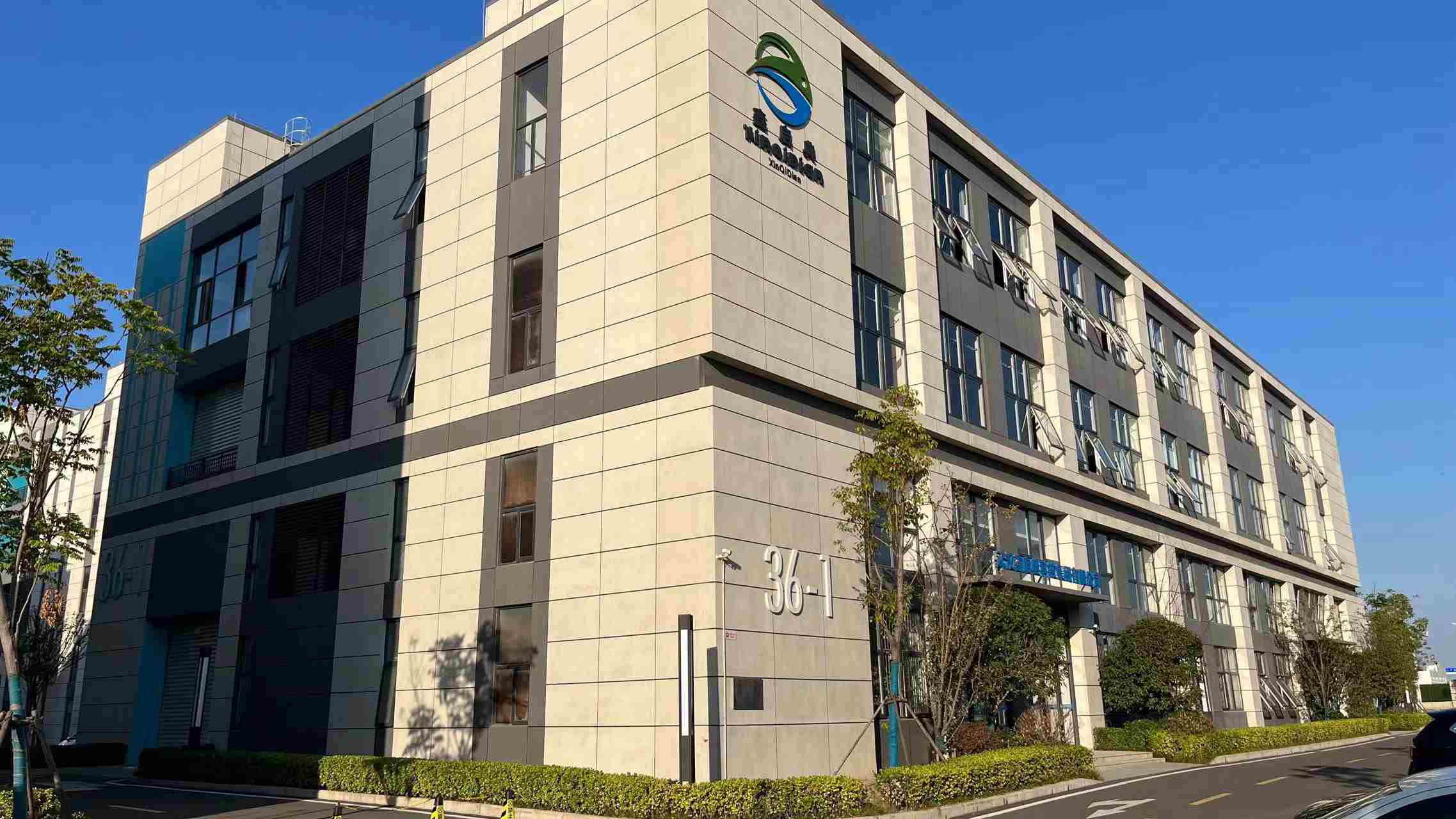
How Fortune 500 enterprises, AI startups, and tier-1 hyperscalers qualify server manufacturing partners.
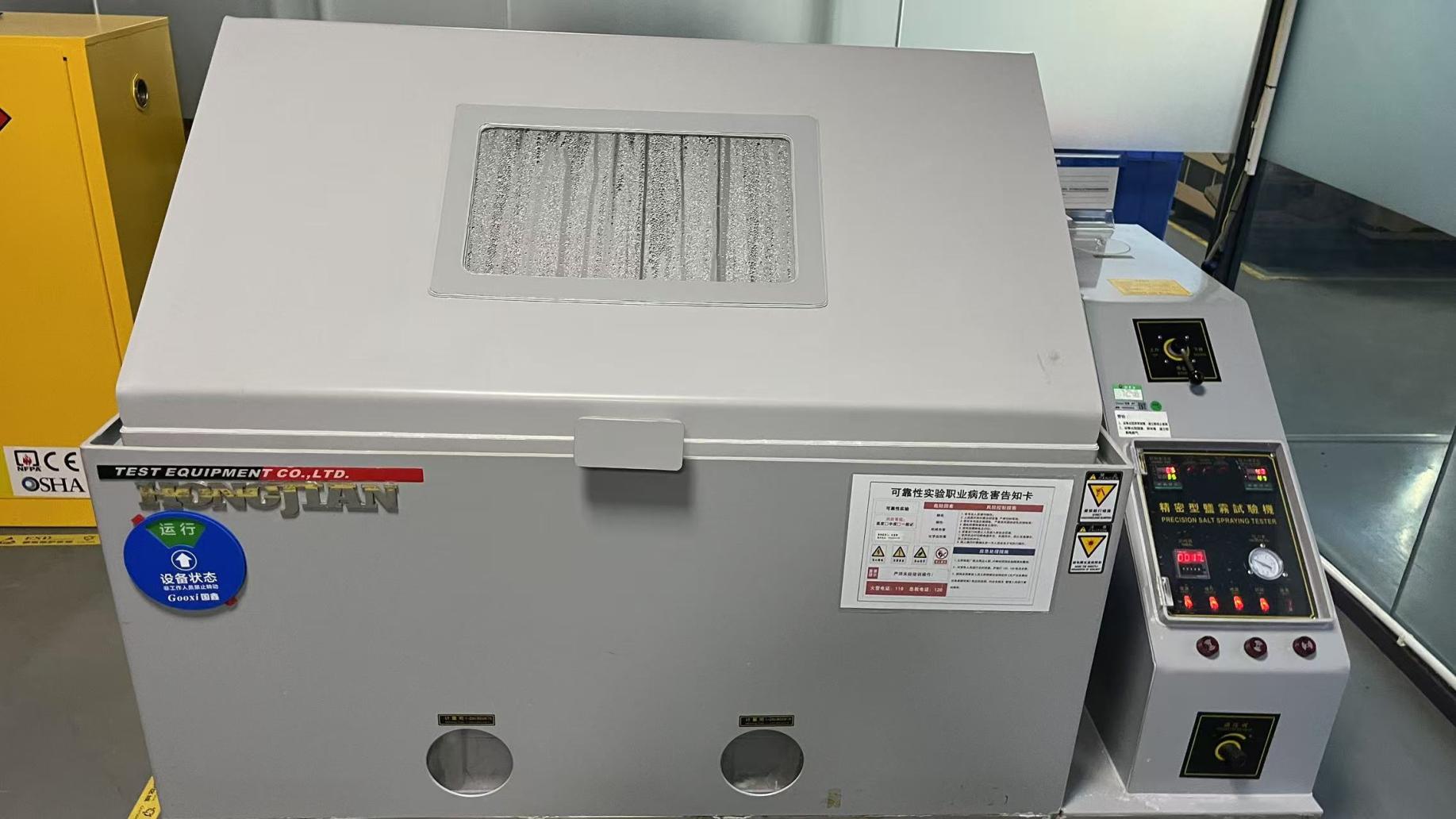
Procurement requires multi-stage thermal cycling, high-humidity salt spray testing, and component traceability to prevent hardware degradation in harsh datacenter environments.
From GPU placement layouts to custom BIOS tuning, modern procurement demands tailor-made configurations optimized for specific virtualization and neural-network weights.
Leveraging redundant suppliers for components like PCIe chips, power units, and optical transceivers guarantees deliveries even amidst global logistical disruptions.
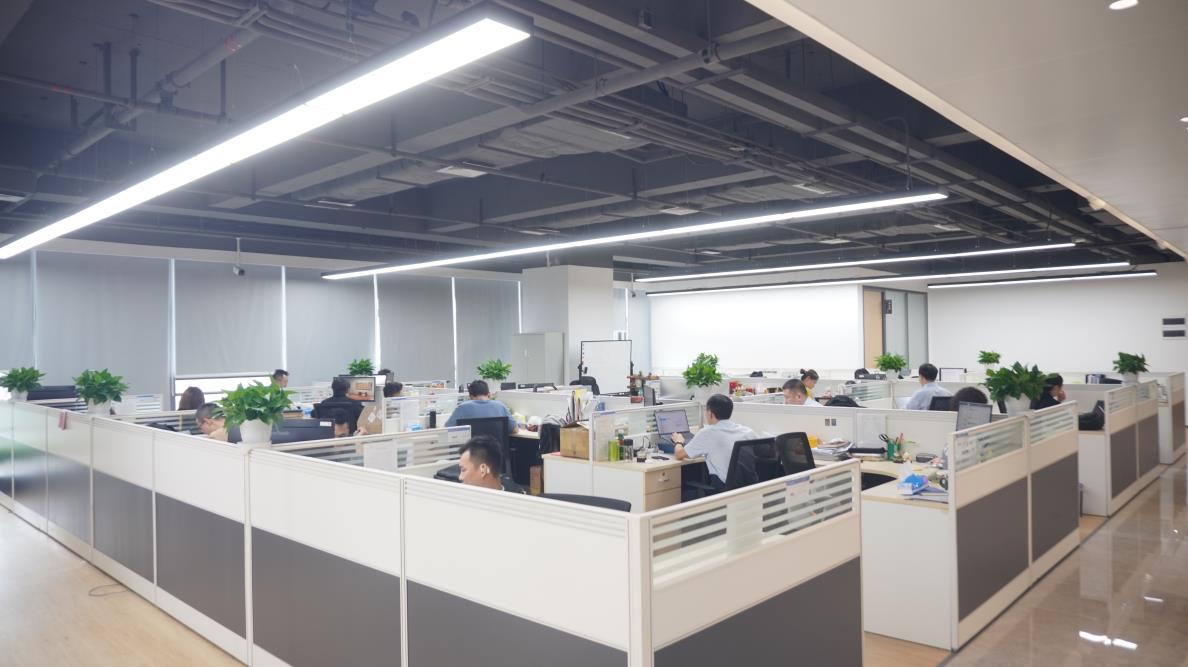
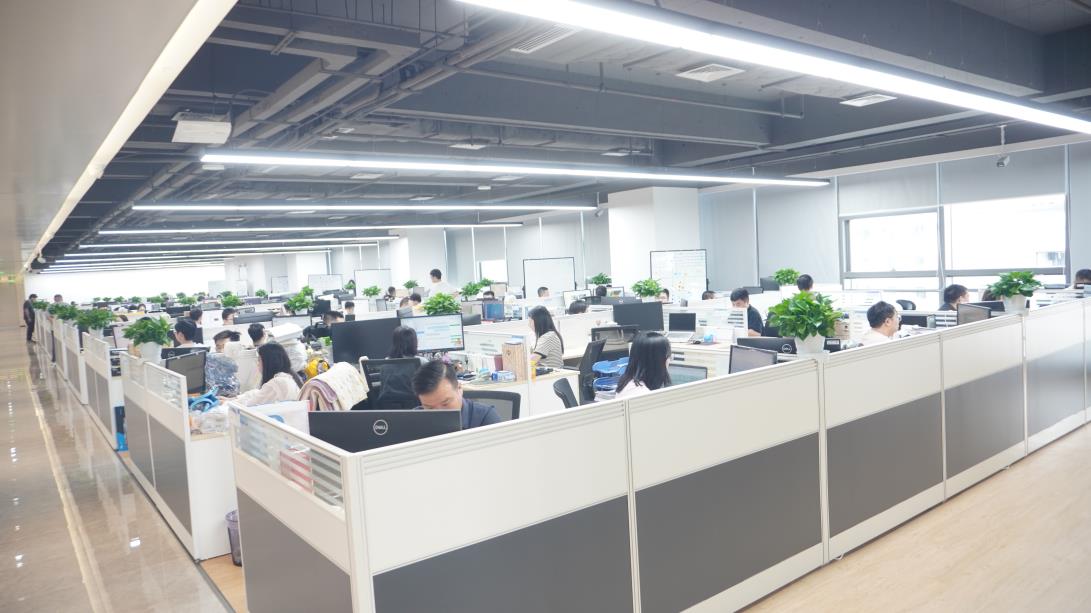
Founded in 2016, ZhiCloud AI has established itself as an elite, high-performance computing (HPC) system integrator and AI infrastructure provider. The company bridges the gap between massive Chinese component factories and global enterprise requirements by offering highly customized rack mount configurations.
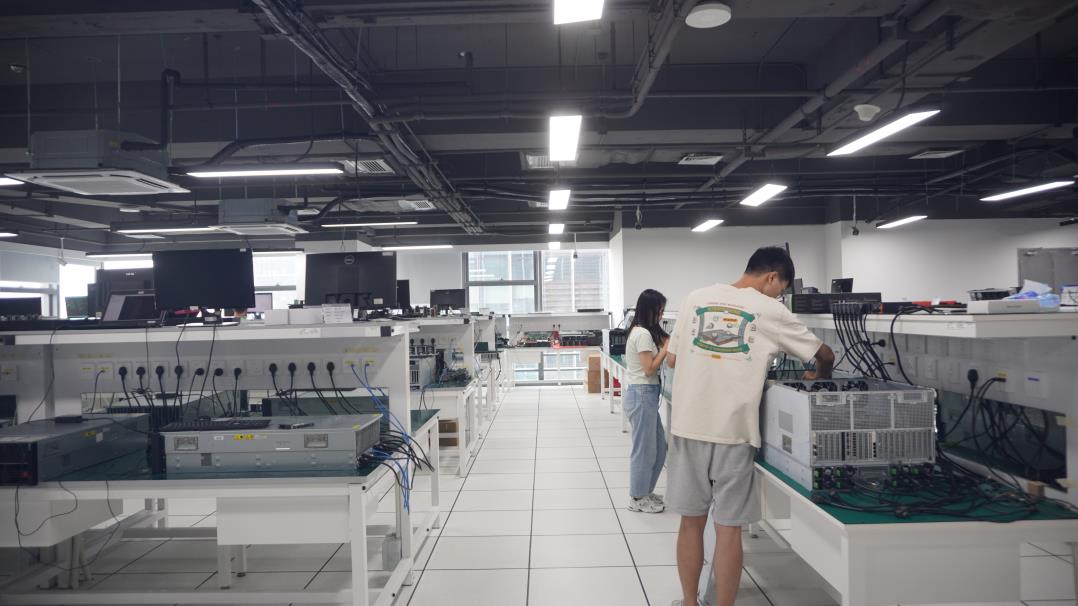
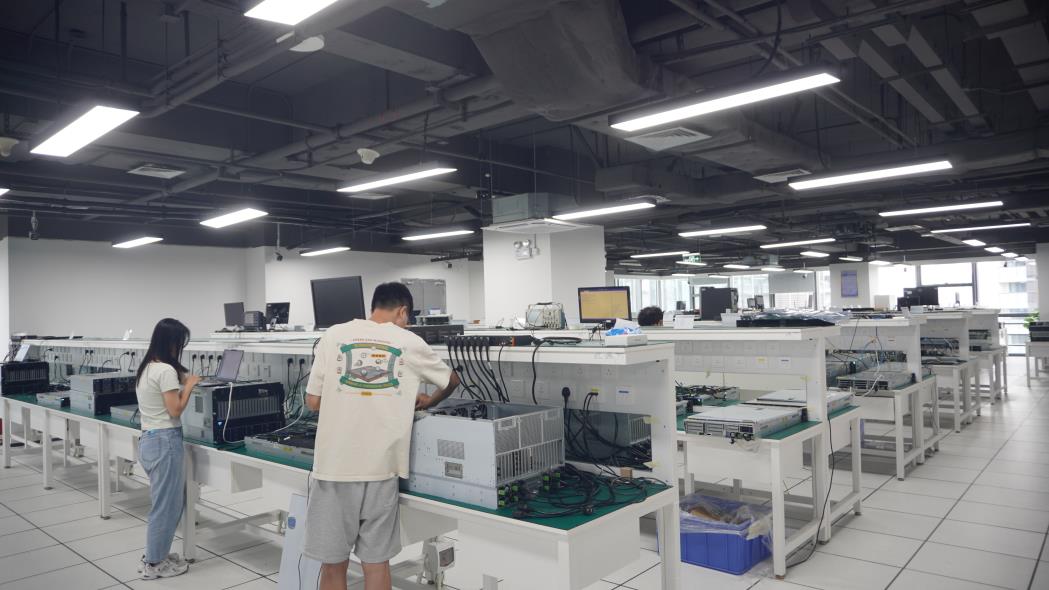
Operating out of a modern, specialized integration facility in Shenzhen spanning 320㎡, ZhiCloud AI specializes in integrating advanced GPU platforms, liquid-cooled servers, and high-density network cards. With over 11 years of industry expertise and 7 years of international B2B export experience, ZhiCloud AI serves key markets across North America, Europe, Southeast Asia, and the Middle East.
The company maintains strategic partnerships with over 1,200 verified vendors, giving them uncompromised access to Tier-1 server boards, memory modules, chassis components, and specialized cards. Backed by 120 R&D engineers, ZhiCloud AI released over 180 new product configurations last year to dynamically meet the rapid evolution of next-gen server designs and software ecosystems.
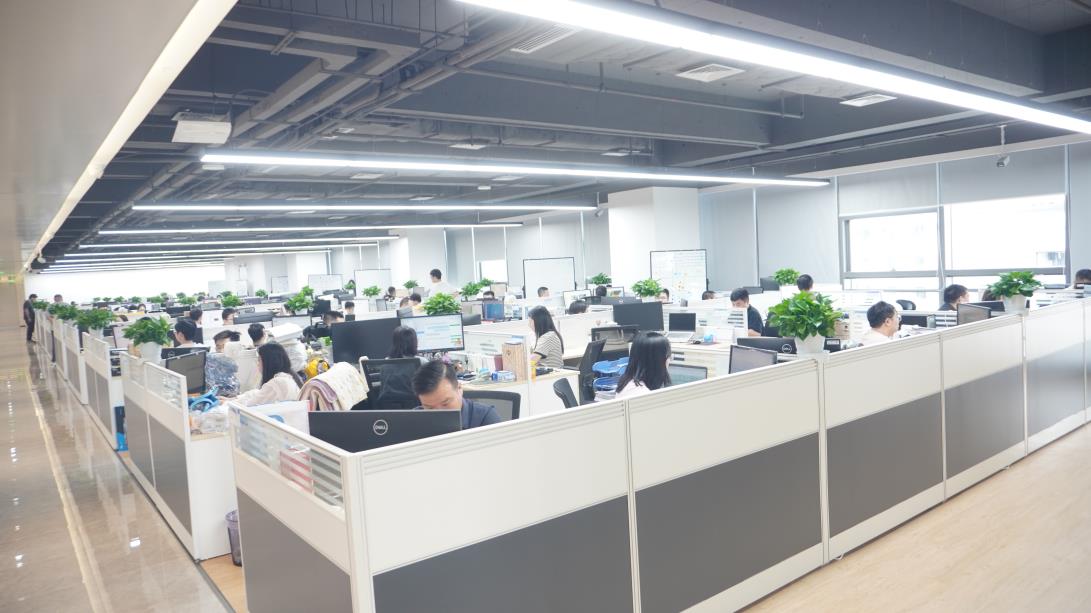
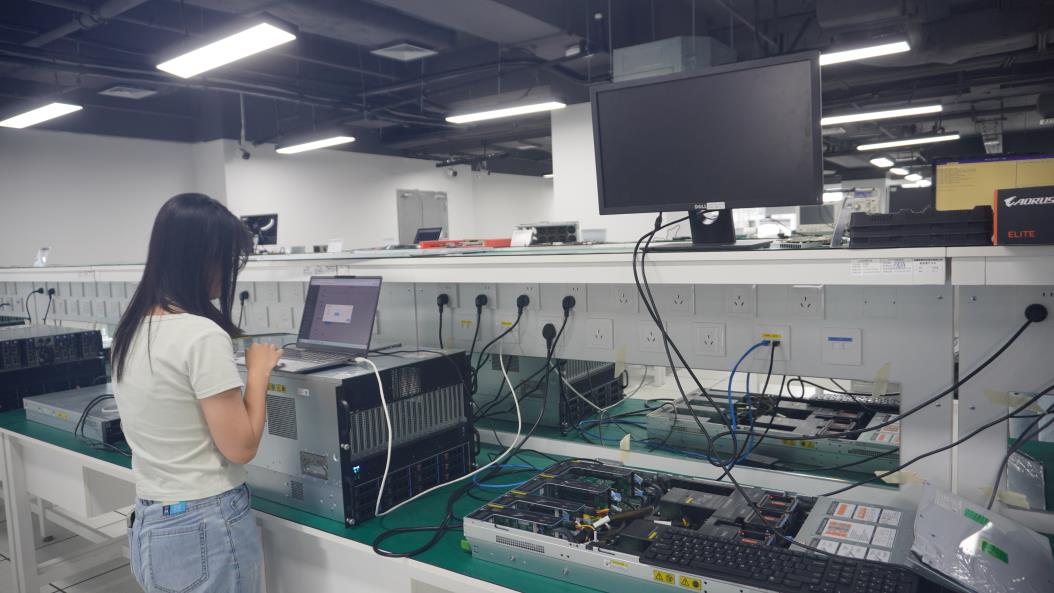
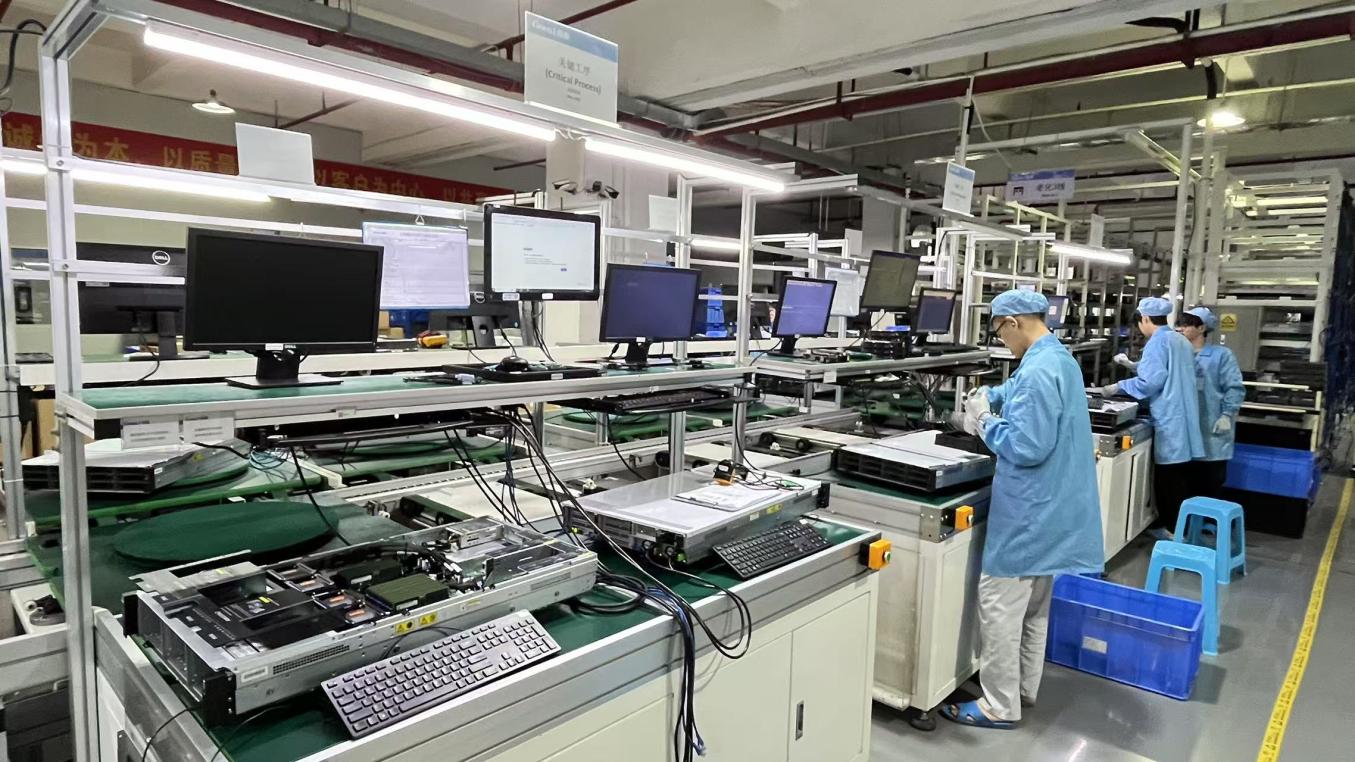
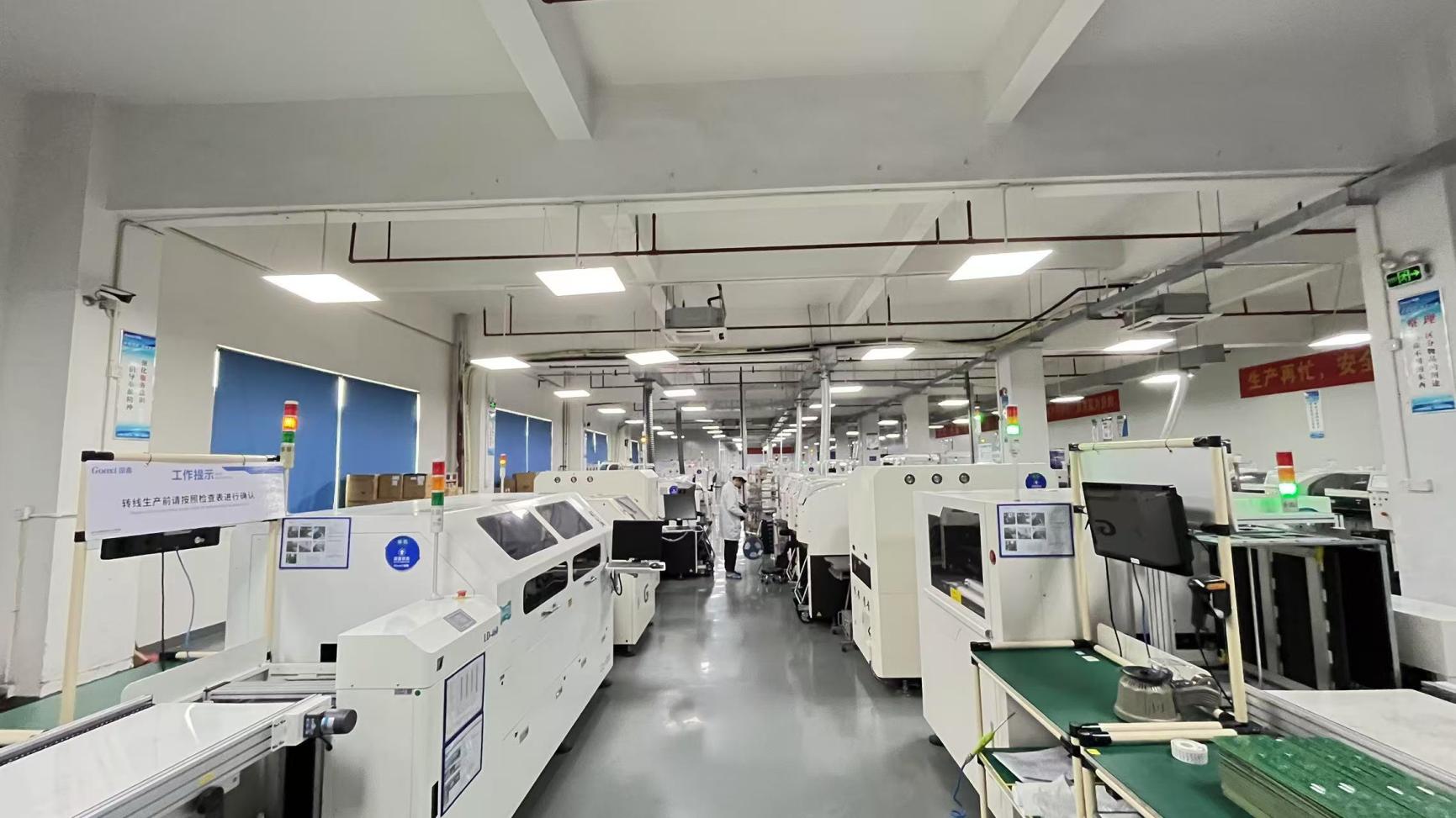
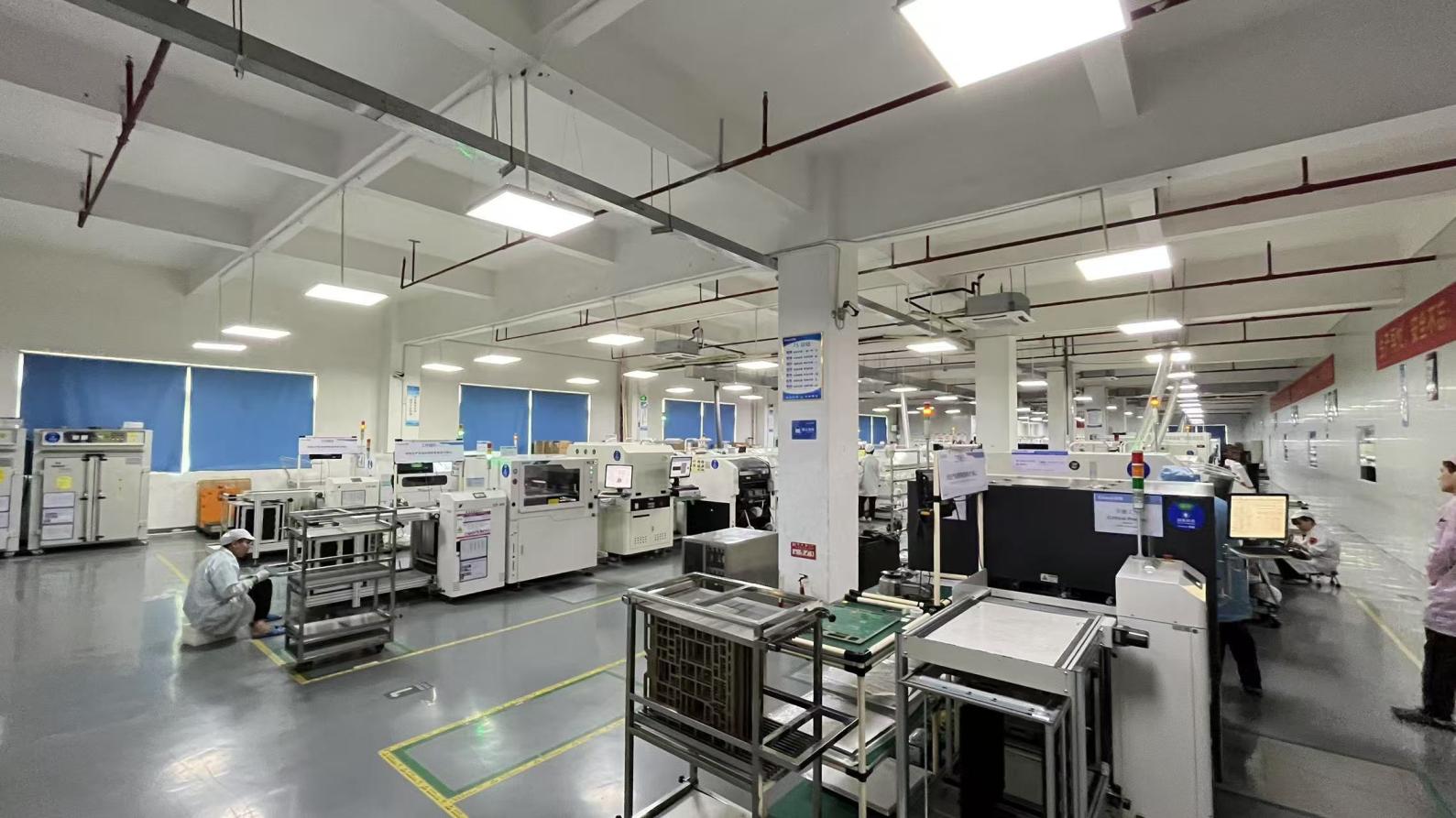
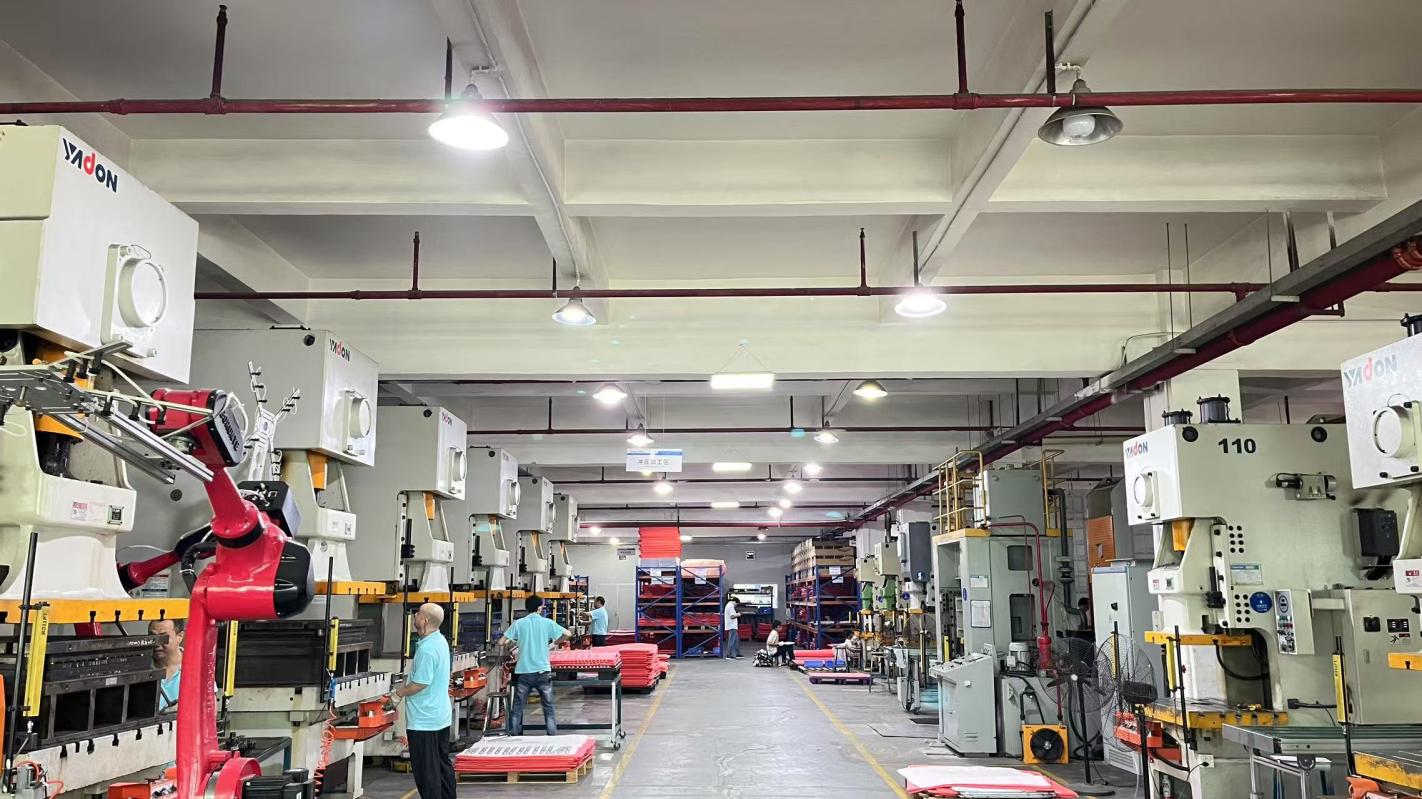
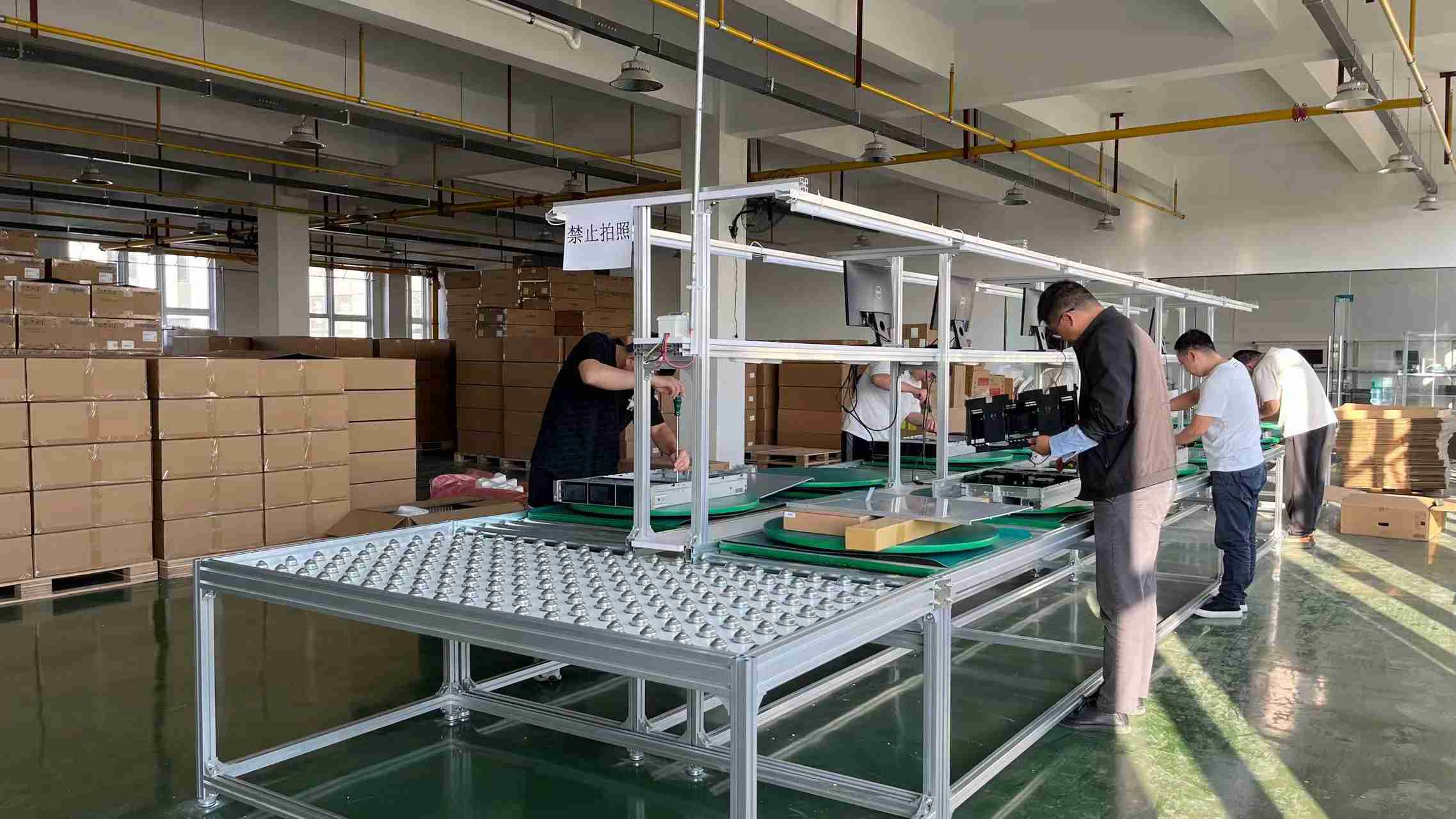
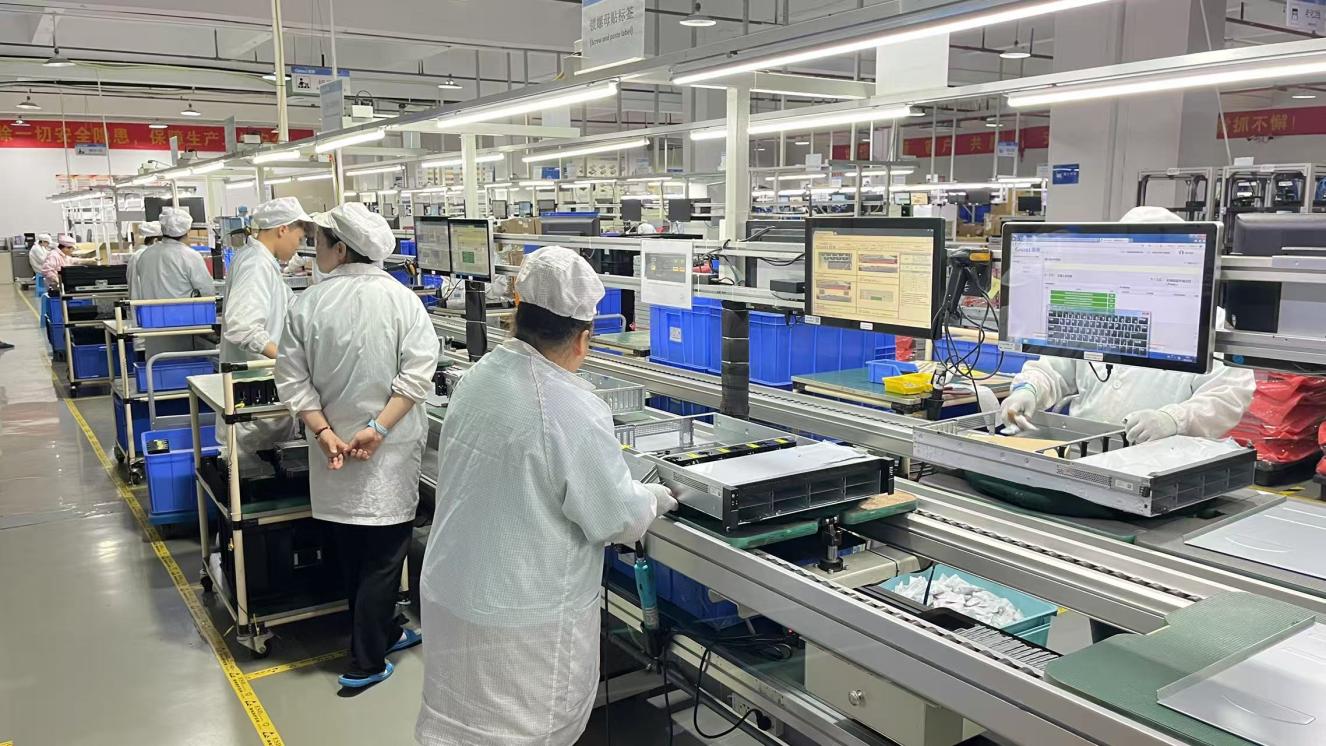
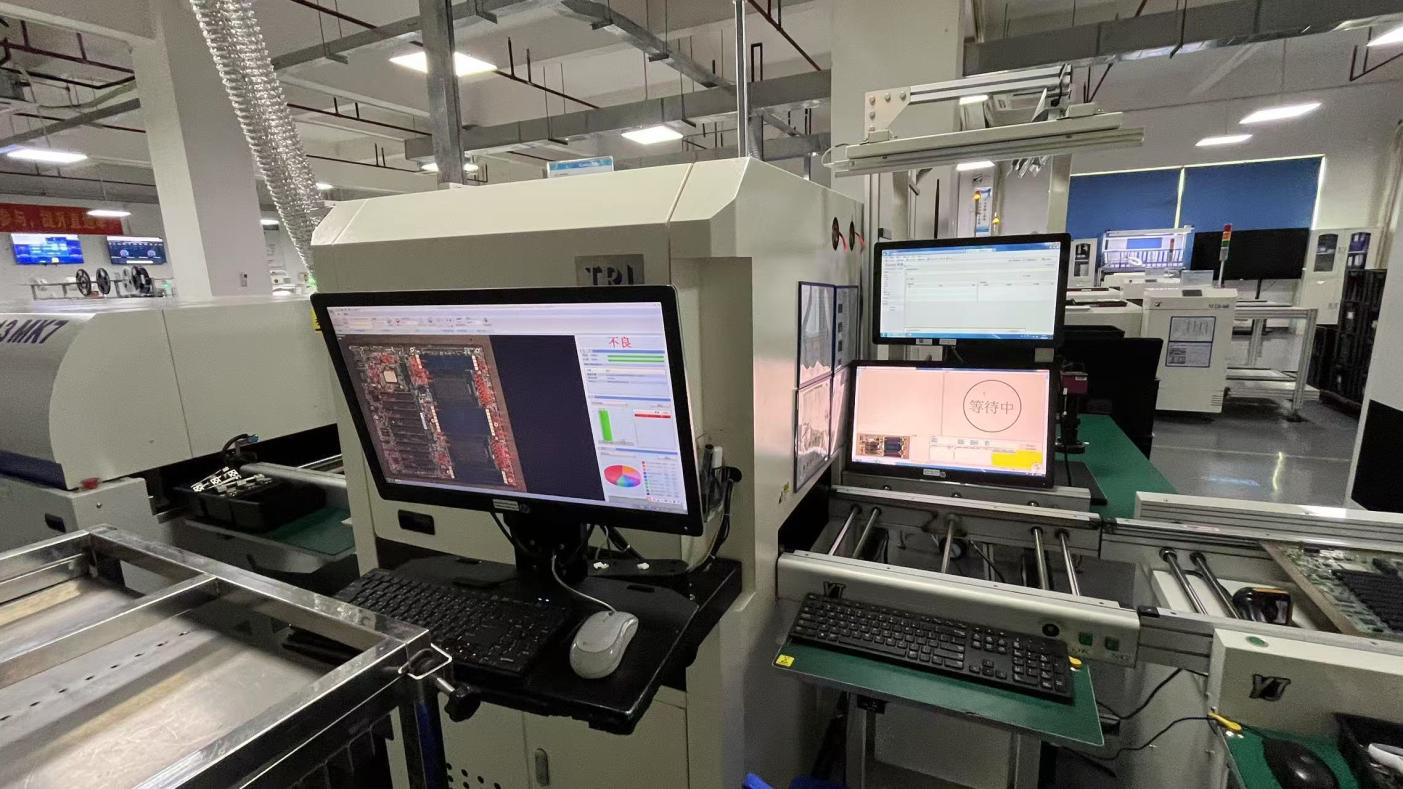
From raw sheet metal and surface mount assembly to comprehensive platform functional tests, transparency in the factory is paramount.
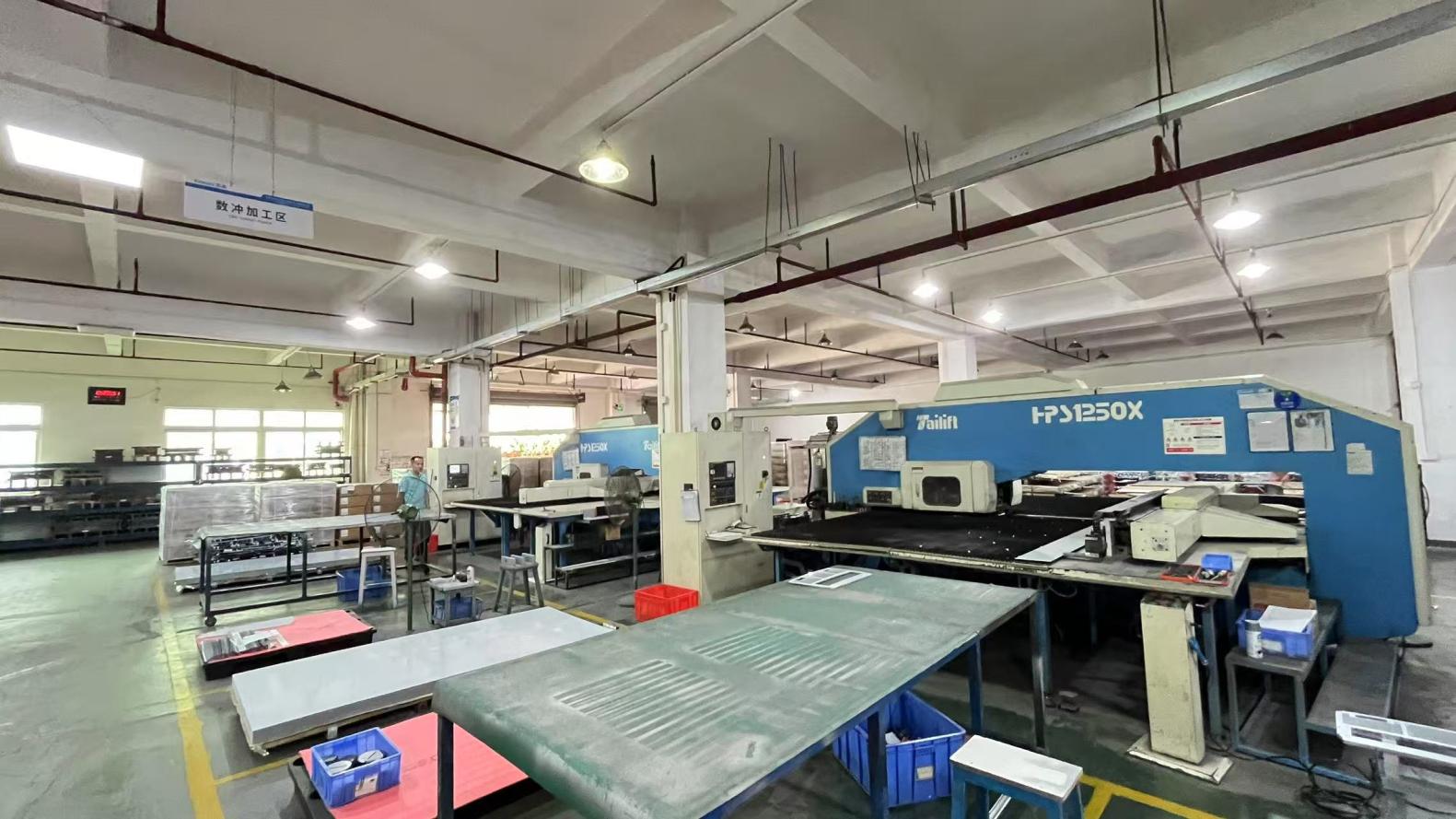
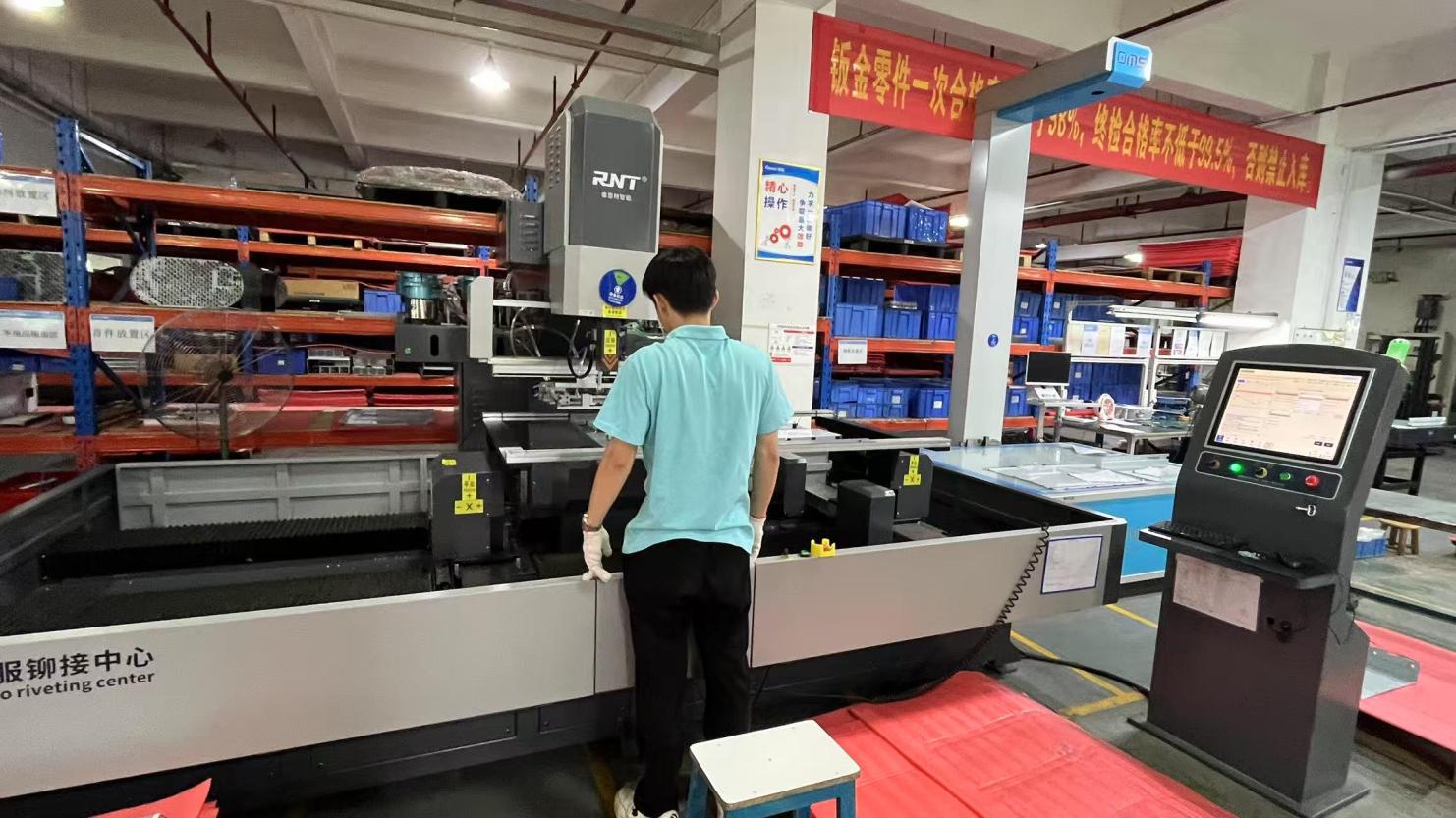
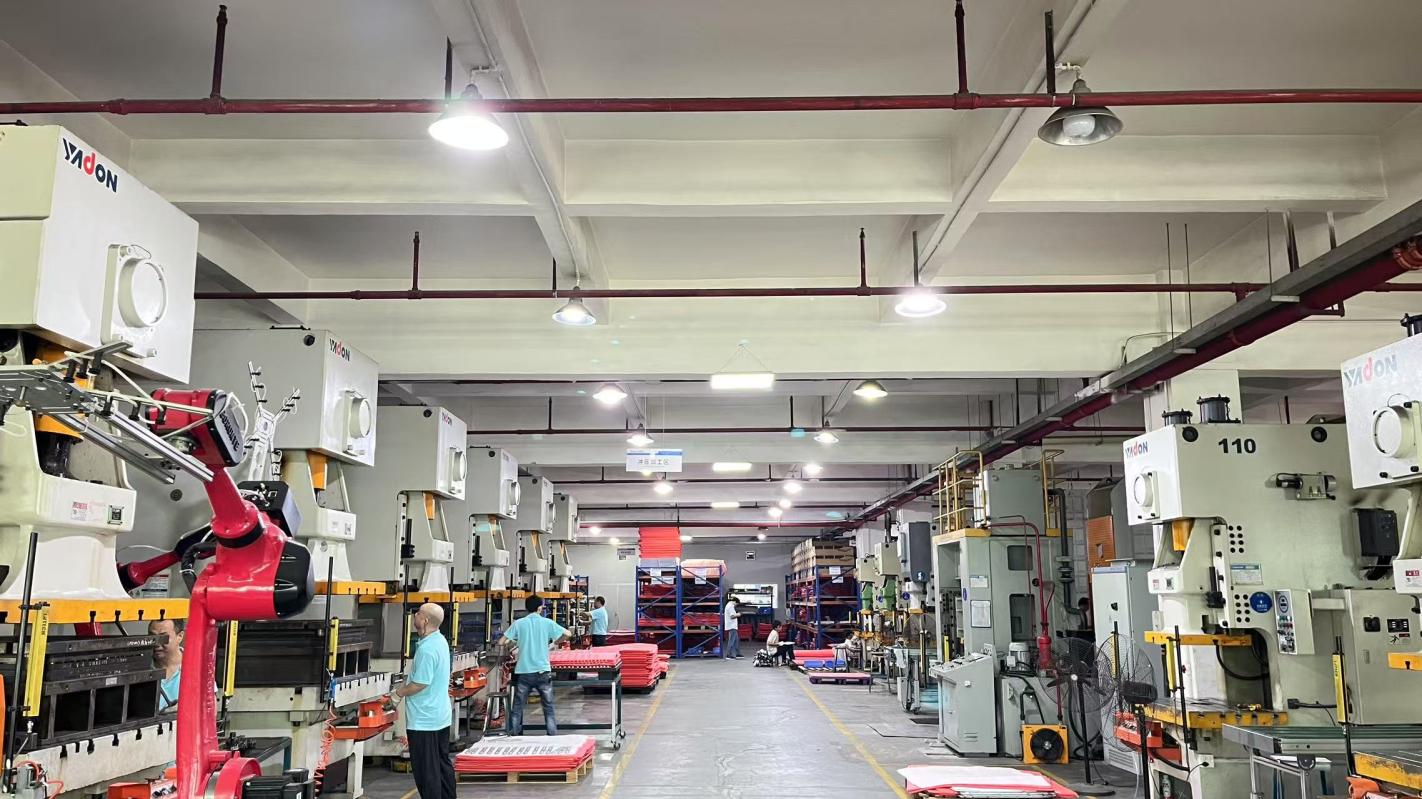
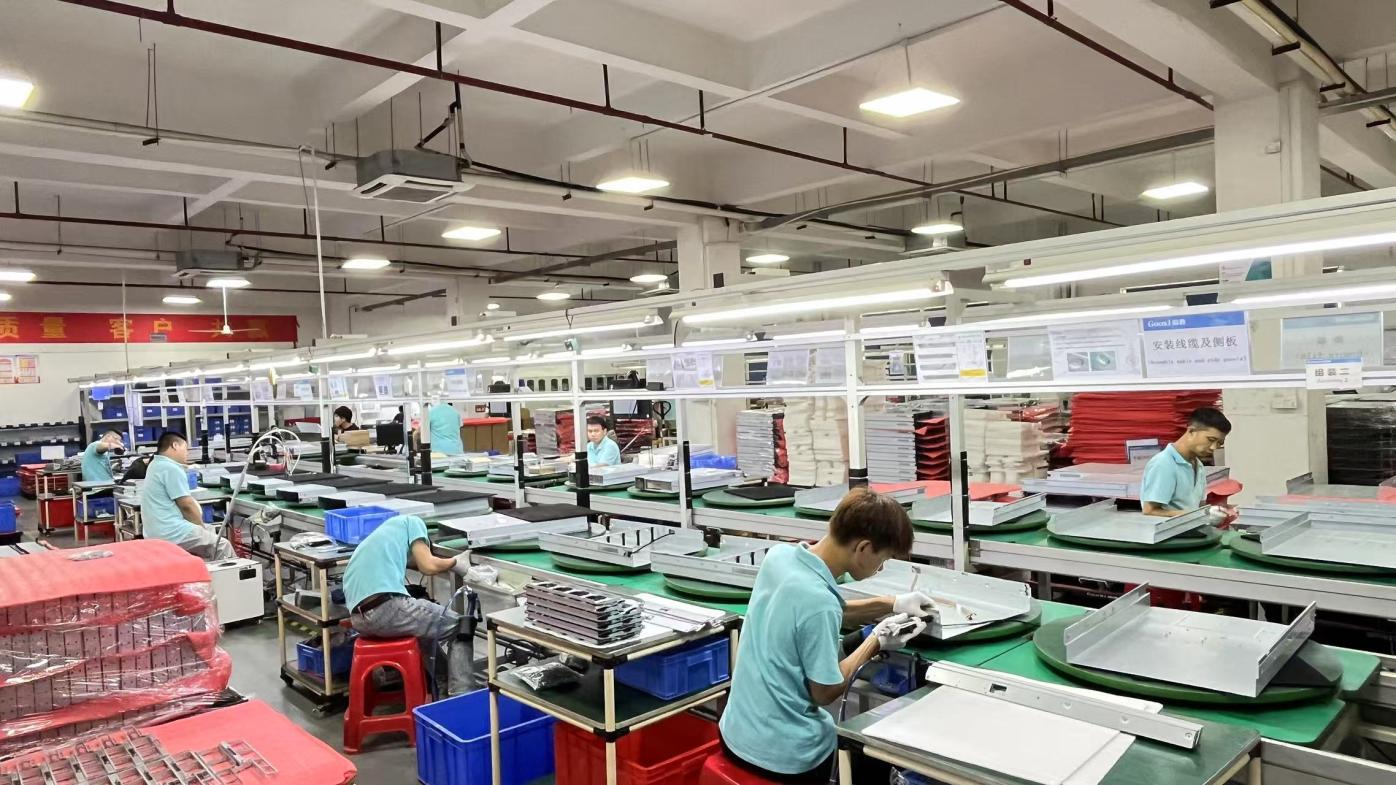
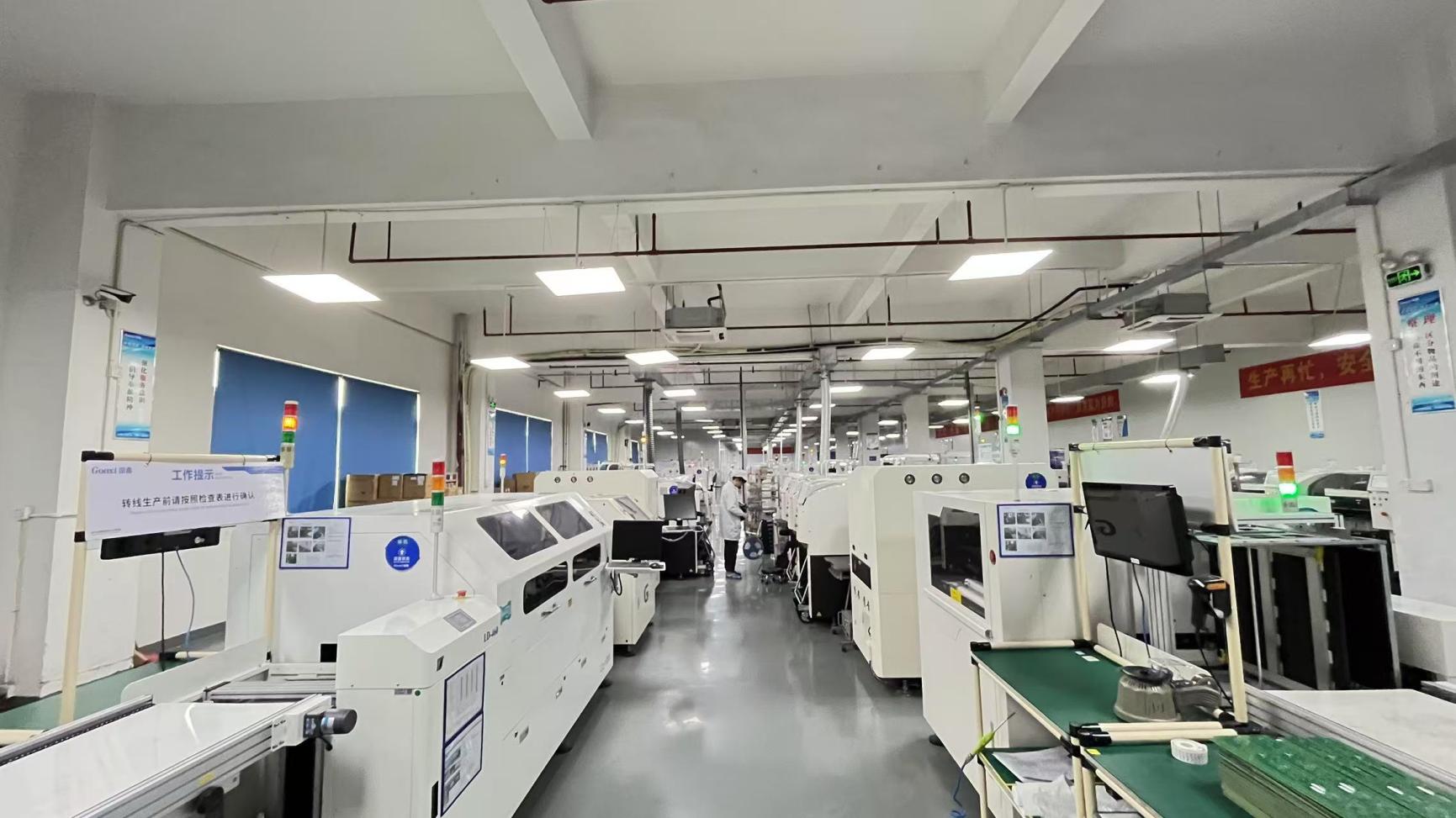
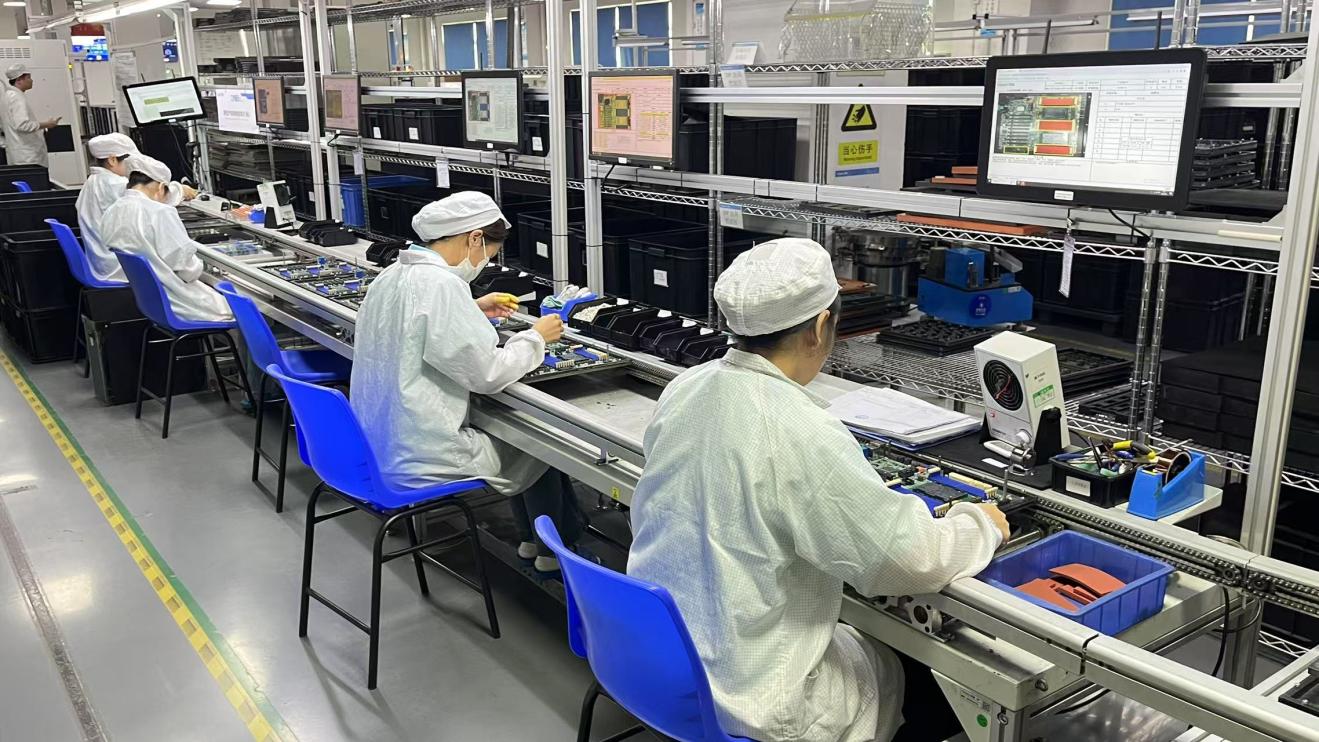
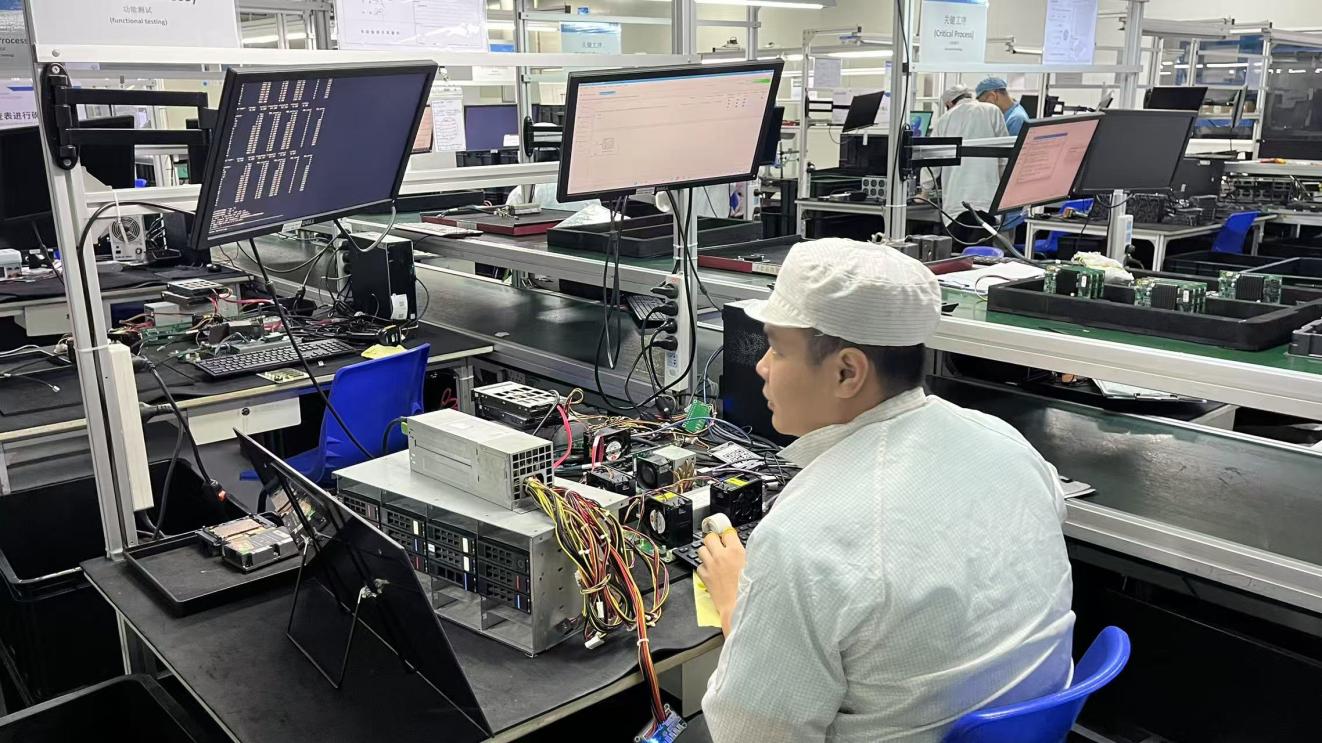
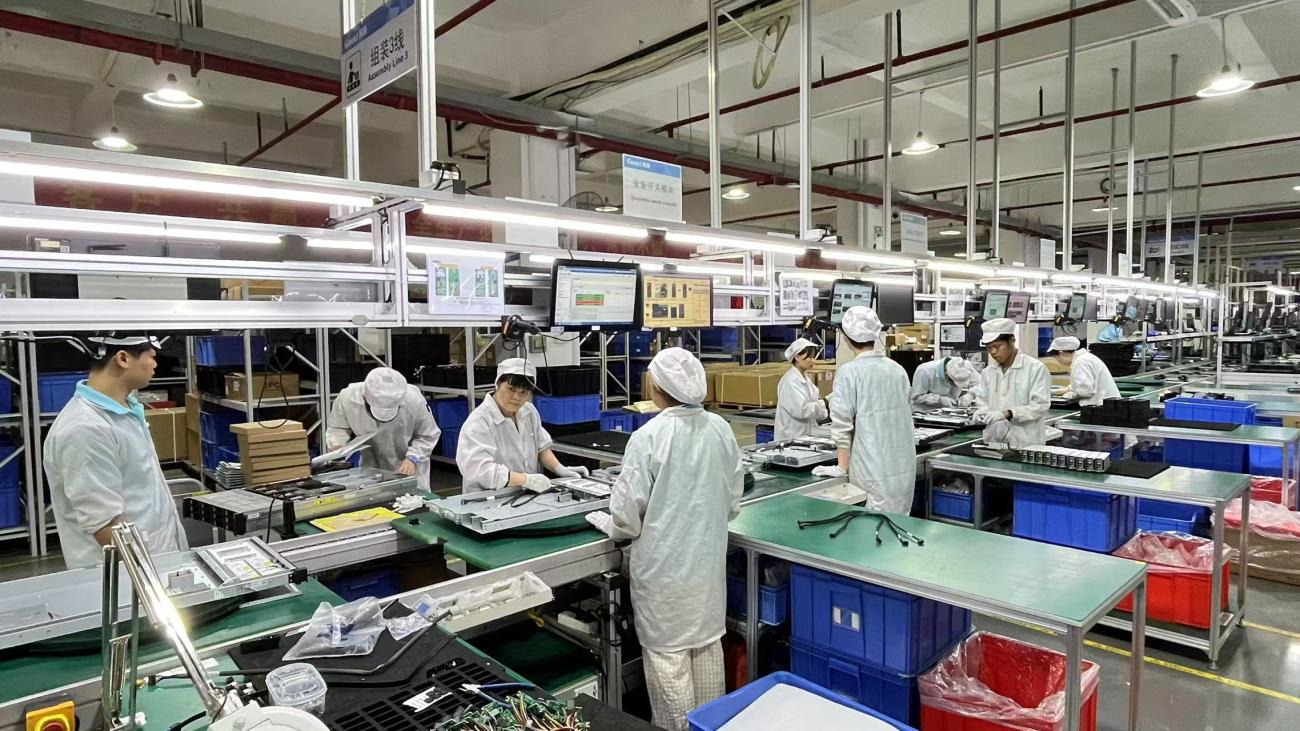
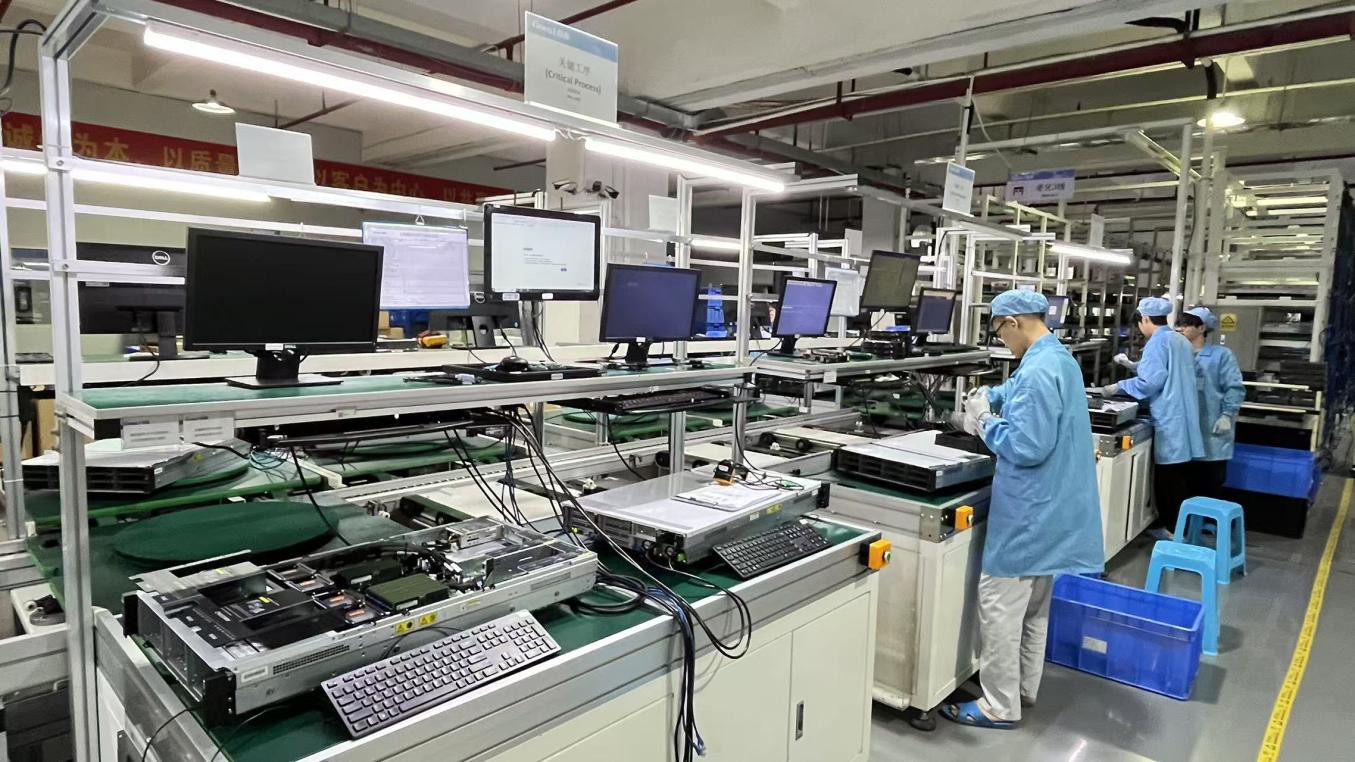
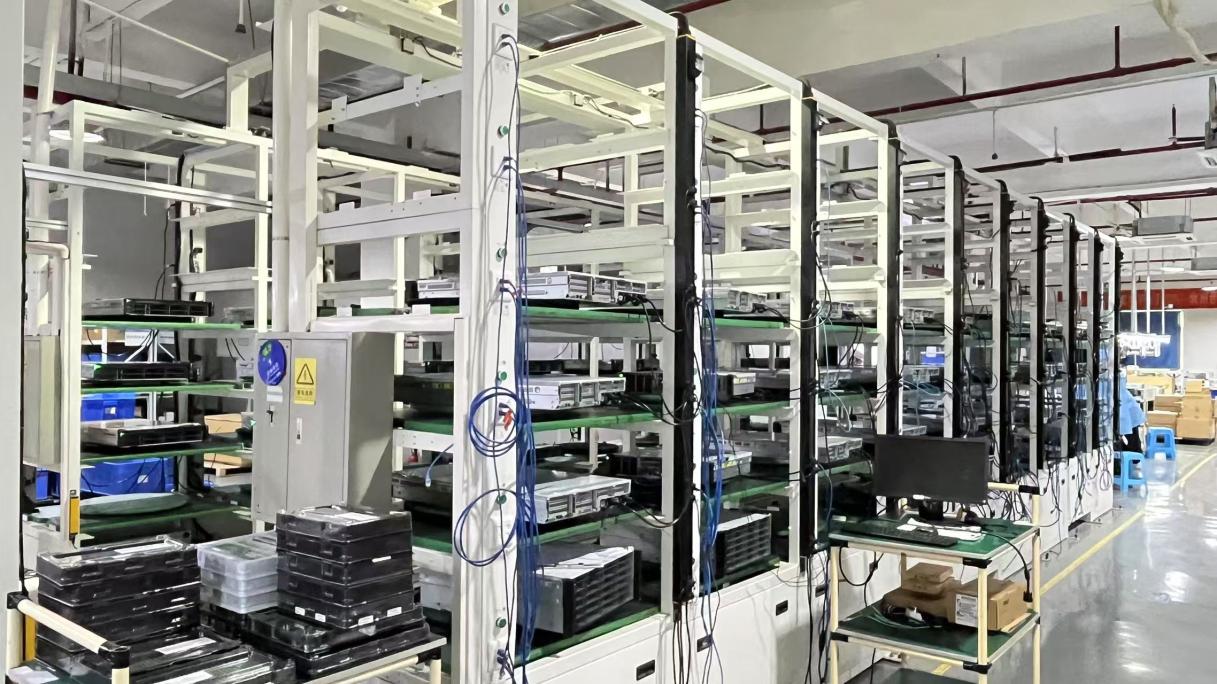
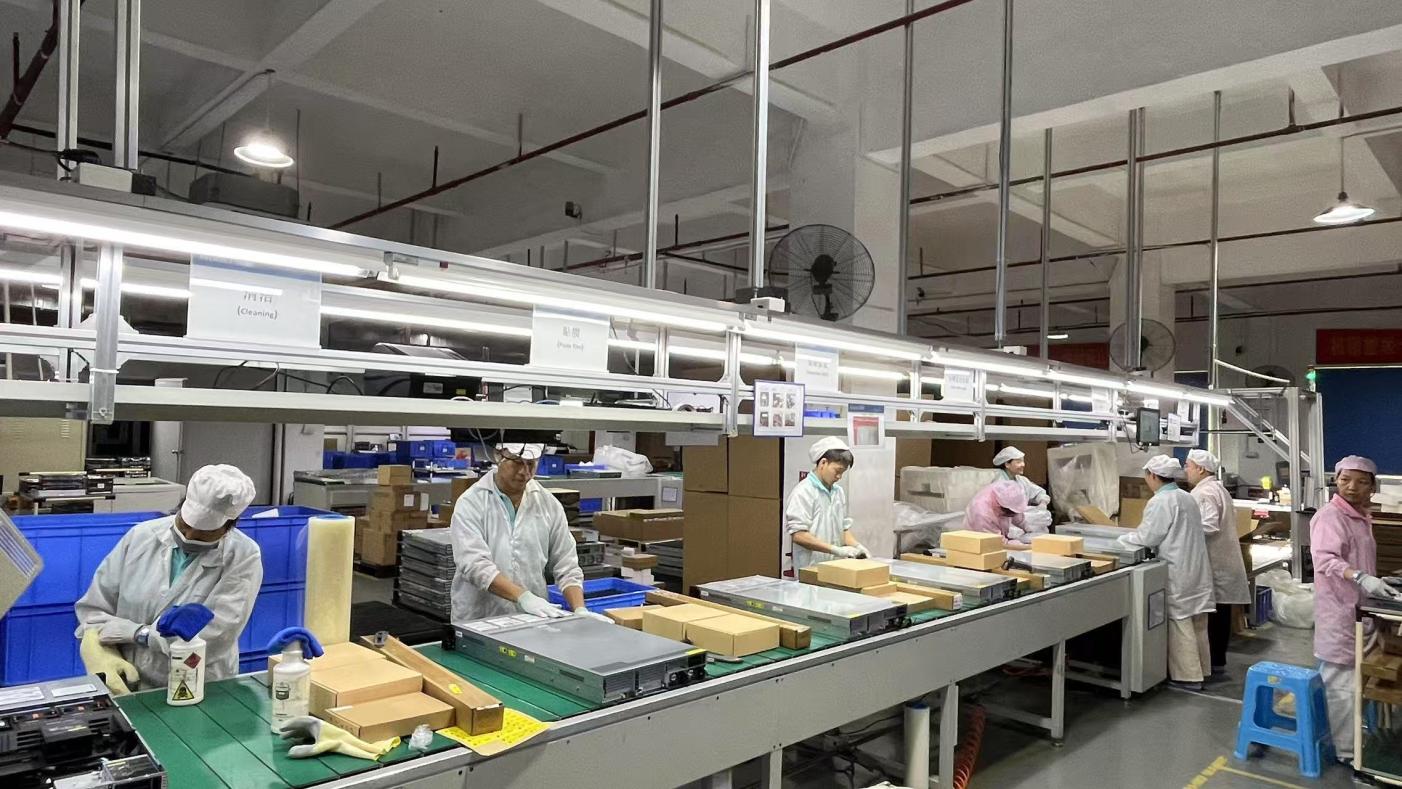
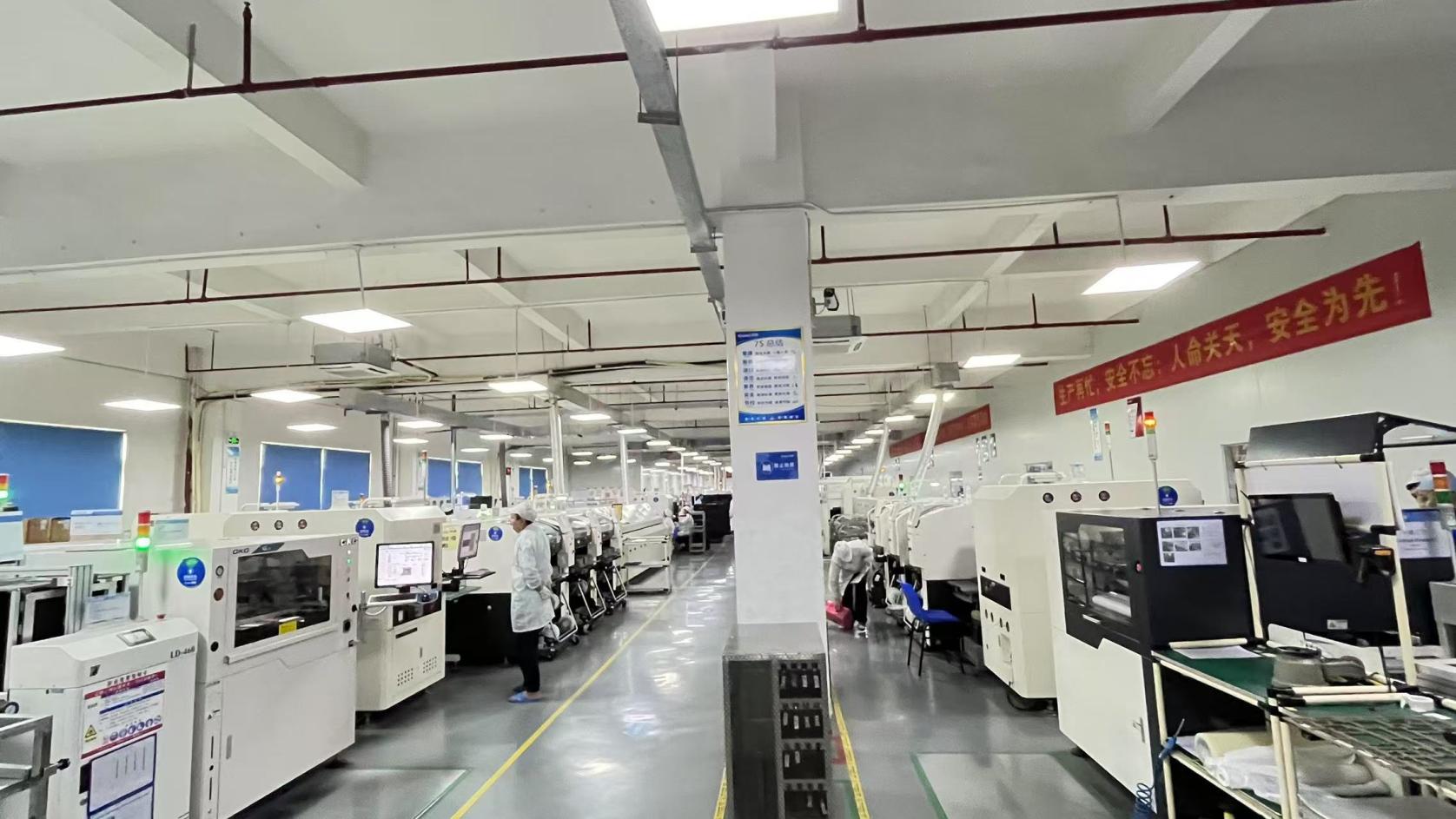
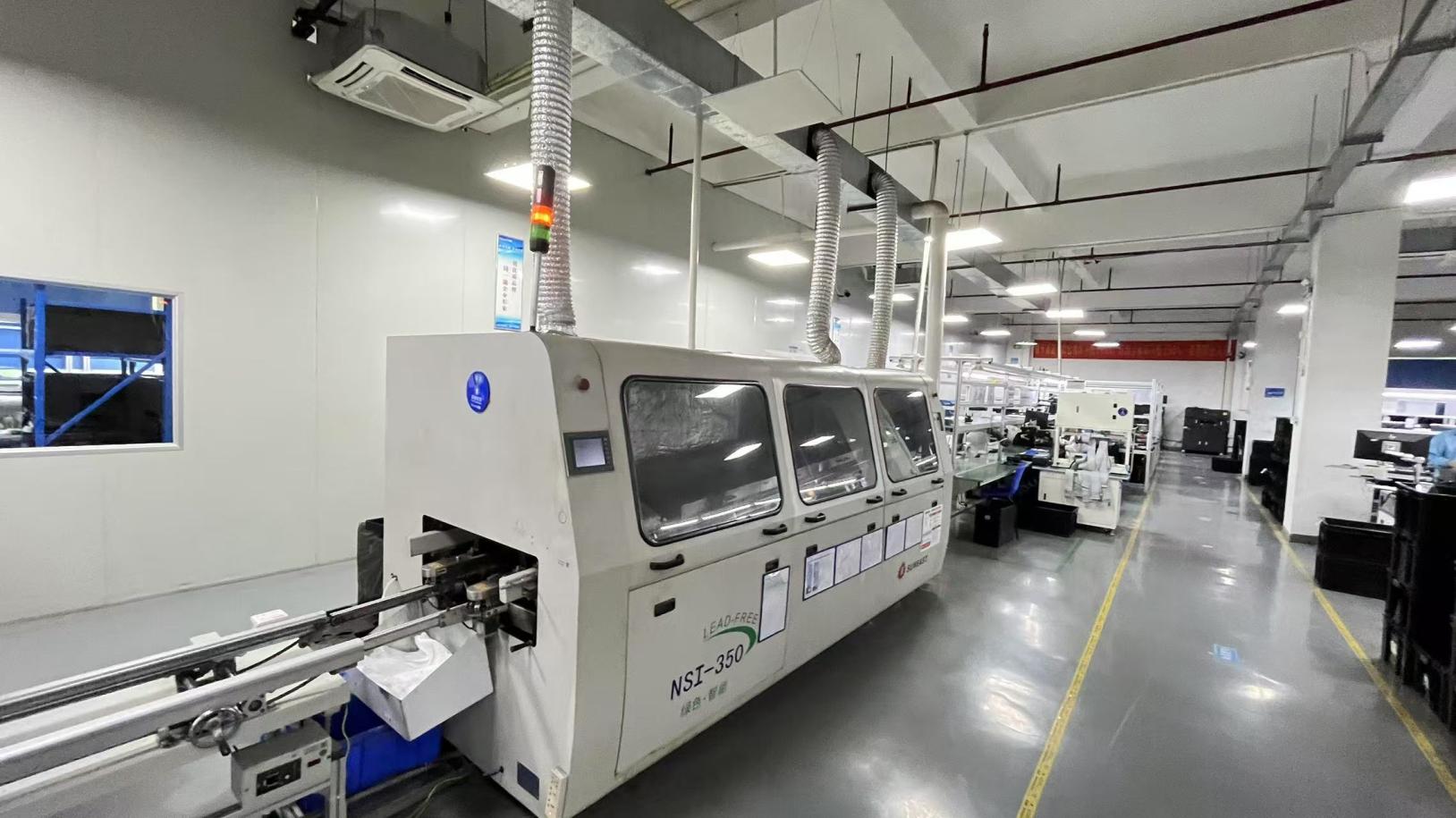
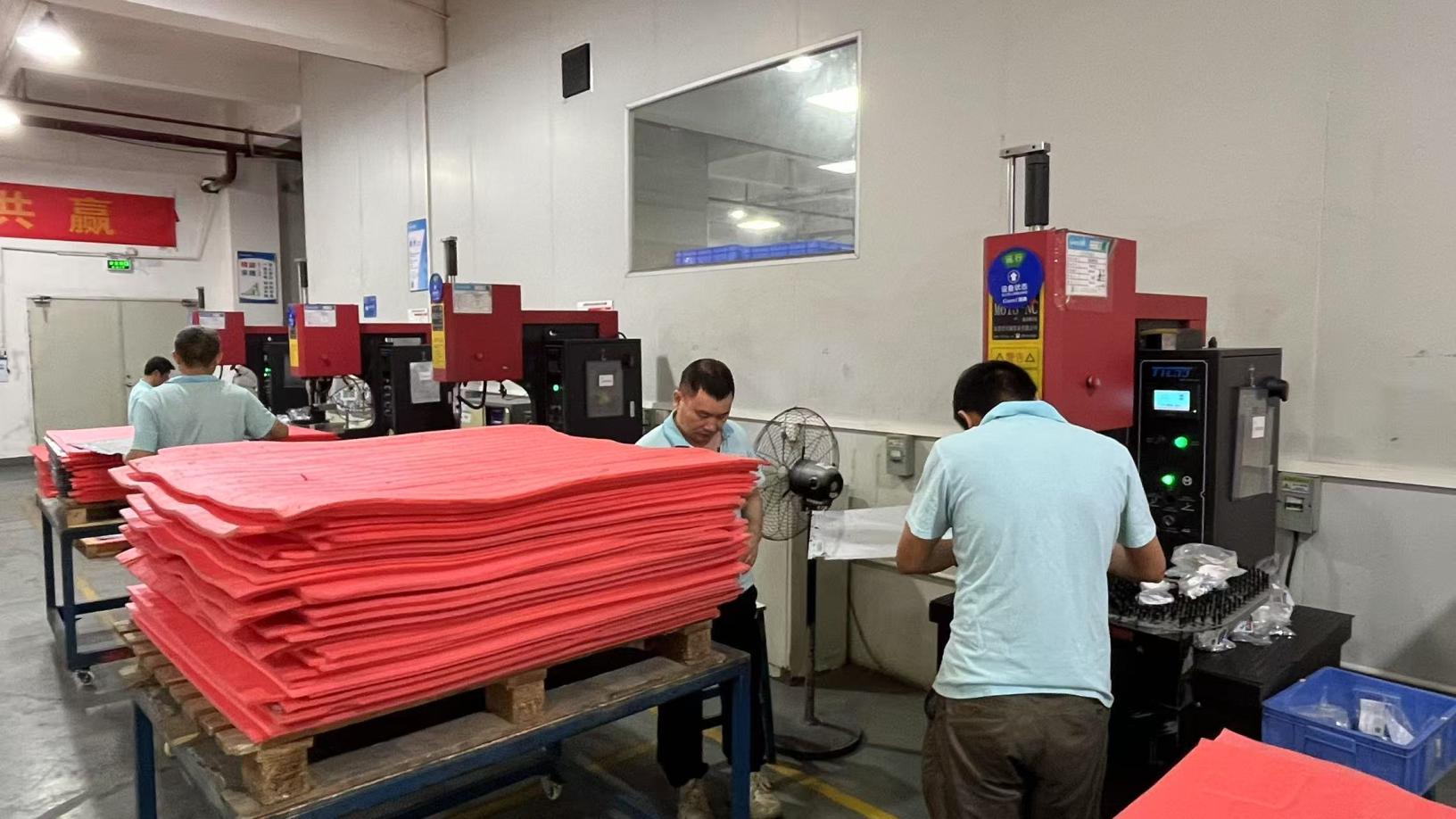
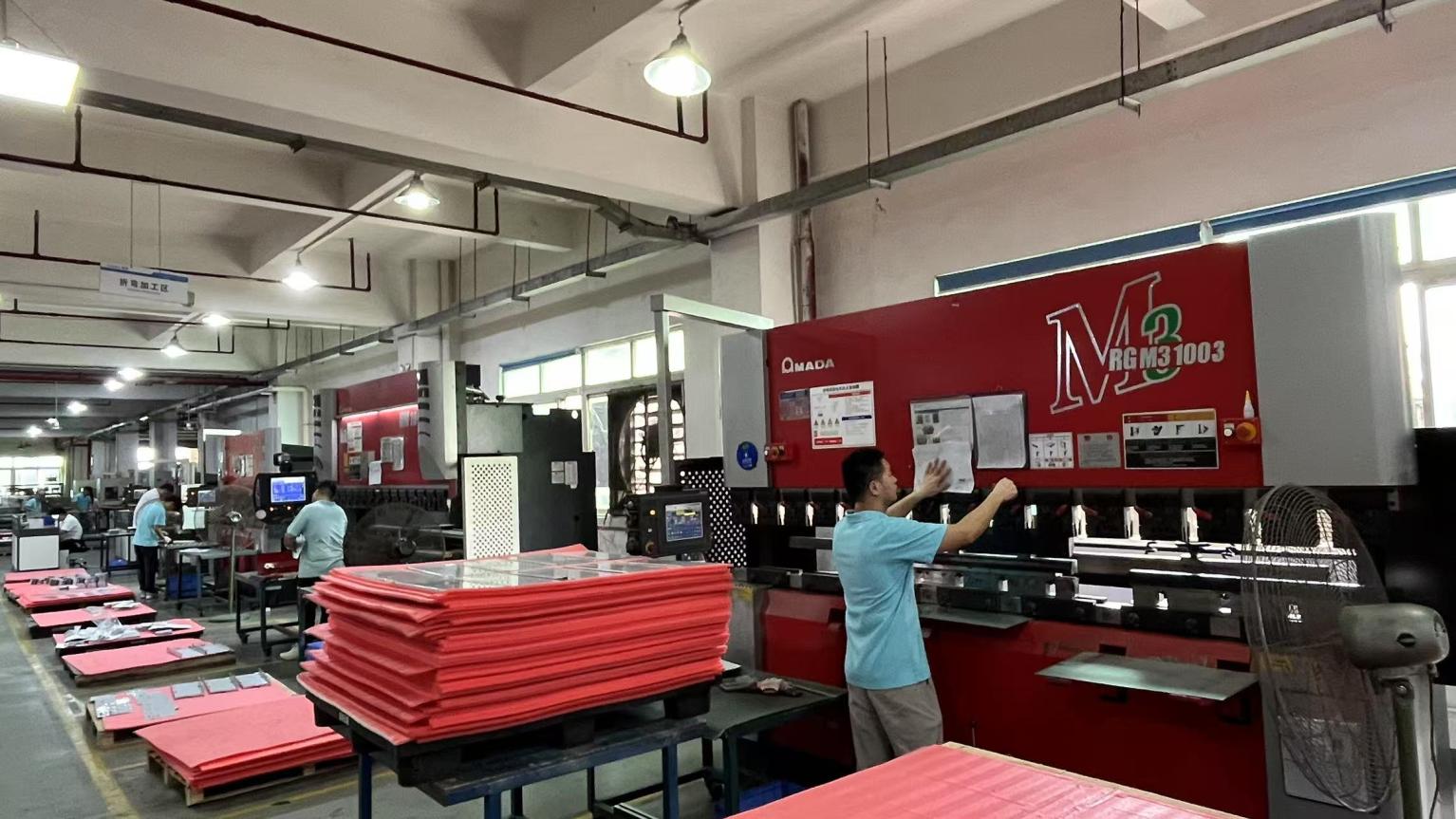

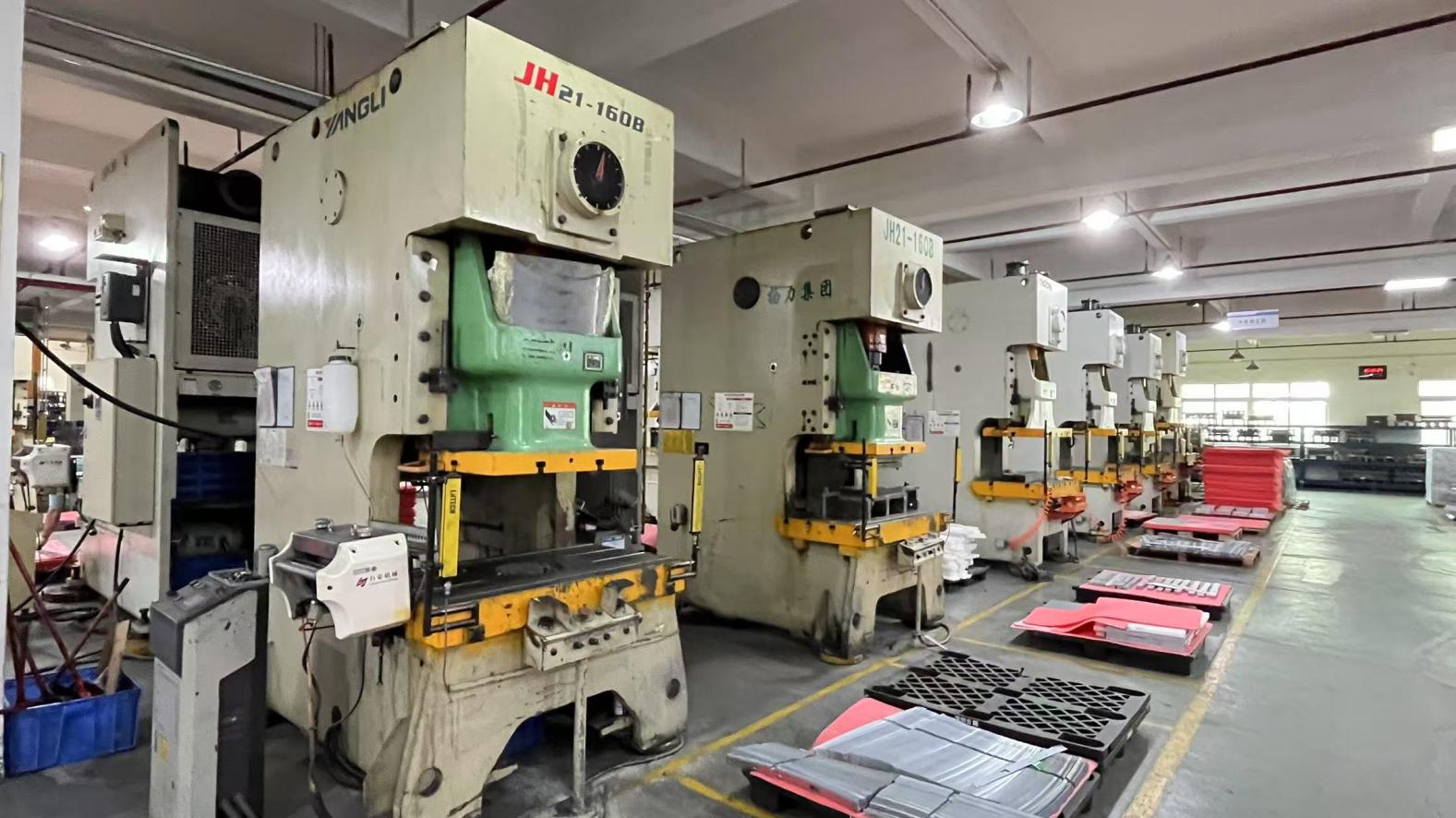
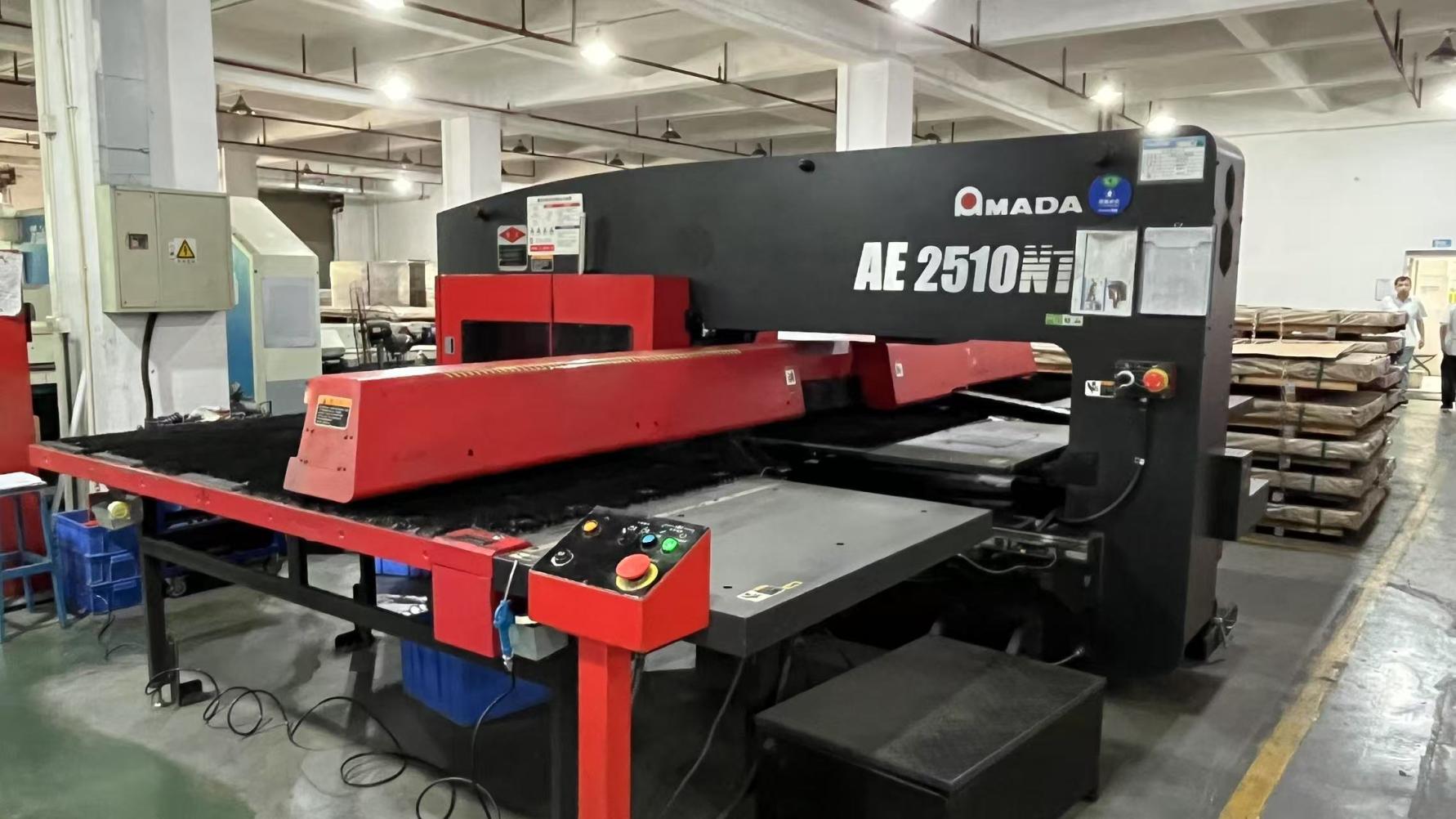
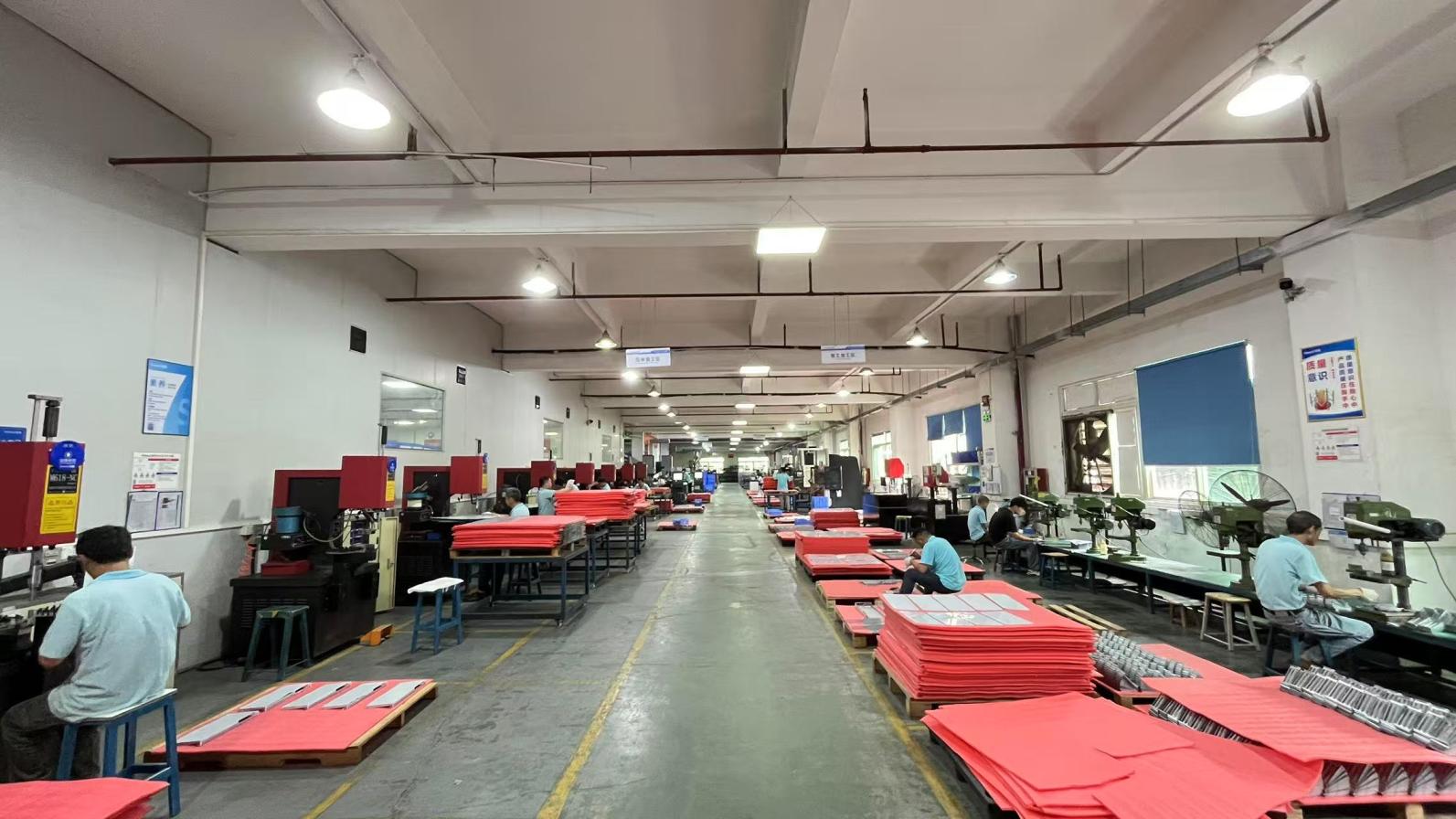
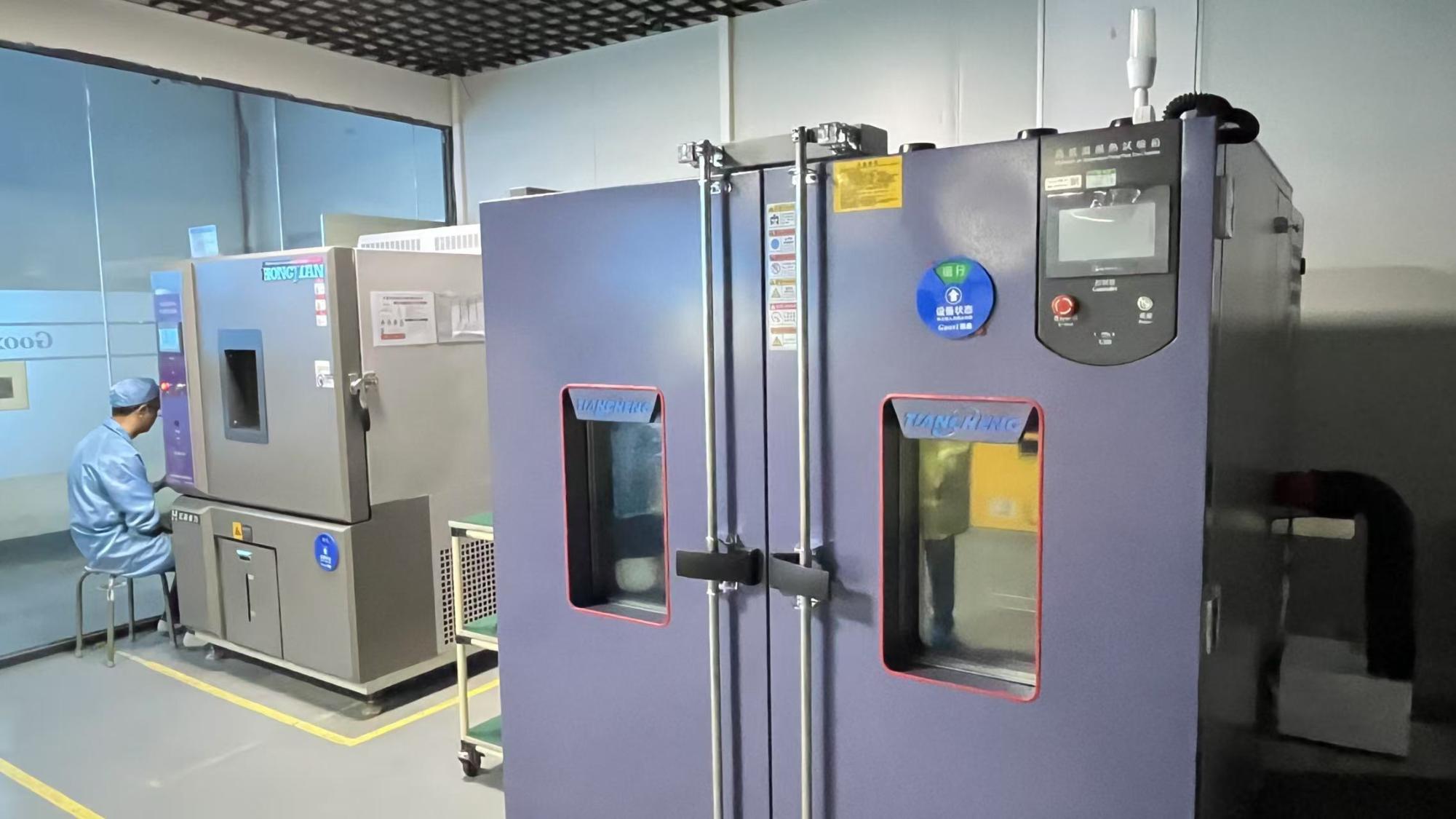
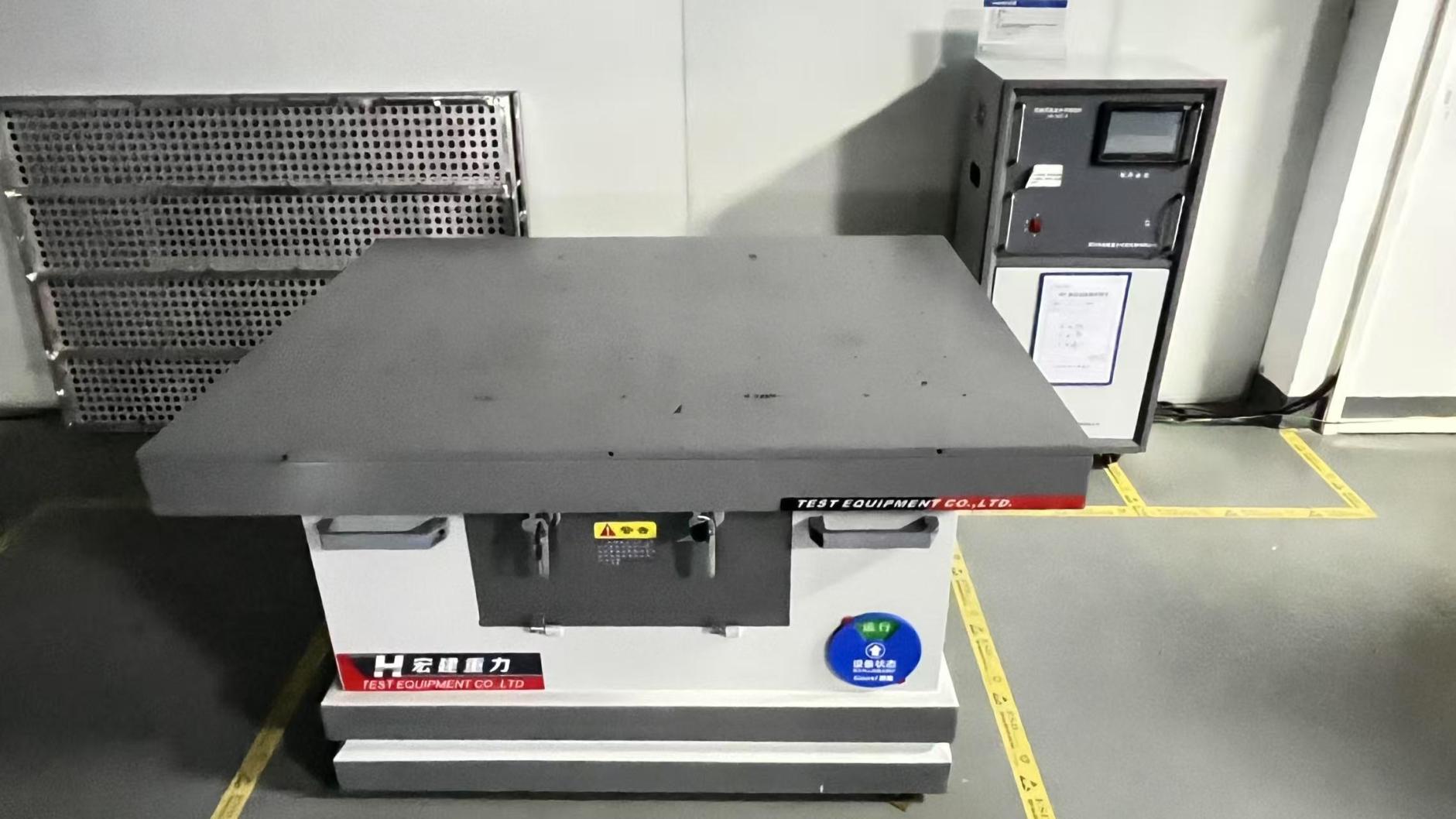
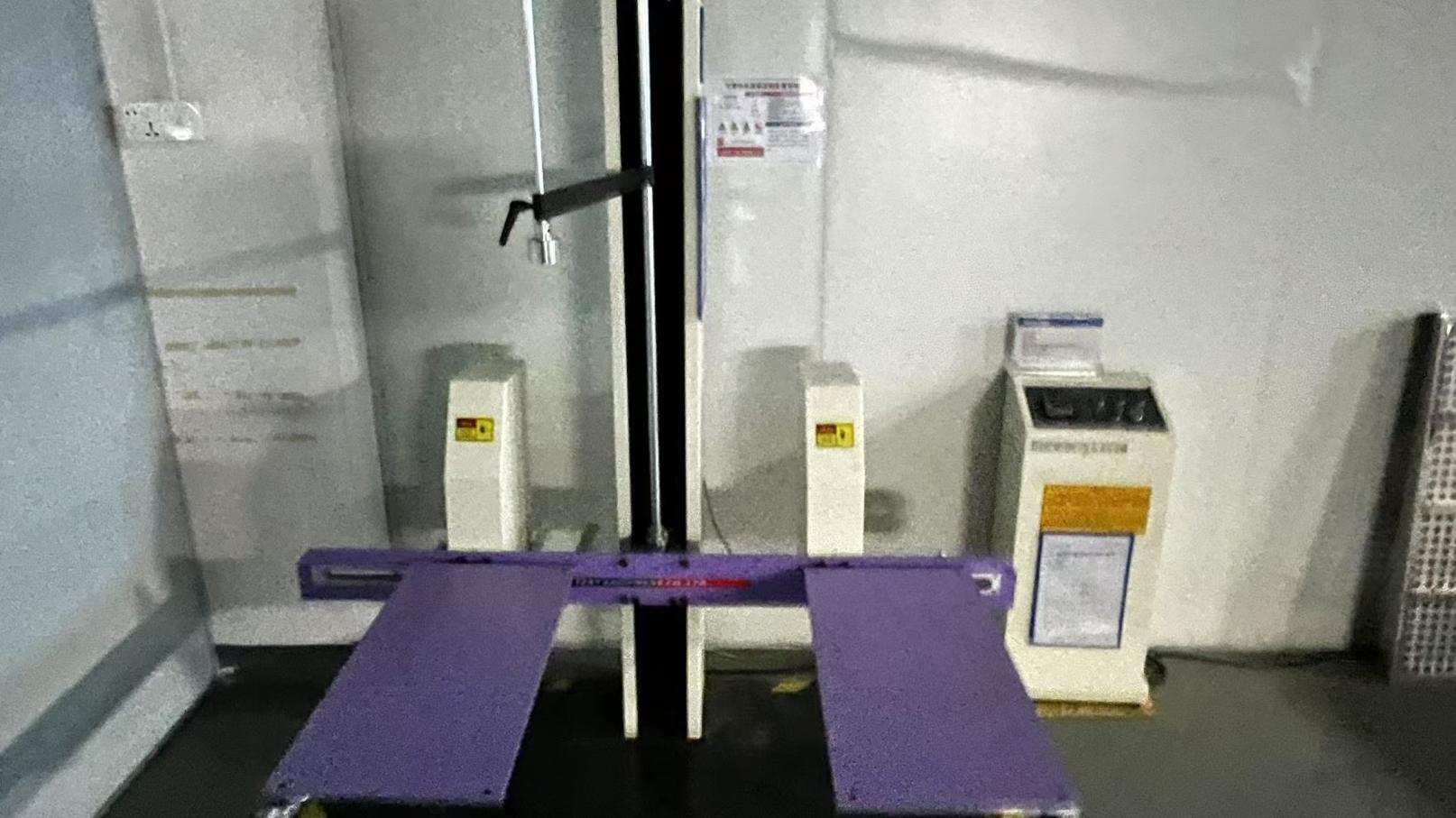
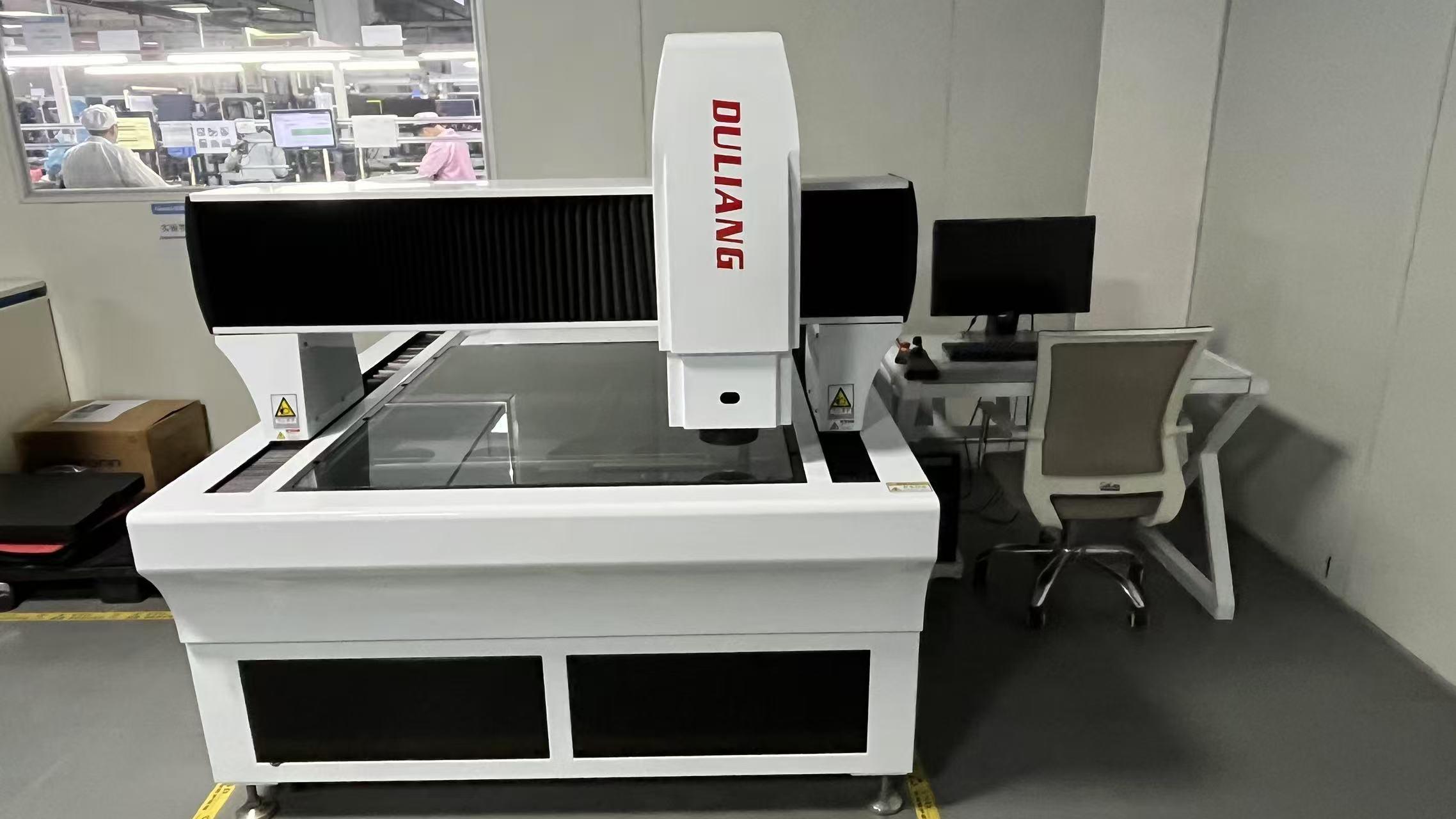
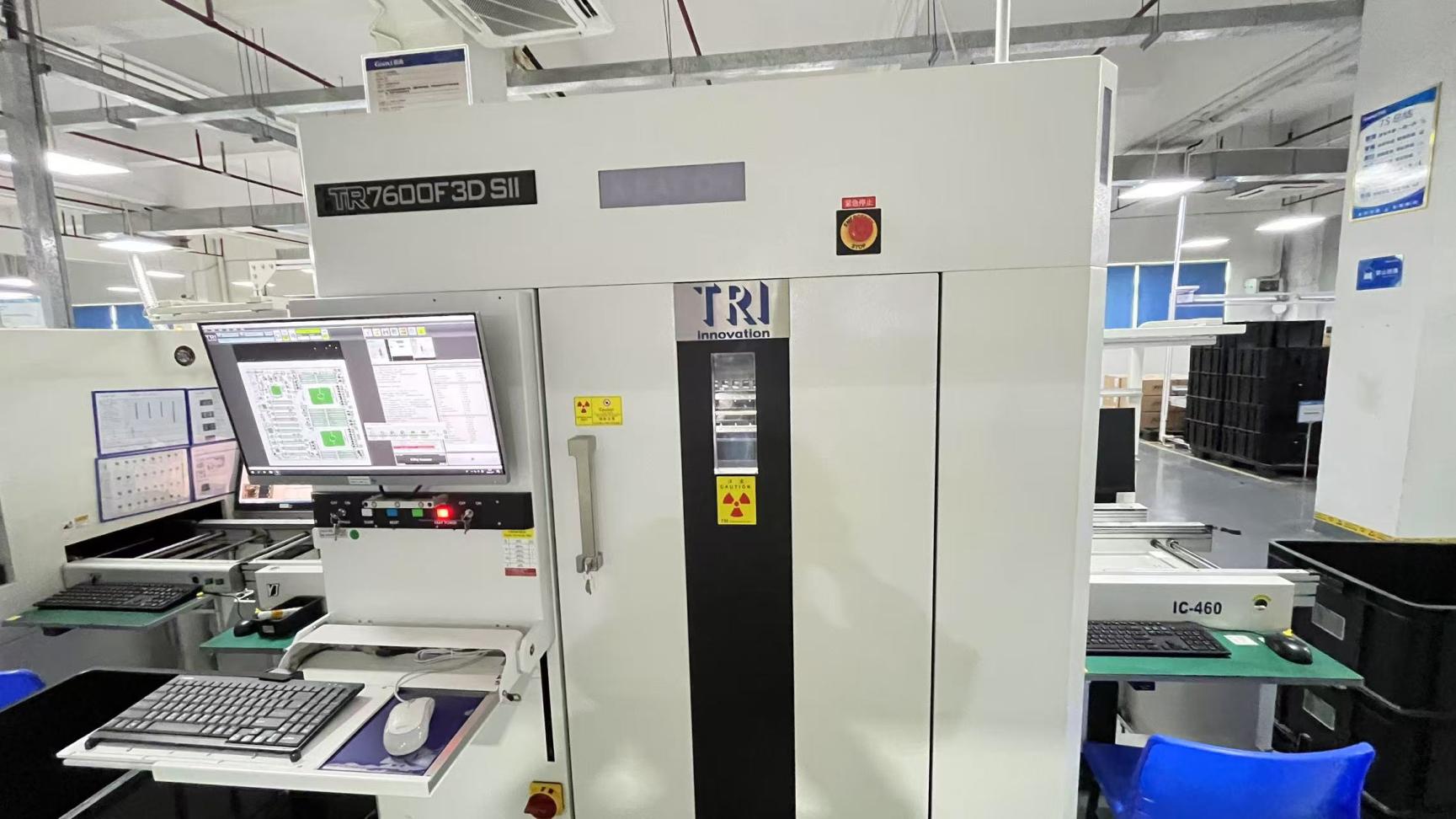
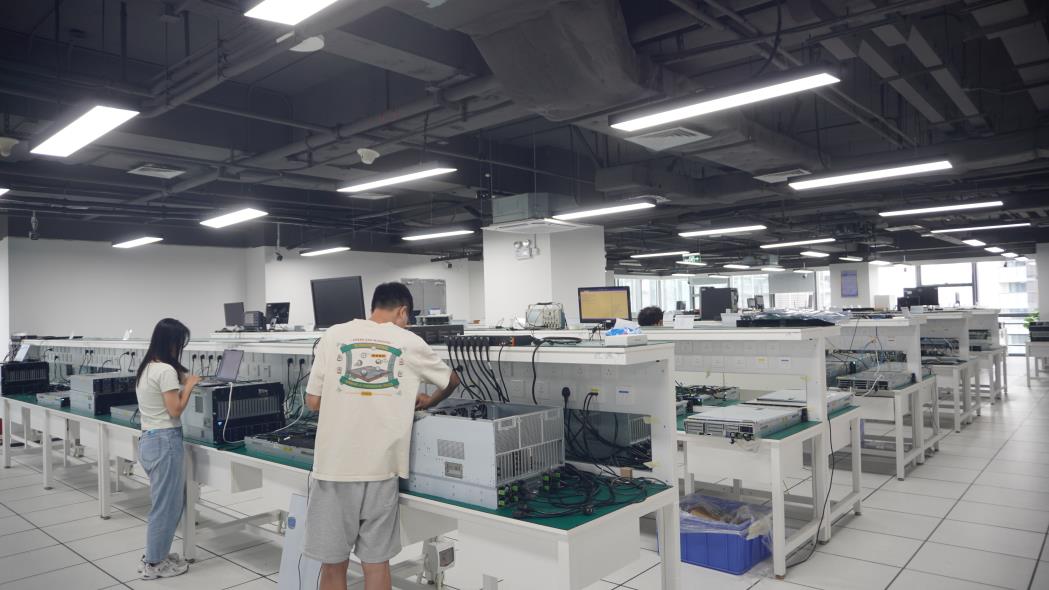
Global cloud deployment dictates that server hardware maintains an uptime of 99.999%. The production network powering Huawei and xFusion architectures employs extreme testing frameworks. ZhiCloud AI manages standard hardware configurations through rigorous testing setups designed to test systems limits before integration.
These frameworks include Thermotank (thermal profiling ranging from sub-zero to 80°C to verify cooling dynamics and component thermal dissipation), Salt Spray Testing (validating corrosion resistance of interfaces and sub-chassis structures for maritime shipping and tropical regions), Vibration and Drop Testers (ensuring safety during transit), and advanced diagnostic metrics via CMM (Coordinate Measuring Machines) and X-ray systems (validating solder joint integrity on multi-layer PCBA layouts).
An expert analysis of the foundational manufacturing hubs behind China's enterprise computing ecosystem.
Operating key hyper-scale plants in Shenzhen, Zhengzhou, and Guiyang, Foxconn is the primary manufacturing engine for xFusion and Huawei enterprise divisions. Foxconn provides unparalleled advanced SMT lines capable of mounting complex multi-layered motherboards with ultra-fine pitch component placement.
A global leader in smart systems integration, BYD operates dedicated server manufacturing lines in Huizhou and Shenzhen. Their facilities feature high automation rates, custom CNC milling centers for server enclosure fabrication, and advanced PCBA functional validation pipelines.
Pegatron's mainland operations support server sub-assembly and chassis stamping. Their localized manufacturing systems in East China act as core components of the xFusion assembly chain, optimizing high-mix low-volume enterprise production runs.
With massive server fabrication centers in Shanghai and Nanjing, Inventec is a classic ODM player for global server deployments. They specialize in multi-socket platform integrations (like dual-socket Xeon platforms) and custom BIOS engineering.
ZhiCloud AI is a critical system integration partner. Unlike generic mass manufacturers, ZhiCloud AI specializes in application-layer optimization: pairing custom CPU/GPU ratios, tailoring specific storage expansion boards (including SAS/SATA/NVMe Tri-mode setups), and validating configurations for artificial intelligence inference clusters.
Wistron's production lines in Kunshan manufacture high-density computing server blades. Their infrastructure is engineered with automated visual inspections and thermal-aging corridors to ensure structural stability under intensive computing loads.
As a leading ODM provider globally, Quanta’s facilities feed essential power distribution units, fan tray designs, and structural server chassis into the Huawei and xFusion assembly channels, offering massive scalability advantages.
An elite spin-off of Foxconn, FII specializes in high-density HPC racks, focusing on cloud data centers, edge computing modules, and liquid cooling solutions that conform to national green data center metrics.
Sugon's infrastructure collaborations play a major role in regional sovereign cloud computing pipelines in China. The factory network supports high-grade component packaging, meeting critical national security compliance metrics.
Great Wall operates highly automated systems specializing in sovereign ARM components. They provide robust industrial chassis assembly and power efficiency calibrations to optimize regional localized server systems.
High-density platforms integrated by ZhiCloud AI, such as the FusionServer 2288H V7 and the GPU-optimized FusionServer G5500 V7, serve vital workloads in diverse local and global environments:
Answers to essential hardware sourcing, validation, and engineering queries from IT procurement directors.
Following global trade adjustments, Huawei formally spun off its x86 server business into an independent entity, xFusion Digital Technologies Co., Ltd., in November 2021. Today, xFusion operates independently, maintaining the original technical legacy, R&D systems, and manufacturing supply-chains of the FusionServer product line.
Aging testing subjects fully assembled boards to elevated temperatures under operational voltages for set durations (typically 24 to 72 hours). This process actively forces latent component defects to surface before shipping, mitigating early component failure rates (infant mortality) on site.
By maintaining a network of over 1,200 verified industrial component partners, ZhiCloud AI avoids single-source dependencies. For parts like RAID cards, memories, and SSD controllers, alternative configurations are qualified in advance to prevent production delays.
Yes, customization options include OEM bezel branding, custom BIOS boot screens, hardware modifications, custom GPU setups, and software OS pre-installation services to facilitate seamless drop-in deployment in remote networks.
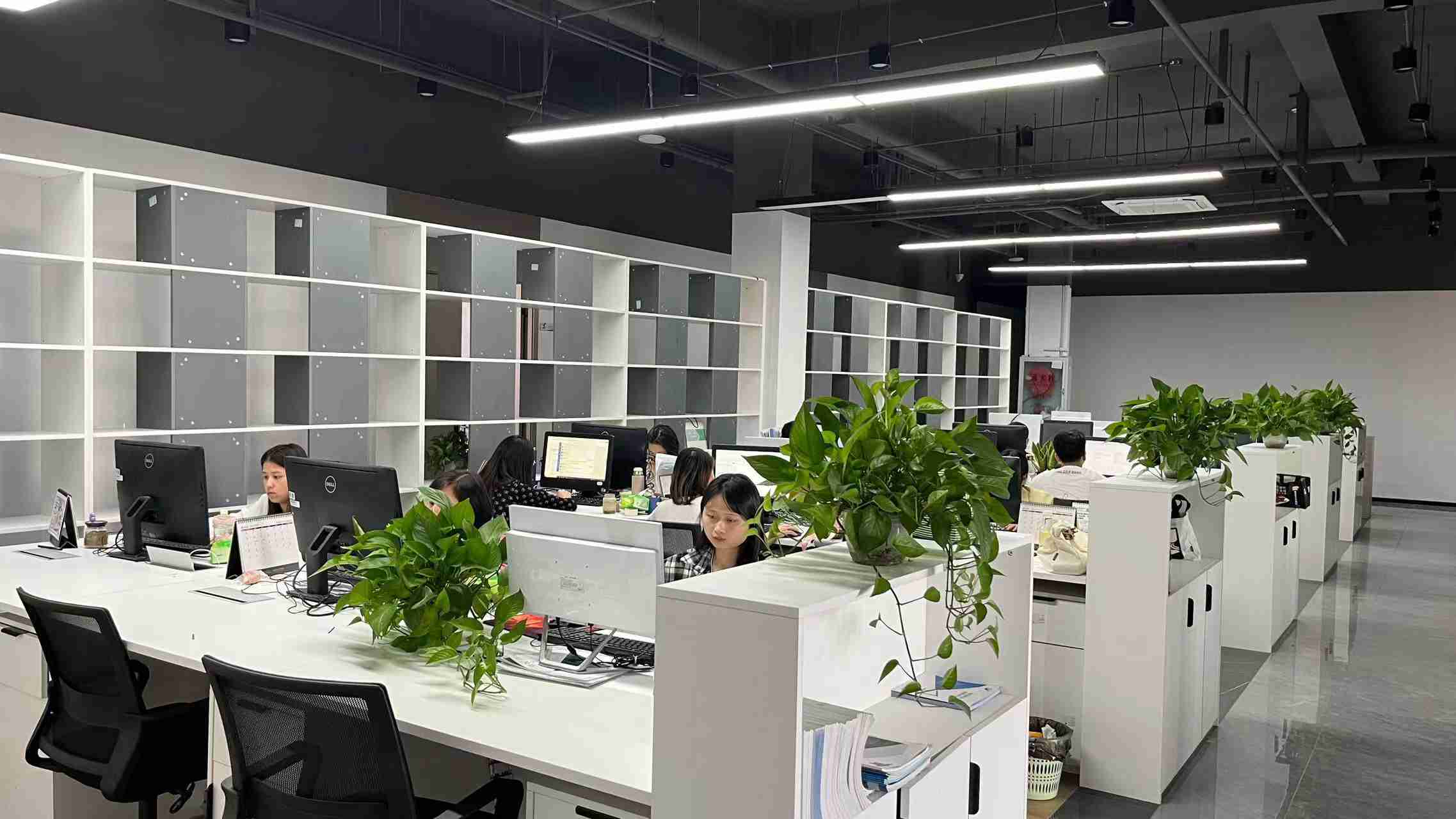
A look inside the precision engineering and verification environments.


Premium server systems, high-density storage drives, and RAID expansion solutions optimized for data center orchestration.