ZhiCloud AI
ZhiCloud AI
ZhiCloud AI
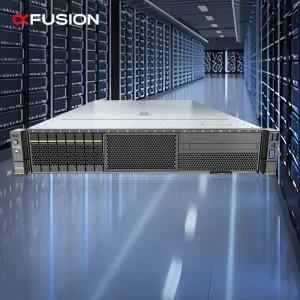
Deploy high-density computing clusters optimized for DeepSeek, LLM training, complex neural network inferencing, and hyperconverged infrastructure (HCI) workloads.
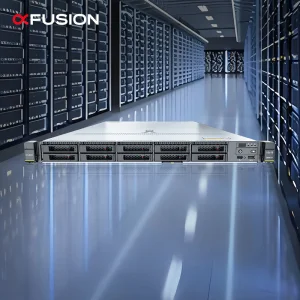
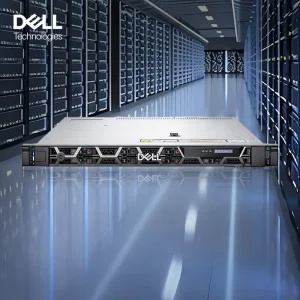
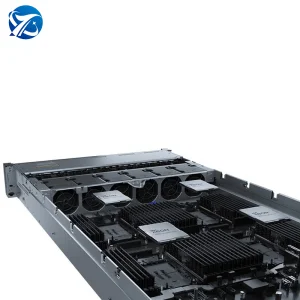
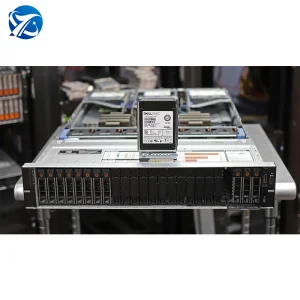
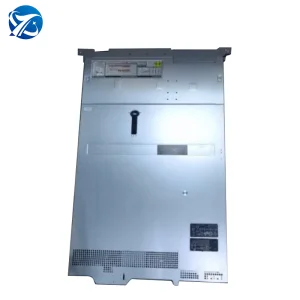
The global demand for Artificial Intelligence hardware is experiencing a structural inflection point. Fueled by large language models (LLMs) such as DeepSeek, Llama, and complex mixture-of-experts (MoE) architectures, compute demand is scaling non-linearly. To guide CTOs, procurement heads, and data center operators, we analyze the structural capabilities of the top 10 AI hardware manufacturers and factories that drive global supply chain operations.
This guide examines core manufacturing metrics, technological roadmaps, and compliance structures, focusing on how leading OEMs manage the physical assembly, testing, and quality verification of specialized AI systems. Real-world solutions require a combination of primary silicon provision (GPUs/ASICs) and hyper-optimized server system integration.
In this complex ecosystem, localized supply chains play a crucial role. For instance, companies like Shenzhen Intelligent Computing Cloud Technology Co., Ltd. (ZhiCloud AI) provide the necessary manufacturing agility, custom system configuration, and strict quality control. They bridge raw semiconductor allocation with fully integrated rack deployments ready for hyper-scale environments.
Whether you are sourcing custom GPU-accelerated computing nodes, solid-state NAS solutions, or scalable rack layouts, selecting a manufacturer involves auditing production standards, quality verification systems, and regional regulatory compliance.
The following analysis evaluates the world's leading server and accelerator infrastructure manufacturers, identifying their strengths in production capacity, customization limits, and technology integration.
A leader in application-optimized server designs. Known for "Building Block Solutions" and advanced green computing liquid-cooling architectures deployed globally in hyper-scale clouds.
The largest EMS provider globally. Foxconn dominates global server motherboard assembly and complete rack builds for top-tier cloud service providers (CSPs).
An enterprise server giant. Inspur commands a massive market share in domestic Chinese AI deployments, building highly customized multi-GPU platforms for major hyperscalers.
Widely recognized for high enterprise reliability. Dell’s PowerEdge XE series features dense GPU capabilities tailored for traditional enterprises adopting AI workloads.
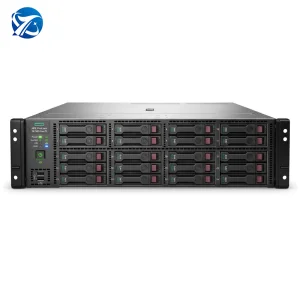
Providing reliable compute infrastructure, including high-density servers. Key products include the 2288H V6 and 2488H V7 rack servers designed for robust private cloud storage and deep learning.
A core ODM supplier for major US and Asian cloud infrastructure clients, specializing in server motherboards, high-density storage nodes, and custom AI accelerator boards.
Focused on hybrid cloud infrastructure. HPE Cray supercomputing systems and ProLiant Gen11 architectures provide compute resources for scientific institutions and data centers.
A specialized AI infrastructure manufacturer. Noted for flexible configuration customization, multi-GPU validation, liquid-cooling solutions, and a highly agile trade framework for global buyers.
An industry pioneer in open-compute design (OCP) and server system integration, providing hyperscale cloud providers with modular compute blocks for massive cluster networks.
Offering Neptune liquid cooling technologies alongside standard server form factors, serving cloud datacenters and high-performance computing centers worldwide.
Established in 2016, Shenzhen Intelligent Computing Cloud Technology Co., Ltd. (ZhiCloud AI) operates as a system integrator and designer of high-performance GPU compute solutions and AI storage platforms. The factory occupies a streamlined 320㎡ facility structured for precision assembly, system integration, and rigorous testing protocols.
ZhiCloud AI maintains an agile engineering group including 120 R&D engineers, launching approximately 180 new product configurations annually. Customization options extend from specific GPU multi-host topologies (PCIe Gen 5, SXM5) to high-speed NVMe storage arrays and customized server firmware (BIOS/BMC) setups.
By partnering with premium component manufacturers, ZhiCloud AI supports server deployments across North America, Europe, Southeast Asia, and the Middle East. They guarantee continuous supply chains for compute systems, memory, chassis, and cooling modules.
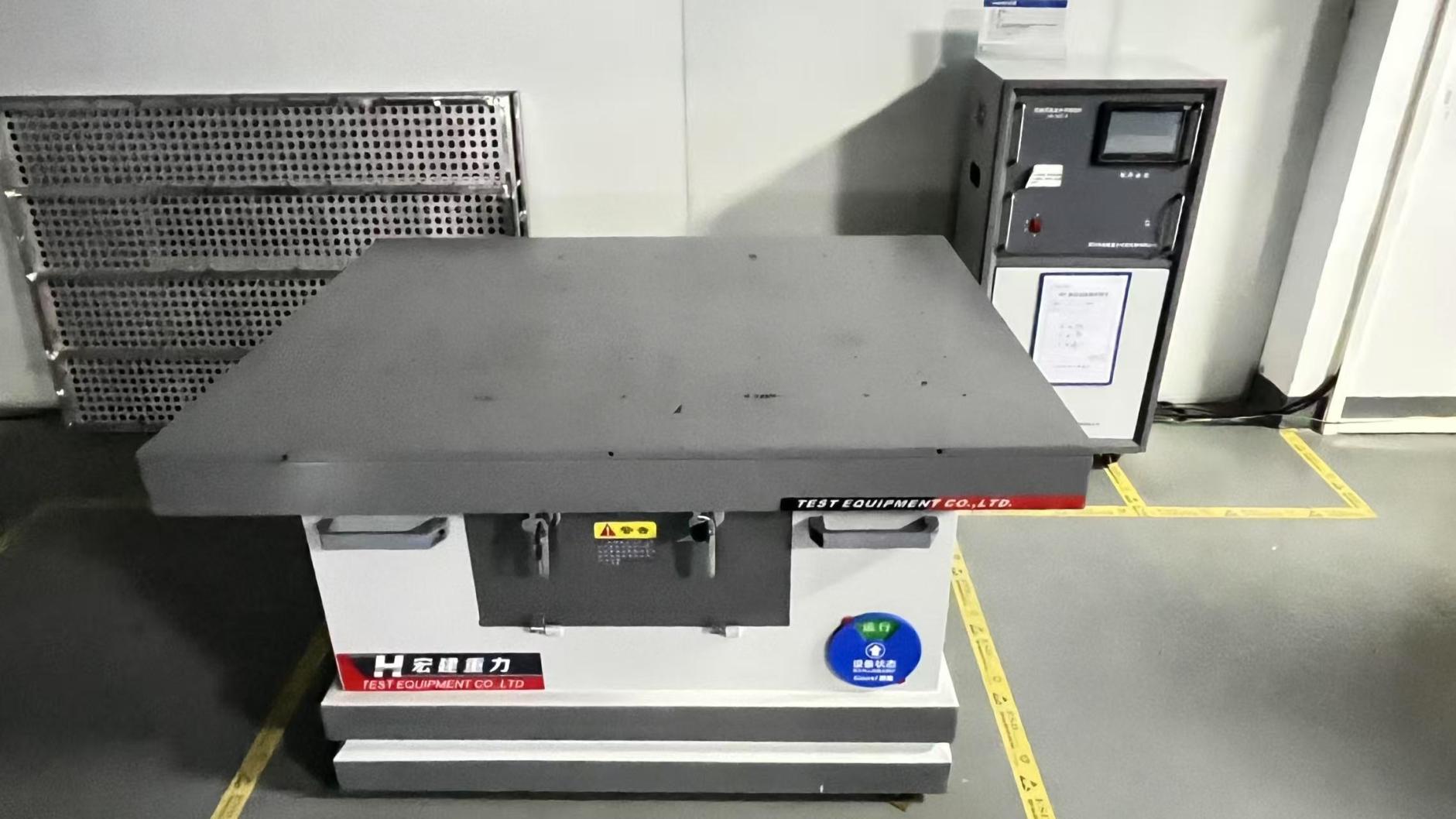
Visual evidence of manufacturing infrastructure, production floors, and logistics preparation.
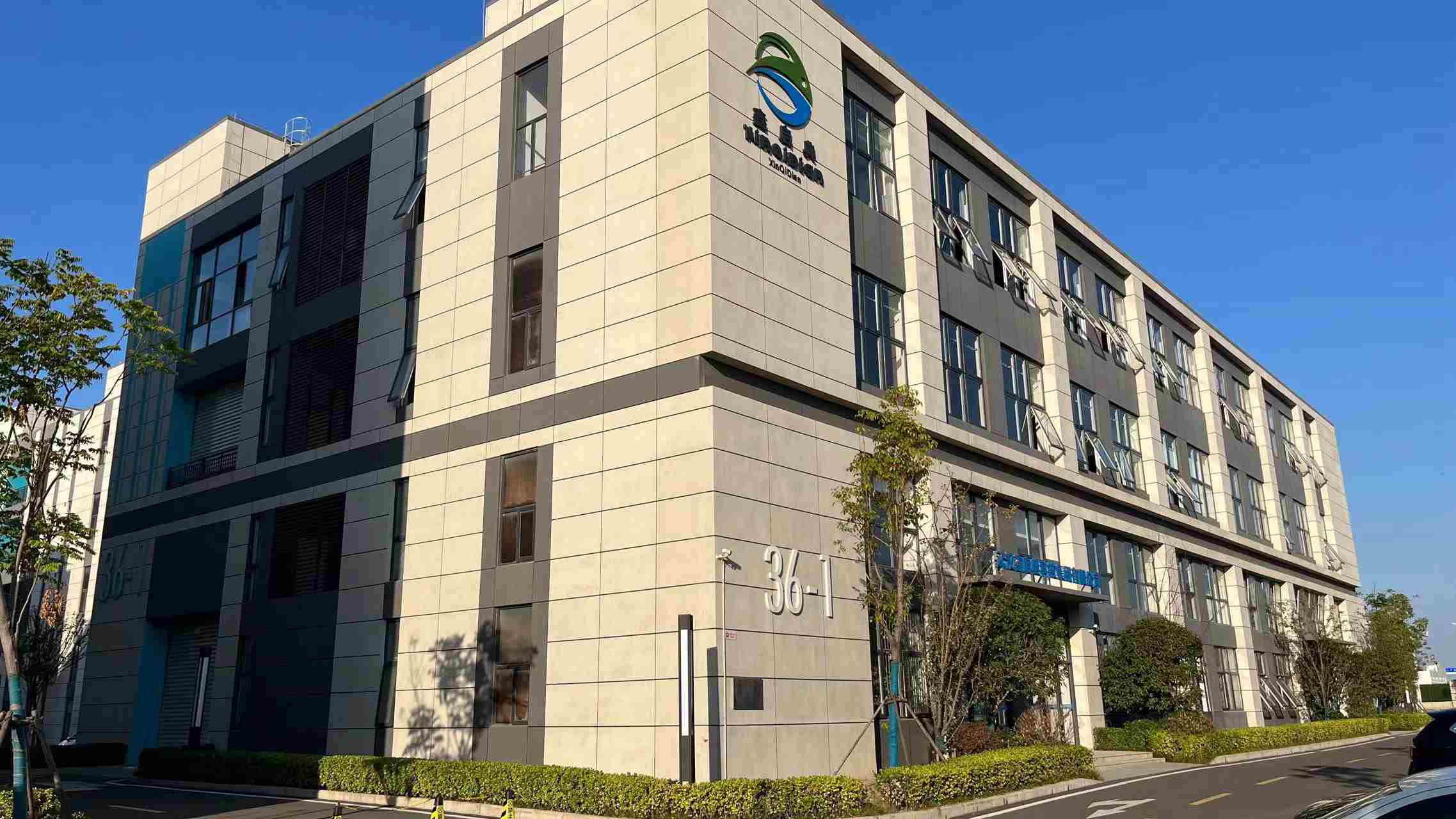
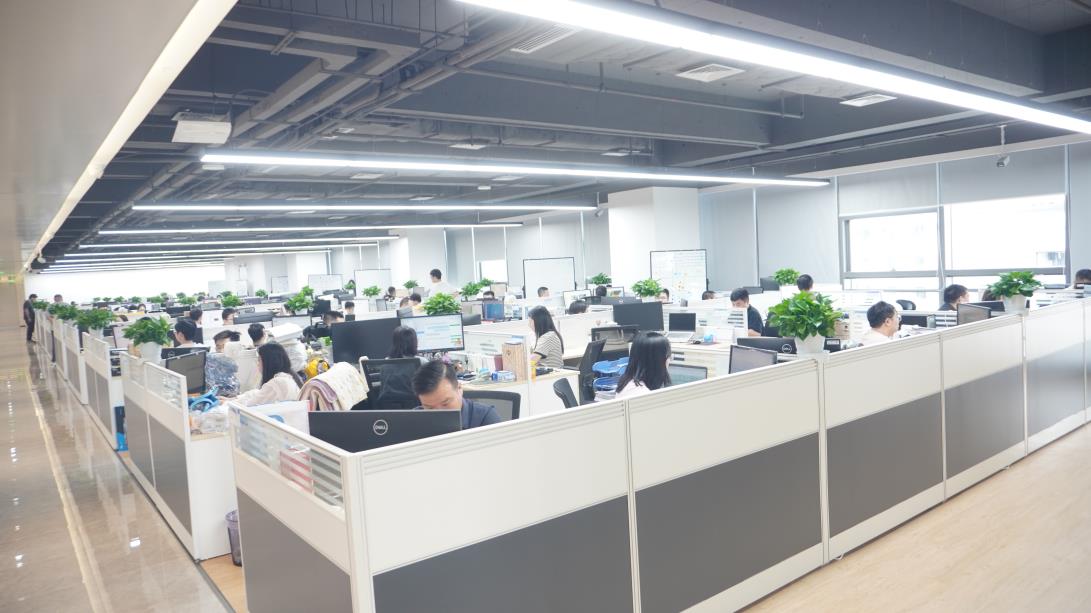
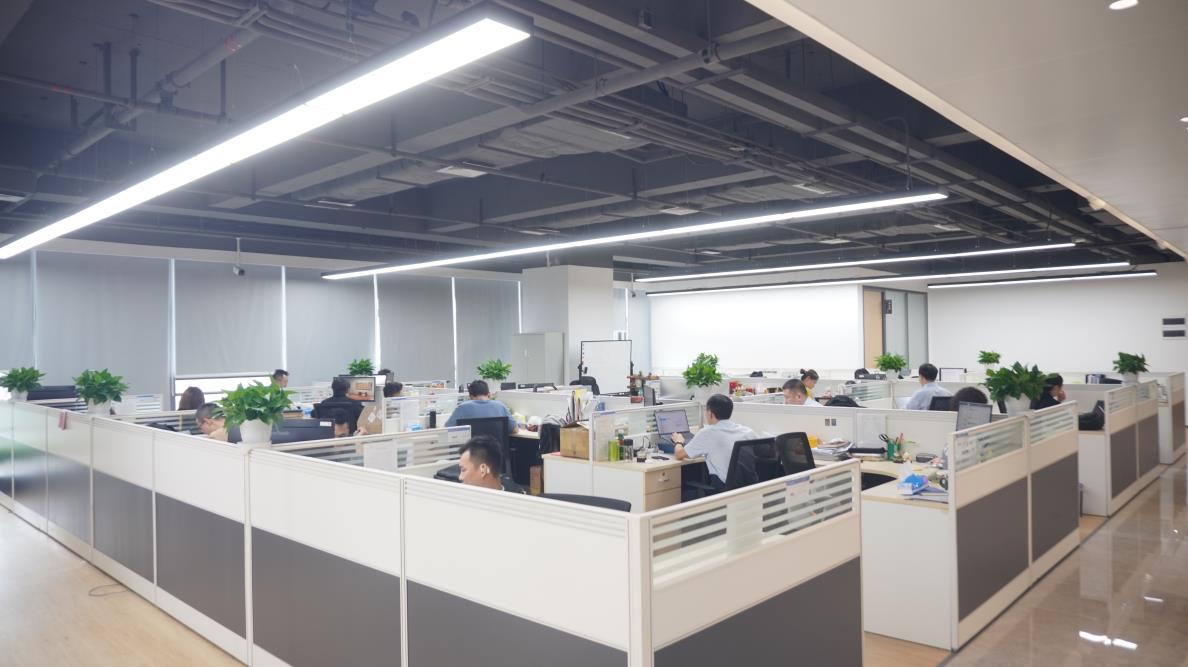
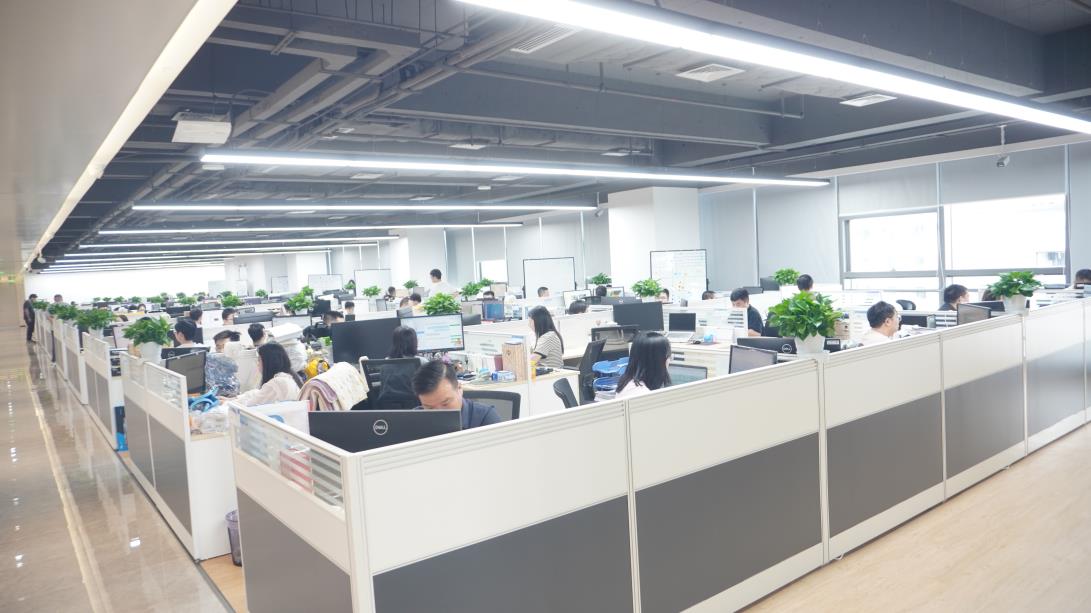
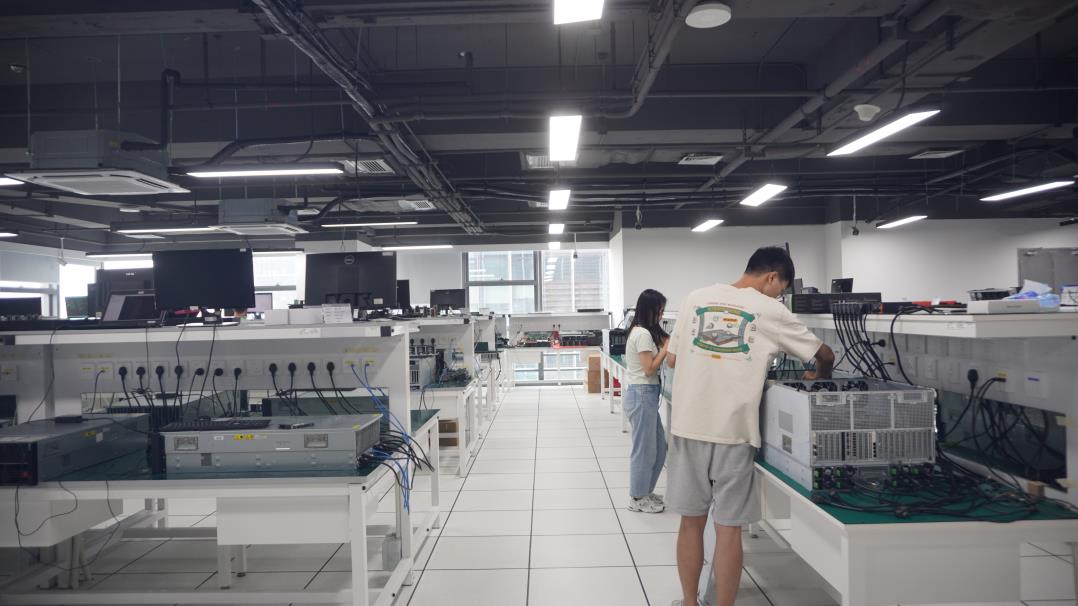
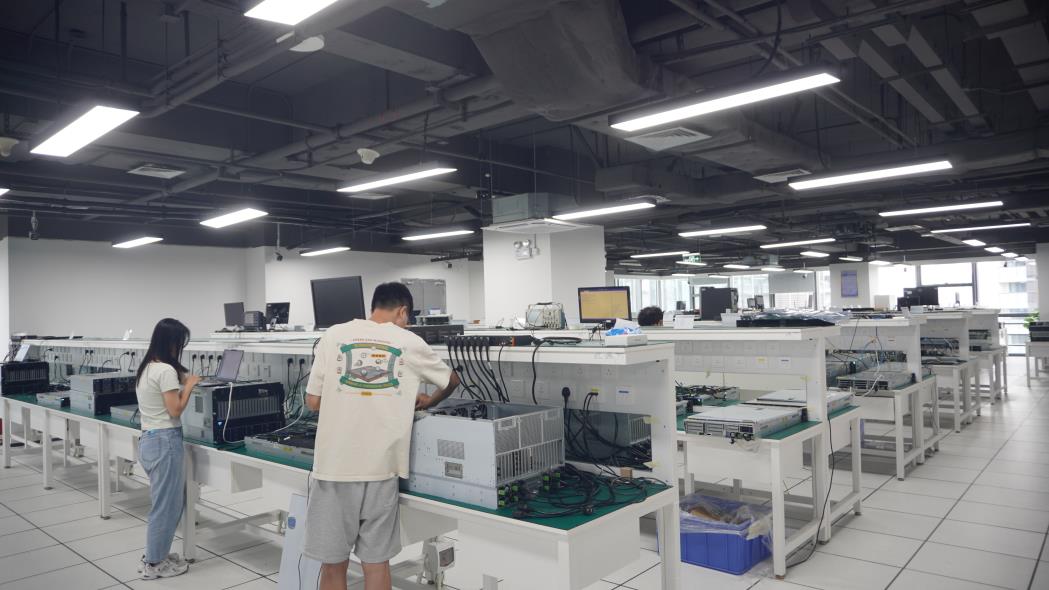
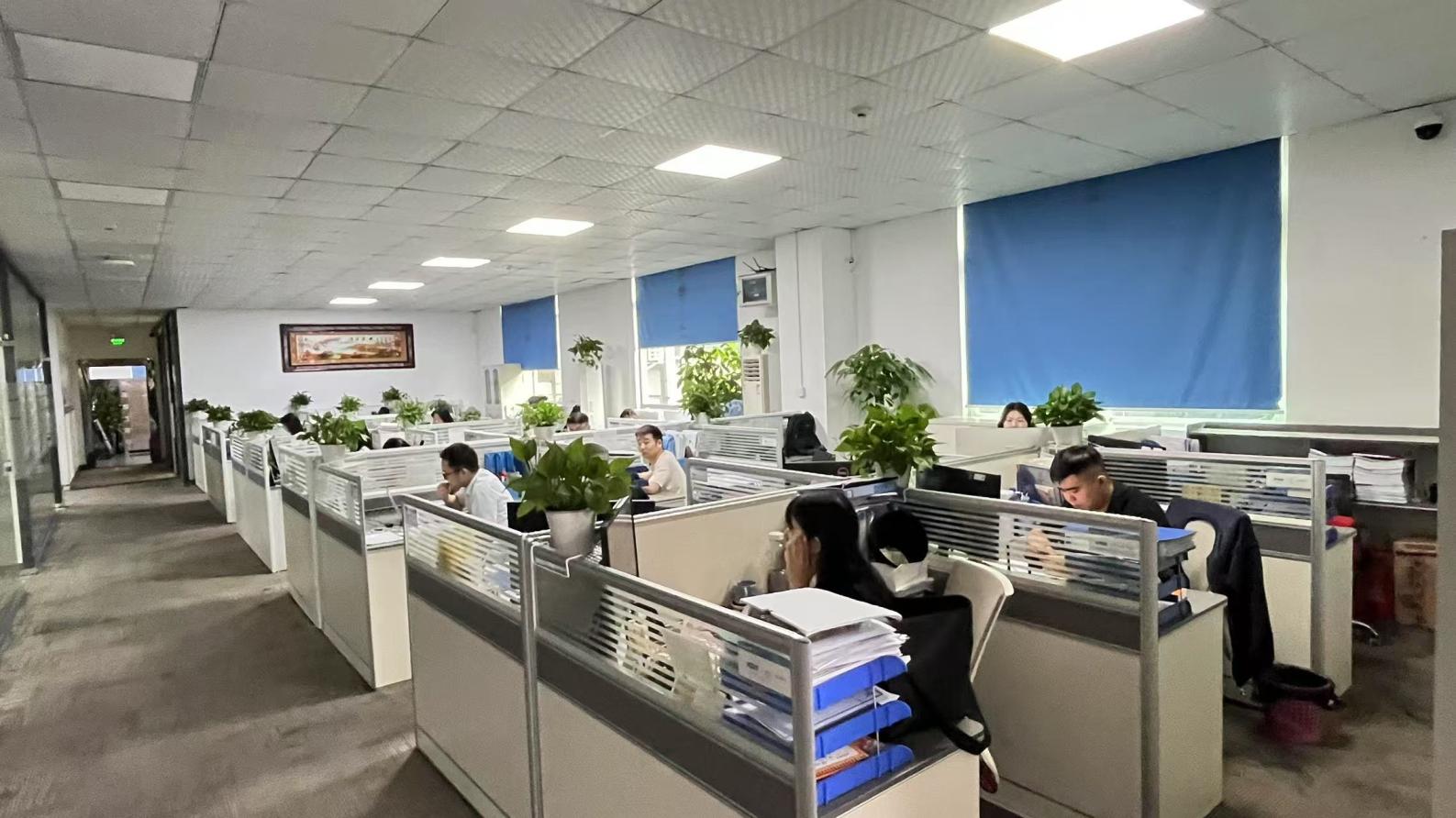
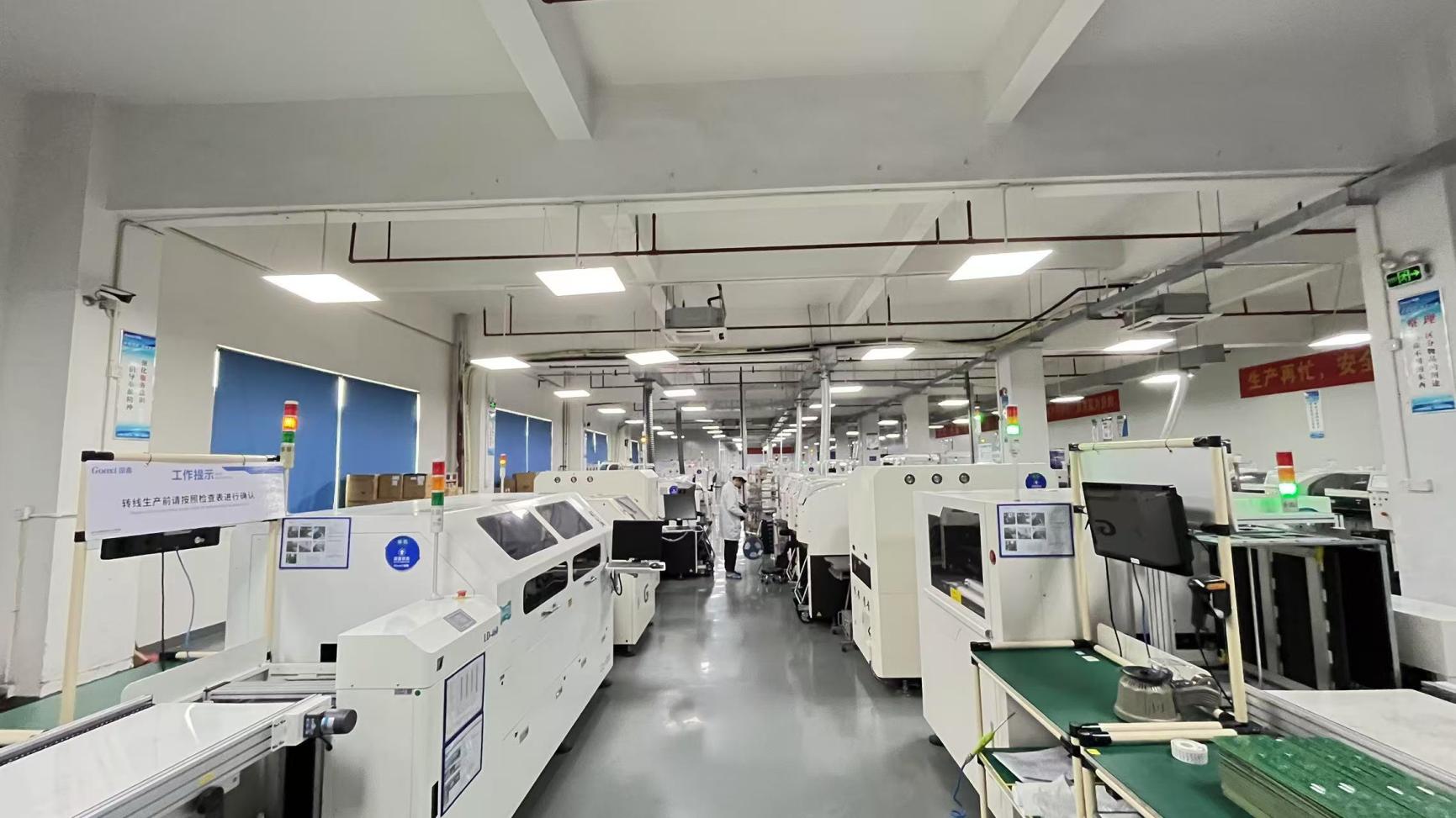
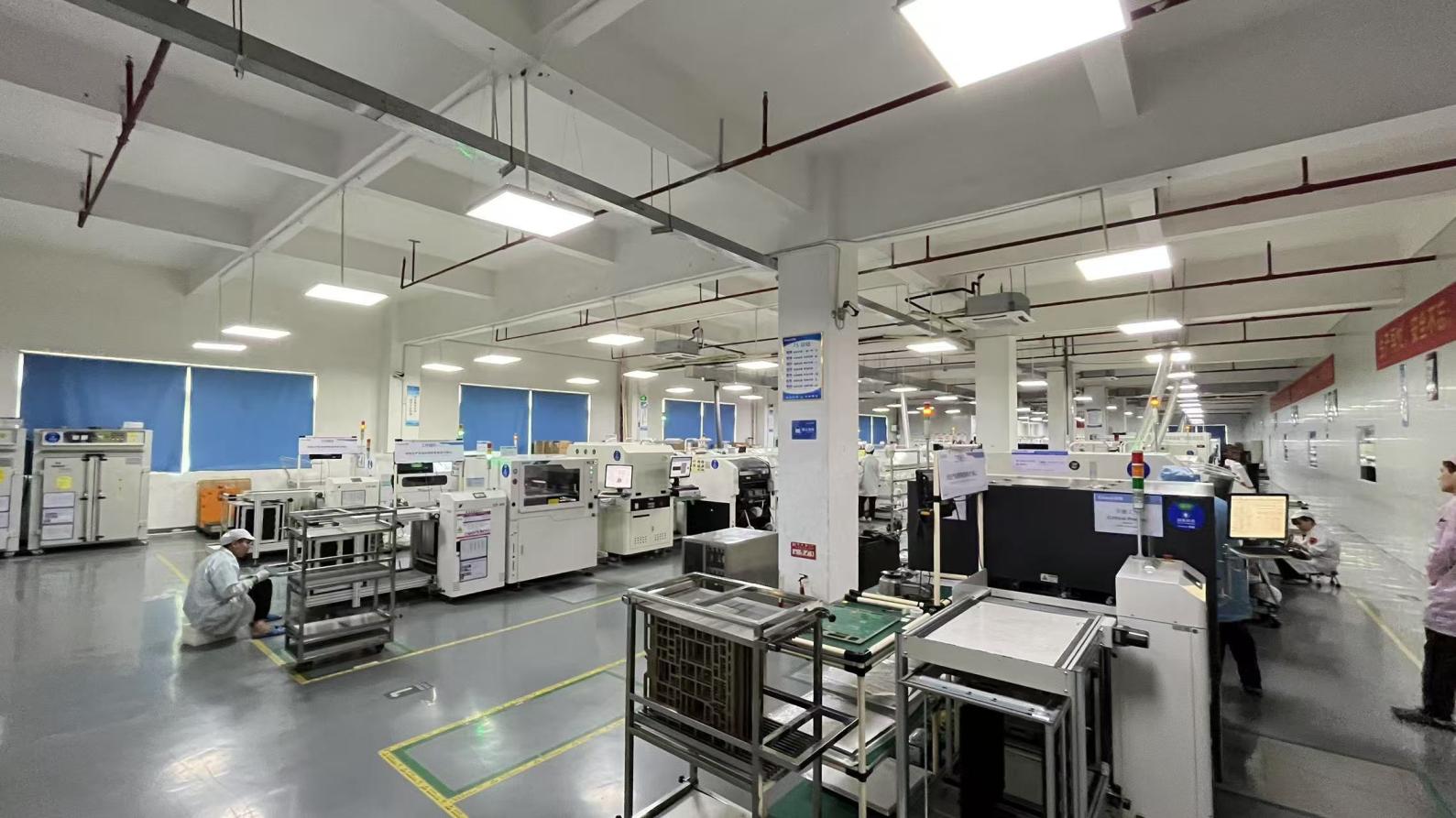

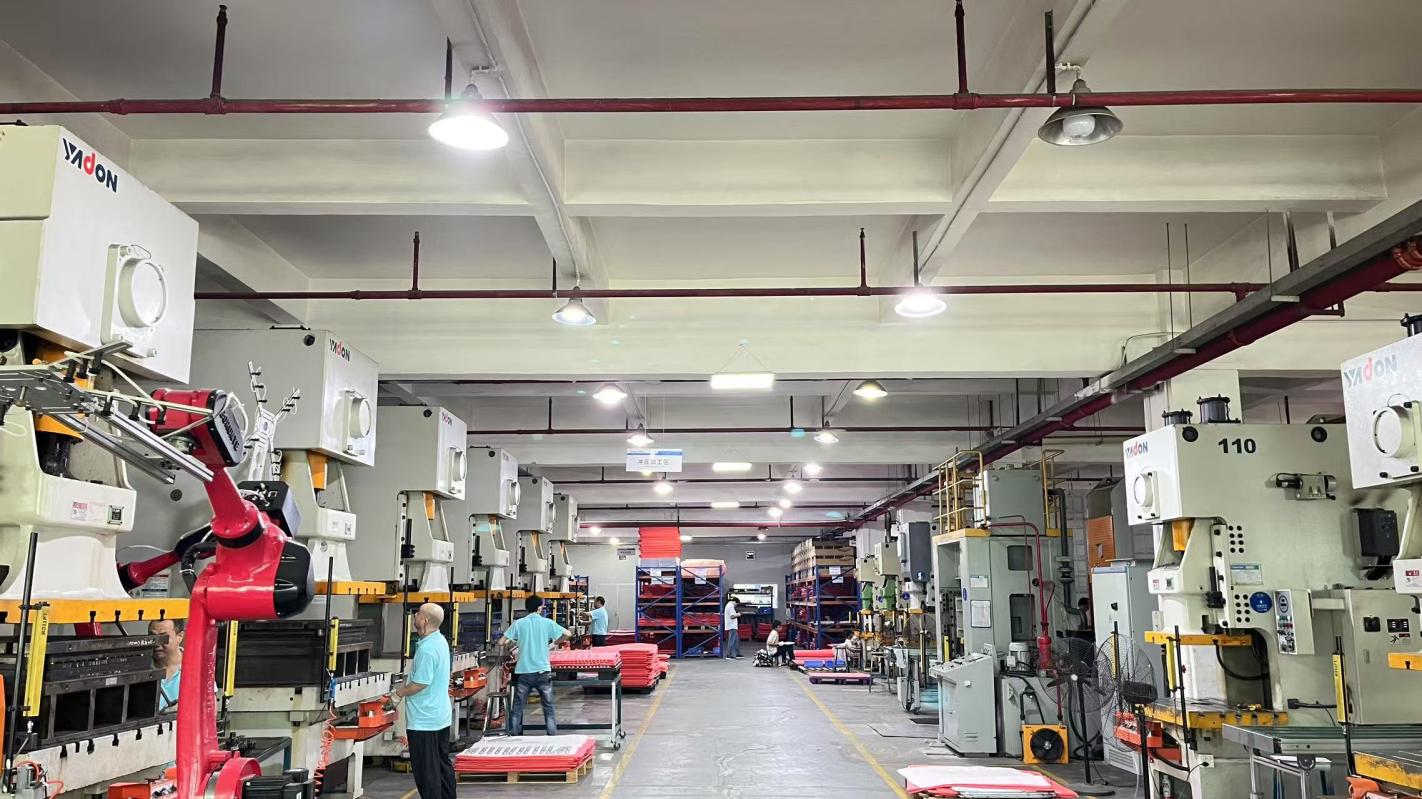
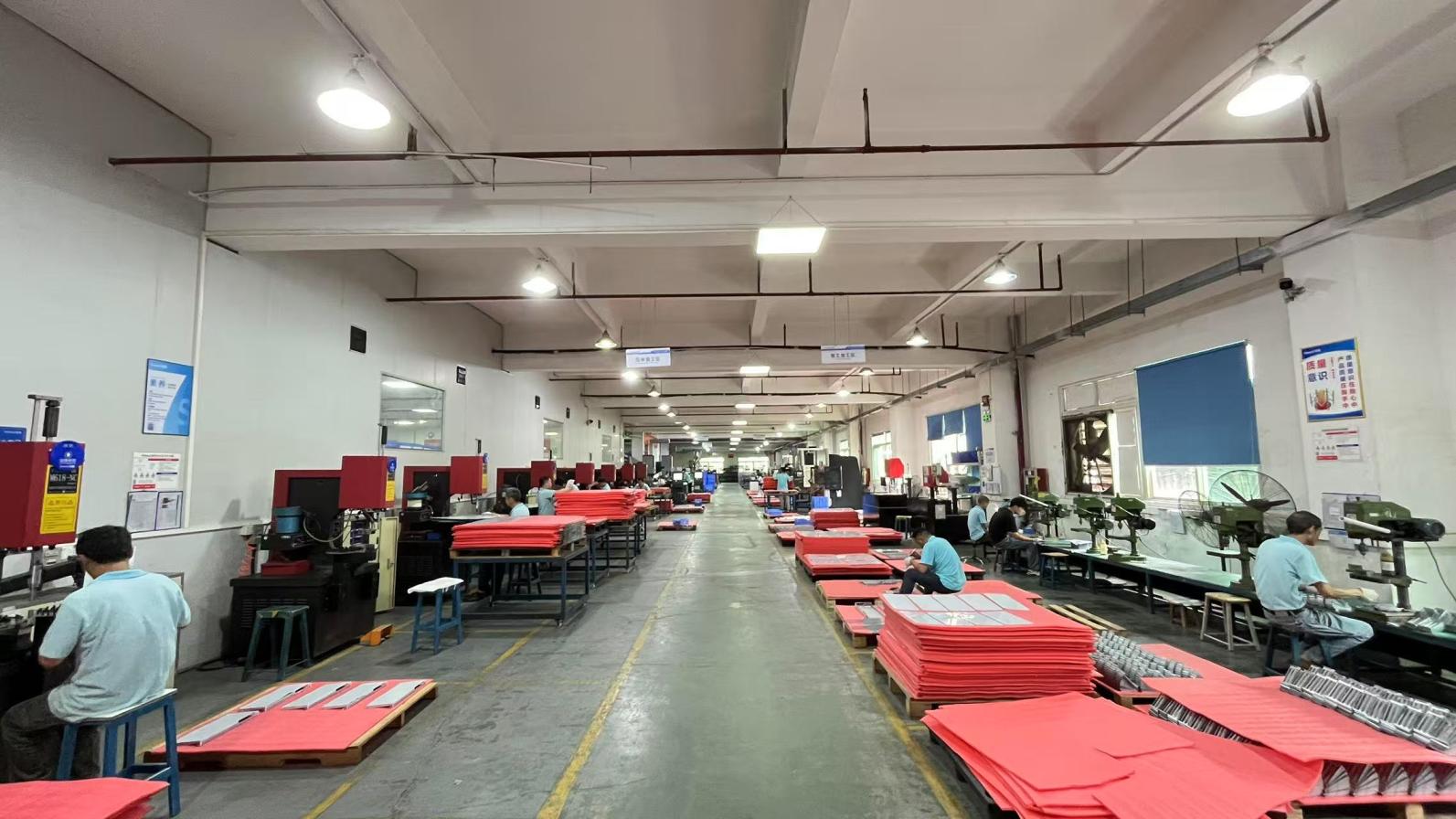
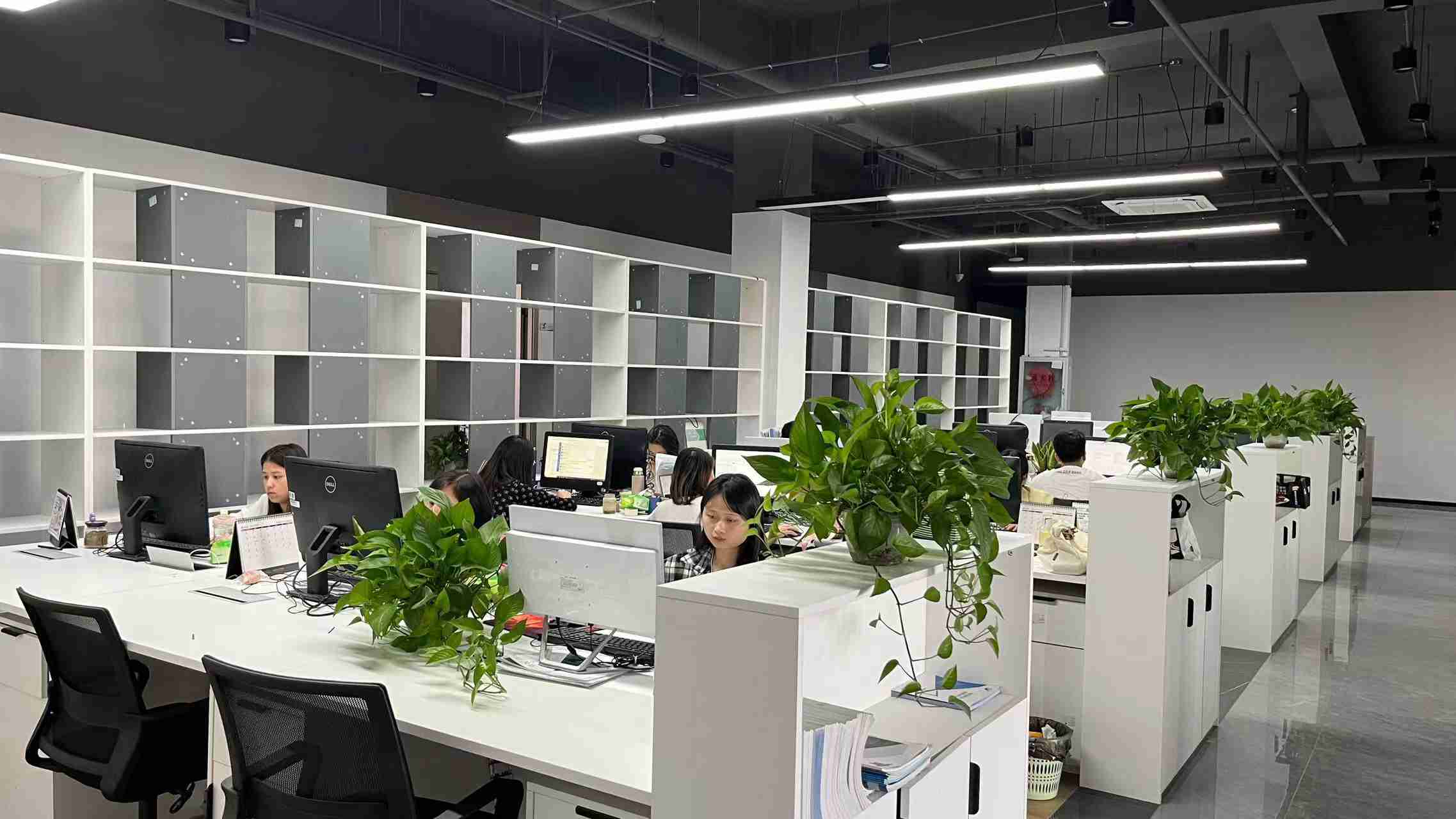
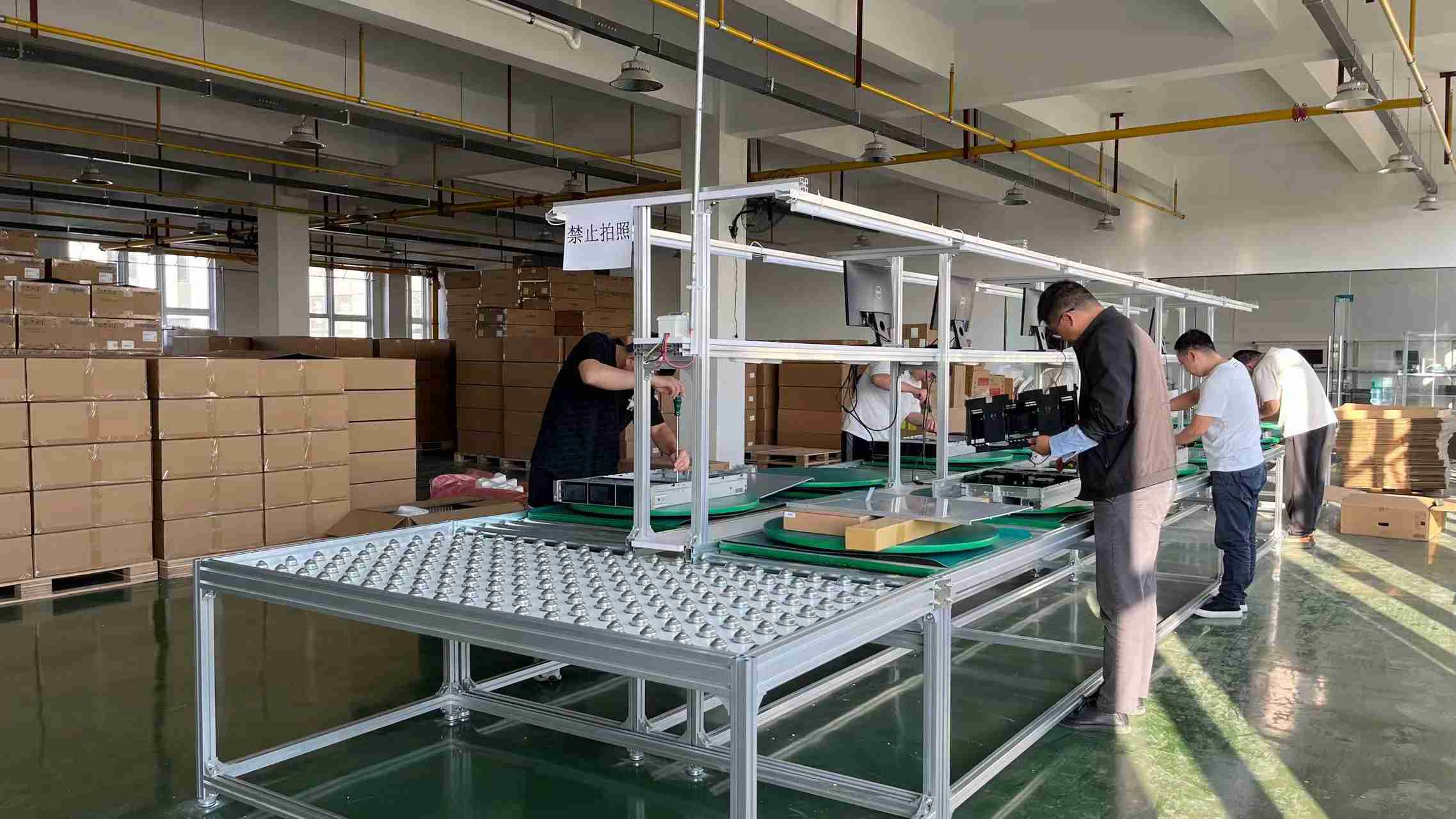
High-performance computing hardware demands tight assembly tolerances and stable electrical contact. The production floor integrates laser cutting, component placement, and thermal stress testing to minimize early-stage hardware failures.
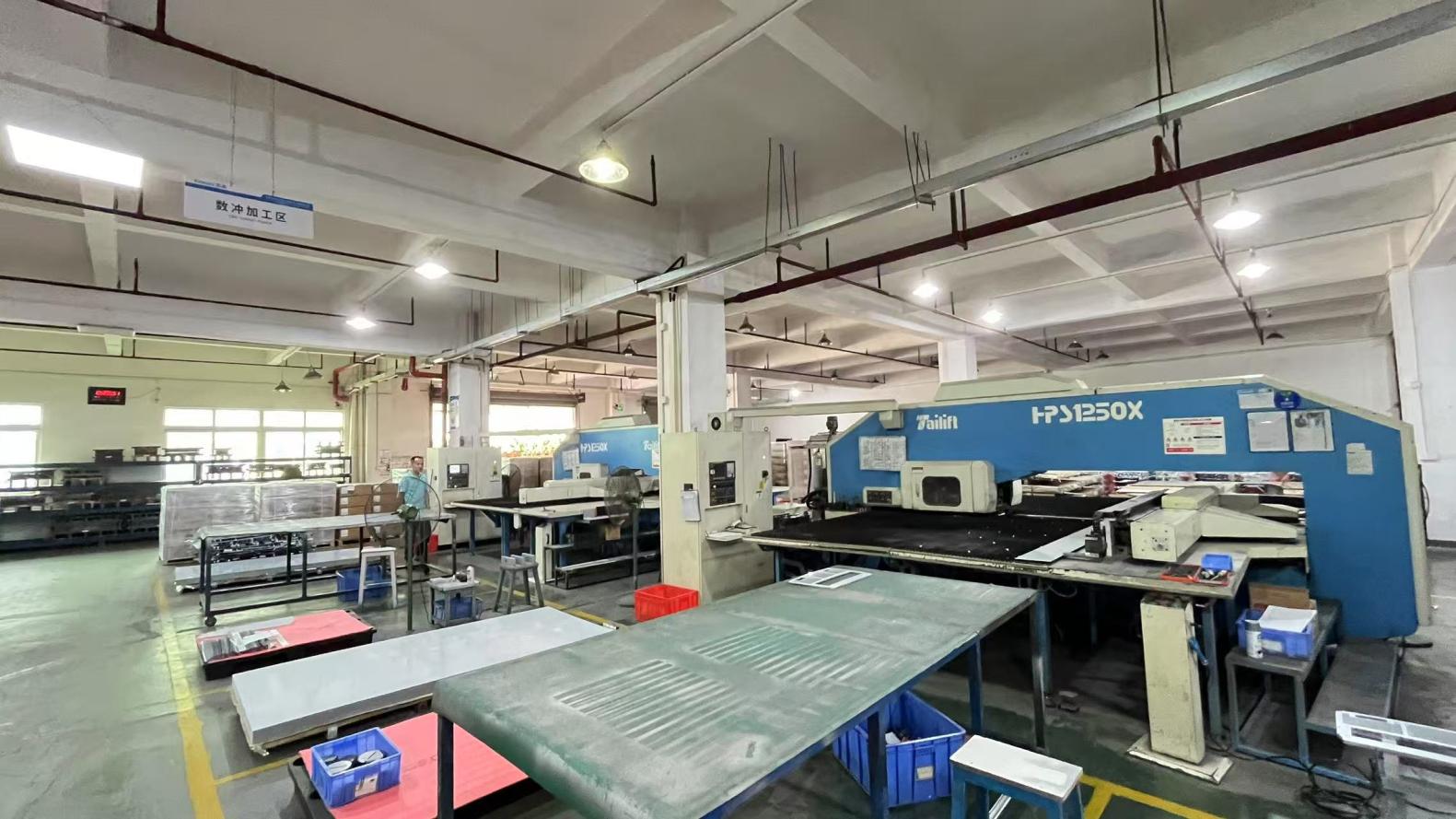
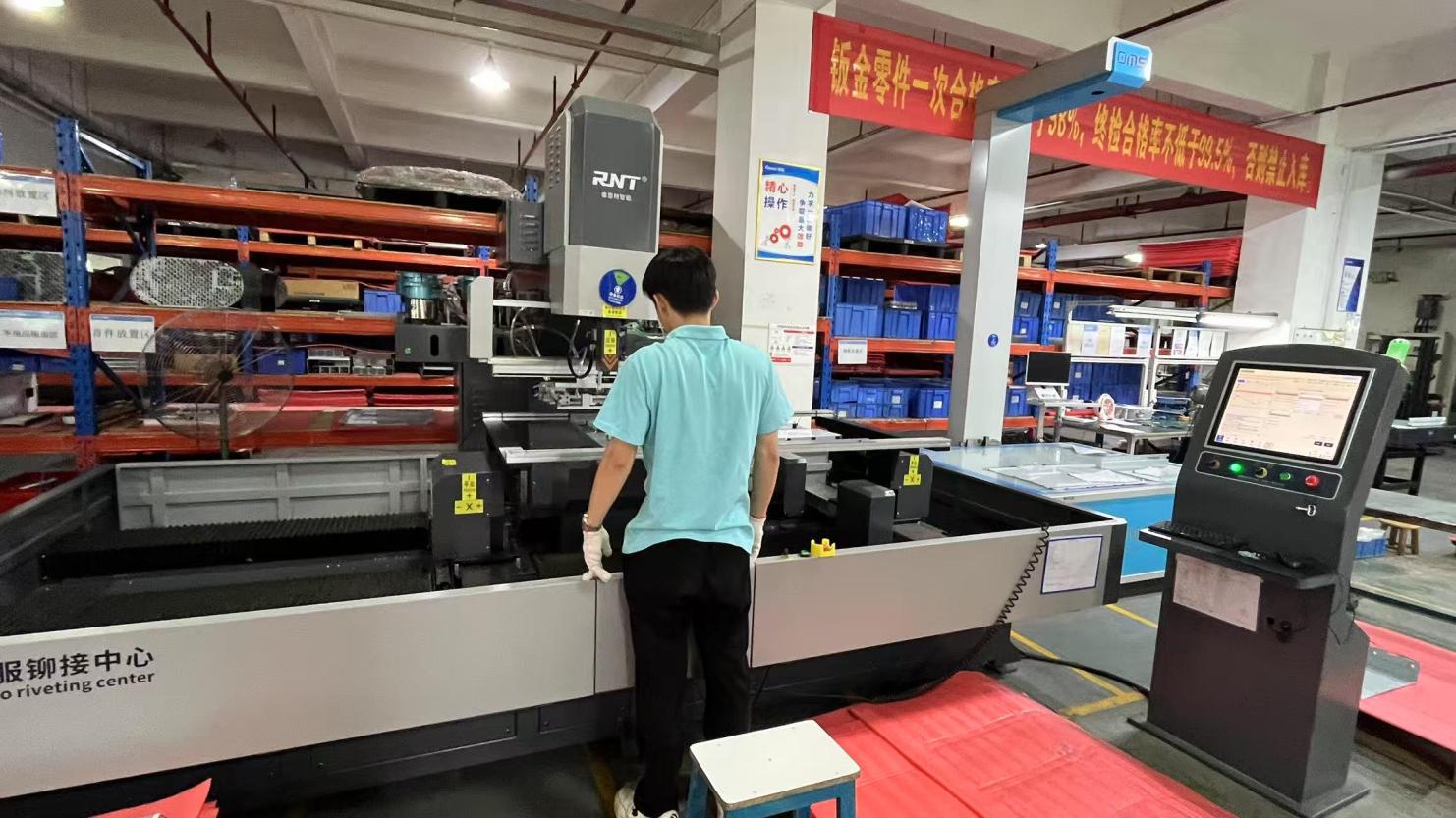

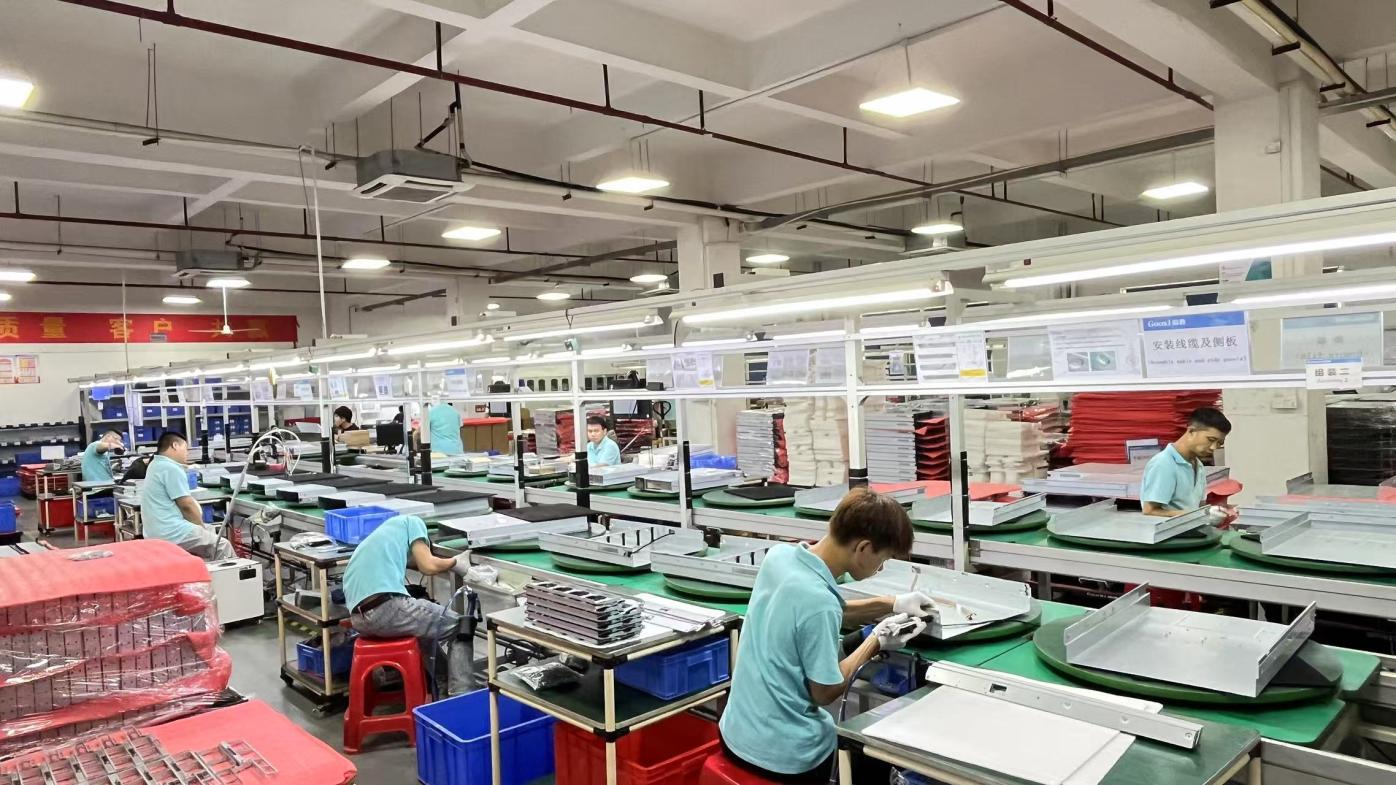
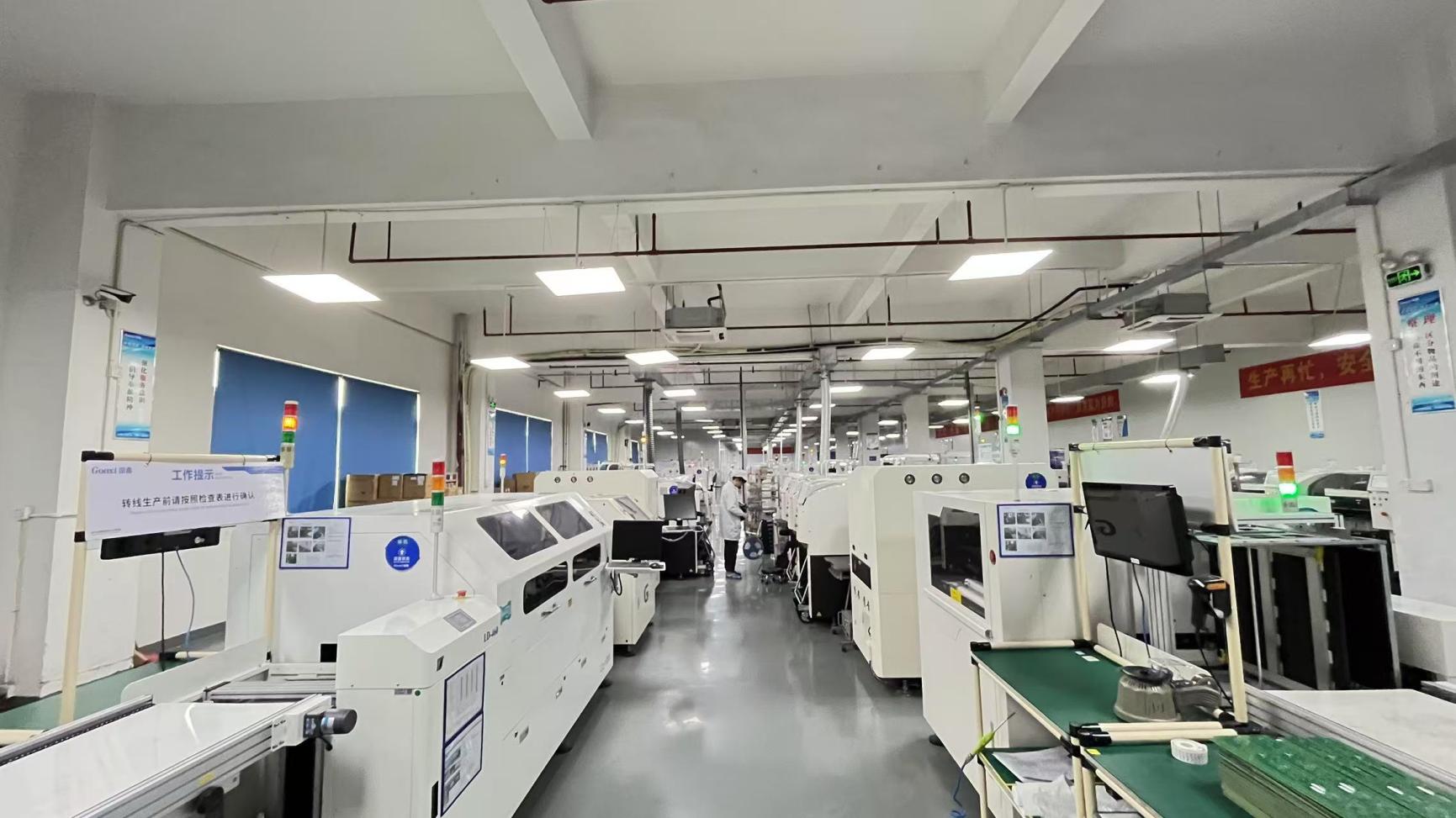

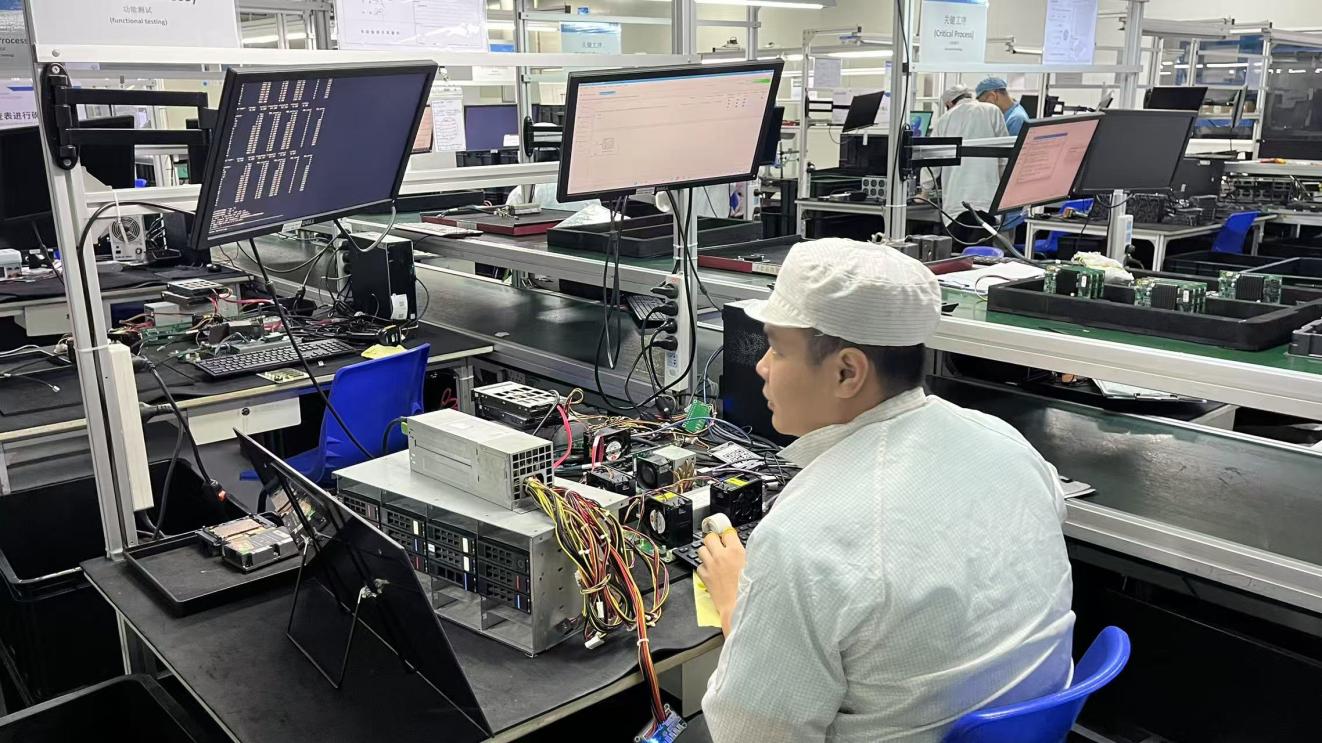
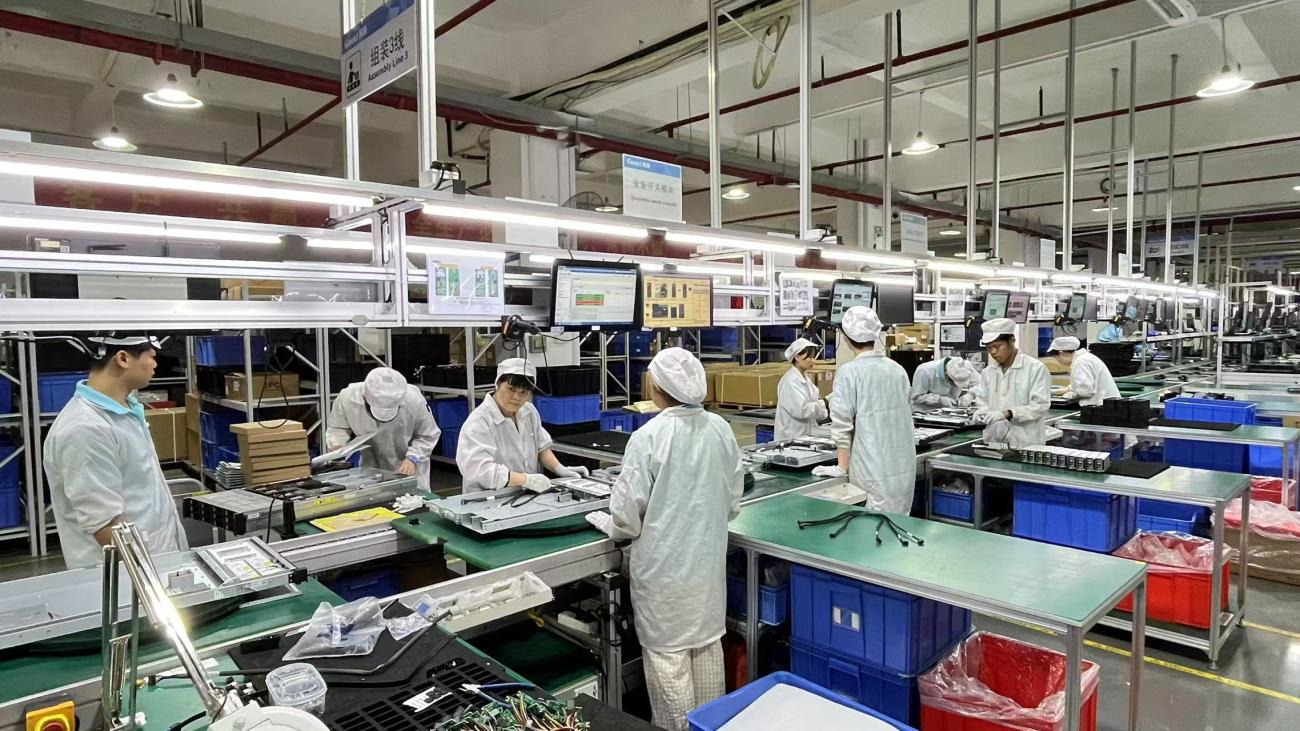

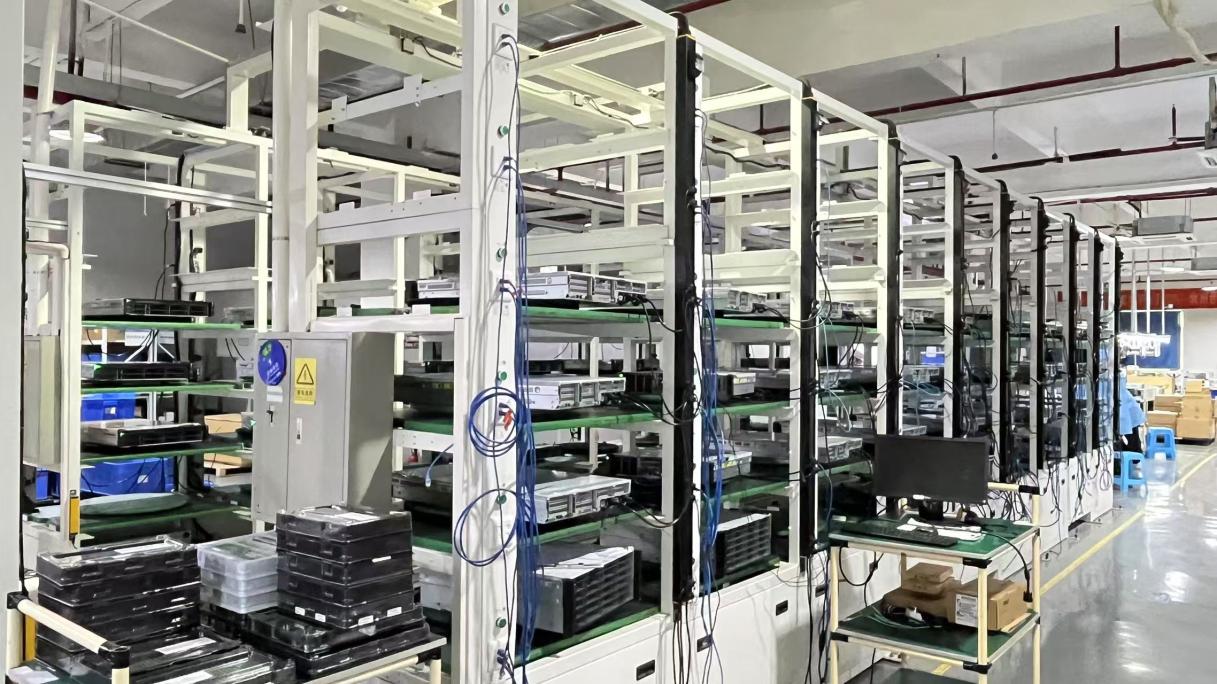
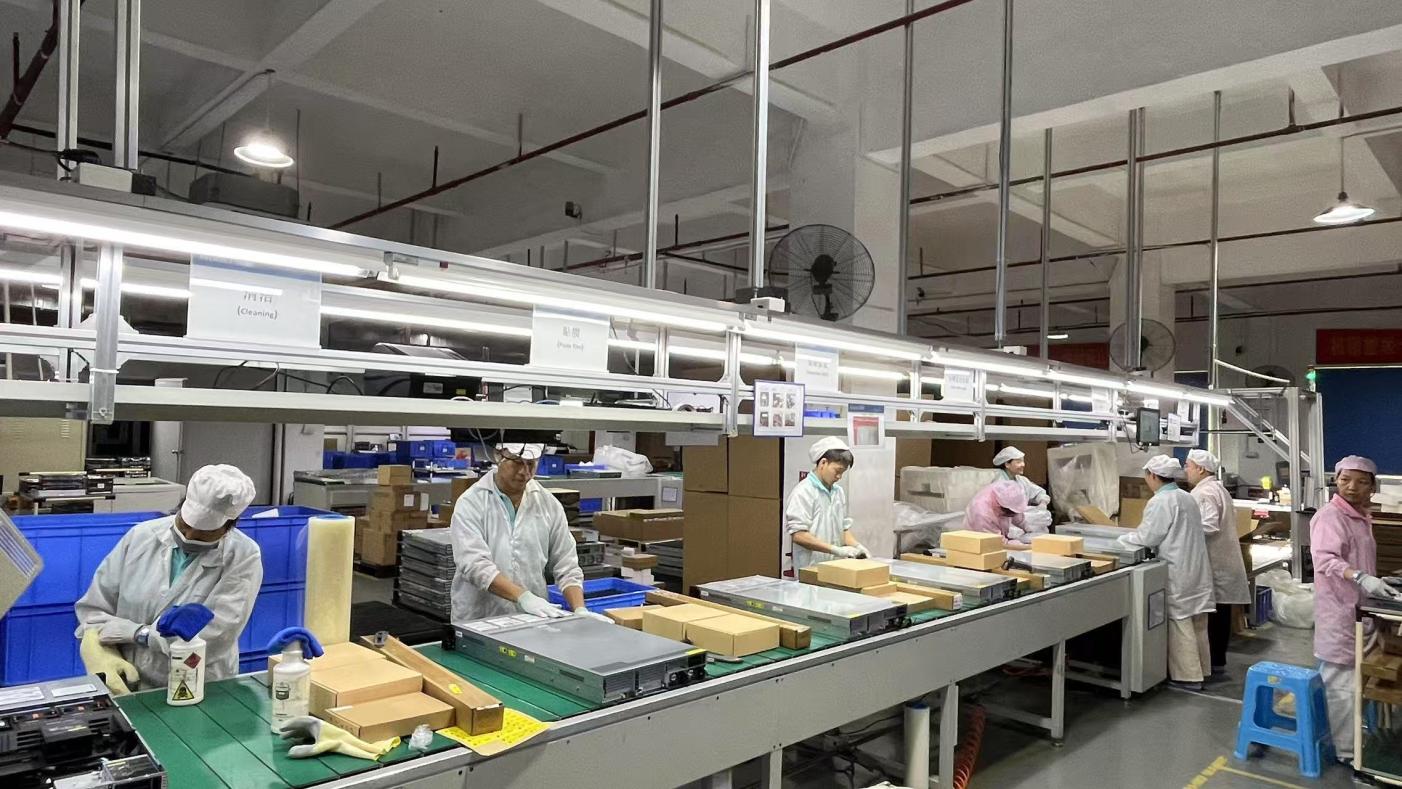
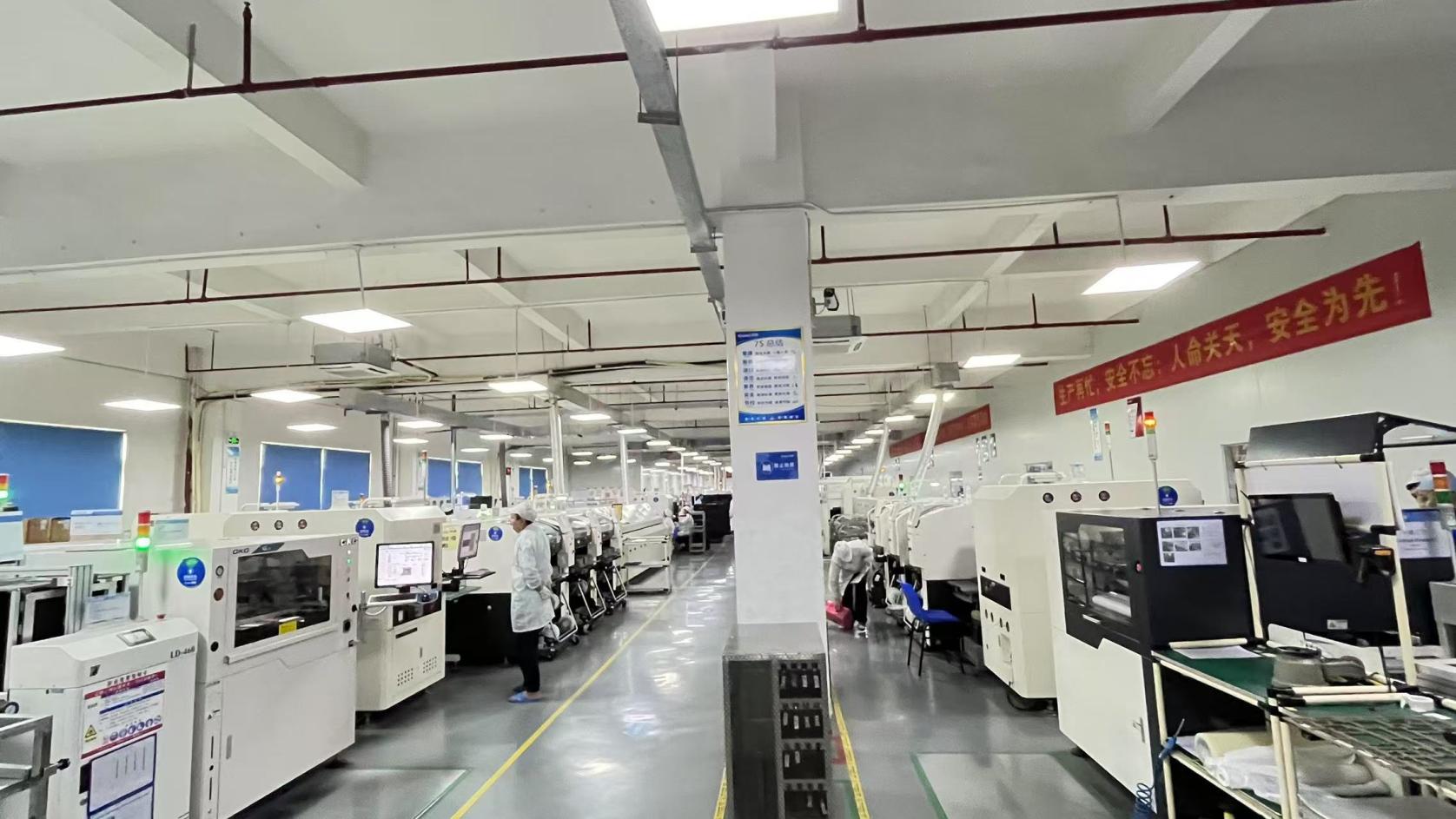

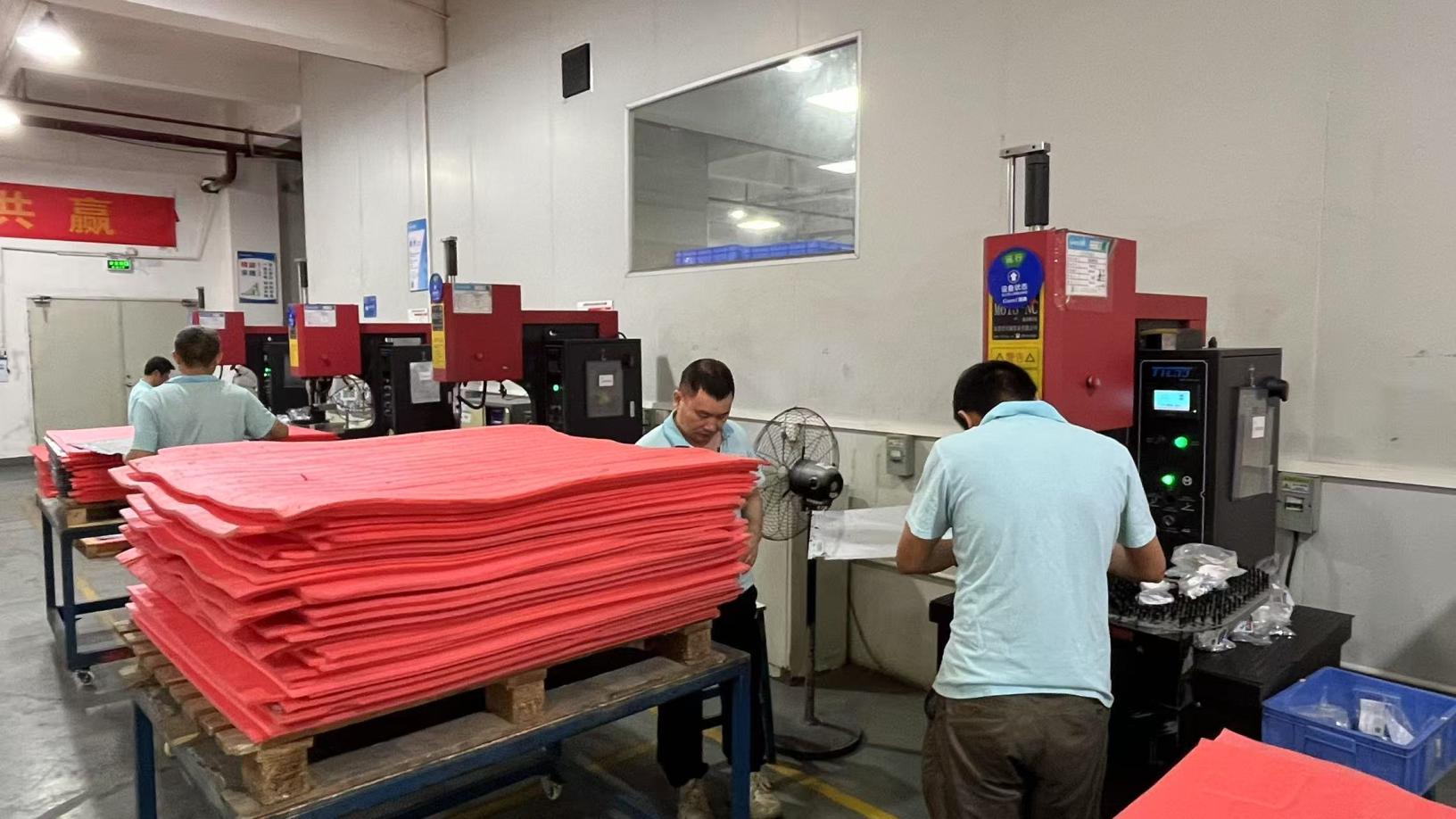
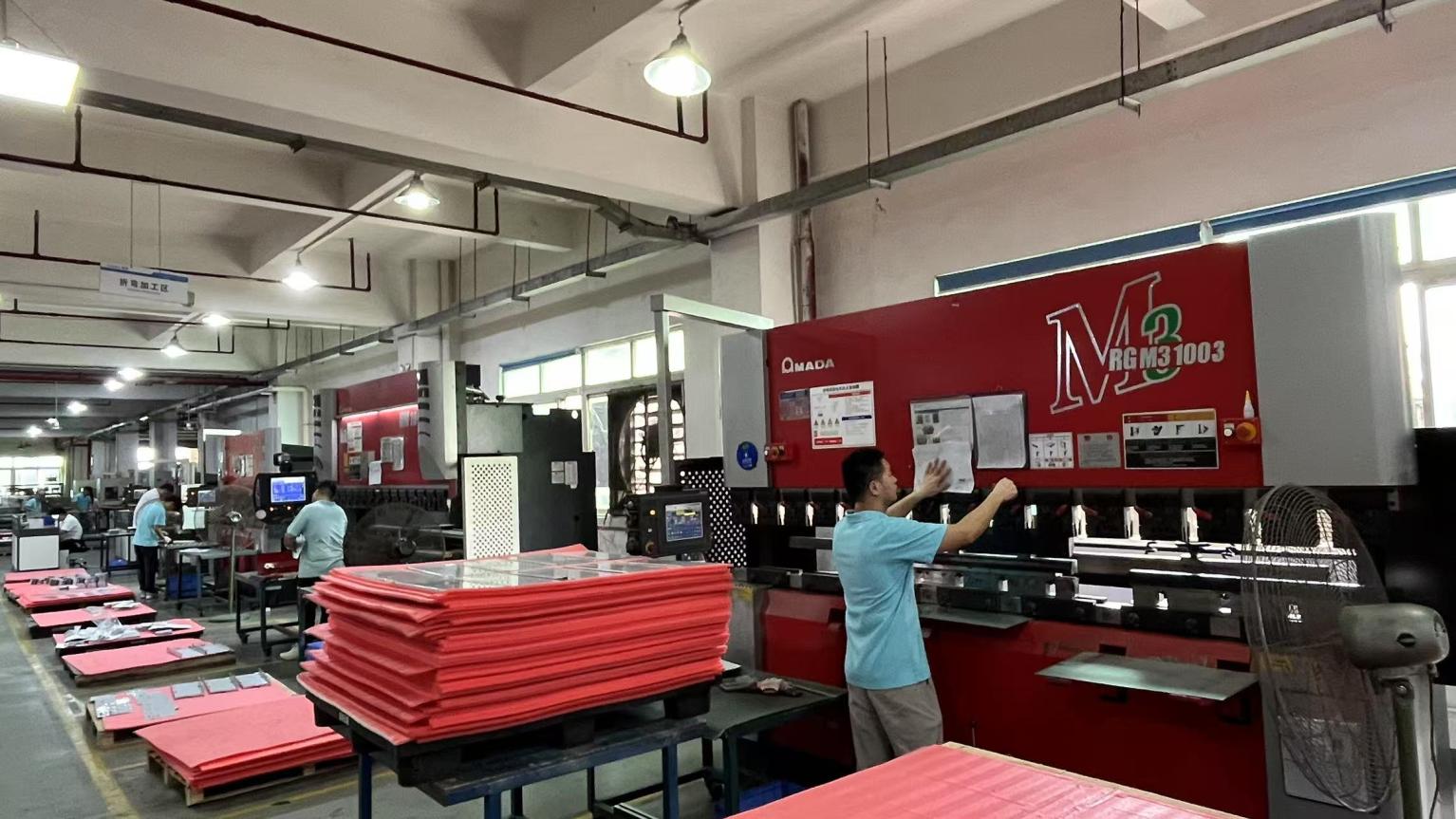

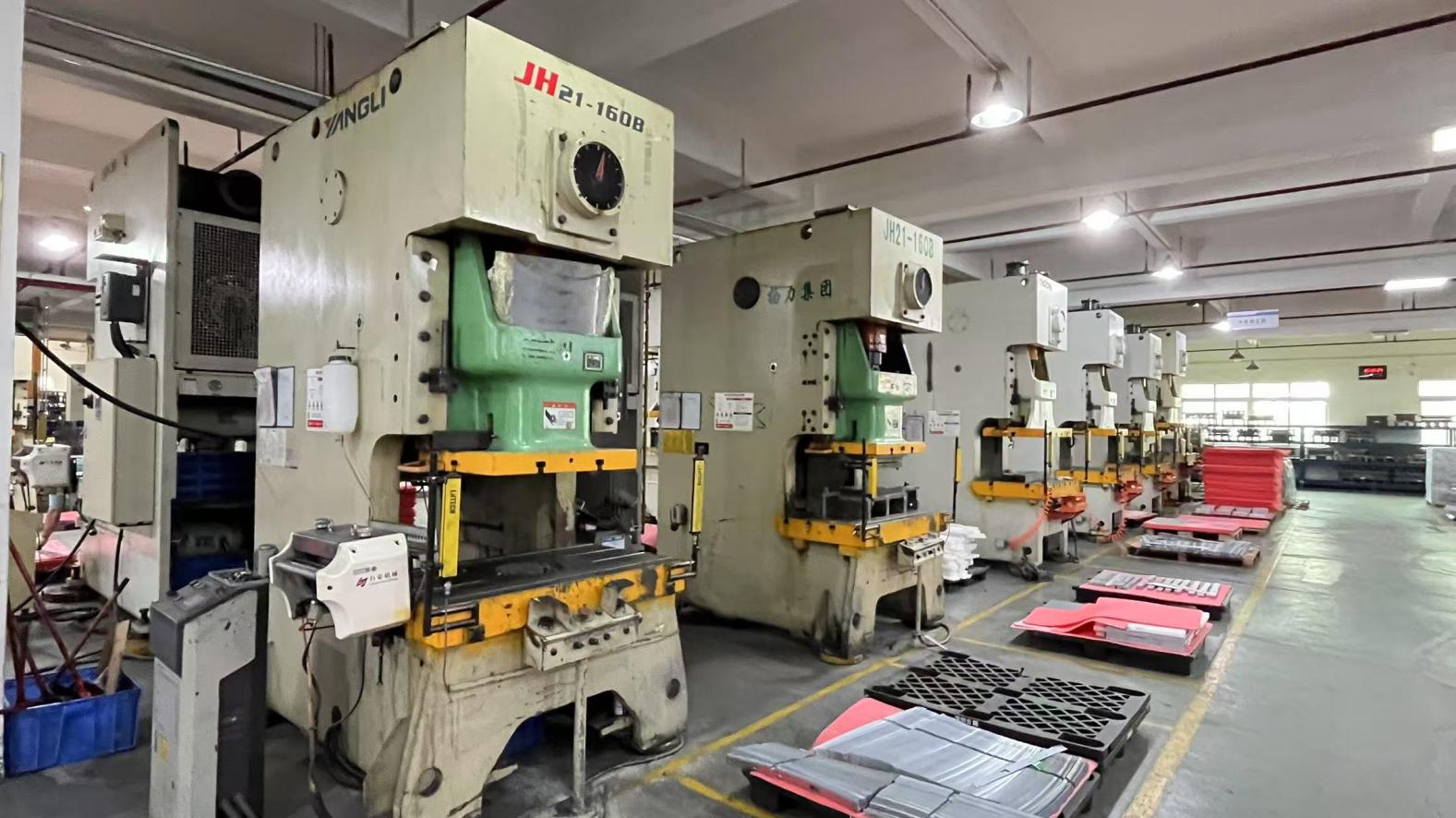

Surface Mount Technology (SMT) handles dense multi-layer server motherboards. Solder print accuracy, component placement, and reflow oven thermal curves are audited to ensure PCIe line integrity at high frequencies.
In-house laser cutting, bending, and riveting processes allow rapid adjustments to custom GPU chassis designs. This capability supports quick turnarounds for non-standard power distribution boards (PDBs) and custom airflow management panels.
To verify product reliability, ZhiCloud AI deploys a 45-person QC division that monitors every stage from component entry to complete system burn-in testing.

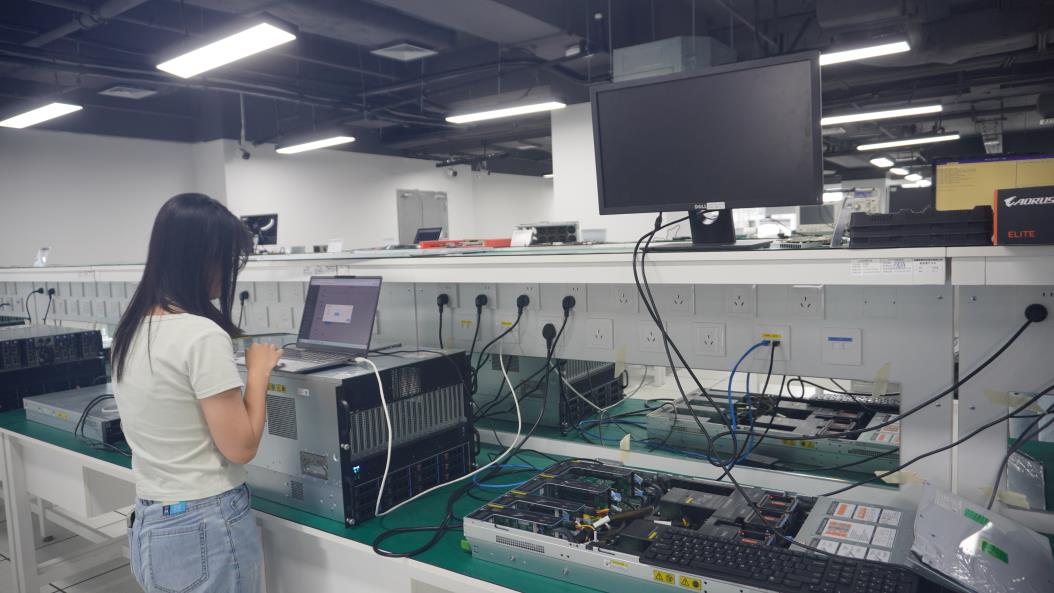
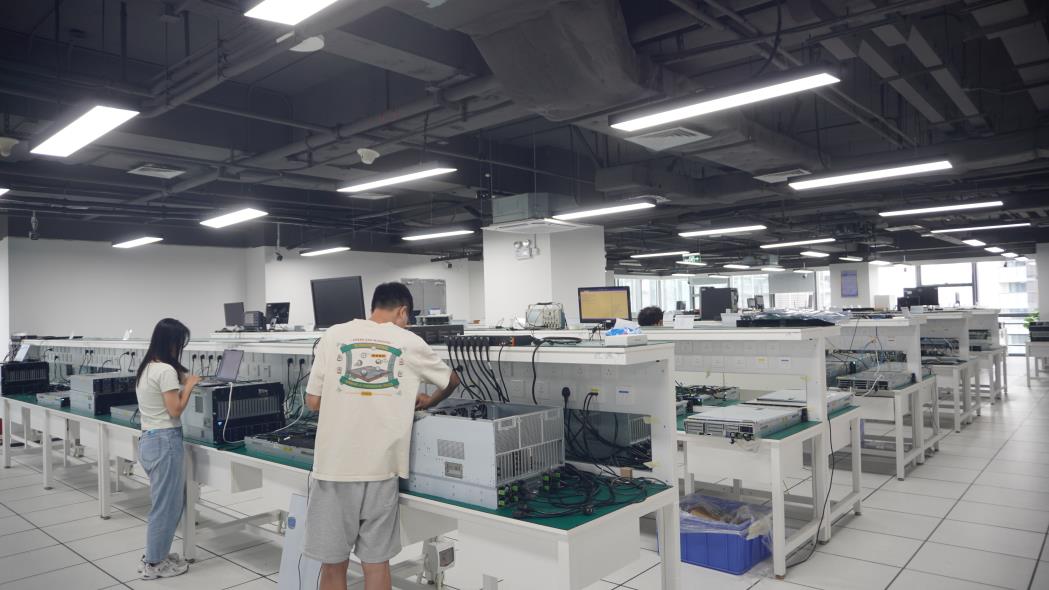
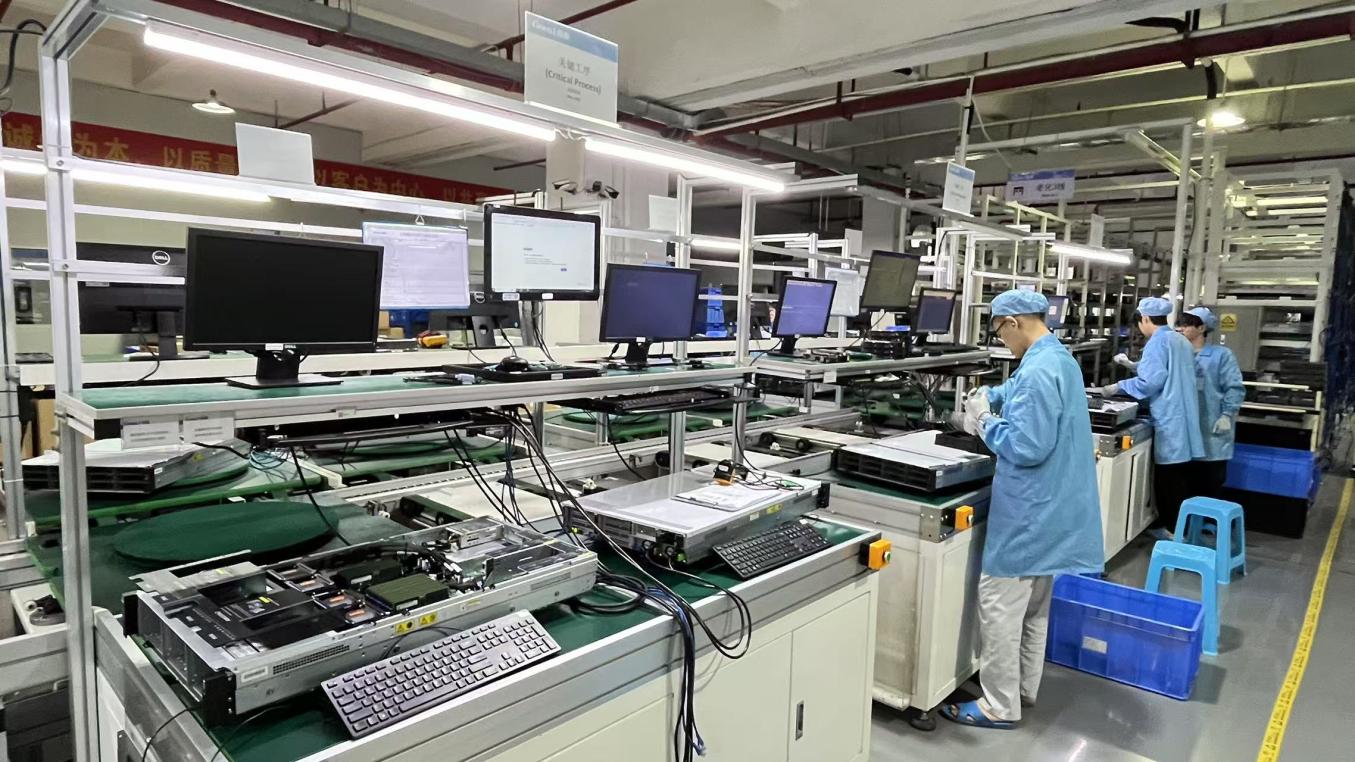
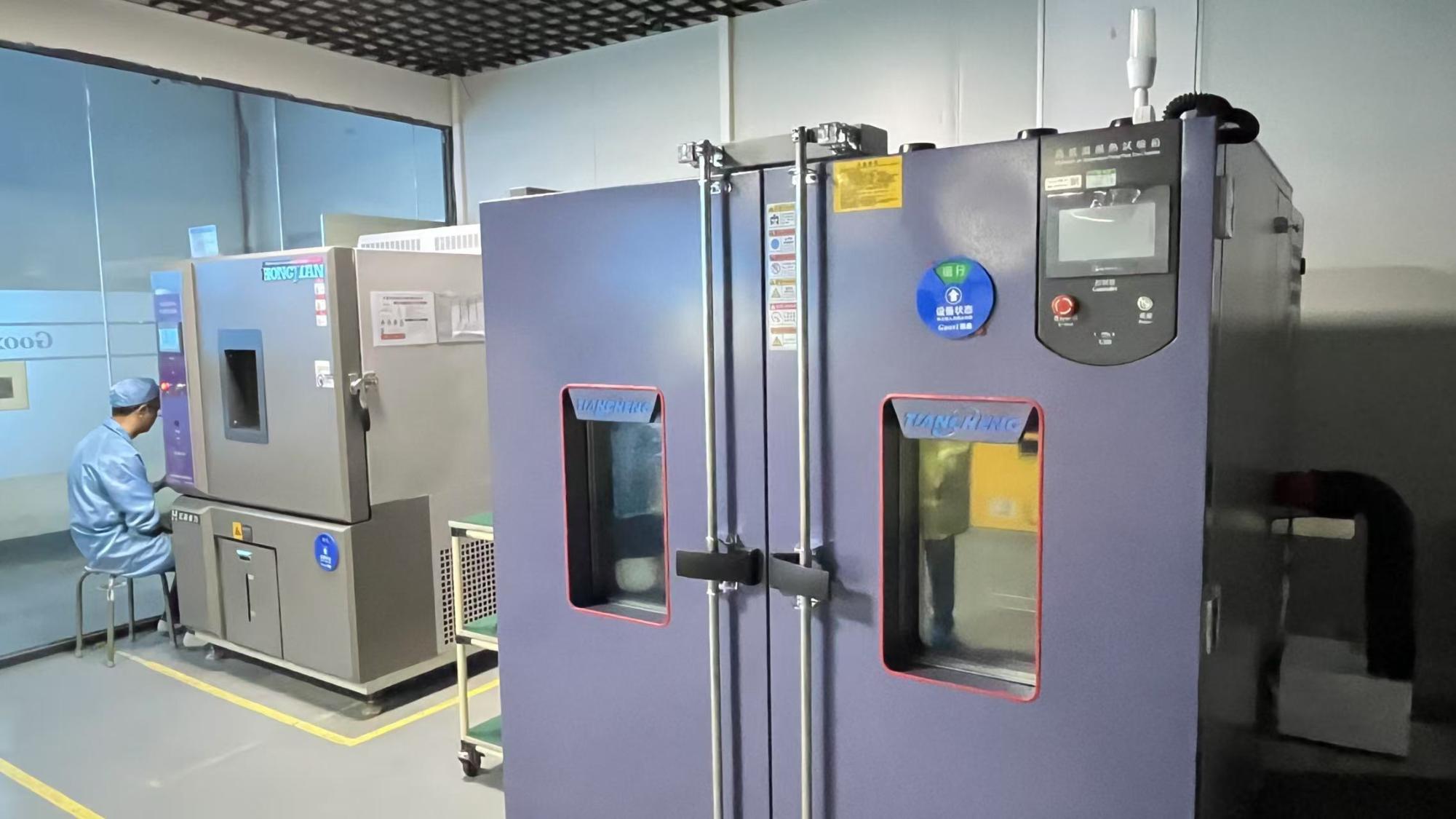
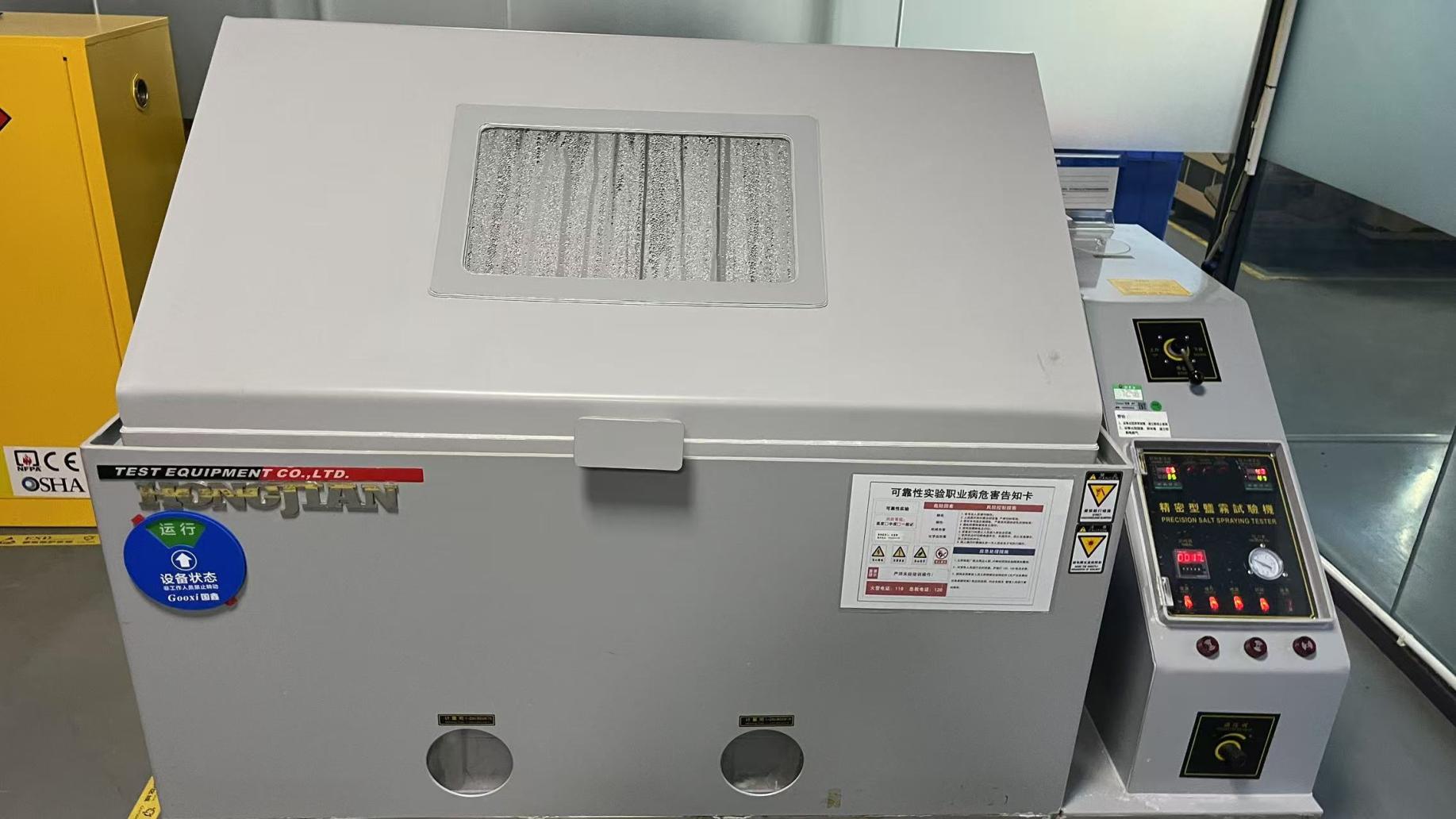
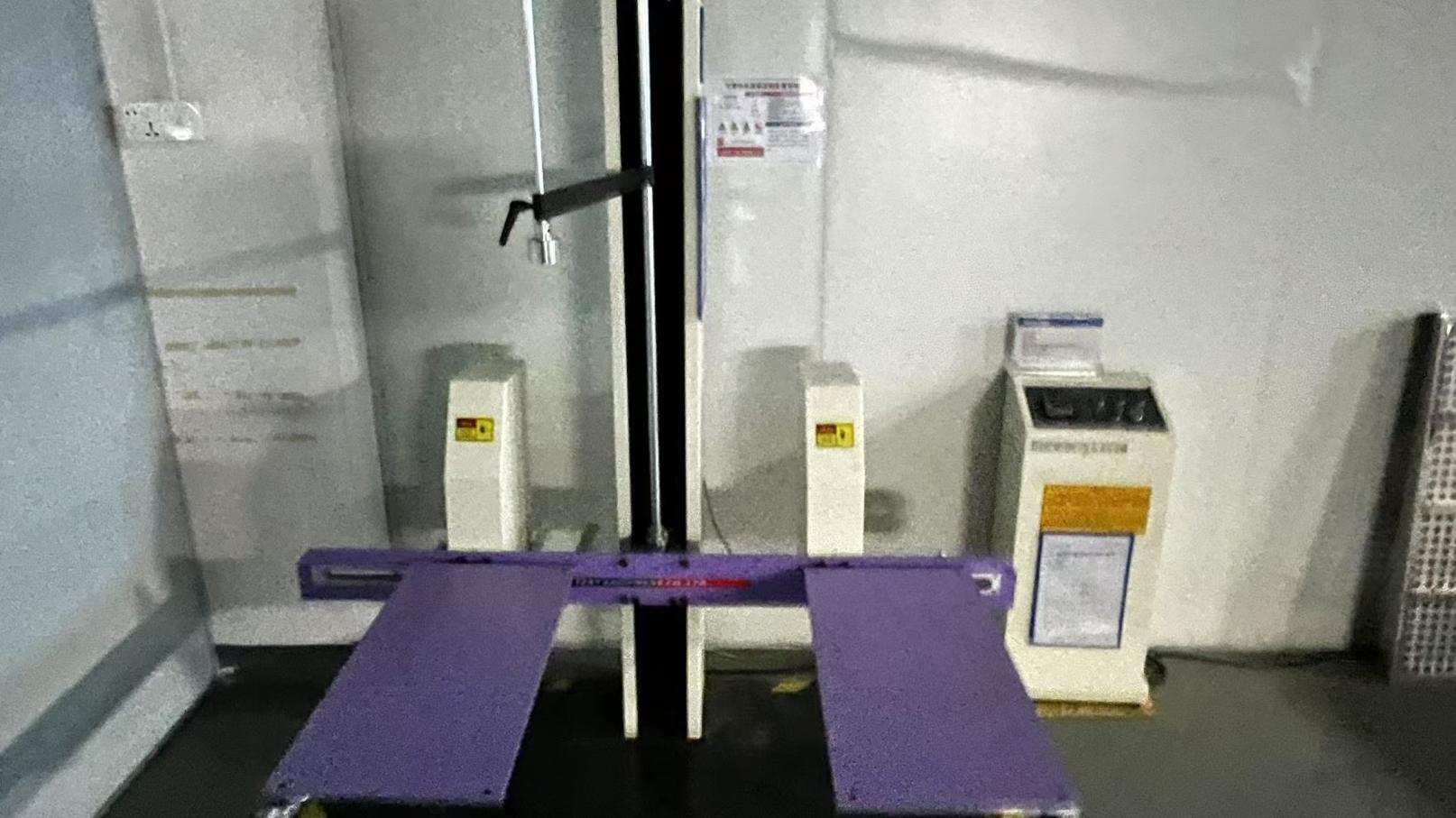


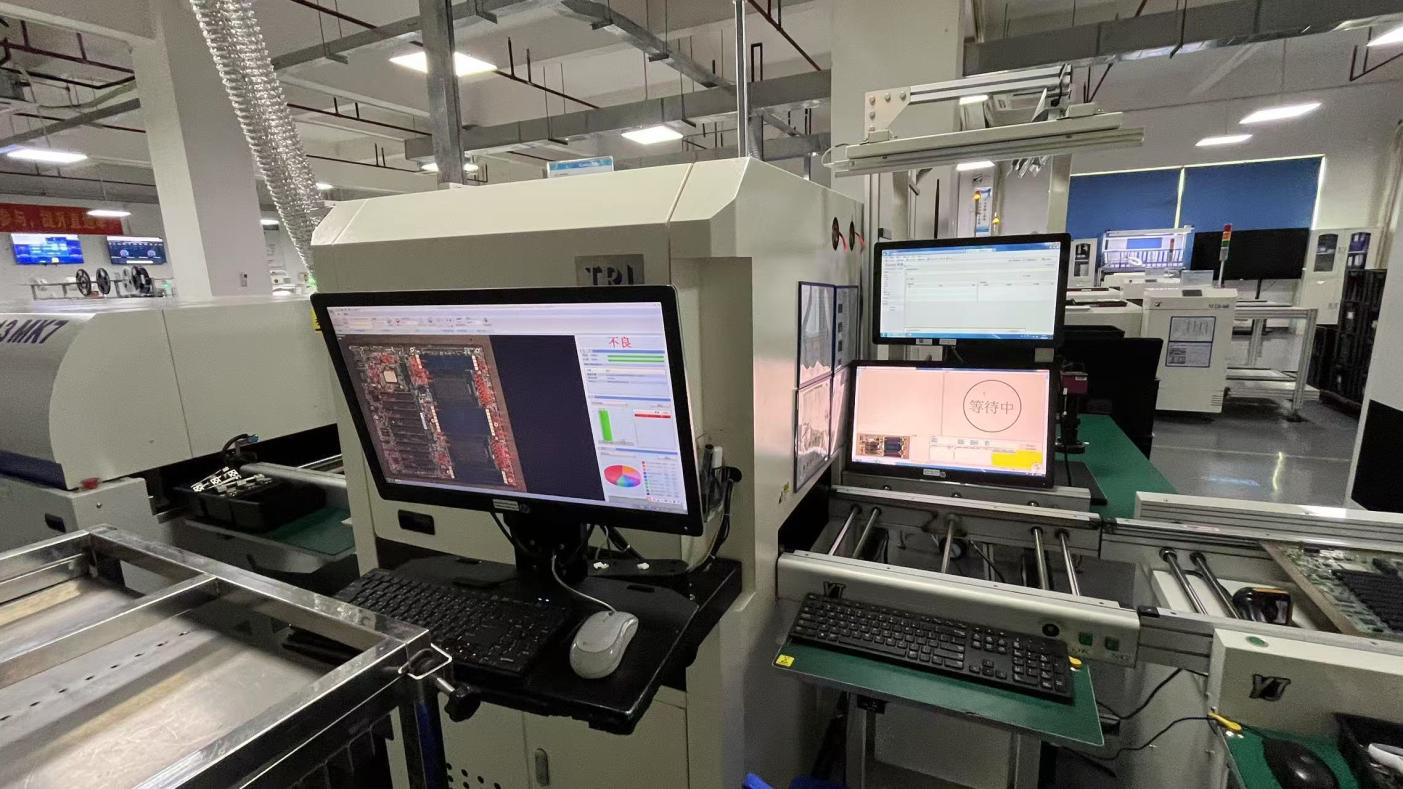
Environmental chambers simulate operating conditions up to 50°C and high relative humidity. System stress runs for 48 hours to identify weak components before packaging.
Vibration tables and drop-test machinery simulate shipping conditions, verifying the mechanical stability of heavy GPU heatsinks and CPU sockets.
High-definition X-ray machines examine dense solder structures beneath BGA chips, identifying hidden bridging or voids that could cause system failure under heavy thermal cycles.
The next generation of AI servers is shifting toward higher thermal densities, unified memory architectures, and deep hardware-software integration.
As GPU power draw exceeds 700W per chip, air-cooled solutions are hitting physical limits. Future factory builds are integrating direct-to-chip (DLC) water blocks, coolant distribution units (CDUs), and quick-release manifolds directly onto server motherboards.
Large Language Model (LLM) training requires sustained throughput. Server backplanes are adopting PCIe Gen 5 and Gen 6 lanes, paired with high-speed U.2/U.3 and E3.S enterprise SSDs to reduce data pipeline latency during training checkpoints.
Optimizing hardware for models like DeepSeek involves tailoring memory bandwidth and FP8 compute paths. Custom server BIOS configurations and optimized GPU baseboard links maximize floating-point operations per watt.
Next-generation servers balance CPU-driven data preparation and GPU execution. Dynamic power sharing between multi-core Intel Xeon or AMD EPYC processors and high-bandwidth accelerators helps maximize cluster efficiency.
Different processing tasks require specific server balances of compute capability, storage throughput, and interconnect bandwidth.
Focused on power density and cooling efficiency. Solutions integrate high-density multi-node chassis (such as 1U or 2U dual-socket servers) to maximize compute performance per rack unit.
Focused on scaling and rapid deployment. Pre-configured GPU tower systems and rack nodes allow development teams to begin training and fine-tuning without complex deployment processes.
Demanding high mathematical precision. Systems combine enterprise-grade CPUs with high-bandwidth memory (HBM) and InfiniBand networking to run complex scientific models.
Choosing the right hardware manufacturer requires balancing volume needs, cost requirements, and customization support.
| Manufacturer Class | Primary Strengths | Lead Times | Customization Depth | Target Client Profile |
|---|---|---|---|---|
| Tier-1 Brands (e.g., Dell, HPE) | Global support, warranty networks, validated software stacks. | 4 to 12 weeks | Standard configurations, limited component alterations. | Risk-averse enterprise IT, regulated environments. |
| Hyperscale ODMs (e.g., Foxconn, Quanta) | High manufacturing capacity, lower unit costs at scale. | 12 to 24 weeks | Custom structural chassis, custom motherboard layouts. | Top-tier Cloud Service Providers, major technology firms. |
| Specialist System Integrators (e.g., ZhiCloud AI) | Agile component selection, custom cooling designs, optimized BIOS. | 2 to 6 weeks | Custom GPU configurations, storage setups, OEM branding. | AI Startups, localized cloud operators, research labs. |
AI hardware must meet regional requirements for electromagnetic interference (EMI) and safety. Quality manufacturers verify that power systems, chassis structures, and motherboards conform to FCC, CE, RoHS, and CCC standards.
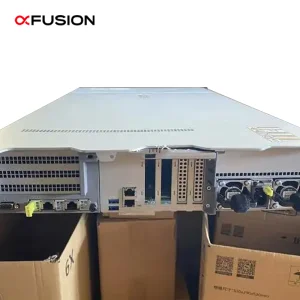
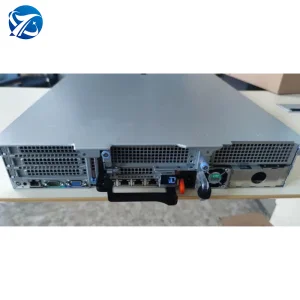
Heavy server infrastructure requires secure export packaging and shock-isolated pallets. Experienced export partners manage customs documentation, tariff compliance, and logistics lines for major international trade centers.
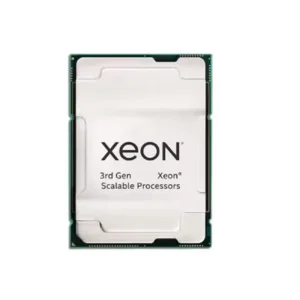
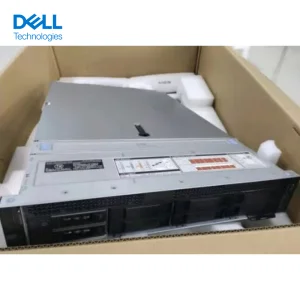
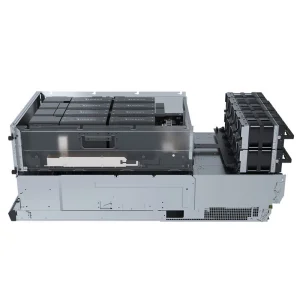
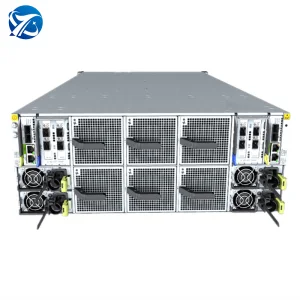
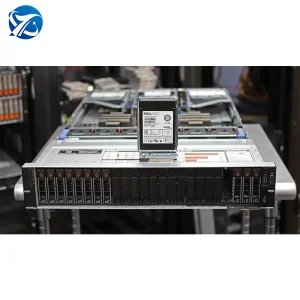
Select from processors, high-capacity SAS/NVMe drives, and complete GPU nodes to optimize your scale-out computing clusters.
Find technical insights regarding custom server systems, validation processes, and global logistics options.