ZhiCloud AI
ZhiCloud AI
ZhiCloud AI
Shenzhen Intelligent Computing Cloud Technology Co., Ltd. (ZhiCloud AI) acts as a trusted anchor in the global high-performance computing (HPC) ecosystem. Our hardware architectures are crafted with rigorous user experience principles, balancing field serviceability, thermal efficiency, and long-term operating reliability.
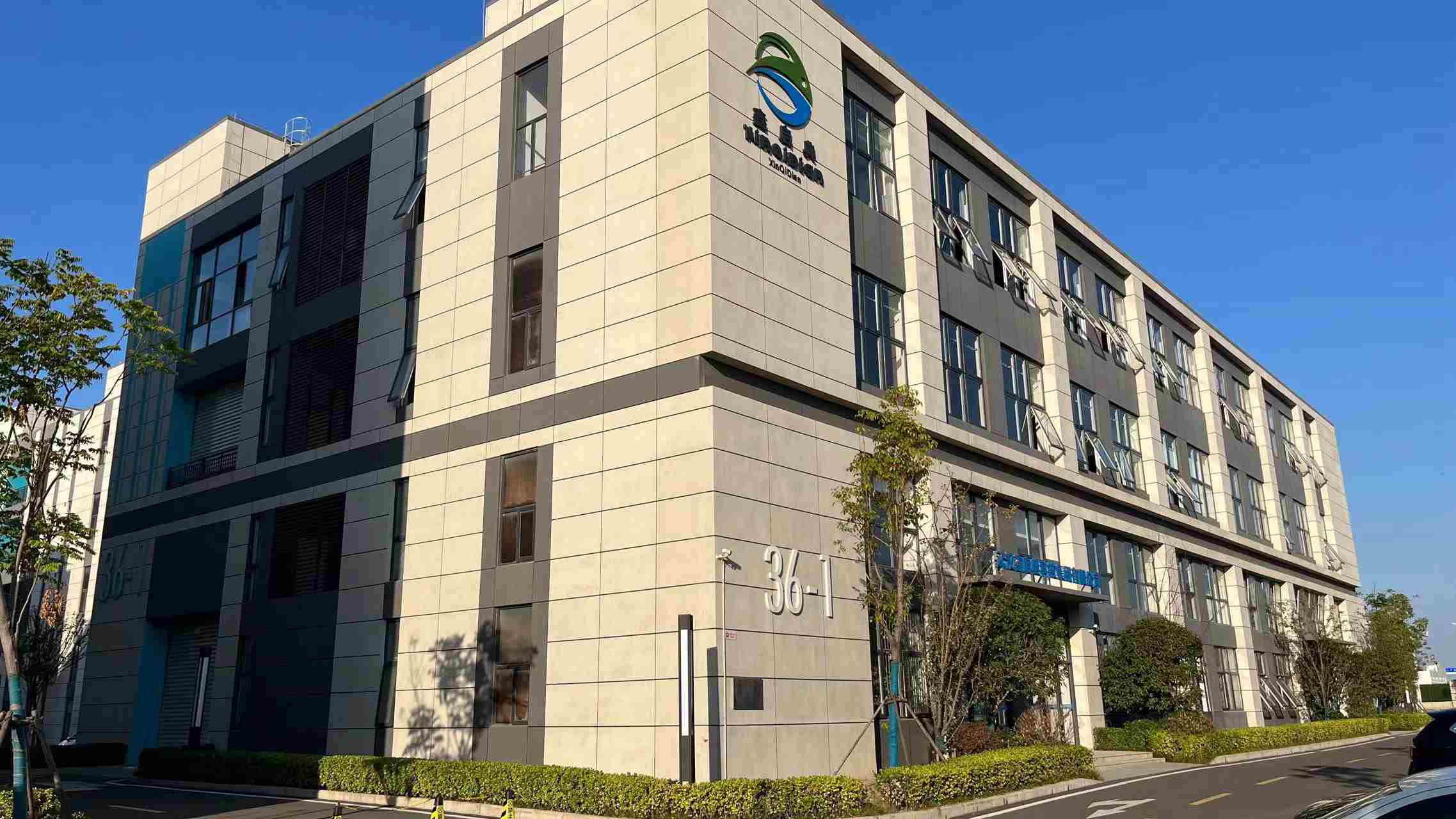
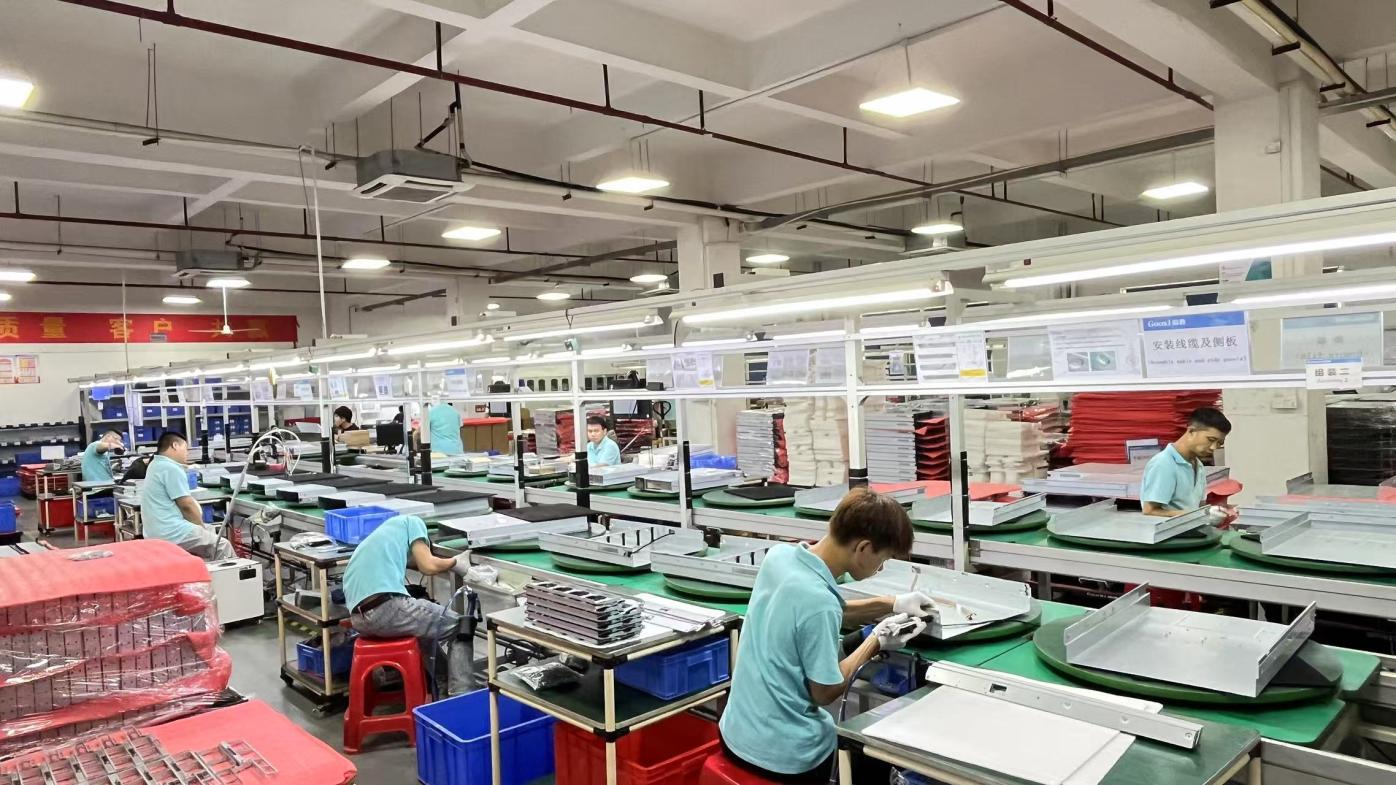
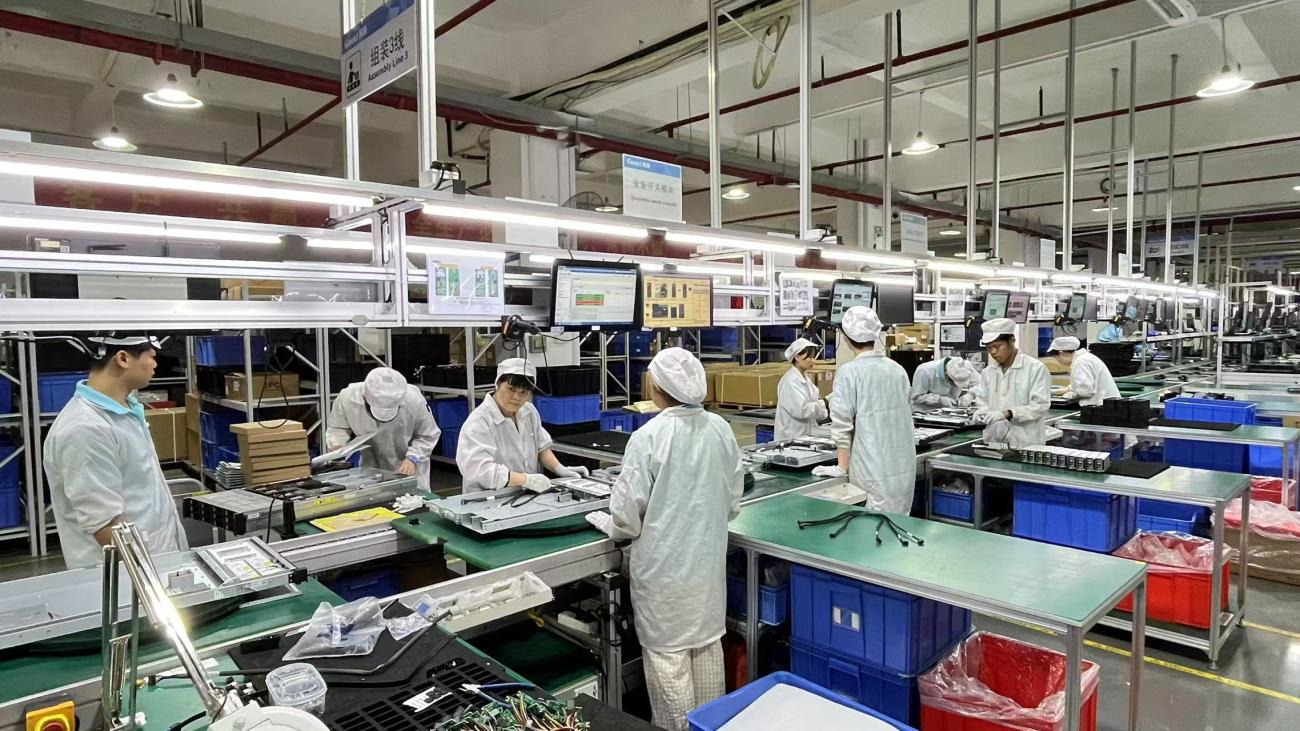
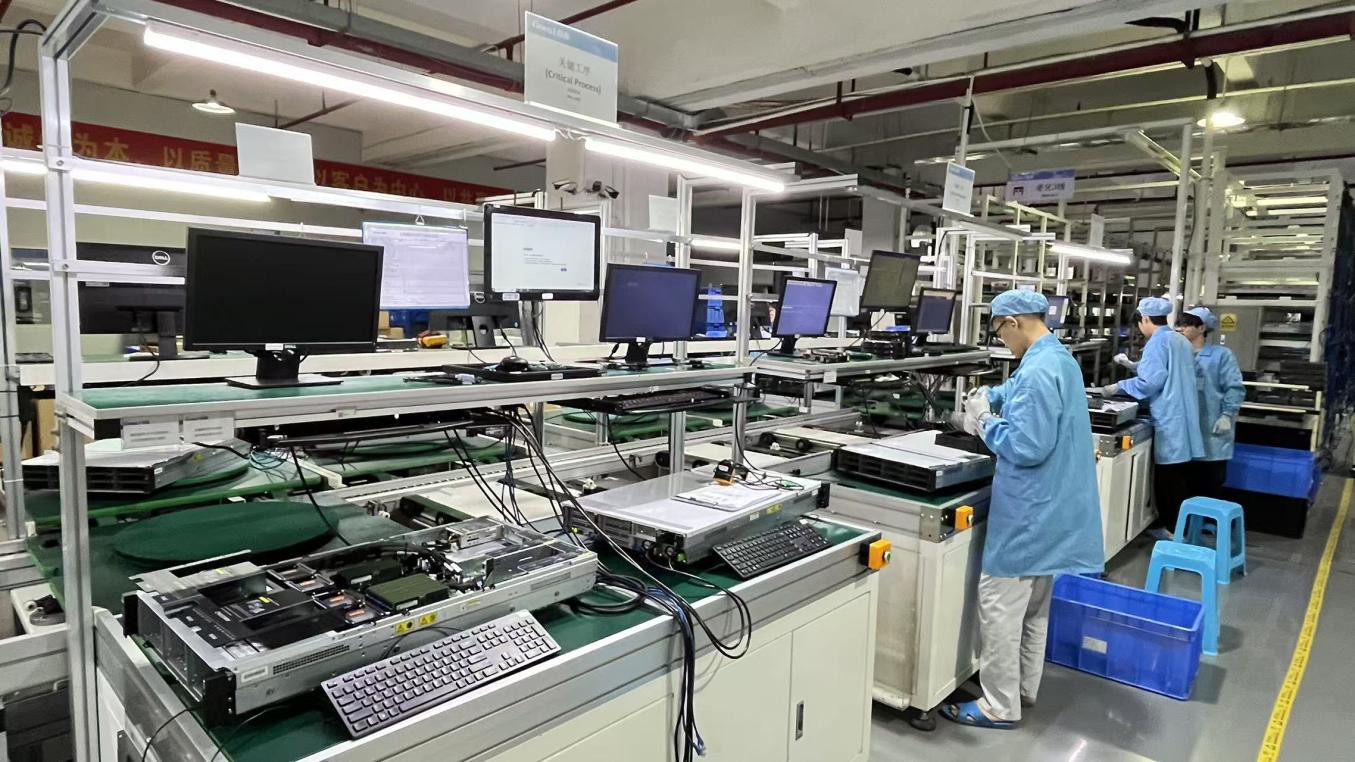
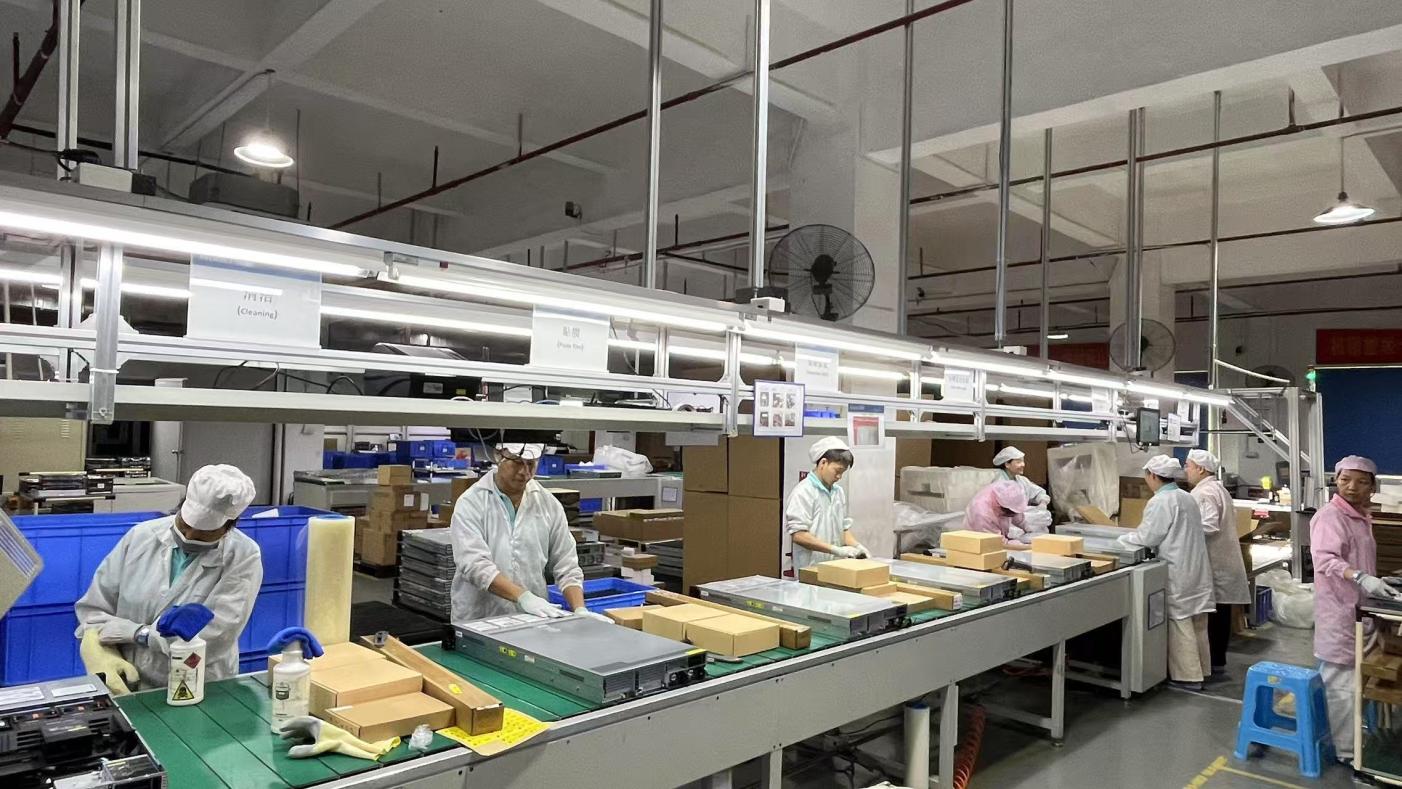
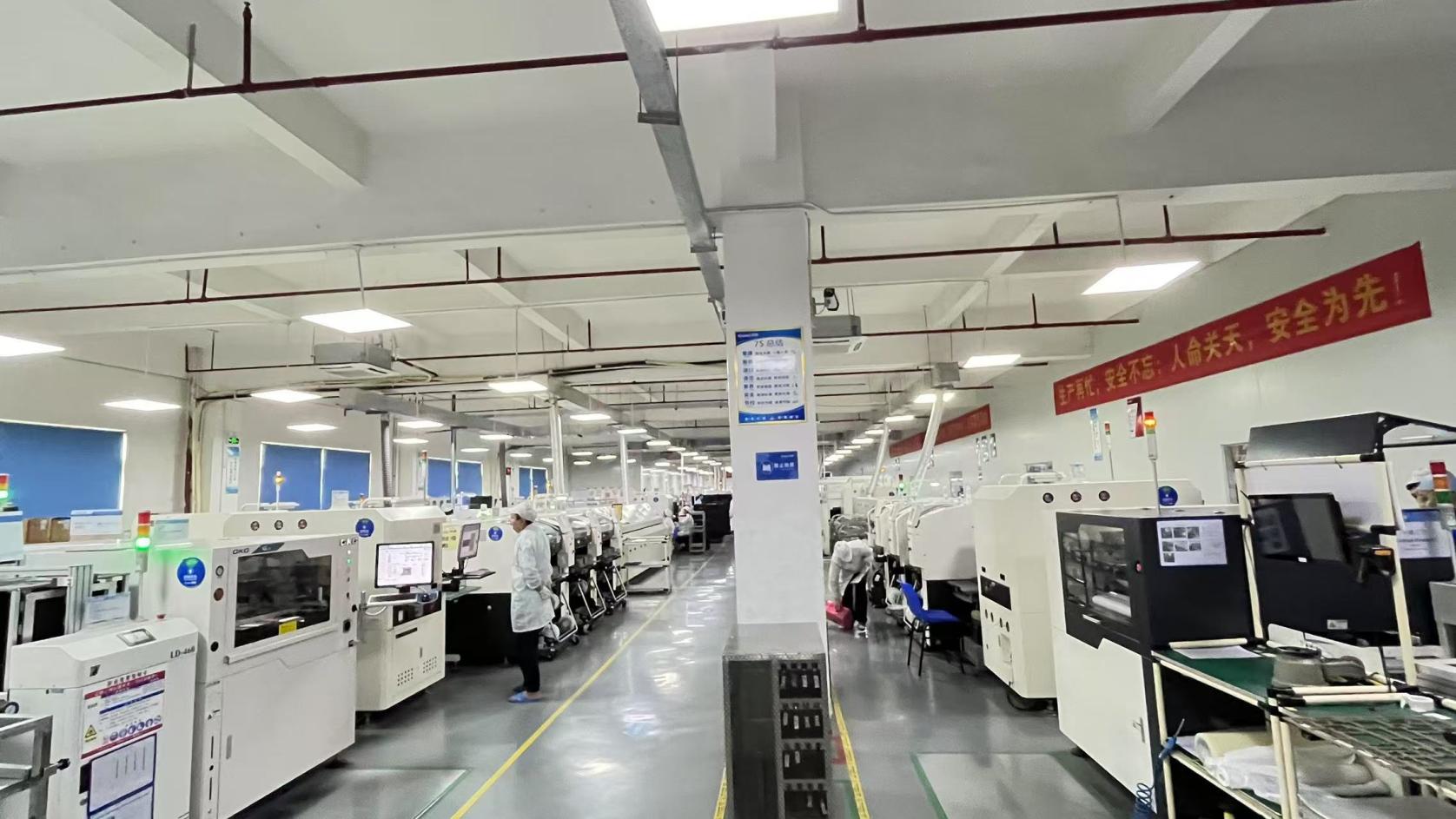
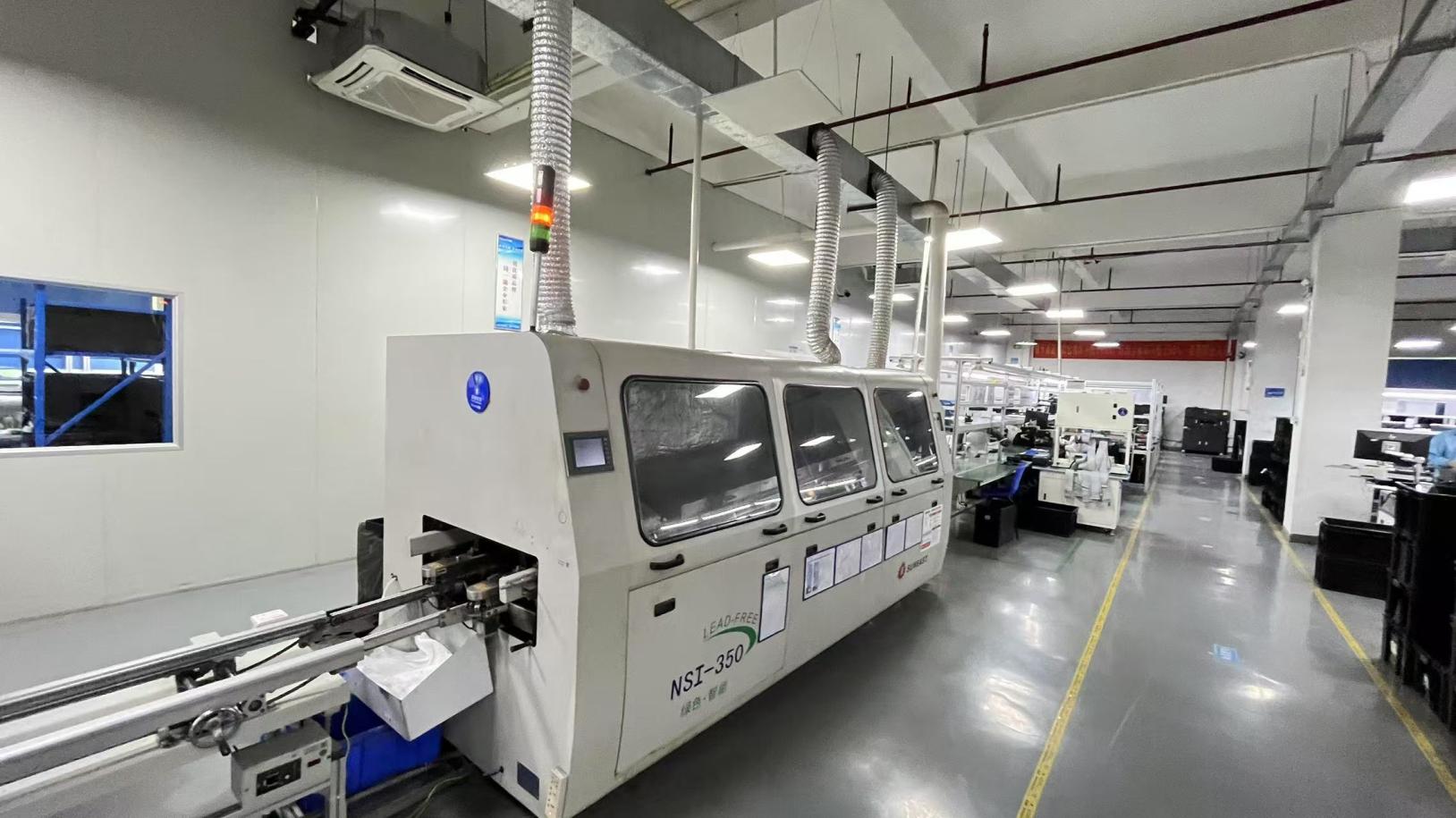
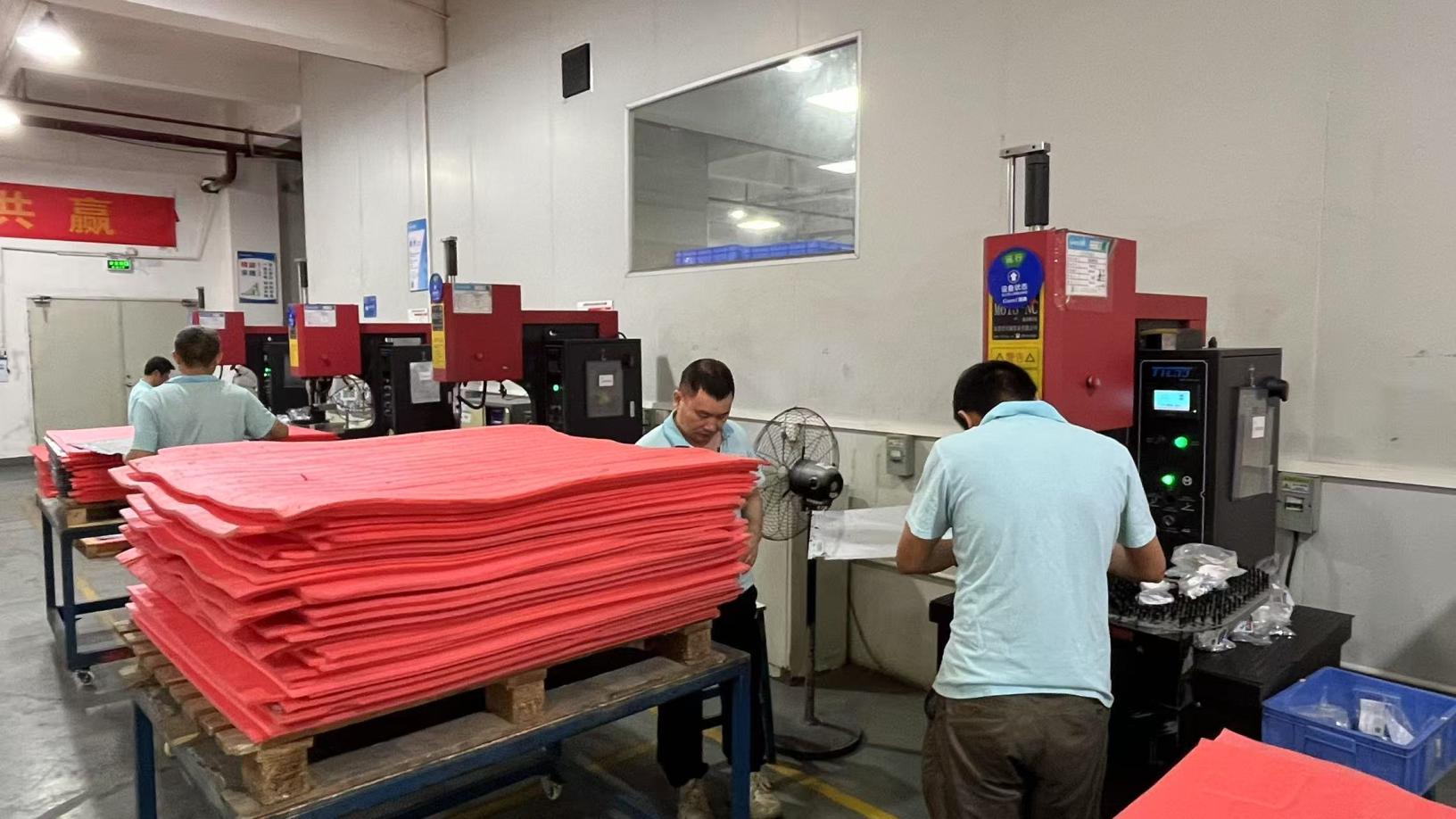
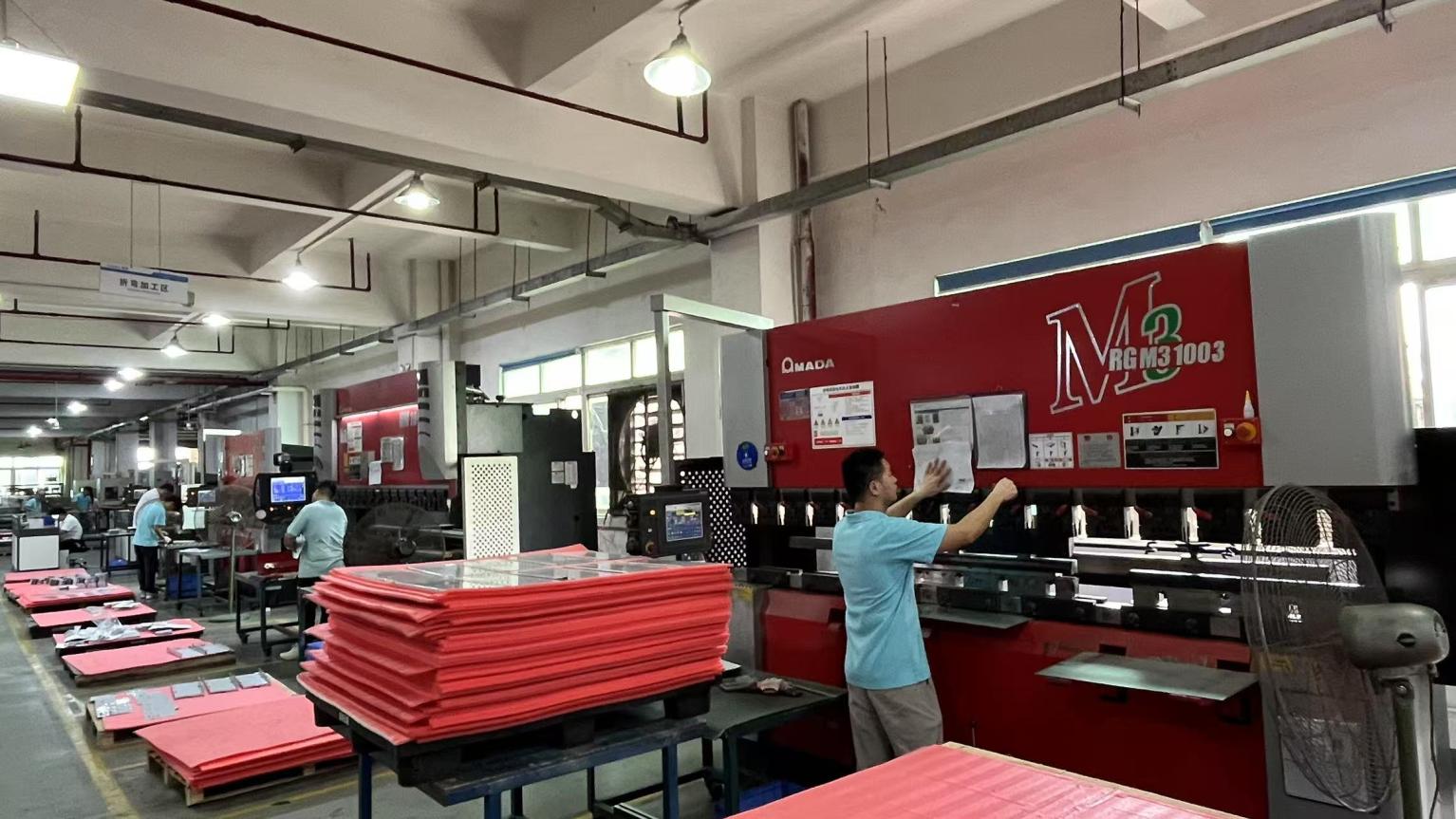
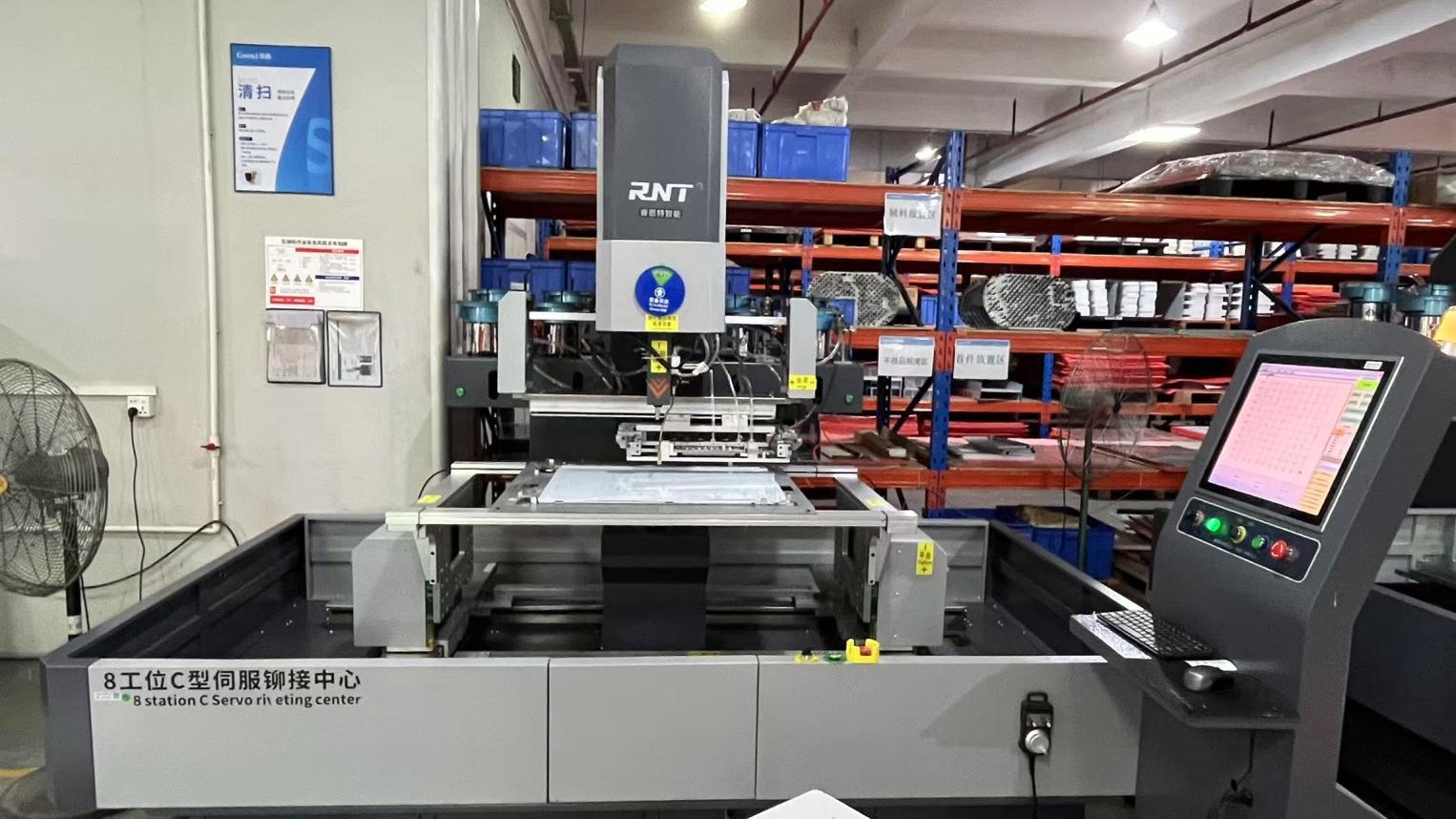
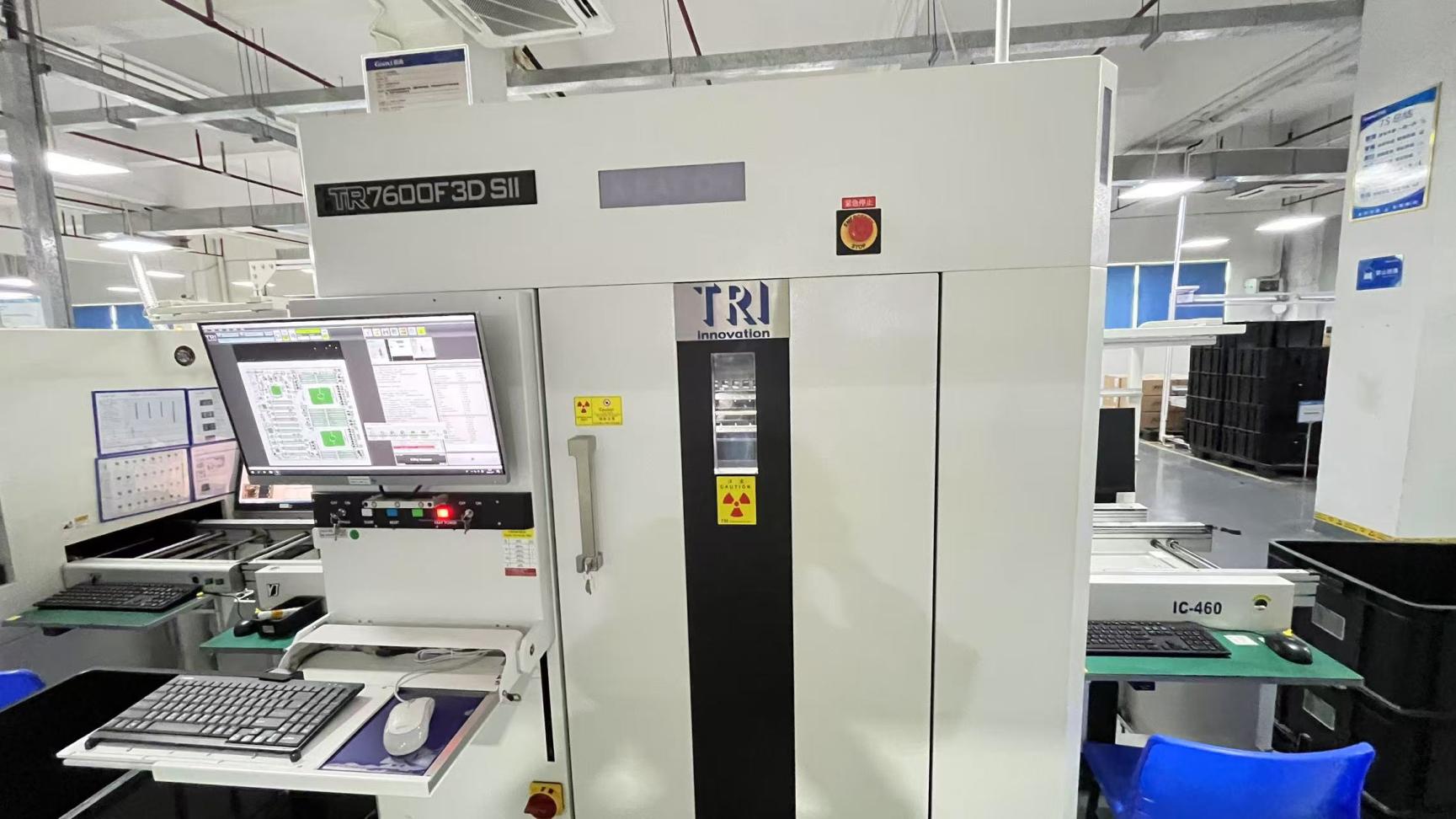
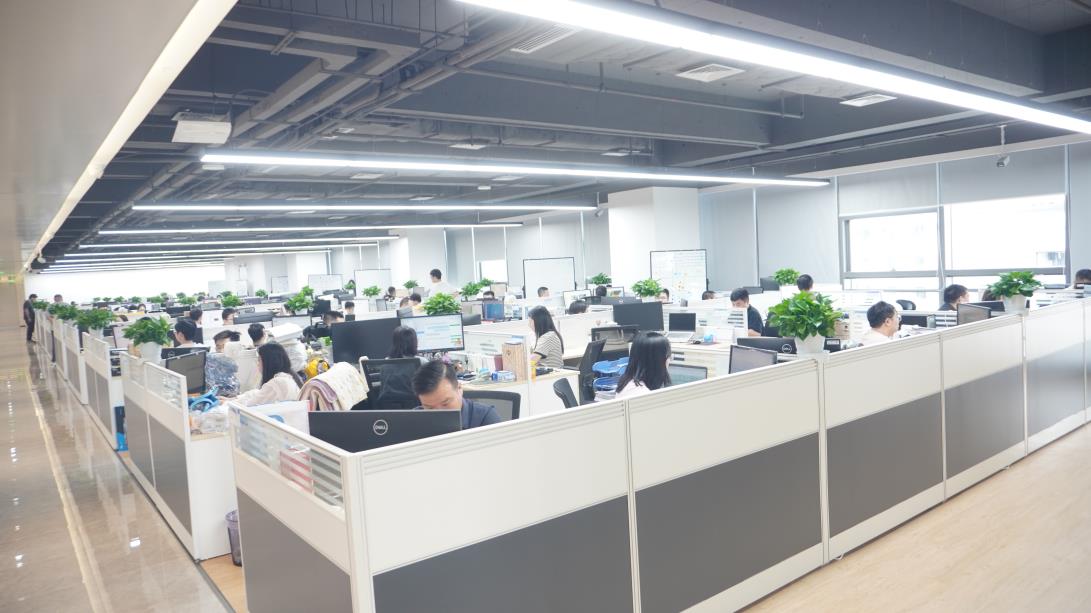
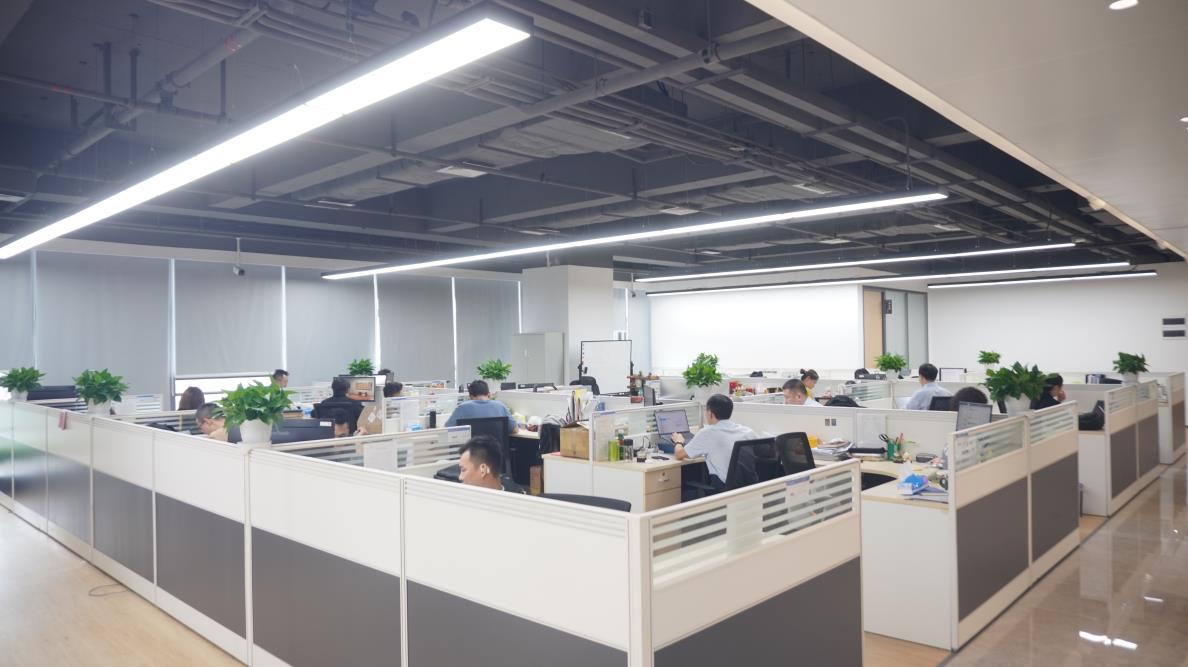
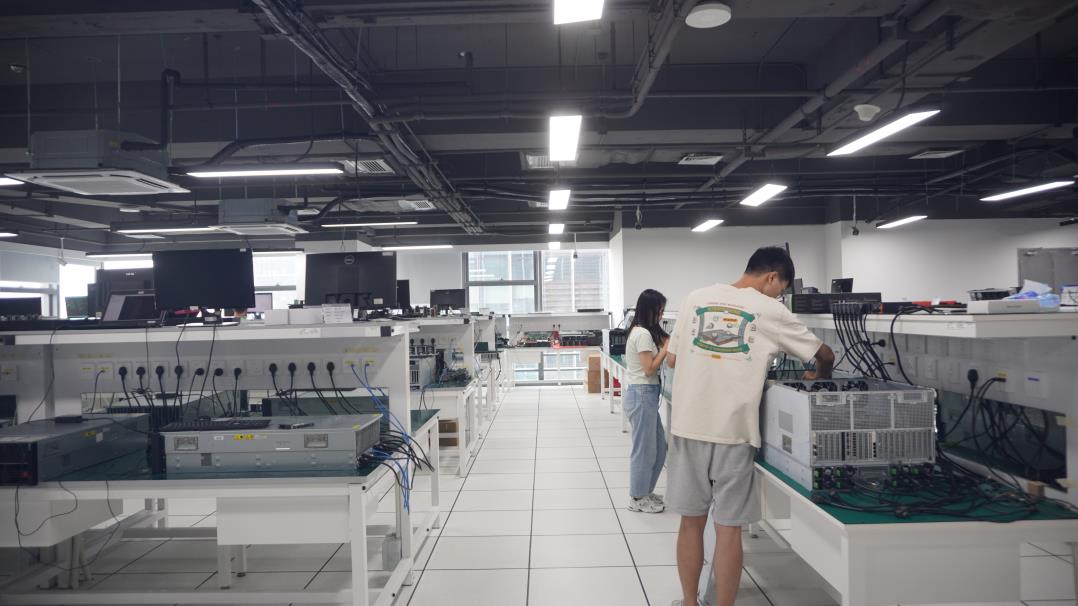
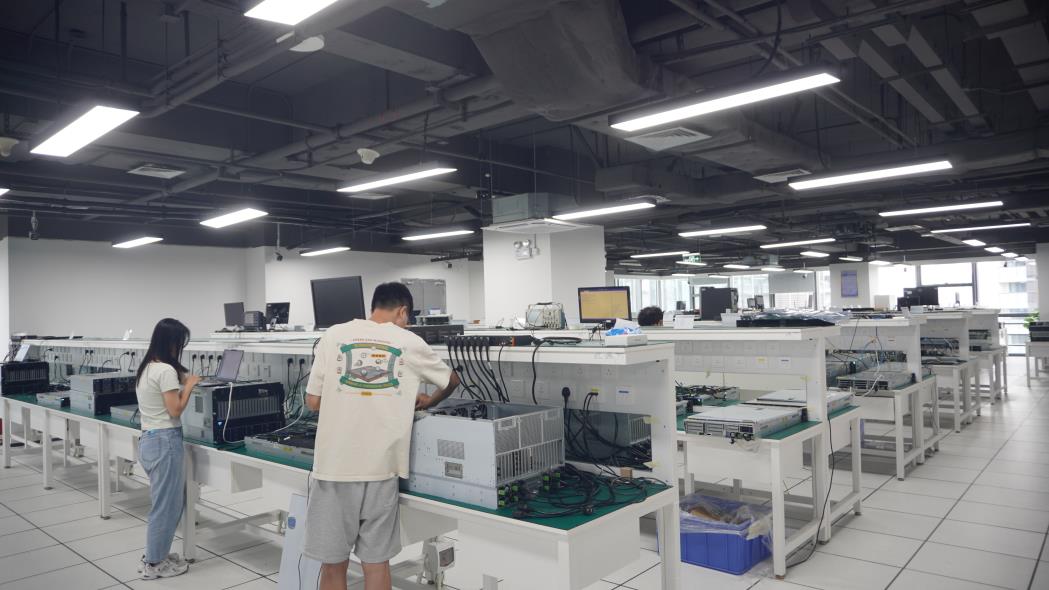
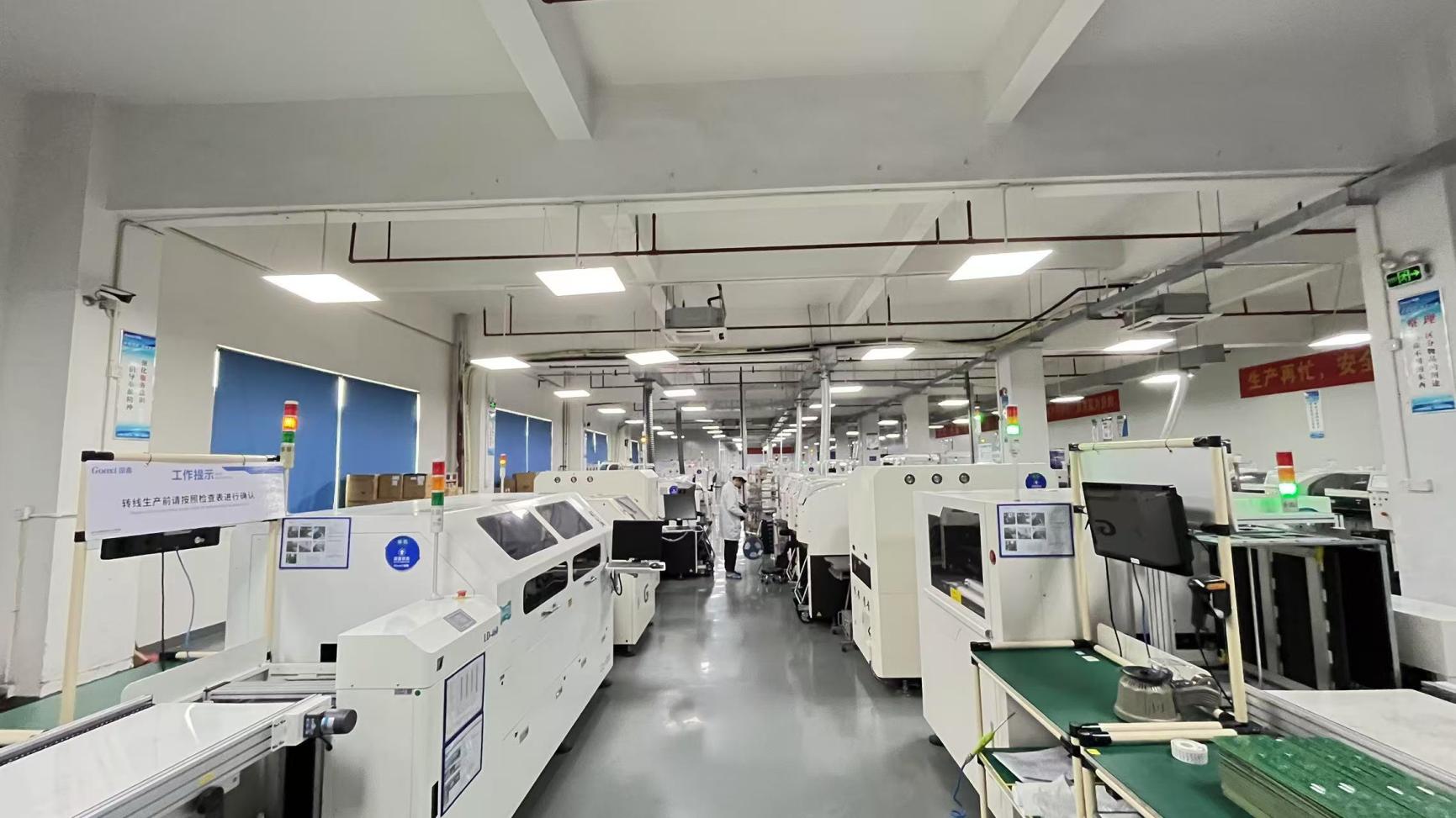
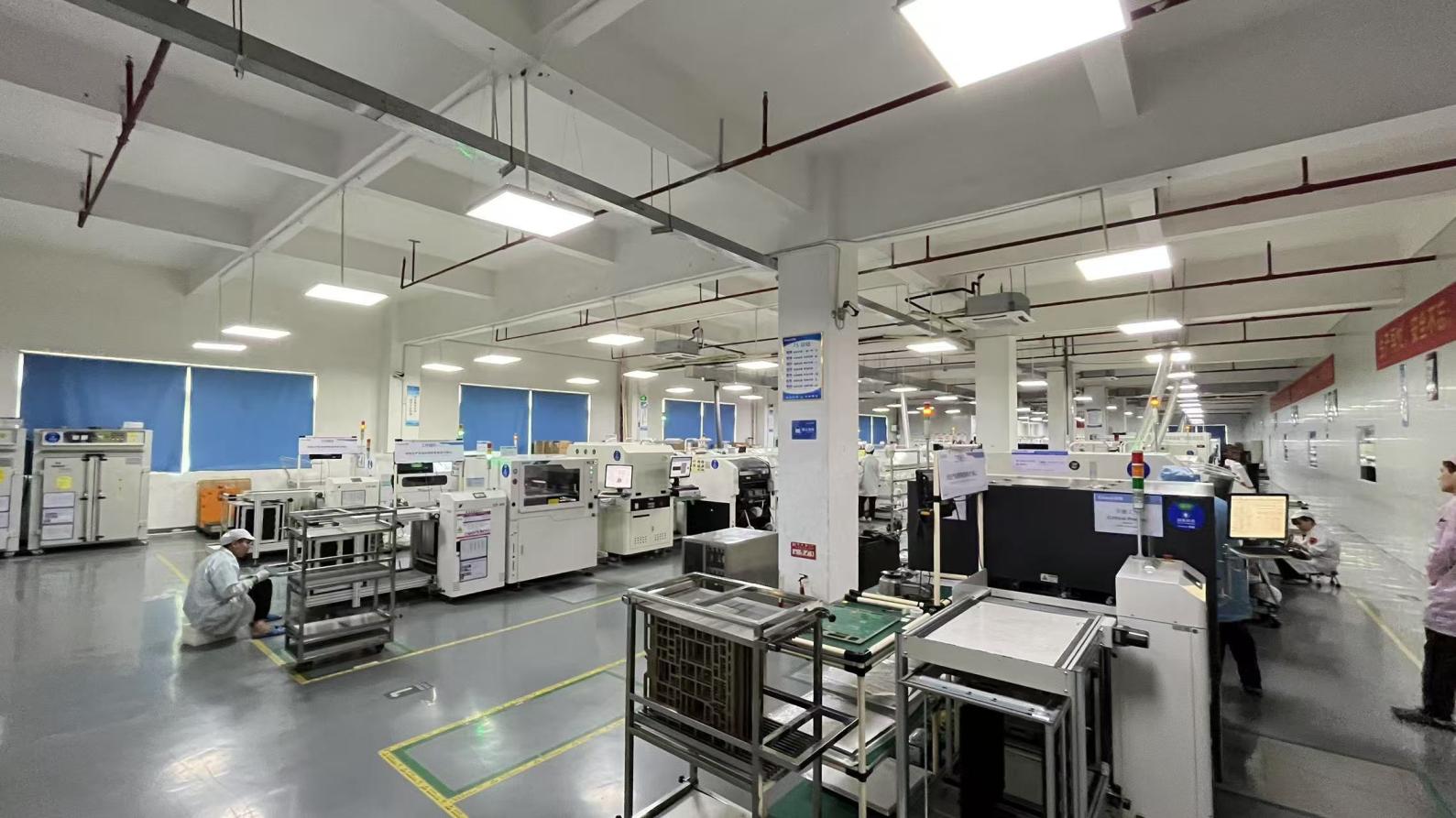
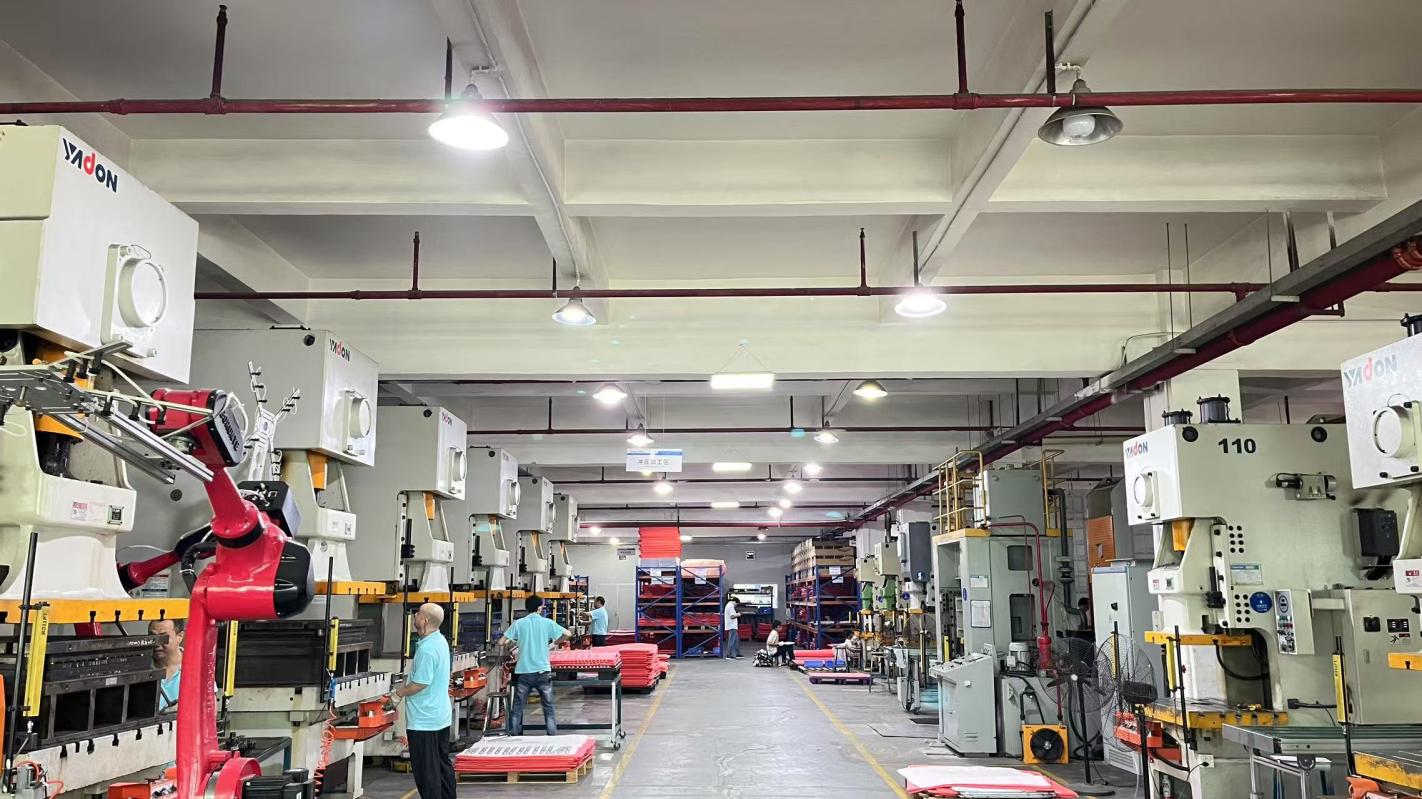
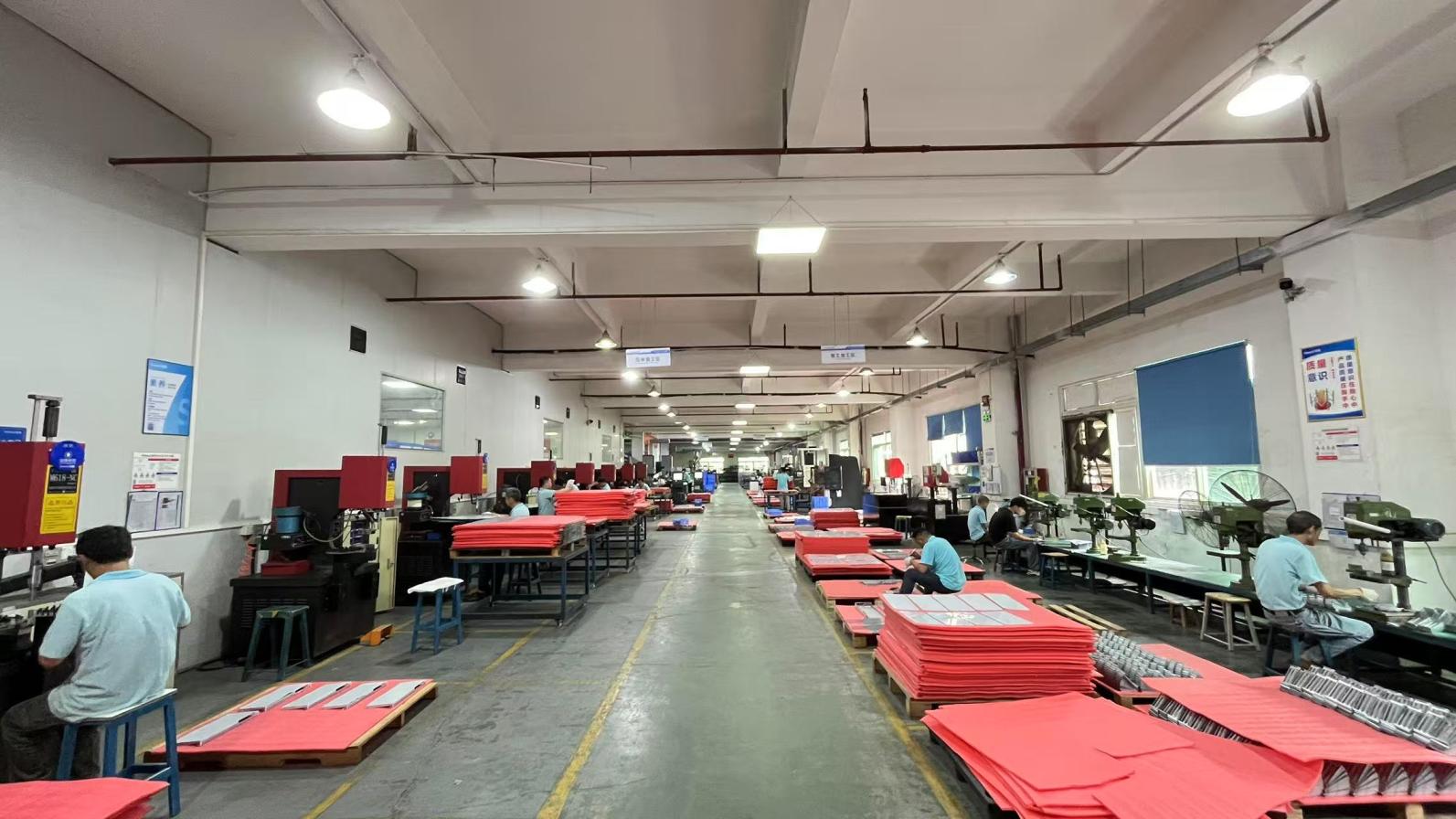
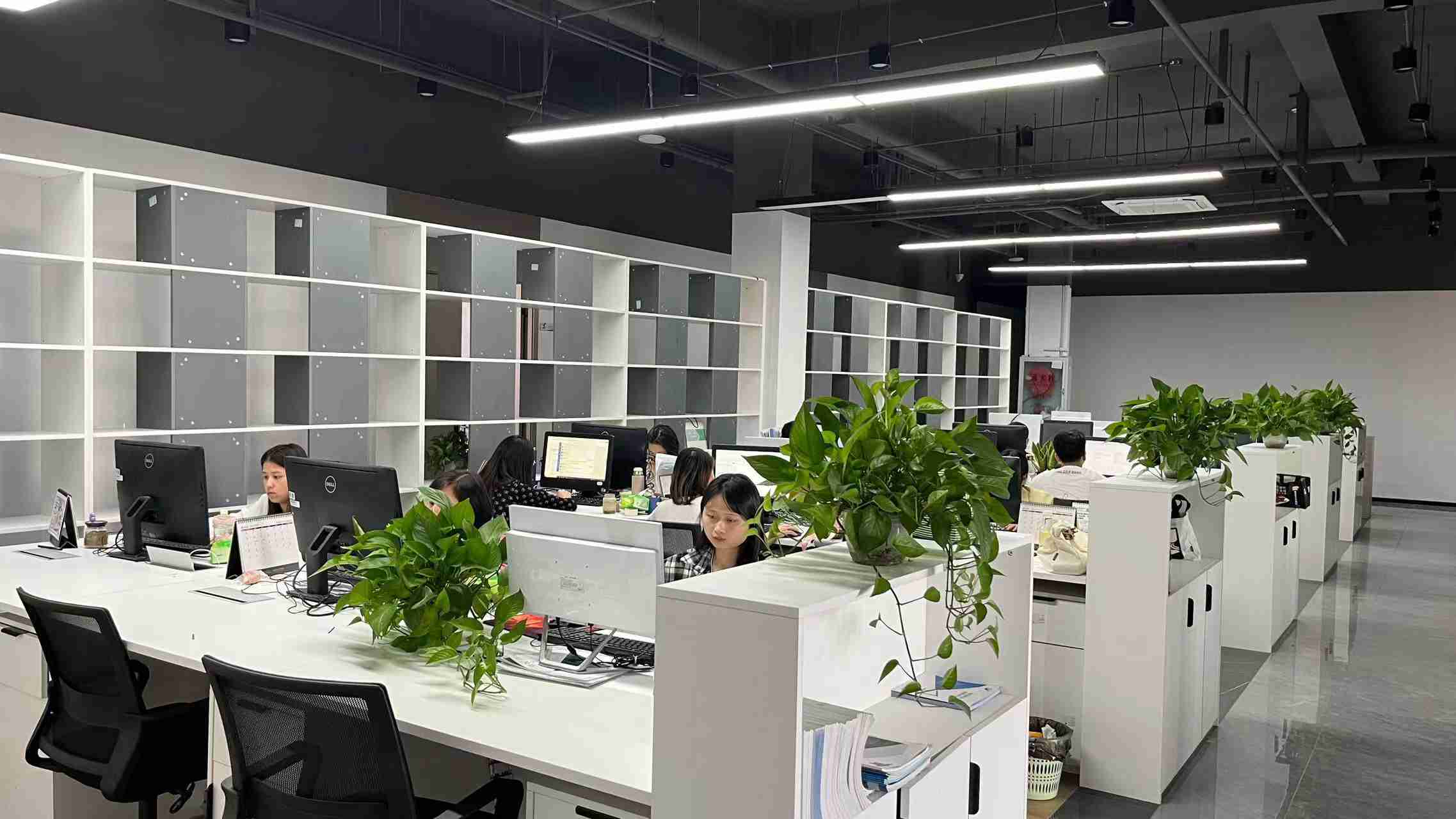
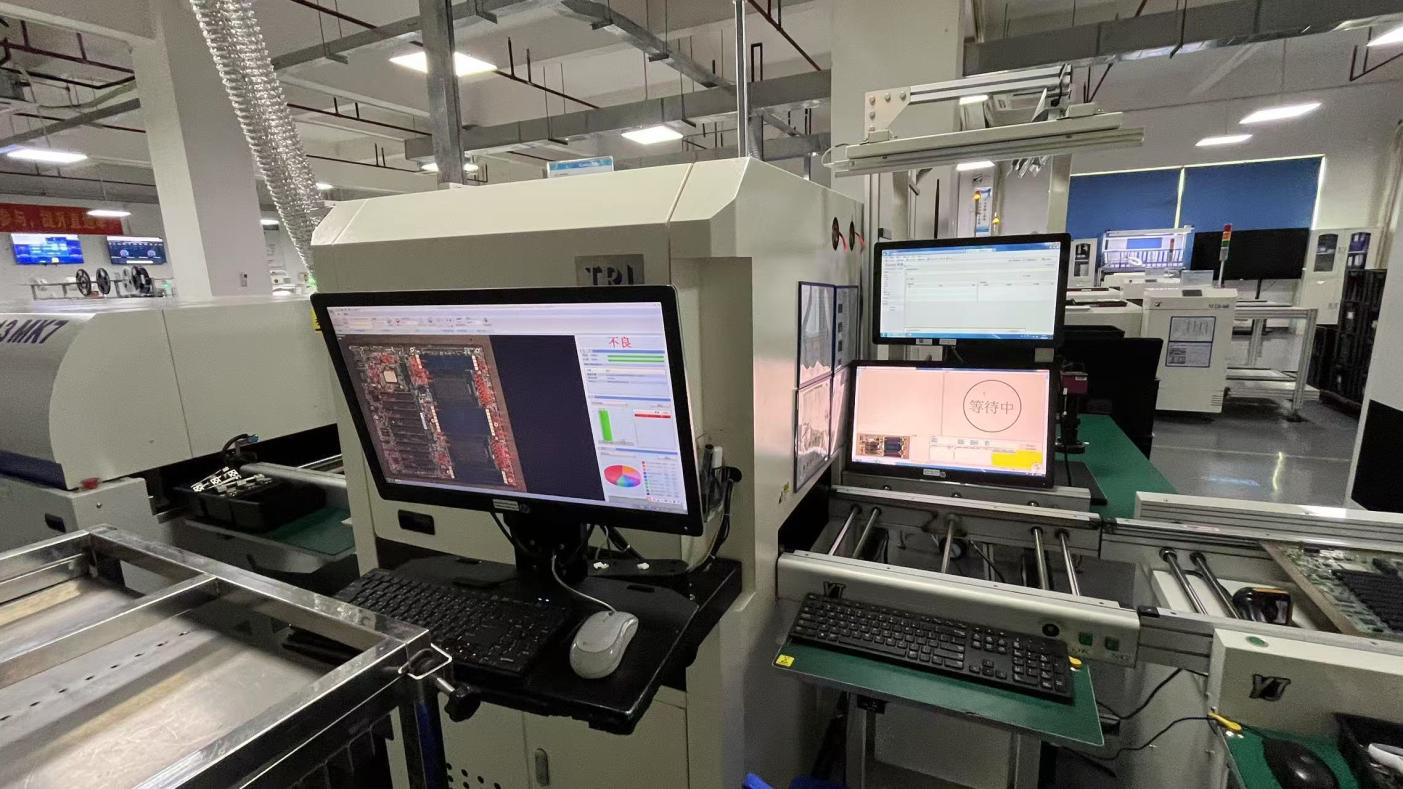
Established in 2016, ZhiCloud AI coordinates structural system design and final integration inside a highly optimized modern production facility covering 320㎡. Our workspace is purpose-configured for micro-assembly, SMT diagnostics, custom chassis metal bending, and comprehensive rack integration tasks. This focused workspace ensures each system meets detailed client structural requirements.
With strong supply networks across global B2B electronics hubs, we maintain secure relationships with over 1,200 strategic material suppliers. This secure supply chain ensures reliable access to high-demand semiconductors, original components, and custom-molded parts. We deliver predictable manufacturing timelines and robust system configuration consistency for global operations.
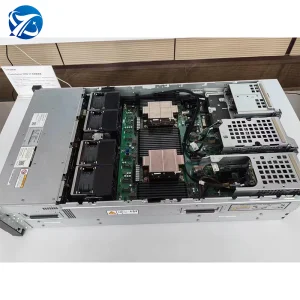
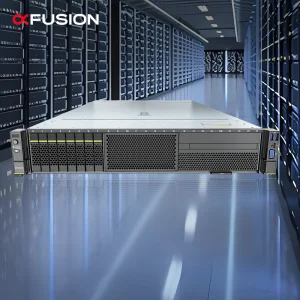
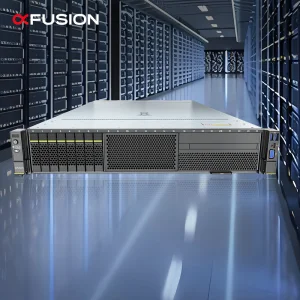
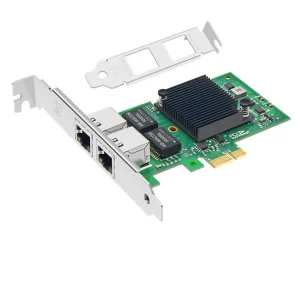
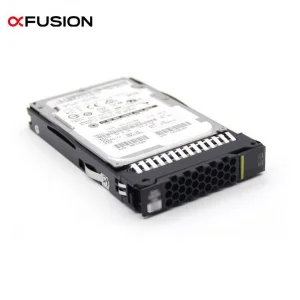
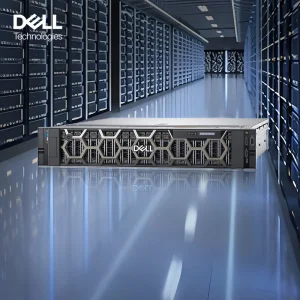
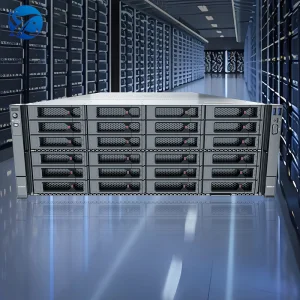
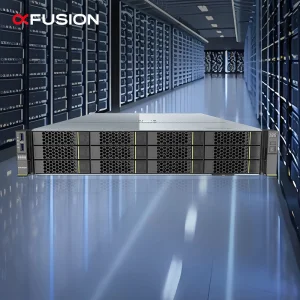
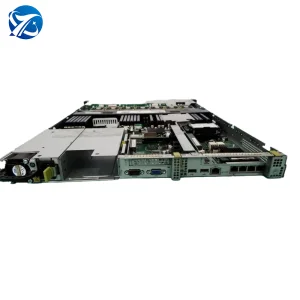
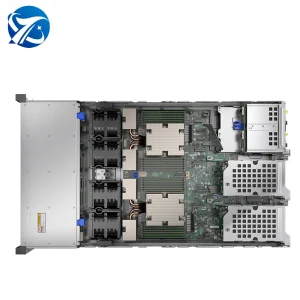
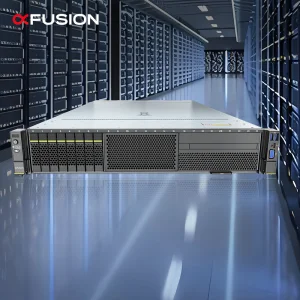
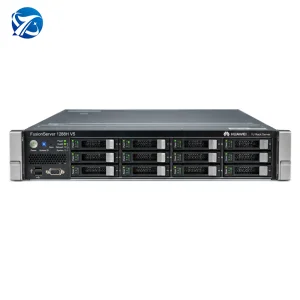
Explore our curated selection of high-performance server options. Engineered to support massive parallel processing workloads, AI model inference, and intensive deep learning operations.
In next-generation high-density computing, User Experience Design (UXD) extends far beyond software interfaces. For structural engineers and data center managers, the physical design of server systems represents a critical operating parameter. Our design approach considers how field engineers interact with hardware under active data center constraints.
Physical UX design focuses directly on reducing Mean Time to Repair (MTTR). By implementing toolless mechanical chassis brackets, intuitive color-coded latch hot-swap points, and logical cable pathways, we help minimize technician errors during emergency maintenance. Correctly aligned component access channels ensure quick updates with minimal risk to adjacent system elements.
Thermal structural UX represents another key design pillar. High-density GPU configurations generate significant thermal output that requires careful system layouts. Our engineering process utilizes sophisticated computational fluid dynamics (CFD) to optimize chassis airflow zones, minimize internal air eddies, and strategically position high-draw computing chips relative to targeted cool air channels.
This thermal layout design translates to practical efficiency benefits. Improved thermal airflow reduces the power needed for cooling fans, leading to lower operating noise and reduced overall Power Usage Effectiveness (PUE) at the facility level. This hardware design focus ensures performance reliability while lowering overall facility operations costs.
Features tool-free component chassis entry, hot-swappable fans, slide-out rails, and clear visual indicators. These details streamline component swaps and prevent service disruption during routine hardware checks.
Chassis designs incorporate soft rubber isolation mounts at fan nodes to absorb vibration. This design choice prevents signal disruption across high-frequency storage drives and extends structural component life.
Uses integrated LED health dashboards and clean rear port groupings for quick status monitoring. Technicians can rapidly verify subsystem state parameters without needing remote system queries.
China’s manufacturing ecosystem, centered in the Shenzhen industrial region, offers unique advantages for custom high-performance server construction. The close proximity of components suppliers, SMT assembly plants, and specialized metal fabricators enables rapid design prototyping and development cycles.
What takes months elsewhere is accomplished in days here. Our engineering teams can draft a specialized chassis concept, run structural thermal simulations, machine custom steel prototypes, assemble the circuit boards, and initiate stress testing in a unified workflow. This fast execution helps global clients bring custom hardware concepts to market quickly.
Our manufacturing processes leverage this regional efficiency to deliver tailored structural modifications. Clients can request modified drive bays, unique power distributions, or custom liquid cooling channels, supported by stable regional components supply and experienced production planning.
Direct integration with nearby silicon, memory, power controller, and structural connector plants, securing reliable access to critical raw components.
Flexible assembly configurations that support custom batch orders for specialized research workloads as well as large-scale deployments for regional datacenters.
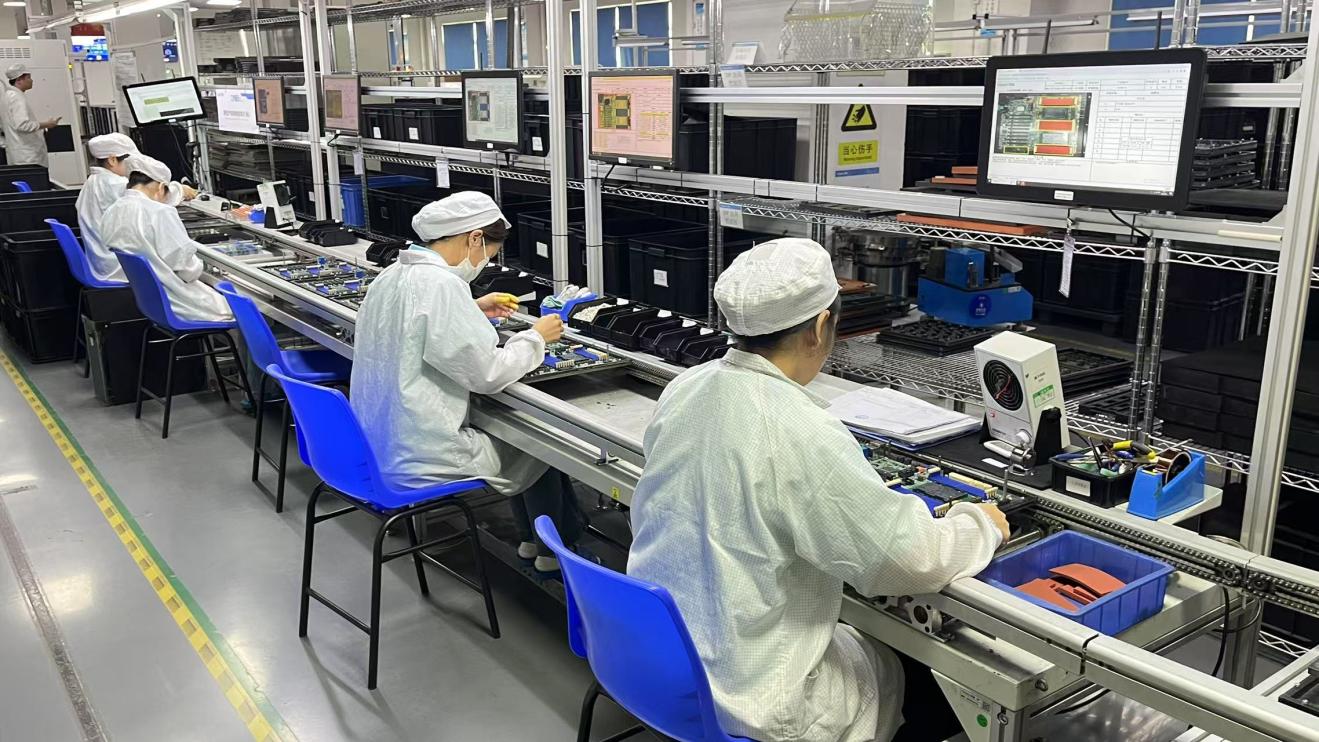
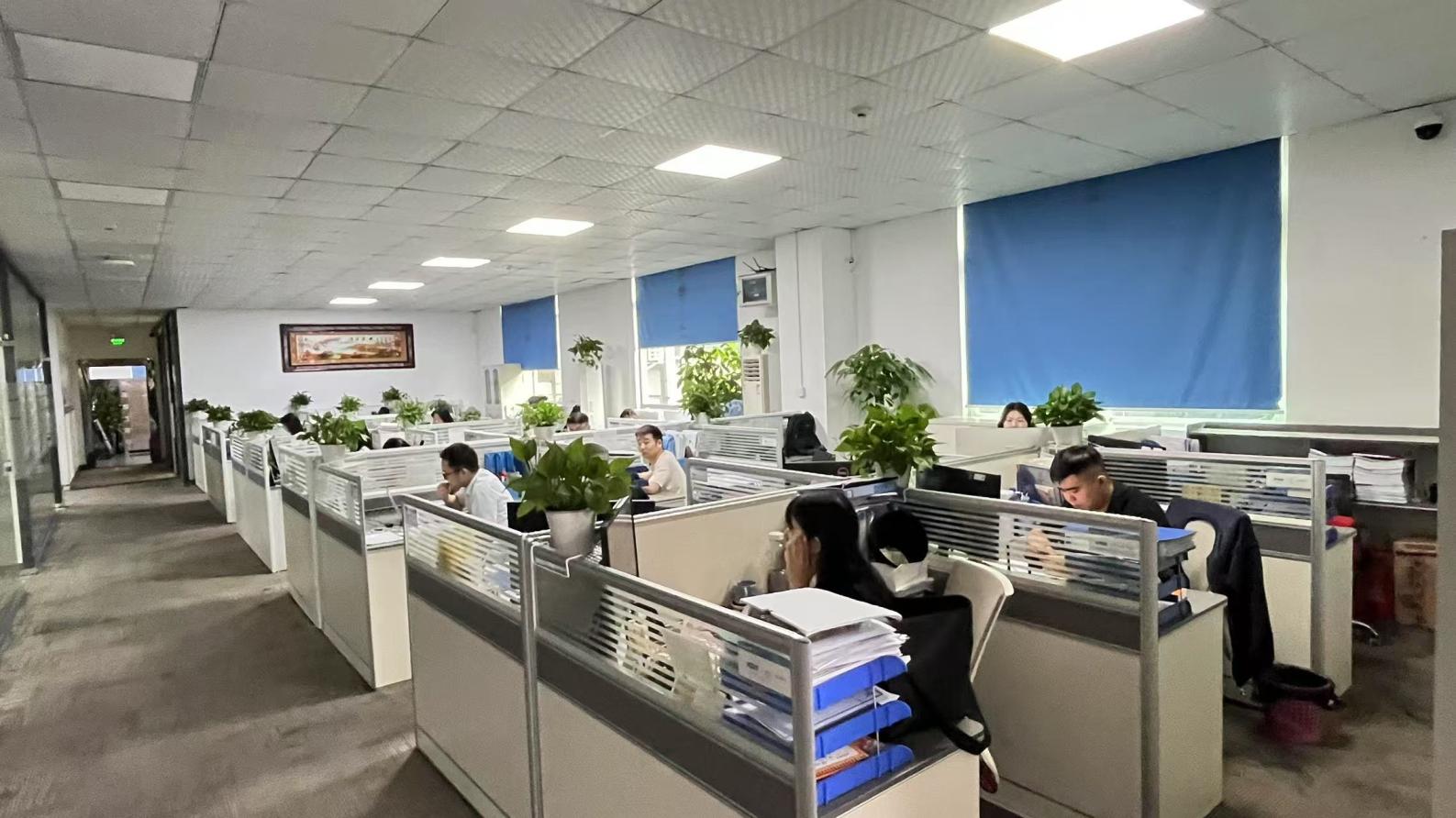
Highly trained manufacturing and diagnostic staff specializing in multi-layer PCB layout routing, thermal welding, and high-frequency signal testing.
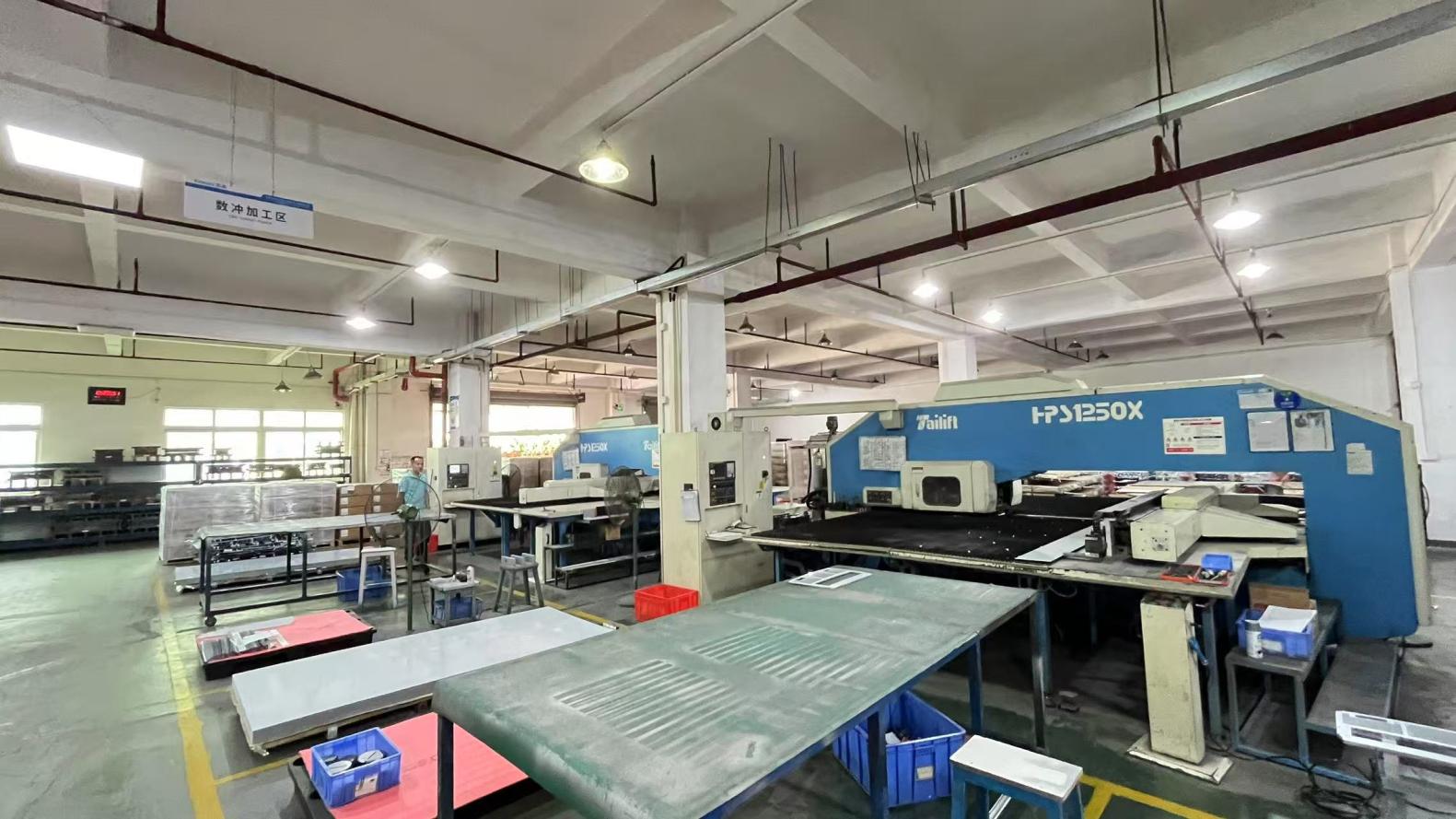
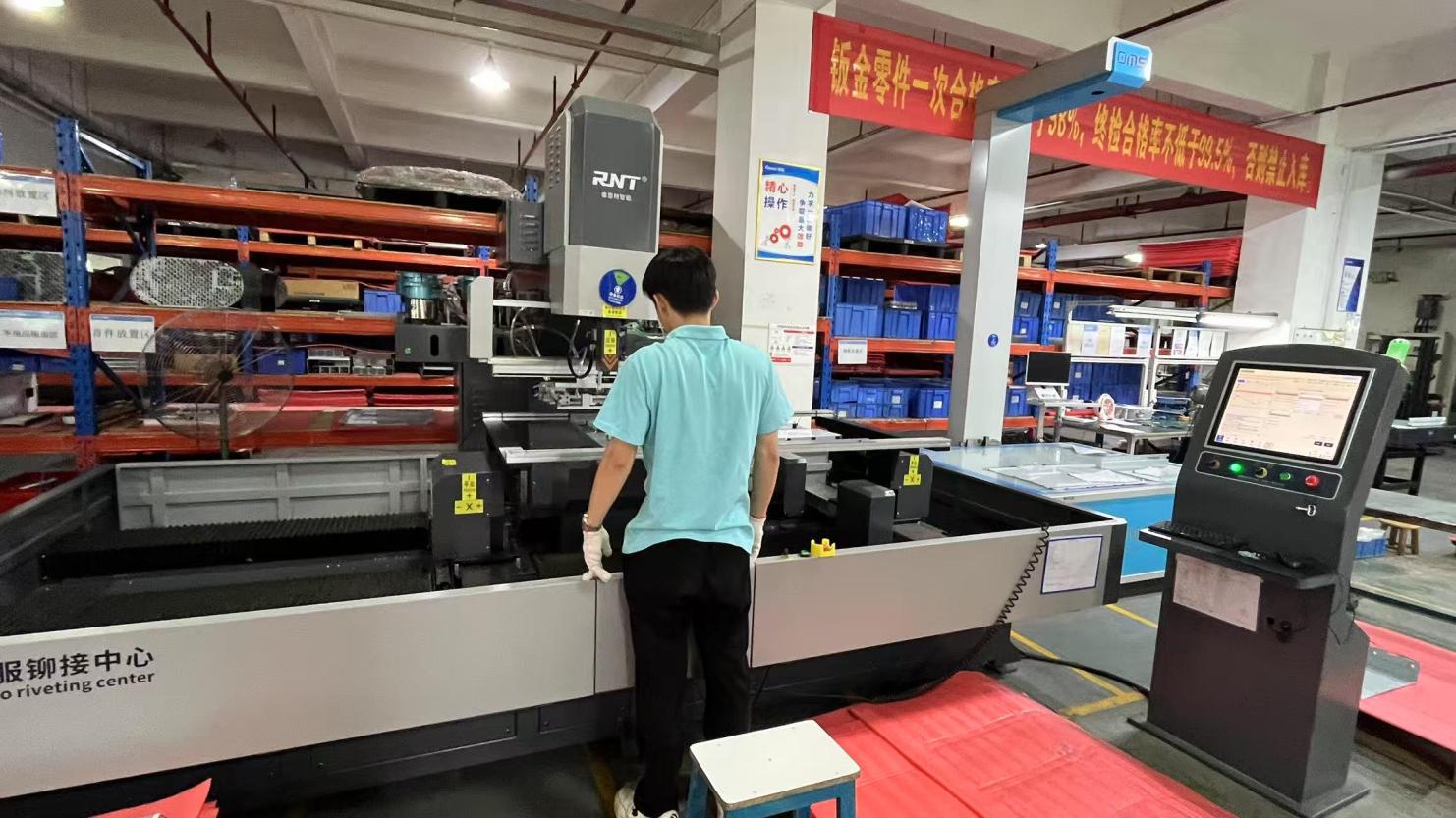
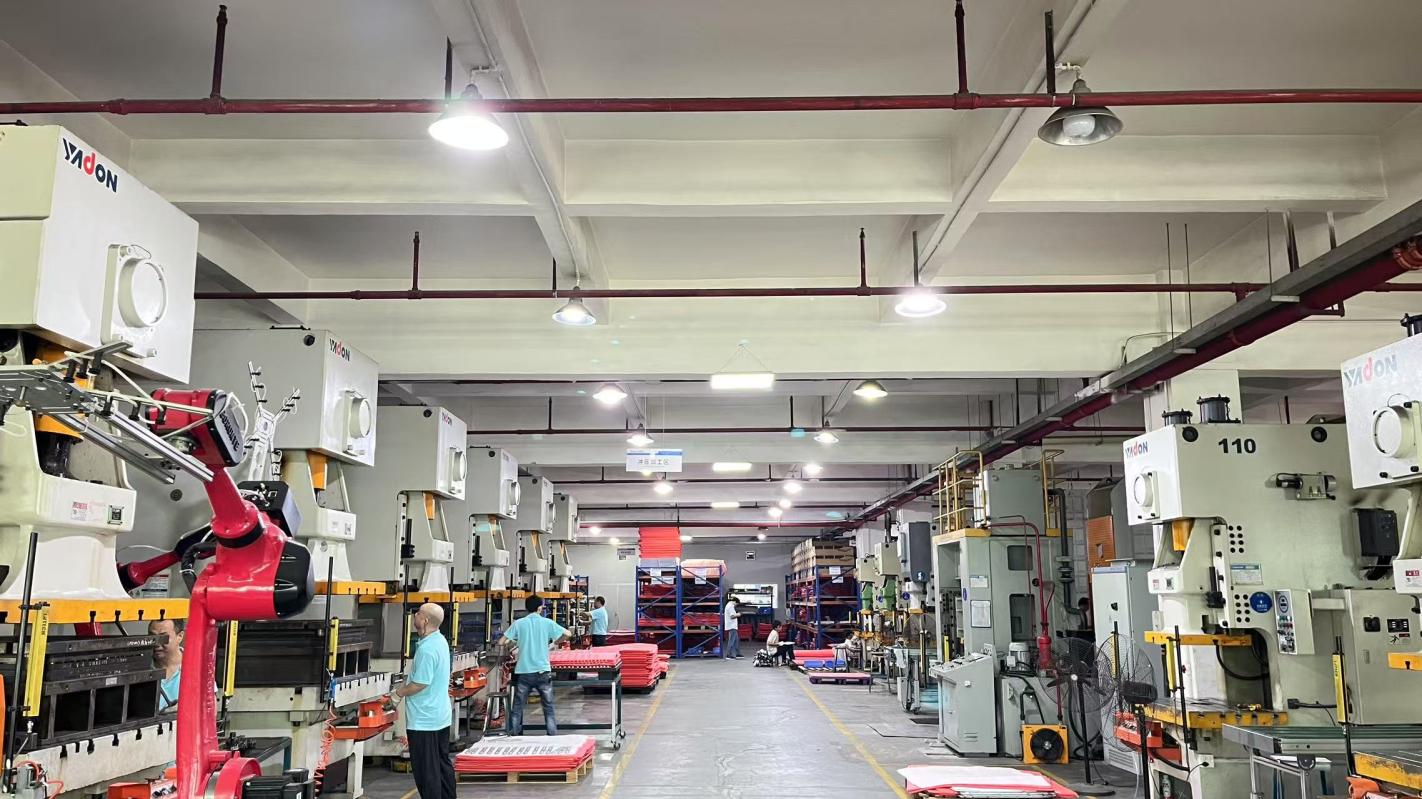
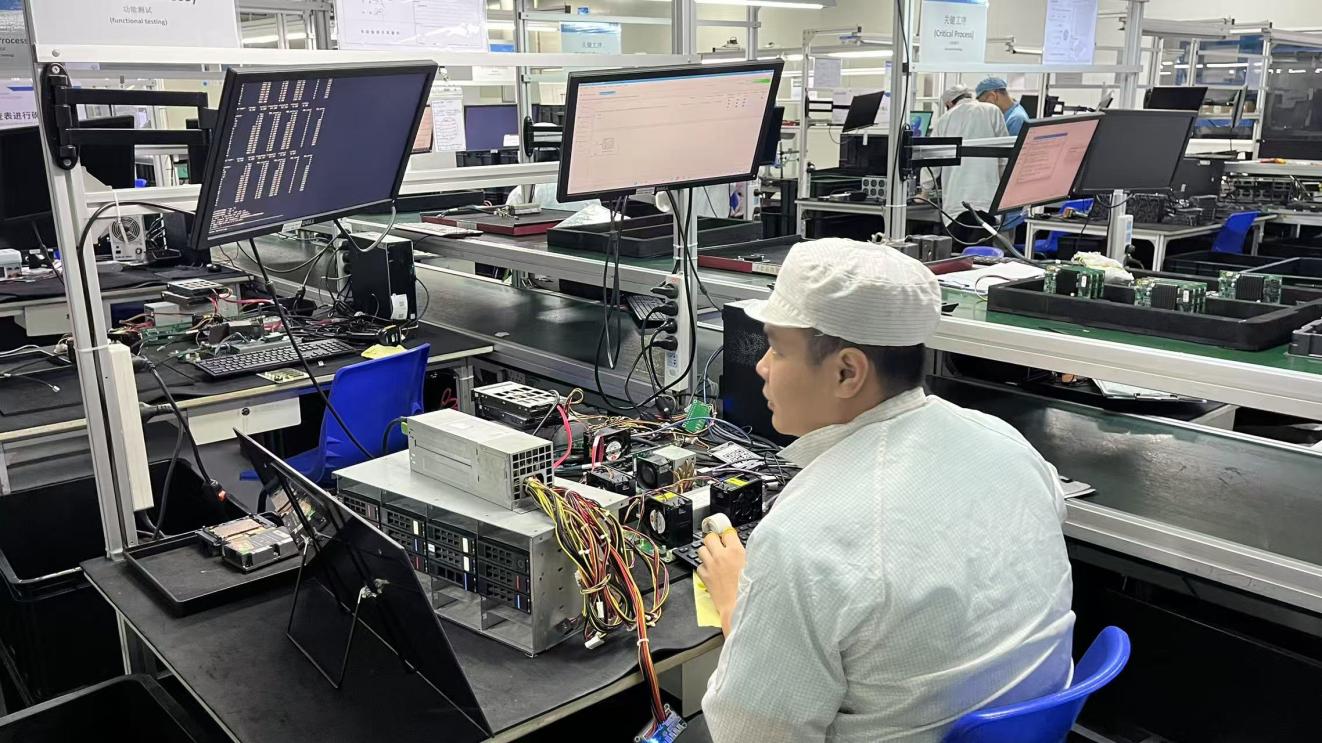
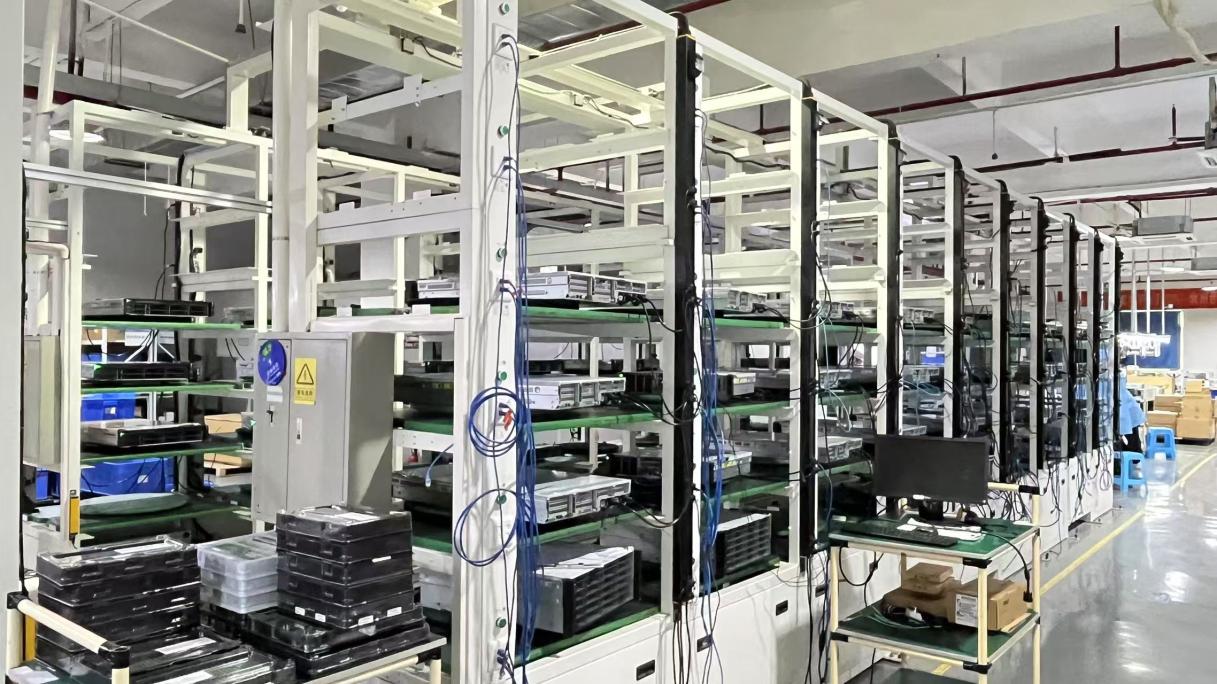
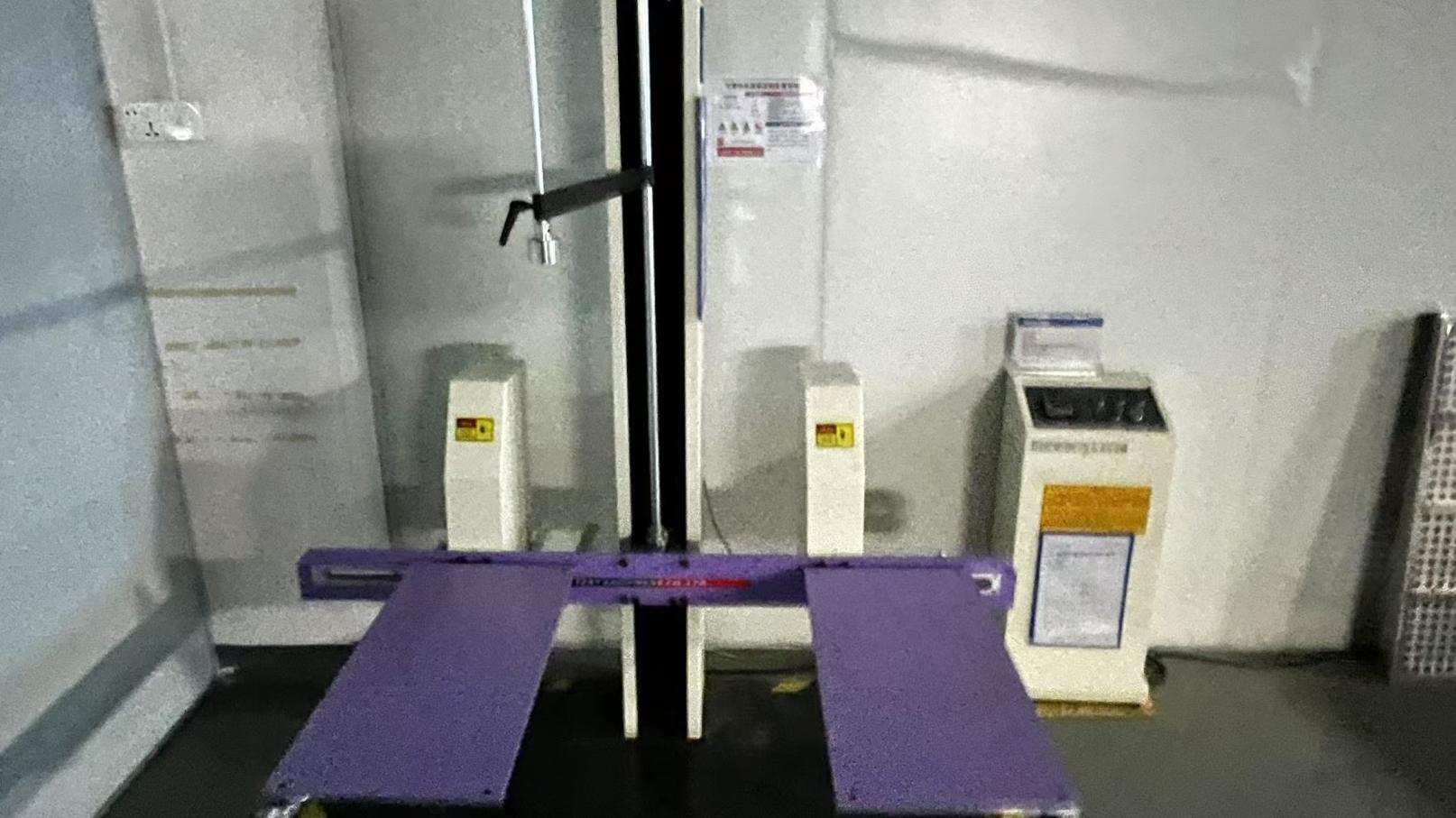
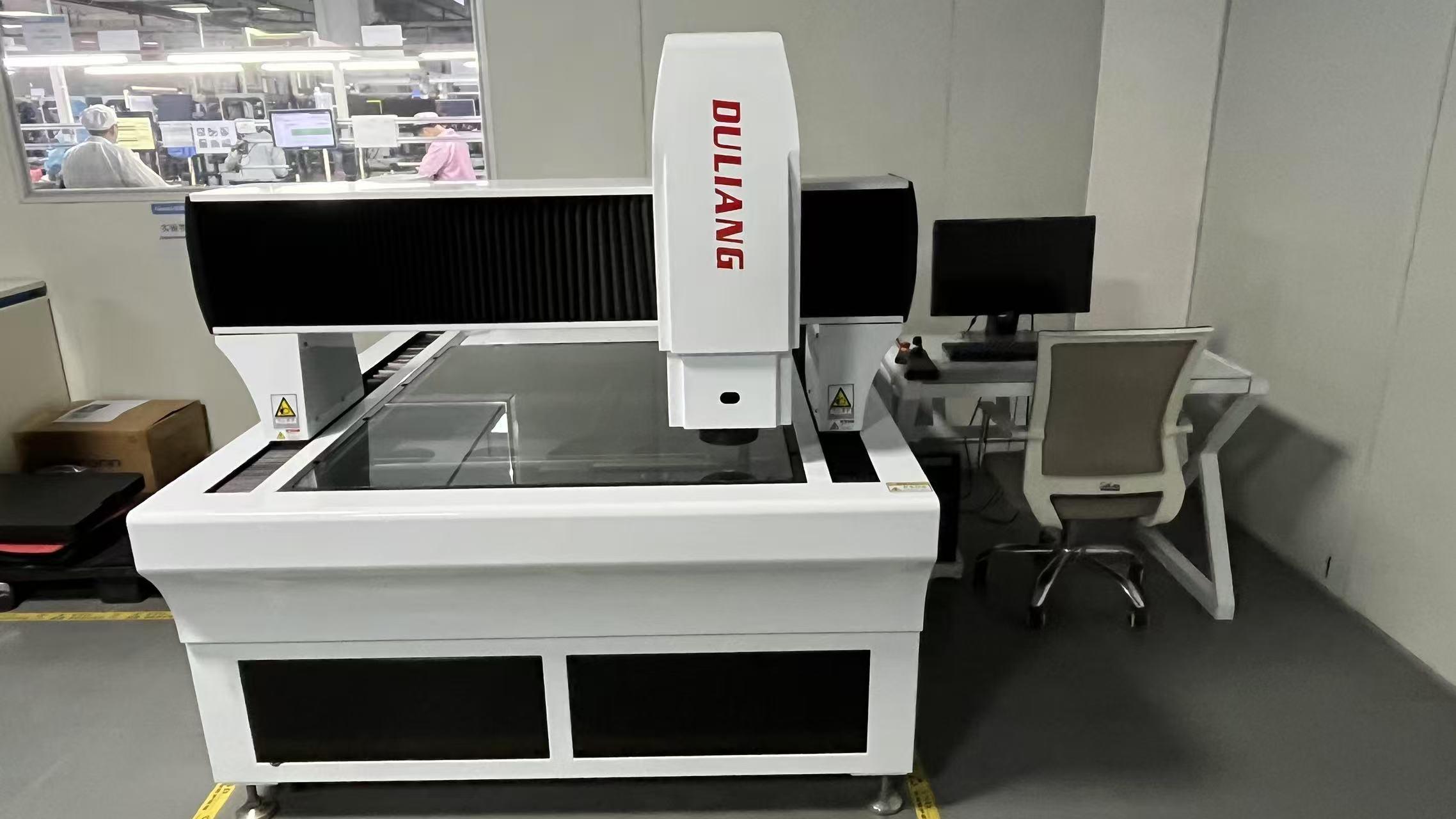
We trace production parameters through an end-to-end quality framework. From metal cutting to high-temperature aging chambers, every manufacturing step is logged and verified.

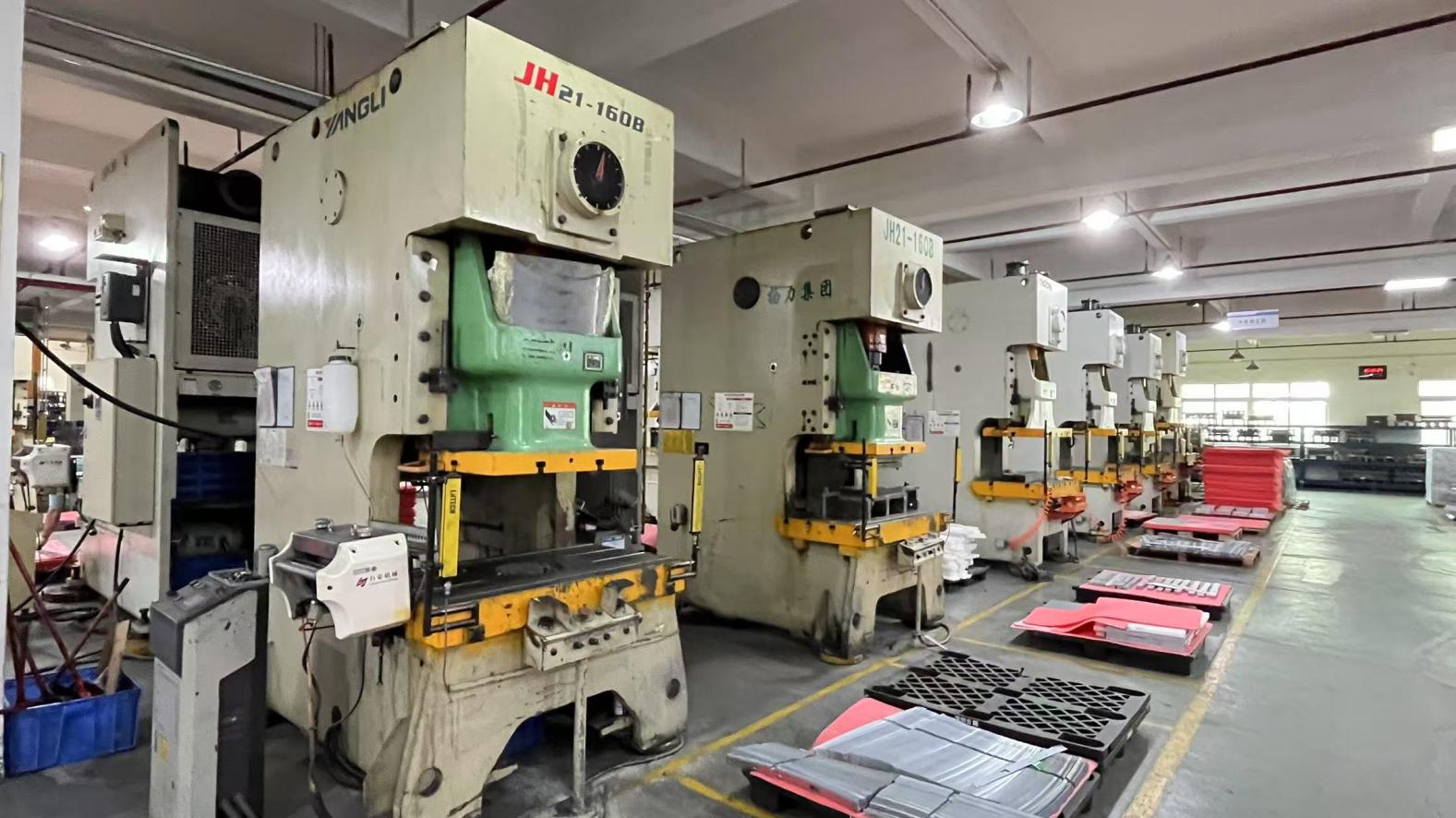
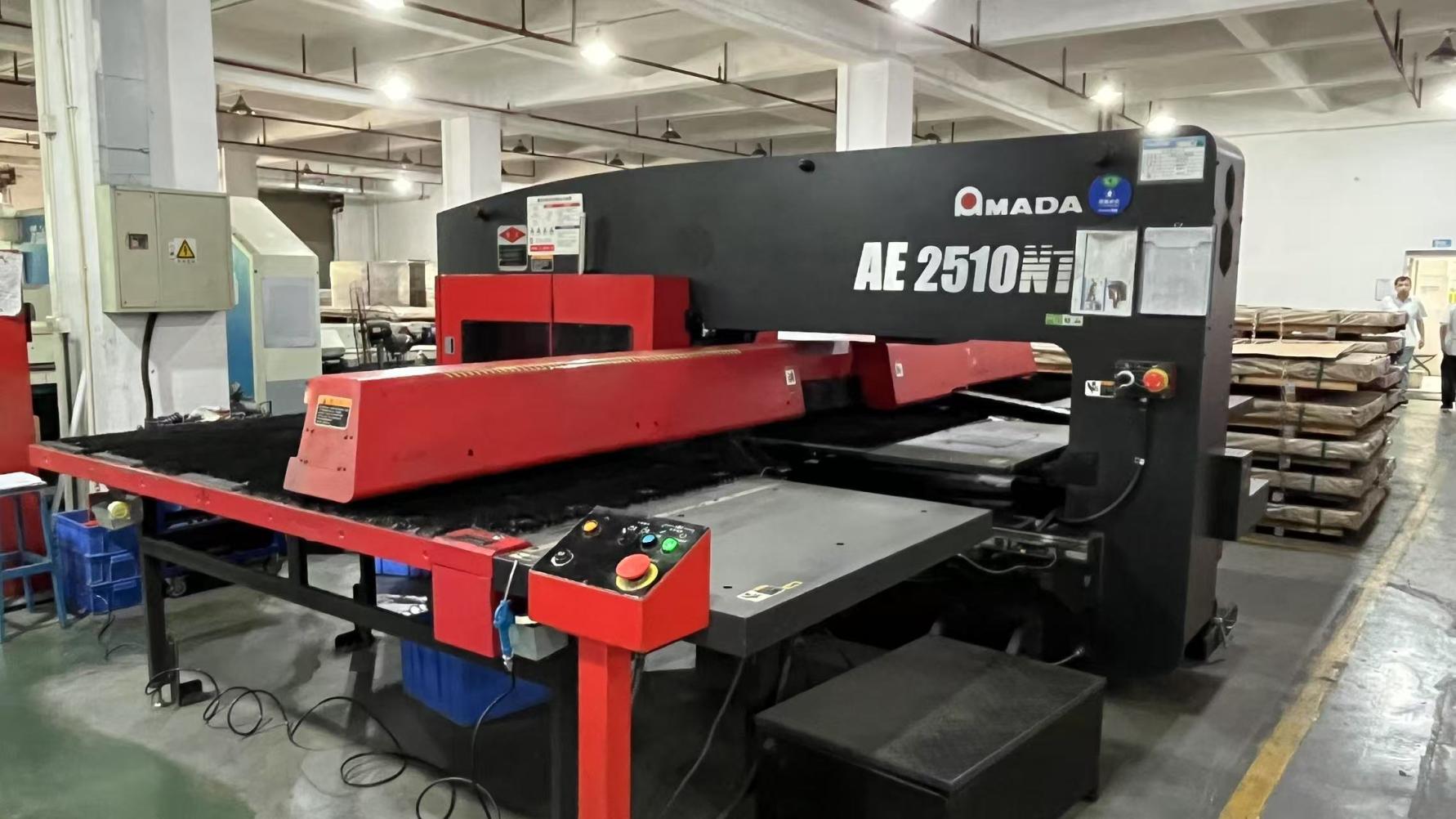
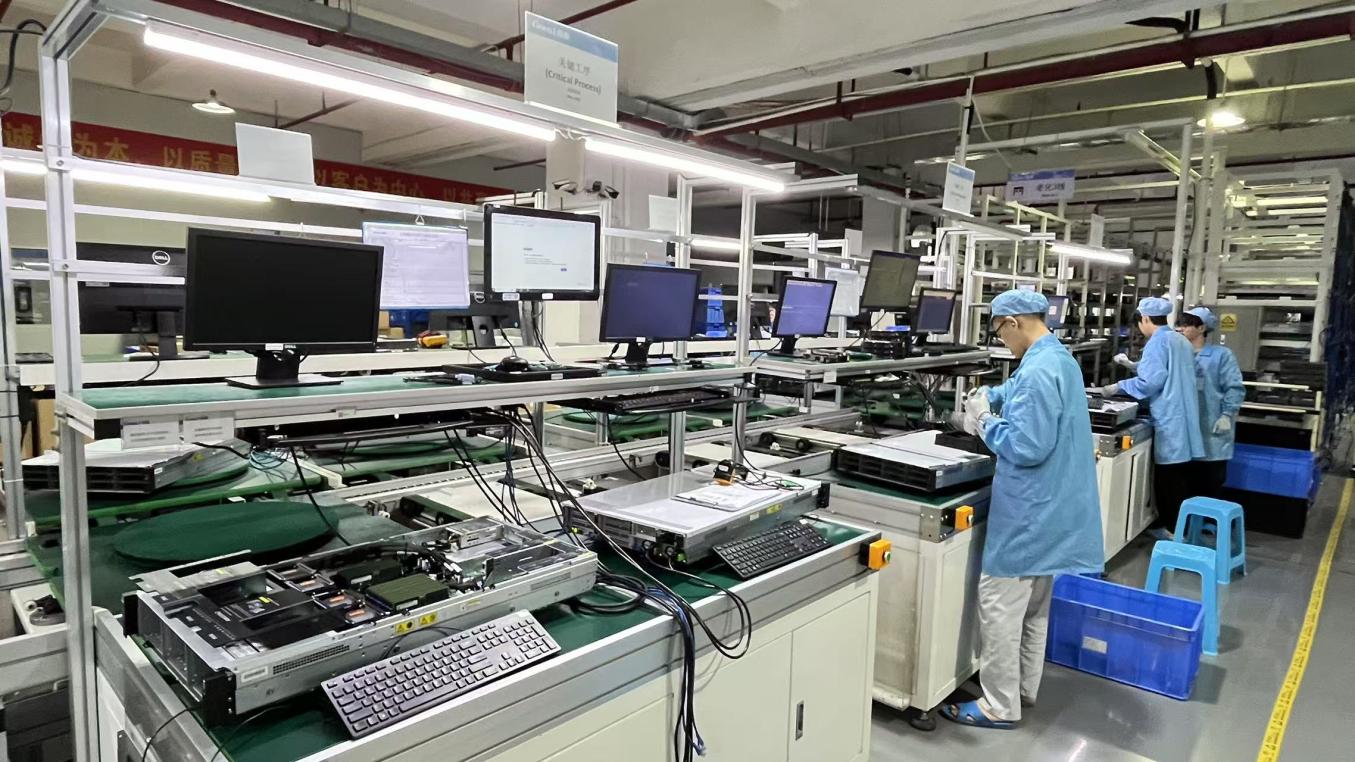
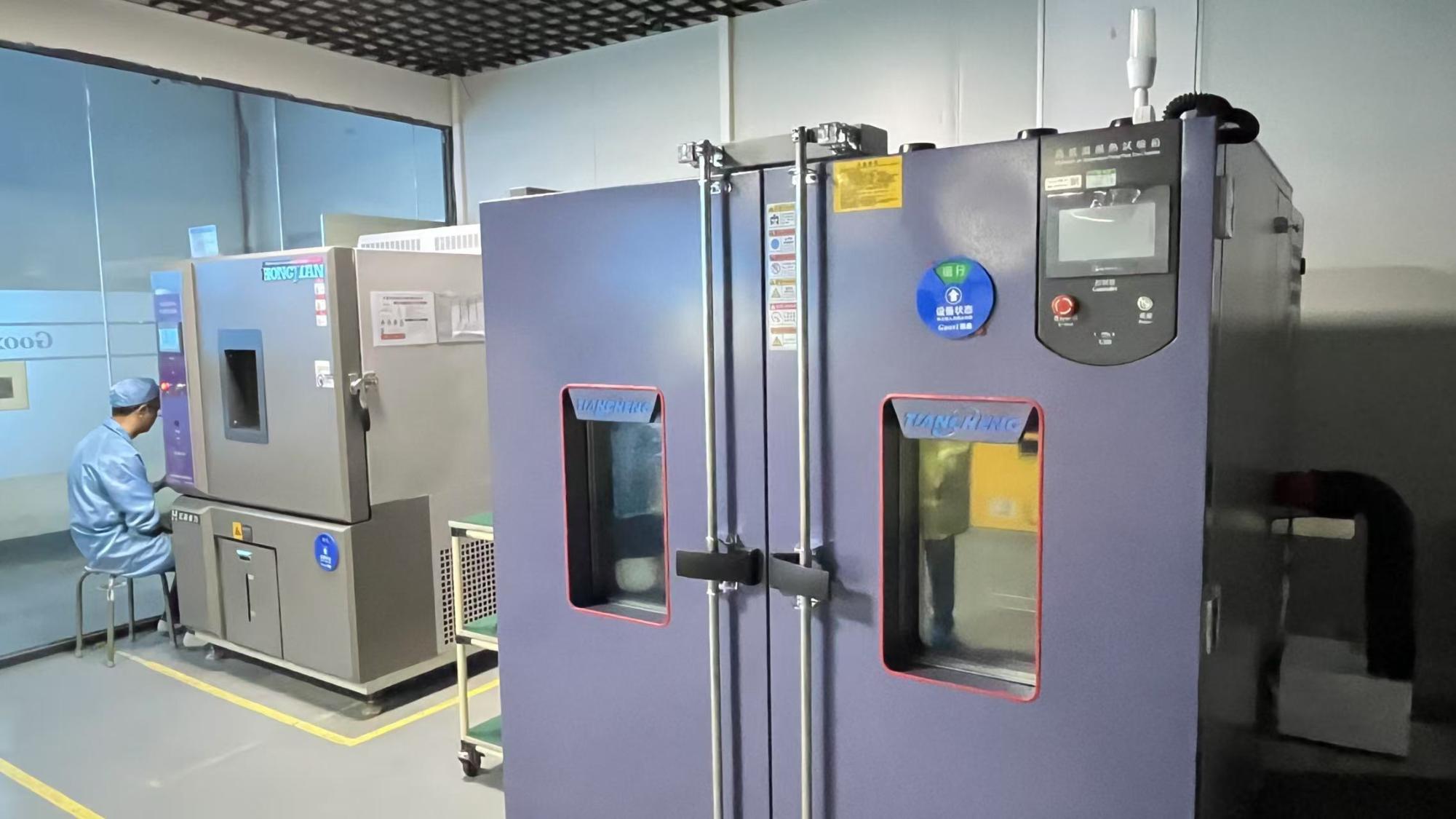
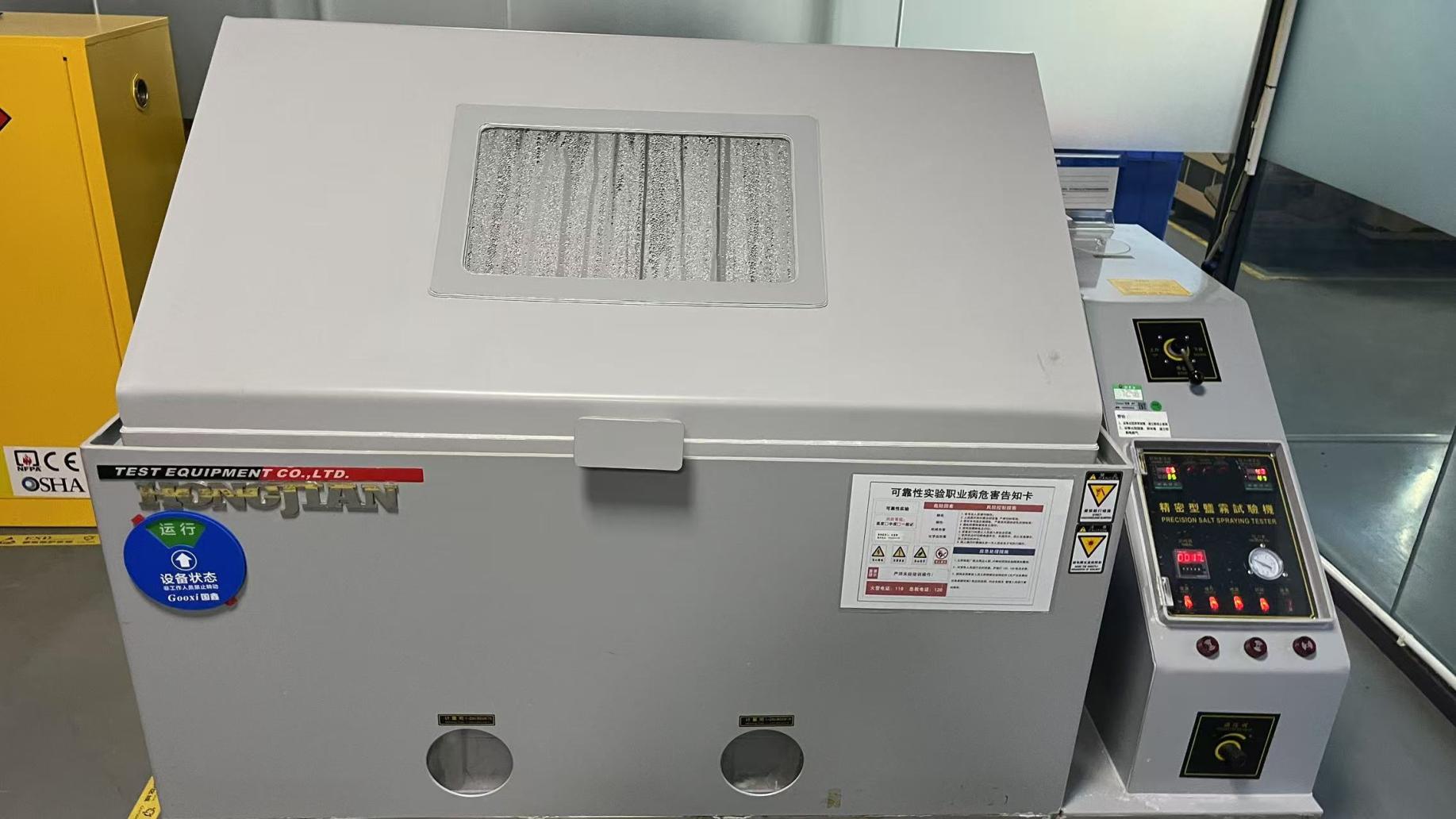
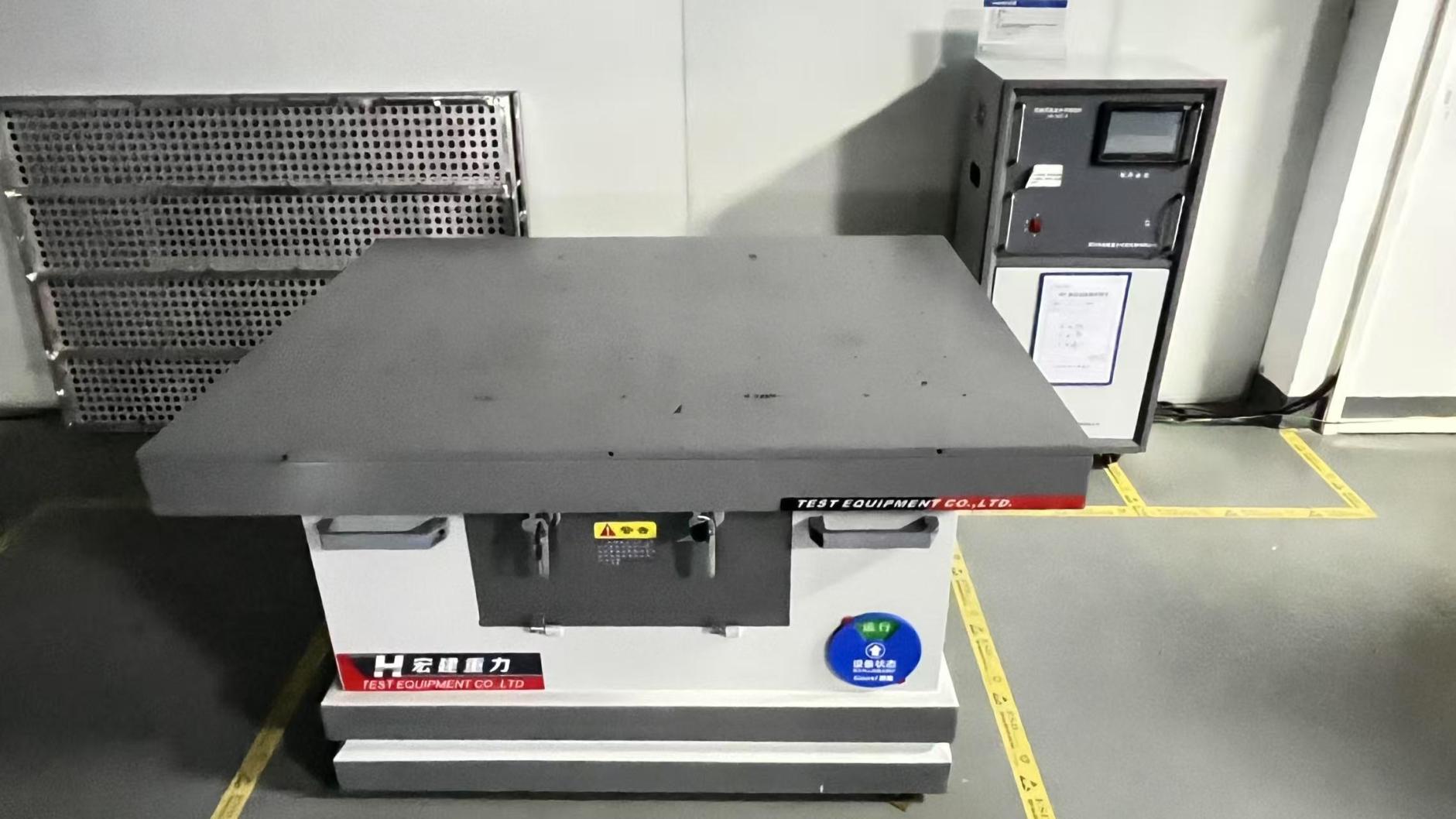

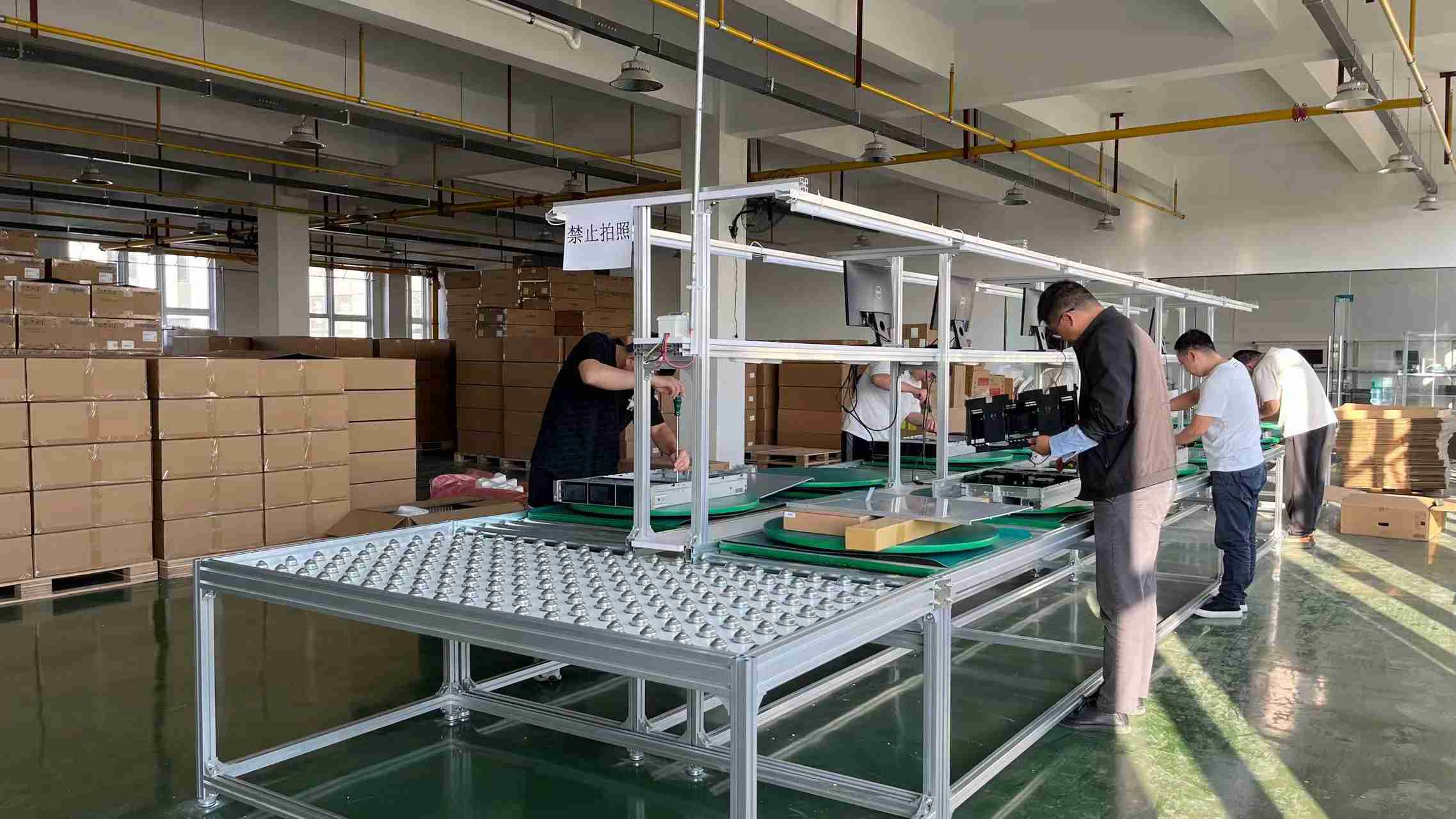
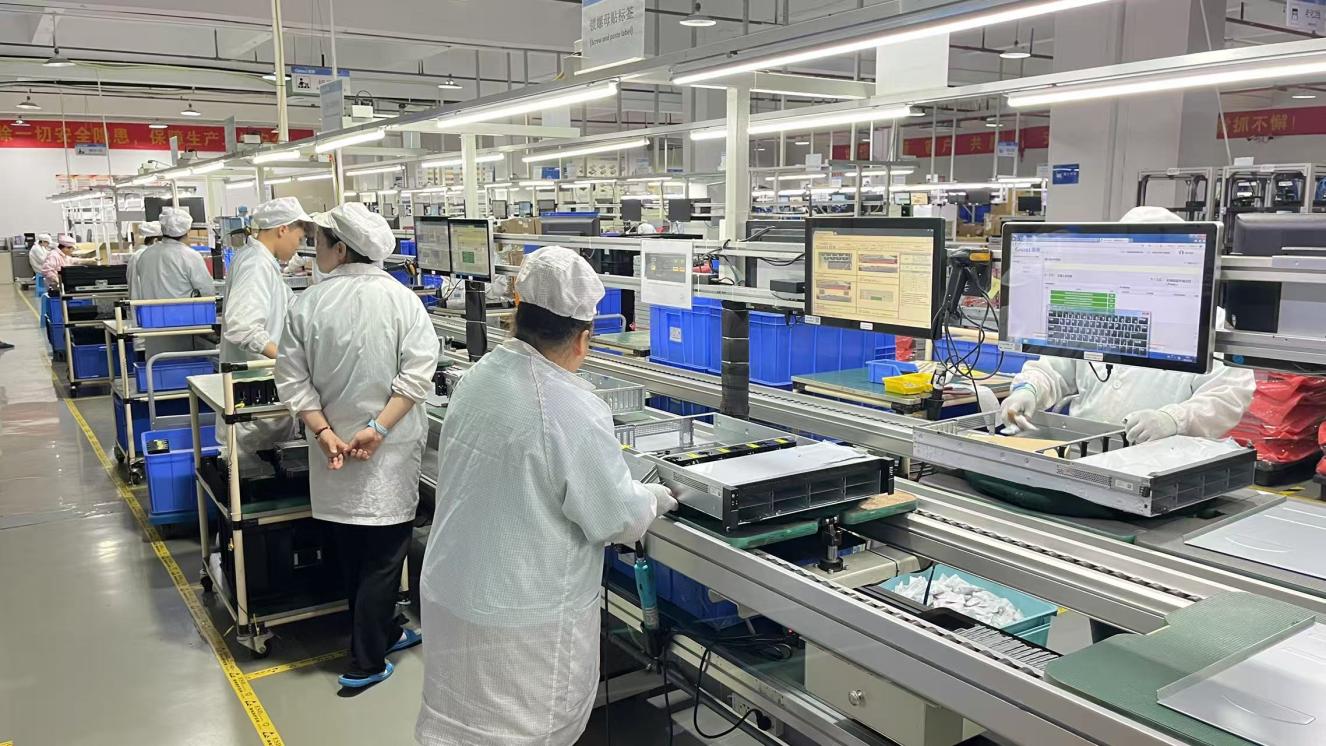
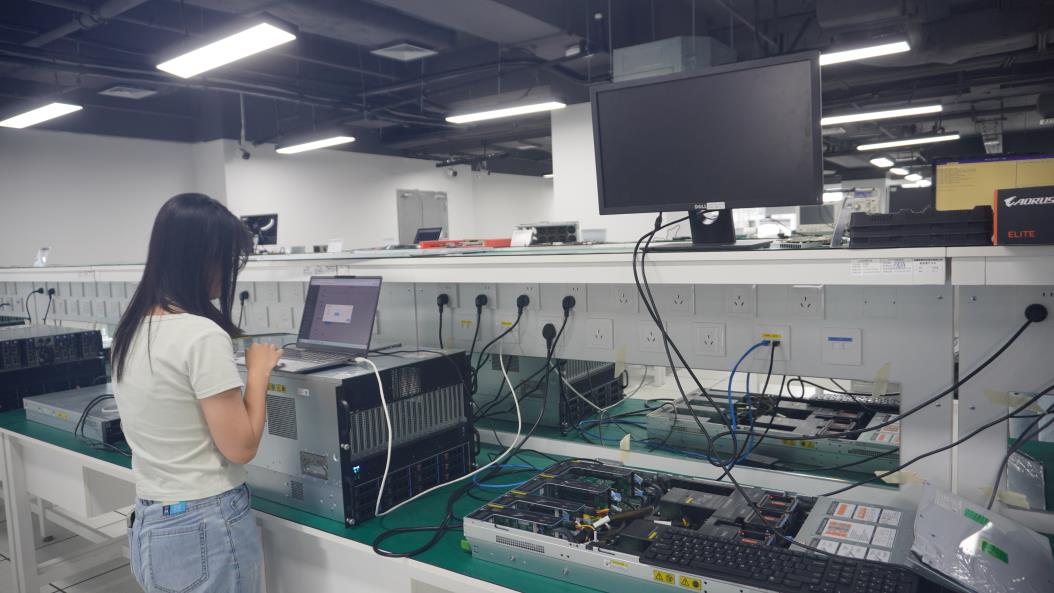
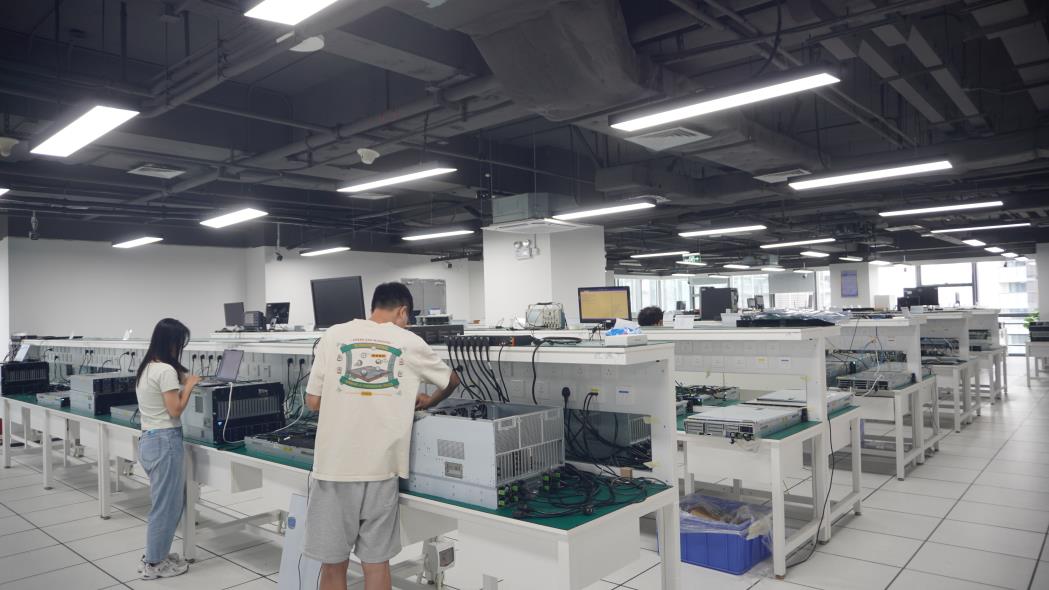
Operating systems globally requires addressing diverse structural and environment conditions. For example, systems deployed in northern European facilities focus on minimizing energy footprint and utilizing ambient air cooling. Conversely, deployments in hot and humid Southeast Asian facilities require robust salt spray corrosion testing and targeted moisture protection.
In North America and the Middle East, our server designs prioritize high density, supporting multi-GPU system configurations within standard data center layouts. We customize internal structures to maintain airflow and manage thermal profiles under steady computing loads.
We optimize server systems for major target environments:
Our thermal management layouts lower cooling fan power draw, helping facility managers reduce overall PUE and control long-term operating costs.
Chassis options configure easily to support diverse processor lines, PCI expansion needs, and unique power inputs based on region.
Systems undergo rigorous vibration, thermal, drop, and electrical stress testing to meet import standards for global markets.
As workload requirements grow, hardware architectures must adapt to handle higher density and power demands. We track key industry developments to prepare our server designs for future deployments.
Modern processing configurations require more efficient thermal management than standard air cooling can provide. We design server systems to support custom liquid cooling loops, cold plates, and immersion-ready layouts, helping facilities maintain stable operating temperatures under heavy compute loads.
Supporting higher data speeds requires careful motherboard routing. Our R&D teams configure system traces to support PCIe Gen 5 and Gen 6 interfaces, ensuring clean signal paths and minimal packet loss across high-speed storage and processing units.
Standardized server configurations simplify future hardware updates. We design system chassis with modular drive cages, power inputs, and backplanes, allowing operations teams to upgrade components with minimal physical modification to the rack.
Procuring data center hardware involves evaluating structural configuration options, component validation standards, and delivery processes. We design our custom OEM pipeline to provide clarity at each stage.
Clearly define processing requirements, memory density, and storage configurations. Our engineering teams review customer specifications to recommend appropriate power layout options, drive configurations, and chassis modifications that match existing rack setups.
Ensure hardware reliability by verifying structural testing procedures. ZhiCloud AI systems undergo diagnostic testing, thermal burn-in, and vibration analysis before packing, delivering consistent quality to client facilities.
Select from our high-density storage arrays, specialized expansion components, and modular computing nodes designed for complex enterprise network deployments.
Find answers to common questions about our custom hardware design processes, manufacturing standards, and integration support.