ZhiCloud AI
ZhiCloud AI
ZhiCloud AI
Explore our premium range of high-density GPU accelerators, compute nodes, and network storage arrays designed for next-generation deep learning workflows.
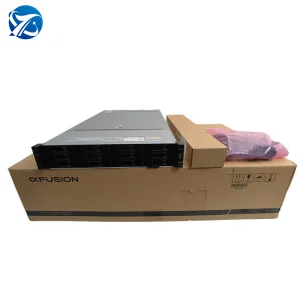
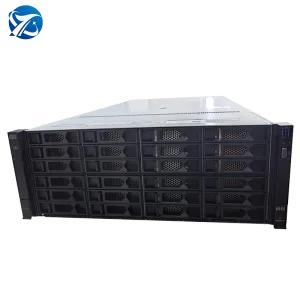
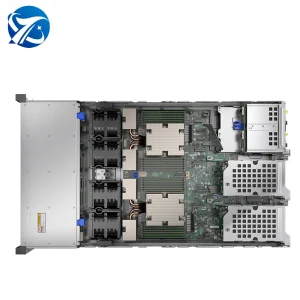
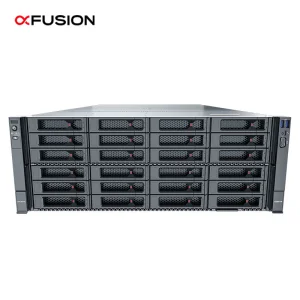
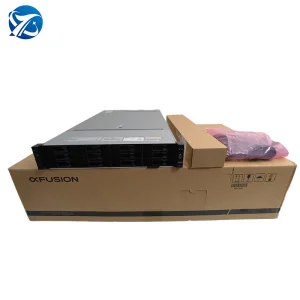
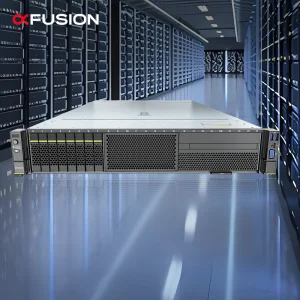
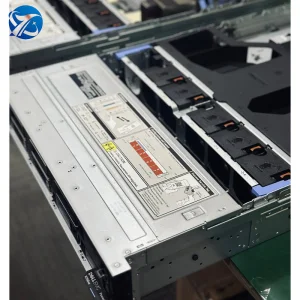
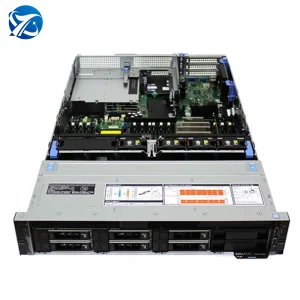
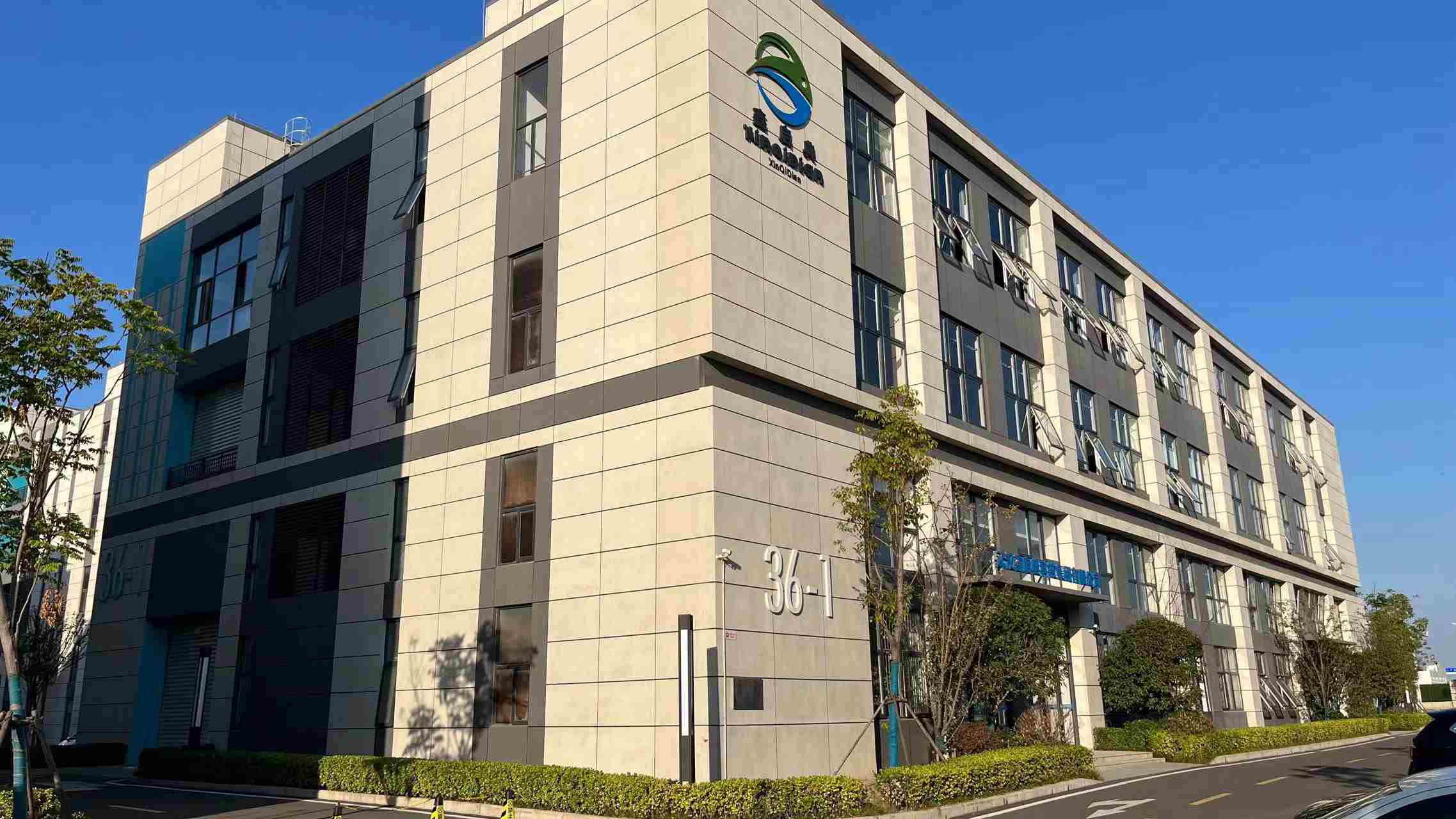
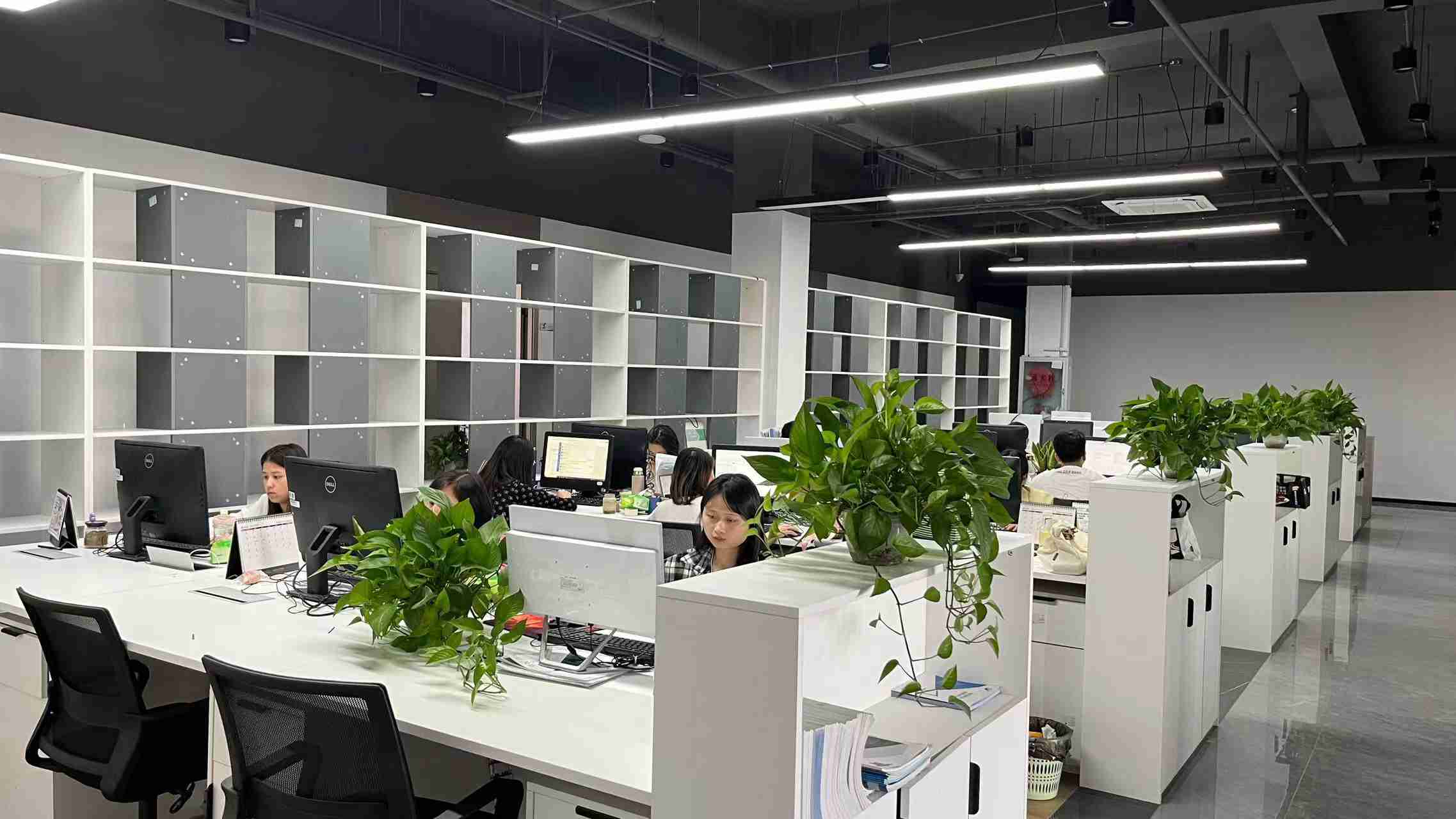
Shenzhen Intelligent Computing Cloud Technology Co., Ltd. (ZhiCloud AI) is a world-class AI server manufacturer and customized high-performance computing (HPC) system integrator. Established in 2016, we are committed to delivering tailored hardware architectures, advanced server board designs, custom GPU server configurations, and unified cloud computing storage ecosystems for clients across North America, Europe, the Middle East, and Southeast Asia.
Leveraging 11 years of structural hardware expertise and 7 years of seamless global export experience, ZhiCloud AI operates as a trusted industrial backbone. Our highly optimized integration facility in Shenzhen spans 320㎡, acting as a critical high-precision node that interfaces with over 1,200 strategic hardware suppliers globally. This allows us to scale production rapidly while maintaining unparalleled versatility.
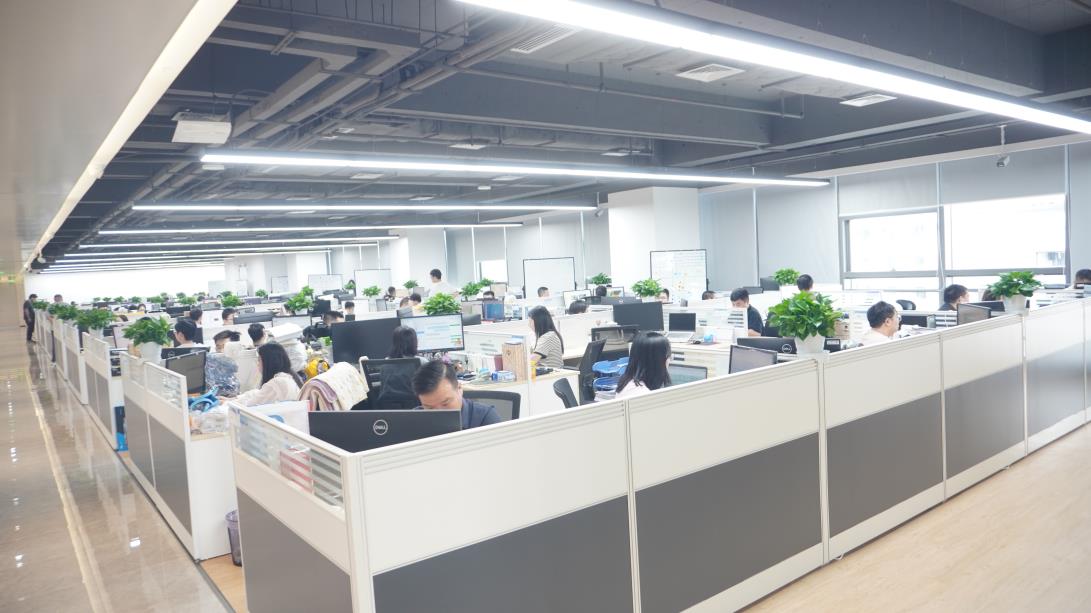
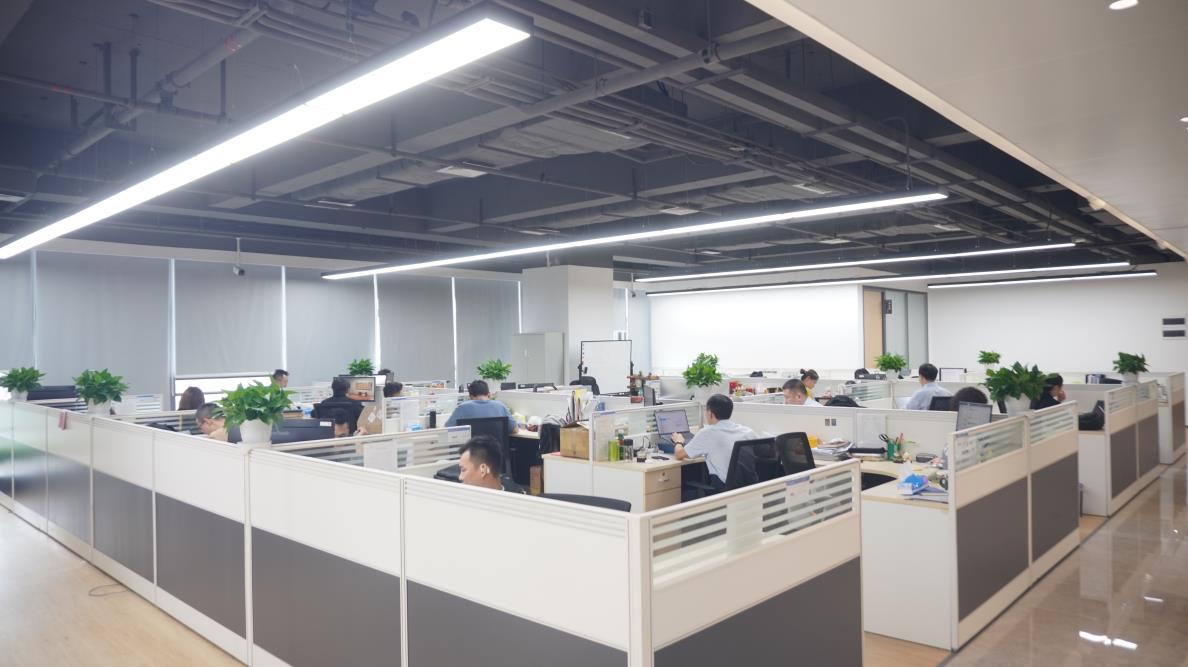
Our operation model is engineered for agility: Last year alone, we deployed 180 new computing platforms, propelled by an in-house engineering team of 120 R&D specialists focusing on liquid-cooling thermals, high-density topologies, and localized BIOS customization.

In the modern landscape of high-performance computing, standard off-the-shelf rack server solutions frequently fail to meet the rigorous and unique requirements of modern enterprises. The explosive expansion of artificial intelligence architectures—including the deployment of sophisticated transformer-based LLMs such as Deepseek—requires a paradigm shift. Deploying customized physical server infrastructure demands an integrated approach to Product Lifecycle Management (PLM). Custom OEM server development is not merely a process of component assembly; it is an extensive co-engineering methodology that spans from initial concept validation through hardware component design, assembly, mass-scale manufacturing, and long-term end-of-life support.
For custom server exporters and manufacturers like ZhiCloud AI, PLM serves as the operational roadmap. When an enterprise initiates a custom server product, PLM governs the signal integrity validation of PCIe Gen 5 and emerging PCIe Gen 6 architectures, the structural stress limits of custom 2U/4U chassis, and the optimization of power distribution networks (PDNs). Custom configurations require deep thermal mapping; dynamic workloads containing multiple high-wattage GPUs (up to 700W+ per accelerator) introduce massive heat points that must be offset by tailored structural channels, fan curves, and liquid-cooling blocks. By managing every stage of this lifecycle, we minimize engineering risk, shorten prototype-to-market cycles, and guarantee a lower total cost of ownership (TCO) for global buyers.
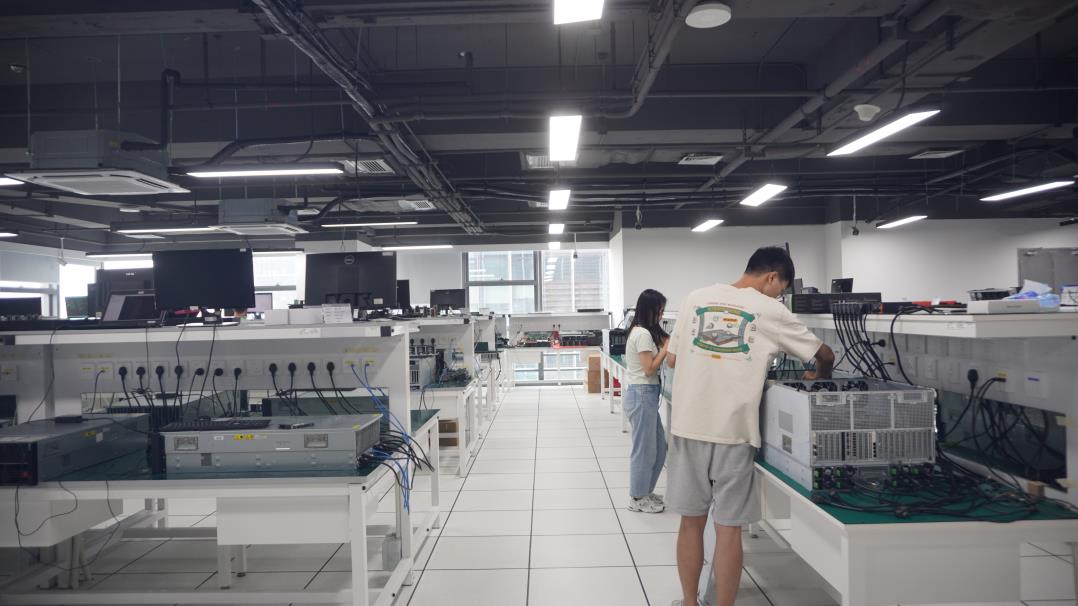
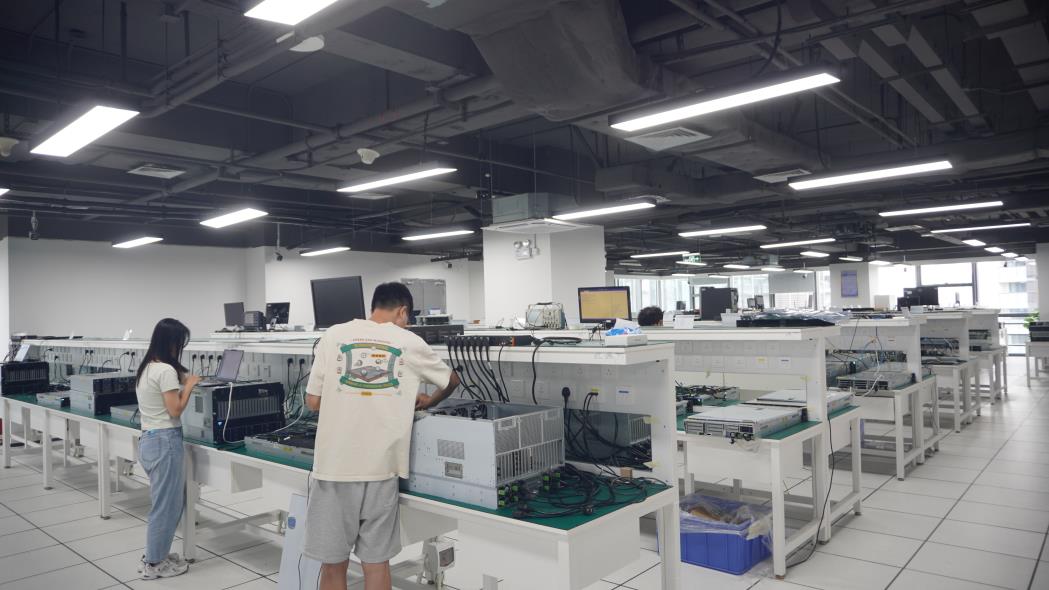
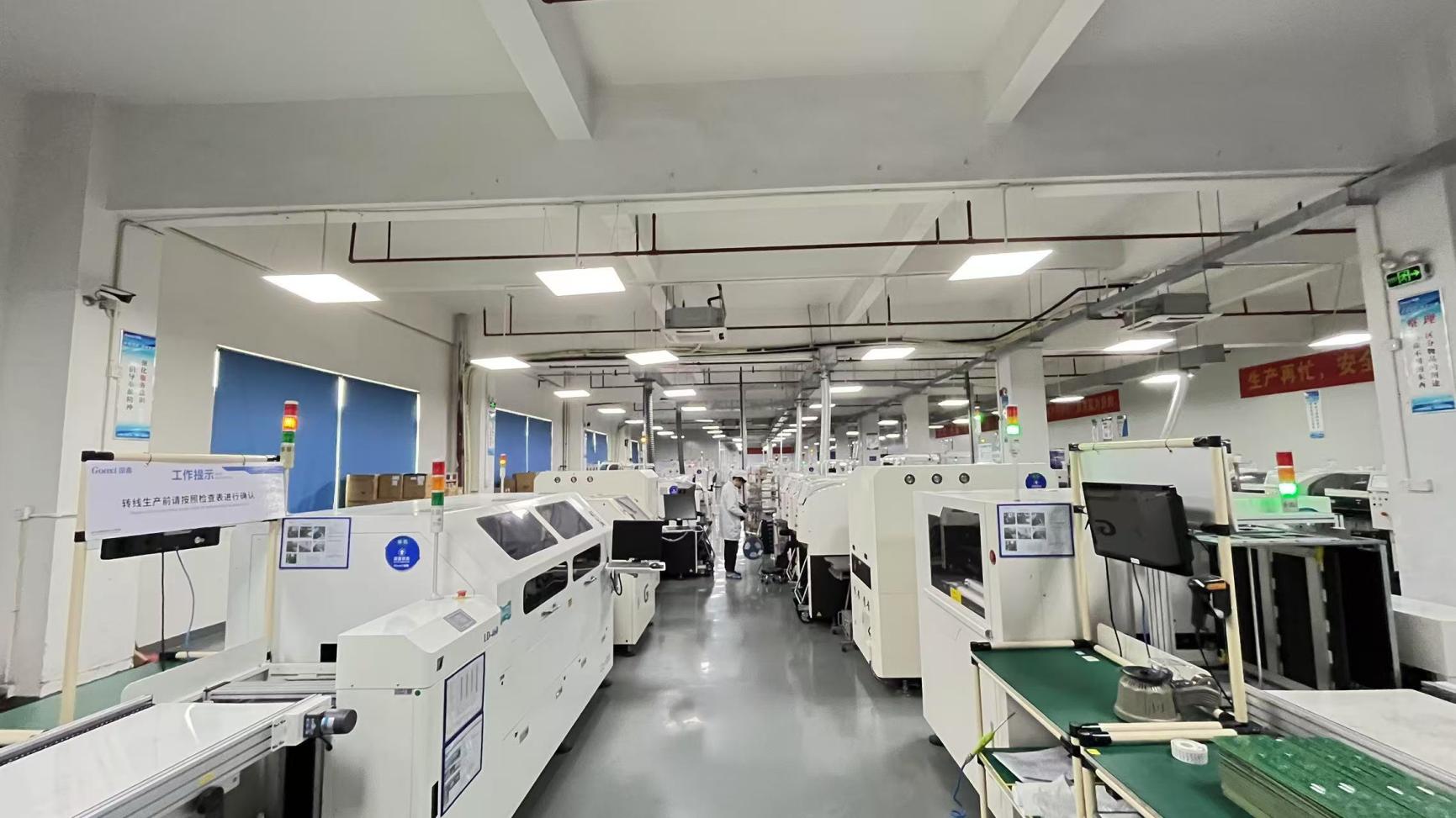
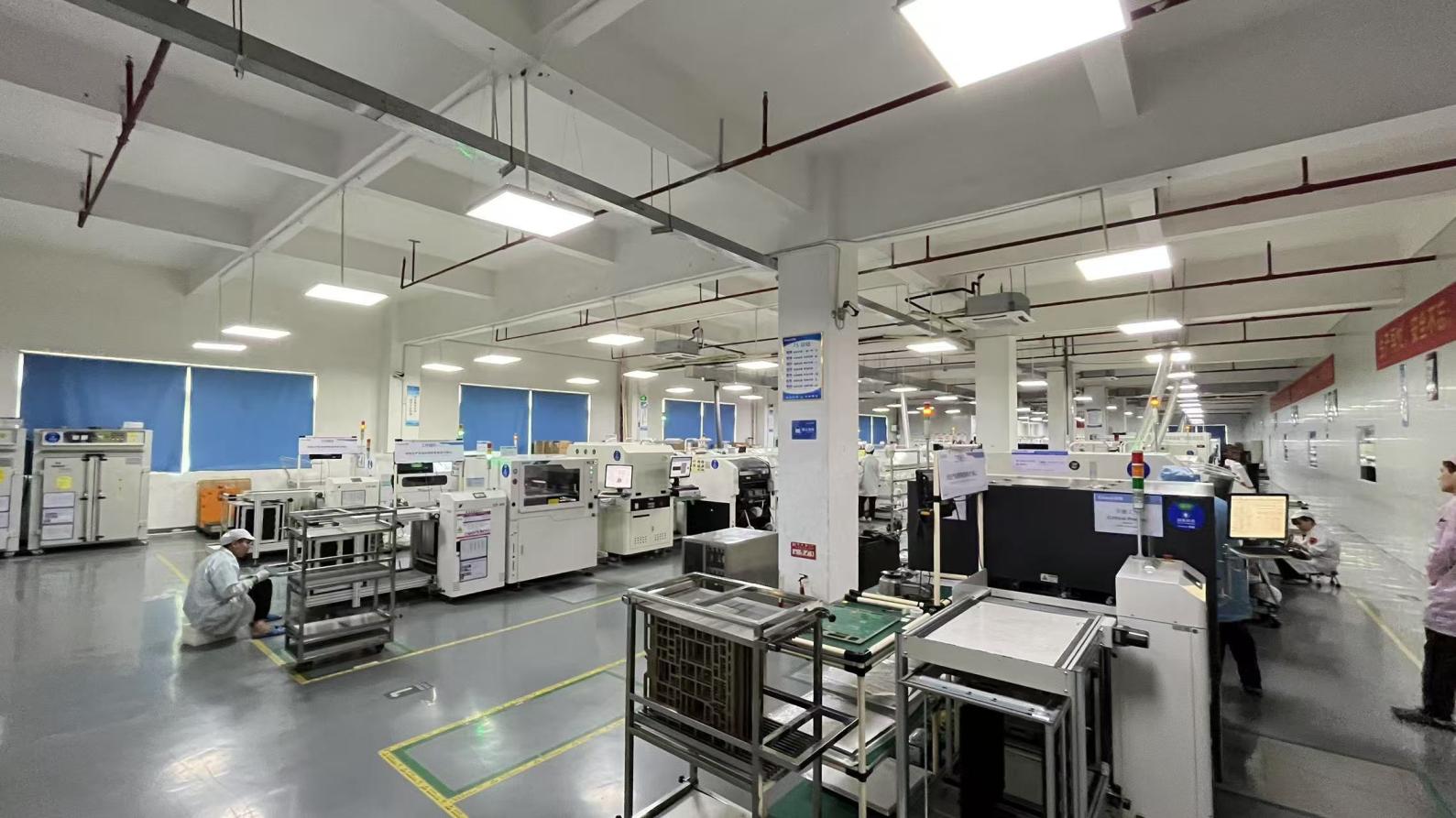
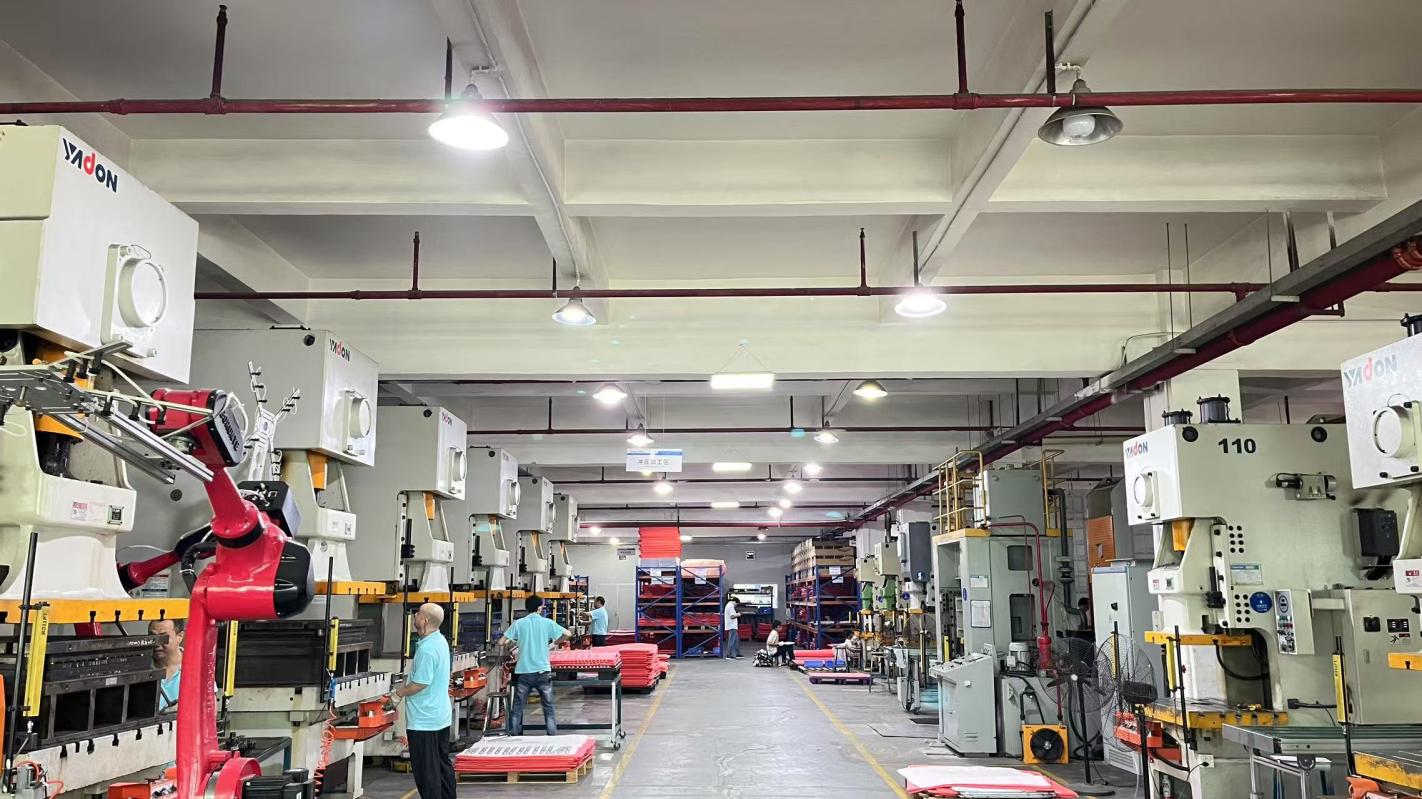
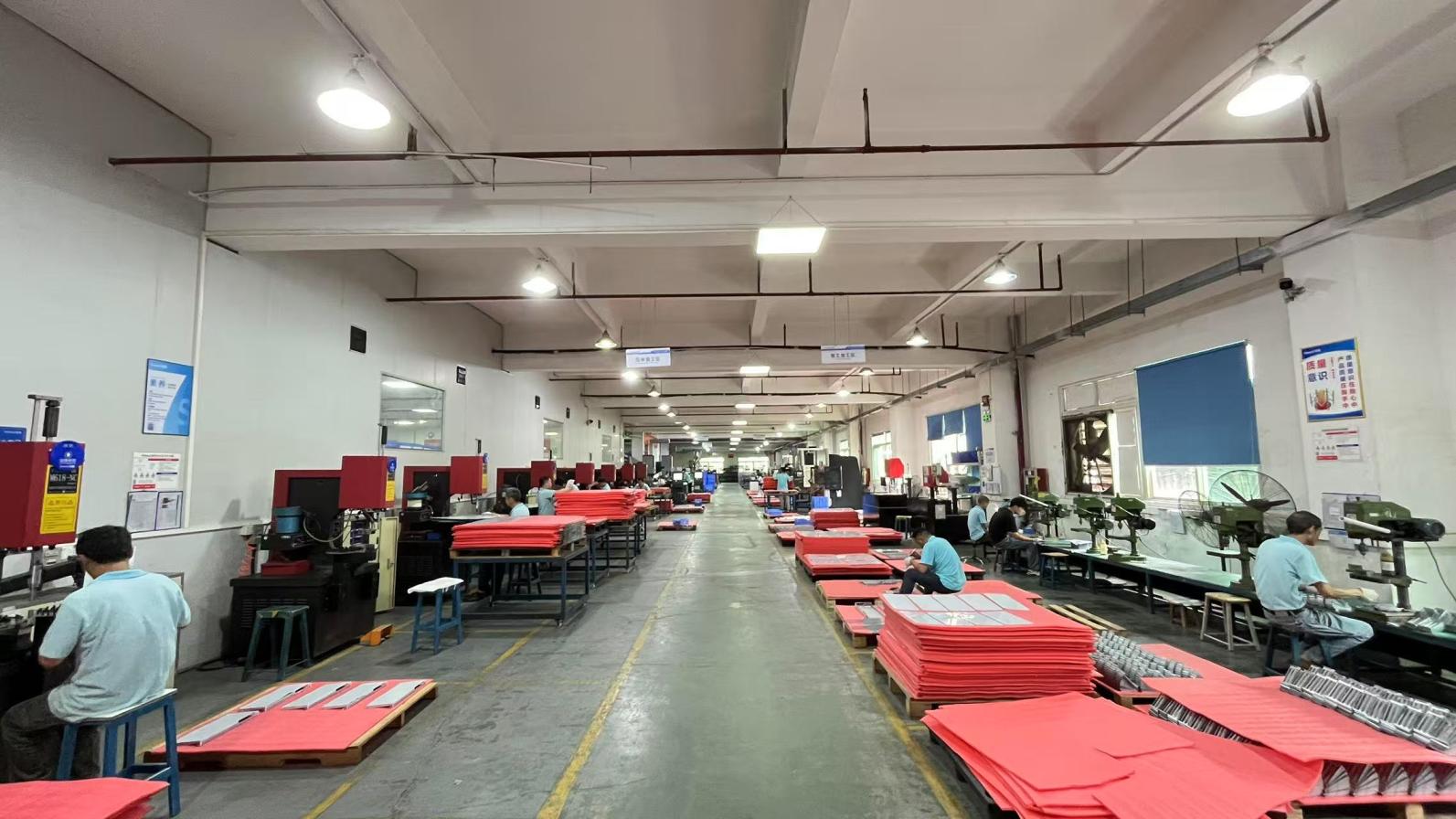
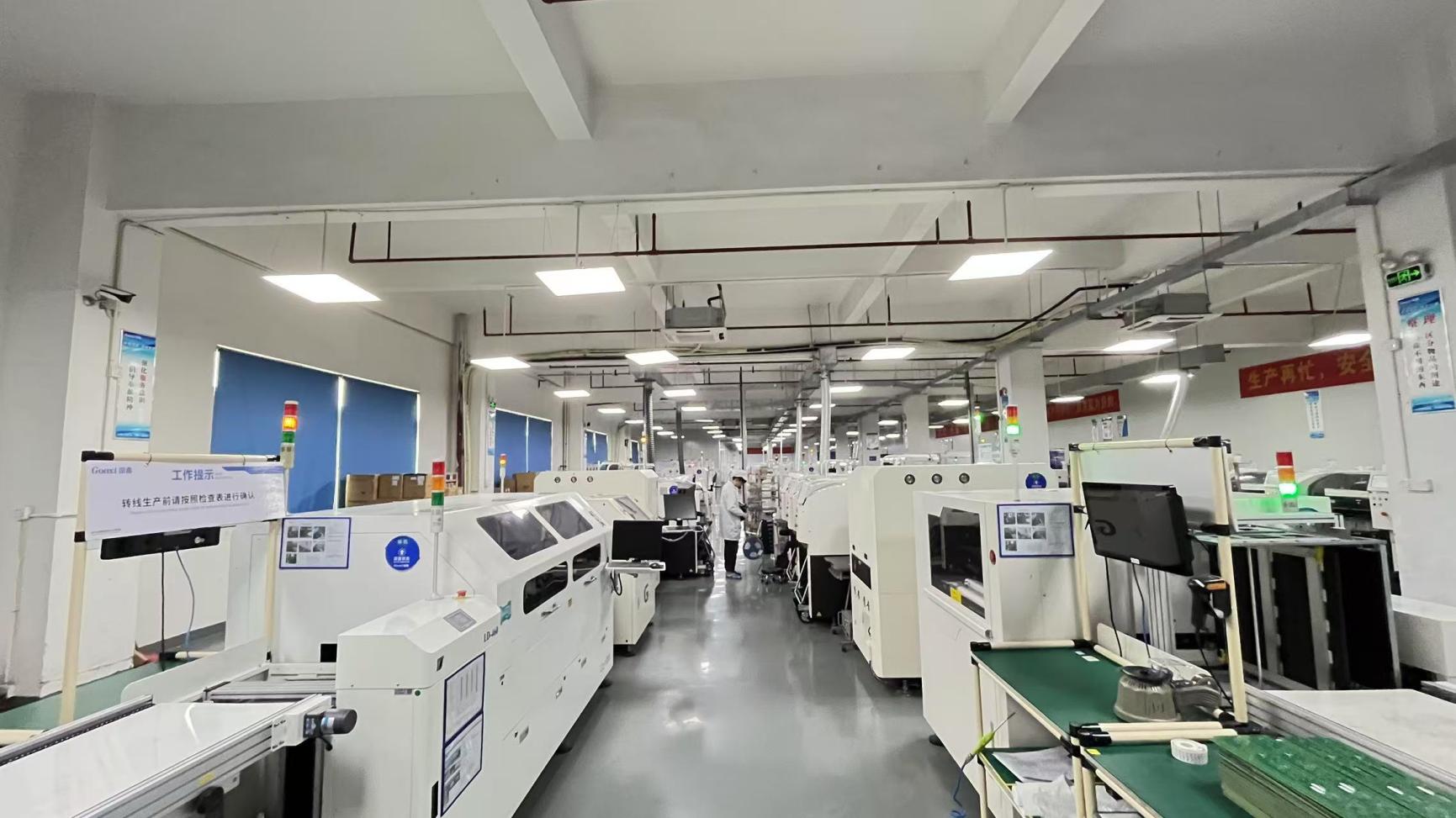
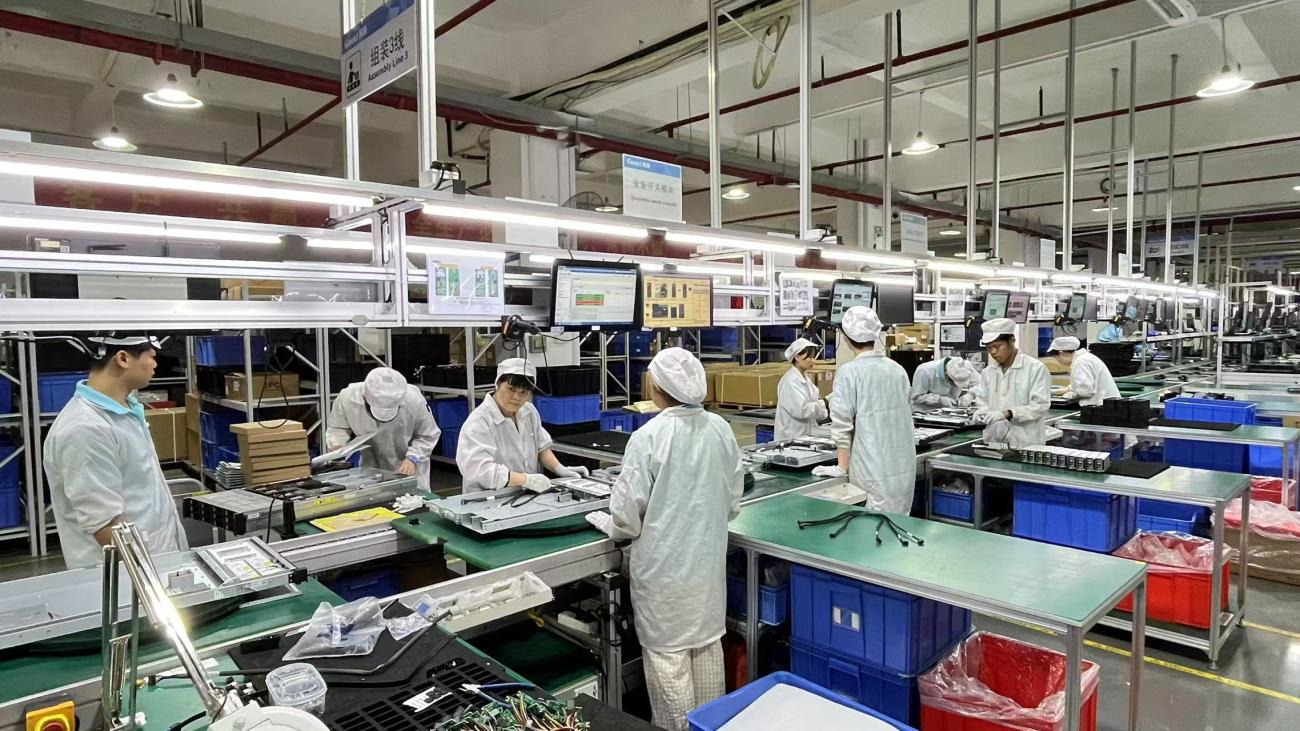
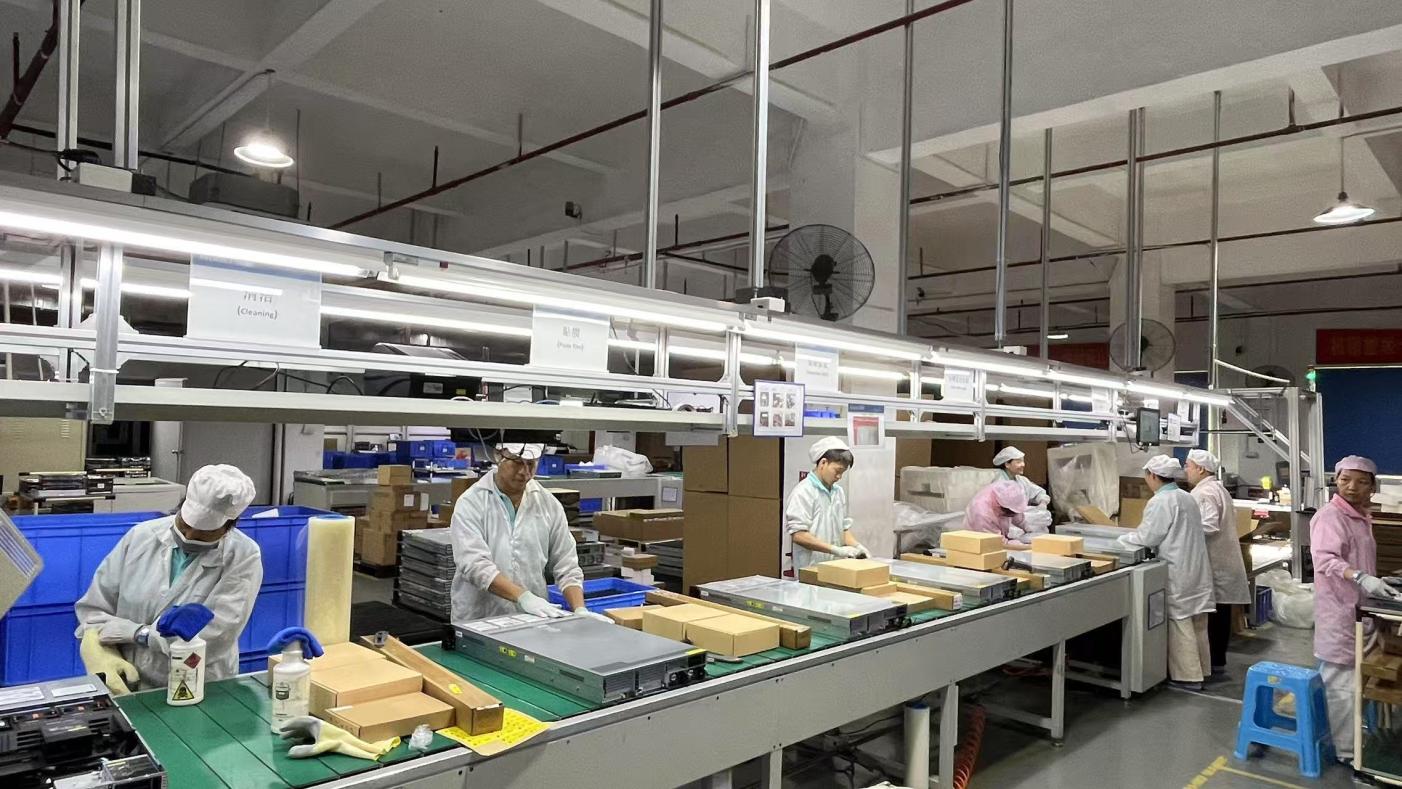
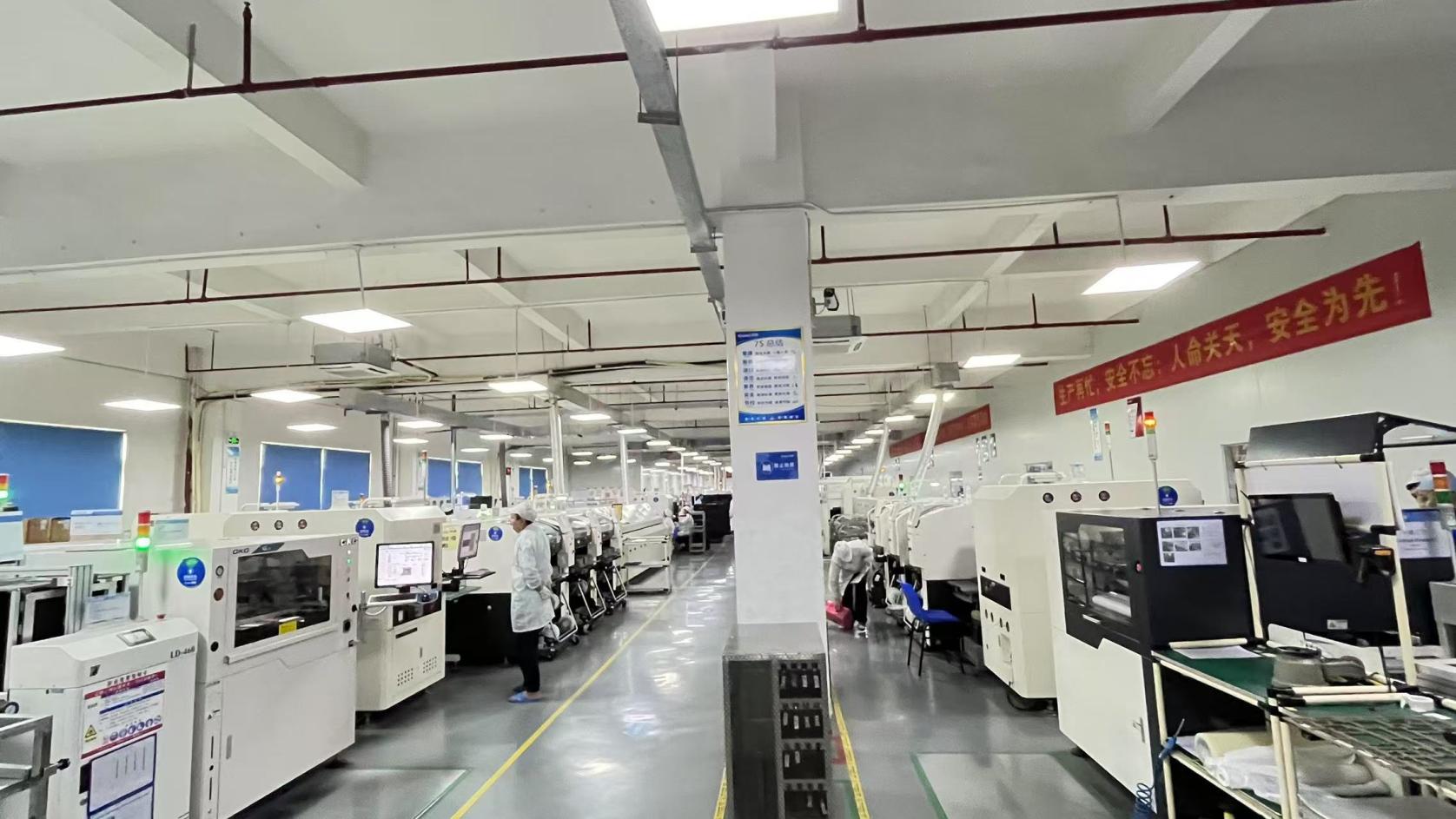
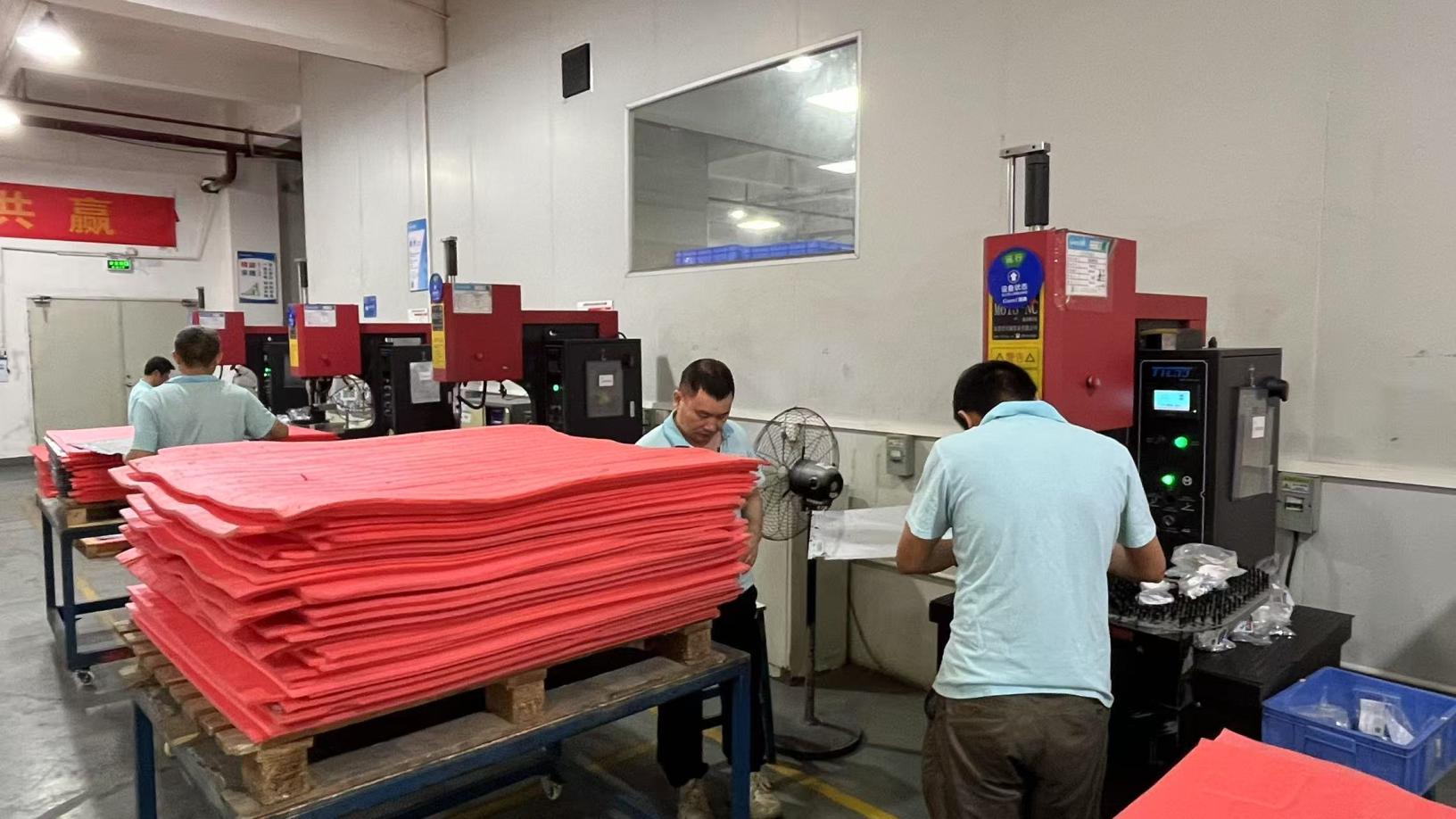
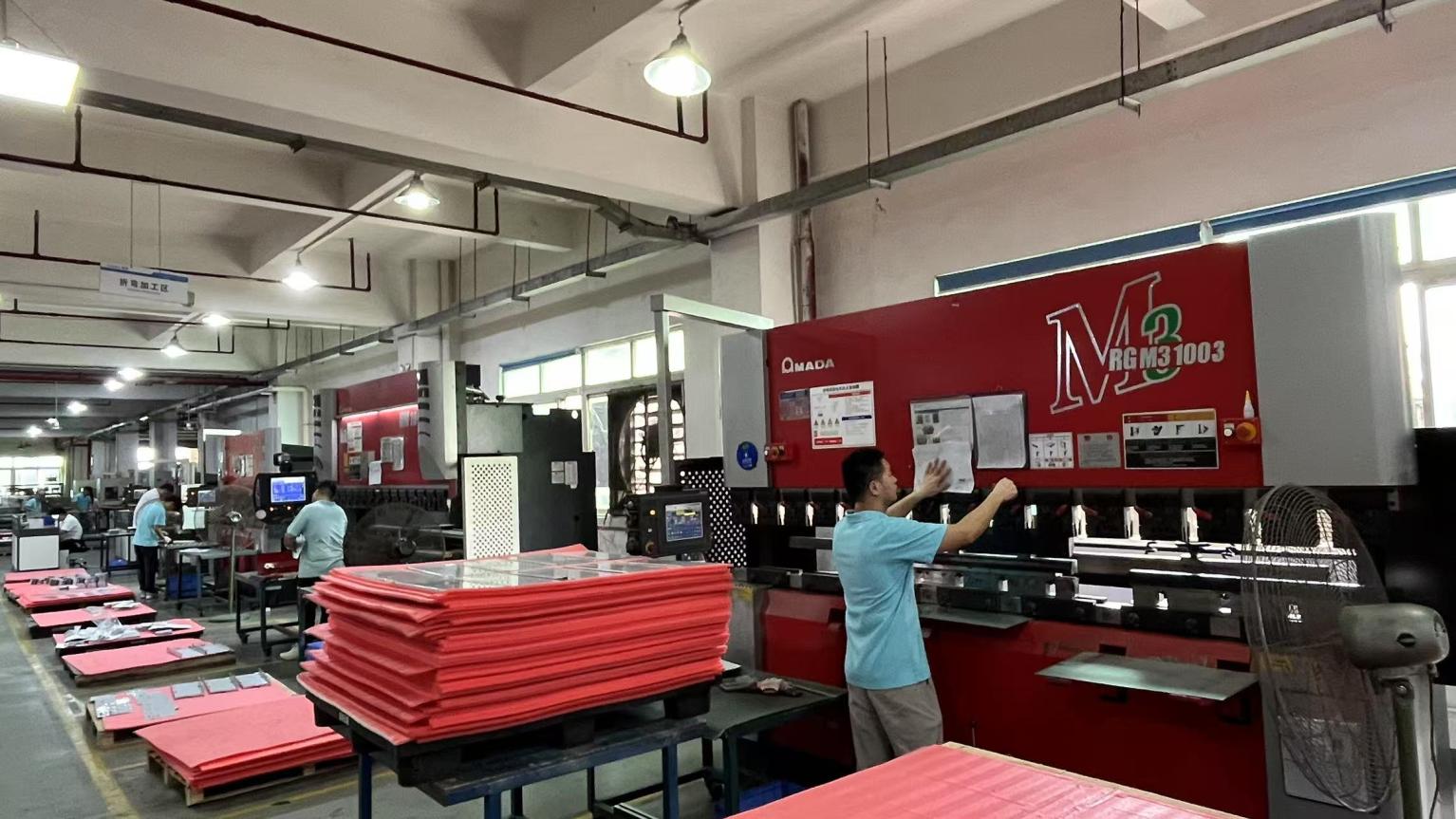
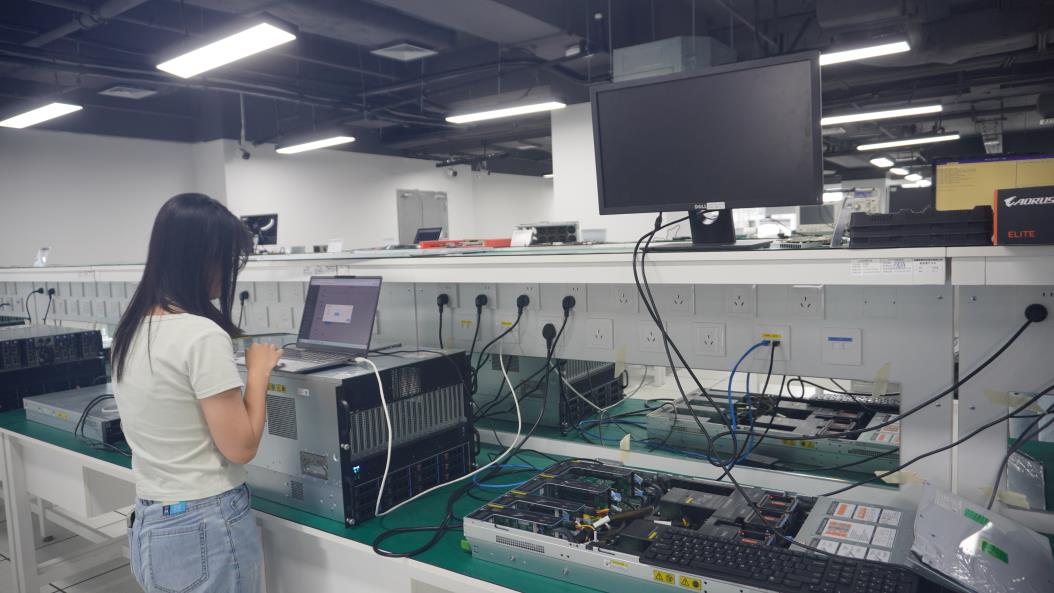
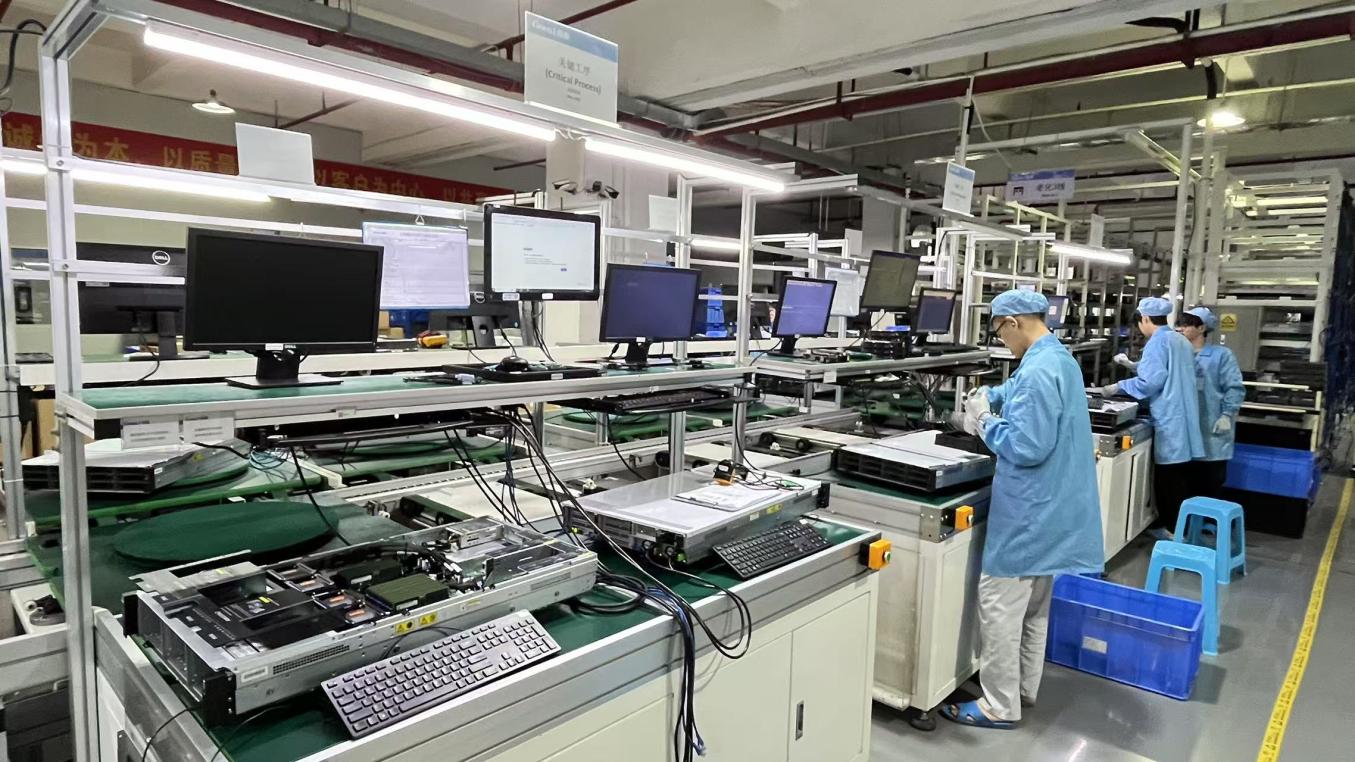
ZhiCloud AI's operations are deeply rooted in the heart of China’s premium electronics manufacturing cluster in Shenzhen. While our specialized high-density integration facility covers 320㎡, it operates as a high-precision node within an extensive ecosystem of over 1,200 strategic supply chain partners. This structural network allows us to coordinate raw sheet metal processing, SMT (Surface Mount Technology) component printing, high-layer PCB fabrication, and structural assembly under an integrated manufacturing flow that drastically reduces lead times compared to Western assembly lines.
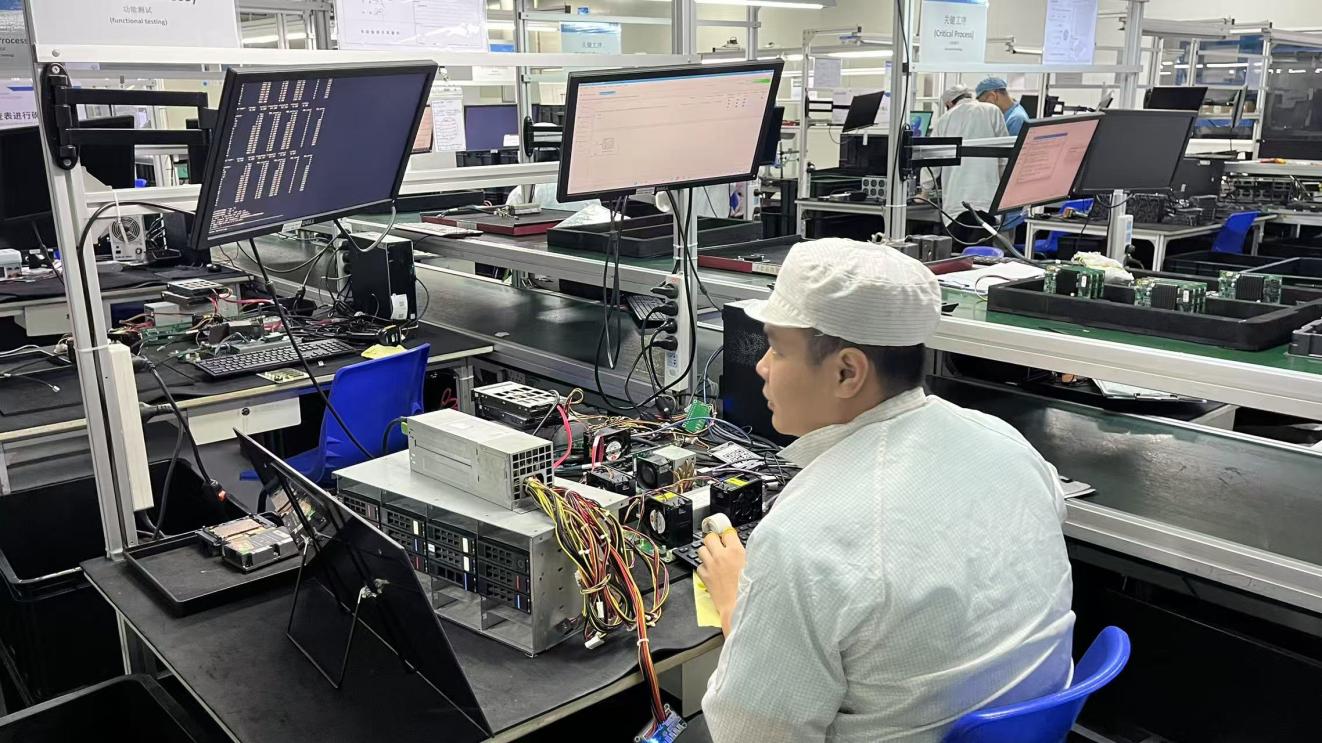
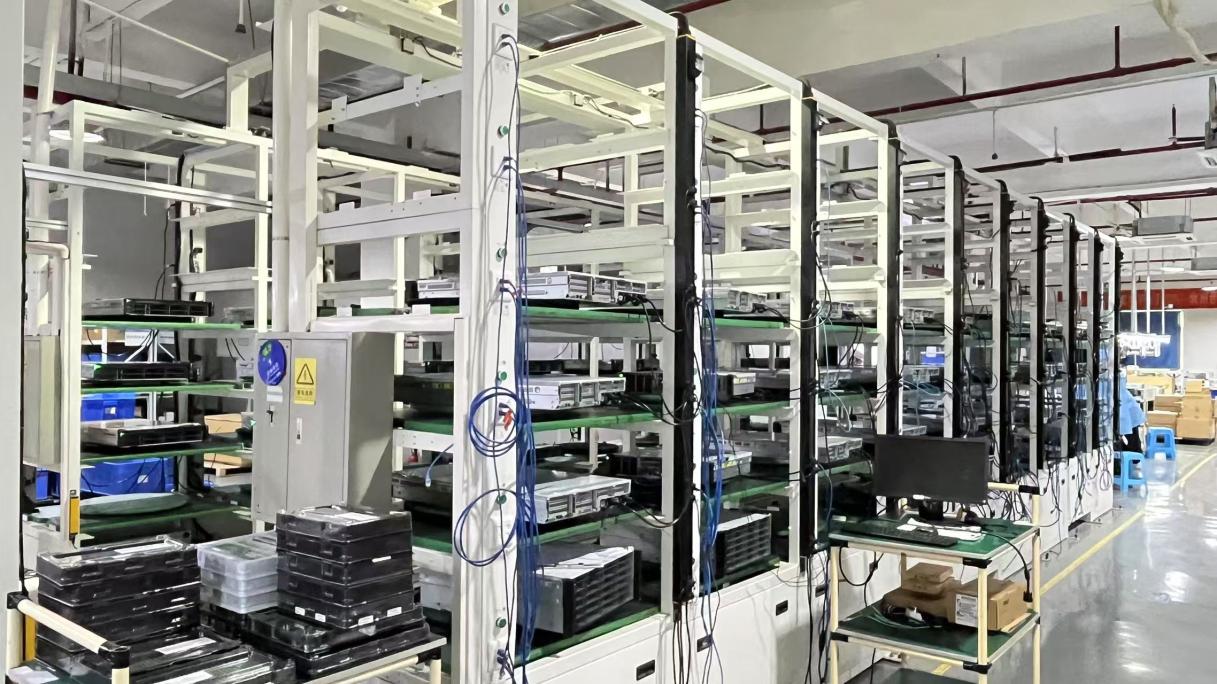
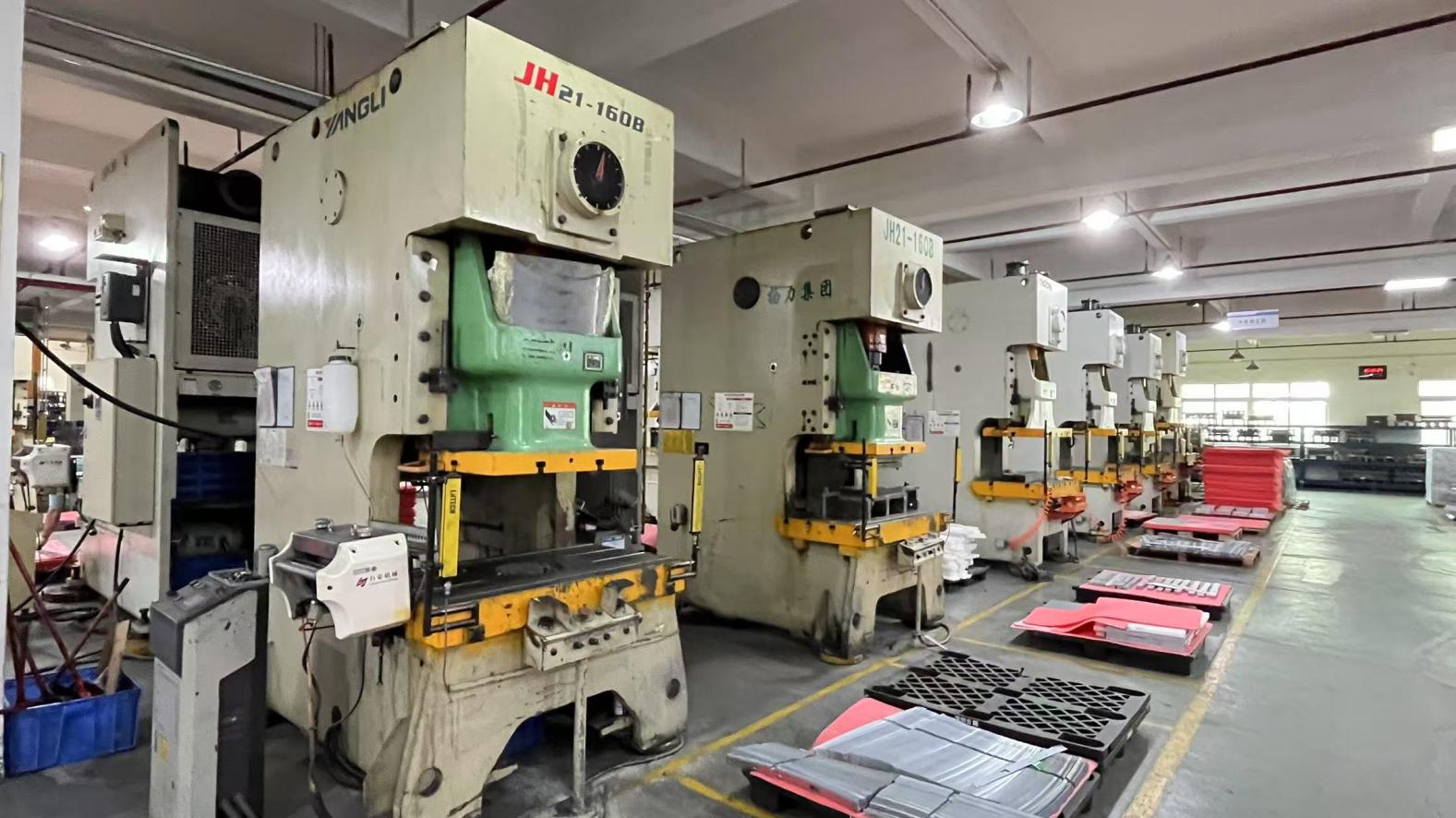
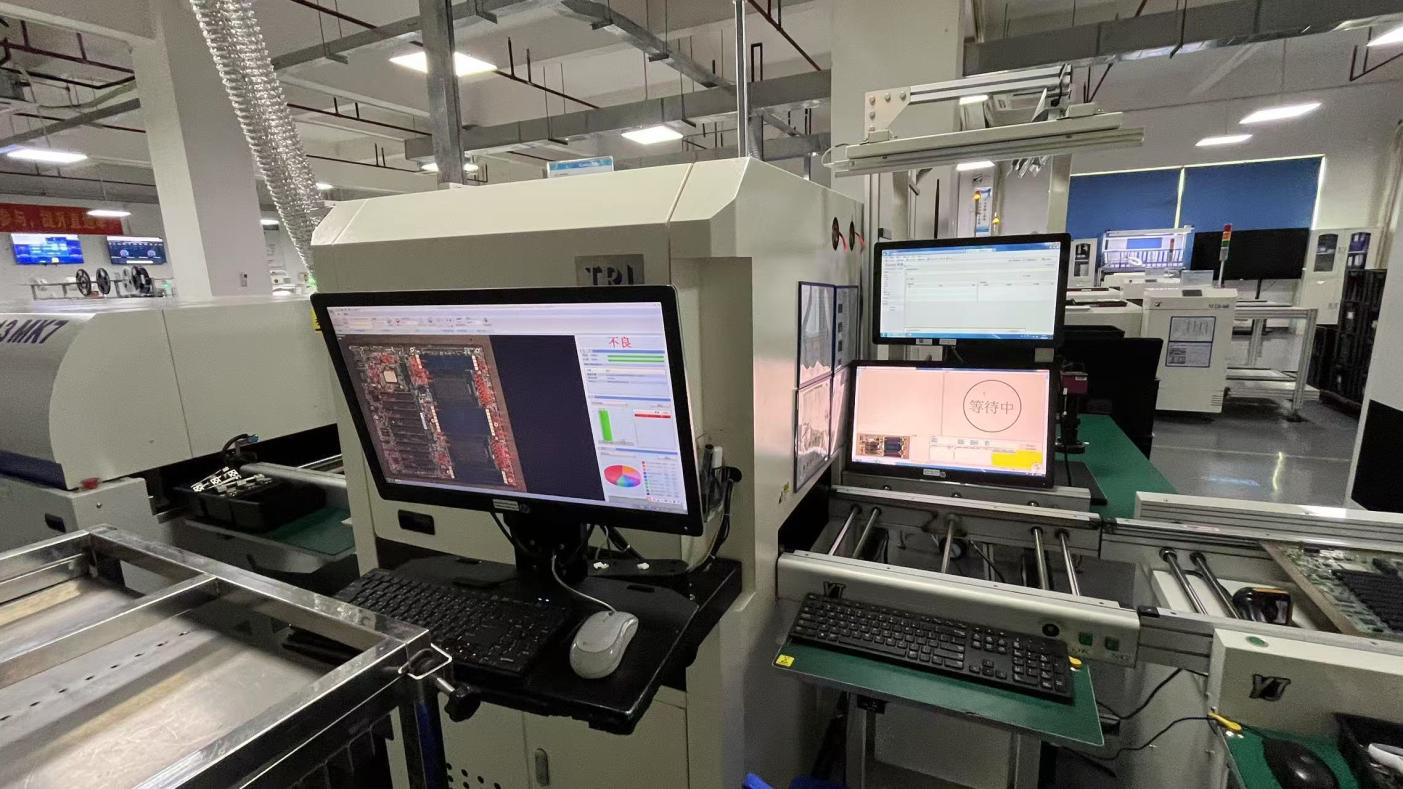
Our production workflow utilizes advanced automation to secure high structural tolerances. Modern server chassis, especially those housing heavy GPU arrays, require exceptional mechanical resilience. Our SMT and assembly lines feature automated pick-and-place components, high-zone reflow soldering systems, and precision metal shaping machines that ensure standard compliance down to the sub-millimeter level. Below is our step-by-step manufacturing and assembly pipeline that illustrates our operational integration.
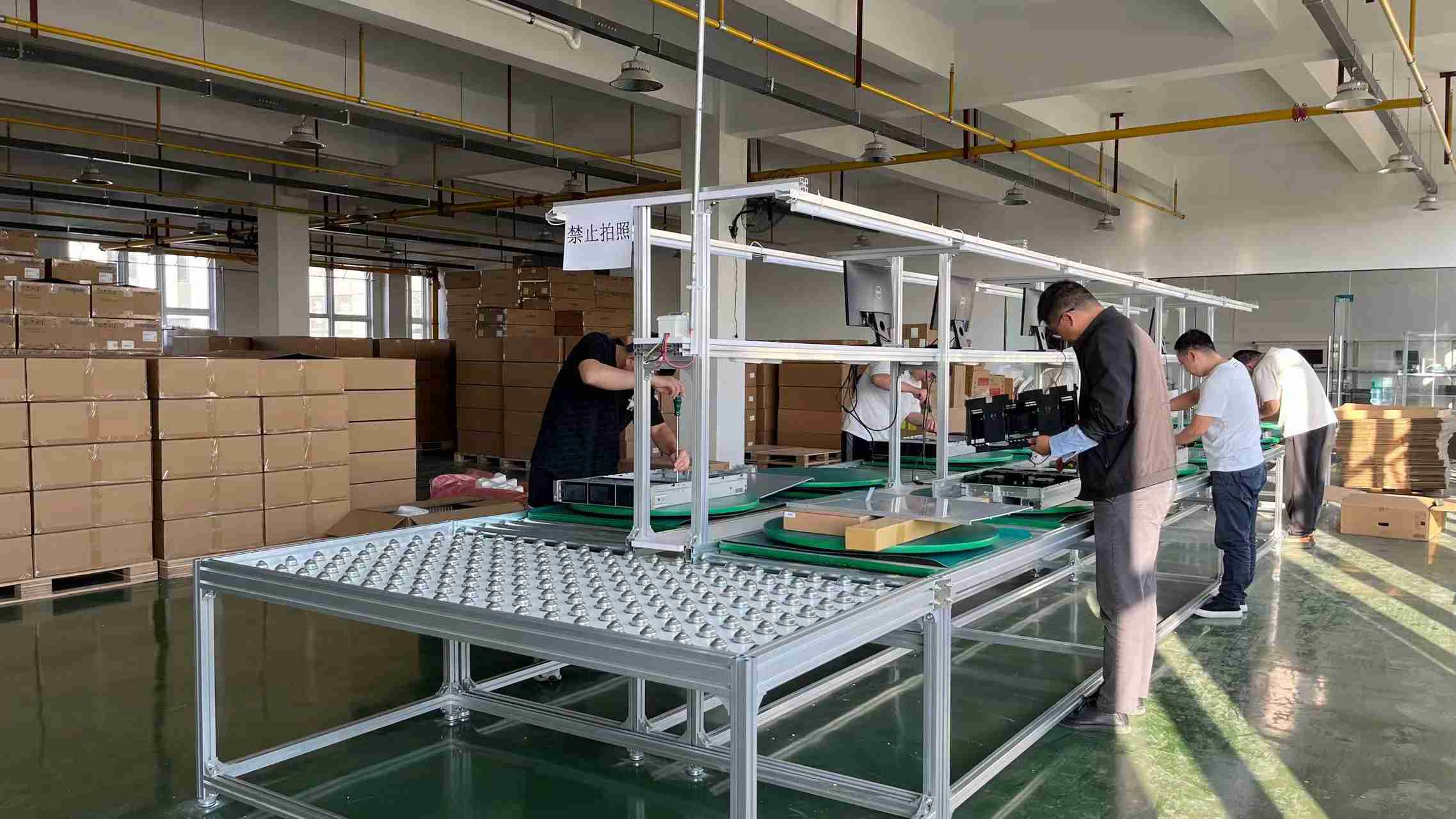
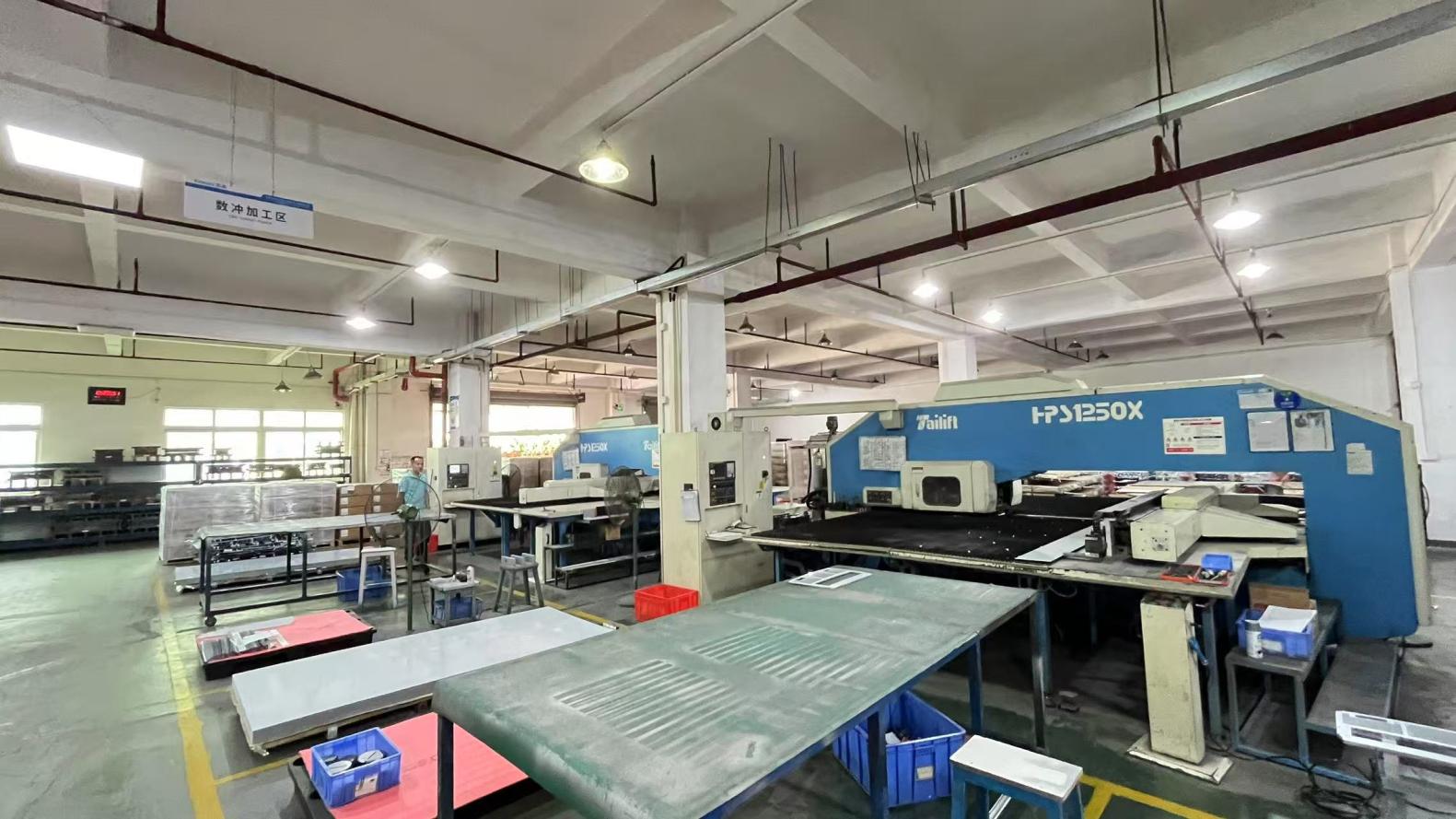
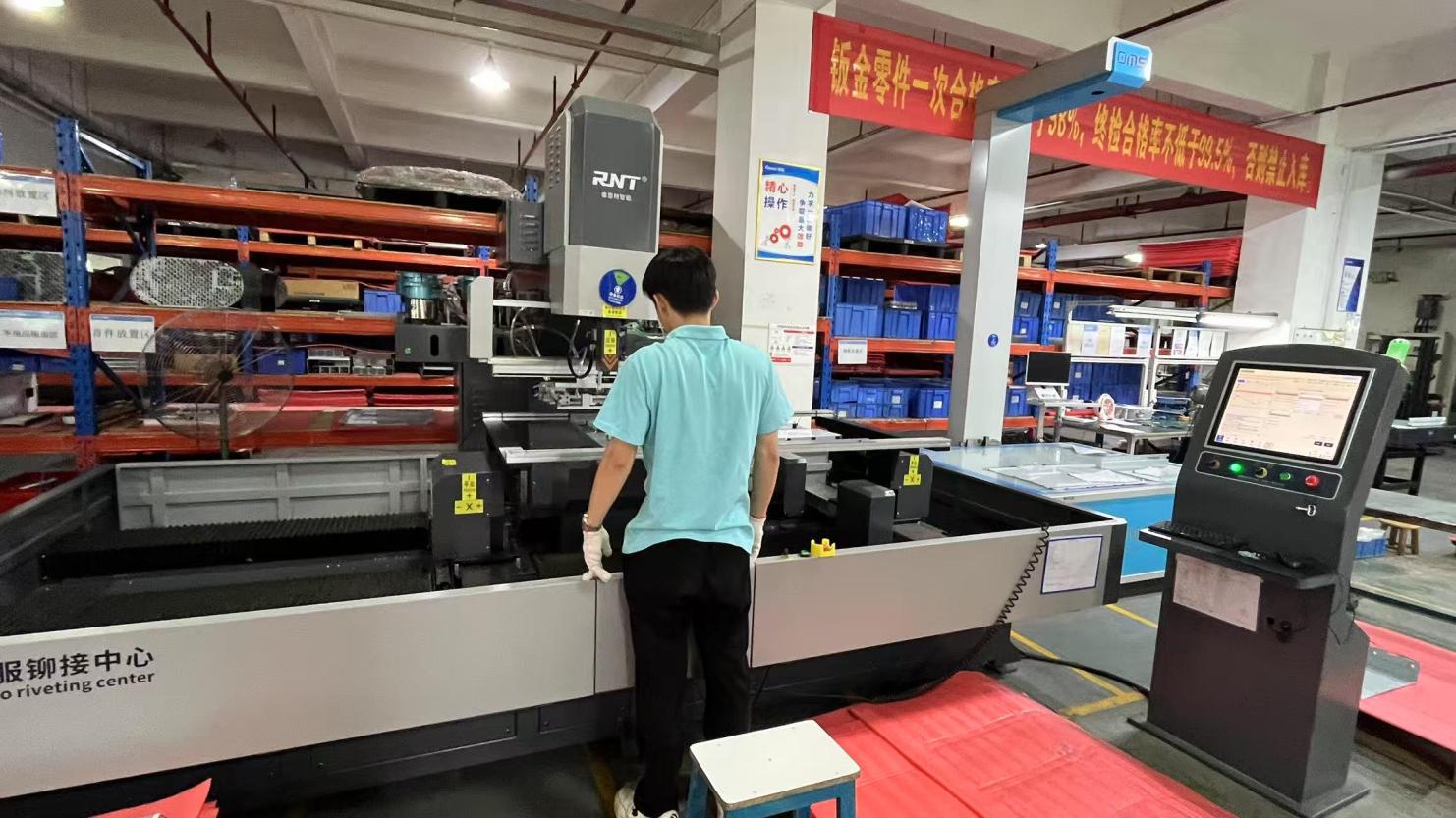

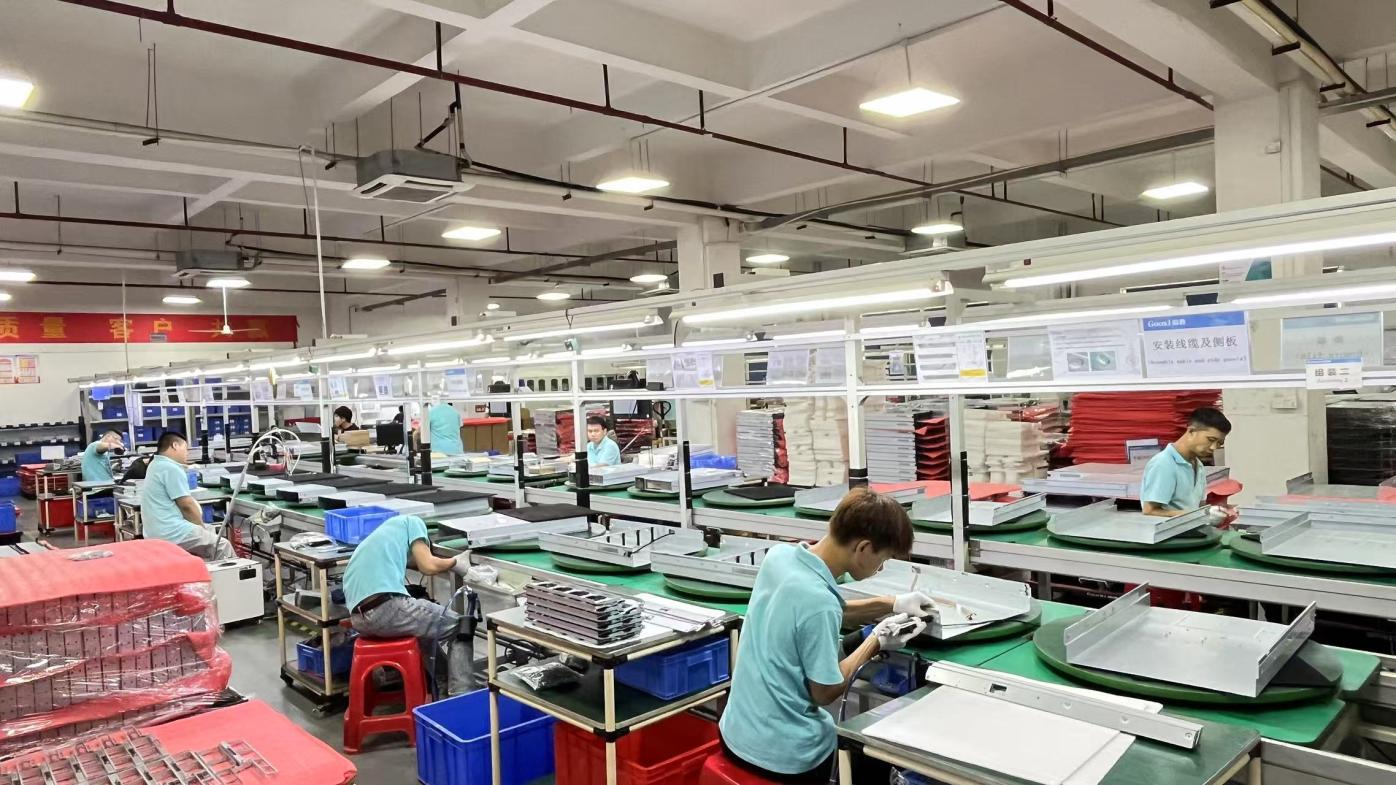





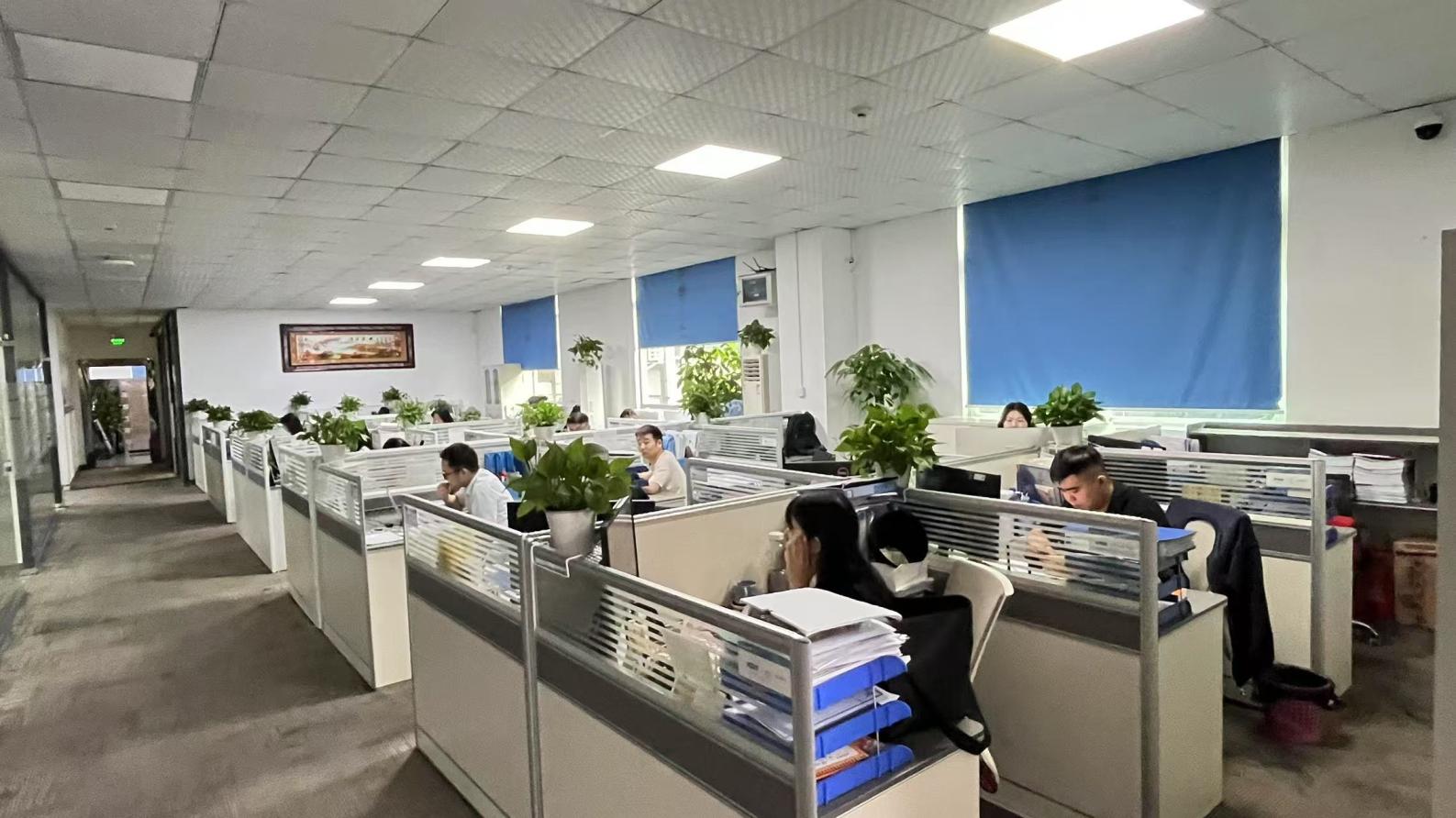
Reliability is the foundation of high-performance enterprise IT infrastructure. Compute failures in AI environments or data center nodes can lead to system-wide disruption. To mitigate these risks, ZhiCloud AI deploys a dedicated team of 45 professional Quality Control (QC) personnel executing a strict multi-tier quality management program. Every component—from raw incoming capacitors and power delivery modules to full server chassis structures—undergoes systematic verification before moving to integration.
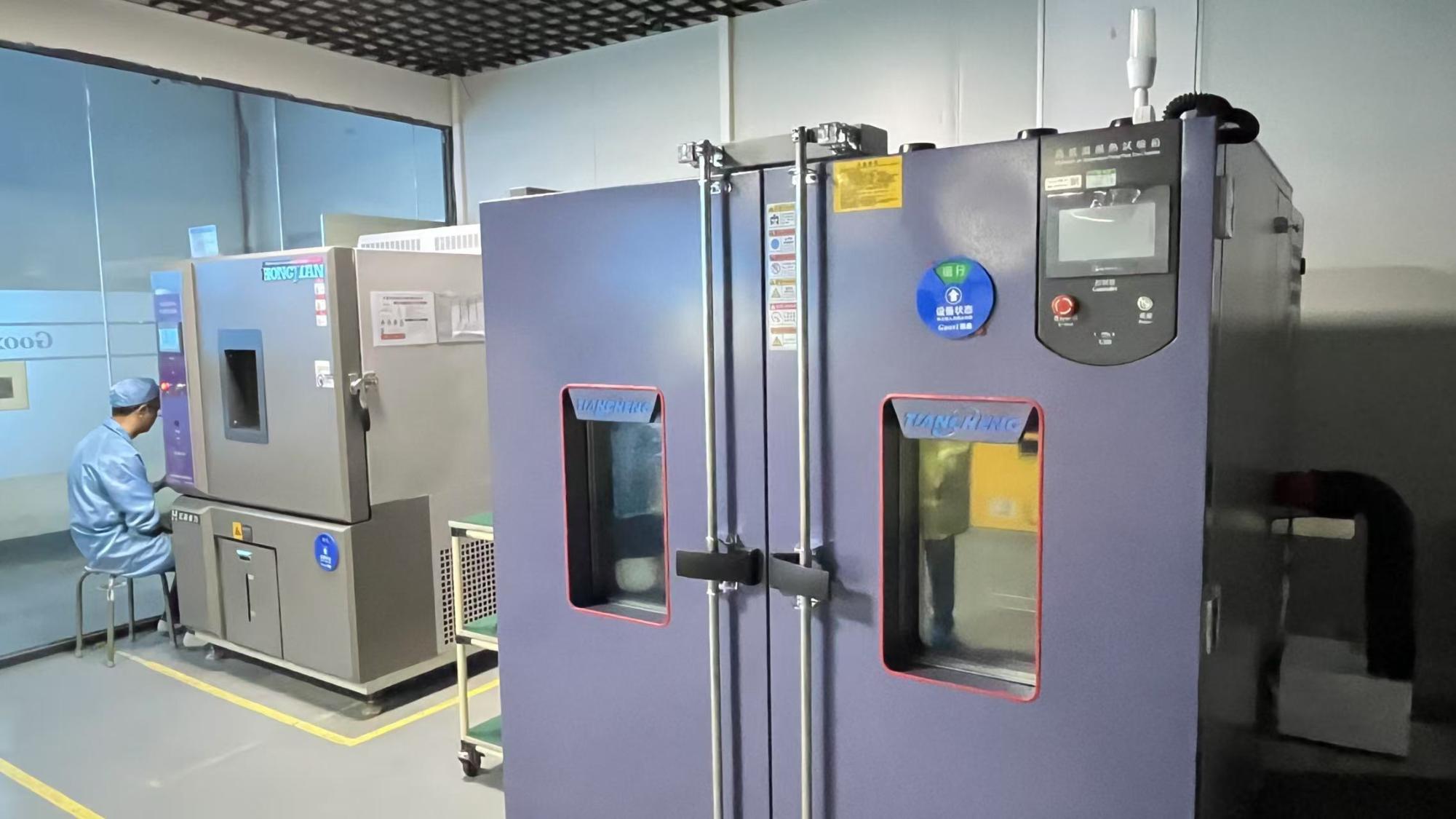
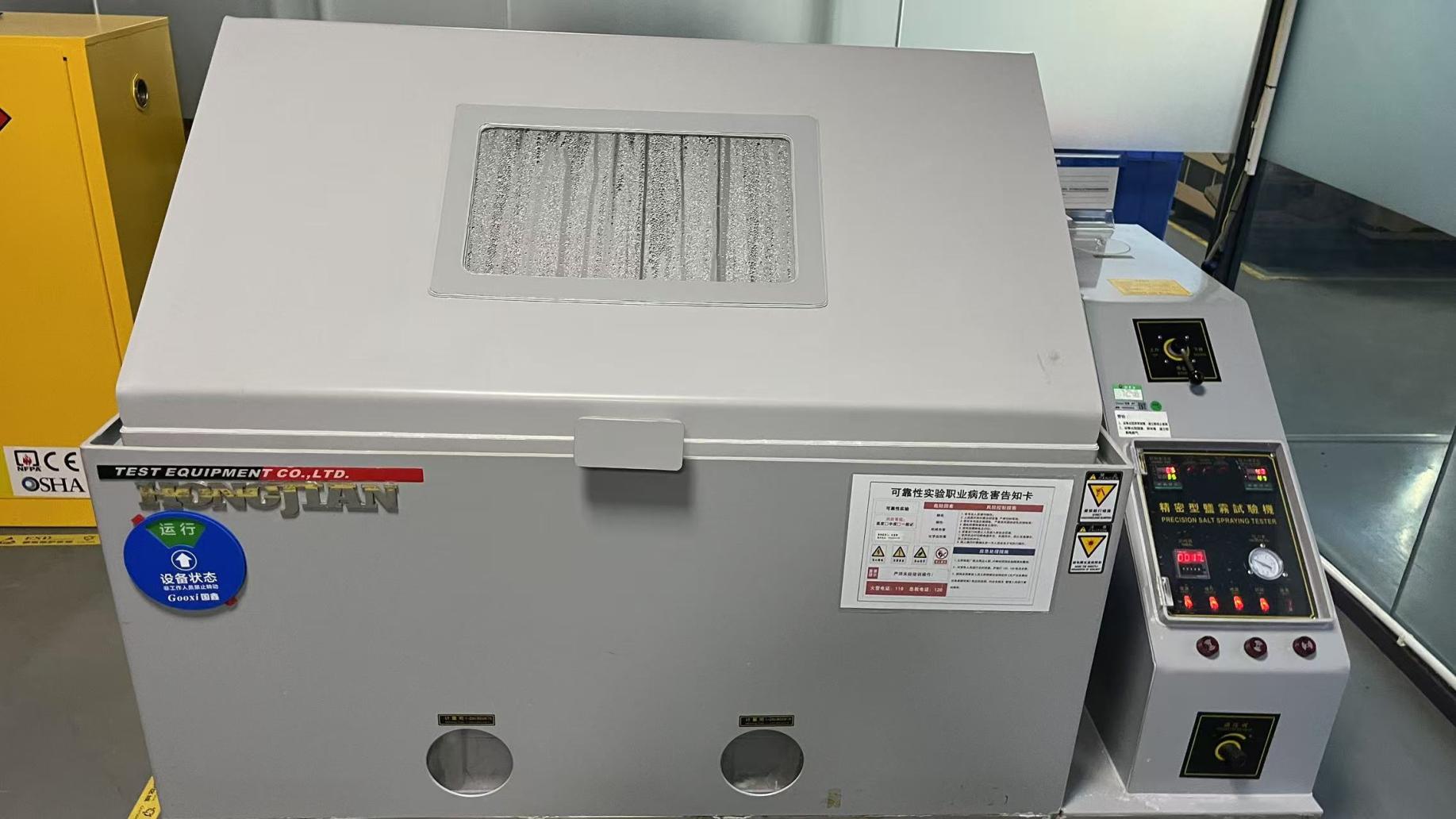
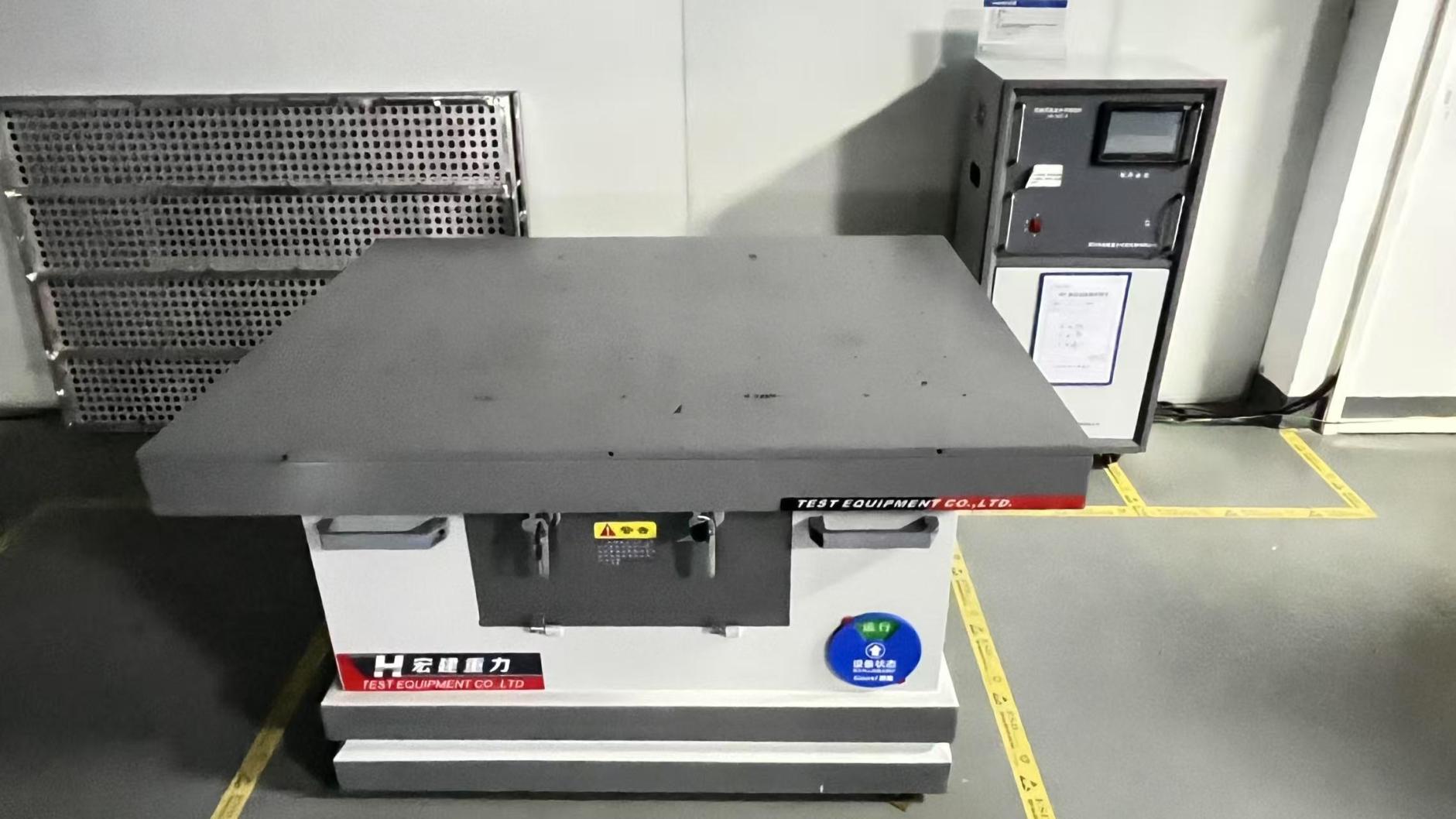
Our quality control sequence operates across the following major dimensions: material analysis, structural testing, environmental simulation, electrical tolerance, and full-system stress tests. Utilizing high-end testing devices such as CMM (Coordinate Measuring Machines) for physical tolerances, high-resolution X-ray systems for BGA package inspection, salt spray environments for shipping stress simulations, and high-capacity thermotanks for thermal stress analysis, we ensure each platform meets international deployment standards.



The pace of hardware iteration in high-performance computing shows no signs of slowing down. As we look toward the 2025–2030 horizon, the primary engineering challenge shifts from general computing power to density optimization, energy management, and data fabric bandwidth. High-performance LLMs demand massive memory pools and accelerated node-to-node links. ZhiCloud AI's technology roadmap is designed to address these requirements by focusing on three key vectors:
Enterprise procurement requirements vary significantly depending on industry, deployment environment, and computing scale. ZhiCloud AI structures its systems to address these distinct requirements directly:
Shipping custom high-performance server hardware globally requires strict compliance with international trade frameworks and regional technical standards. ZhiCloud AI manages export operations with dedicated procedures that protect hardware during transport and verify system compliance for the target market. Our systems carry CE, FCC, RoHS, and UL marks to simplify deployment across international regions.
To support buyers during the post-purchase phase, we offer remote diagnostic support, replacement components shipped through rapid logistics networks, and customizable service level agreements (SLAs). From the initial design phase to system commissioning on the data center floor, our teams work to ensure a reliable deployment process.
Get professional, detailed answers to common questions regarding our custom OEM development process, quality control systems, and deployment options.
PLM provides structured control over every step of system design and assembly. For high-performance GPU and AI platforms, PLM manages complex engineering variables such as board routing, power delivery, heat dissipation, and signal integrity across high-speed interfaces like PCIe Gen 5/Gen 6. By simulating and testing these variables early in development, we reduce physical design issues and ensure long-term reliability in demanding compute environments.
Our quality control team of 45 professionals uses a multi-phase validation process. We inspect incoming materials for defects and run functional board diagnostics. Fully assembled systems undergo rigorous environmental testing, including thermal stress cycling inside our thermotank chambers, vibration and shock tests, and physical coordinate verification (CMM). Every system completes a burn-in test before shipment to verify operation under sustained high workloads.
Yes. We customize server platforms to meet the needs of specific deep learning applications. Our R&D team configures and optimizes system components—including processor models, high-performance GPU arrays, large memory configurations, and low-latency network cards—to maximize throughput and efficiency for distributed training and inference workloads.
Based in Shenzhen, we leverage our direct network of over 1,200 strategic supply chain partners to source high-grade components quickly. This allows us to scale production up or down as needed. We also coordinate with partners to establish component buffer stocks, helping protect clients against market shortages and ensuring long-term parts availability for their platforms.
Our OEM options are highly flexible. We can customize the physical layout of the system, including custom chassis colors, corporate branding, and specific input/output ports. At the system level, we can design custom cooling systems, integrate specific memory and storage configurations, and pre-load specialized operating systems or management tools to match your infrastructure requirements.
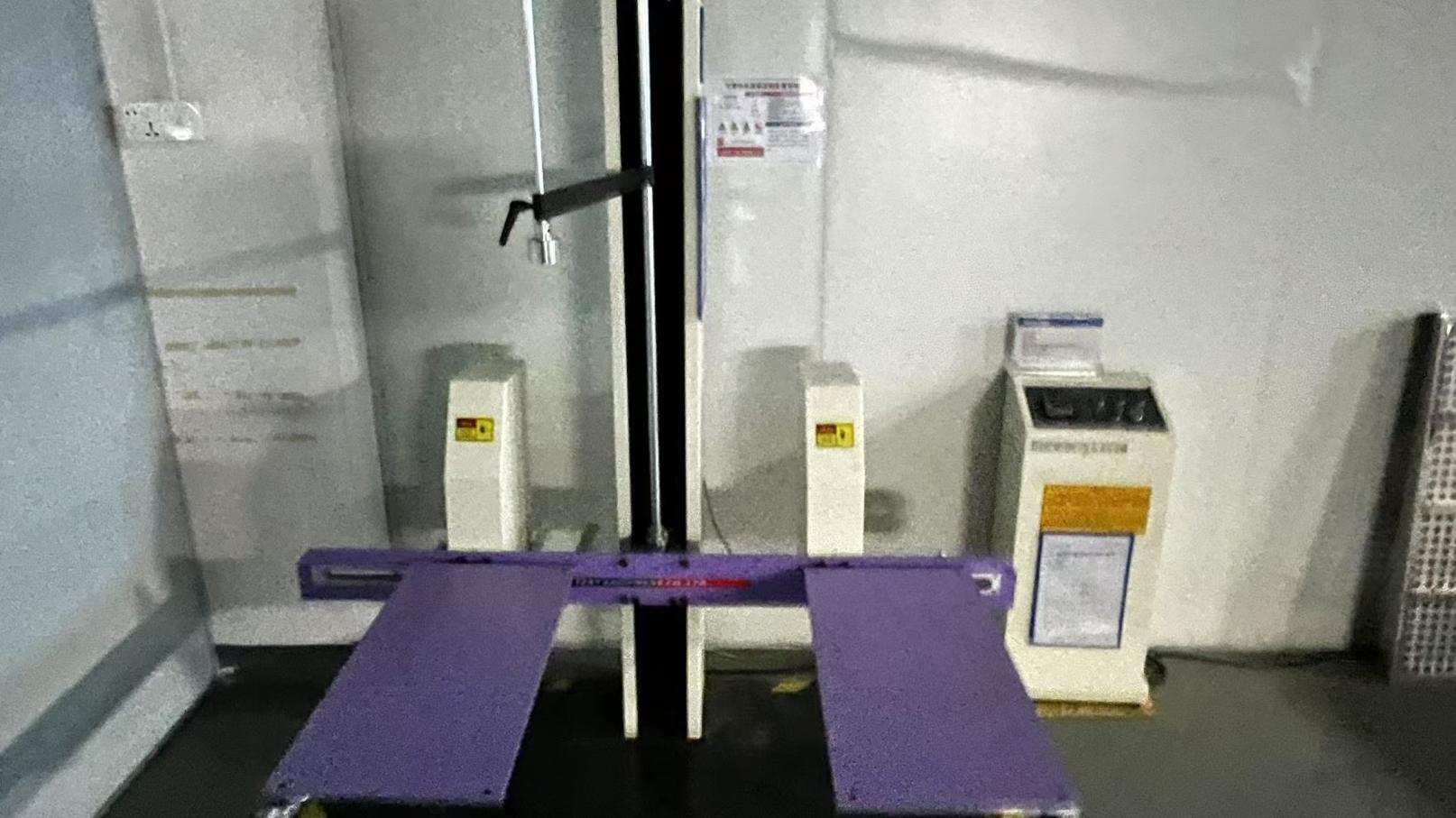
With 7 years of global export experience and an annual export revenue of $12M USD, we maintain clear processes for global logistics and compliance. All servers are packed in industrial-grade, shock-absorbing materials and undergo drop-testing to verify protection. We also prepare all necessary customs paperwork and verify compliance with regional technical standards (including CE, FCC, RoHS, and UL) to ensure smooth delivery to your destination.
Complete your deployment with enterprise-grade storage cards, high-speed interfaces, and highly configurable barebones rack servers.