ZhiCloud AI
ZhiCloud AI
ZhiCloud AI
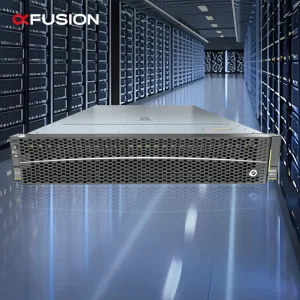
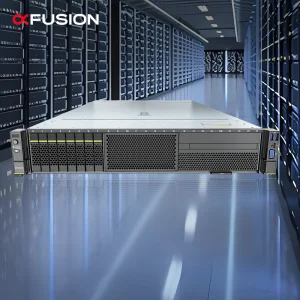
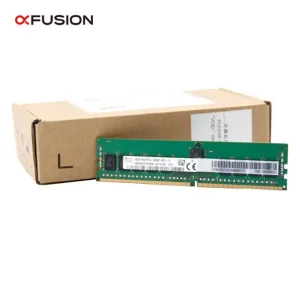
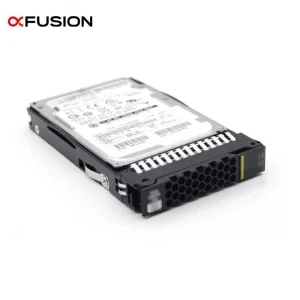
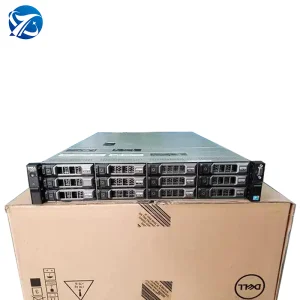
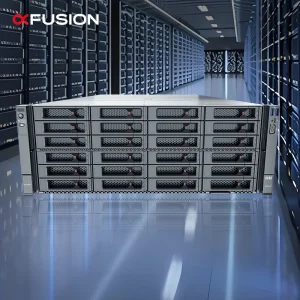
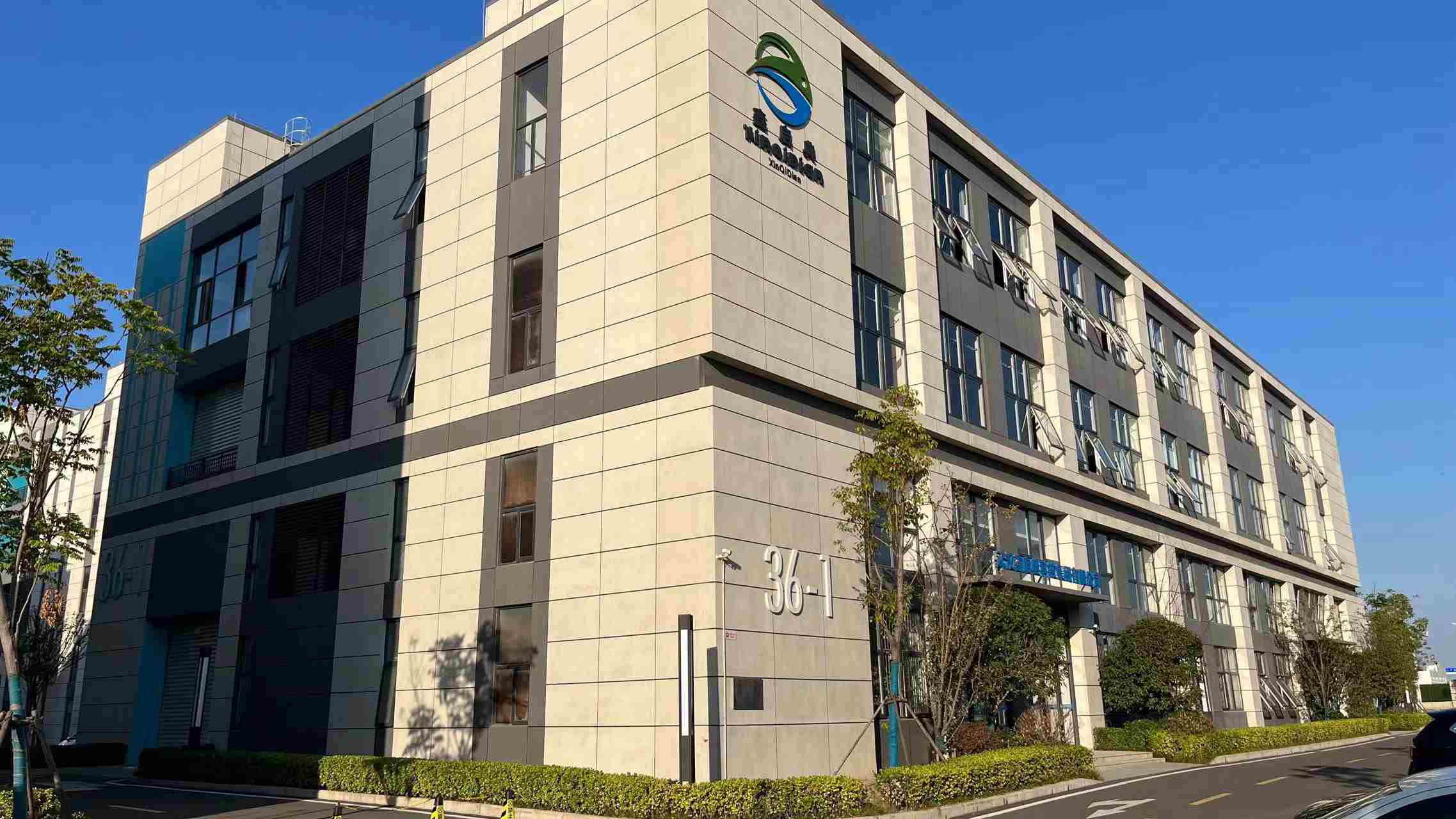
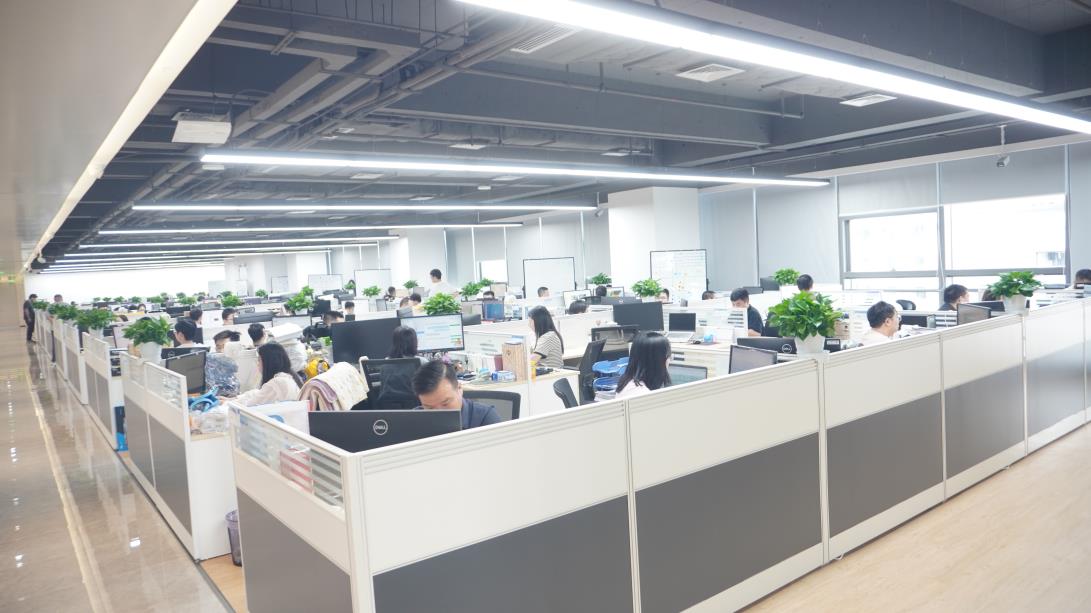
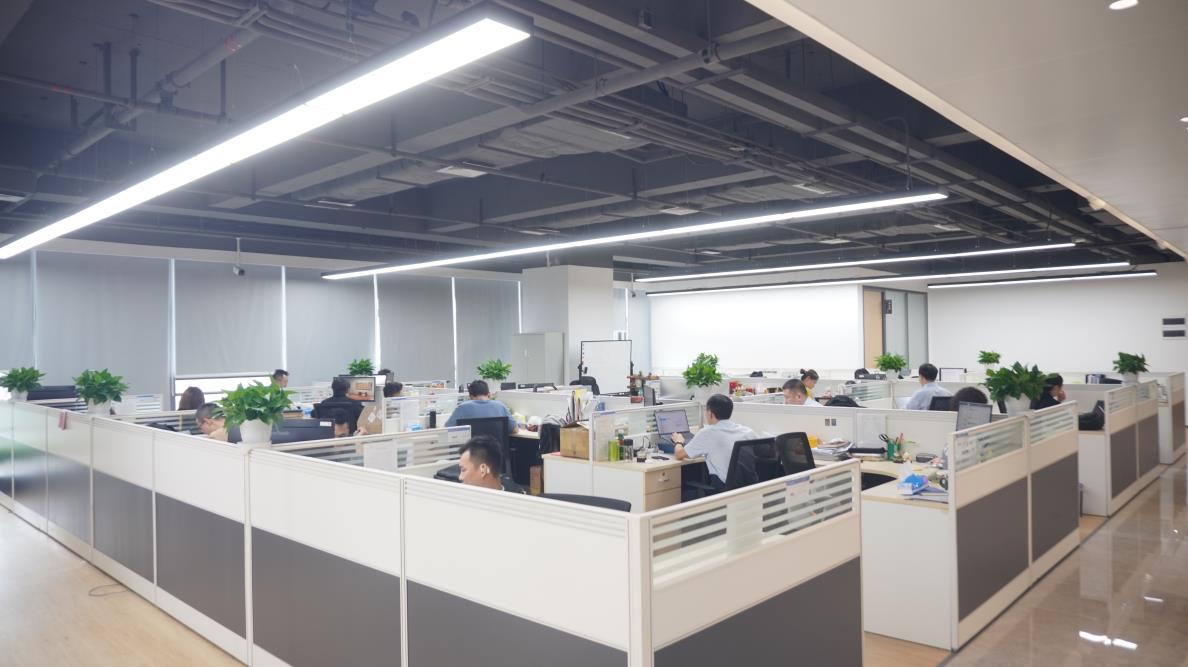
In the era of hyper-scale computing and complex neural network training, off-the-shelf server configurations often fall short of specific operational demands. Shenzhen Intelligent Computing Cloud Technology Co., Ltd. (ZhiCloud AI) stands at the forefront of this technological shift, operating as a premium, global-facing Custom OEM Branding Supplier and Exporter. With a deep foundation built on 11 years of industry expertise and 7 years of direct export experience, we specialize in customizing, certifying, and deploying high-performance GPU systems, private cloud servers, and advanced enterprise storage clusters.
Established in 2016, our facility functions as a centralized engineering and integration center. Over our years of deployment history, we have established a resilient international footprint, achieving an annual export revenue of approximately USD 12 million. By serving major high-demand tech landscapes in North America, Europe, Southeast Asia, and the Middle East, we have optimized our distribution channels, customs clearance processes, and localized certification strategies. We do not just box and ship hardware; we collaborate with AI startups, scale-ups, private cloud providers, and research centers to deliver bespoke bare-metal frameworks that seamlessly align with their unique software stacks and brand identities.
Enterprise procurement professionals are no longer looking for generic computing nodes. Modern search queries focus on performance density, workload optimization (specifically optimized for models like DeepSeek, Llama, and MoE architectures), and physical brand alignment. White-labeling server hardware allows Managed Service Providers (MSPs) and Cloud Service Providers (CSPs) to supply hardware carrying their own brand mark, reinforcing authority and maintaining client relationships.
Complete flexibility in selecting processor architectures, GPU configurations, memory capacity, and NVMe/SAS storage arrays to meet specific computing requirements.
Pre-configured BIOS settings, optimized firmware, and pre-installed AI/HPC container runtimes to deliver immediate out-of-the-box system deployments.
Custom bezel designs, laser-etched metal casings, customized labels, branded startup screens, and specialized protective packaging matching your enterprise brand.
Shenzhen is globally recognized as the silicon heartland of hardware engineering. Working with ZhiCloud AI gives you direct access to the fastest components, PCBs, and chassis supply chain in the world. Our facility acts as an agile staging hub, drawing from a strategic network of more than 1,200 partners. This ecosystem enables us to source parts quickly, complete assemblies, and adjust configurations much faster than traditional manufacturers.
In the AI hardware industry, speed is critical. A delay of two weeks in deploying a high-density GPU cluster can cost millions in lost training time. The concentration of component suppliers, testing laboratories, raw material cutters, and SMT (Surface Mount Technology) assembly centers in Shenzhen allows us to reduce turnaround times significantly. Furthermore, because we control our supply chain directly, we can source raw materials and premium electronics components at highly competitive prices, passing those cost savings directly to our global customers.
The global demand for computational power is changing rapidly. The emergence of reasoning models like DeepSeek-R1, Llama 3, and complex Mixture of Experts (MoE) architectures has altered the hardware landscape. Modern systems require higher memory bandwidth, faster GPU-to-GPU interconnects, and significantly better cooling structures to handle continuous AI tasks without performance degradation.
Training modern large language models requires massive parallel processing. Single-node servers with multi-GPU architectures (such as 4-way, 8-way, or 10-way configurations) connected via high-speed interfaces like PCIe Gen5, OAM, or NVLink have become the industry standard. These systems require high power and reliable cooling to prevent hardware bottlenecks during workloads.
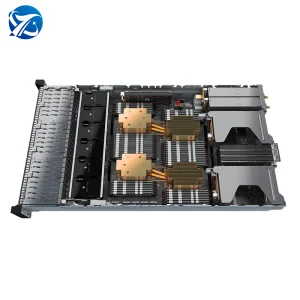
With CPU thermal design power (TDP) exceeding 350W and high-end GPUs passing 700W, traditional air cooling is reaching its limits. High-density data centers are shifting to liquid-to-air hybrid cooling and direct-to-chip liquid cooling systems. Implementing liquid cooling helps reduce power consumption, lowers PUE (Power Usage Effectiveness), and extends the operational life of components.
Data throughput is just as critical as raw processing power. High-speed memory architectures, including DDR5 ECC 6400MHz RDIMMs, are essential for feed-forward passes in LLM execution. Additionally, low-latency Enterprise NVMe SSDs configured in RAID setups are required to handle massive datasets and fast checkpointing tasks during long training sessions.
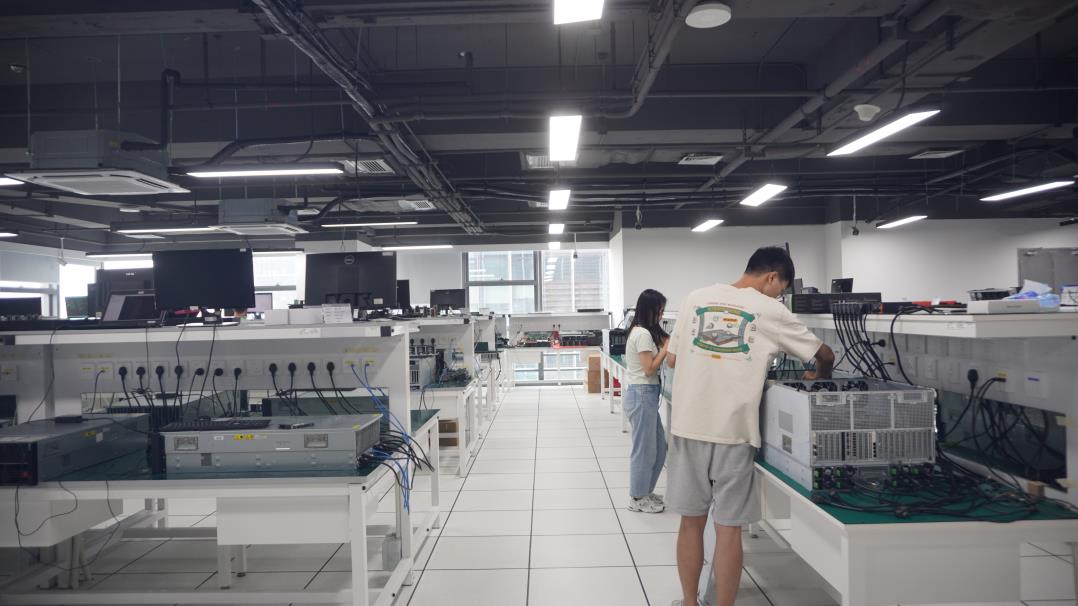
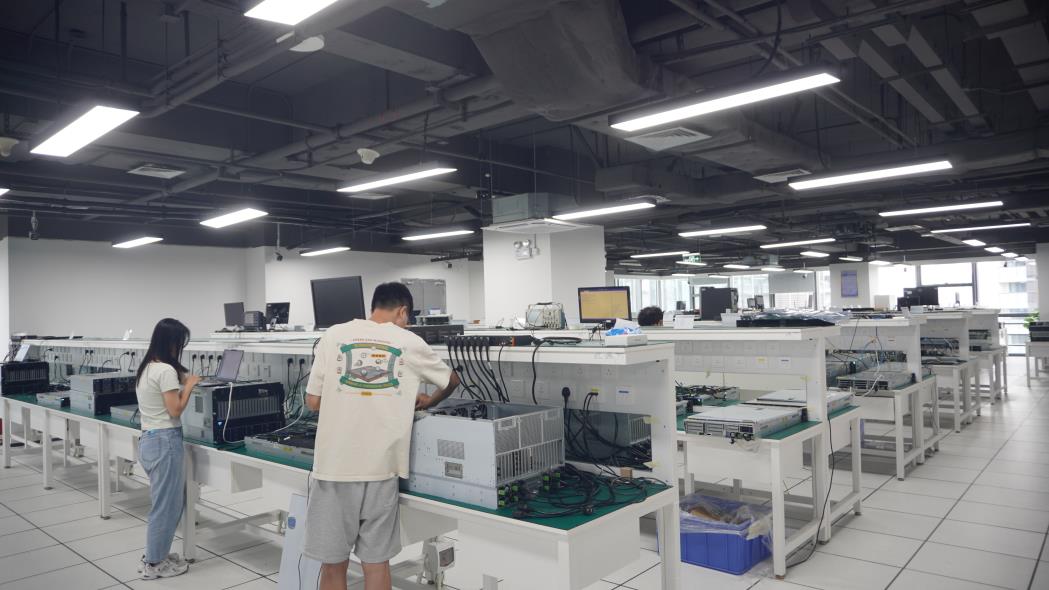
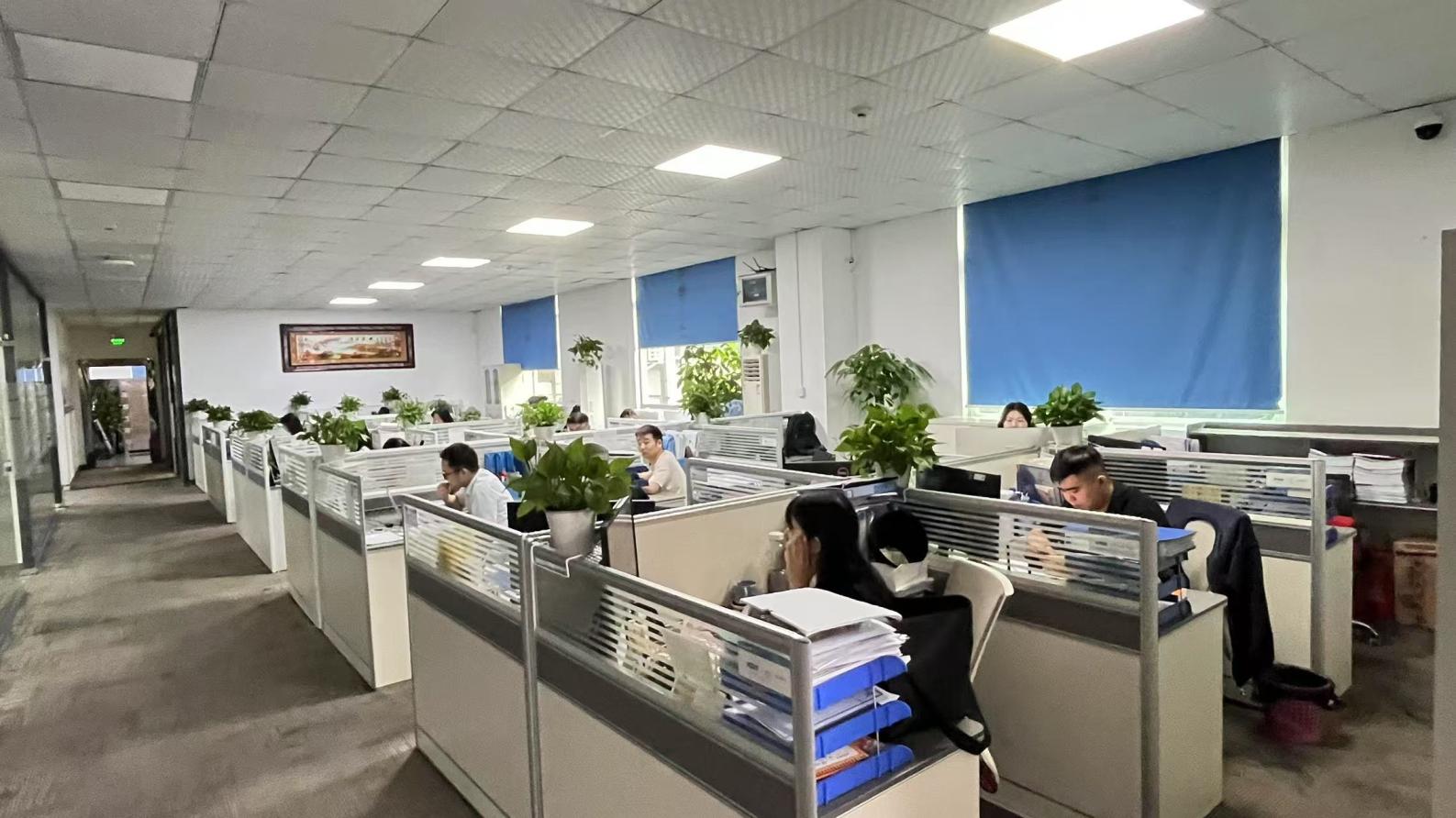
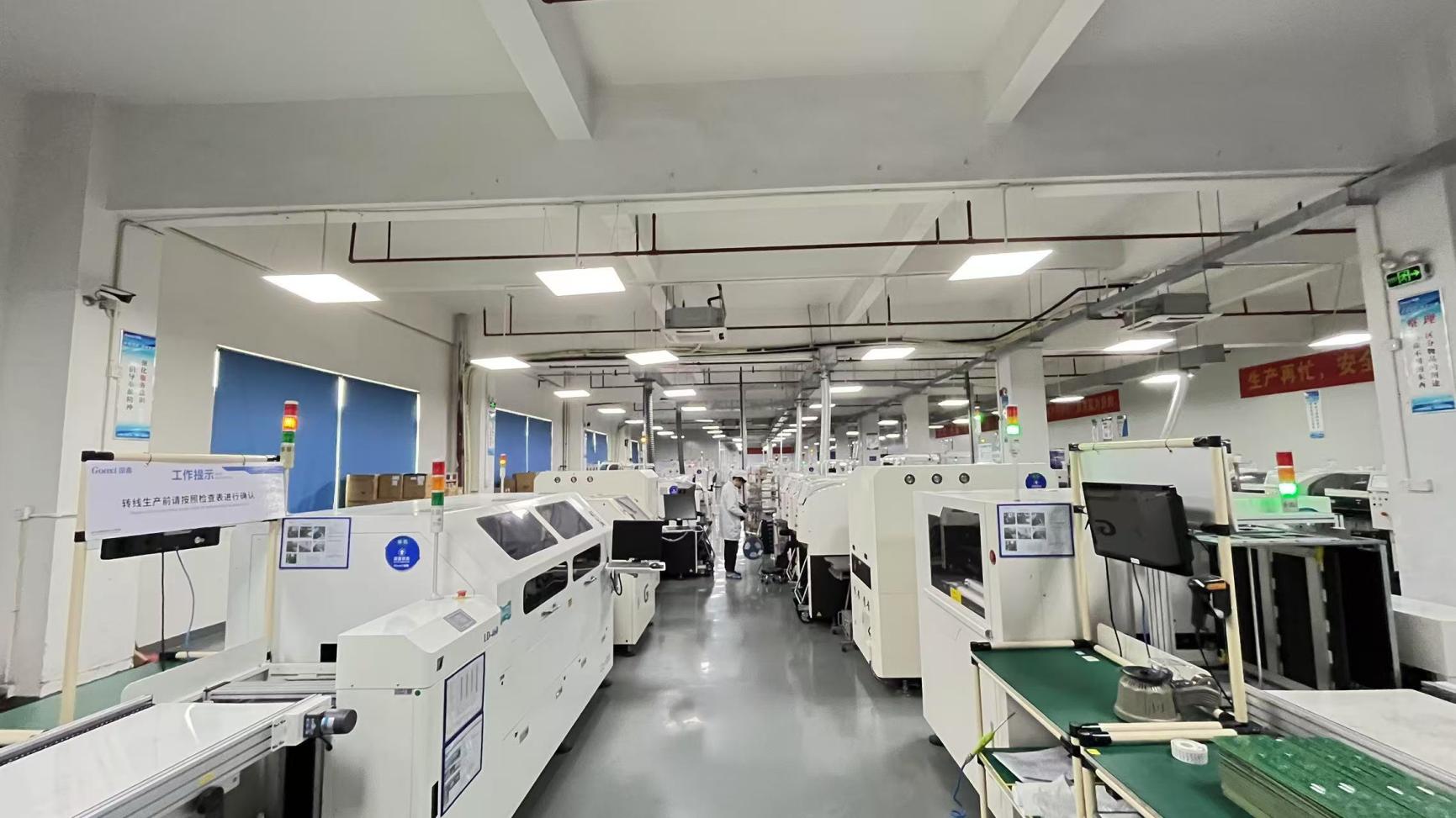
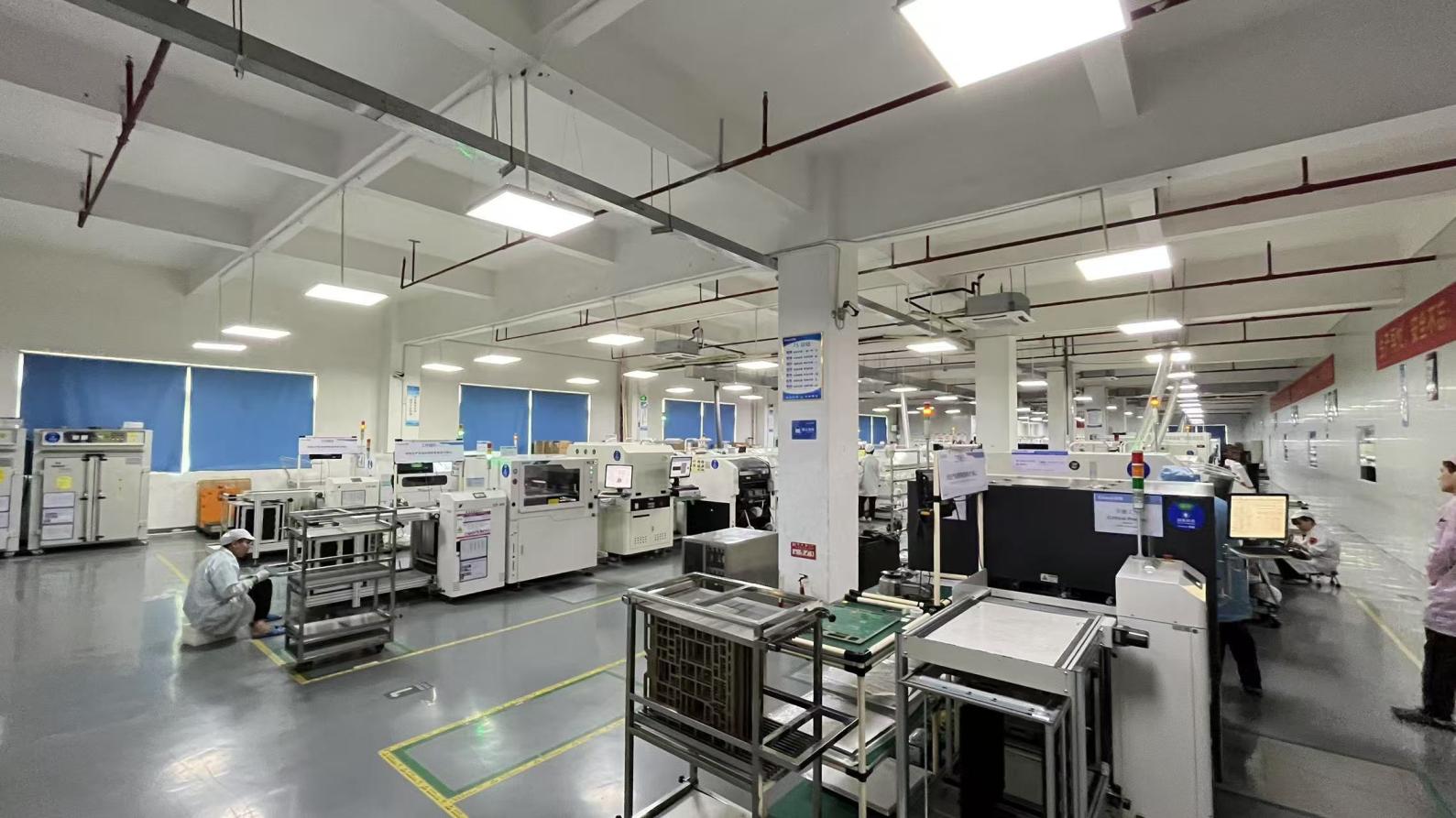
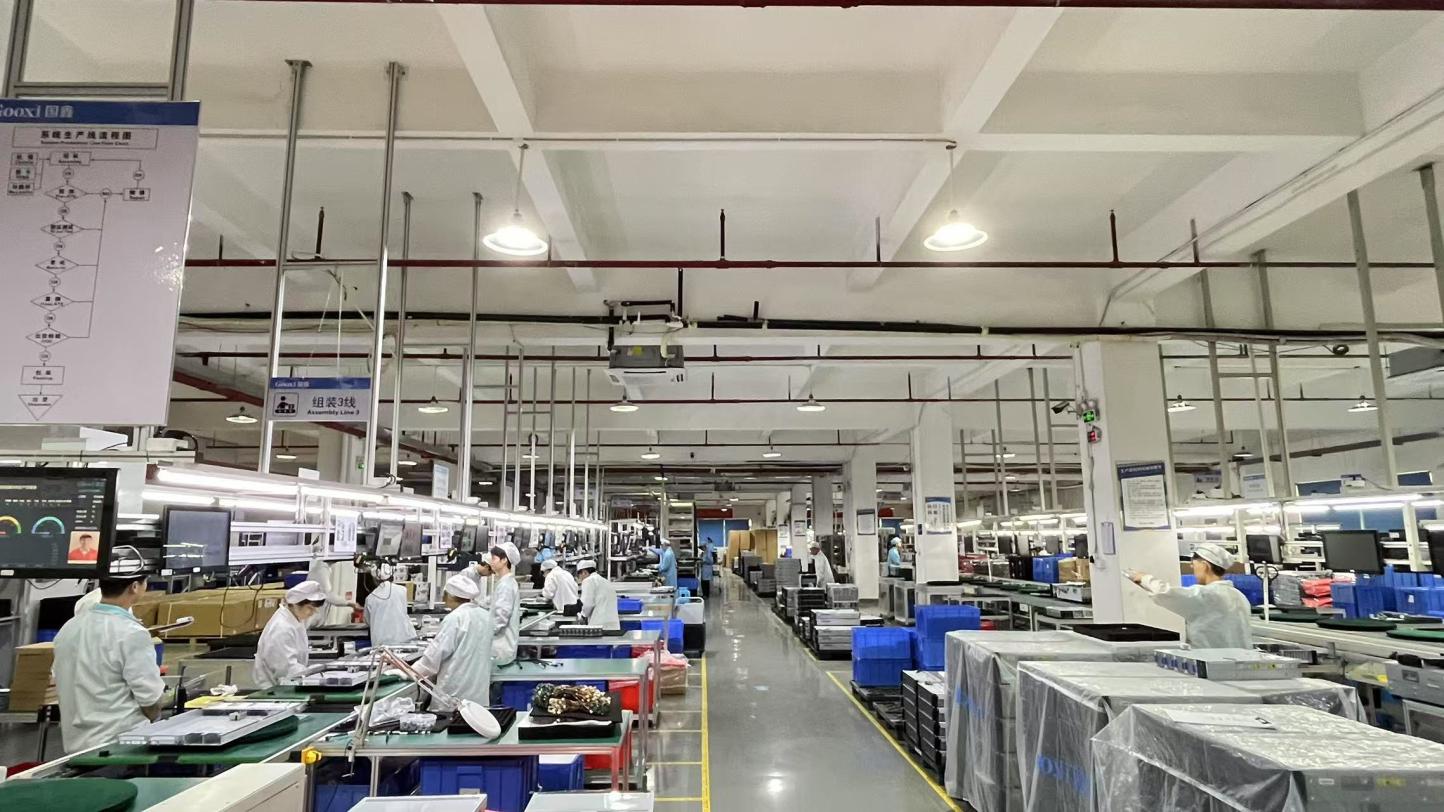
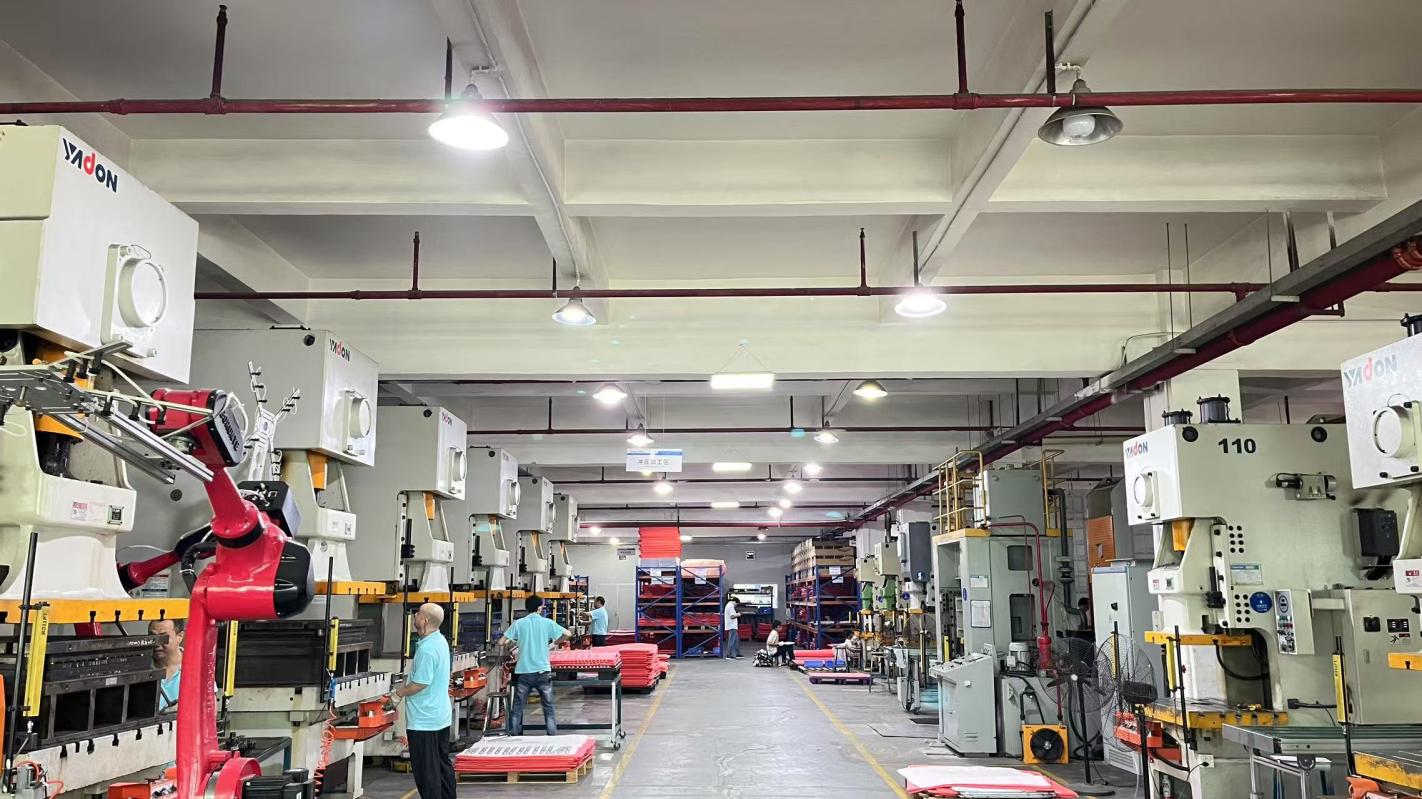
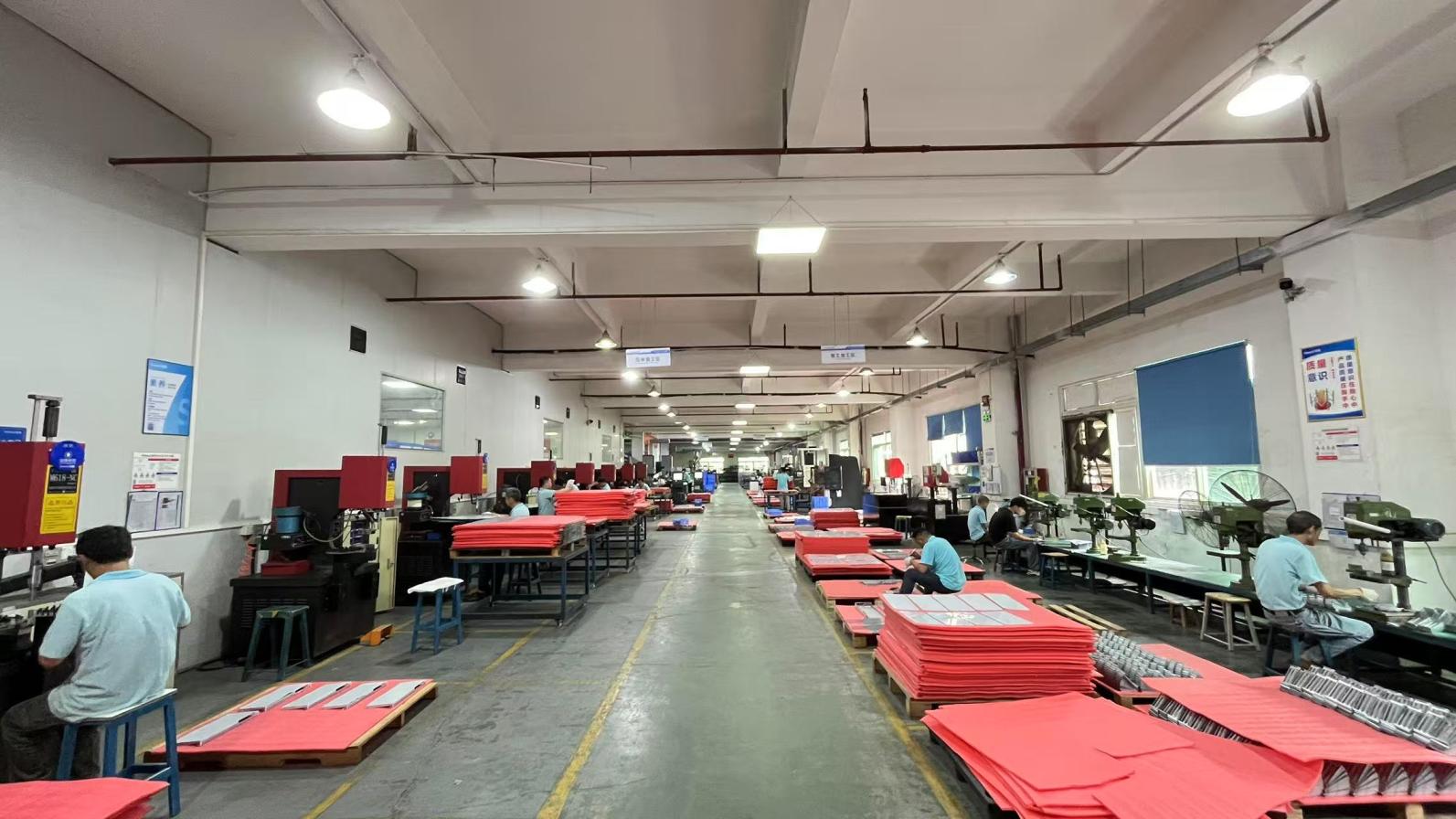
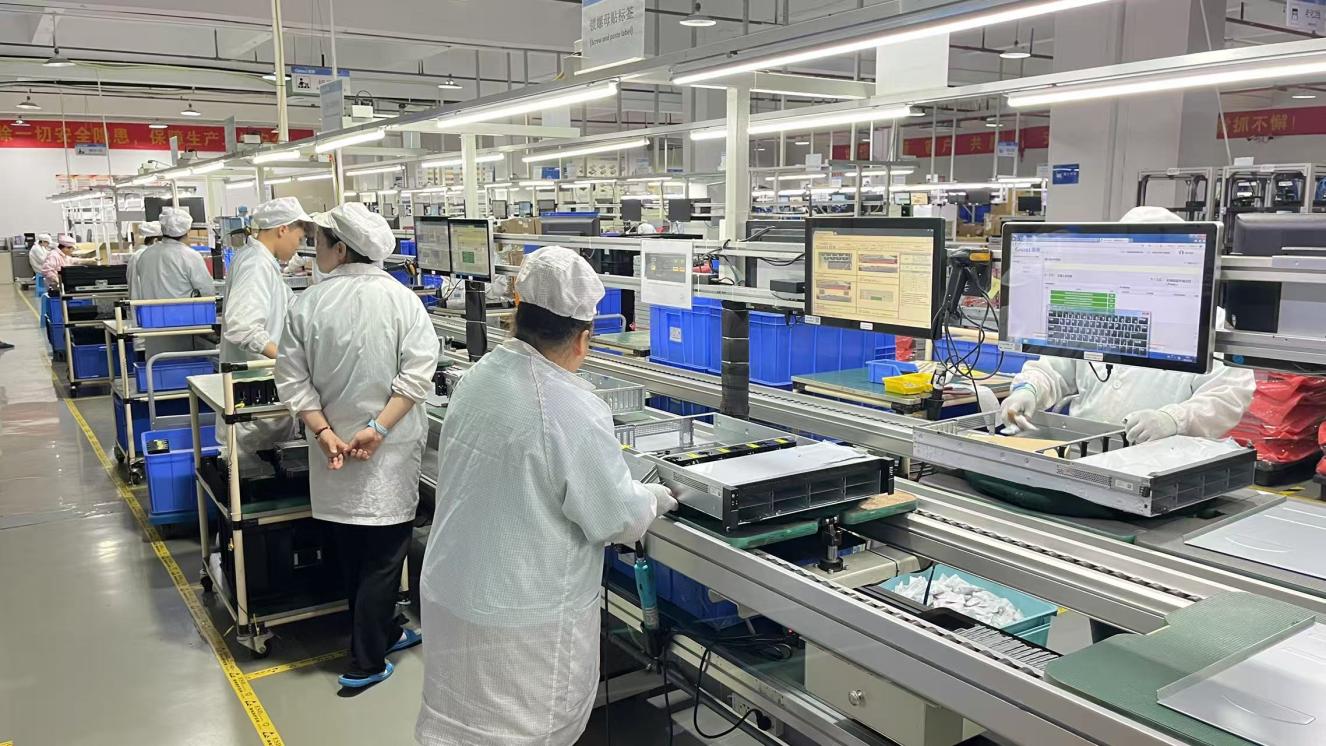
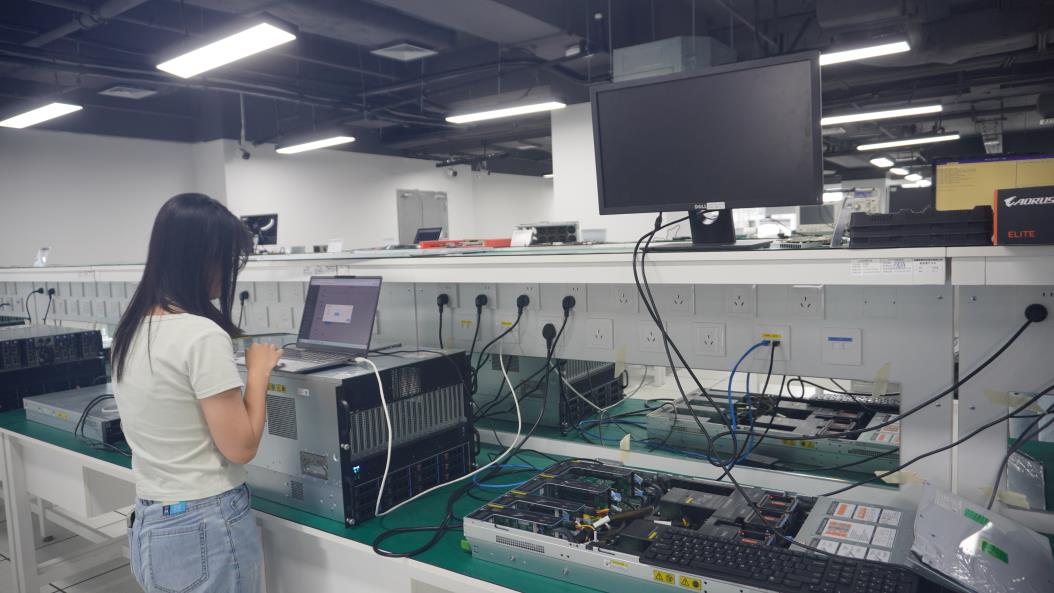
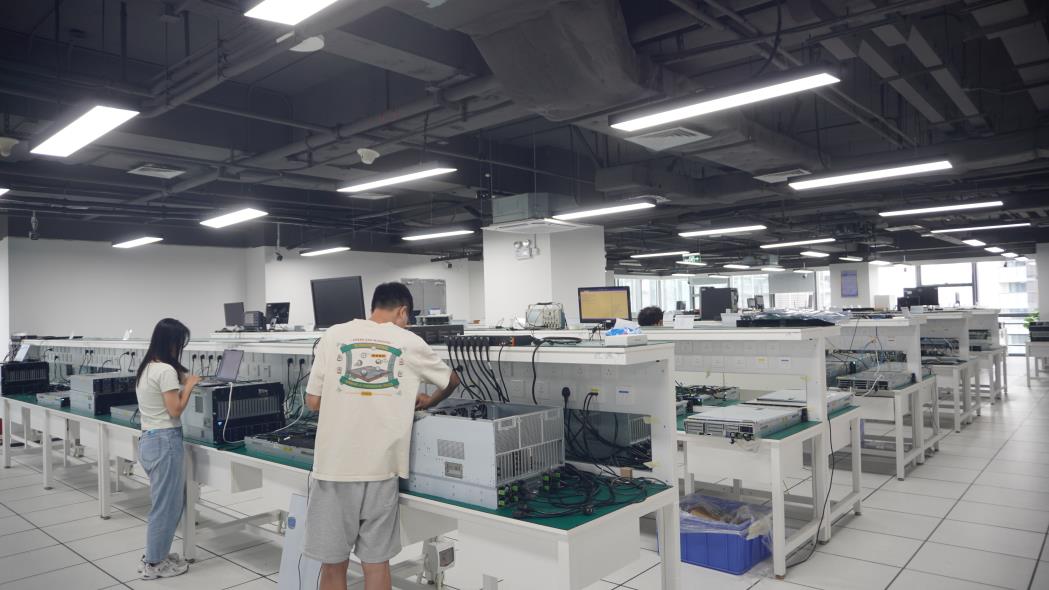
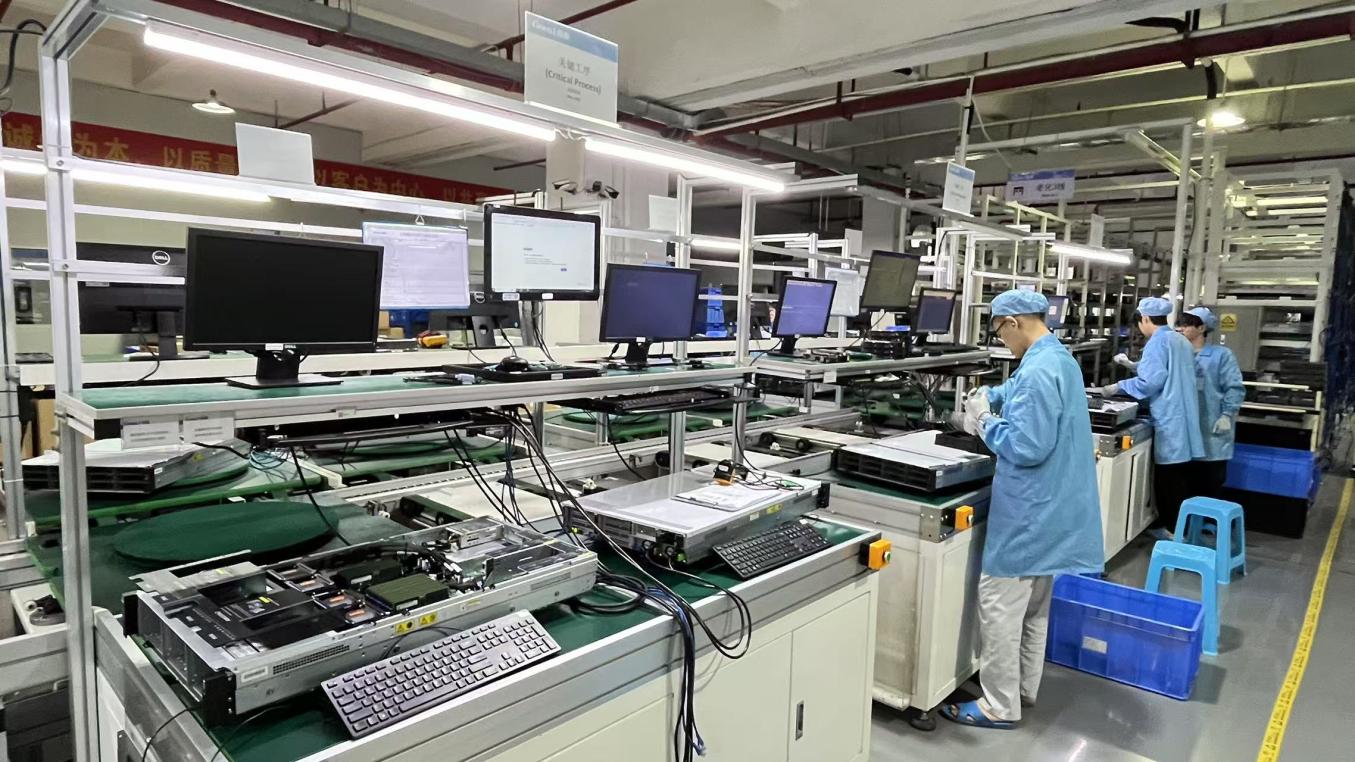
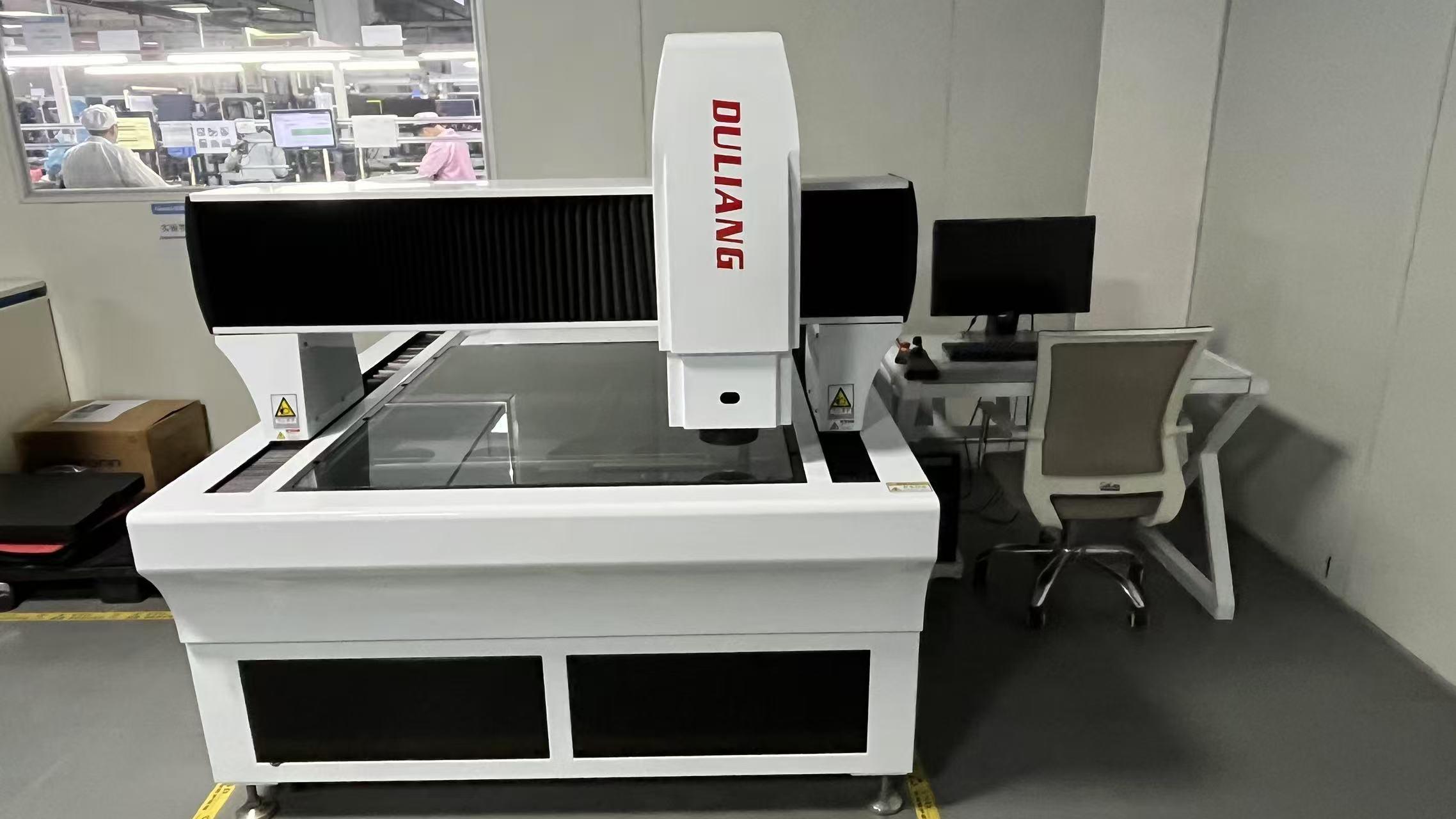
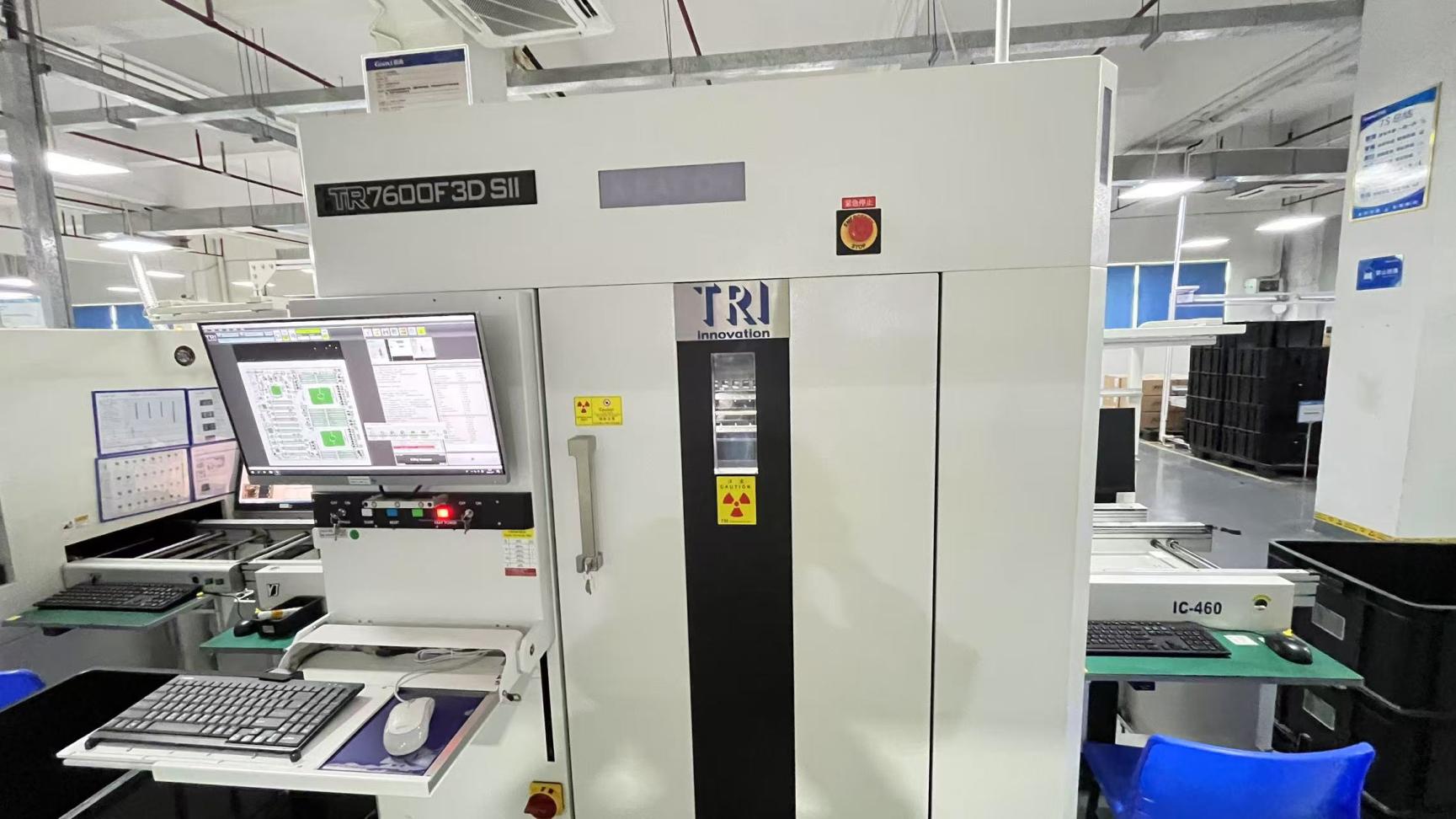
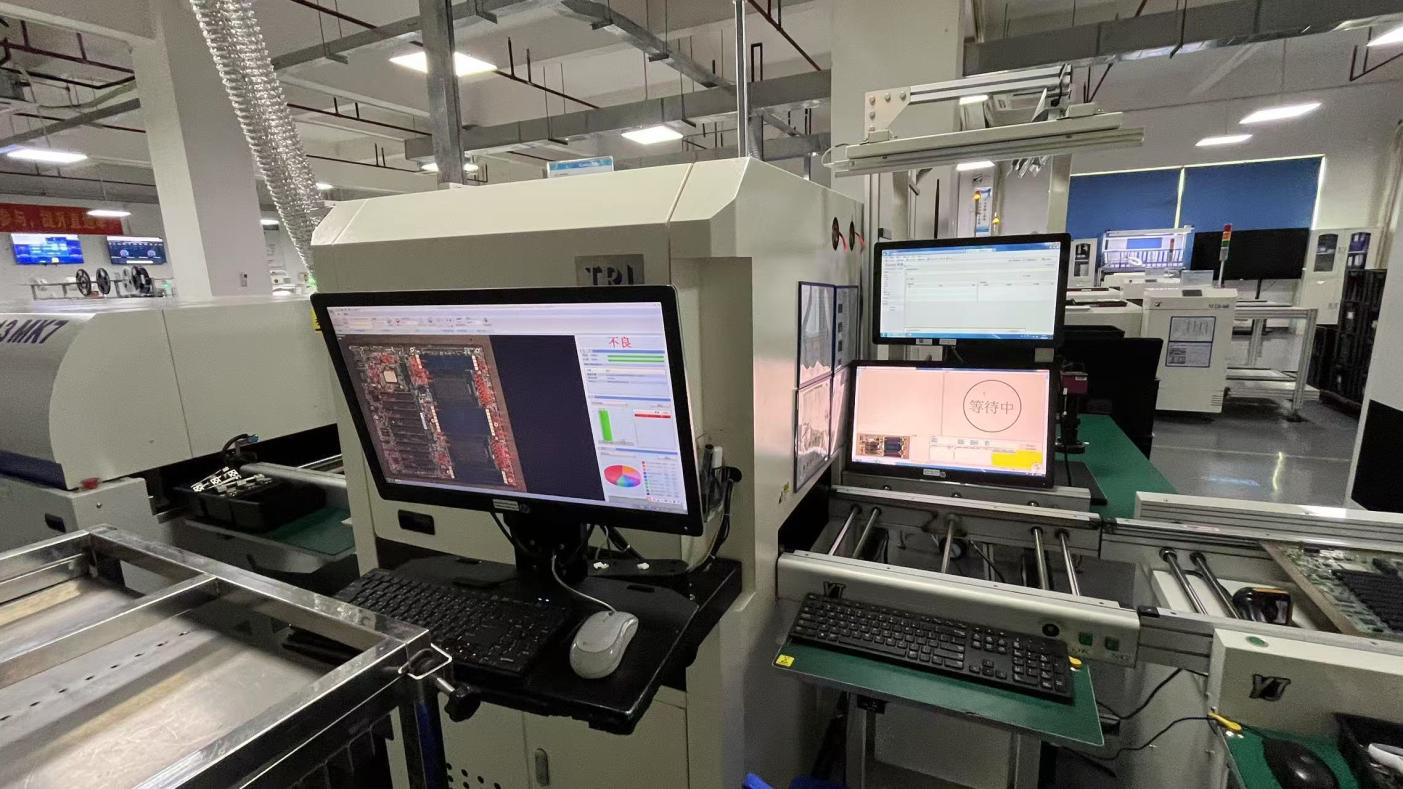
Our commitment to E-E-A-T principles is demonstrated through our strict quality control workflow. We operate a highly disciplined manufacturing process, supported by 45 dedicated QC personnel. From raw metal bending to PCBA testing, every component undergoes multi-stage inspections to ensure it meets international quality standards before global shipment.
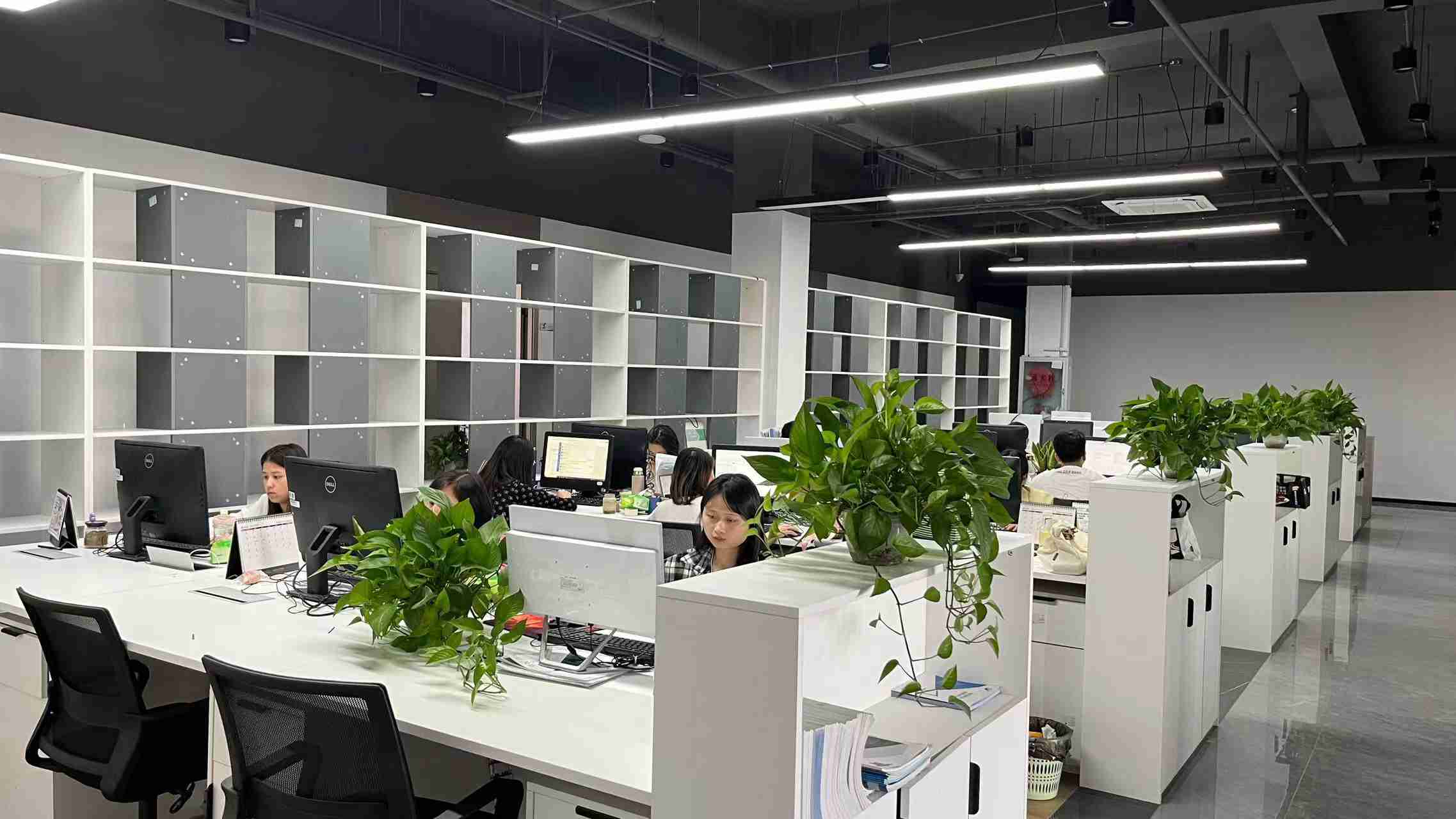
Below is a visual walk-through of the daily operations at our production facility. We manage every step, from cutting raw steel to final packaging and safety testing.
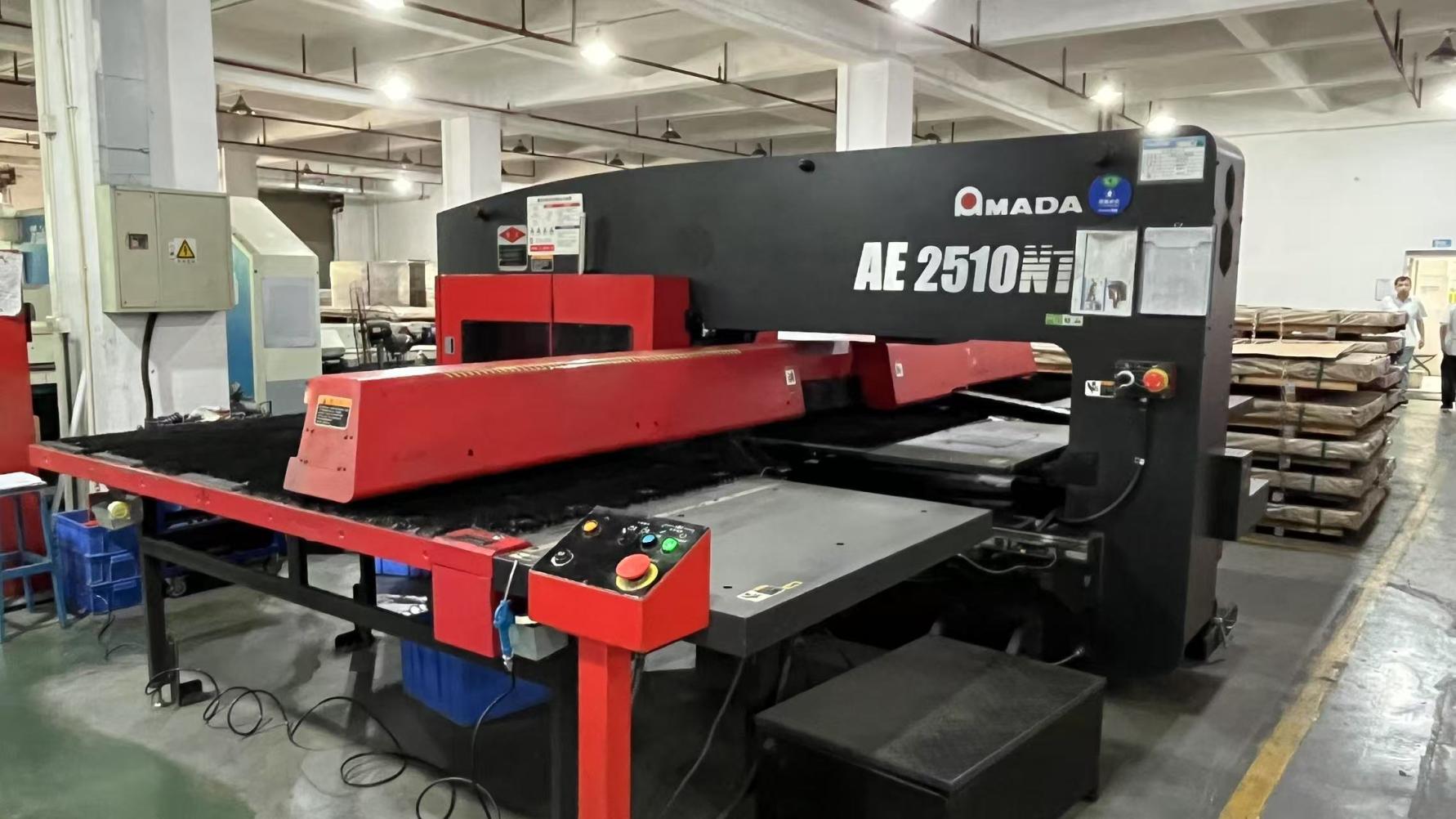
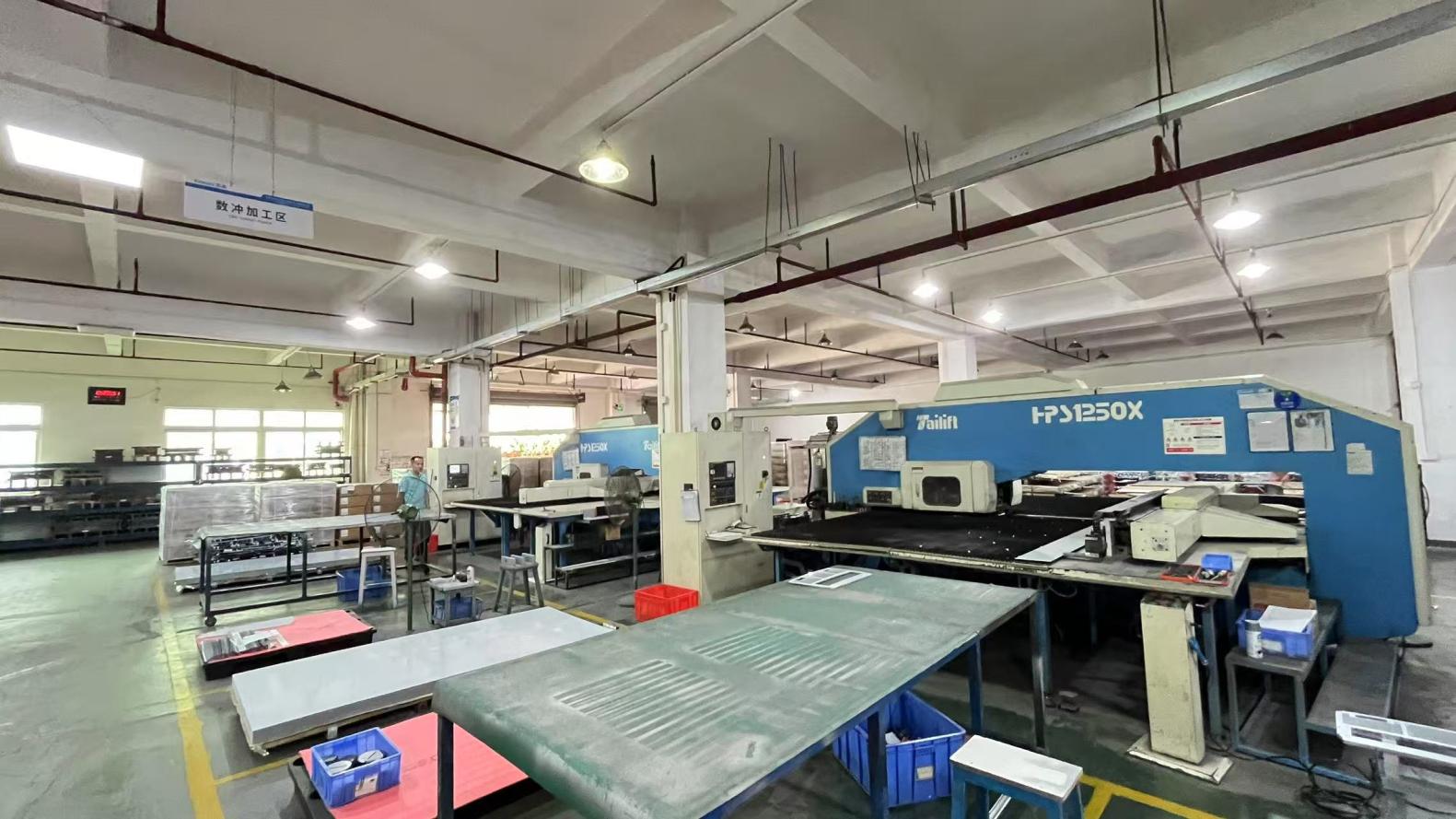
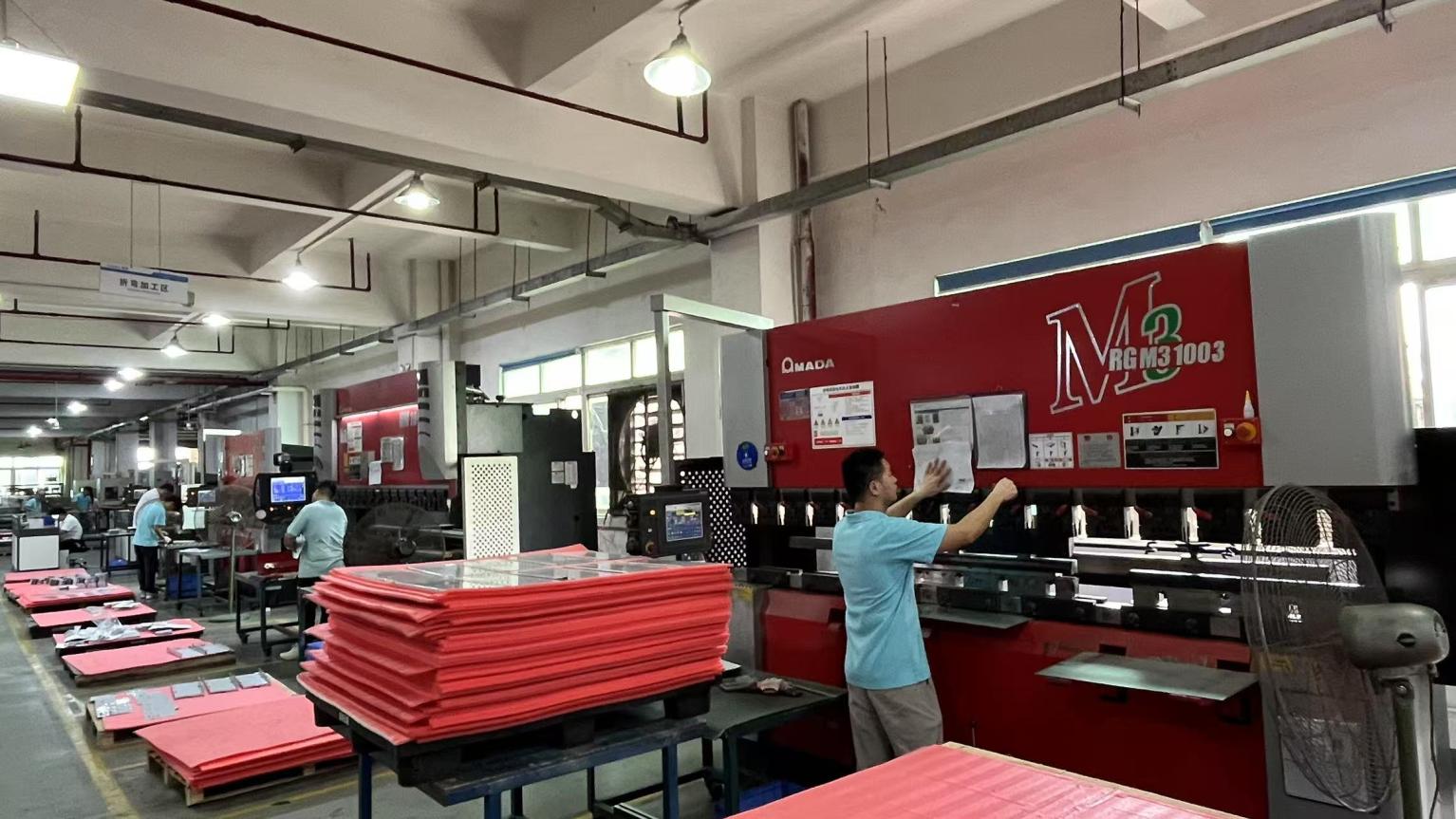
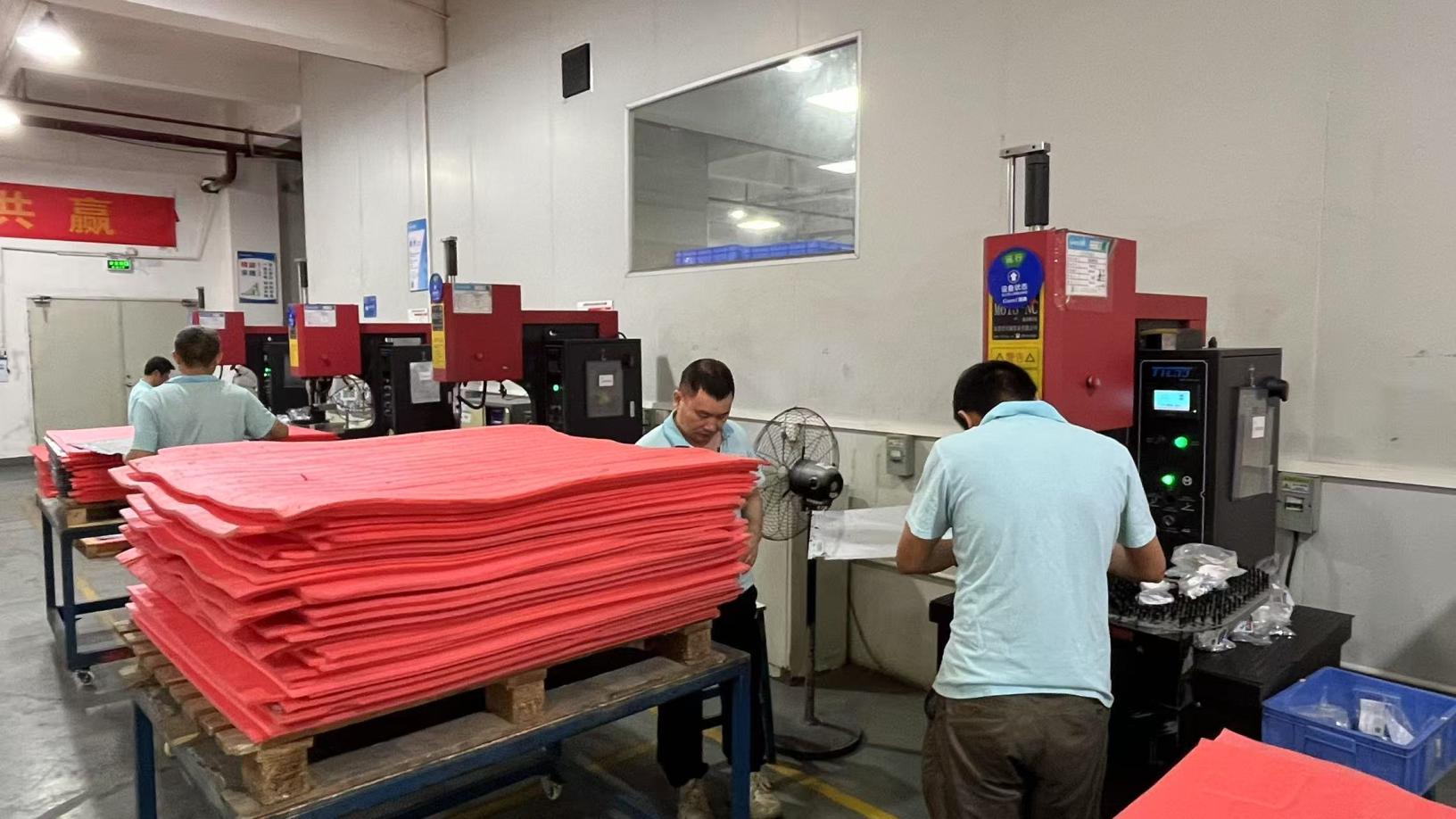
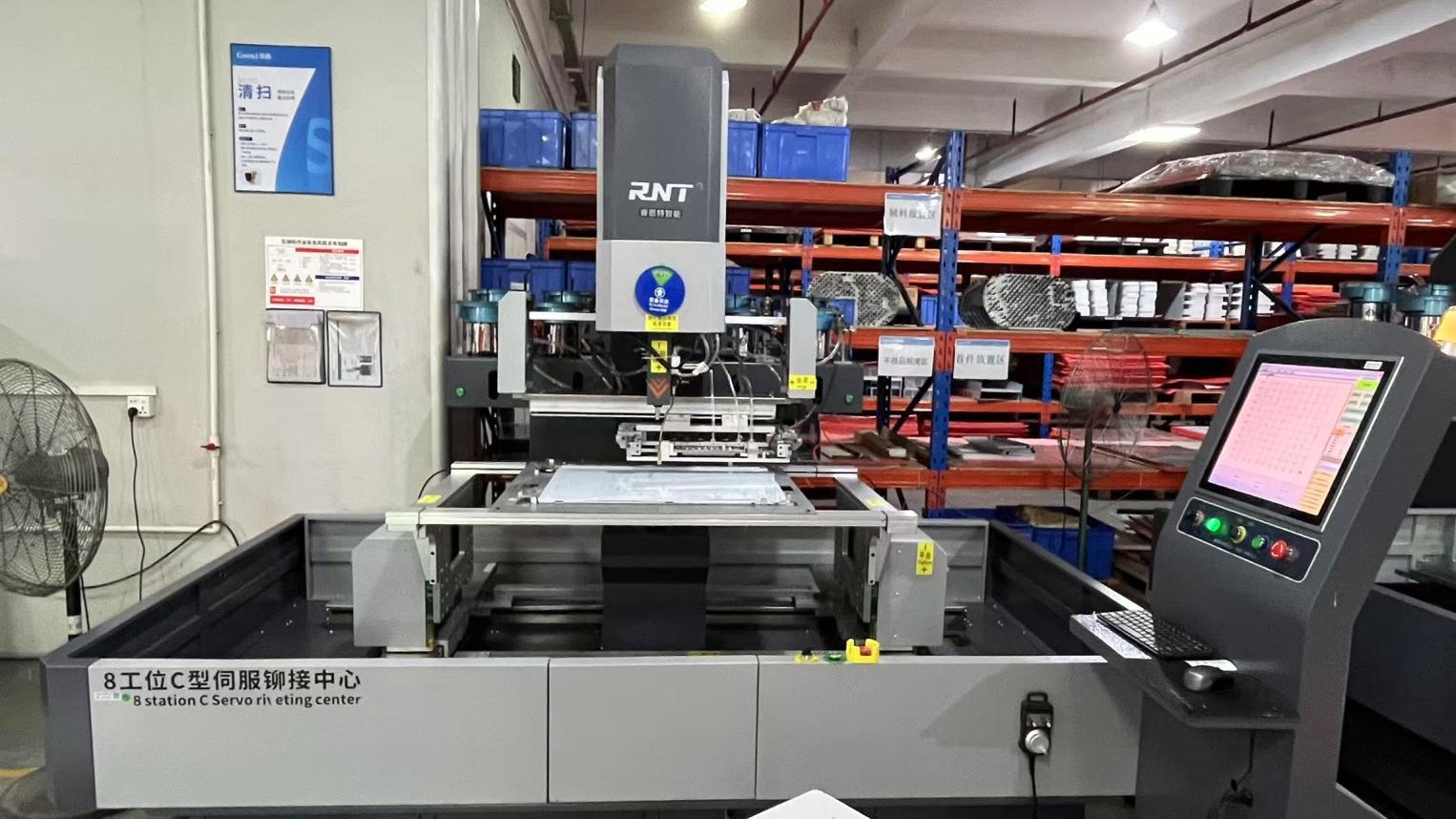
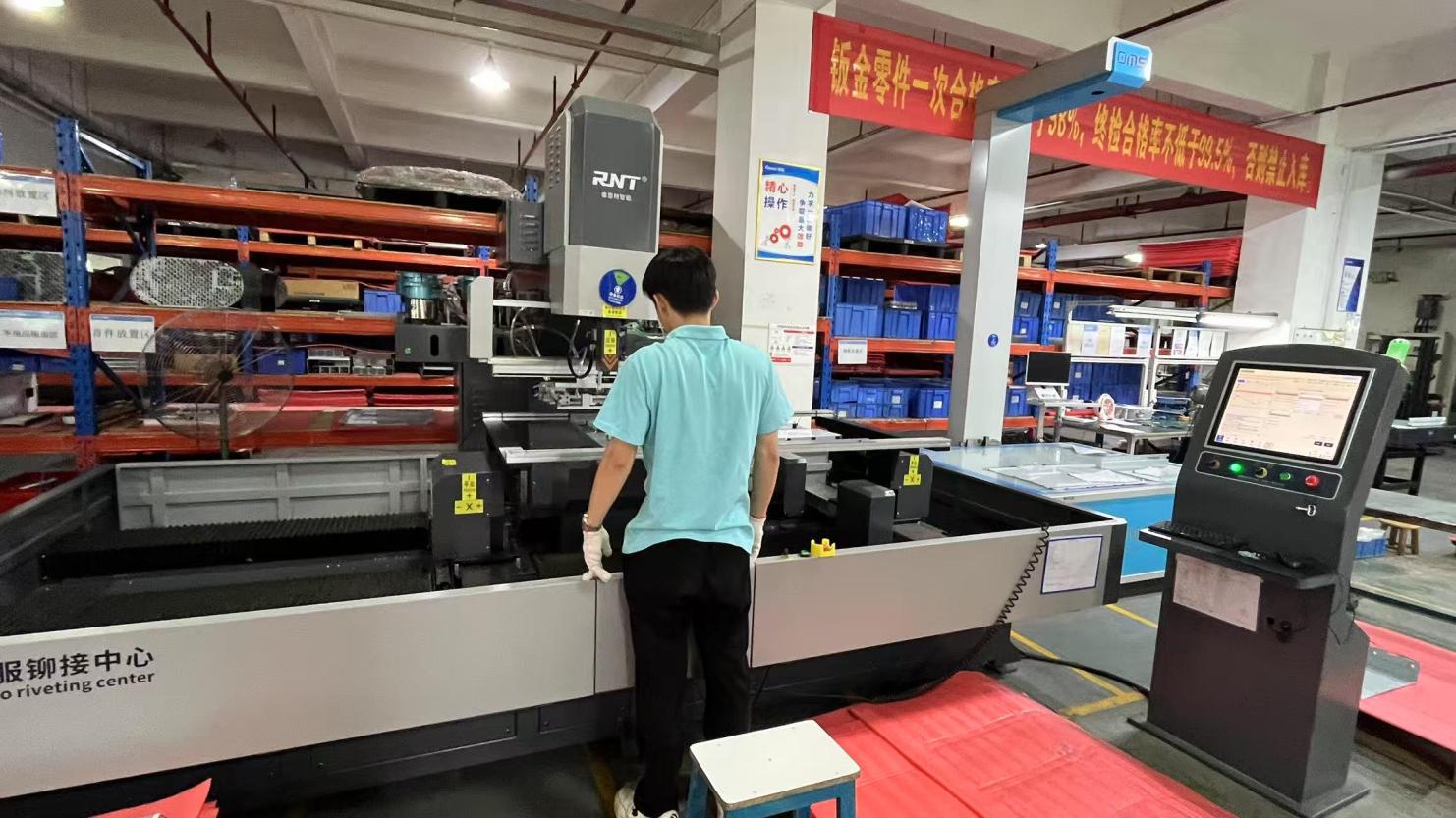
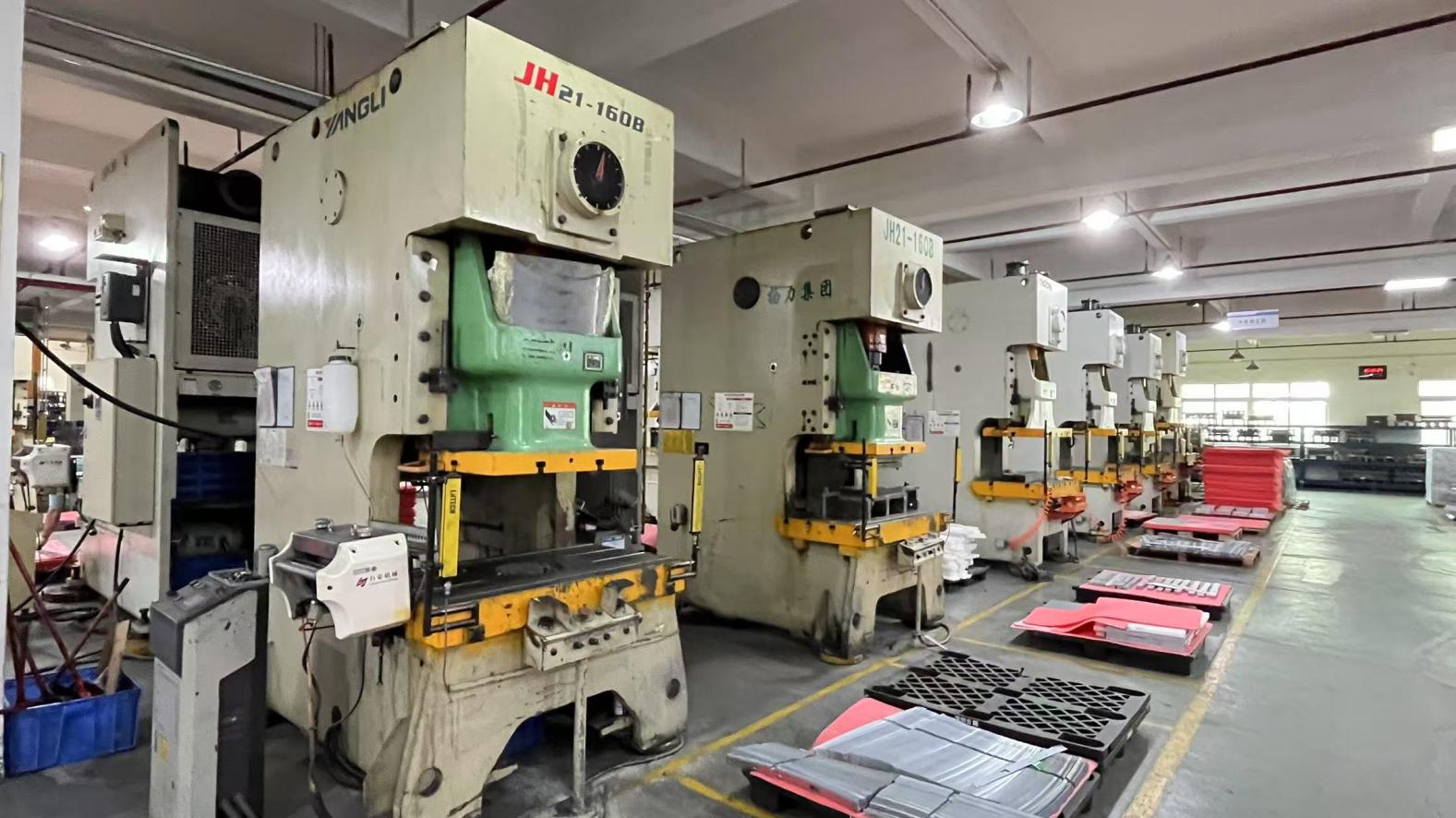
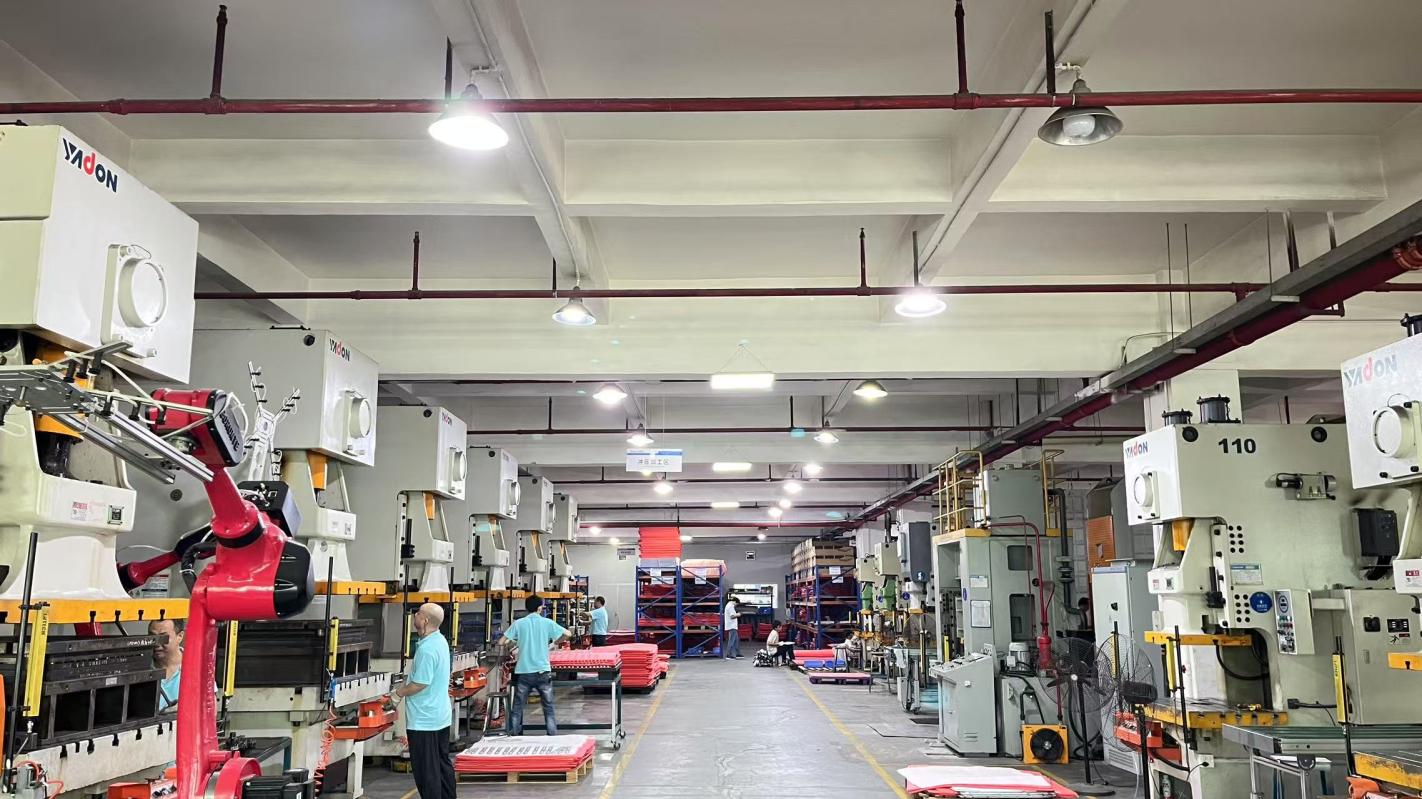
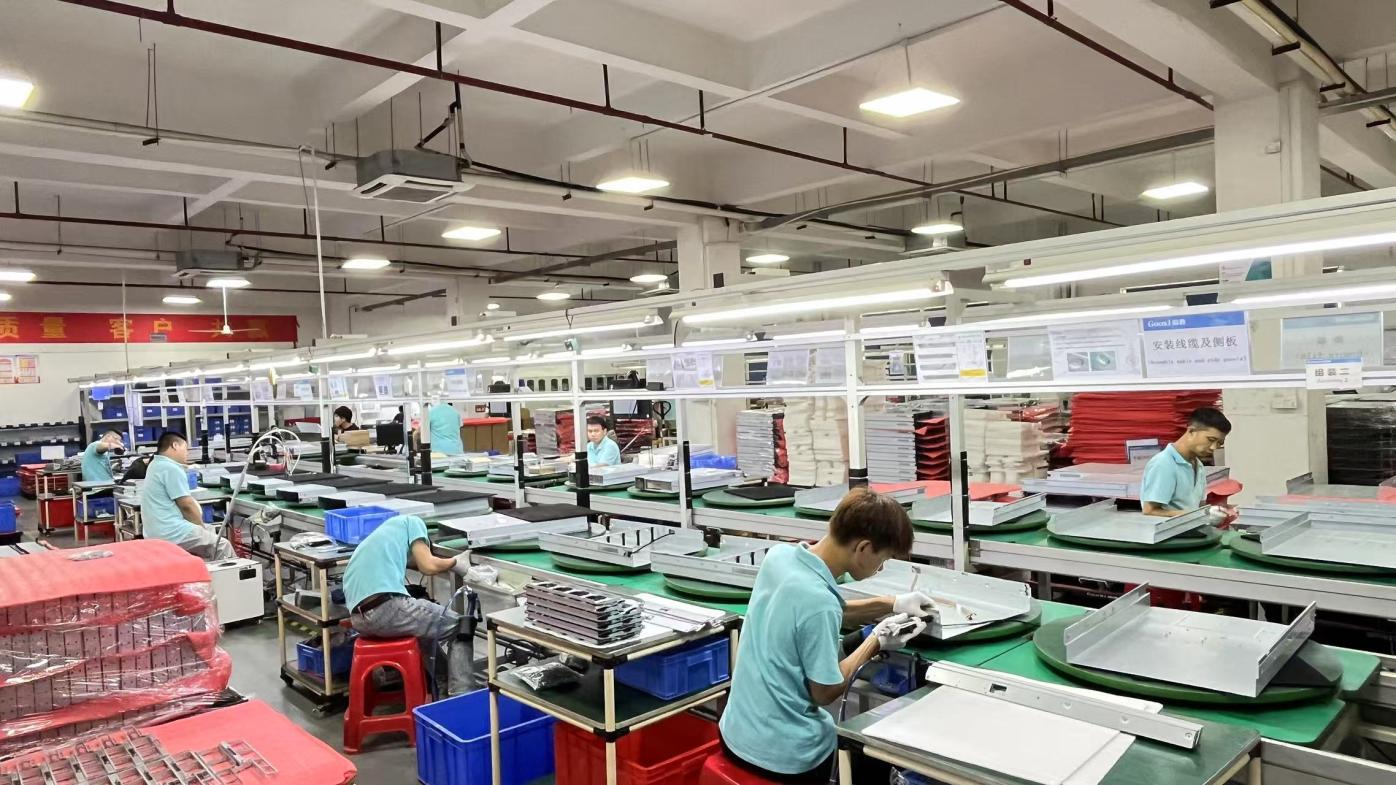
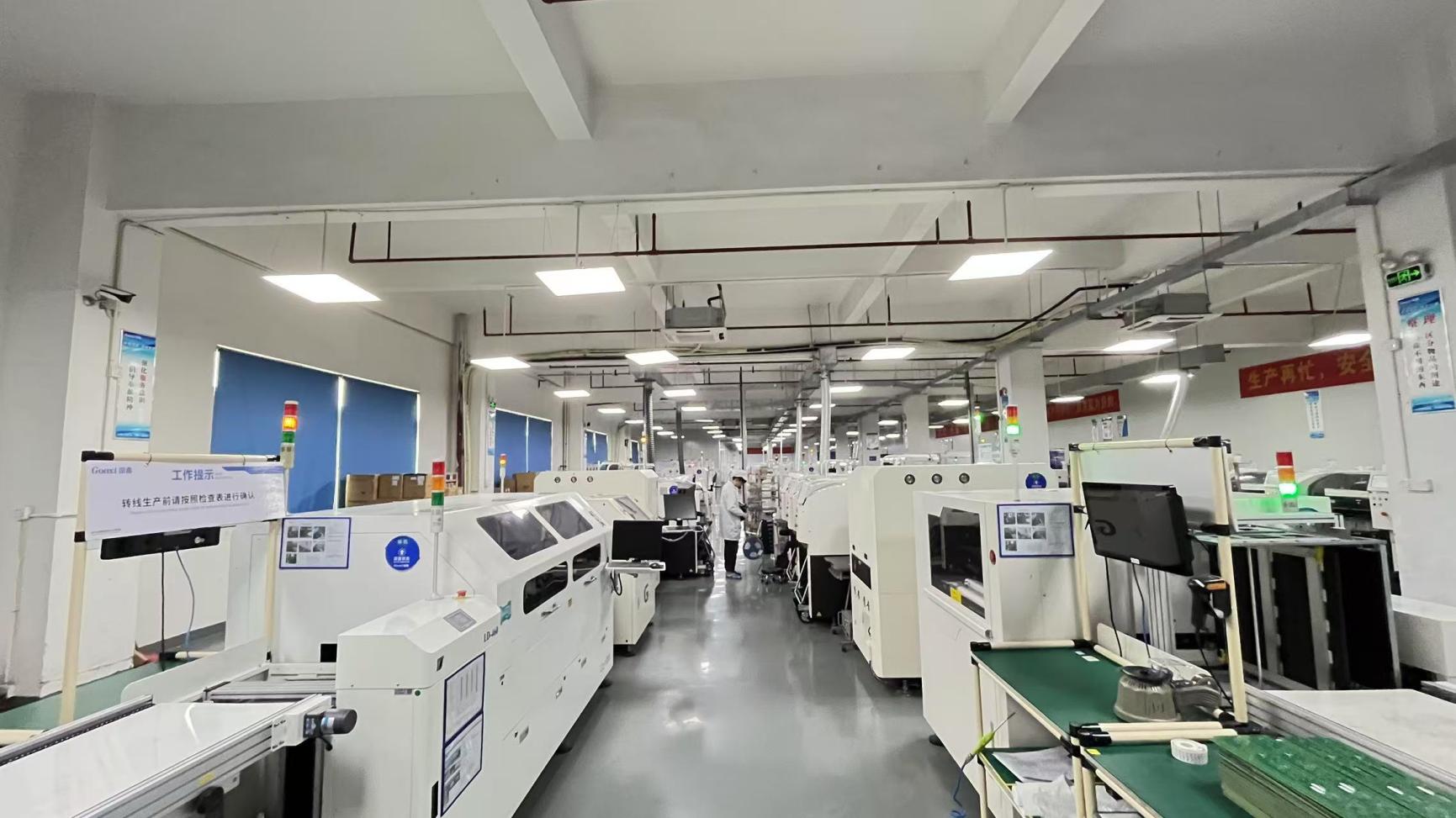
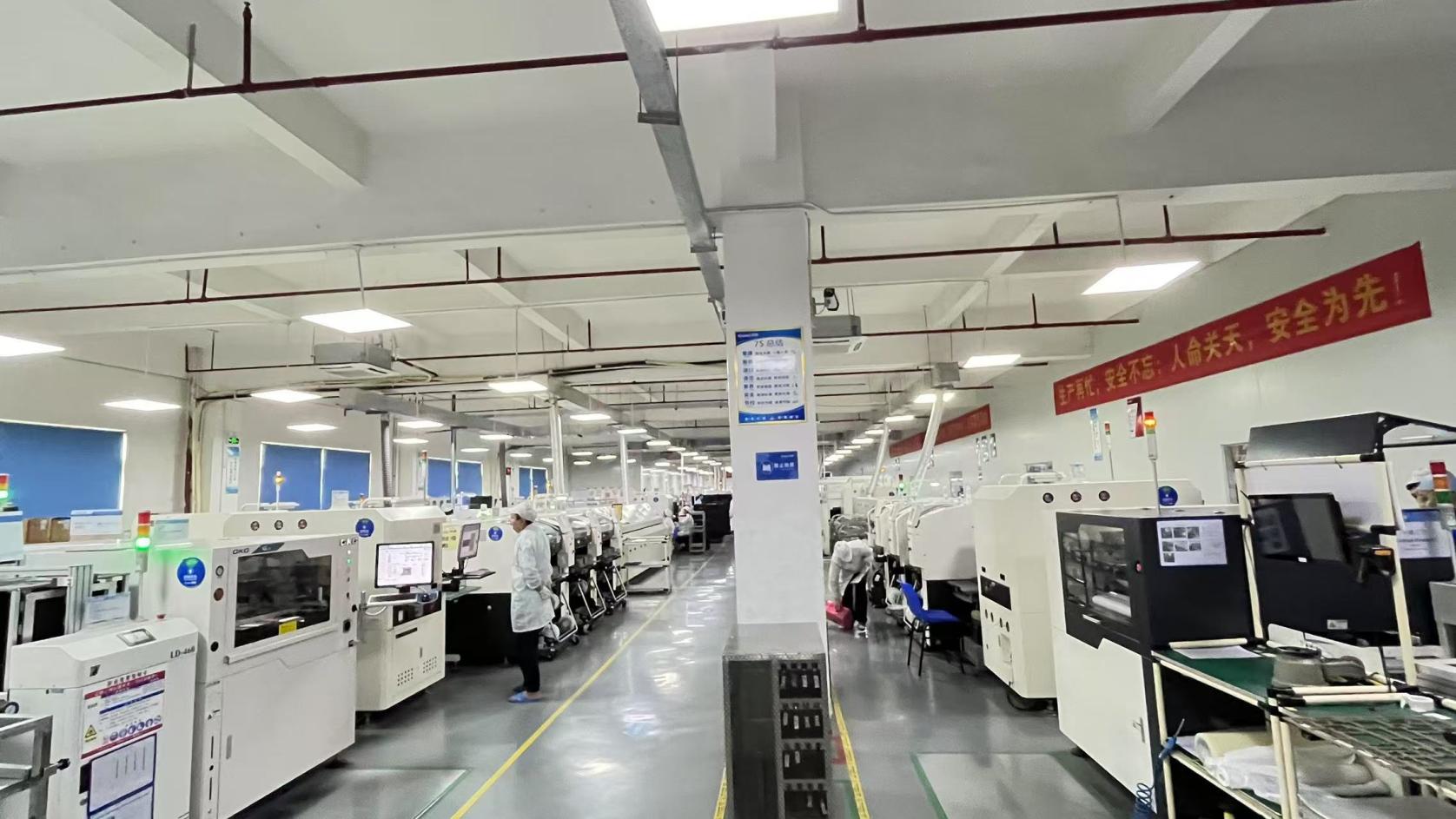
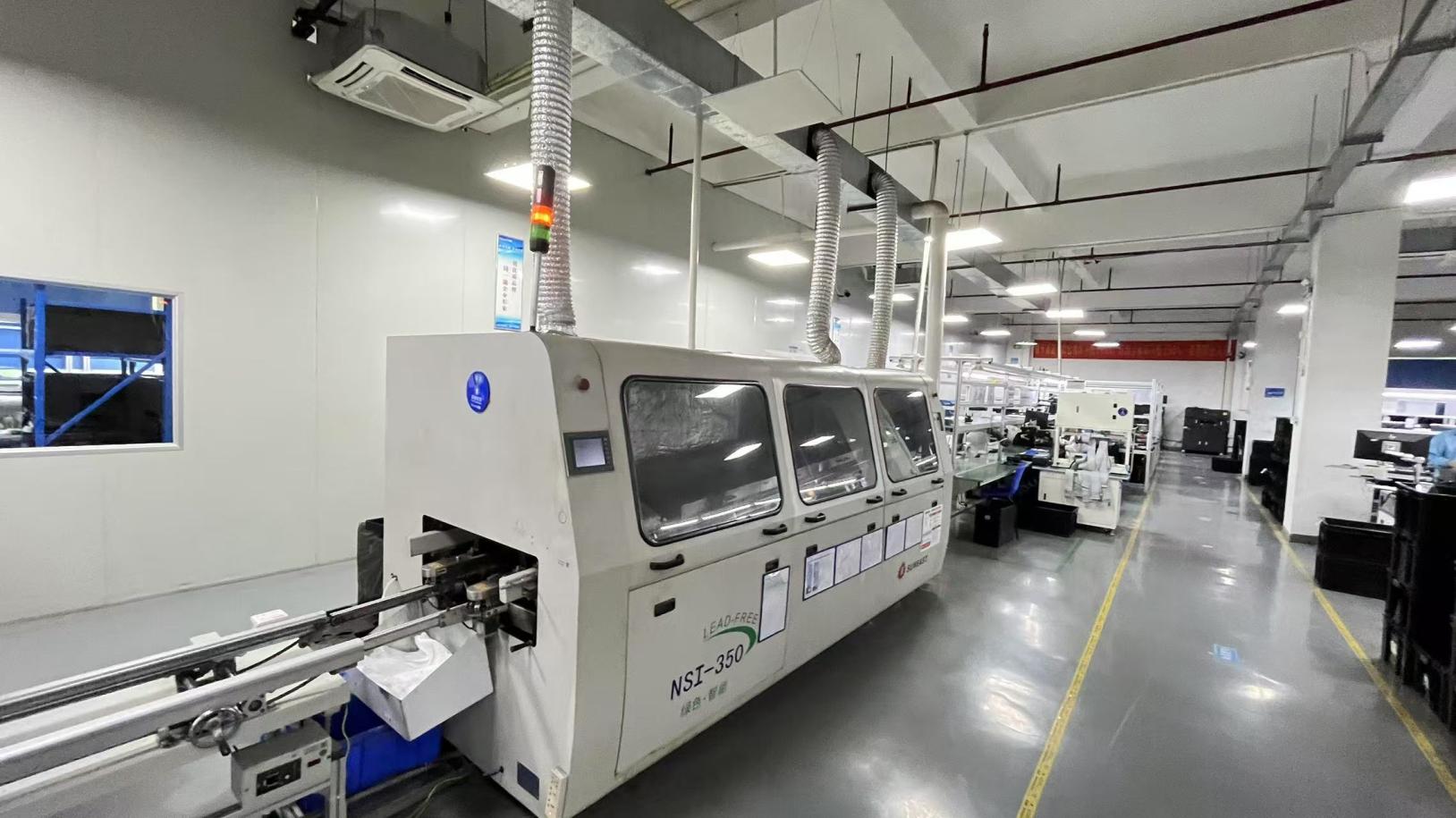
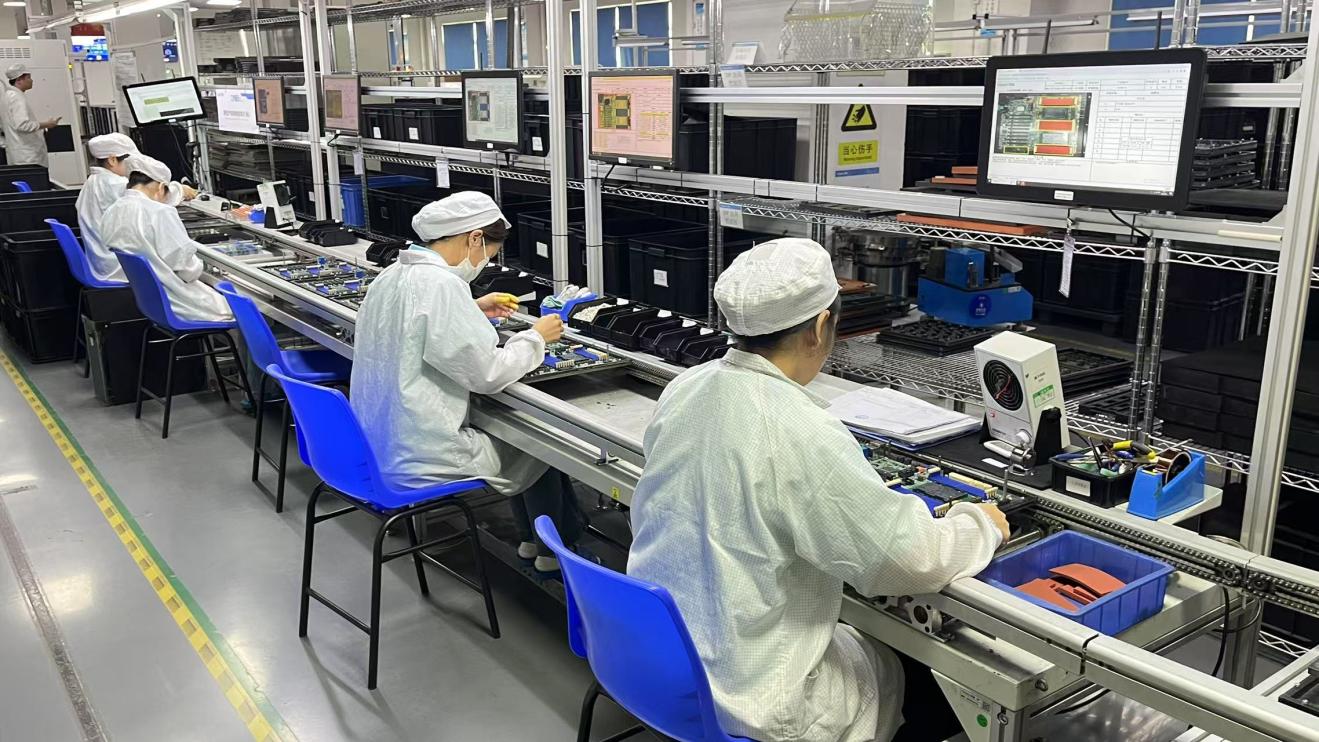
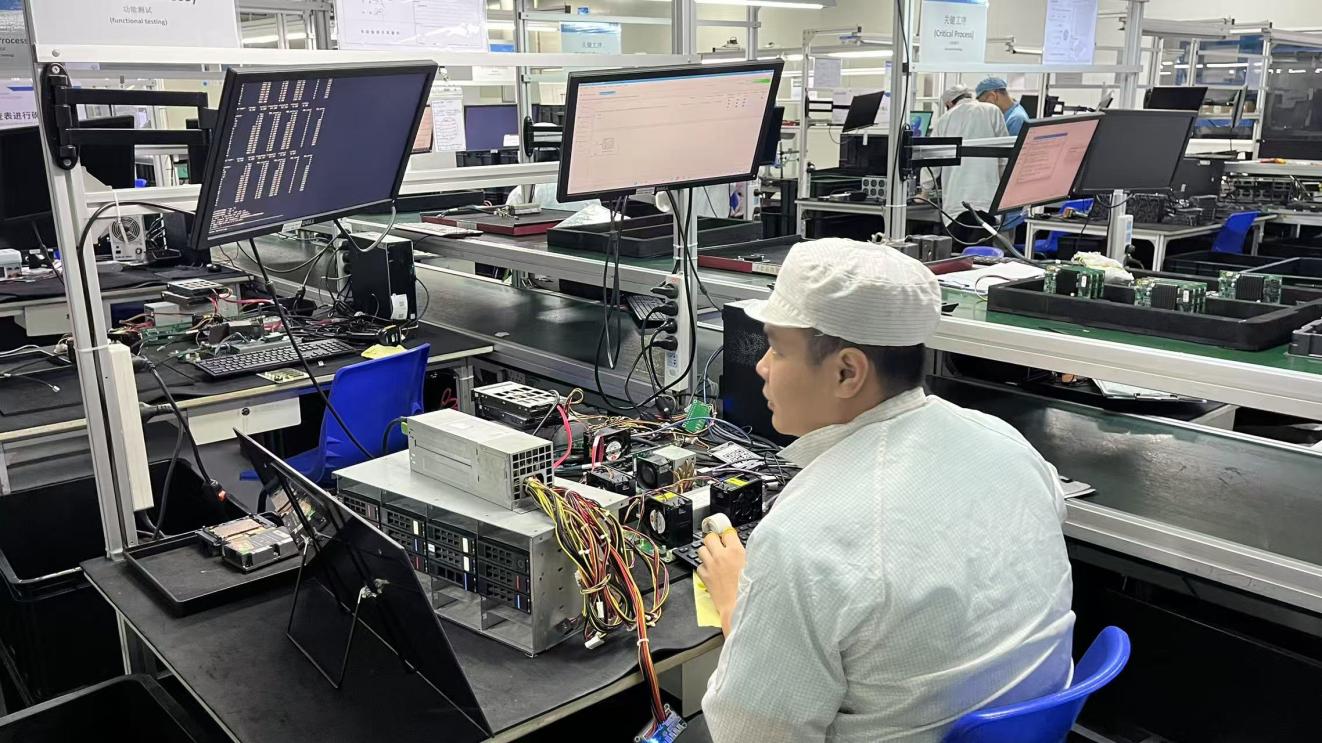
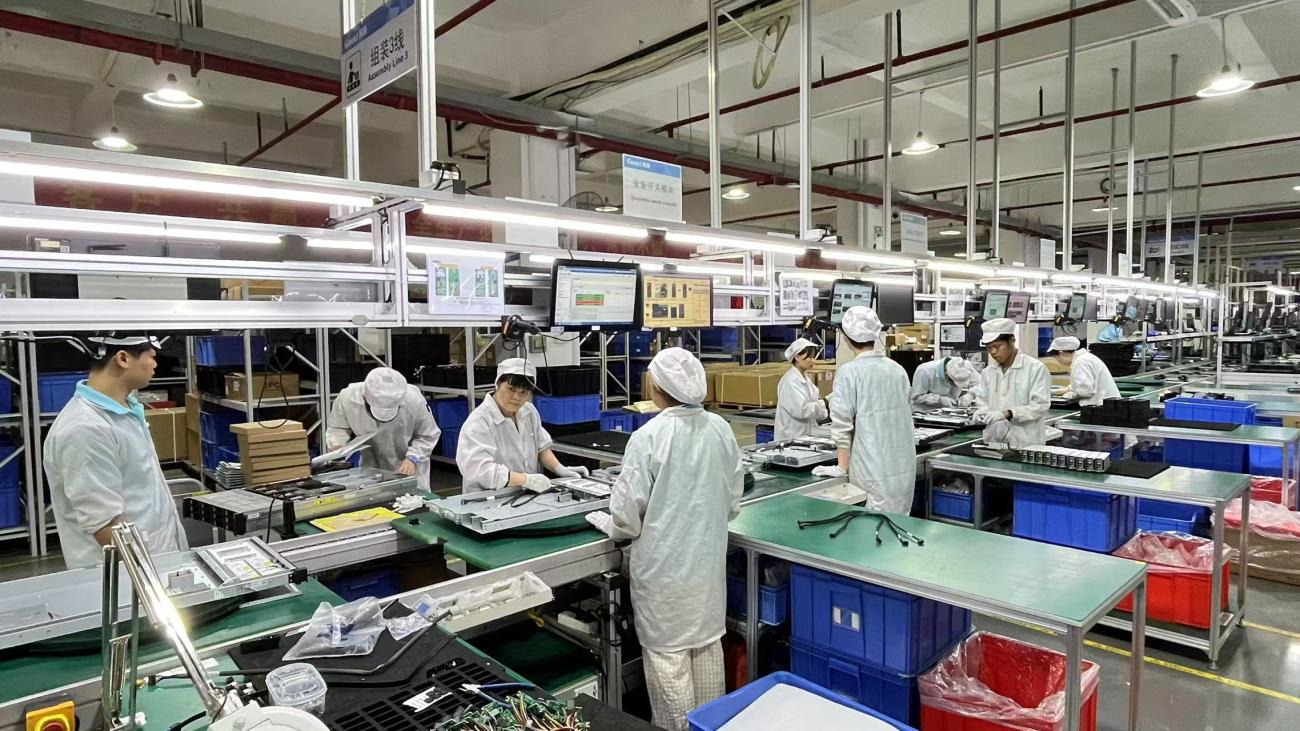
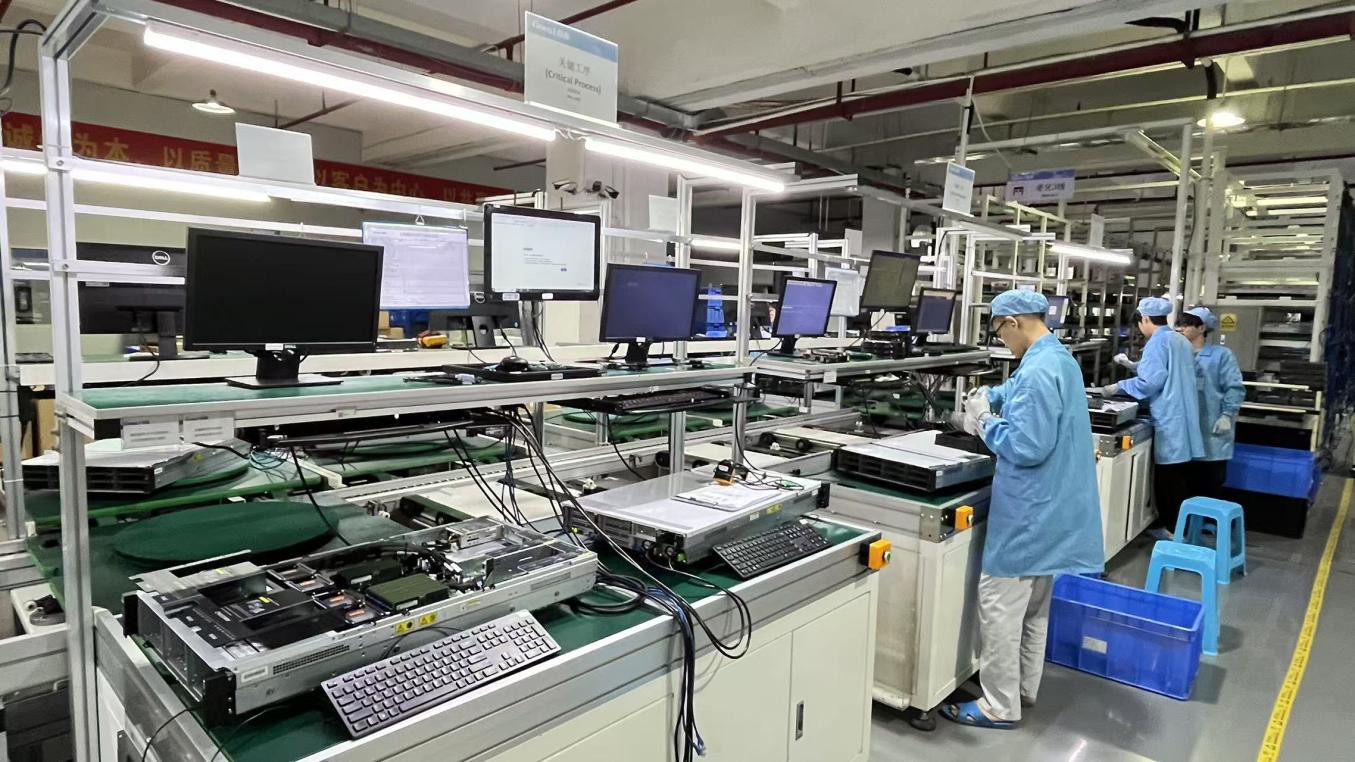
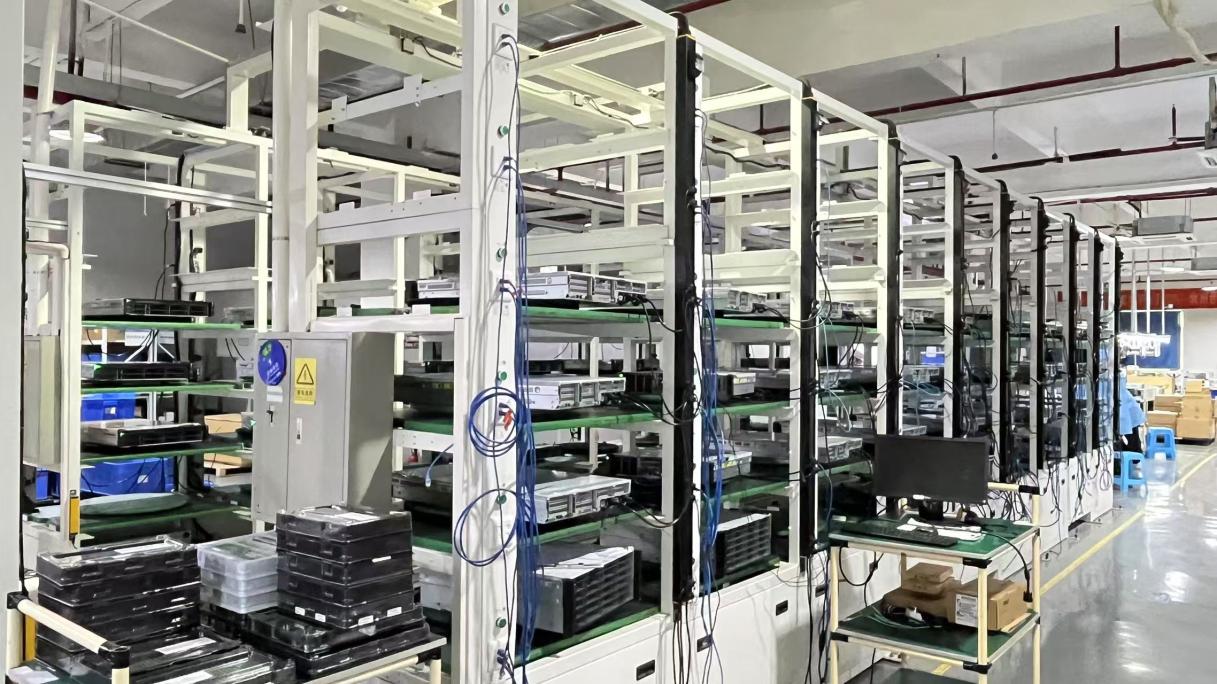
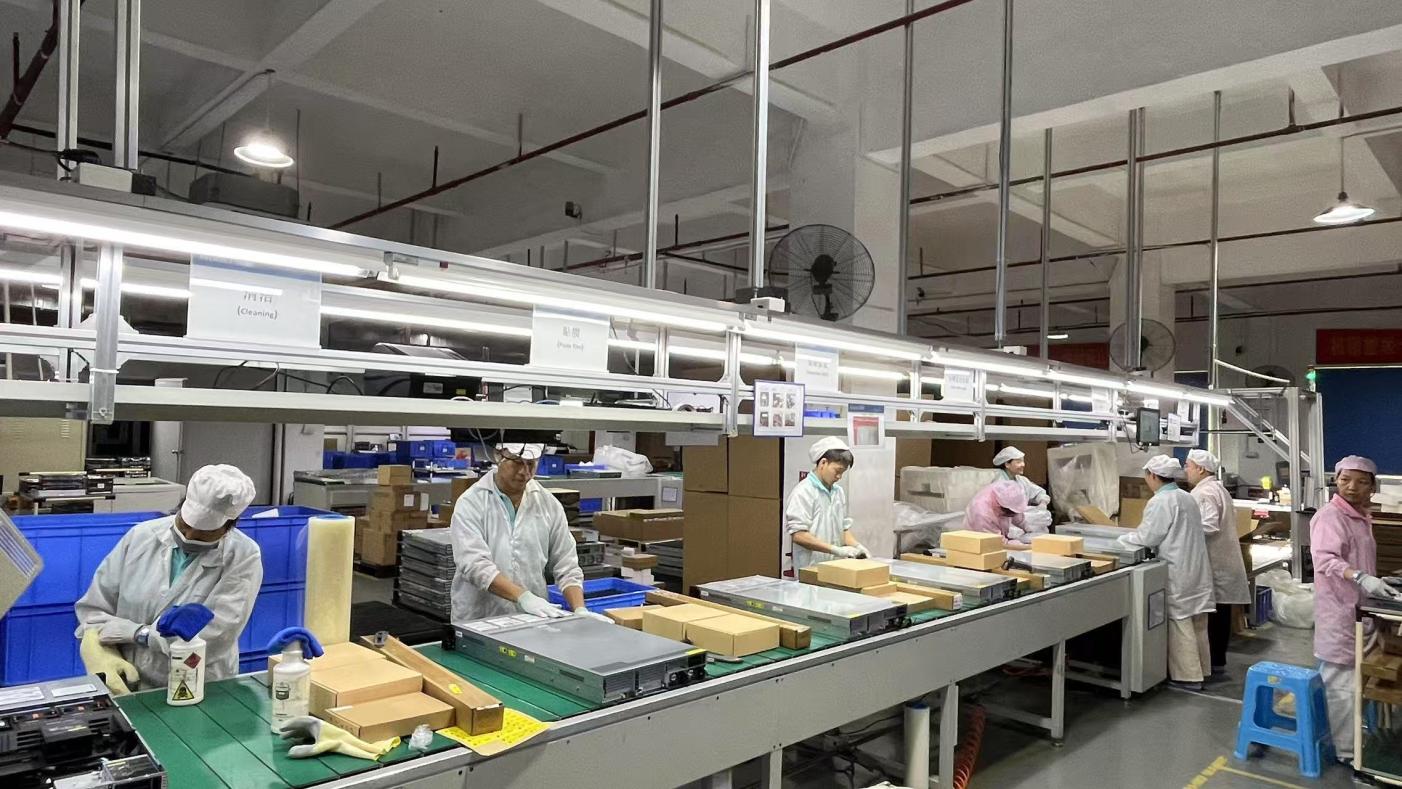
Before any server is approved for shipment, it undergoes testing in our diagnostics laboratory. We evaluate hardware stability against high temperatures, physical vibration, and long-term voltage stress to ensure enterprise-grade reliability.
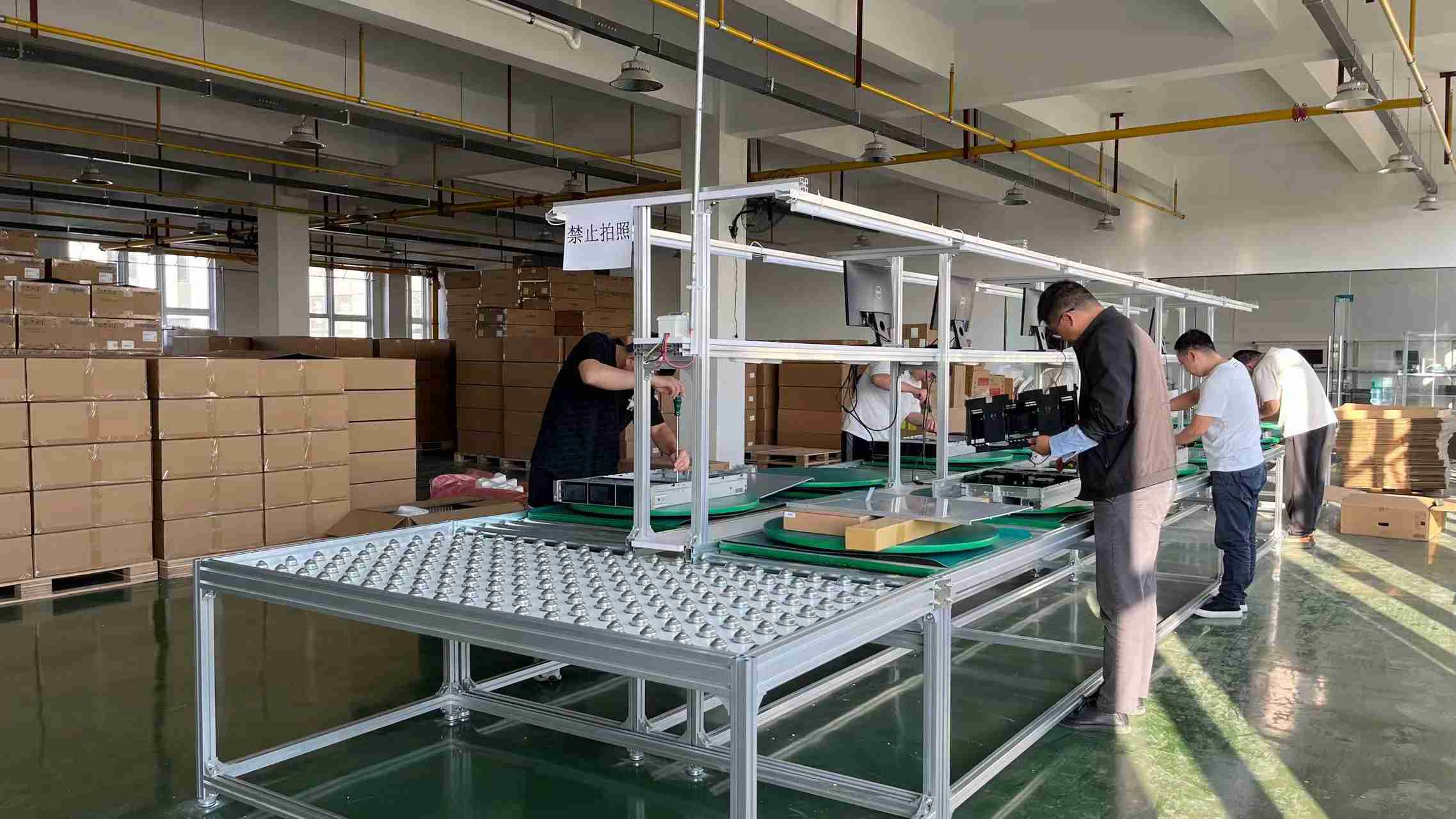
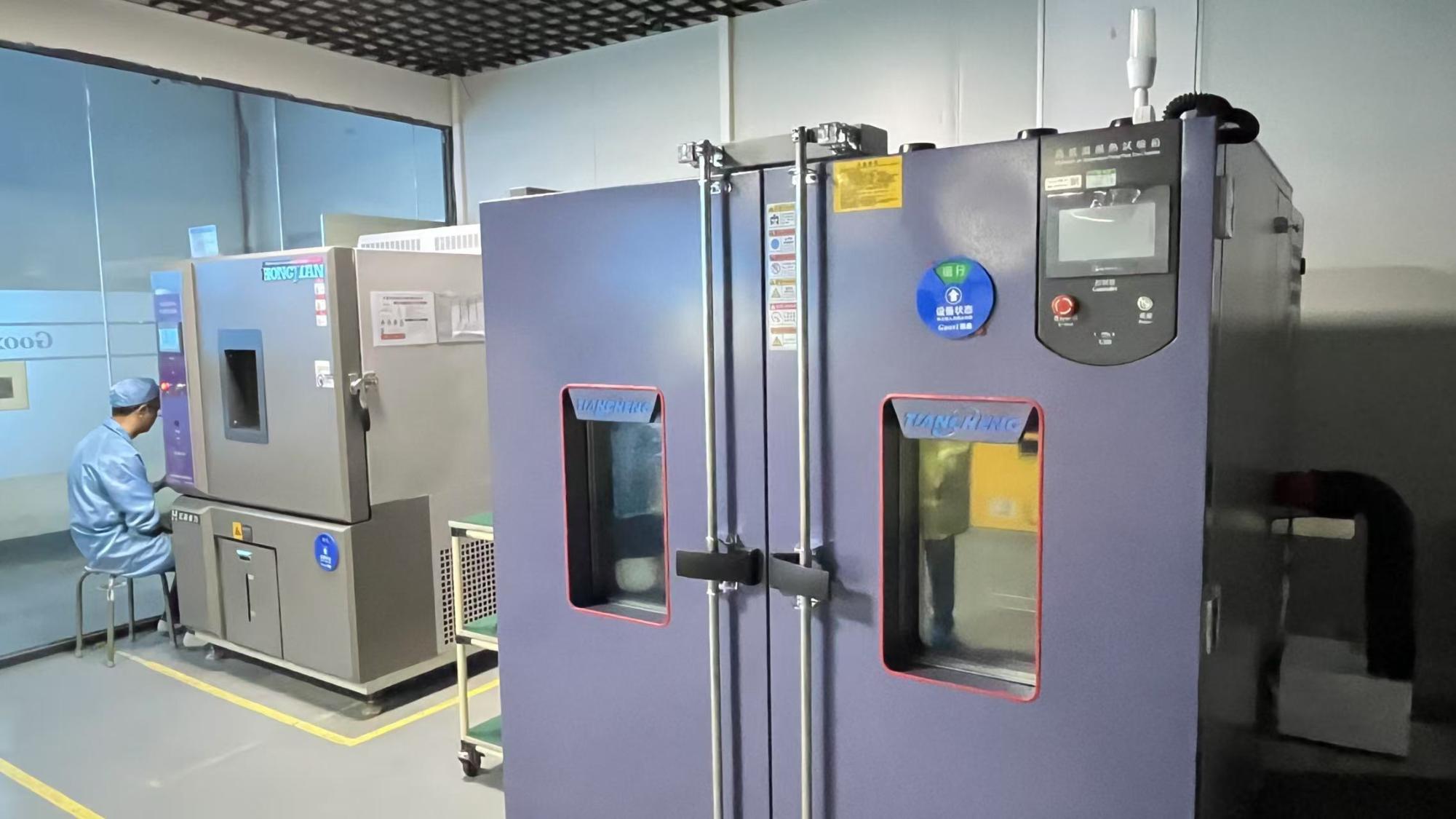
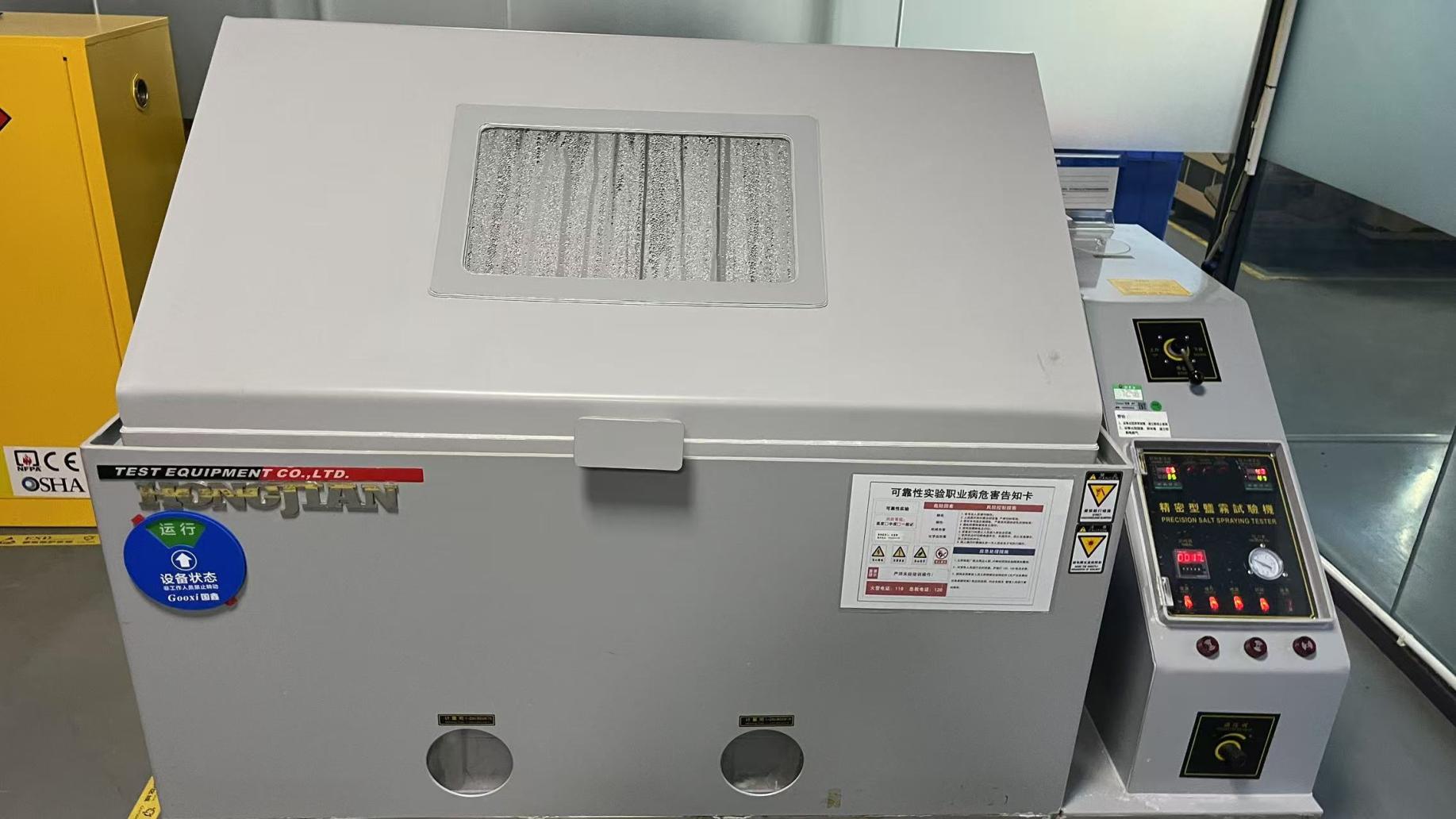
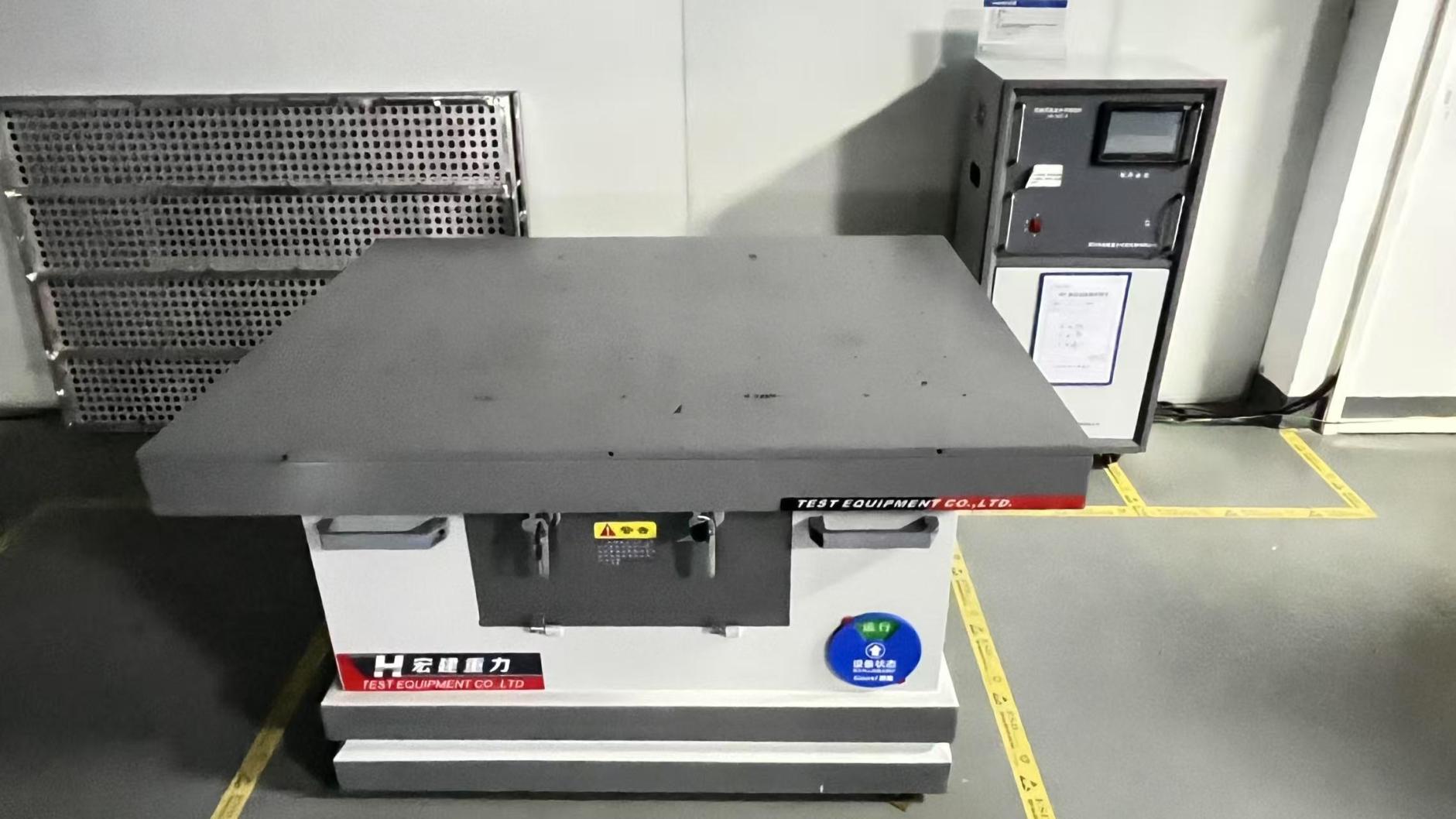
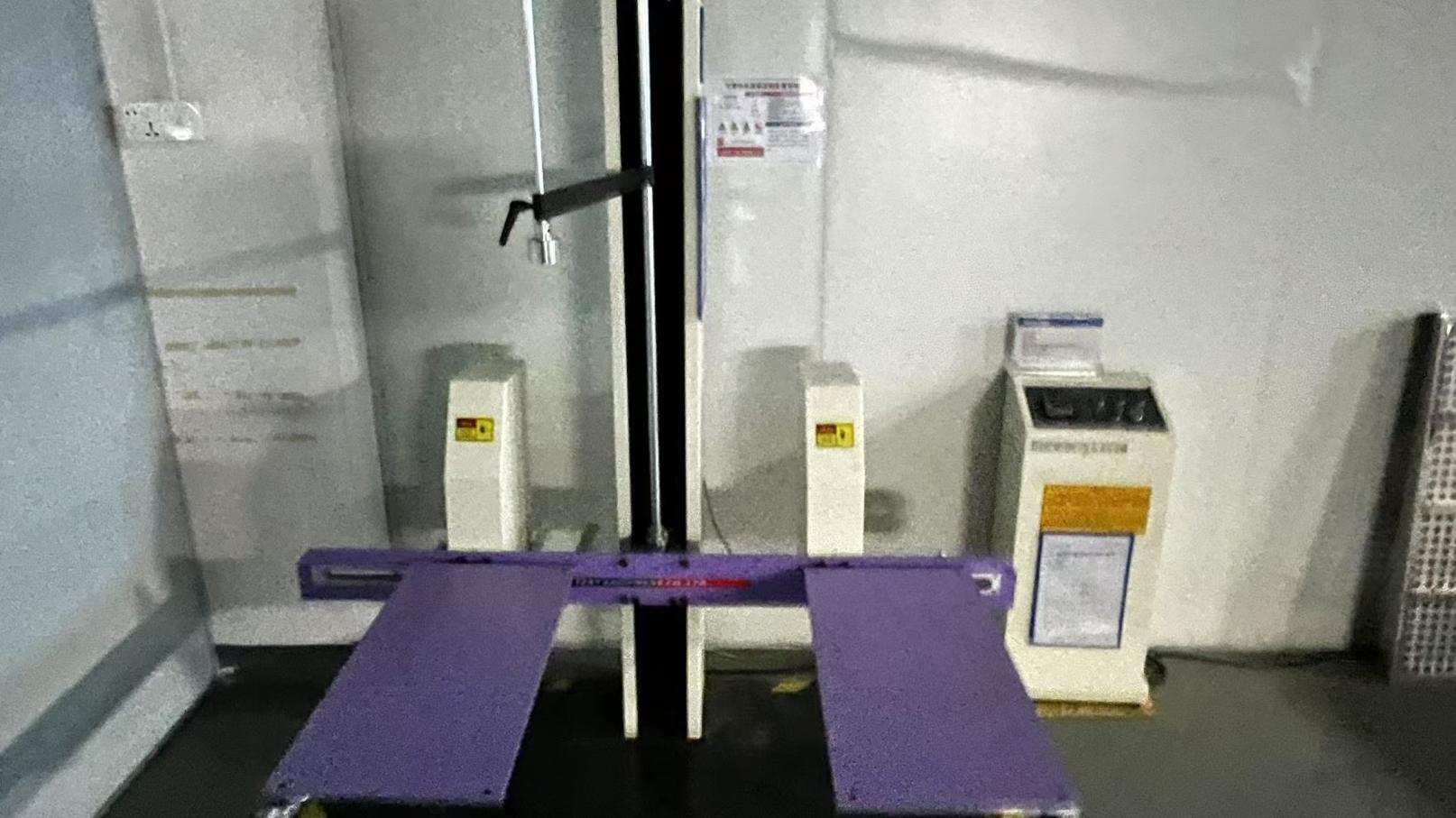
Different industries require unique computing configurations. ZhiCloud AI provides custom infrastructure designs tailored to the specific needs of various vertical sectors:
Training large AI models requires massive compute power and high bandwidth. Our multi-GPU server designs, optimized for neural networks like DeepSeek, use PCIe Gen5 and NVLink technology to prevent communication bottlenecks, ensuring maximum throughput for parameter updates.
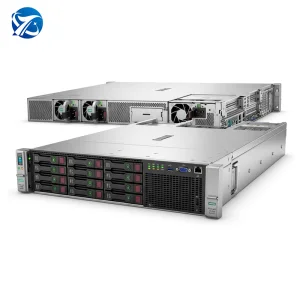
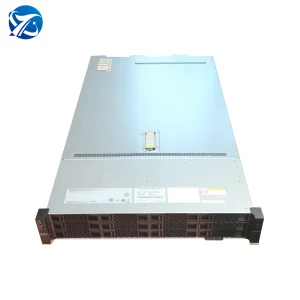
For large-scale cloud services, reliability and efficiency are key. We design highly virtualized 2U rack servers equipped with dual Intel Xeon or AMD EPYC processors, enterprise SSD storage, and redundant titanium-grade power supplies to minimize downtime and lower operational costs.
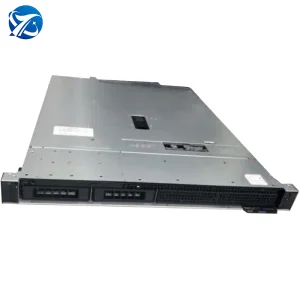
Edge applications require compact, durable hardware. We provide 1U and 2U rack setups that handle real-time processing, low-latency 10Gbps connectivity, and high tolerance for temperature variations, making them ideal for robotics control and automated manufacturing systems.
Scientific computing requires a balance of raw CPU power and GPU acceleration. We build customized clusters tailored for simulations, physics modeling, and deep learning research, offering flexible configurations that fit university IT budgets and space constraints.