ZhiCloud AI
ZhiCloud AI
ZhiCloud AI
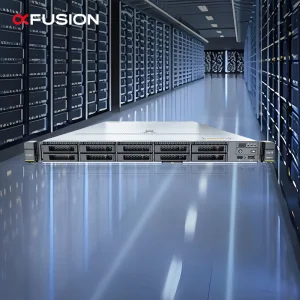
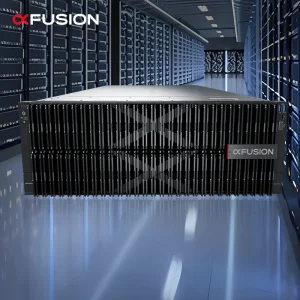
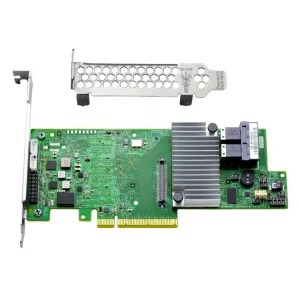
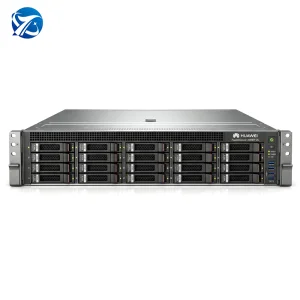
High-performance rack-mount servers, storage units, and networking adapters engineered for modern computational workloads.
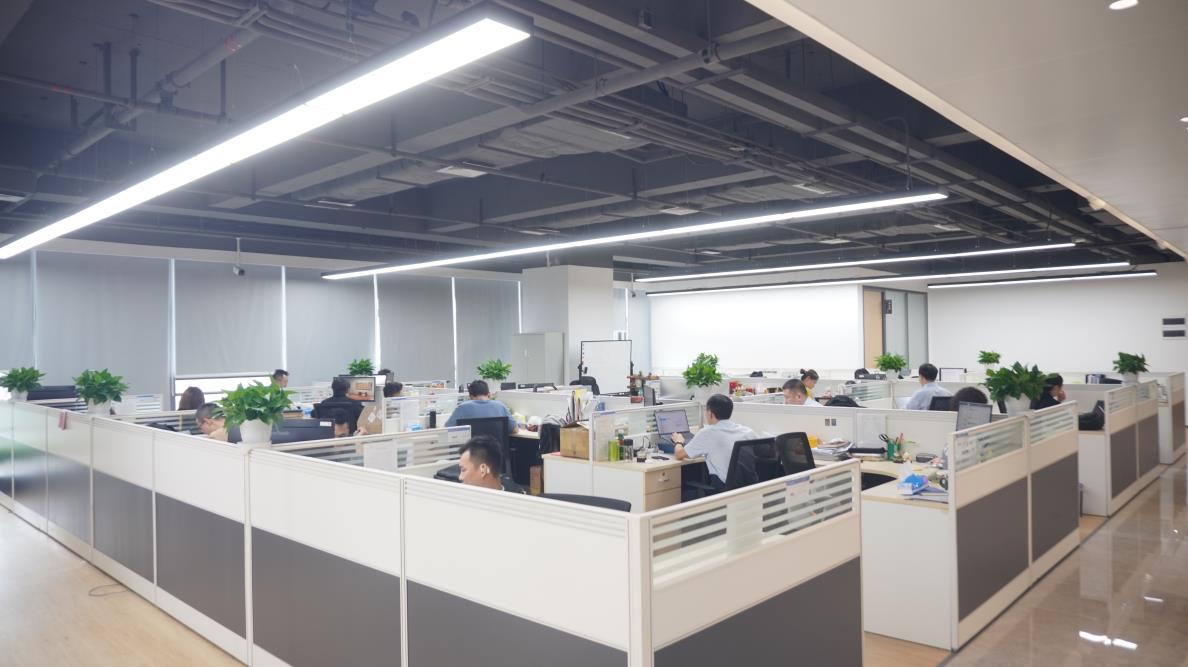
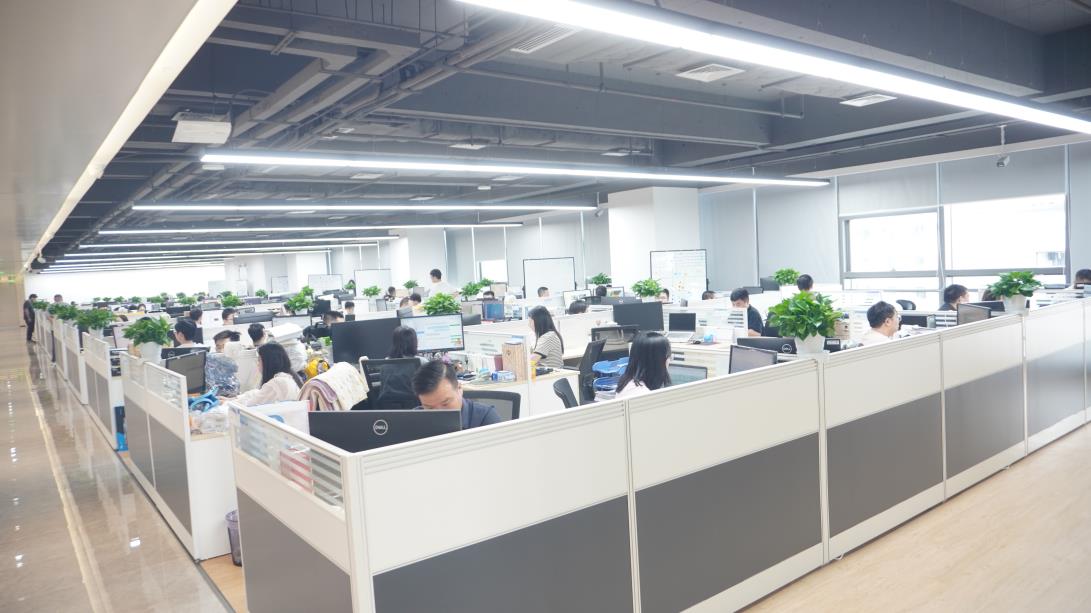
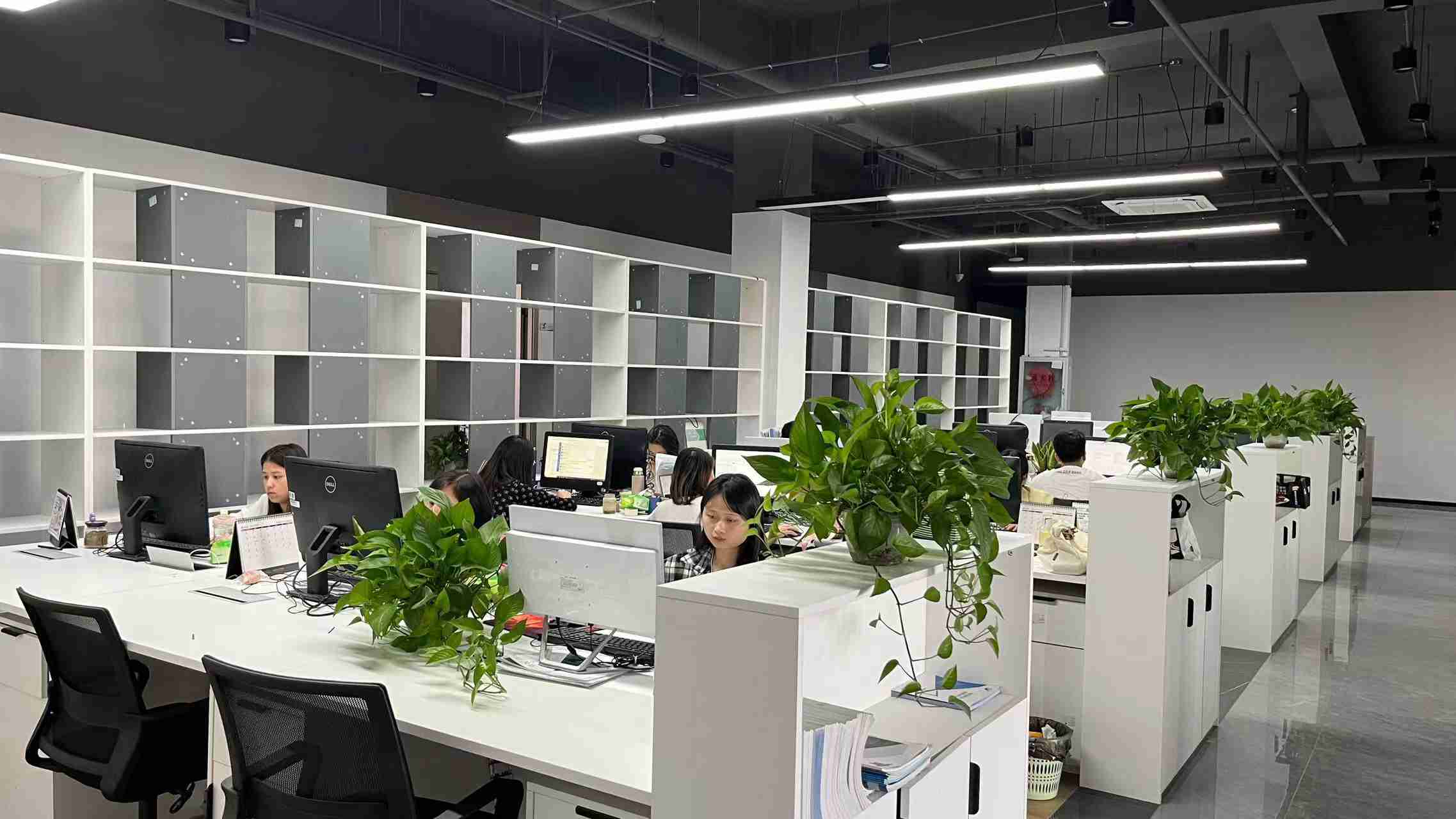
Shenzhen Intelligent Computing Cloud Technology Co., Ltd. (ZhiCloud AI) is a recognized leader in high-performance computing (HPC) and customizable GPU hardware. With a focus on stability, scalability, and cutting-edge thermal management, we power the computational backbone of enterprises globally.
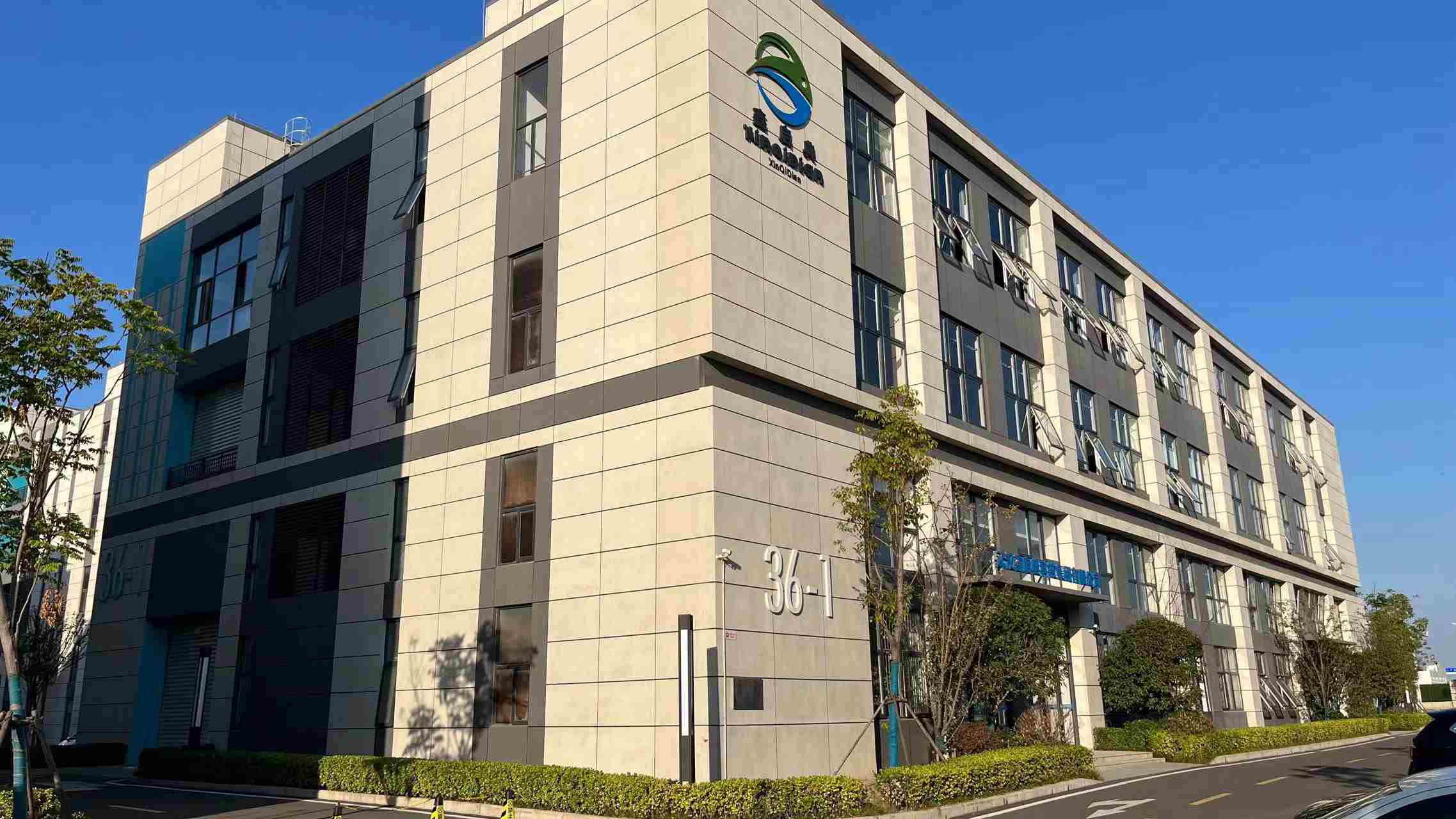
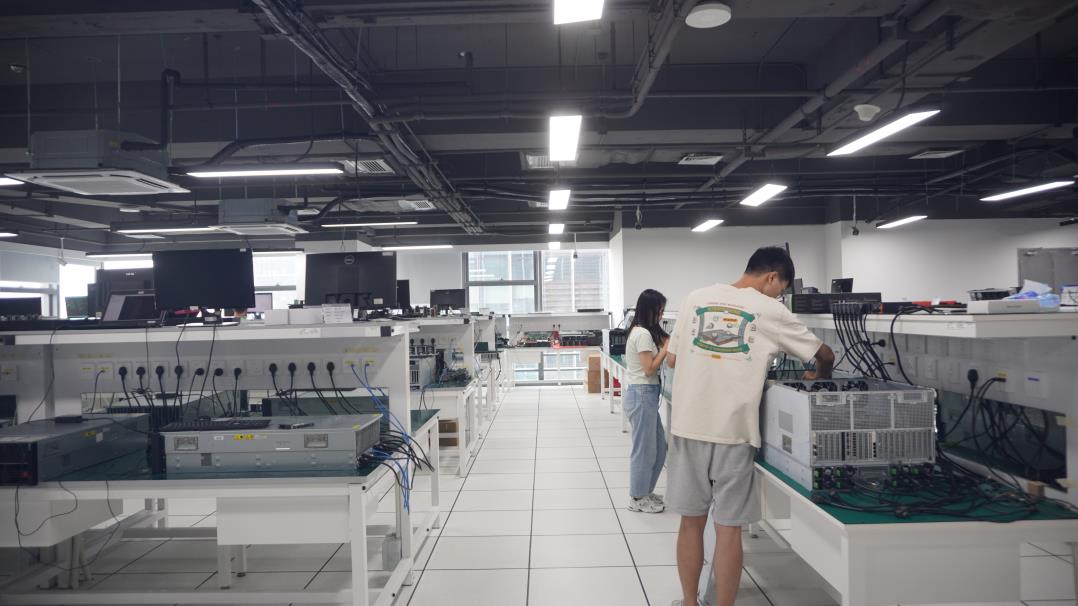
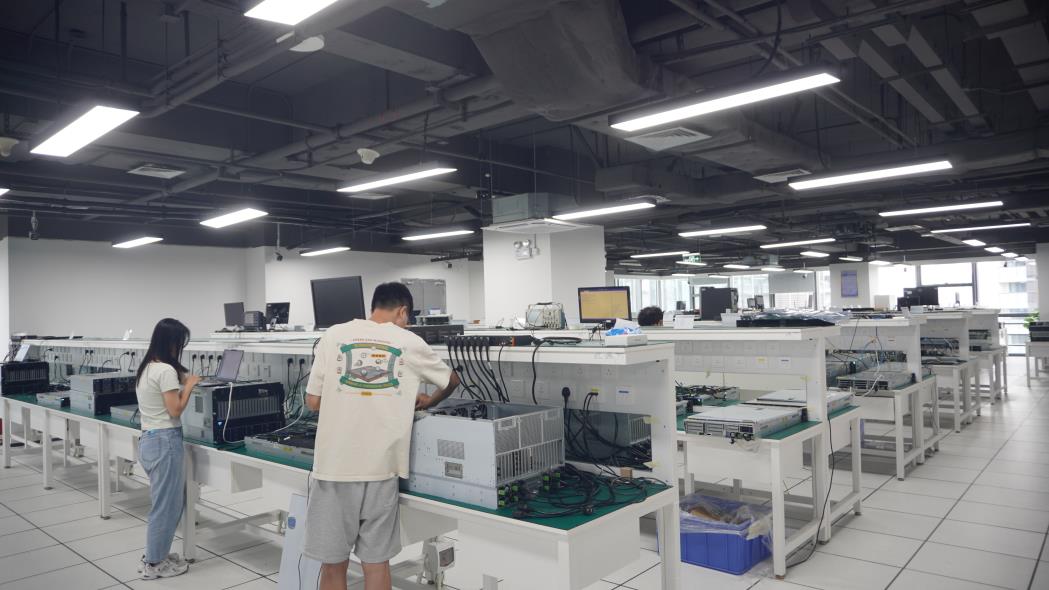
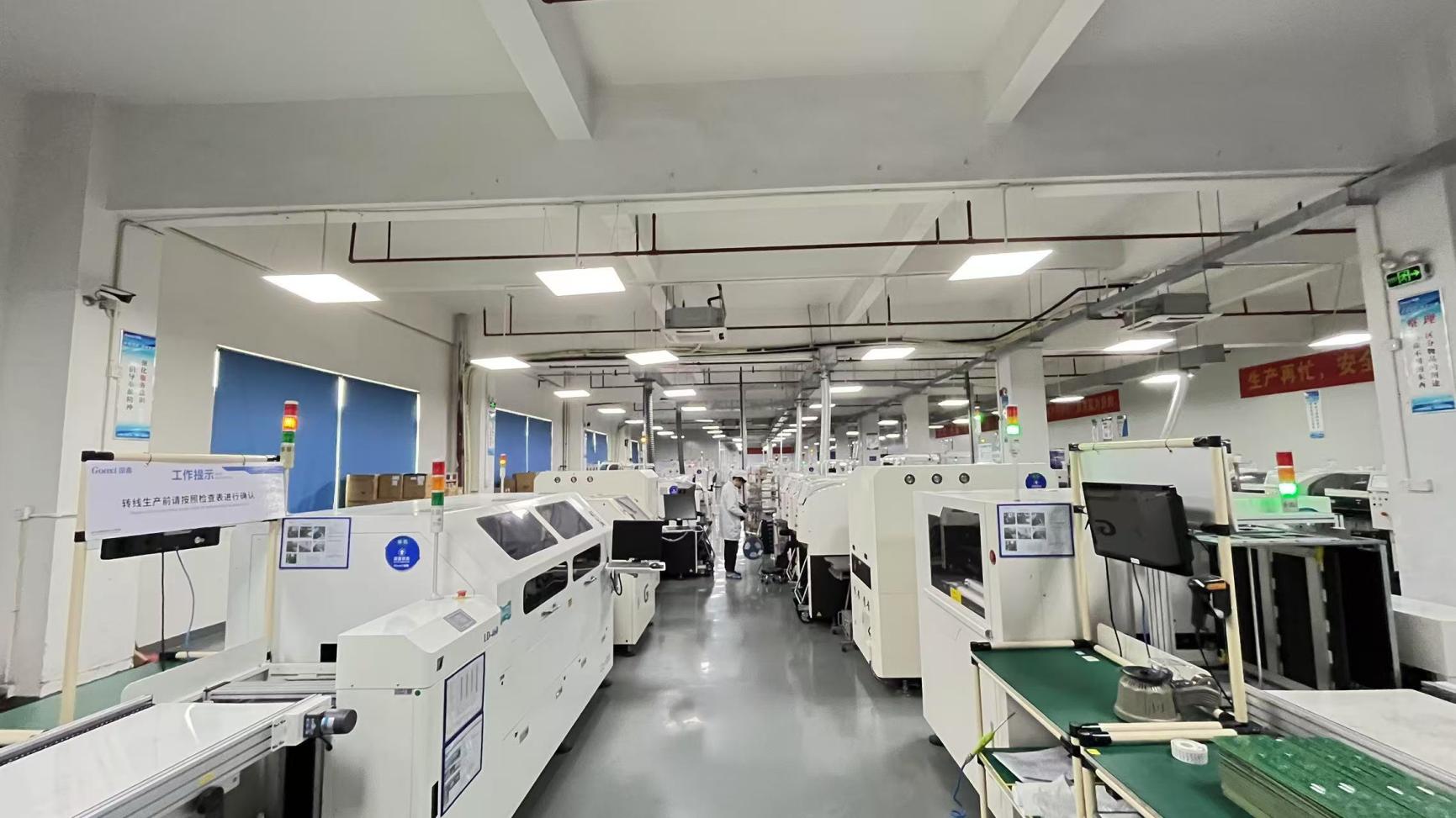
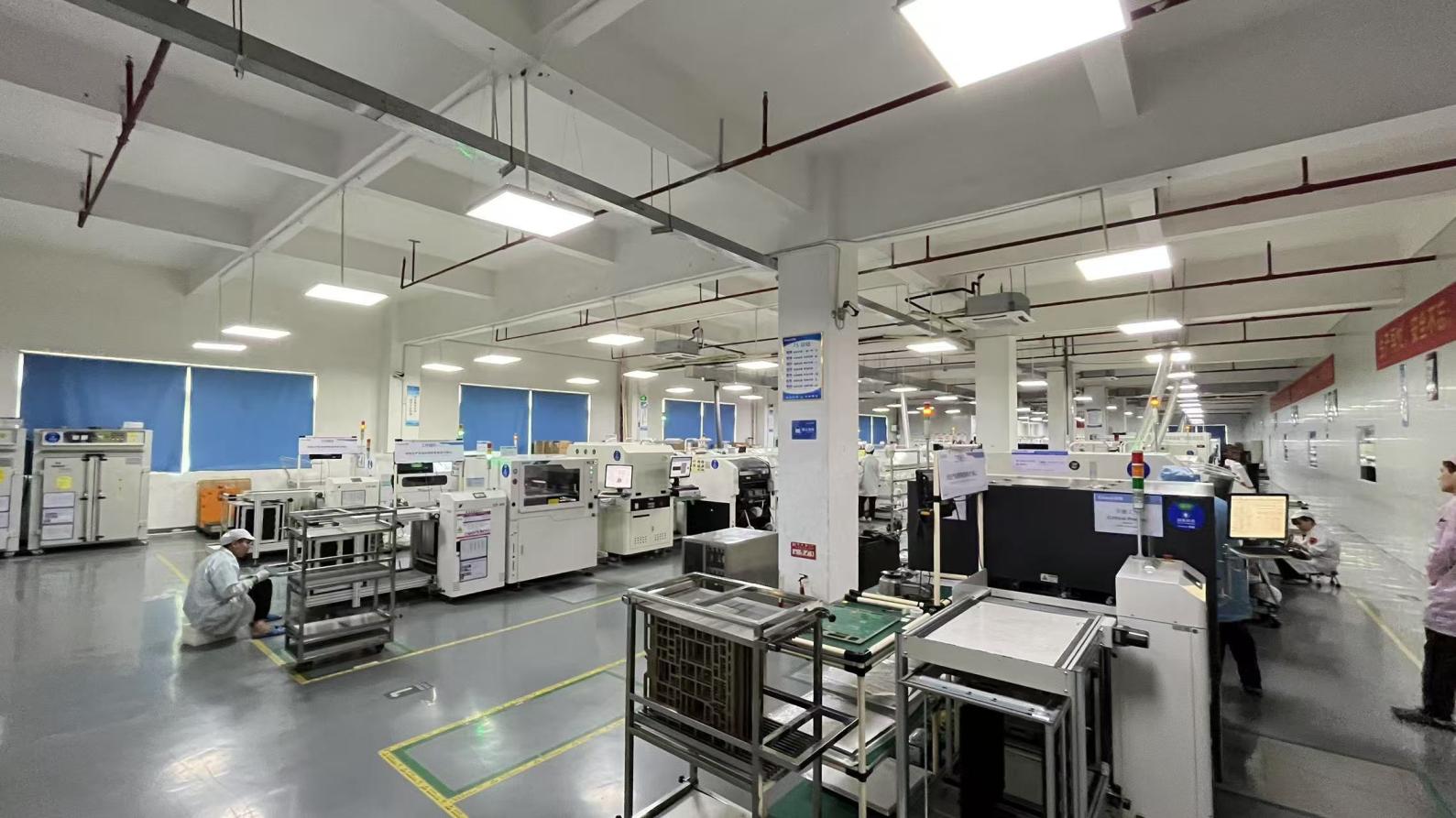
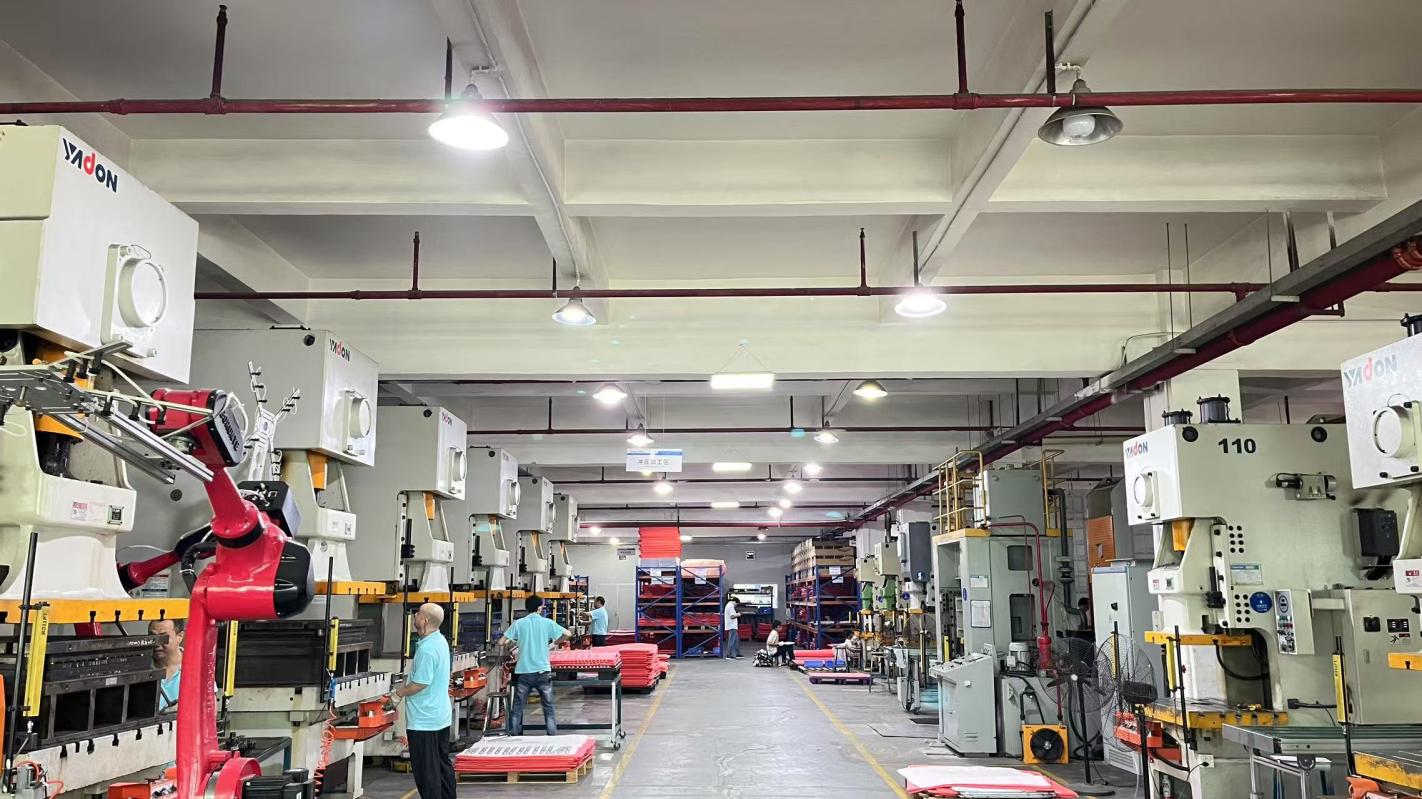
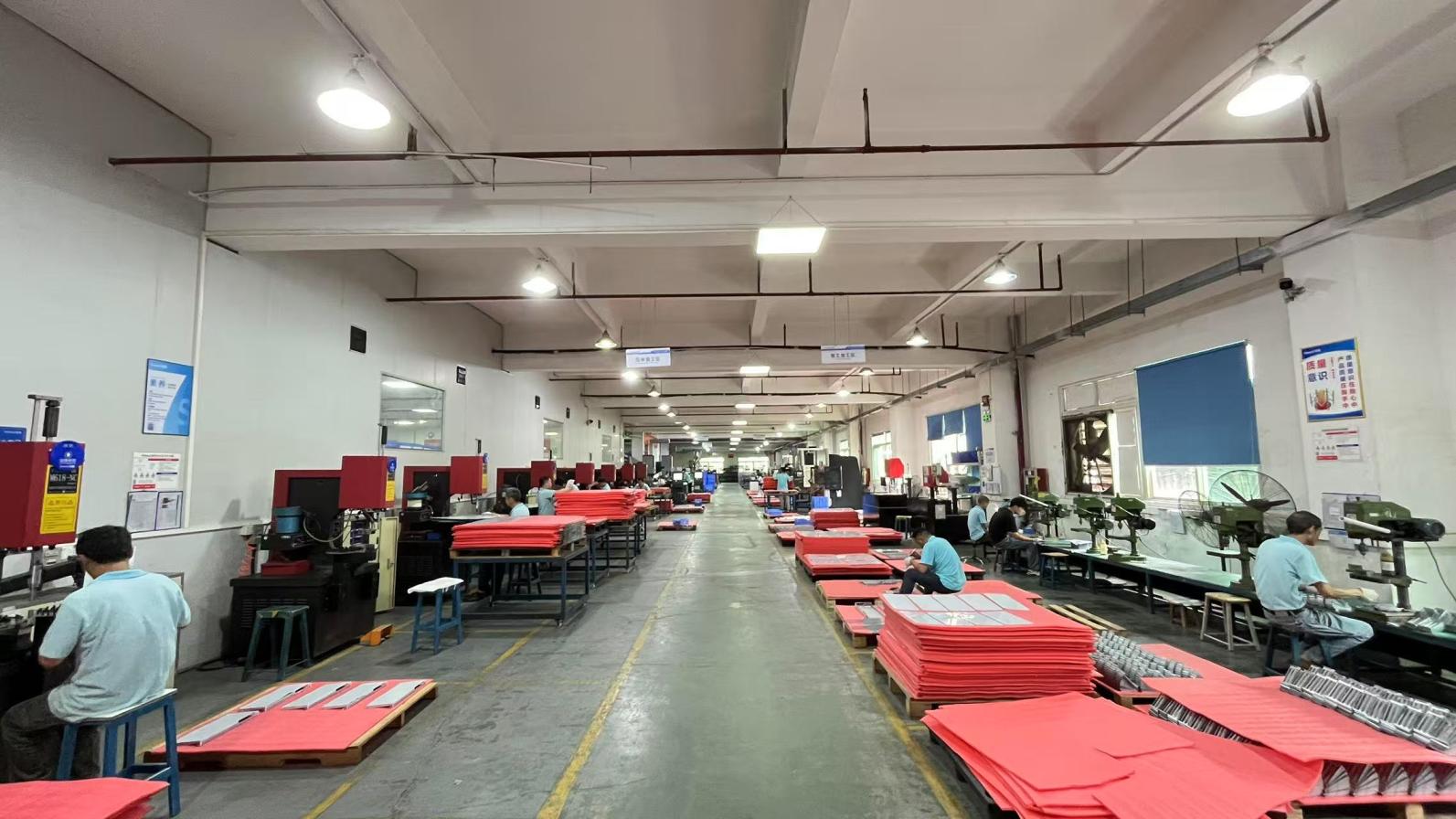
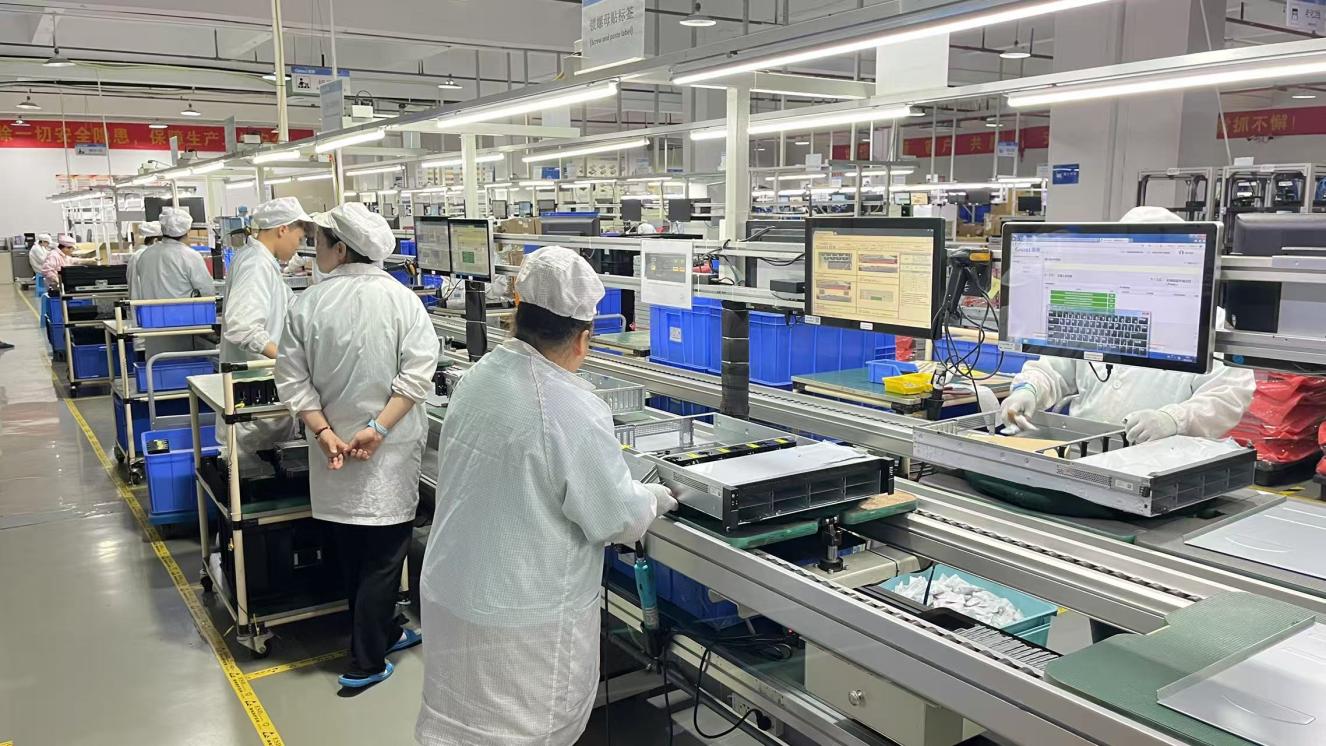
Operated within Shenzhen's high-tech industrial corridor, our specialized 320㎡ integration facility supports rapid hardware prototyping, custom mainboard validation, and high-density GPU configuration testing under rigid cleanroom parameters.
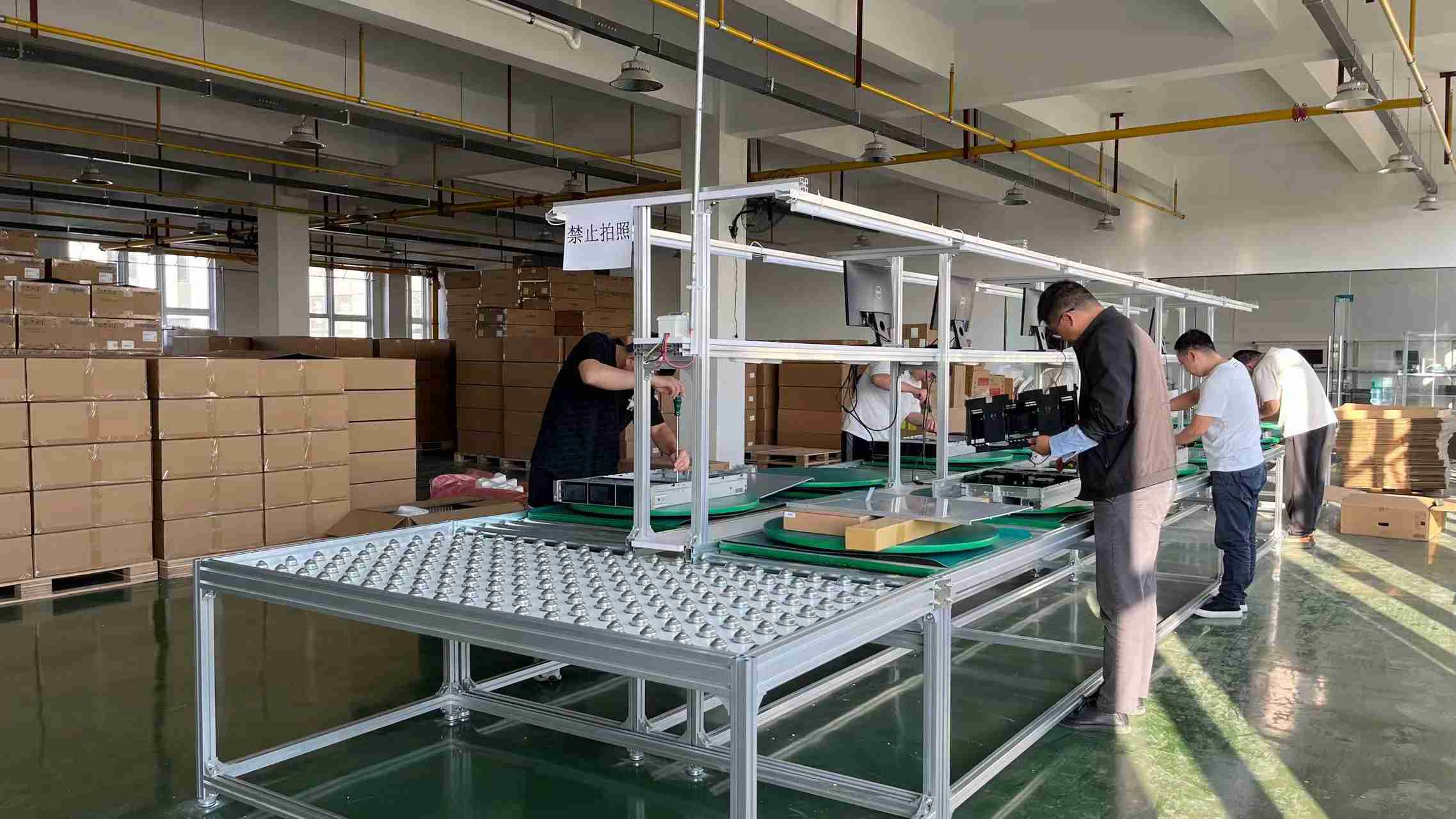
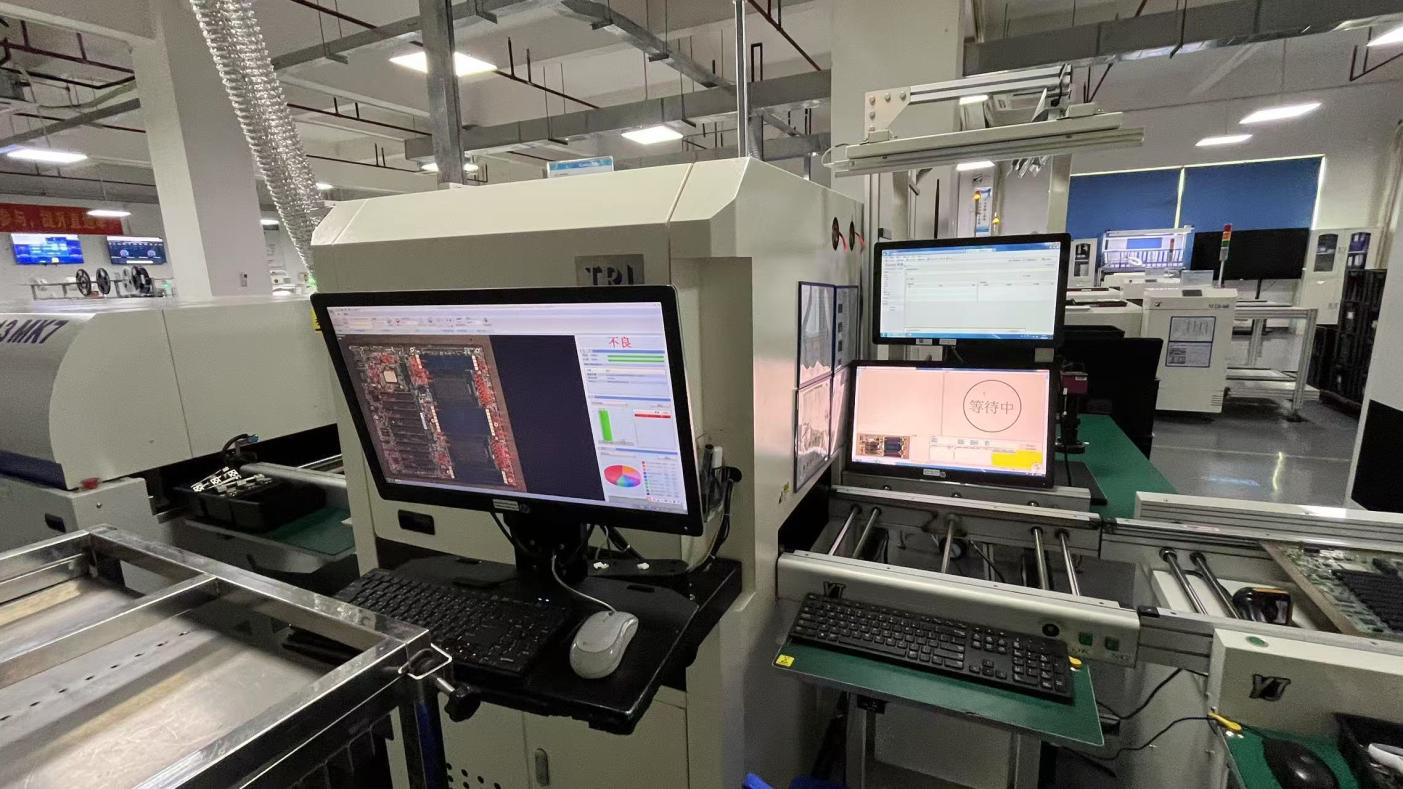
We deploy a multi-tiered inspection protocol managed by 45 dedicated QC specialists. Every unit undergoes intense thermal stress screening, structural vibration testing, and full-system electrical burn-in to secure 100% mission-critical reliability.
Exporting custom AI computing nodes across North America, Europe, Southeast Asia, and the Middle East. With 7 years of direct export experience, we handle strict regional compliance and hardware localization seamlessly.
As neural networks expand and models like DeepSeek, GPT-4, and LLama-3 demand unprecedented compute densities, traditional server designs encounter severe thermal and electrical limitations. Delivering high-throughput computation requires optimized hardware alignment across processing units, storage fabrics, and cooling subsystems.
Designing and assembling AI servers in China—specifically within Shenzhen's technology cluster—gives enterprise buyers structural advantages. With direct proximity to raw material producers, advanced SMT lines, and specialized chassis manufacturers, the production cycle from initial CAD designs to completed server racks is dramatically shortened.
ZhiCloud AI leverages this integrated supply chain to source ultra-high-efficiency power supply units (PSUs), precision-machined copper cold plates, and advanced PCIe switches. This proximity allows for real-time architectural adjustments that would require weeks in less integrated geographies.
Modern computational AI architectures are shifting rapidly from air cooling to liquid-assisted cooling loops. High-power accelerators exceeding 700W TDP require direct-to-chip (D2C) liquid cooling mechanisms to prevent thermal throttling. ZhiCloud AI's engineering team actively designs next-generation liquid-to-air manifolds and hyperconverged infrastructure options.
Furthermore, standard server structures are shifting from isolated computing boxes to clustered, scale-out nodes connected via high-bandwidth networks like InfiniBand or RoCEv2 (RDMA over Converged Ethernet), ensuring maximum performance and minimum latency across deep learning clusters.
Enterprises face a recurring set of bottlenecks: thermal envelopes exceeding rack power capacities, network latency slowing down distributed training, and I/O bottlenecks in storage architectures during training checkpointing. ZhiCloud AI solves these pain points by offering customizable motherboard layouts, custom PCIe Gen 5 routing systems, and tailor-fit NVMe arrays.
By optimizing the BIOS/BMC configuration, ZhiCloud AI servers ensure that GPU resources are utilized efficiently, decreasing training times and lowering the total cost of ownership (TCO) for enterprise cloud service providers and research organizations.
Off-the-shelf servers often force buyers into rigid configurations, leaving them with underutilized CPUs and expensive proprietary accessories. Through our OEM/ODM service framework, we customize every metric: from structural steel thickness and ventilation mesh geometry to GPU placement layouts, custom branding, and custom-tuned BMC firmware. Our R&D team released 180 custom products last year to address highly specific requirements for AI clusters.
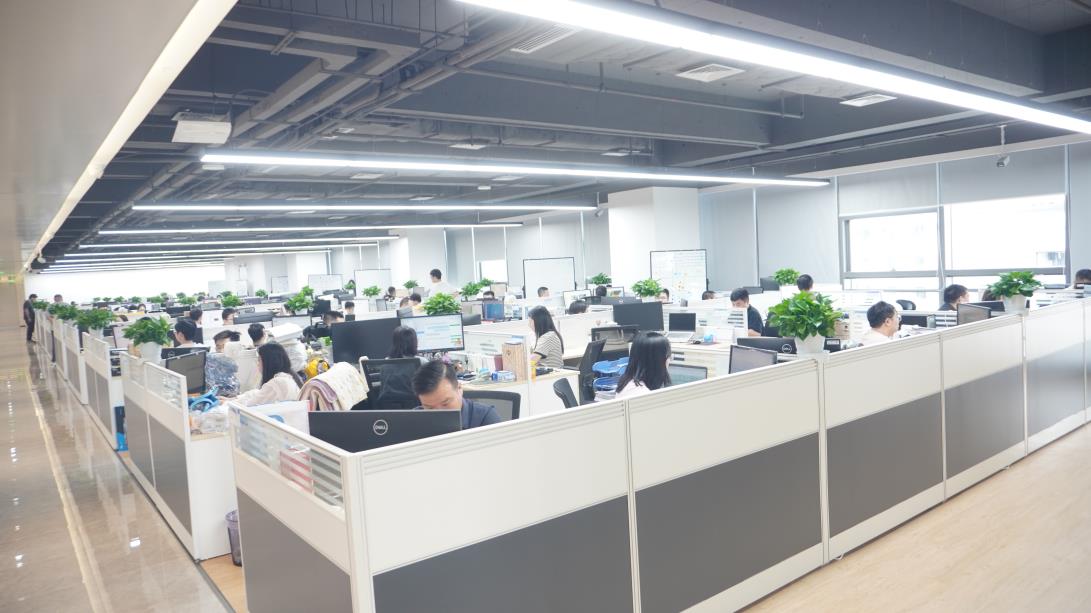
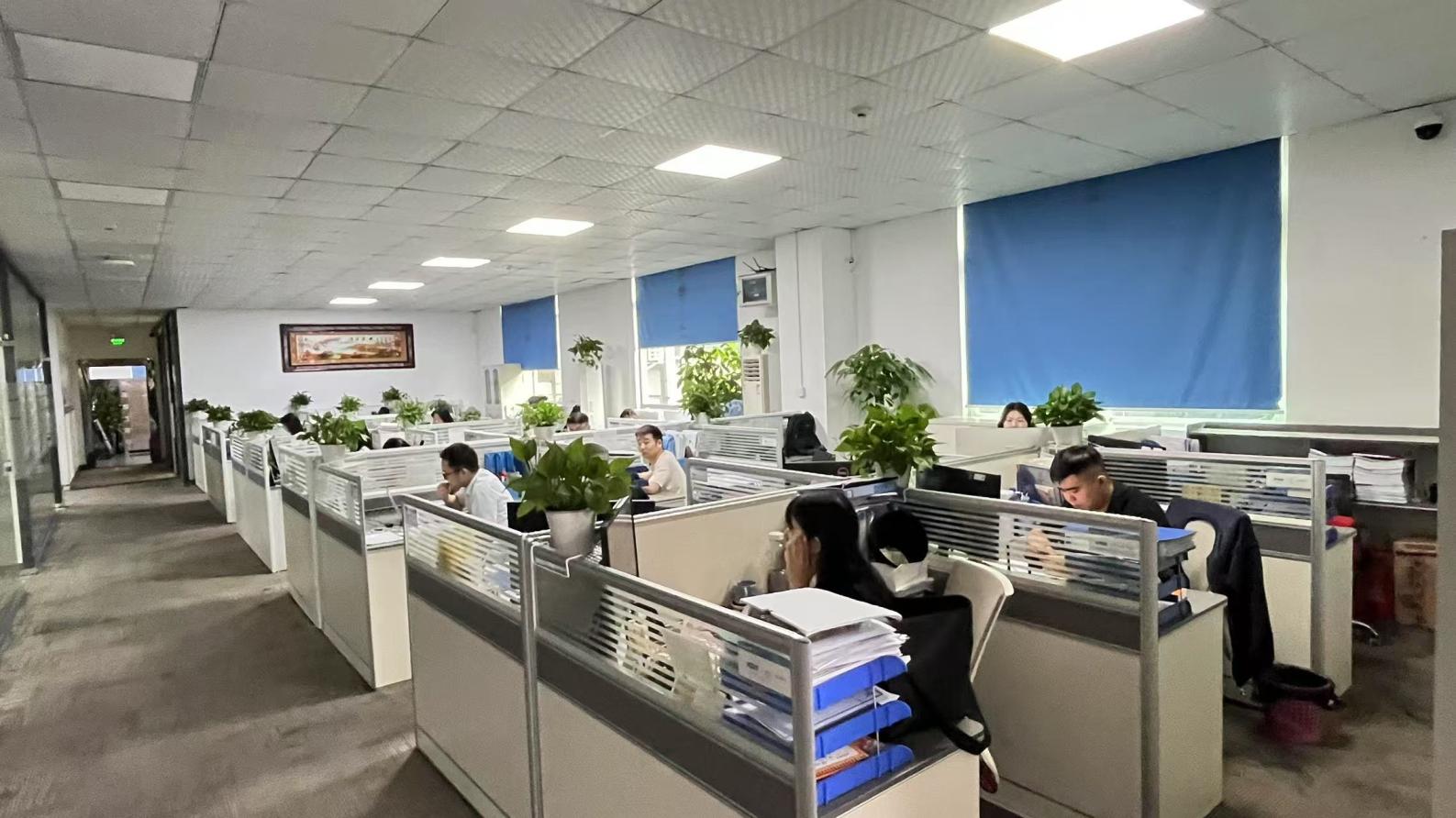
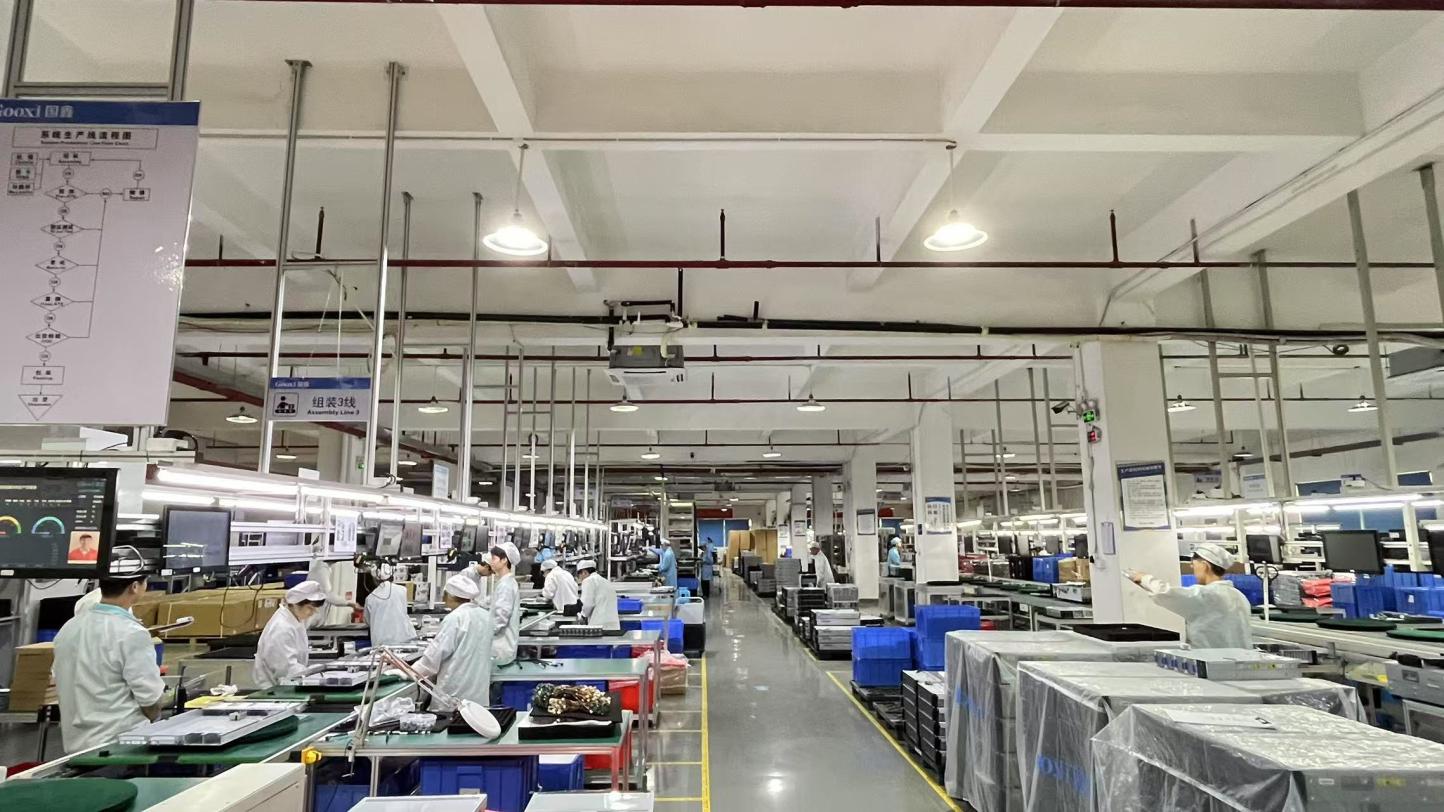
Under the supervision of our 45-member Quality Control team, every server configuration passes through specialized manufacturing, testing, and environmental simulation phases.
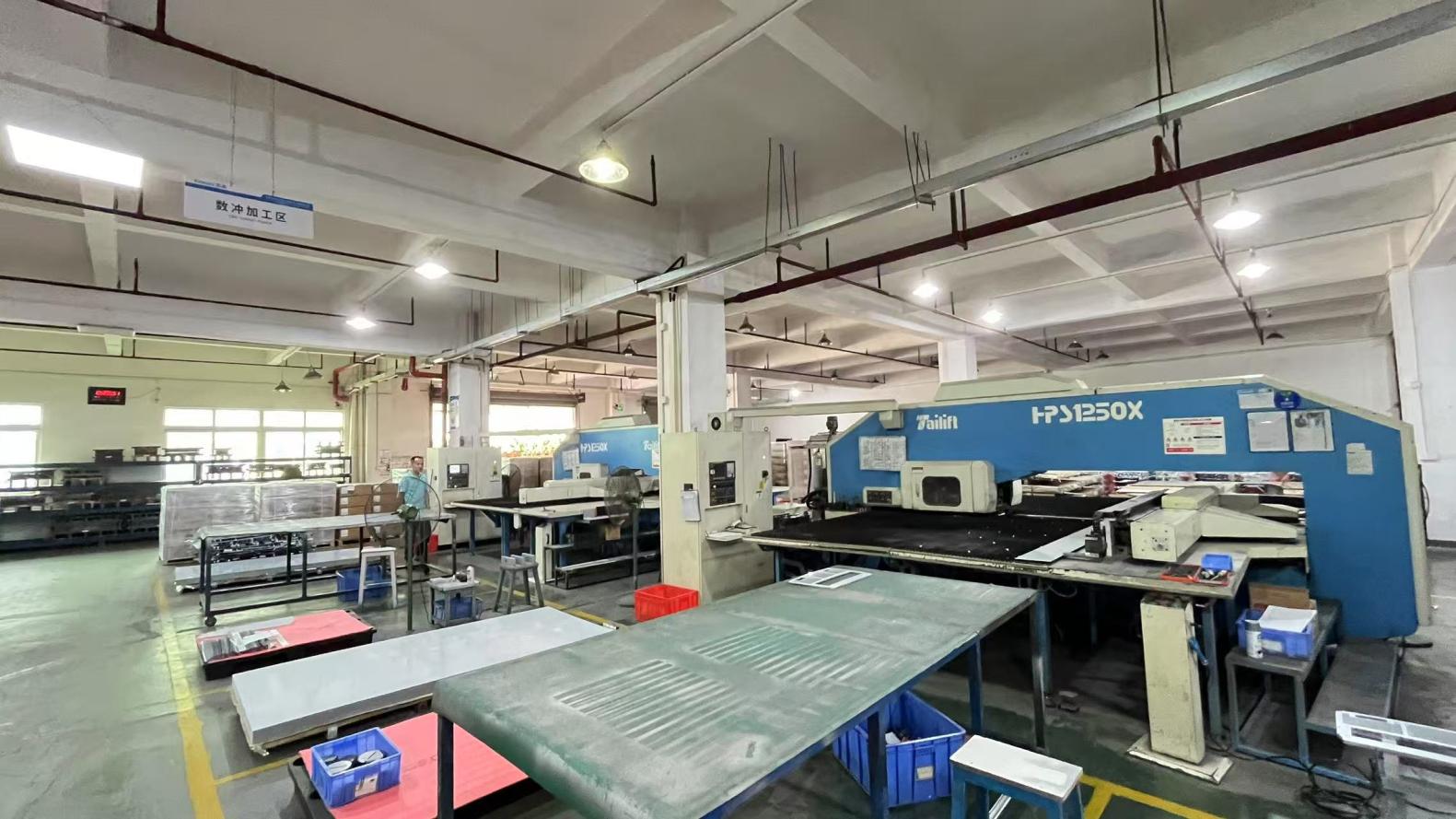
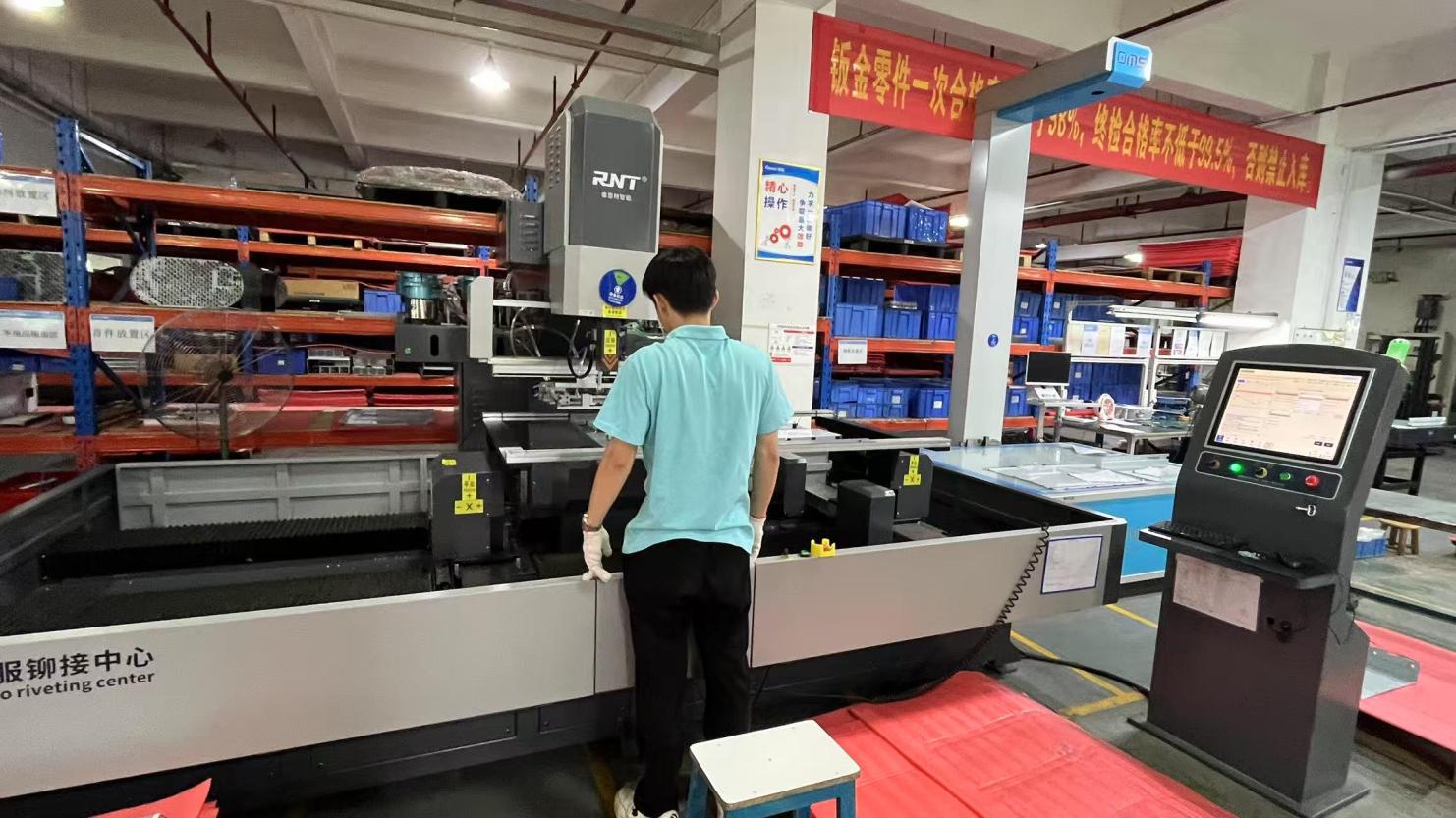
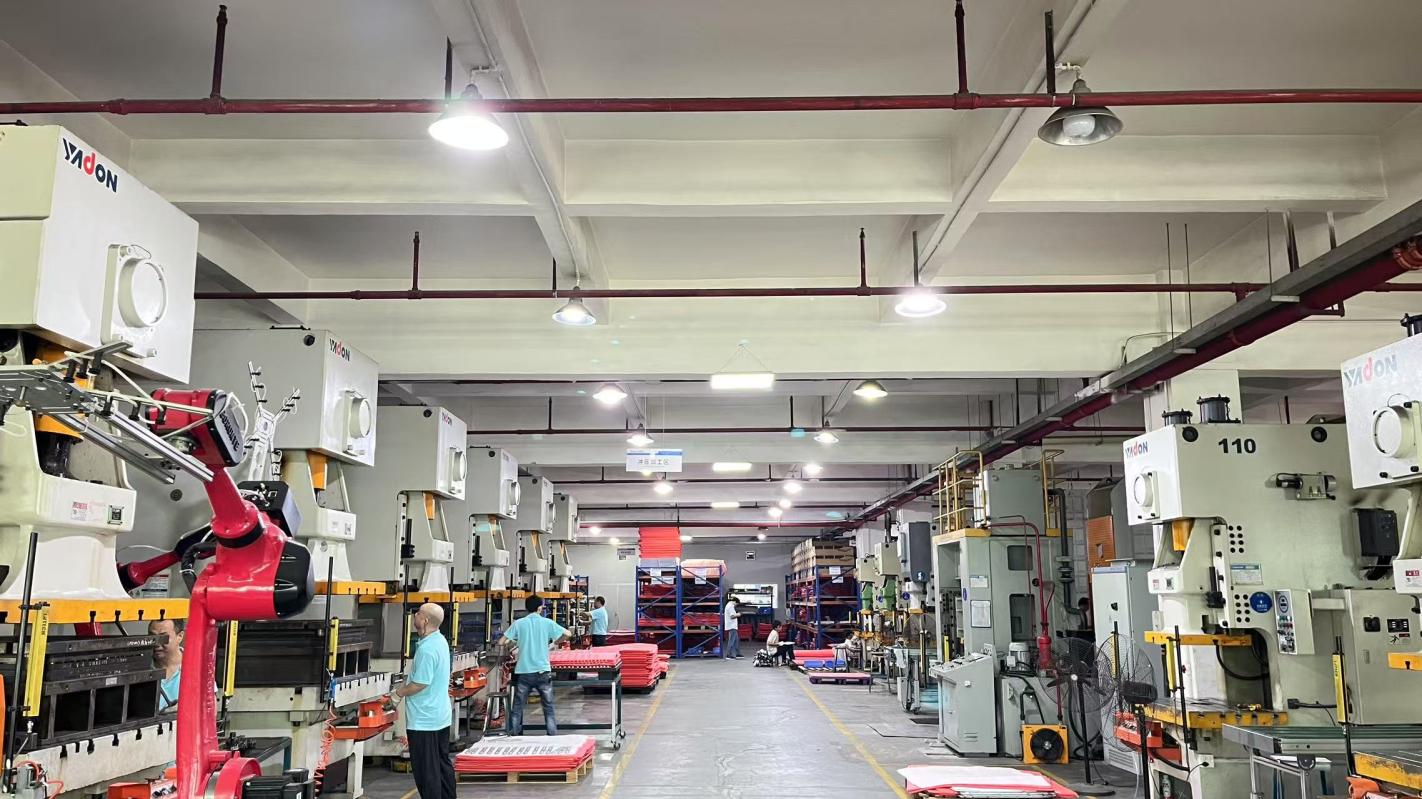
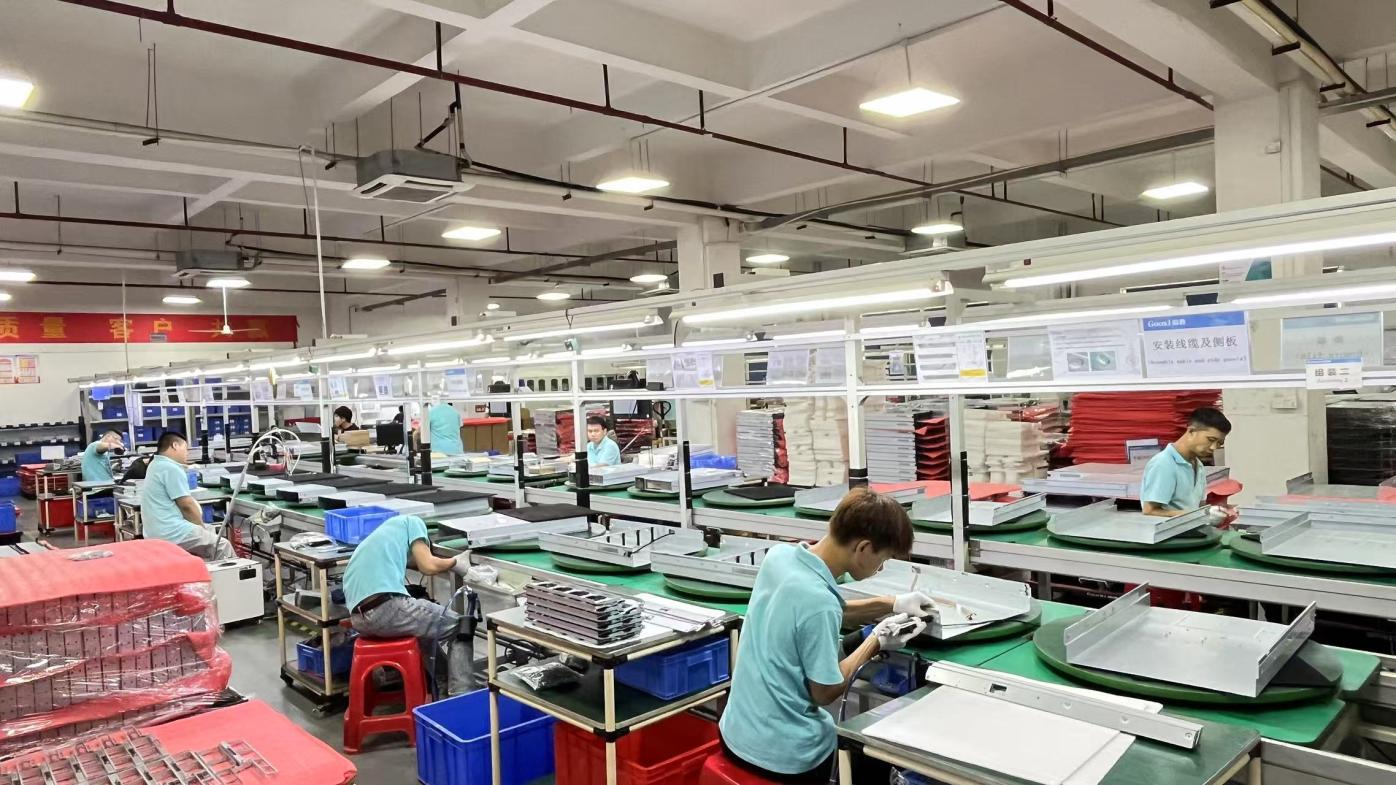
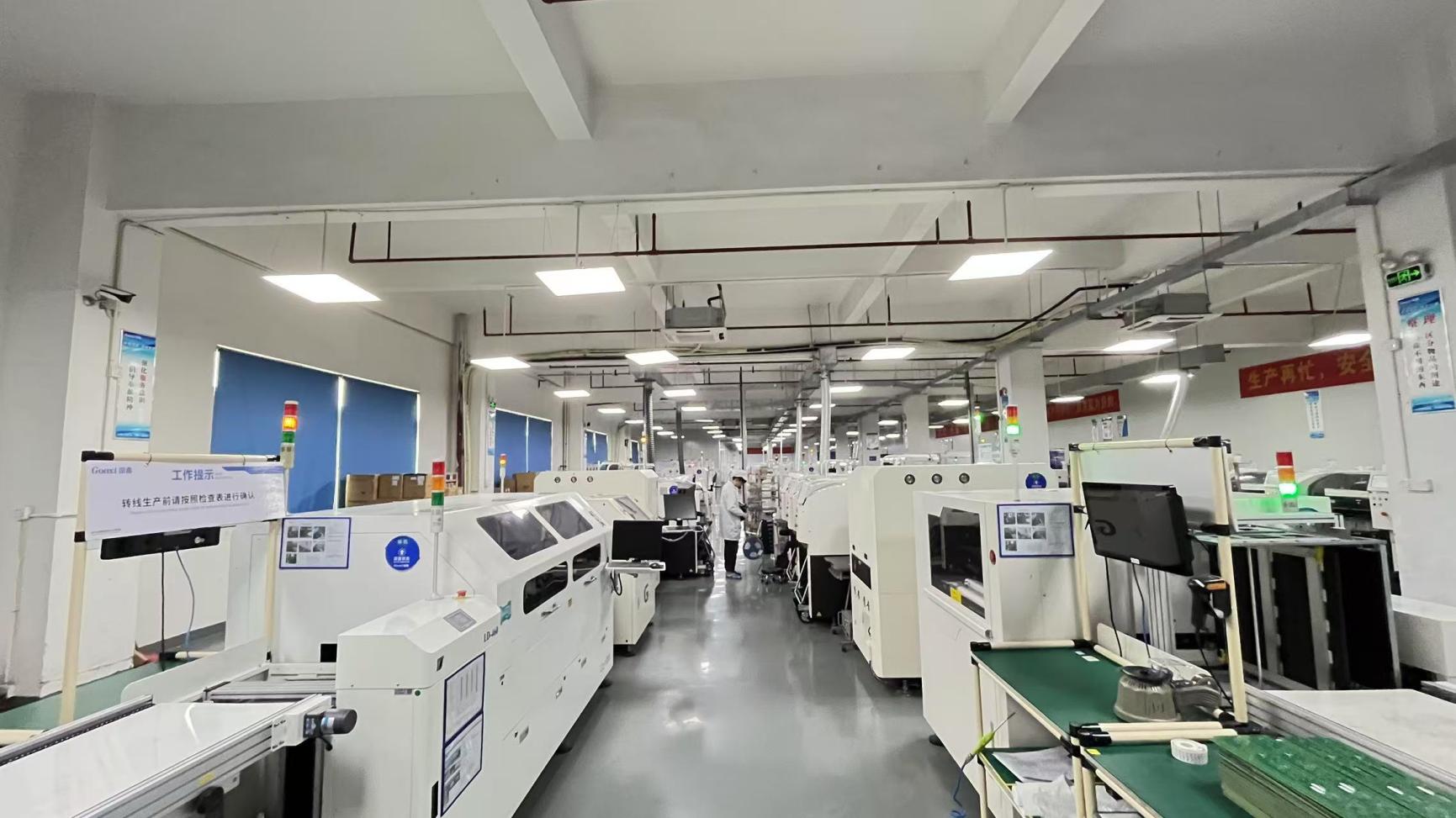
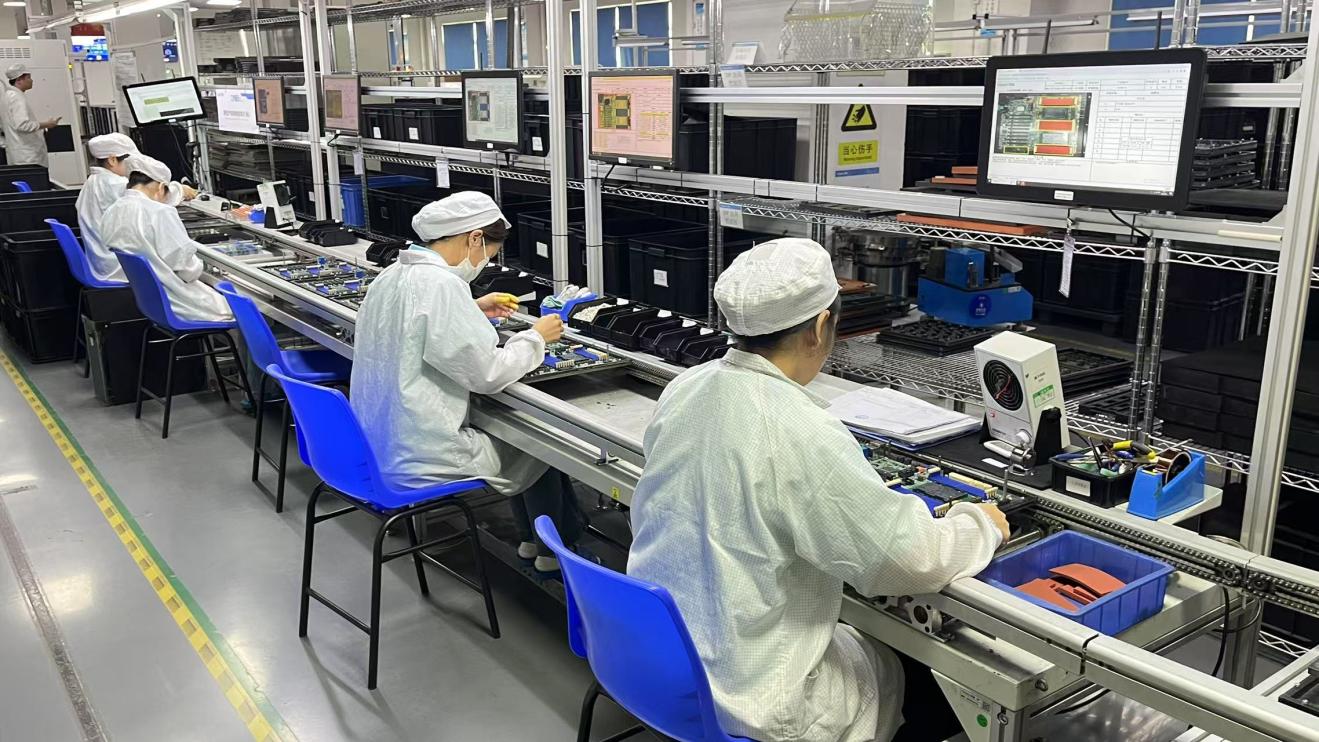
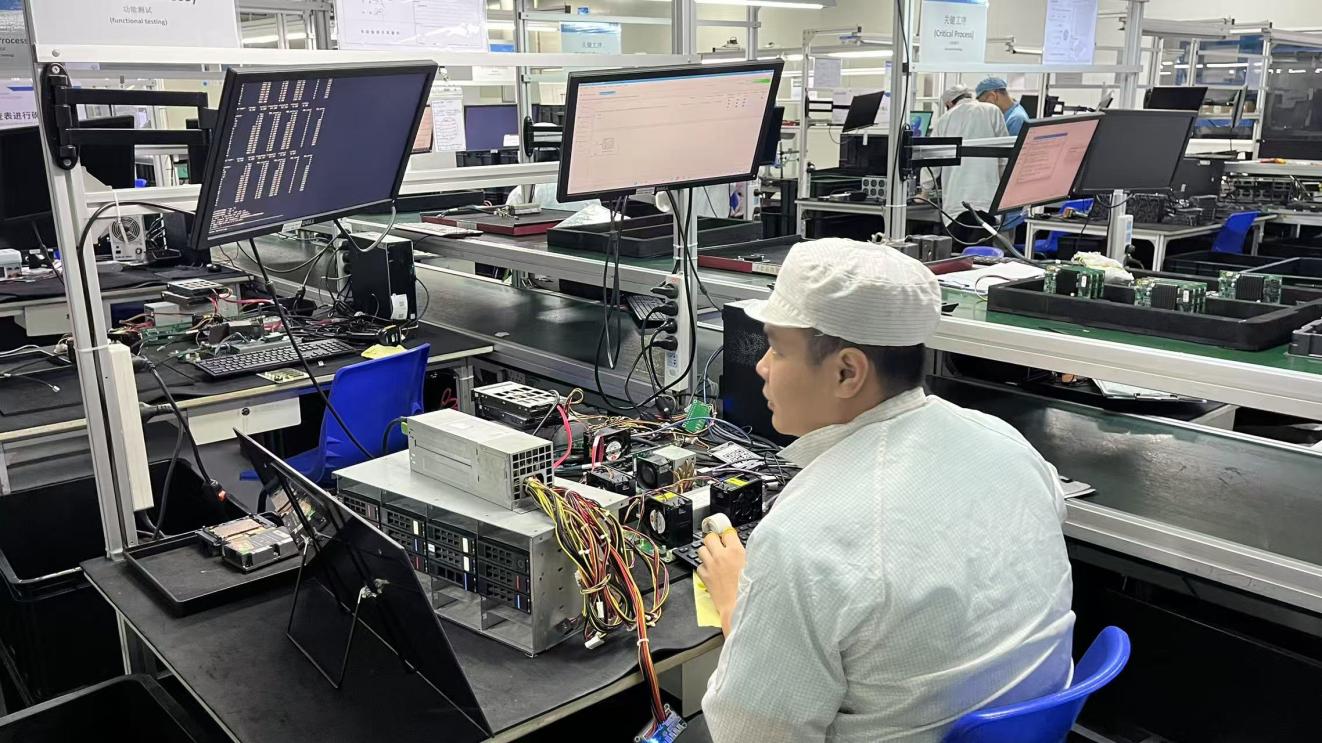
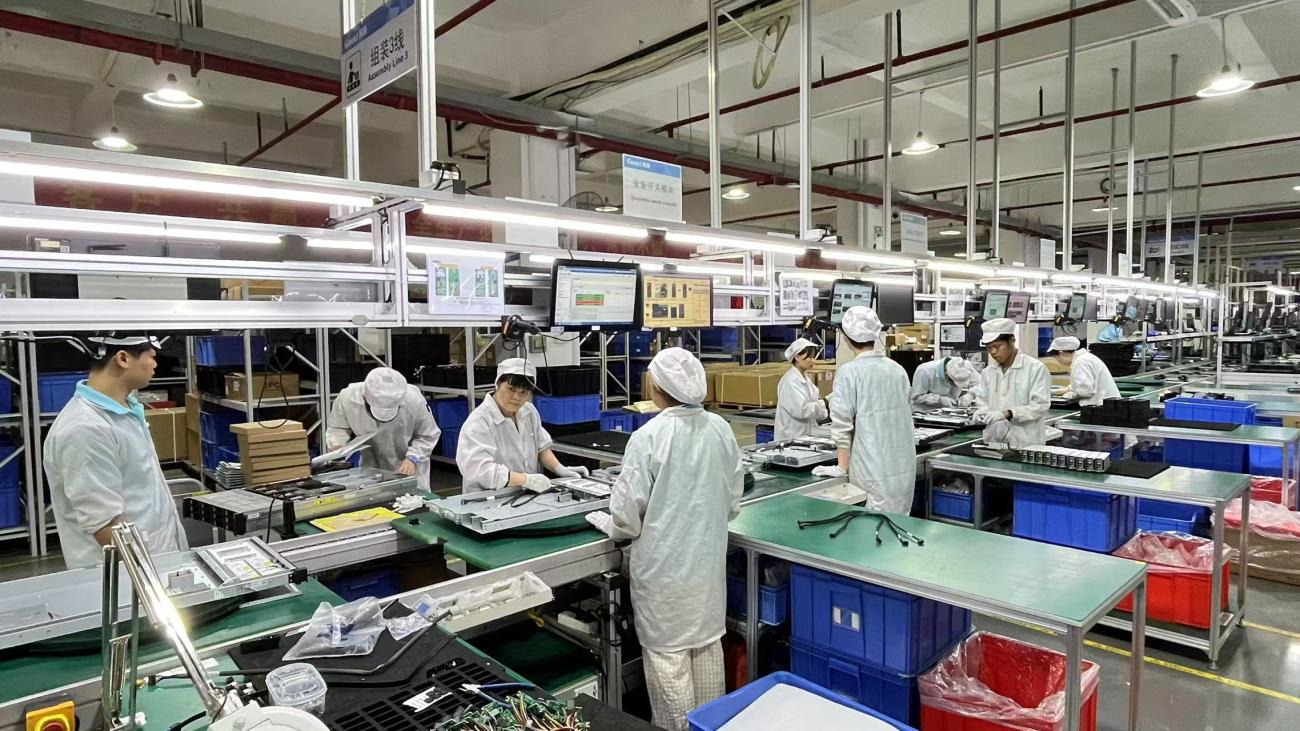
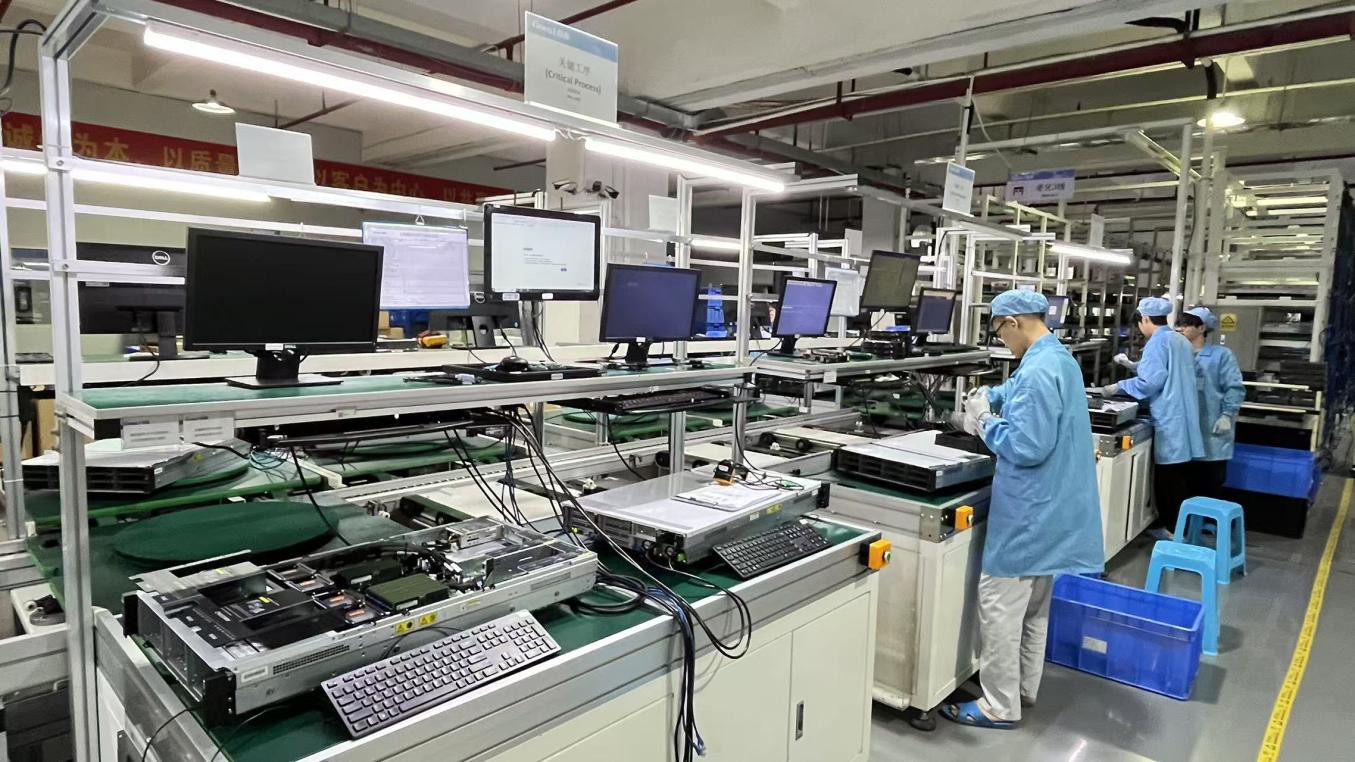
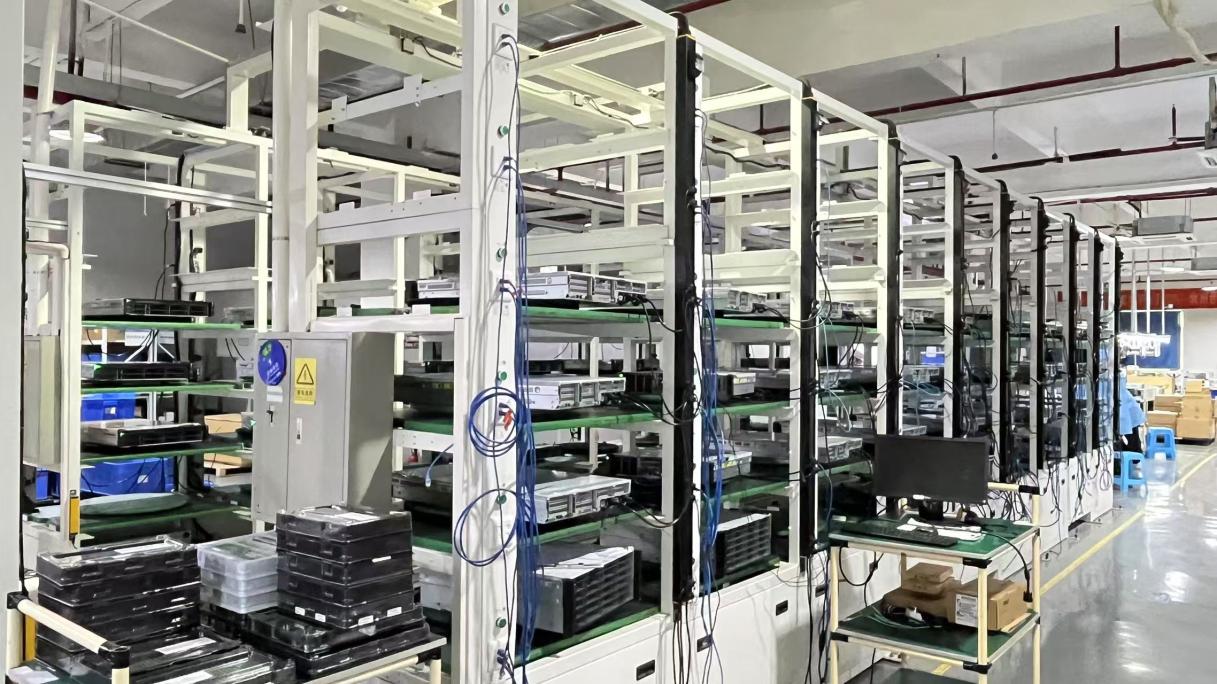
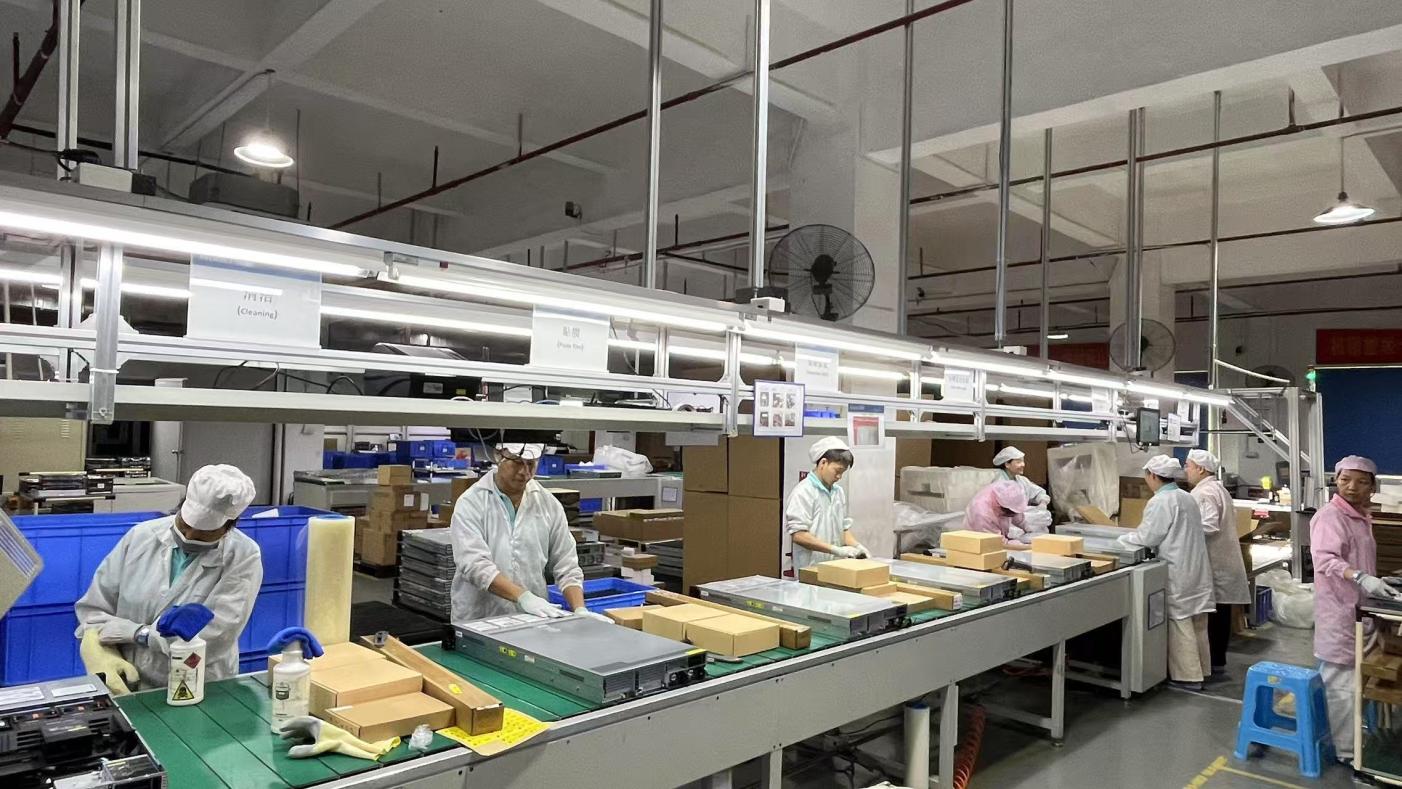
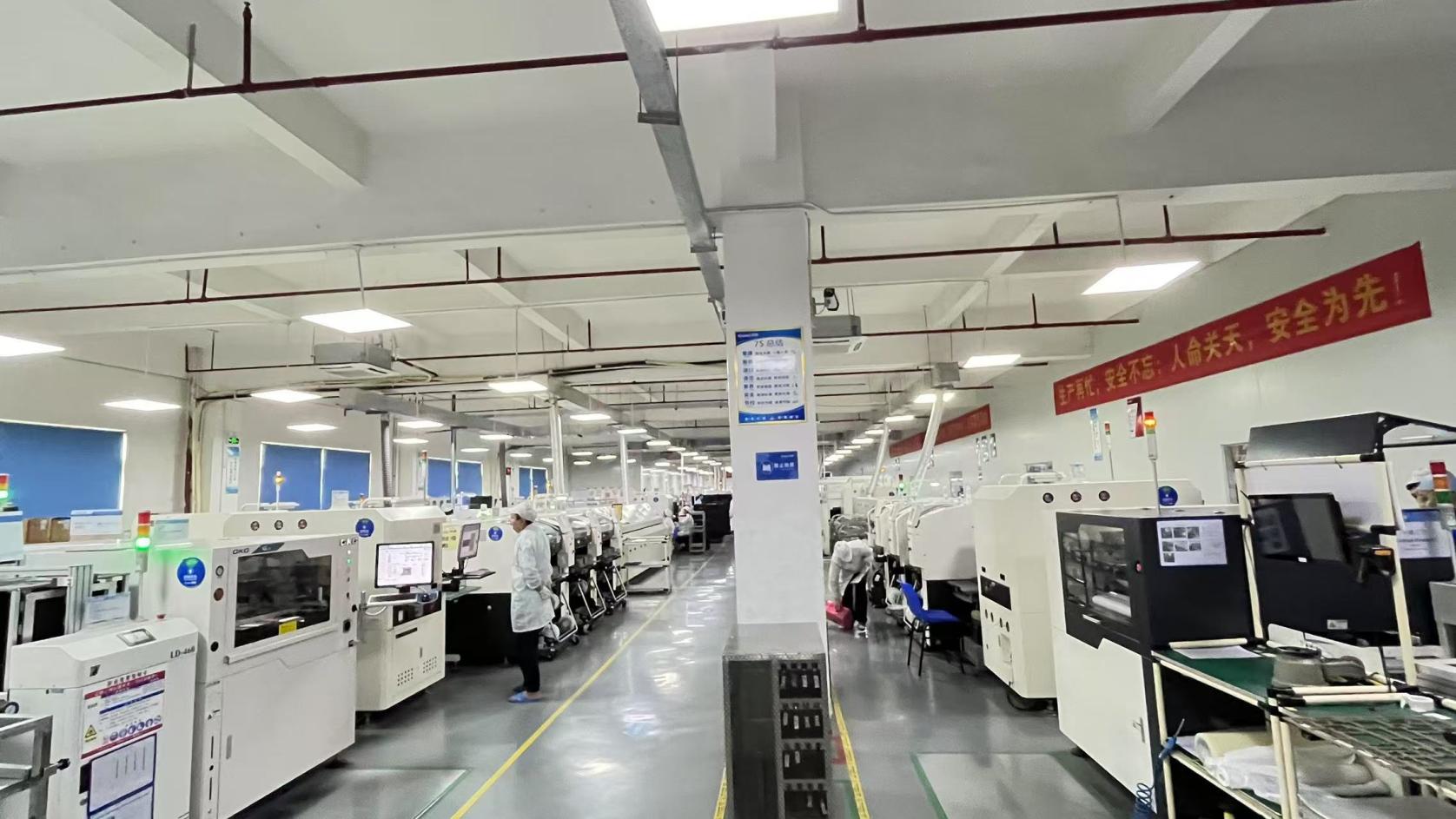
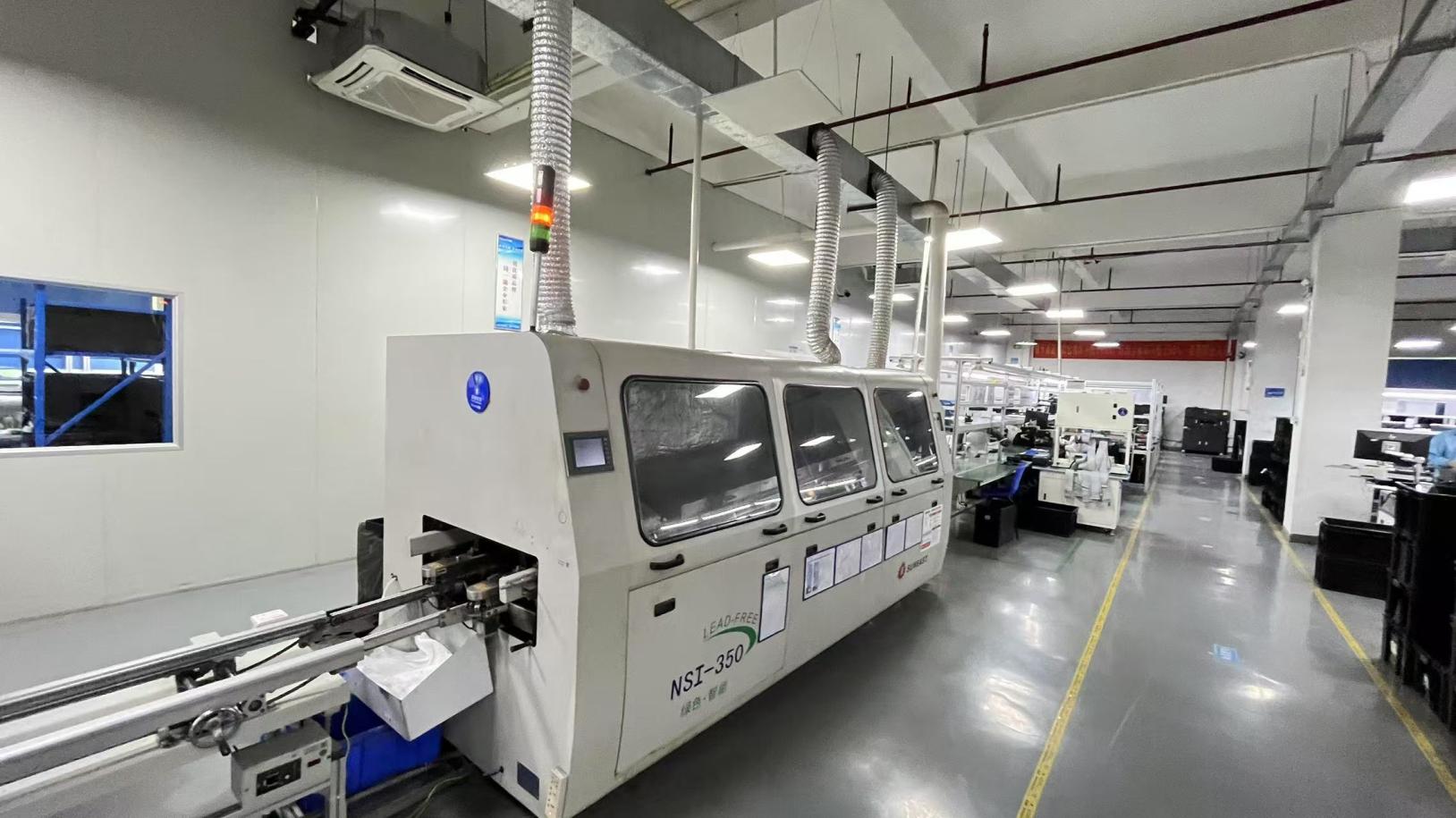
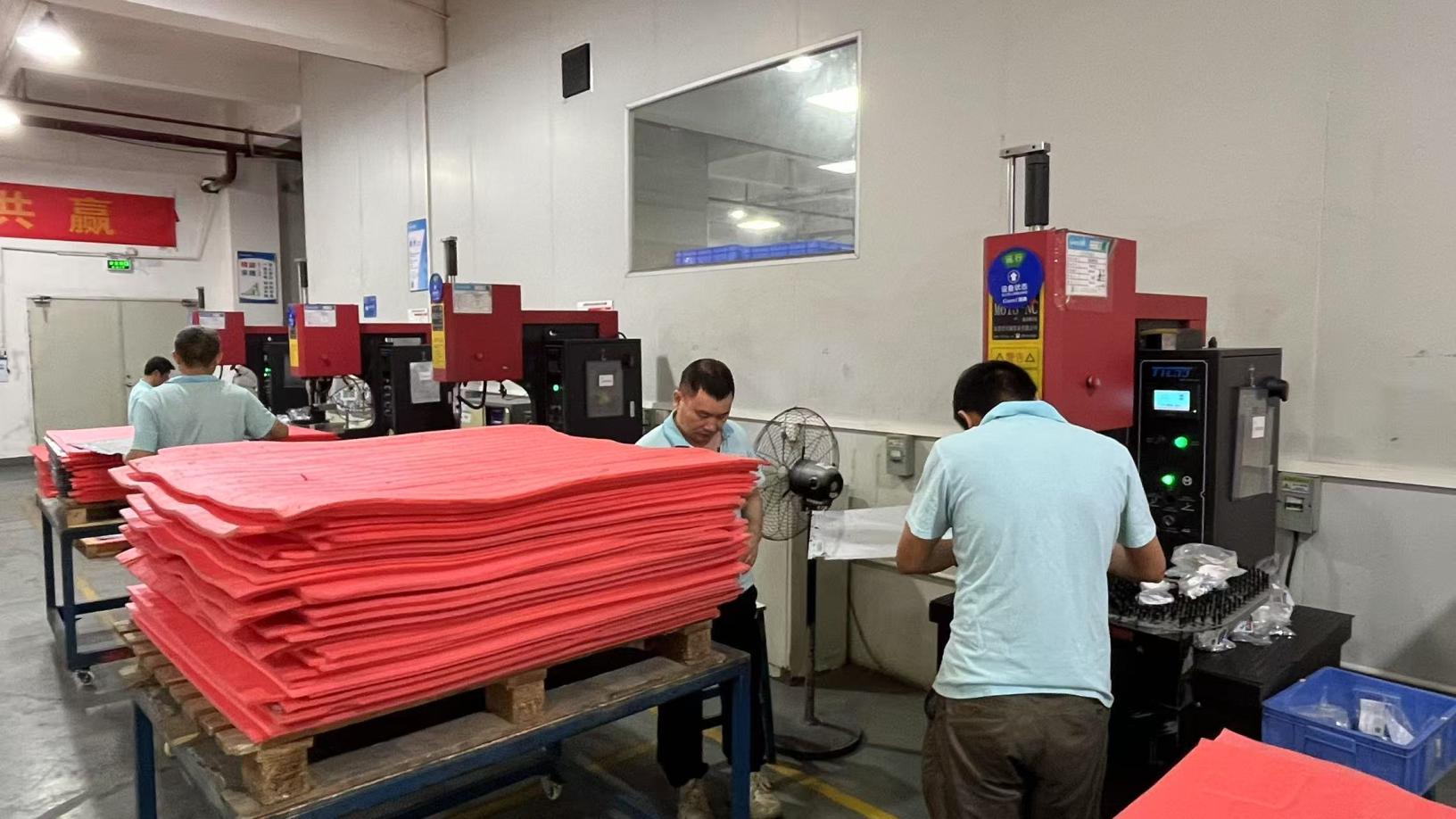
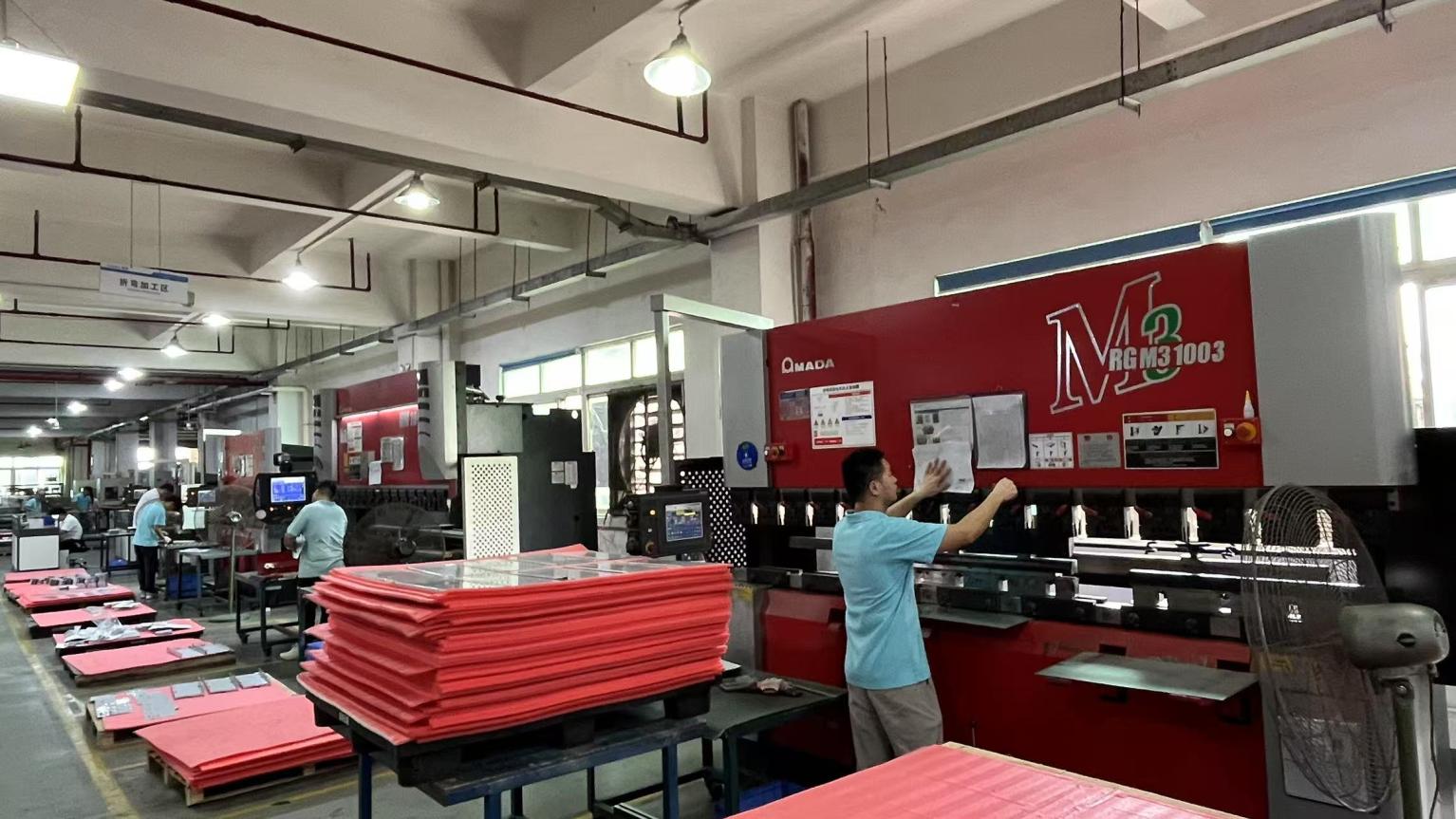
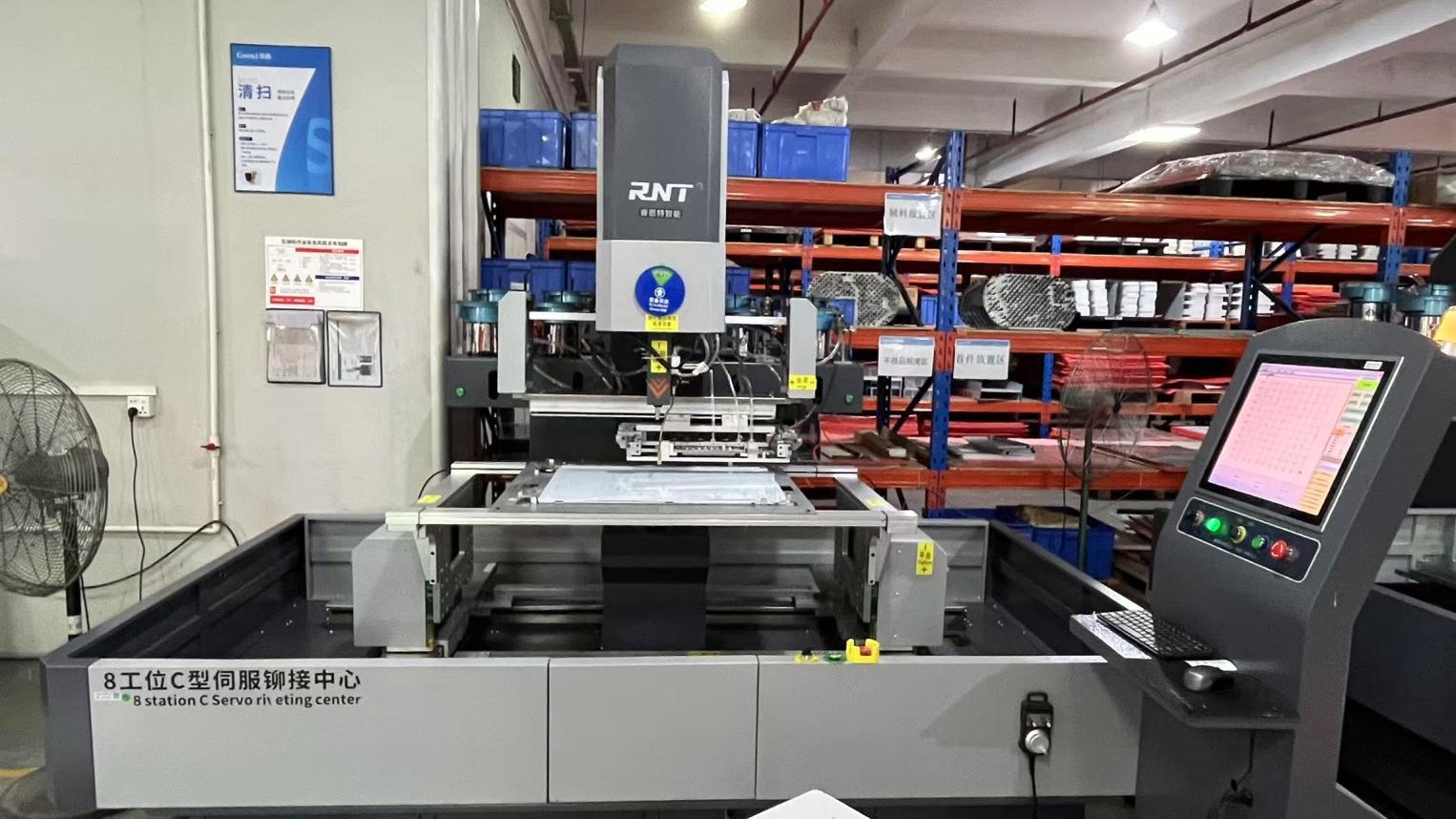
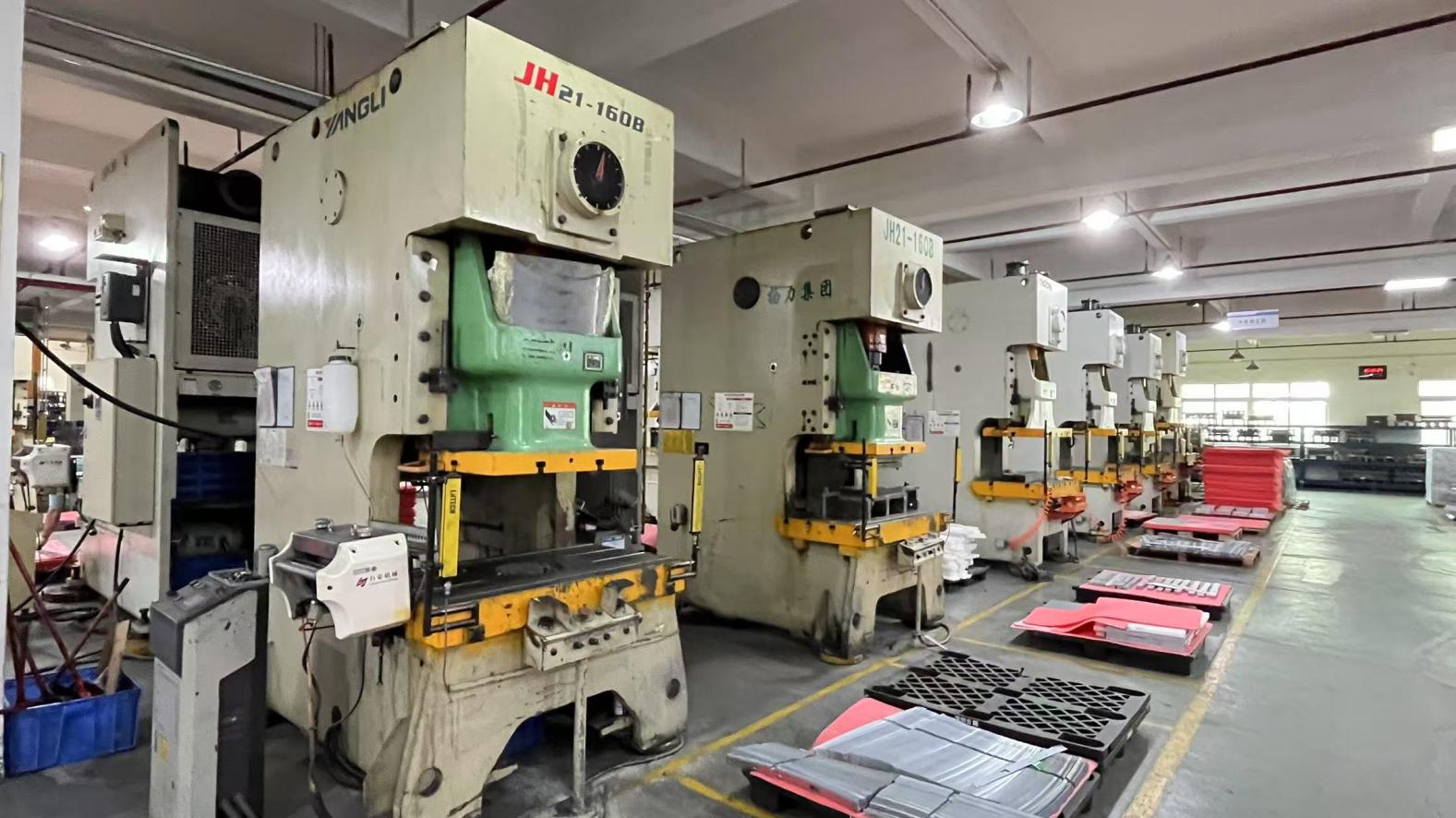
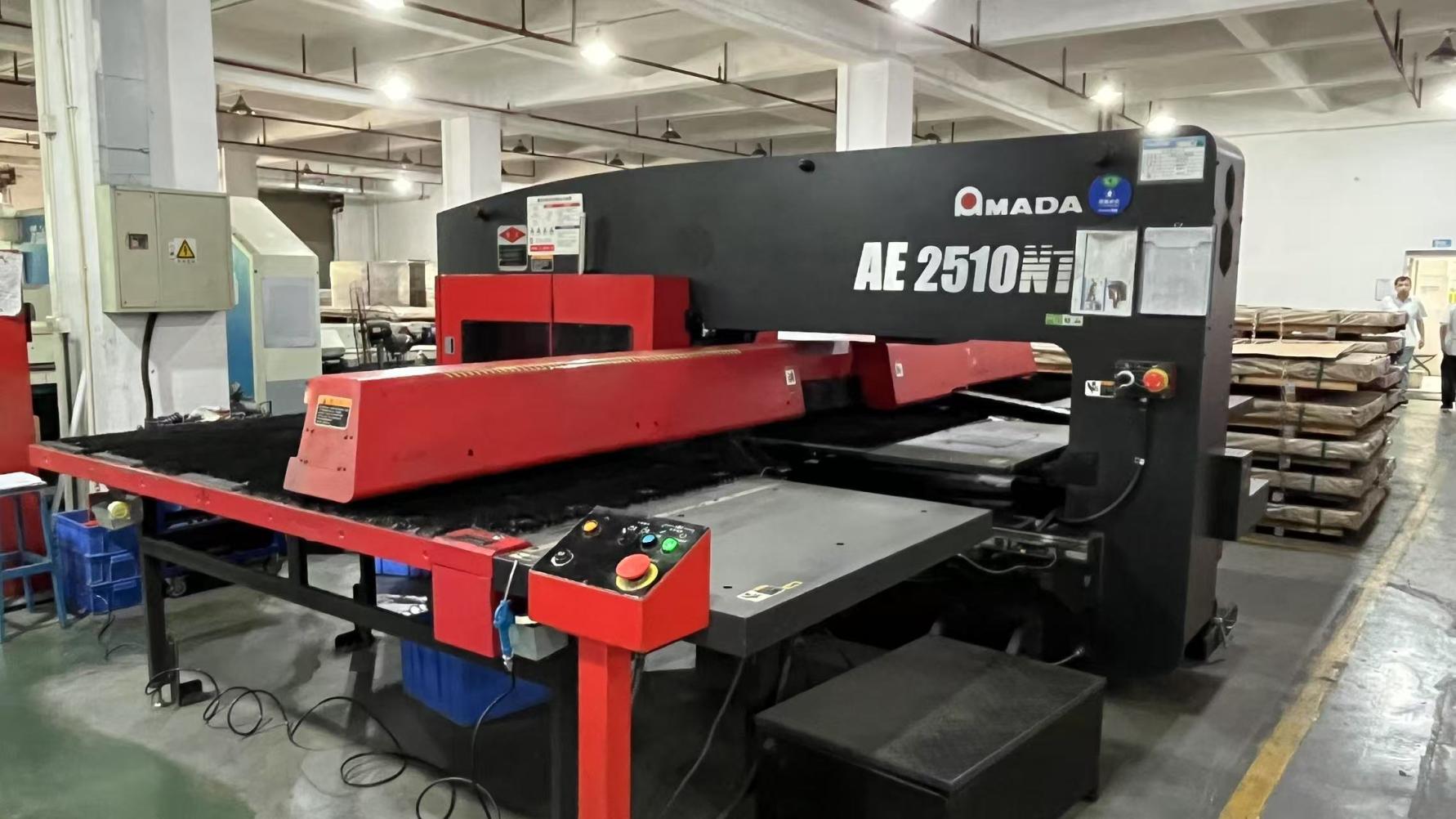
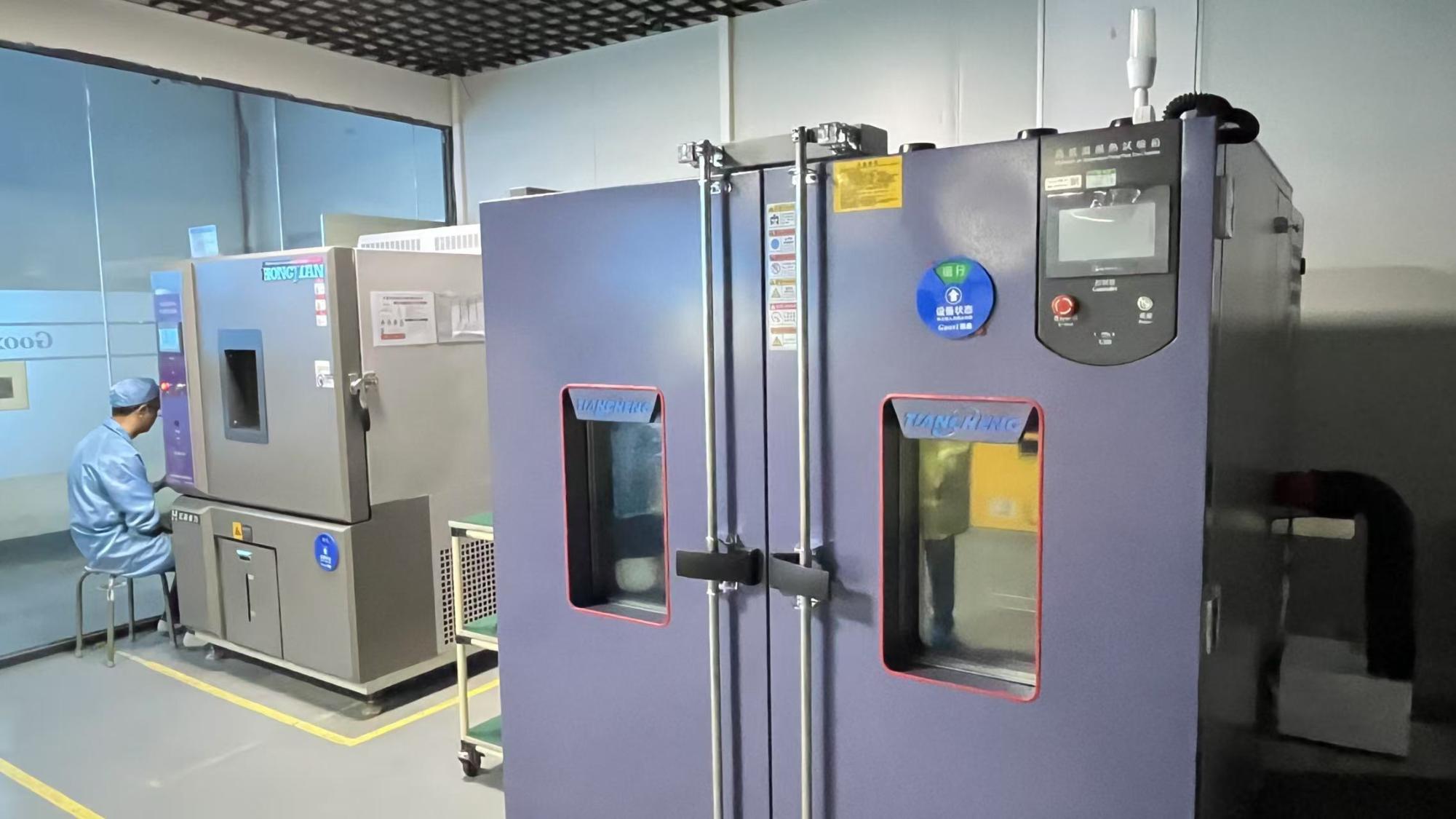
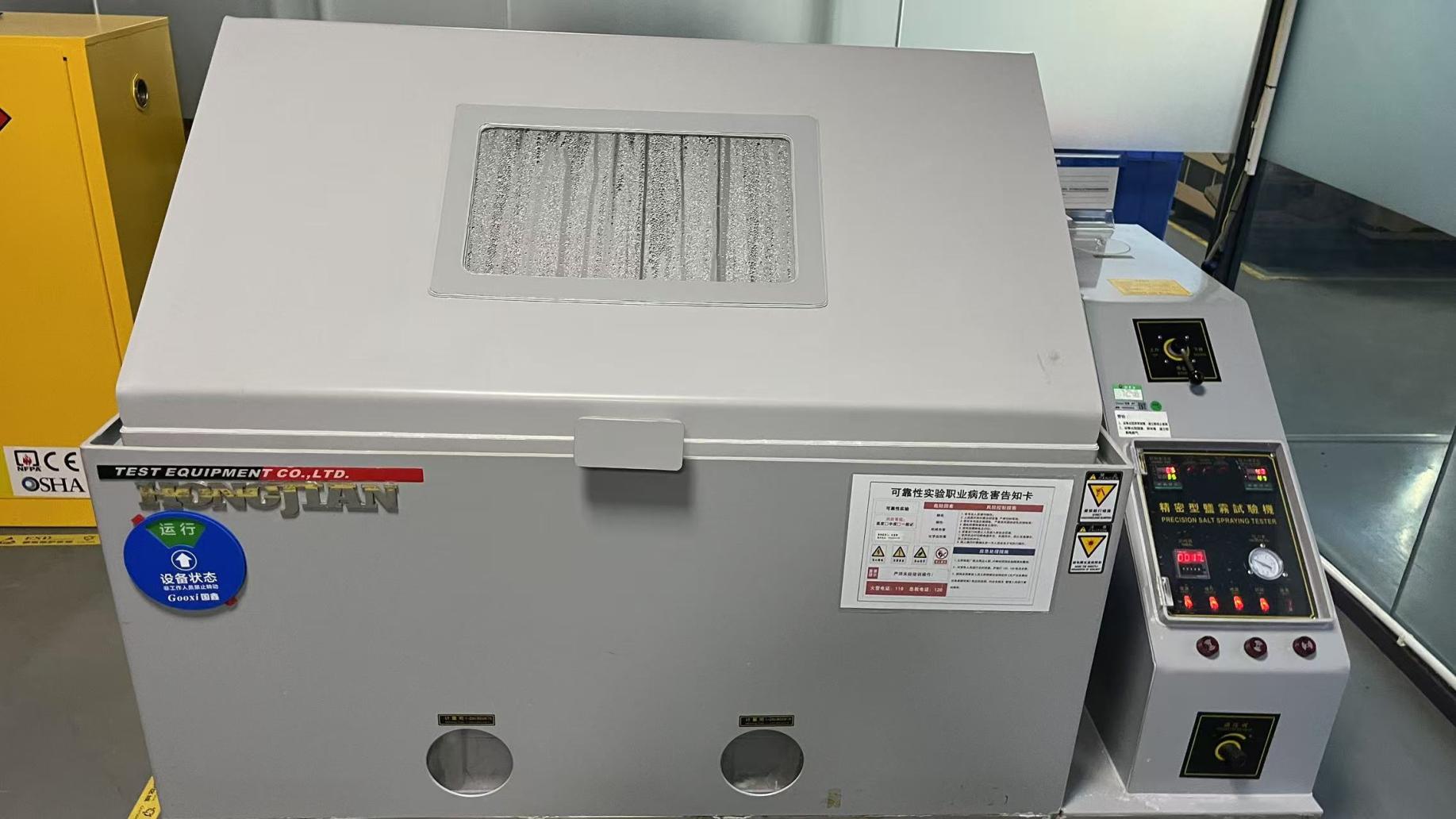
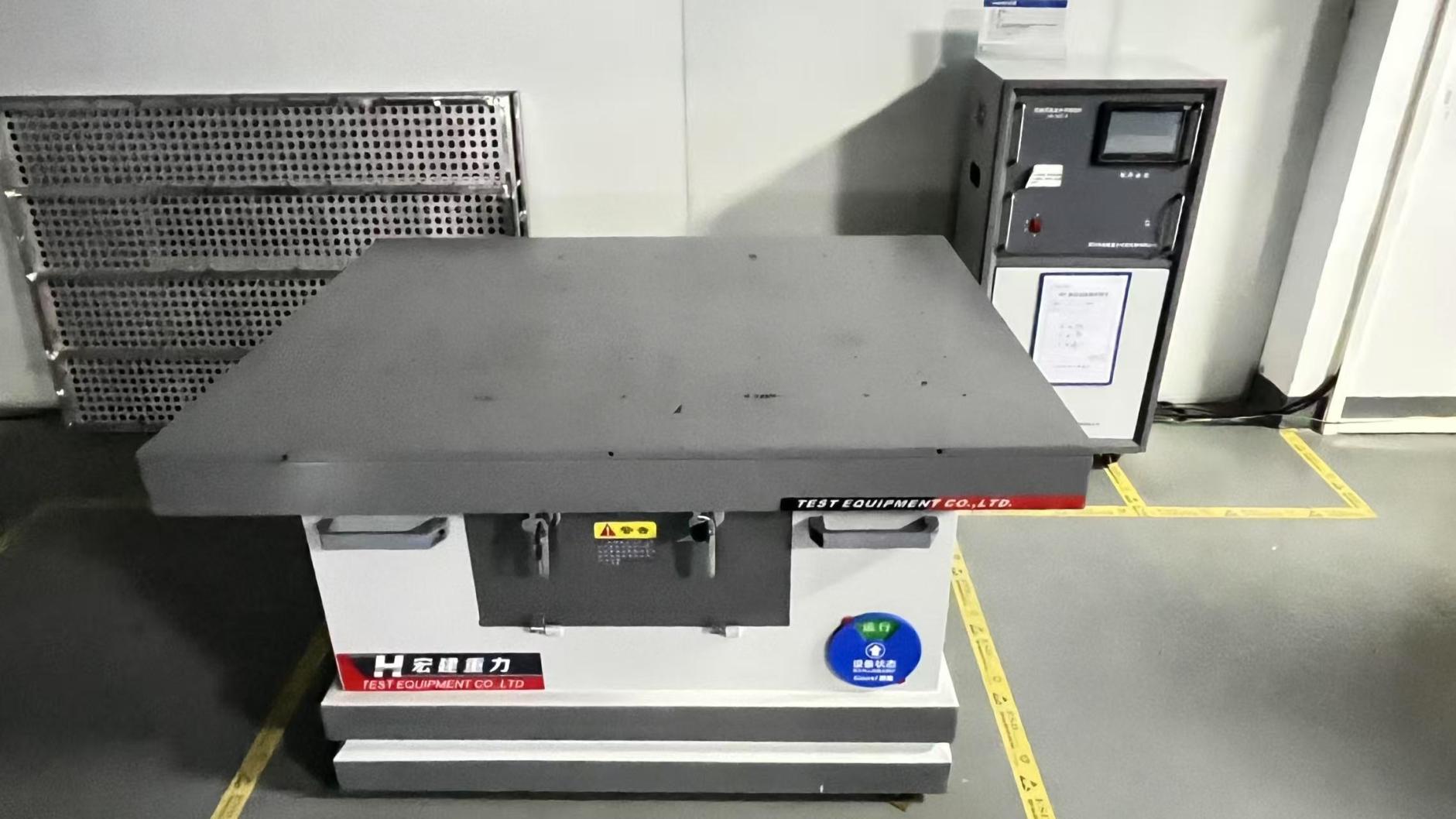
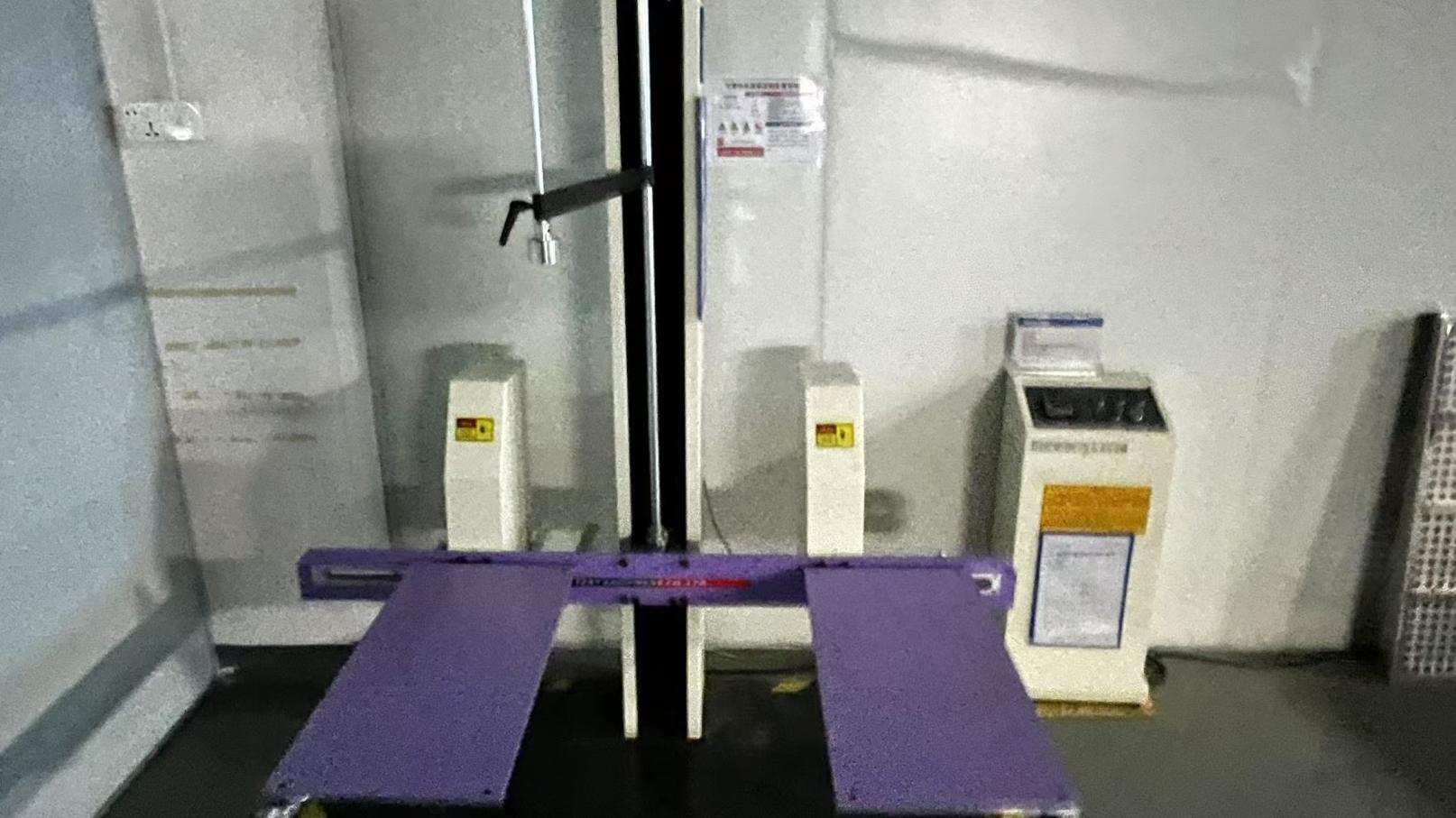
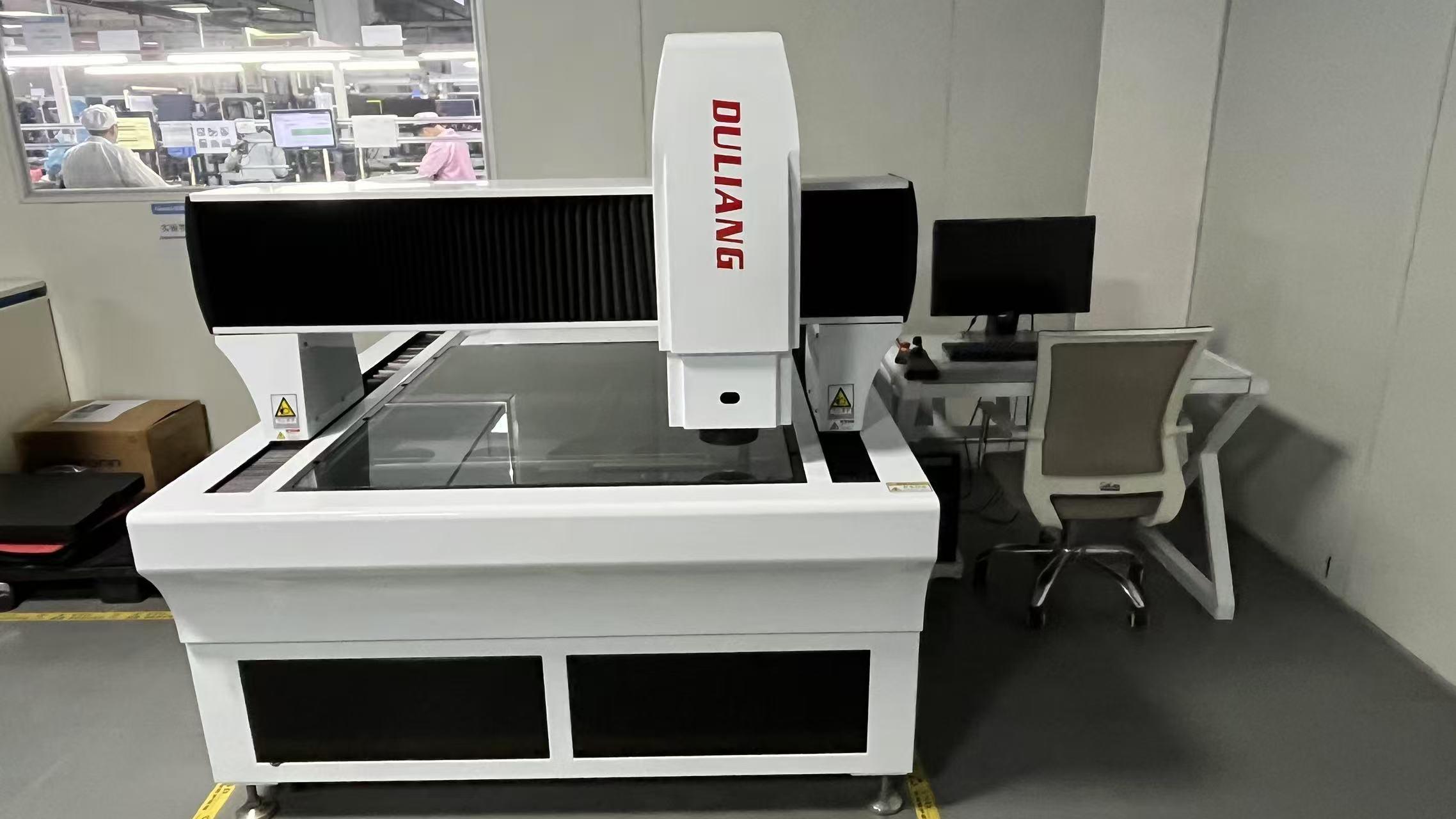
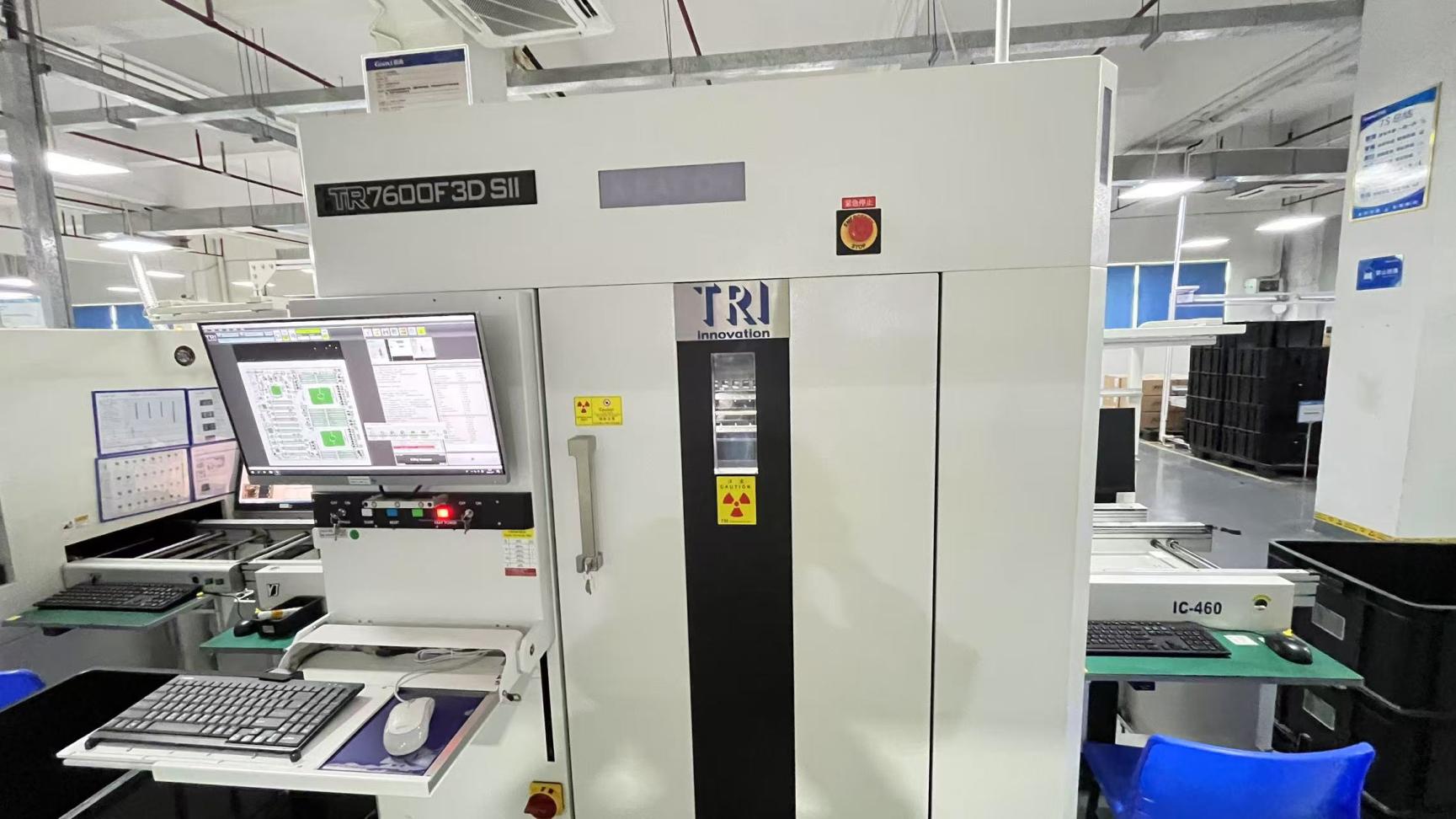
Our facility is equipped with industrial instruments designed to simulate environmental challenges, assuring absolute stability in operational datacenters.
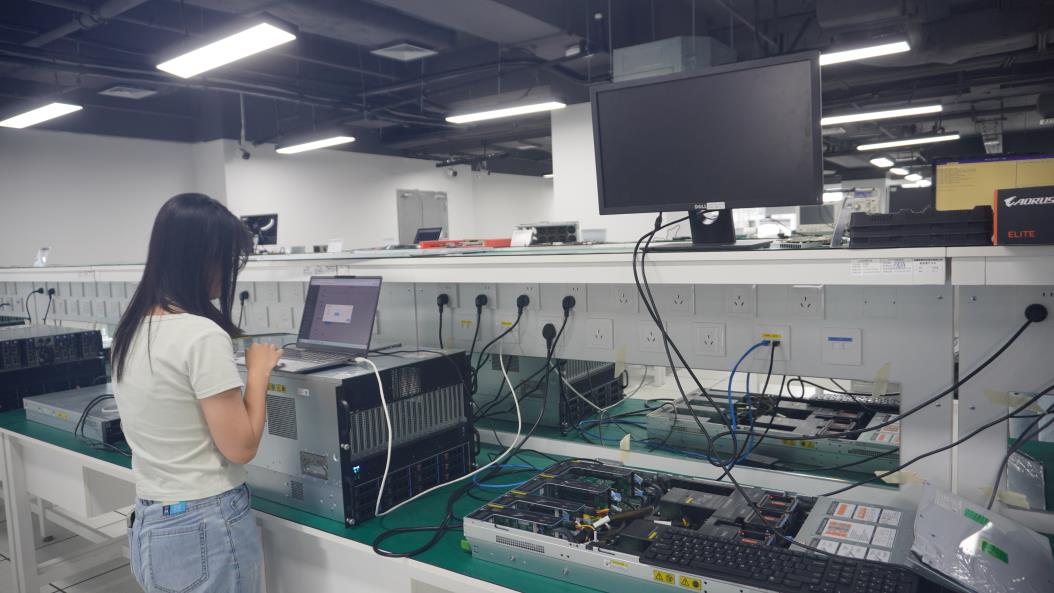
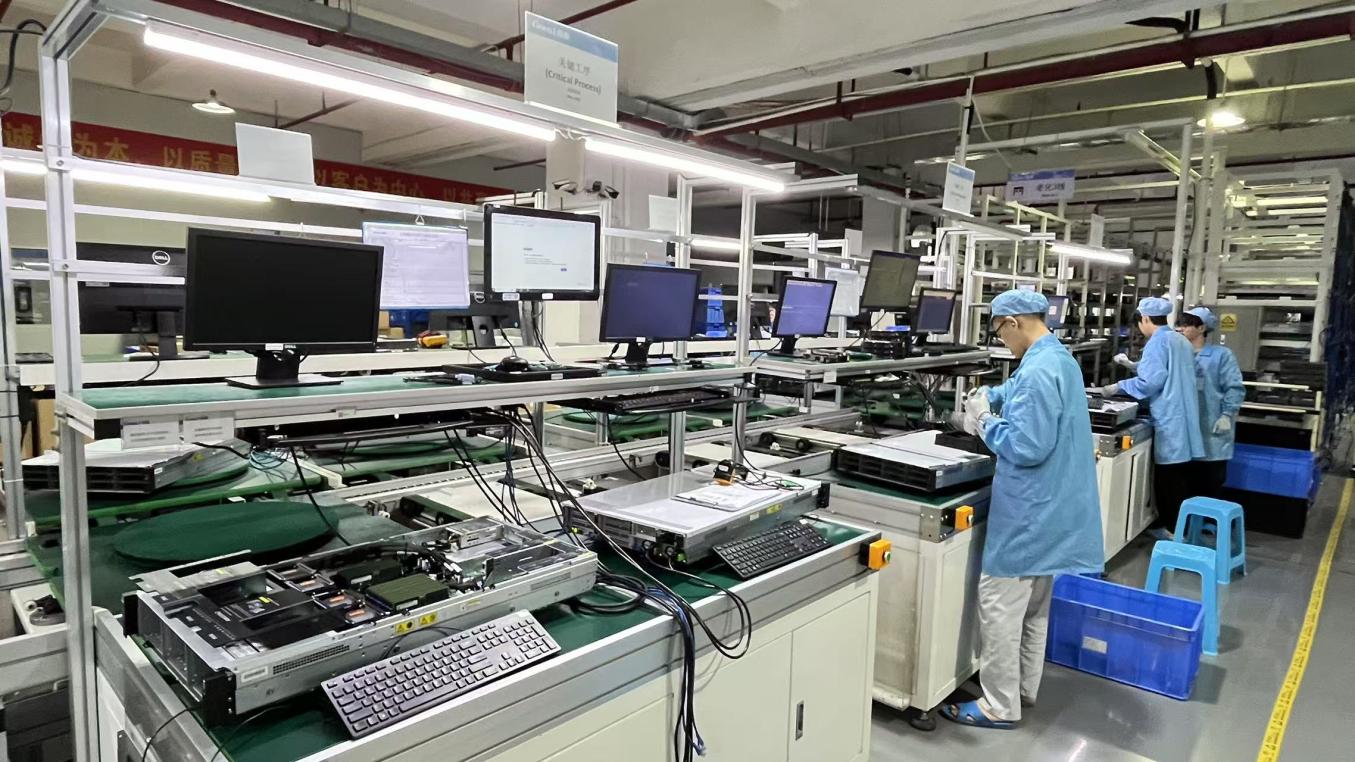
Optimized deployment strategies matching specialized hardware configurations to computational scenarios.
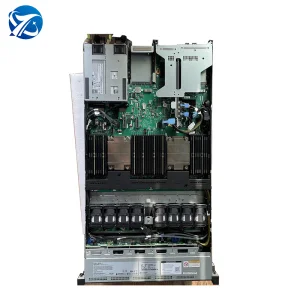
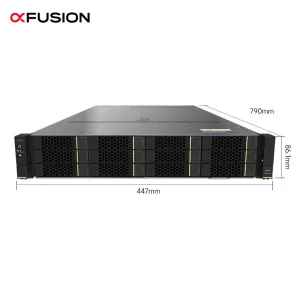
Training Large Language Models requires robust multi-GPU interconnects (such as NVLink) to prevent internode latency bottlenecks. We design 2U, 4U, and 8U rackmount nodes configured for high thermal power margins. These configurations feature dedicated airflow pathways, optimized PCIe lane distribution, and dual Xeon or EPYC processors supporting up to 8 high-performance GPUs.
AI datasets are measured in Terabytes and Petabytes, making fast retrieval critical to keep GPUs saturated. Our storage servers are integrated with hybrid SSD/HDD arrangements, SAS3 backplanes, and redundant RAID controllers. These units support sub-millisecond retrieval times, preventing pipeline stalls during neural network training epochs.
Deploying models in production requires cost-efficient, power-optimized inference systems. We design short-depth, ruggedized servers suitable for edge datacenters or regional hubs. These solutions balance energy efficiency with high-throughput inference processing, reducing the operational costs of active artificial intelligence systems.
Deploying specialized servers in mission-critical environments requires rigorous validation of both physical housing and internal components. At ZhiCloud AI, our design processes combine finite element analysis (FEA) with physical testing to meet complex data center requirements.
In high-density computing clusters, heat generation concentrates around processor cores and power delivery modules. To prevent localized hotspots, we simulate airflow velocity patterns using computational fluid dynamics (CFD). We validate these simulations in physical thermal chambers (thermotanks), evaluating stability under peak computing loads in temperatures up to 45°C.
During transportation and operation, servers are exposed to various mechanical vibrations and environmental factors. Our quality validation process includes salt spray testing to check for corrosion resistance on chassis plating, along with structural vibration and drop testing. These measures protect internal connections and backplane alignments against physical stress.
High-speed signaling channels like PCIe 5.0 require trace integrity. We utilize multi-axis Coordinate Measuring Machines (CMM) to inspect structural dimensions down to micrometer tolerances. For structural integrity inside circuit layers, we use X-ray scans to identify and prevent solder voids or micro-fissures in PCBA layers.
Answers to complex inquiries regarding hardware customization, production capability, and global distribution logistics.
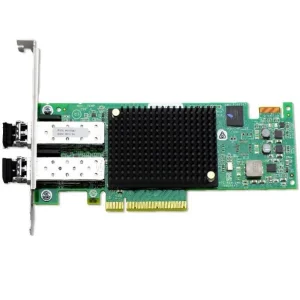
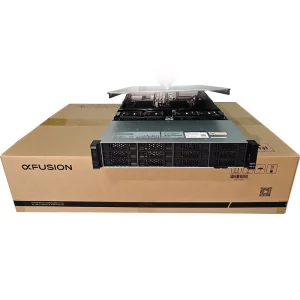
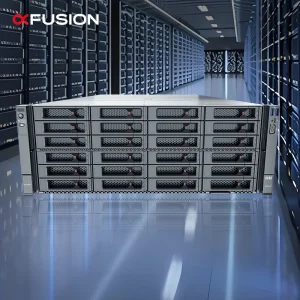
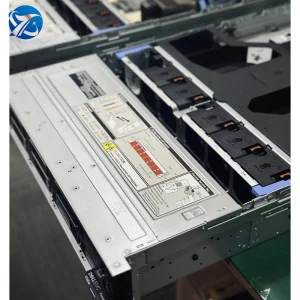
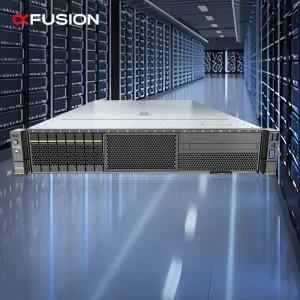
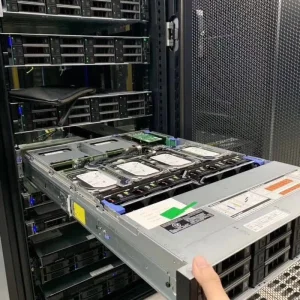
High-performance rack mount installations, hyperconverged server architectures, and high-speed network interfaces.