ZhiCloud AI
ZhiCloud AI
ZhiCloud AI
Explore high-density server configurations optimized for multi-tenant colocation environments, artificial intelligence clustering, and heavy storage pools.
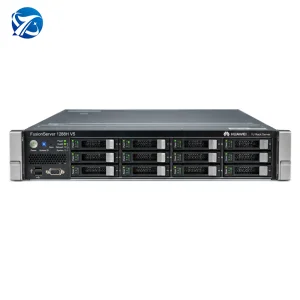
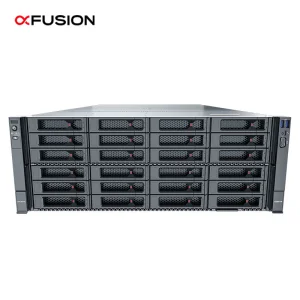
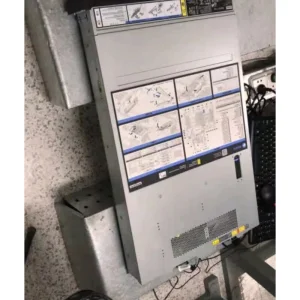
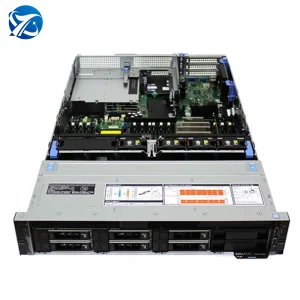
As massive generative AI architectures, distributed ledger applications, and high-frequency edge analytics expand, the foundational hardware ecosystem of colocation facilities is undergoing a structural paradigm shift. The global computing domain requires more than simple rack-and-stack services; it demands robust, thermal-efficient, and dense bare-metal integrations configured to sustain petascale training tasks. Shenzhen Intelligent Computing Cloud Technology Co., Ltd. (ZhiCloud AI) sits at the convergence of this shift, manufacturing top-tier enterprise compute nodes and server assemblies engineered specifically for high-density modern colocation centers worldwide.
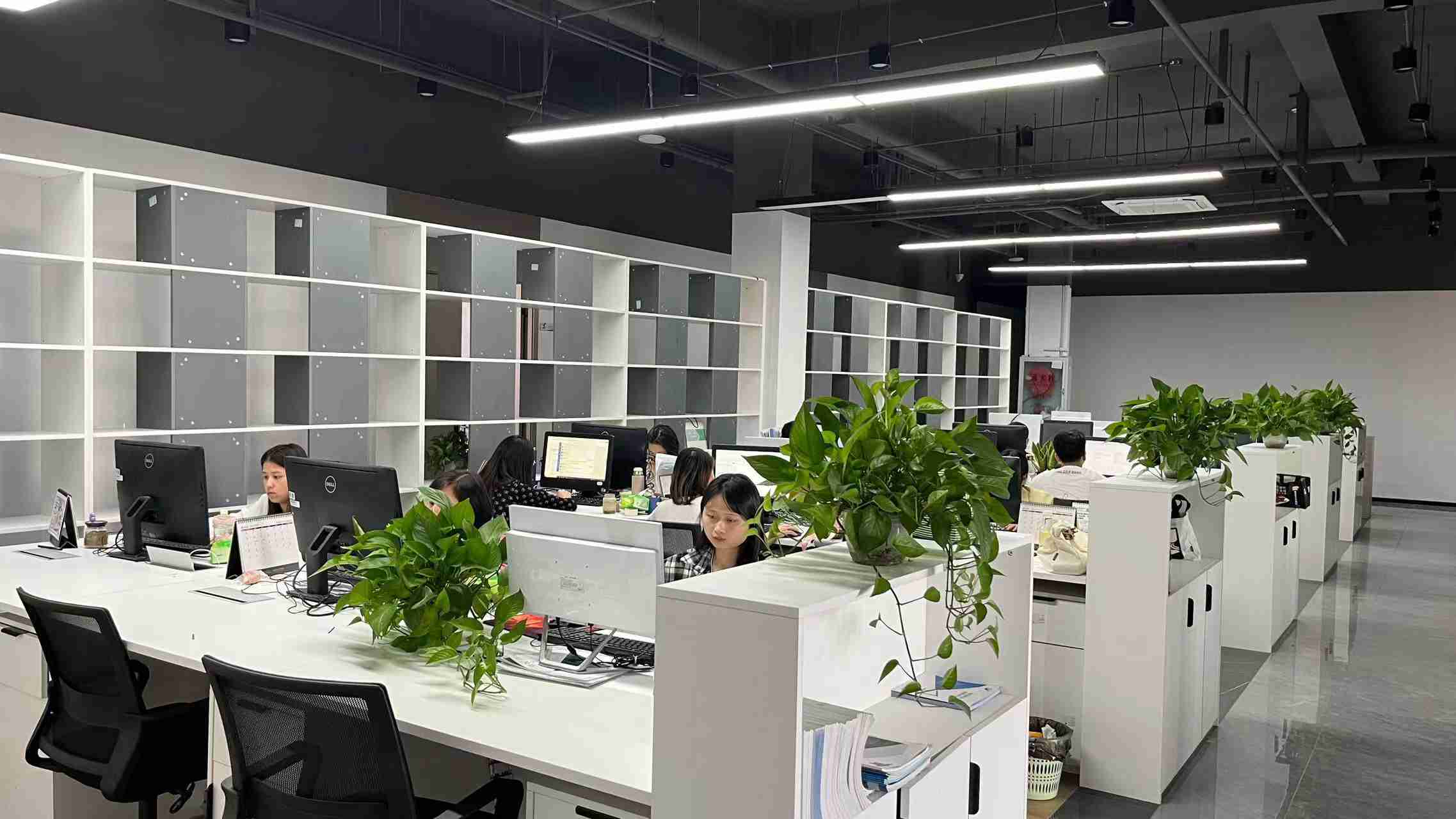
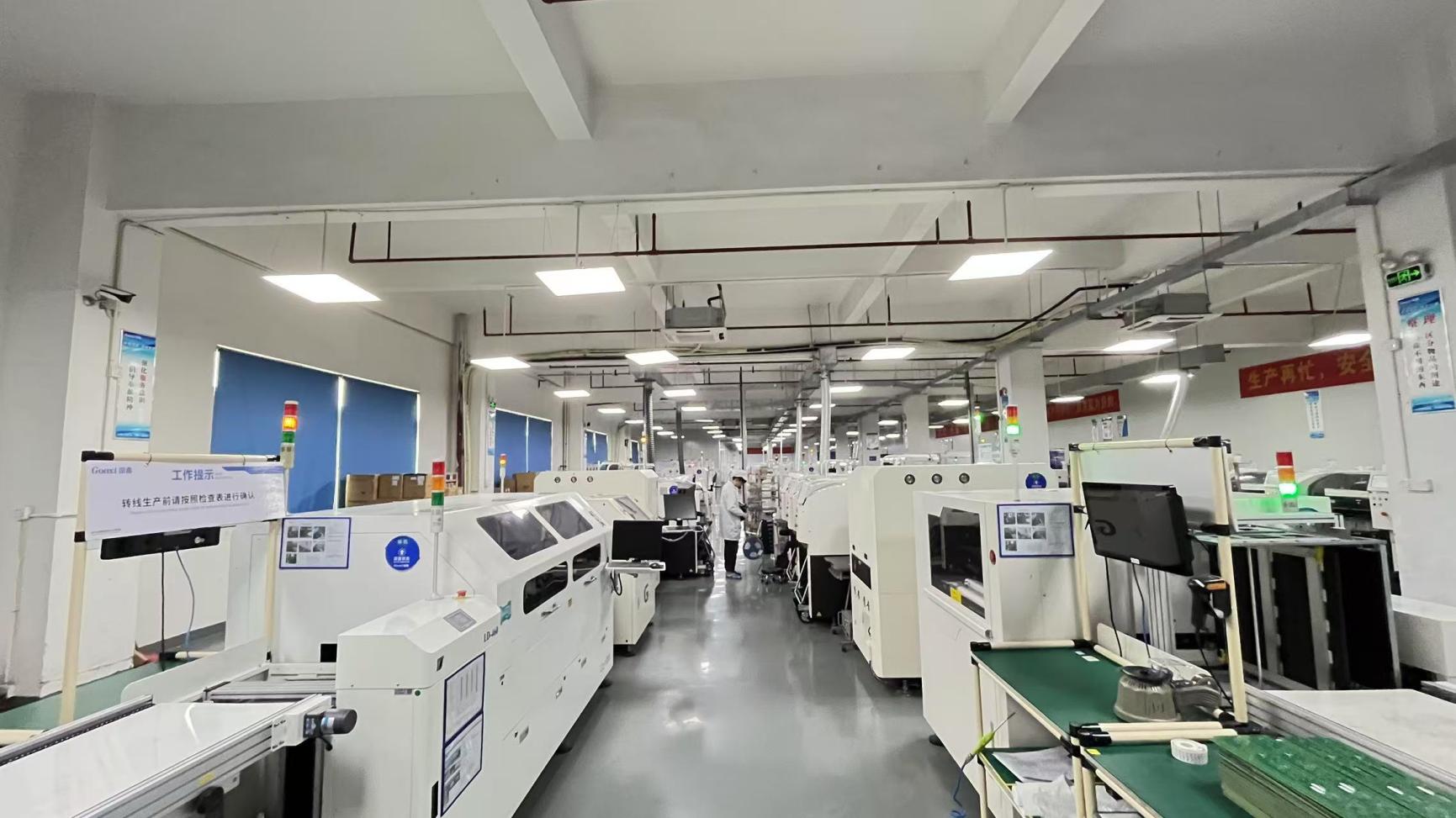
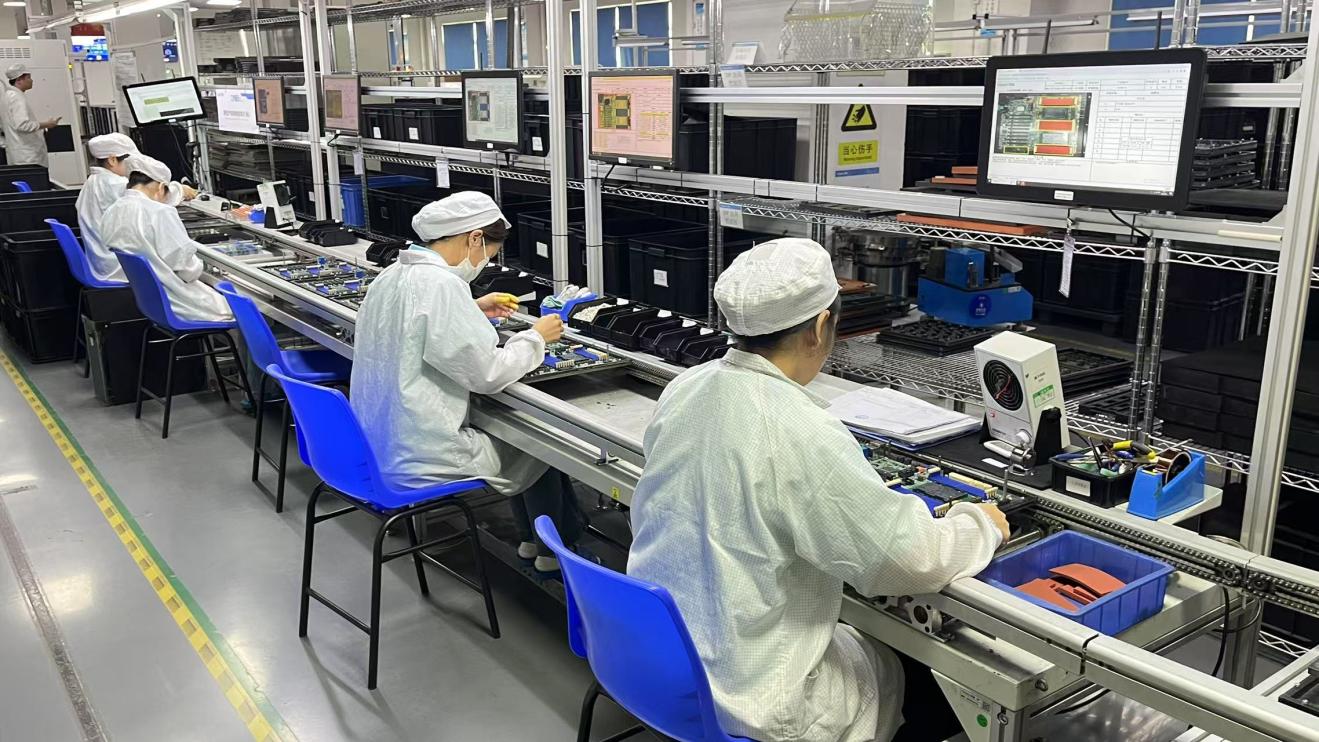
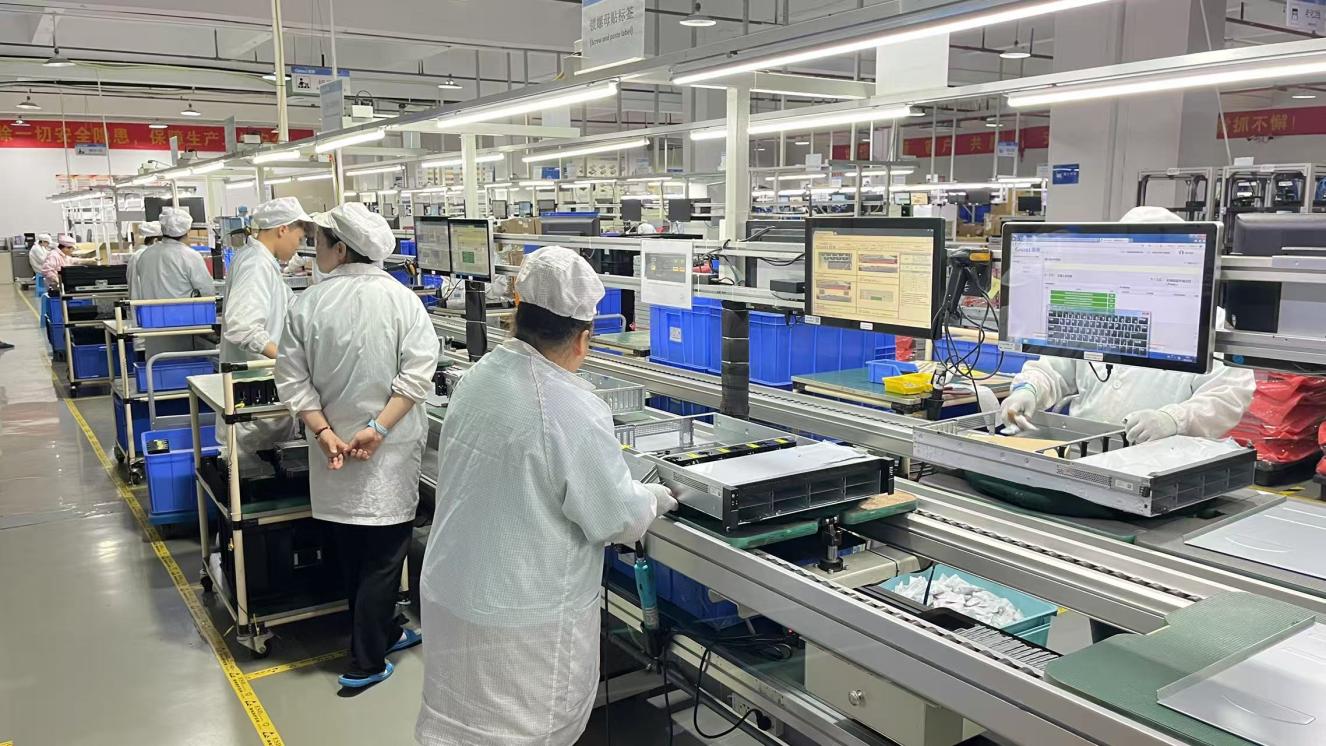
Operating a modernized, technologically integrated assembly facility, ZhiCloud AI combines precision SMT (Surface Mount Technology) processes with granular system-level burn-in and calibration chambers. By focusing on customization, we bridge the gap between silicon vendors and localized datacenter configurations, ensuring optimal heat dissipation, BIOS-level power management, and out-of-band management compatibility.
Being based in Shenzhen grants direct physical proximity to the world's most concentrated cluster of active component manufacturers, silicon packaging plants, and printed circuit board (PCB) fabricators. This proximity minimizes raw material lead times from weeks to hours, allowing rapid prototyping of customized GPU chassis and network daughterboards.
Standard off-the-shelf catalog servers often introduce compute bottlenecks or unused PCIe lanes. ZhiCloud AI offers bespoke hardware tuning, from variable storage backplane layouts (supporting SAS, SATA, and NVMe concurrently) to custom PCIe layout routing for state-of-the-art AI accelerator cards.
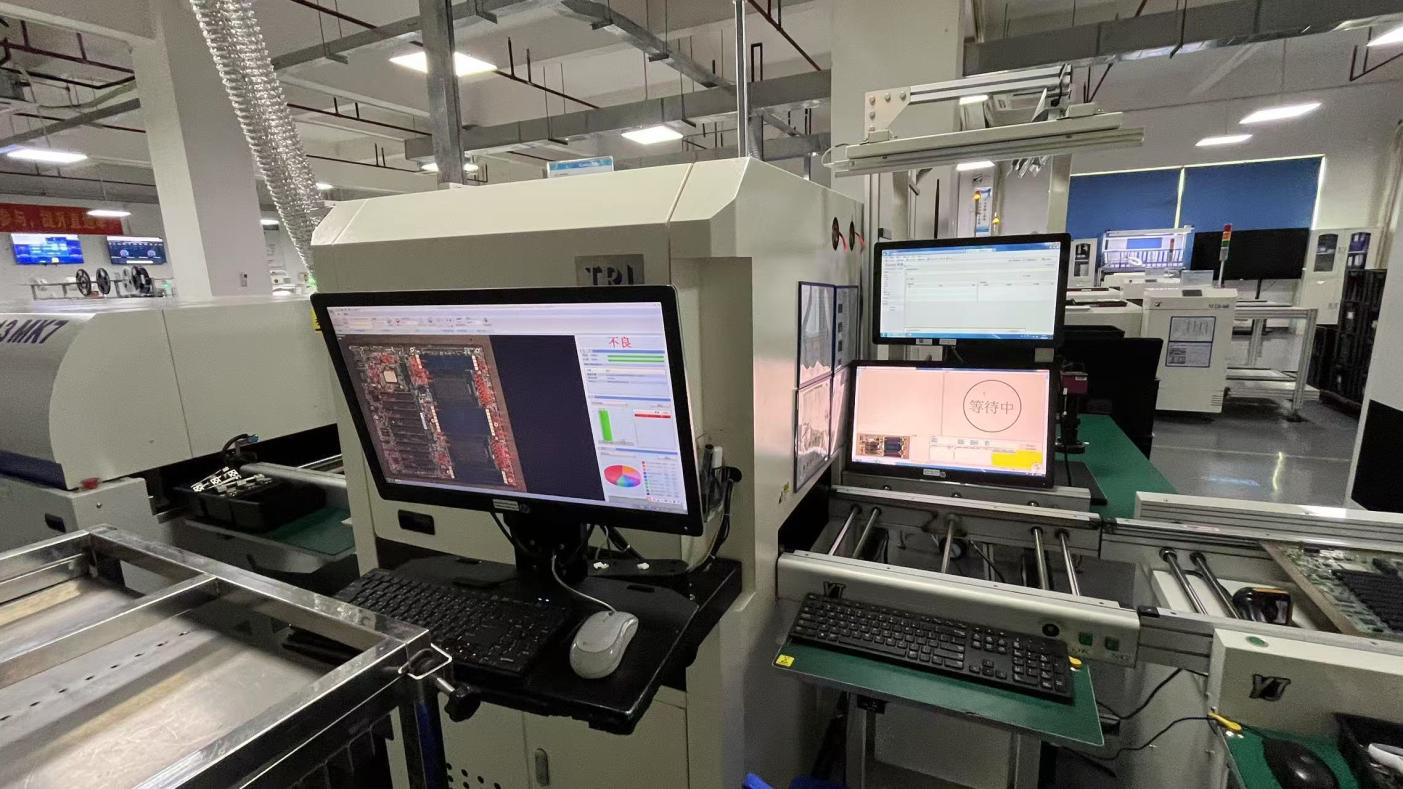
By integrating vertically from raw metal stamping and sheet-bending to surface mount technology and automated optical inspection (AOI), we mitigate intermediary markups. This lean manufacturing approach enables global exporters to acquire premium dual-socket Xeon or EPYC systems at significantly lower CapEx thresholds.
Through our established framework of over 1,200 strategic partners, ZhiCloud AI secures high-priority allocations of critical chipsets, high-speed networking NICs, and enterprise flash storage. This enables us to maintain a resilient supply chain even during periods of global semiconductor volatility, guaranteeing dependable lead times and predictable deployment schedules for hyperscaler expansion programs.
Colocation hardware must be configured to address the specific compute, network, and environmental constraints of its targeted application. A generalized configuration will either over-consume power or bottleneck under sustained I/O pressure. Below is a breakdown of our main architectural deployments:
| Vertical Scenario | Hardware Bottlenecks | Recommended Architecture | Optimization Goal |
|---|---|---|---|
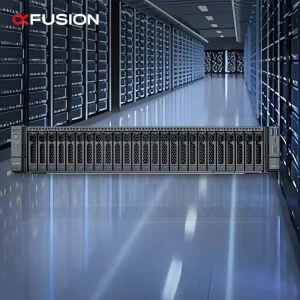
| Generative AI & LLM Training | PCIe Bus Bandwidth, Inter-GPU Latency, Thermal Throttling | Multi-GPU Servers (e.g., xFusion G5500 V6) with PCIe Gen 5 Switches | Maximized Floating Point Operations (FLOPS) & Zero Packet Drop |
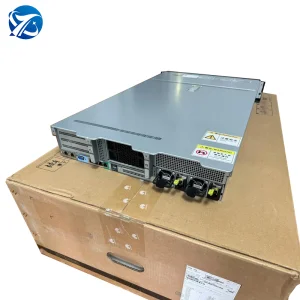
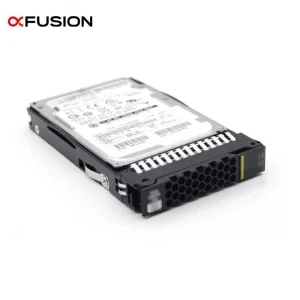
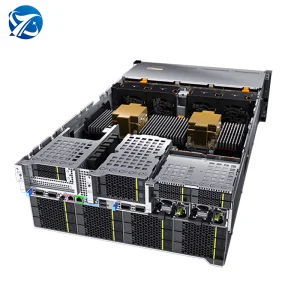
| Cloud Storage & Edge CDN | Drive Bay Density, Write Endurance, Sequential Read Speeds | 4U 36-Bay Storage Nodes (e.g., FusionServer 5288 V6) with SAS 12G HDDs | Minimized Latency per Megabyte & Maximized MTBF (Mean Time Between Failures) |
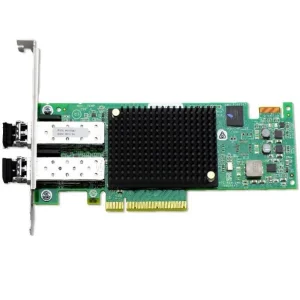
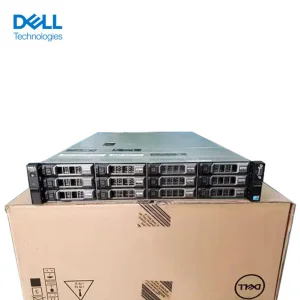
| High-Frequency Trading & Fintech | Single-Core CPU Clock Speed, Network Interface Latency | 1U Compute-Dense Nodes (e.g., Dell PowerEdge R660) with 32G Fibre Channel HBAs | Sub-Microsecond Frame Processing & Predictable Transaction Latency |
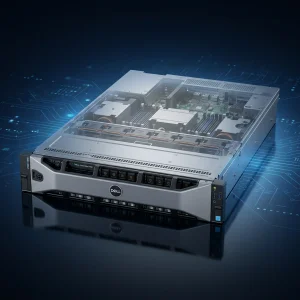
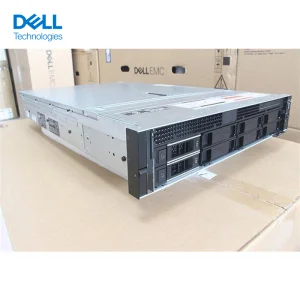
| Virtual Desktop Infrastructure (VDI) | RAM Density, Multi-Tenant Security Isolation, V-GPU Allocation | 2U 2-Socket Racks (e.g., Dell R750/R760 Series) with ECC DDR5 RAM | Maximized User Density per Rack and Protected Kernel Spaces |
For custom workloads, such as running distributed DeepSeek R1 671B models, ZhiCloud AI designs purpose-built node clusters. These systems feature customized memory topologies that prevent CPU-to-GPU data starvation during massive matrix multiplication cycles.
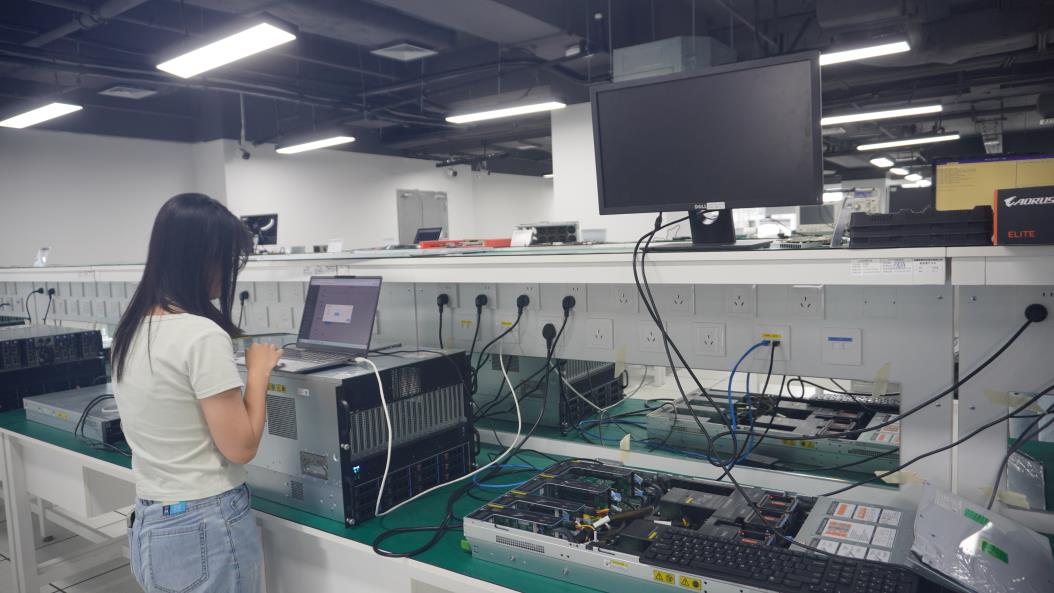
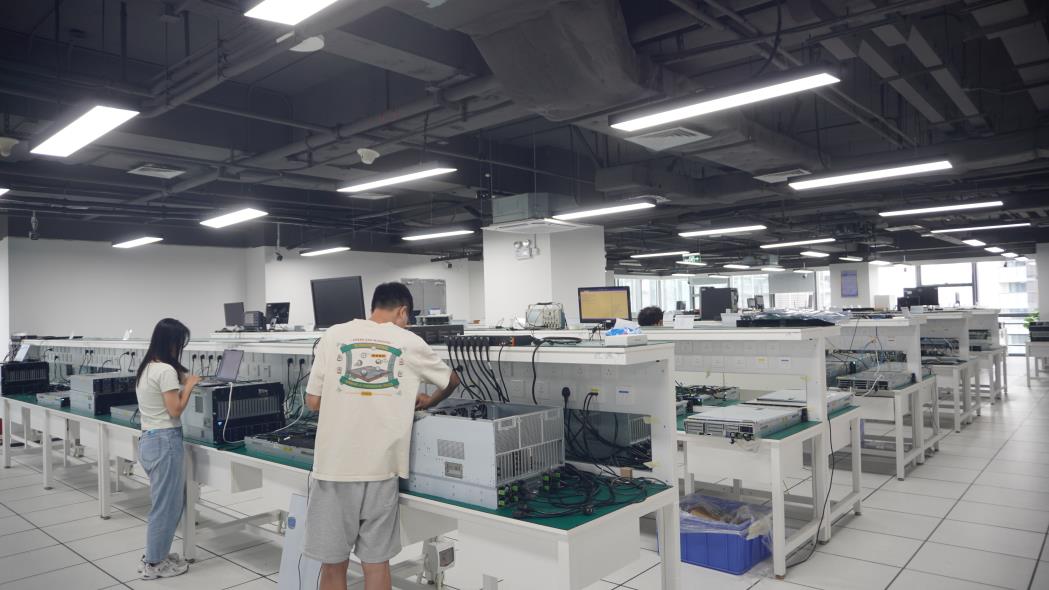
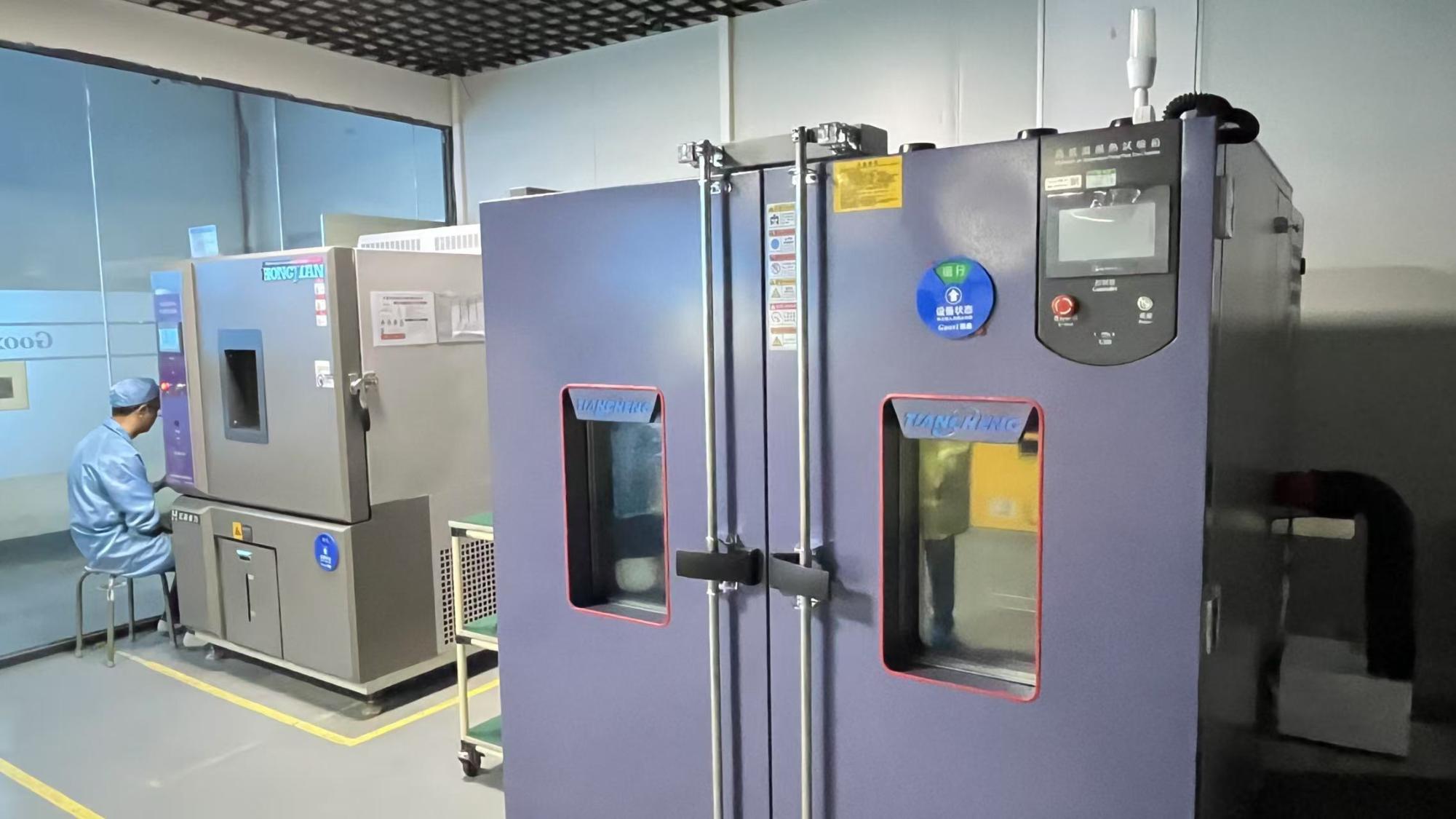
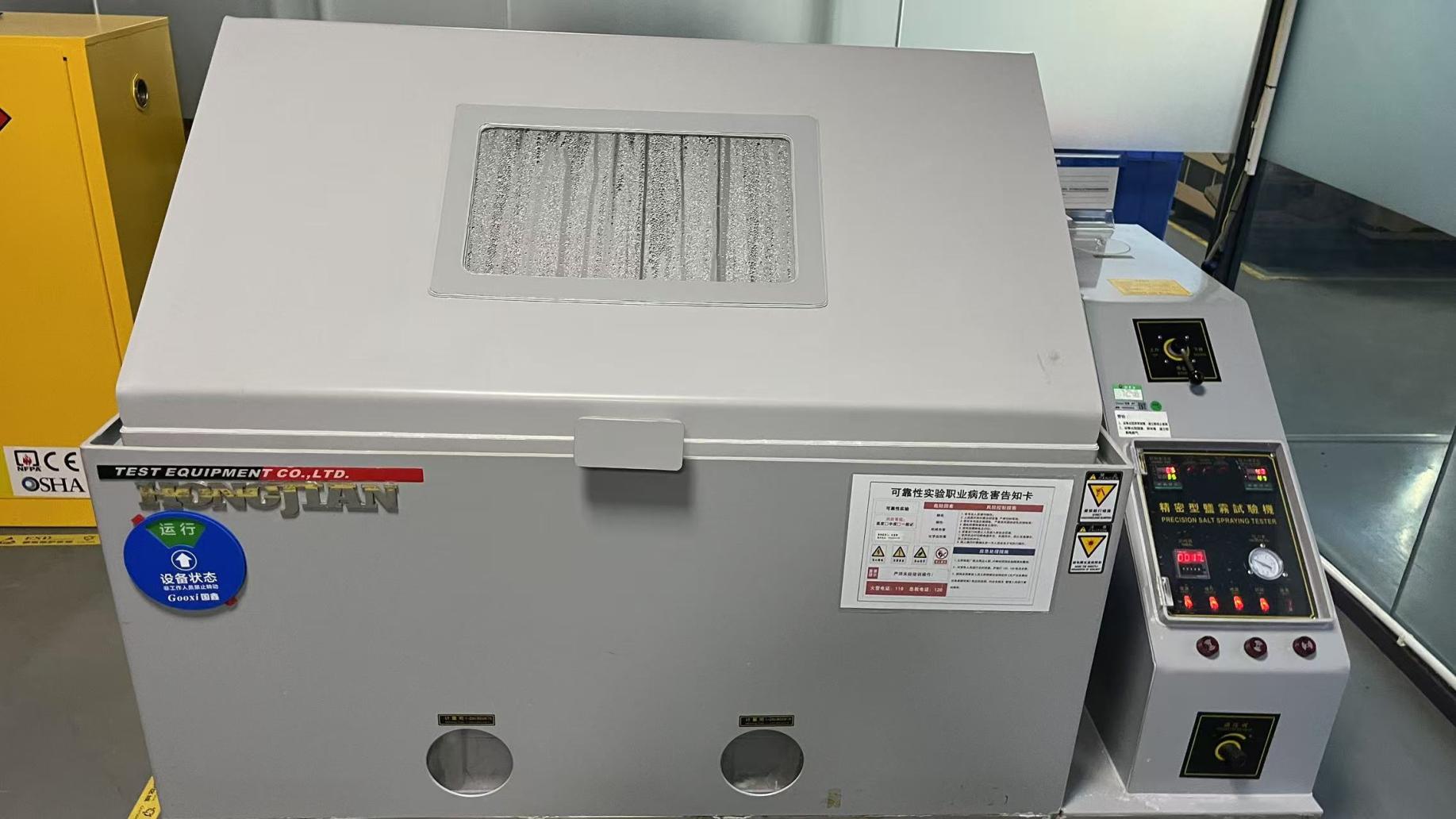
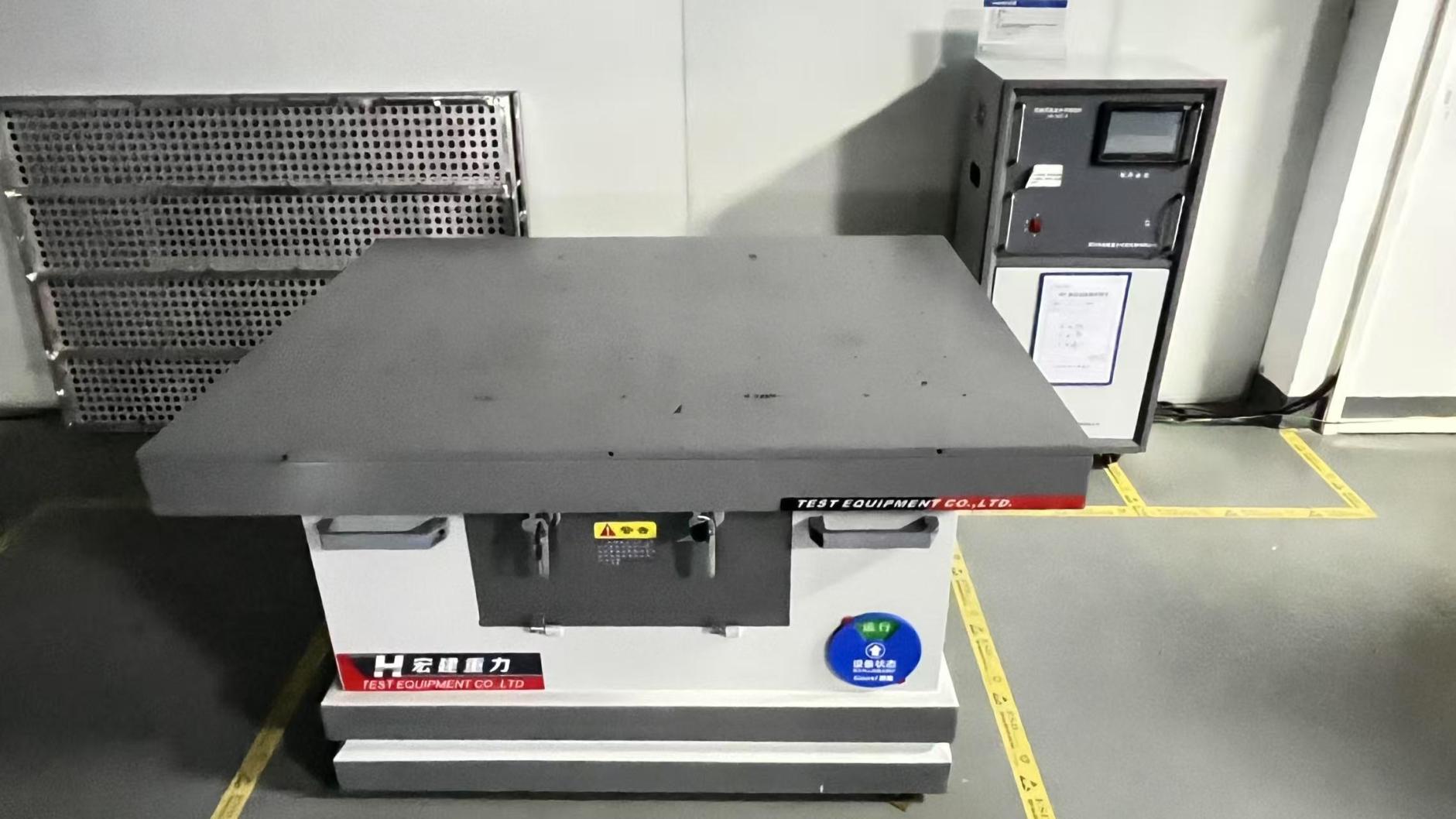
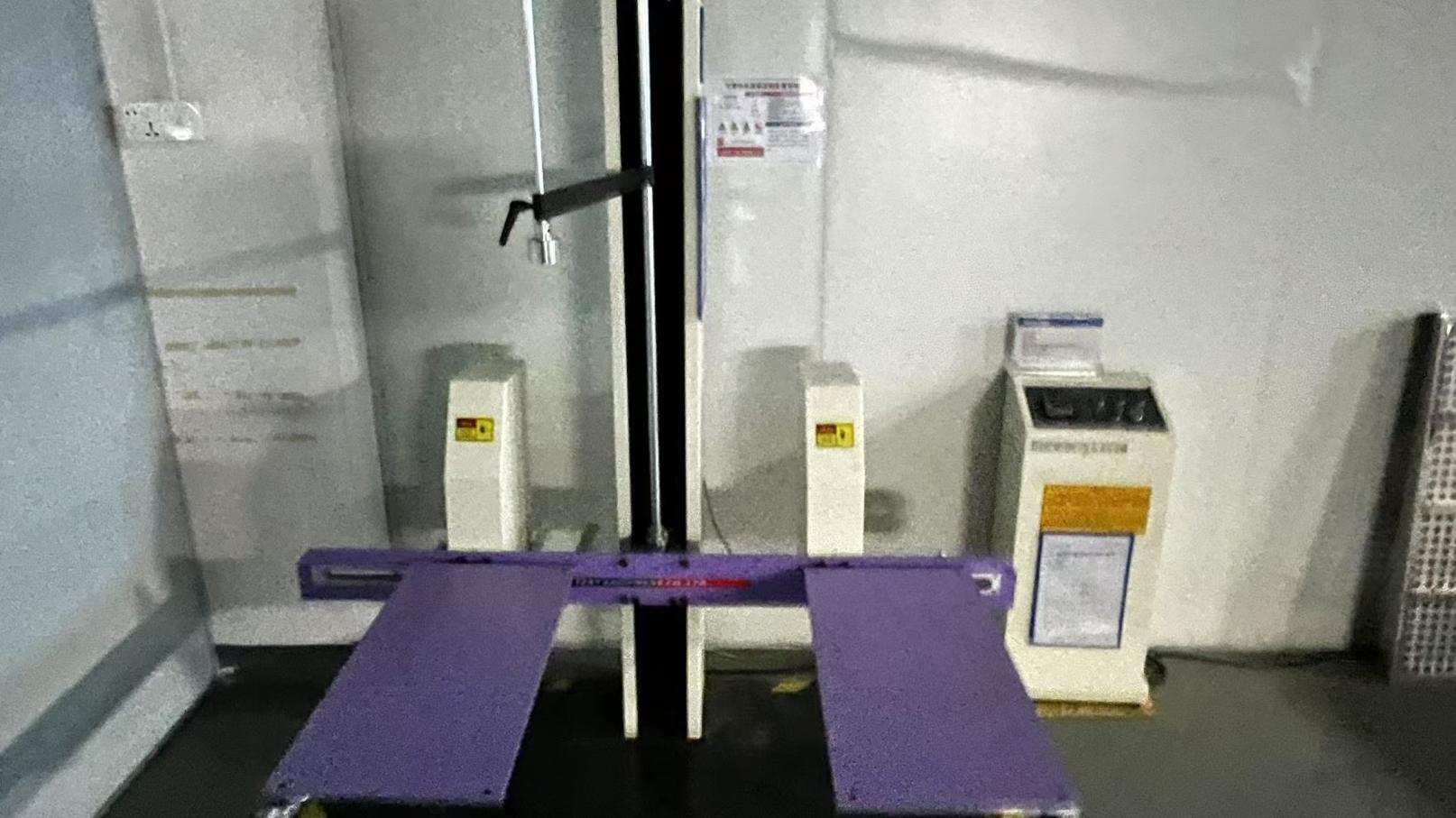
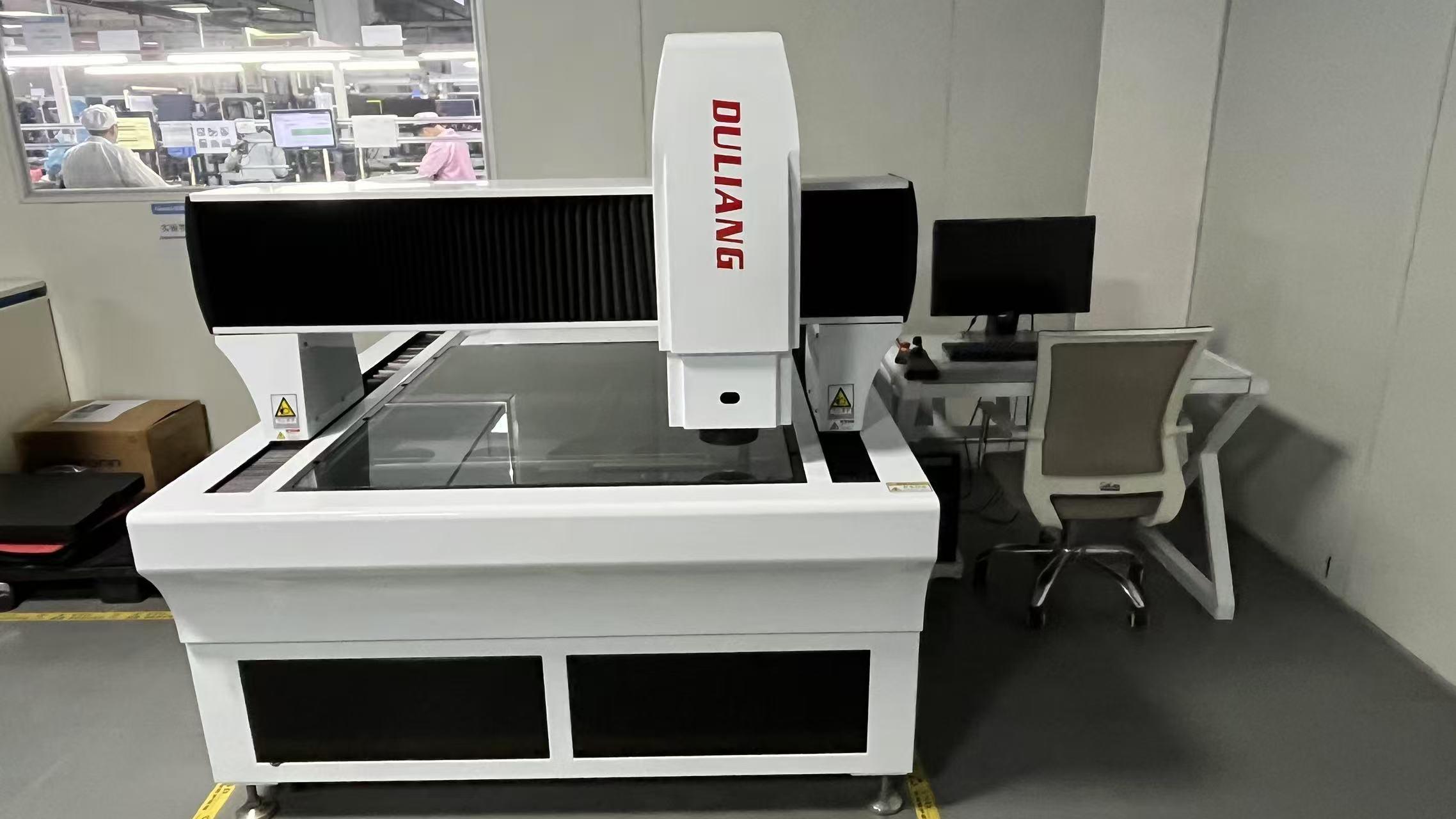
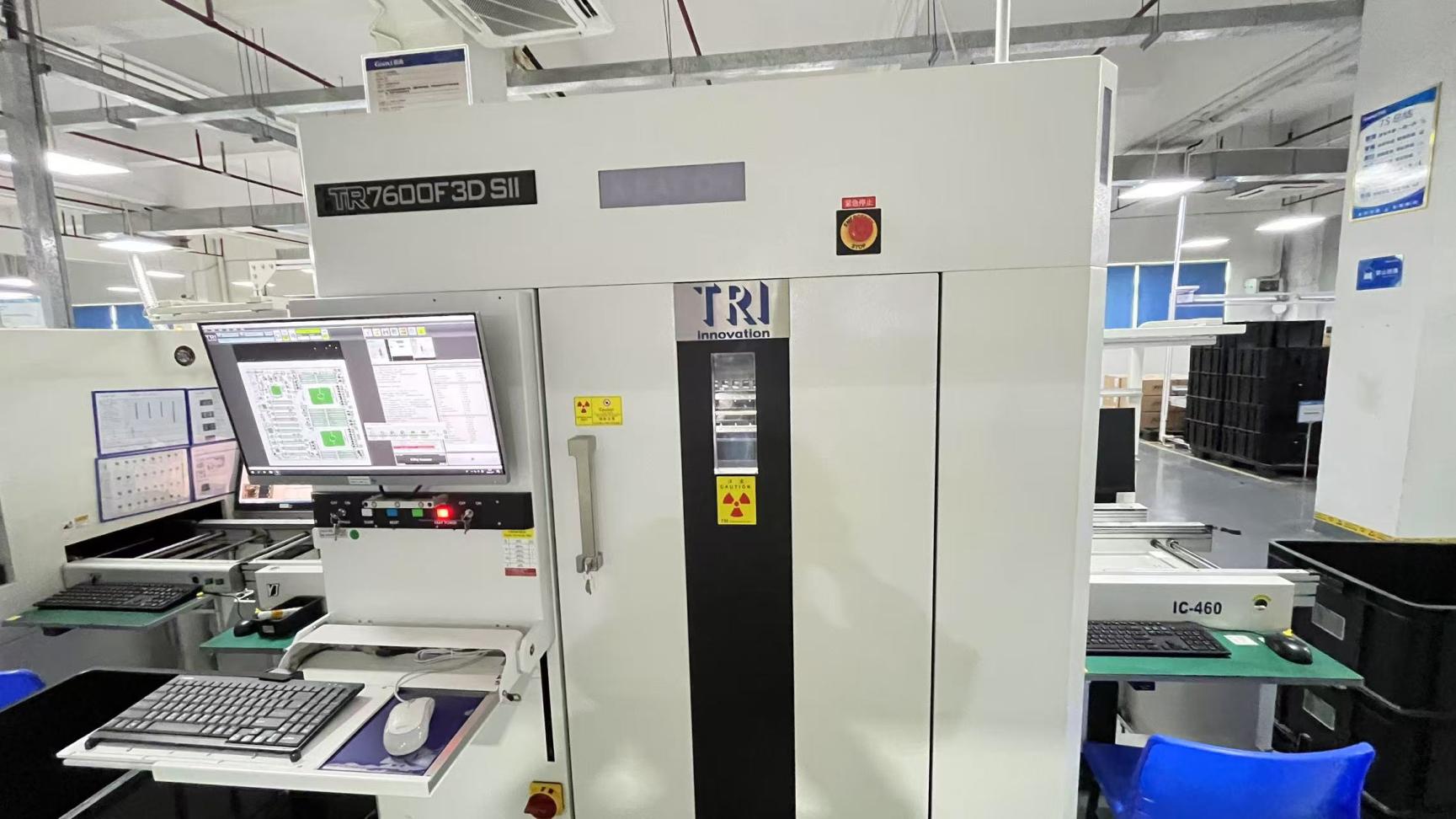
Our quality assurance framework utilizes multi-stage inspections, including thermal stress profiling, electrical load testing, and vibration testing, to guarantee field reliability in high-availability environments.
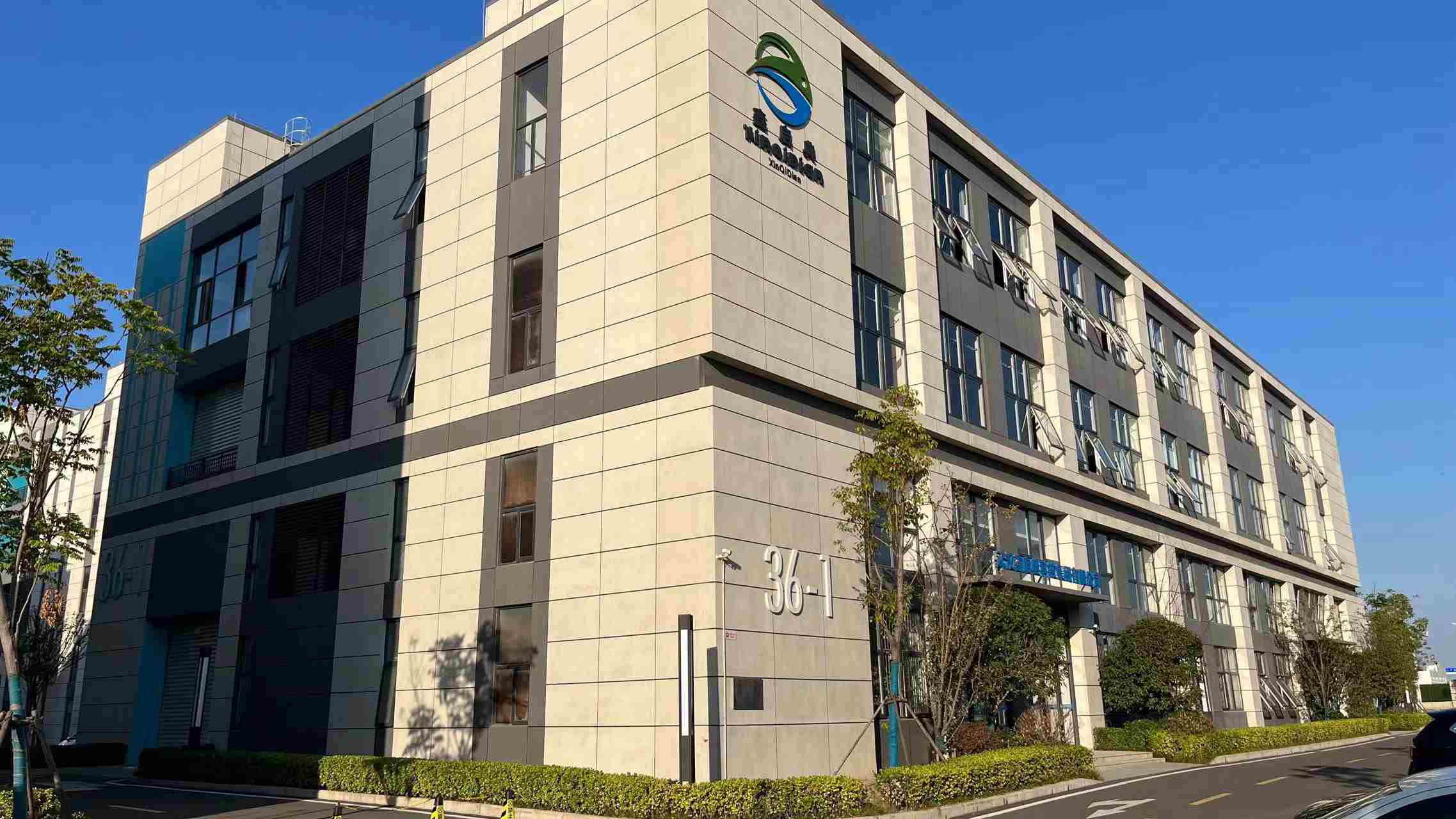
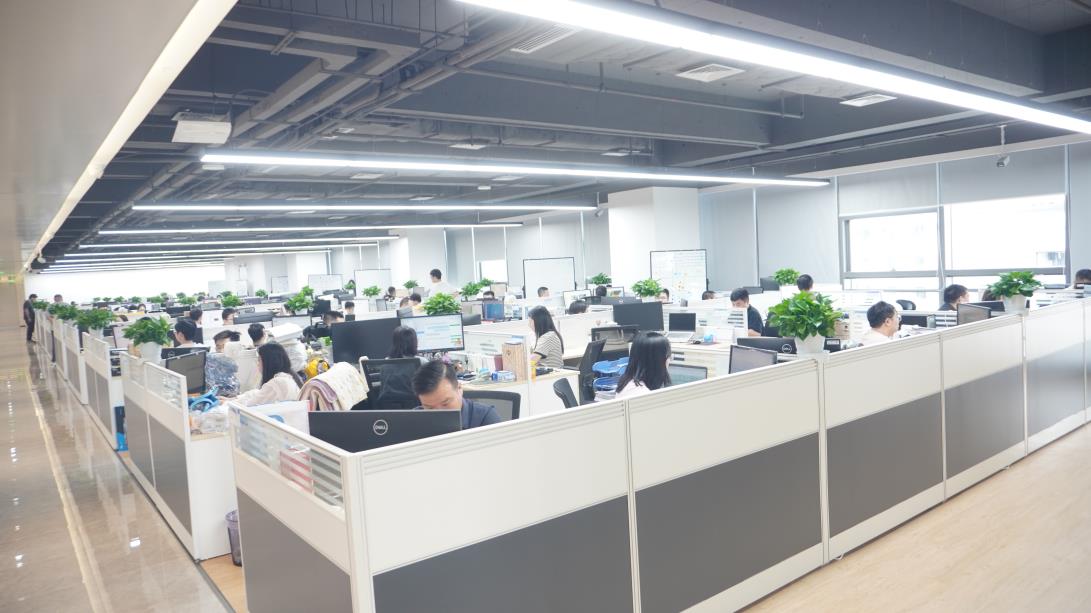
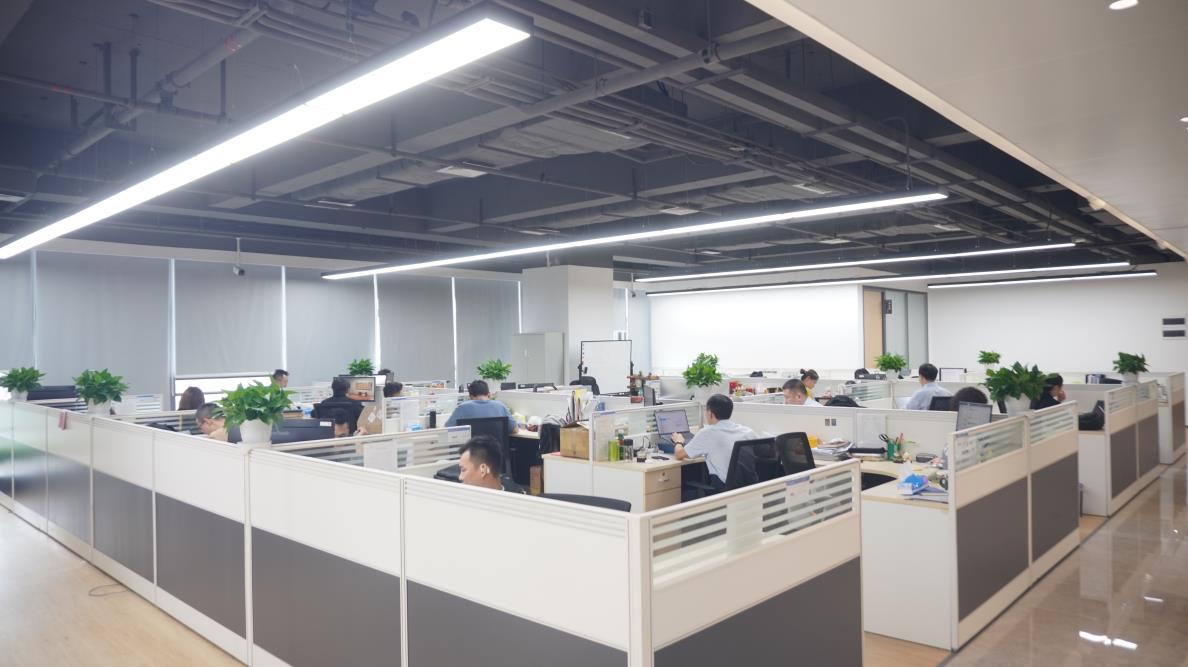
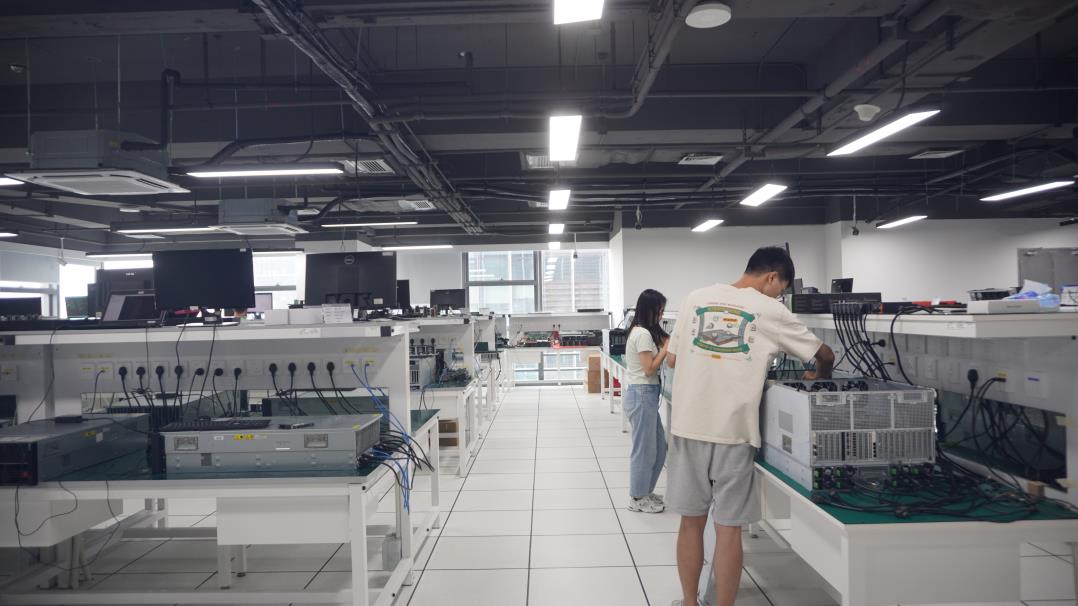
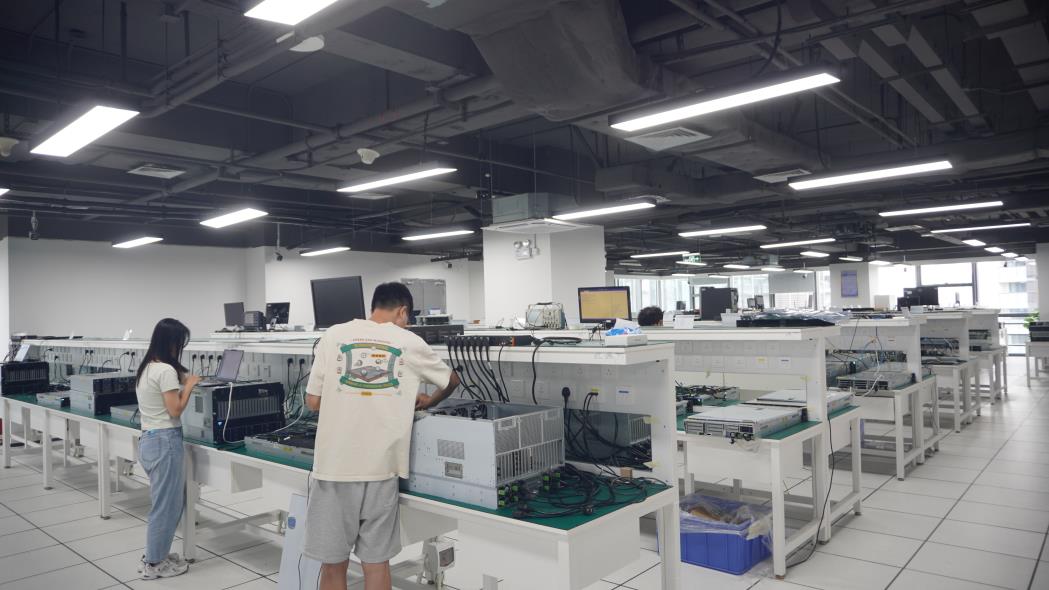
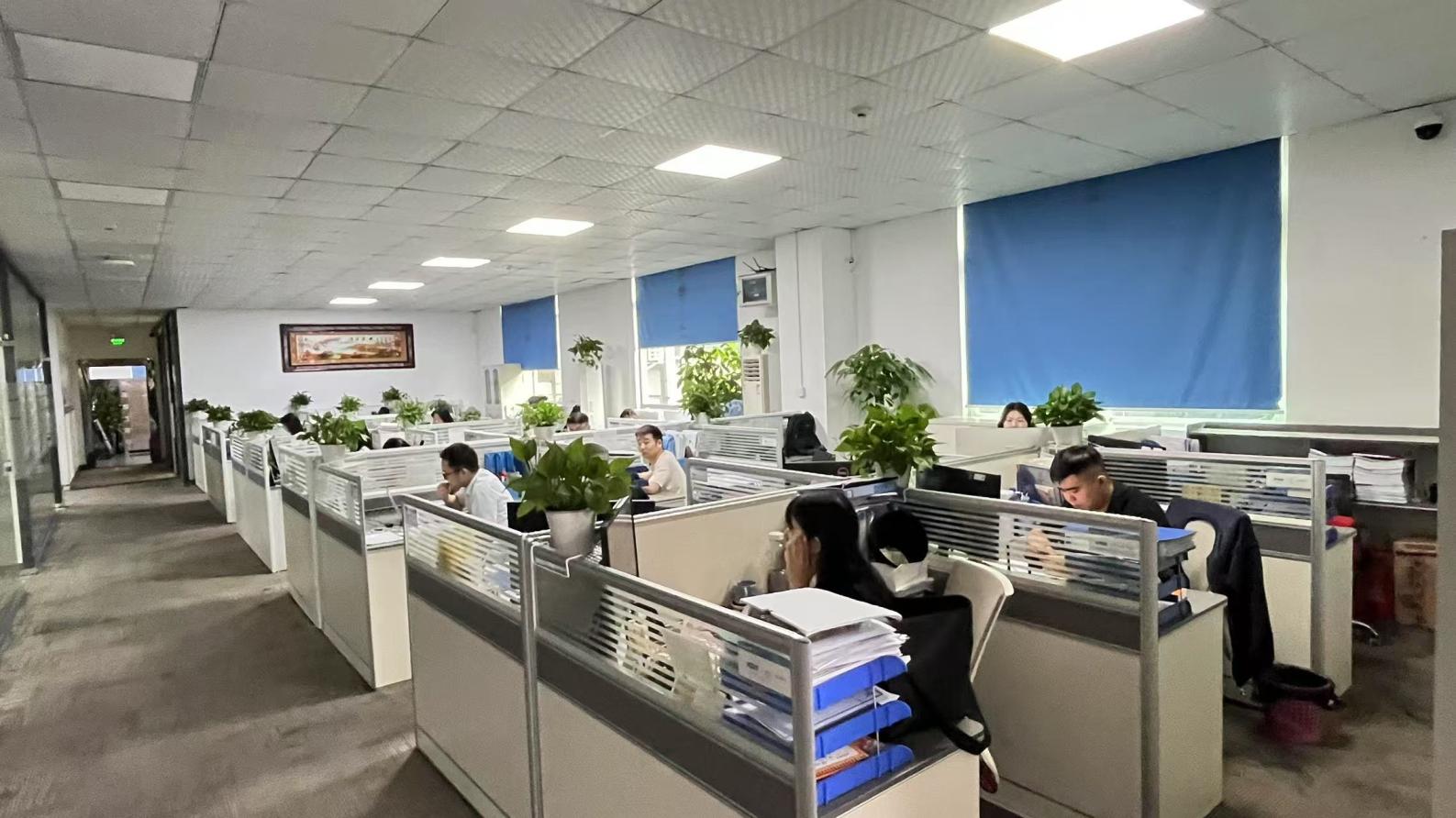
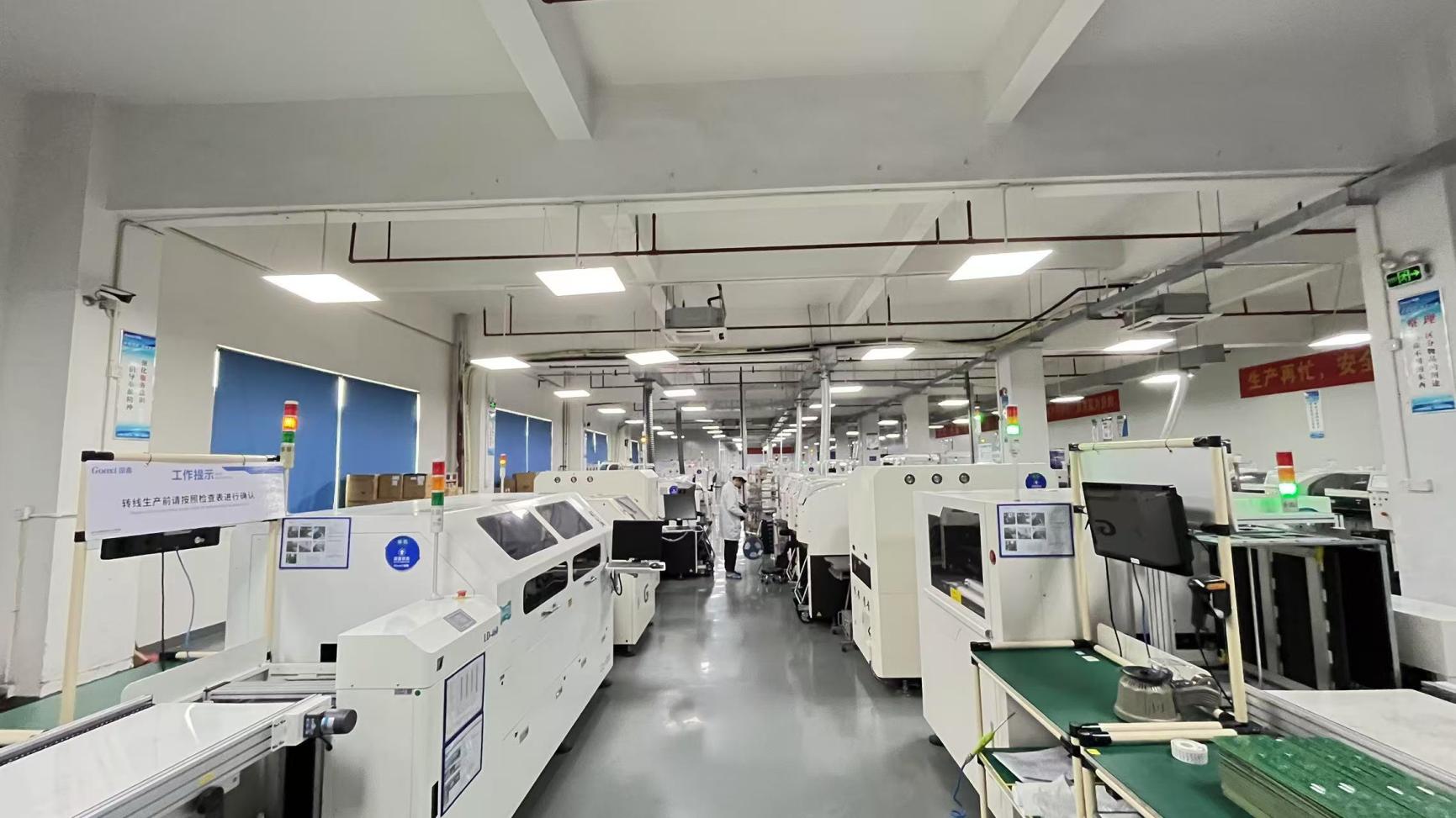
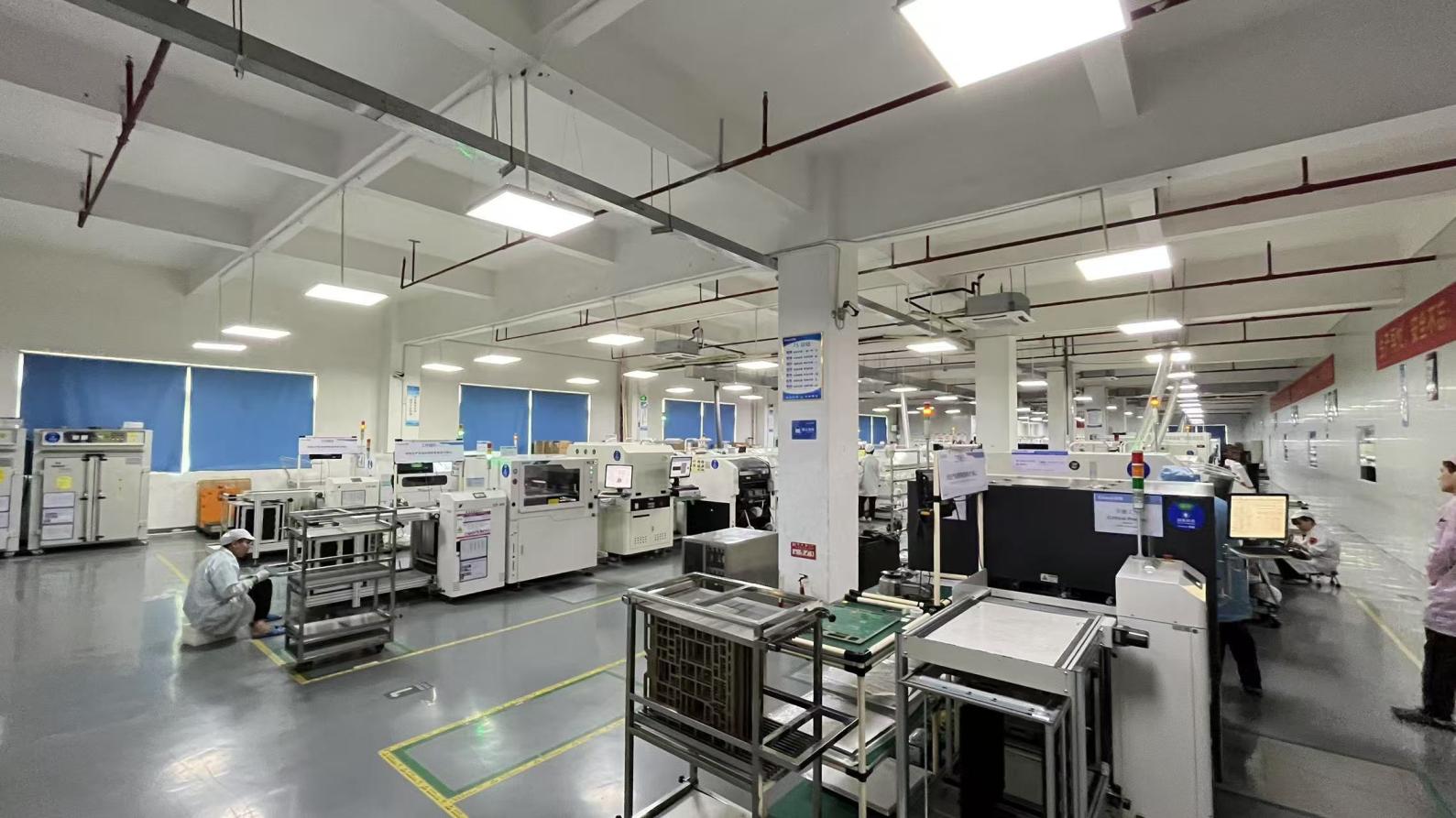
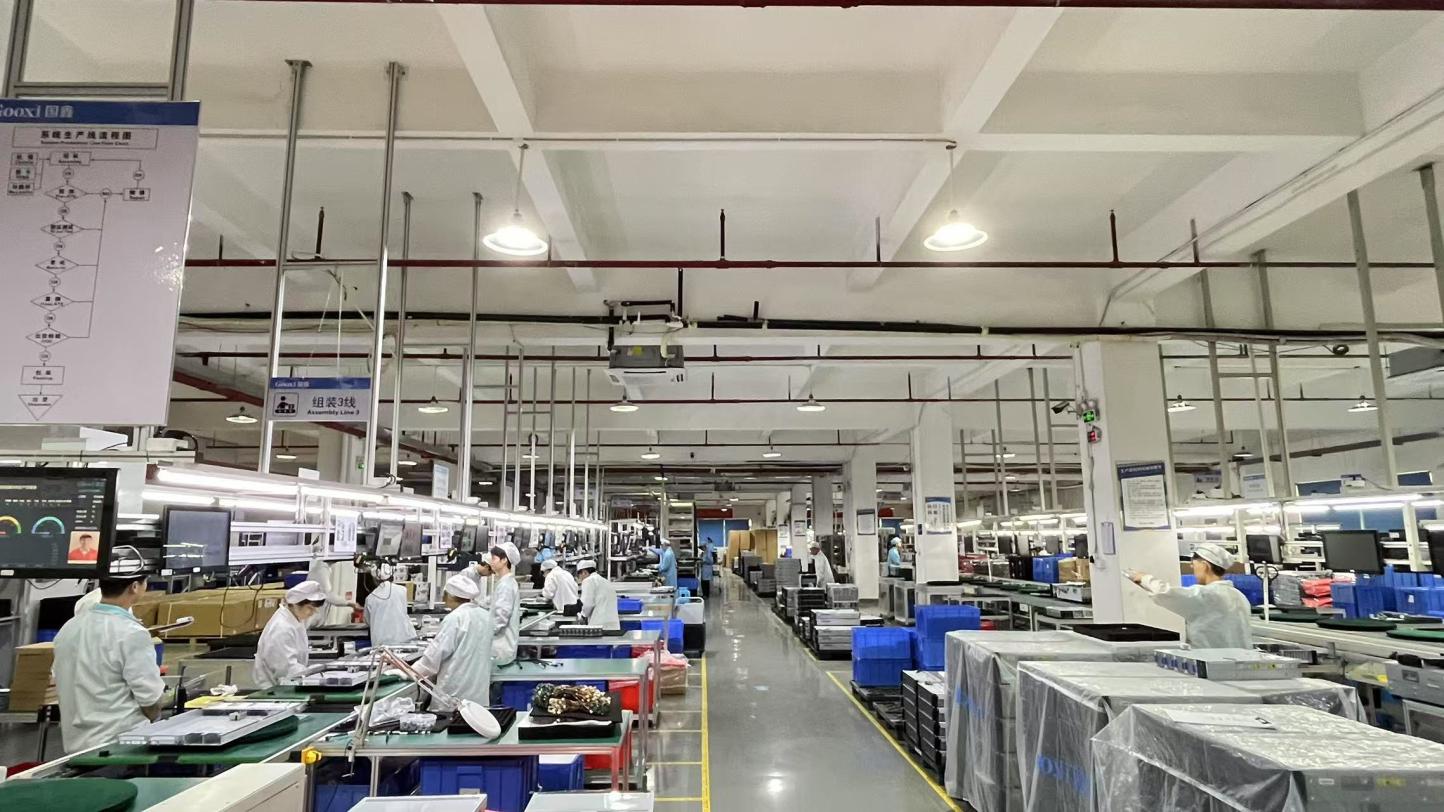
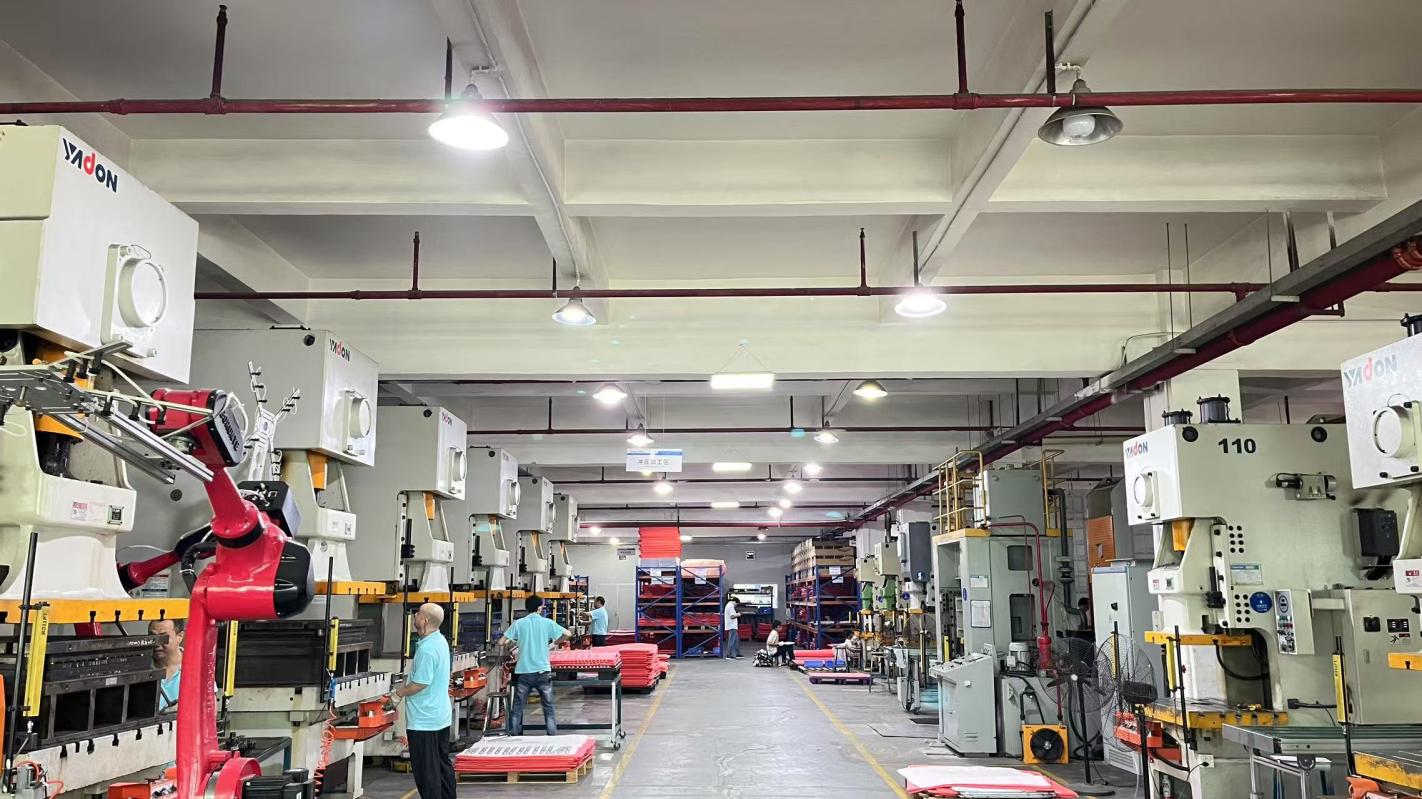
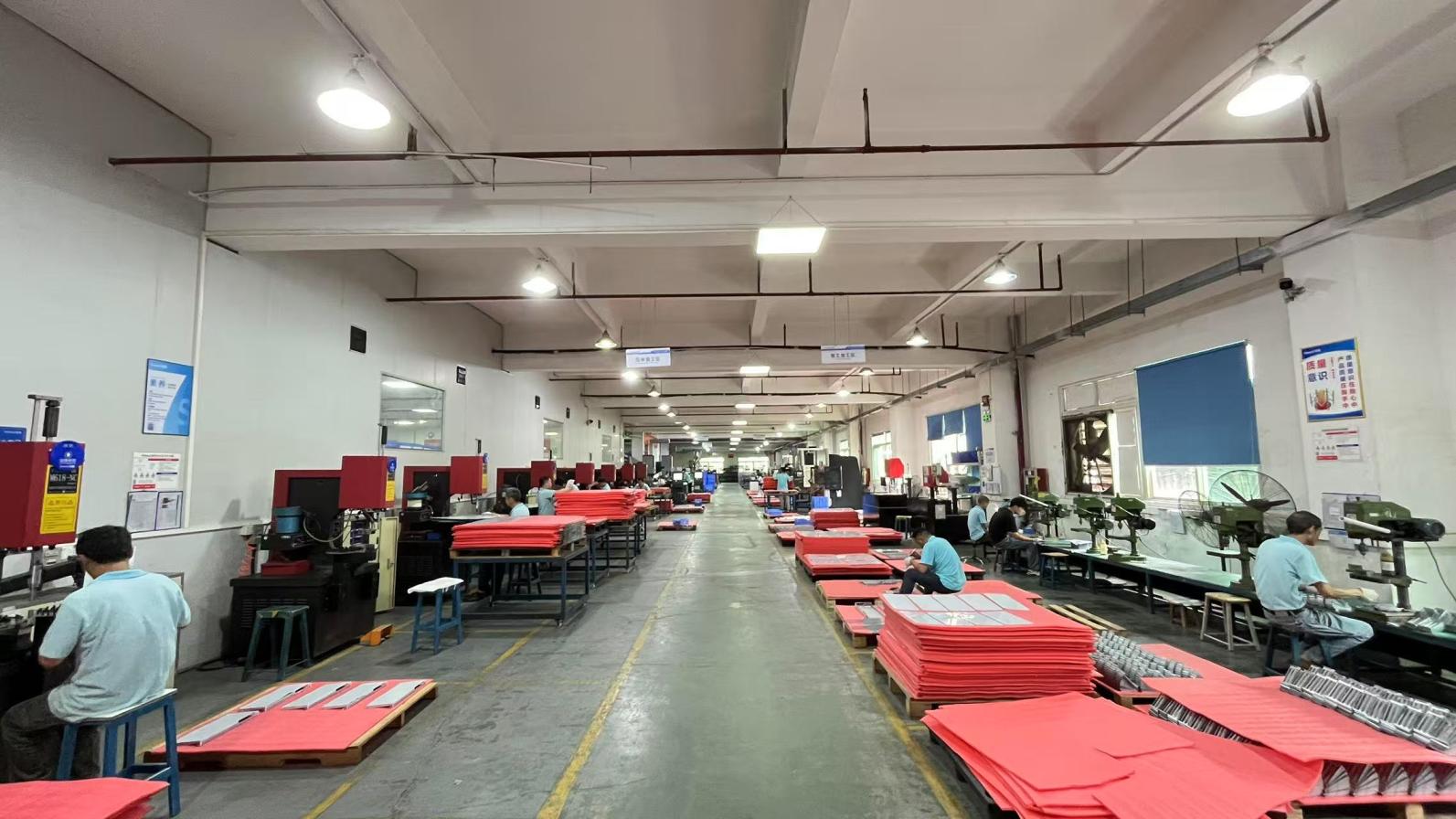
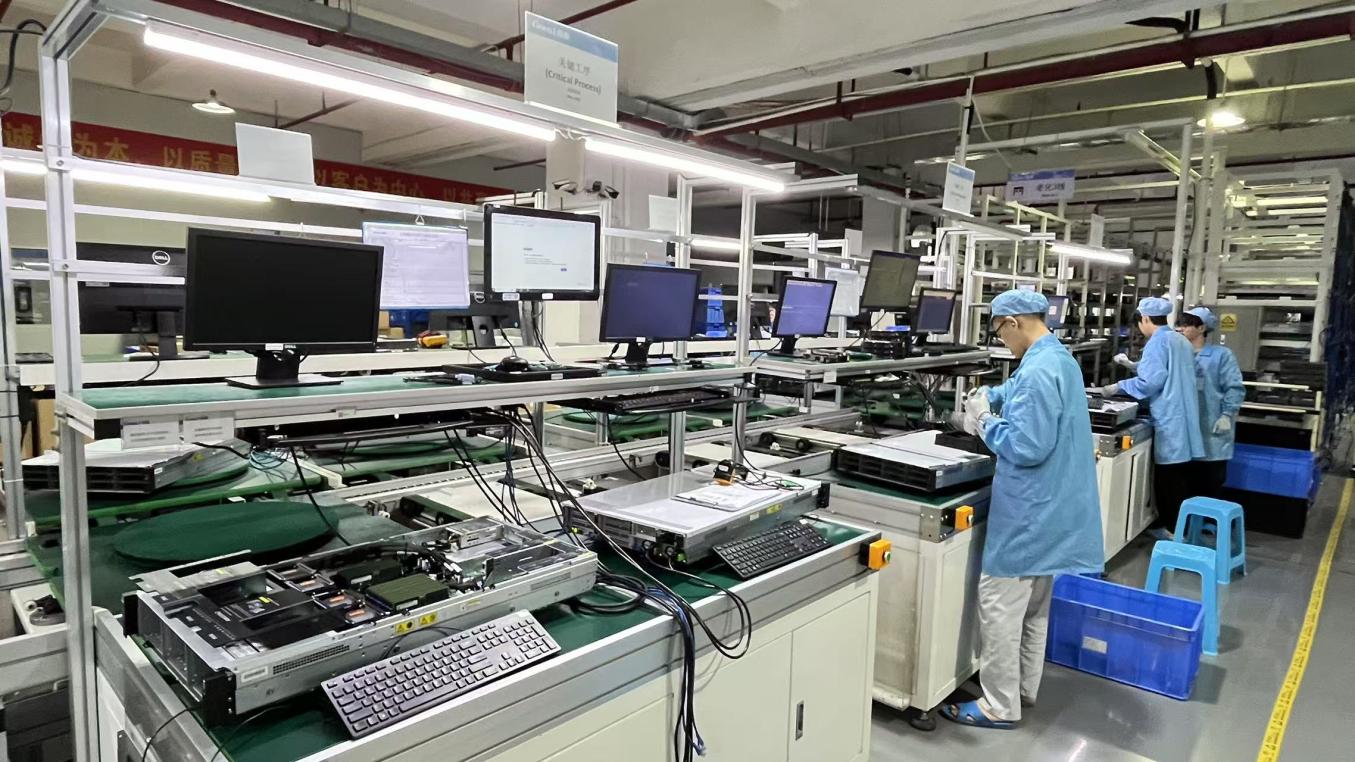
The manufacturing floor processes are executed with strict precision. The factory integrates automated assembly and specialized testing stages, which prevent hardware failure prior to customer deployment:
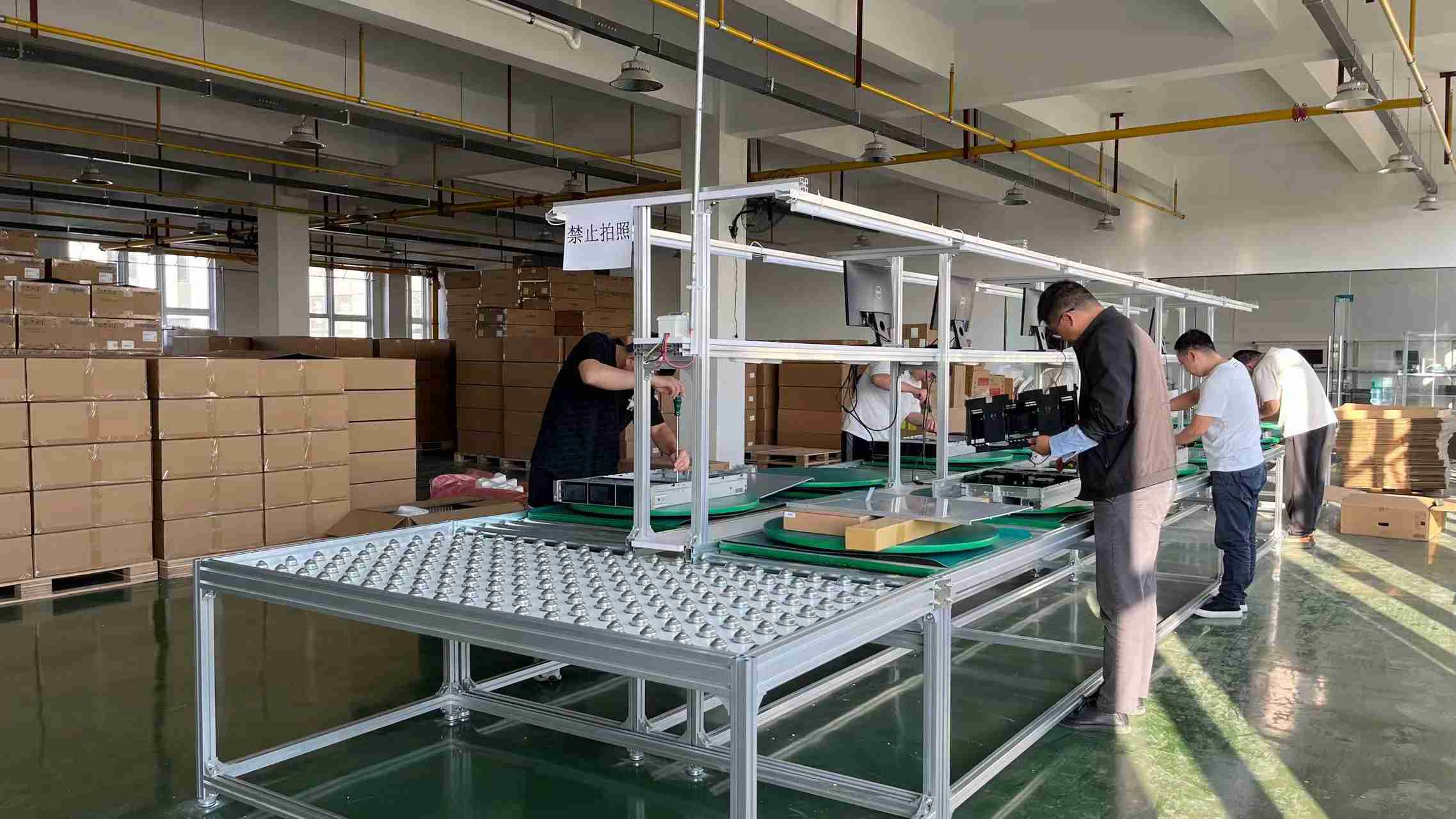
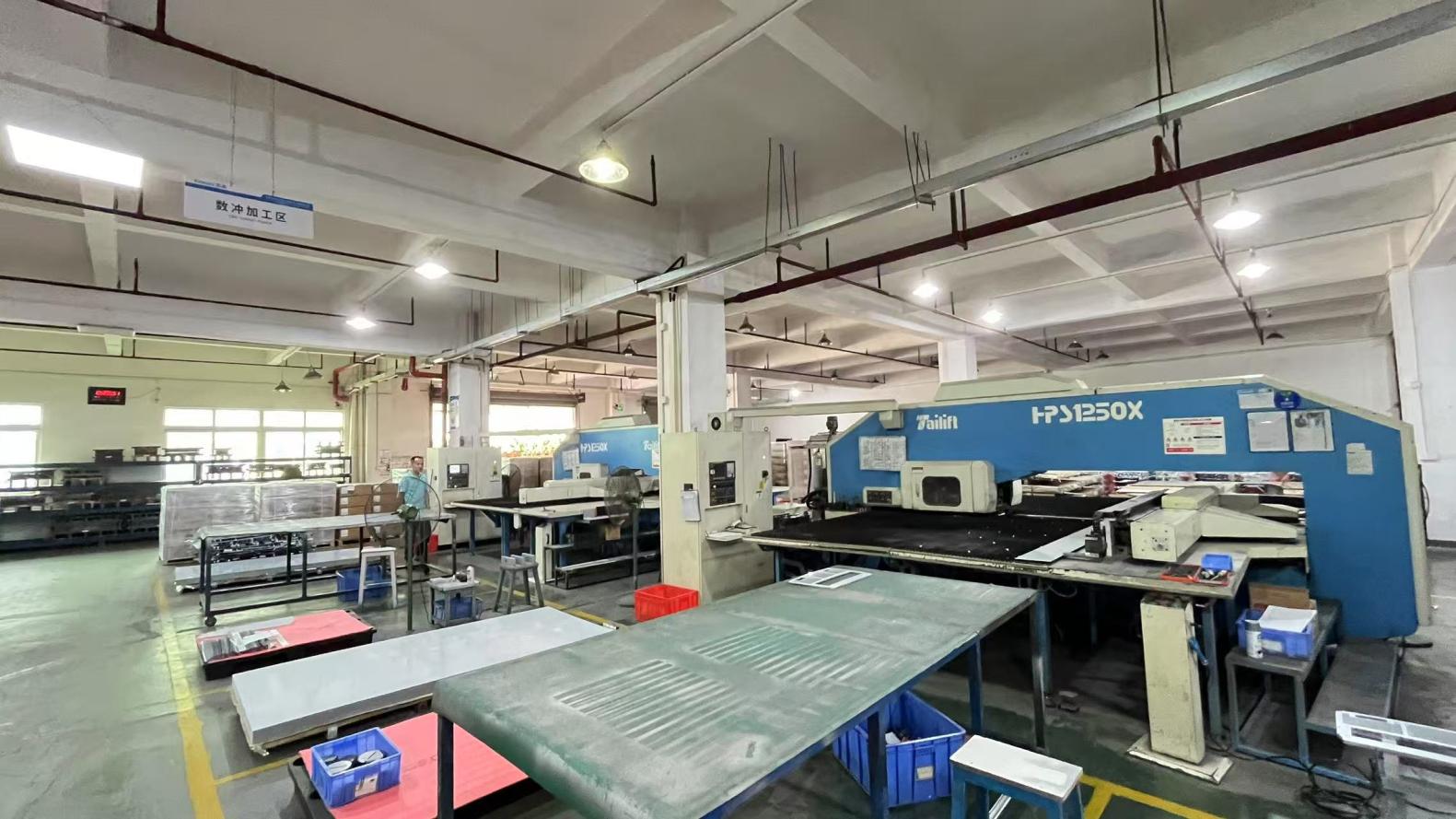
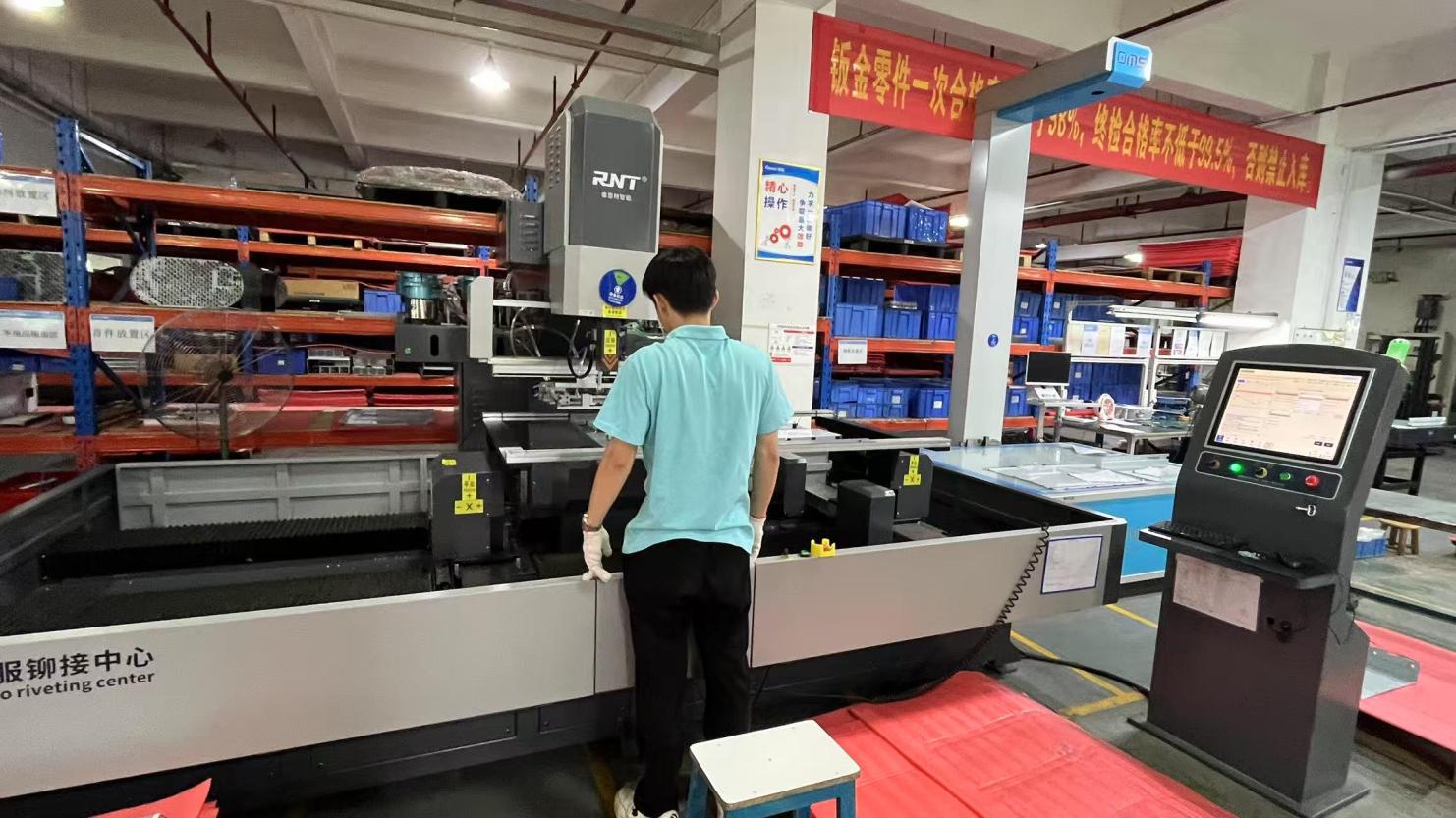
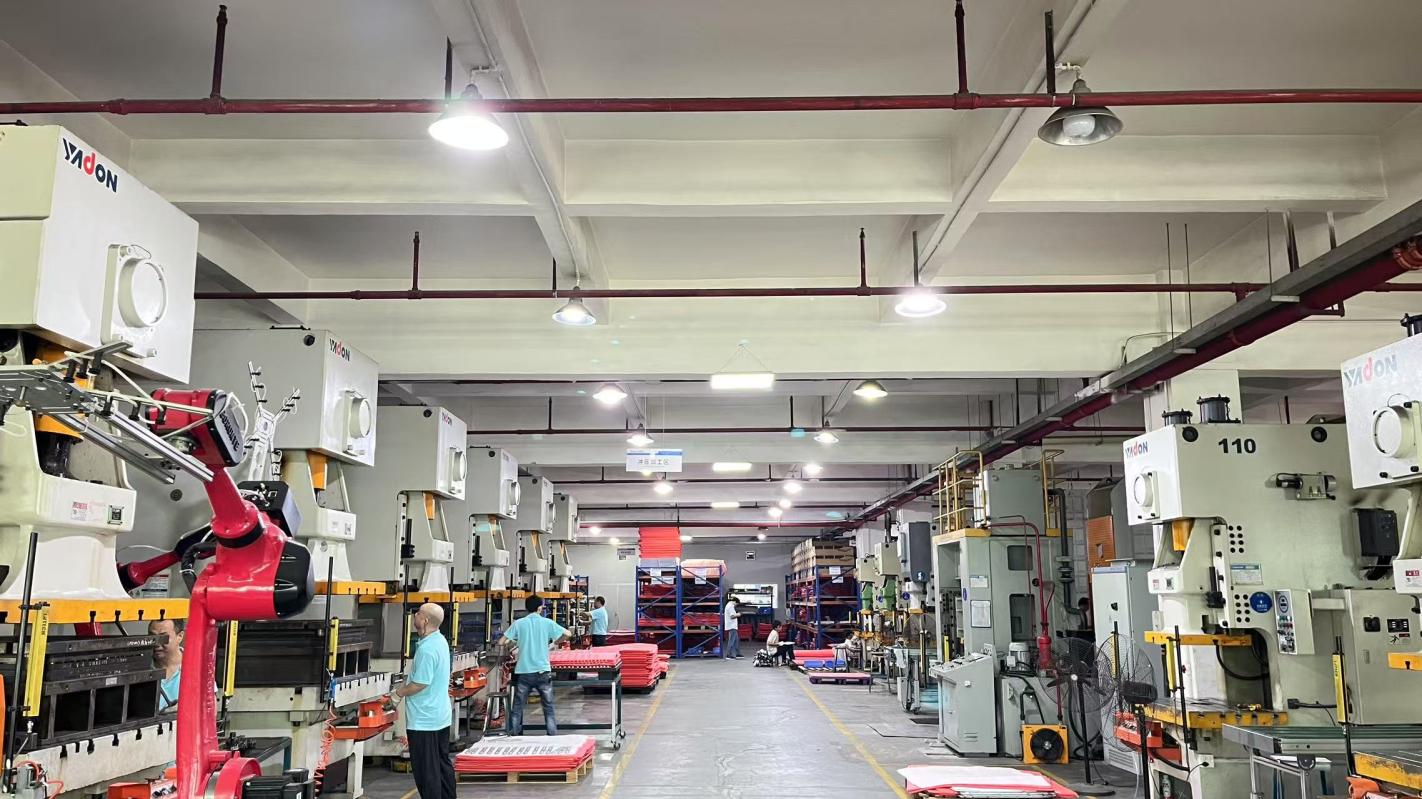
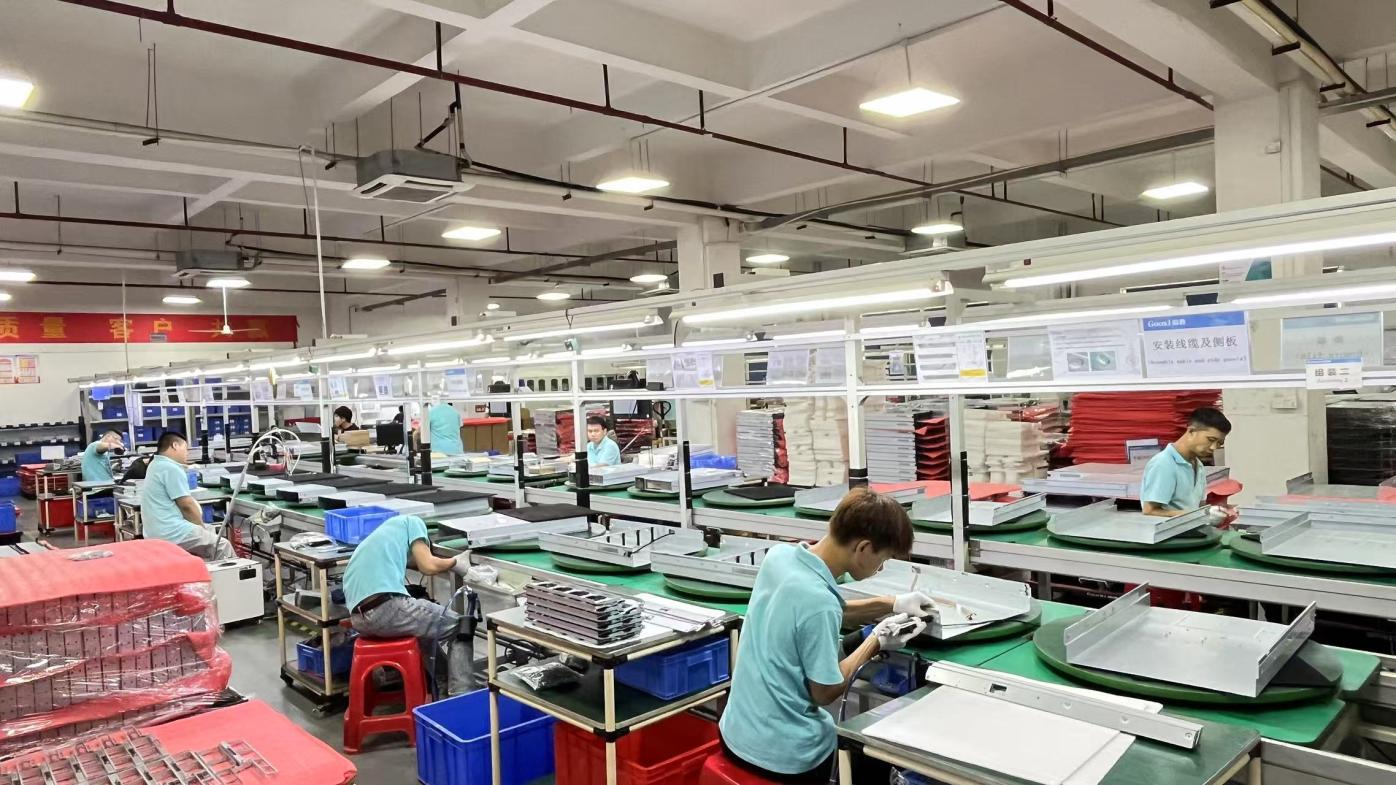
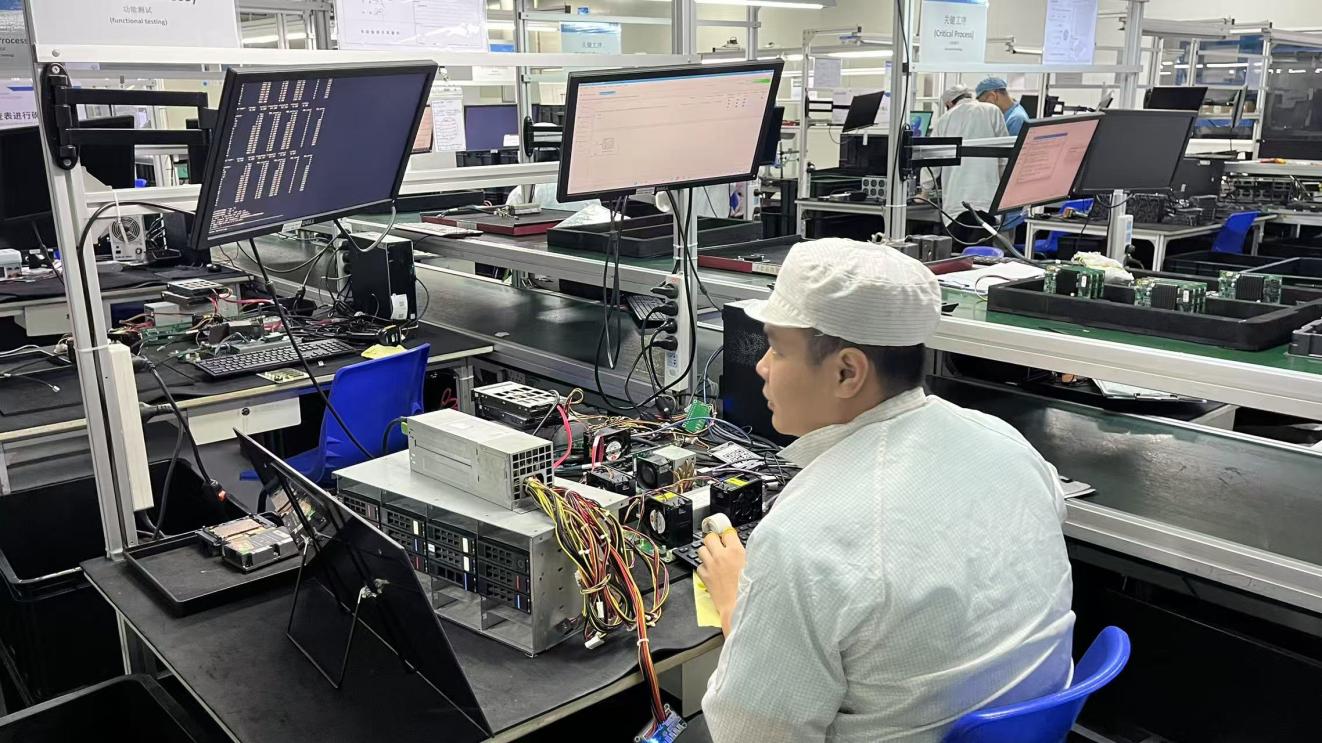
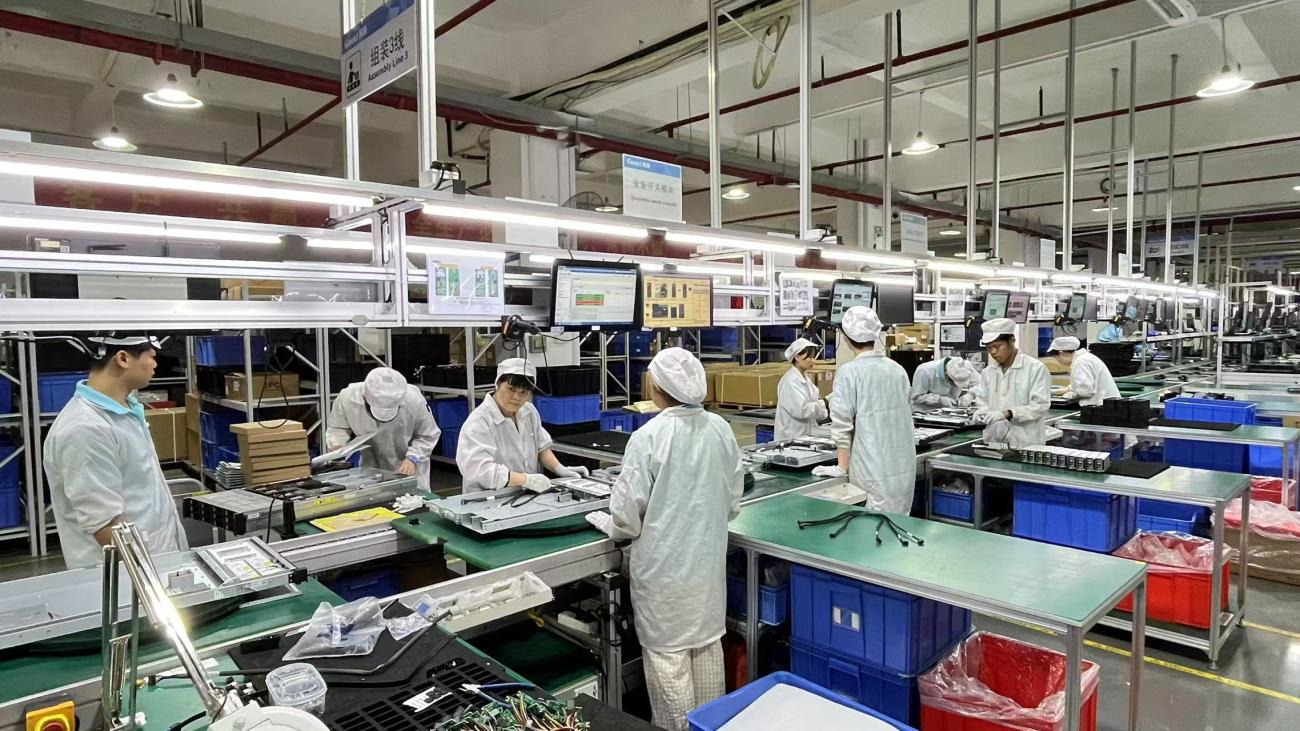
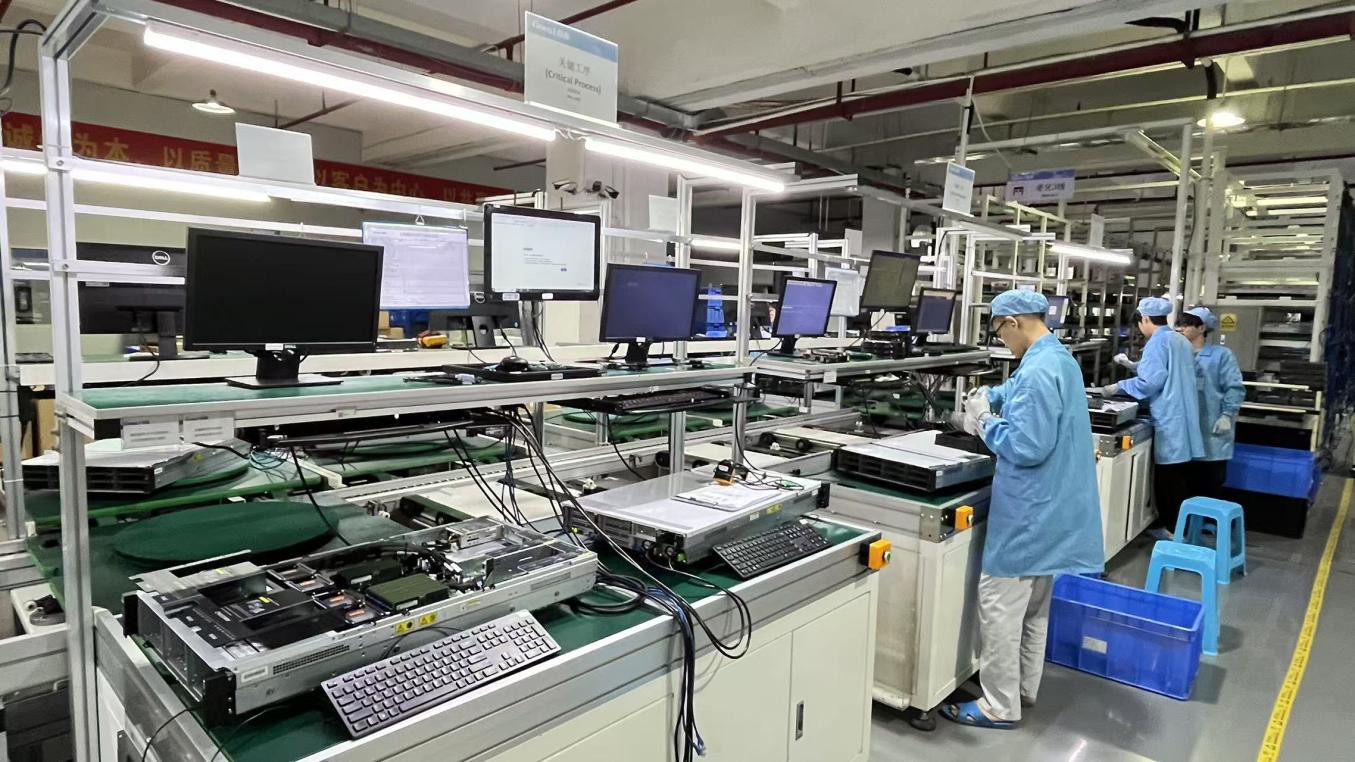
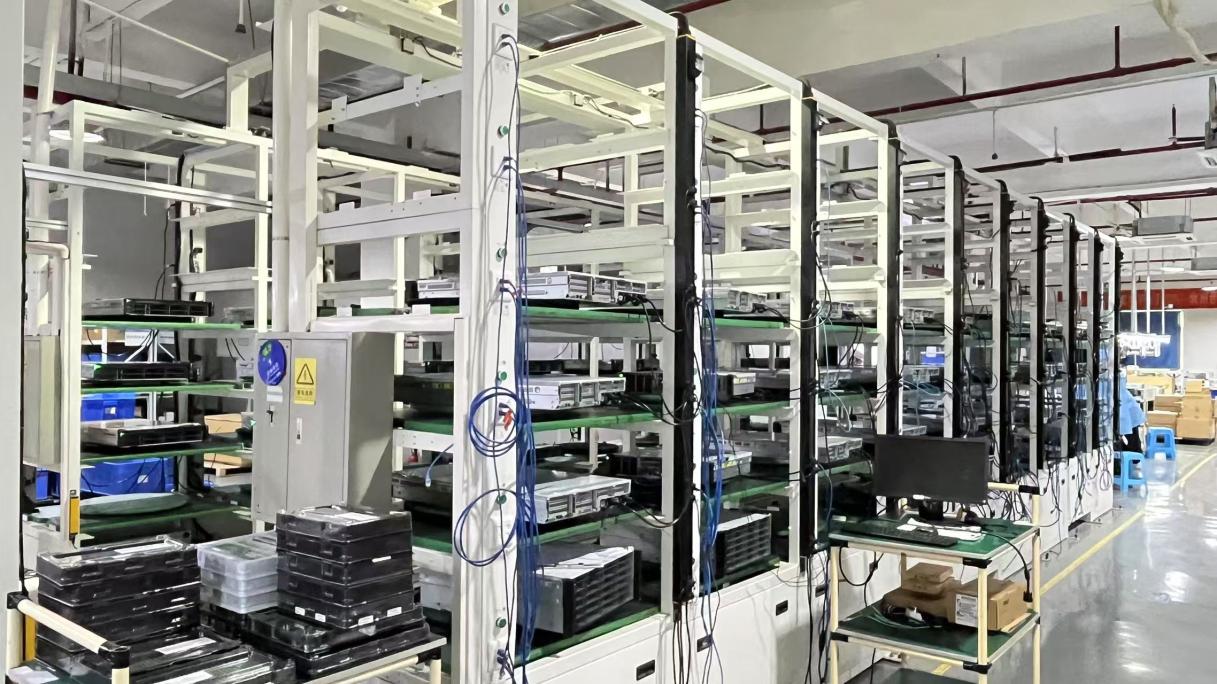
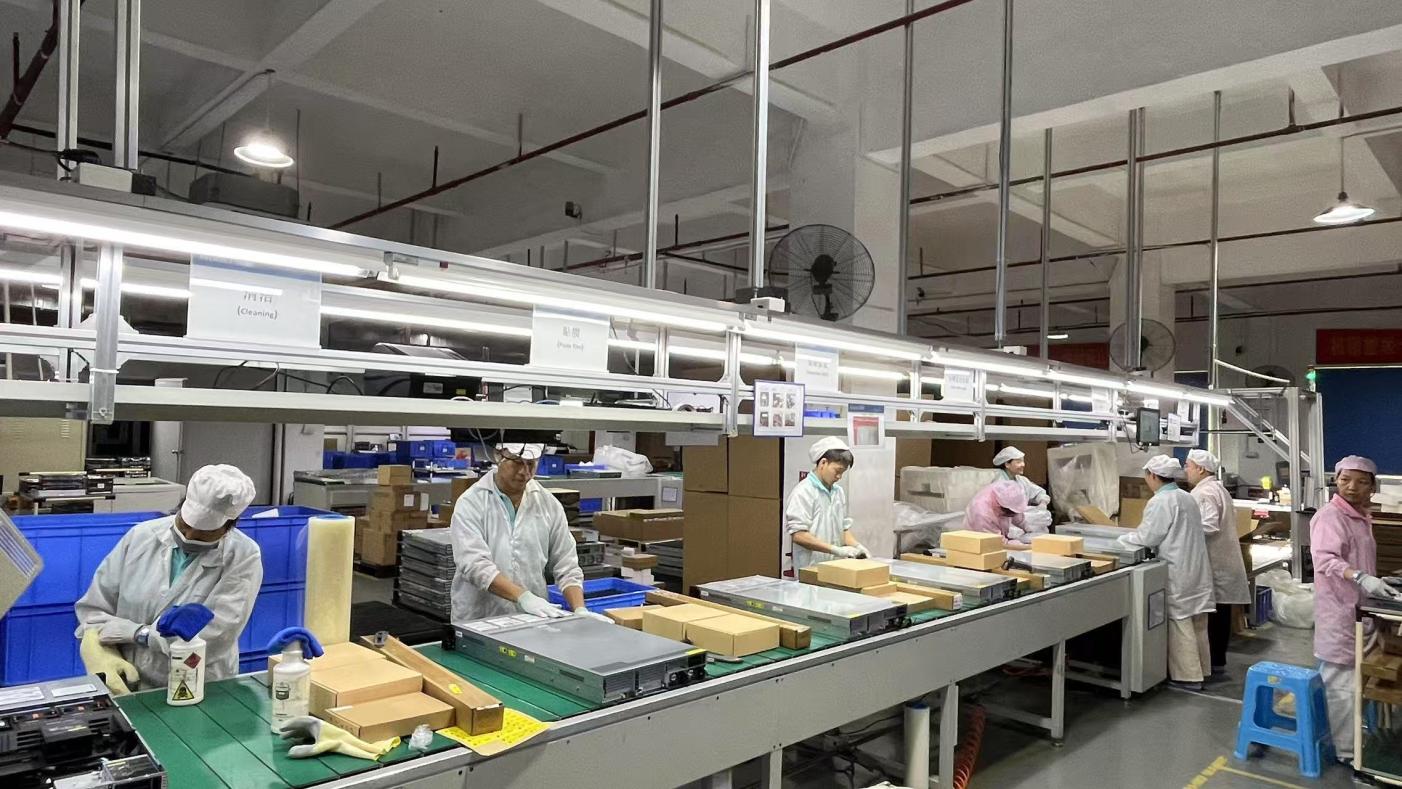
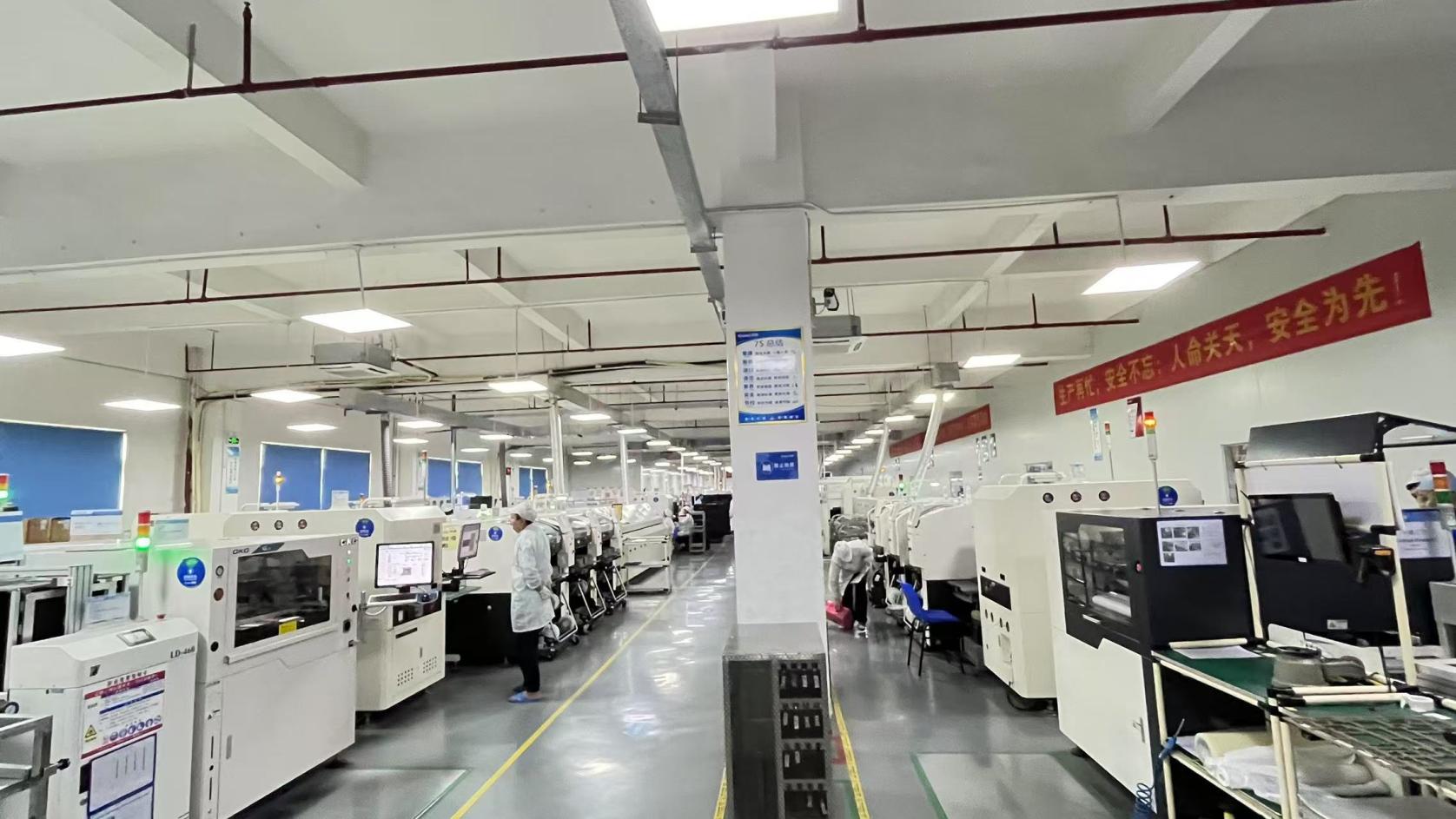
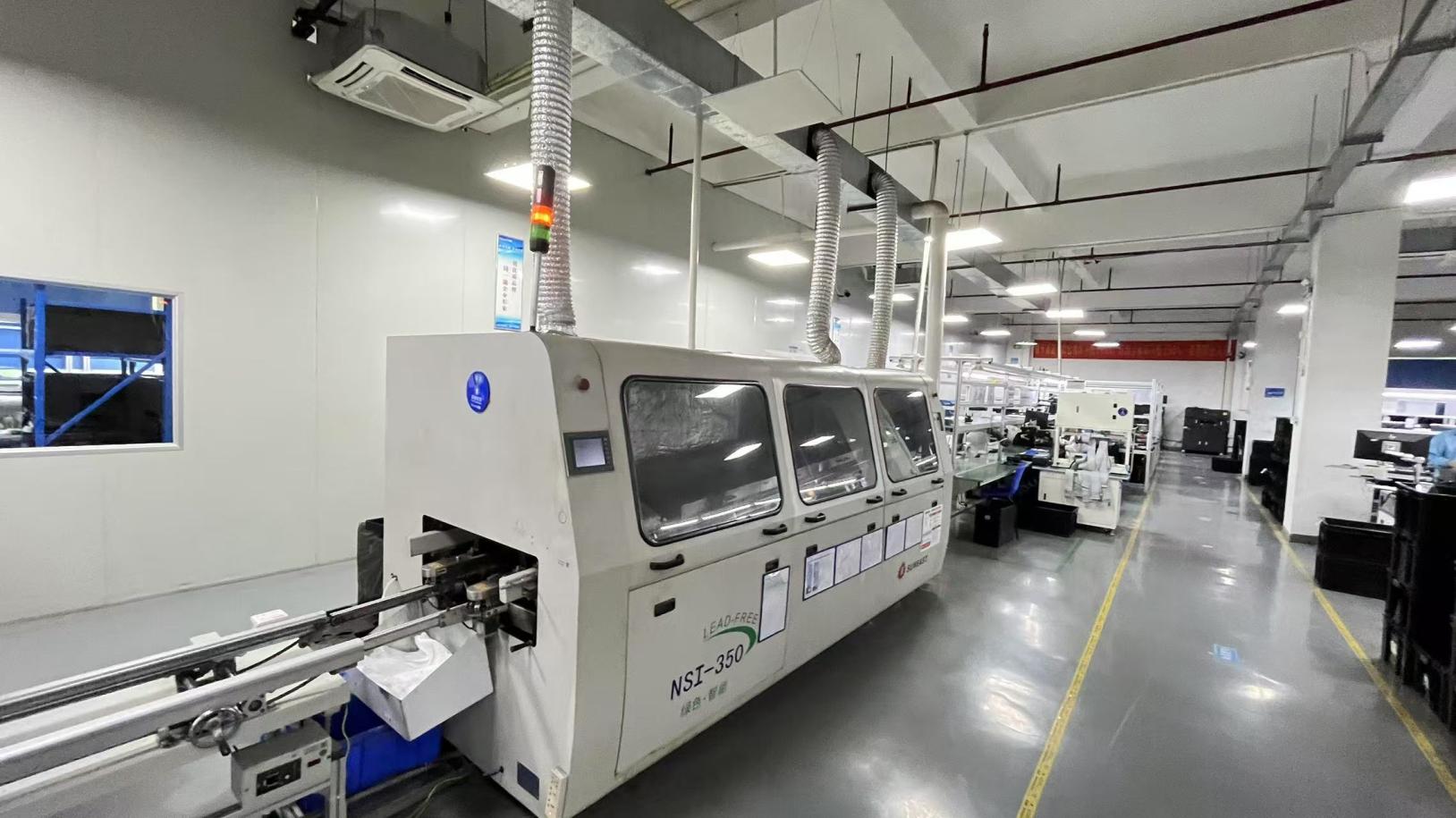
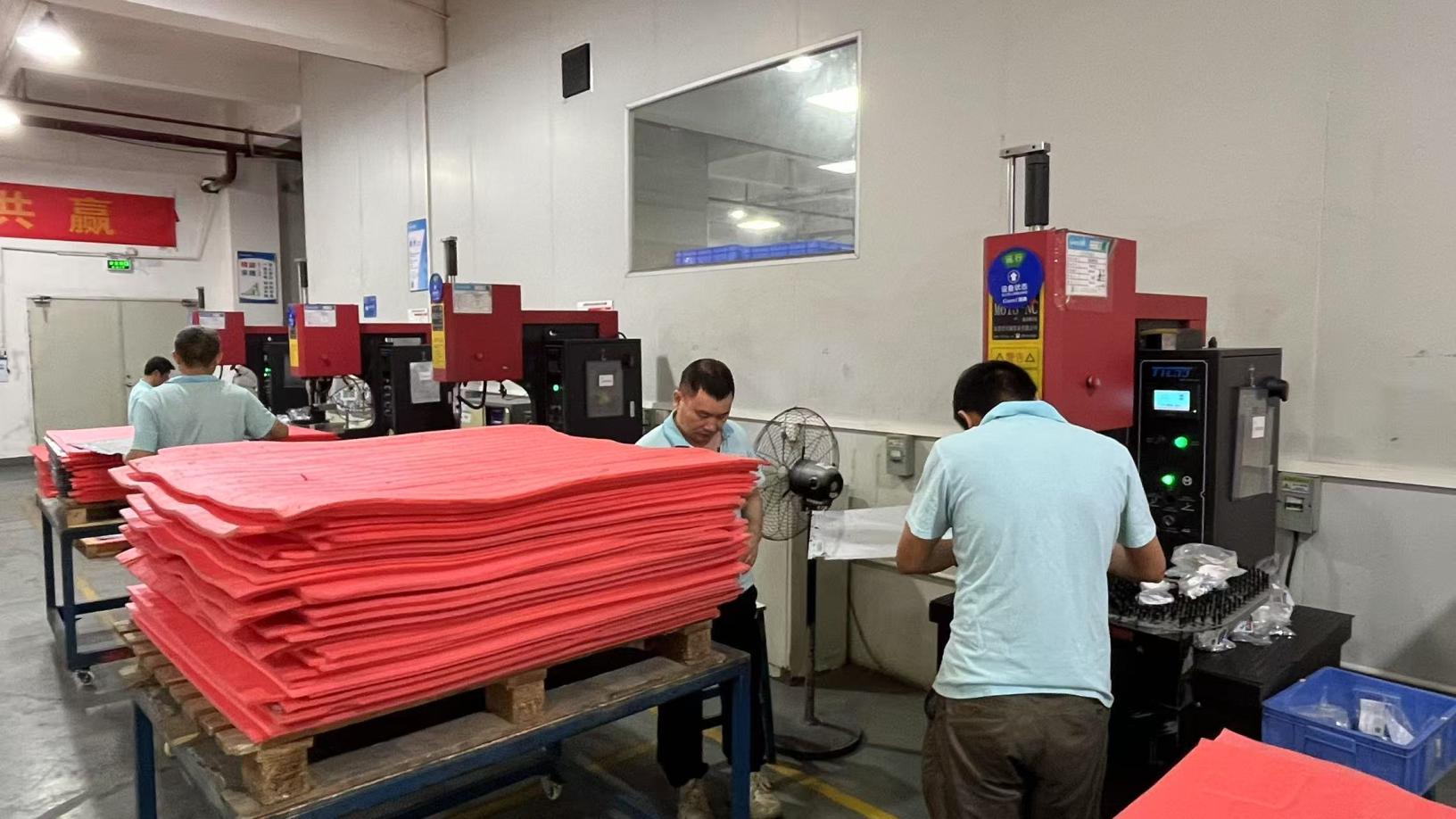
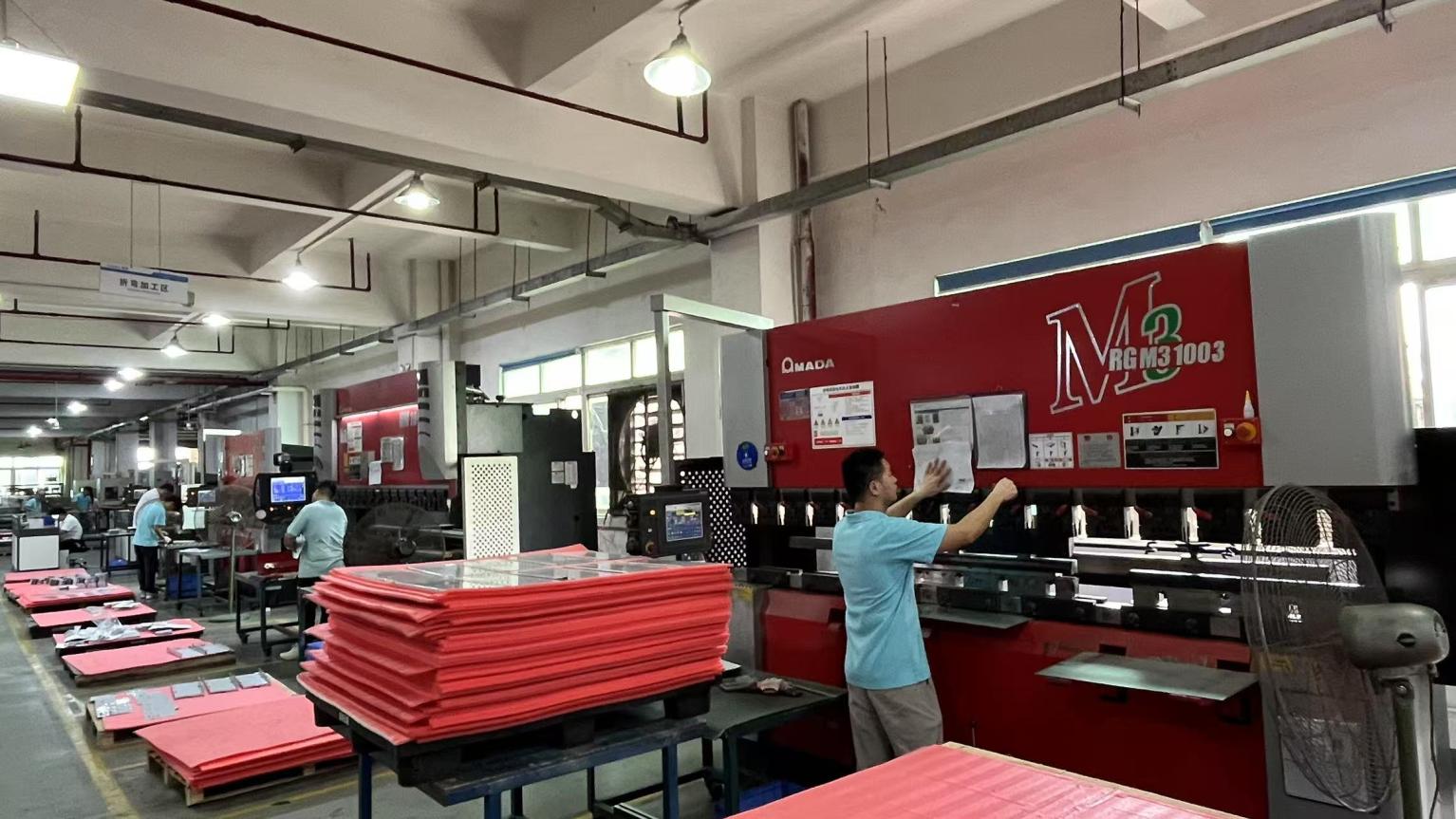
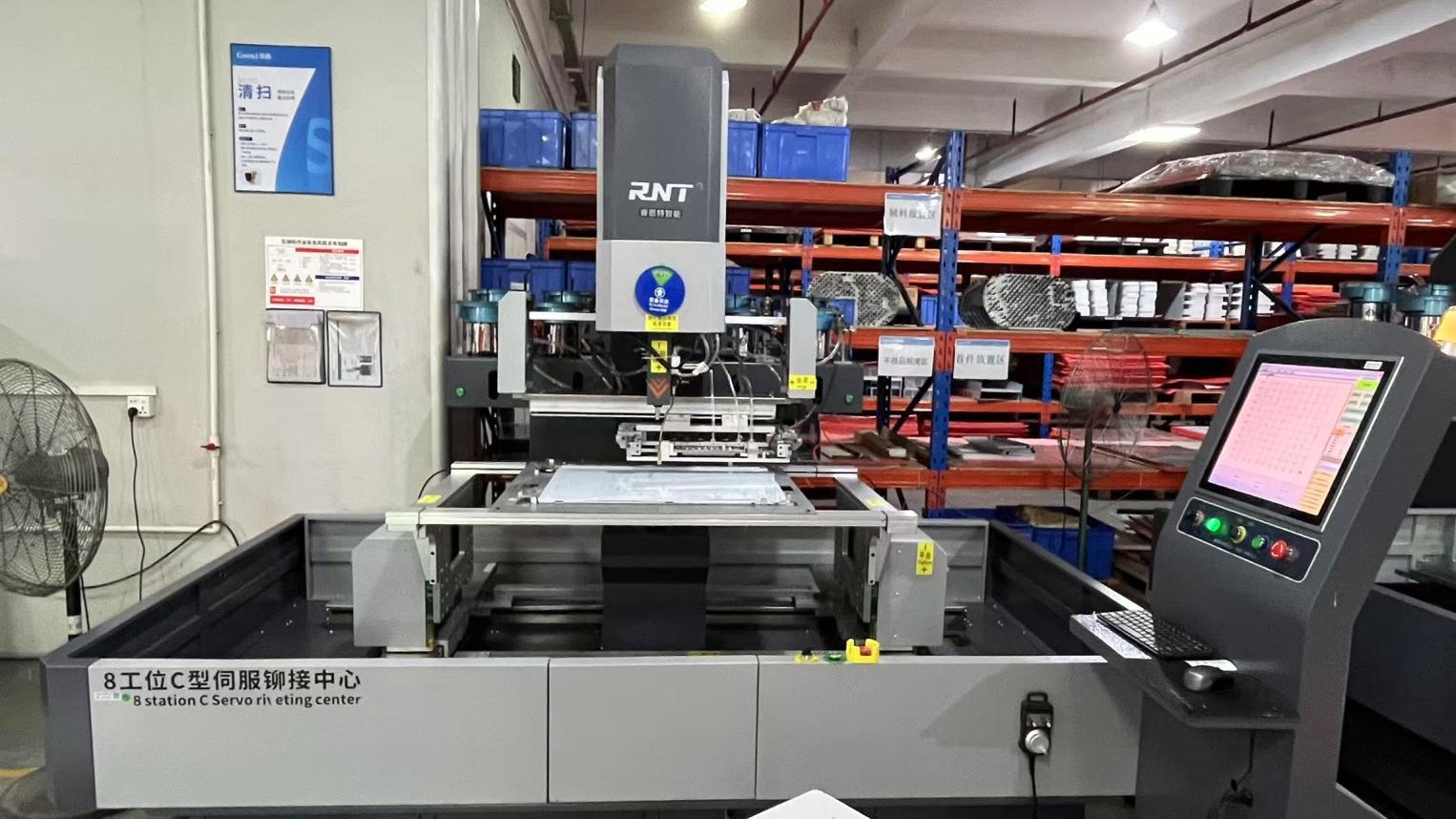
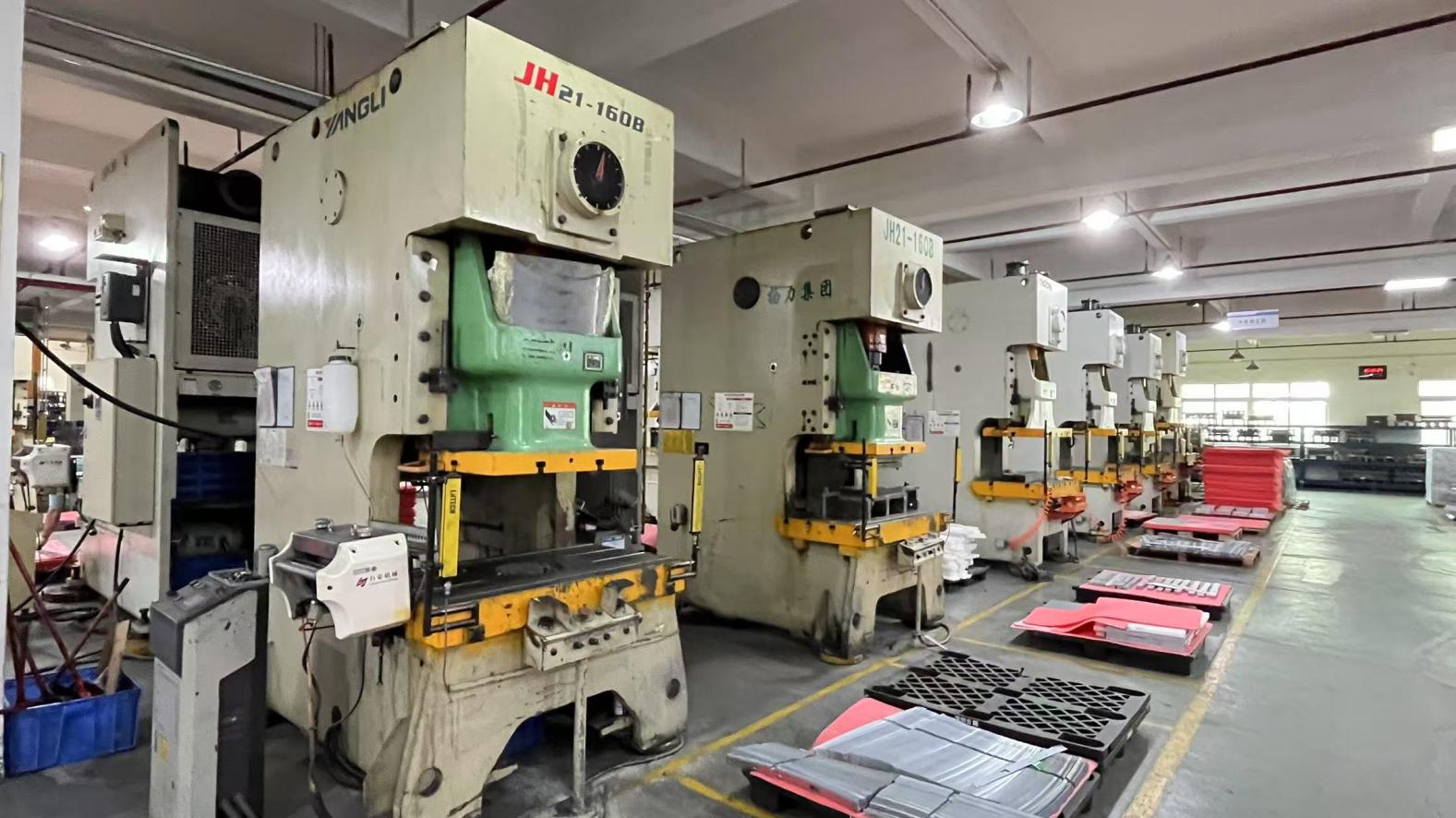
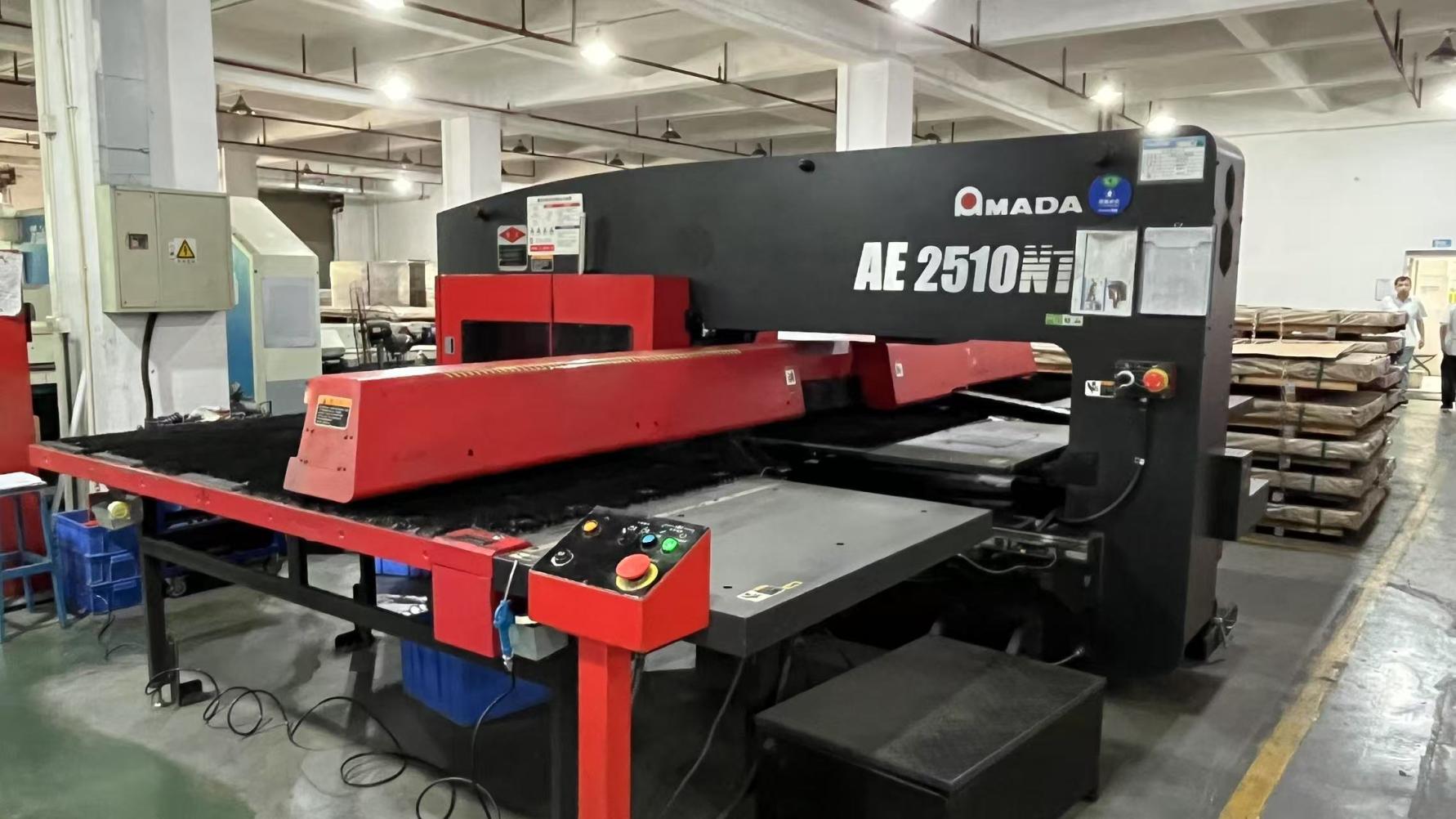
By managing the fabrication of the metal enclosures alongside the integration of micro-electronics, ZhiCloud AI controls structural tolerances. The metal cases are laser cut, stamped, and riveted to avoid warping, which protects motherboard alignments from structural stress during global transport.
A colocation server node must withstand challenging environment configurations: wide thermal ranges, vibration during shipping, salt fog corrosion in seaside datacenters, and transient voltage spikes. The QA testing framework involves 45 dedicated quality control professionals overseeing physical verification protocols:
Procuring computing hardware for global colocation centers requires careful compliance mapping and technical alignment. Enterprise sourcing teams need hardware that integrates seamlessly with existing facility frameworks:
With an export focus that spans North America, Europe, Southeast Asia, and the Middle East, ZhiCloud AI designs its systems to meet international safety and emissions guidelines, ensuring smooth customs clearance and deployment compliance.
Modern colocation infrastructure is evolving beyond air-cooling and standard CPU architecture. High-performance computing demands are driving changes in hardware deployment configurations:
As rack power densities exceed 30 kW, air cooling reaches its thermodynamic limit. The industry is moving to hybrid liquid cooling configurations, where primary heat-generating elements (such as GPU or CPU cores) are directly cooled by water loop plates, while secondary elements use surrounding chassis airflow.
The rise of open-source frameworks like DeepSeek R1 has generated demand for pre-configured inference clusters. The hardware layer requires high NVLink or Infinity Fabric bandwidth, high DDR5 RAM capacity, and low network hop paths to process multi-billion parameter pipelines without latency spikes.
Rather than provisioning rigid physical server blocks, modern datacenters use PCIe switches and CXL (Compute Express Link) protocols to dynamically pool and assign processing cores, memory banks, and accelerators to virtual environments.
Discover our secondary selection of specialized GPU nodes, optical storage extensions, and scalable network hardware adapters.