ZhiCloud AI
ZhiCloud AI
ZhiCloud AI
Explore our premium range of high-performance GPU platforms, density-optimized server nodes, and precision components ready for seamless data center deployment.
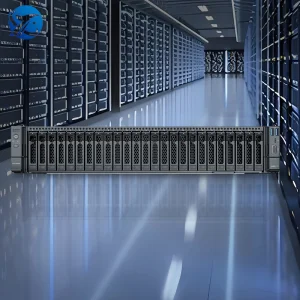
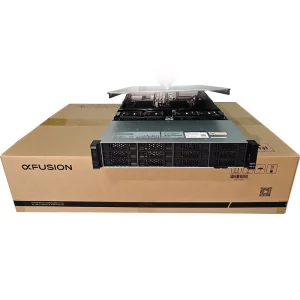
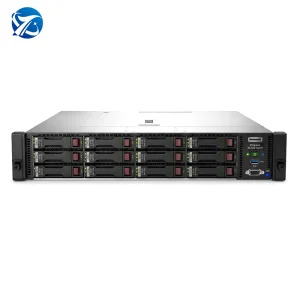
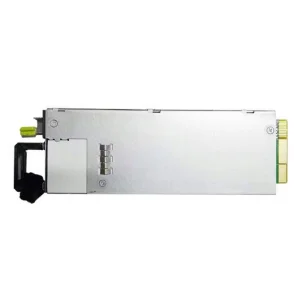
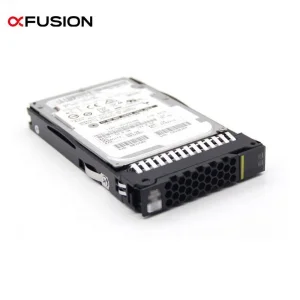
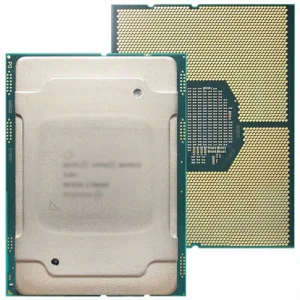
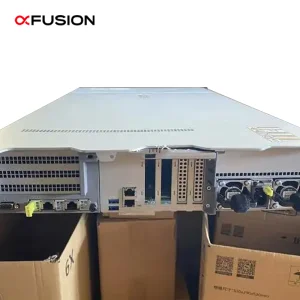
As deep learning workloads, LLMs (Large Language Models like DeepSeek), and high-density GPU computing clusters become the primary drivers of enterprise IT infrastructure, the traditional server rack has evolved. It is no longer just a passive metal enclosure. Modern server racks are structural and thermal management backbones designed to handle high mechanical stress, optimize airflow, and manage unprecedented electrical requirements.
"High-density compute environments require structured physical architecture. The rise of liquid-cooled systems and multi-kilowatt servers demands cabinet designs that integrate structural integrity, power distribution, and dynamic airflow routing."
Global enterprises face unique deployment challenges. A server rack supplier must design cabinets capable of sustaining heavy static loads (exceeding 1500kg for loaded GPU clusters), while ensuring localized compliance and advanced cooling path containment. At ZhiCloud AI, we address these complex structural parameters through precision engineering, providing scalable solutions for global hyperscalers, research institutions, and enterprise datacenters.
Engineered for high-density computing workloads. We bridge high-performance servers with rugged rack infrastructure.
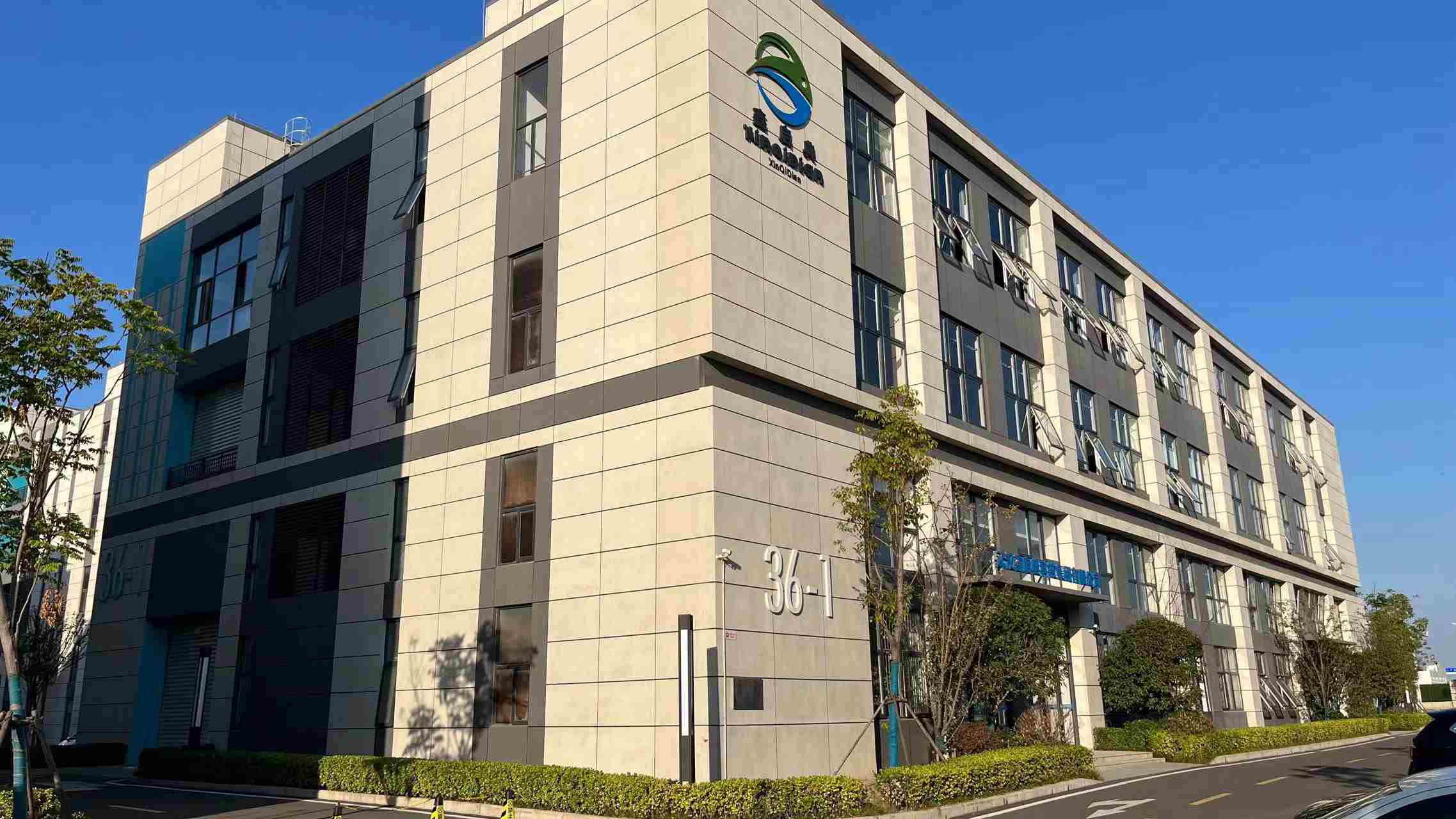
Founded in 2016, ZhiCloud AI specializes in high-performance computing (HPC) solutions, GPU servers, and advanced rack architecture integration. Operating custom-built facility and integrating a global supply chain, we deliver mission-critical computing hardware to enterprise clients across North America, Europe, Southeast Asia, and the Middle East. With 120 dedicated R&D engineers, we released approximately 180 new products last year, expanding the boundaries of high-performance data center server deployments.
Addressing the complex demands of thermal dissipation, high power densities, and weight load capacities.
Optimized for structural support and power distribution of multi-node GPU platforms running LLM workloads like DeepSeek.
Innovative liquid manifold enclosures built to manage modern direct-to-chip and immersion cooling infrastructures.
Secure, environmental-sealed cabinets designed for branch offices, manufacturing facilities, and outdoor stations.
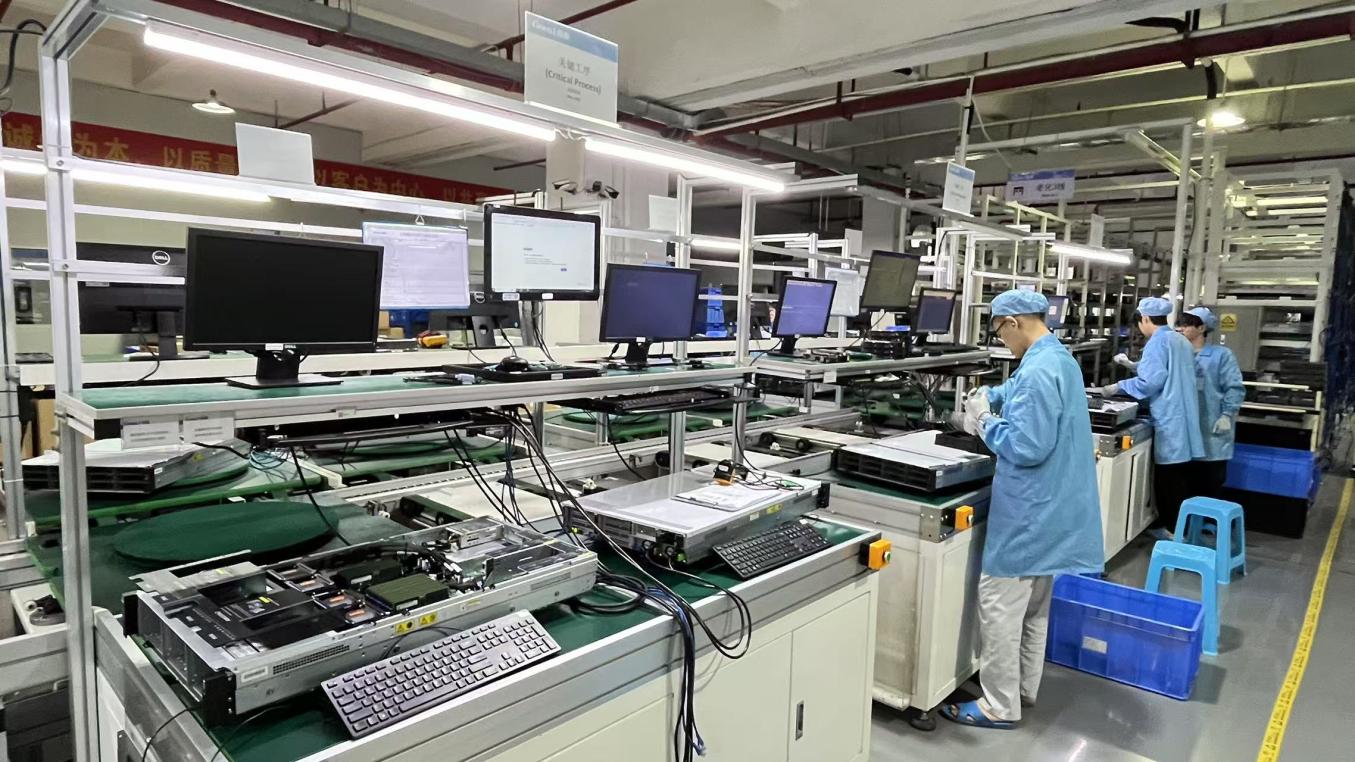
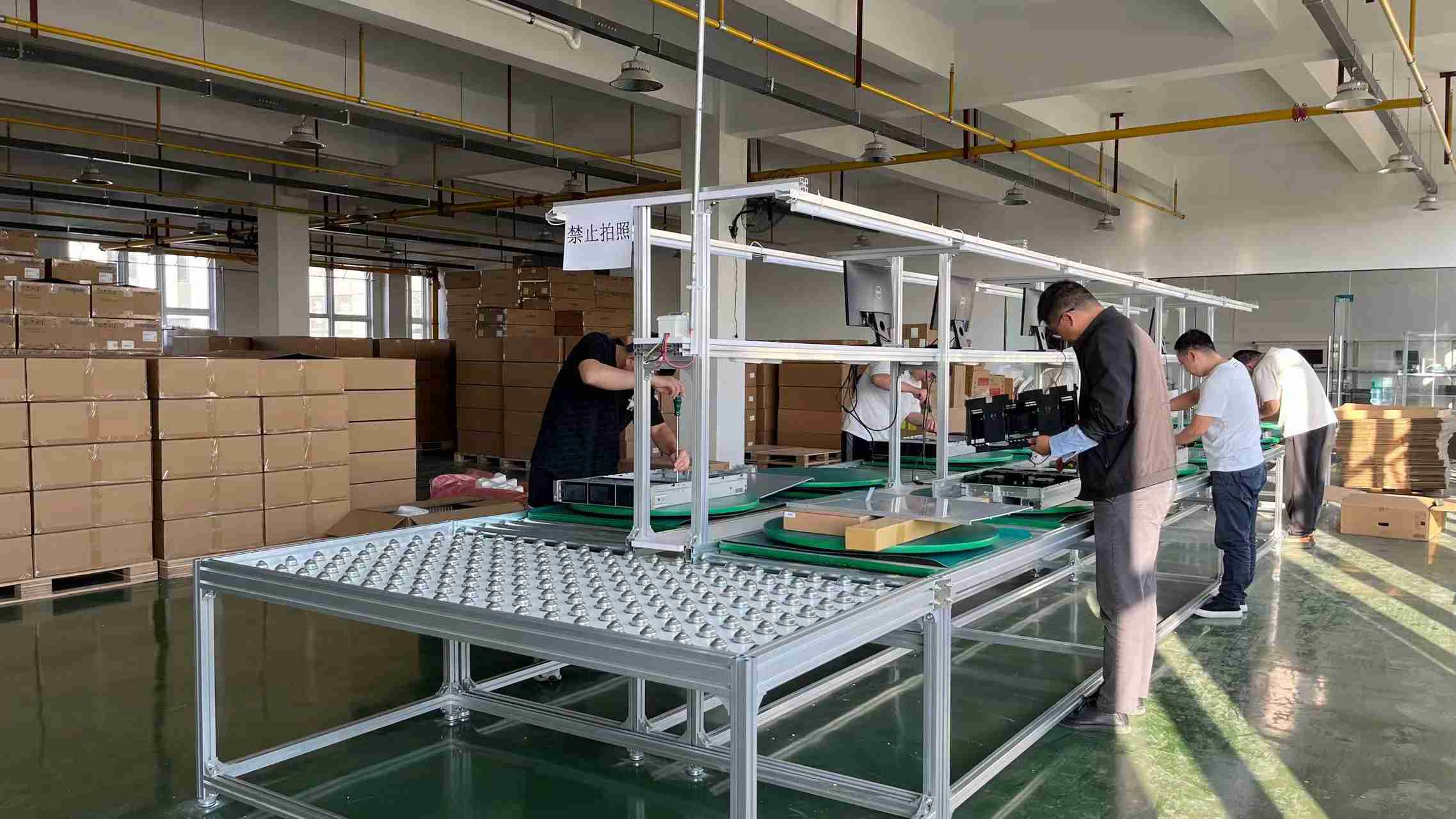
A look into our end-to-end server chassis and system integration processes, executing strict tolerances and precision engineering.
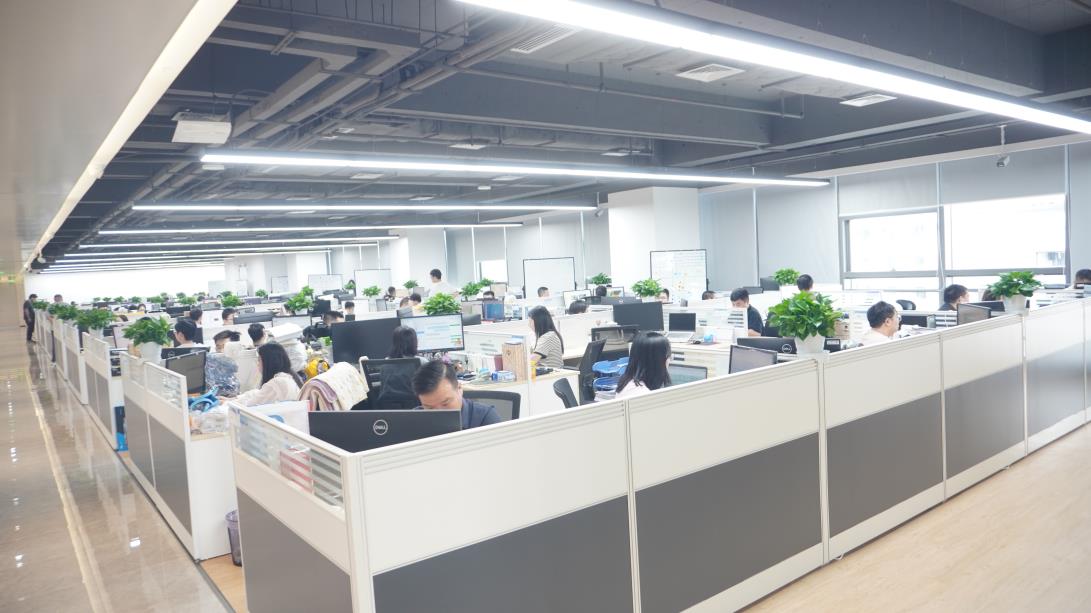
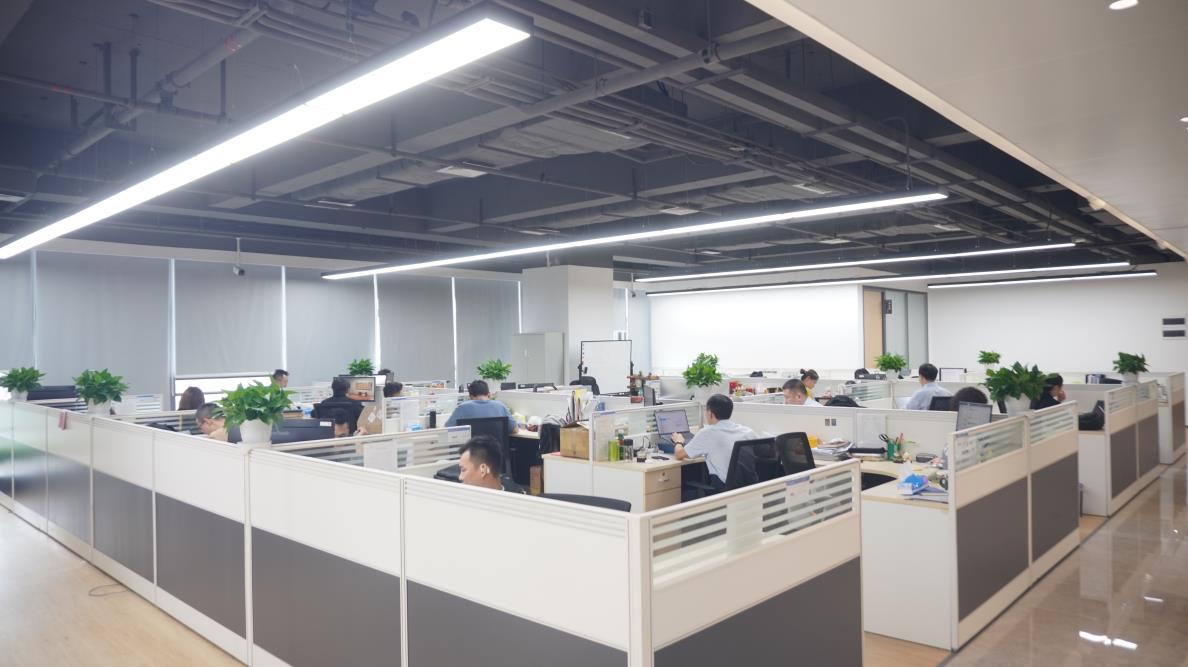
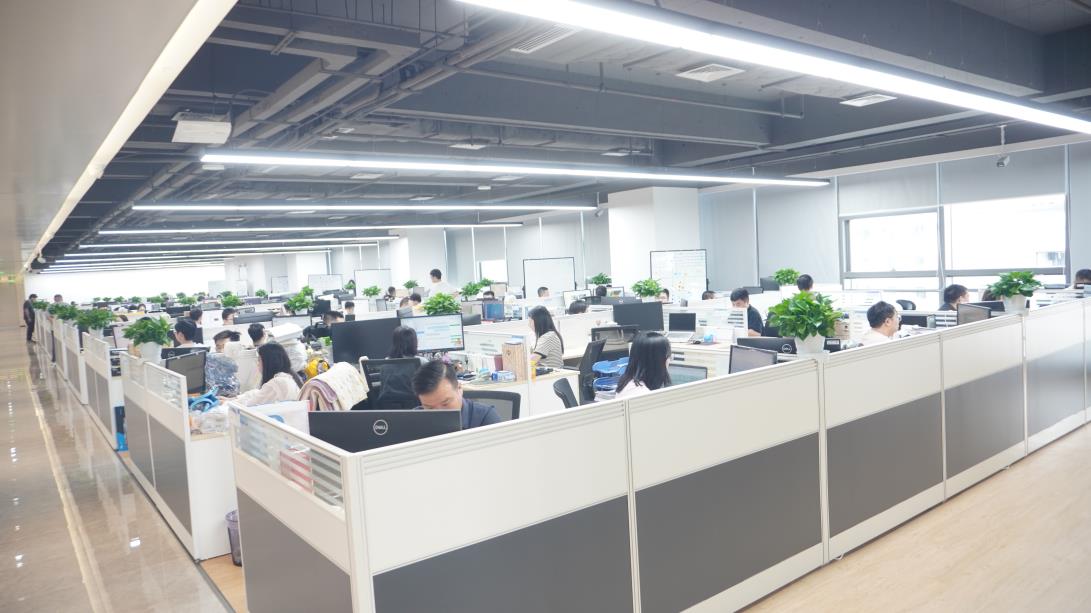
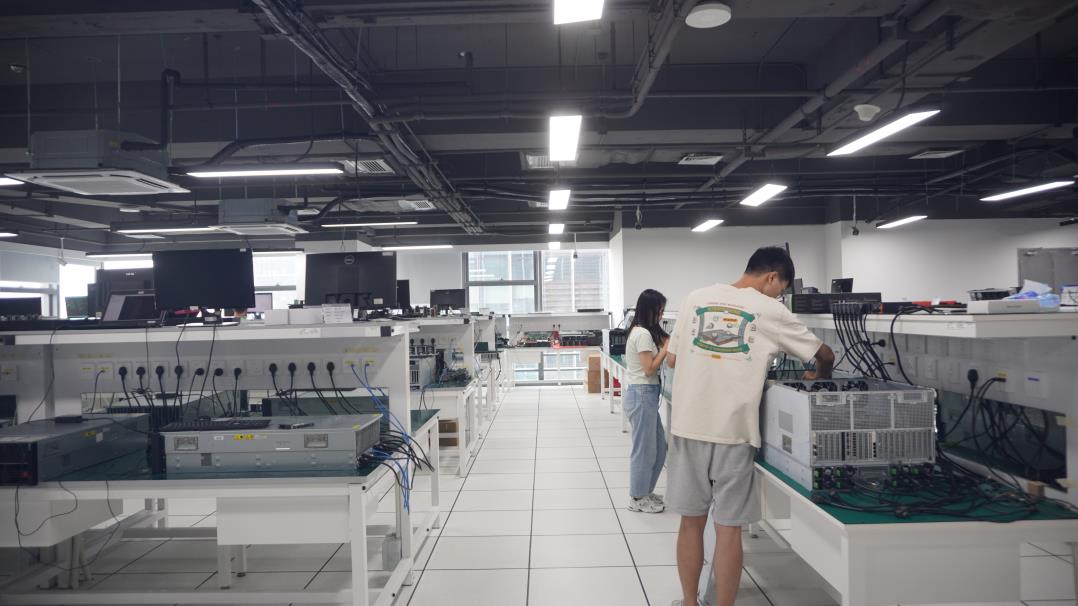
High-power precision laser cutting systems slice structural sheets with tolerances within sub-millimeter scales.
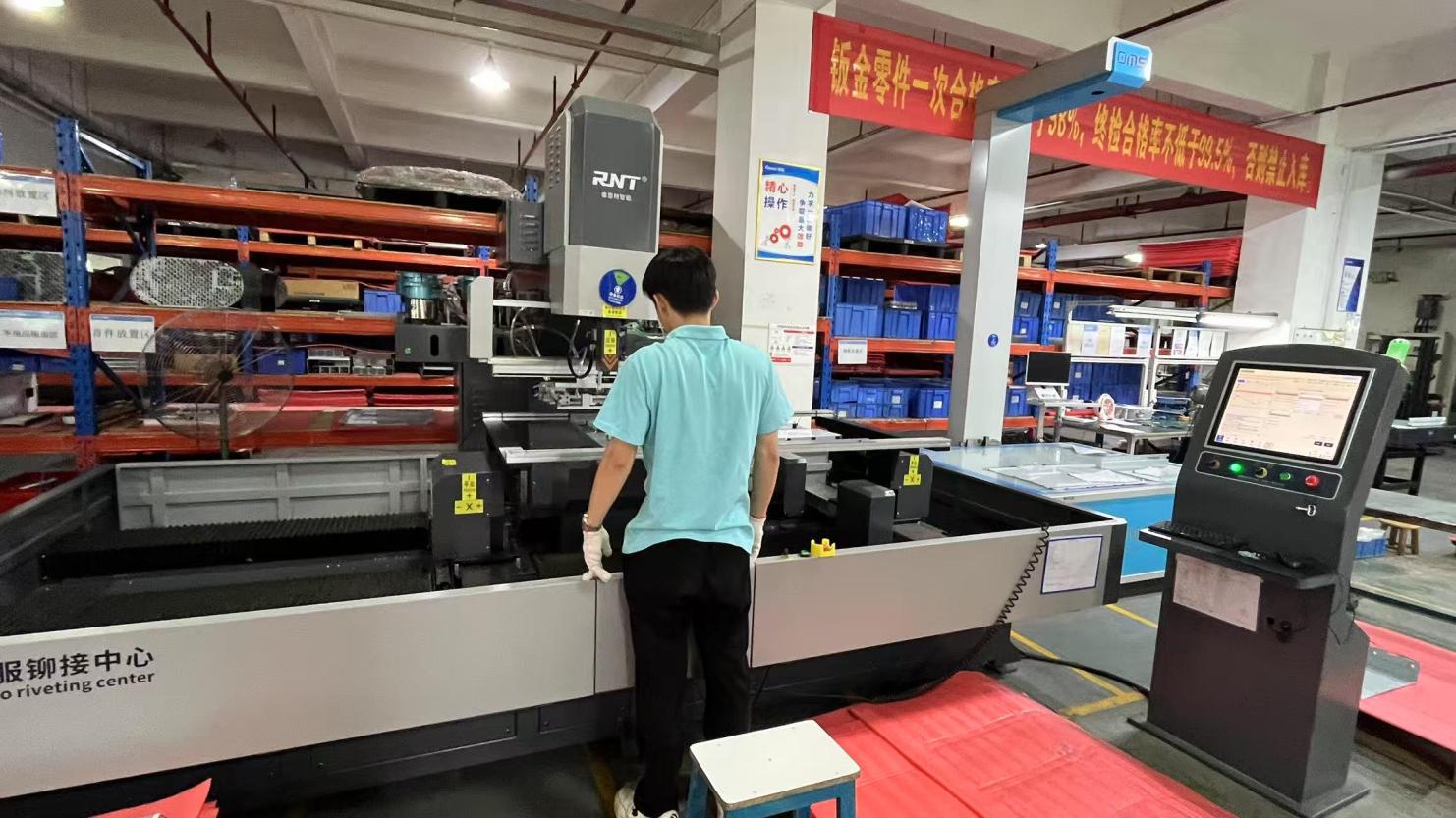
Advanced pneumatic and hydraulic riveting ensures highly durable chassis joints, withstanding prolonged vibrational stress.

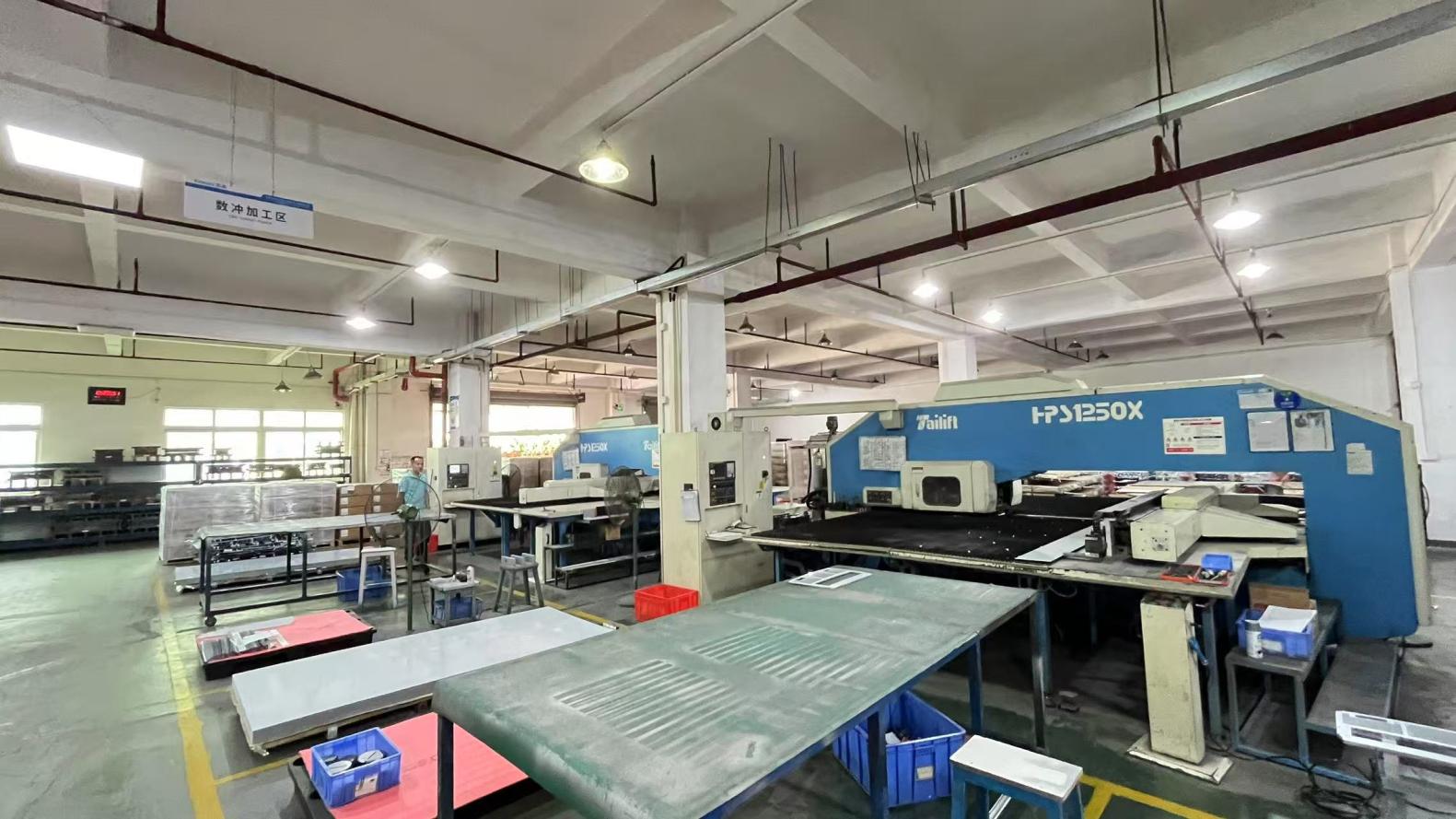
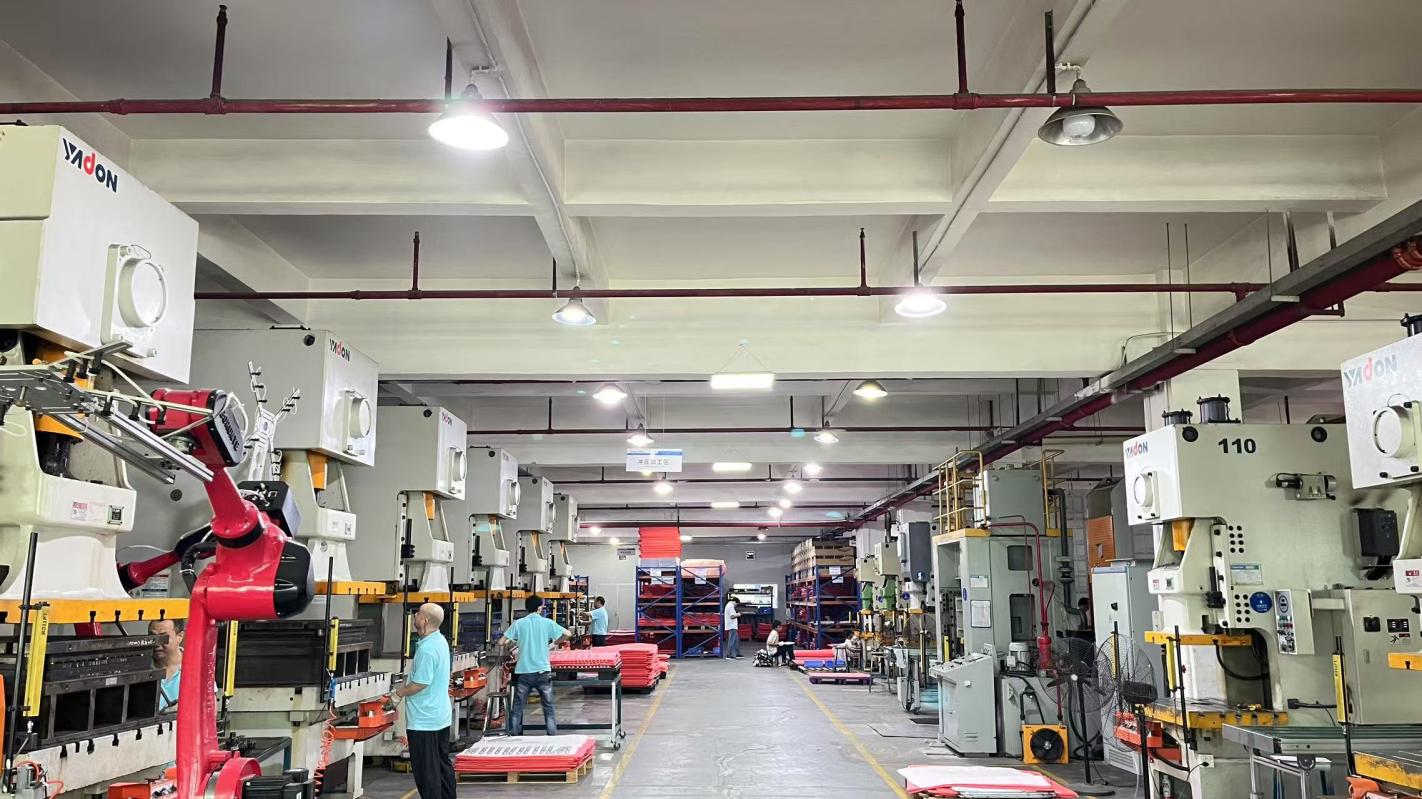
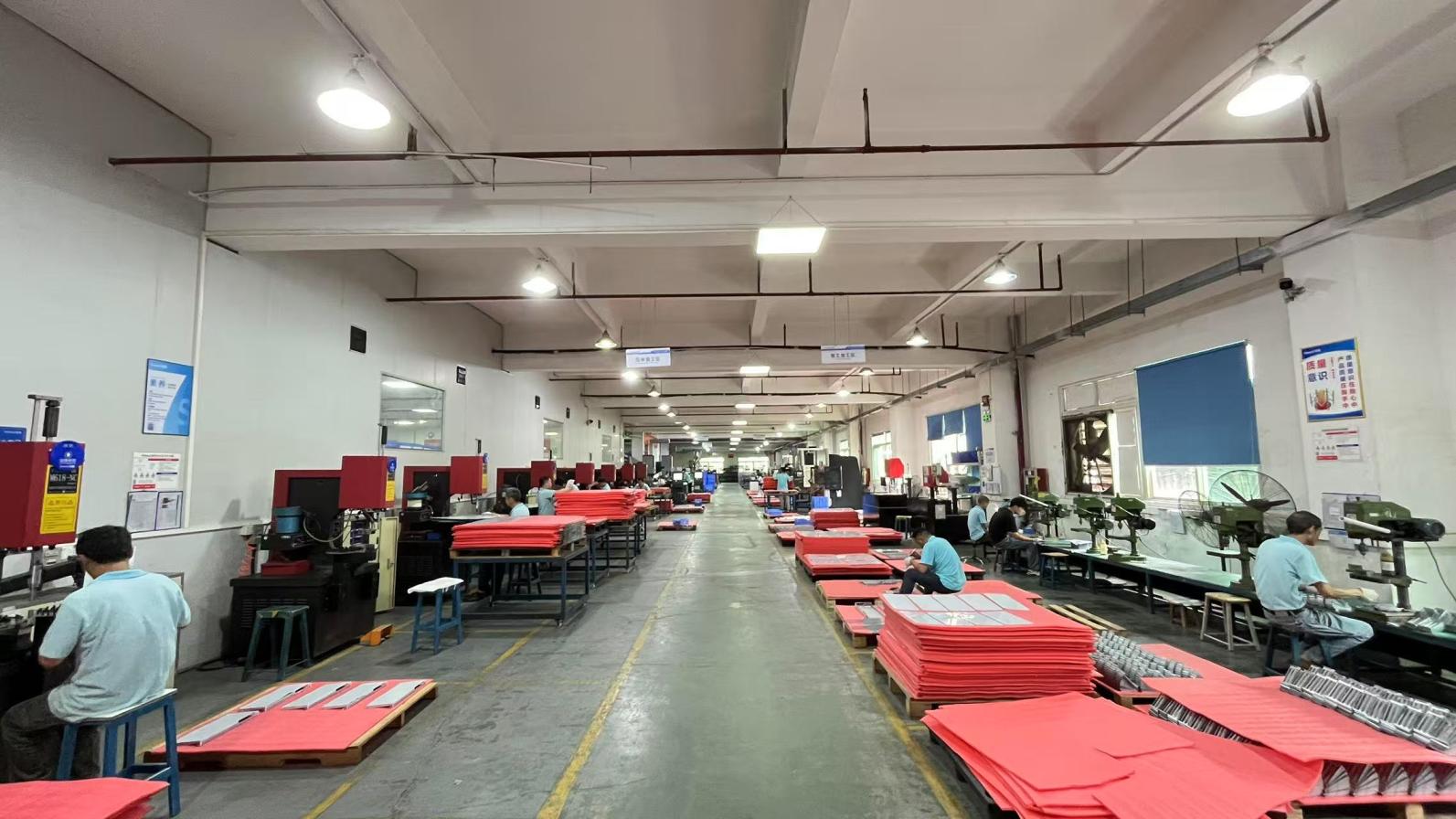
Automated heavy-duty mechanical stamping presses punch out mounting rails, vents, and connector pathways.
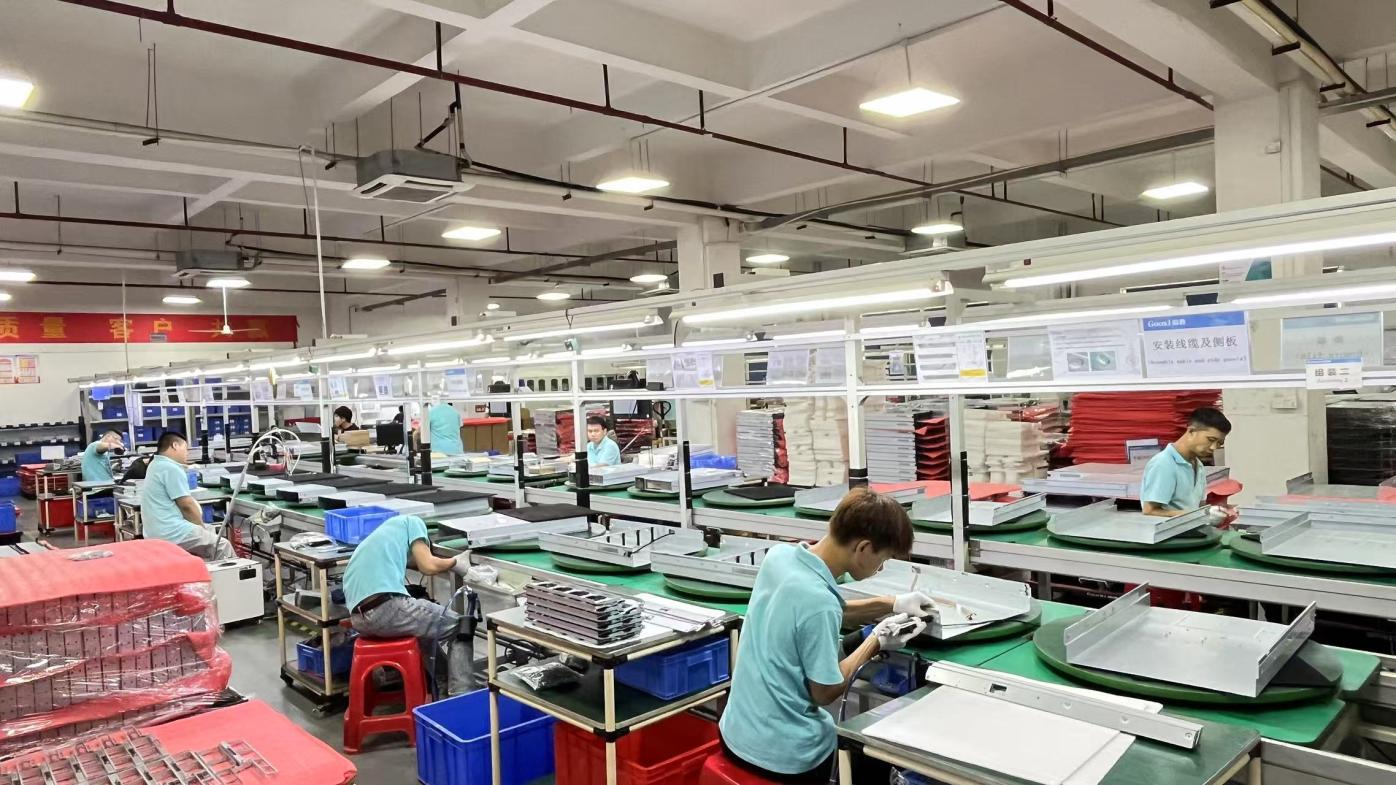
Structural assembly of side panels, mounting brackets, front doors, and top cover components into the cabinet chassis.

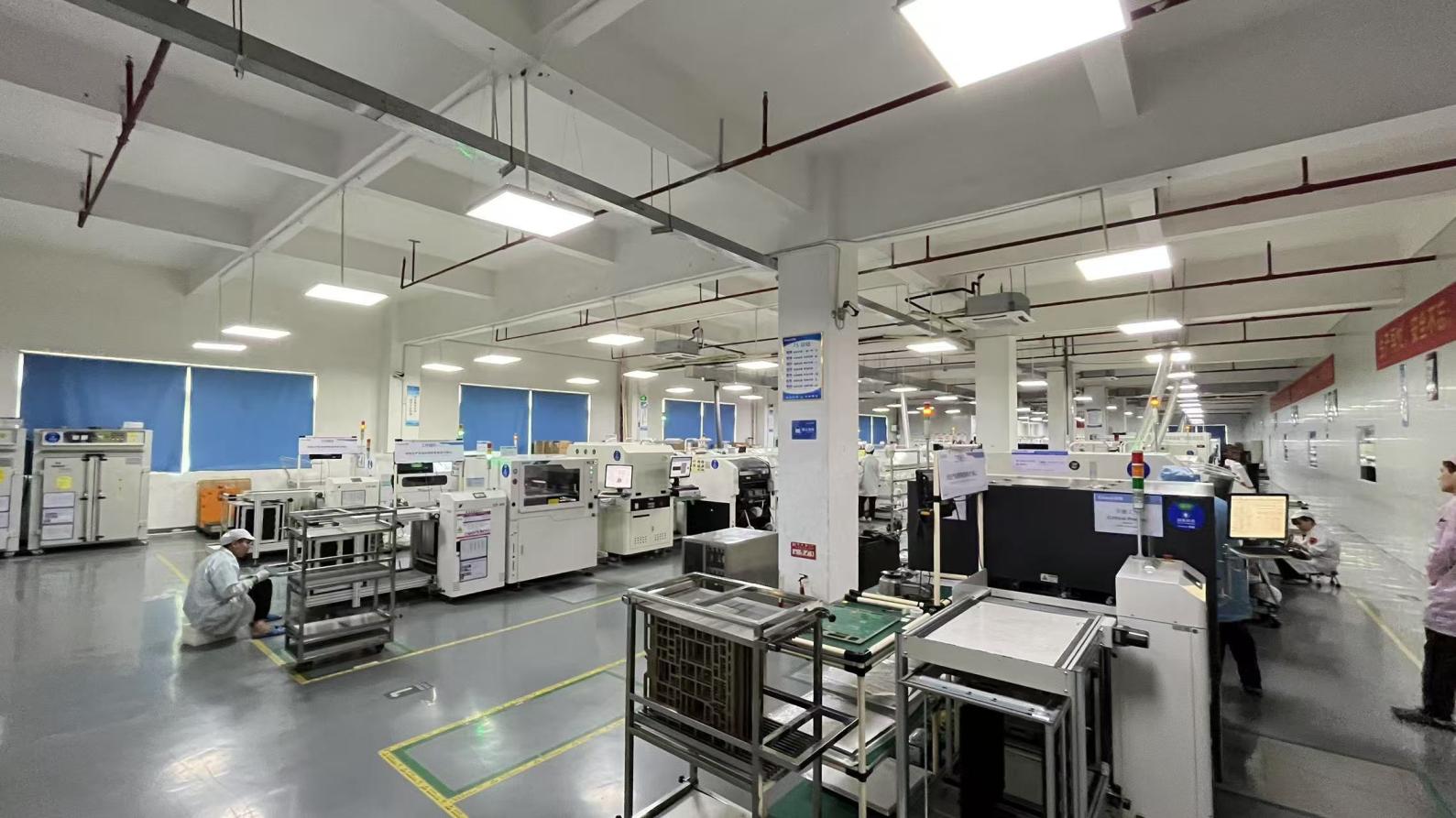
High-speed pick-and-place lines position micro-components on PCBs for power distribution units (PDUs) and system controllers.
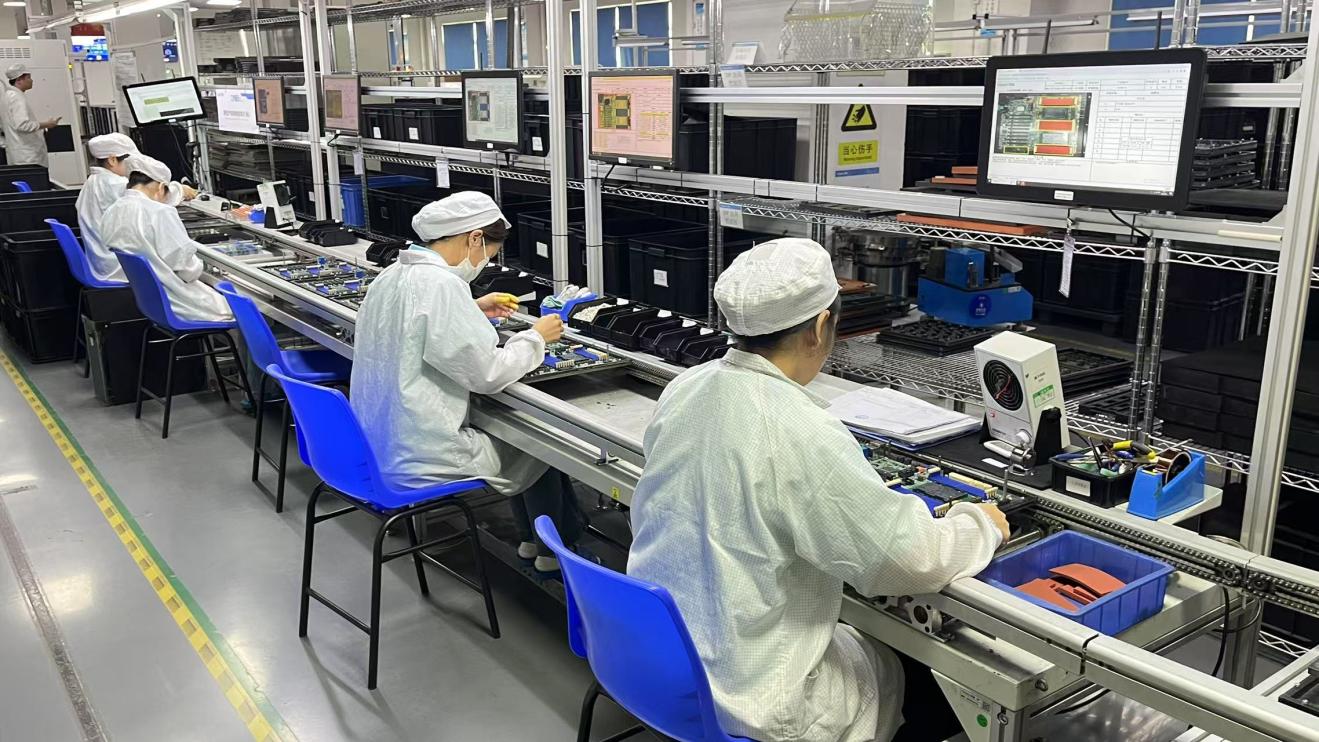
Skilled technicians place heavy-duty connectors, capacitors, and terminal blocks for high-voltage server power paths.
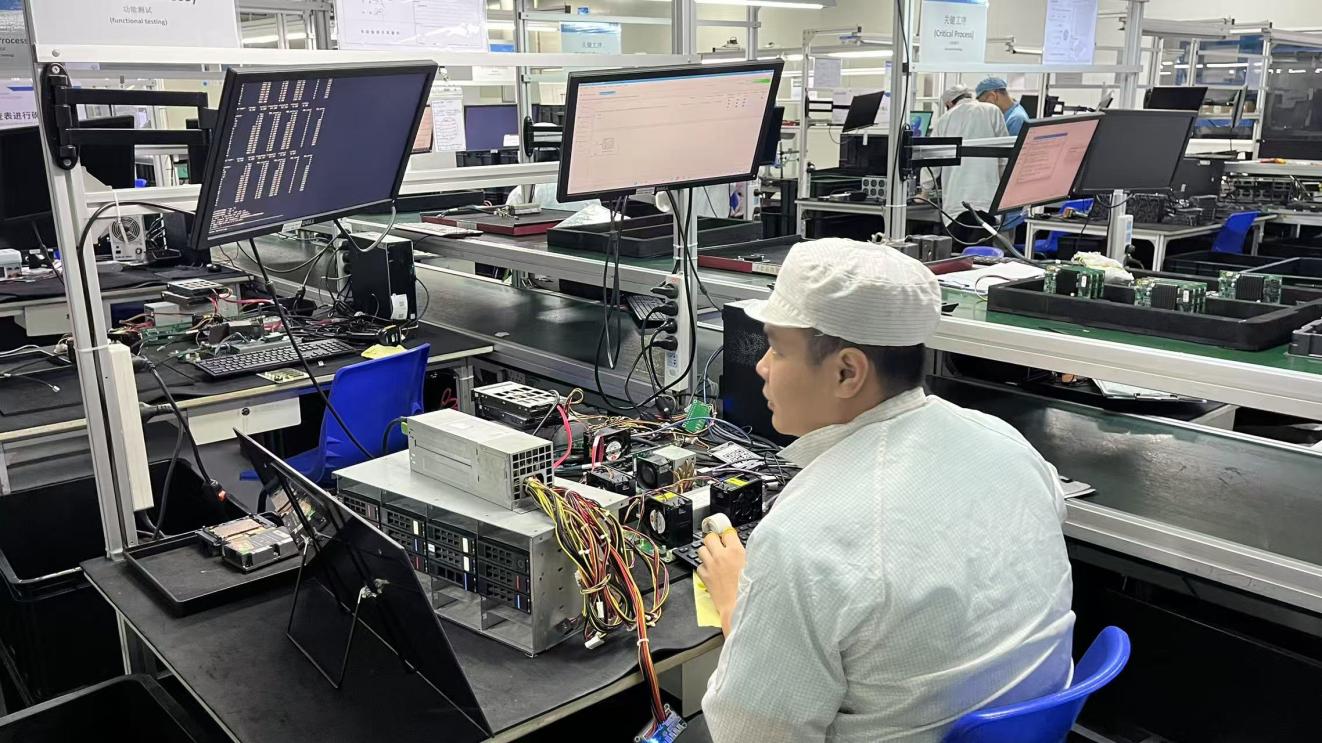
Comprehensive electrical circuit verification, checking voltage lines and bus protocols on our proprietary control boards.
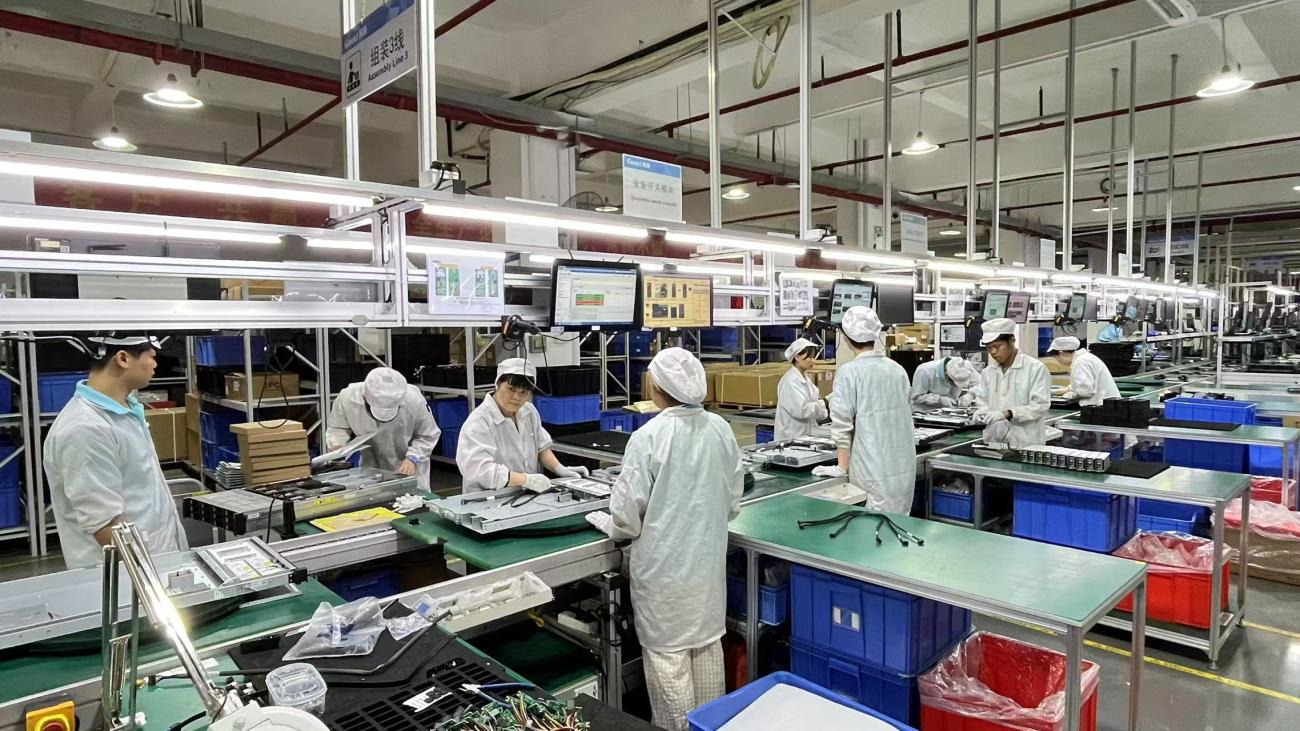
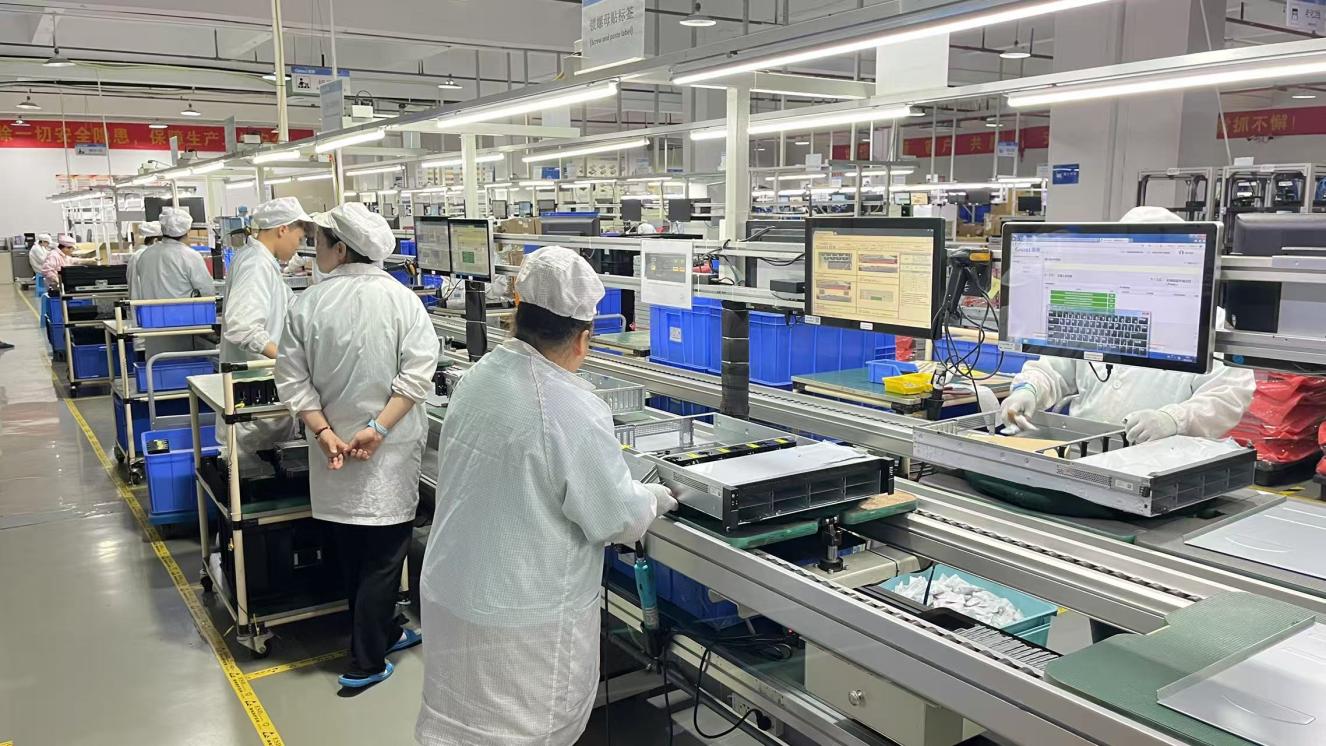
Integrating complex server components, logic boards, dynamic GPU arrays, and cooling fans into the finished racks.
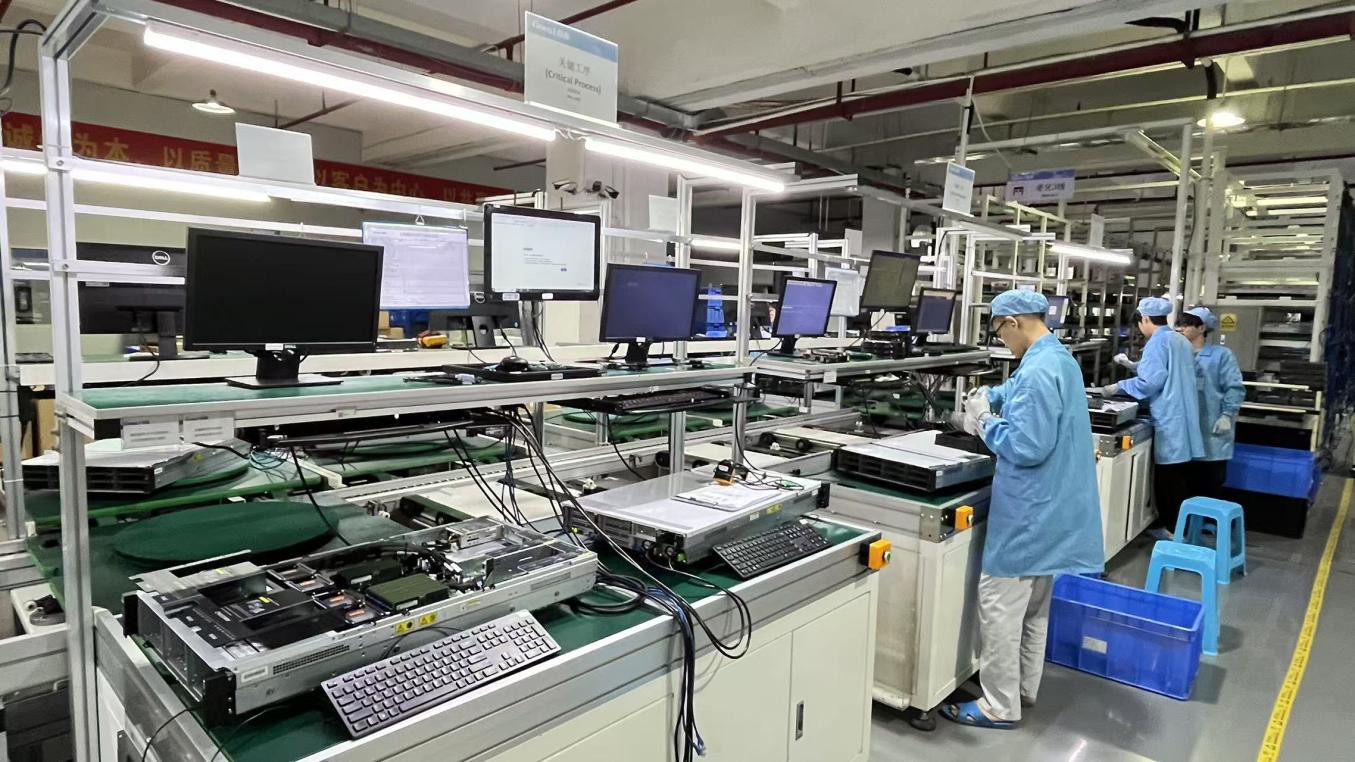
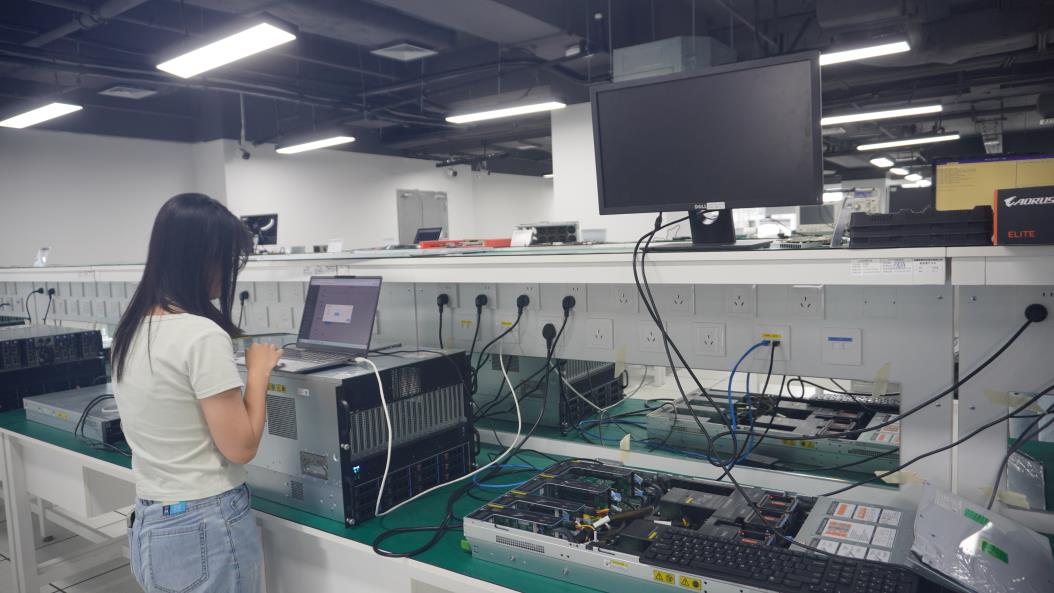
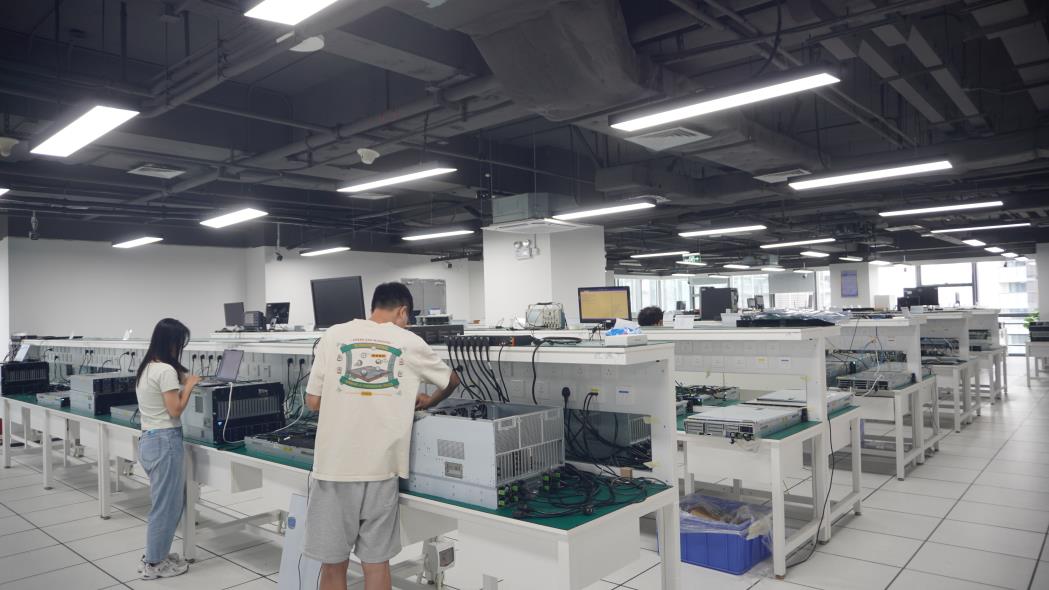
Comprehensive automated testing cycles checking data link pathways, signal integrity, and control board logic.
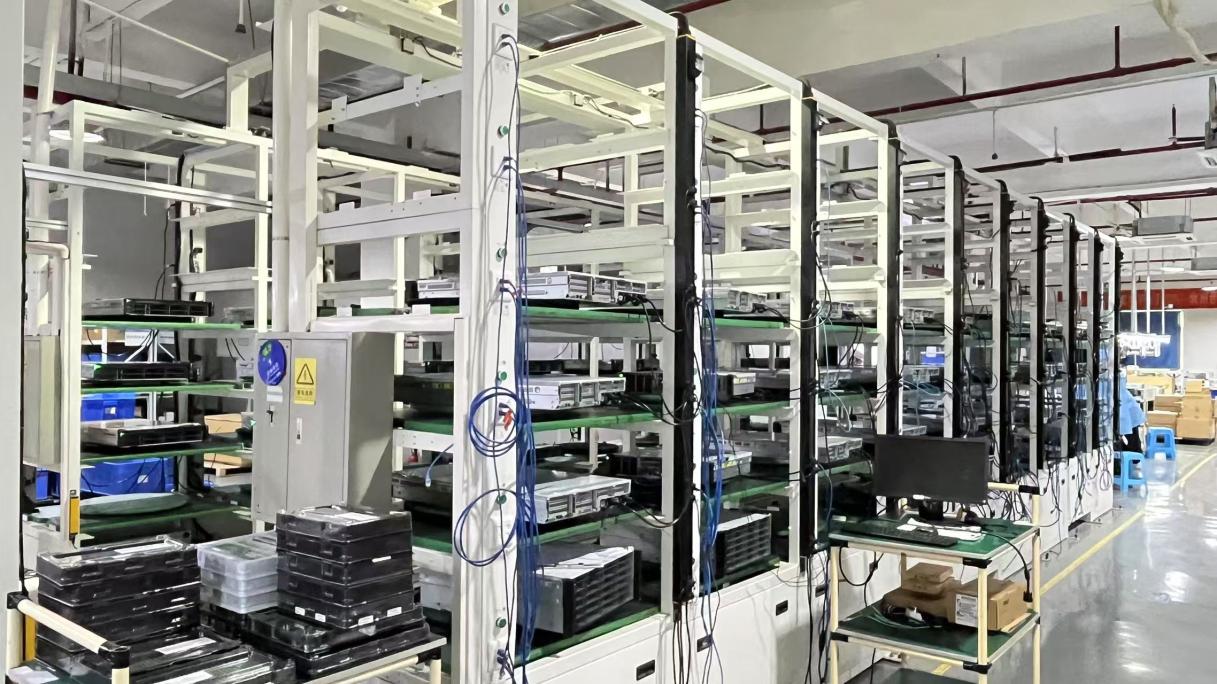
Continuous thermal load burn-in testing, forcing hardware components to maximum parameters to ensure stability.
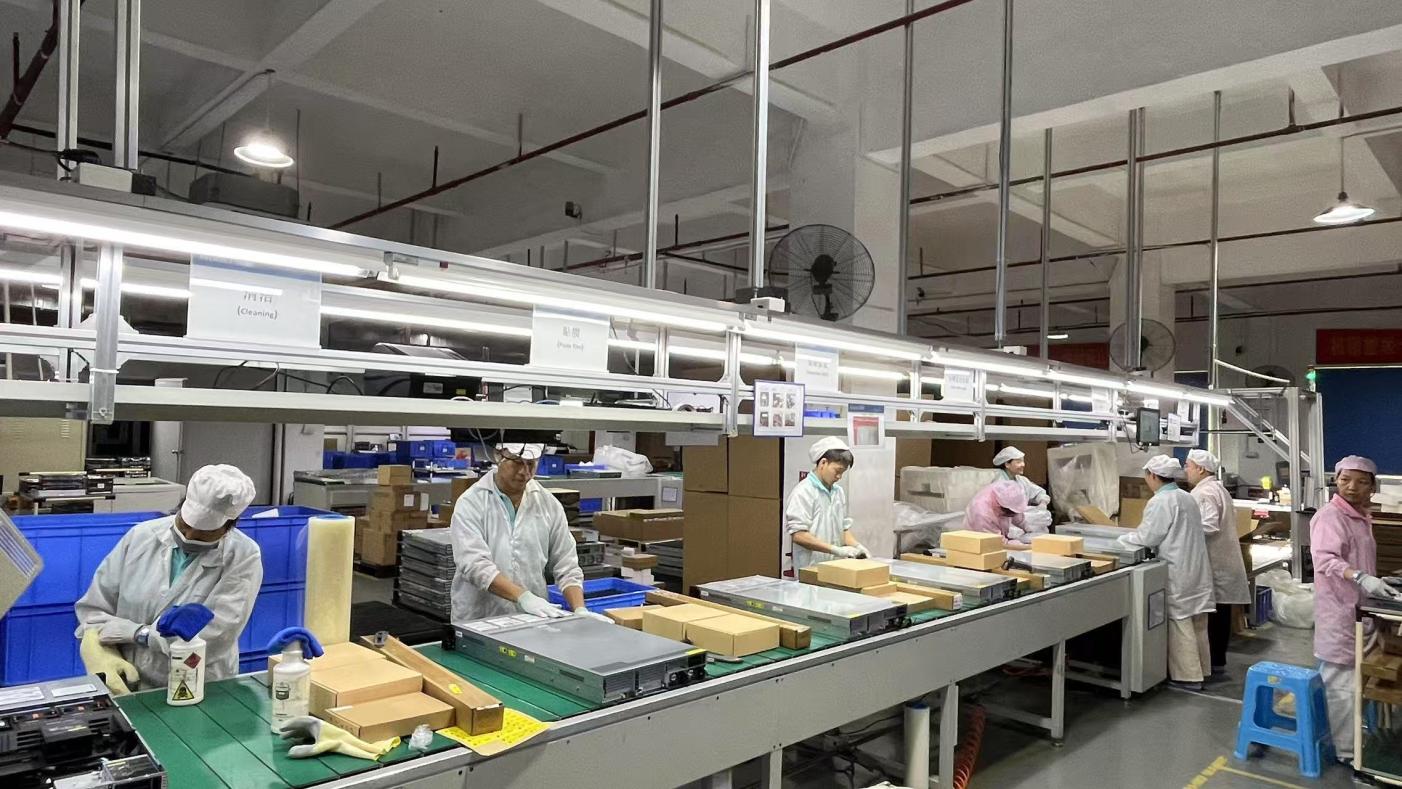
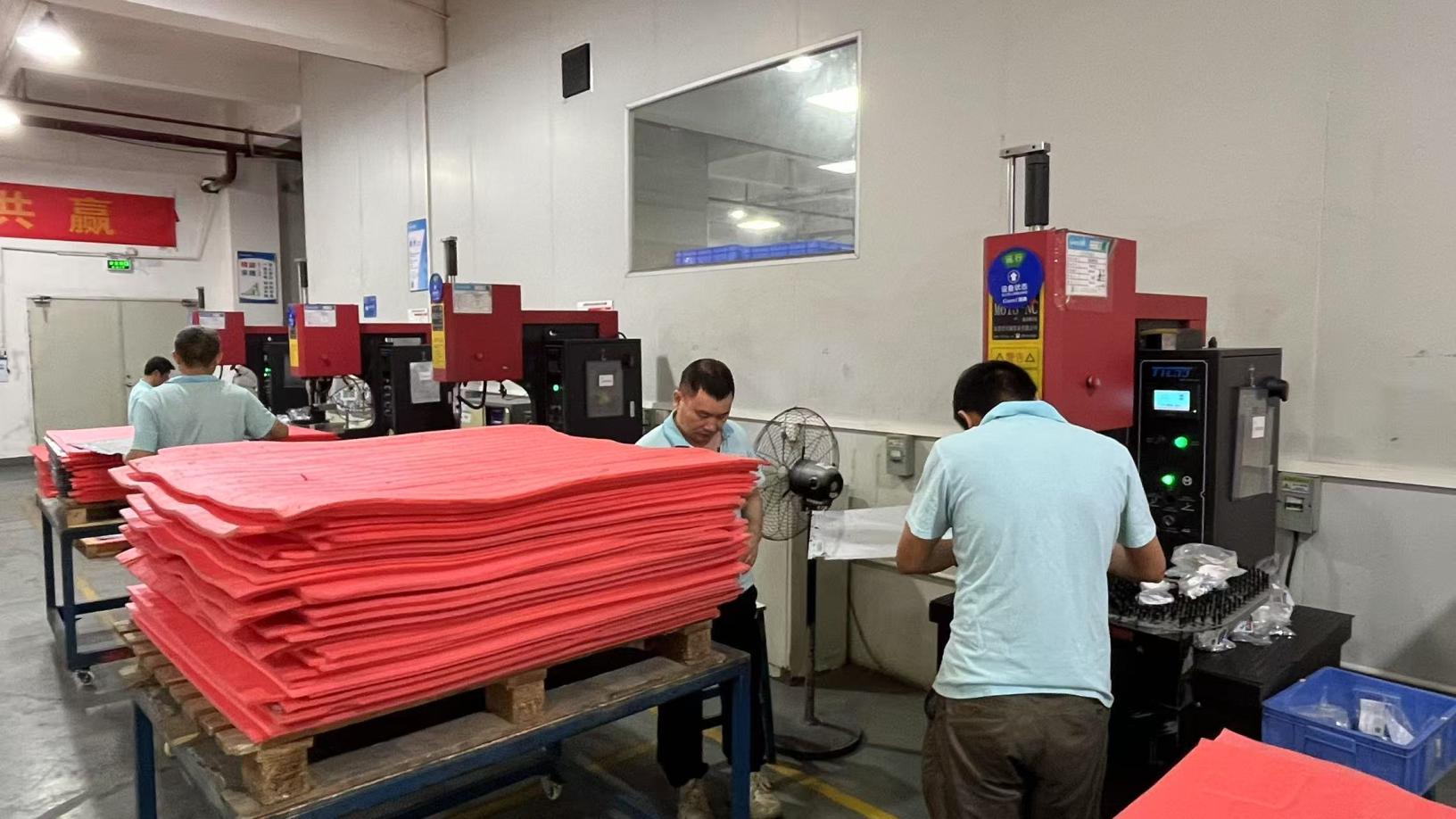
Industrial protective shock-absorbing export packaging safeguarding heavy integrated server systems during transit.
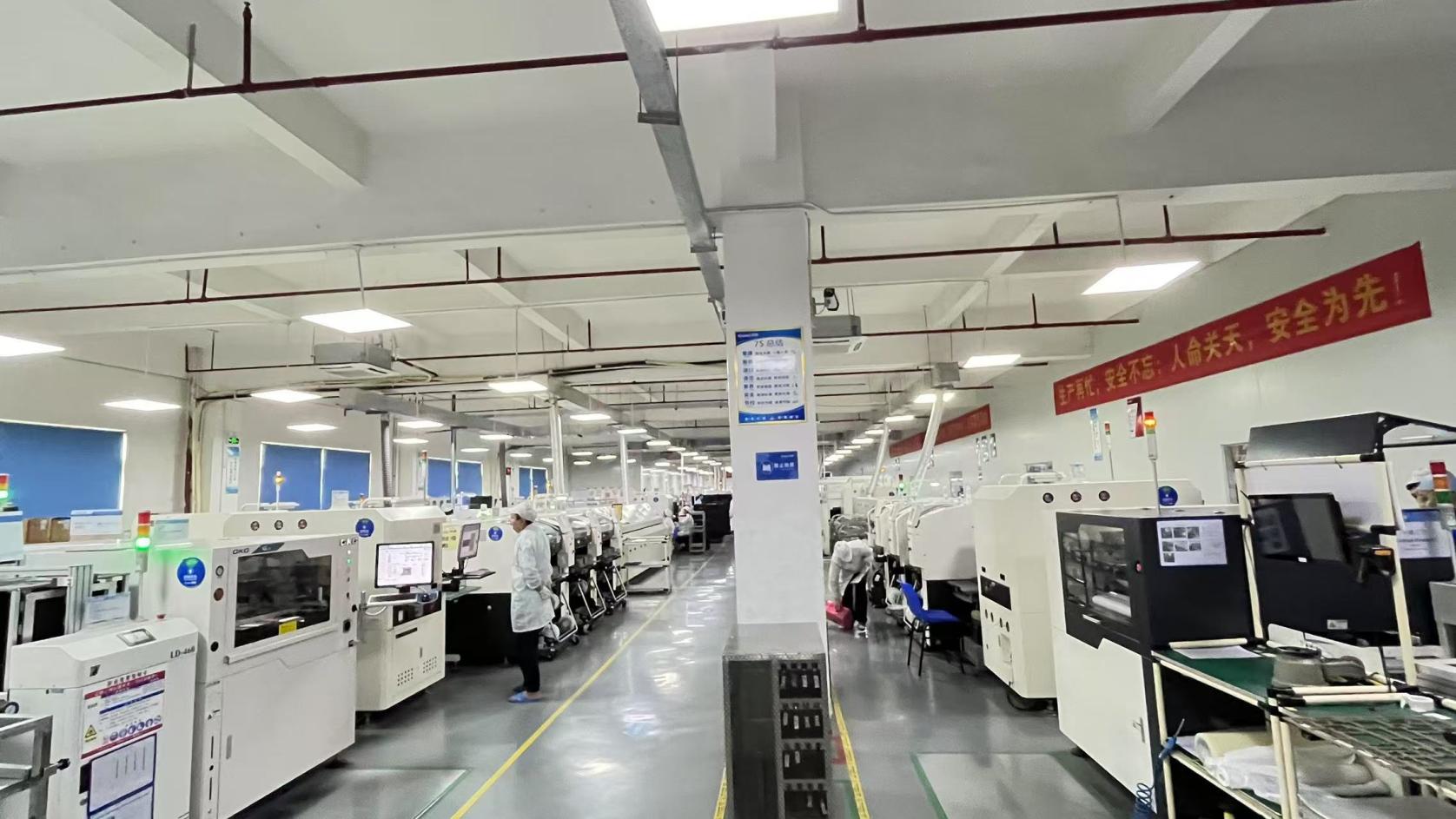
State-of-the-art automatic reflow soldering and surface placement machineries for controller hardware.
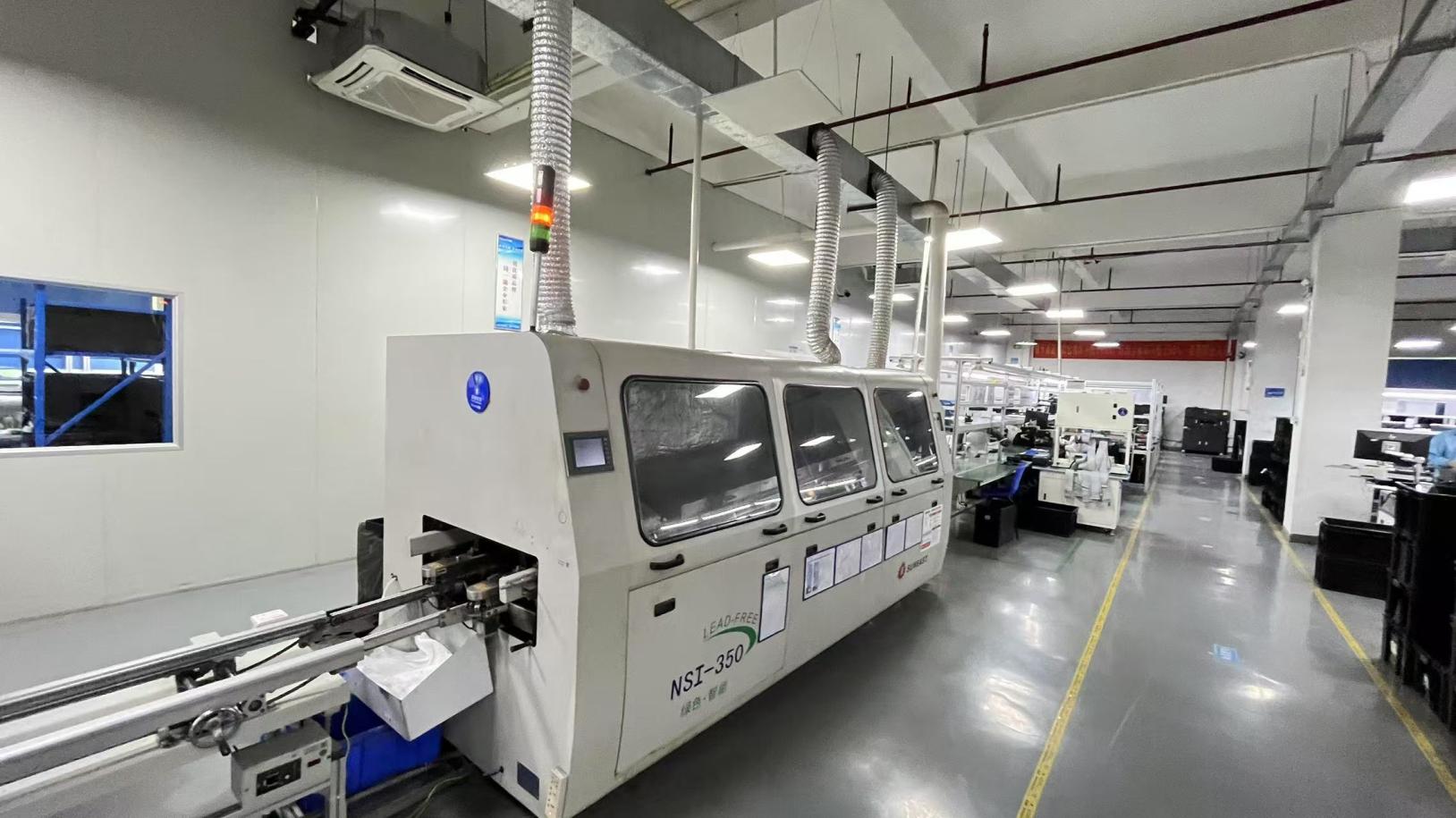
Controlled thermal profiles bond surface components with exceptional lead-free soldering joints.
Pneumatically-driven structural rivet tooling locks heavy metal panels into a monolithic chassis framework.
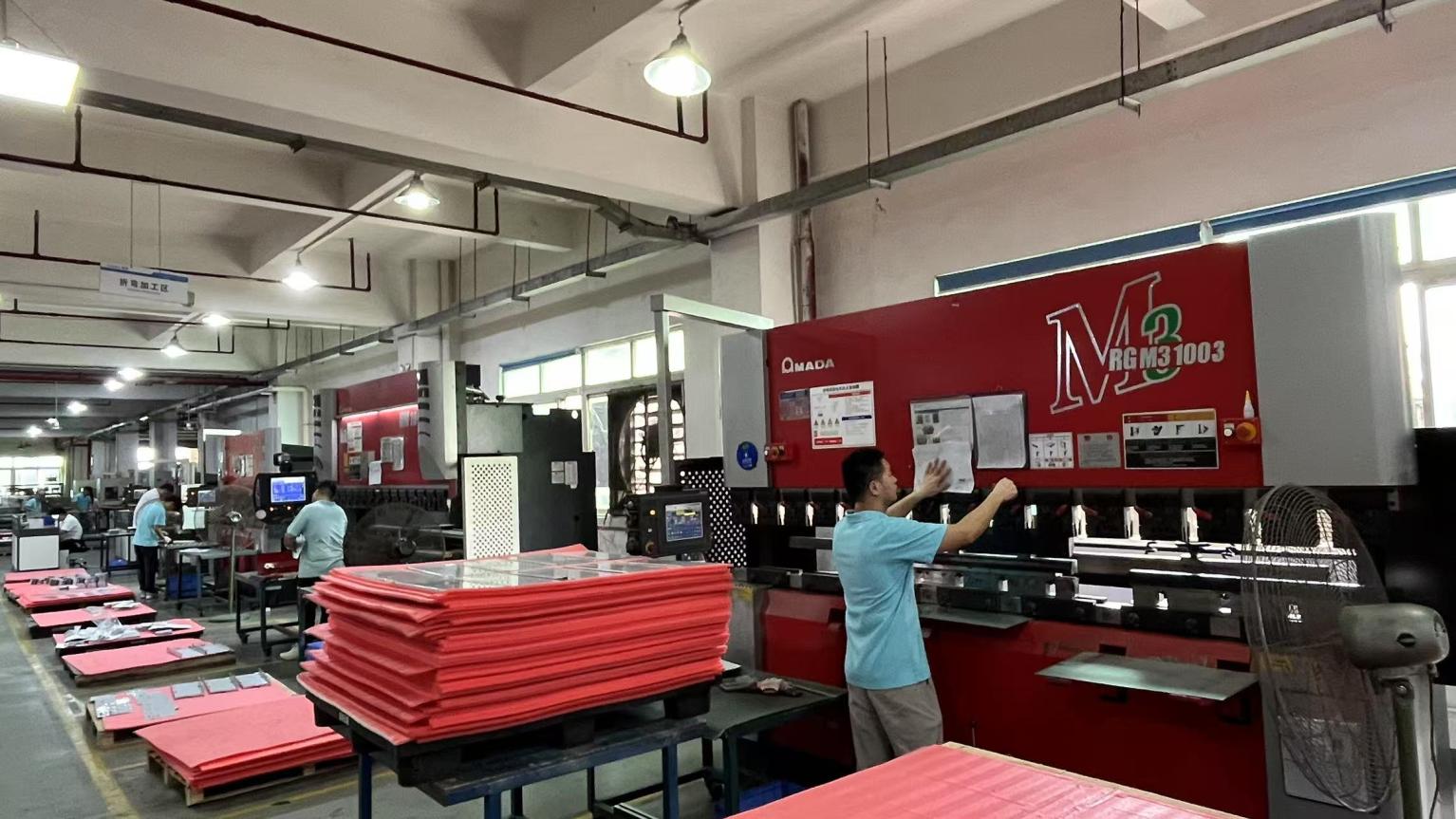
Hydraulic press brakes bend complex profile rails and cable routing ducts with consistent dimensional integrity.

Precision multi-axis automated clamping station aligning sheet metal for rapid structural integrity assembly.
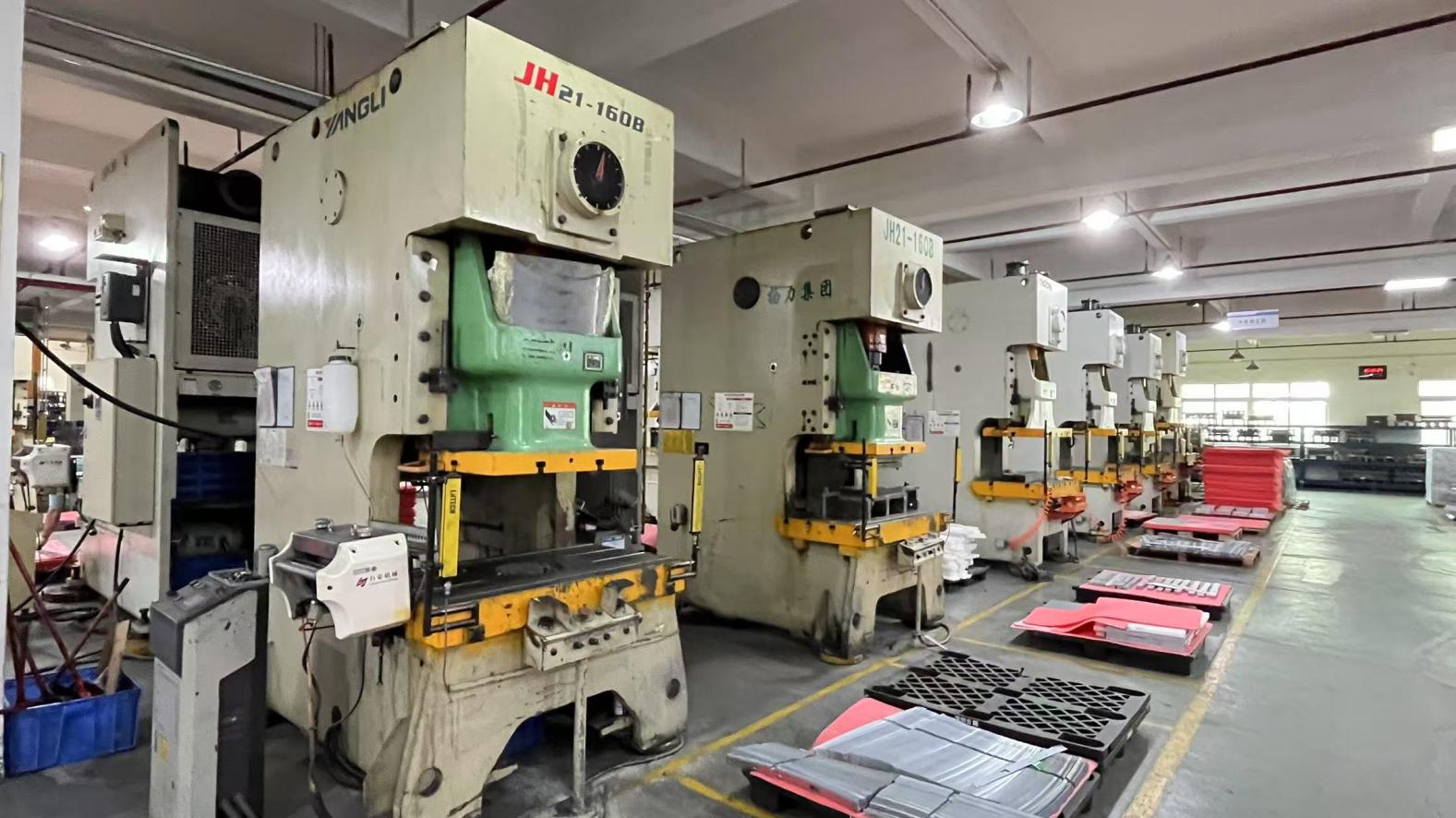
Continuous heavy sheet perforation process to structure ventilation profiles and unit (U) mounting interfaces.
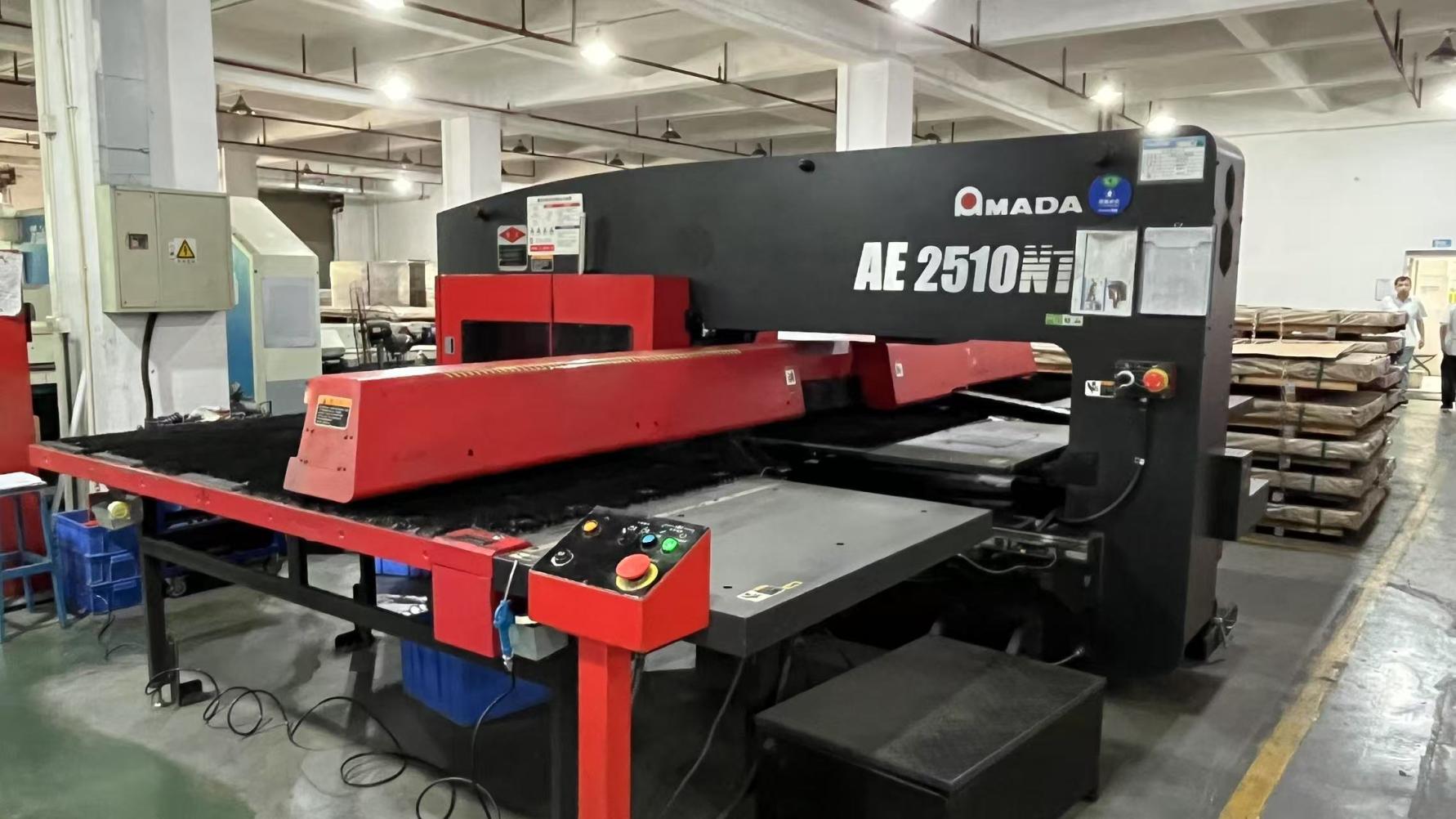
CNC fiber laser machinery allowing customized perforation grids and bespoke customer branding cuts.
A rigorous quality assurance environment managed by 45 dedicated QC personnel to guarantee structural and thermal reliability.
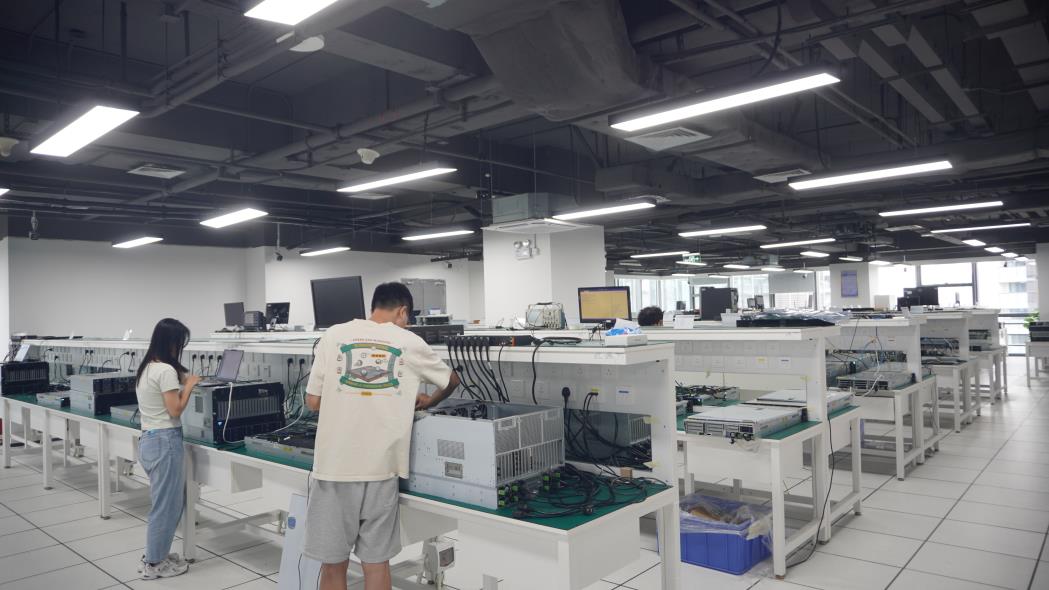
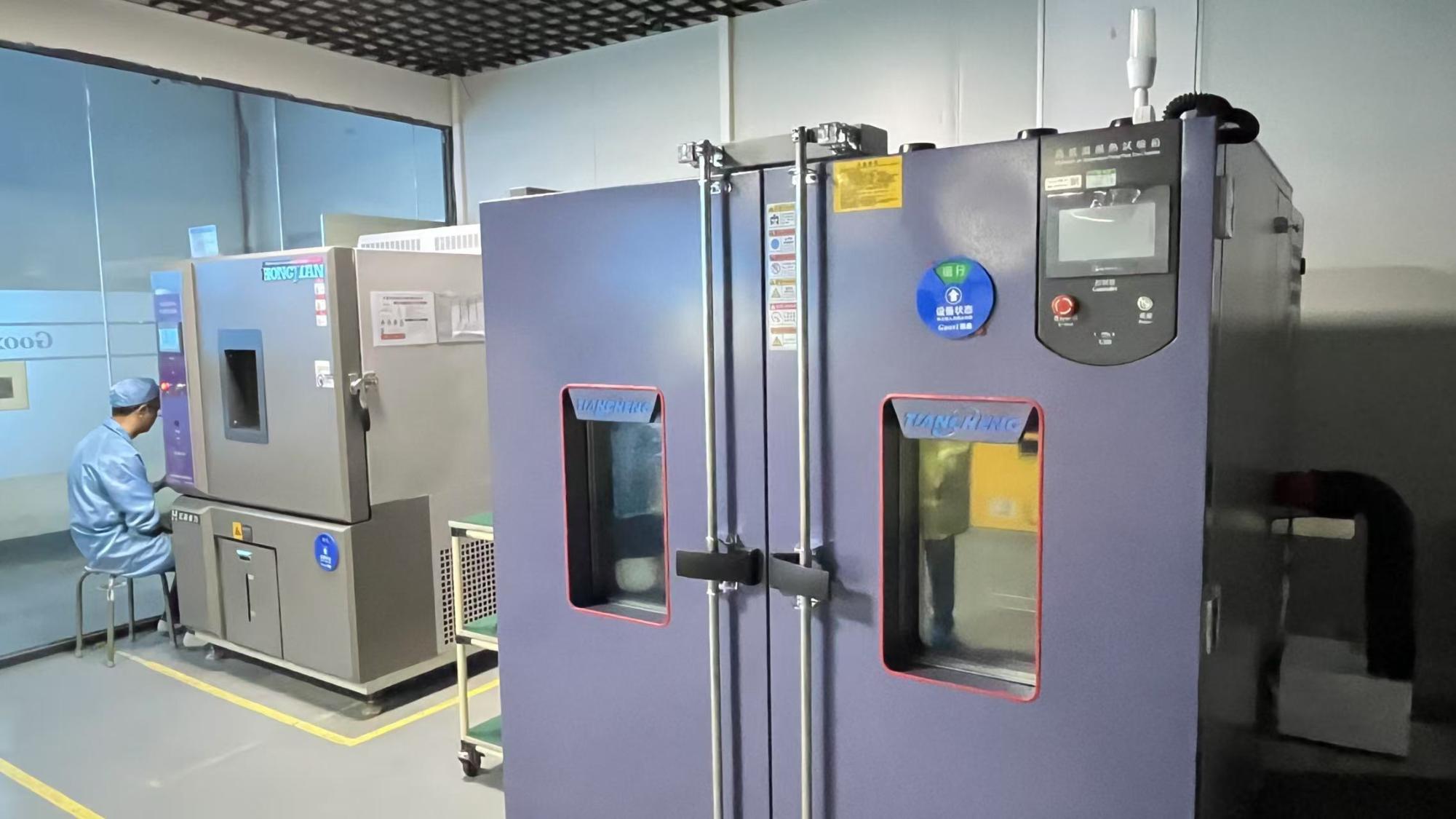
Assesses operational reliability under simulated temperature and humidity conditions.
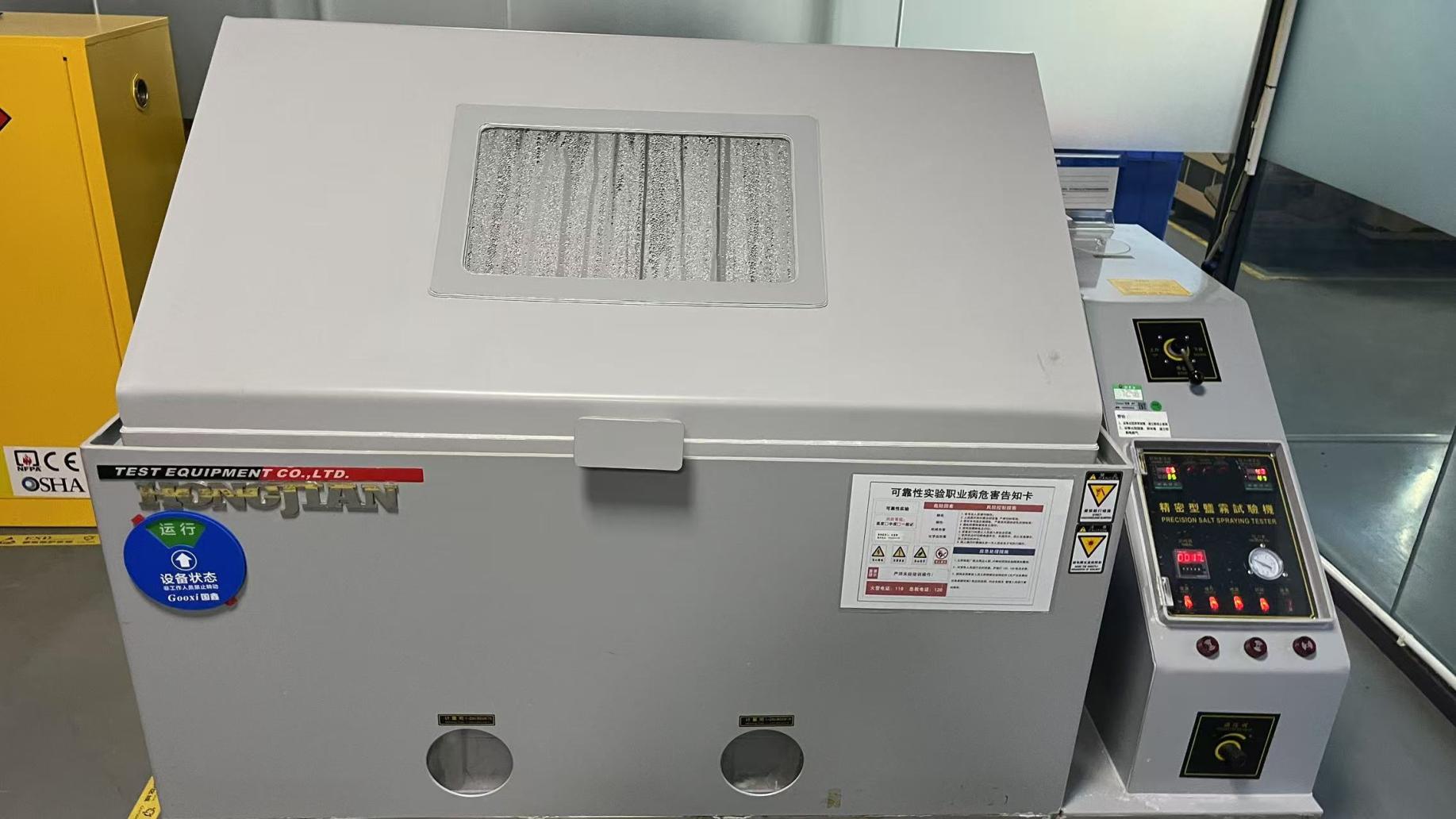
Validates surface coatings against atmospheric corrosion and oxidation.
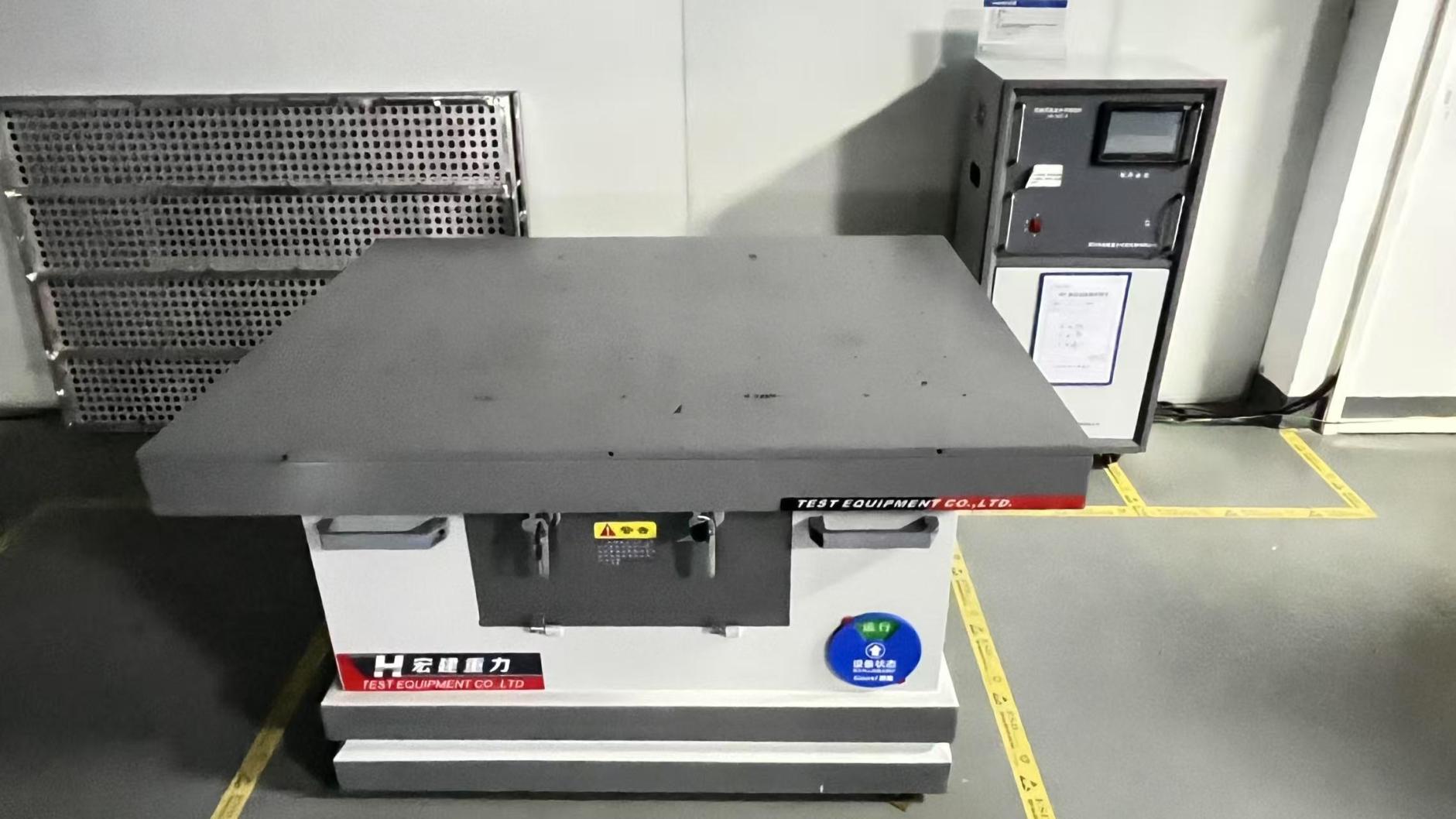
Simulates long-haul shipping conditions to ensure joint stability.
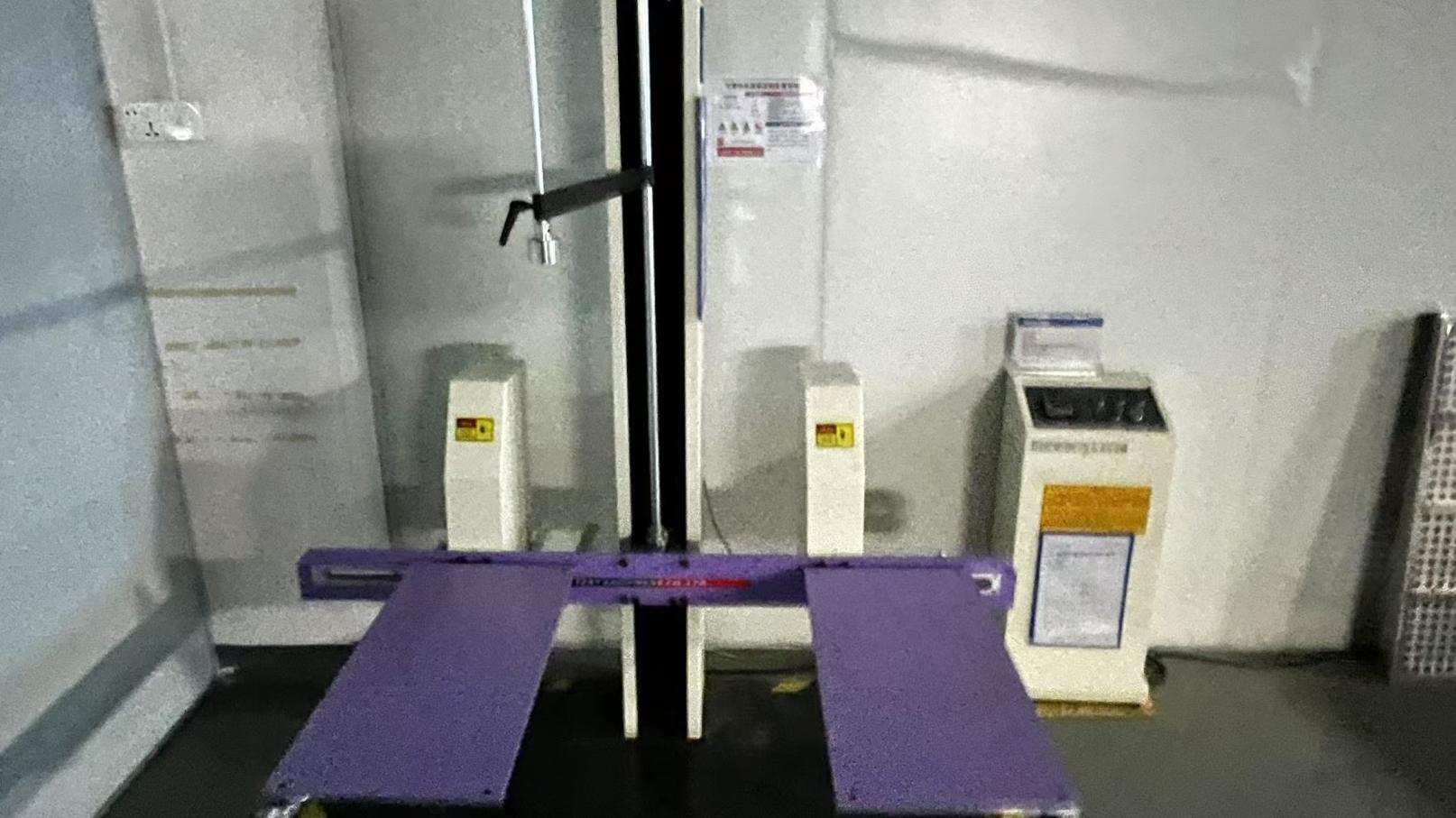
Ensures our heavy-duty packaging stands up to warehouse drop incidents.
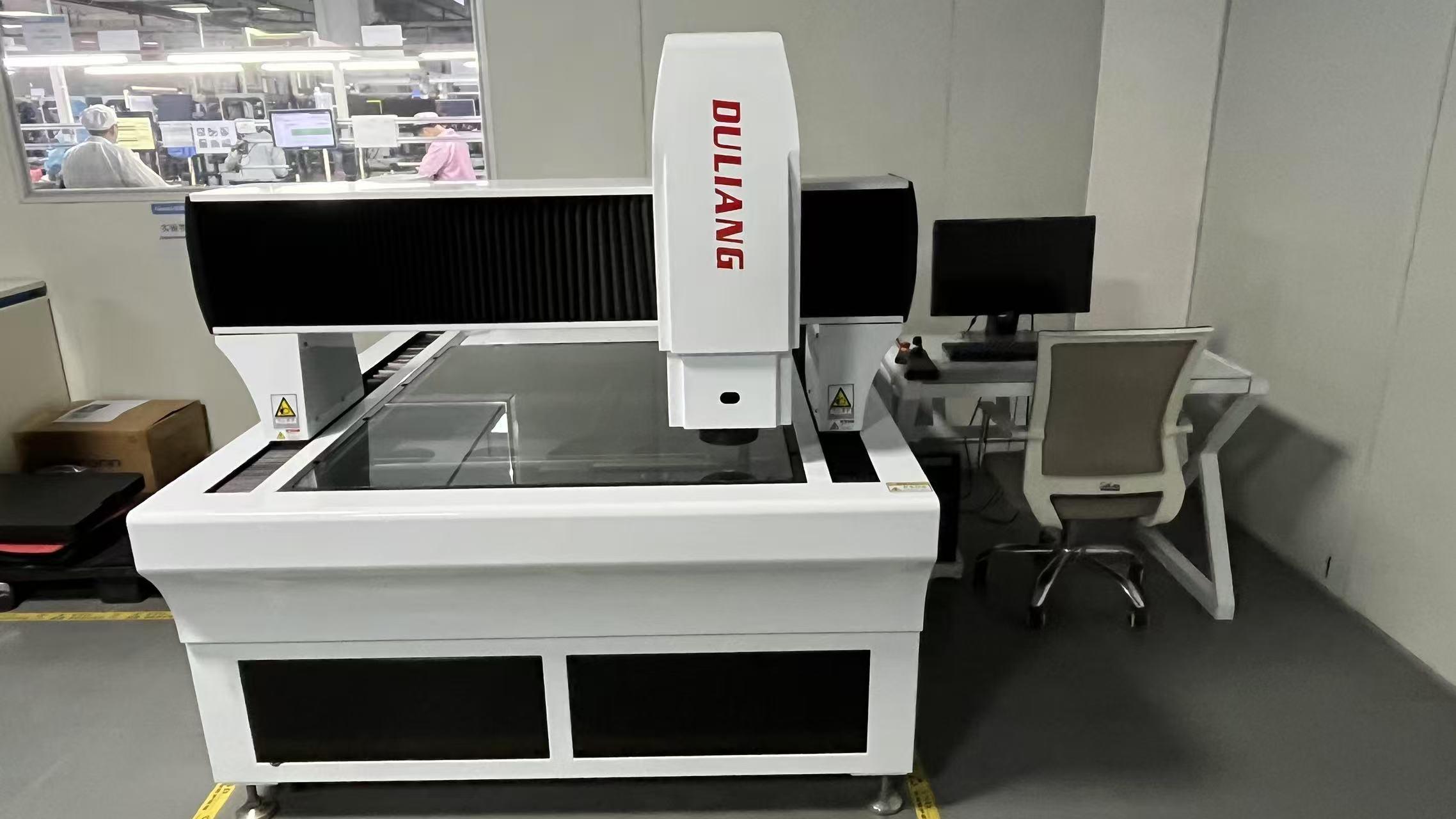
Enforces precise component dimensioning for hardware alignment.
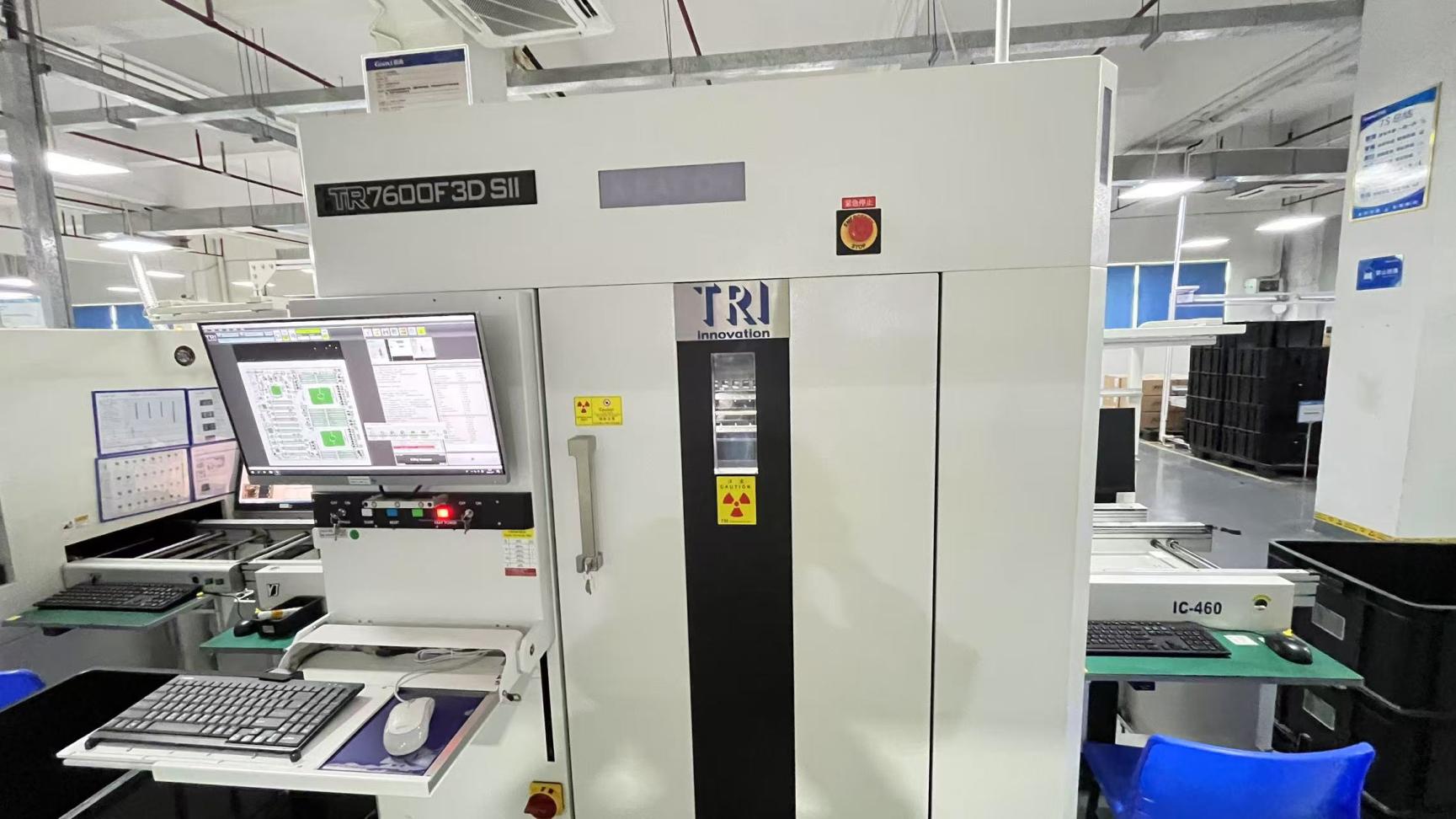
Inspects internal layer tracks and micro-solder connections.
Selecting the correct rack architecture requires understanding critical mechanics, metallurgy, thermal physics, and spatial layouts. As high-density accelerators and AI multi-GPU nodes deploy at scale, standard office server cabinets are no longer viable. Below, we break down the engineering parameters crucial for modern facilities.
Modern computing units can weigh up to 35kg to 50kg per 4U system. Fully populated 42U or 47U cabinets routinely hold static loads exceeding 1200kg. To prevent metal fatigue and deformation, server rack frames must use premium-grade SPCC cold-rolled steel. The thickness of the vertical mounting rails is critical. We build with 2.0mm thickness, while side panels and structural frame welds feature 1.2mm to 1.5mm steel. This structural profile guarantees dynamic load integrity during relocation or transport with integrated equipment.
For standard air-cooled datacenters, server heat dissipation depends on front-to-back pressure differentials. To minimize fan power draw and prevent hotspotting, cabinet doors require a high perforation ratio. Industrial standards demand a minimum of 75% open-area perforation on front and rear doors. Standard options include hexagonal honeycomb perforation arrays which maximize air volume exchange. In high-density settings, hot/cold aisle containment systems use blind panels and vertical gaskets to seal unused rack space, preventing hot exhaust from recirculating into the cold air intake.
When server power consumption exceeds 35kW per rack, air cooling systems hit their physical limit. Direct-to-chip (D2C) liquid cooling addresses this by routing coolant directly to the CPU and GPU cold plates. Racks must be customized to accommodate liquid cooling manifolds along the vertical channels. These manifolds require high-grade stainless steel construction and dry-break quick couplings to prevent leaks. The bottom structure of the rack must also feature integrated collection pans and leak sensors that feed warning signals to the building management system (BMS).
AI servers require high-amperage power delivery. Racks must support dual vertical 0U PDUs (Power Distribution Units) with 3-phase power, delivering up to 22kW to 40kW per cabinet. Intelligent PDUs allow remote power monitoring, outlet-level switching, and environmental sensor integration, enabling real-time efficiency tuning and capacity planning.

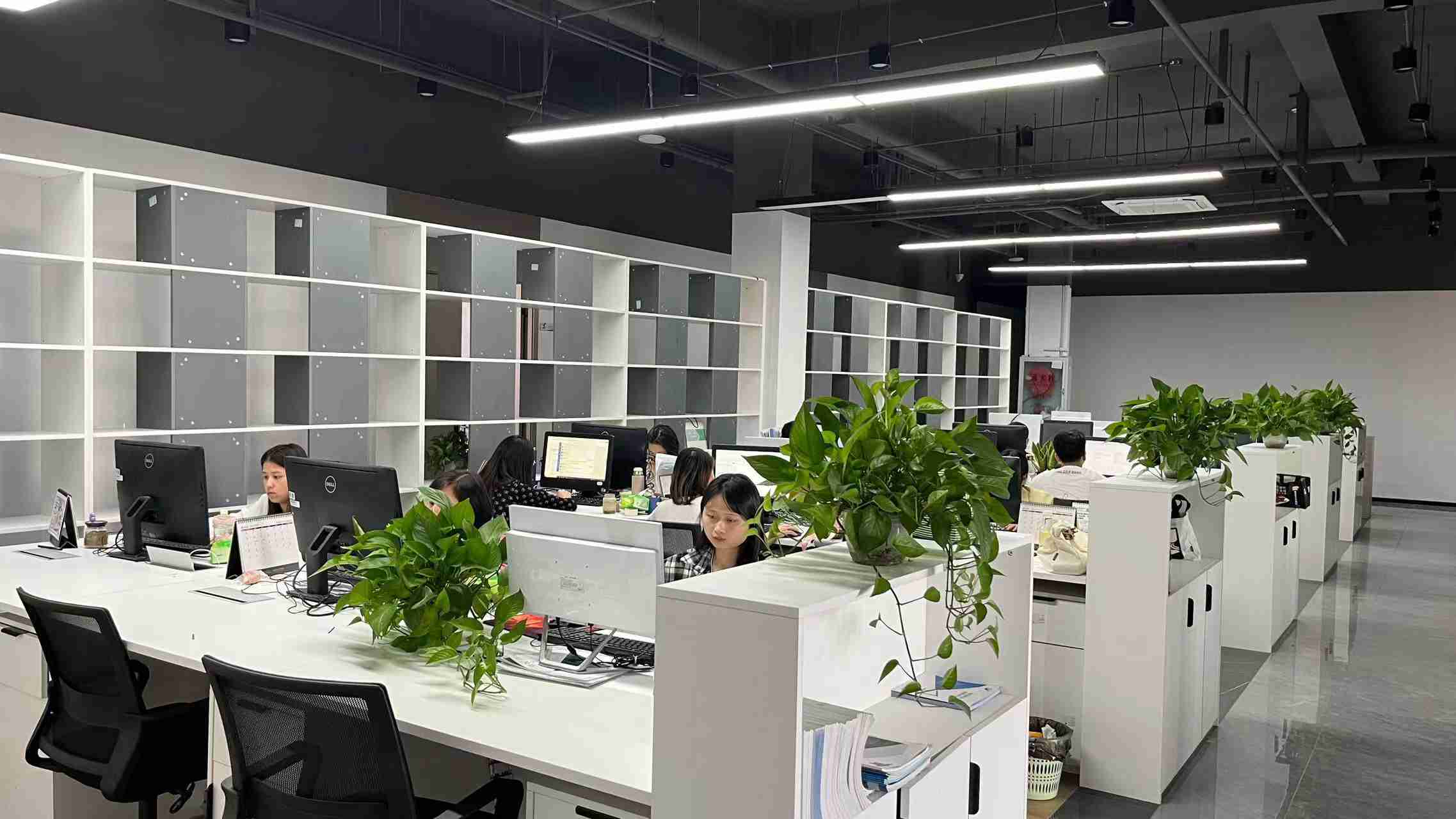
At ZhiCloud AI, we provide end-to-end B2B customization, adapting rack structures and hardware nodes to meet our clients' target specifications. Our R&D engineering team designs custom sheet metal configurations, bespoke mounting layouts, and cooling adaptations to fit proprietary server designs.
Our OEM/ODM services cover:
All integrated cabinets are shipped using specialized shock-absorbent shipping bases and heavy-duty, multi-layered wooden crates, ensuring systems arrive at your data center ready to plug and play.
Providing compliant and thoroughly tested hardware for North American, European, and Middle Eastern enterprise networks.
ZhiCloud AI is committed to supplying server rack infrastructure and system nodes that comply with international safety, environmental, and performance standards. Our production facilities maintain rigorous quality control checkpoints, from raw sheet metal inspection to finished system integration.
Our hardware conforms to major international guidelines, including:
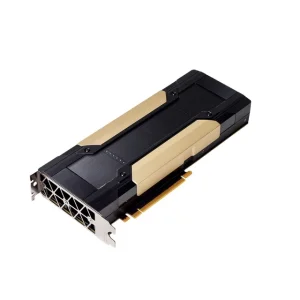
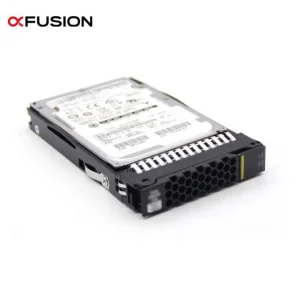
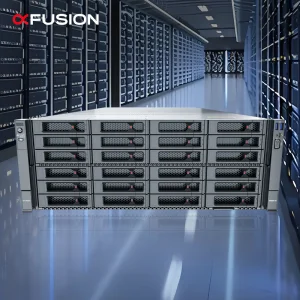
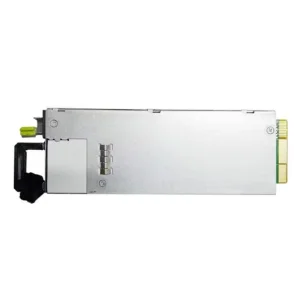
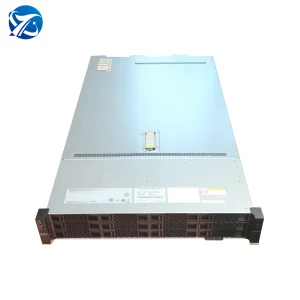
Premium server additions and high-performance components designed to complete and scale your rack deployments.
Key technical answers for procurement directors, data center architects, and hardware sourcing professionals.