ZhiCloud AI
ZhiCloud AI
ZhiCloud AI
Deploy enterprise-grade servers engineered for intensive quantum simulation pipelines, complex DeepSeek AI model parameters, and raw GPGPU processing.
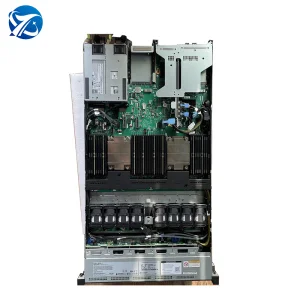
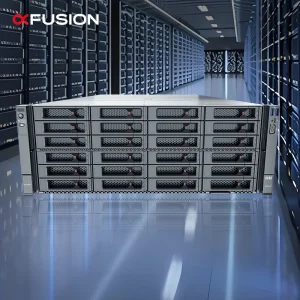
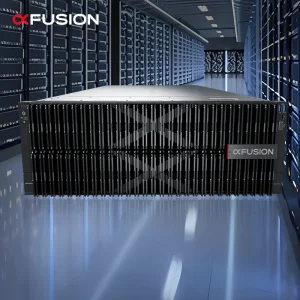
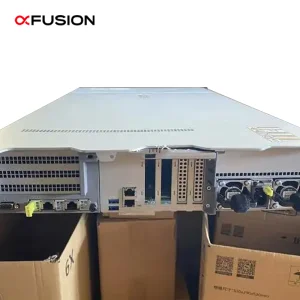
In the transition from traditional von Neumann computing models to the quantum supremacy epoch, Shenzhen Intelligent Computing Cloud Technology Co., Ltd. (ZhiCloud AI) sits at the absolute intersection of high-density hardware execution and theoretical simulation logic. Founded in 2016, our primary engineering trajectory focuses on providing high-performance computing (HPC) nodes, advanced GPU clusters, and liquid-cooled quantum-simulation servers that empower global research institutions, AI startups, and heavy enterprise networks.
Our operation scale highlights our commitment to solid, high-reliability logistics and specialized systems integration. With 11 years of structural industry experience in complex server topology and 7 years of direct global export history, we have cultivated a robust trade mechanism generating over USD 12 million in annual export revenue. ZhiCloud AI bridges the gap between state-of-the-art computational theories and physical deployment realities across North America, Europe, Southeast Asia, and the Middle East.
ZhiCloud AI doesn’t just ship boxes; we configure, optimize, and stress-test every silicon node to act as a hybrid classical-quantum interface. Classical GPU nodes are the computational backbone of modern quantum chemistry simulation. Our system engineering facilitates:
Physical quantum processing units (QPUs) require intensive classical infrastructure for signal decoding, correction, and algorithmic orchestration. Below are the primary deployment fields where our platforms act as the core compute engines.
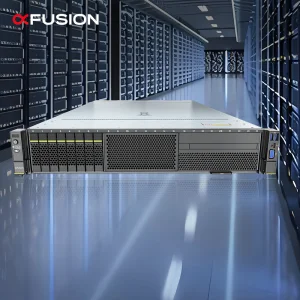
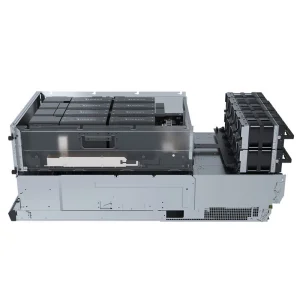
By simulating quantum mechanical properties on GPU clusters like the FusionServer 5288 V7, chemical and pharmaceutical companies bypass multi-million dollar synthesis cycles, modeling molecular orbitals and electronic configurations with absolute precision.
Global investment divisions utilize hybrid setups to execute Variational Quantum Eigensolvers (VQE). This enables real-time optimization of capital assets and precise computation of Value-at-Risk (VaR) under volatile, multi-variable environments.
Combinatorial optimization problems, such as fleet routing or supply network distribution structures, are mapped to Ising spin glasses. GPU nodes simulate quantum annealing properties to generate ultra-efficient logistic path patterns.
The roadmap for industrial quantum deployments indicates a clear path of co-dependency. We are currently in the **NISQ (Noisy Intermediate-Scale Quantum)** phase. True physical quantum chips lack the error correction rates needed to function independently. Therefore, the computational core remains a classical, high-capacity CPU/GPU platform acting as the primary host controller.
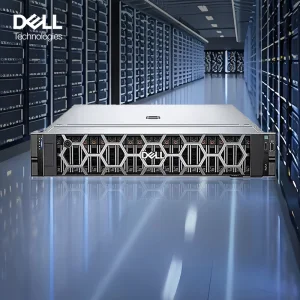
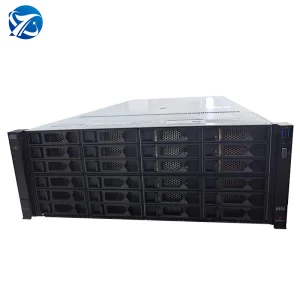
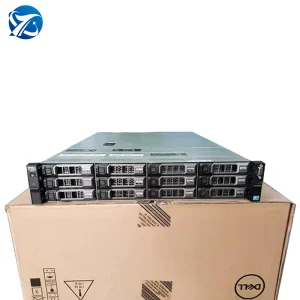
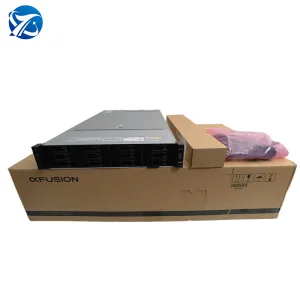
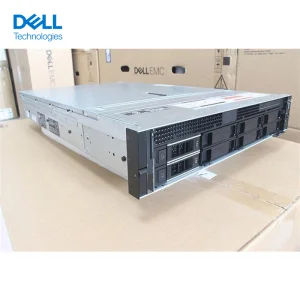
Our R&D team works extensively to streamline PCIe-bus routing, maximizing direct access memory bandwidth from high-performance GPU engines to experimental quantum control electronics. By integrating deep AI inference nodes (such as the Dell PowerEdge R760XD2 and the xFusion 2288H V6) into existing infrastructures, clients can run tensor networks that simulate up to 45 qubits in real-time. This provides an essential sandbox for validating algorithms before running them on physical superconducting or trapped-ion systems.
As we head toward 2030, ZhiCloud AI is optimizing liquid-cooling pipelines to simultaneously cool both classical high-density silicon and cryostat interfaces, preparing for the era of true room-temperature hybrid coprocessors.
| Phase / Milestone | Core Compute Infrastructure | Quantum Emulation Capability |
|---|---|---|
| Phase 1: Present Emulation | Ultra-high-density GPU Clusters (FusionServer G8600 V7) | 30 - 45 virtual qubits, complete state-vector simulation. |
| Phase 2: Hybrid Co-processing | Low-latency PCIe QPU + Host GPU Nodes | 50 - 150 physical qubits with classical error correction mitigation. |
| Phase 3: Fault-Tolerant Quantum | Cryo-linked GPU arrays with optical backplanes | 1,000+ logical qubits, full quantum supremacy execution. |
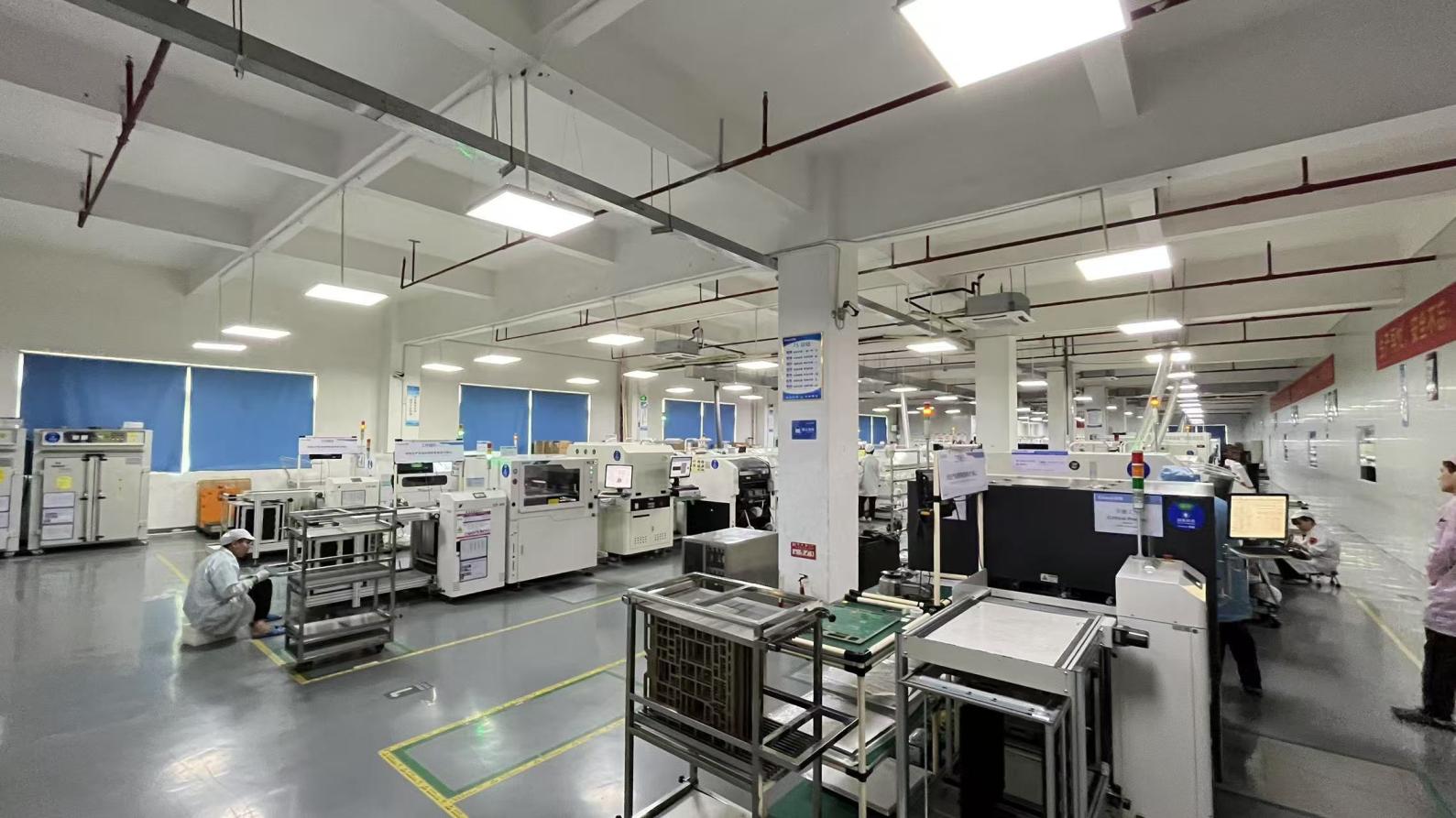
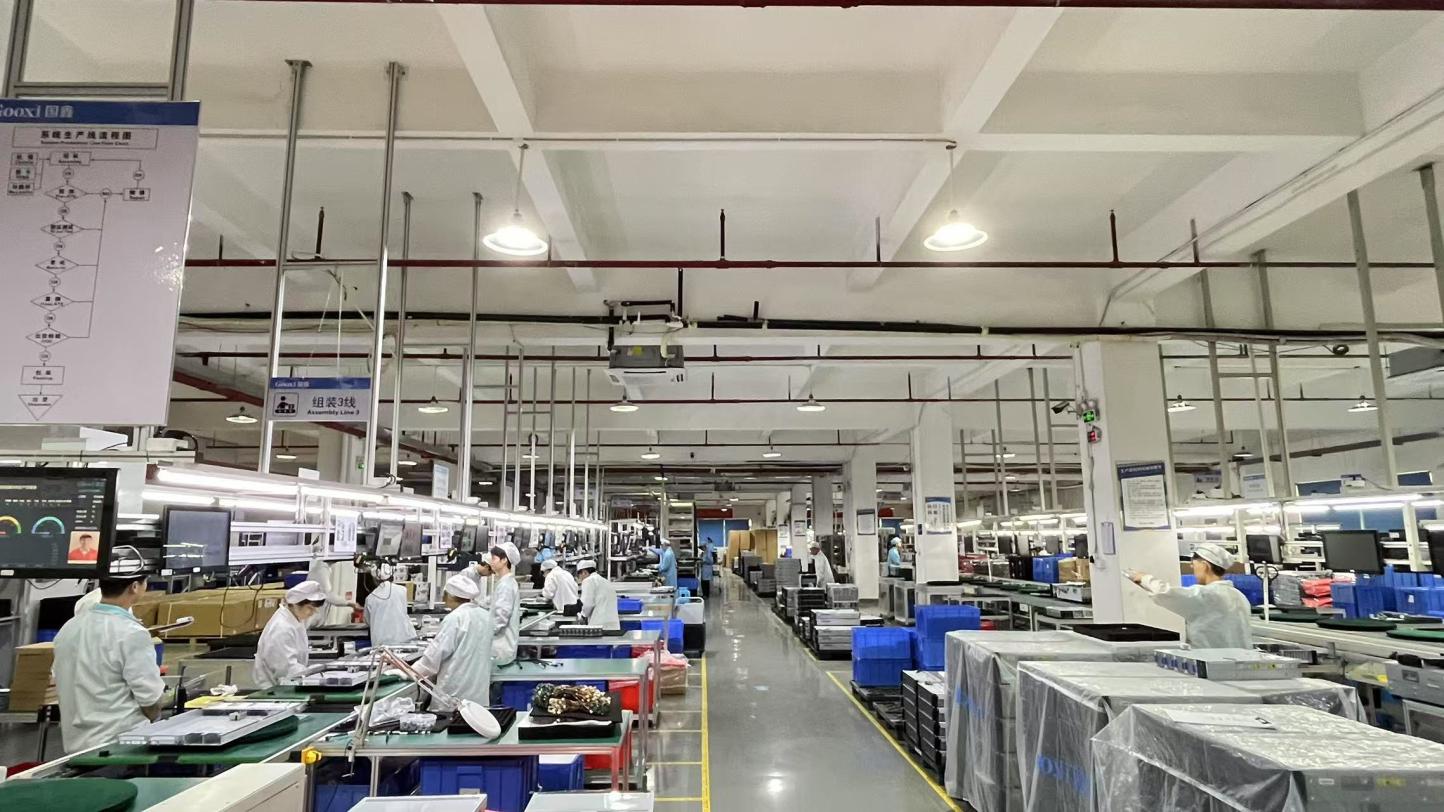
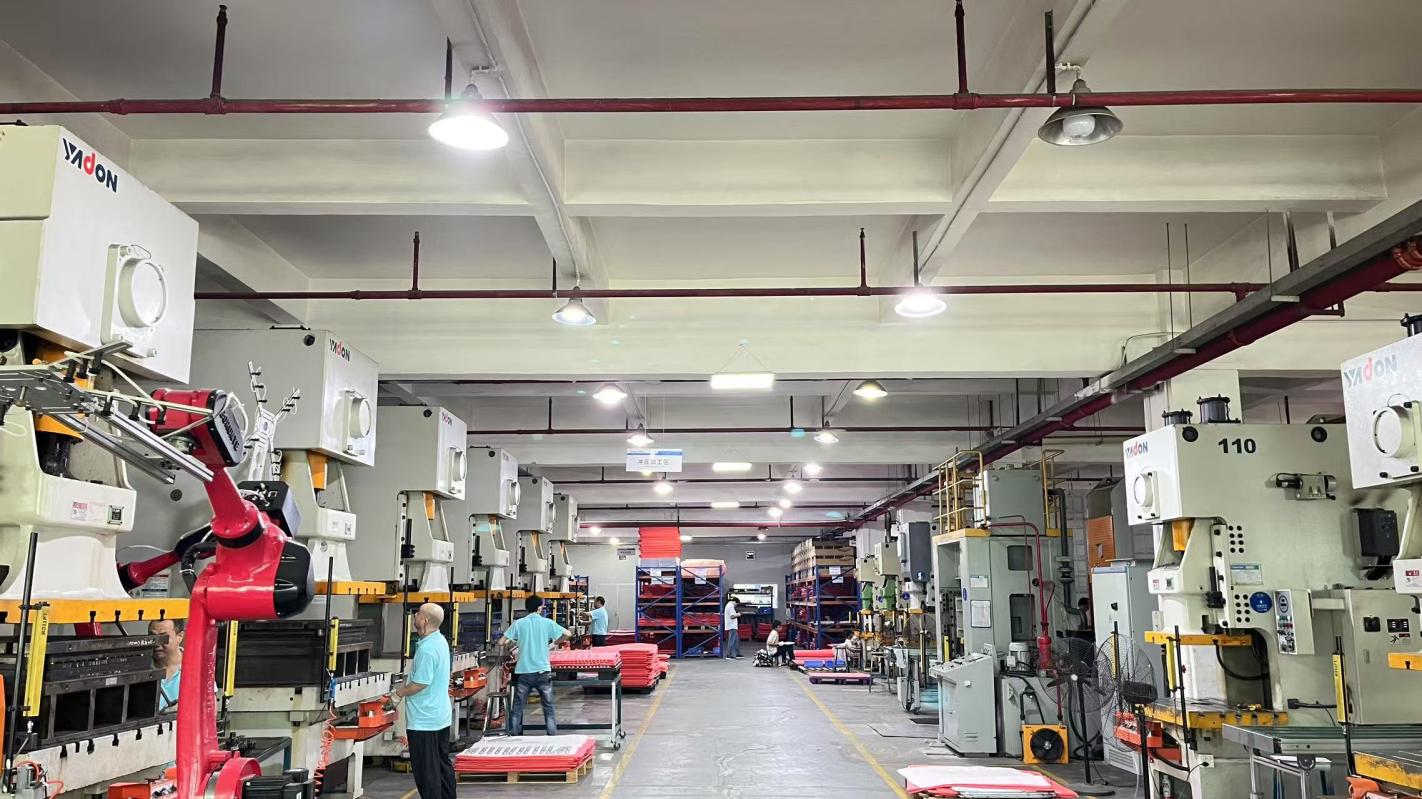
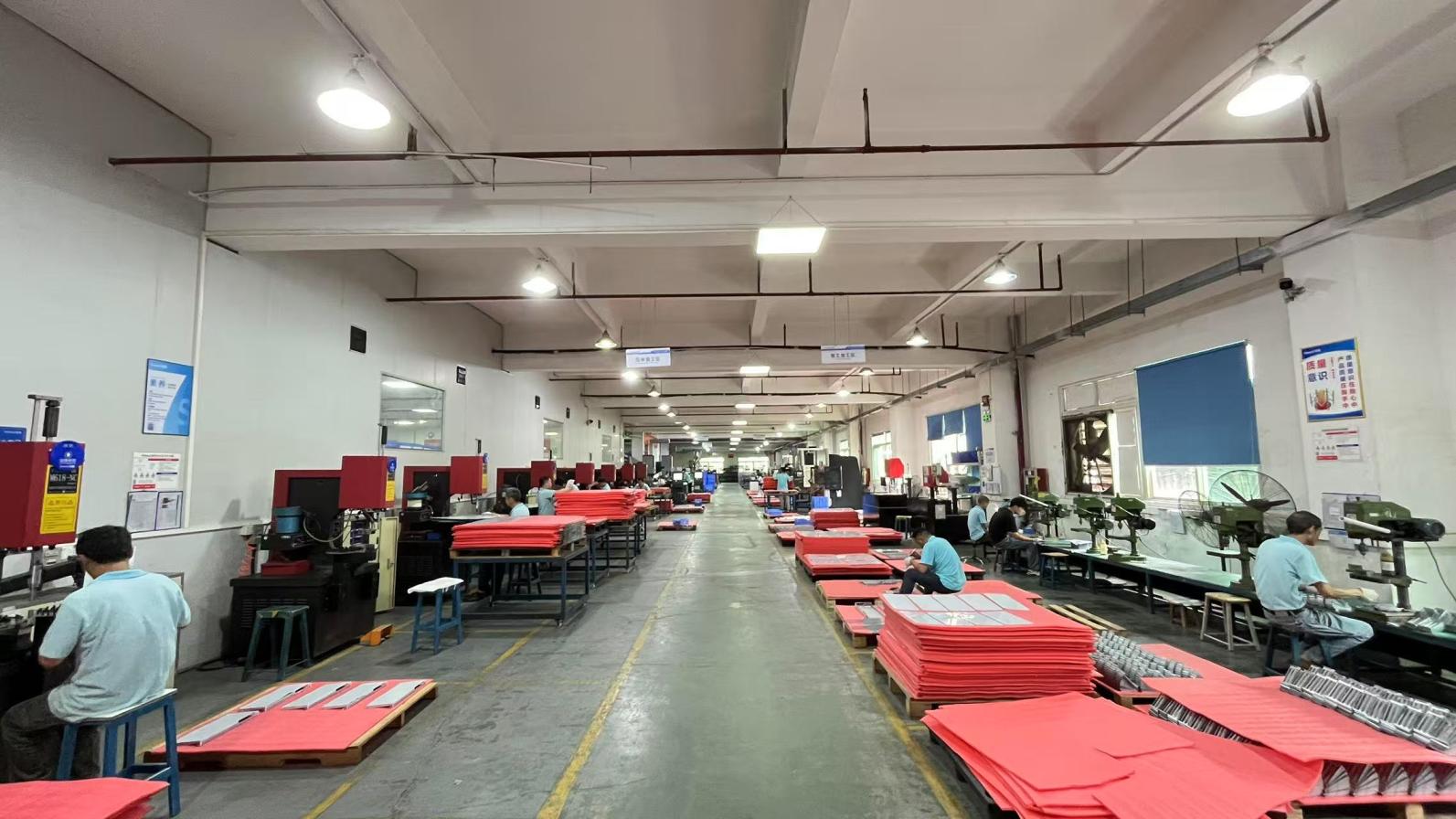
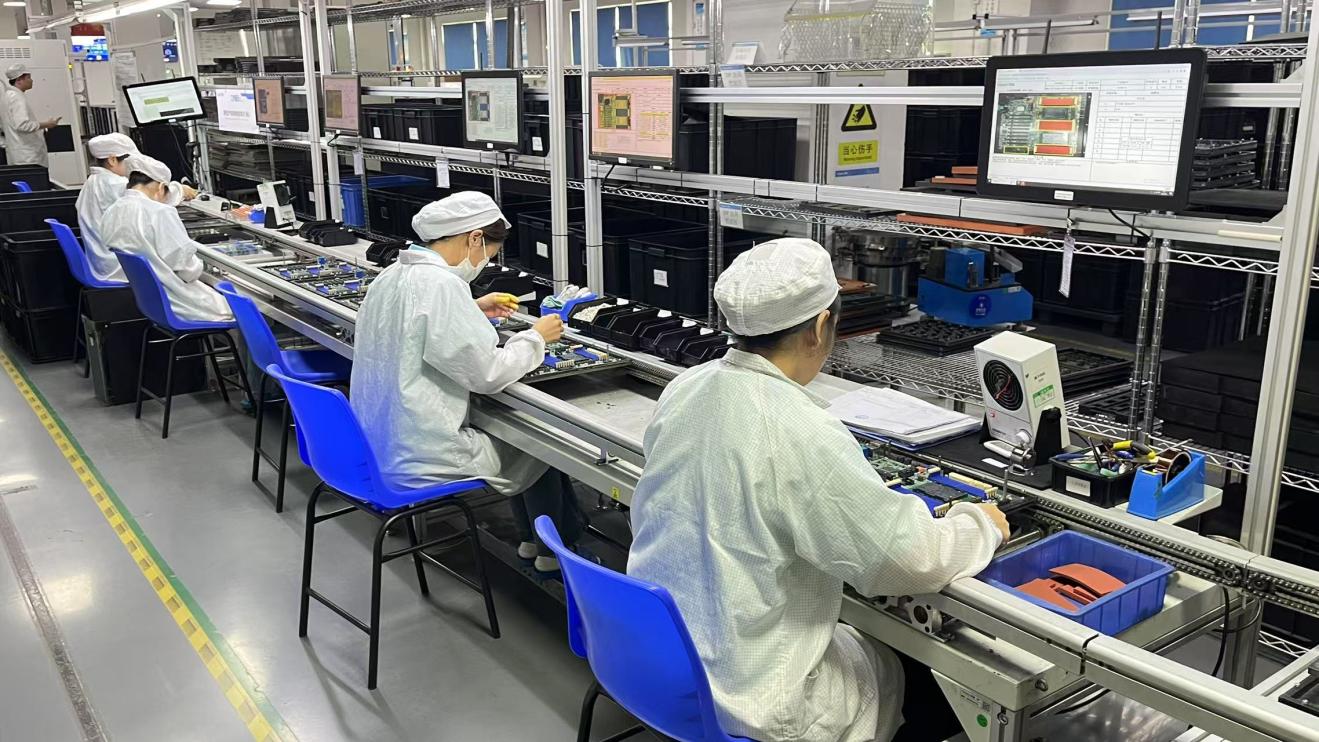
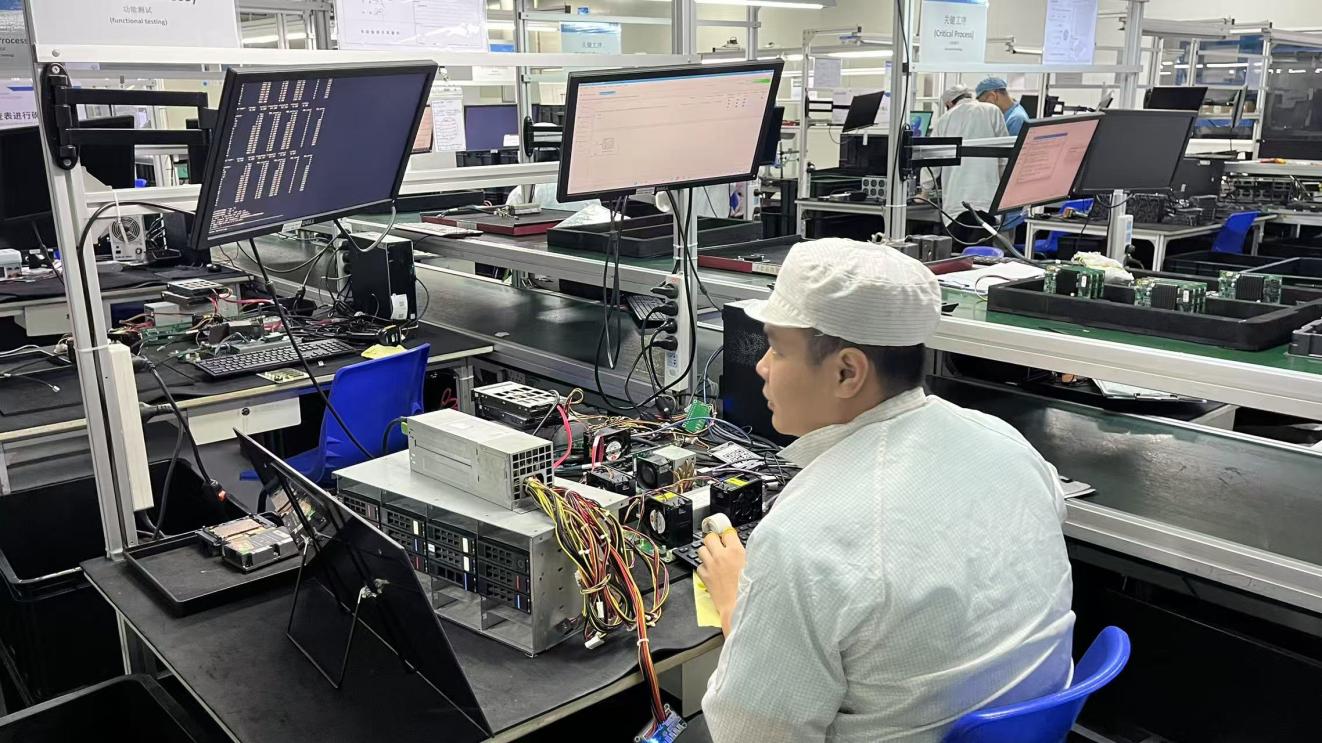
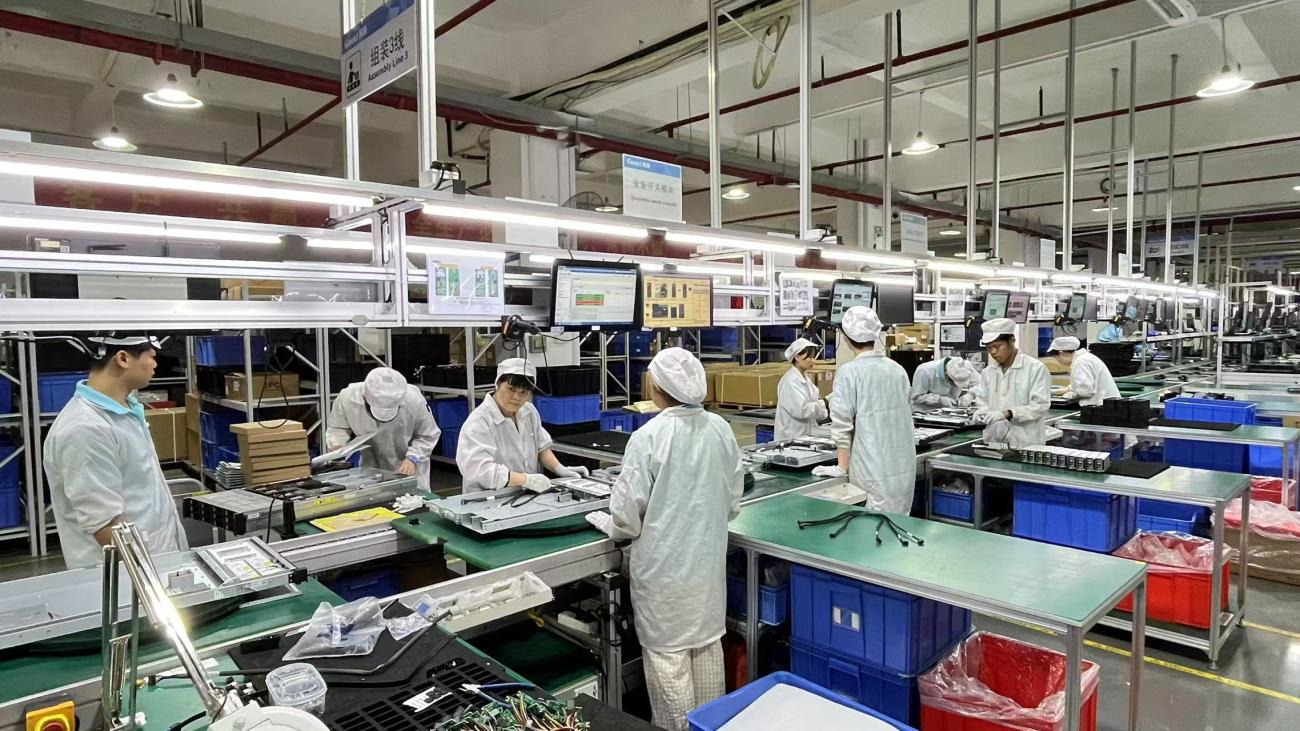
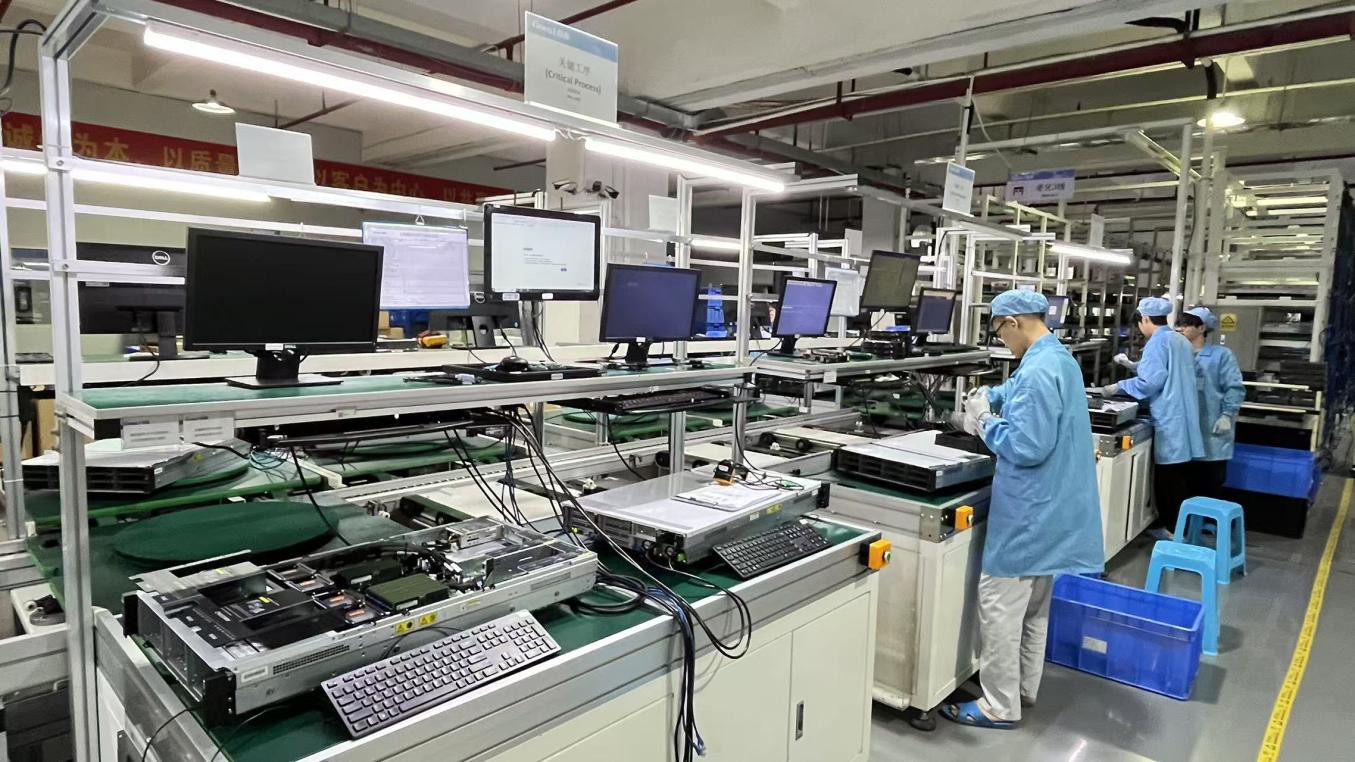
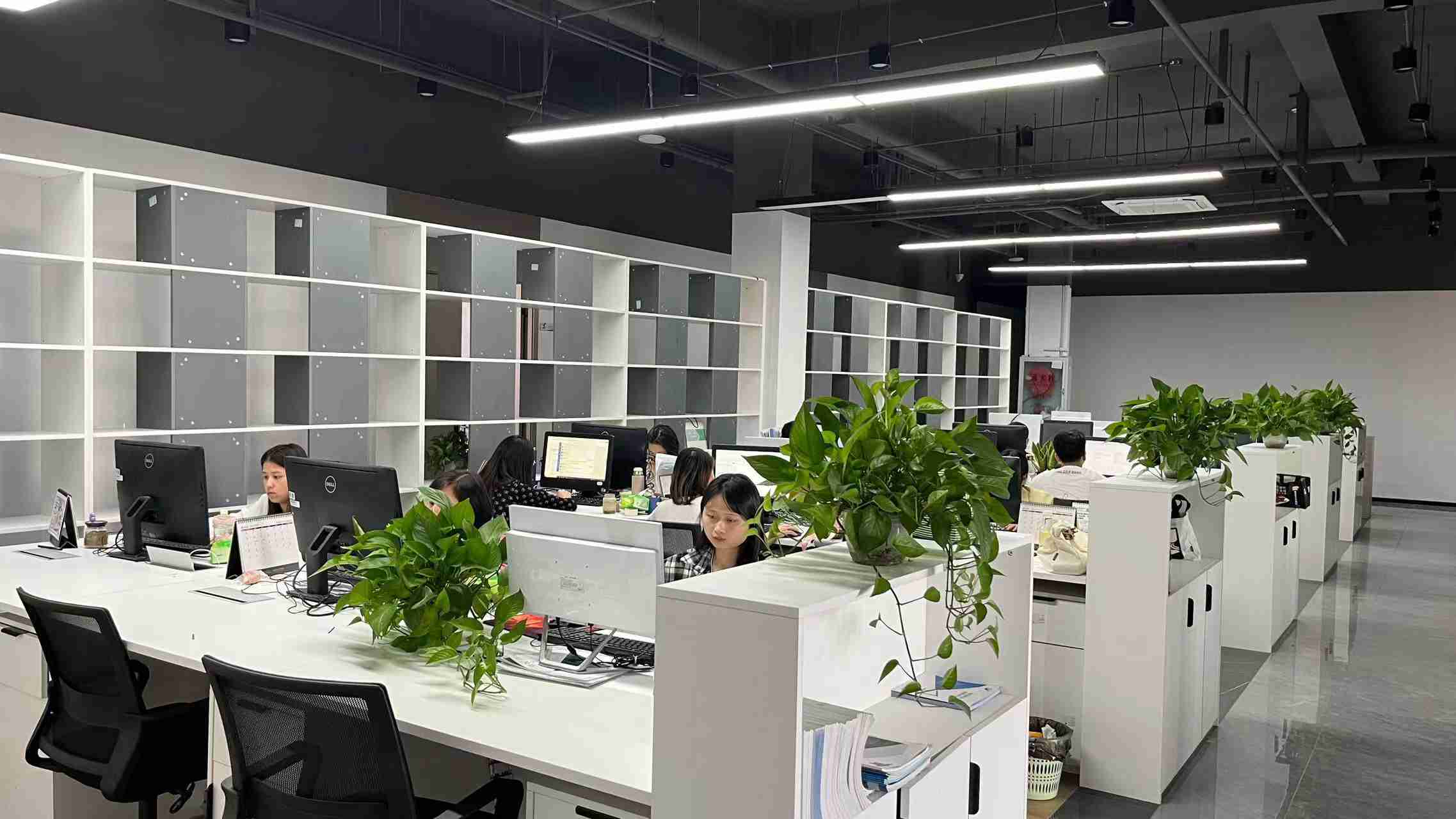
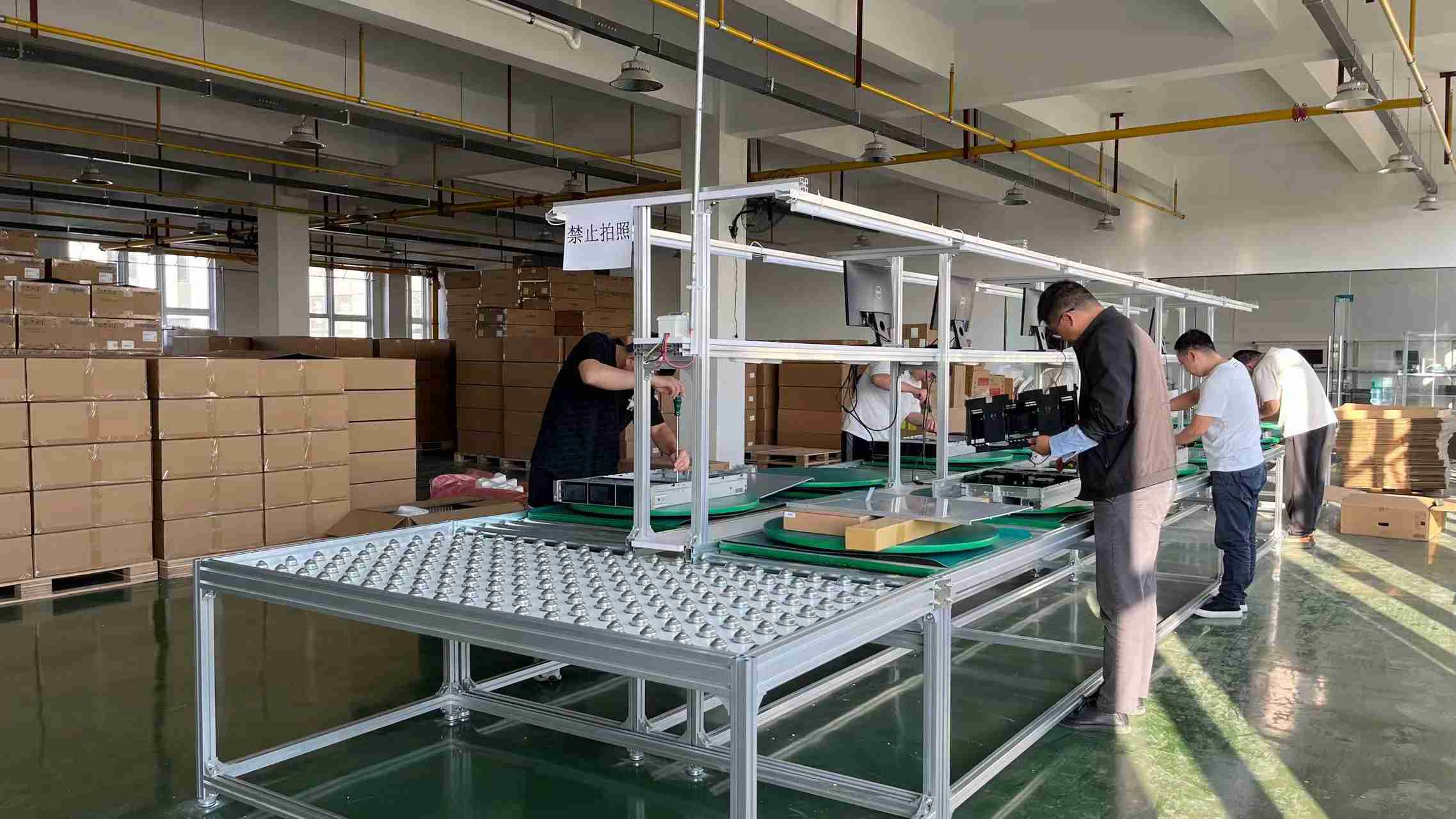
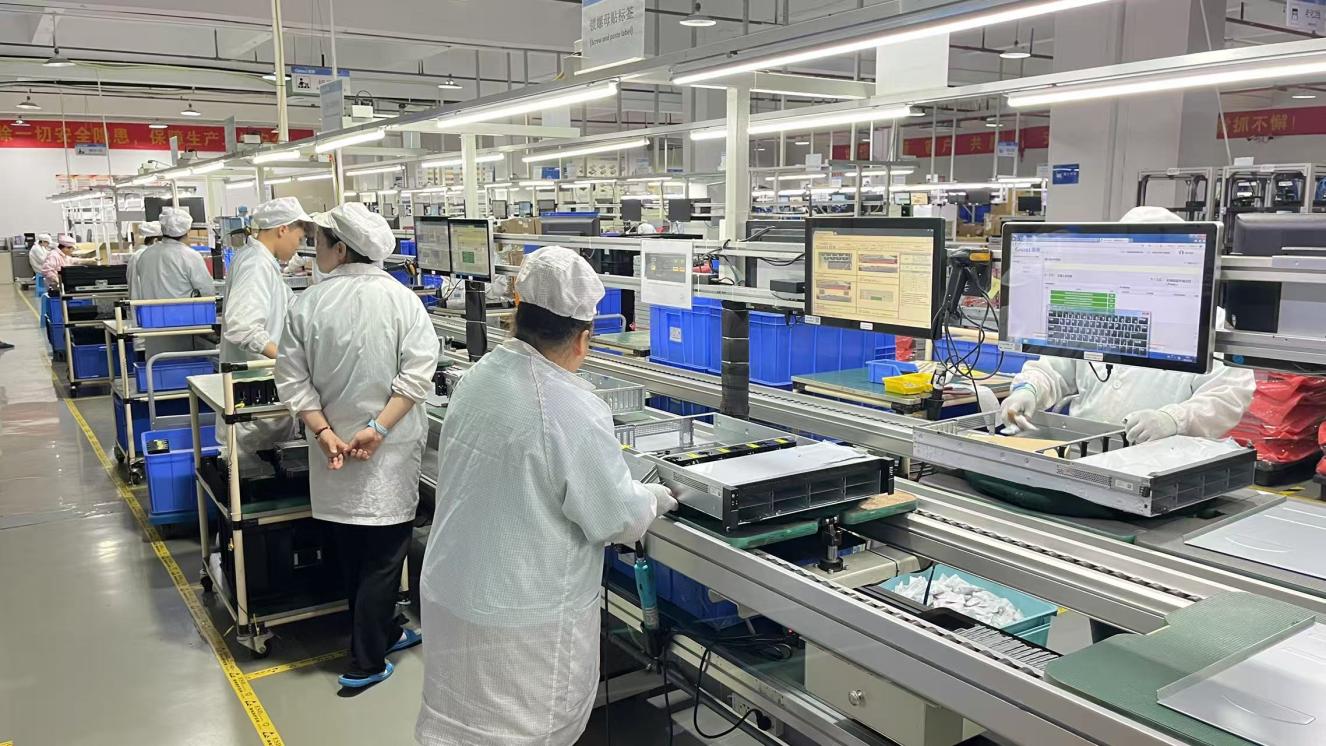
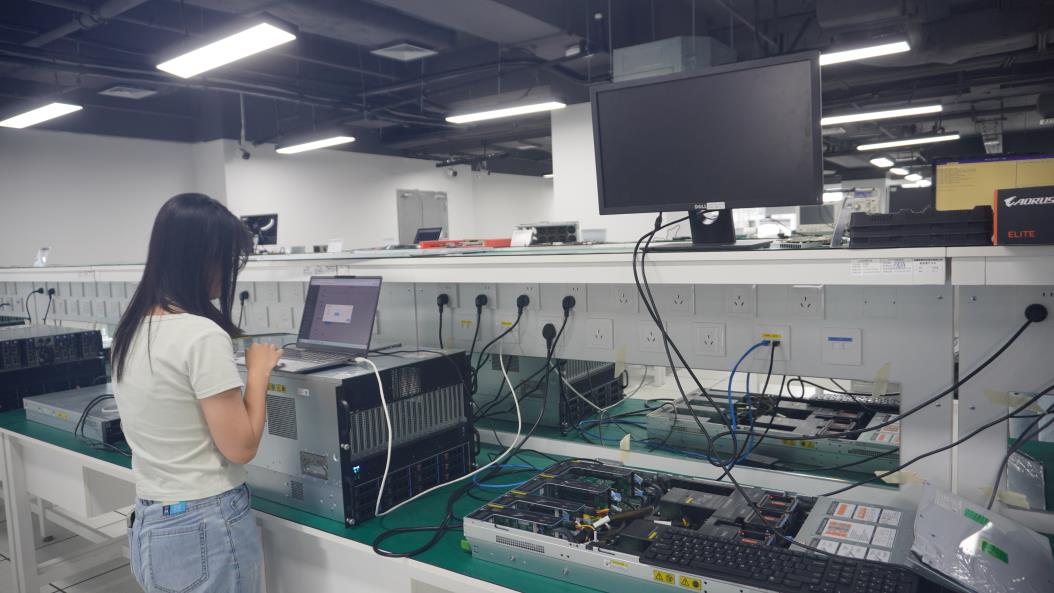
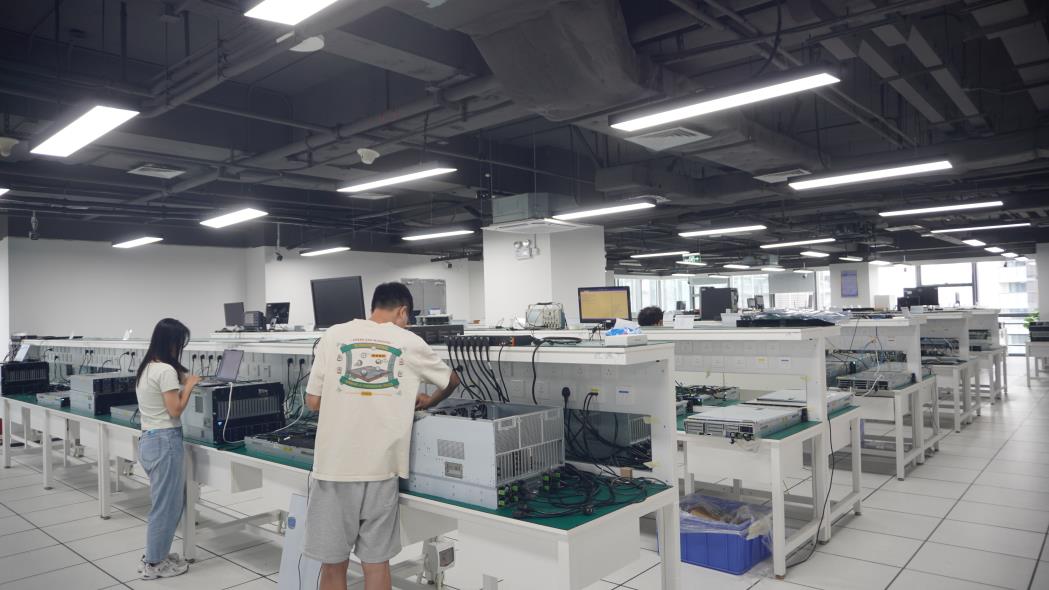
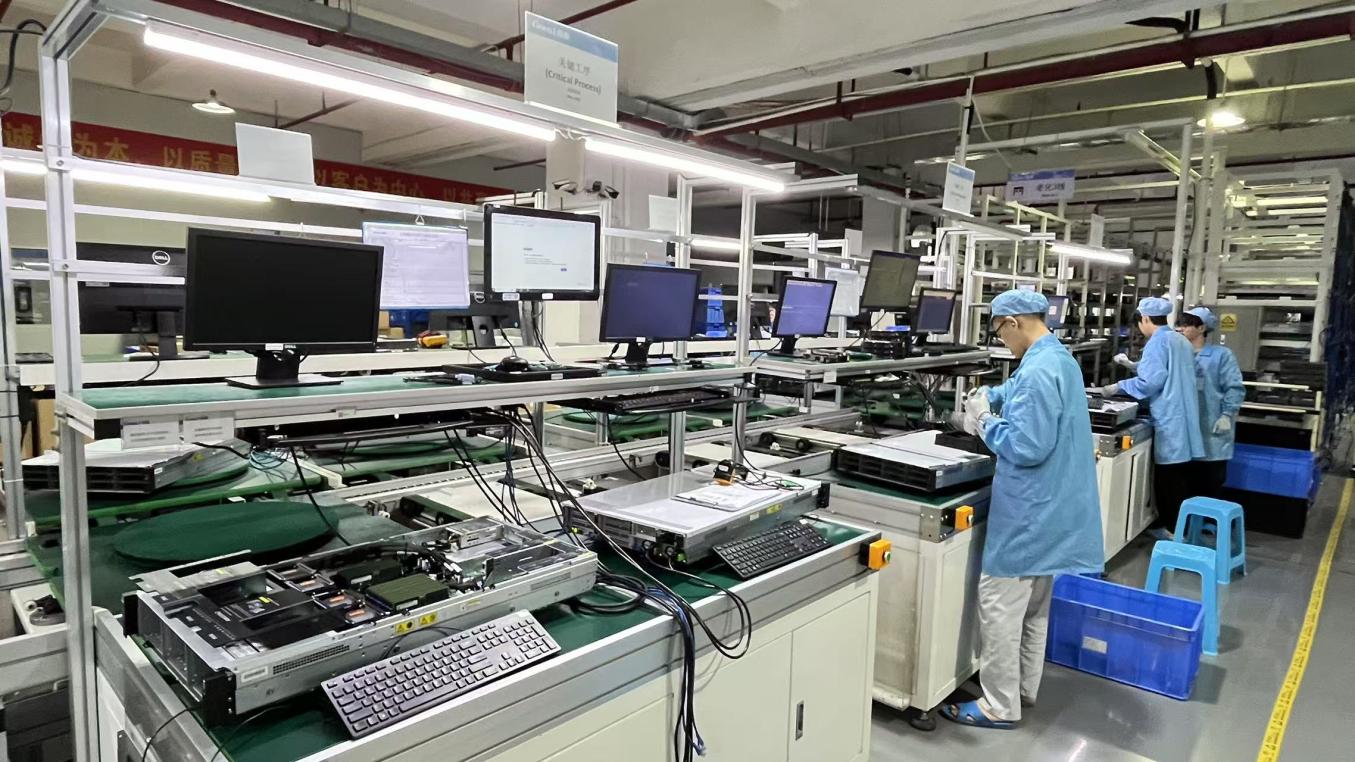
Under the hood of ZhiCloud AI's operational capacity: A meticulous walk through our high-density production processes, component assembly, and hardware verification lines.
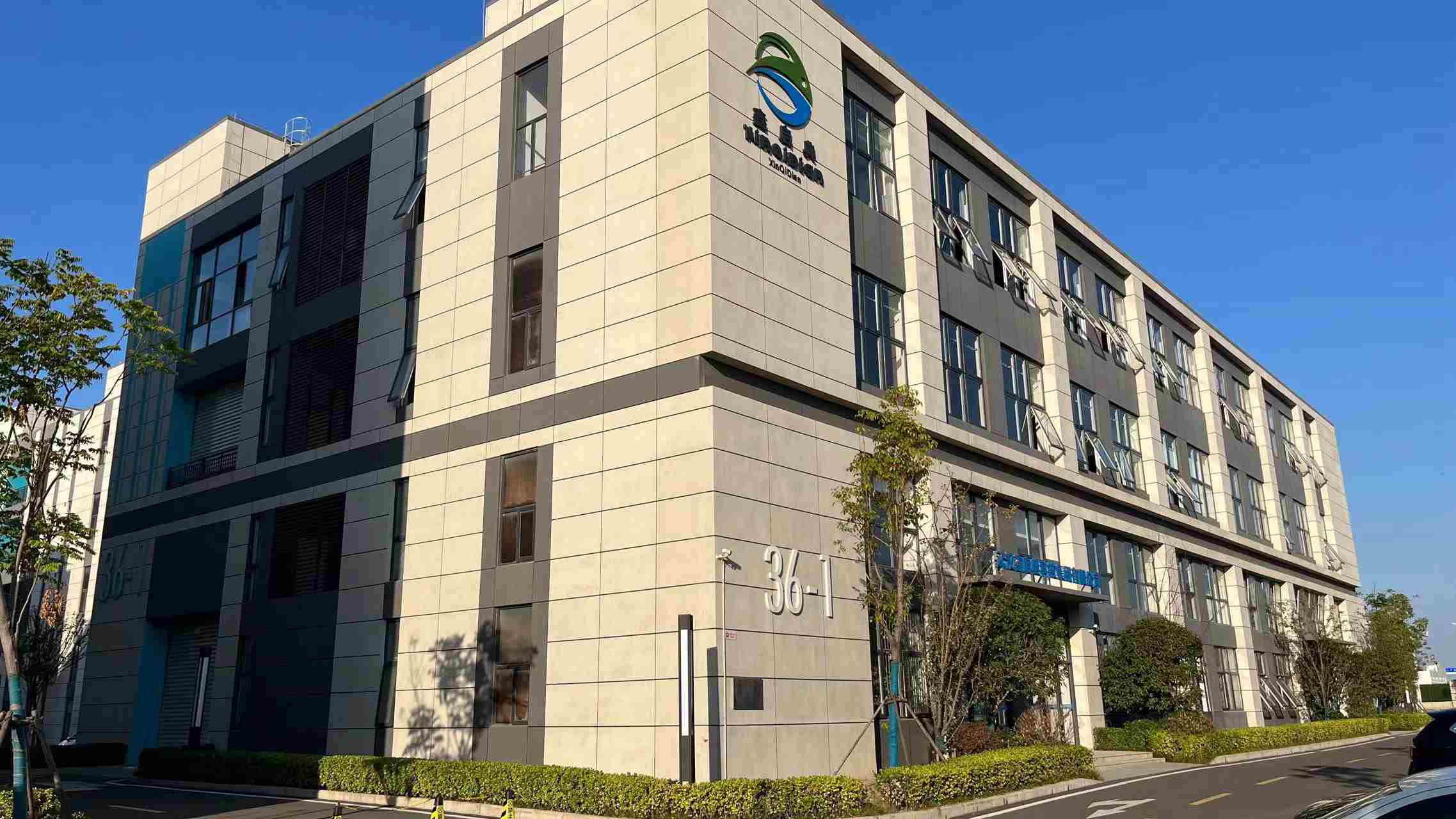
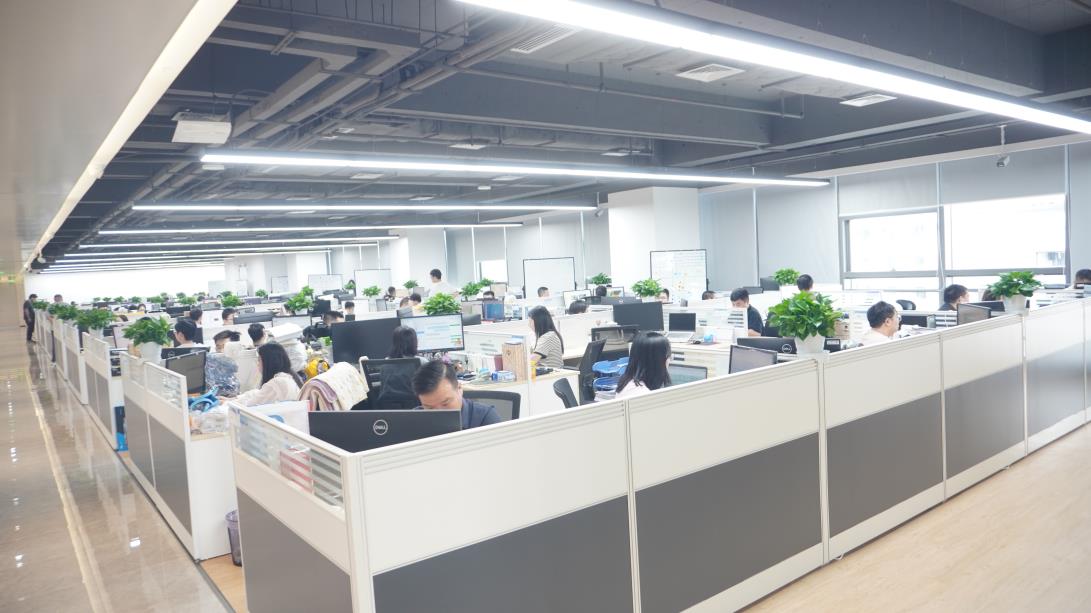
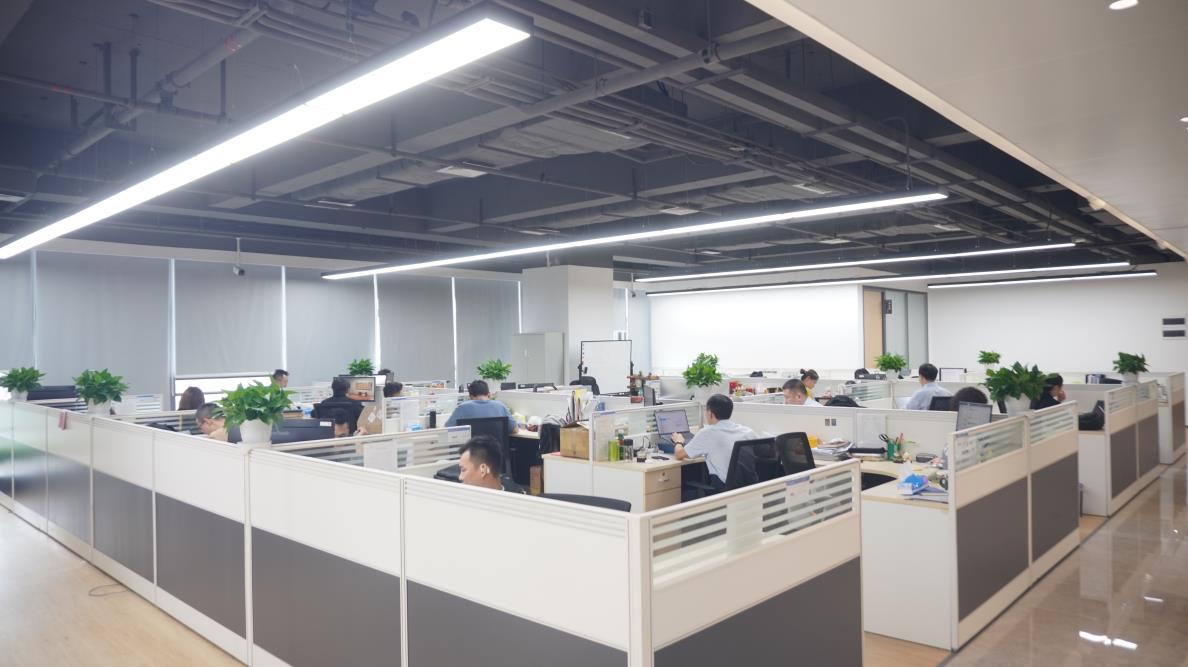
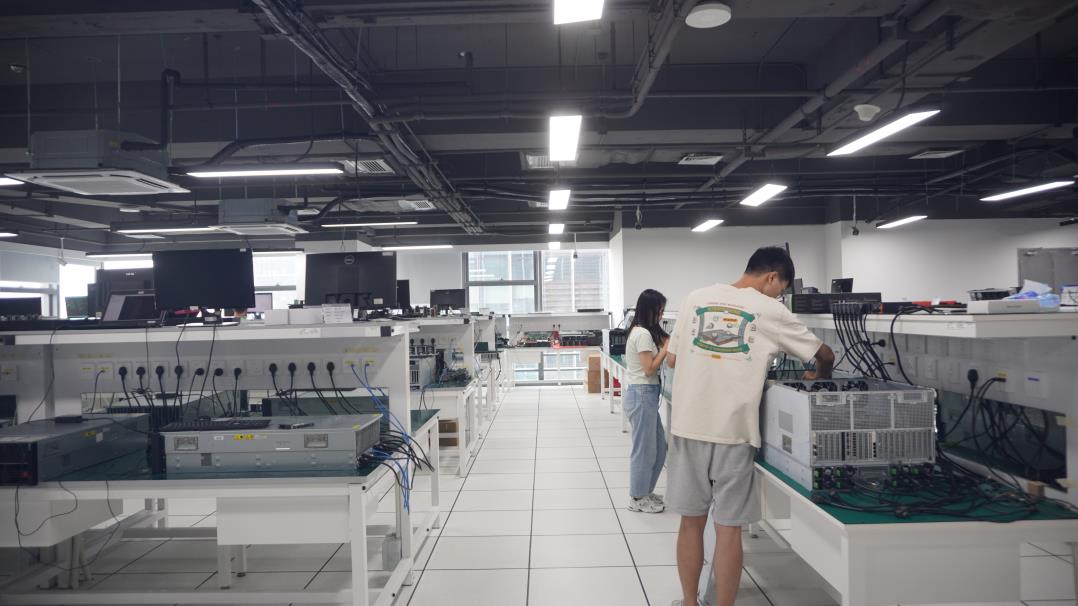
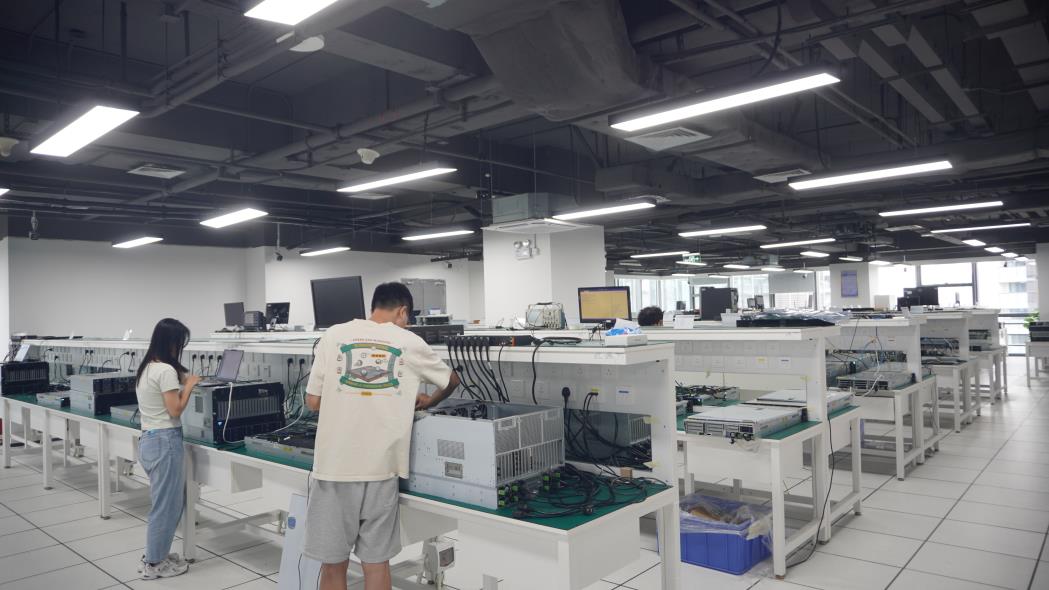
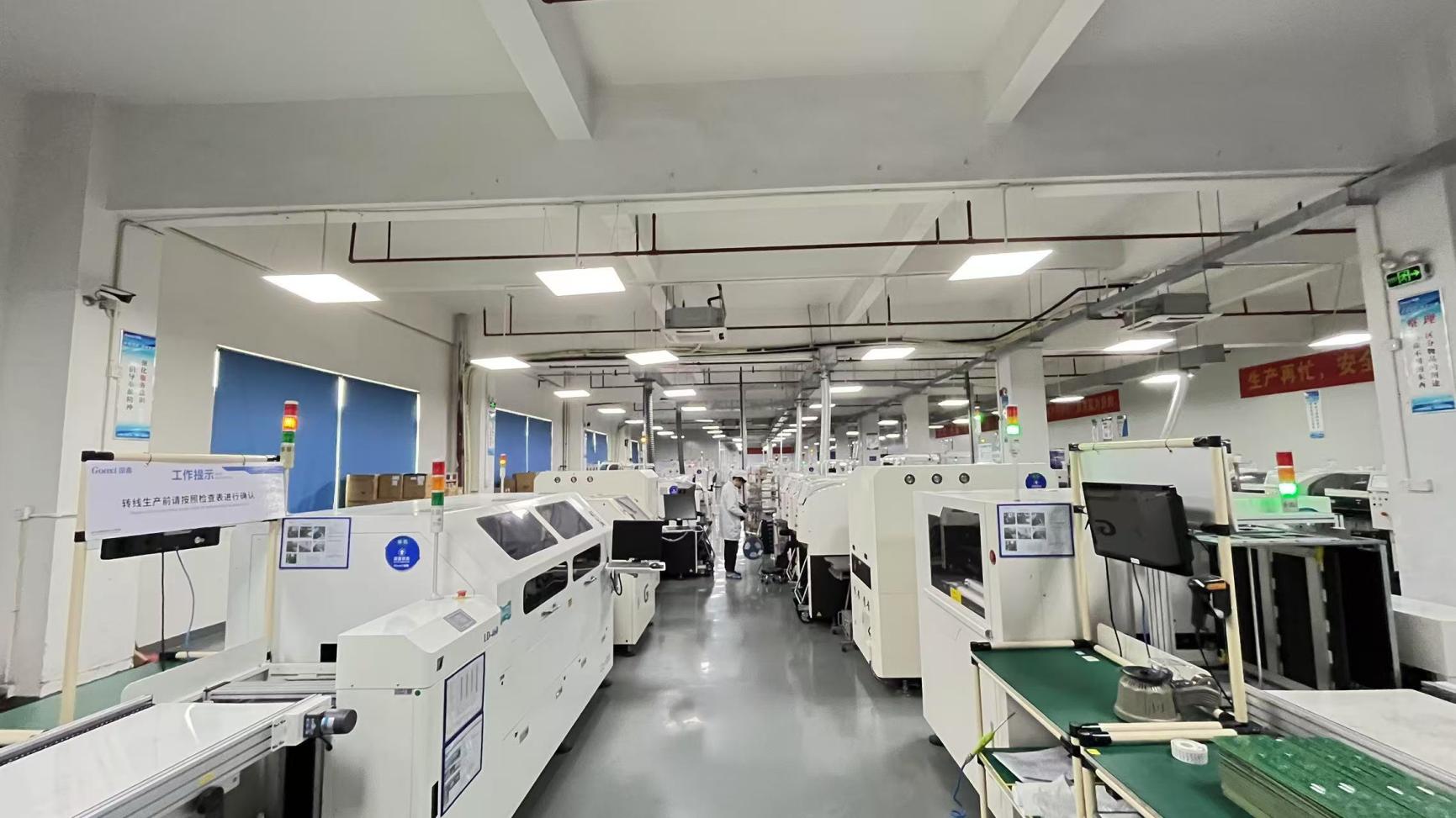
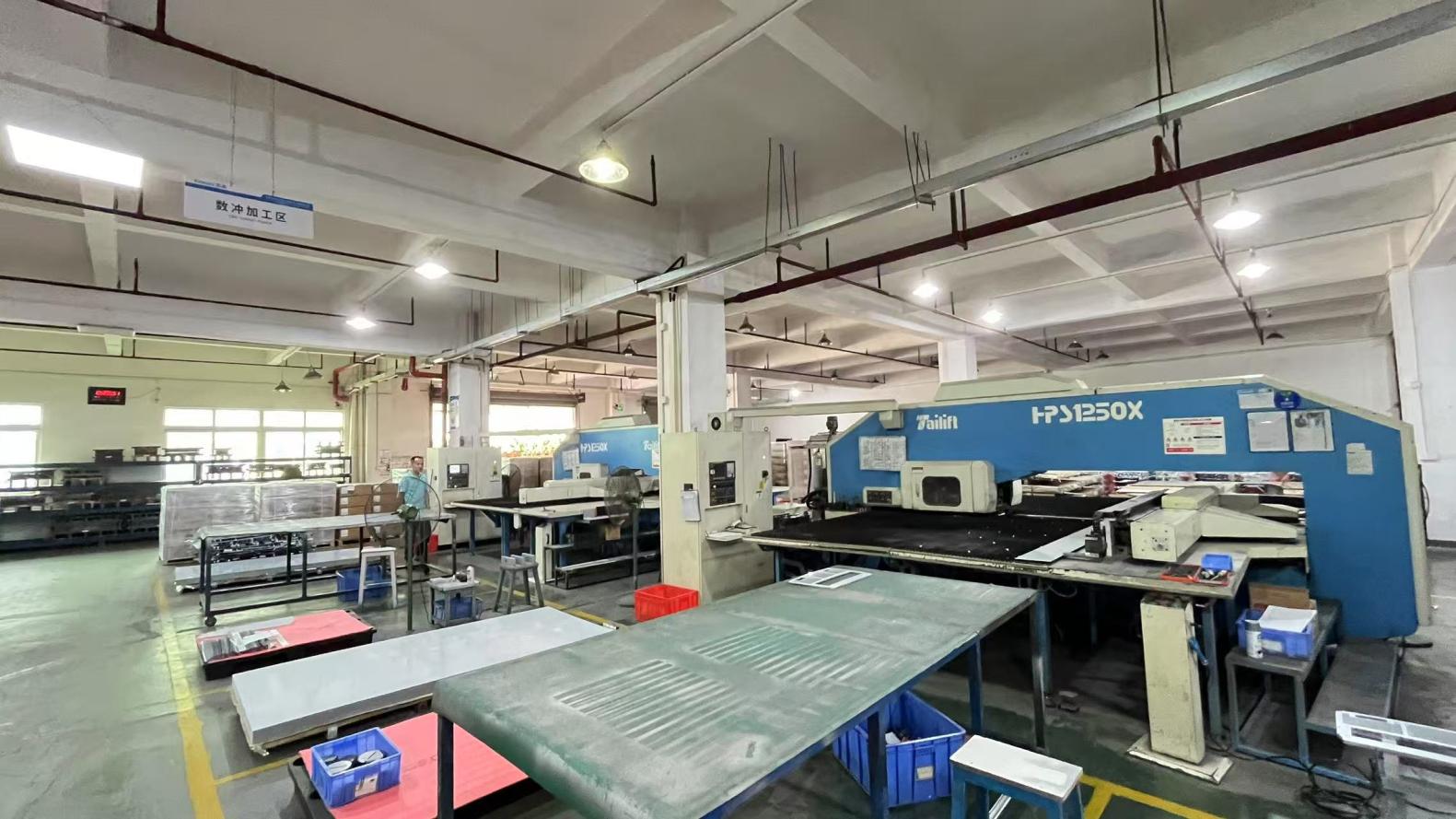
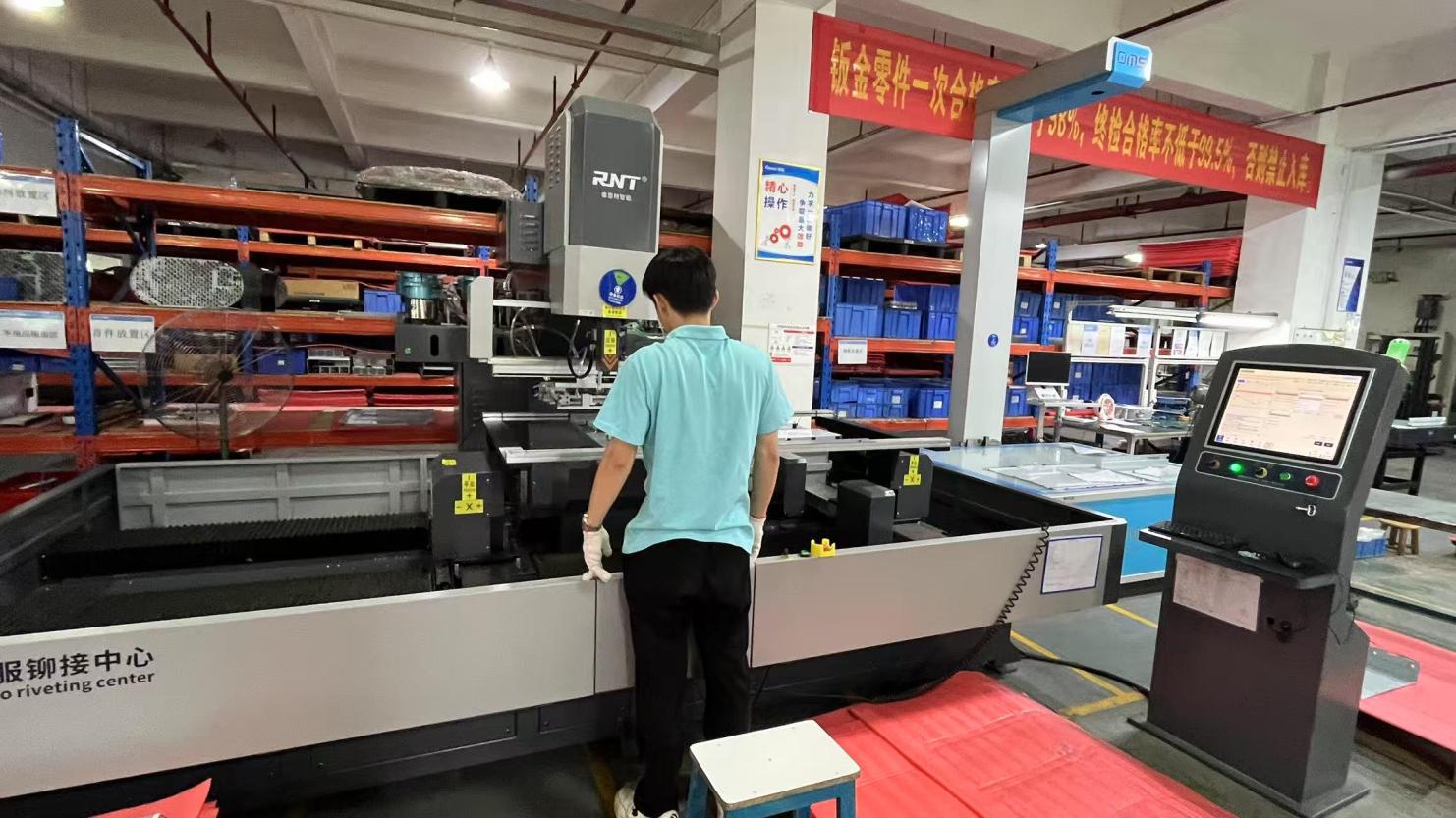
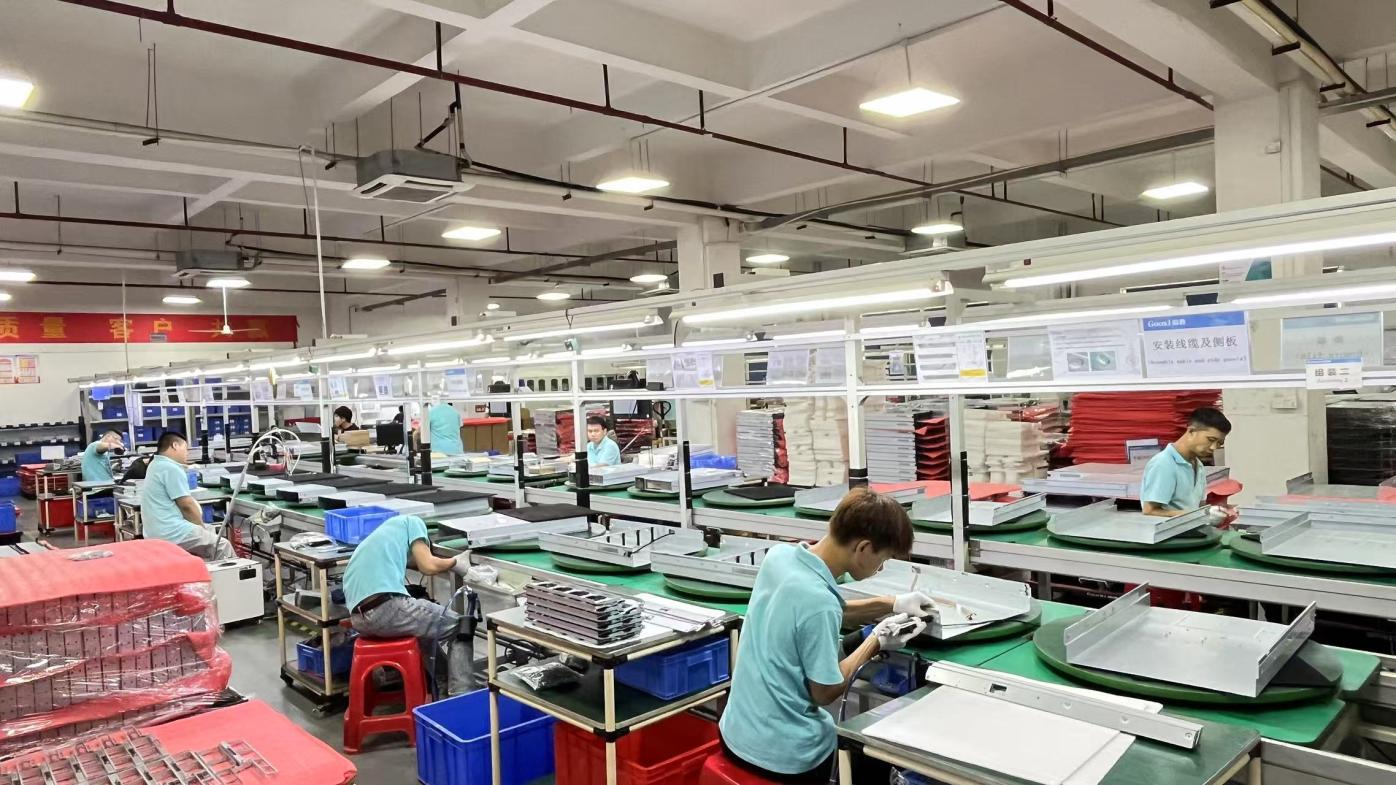
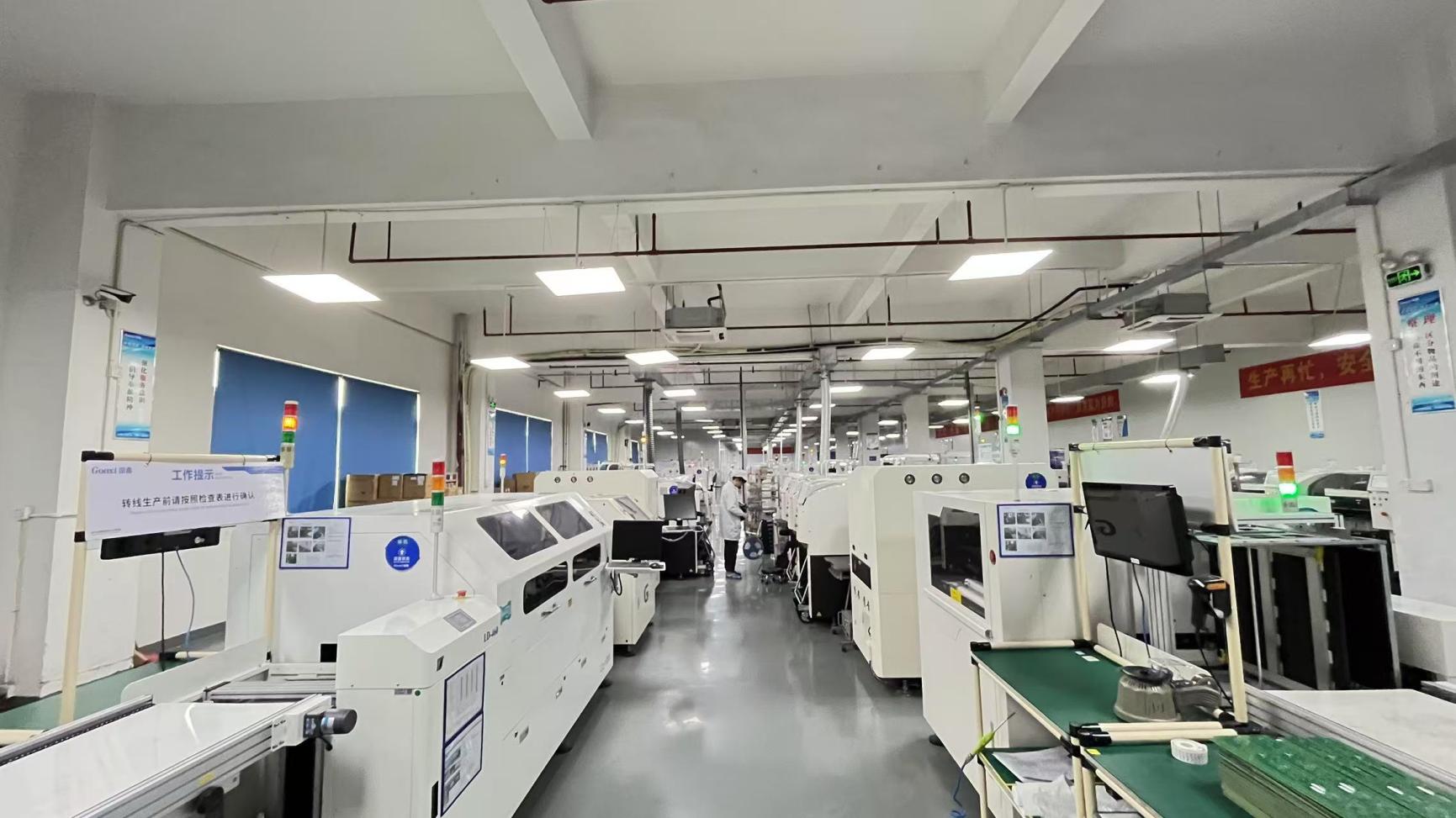
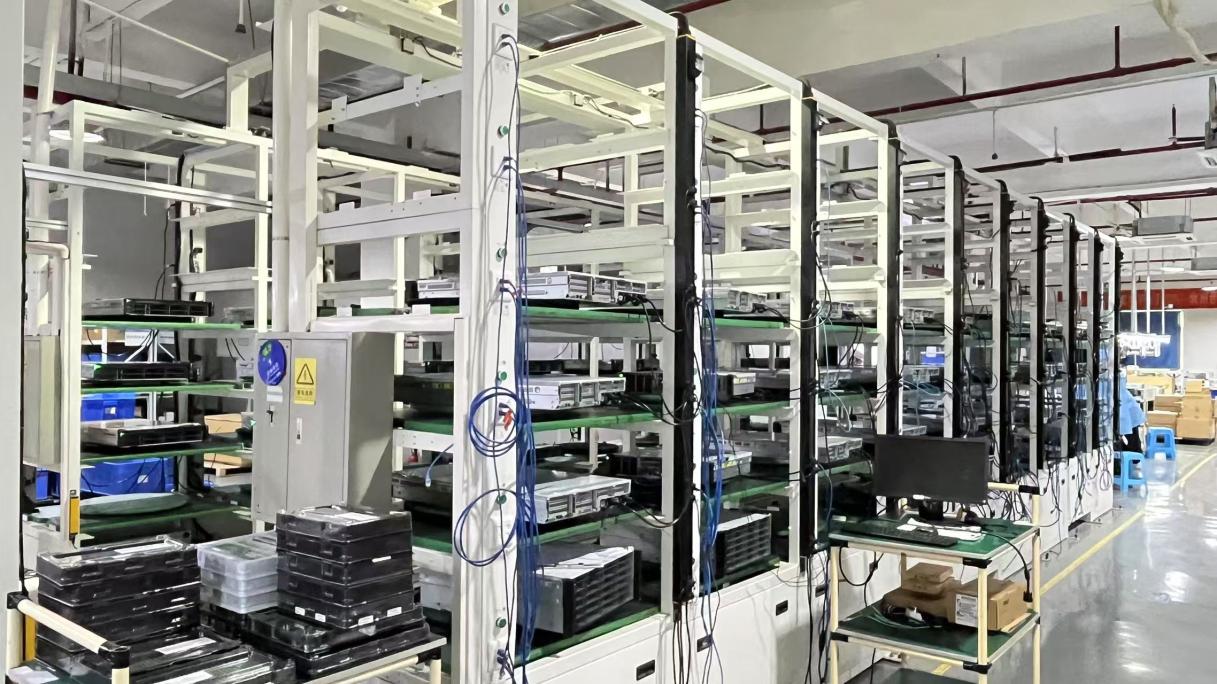
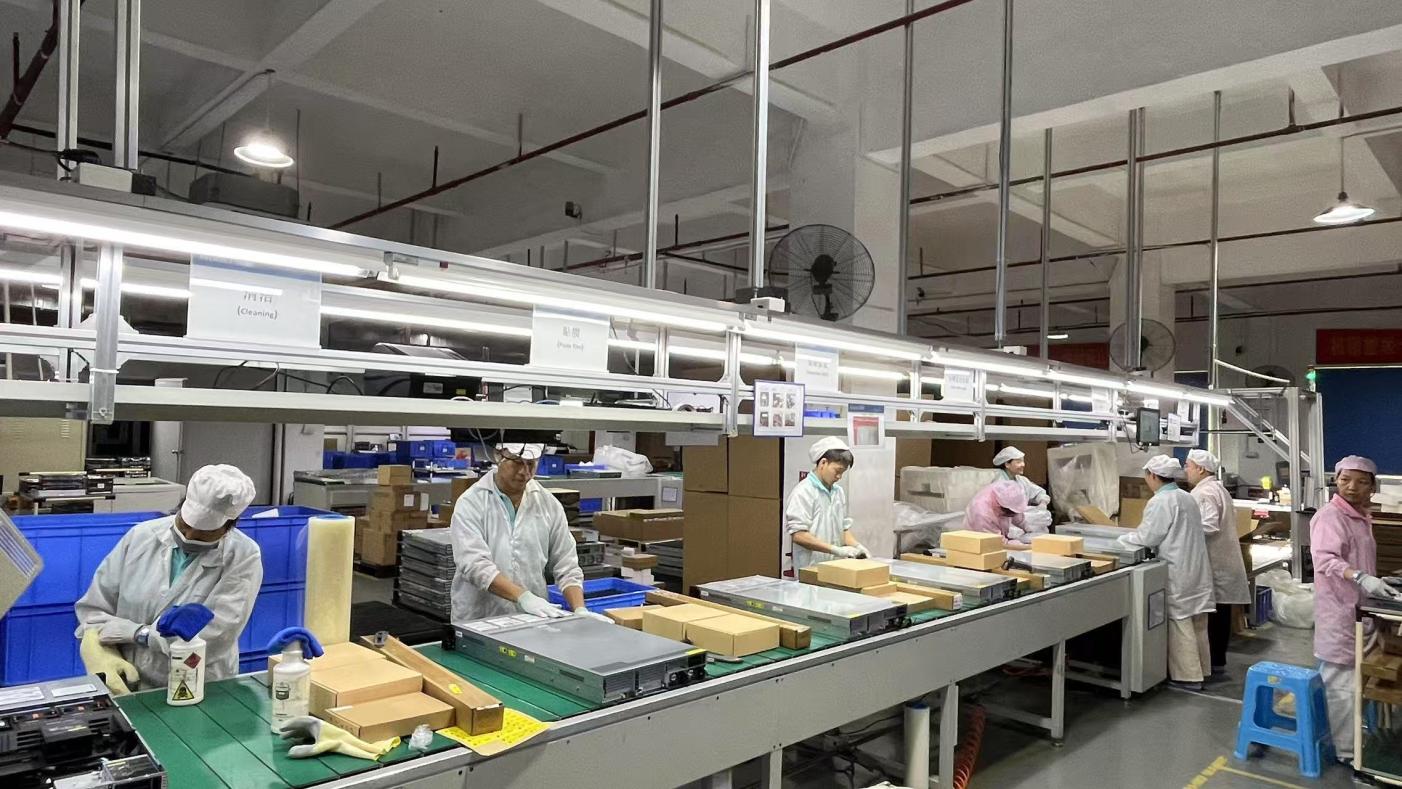
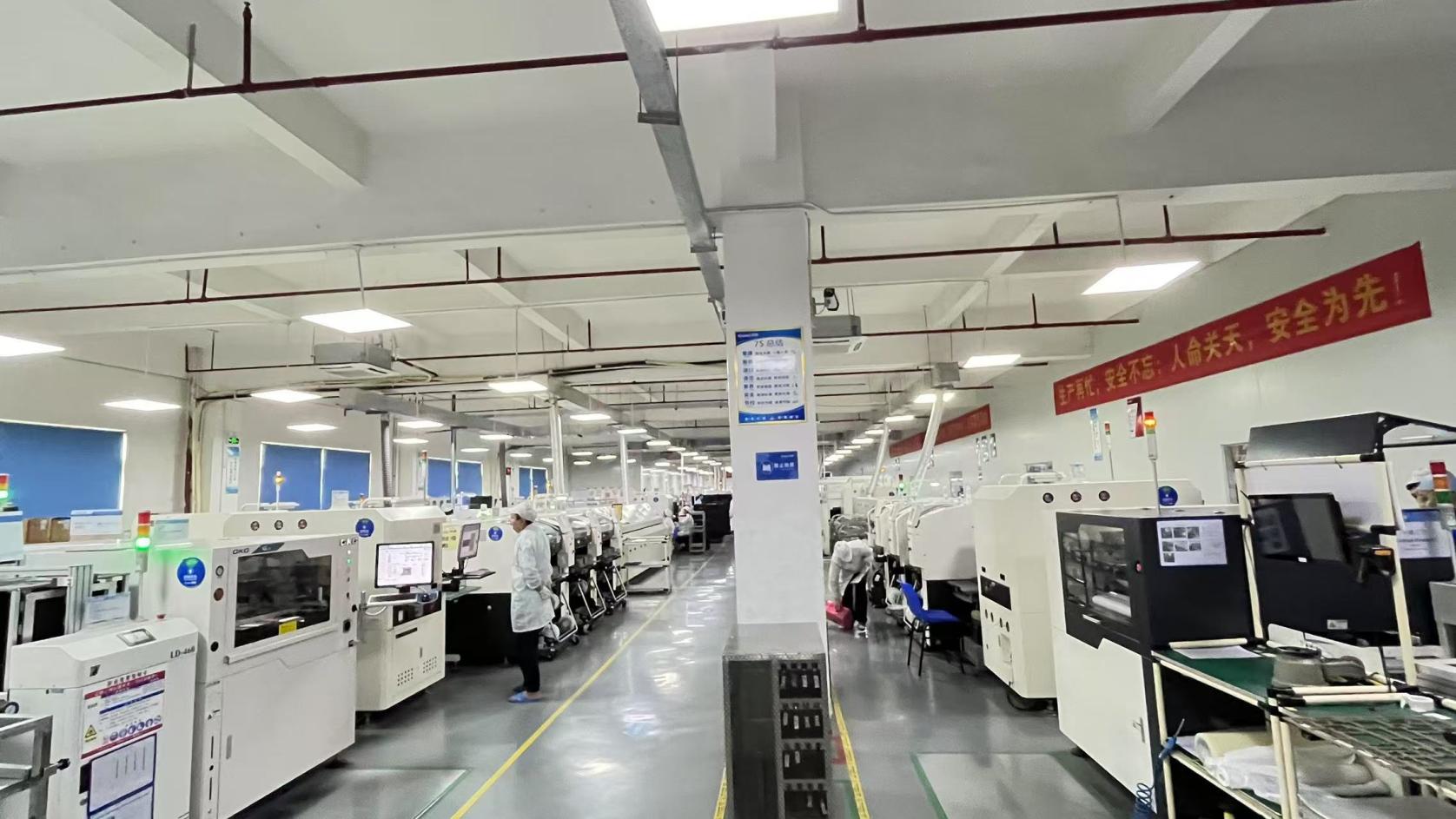
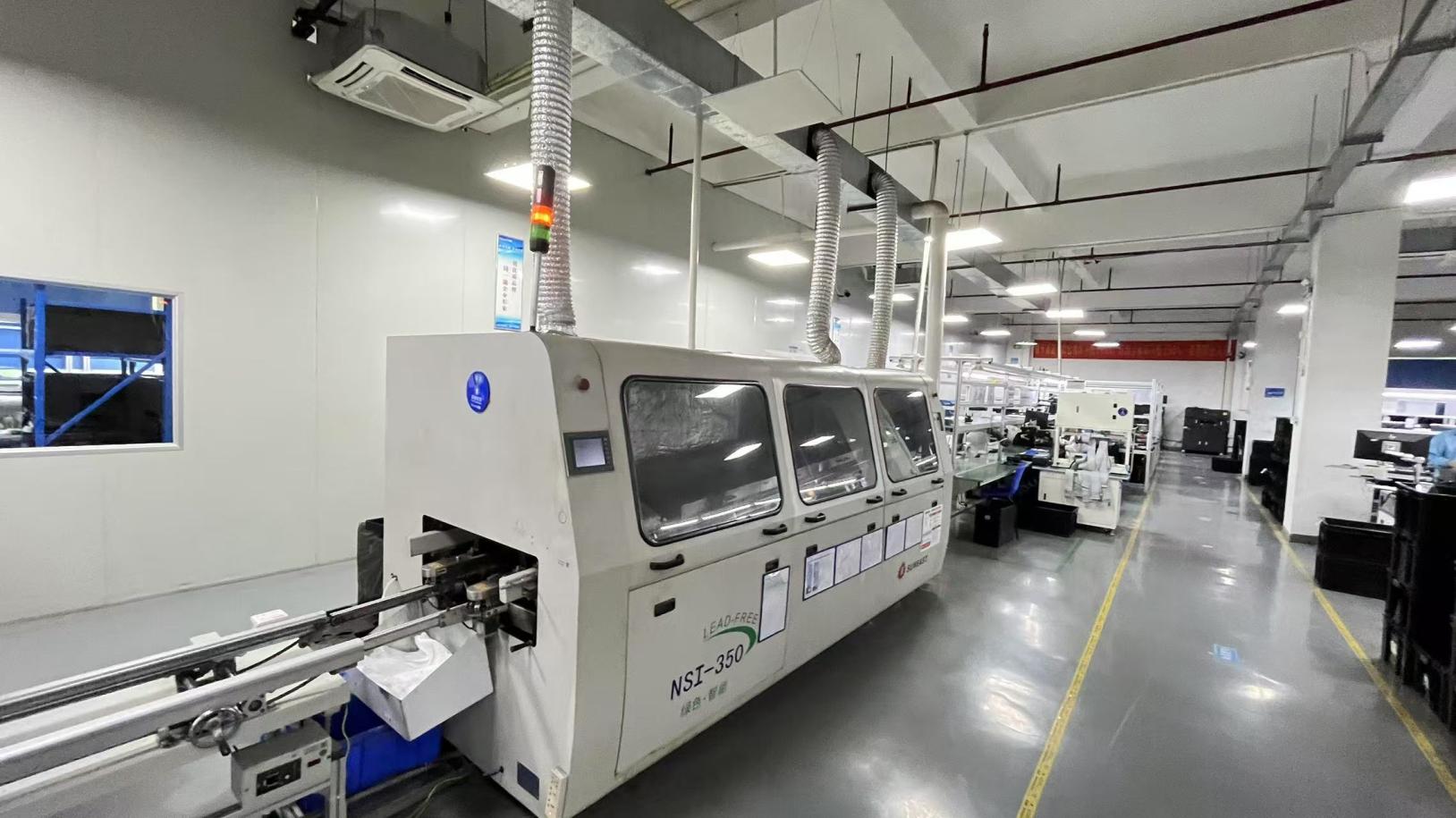
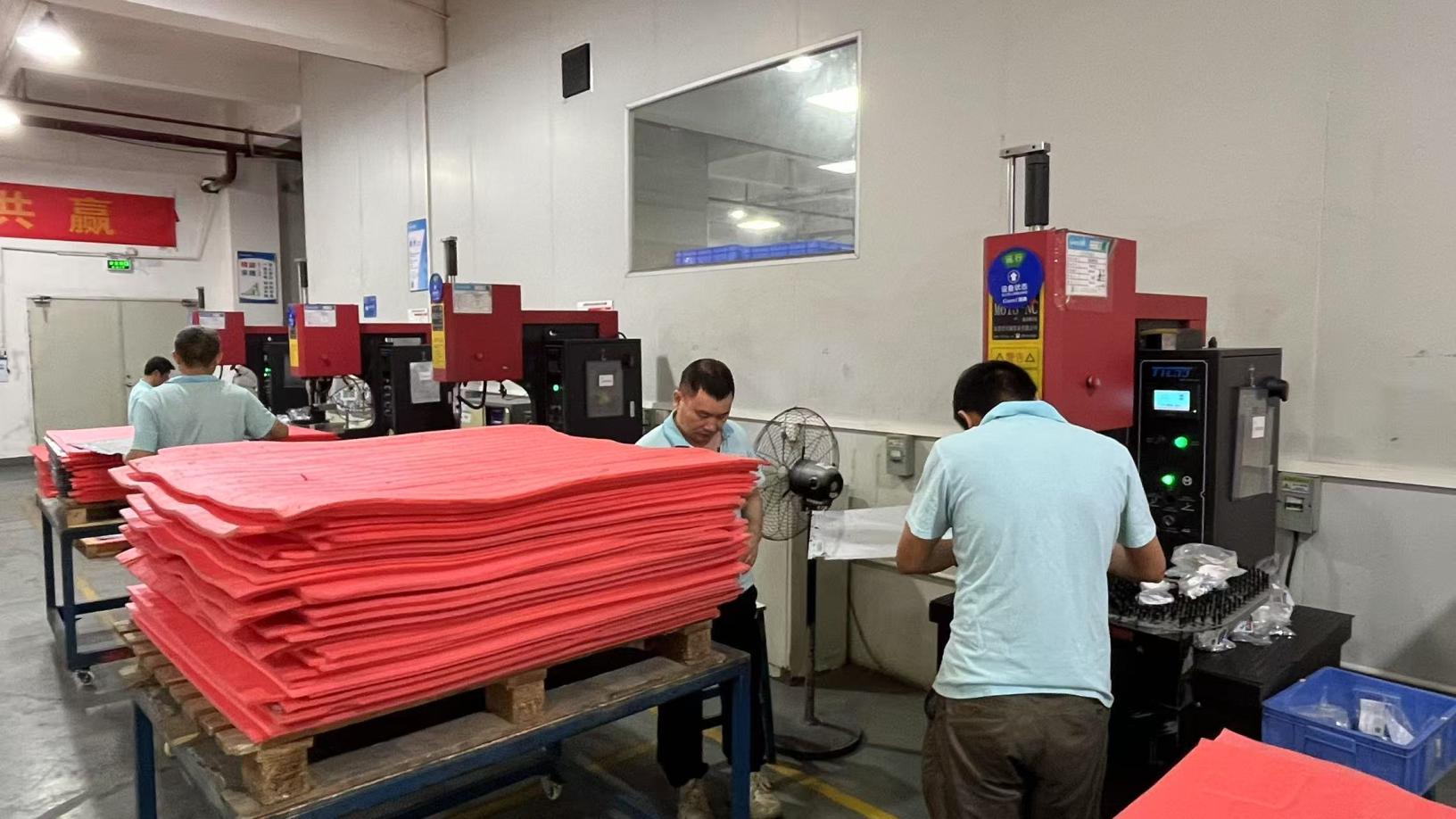
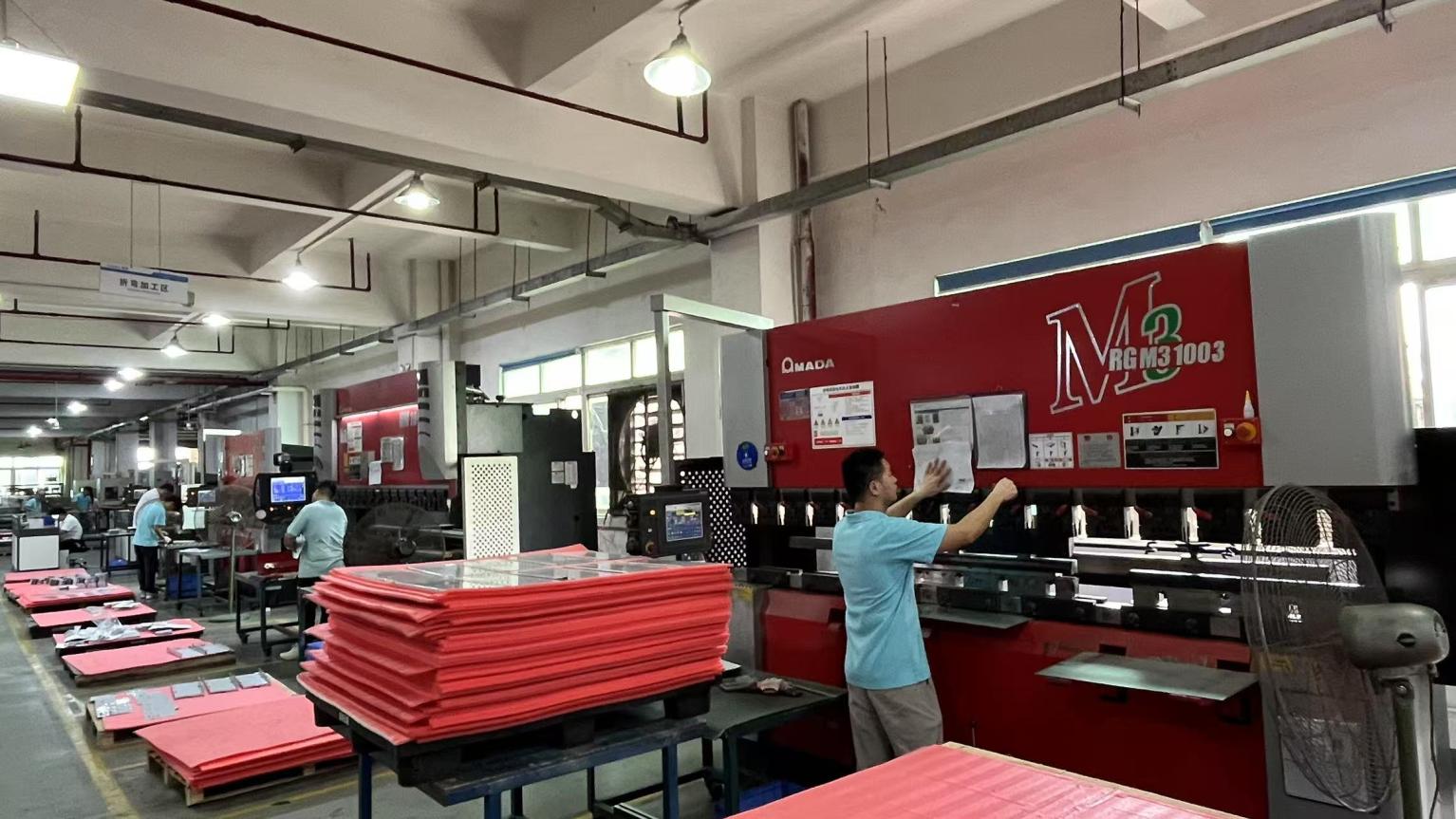
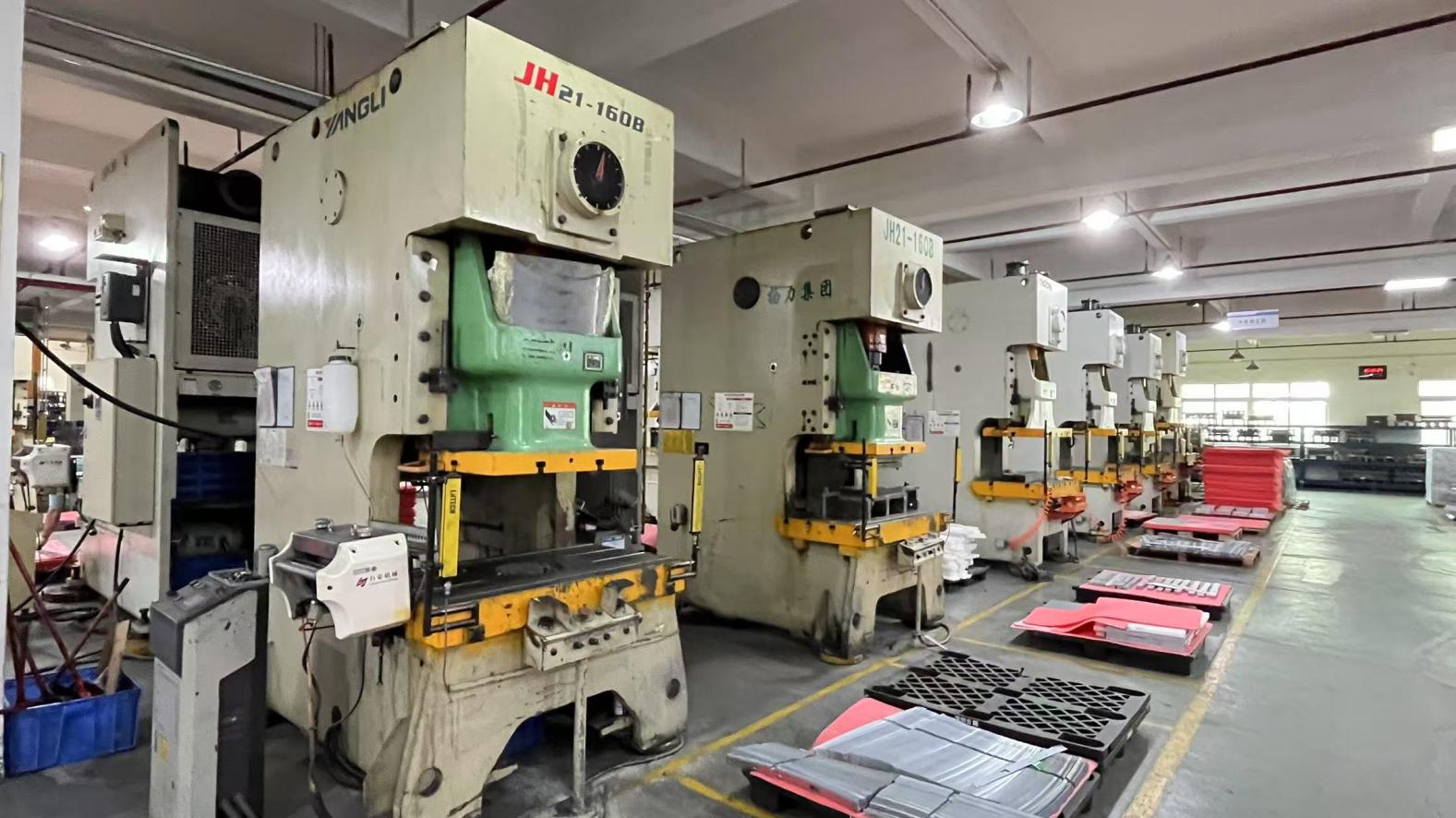
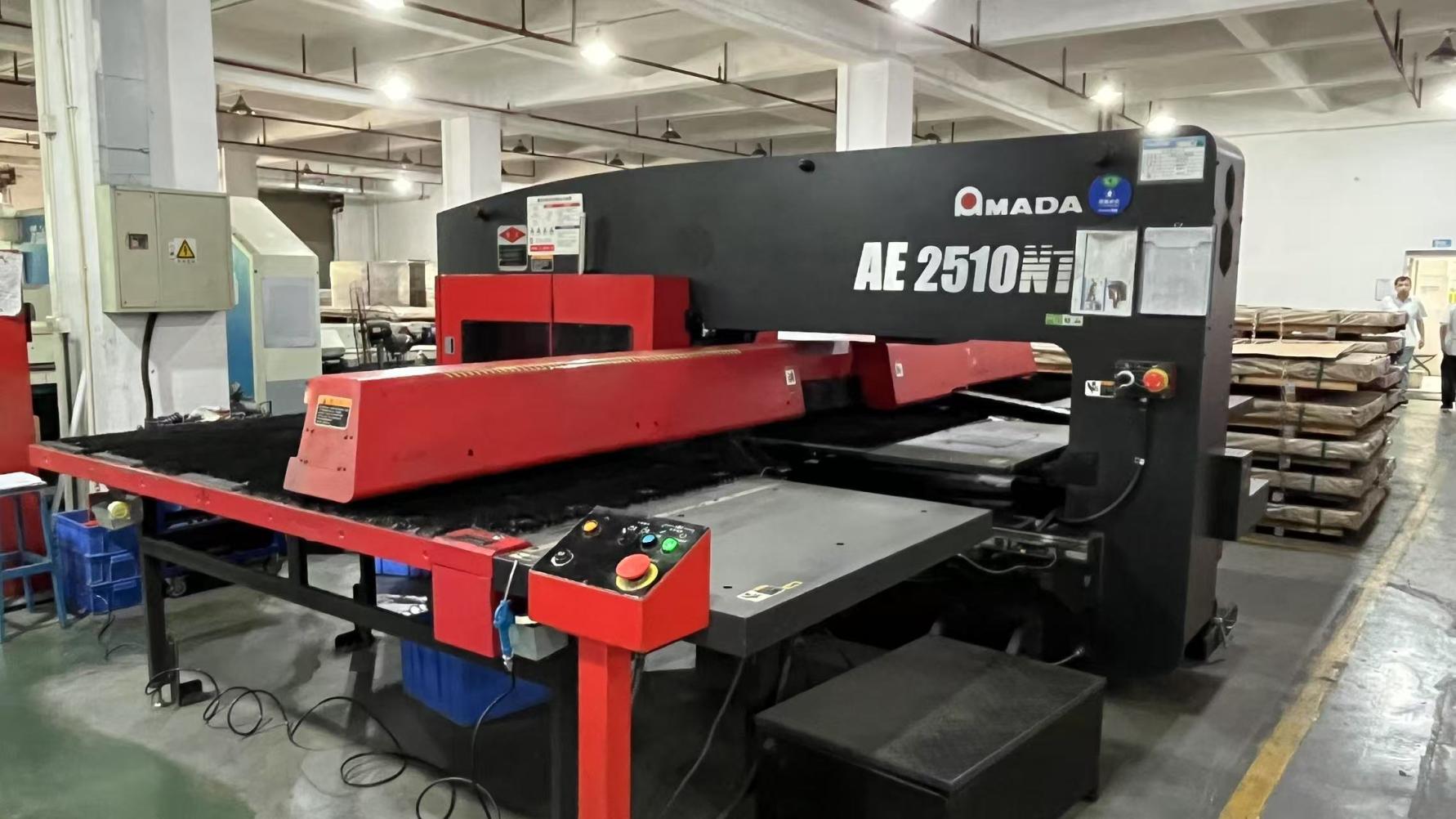
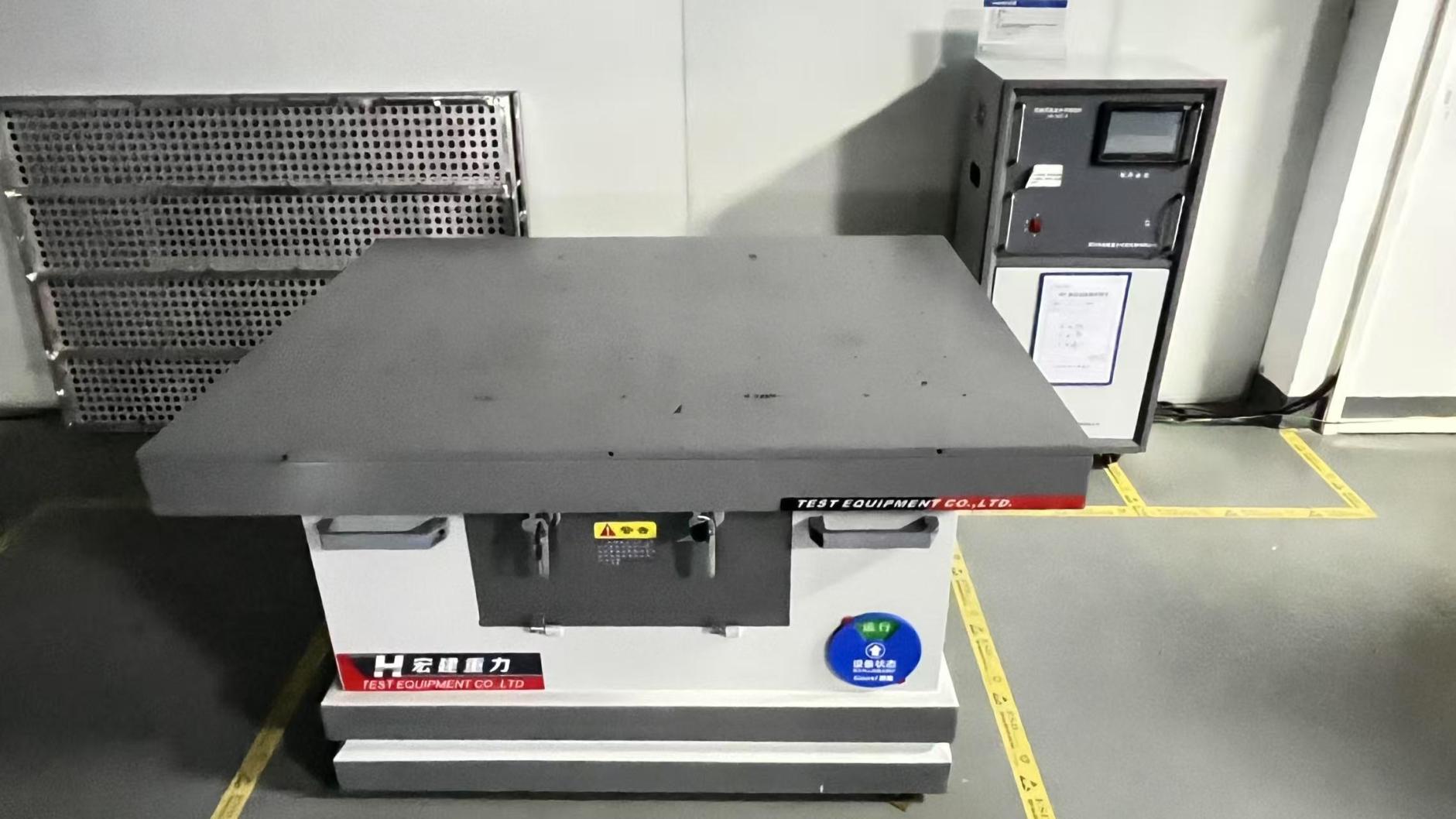
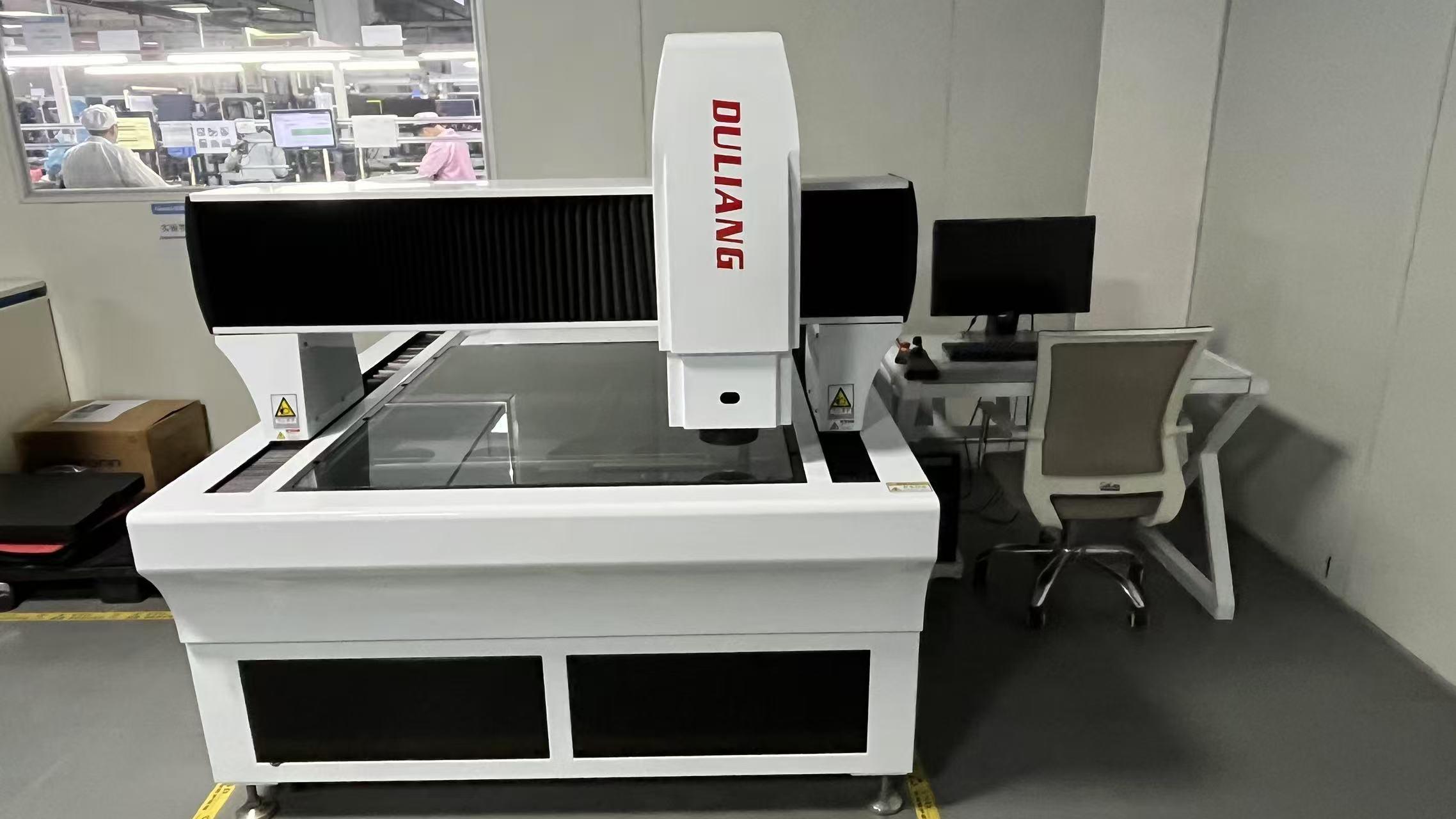
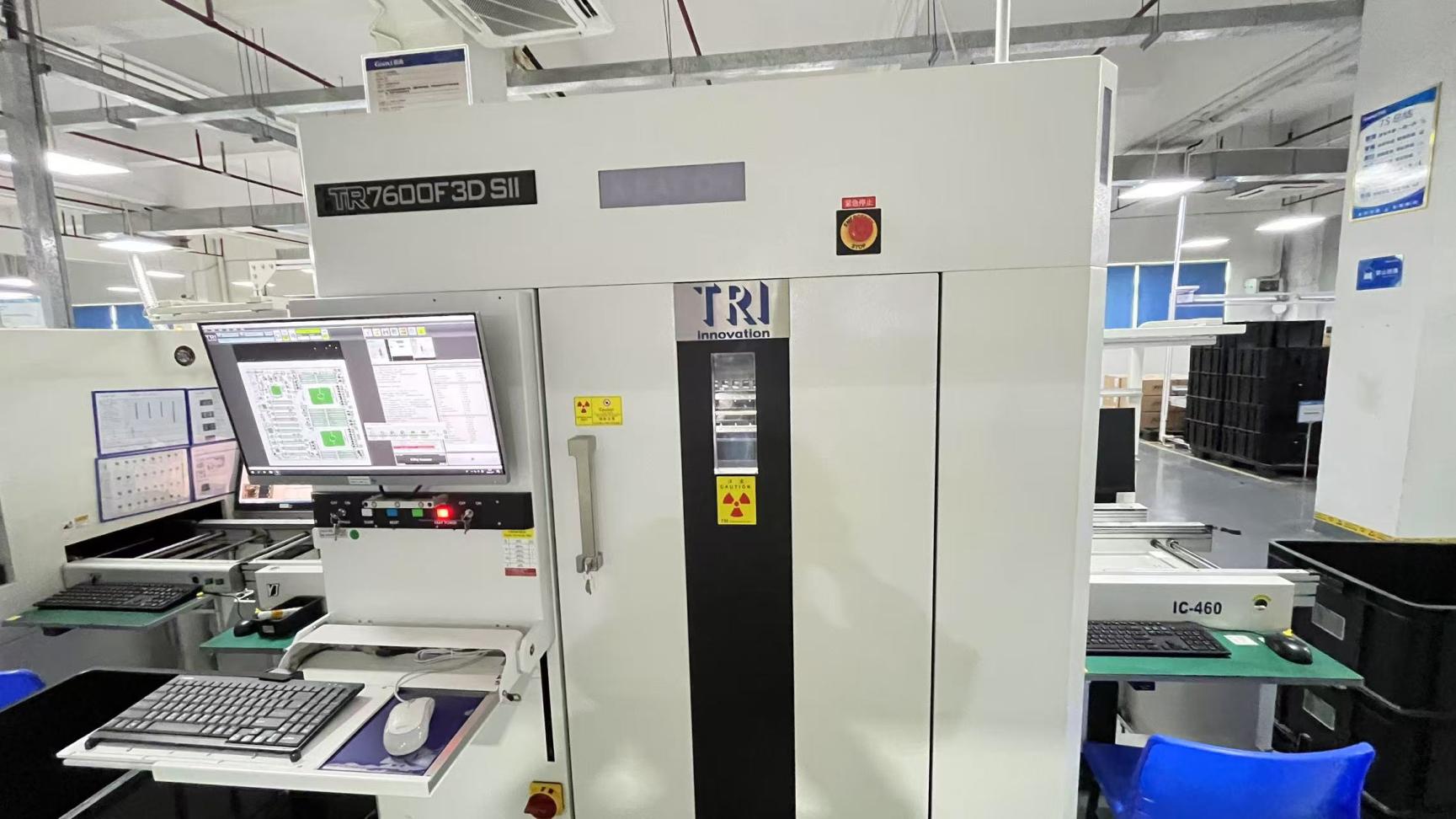
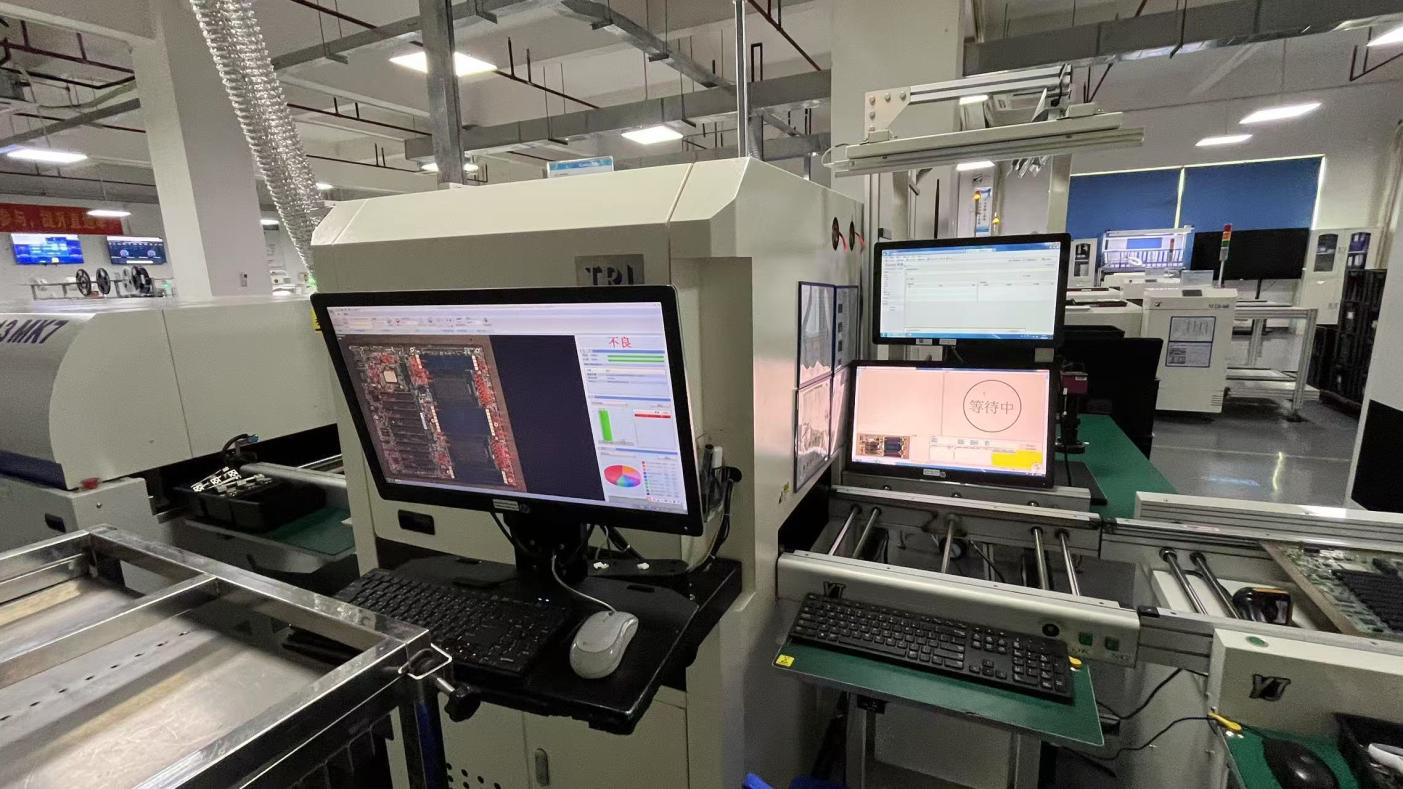
Our manufacturing and system-integration facility operates under a highly optimized 320㎡ footprint, engineered specifically for high-precision components layout, SMT line operations, and full-system thermal burn-in procedures. Rather than standard assembly, high-density AI infrastructure requires structural stability. The housing must resist vibration, structural connections must withstand intensive heat distribution, and printed circuit board assemblies (PCBA) must pass multi-stage logic integrity scans.
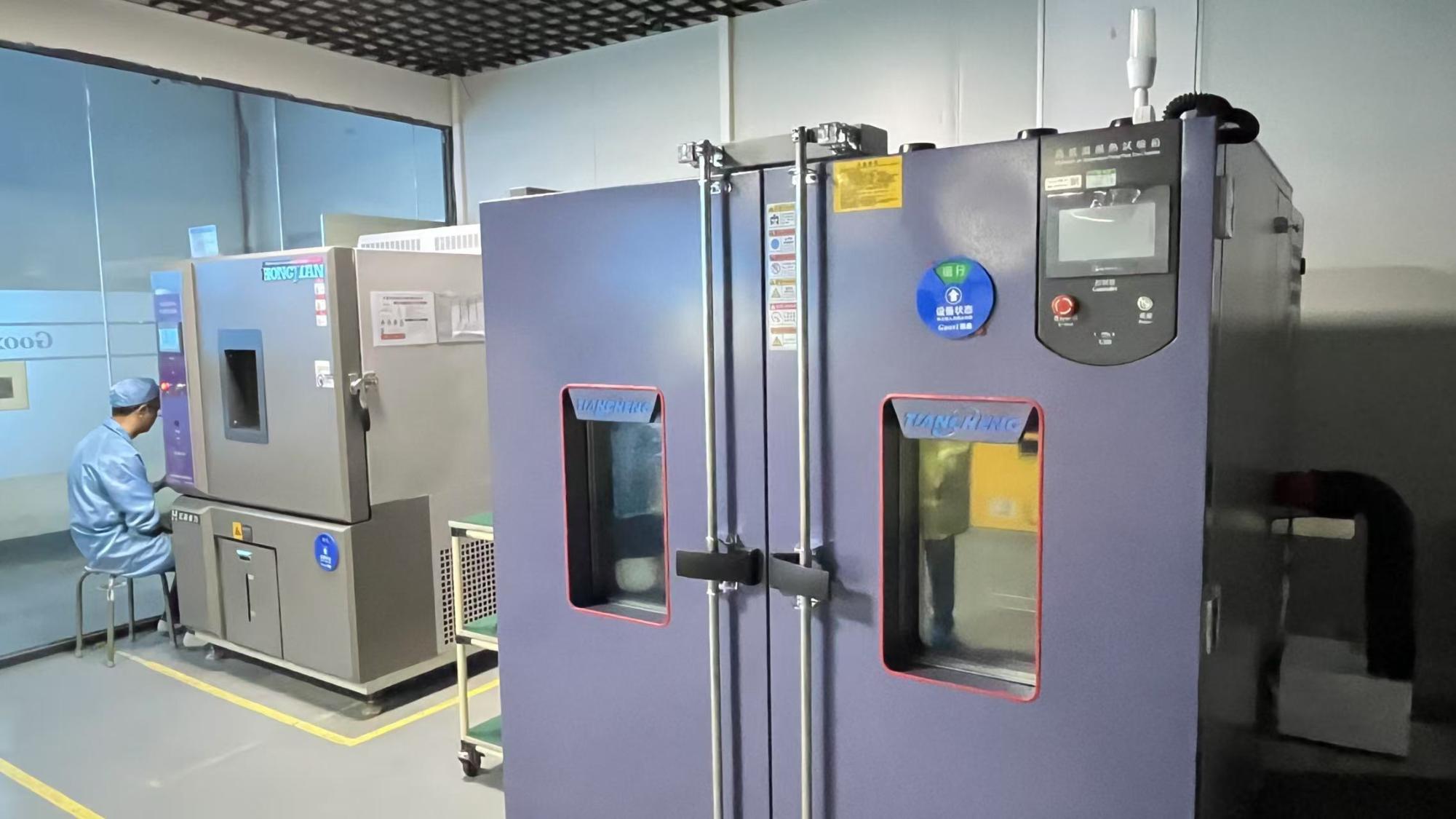
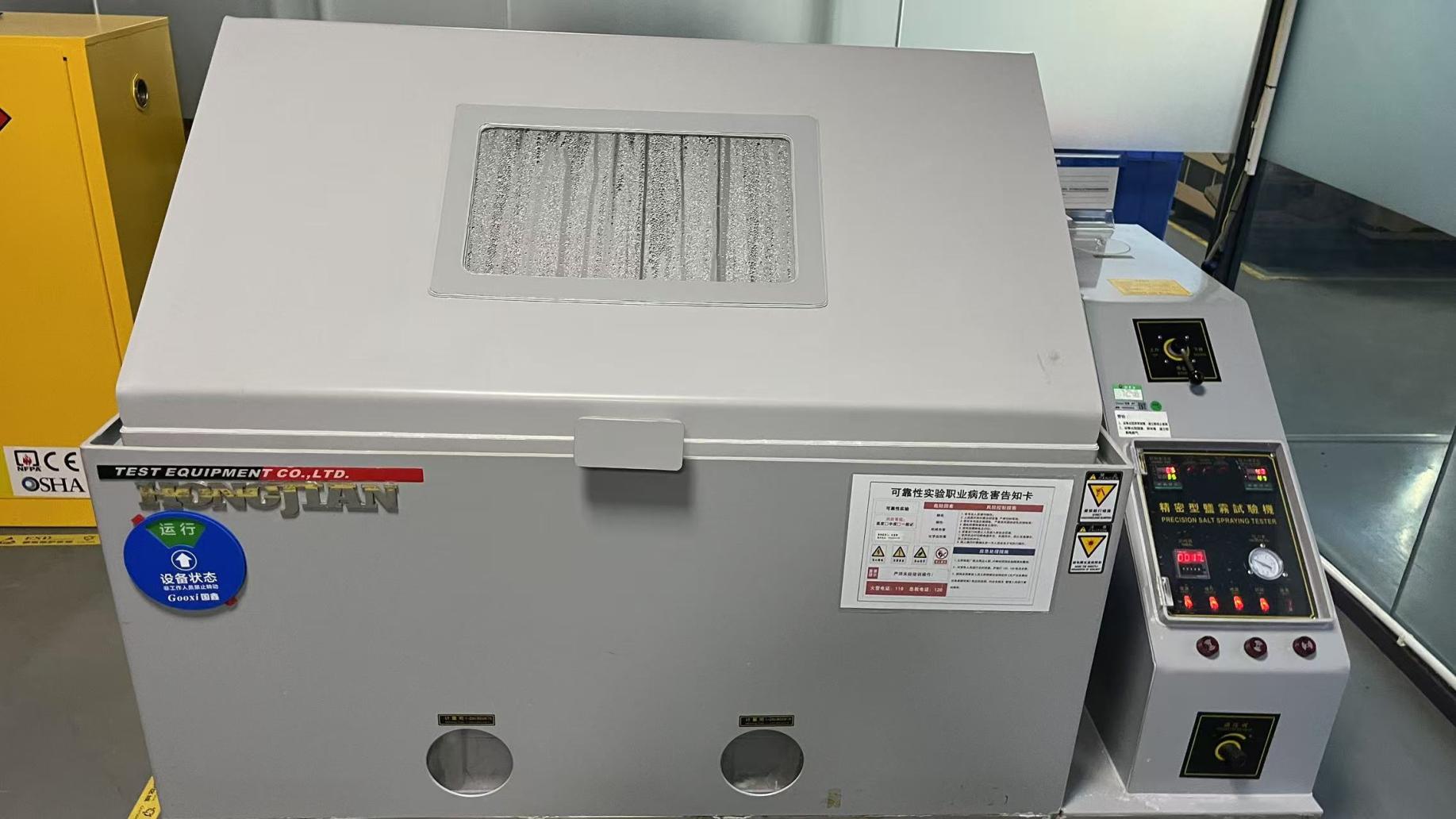
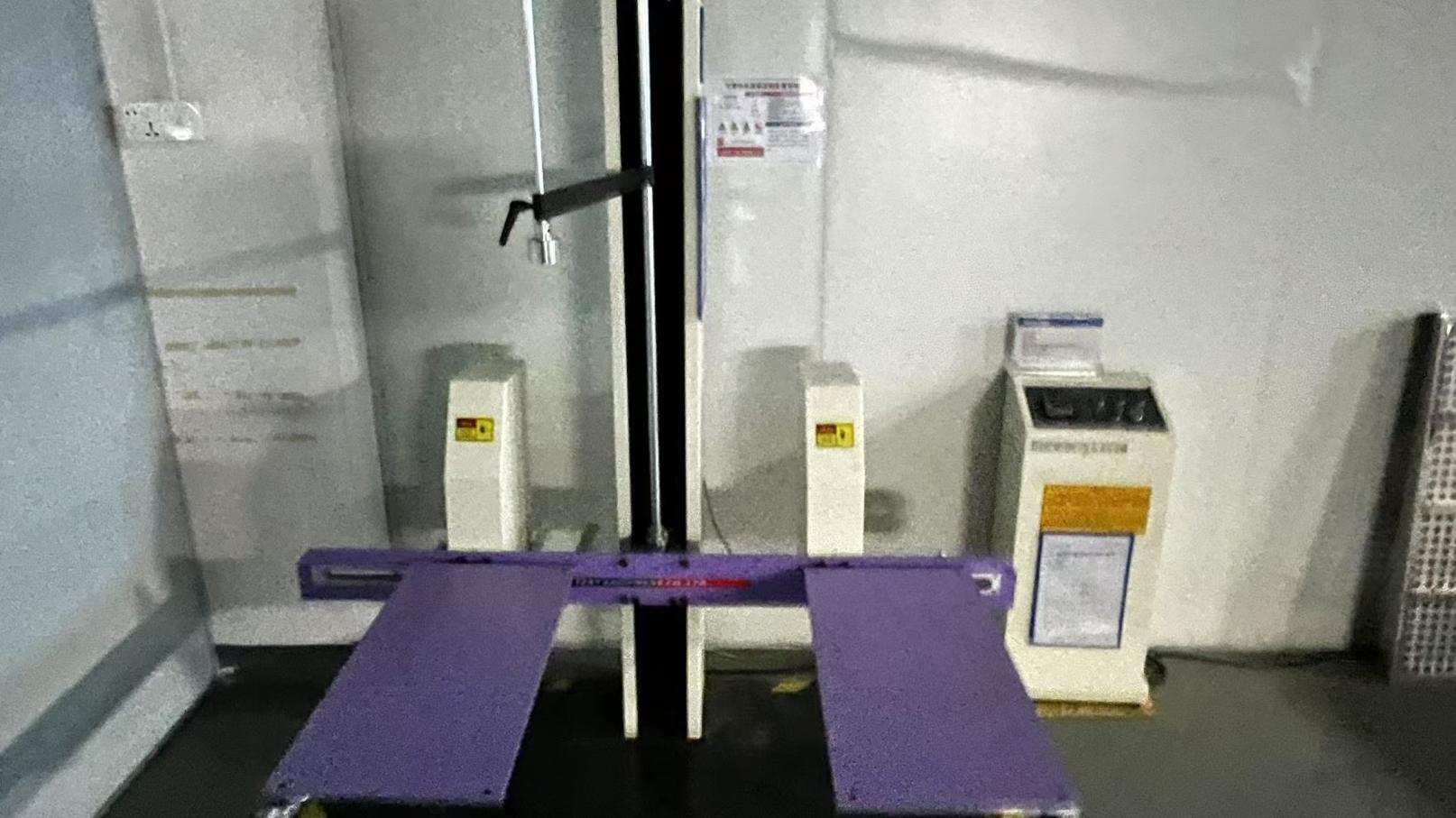
With a specialized team of 45 QC personnel, we run raw steel through advanced laser cutting, structural bending, and stamping centers. Every system undergoes rigorous thermal stress evaluation inside specialized thermotanks, as well as salt-spray corrosion protection validation, structural drop tests, and detailed X-ray imaging of solder joints to guarantee zero contact failure points under field operating loads.
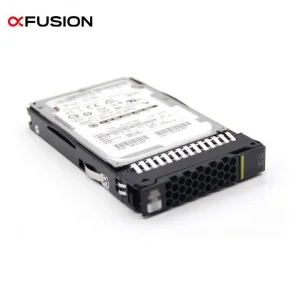
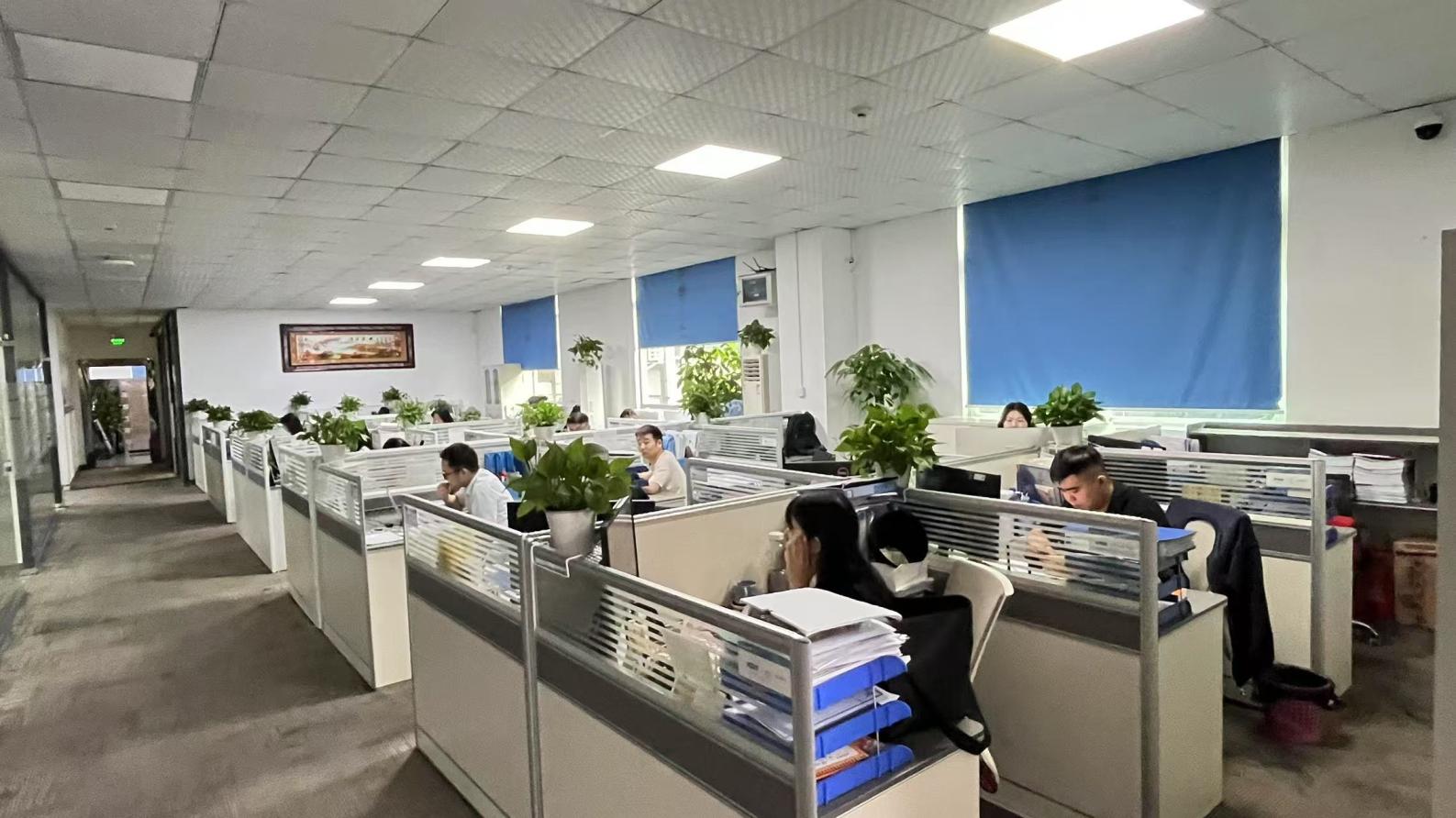
Our supply network connects us to over 1,200 strategic industry partners. This ensures that even during global semiconductor shortages, ZhiCloud AI maintains access to critical components: enterprise SAS/SATA drives, PM897 solid-state memory, RAID controller cards, and server-grade Xeon processors. This supply chain stability allows us to continuously support cloud datacenters, deep learning teams, and HPC centers worldwide with minimal lead times.


Managing trade regulations and configuration engineering to ensure high-performance deployments are fully compliant and ready for operation.
Exporting high-performance computing hardware requires deep knowledge of dual-use regulations and regional import standards. ZhiCloud AI manages export filings to the EU, North America, Middle East, and Southeast Asia. We ensure every shipment meets FCC, CE, RoHS, and WEEE requirements, delivering hardware that is fully documented and legally compliant.
Every deep learning cluster and quantum simulation system has unique architecture requirements. Our ODM/OEM engineering team specializes in customization: selecting high-capacity PCIe backplanes, tuning BIOS states for low-latency MPI data transfers, and pre-loading containerized quantum simulator environments (such as Qiskit, Cirq, or Pennylane).
To prevent deployment failures, every server undergoes multi-day, continuous high-load testing. We test hardware using full system workloads, thermal stress chambers, and physical shipping simulation (vibration and drop tests). As a result, our nodes arrive configured and ready to be integrated into your production rack environment.
Technical answers regarding hardware capabilities, procurement options, and how classical servers support quantum pipelines.
Explore our range of storage upgrades, interface cards, and high-density computing platforms designed for demanding scientific workloads.