ZhiCloud AI
ZhiCloud AI
ZhiCloud AI
Explore our leading GPU-accelerated servers and high-density computer nodes tailored for complex visual rendering and Deep Learning workloads.
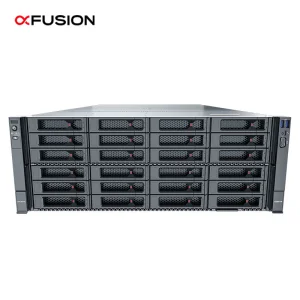
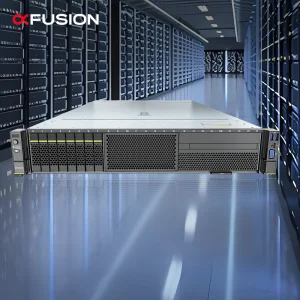
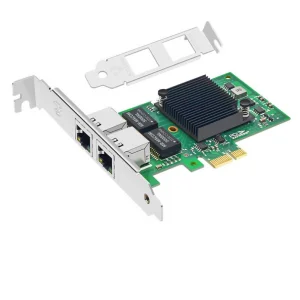
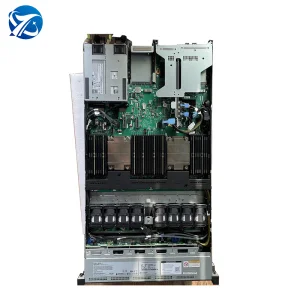
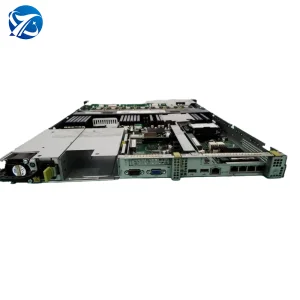
Leading the path in server innovation, high-density storage solutions, and global high-performance infrastructure.
In the modern computational era, graphics processing has evolved far beyond basic pixel rendering. Modern graphics technologies operate as the core of high-performance computing (HPC) clusters, machine learning networks, and large language model (LLM) architectures. As enterprises migrate workloads to hybrid cloud platforms, the global demand for optimized high-density GPU infrastructure has surged.
Historically, graphics processing units (GPGPUs) served narrow, specialized visual industries. Today, they constitute the foundational layer for neural network training, artificial intelligence, hyper-realistic real-time simulation, and high-frequency transactions. This transition has repositioned China’s advanced server and graphics hardware manufacturers as critical pillars of the global technology supply chain, offering massive manufacturing capacity, rapid engineering prototyping, and robust system integration.
Operating from Shenzhen—the hardware capital of the world—Shenzhen Intelligent Computing Cloud Technology Co., Ltd. (ZhiCloud AI) leverages its highly integrated local supply chains to develop, assemble, and customize high-density GPU systems. These systems empower enterprises across North America, Europe, Southeast Asia, and the Middle East to tackle multi-petabyte analytics, deep neural network training (including architectures optimized for modern pipelines like DeepSeek), and low-latency cloud gaming environments.
Analyzing the paradigm shifts in hardware architecture, system interconnects, and dynamic thermal mitigation technologies.
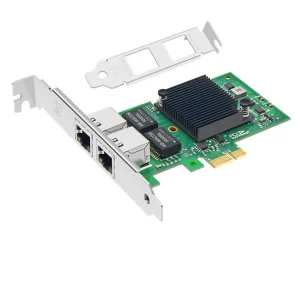
Modern graphics and AI computations process massive datasets that demand high data throughput. Transitioning to PCIe Gen 4.0 and Gen 5.0 buses, paired with high-performance RAID controllers (such as the LSI 9560-8i and 9540-8i), eliminates I/O bottlenecks. This architecture ensures high-speed, parallel data paths between CPUs, GPUs, and NVMe drives.
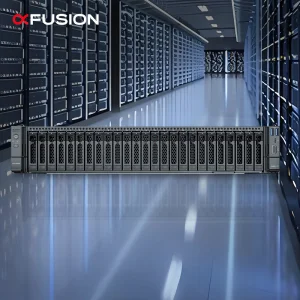
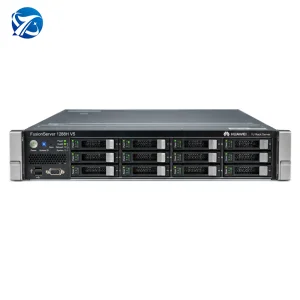
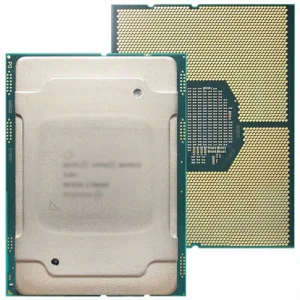
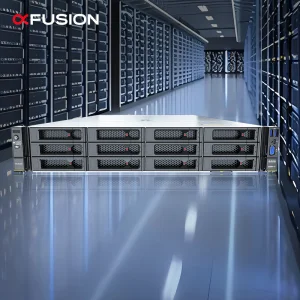
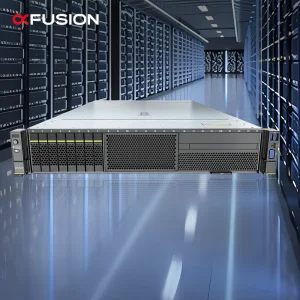
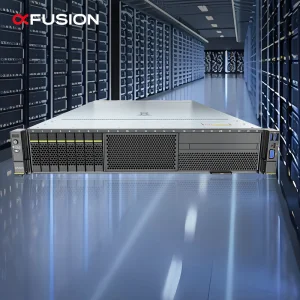
Maximizing computing density per rack unit is key to reducing operational expenditures in data centers. Modern enterprise platforms, such as the xFusion 2488H V7, utilize 4-socket configurations powered by multi-core Intel Xeon Scalable Processors. This allows systems to run complex virtualization, large database operations, and high-concurrency visual pipelines within compact 2U forms.
Increasing TDP (Thermal Design Power) in modern AI GPUs and multi-core CPUs requires sophisticated thermal solutions. Advanced copper-core heat sinks, customized internal airflow baffles, and emerging liquid-cooling loops are critical to preventing thermal throttling. These technologies maintain stable clock speeds during continuous heavy-duty training workloads.
Heterogeneous computing—combining traditional CPUs with massive GPGPU arrays—defines the modern computational ecosystem. CPUs handle complex sequential logic and system orchestration, while GPGPU acceleration pipelines execute matrix math operations. Under this model, server backplanes must support high-speed point-to-point interconnects to prevent communication latency.
As neural networks scale to hundreds of billions of parameters, model parallelism is essential. Distributed computing architectures leverage high-speed NVLink or PCIe switches to bind multiple physical GPU servers into a single logical execution unit. These technologies allow processing nodes to load vast weights directly into high-bandwidth memory (HBM), reducing reliance on system RAM and minimizing latency.
Different industries require tailored computing architectures. ZhiCloud AI's customized GPU infrastructure is optimized to run demanding workflows across key sectors:
By designing flexible, custom storage architectures (SAS, NVMe, and SATA) and integrating PCIe RAID cards, ZhiCloud AI servers deliver balanced read/write performance to match specialized workloads.
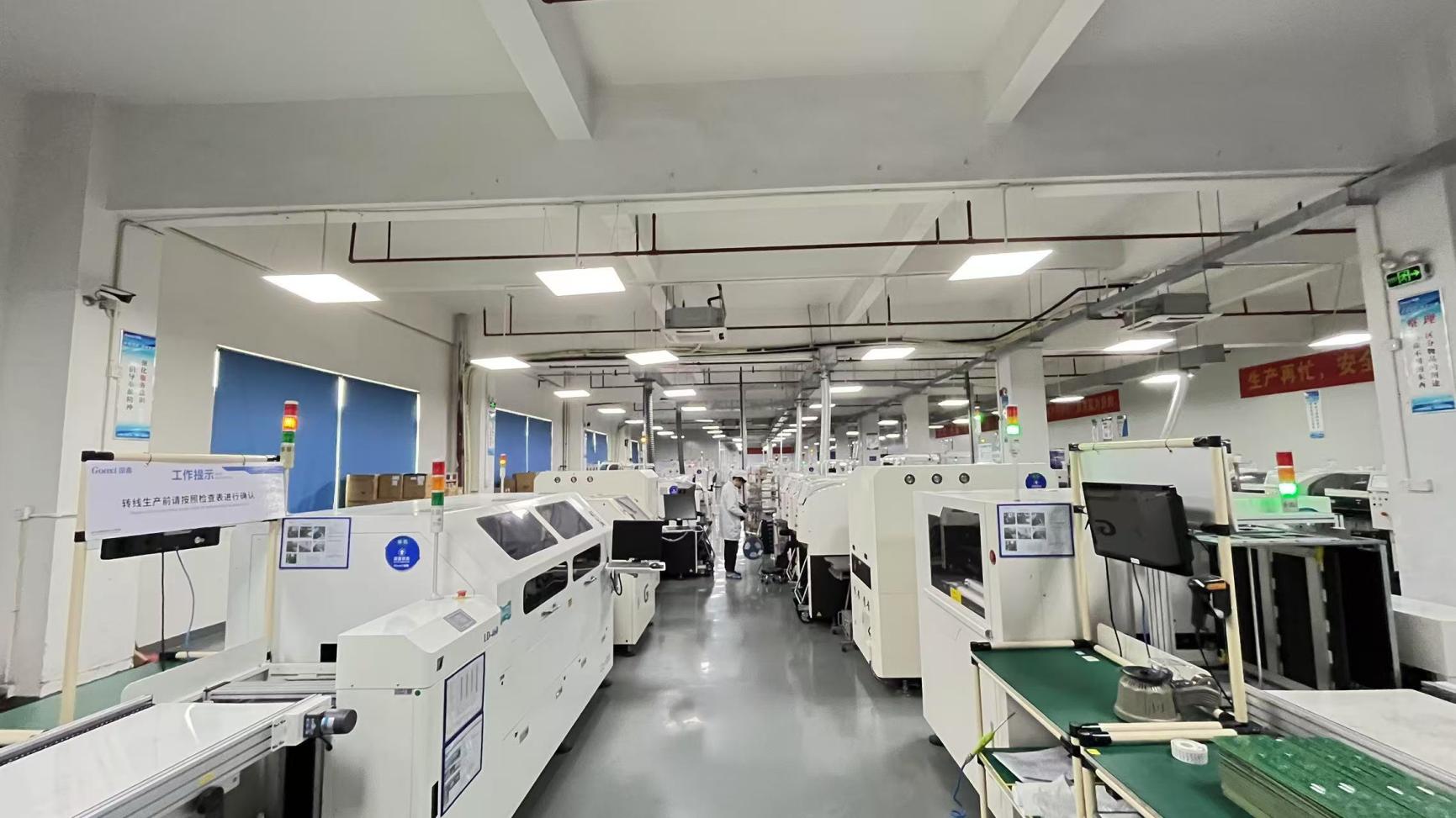
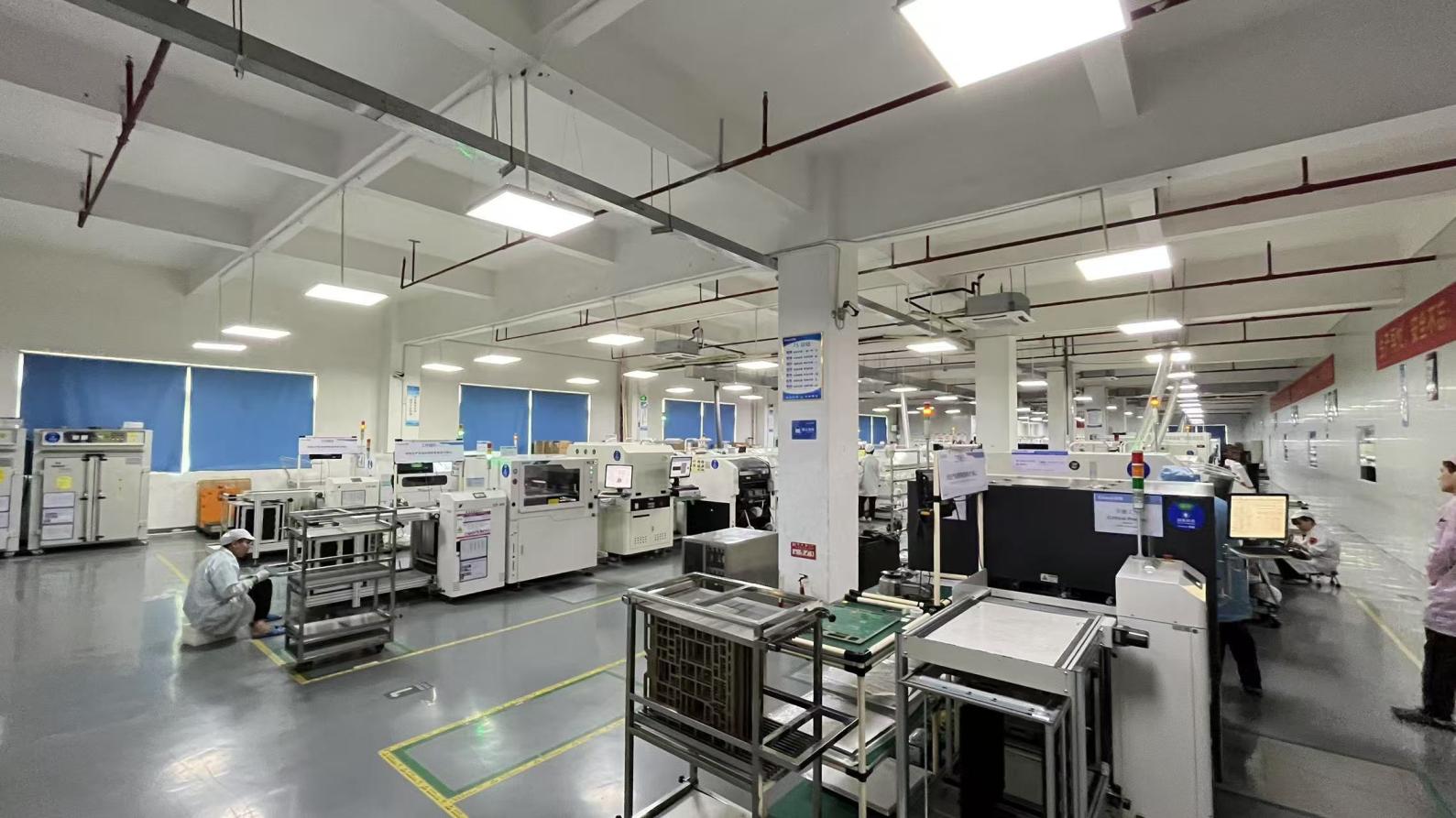
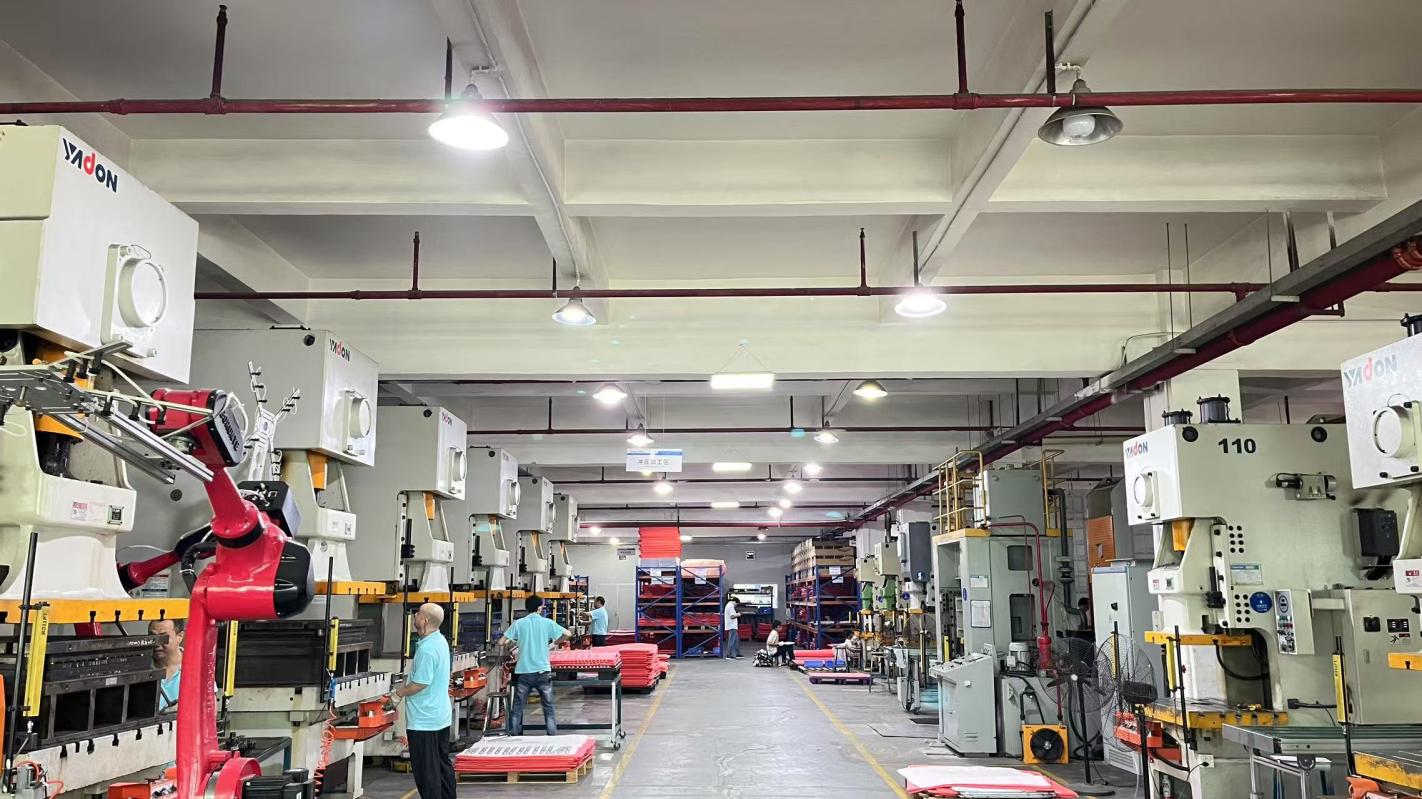
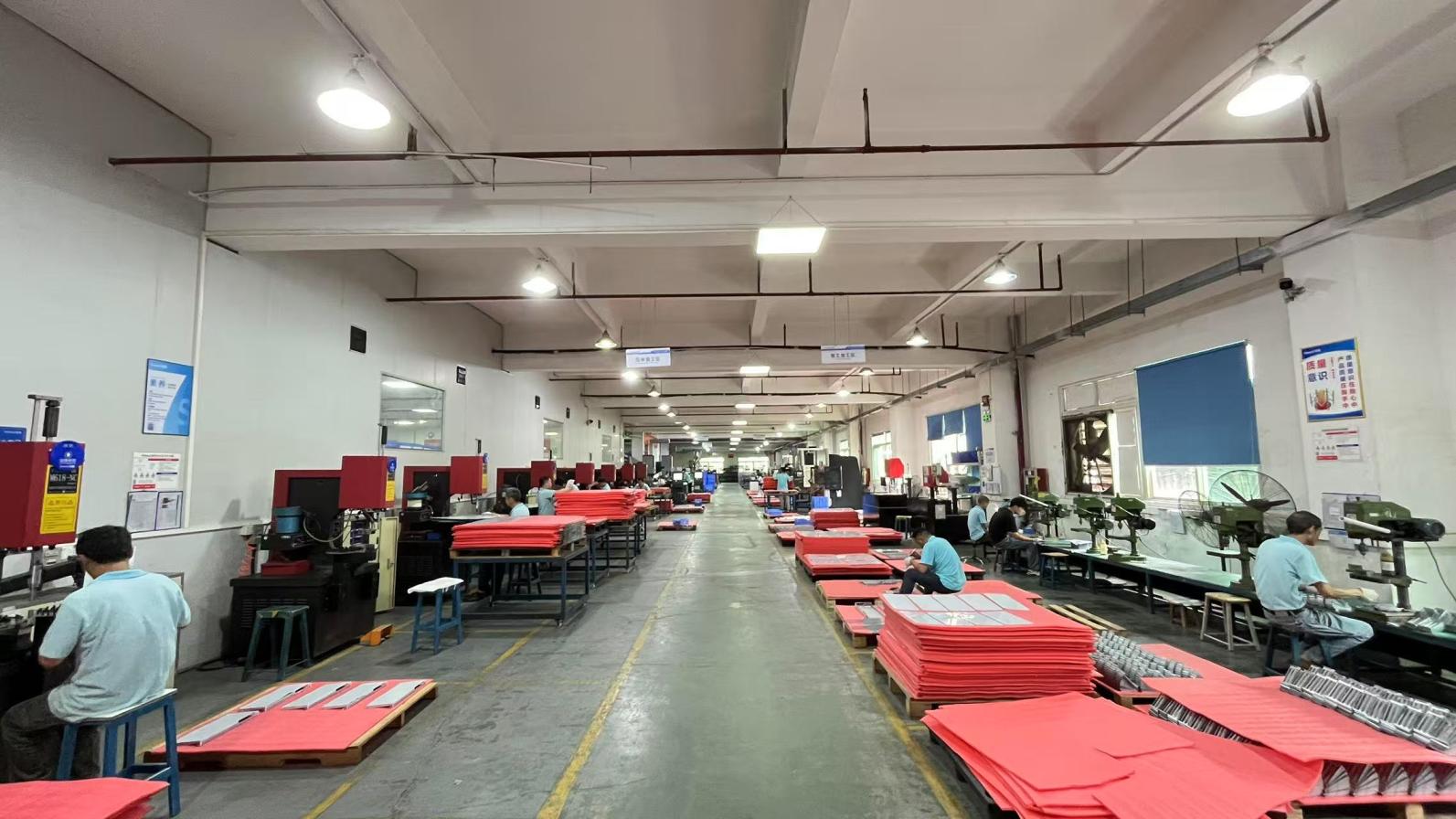
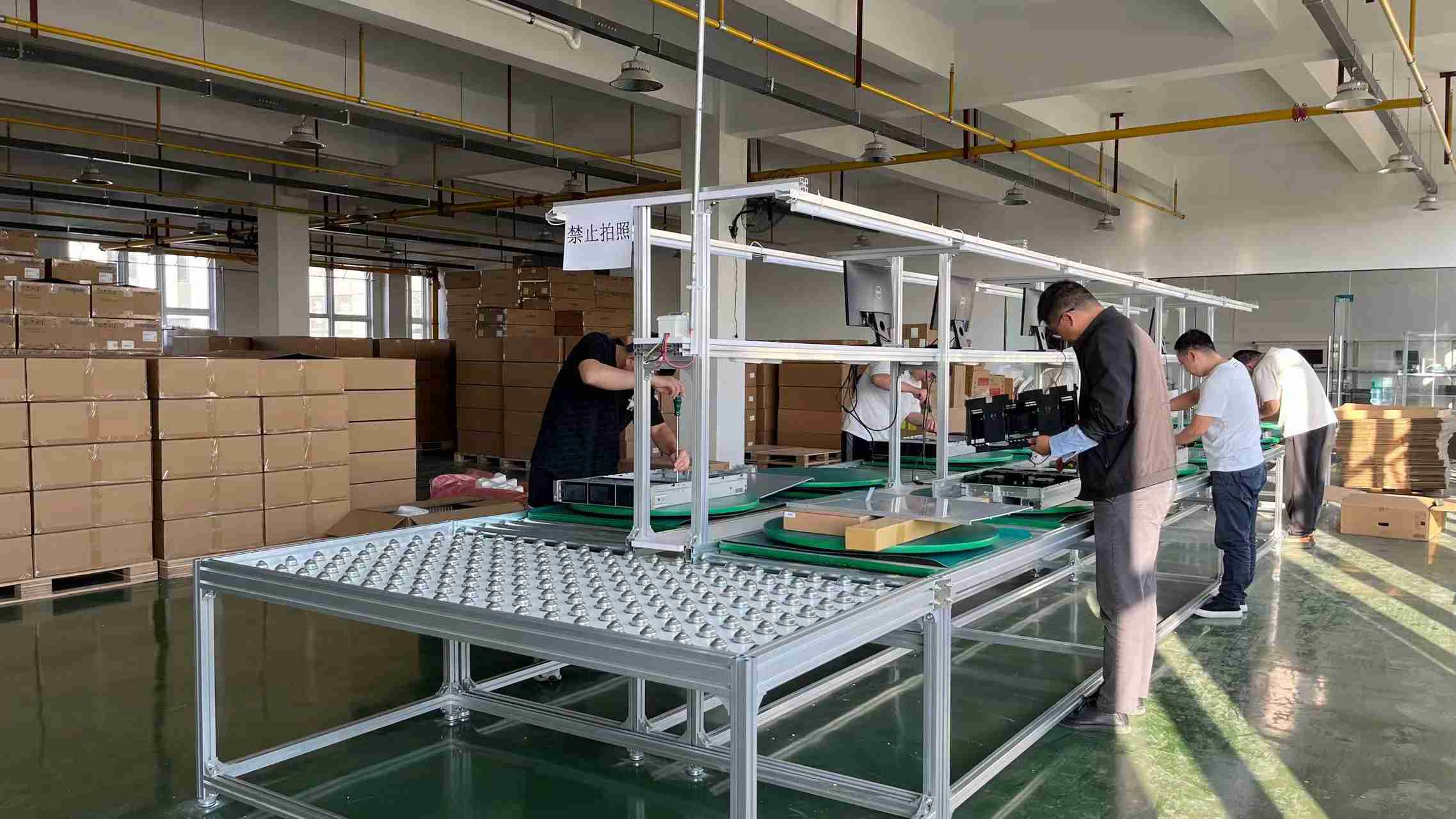
From raw metal fabrication to Surface Mount Technology (SMT) and final assembly, our processes adhere to strict quality standards.
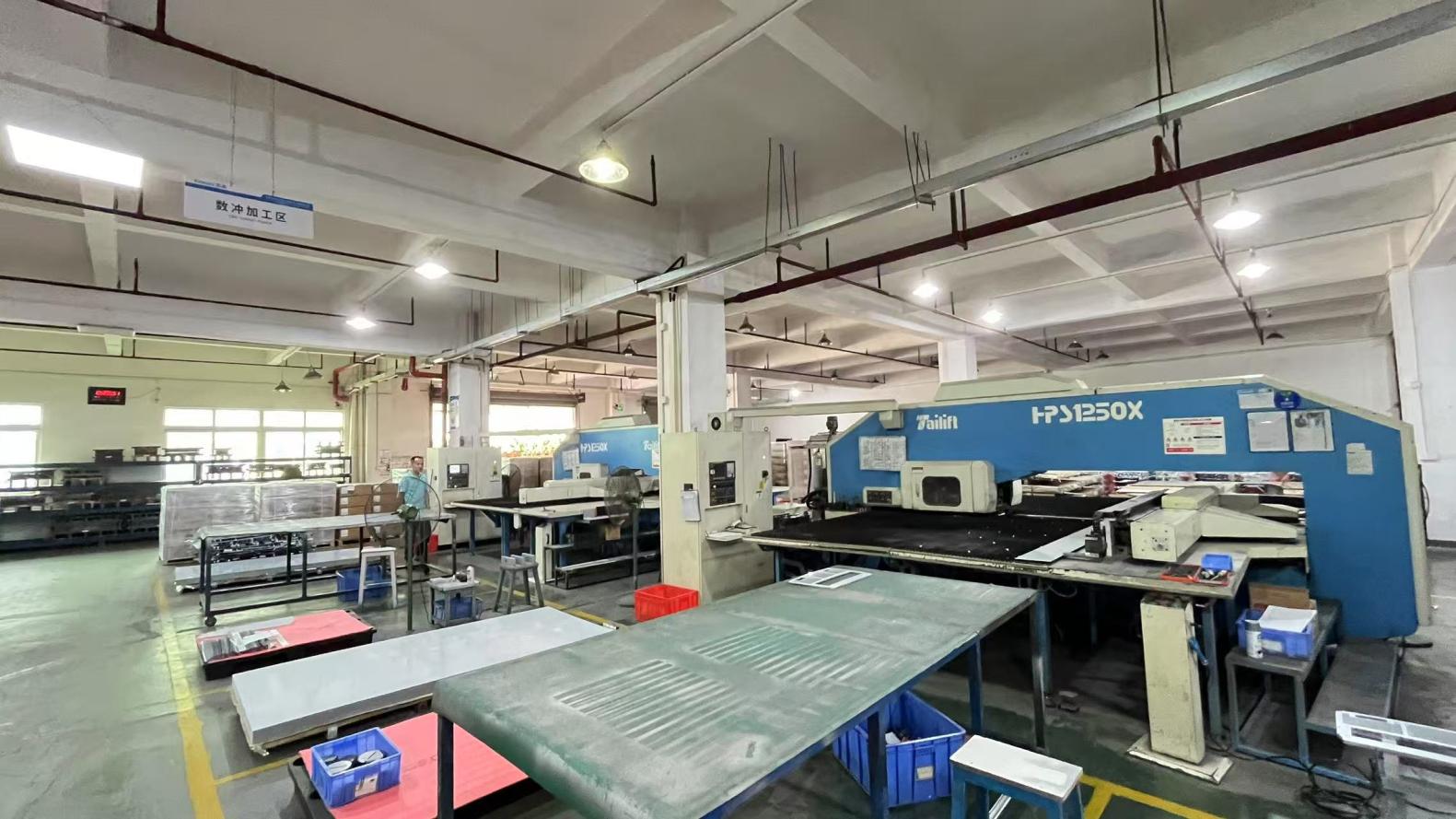
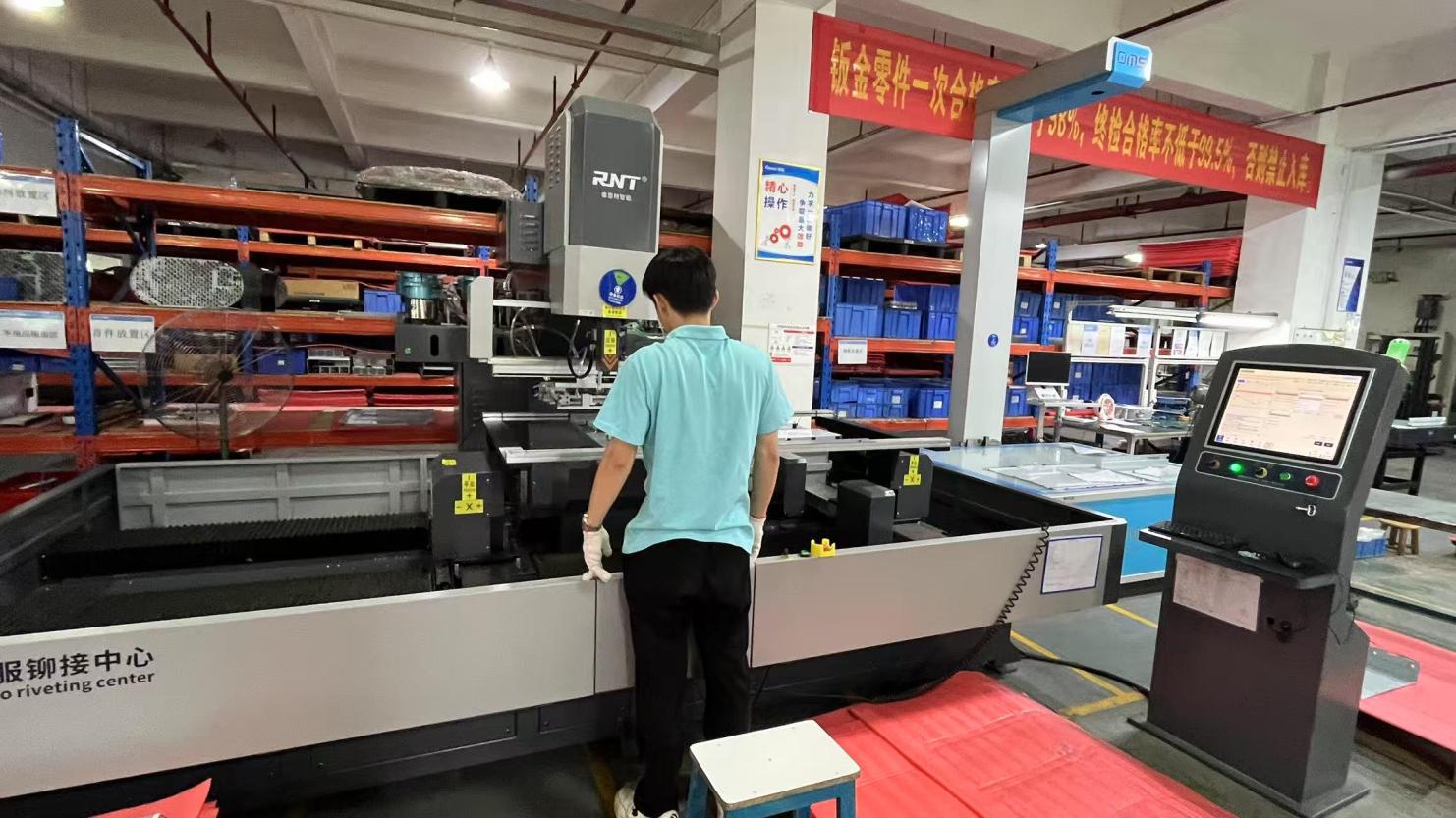

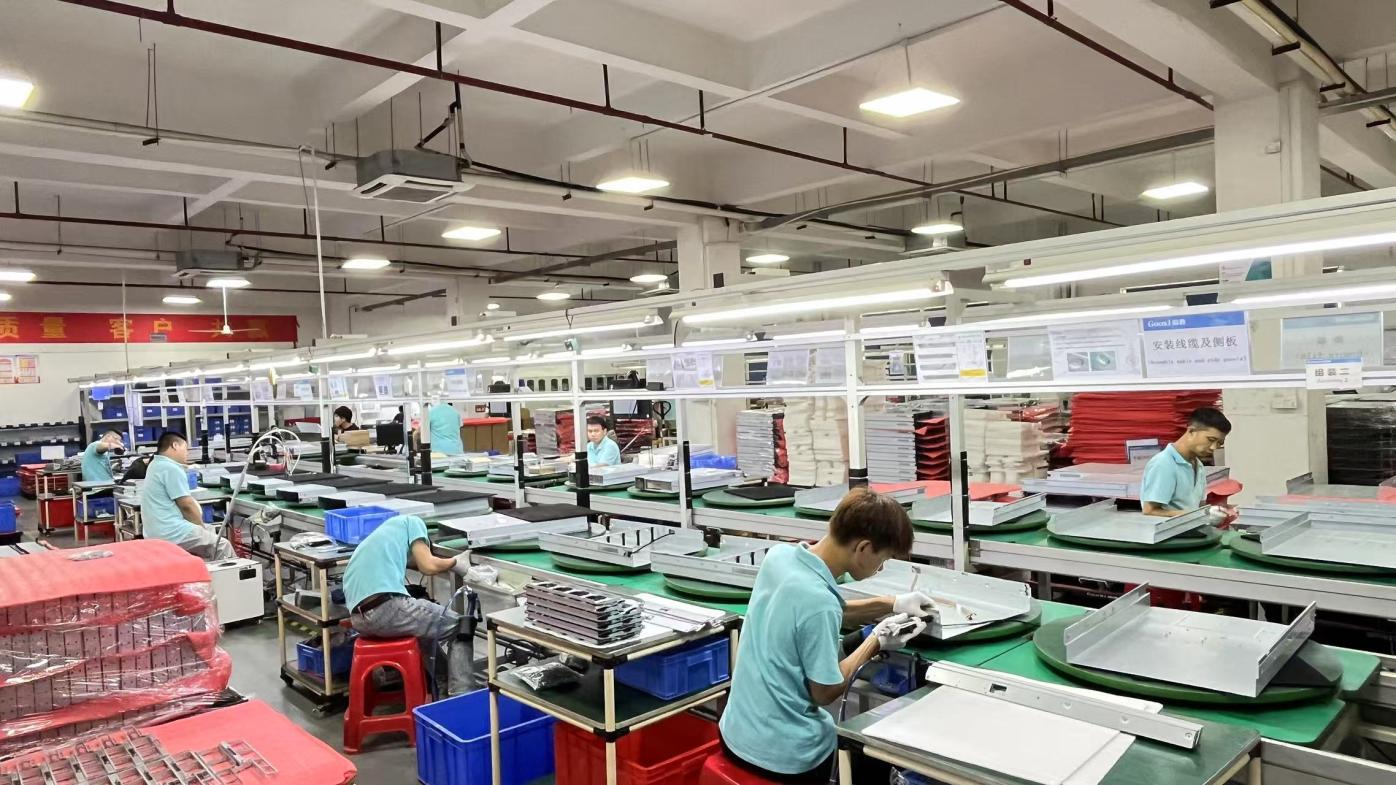
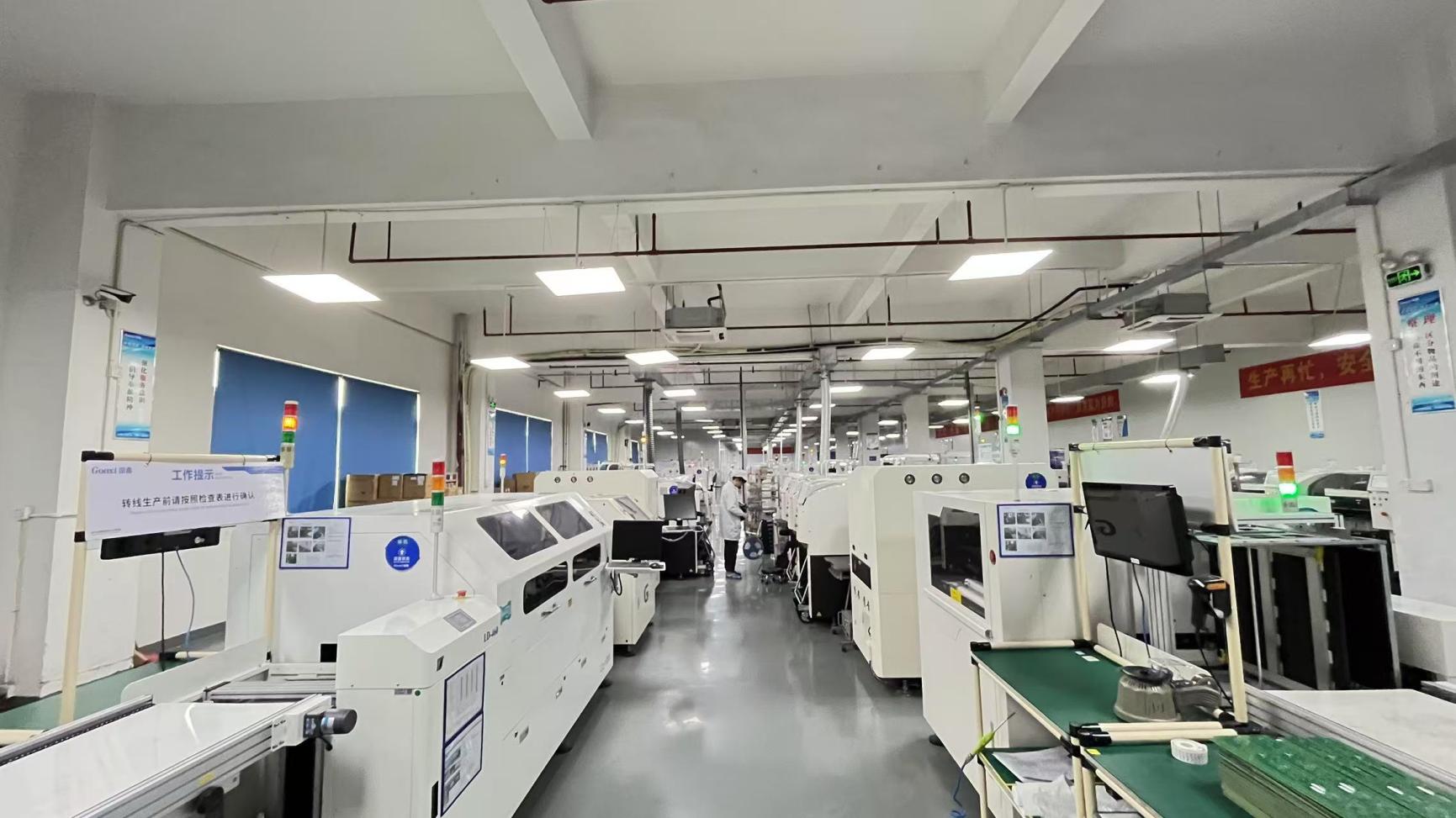

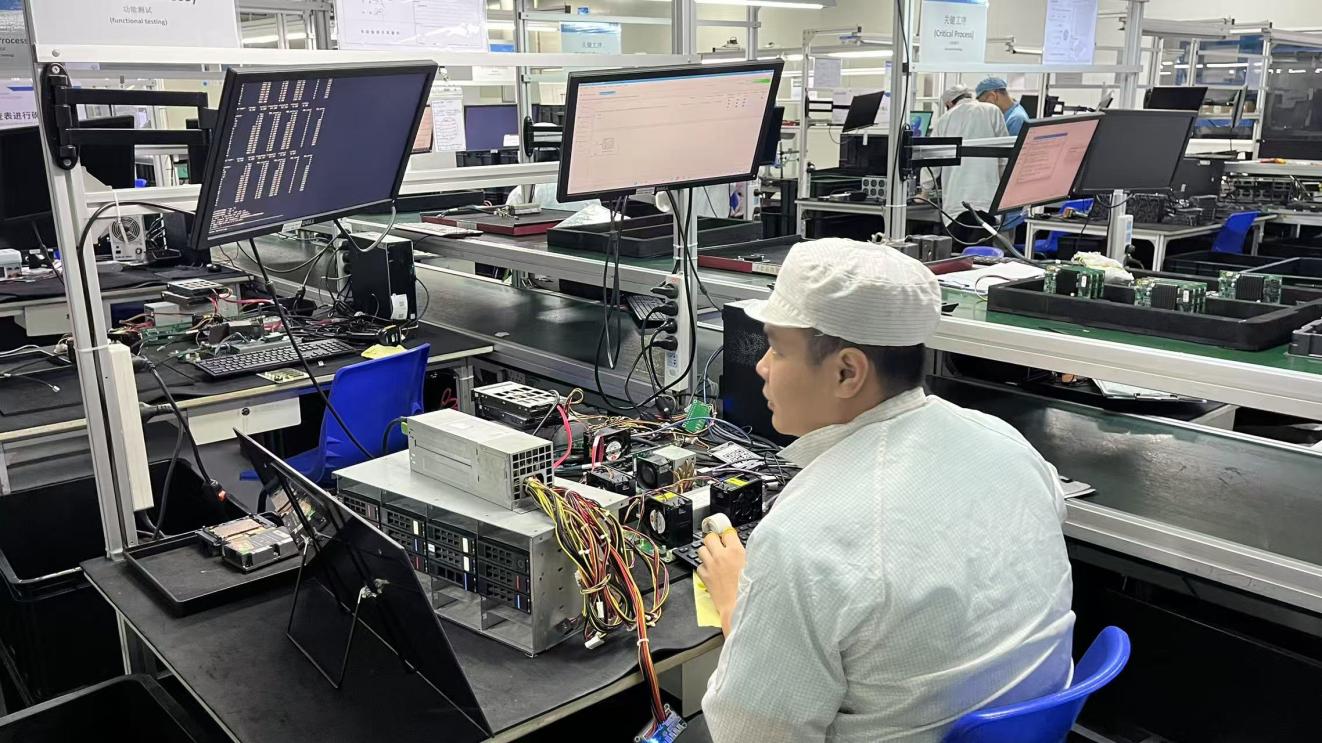
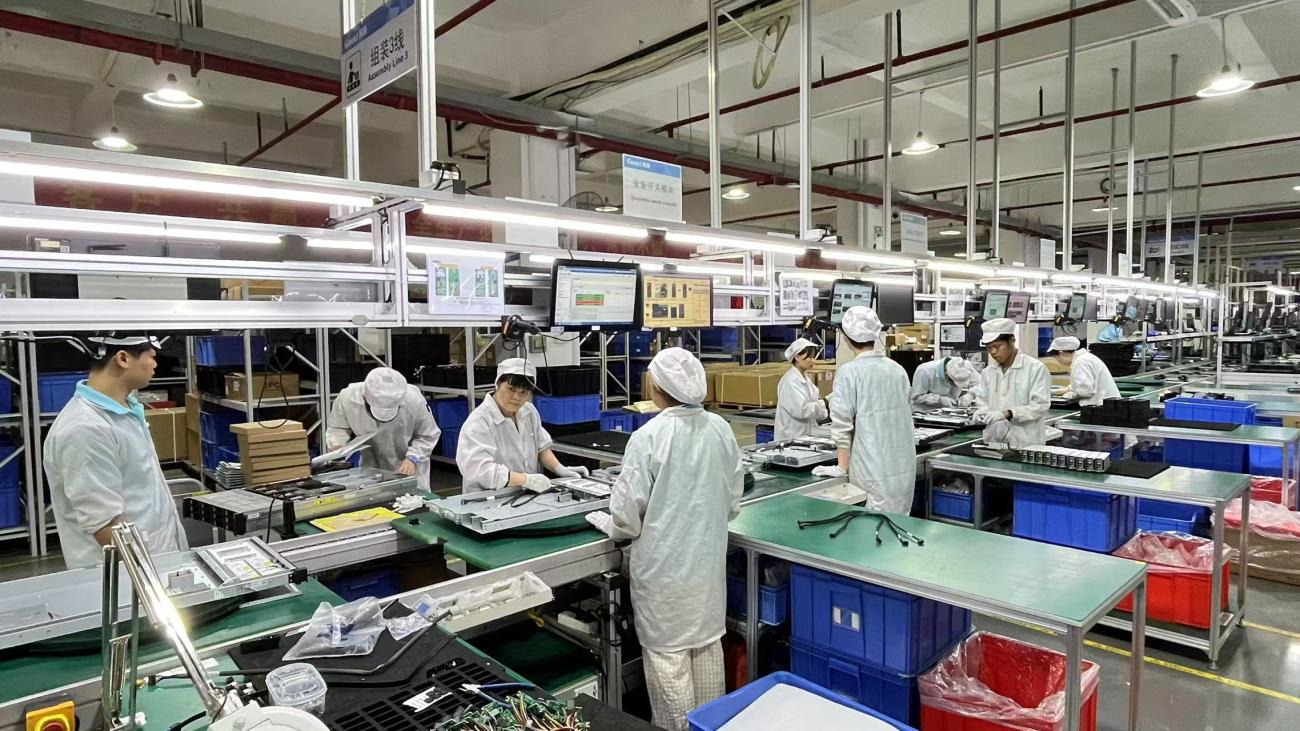

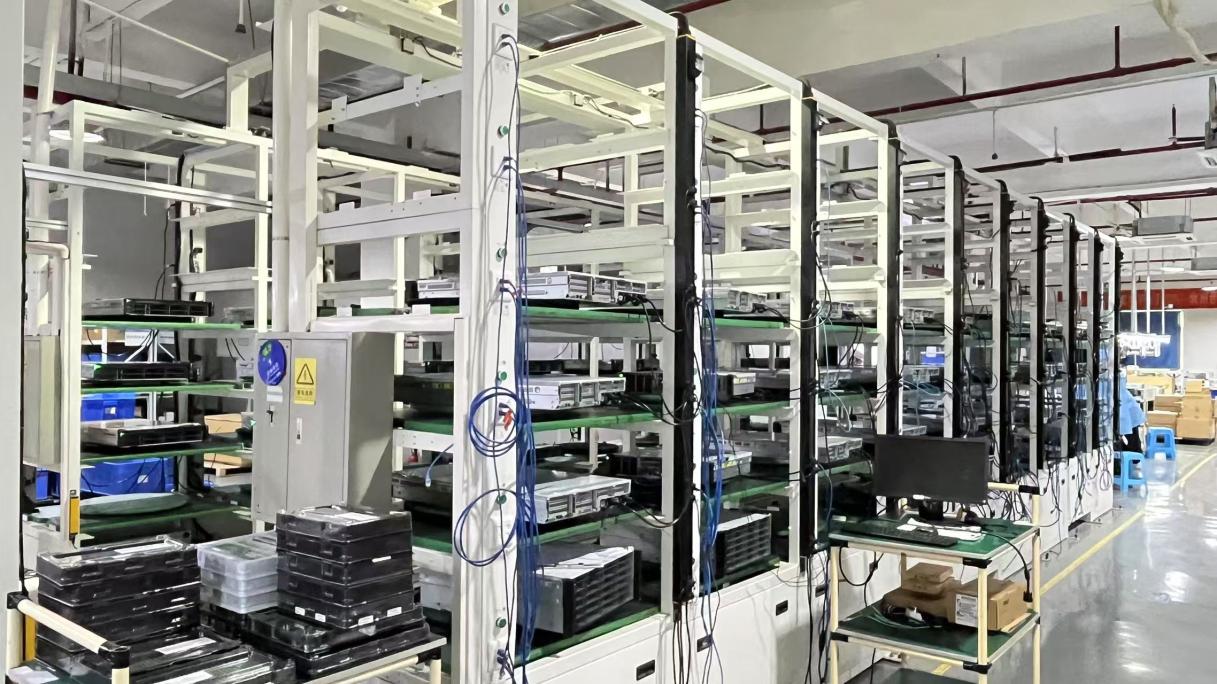
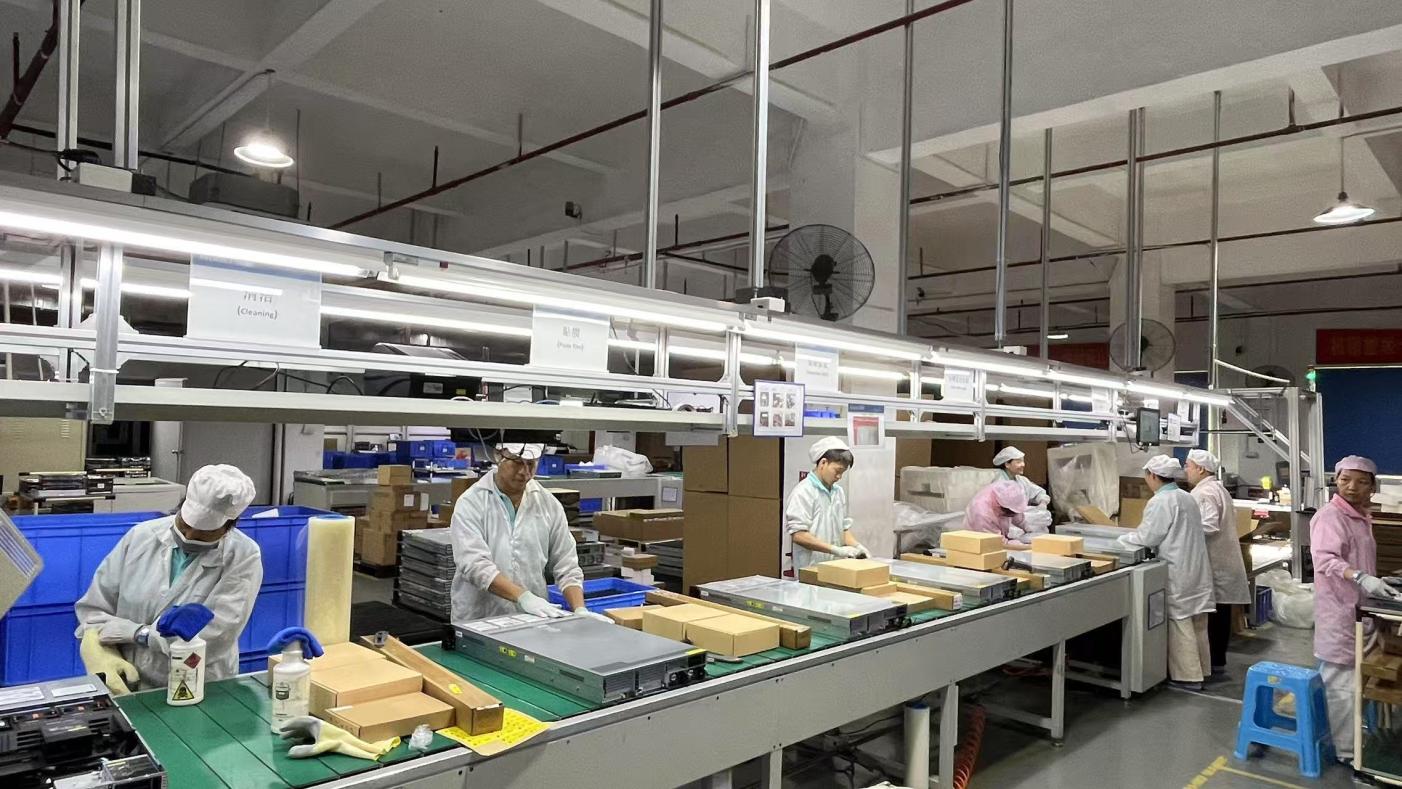
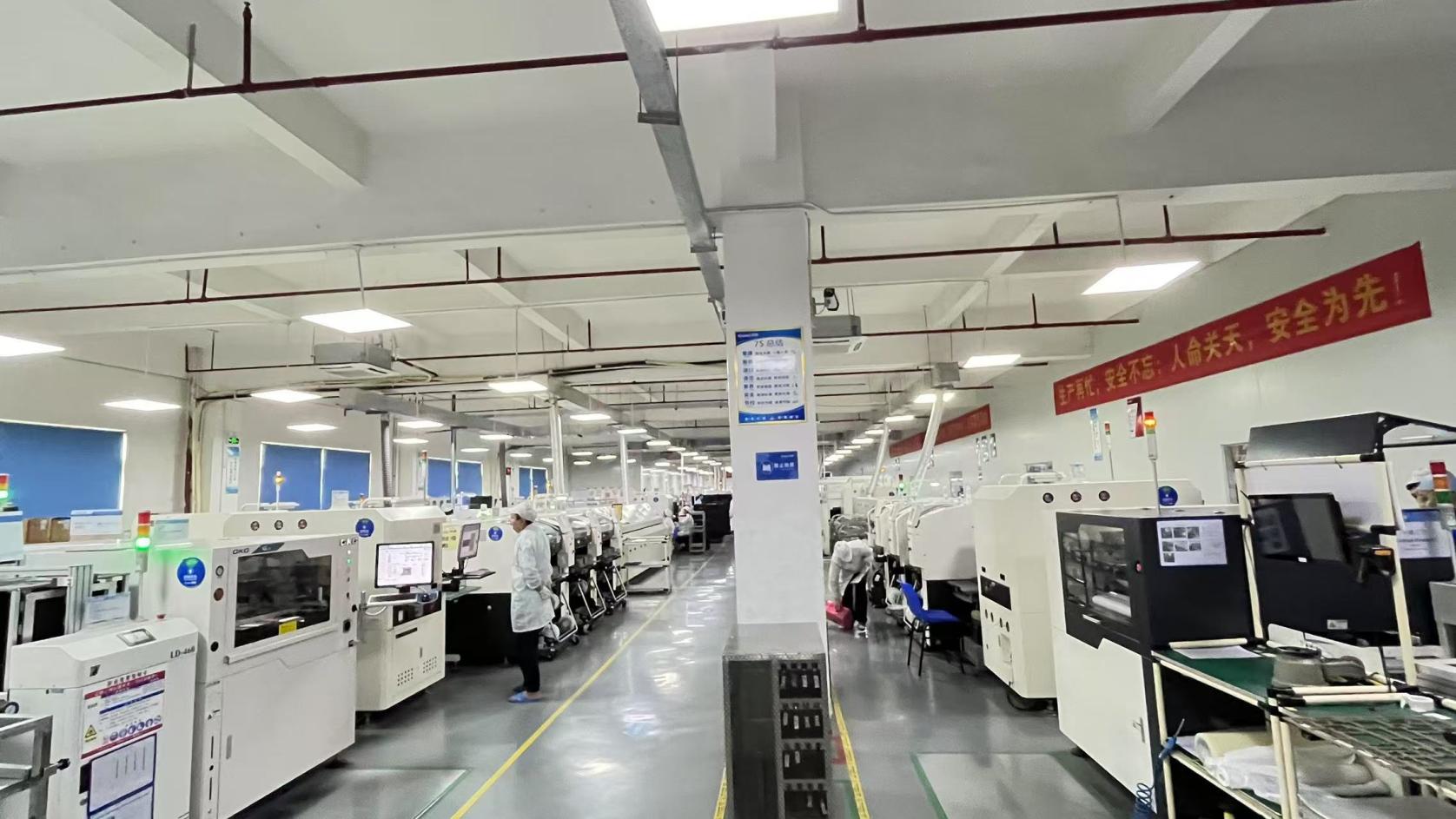

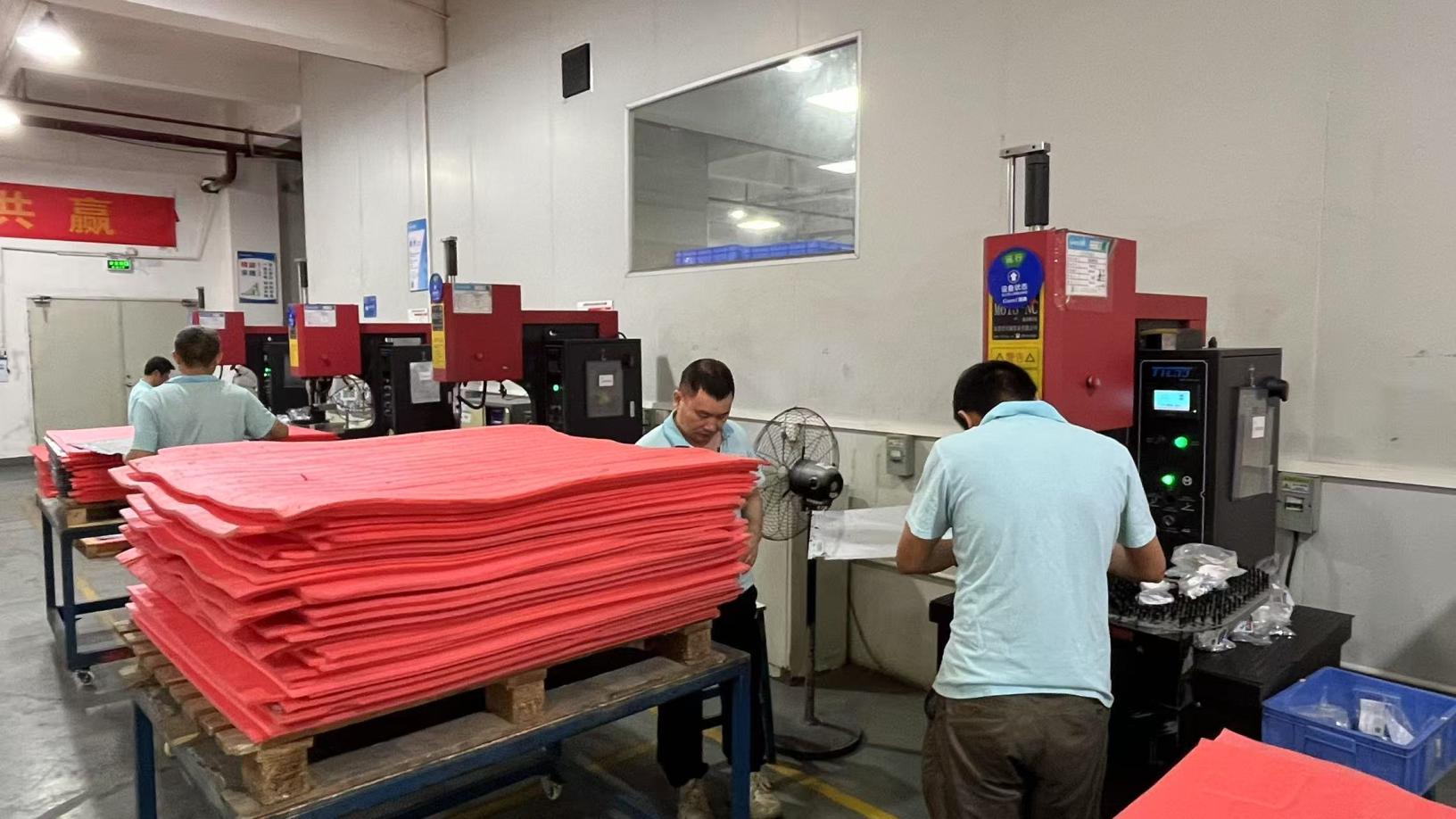
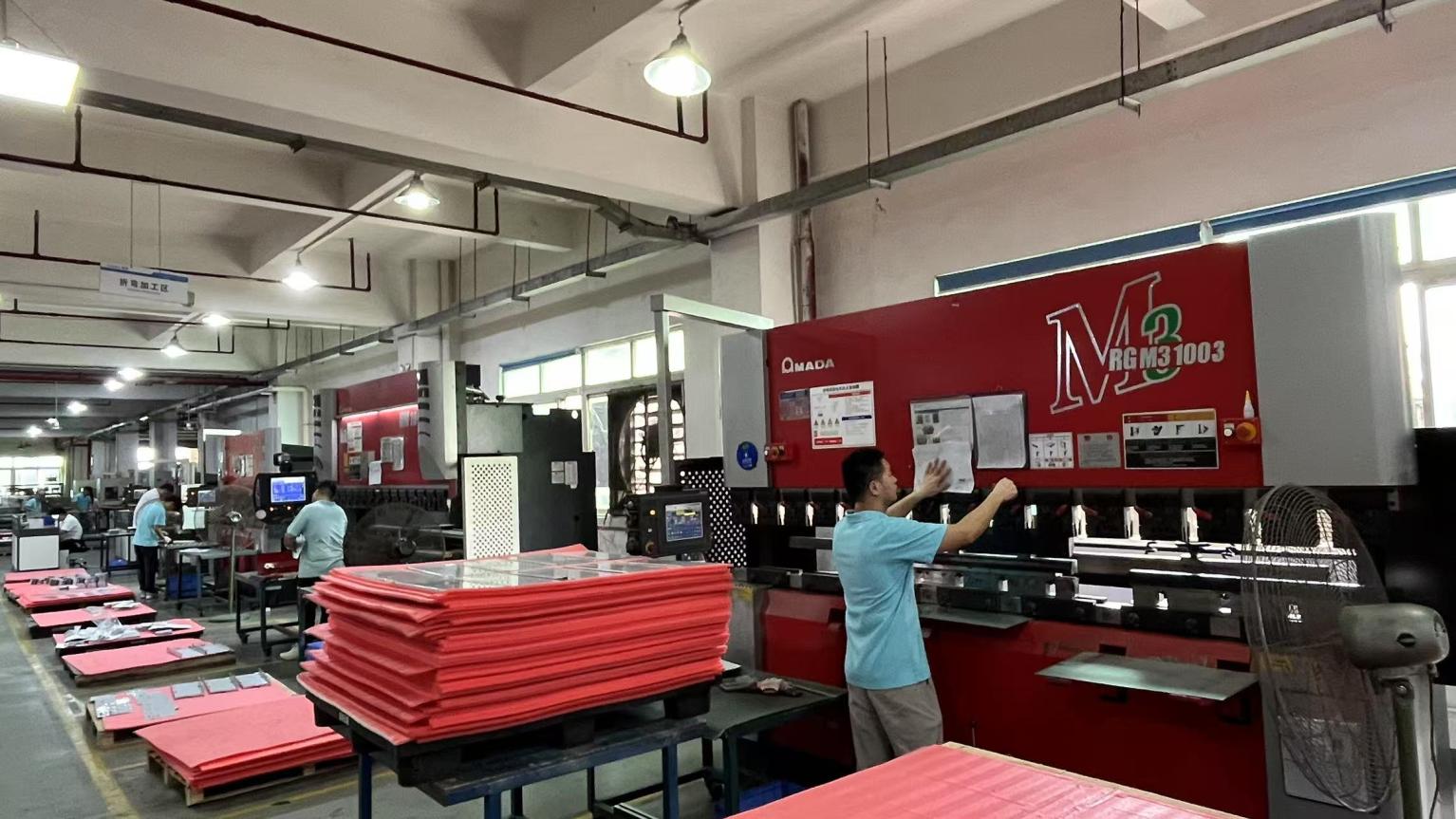

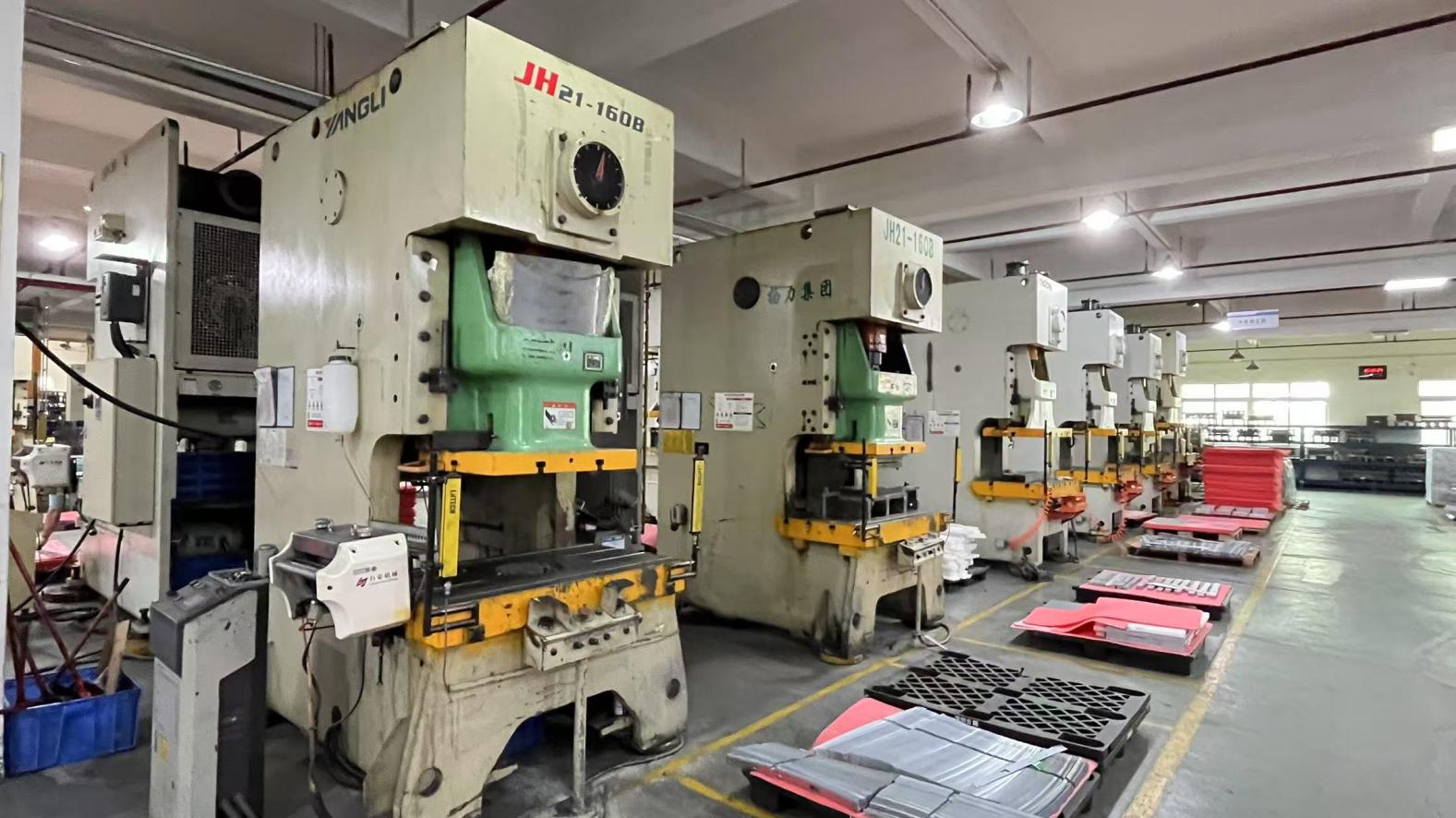

Reliability is crucial for enterprise server deployments, where unexpected downtime can lead to significant disruptions. ZhiCloud AI maintains a dedicated 45-person Quality Control team to supervise every step of production.
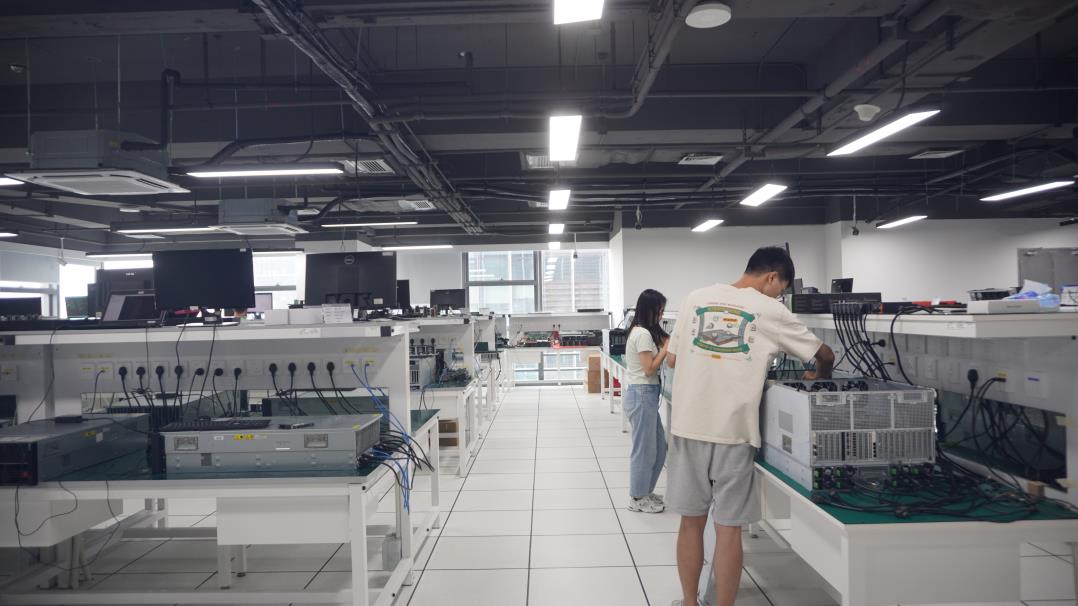
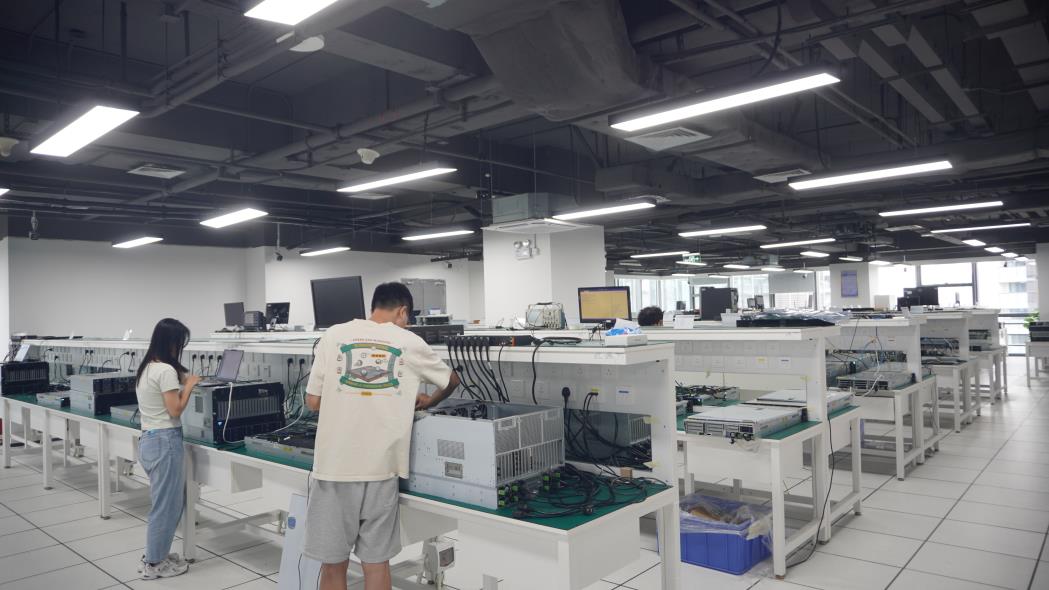
Our validation protocol integrates testing phases to ensure structural integrity and electrical performance under heavy workloads:
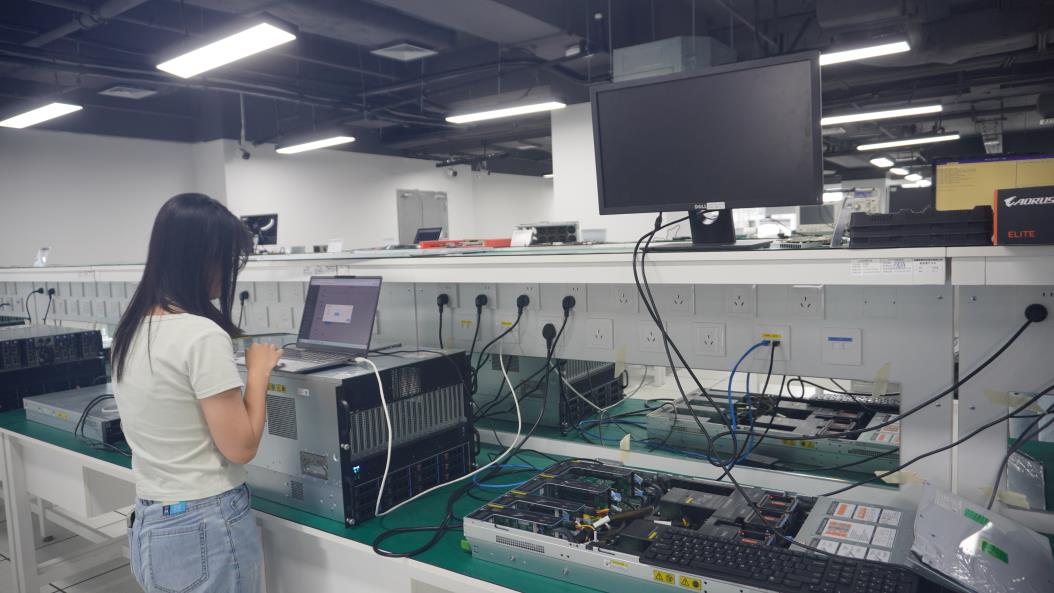
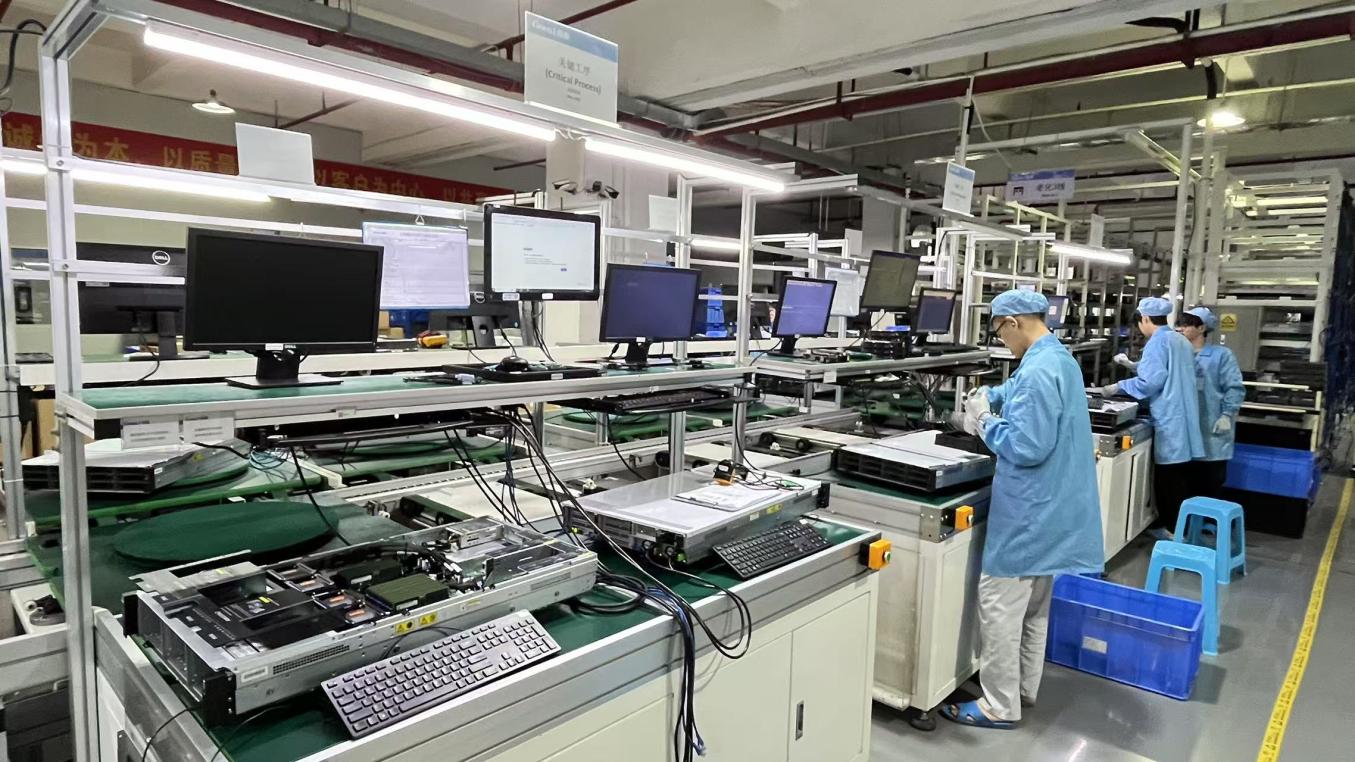
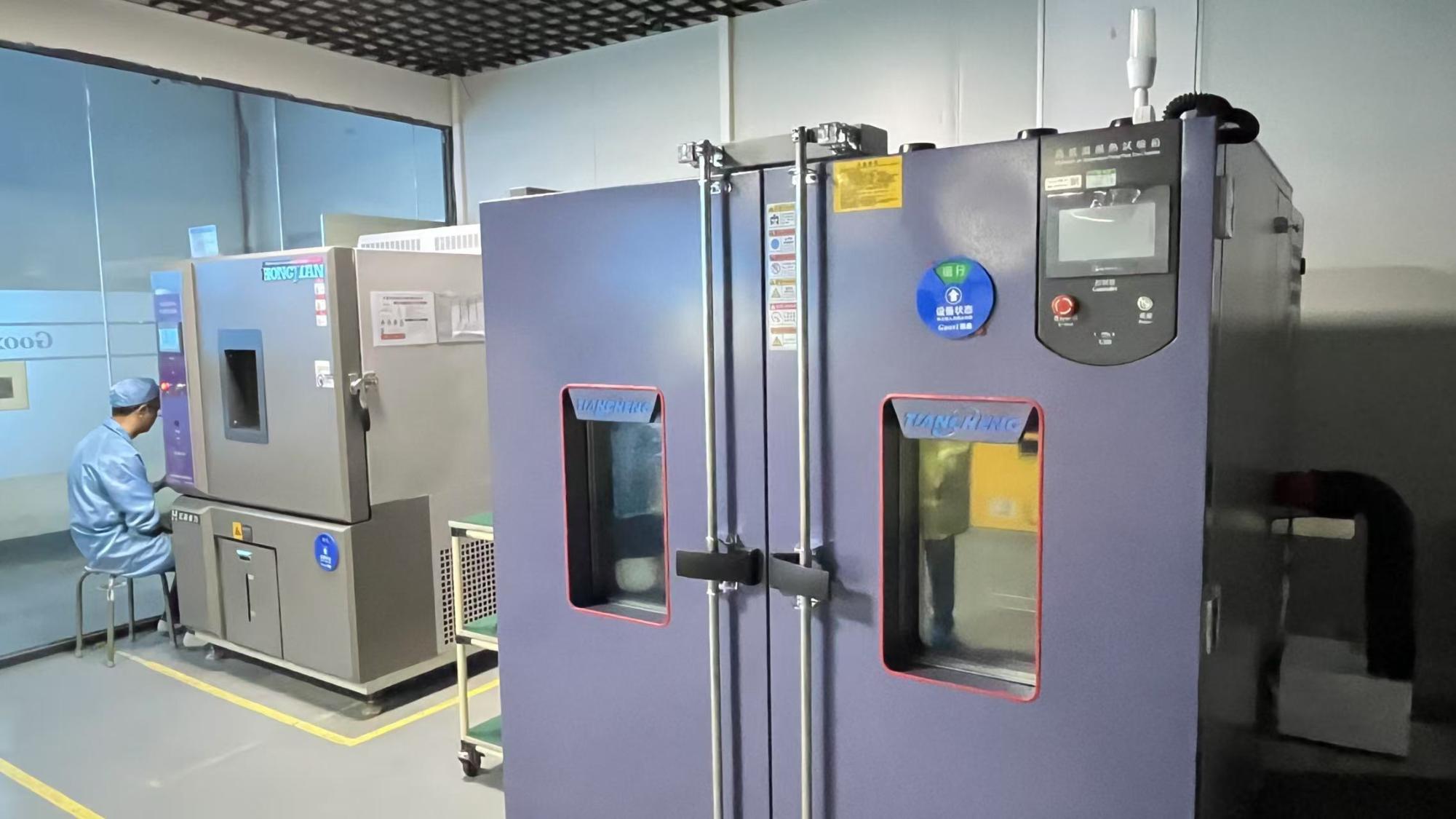
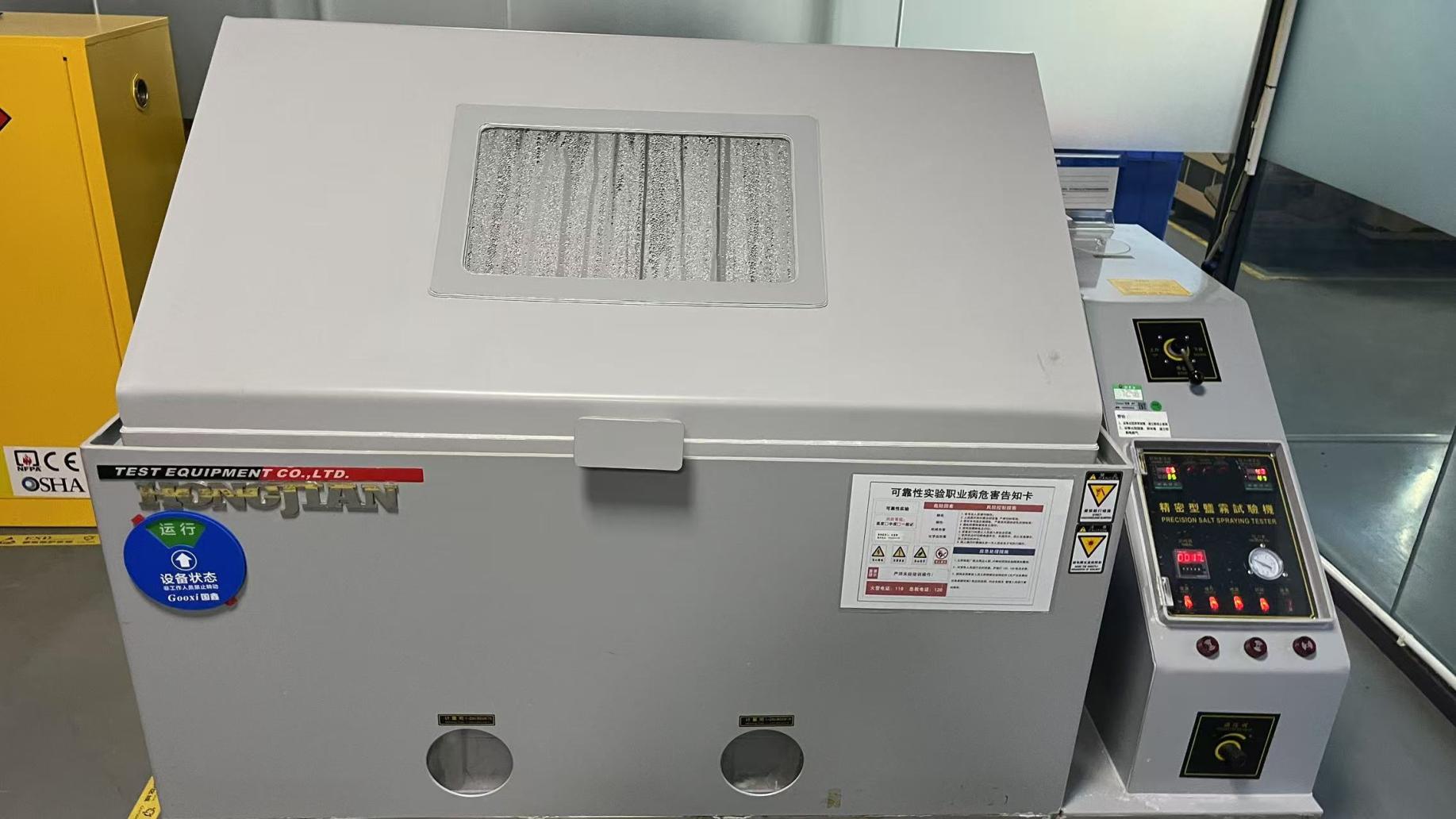
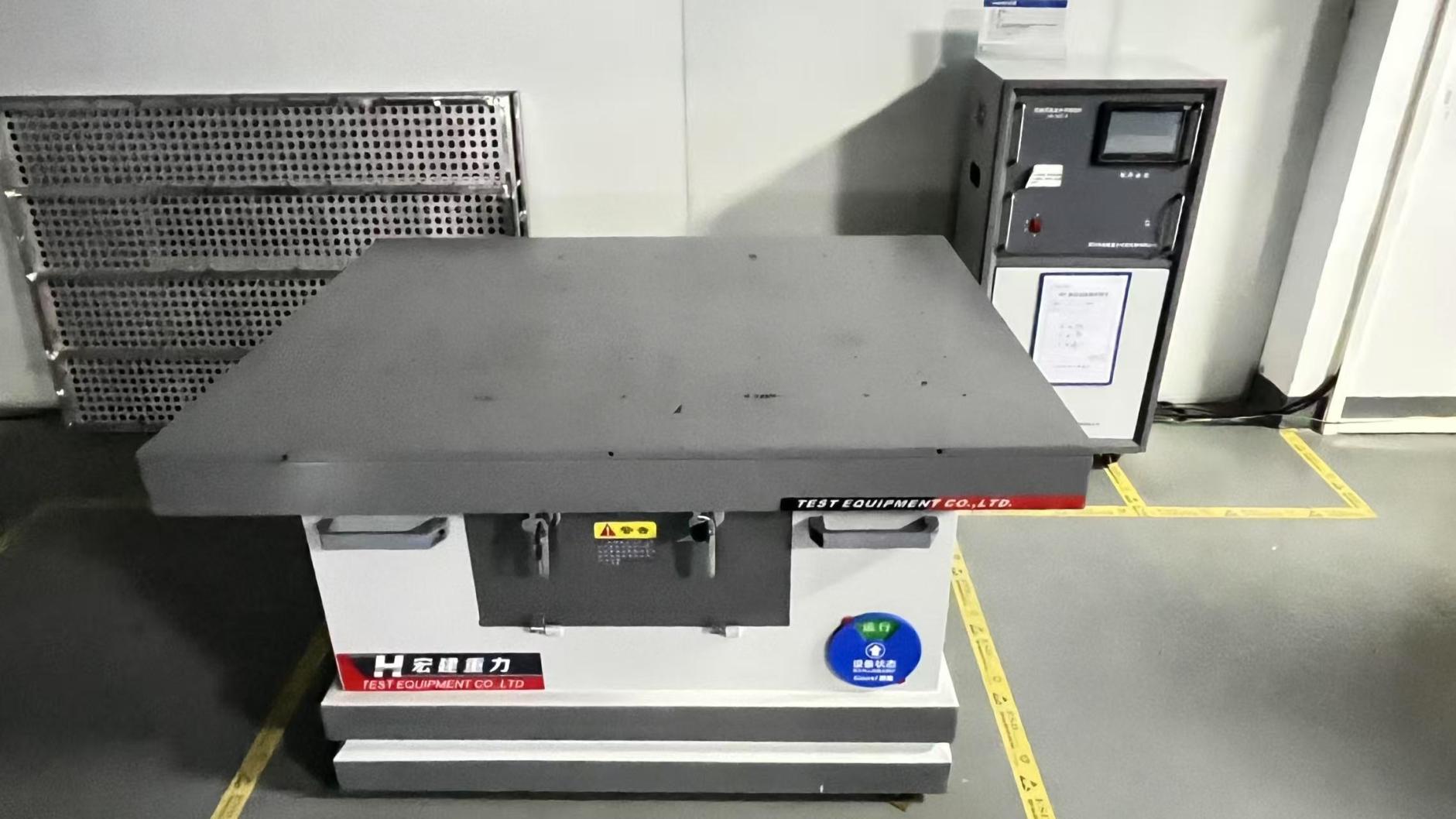
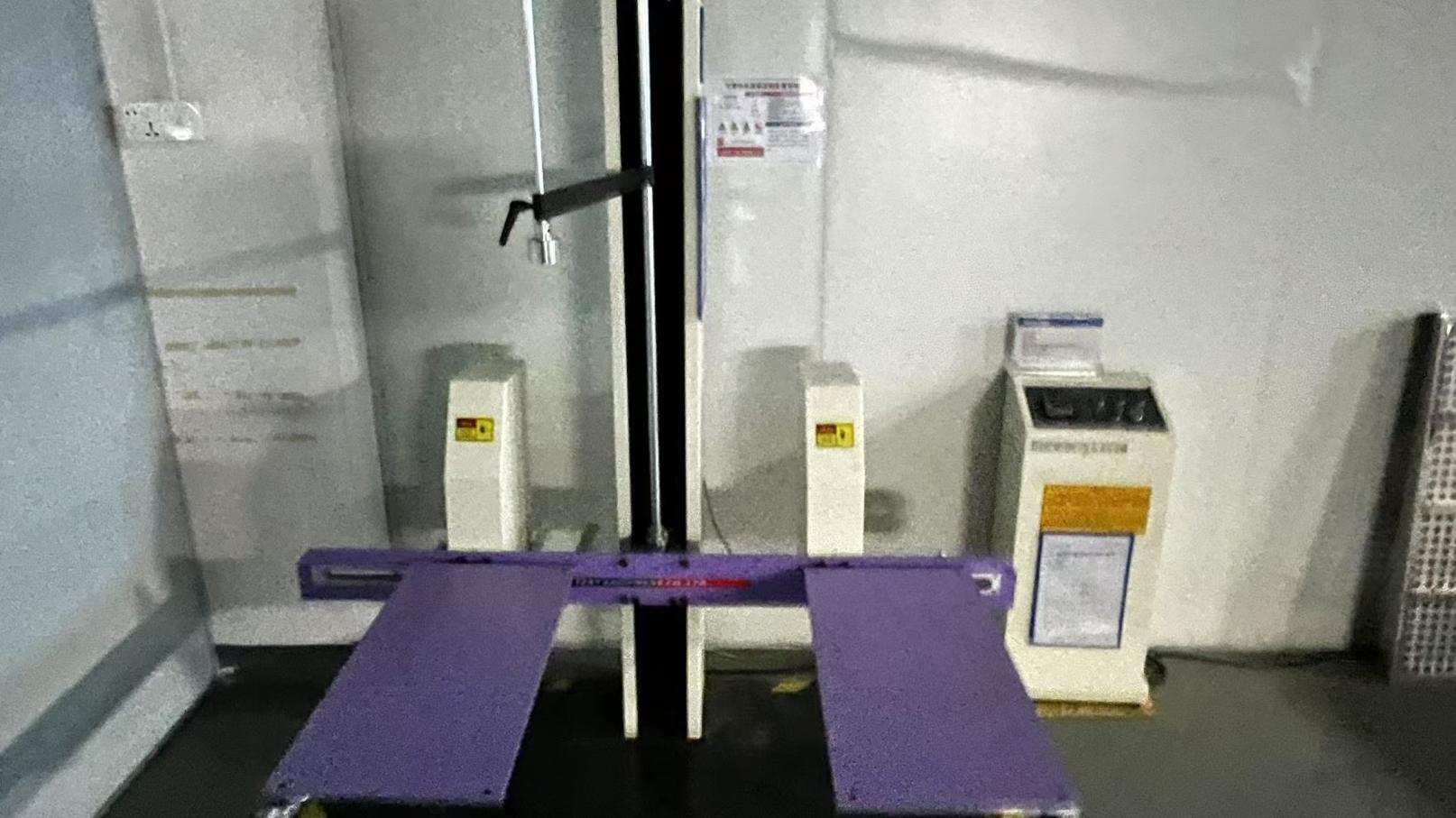


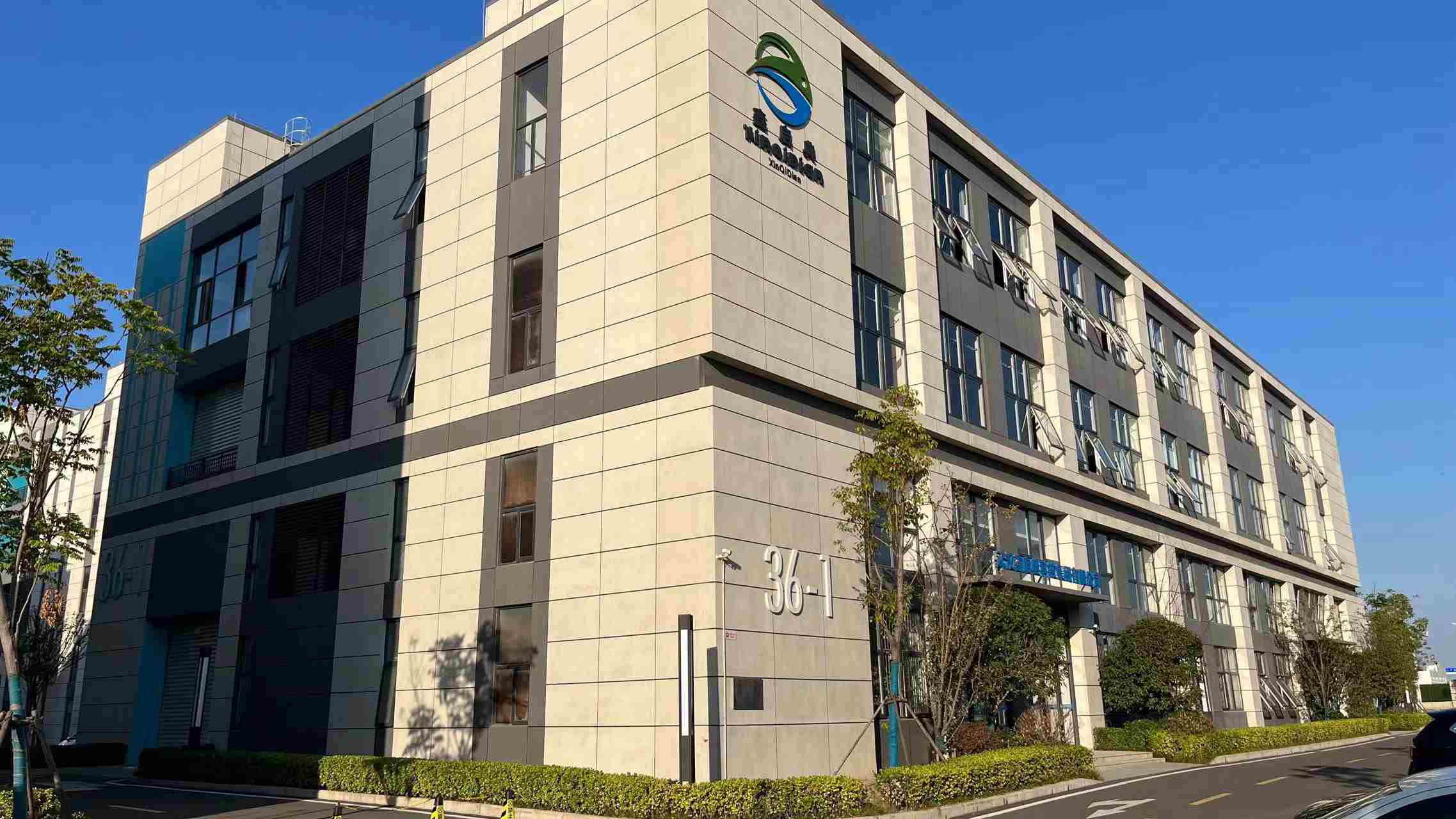
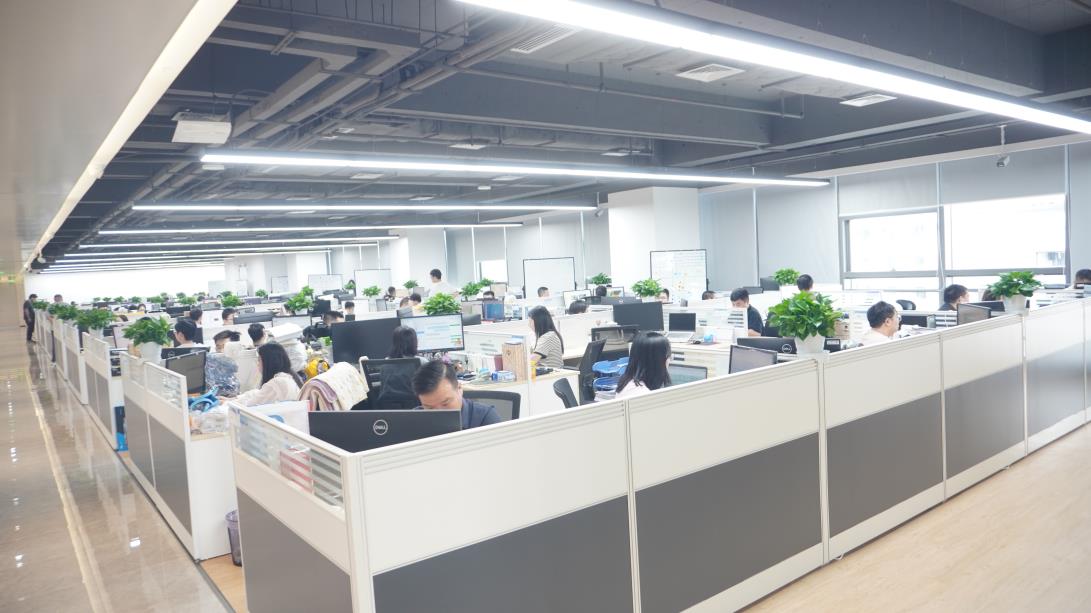
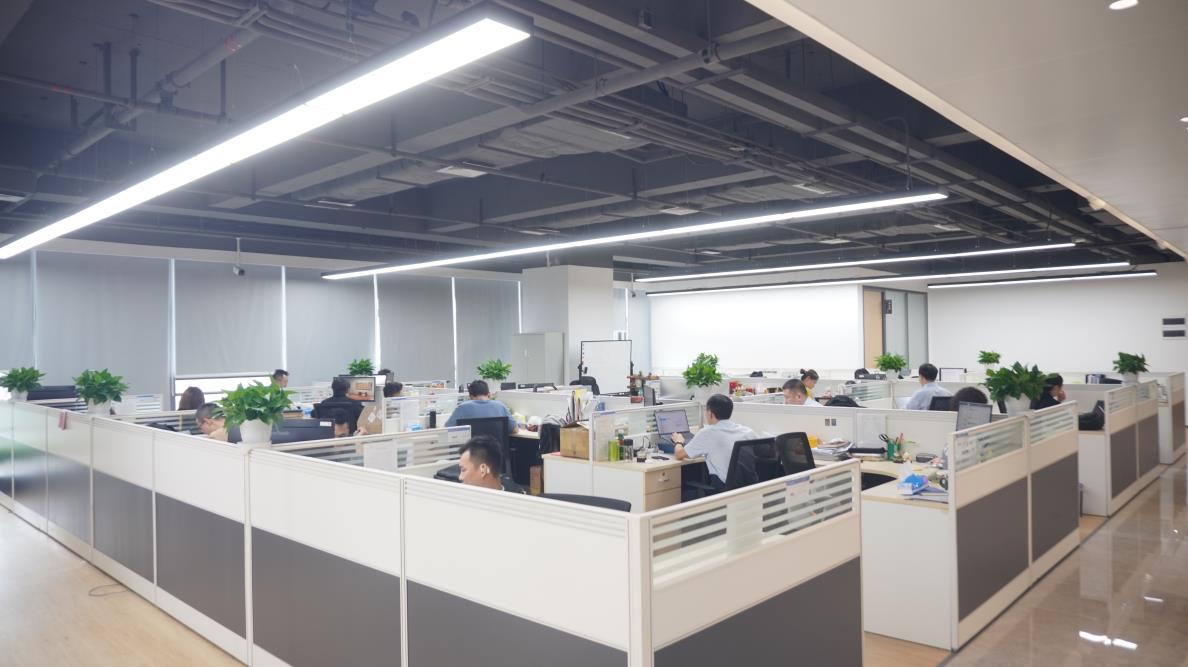
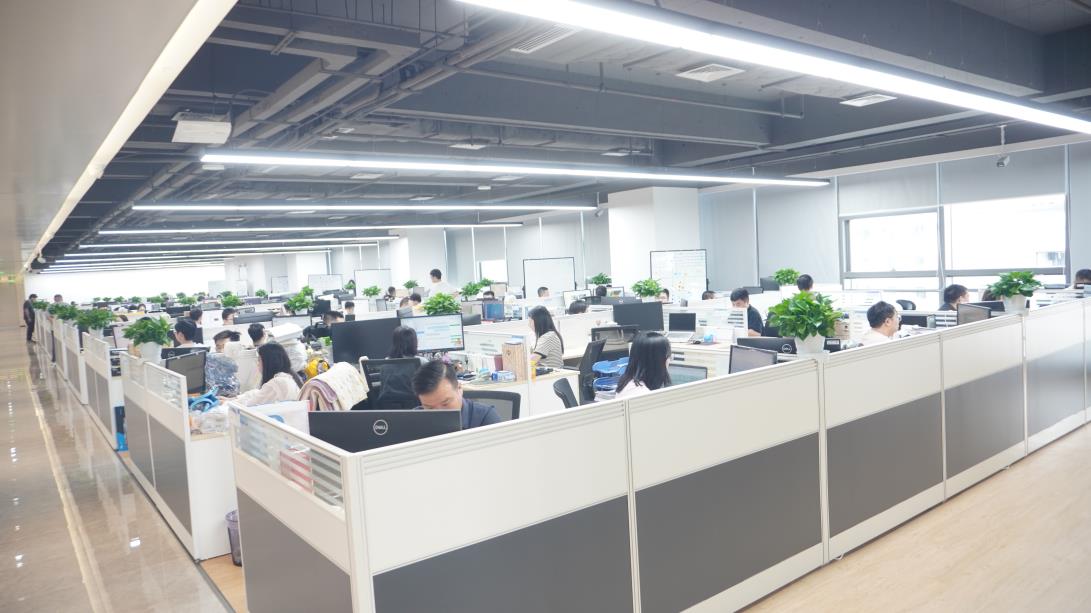
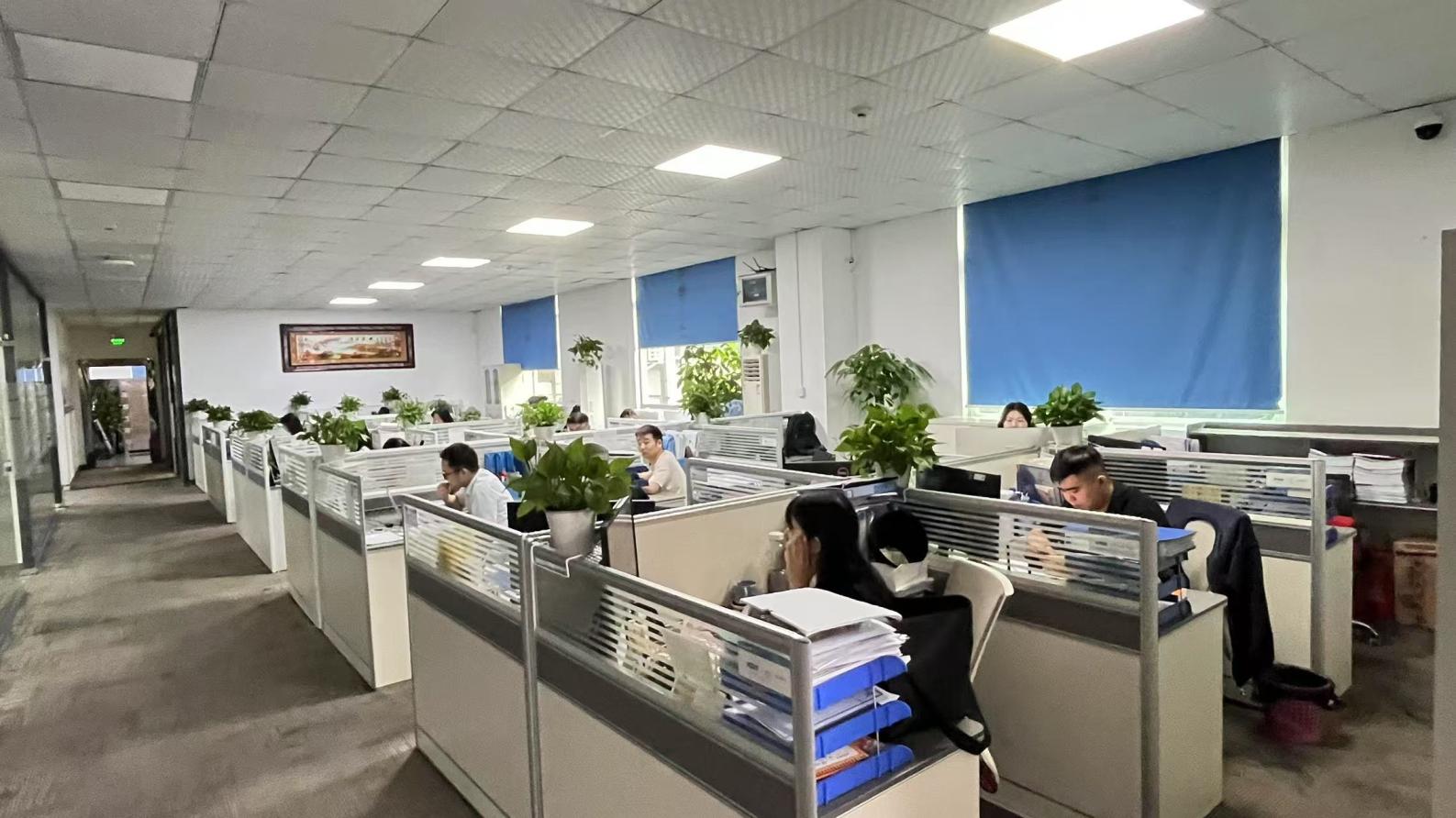
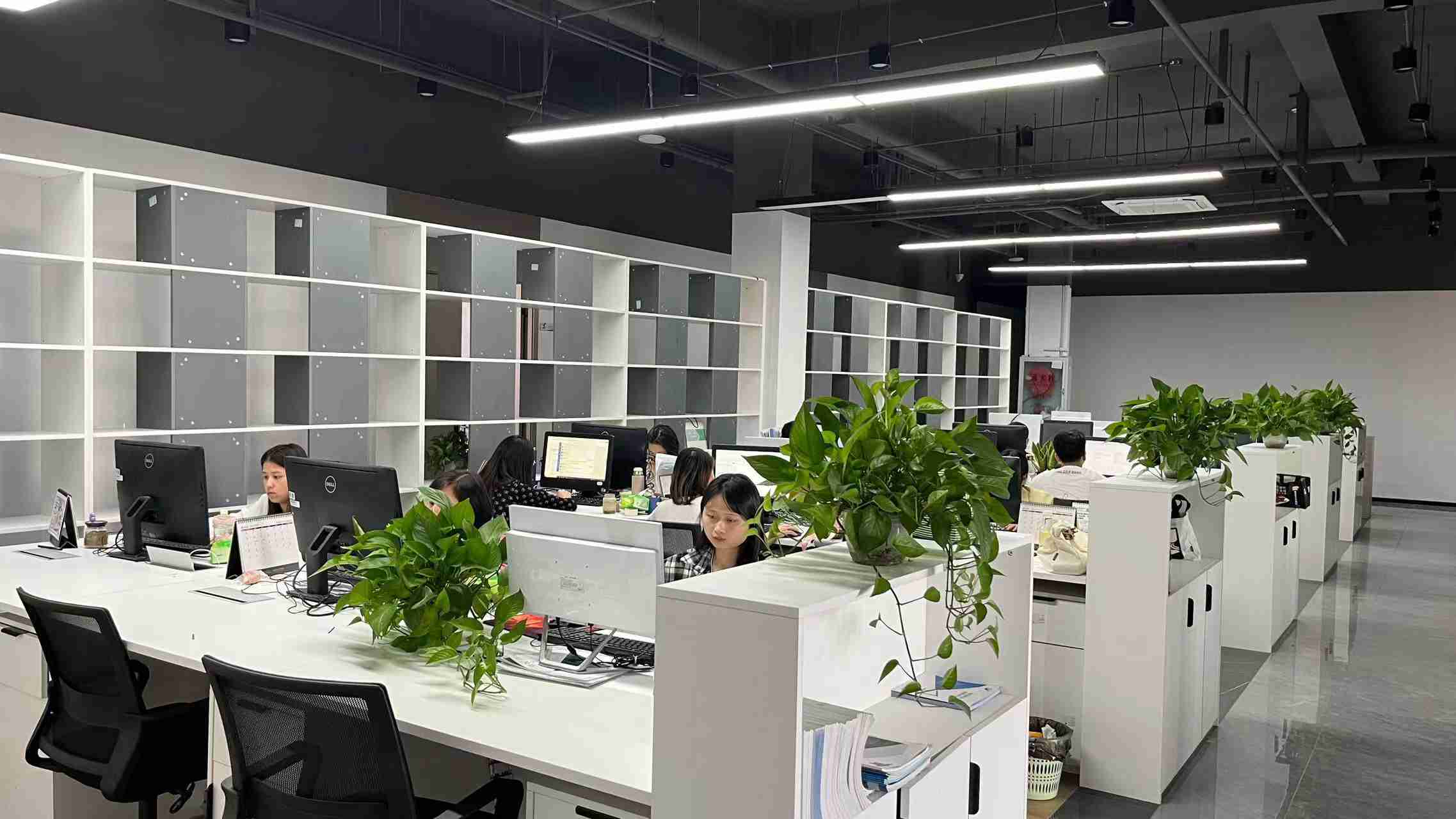
A look into our manufacturing footprint, designed for high-density computer assembly and QA workflows.
Our engineering team delivers infrastructure solutions designed to align hardware capabilities with software requirements.
Standard servers often encounter communication bottlenecks when scaled to multiple GPU nodes. ZhiCloud AI's engineering team designs and delivers custom GPU PCIe riser layouts and high-speed bridge topologies. This optimization supports clean point-to-point communication to maximize compute cycles.
Our tailored hardware configurations integrate dual or quad Intel Xeon processors alongside high-performance RAID cards (such as the LSI MegaRAID 9560-8i), providing high-throughput storage channels. This architecture prevents starvation of GPU accelerators during processing-heavy training cycles.
For organizations running private compute clouds, resource partitioning is essential. We offer hyper-converged hardware designs optimized for virtualization layers like VMware ESXi and Proxmox VE. These architectures enable efficient compute sharing, allocating discrete physical GPU resources to multiple tenant VMs without sacrificing processing speed.
ZhiCloud AI provides full OEM/ODM branding services, customized pre-installed software, and private deployment setups, helping partners deploy out-of-the-box infrastructure configurations.
Expert answers addressing the hardware specifications, procurement choices, and manufacturing processes of high-density graphics servers.
Complete your infrastructure with high-performance multi-socket systems, RAID cards, processors, and SAS storage drives.