ZhiCloud AI
ZhiCloud AI
ZhiCloud AI
Industrial-grade components optimized for high-availability transactional and analytical database arrays.
In the era of hyper-scale computing, distributed database deployment, and GPU-driven vector indexing, software is only as powerful as the silicon and metal supporting it. Enterprise data backbones require unprecedented compute density, resilient storage channels, and optimized thermals to guarantee high-performance, low-latency, and zero-loss operations. As a leading specialized high-performance AI server and IT infrastructure integrator, Shenzhen Intelligent Computing Cloud Technology Co., Ltd. (ZhiCloud AI) operates at the convergence of raw processing power and extreme database reliability.
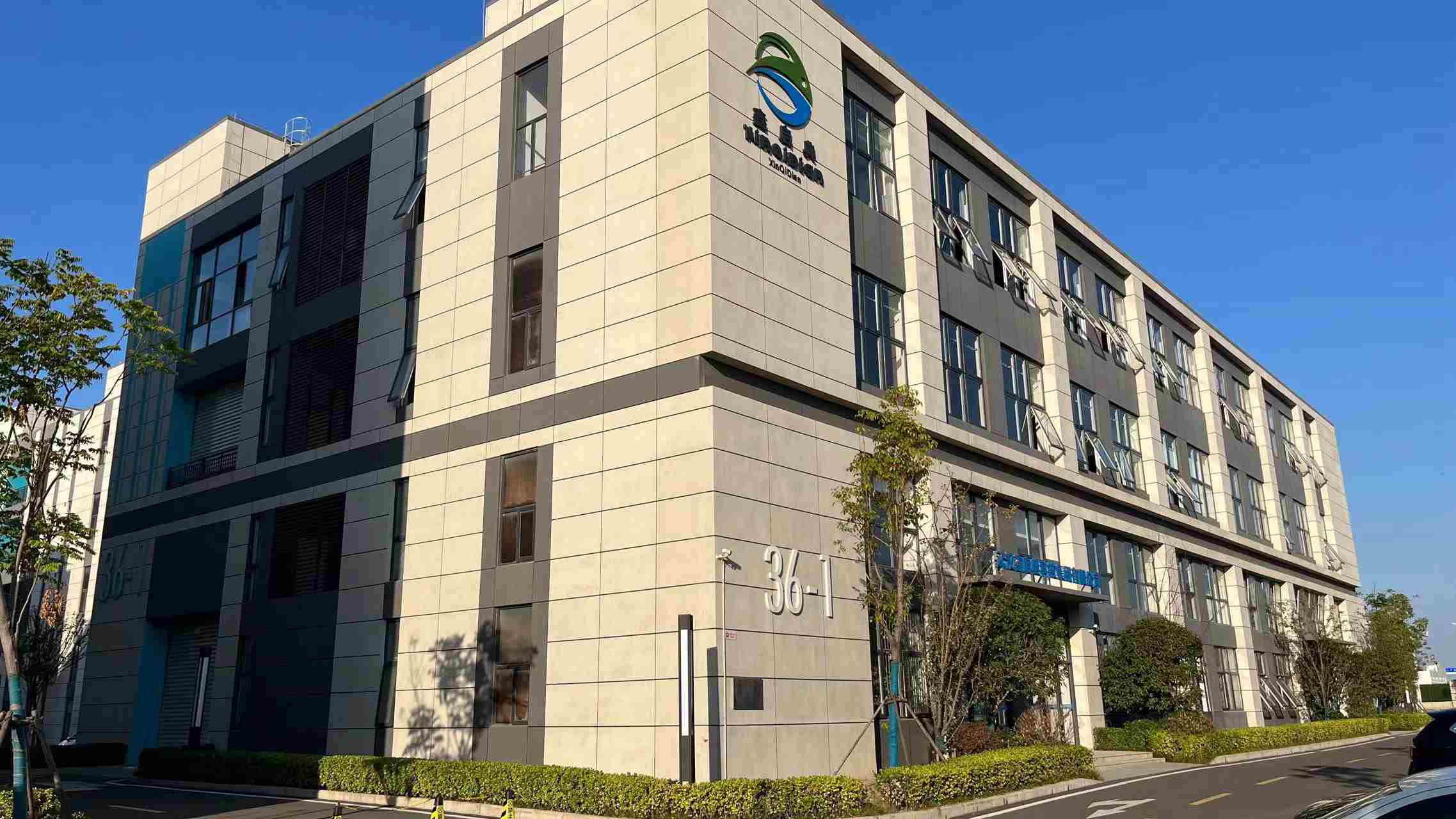
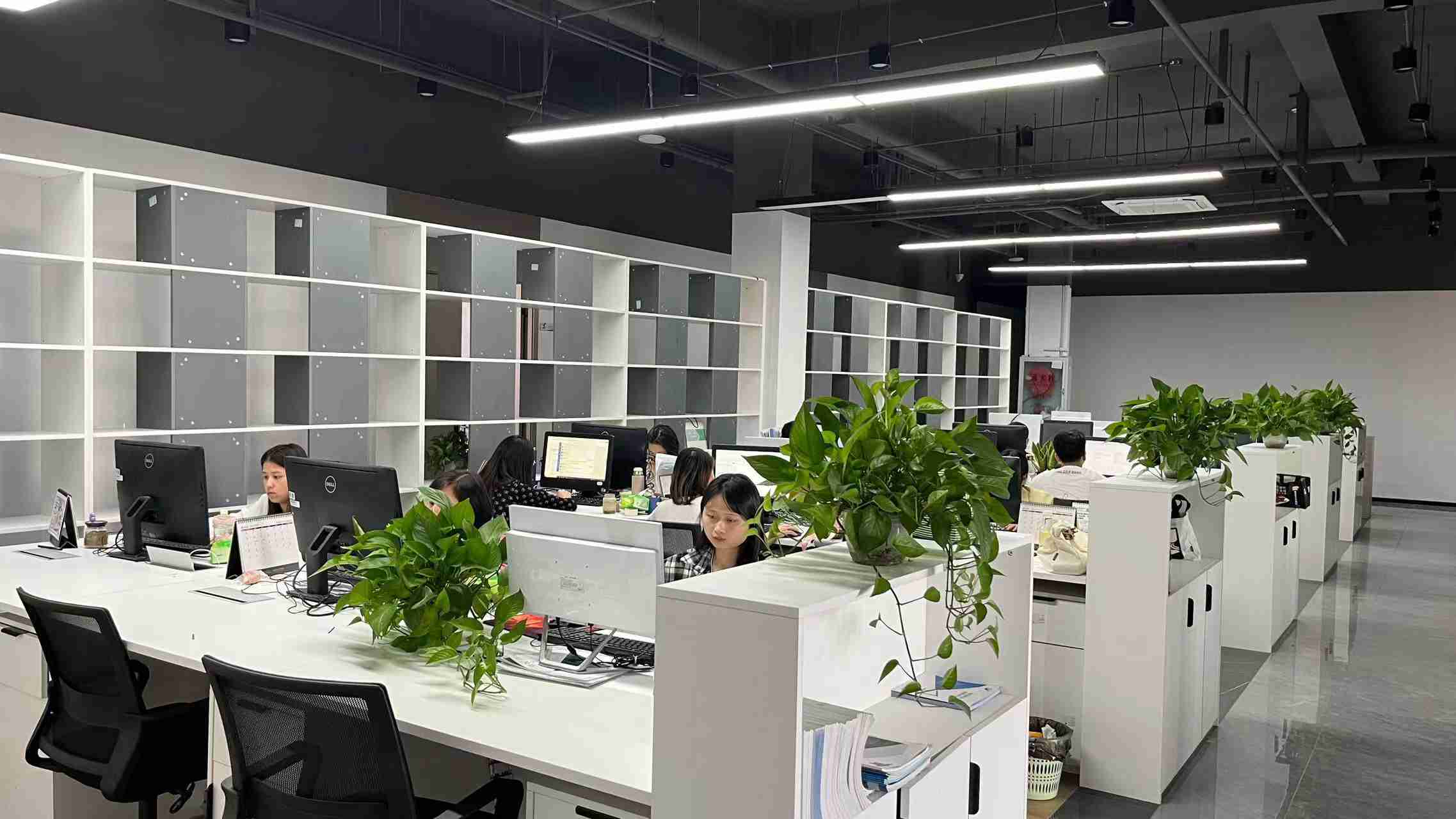
Founded in 2016, ZhiCloud AI has dedicated over a decade of industry expertise to designing, testing, and shipping enterprise-class systems. With a modern precision engineering facilities covering approximately 320㎡ dedicated to advanced hardware tuning and system integration, the company ensures that high-throughput computing elements are perfectly aligned for enterprise workload deployment. Our focus is the engineering and supply of robust, high-performance physical infrastructure designed specifically for distributed database systems, cloud architectures, and deep learning neural architectures.
The global database landscape is undergoing a structural transition. Legacy relational databases (RDBMS) are being complemented or replaced by highly distributed NoSQL, NewSQL, Graph, and Vector databases. These modern systems shift the performance bottleneck from simple compute cycles to high-speed bus architectures, ultra-low-latency persistent storage, and massive parallel execution pipelines. Three primary trends define this architecture shift:
Database engines require direct access to storage arrays. Advanced Solid-State Drives utilizing NVMe protocols bypass slow controller bottlenecks, allowing database nodes to reach hundreds of thousands of IOPS with minimal read/write latency.
With the proliferation of AI and large language models (LLMs), database manufacturers must support vector storage engines. Offloading multi-dimensional distance calculations to AI GPU architectures accelerates database performance up to 100x compared to legacy CPU-based systems.
Heavy analytical database systems and ERP workloads rely on dense multi-socket processor platforms to manage parallel querying. 4-Socket and 2-Socket platforms, powered by high-core-count processors, maintain linear scalability across complex datasets.
Procuring hardware for business-critical database infrastructure is a high-risk operation. Global IT leaders, data center operations directors, and enterprise architects look beyond simple specifications. Procurement protocols require strict adherence to system stability metrics, validation of supply chain integrity, and flexible customization capabilities. To mitigate hardware failures that result in catastrophic downtime, enterprise buyers enforce four core procurement conditions:
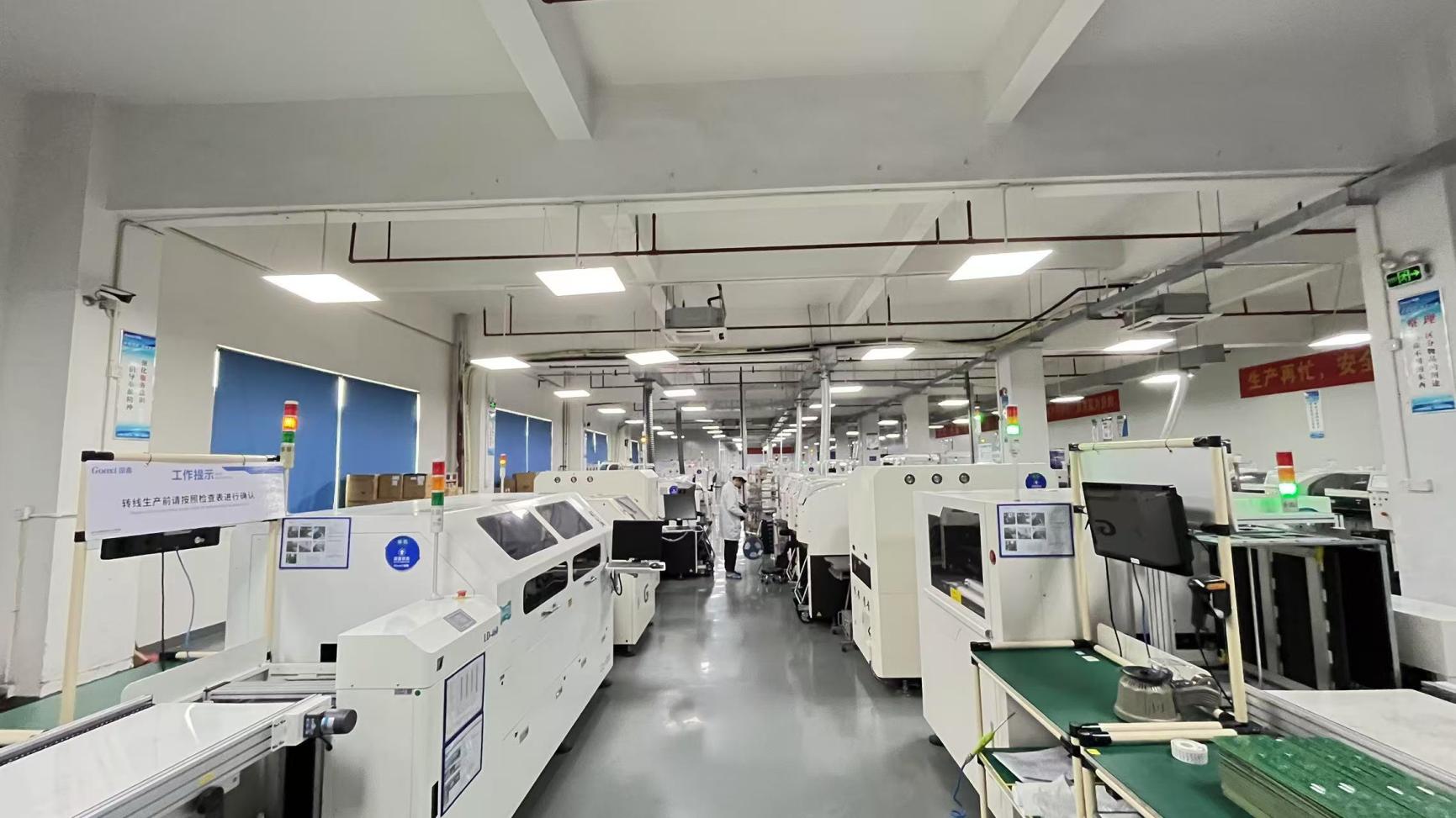
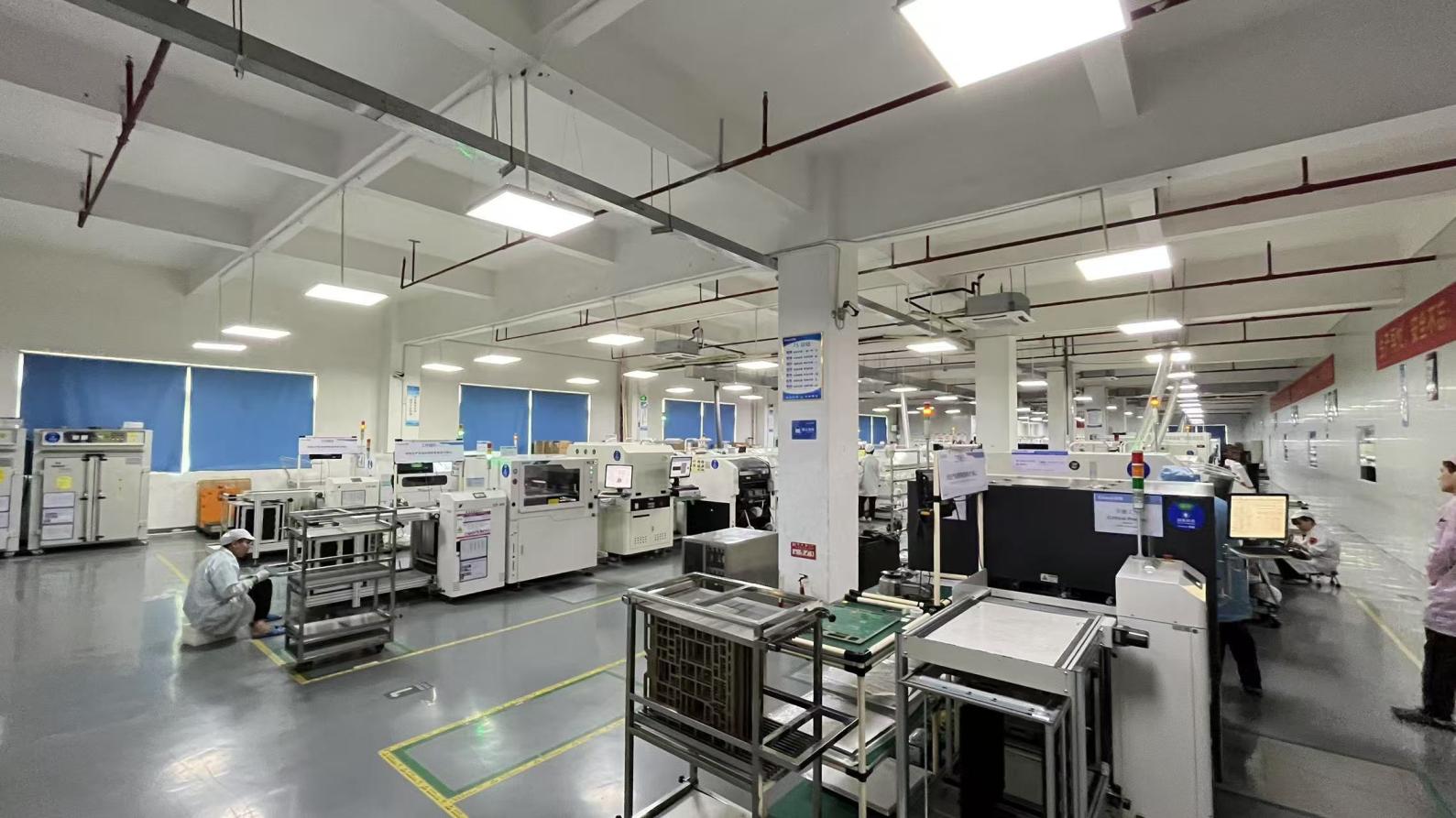
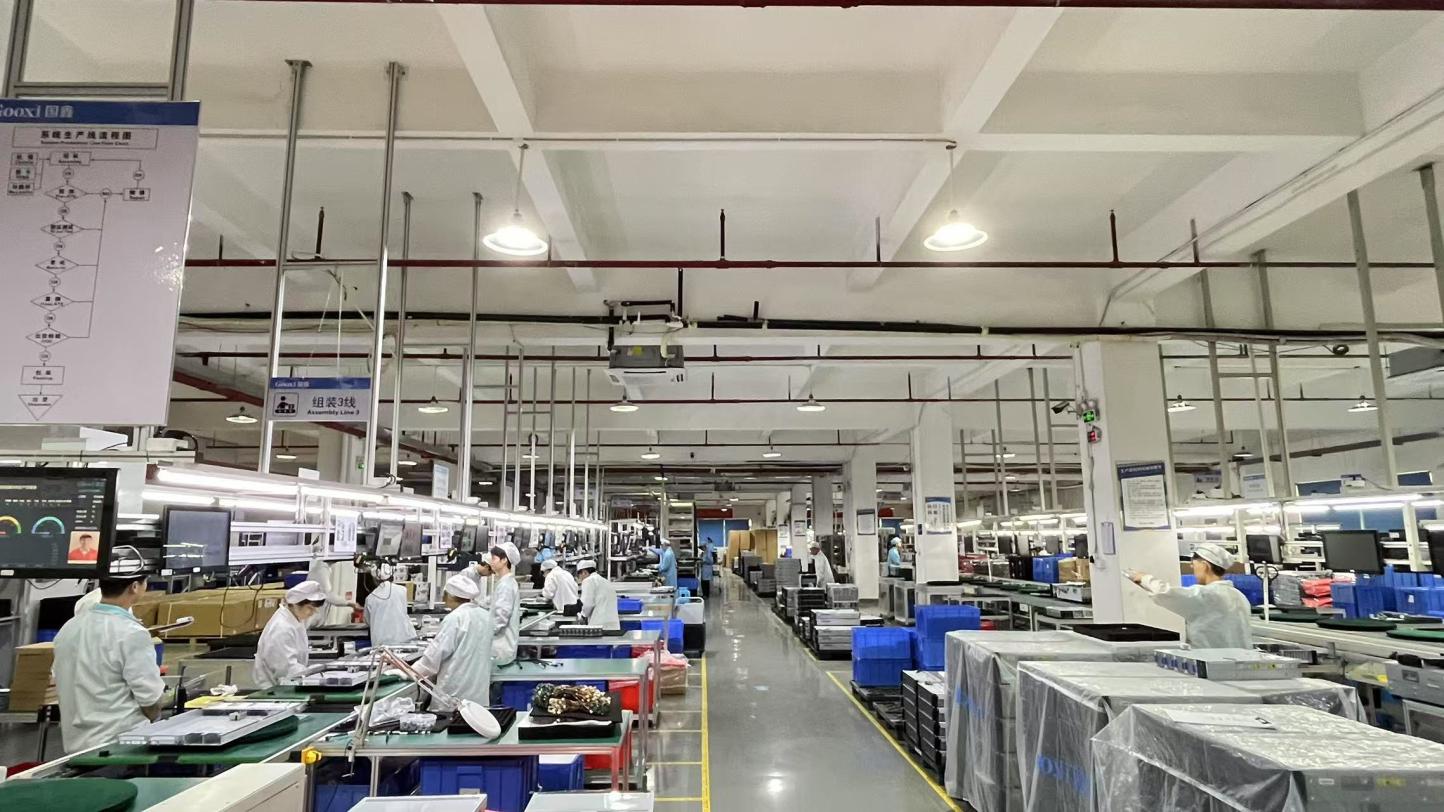
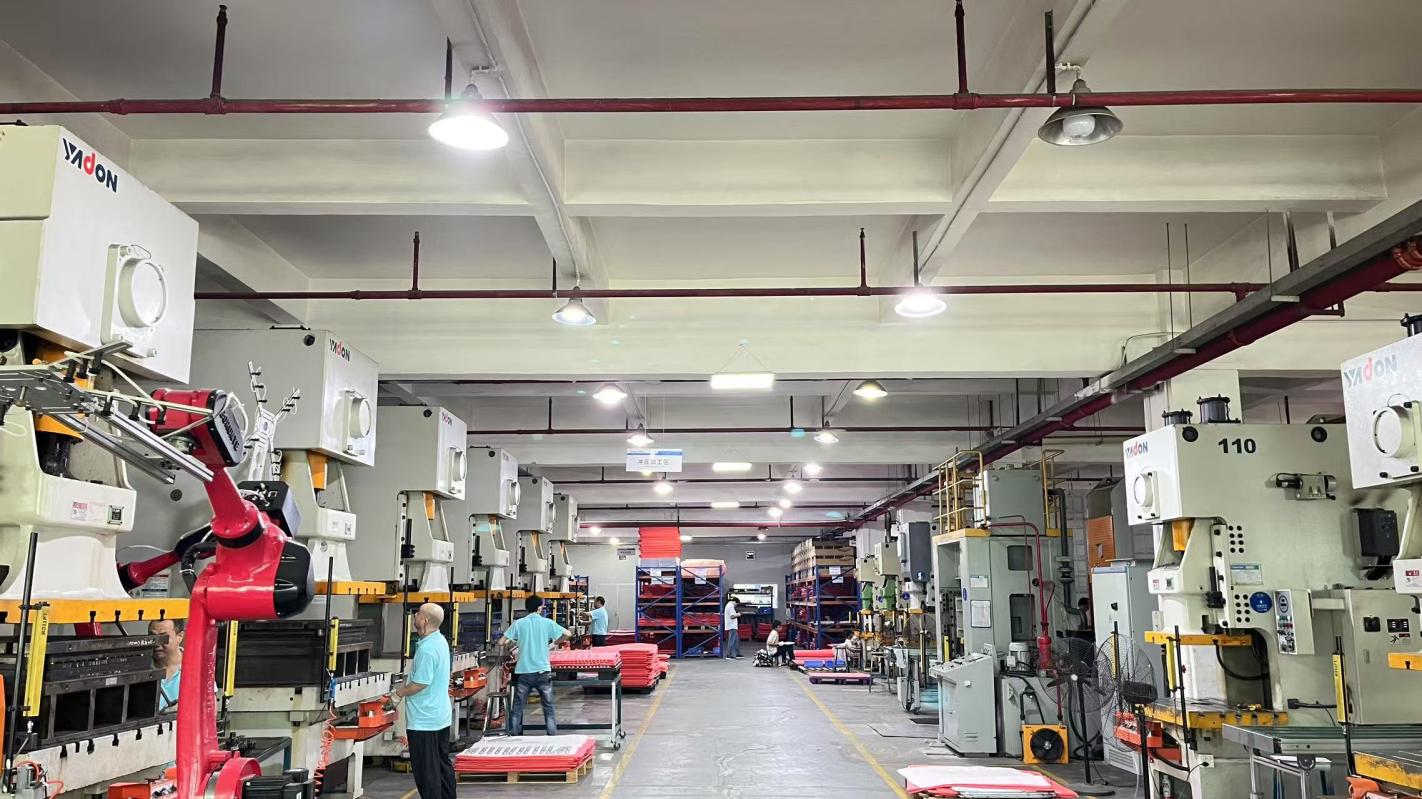
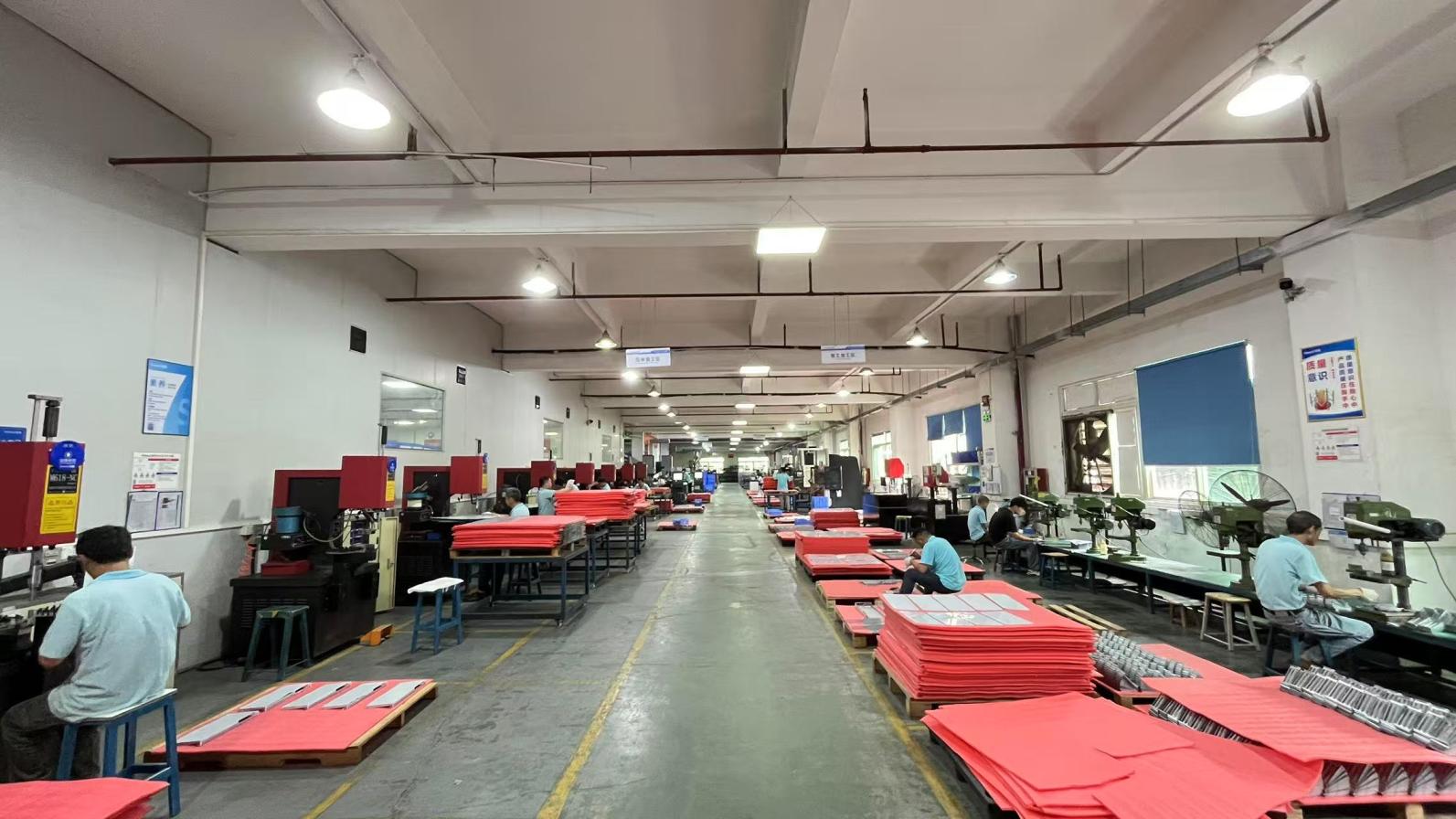
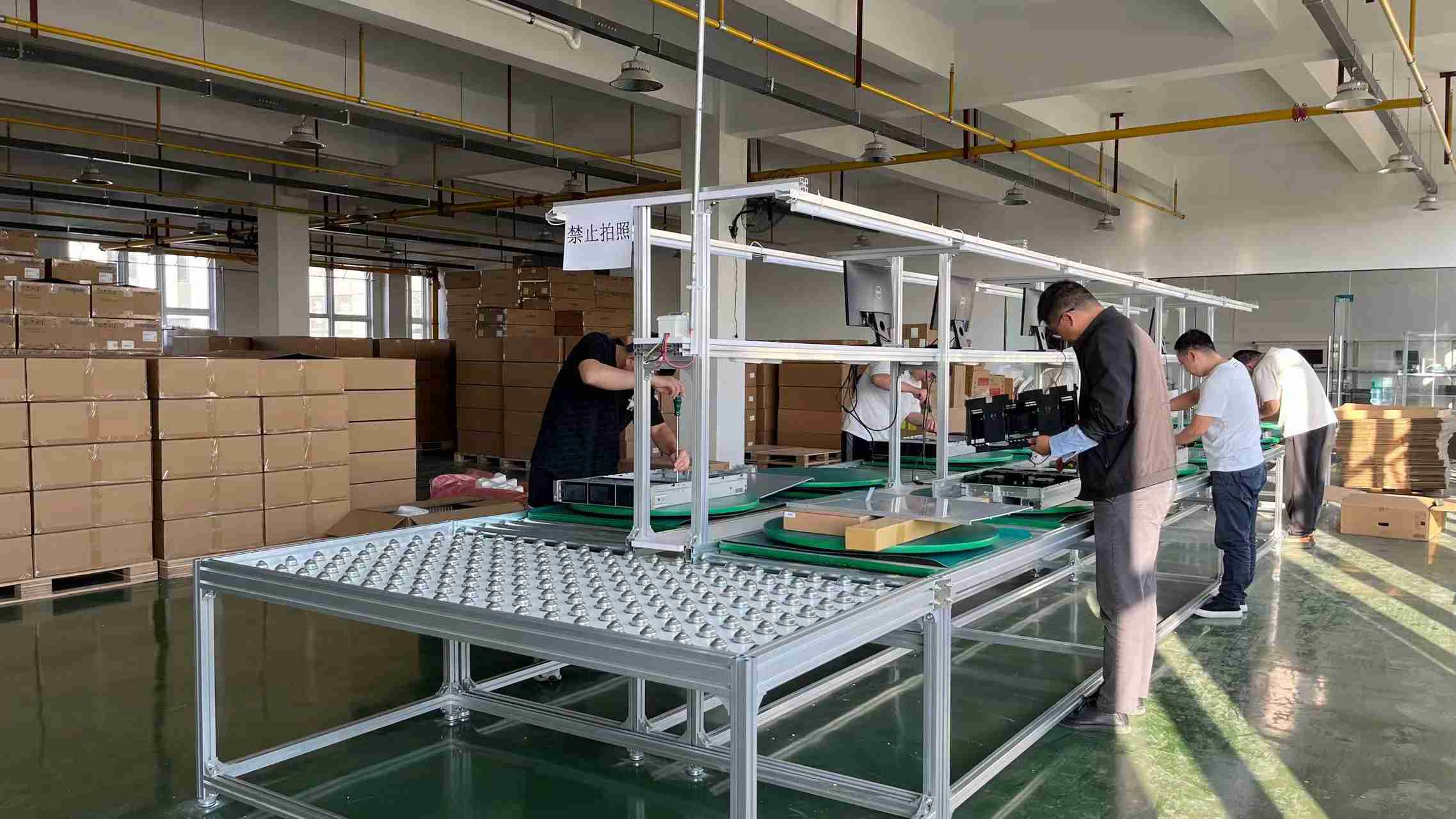
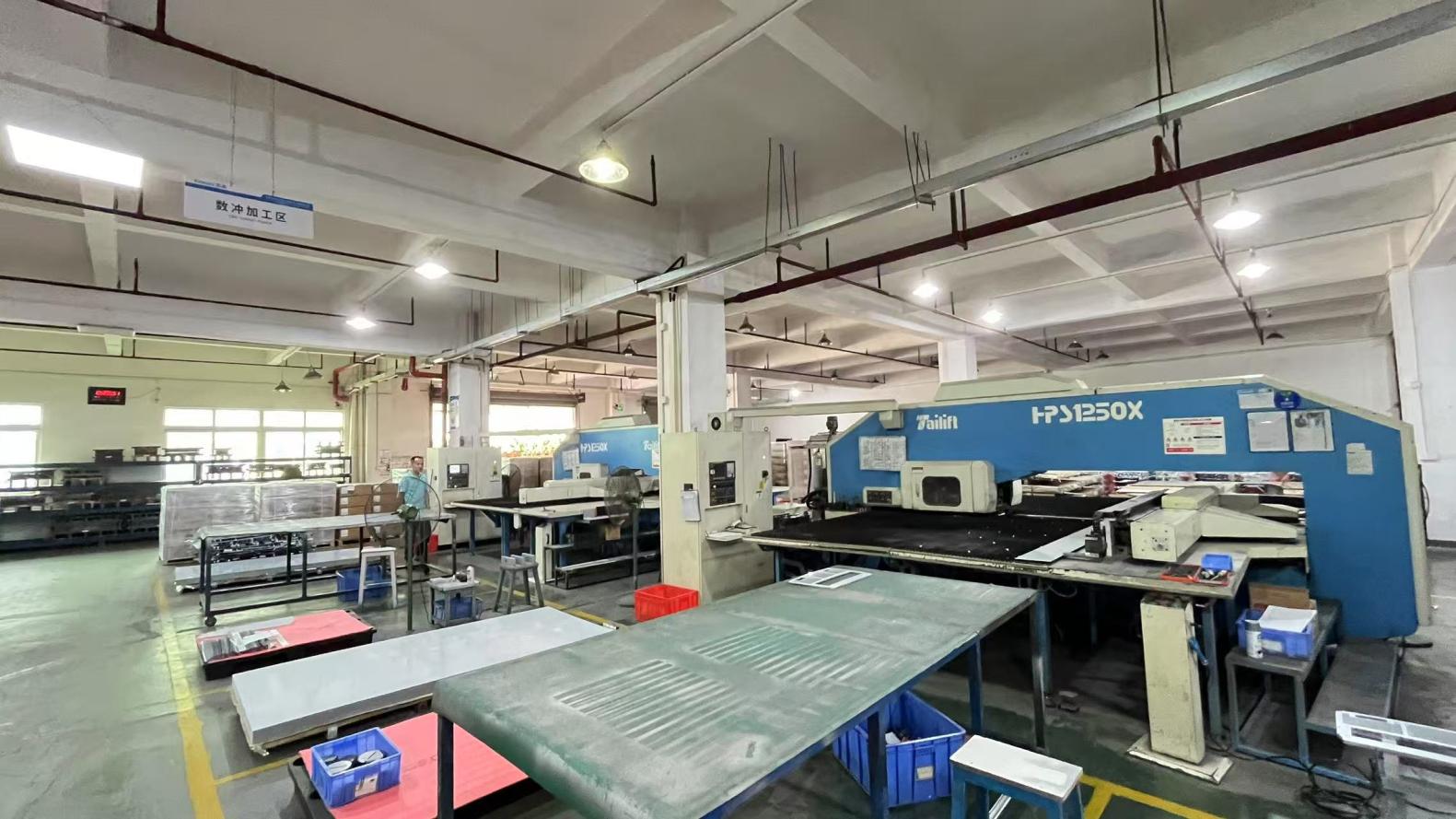
Shenzhen's electronic manufacturing cluster represents the peak of global IT infrastructure production. As the epicenter of high-performance system assembly, the region provides unique access to components, rapid prototyping resources, and integrated logistics systems. ZhiCloud AI utilizes this geographic and operational advantage to implement a resilient Factory 4.0 production framework.
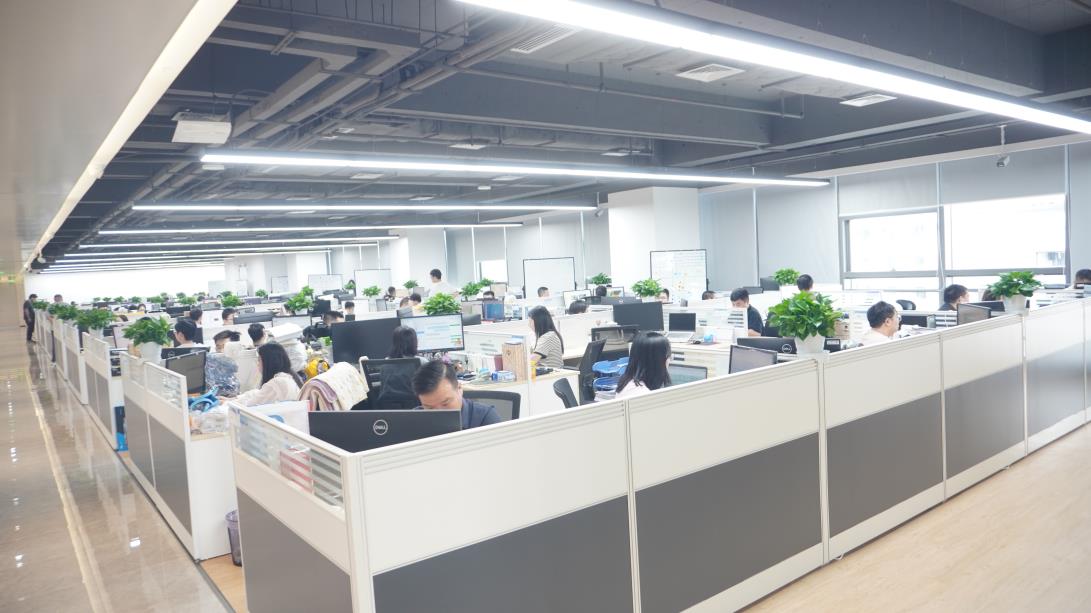
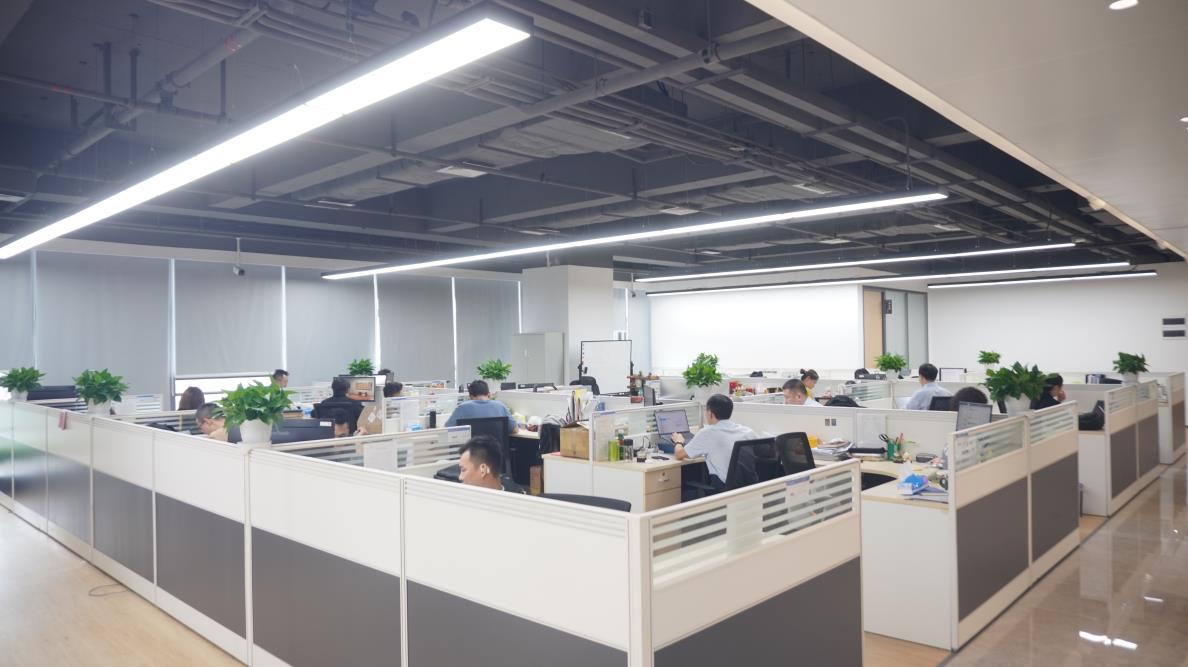
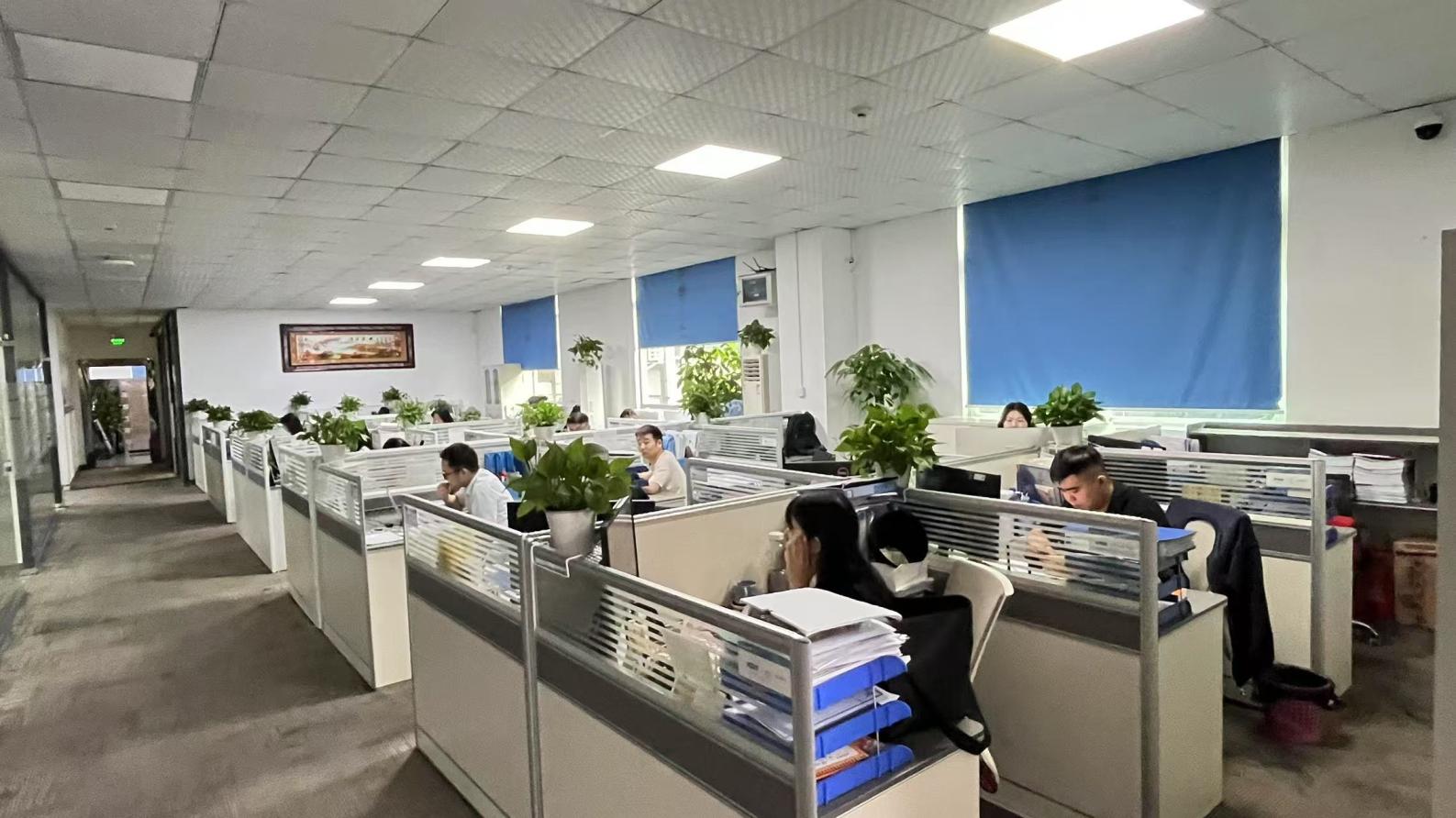
With an annual export volume of USD 12 million and a supply network comprised of over 1,200 strategic partners, ZhiCloud AI guarantees supply chain continuity. Whether handling sudden hardware component shortages or scaling production to fulfill high-volume data center orders, our integrated logistics maintain consistent lead times. The company's engineering team, composed of 120 R&D engineers, works directly with production lines to quickly implement improvements based on field-testing feedback.
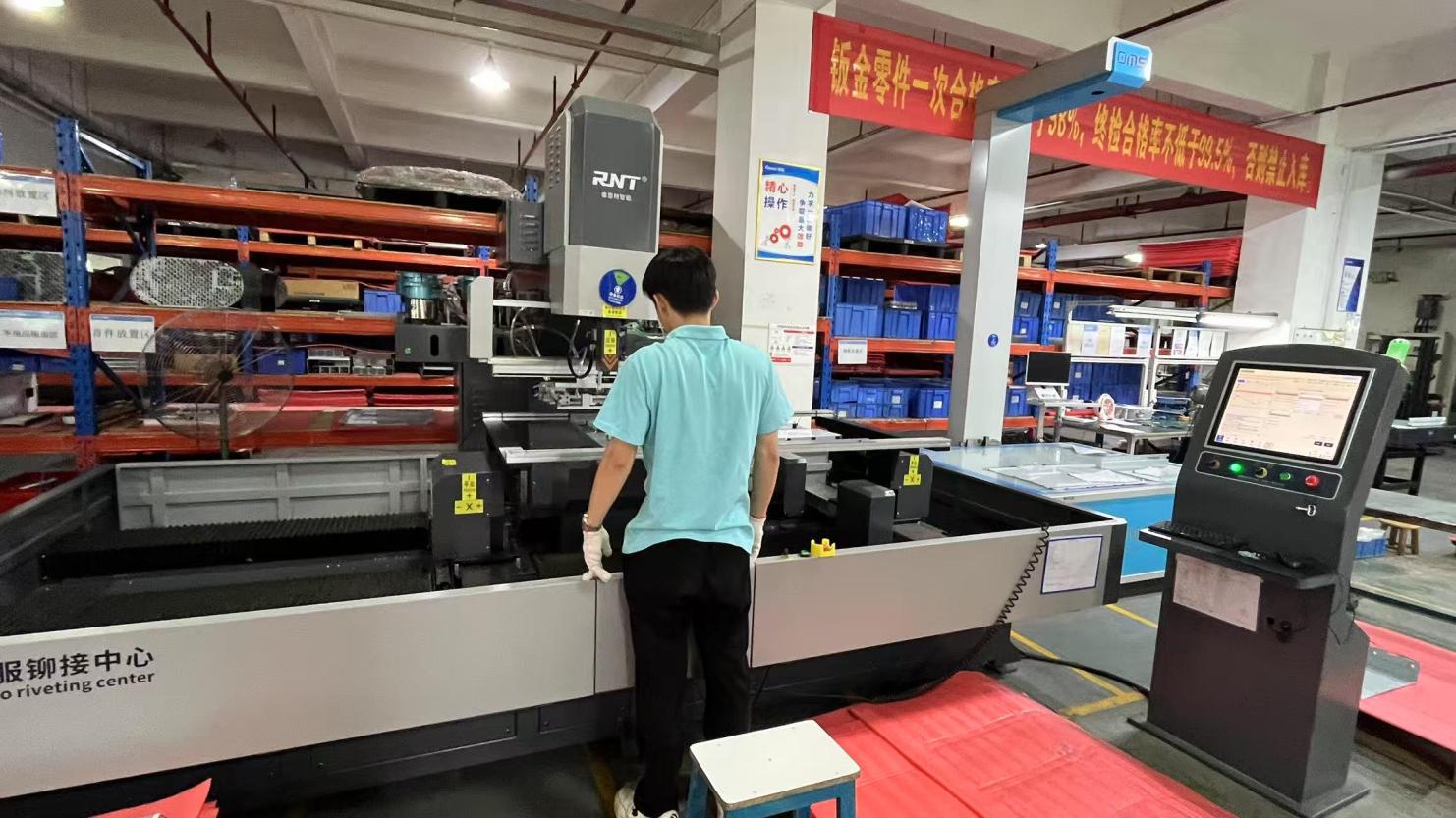

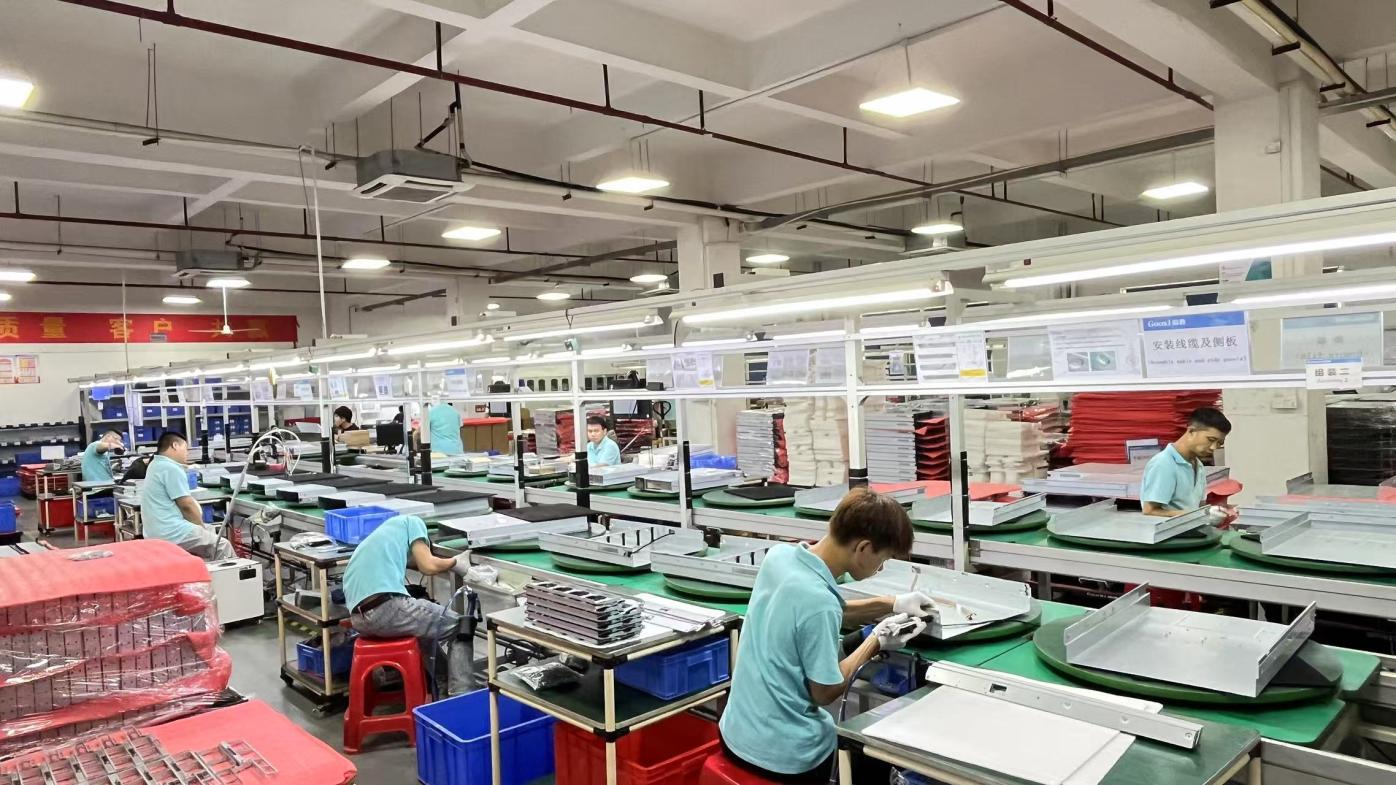
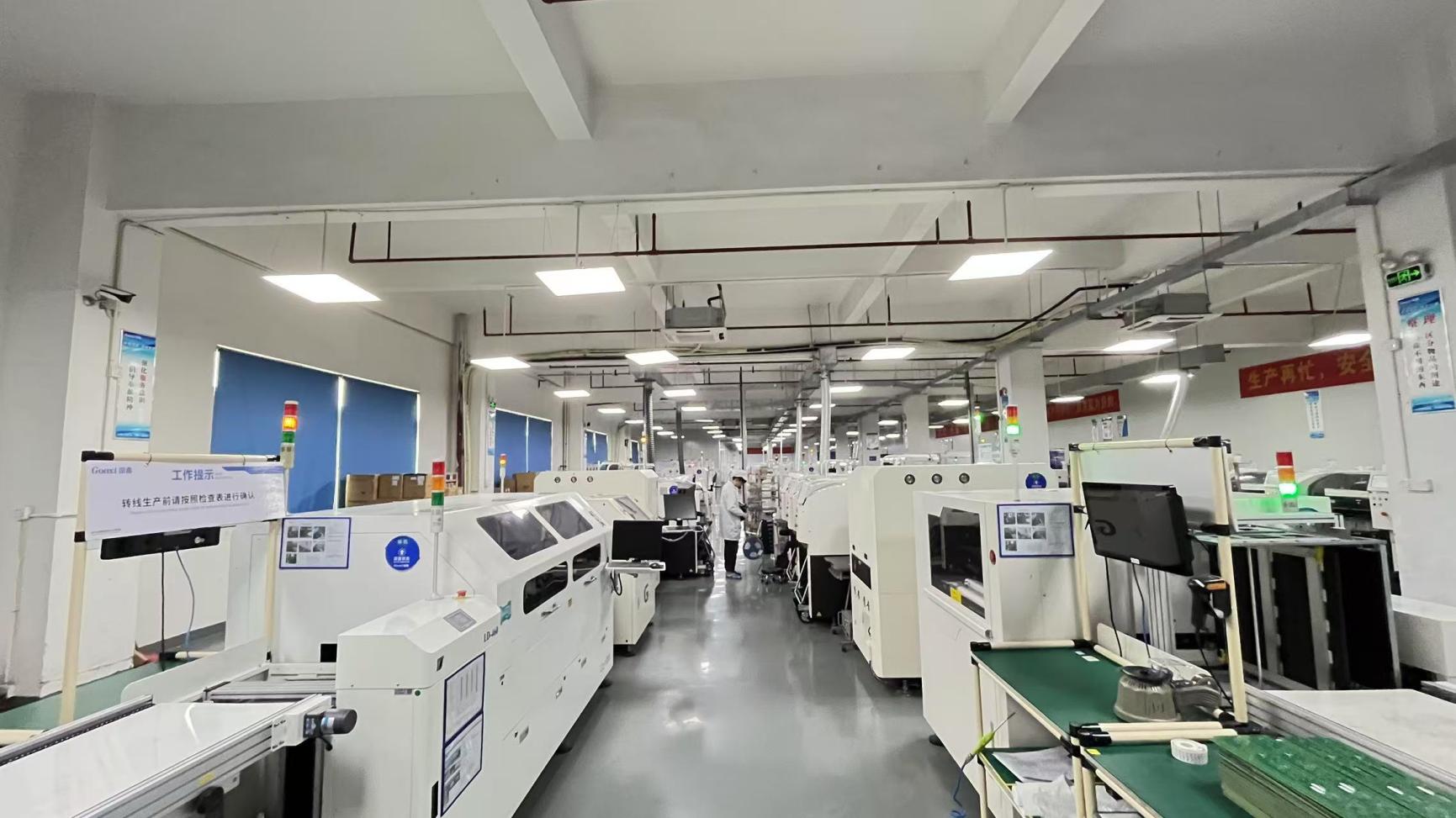
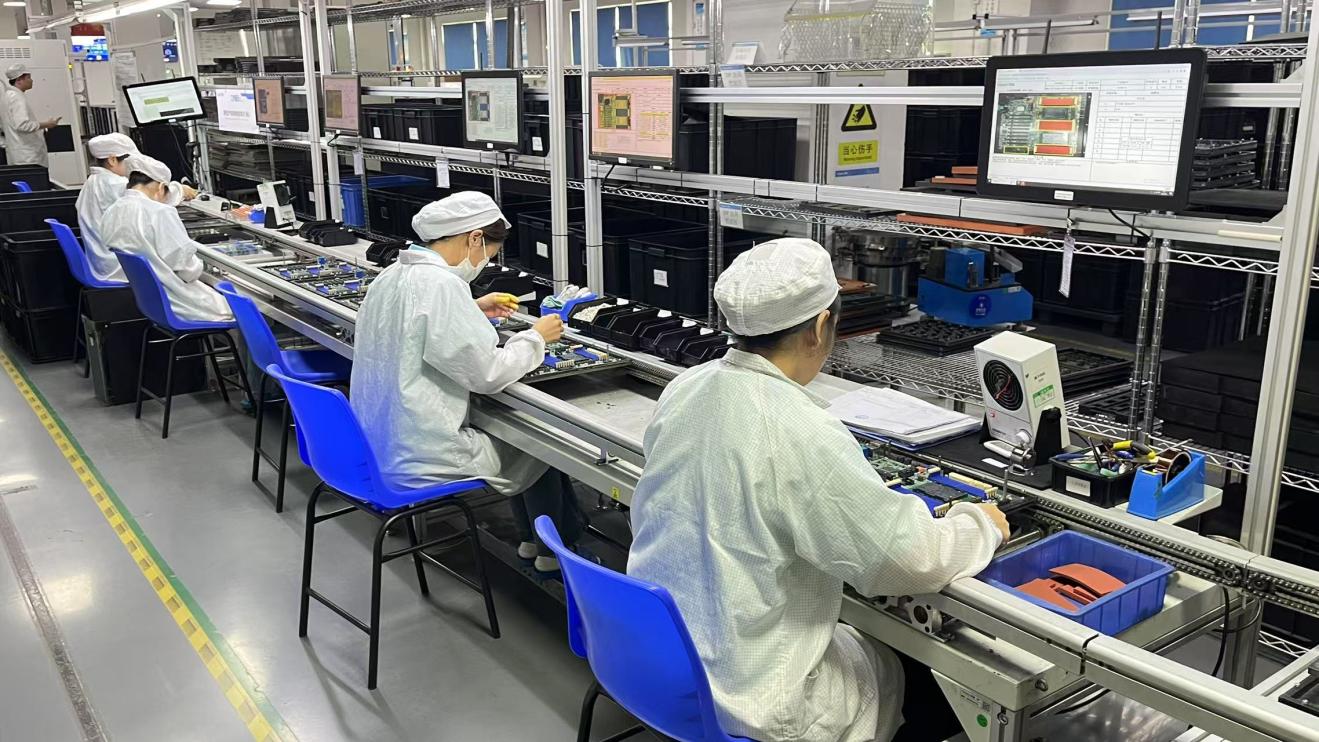
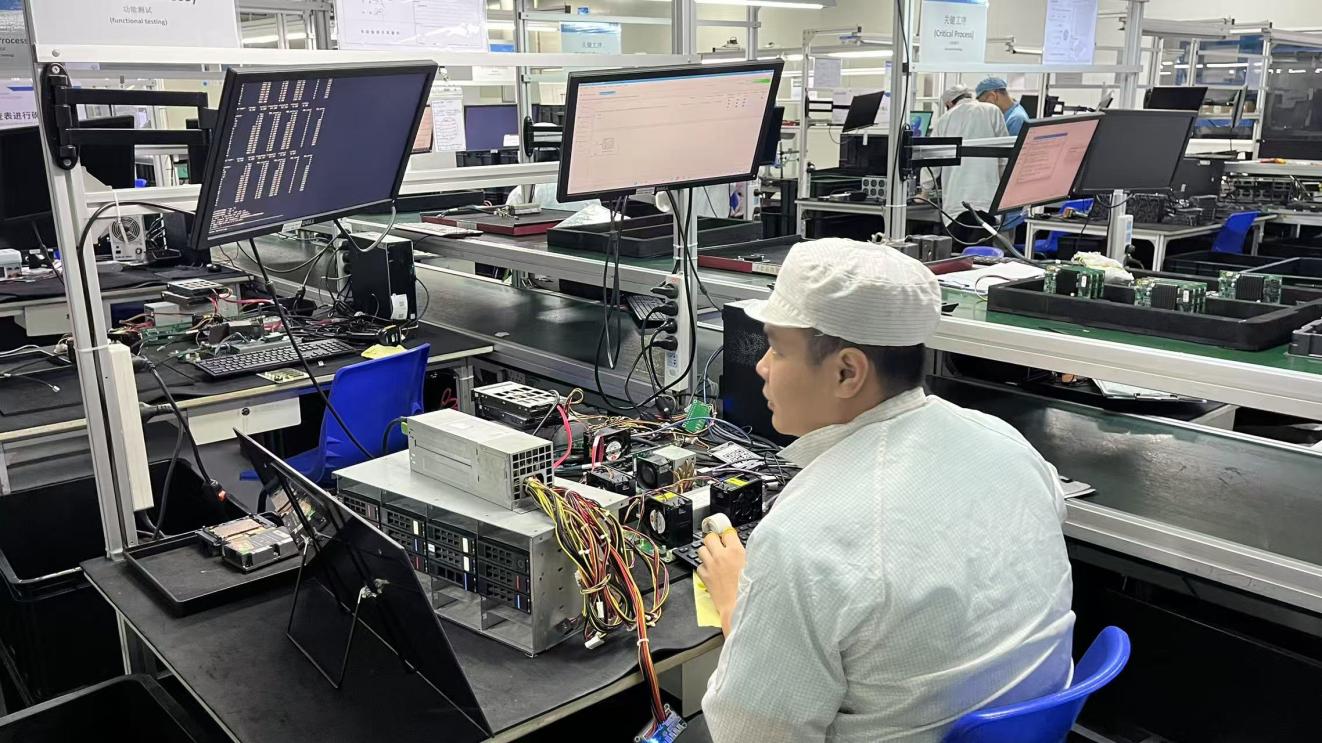
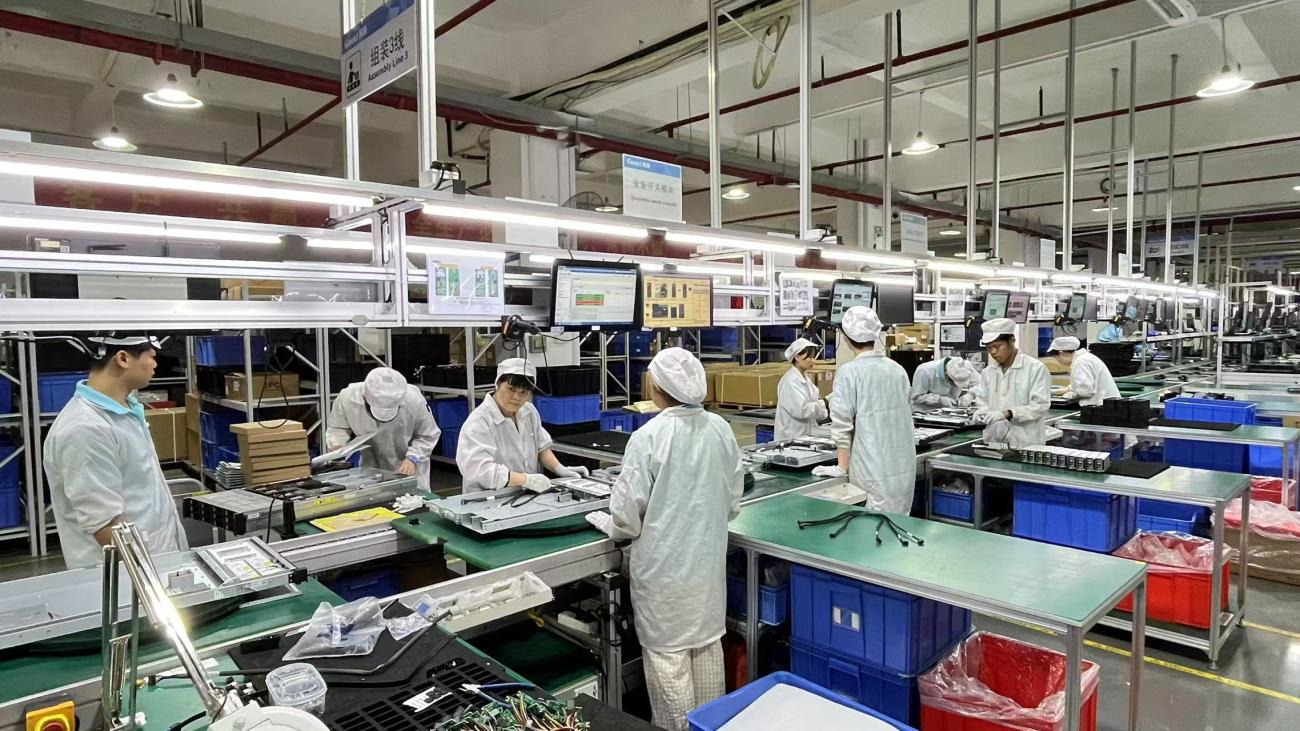
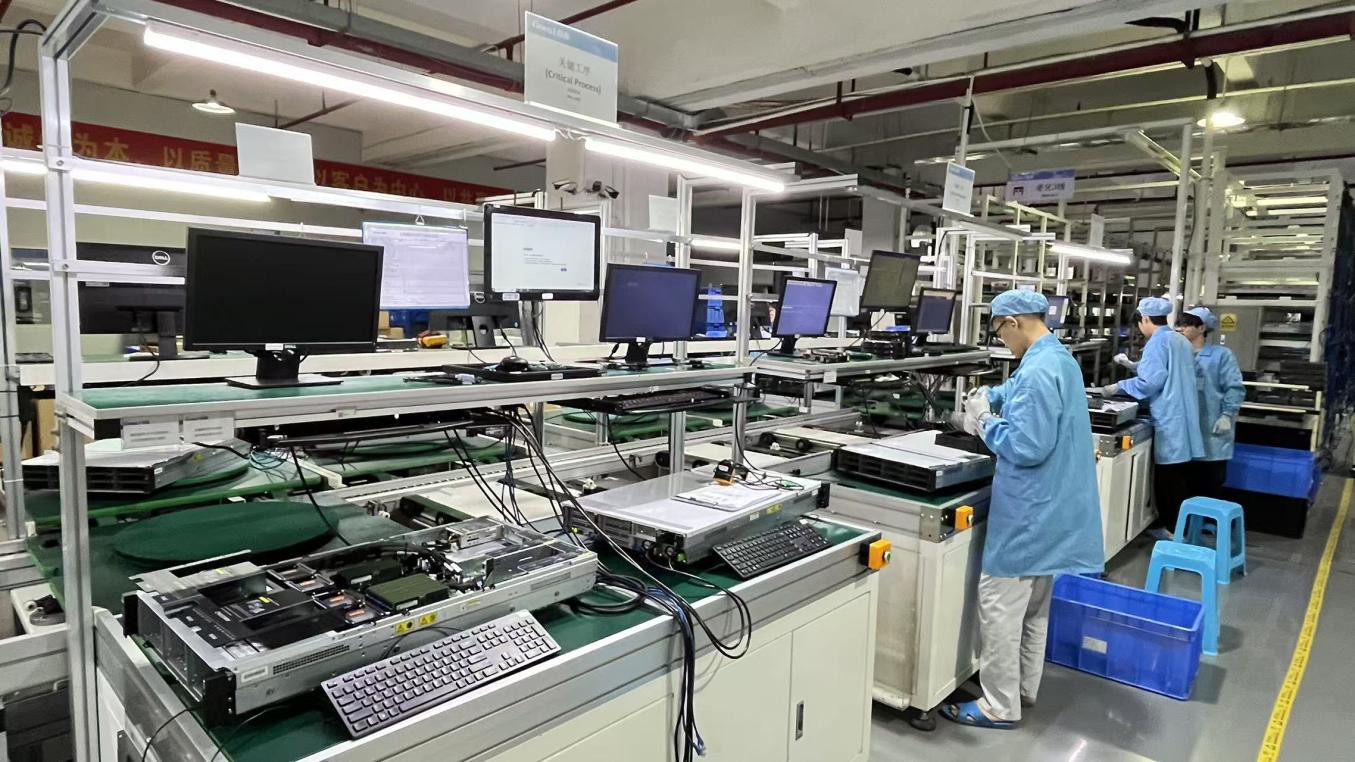
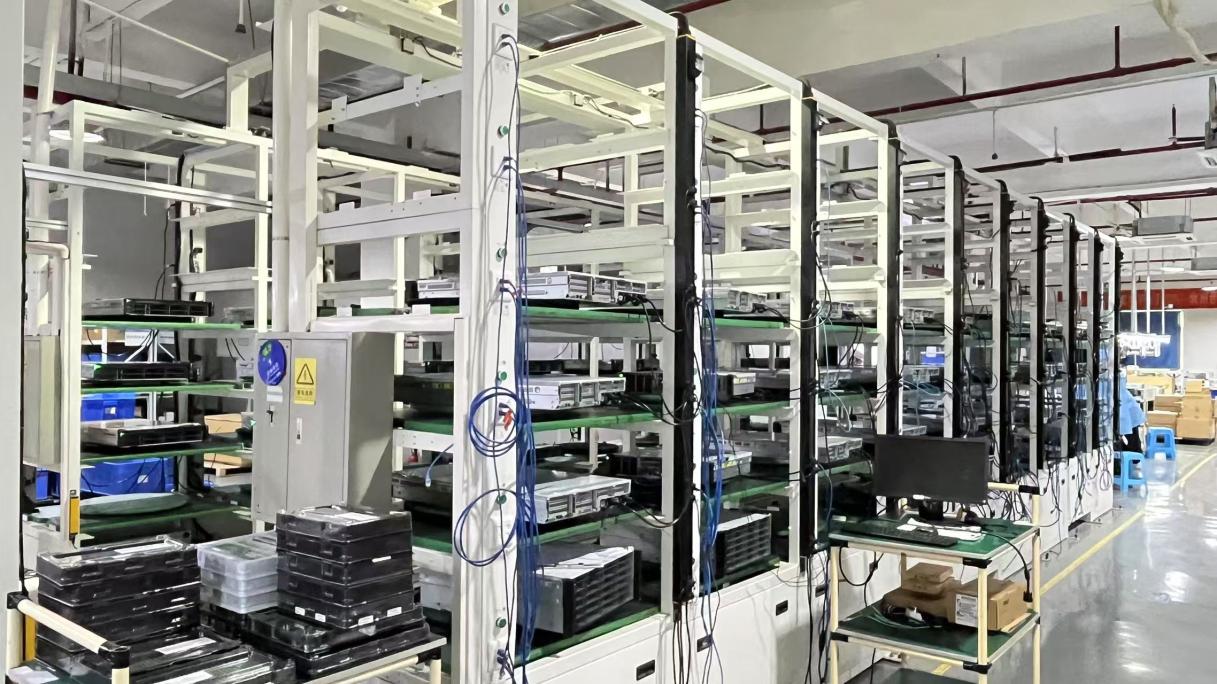
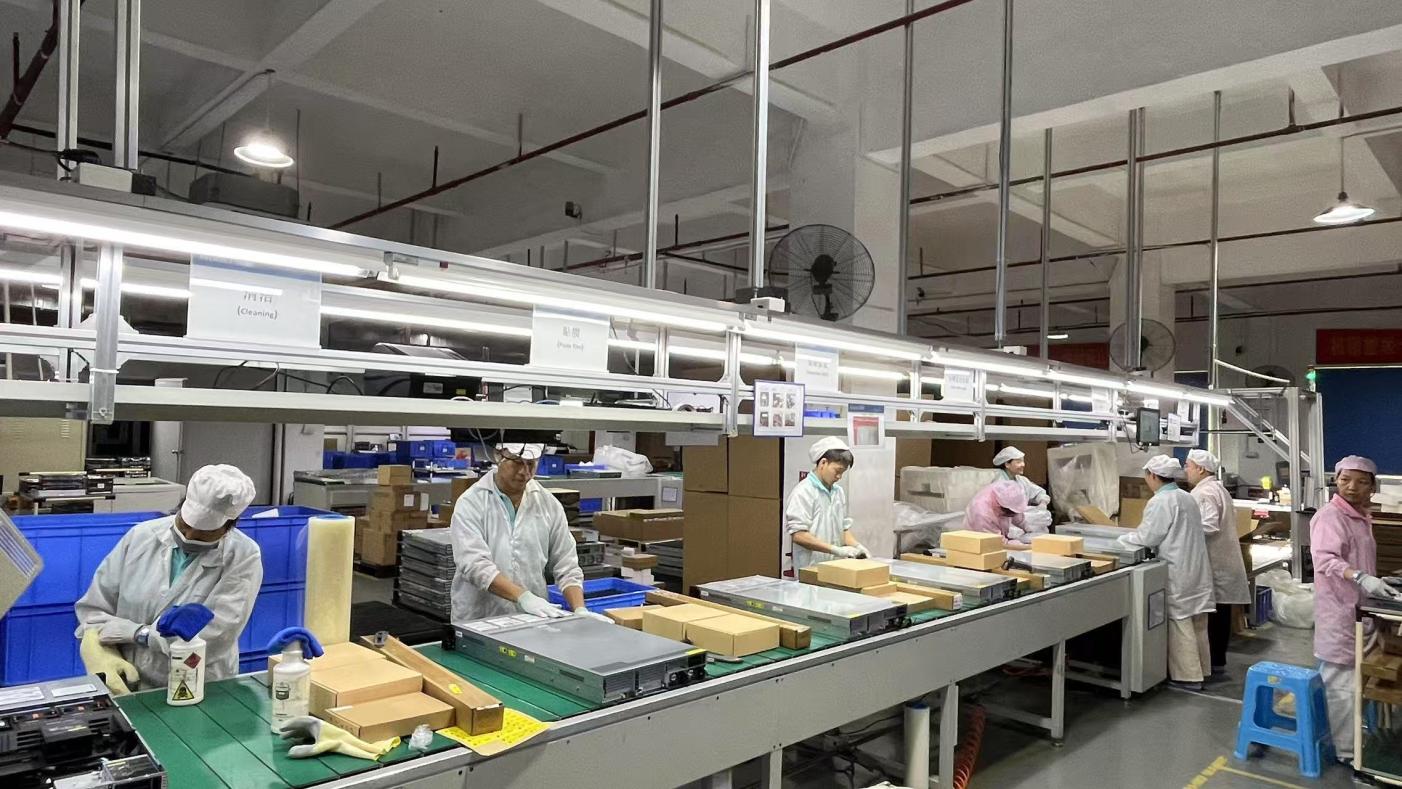
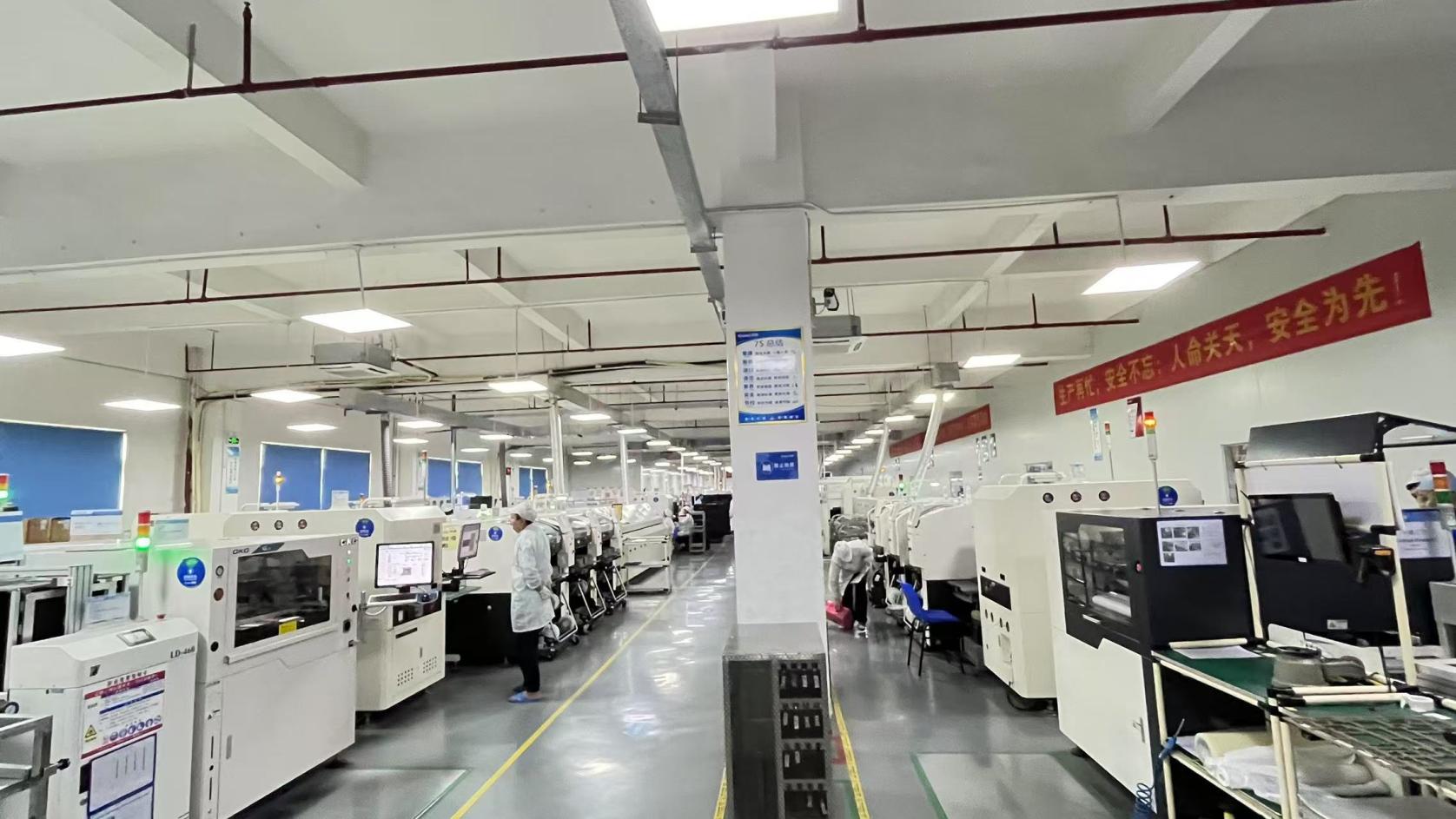
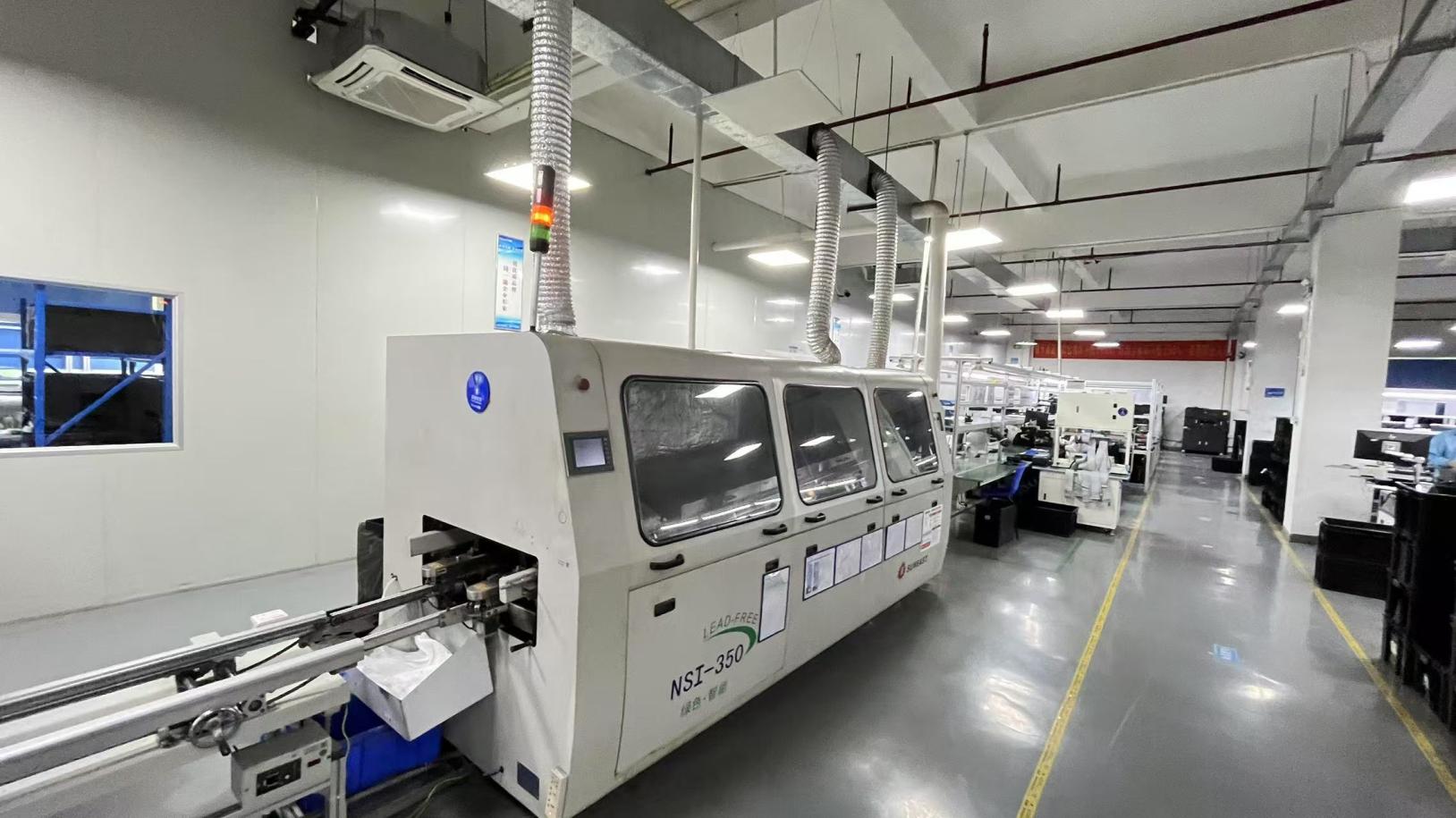
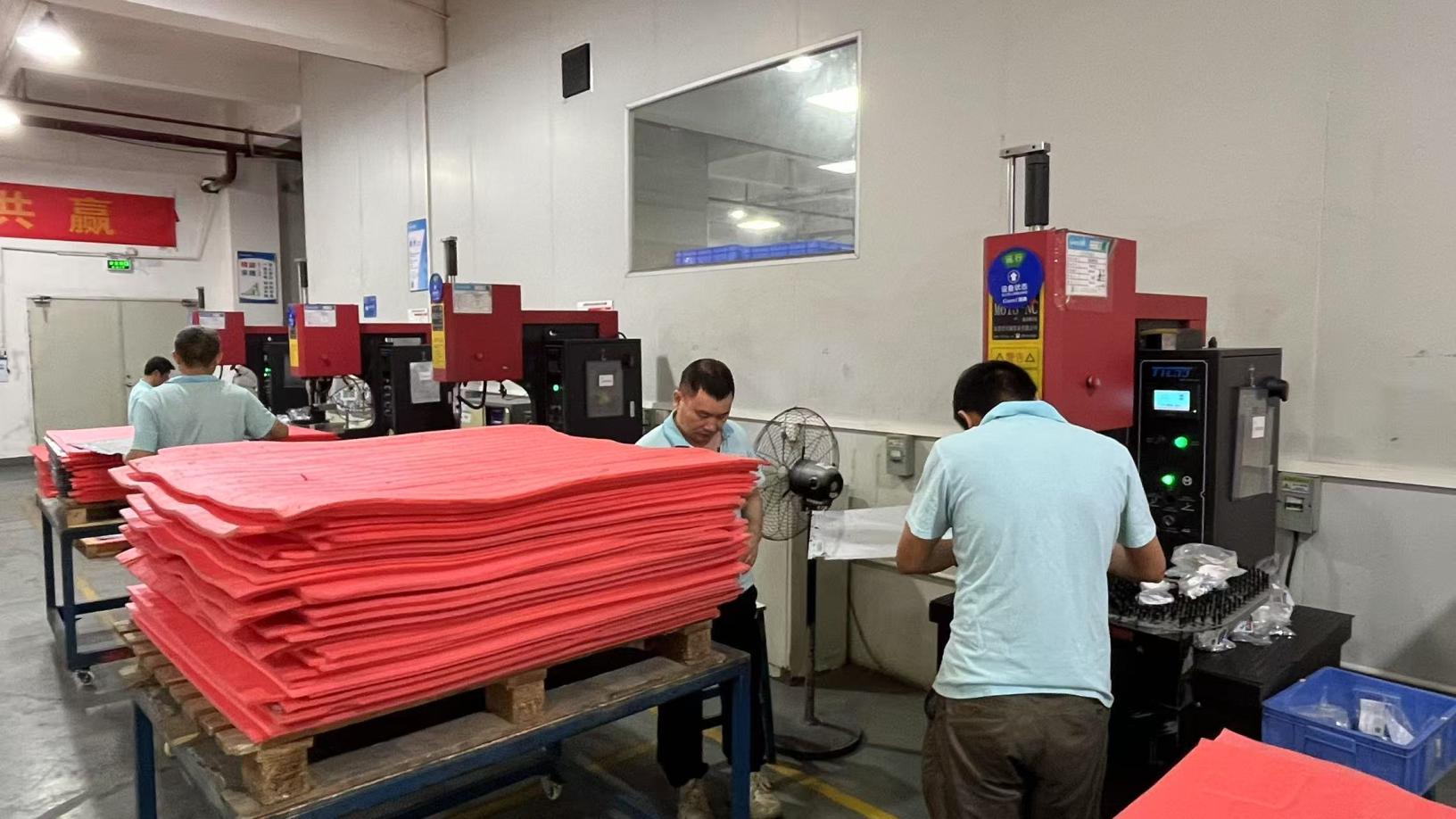
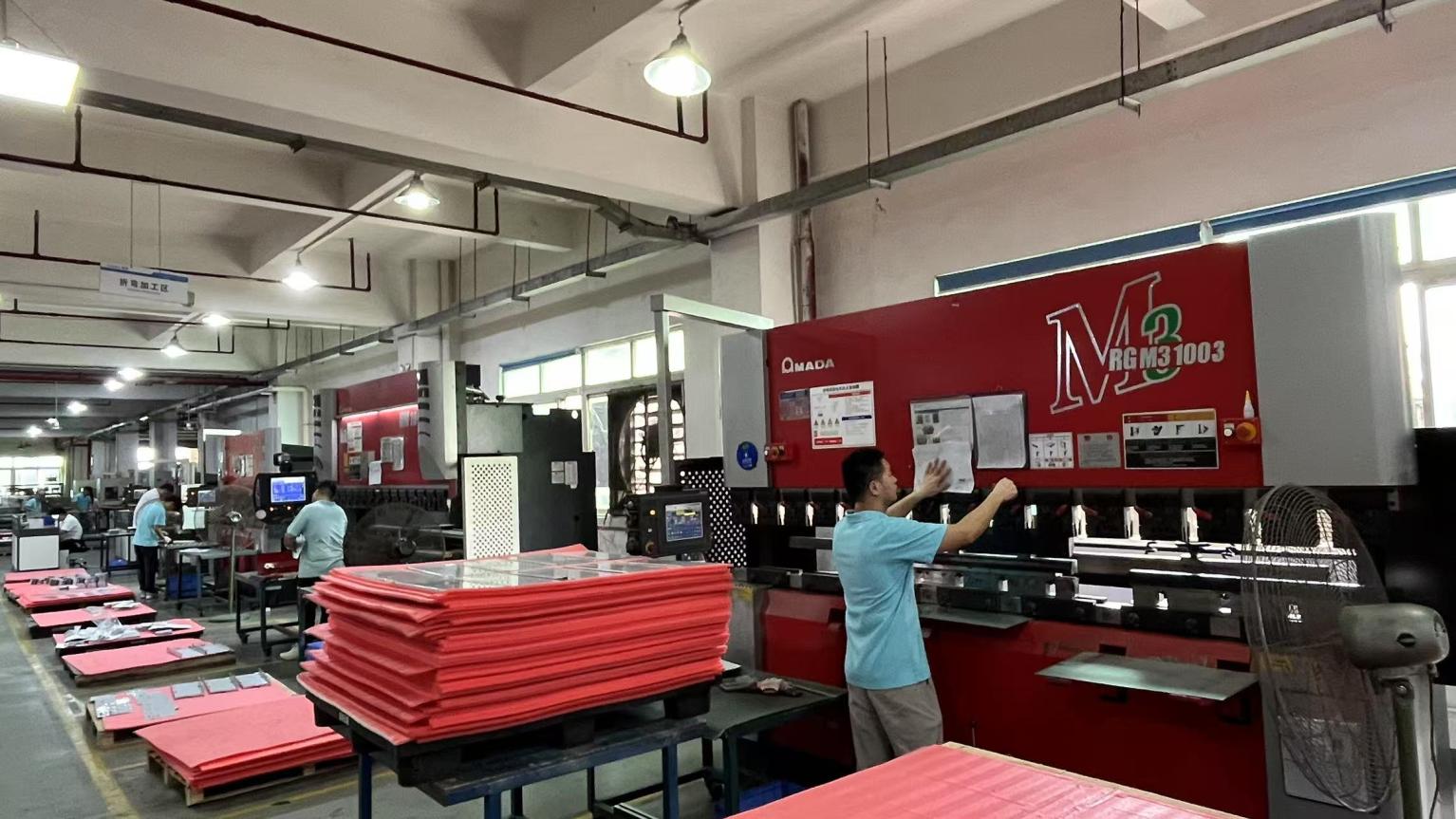

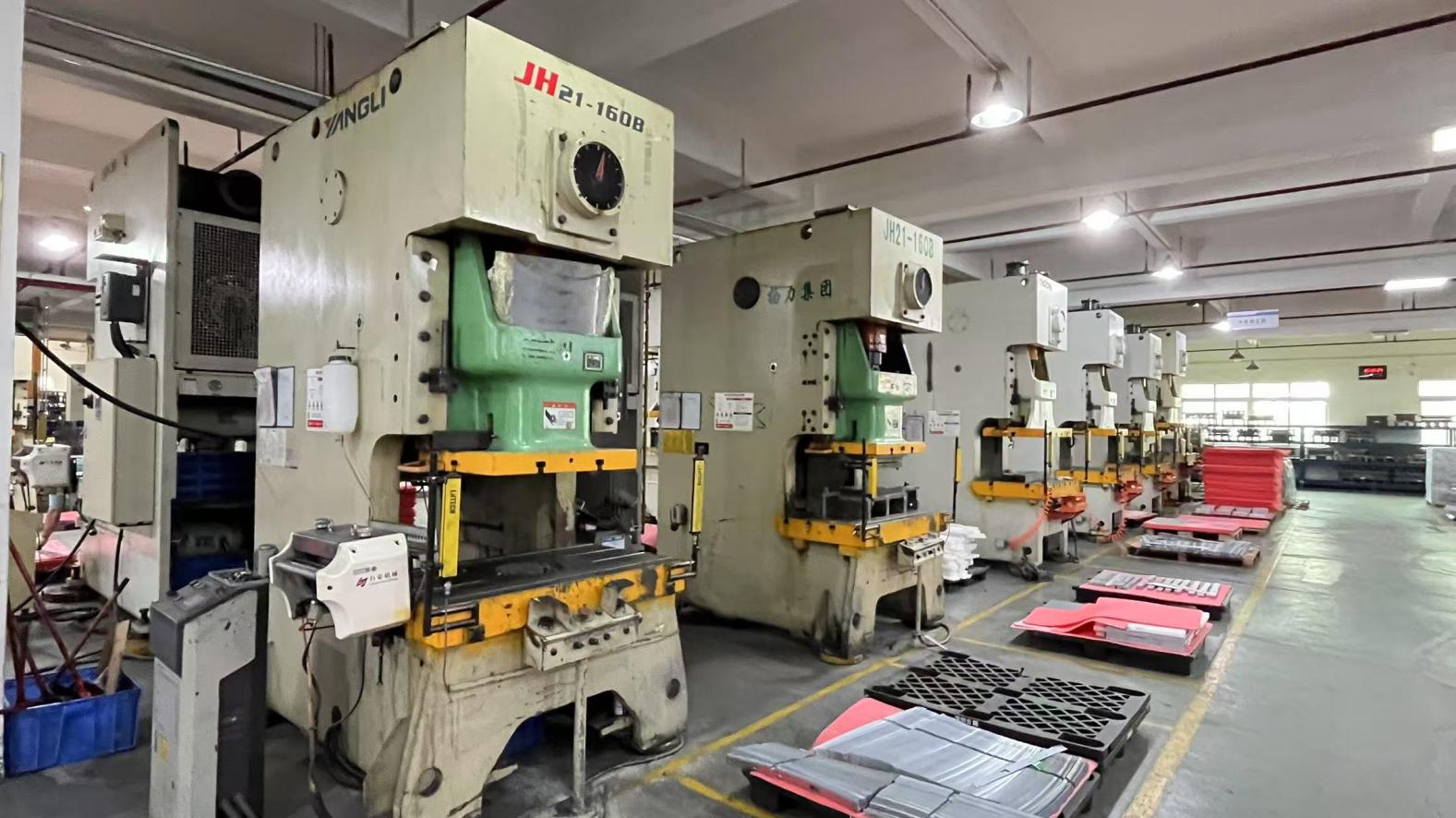
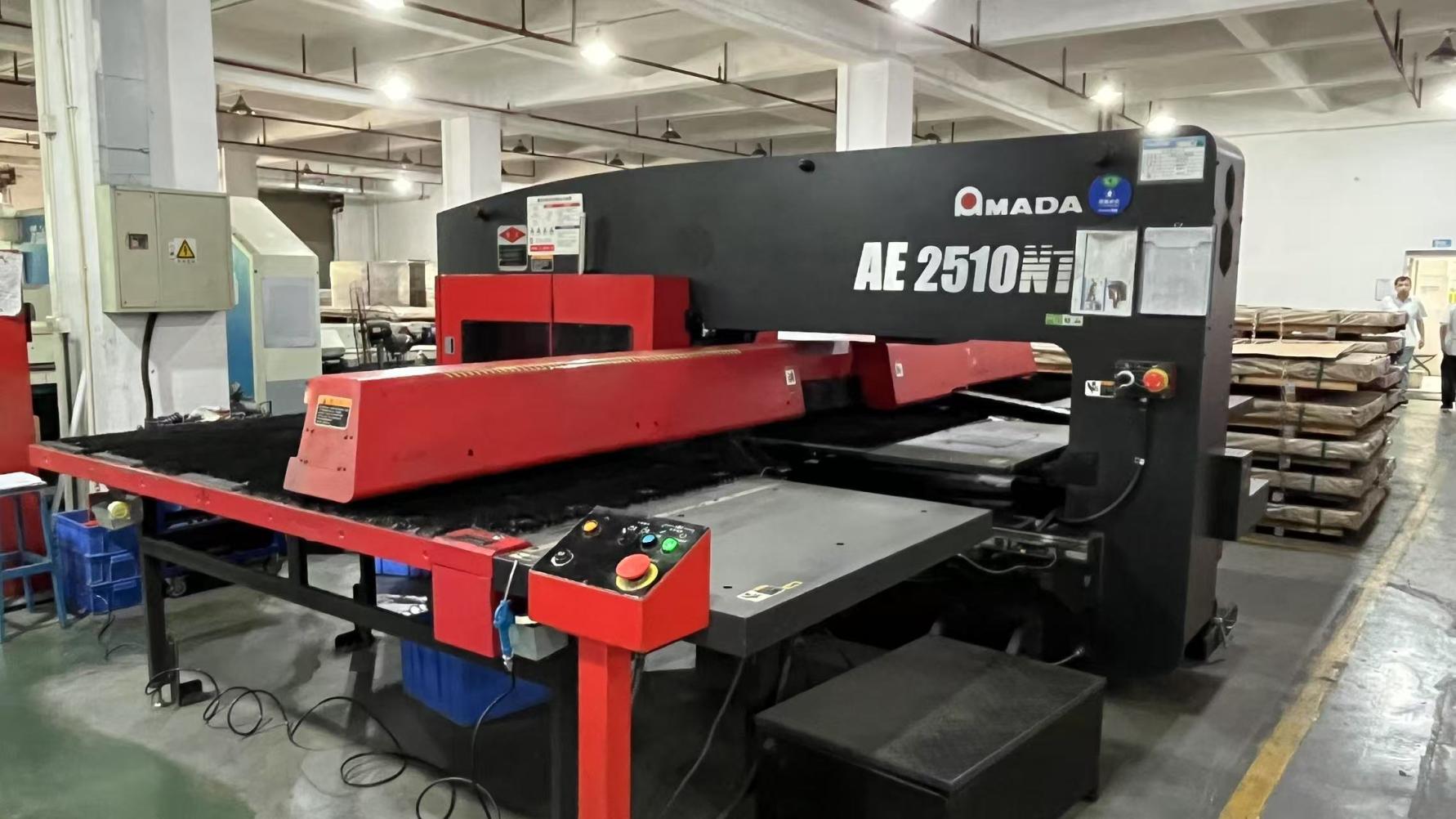
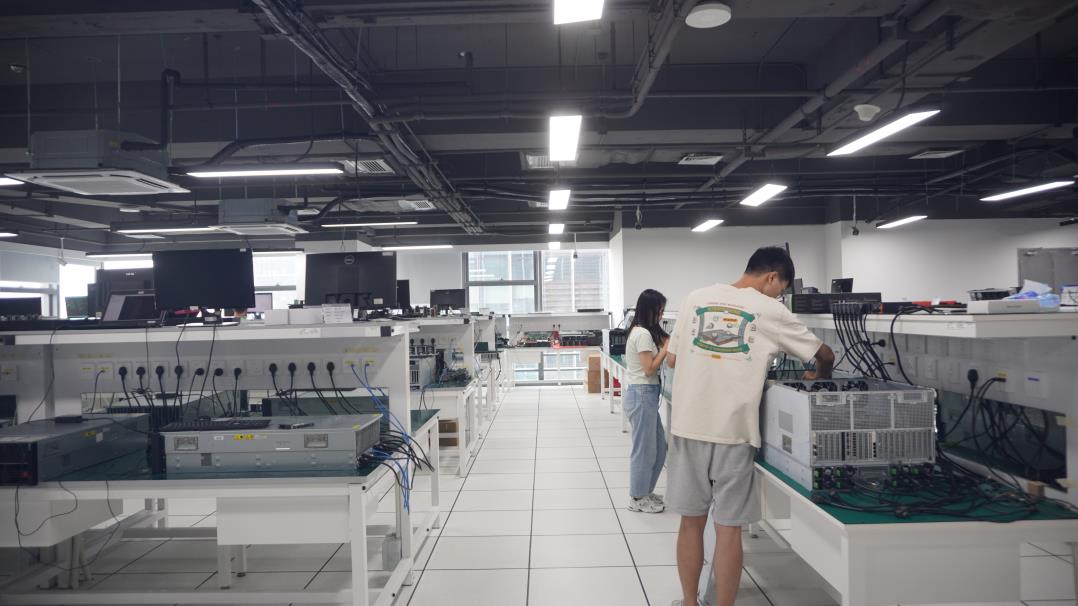
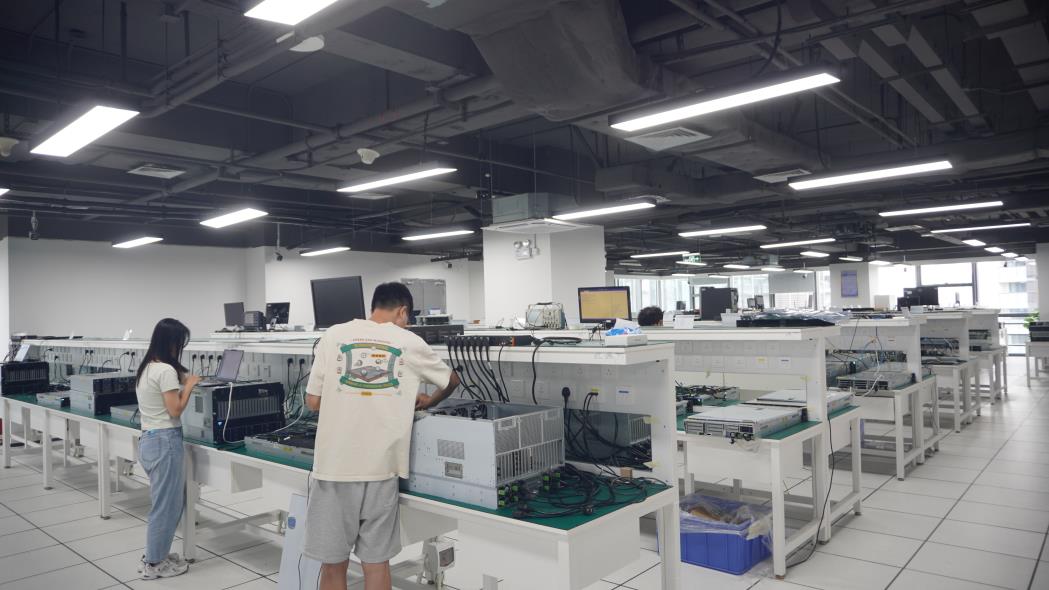
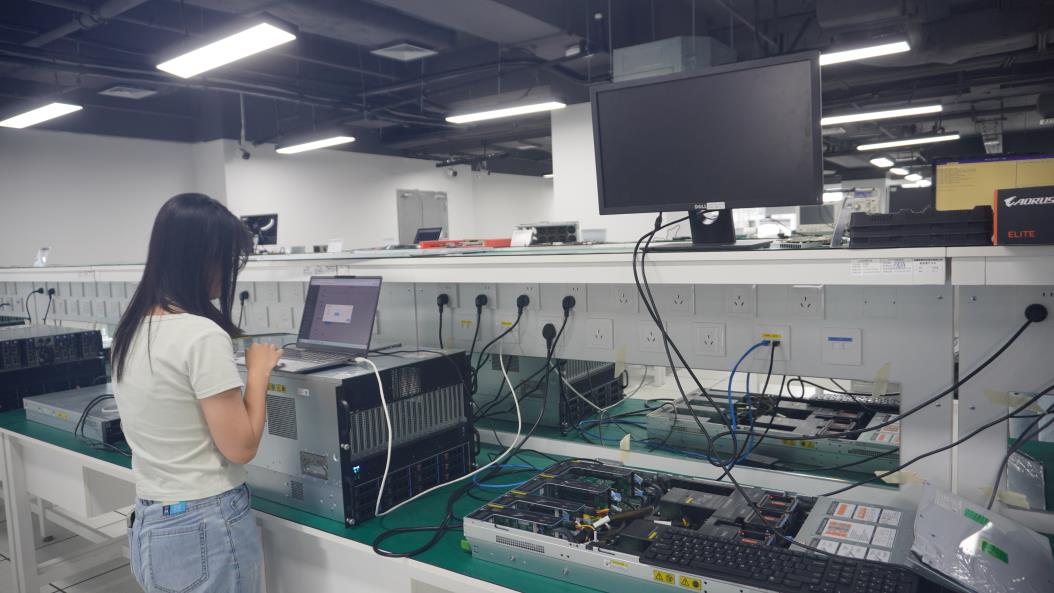
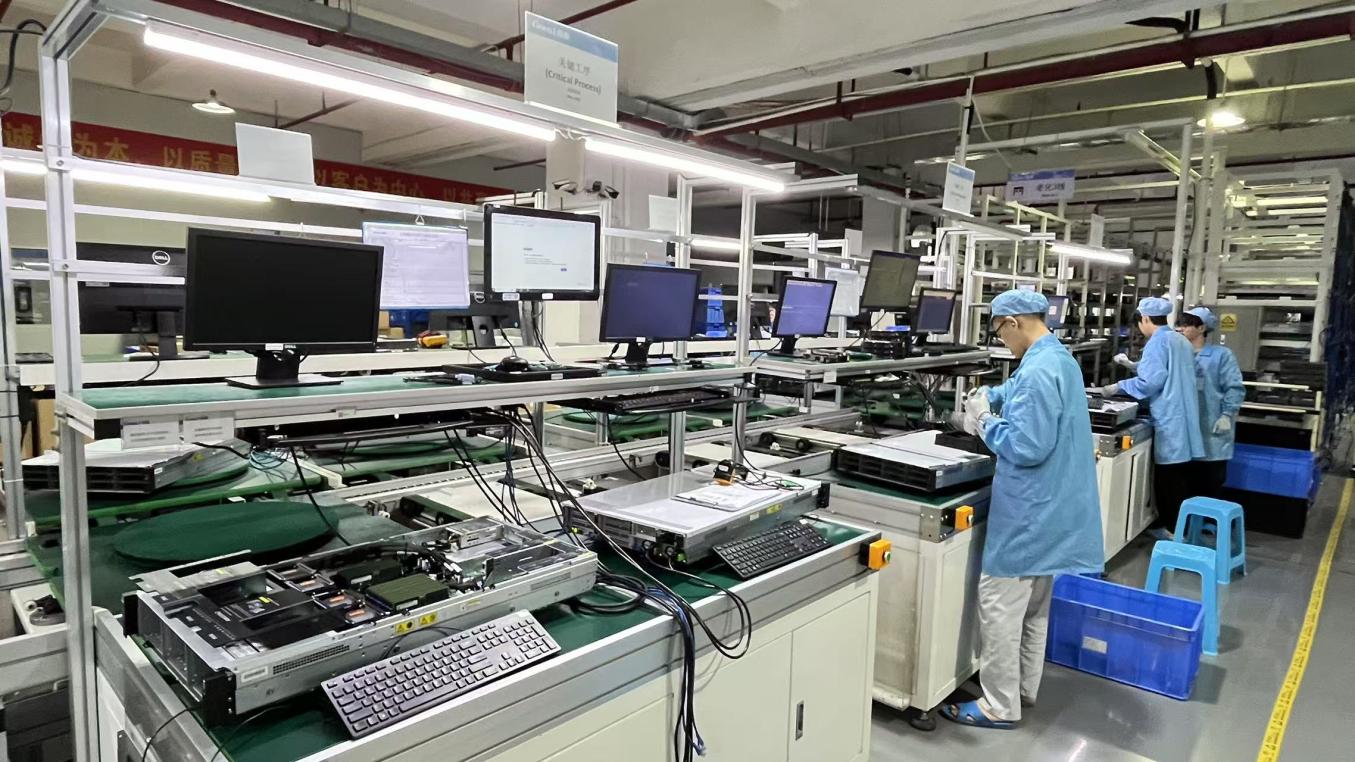
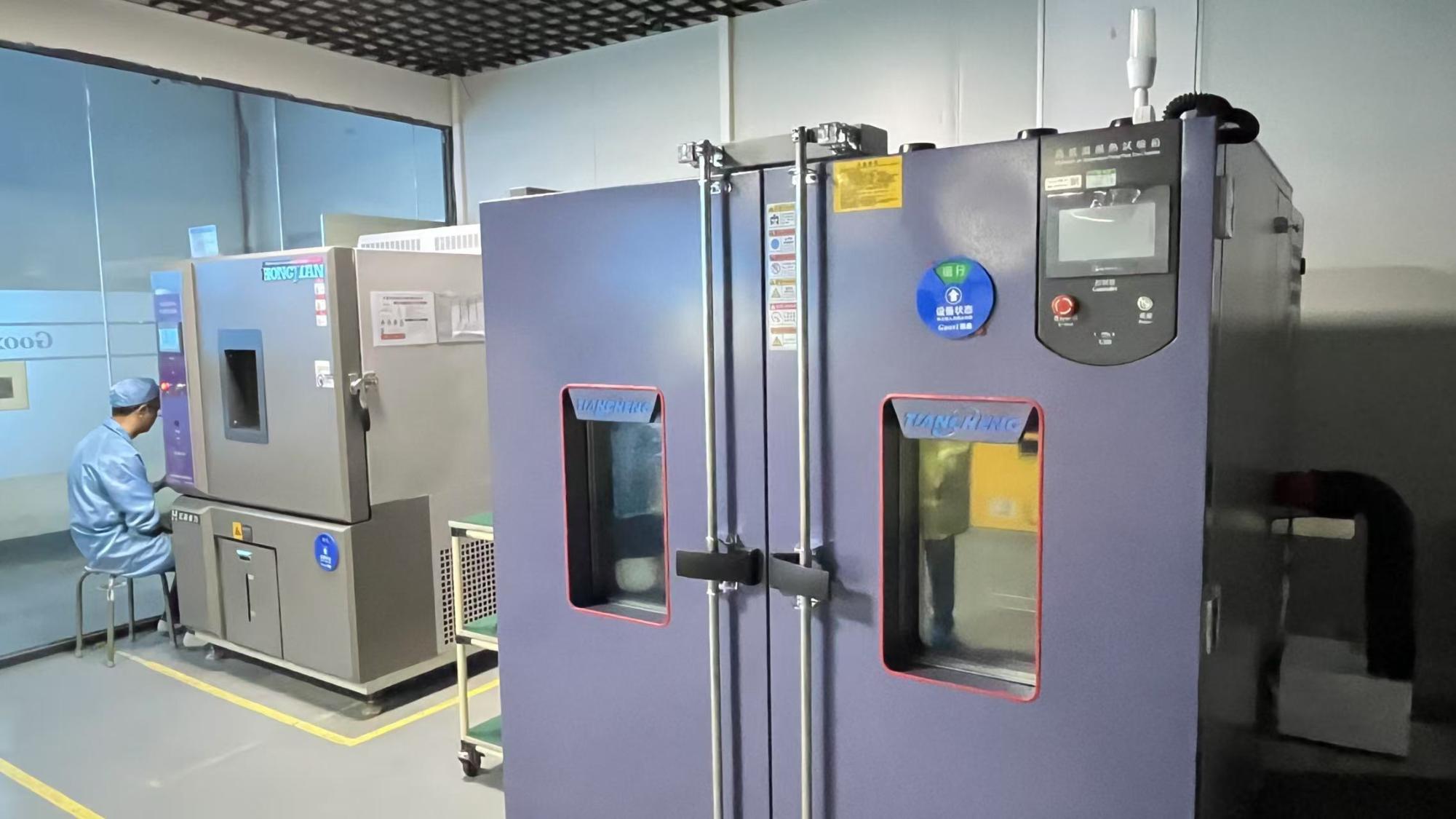
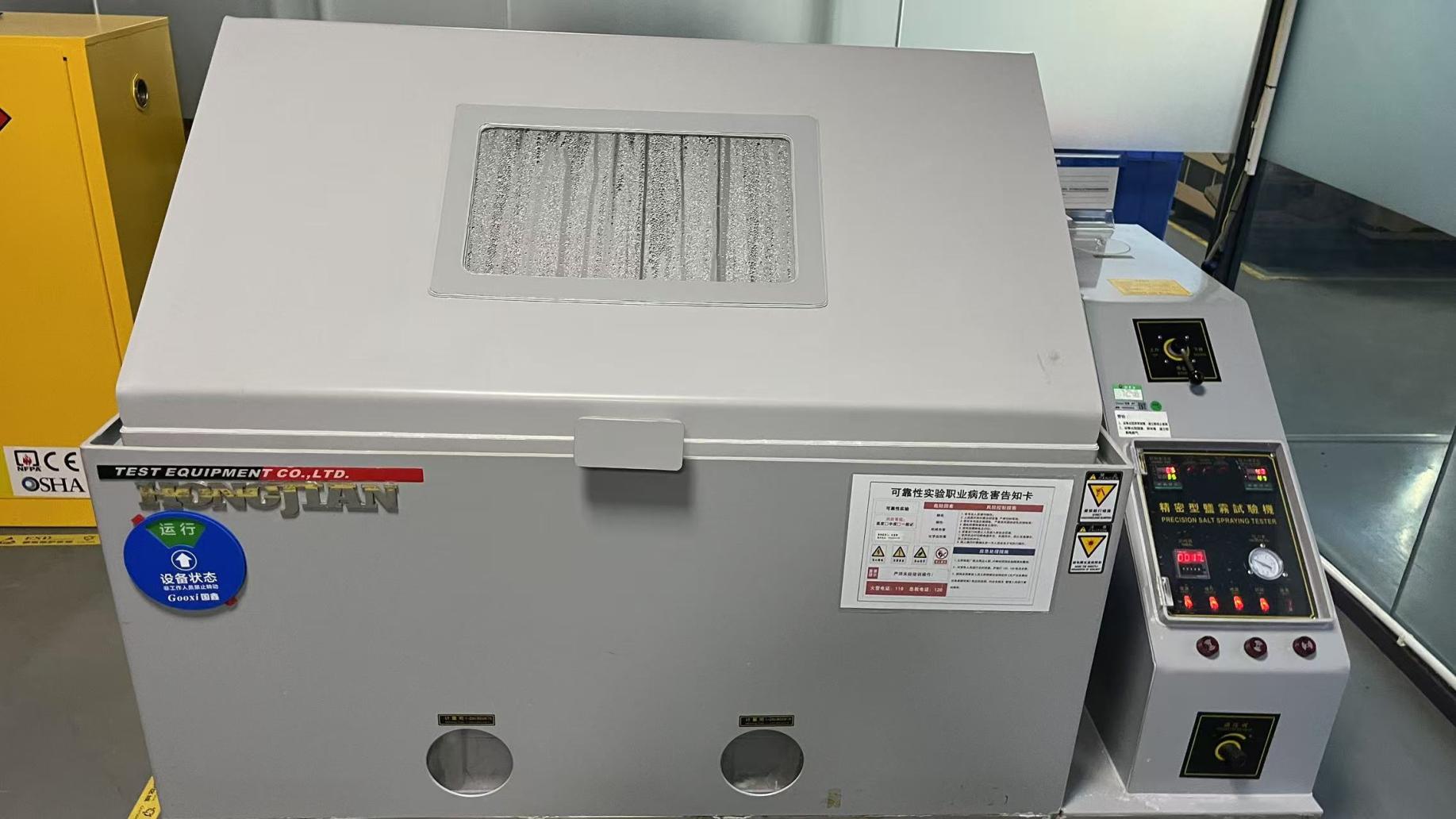
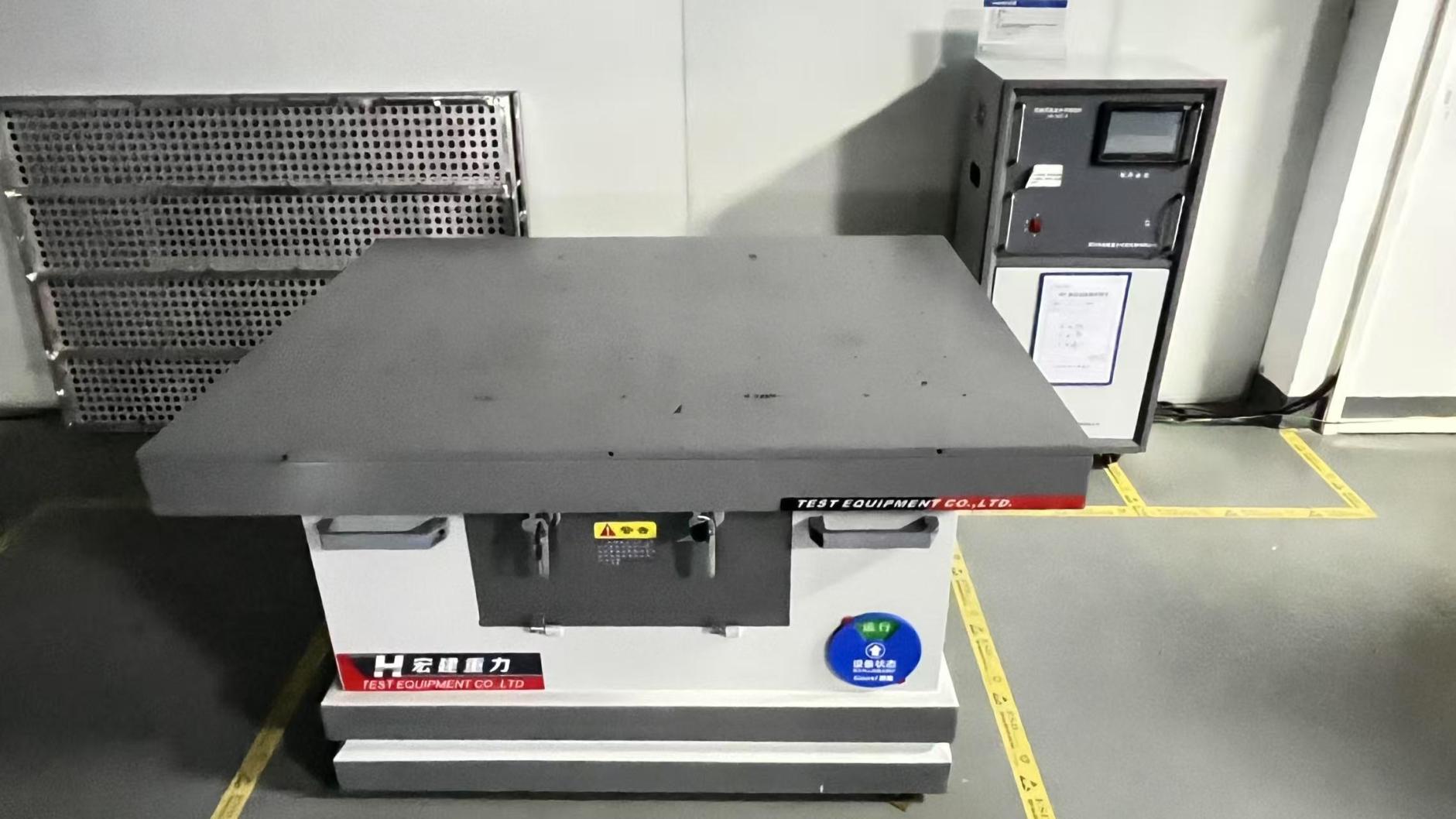
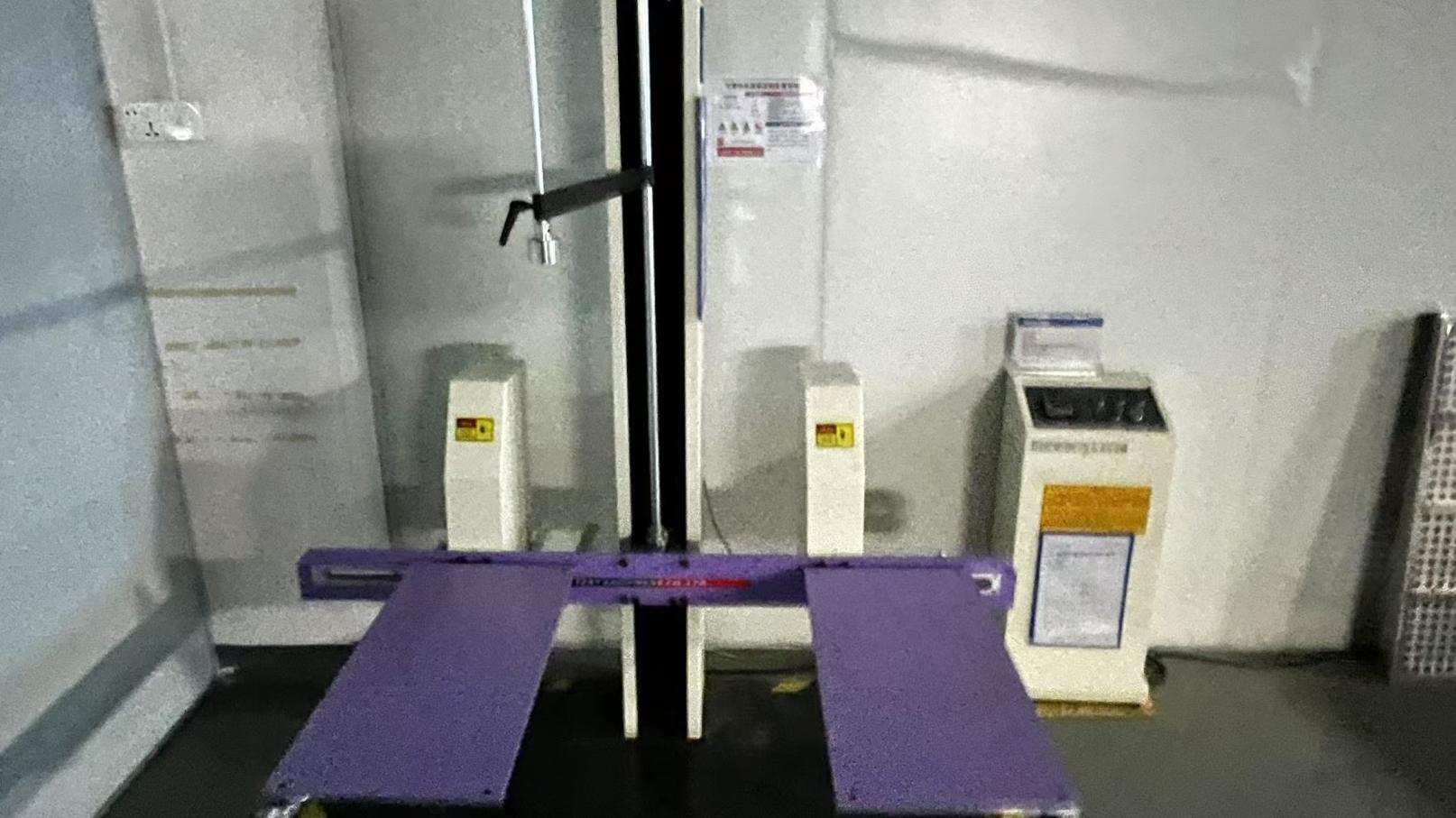
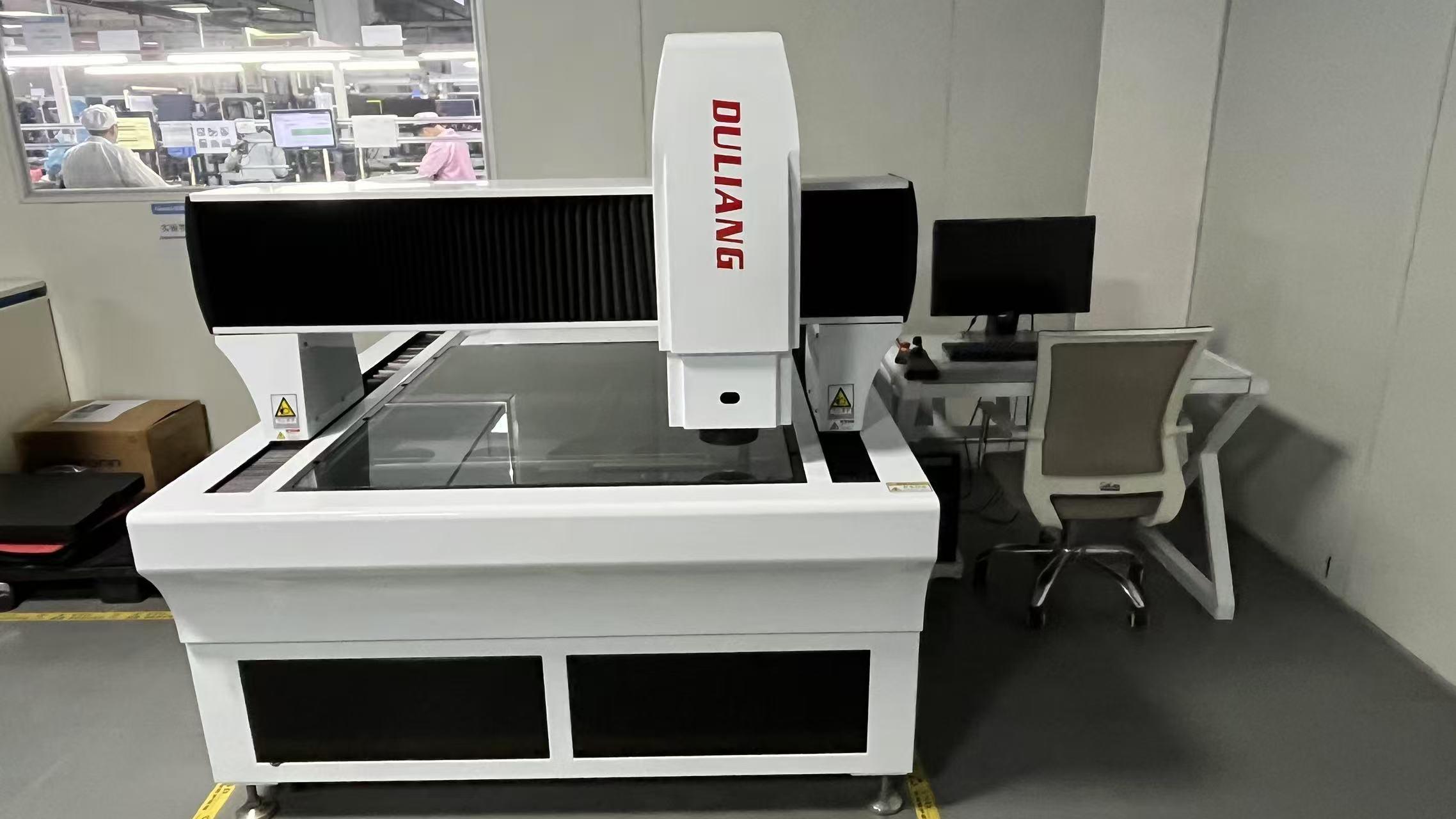
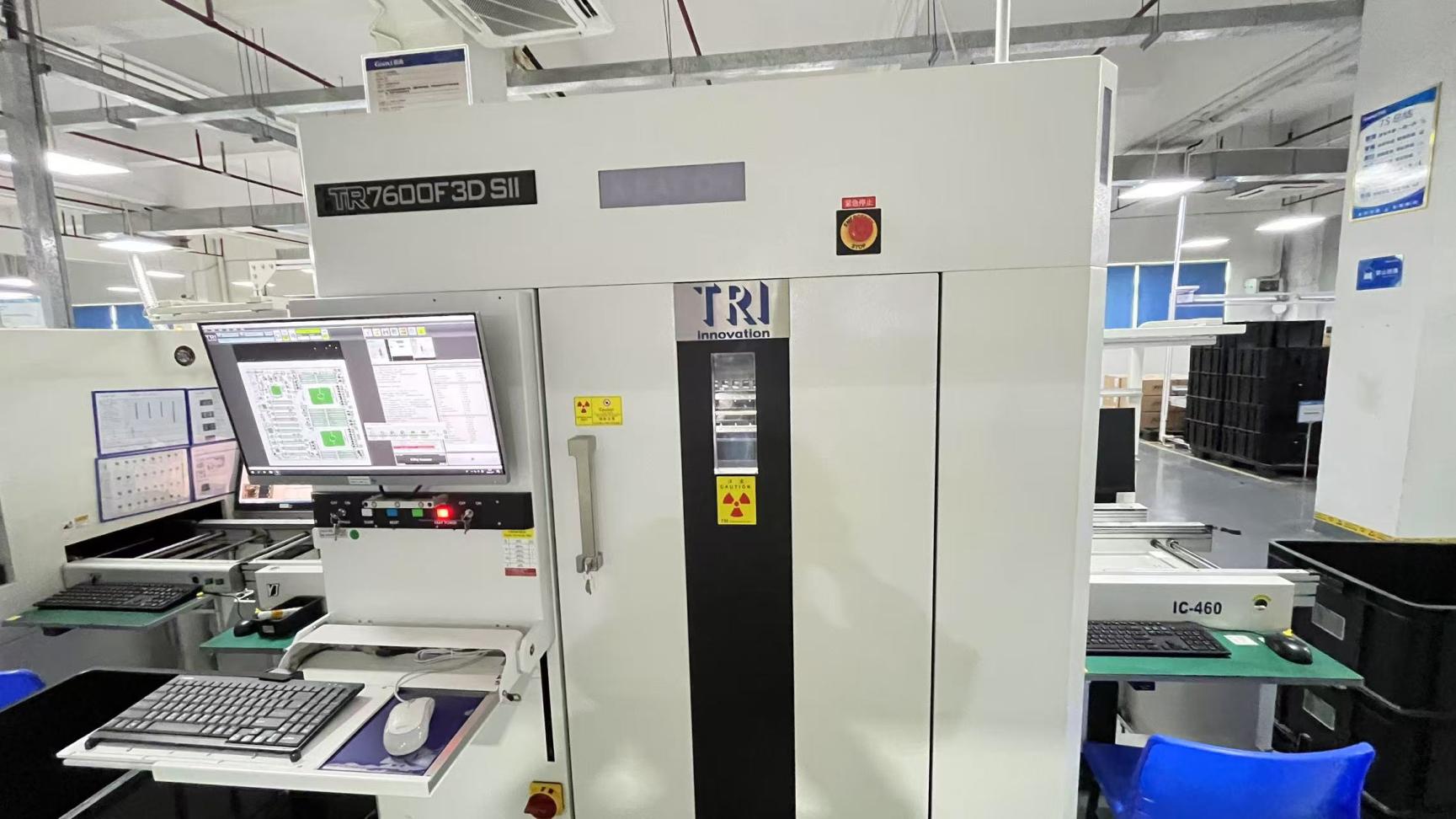
A single physical drive failure or overheating CPU can corrupt database tables and cause operations to stop. To achieve structural stability, ZhiCloud AI employs 45 dedicated QC personnel who oversee testing protocols at every stage of integration. Using simulation equipment, we test systems under variable physical and electrical conditions to ensure reliable operation in actual enterprise environments.
Database deployments vary significantly based on workloads and operations environments. A hardware configuration designed for transactional banking will differ from a deep learning vector engine or a distributed cloud storage node. Understanding these environments is critical to matching server setups to target application scenarios:
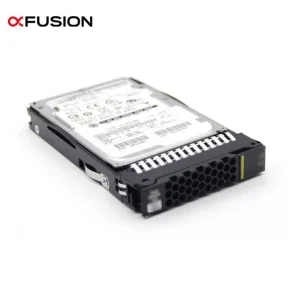
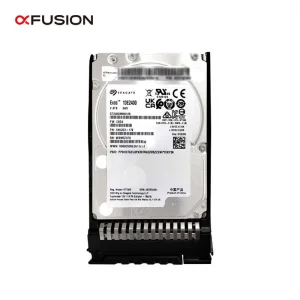
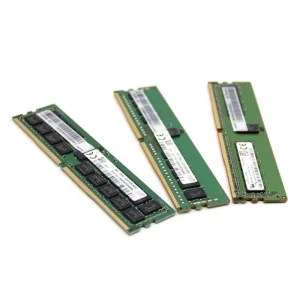
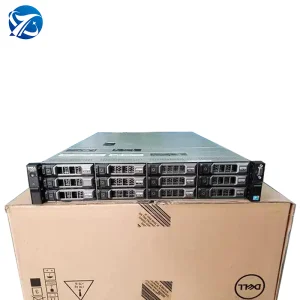
Financial trading systems demand continuous online transaction processing (OLTP) with zero tolerance for packet loss. Sourcing high-density DDR4 ECC memory channels, backed by low-latency SAS 12Gb/s HDD storage groups controlled by dedicated RAID controllers (like the 9540-8i RAID system), ensures write-ahead log safety and instant commit performance.
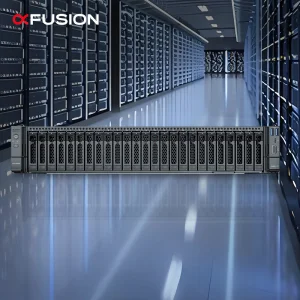
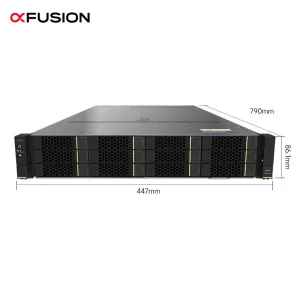
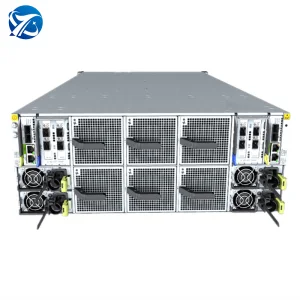
Modern search engines powered by LLMs require large-scale vector similarity calculations. By pairing PCIe Gen 4.0 NVMe SSD arrays with GPU servers (such as the FusionServer 5288 V6 or G5200 V5), data scientists can execute vector search queries within milliseconds across billions of data points.
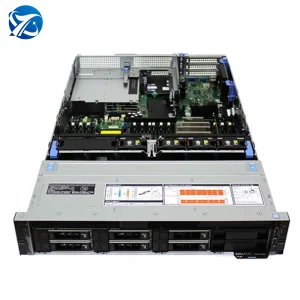
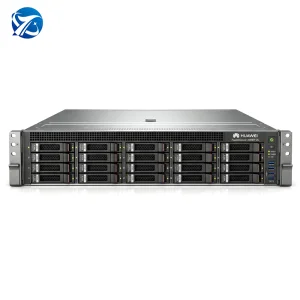
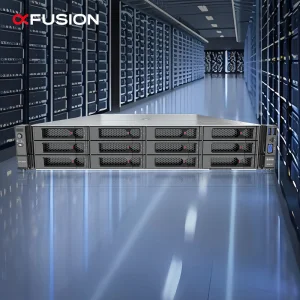
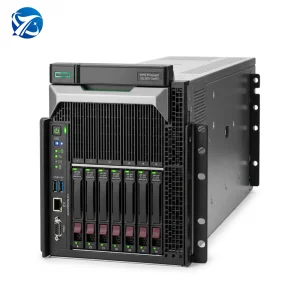
Heavy business analytics dashboards run complex queries across structured tables. 4-Socket rack architectures (such as the FusionServer 2488H platform) provide the core compute density and high memory-bandwidth necessary to support large analytical query threads without bottlenecks.
An inside view of our production lines, component testing areas, and warehousing systems.
Answers to common engineering and sourcing questions from IT operators and infrastructure specialists.
PCIe NVMe SSDs (like the PM9A3 series) connect directly to the processor via the PCIe bus, offering much higher throughput (typically over 6,000 MB/s) and sub-millisecond read/write latency. Enterprise SAS HDDs running at 12Gb/s are more cost-efficient for high-capacity storage arrays, cold data archiving, and sequential write-heavy backups, where cost-per-gigabyte is a priority over raw IOPS.
A RAID controller card (like the 9540-8i RAID PCIe 4.0) manages the physical disk array, offloading parity calculations from the main CPU. This hardware layer provides write-back caching (often protected by cache vault batteries) and database redundancy (RAID 1, 5, 6, 10). It protects transactional data from physical drive failures without impacting compute performance.
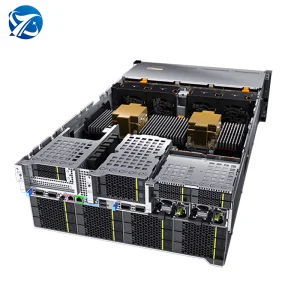
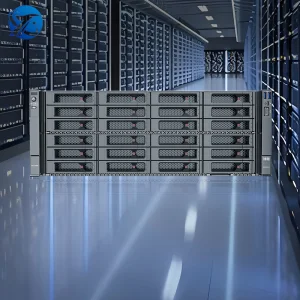
A 4-Socket server (such as the FusionServer 2488H V7) supports up to four physical processors and up to 48 DIMM slots in a single chassis. This high core-and-memory density is critical for enterprise ERP engines that run heavy analytical query threads (OLAP), maintaining larger portions of active databases directly in RAM (in-memory tables) to prevent storage bottlenecks.
ZhiCloud AI applies testing protocols supervised by a 45-person QC team. Servers undergo a minimum 24-to-72 hour burn-in test at maximum capacity. We perform environmental tests using specialized equipment, including temperature chambers (thermotank), physical vibration tests, and salt spray tests to ensure electronic components remain stable during transit and long-term deployment.
Yes. ZhiCloud AI offers hardware customization services, including GPU selection, storage array configuration, memory capacity tuning, custom BIOS settings, and pre-installation of chosen operating systems. This ensures the hardware is optimized for your target database (such as PostgreSQL, MySQL, ClickHouse, or vector engines like Milvus).
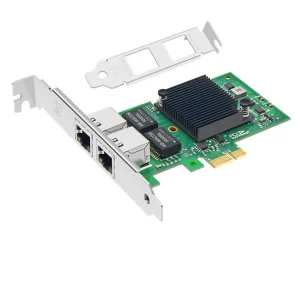
System-certified hardware upgrades and server components for enterprise database infrastructure.