ZhiCloud AI
ZhiCloud AI
ZhiCloud AI
Explore our top-performing CE-certified hardware engineered for high-availability cloud database hosting, high-performance computing, and enterprise workloads.
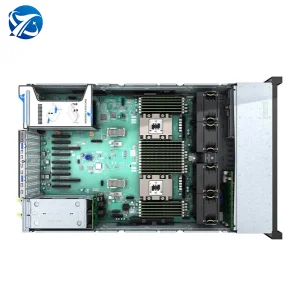
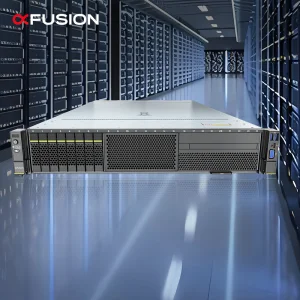
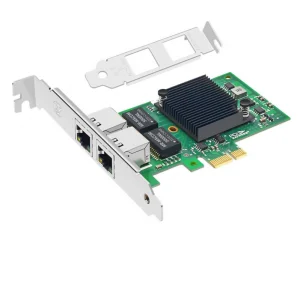
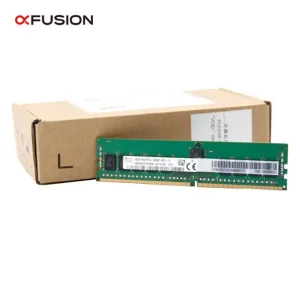
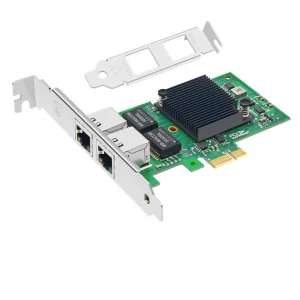
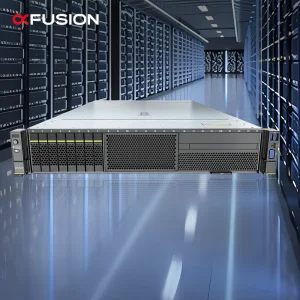
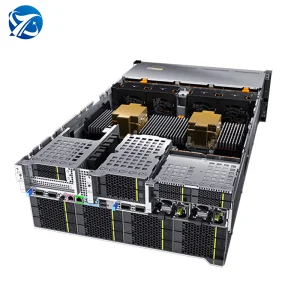
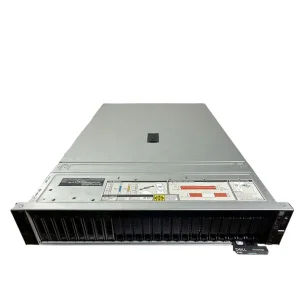
In today's data-driven landscape, enterprise IT ecosystems require absolute reliability, regulatory compliance, and thermal stability. Global organizations face massive hurdles selecting server and storage platforms that balance cutting-edge capability with regional safety mandates. Specifically, acquiring CE-certified Dell storage arrays and server architectures acts as a vital bridge between high-throughput performance and compliance within European markets.
CE (Conformité Européenne) marking is not merely a label; it is a stringent declaration of hardware safety, electromagnetic compatibility (EMC), and low-voltage protection. For IT administrators deploying mission-critical servers (such as Dell PowerEdge and xFusion clusters), sourcing hardware from a vetted manufacturer guarantees compliance with the EU's Low Voltage Directive (LVD) and RoHS standards, minimizing risks of fire, electrical failure, or performance degradation.
Our organization, Shenzhen Intelligent Computing Cloud Technology Co., Ltd. (ZhiCloud AI), excels in developing and configuring these high-density computing clusters. By leveraging industry-grade hardware validation techniques and direct OEM partnerships, we help global data centers achieve optimal TCO (Total Cost of Ownership) while upholding elite environmental and regulatory standards.
Without genuine CE certification, enterprise computing systems face import friction, severe insurance complications, and vulnerability to electrical surges. Certified equipment ensures:
Years Industry Expertise
Annual Export Revenue
QC Specialists
Strategic Supply Partners
Enterprise data storage has shifted from cold archive structures to highly responsive, AI-integrated nodes requiring robust computing footprints.
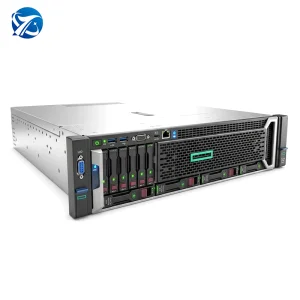
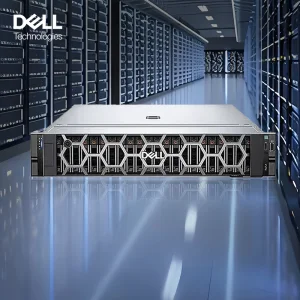
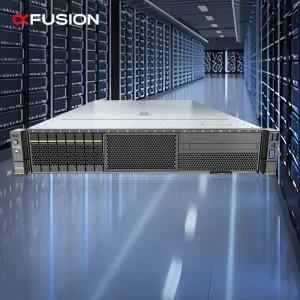
Modern servers must process multi-billion parameter large language models. Highly robust storage sub-systems like Dell PowerEdge R760 or xFusion 2288H V7 integrate high-performance GPU environments with PCIe Gen 5 SSDs, minimizing latency for neural network operations.
With bandwidth capabilities doubling over Gen4, enterprise solutions rely on cutting-edge components like M.2 NVMe RAID arrays (e.g., SAS3808/SAS3908) to support multi-channel transactions without bottlenecking the central processor unit.
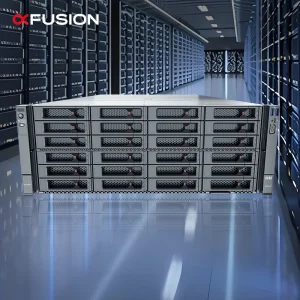
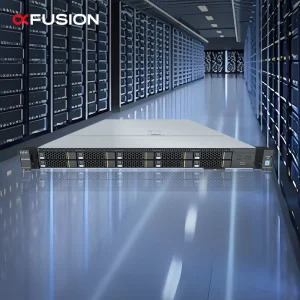
Global cloud providers require customizable chassis design options. High-density server platforms (like the FusionServer 5288 V6 / V7) balance high HDD storage capacity with ultra-fast SSD caching tiers to maximize dollar-per-gigabyte ratios.
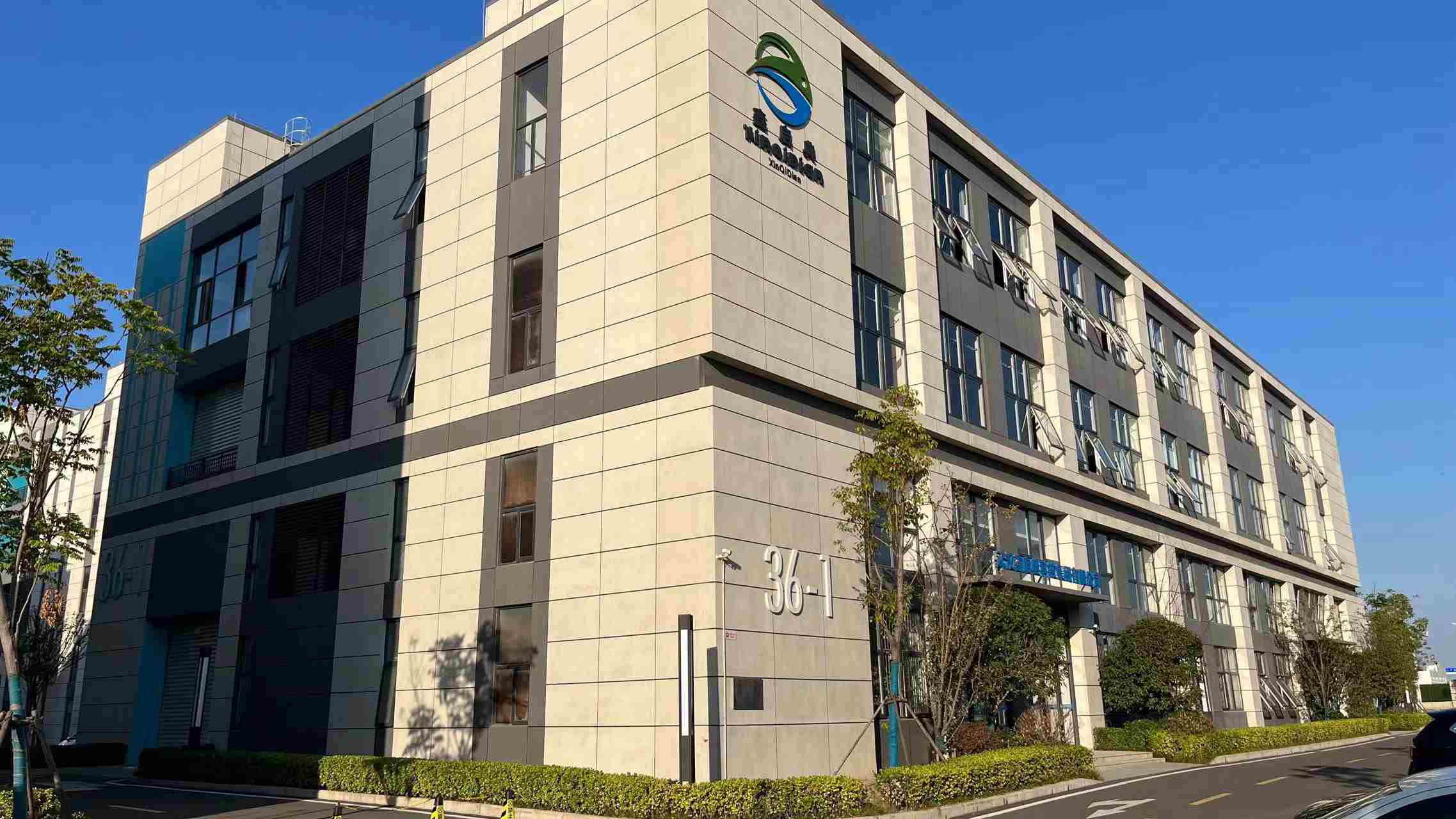
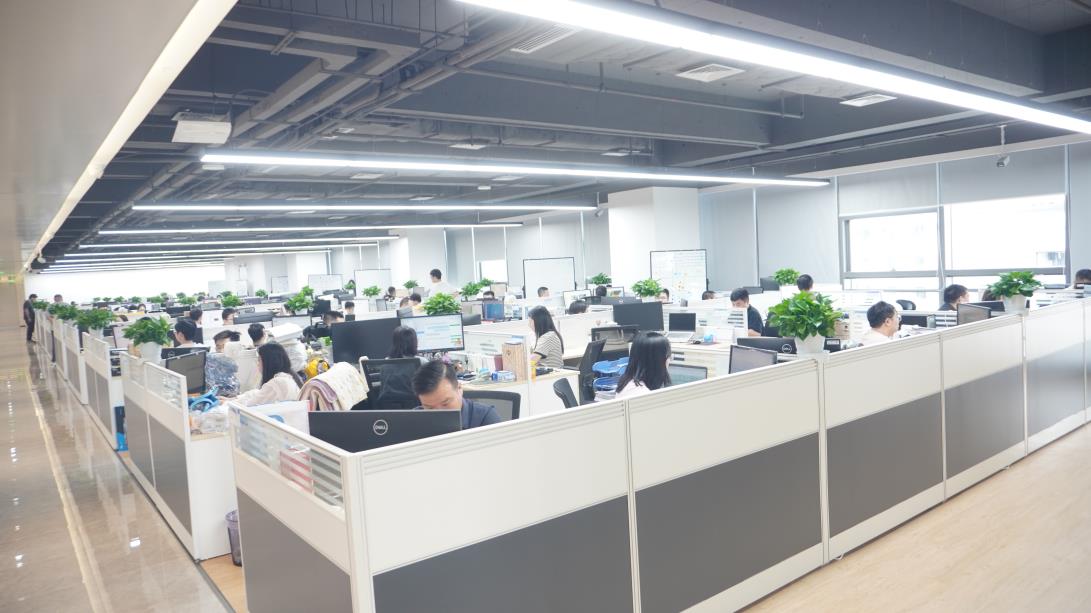
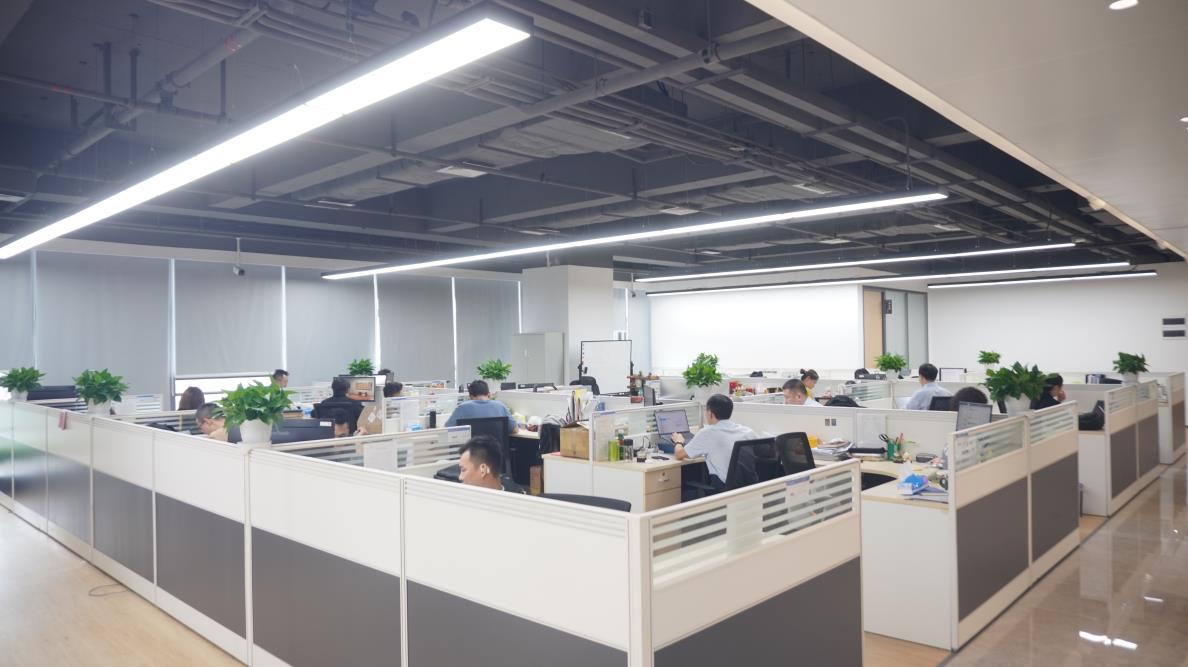
Founded in 2016, ZhiCloud AI (Shenzhen Intelligent Computing Cloud Technology Co., Ltd.) has evolved into a leading global B2B provider of high-density AI servers and high-performance computing configurations. Serving major hubs across North America, Europe, Southeast Asia, and the Middle East, we match complex engineering demands with robust, certified components.
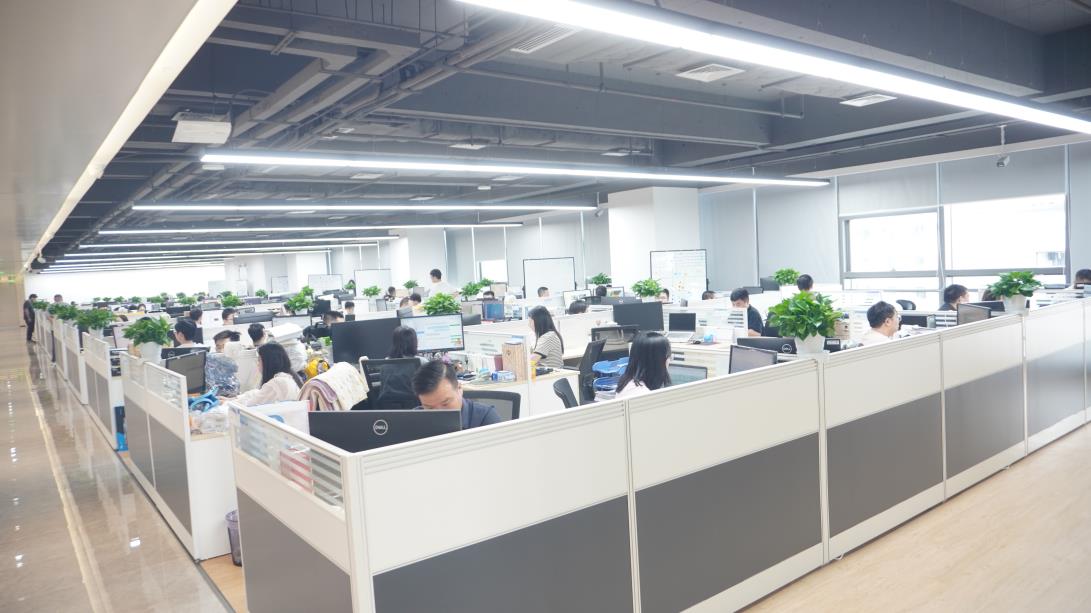
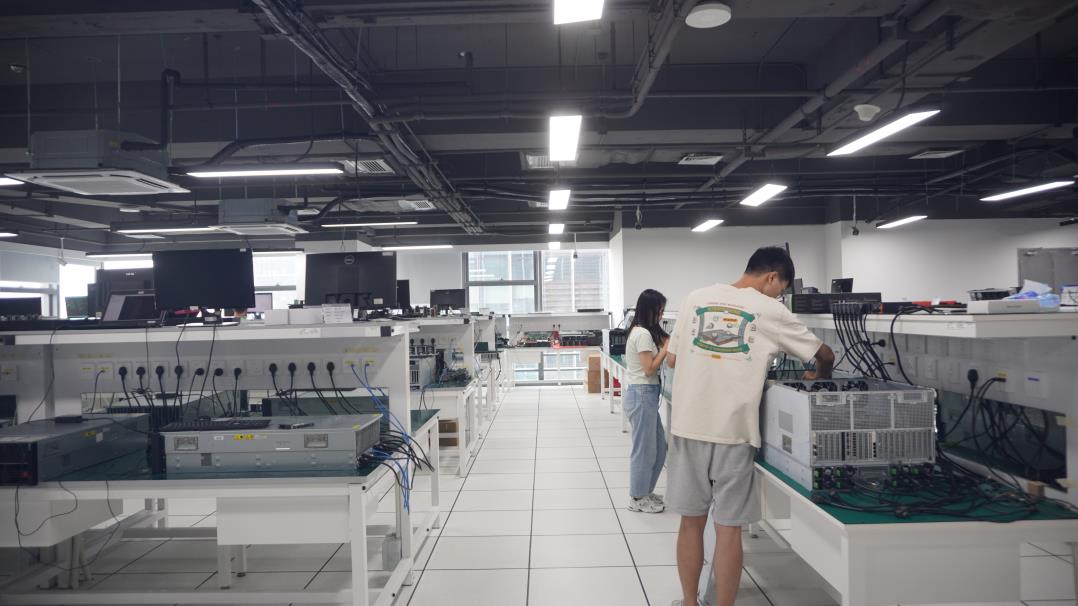
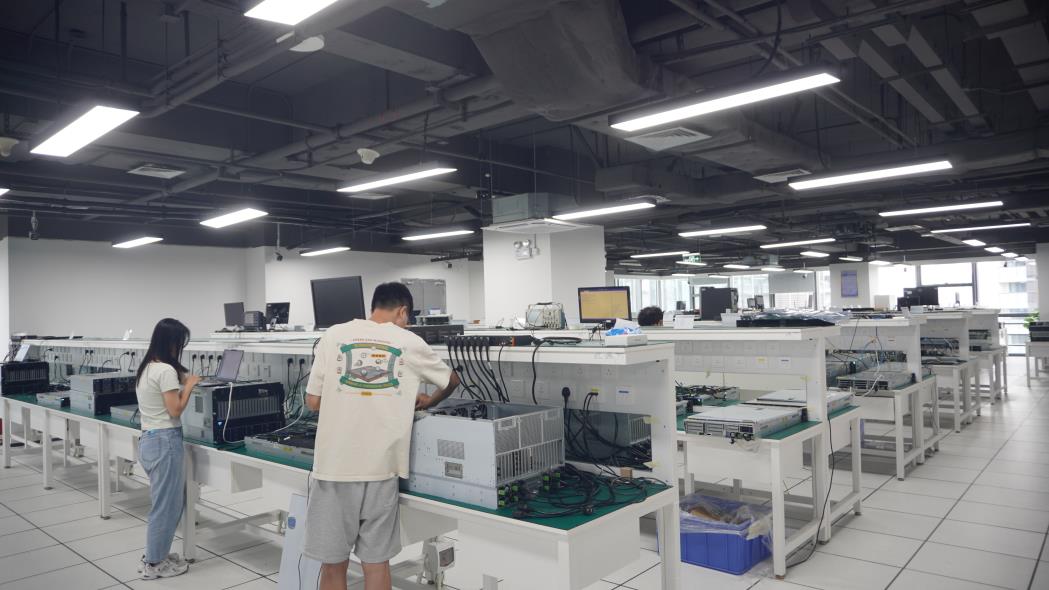
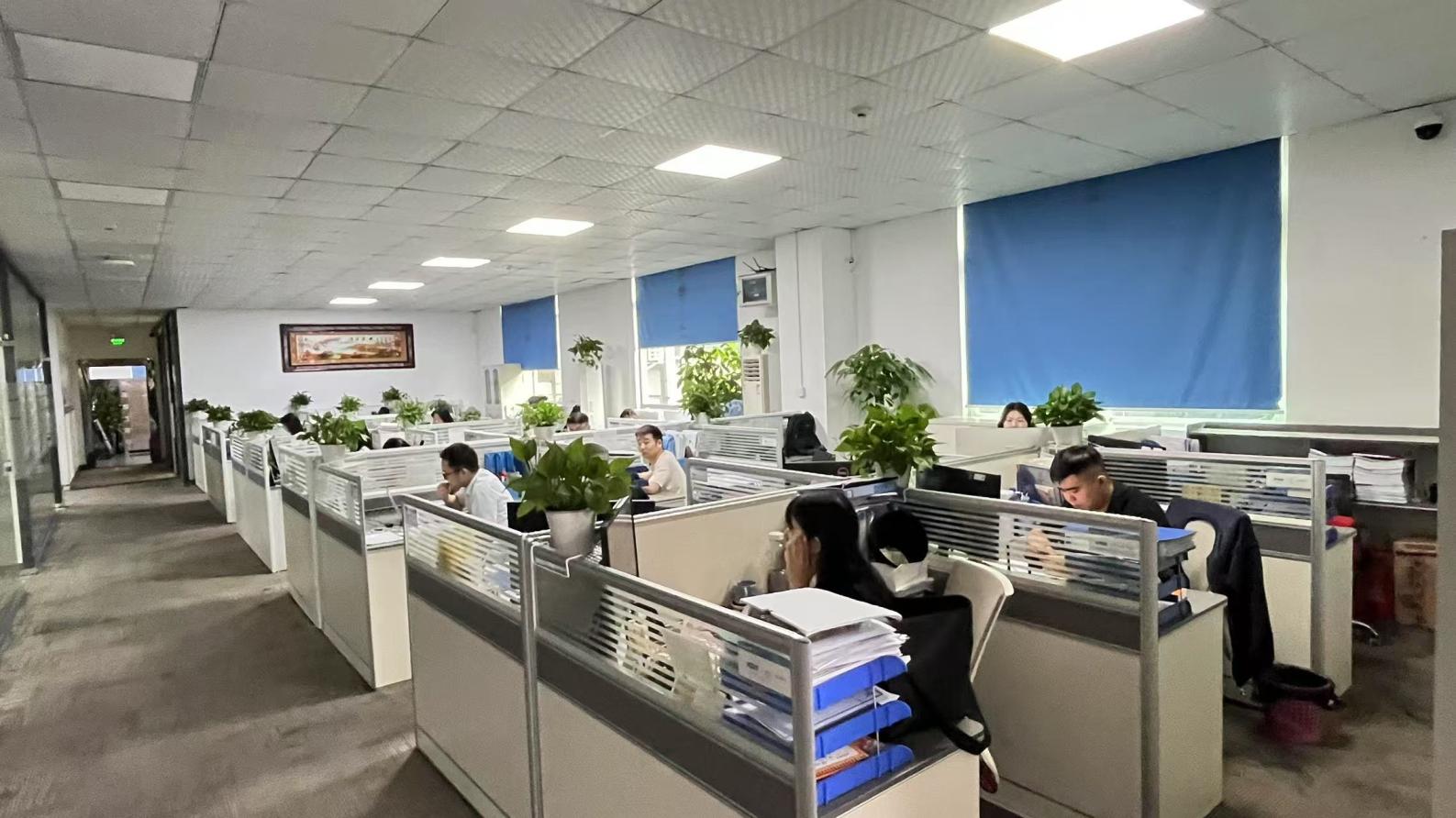
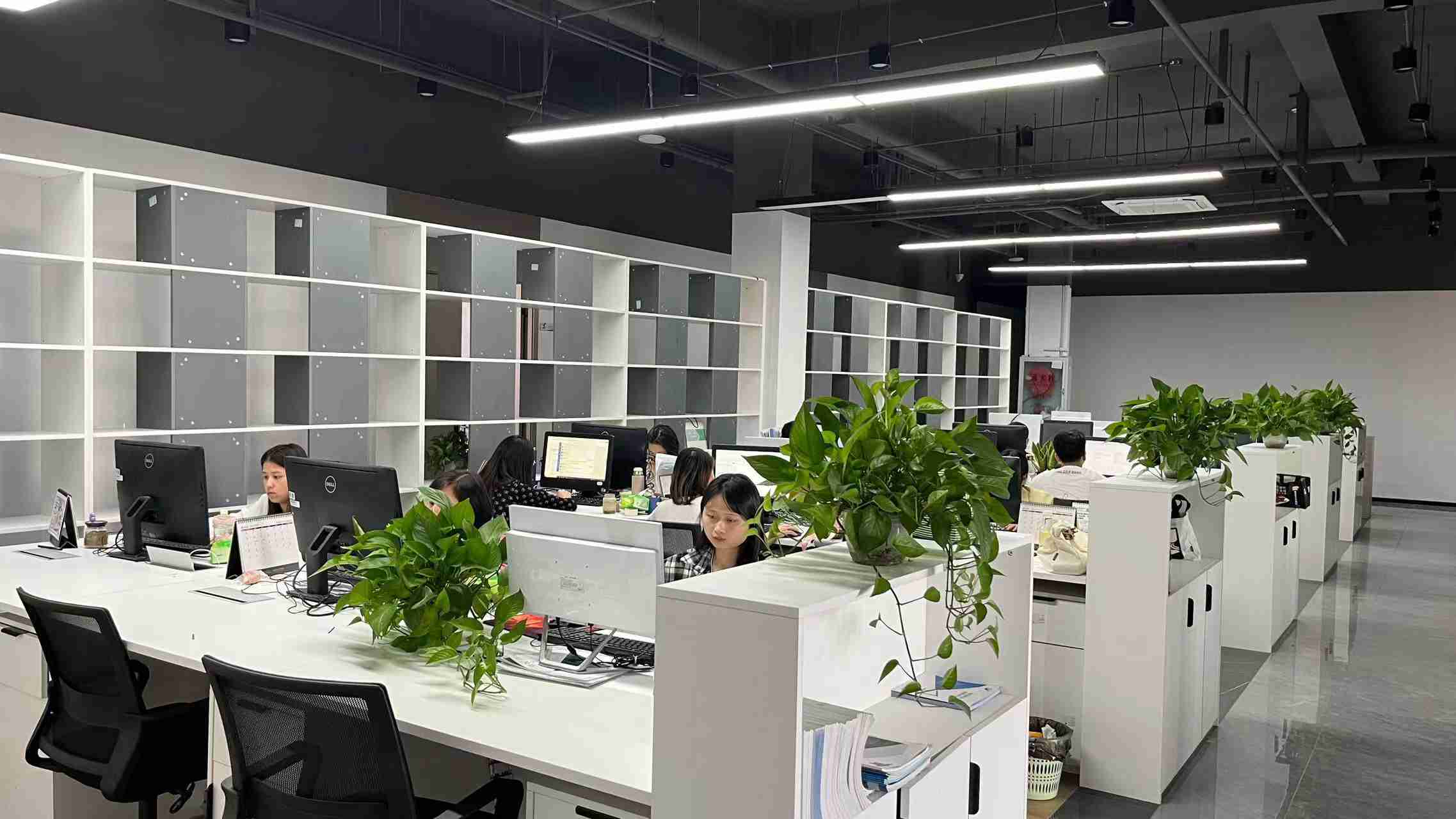
Our operations span a modern 320㎡ facility structured specifically for precision system integration, firmware flash procedures, and structural testing. With a talent pool of 120 dedicated R&D engineers, we engineered 180 new server variants last year, catering to custom storage configurations, tailored GPU arrays, and energy-conscious liquid-cooling setups.
Through our vast network of over 1,200 strategic suppliers, we guarantee component availability, preventing bottleneck delays for critical products like xFusion storage nodes, DDR5 RDIMM ECC memory blocks, and SAS-based RAID acceleration adapters.
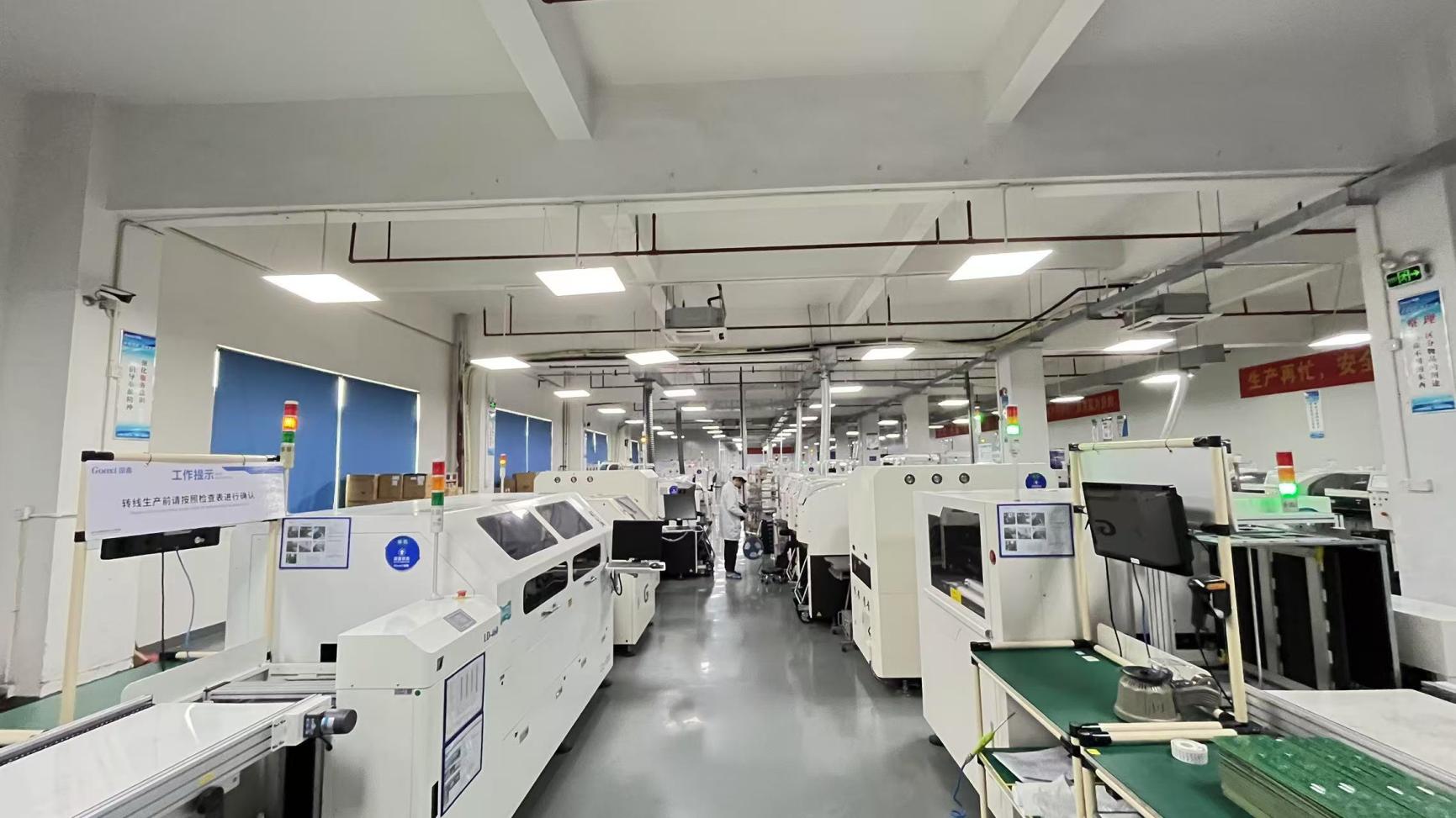
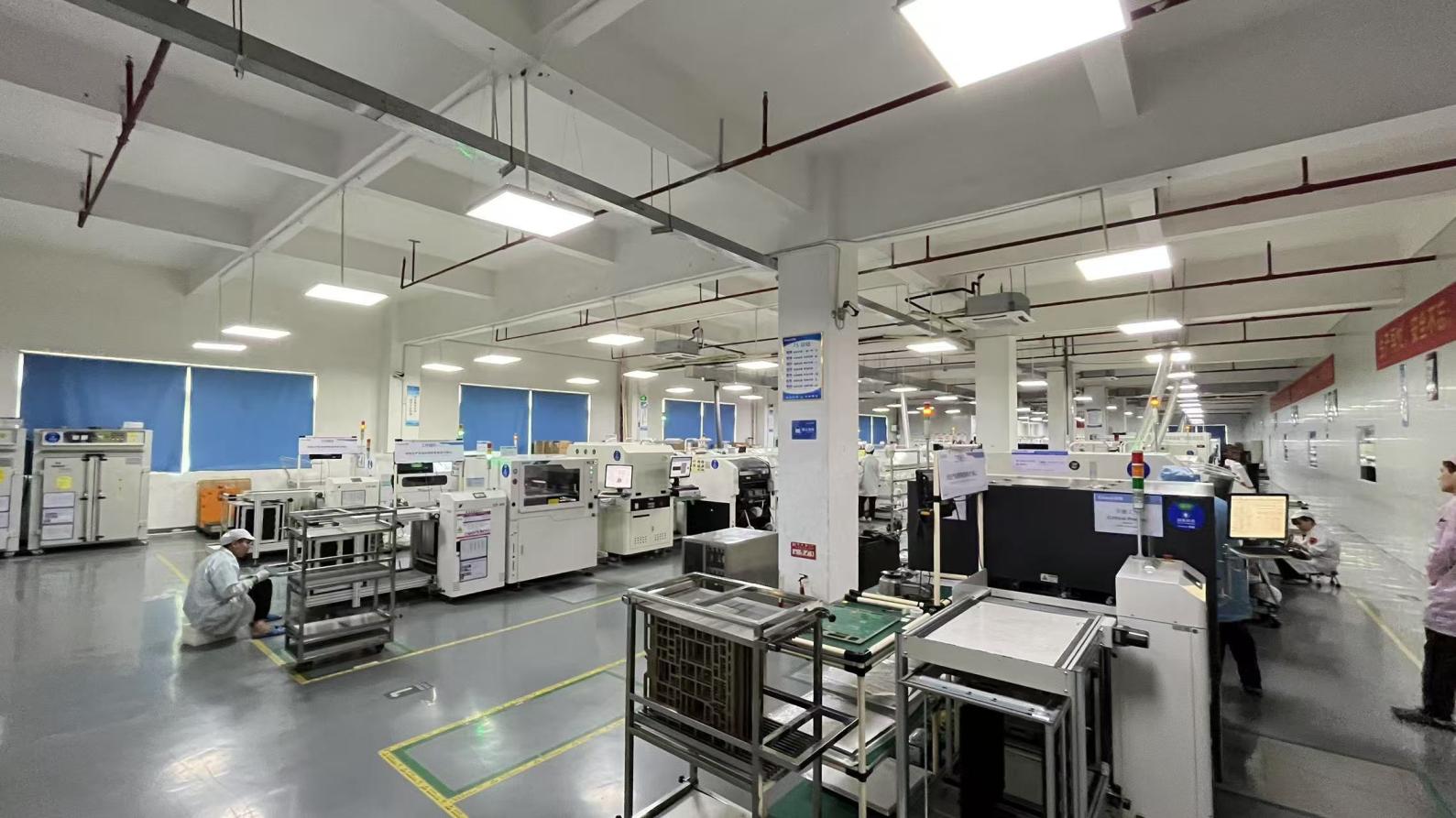
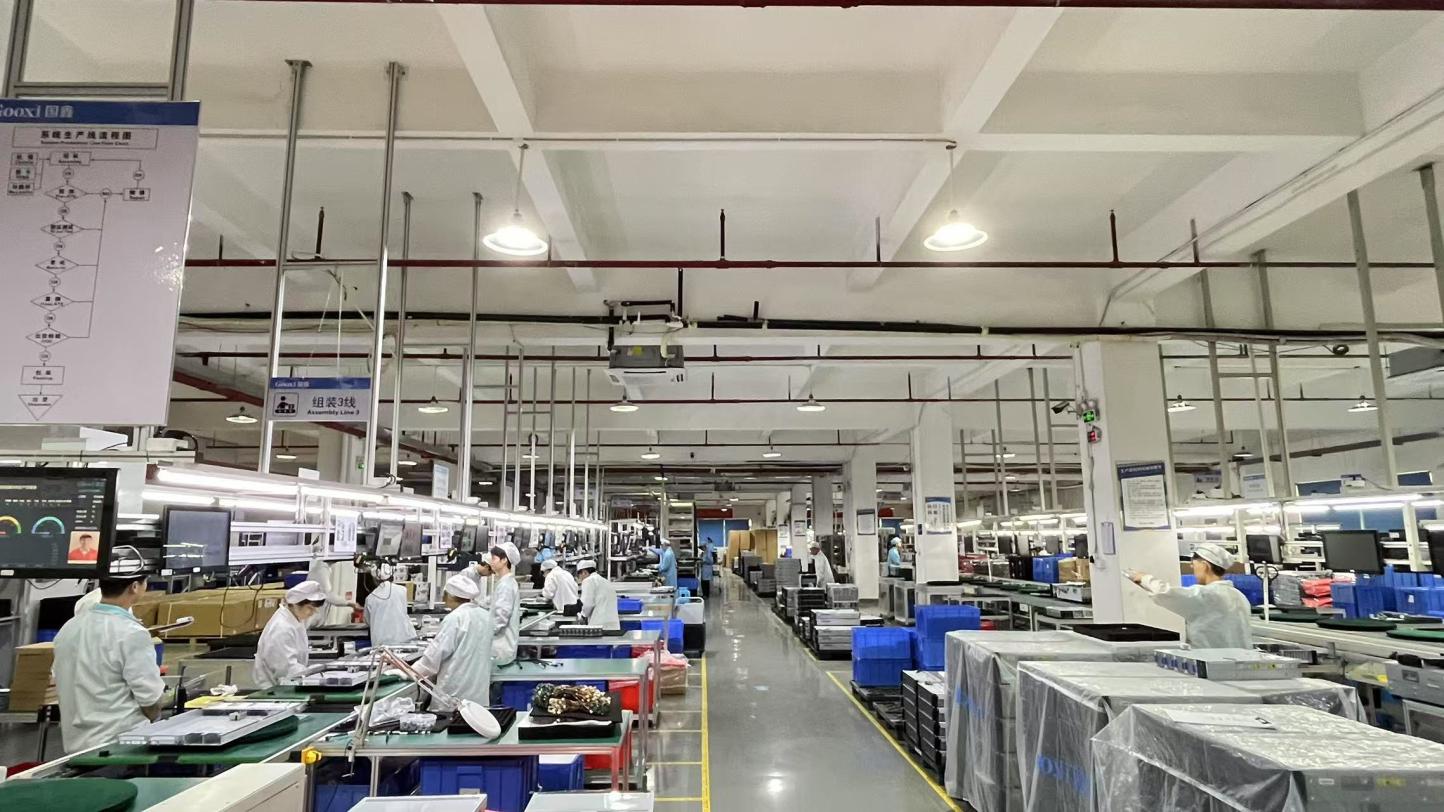
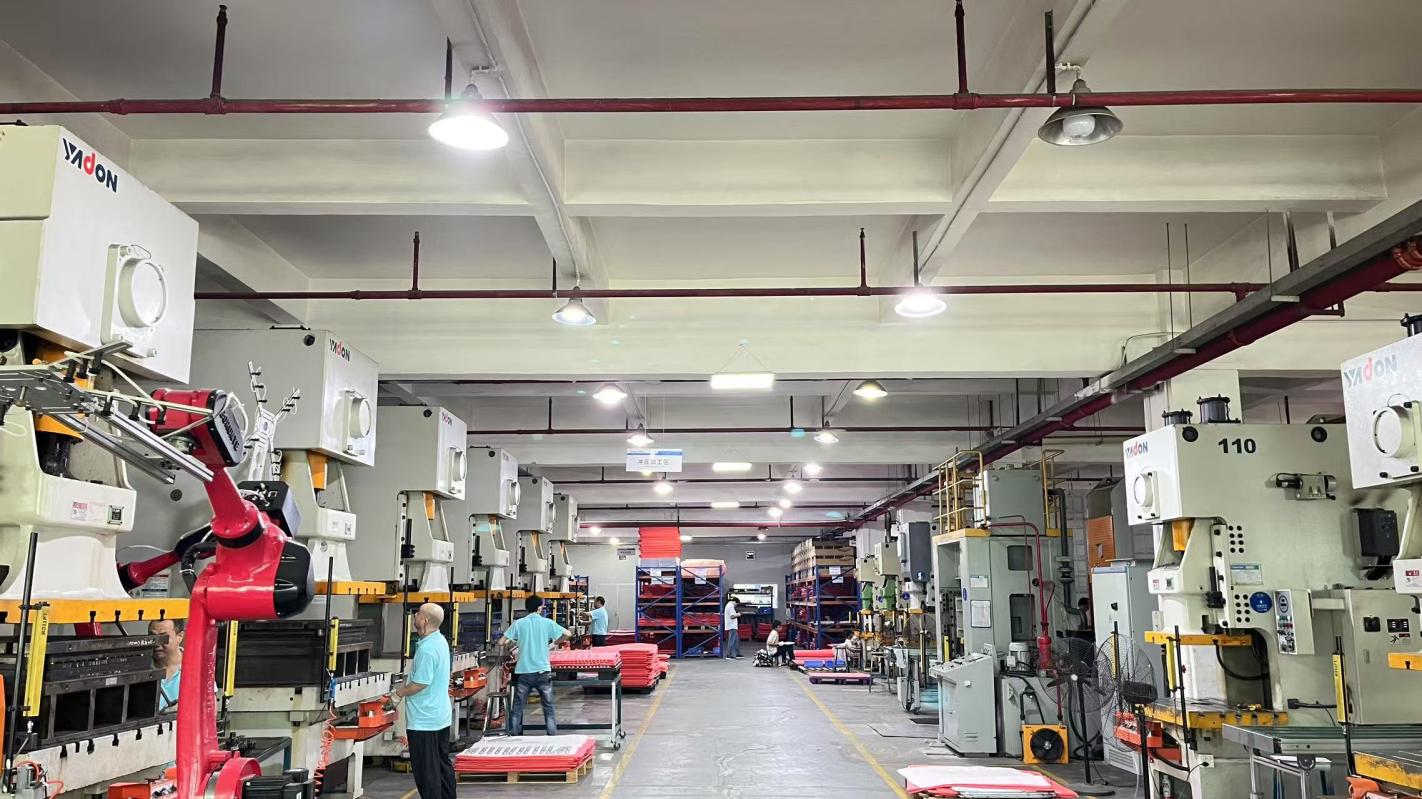
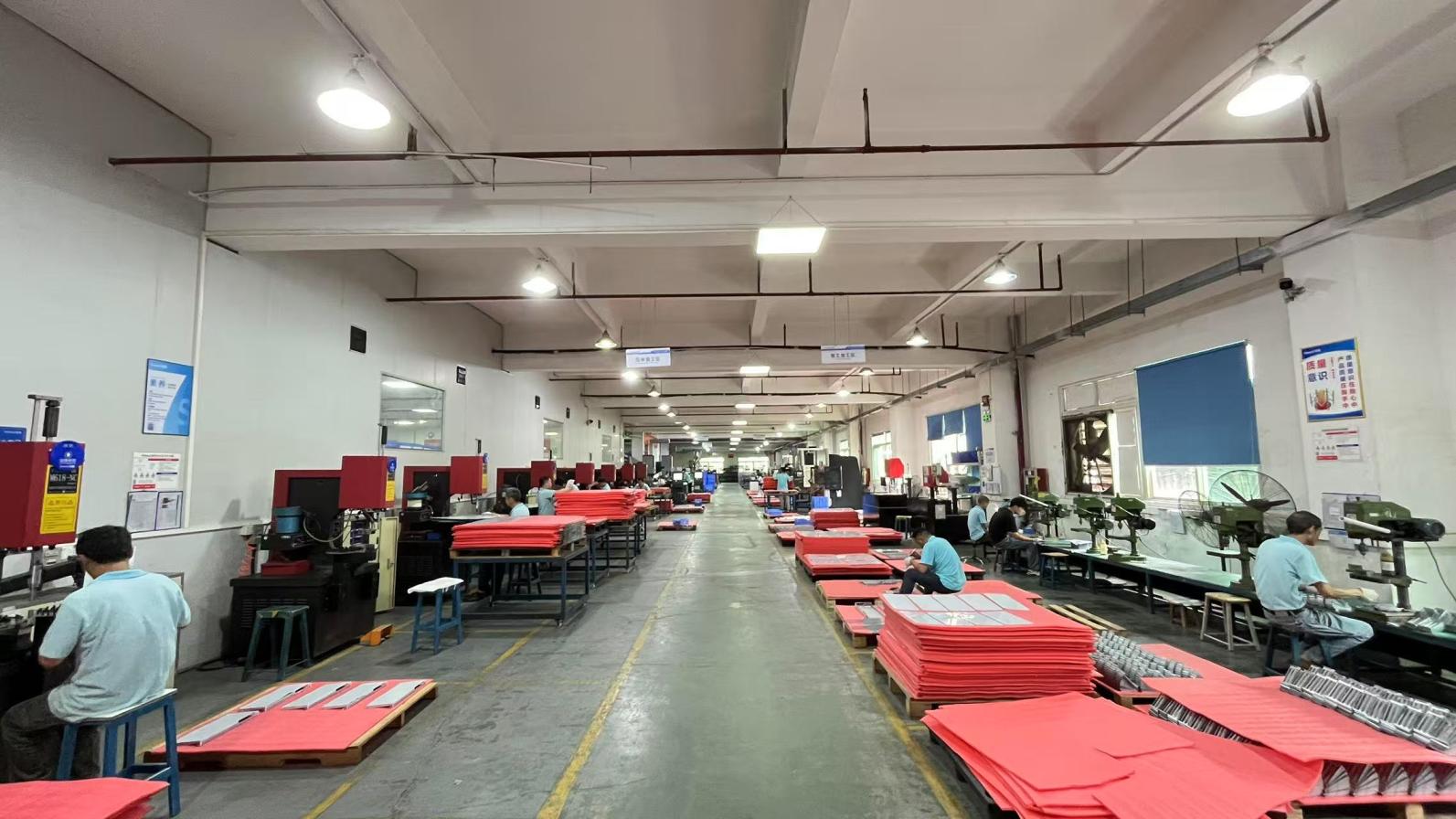
A structured visualization of our ISO-compliant production lines, showing step-by-step how hardware is shaped, assembled, and optimized.
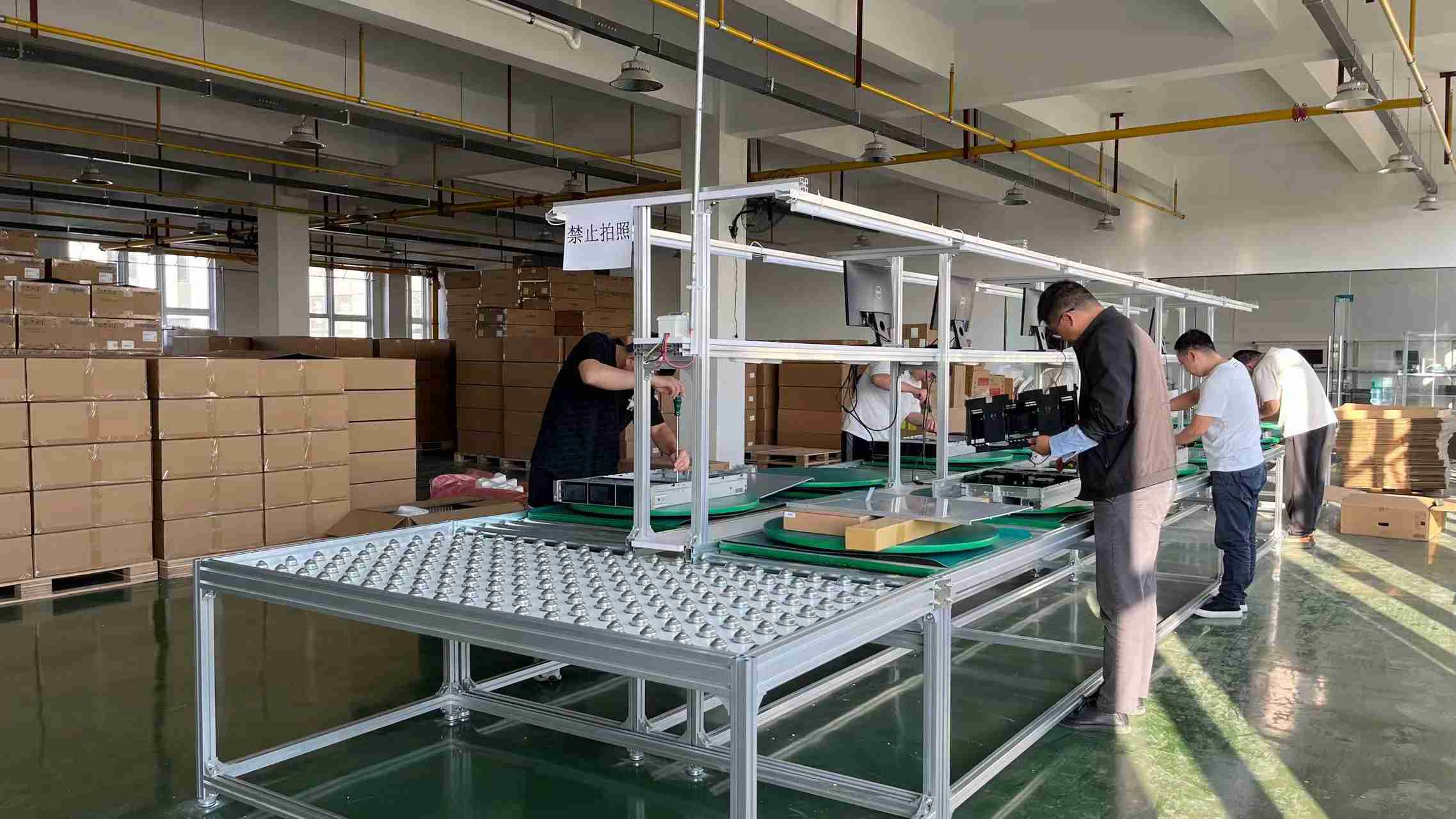
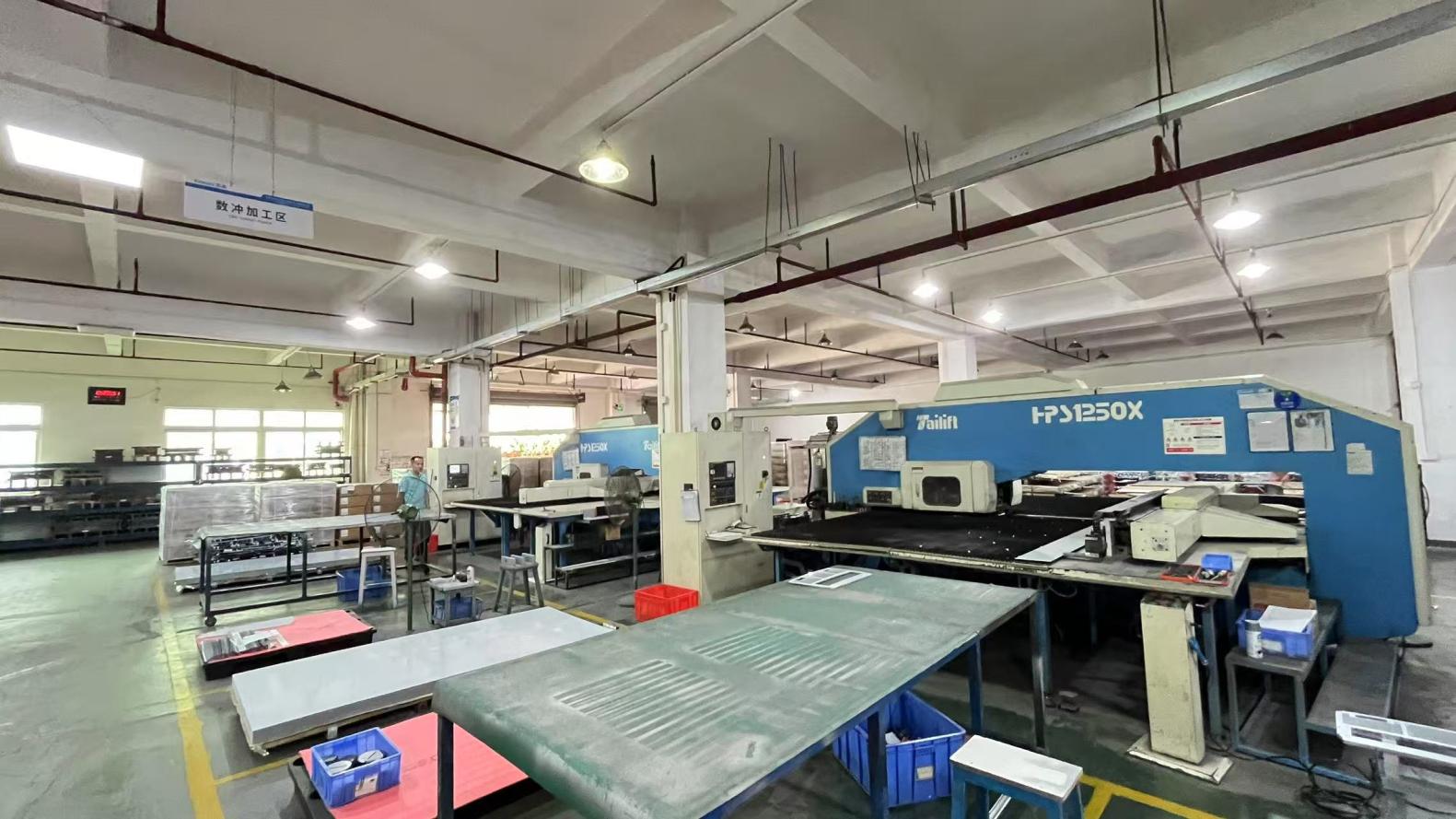 Material Cutting
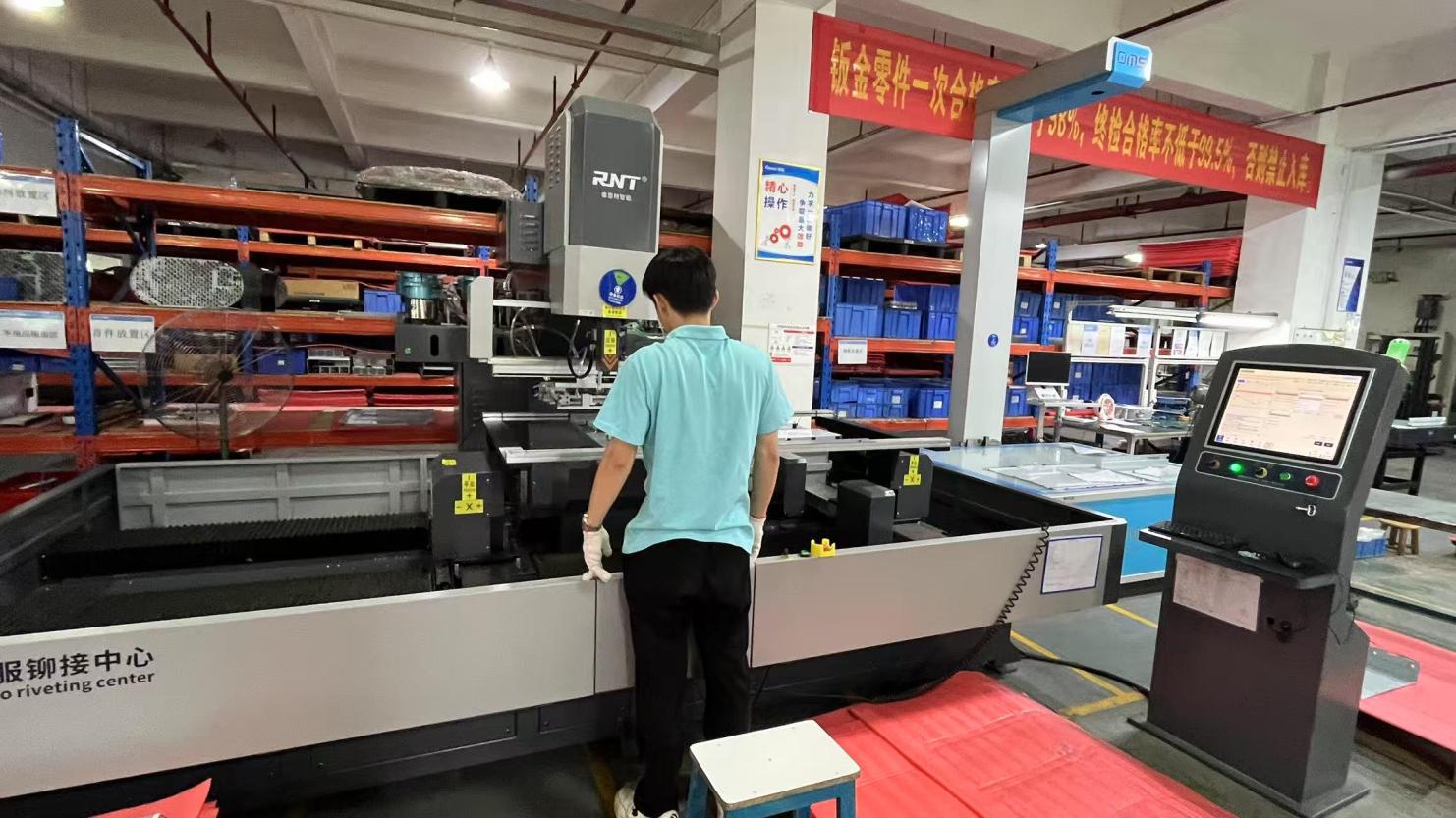 Riveting
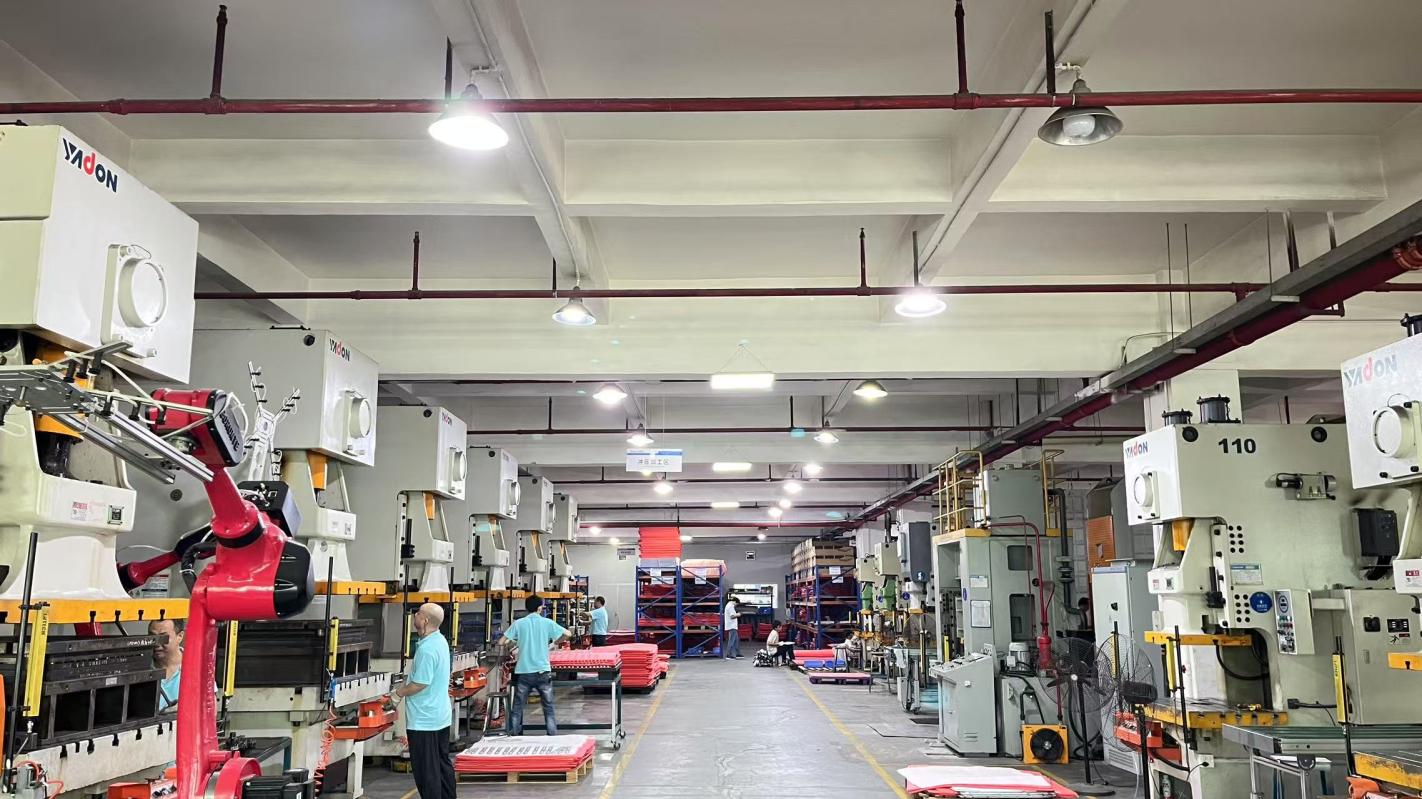 Stamping
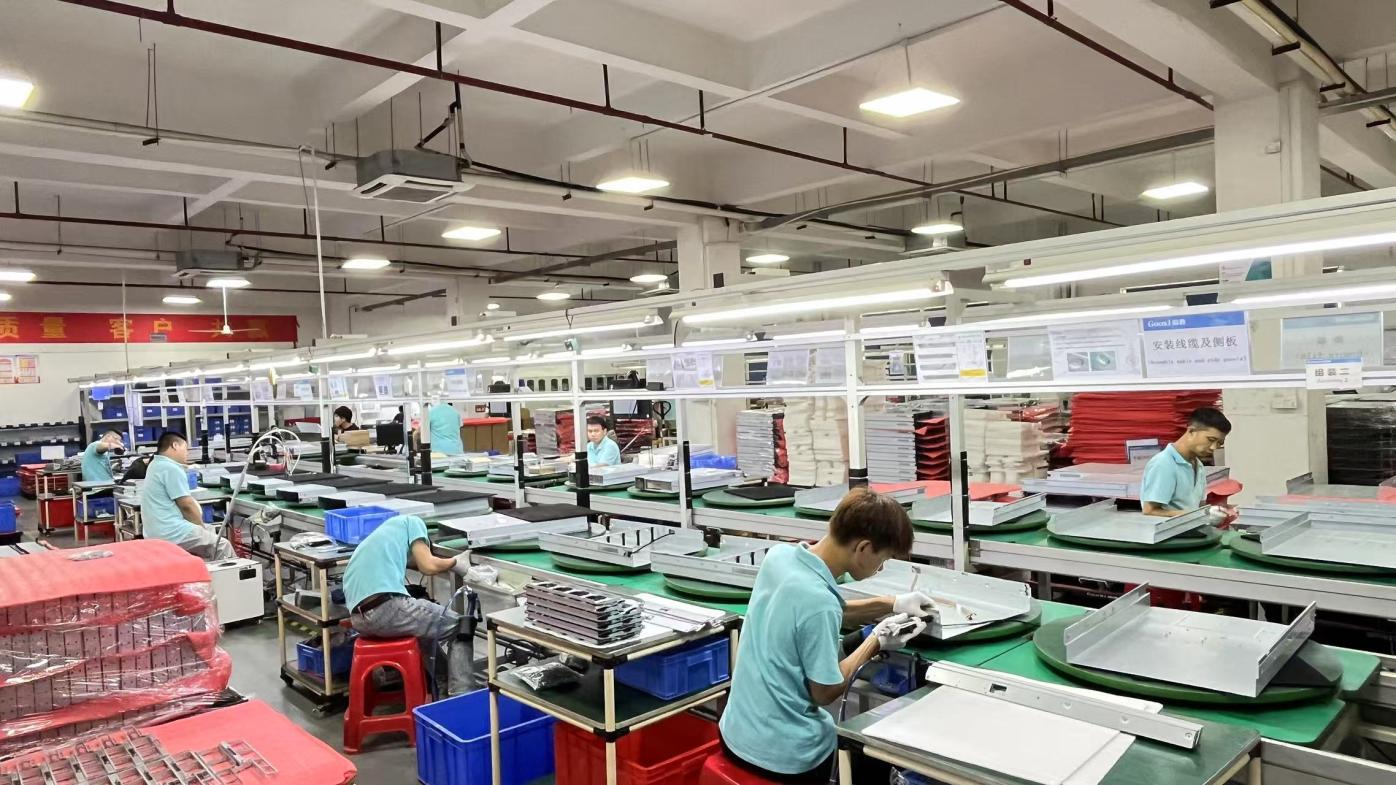 Housing Assembly
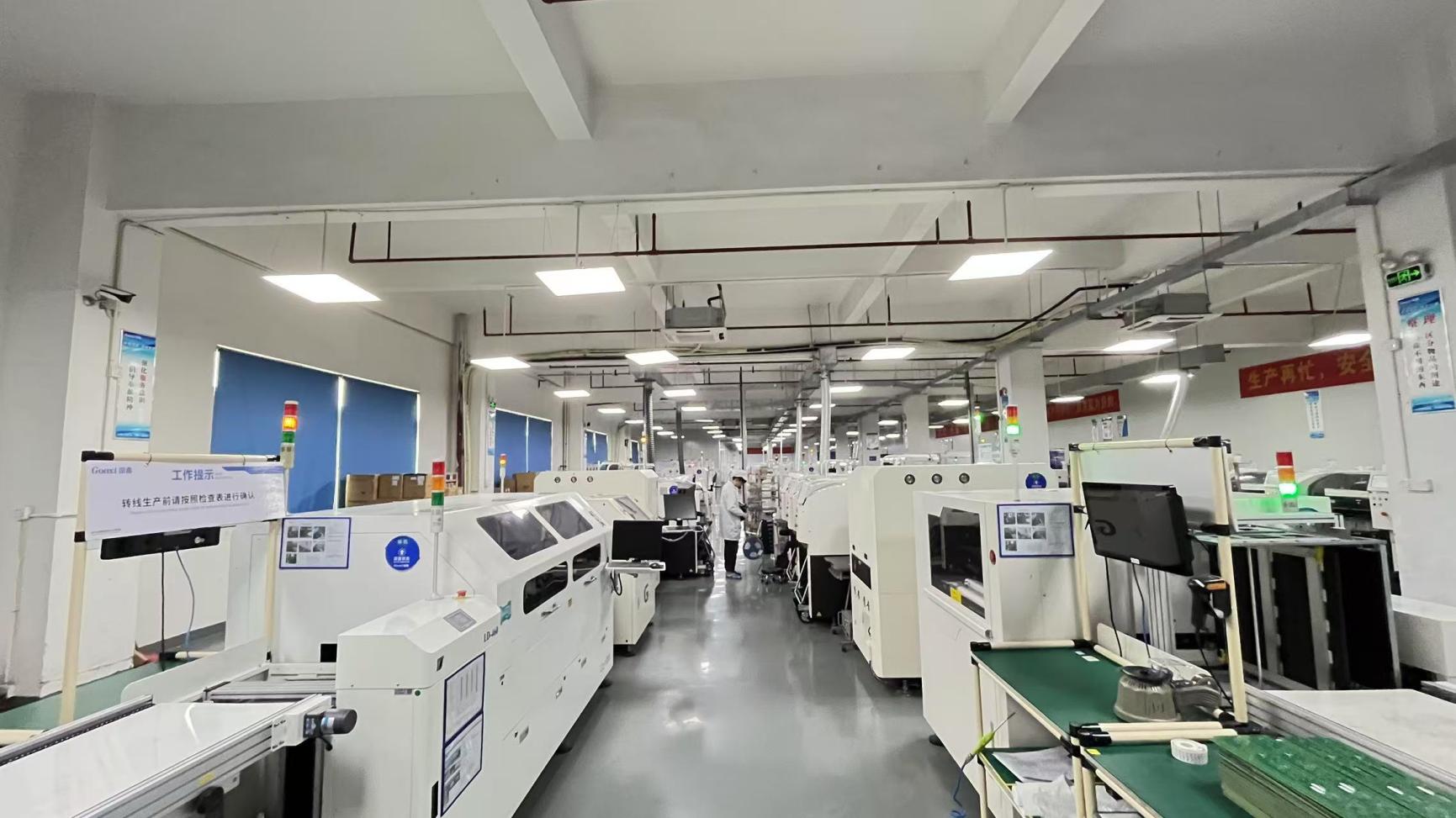 SMT
SMT
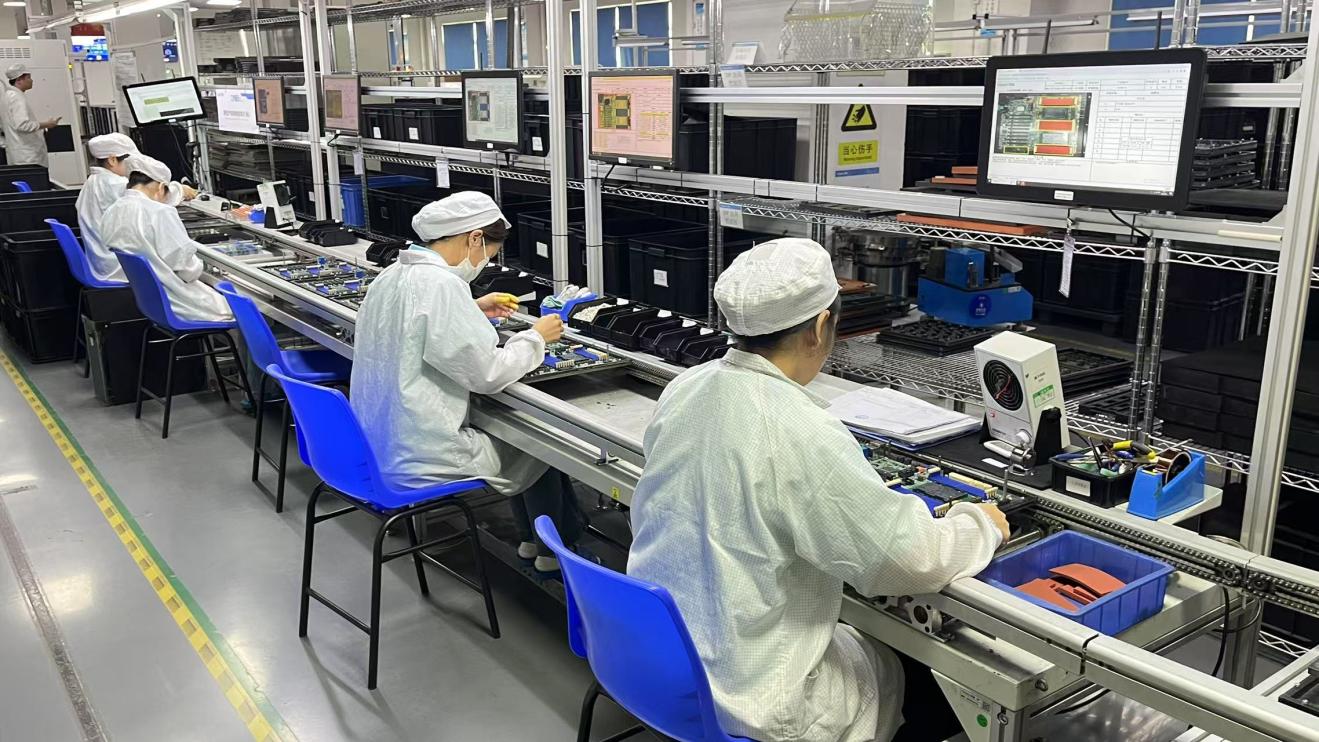 MI
MI
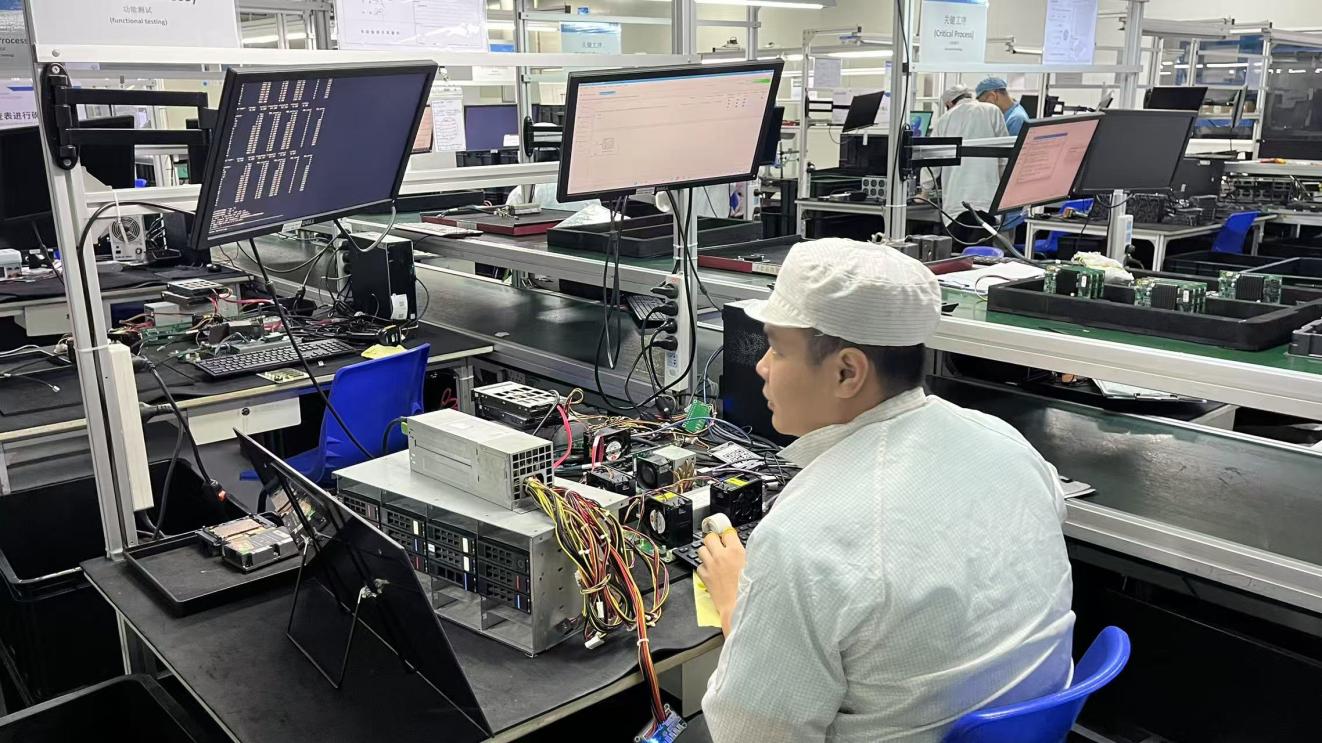 PCBA Test
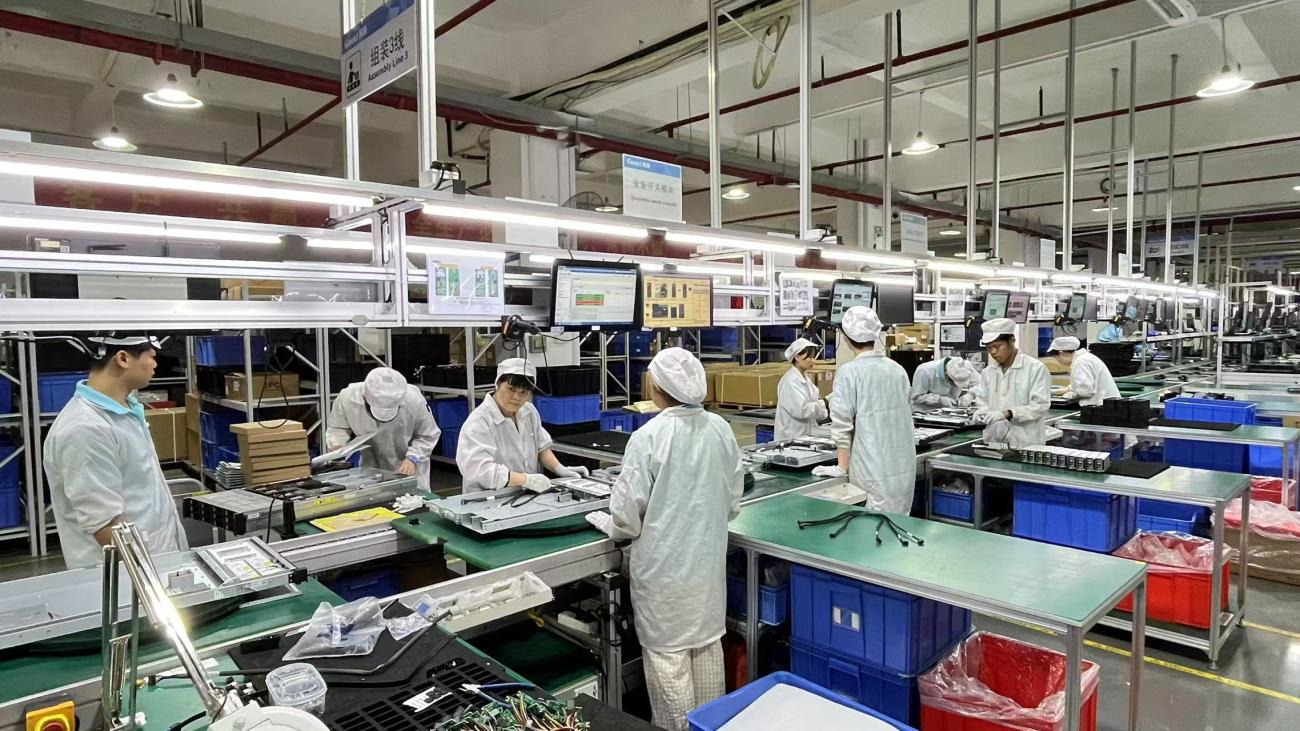 Final Assembly
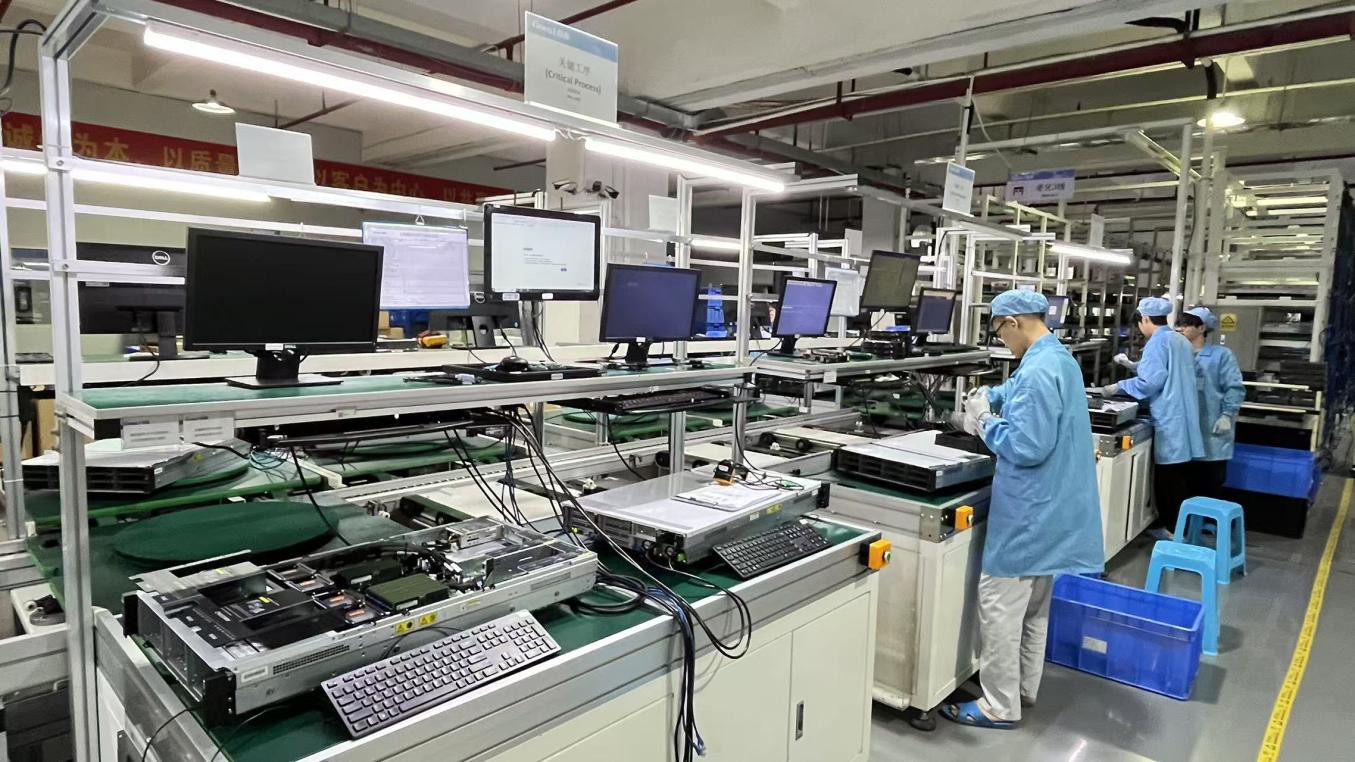 Testing
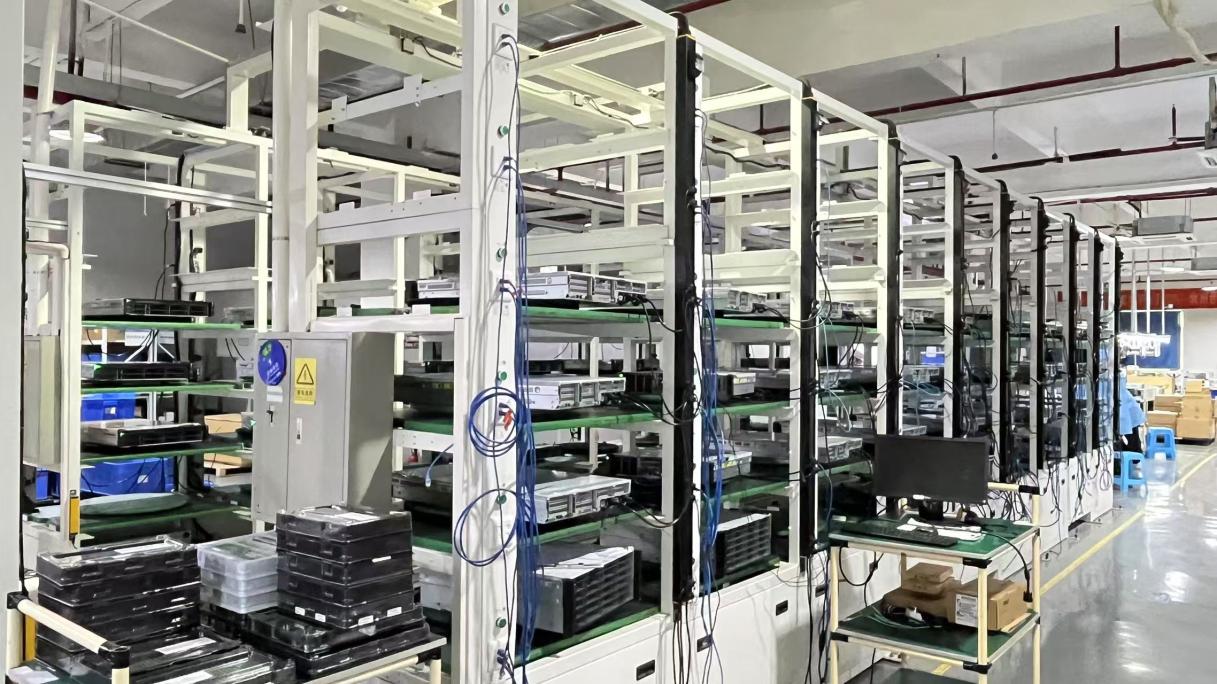 Aging Test
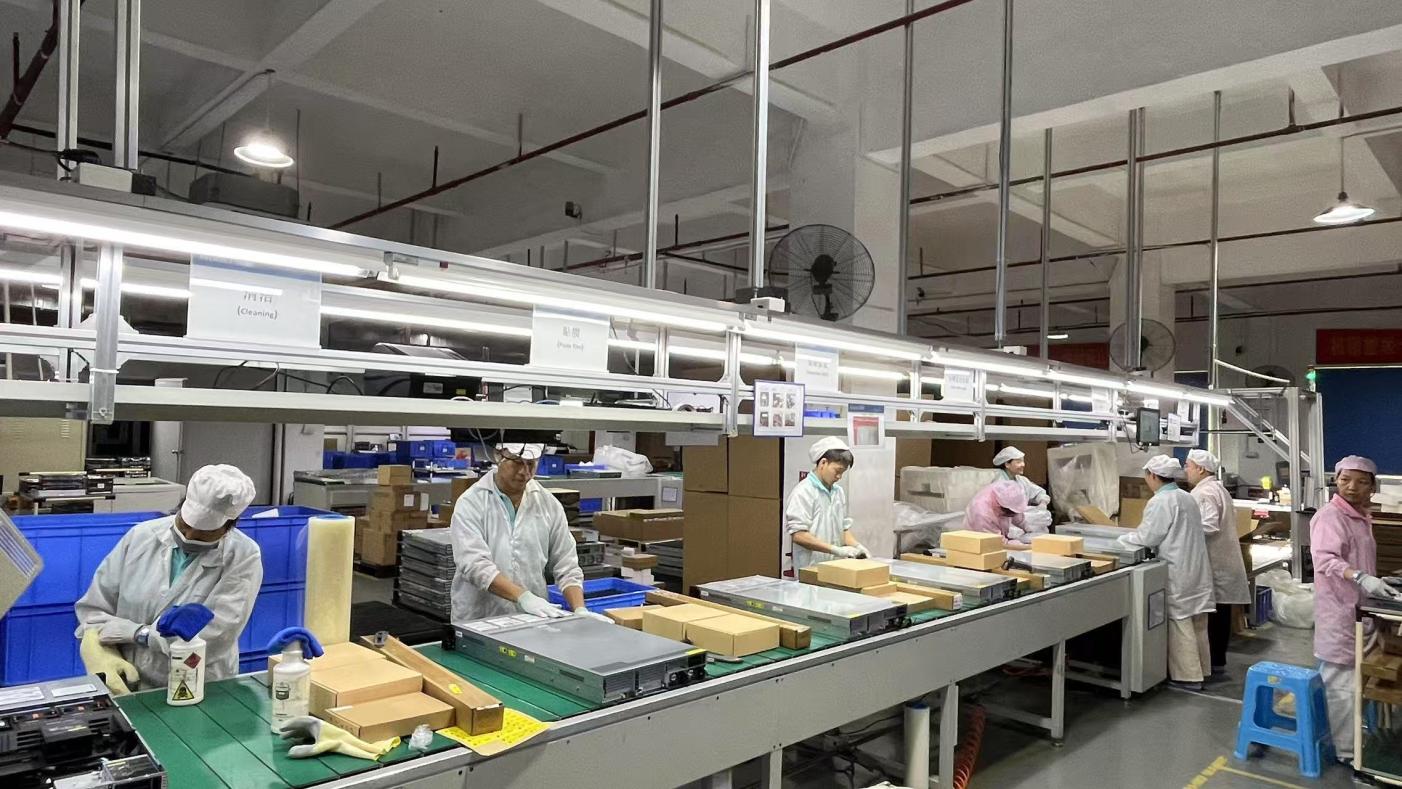 Packing
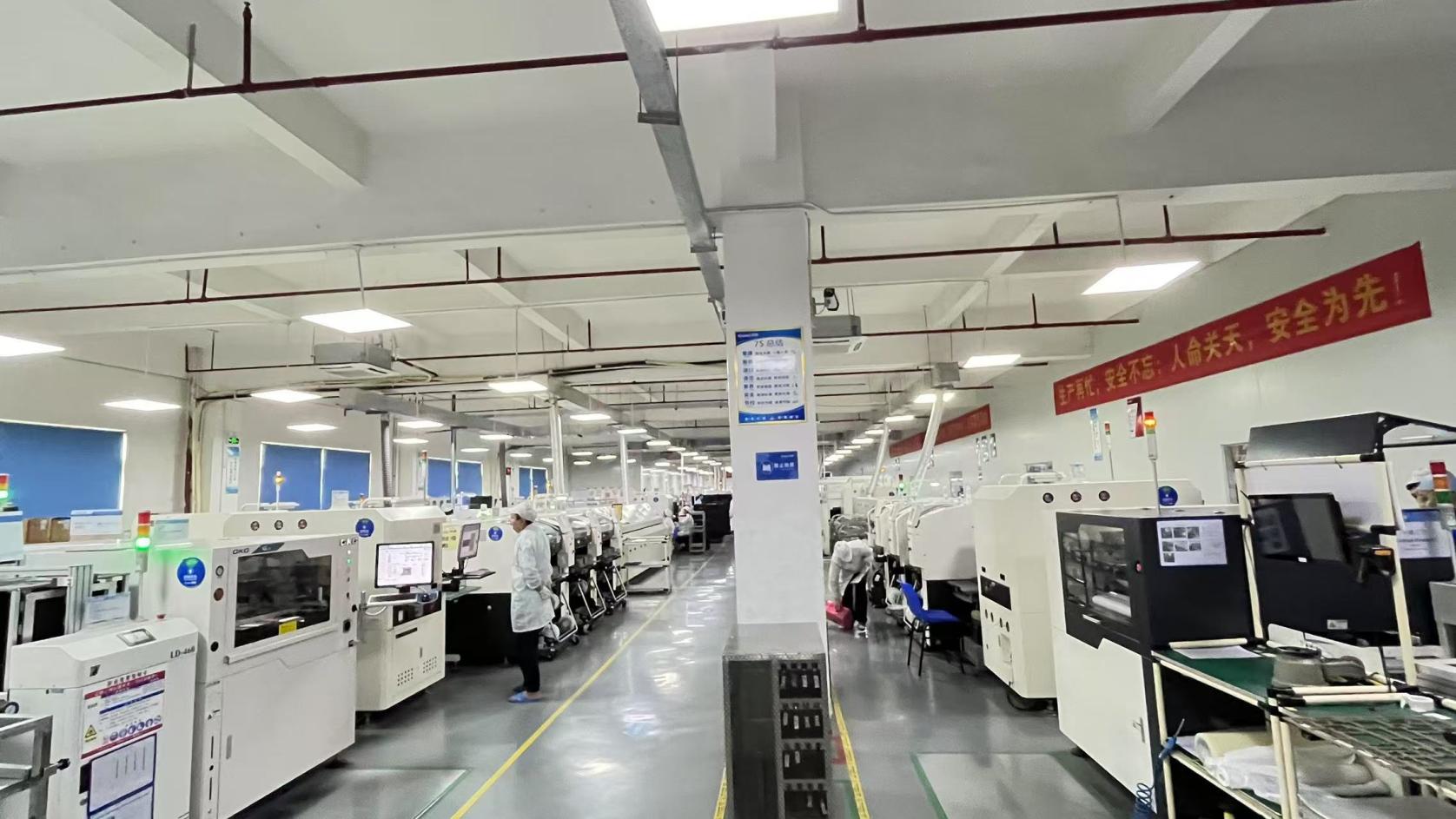 SMT Line
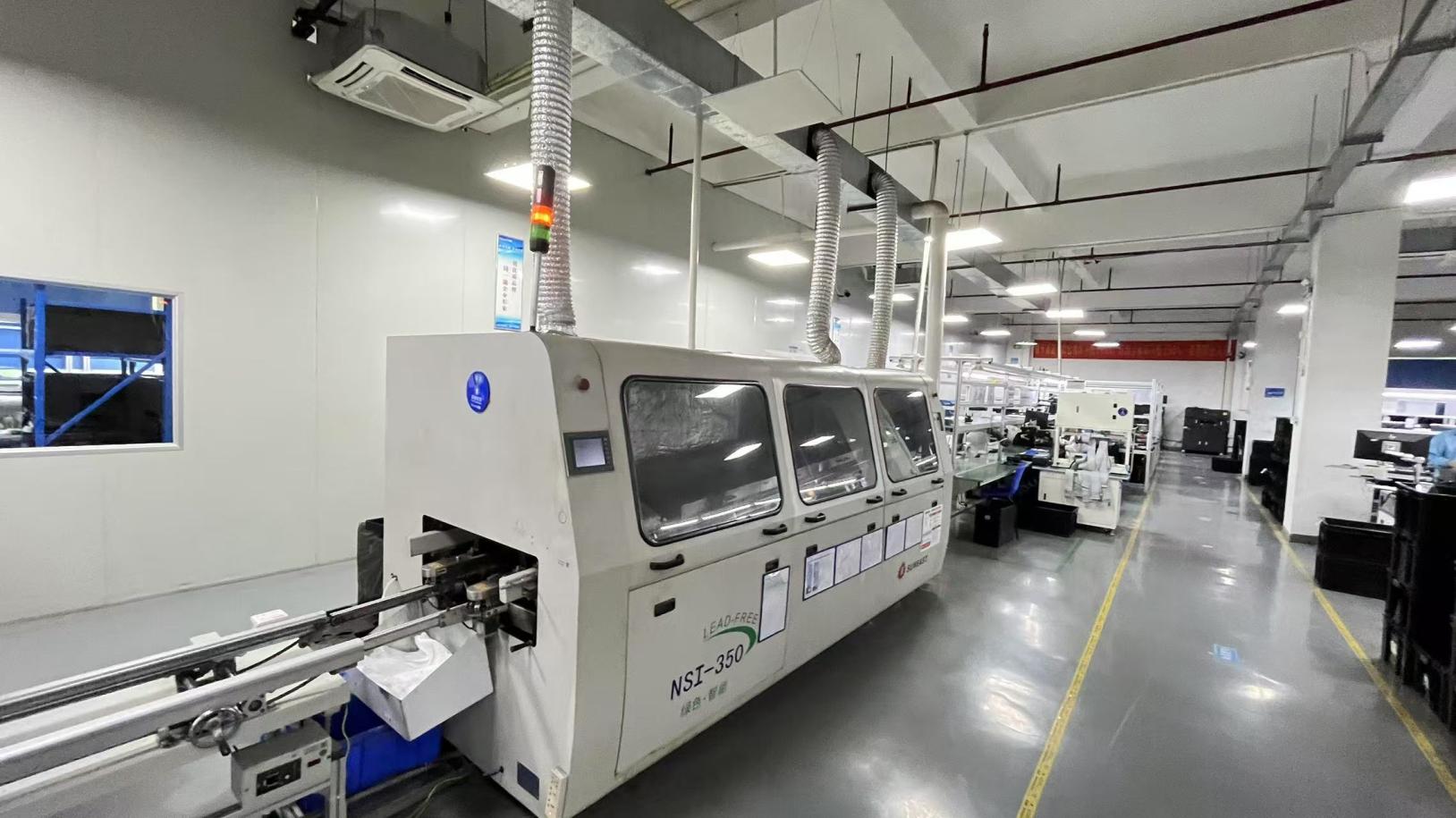 Reflow Soldering Machine
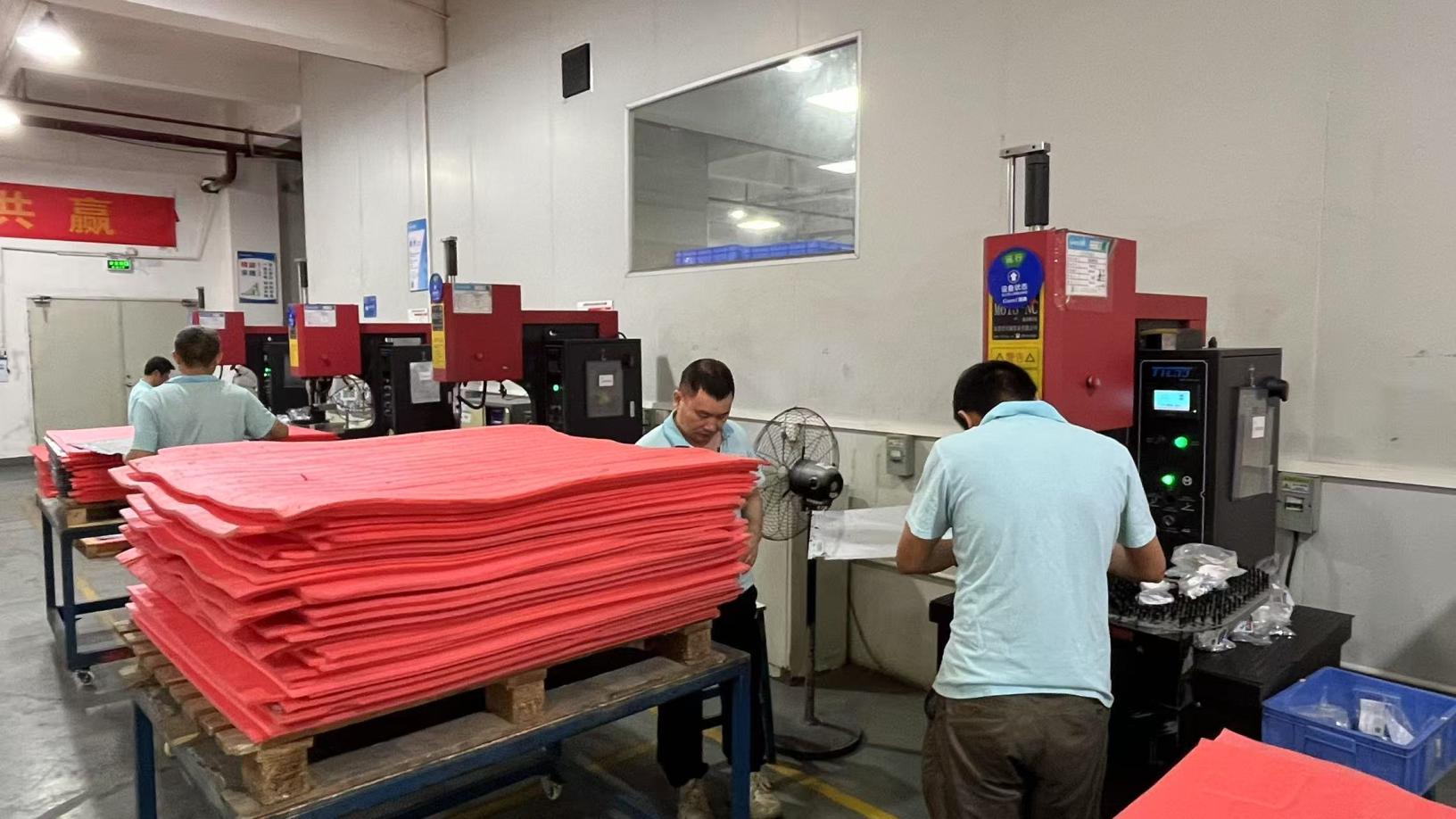 Rivet Machine
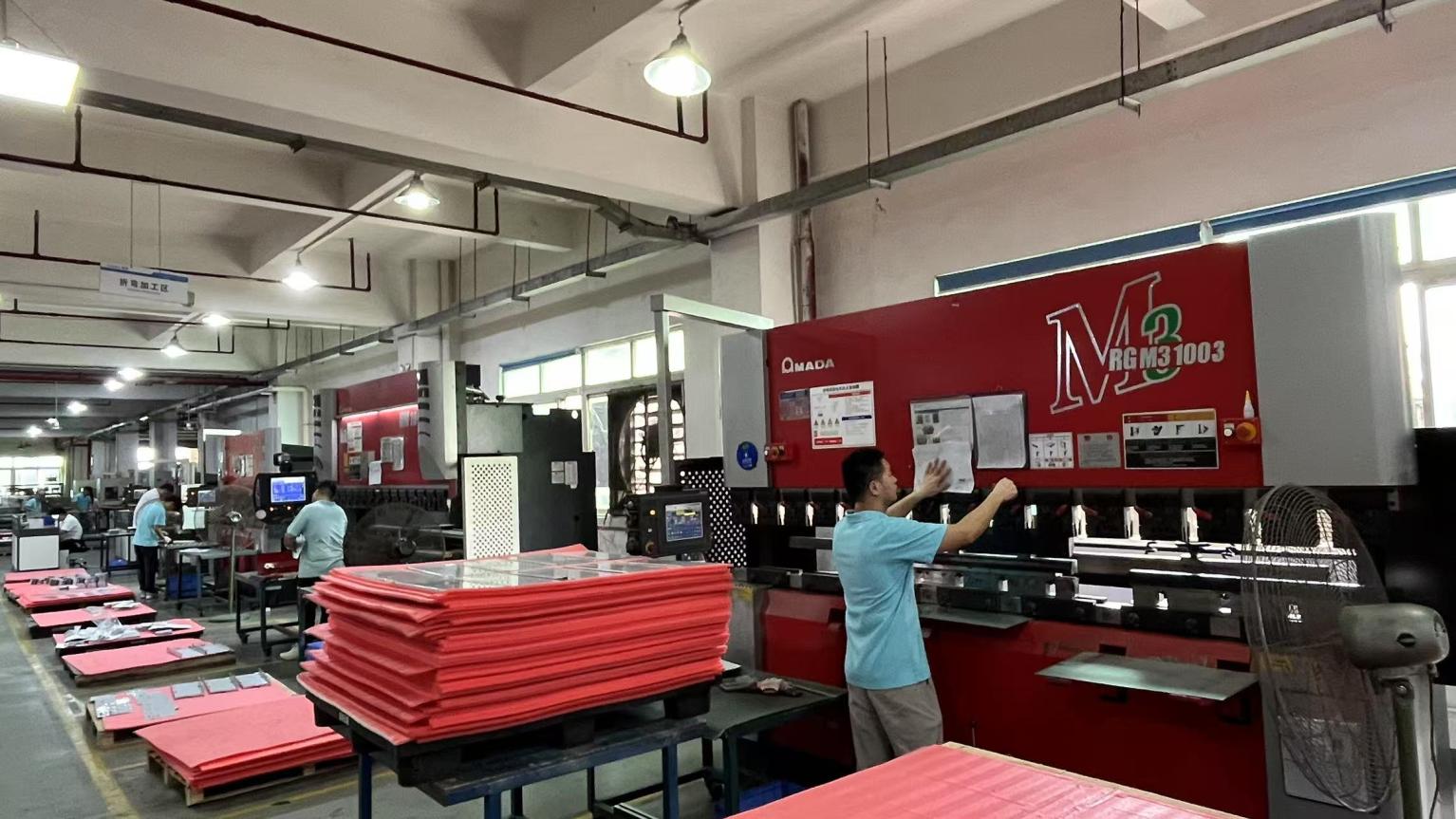 Bending Machine
 Riveting Center
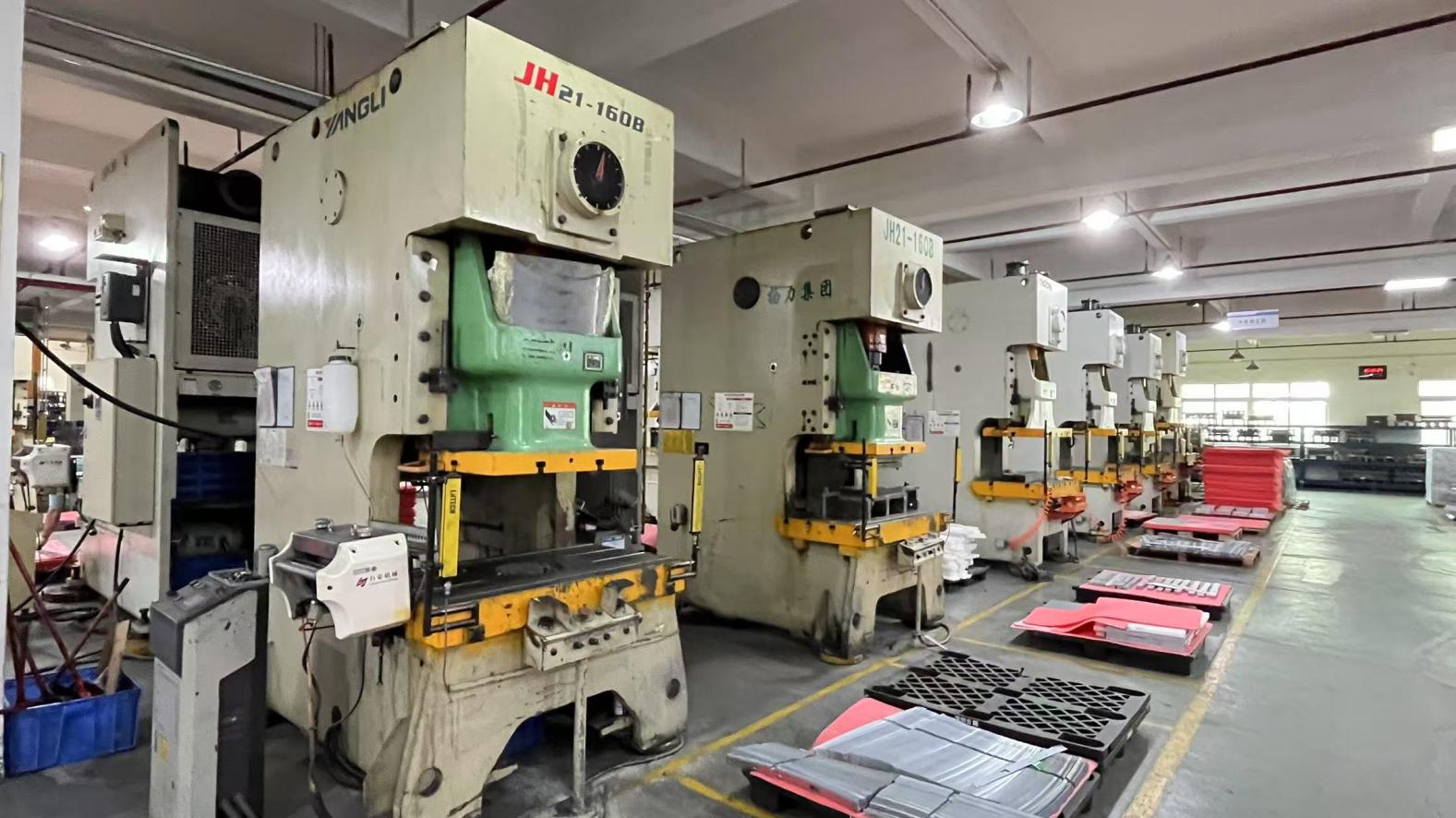 Stamping Machine
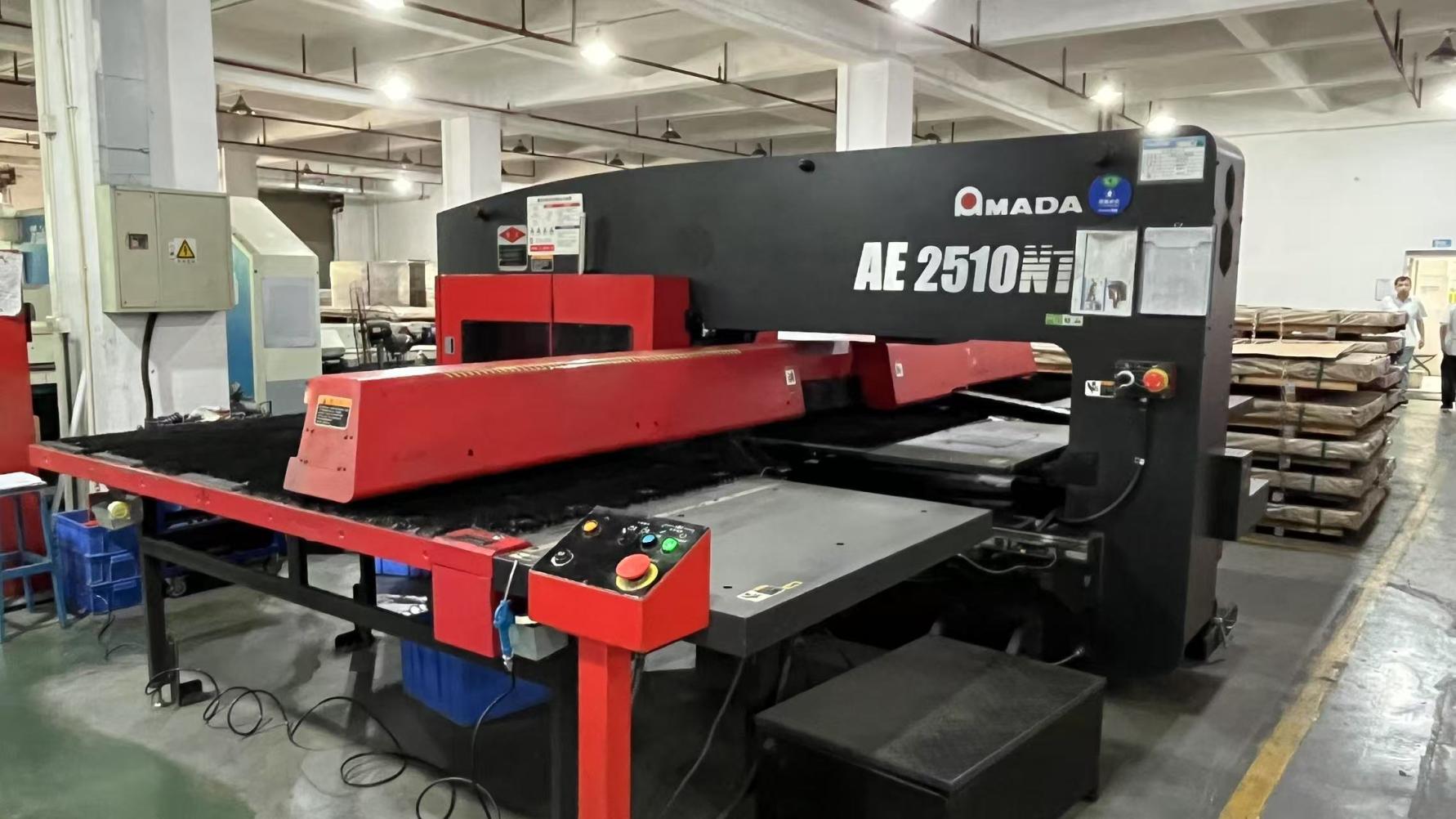 Laser Cutting Machine
A glimpse into our verification laboratory, where servers are exposed to rigorous environments to guarantee zero-fault integration.
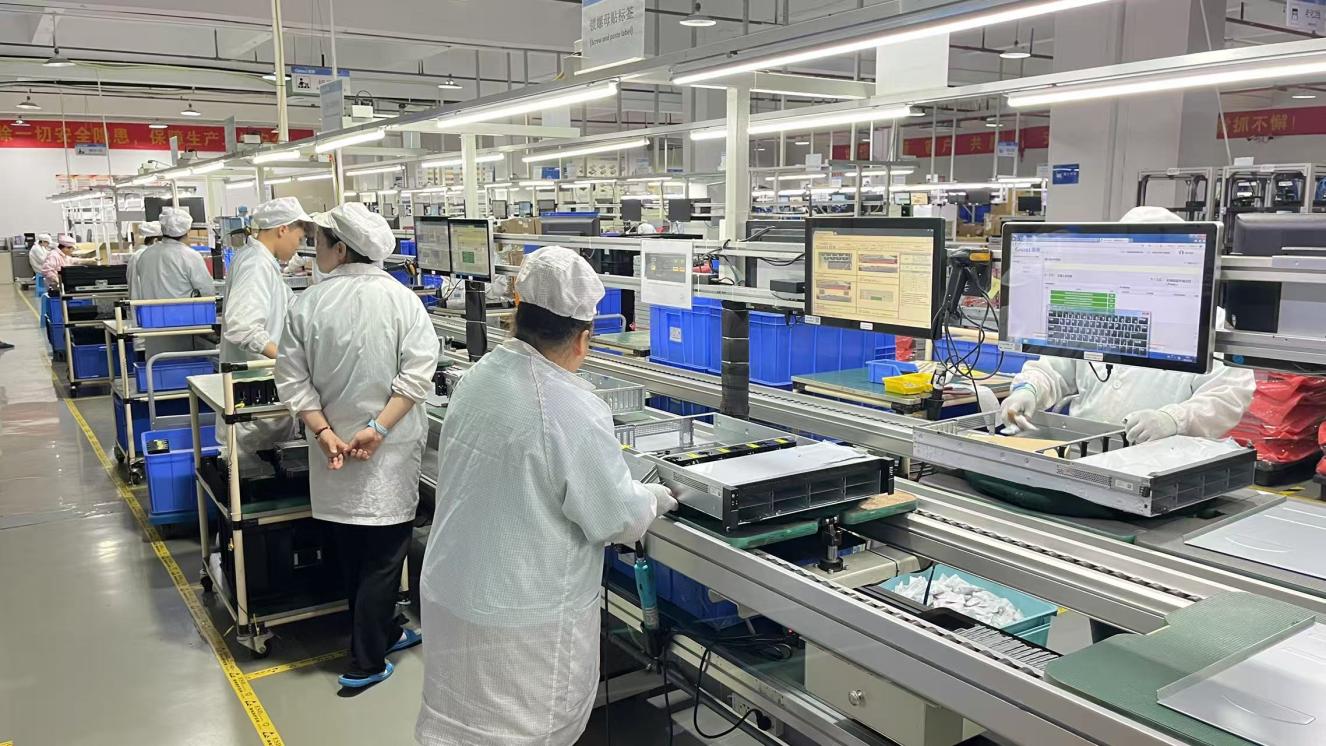
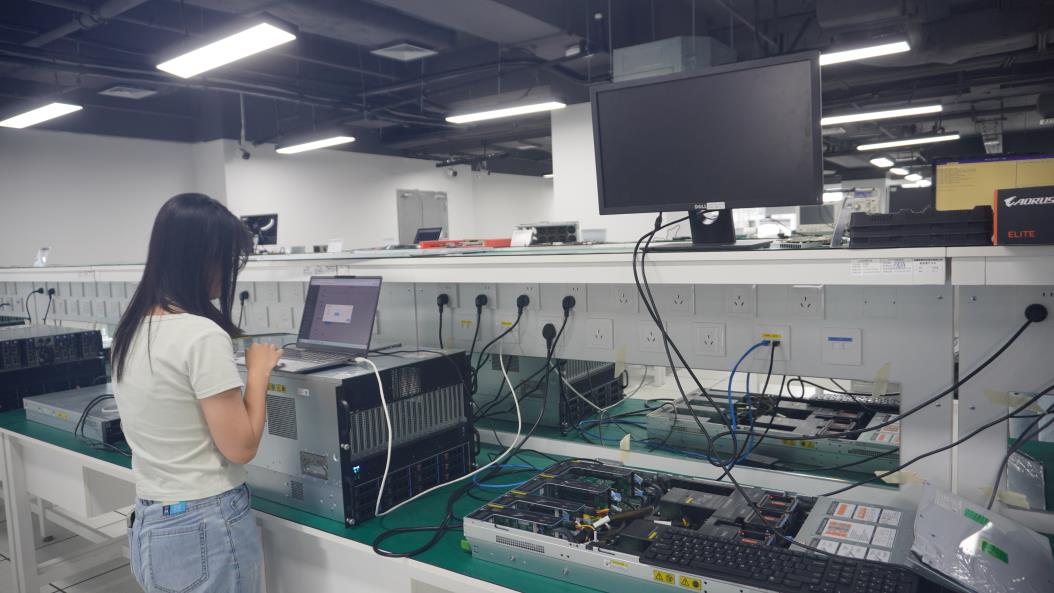
Ensures full payload data throughput without bandwidth choking.
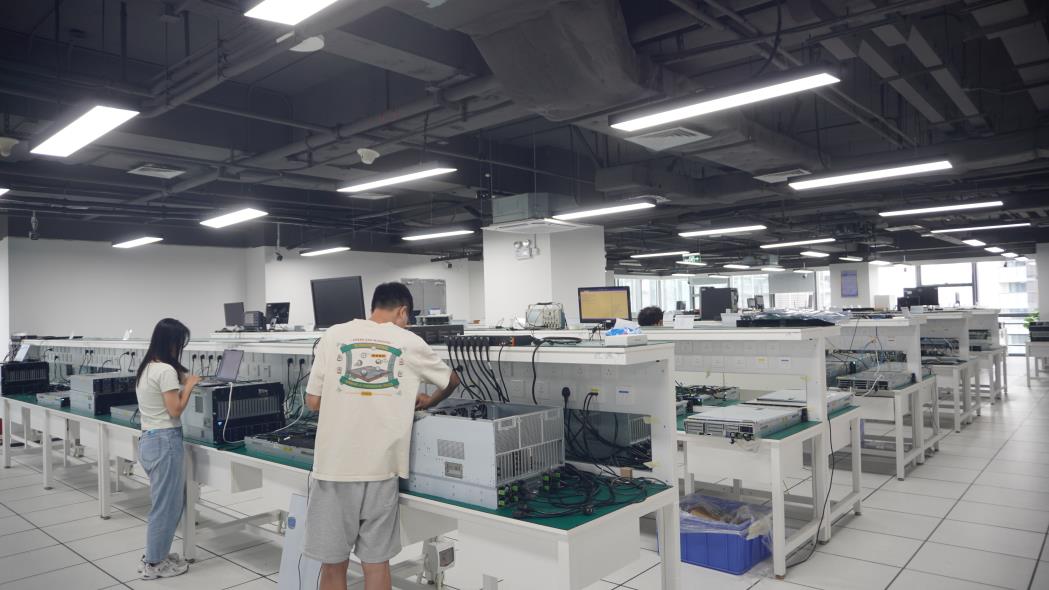
Validates complex routing paths on high-speed DDR5 memory buses.
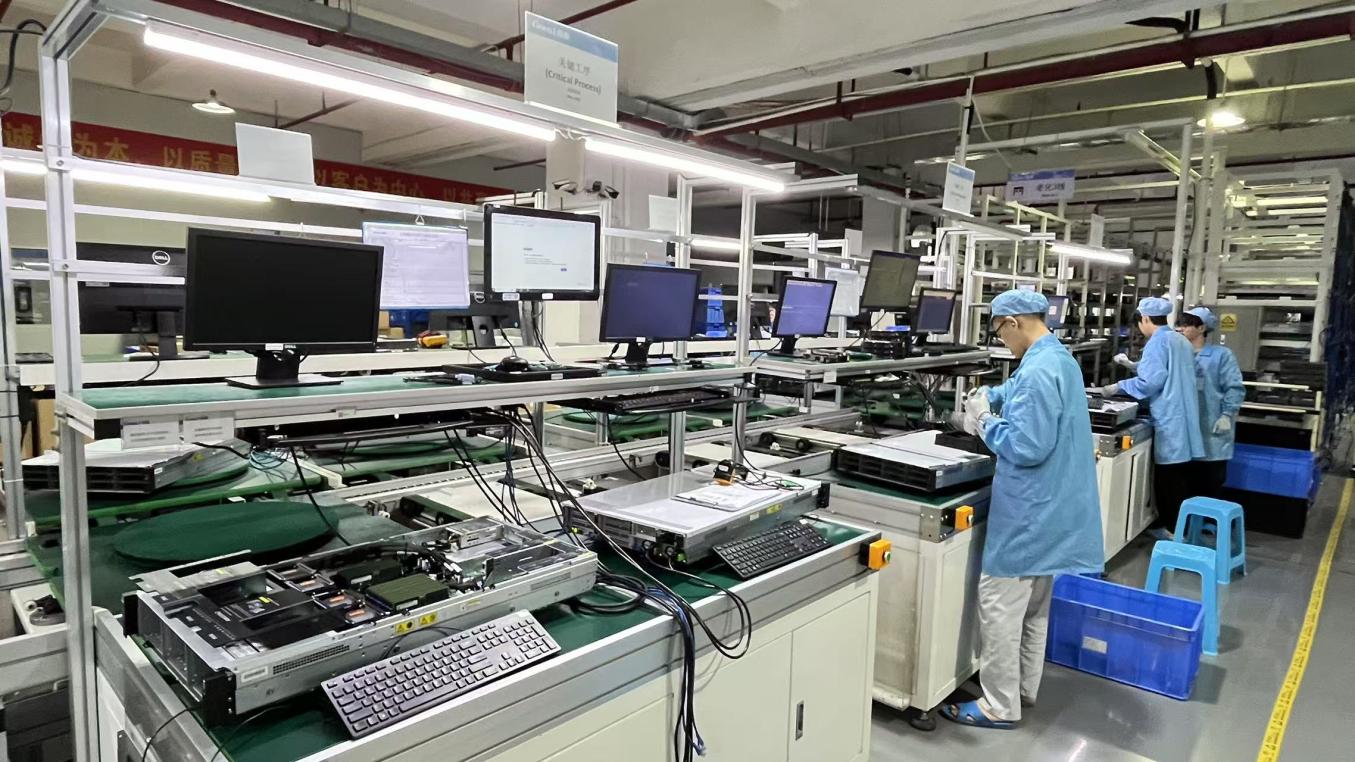
Ensures backplane slots, PCIe configurations, and RAID cards run flawlessly.
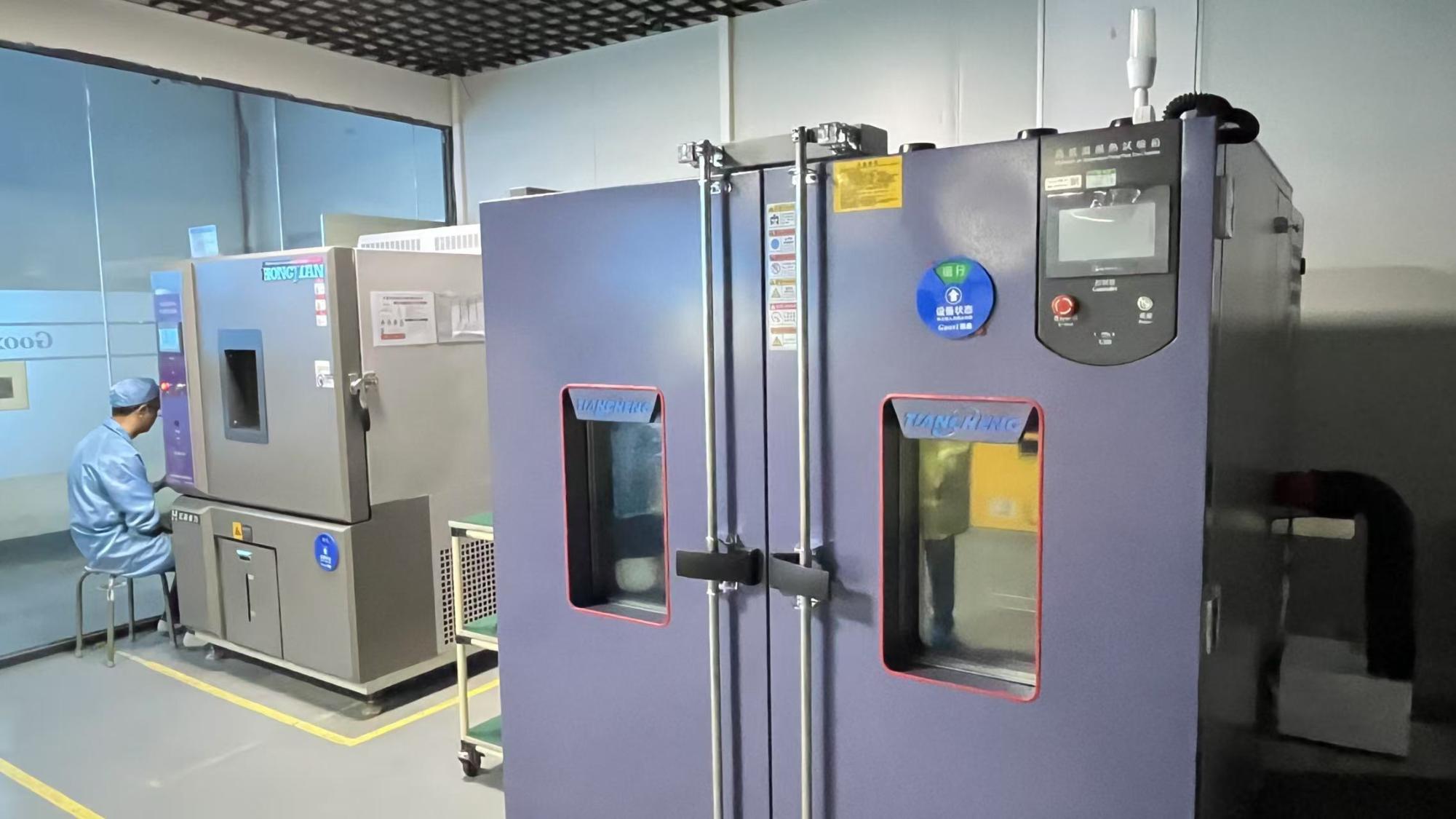
Exposes integrated storage clusters to high ambient thermal loads.
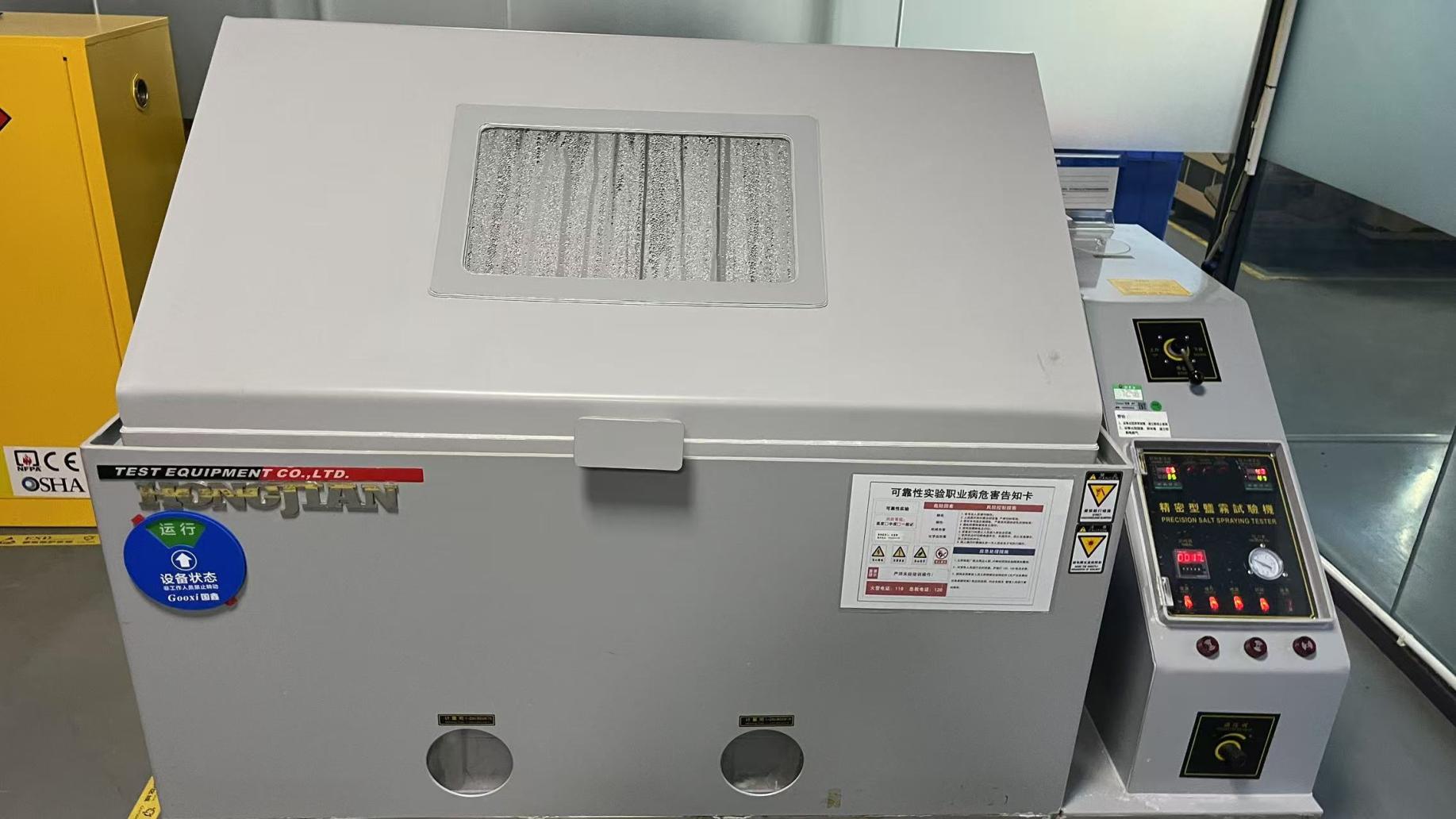
Verifies long-term structural resistance against environmental oxidation.
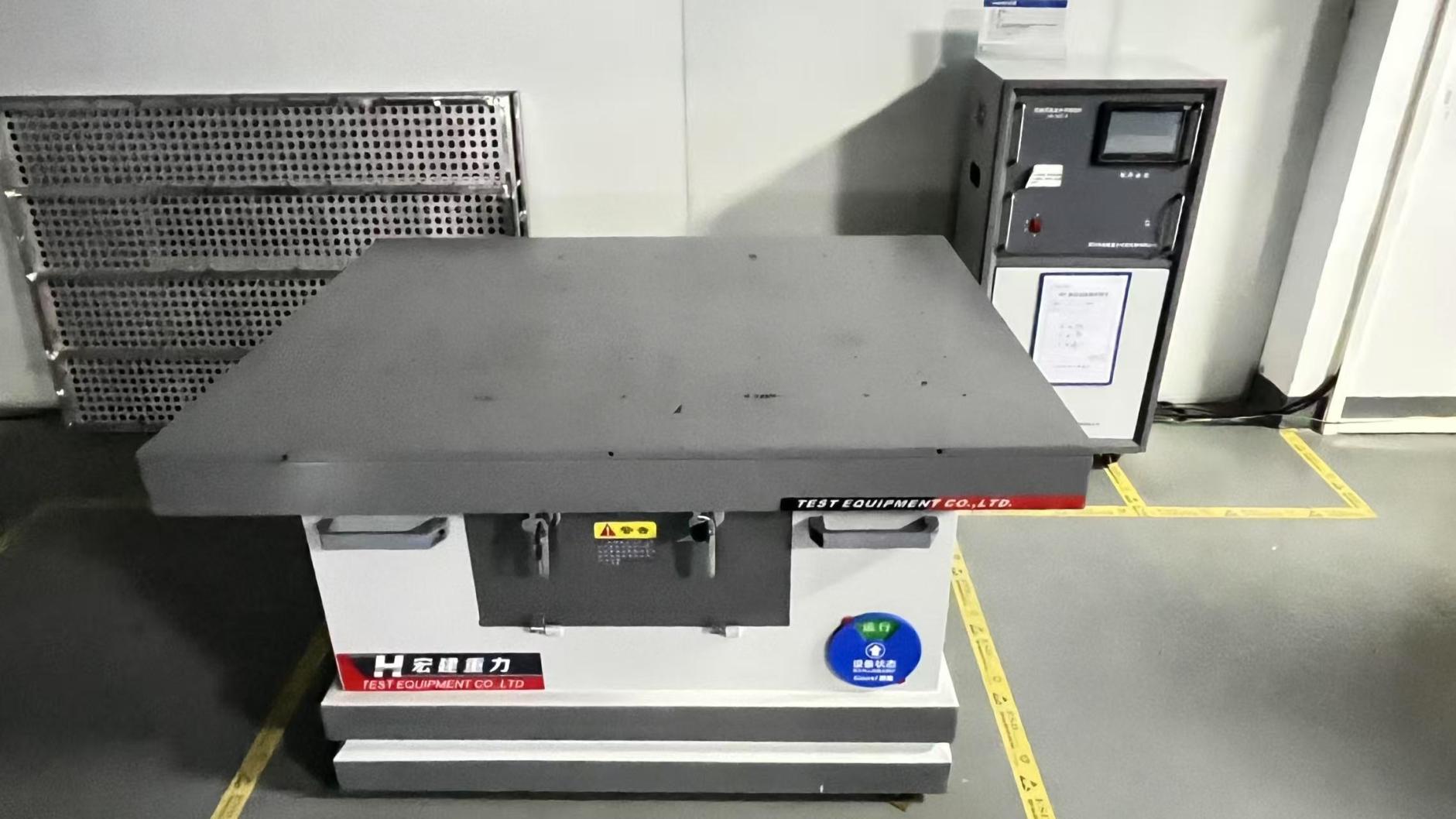
Simulates harsh transport conditions to protect delicate components.
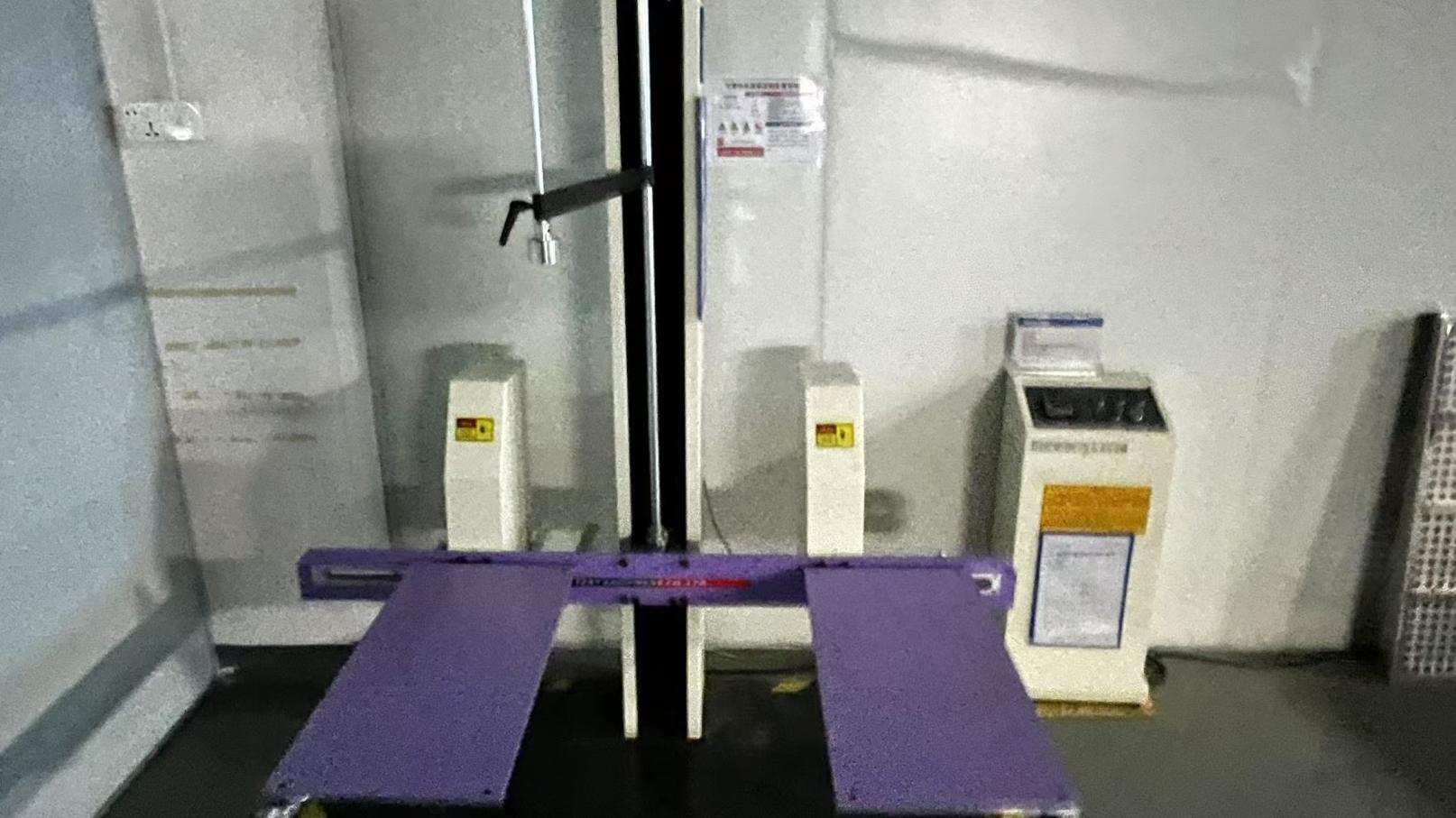
Evaluates transport container integrity against structural shocks.
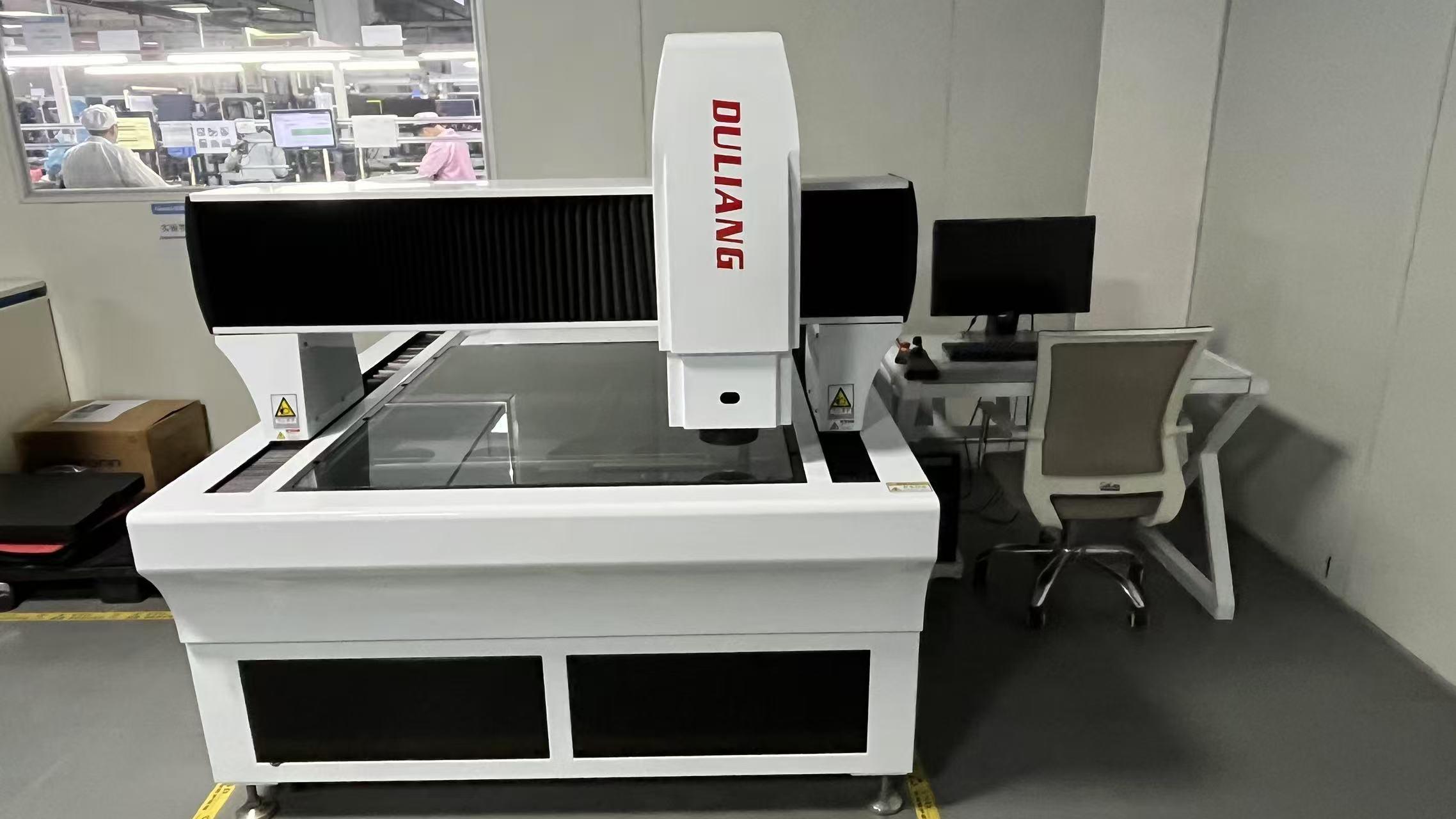
Performs micrometer-level structural checks on custom server enclosures.
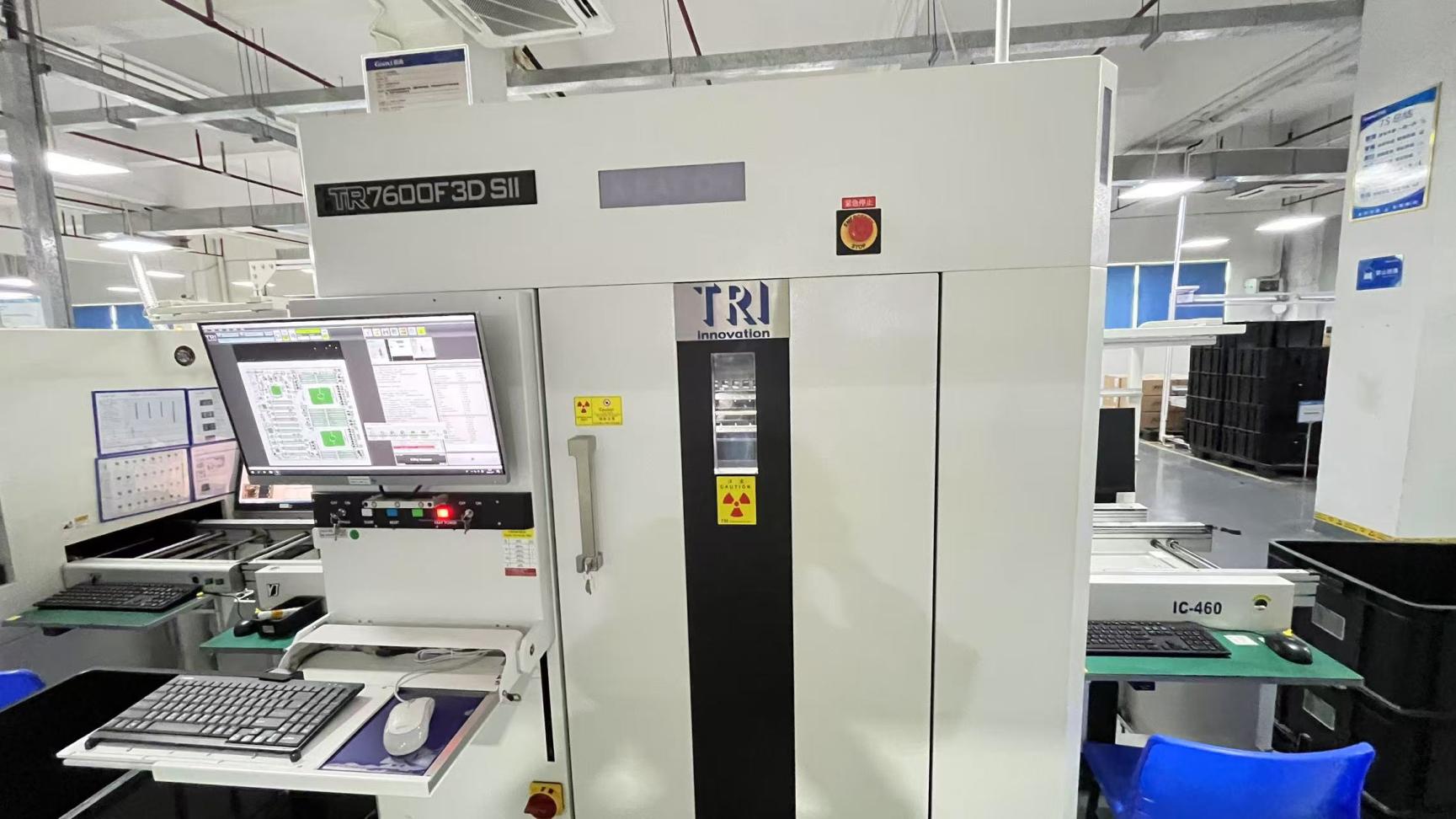
Inspects deep internal solder layer patterns inside complex multi-layer PCBs.
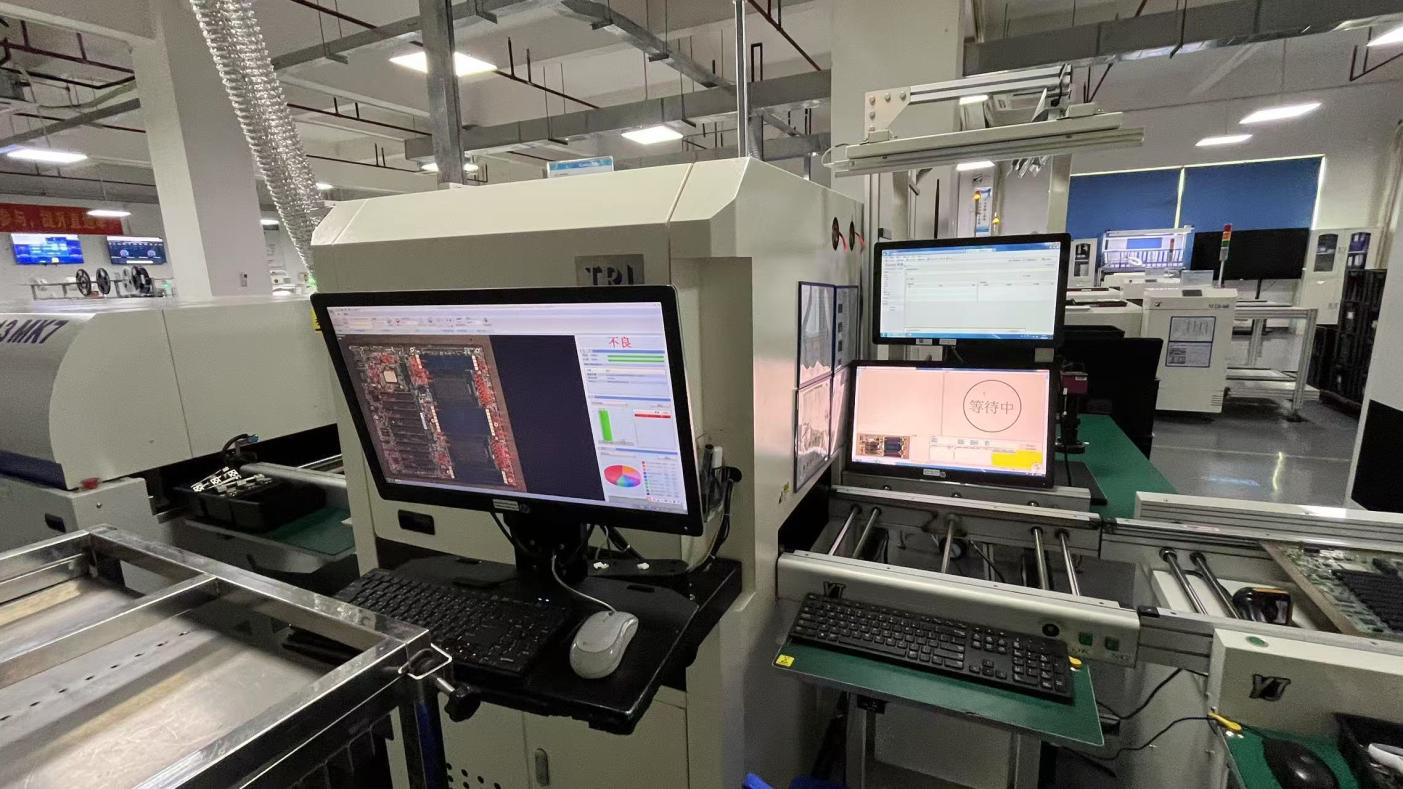
Ensures zero hairline fractures exist in structural mountings.
Understand the precise hardware structures that guarantee reliability in modern hybrid cloud environments.
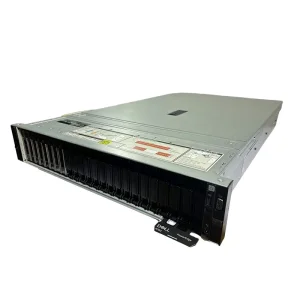
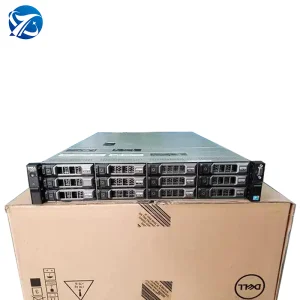
Dell PowerEdge storage systems, such as the Dell PowerEdge R760 and R750 platforms, utilize multi-phase, highly efficient Titanium grade PSUs (Power Supply Units). Sourcing and configuring these from a certified manufacturer ensures they adhere to the EU Ecodesign Directive (Directive 2009/125/EC), minimizing energy conversion losses. This is essential for lowering modern data center power usage effectiveness (PUE) metrics.
By enforcing precise safety isolation boundaries between low-voltage DC lines and AC inputs, our CE-certified platforms guarantee that transient voltage surges do not damage critical PCIe NVMe components, DDR5 RDIMM banks, or system storage architectures.
In high-density server configurations (such as the FusionServer 5288 V6 / V7 series), heat dissipation is critical. These computing nodes feature intelligent multi-channel cooling fans and isolated airflow guides. Our engineering team specializes in custom structural designs, incorporating dynamic fan speed profiles and high-conductivity thermal copper pipes to ensure GPU and processor units operate within ideal temperature zones, even under full synthetic benchmarking runs.
Furthermore, structural casing tests—using our CMM (Coordinate Measuring Machine) and drop test structures—verify that all enterprise storage racks can withstand shipping loads without risking structural misalignment.
As deep learning models grow, server architectures must evolve to prevent interconnect bottlenecks. The roadmap for next-generation Dell and xFusion storage focuses heavily on PCIe Gen6, CXL (Compute Express Link), and liquid-cooled loops.
Our R&D team, comprised of 120 experienced hardware engineers, is actively designing high-density 2U and 4U GPU compute servers featuring integrated liquid manifolds. This innovation reduces energy footprints by up to 30%, satisfying the strict environmental guidelines of the EU Green Deal and local power utility requirements.
By integrating low-latency controllers and hardware-level boot protection, we ensure that every server we configure remains secure against firmware-level exploits, satisfying critical zero-trust architecture requirements for enterprise clients.
Unlocking direct memory access across storage systems to run massive databases without cache-coherency delays.
Transitioning dense server arrays from traditional fan cooling to advanced liquid blocks, supporting processor TDPs exceeding 350W.
Using built-in micro-inference networks on array controllers to dynamically move data between NVMe SSD and HDD tiers.
Get professional, engineering-focused insights about CE certified storage integration, safety protocols, and manufacturing compliance.
Review our final selection of rackmount platforms and high-density GPU accelerators designed for cloud architecture and database operations.