ZhiCloud AI
ZhiCloud AI
ZhiCloud AI
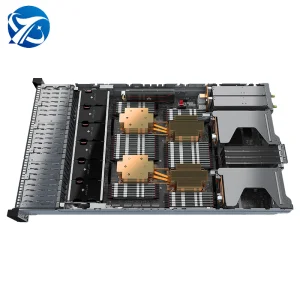
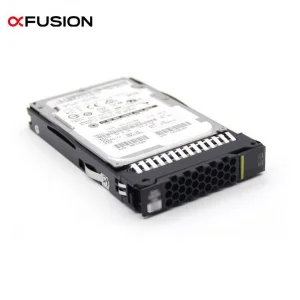
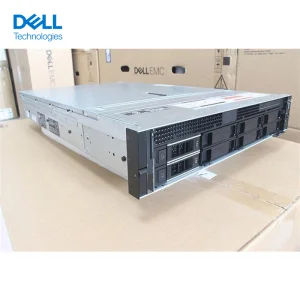
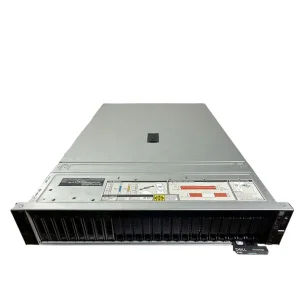
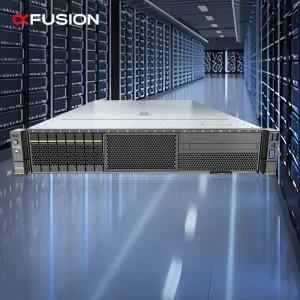
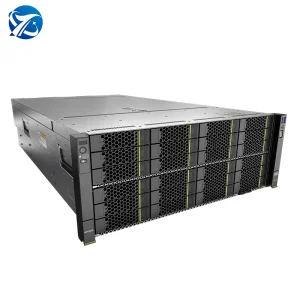
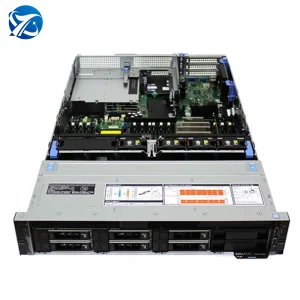
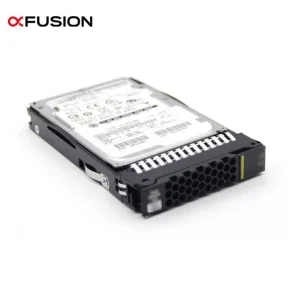
The rise of Large Language Models (LLMs) and intensive Deep Learning architectures—exemplified by systems optimized for deployments like DeepSeek R1 671B—has triggered an unprecedented thermal challenge. Standard air cooling is no longer sufficient for high-density architectures.
Modern data center racks have evolved from handling average power densities of 5–10 kW to configurations exceeding 40 kW to over 100 kW per rack. Standard computer room air conditioners (CRAC) cannot dissipate heat fast enough, leading to thermal throttling and accelerated hardware degradation.
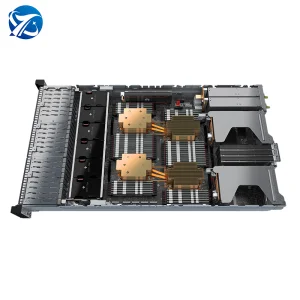
Liquid cooling offers up to 4,000 times the heat capacity of air. Technologies such as Direct-to-Chip (D2C) microchannel cold plates and Liquid-to-Air Rear Door Heat Exchangers (RDHx) maintain optimal junction temperatures on next-generation CPUs and GPUs.
Governments globally are enforcing strict PUE (Power Usage Effectiveness) caps. Implementing advanced, CE-certified thermal systems helps lower operational PUE toward 1.15 or below, minimizing cooling energy overhead.
Data center infrastructure relies on high-voltage configurations, closed-loop pressurized liquids, and high-speed electrical pumps. CE certification is a critical regulatory requirement for access to European markets, ensuring that cooling systems adhere to essential safety, health, and environmental standards.
To operate within EU data facilities, hardware must comply with multiple European directives:
| Cooling Technology | Typical PUE Impact | Max Rack Density Supported | Suitable Application Scenarios | Compliance Considerations |
|---|---|---|---|---|
| Direct-to-Chip (Cold Plate) | 1.10 - 1.18 | Up to 100 kW+ | Multi-node GPU acceleration servers, xFusion V6/V7 clusters, Edge AI racks | PED (2014/68/EU) leak prevention, dual-loop containment isolation |
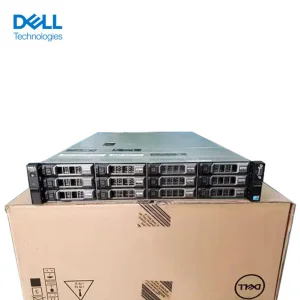
| Rear Door Heat Exchanger (RDHx) | 1.15 - 1.25 | Up to 50 kW | Retrofitting existing air-cooled enterprise data centers, Dell R750/760 racks | EMC compliance for fan coils, pressure boundary test validation |
| Immersion (Single/Two-Phase) | 1.03 - 1.08 | Up to 200 kW+ | High-performance computing clusters (HPC), institutional supercomputers | Material compatibility, fluid toxicity, RoHS/REACH chemical compliance |
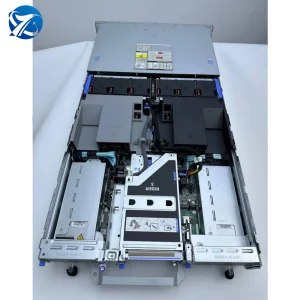
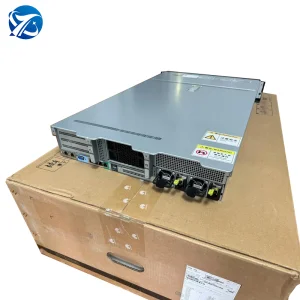
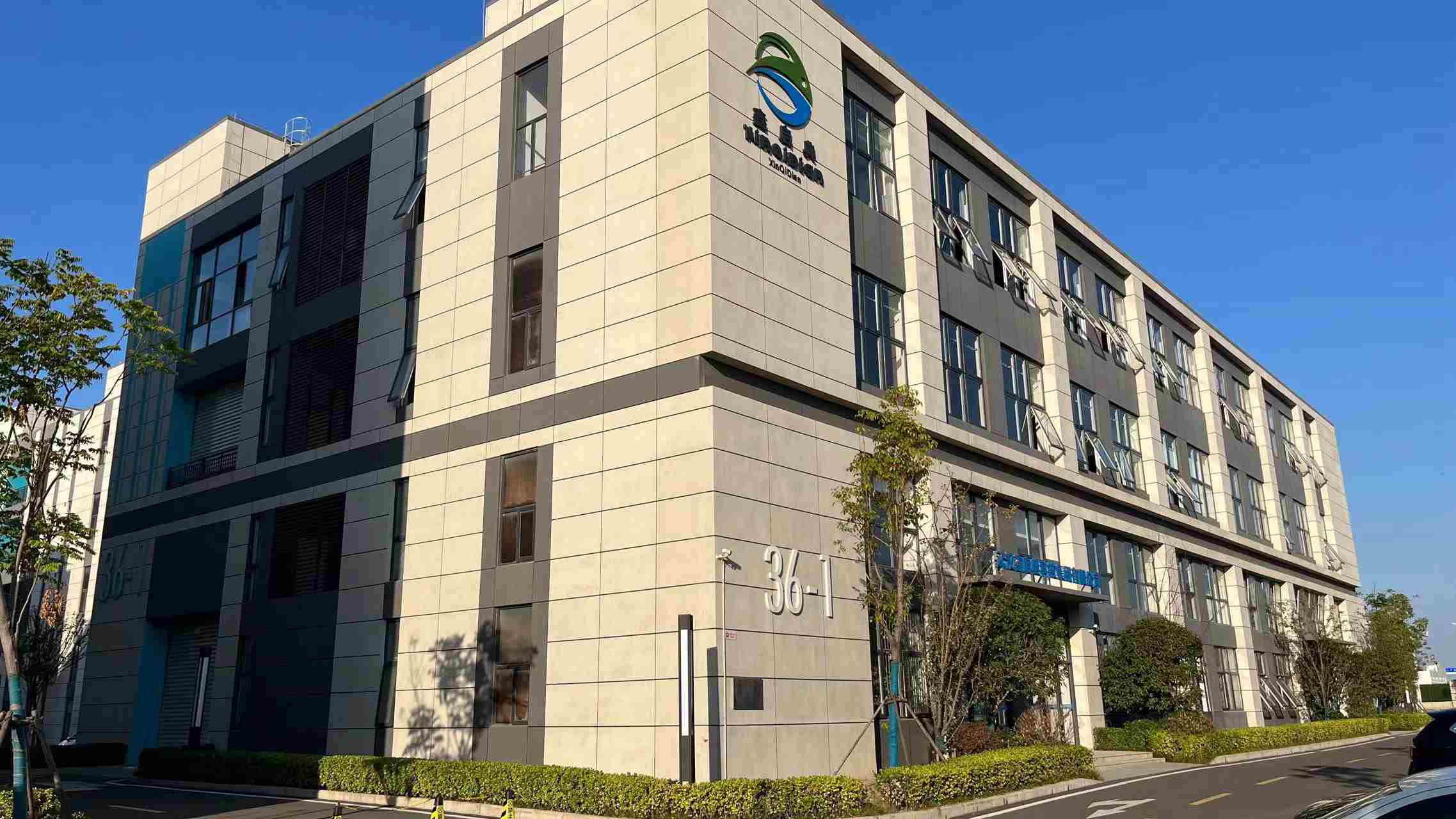
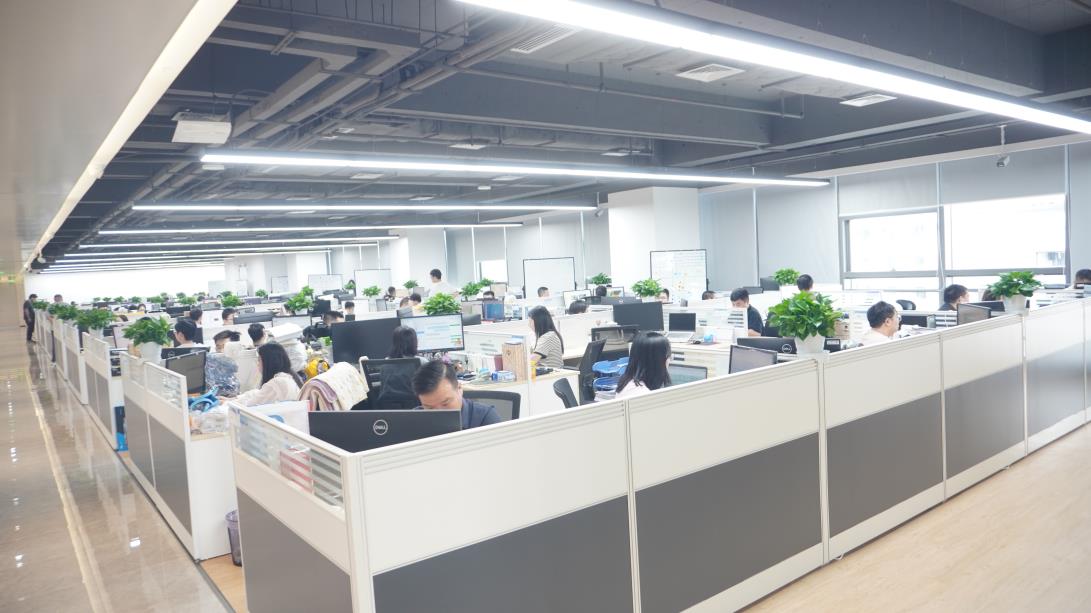
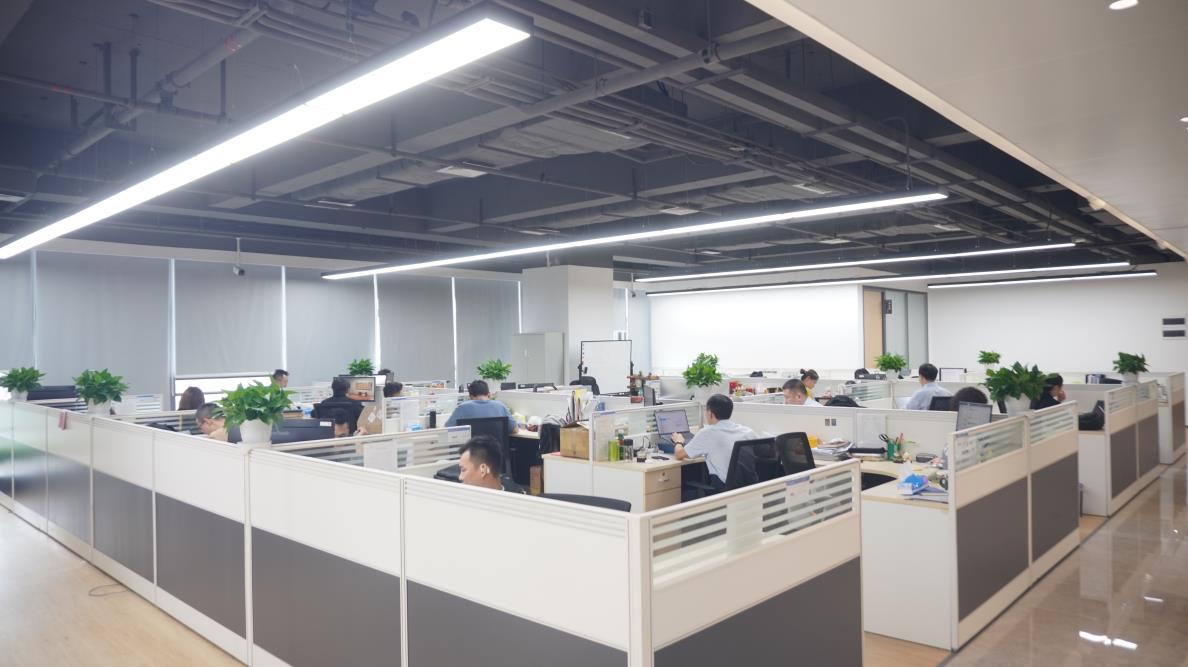
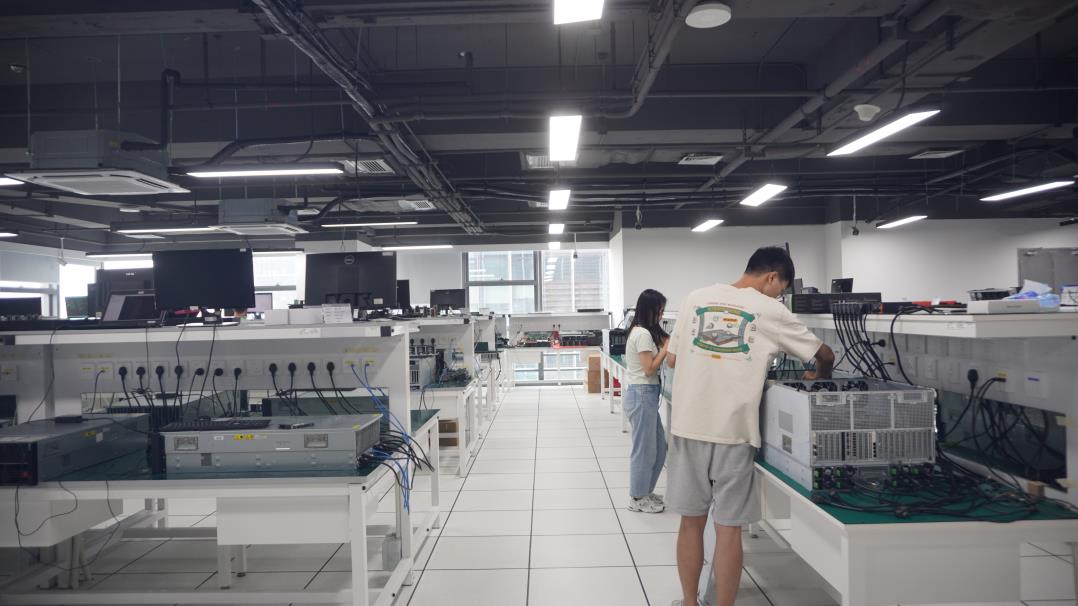
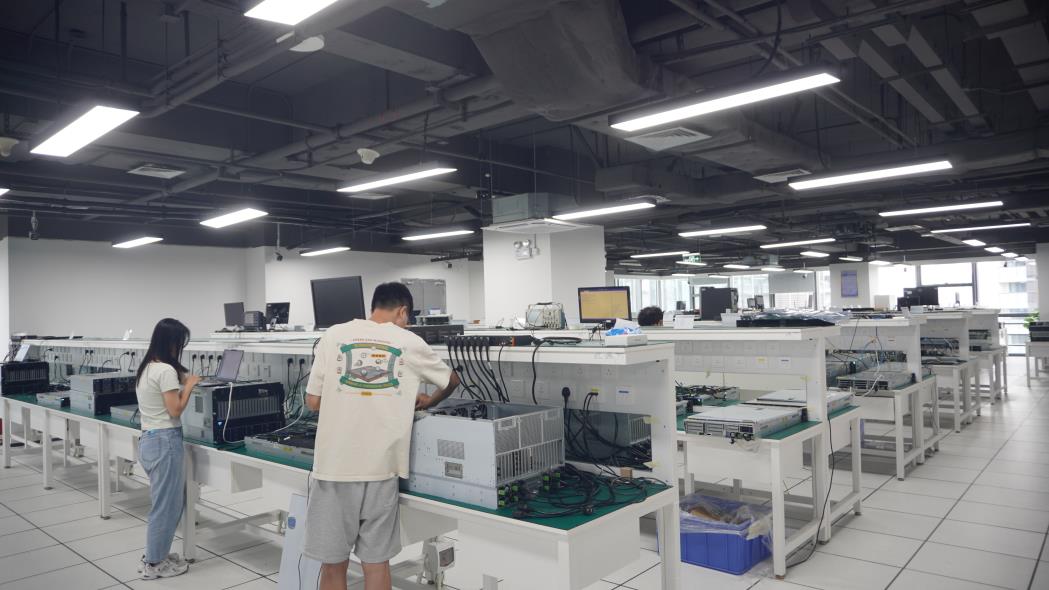
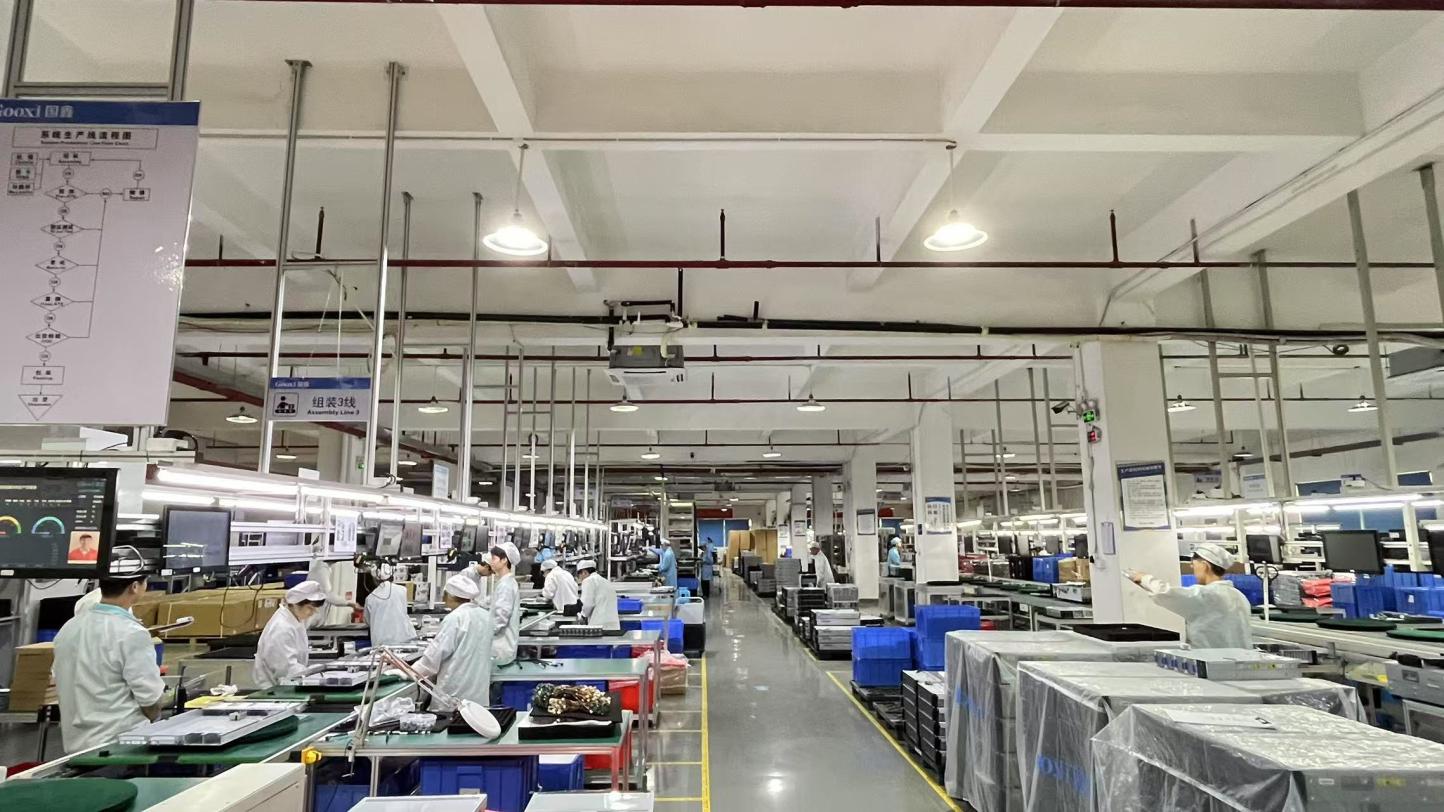
Shenzhen Intelligent Computing Cloud Technology Co., Ltd. (ZhiCloud AI) is a professional AI server and high-performance computing (HPC) solution provider. We specialize in custom GPU systems, server chassis development, thermal components, and cooling system integration for enterprise clients worldwide.
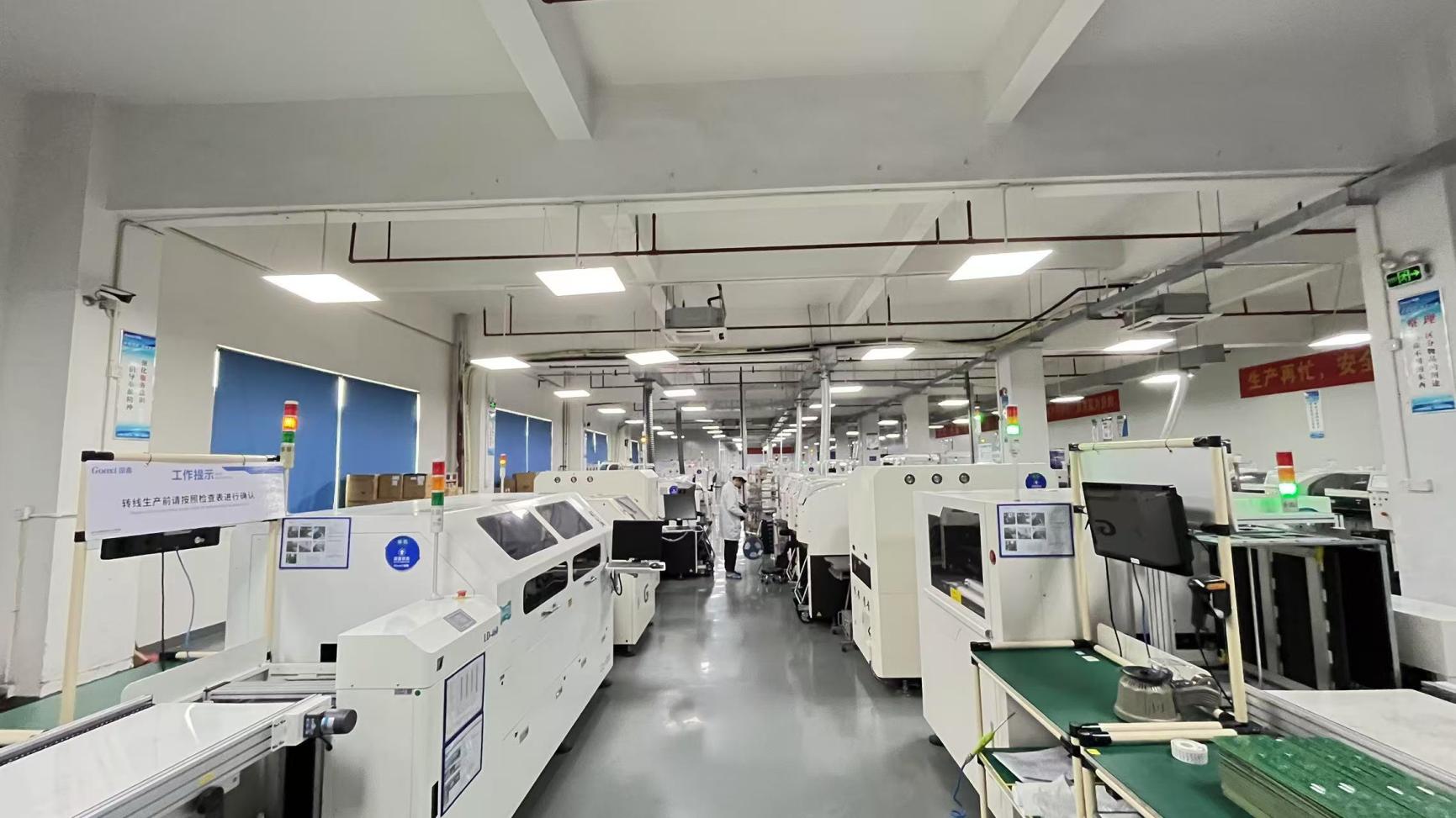
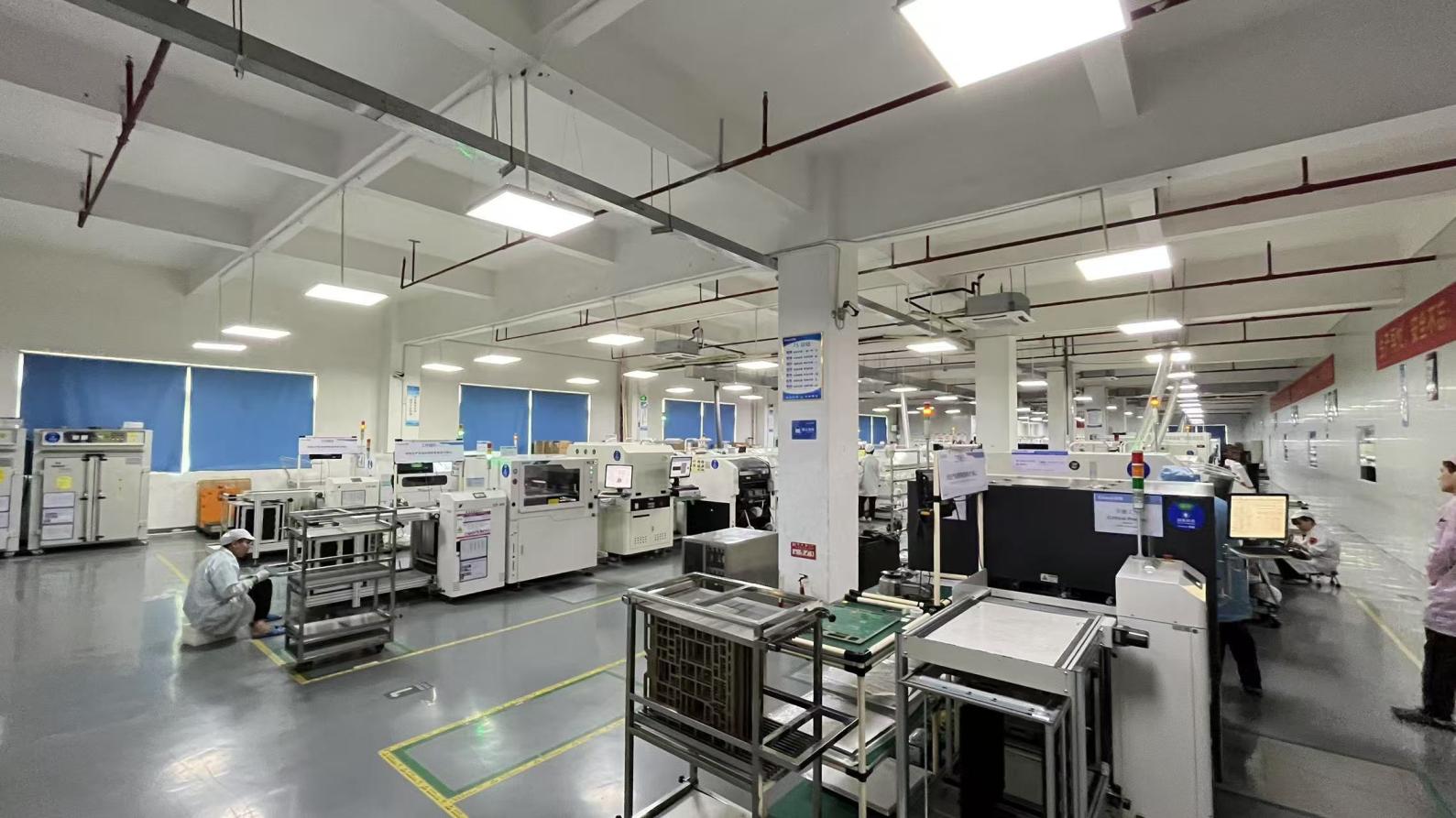
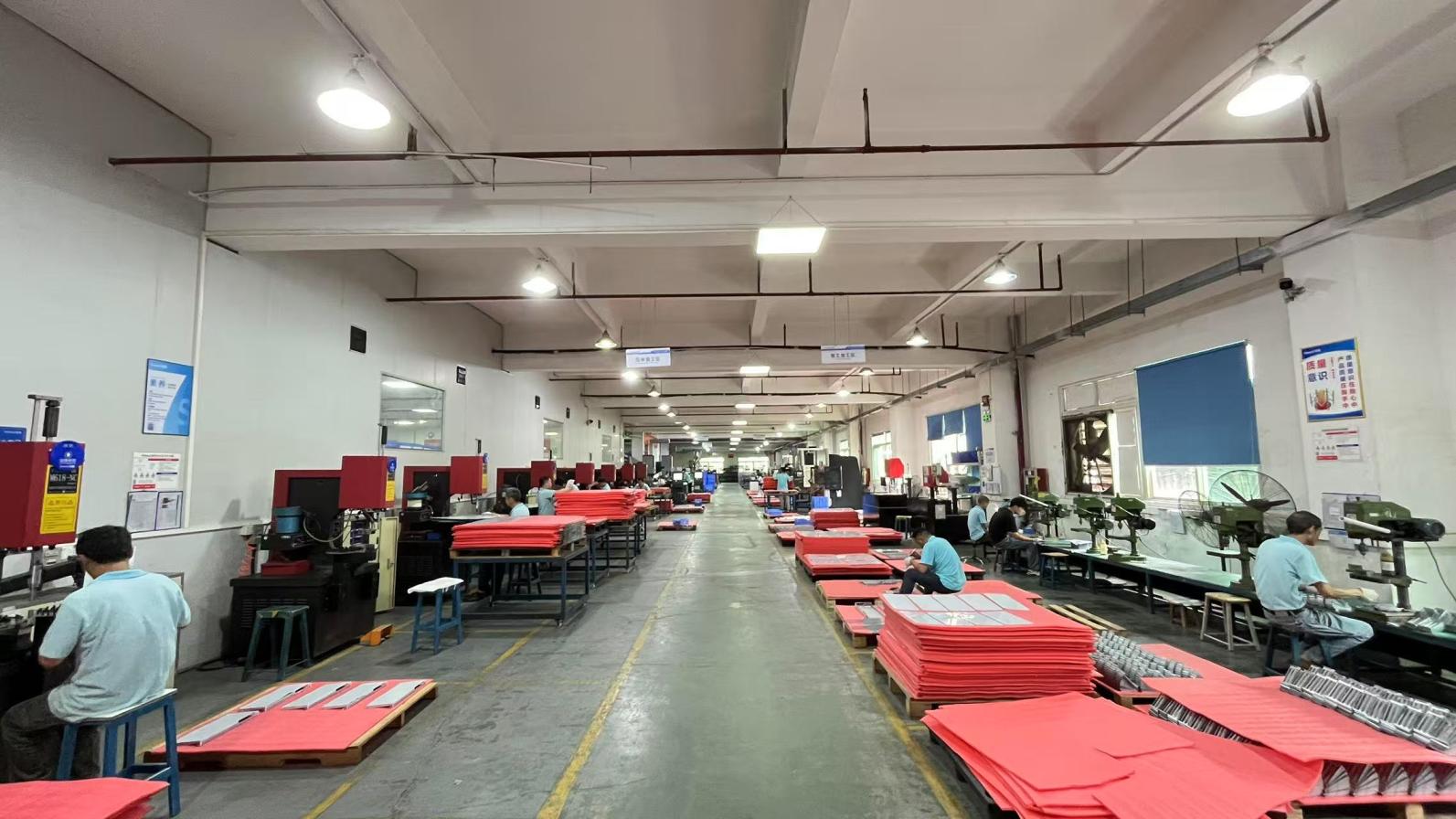
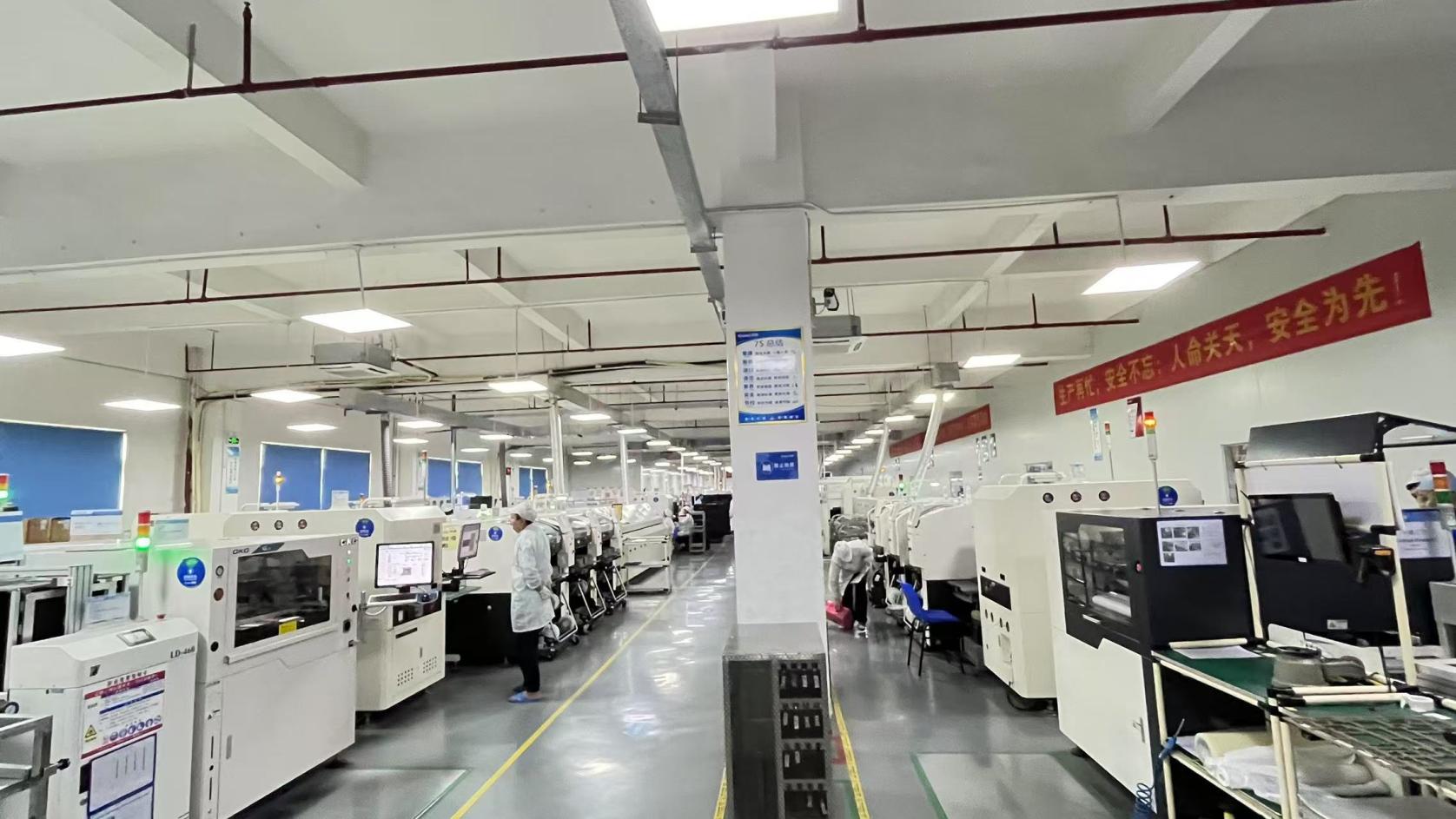
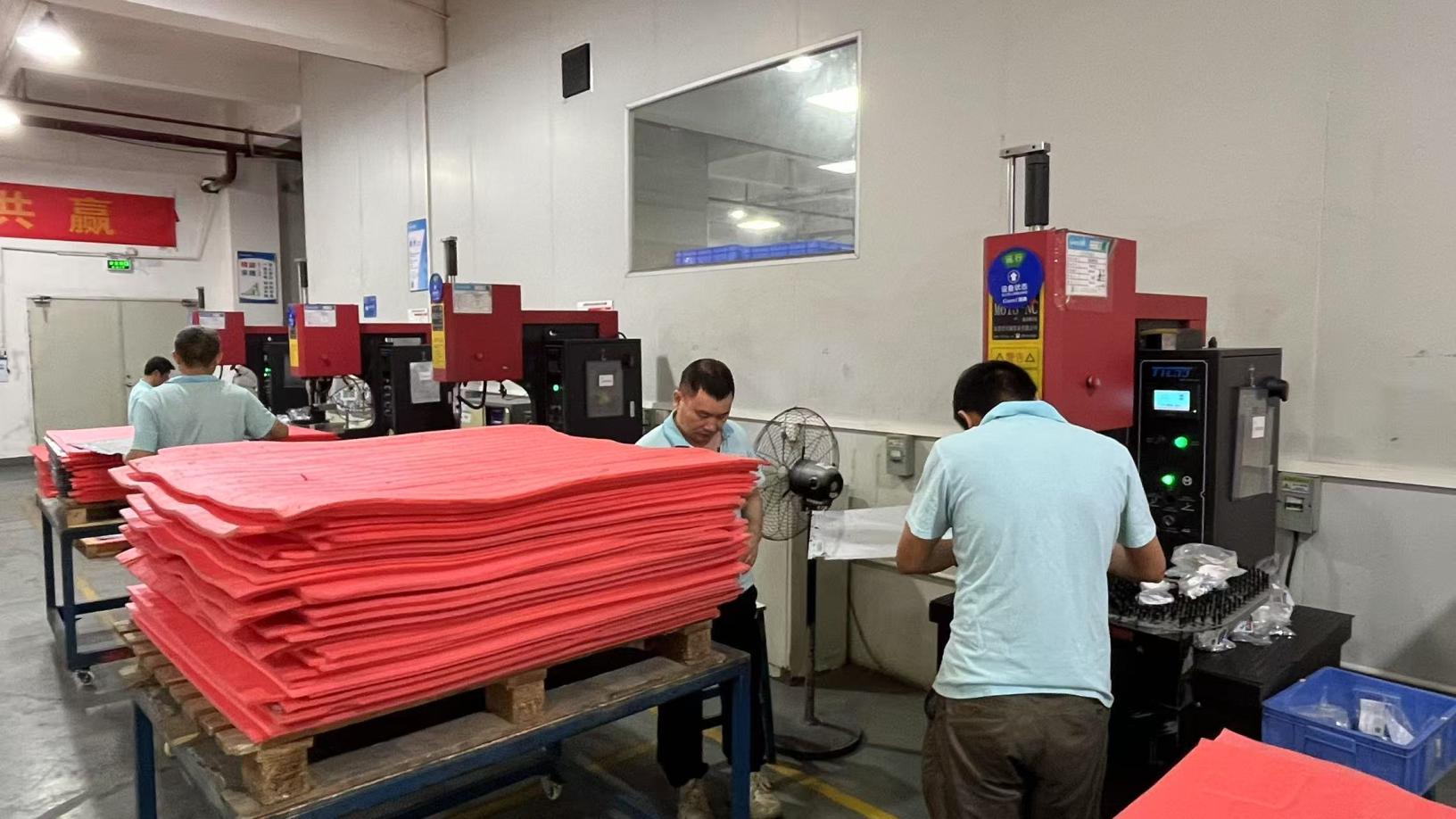
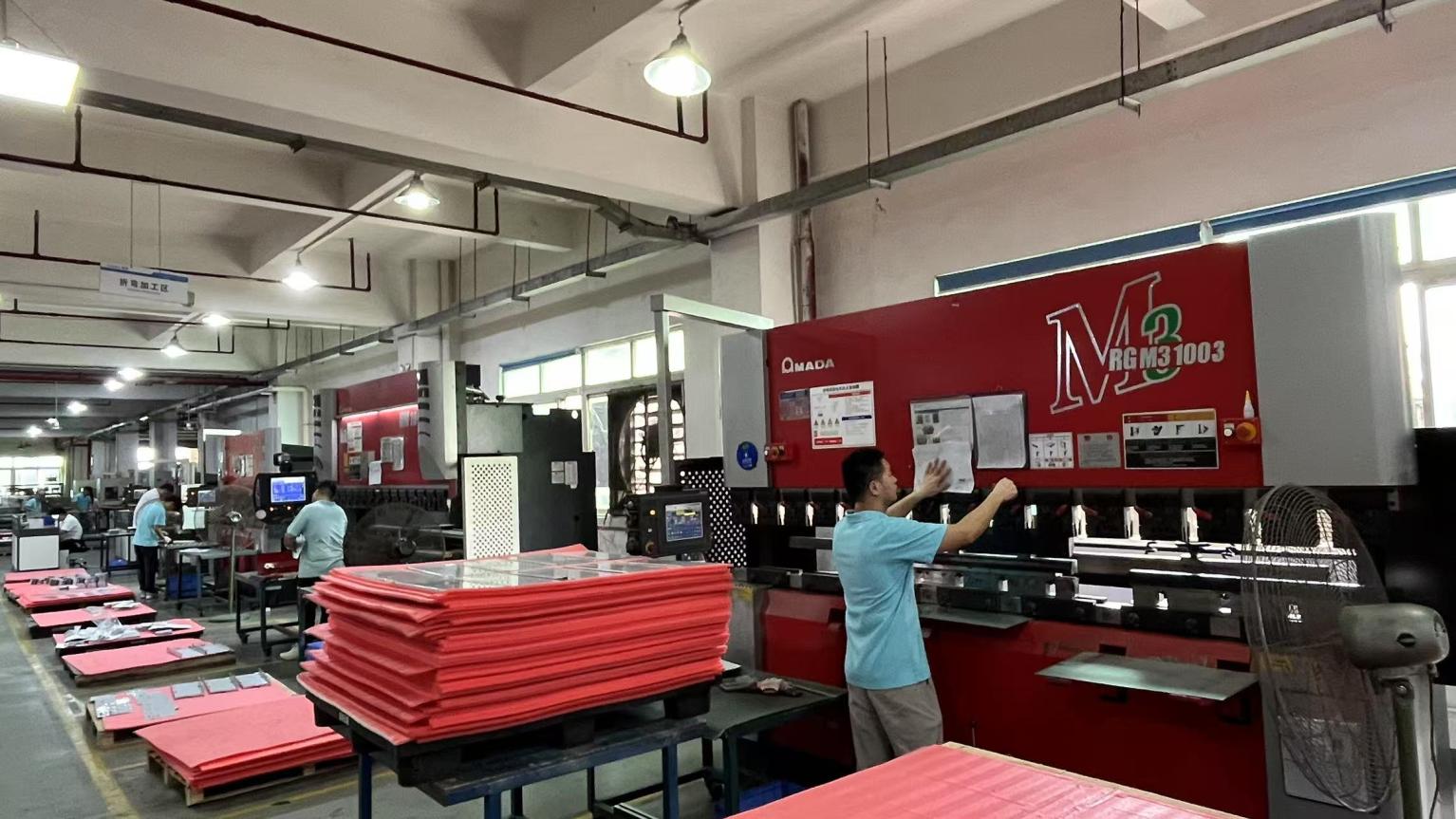
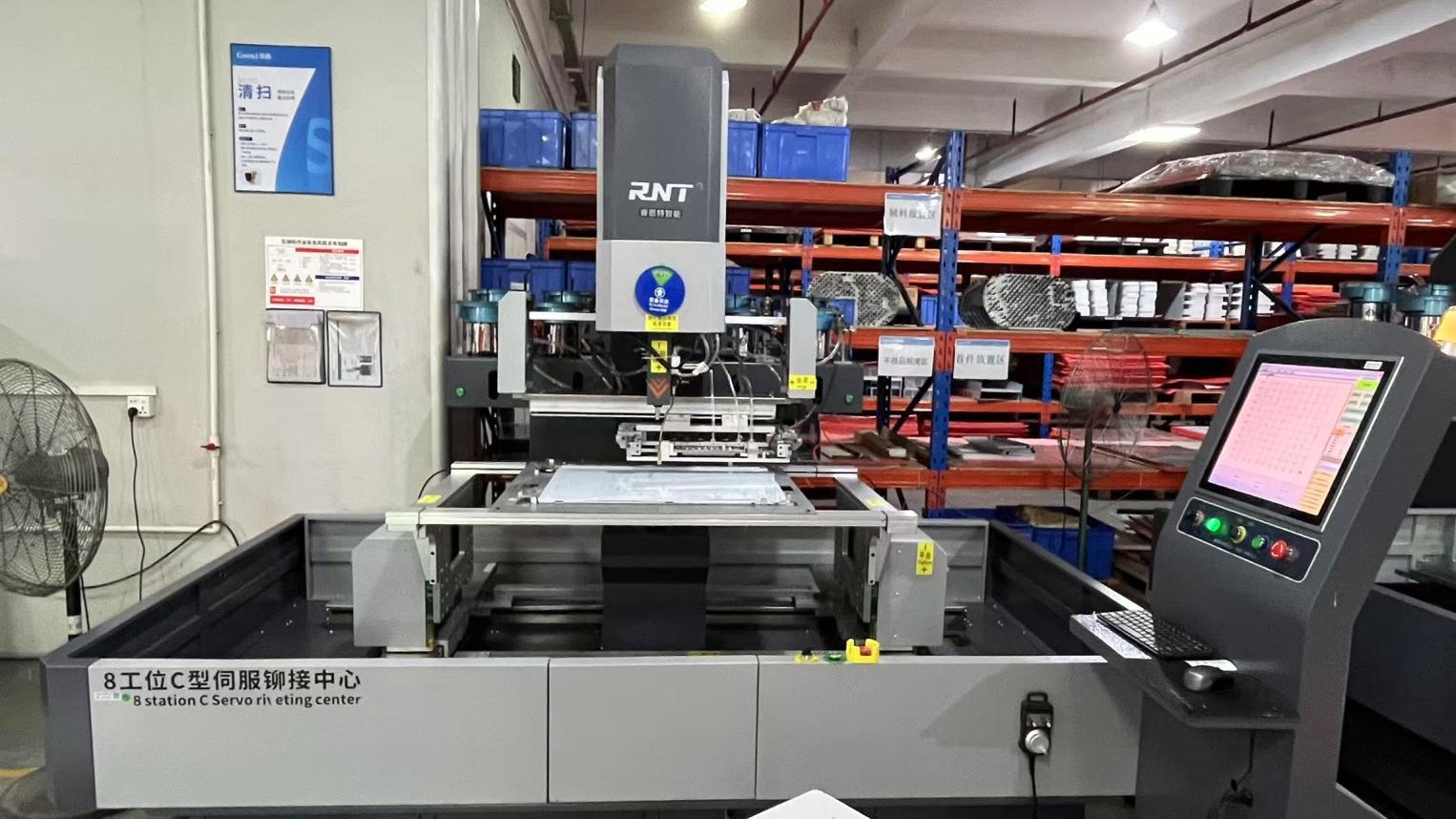
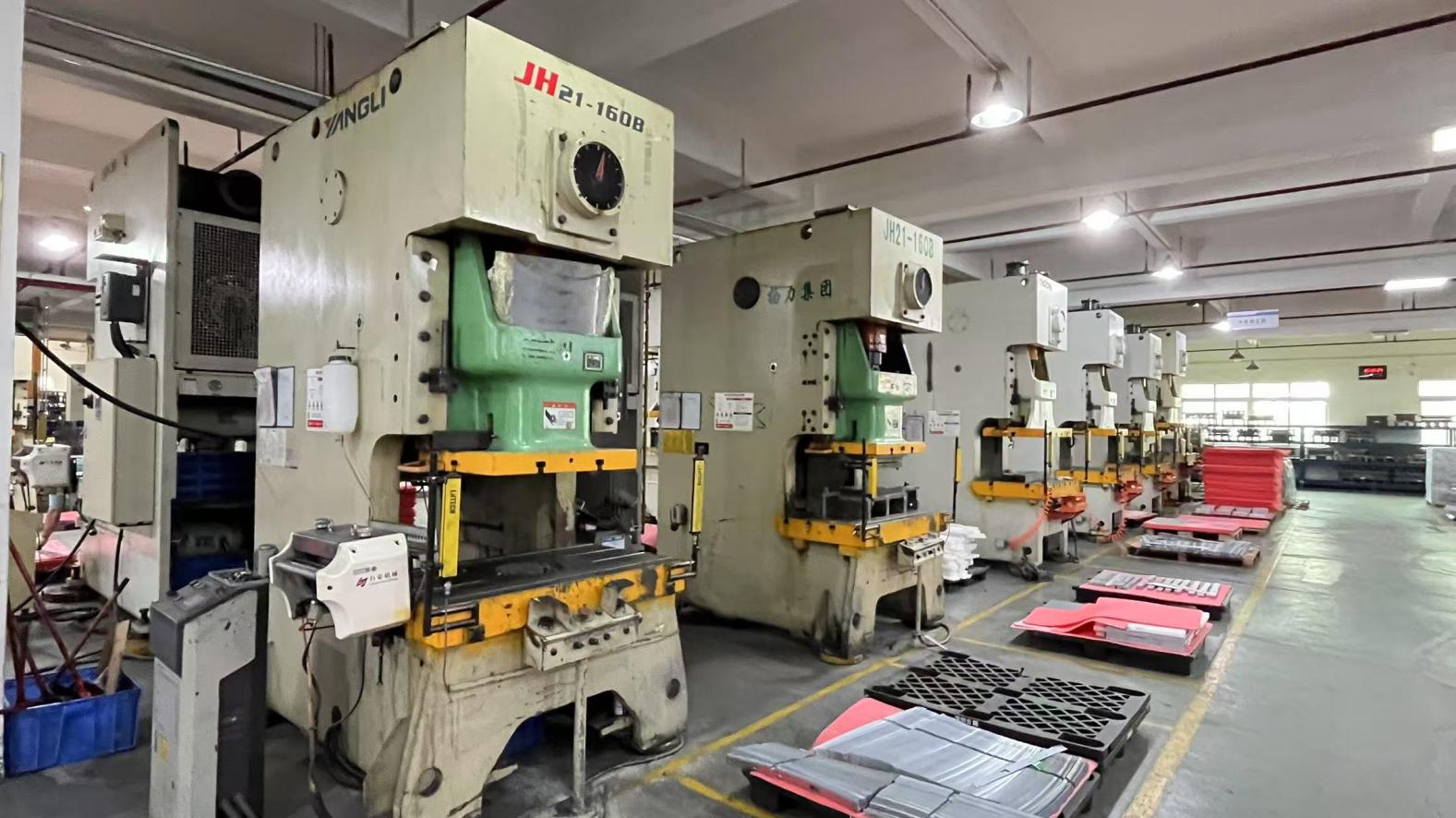
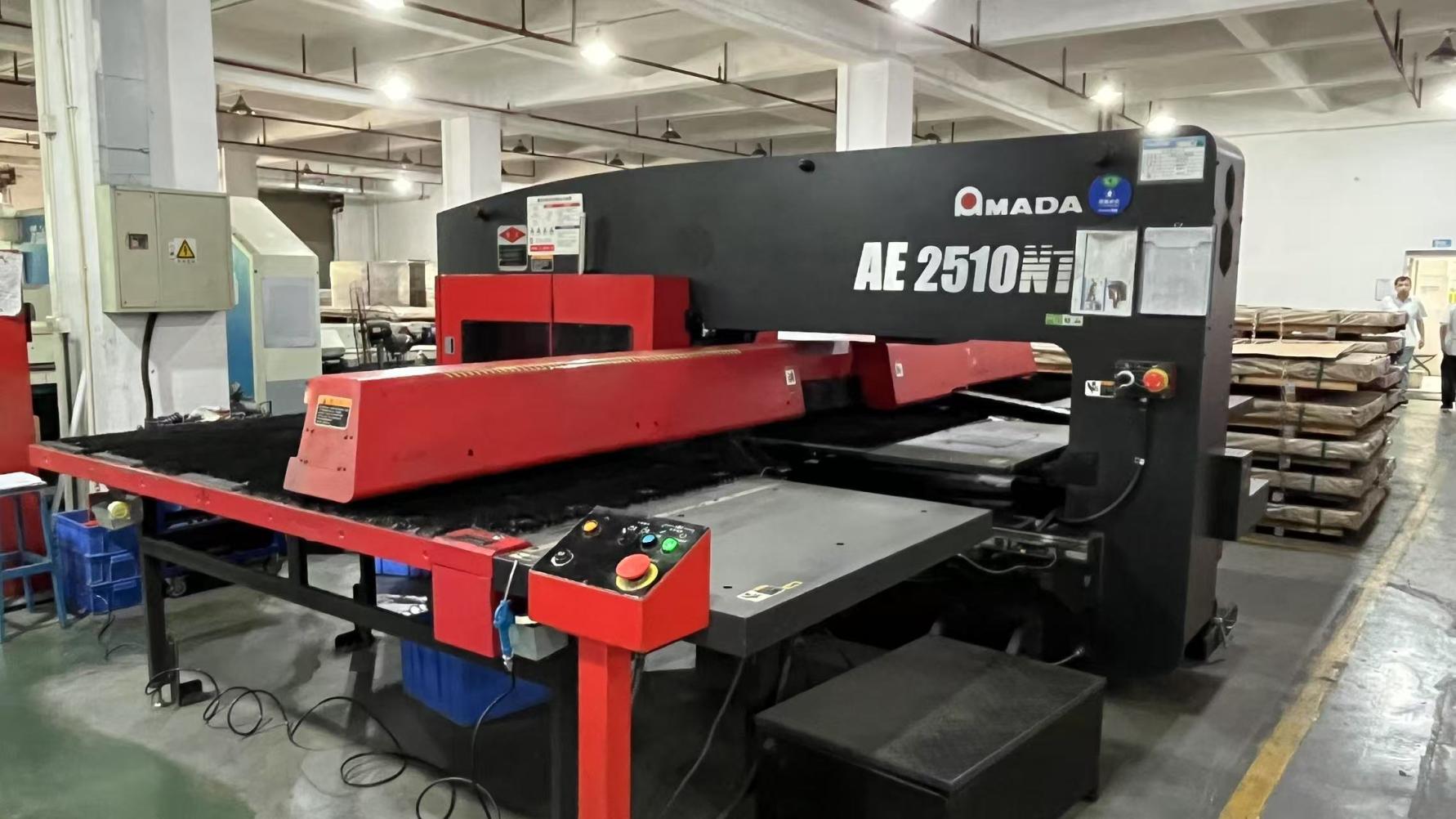
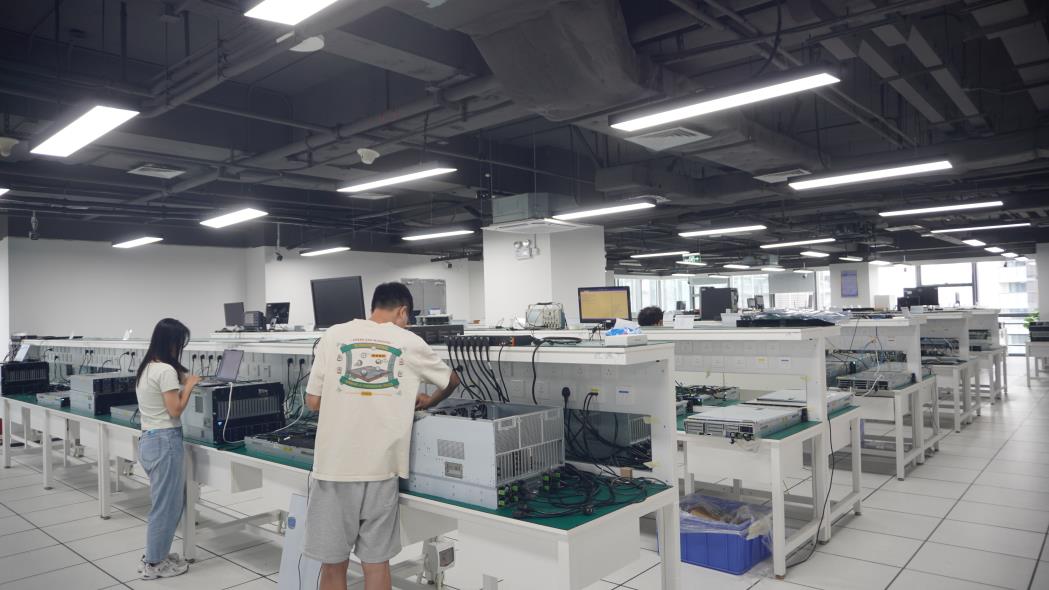
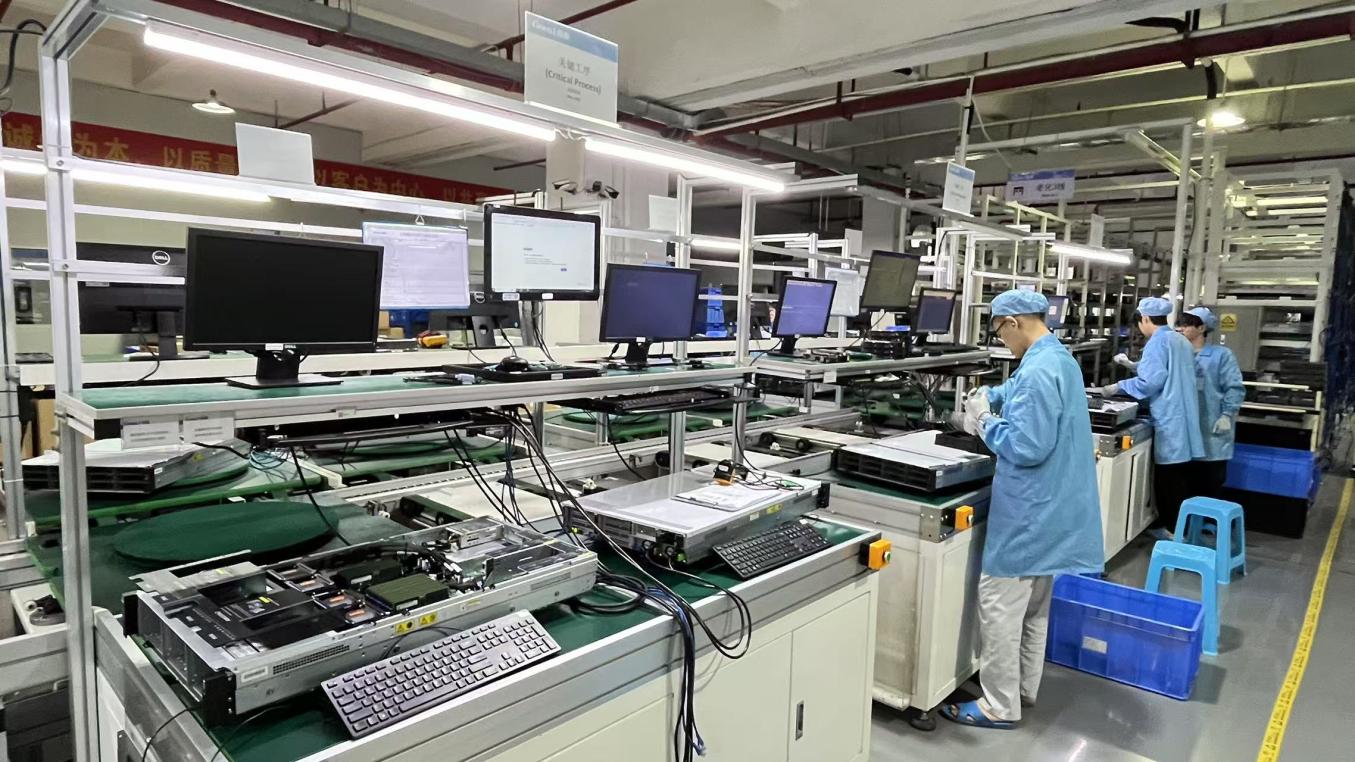
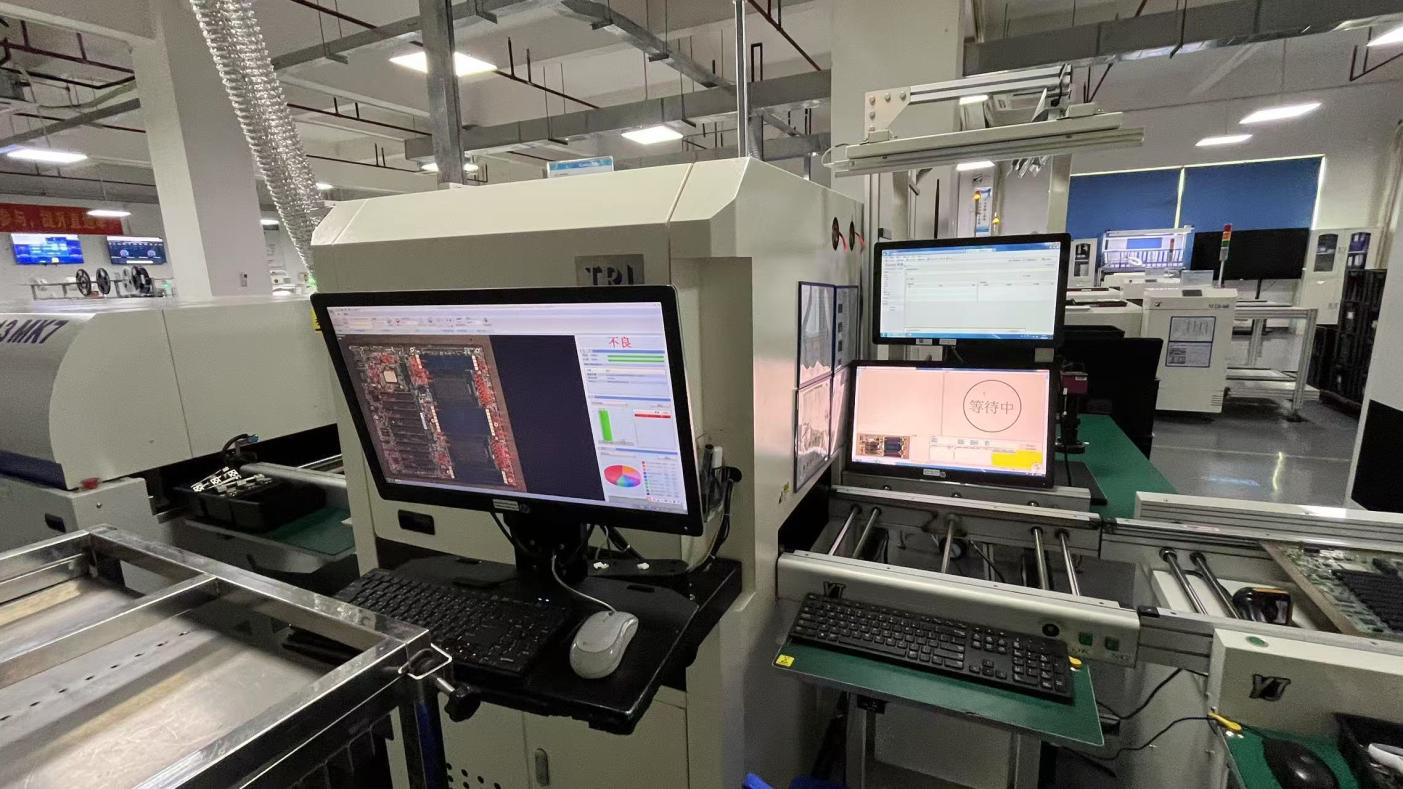
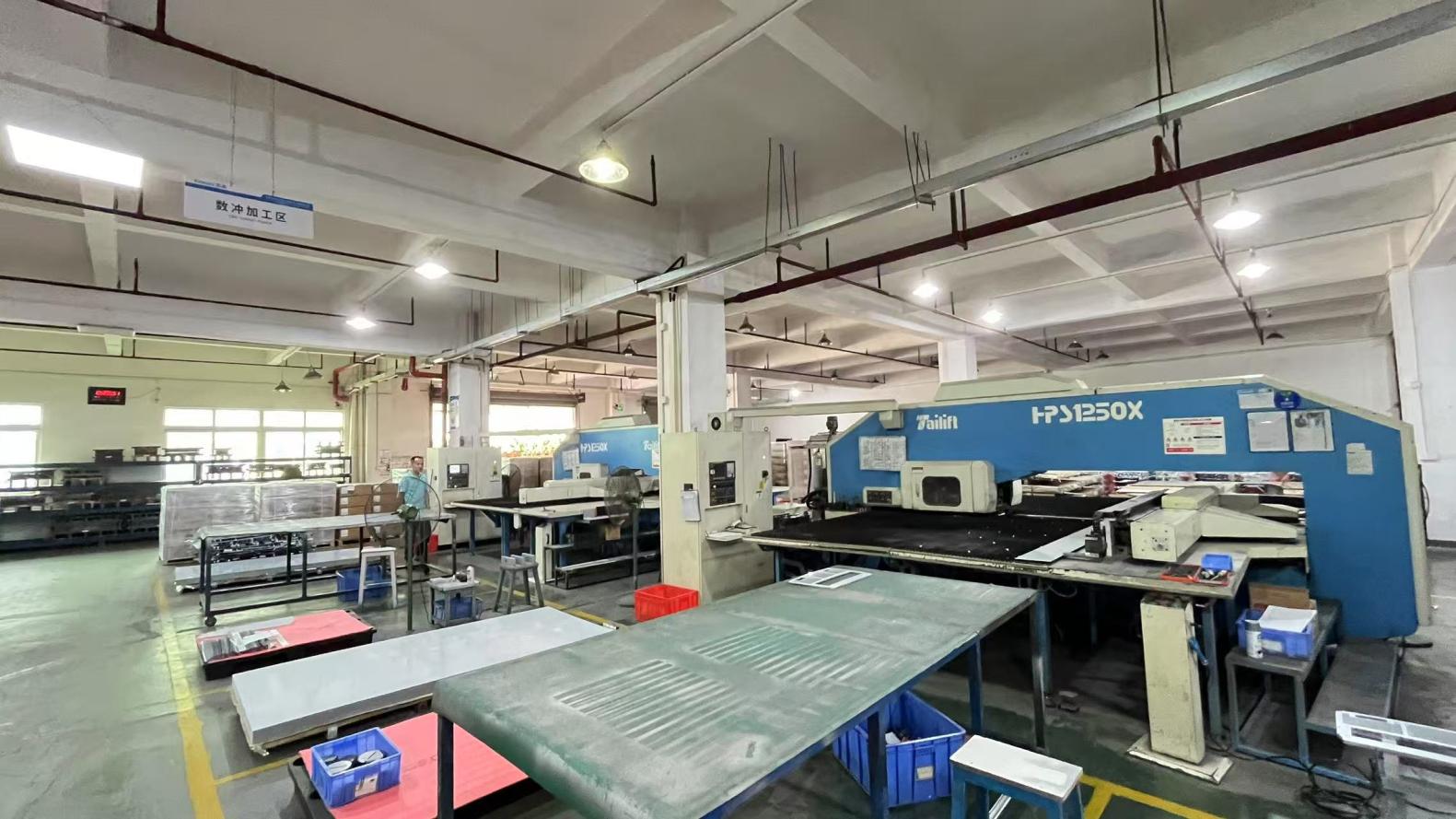
Founded in 2016, our production facility features modern SMT, laser cutting, and riveting tooling, supporting the integration of complex computing hardware.
Backed by 7 years of export experience and 11 years of engineering expertise in server infrastructure, we generate an annual export revenue of approximately USD 12 million.
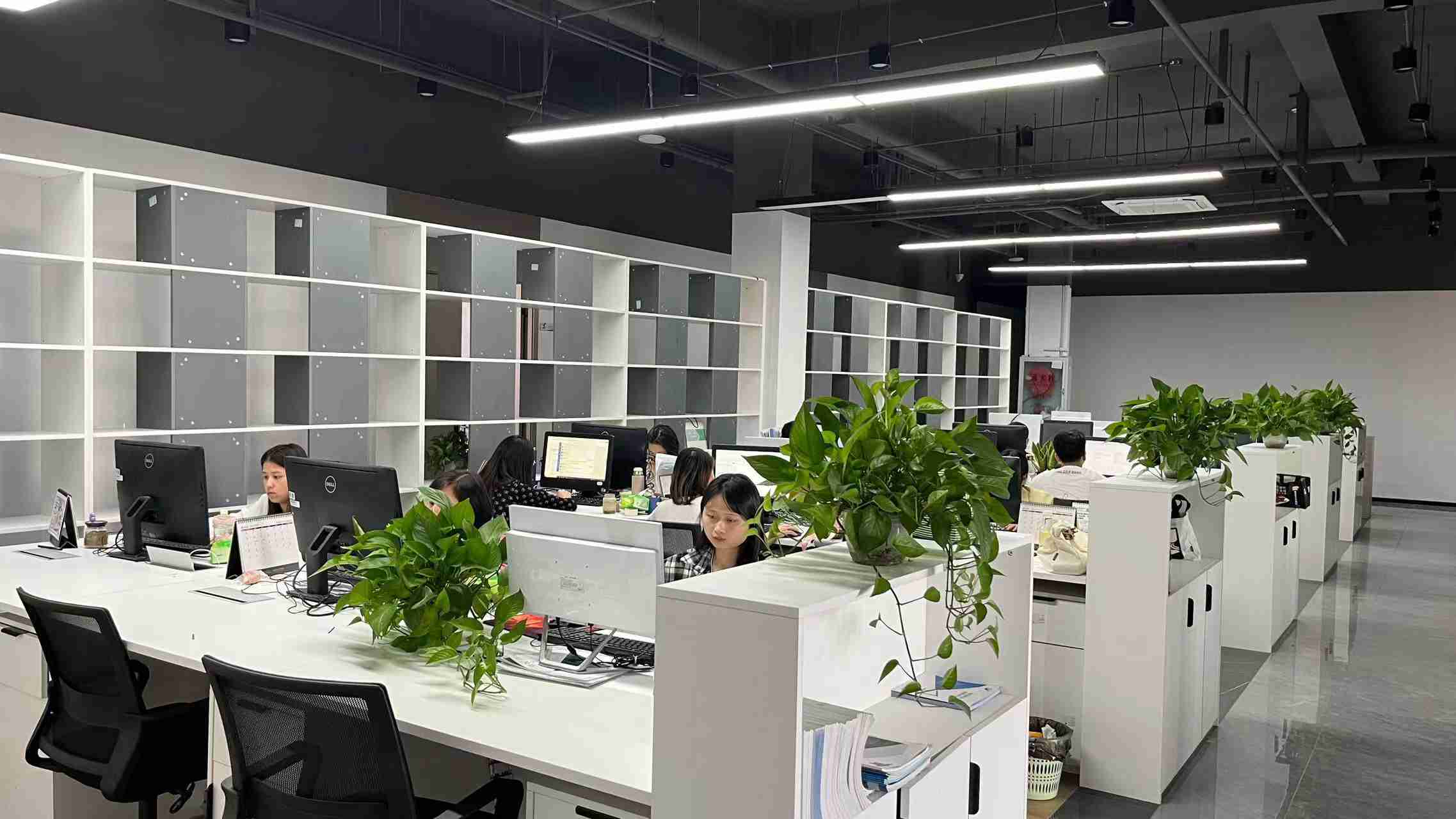
Our team of 120 R&D engineers released approximately 180 new products last year, focusing on server architectures, liquid cooling loops, and high-density GPU nodes.
To maintain reliable operation near high-density electronic equipment, our cooling manifolds, server housings, and circuitry undergo a multi-stage production process. Our 45-person QC team performs thermal stress testing, salt spray resistance tests, drop tests, and high-precision Coordinate Measuring Machine (CMM) dimensional verification.
Material Cutting
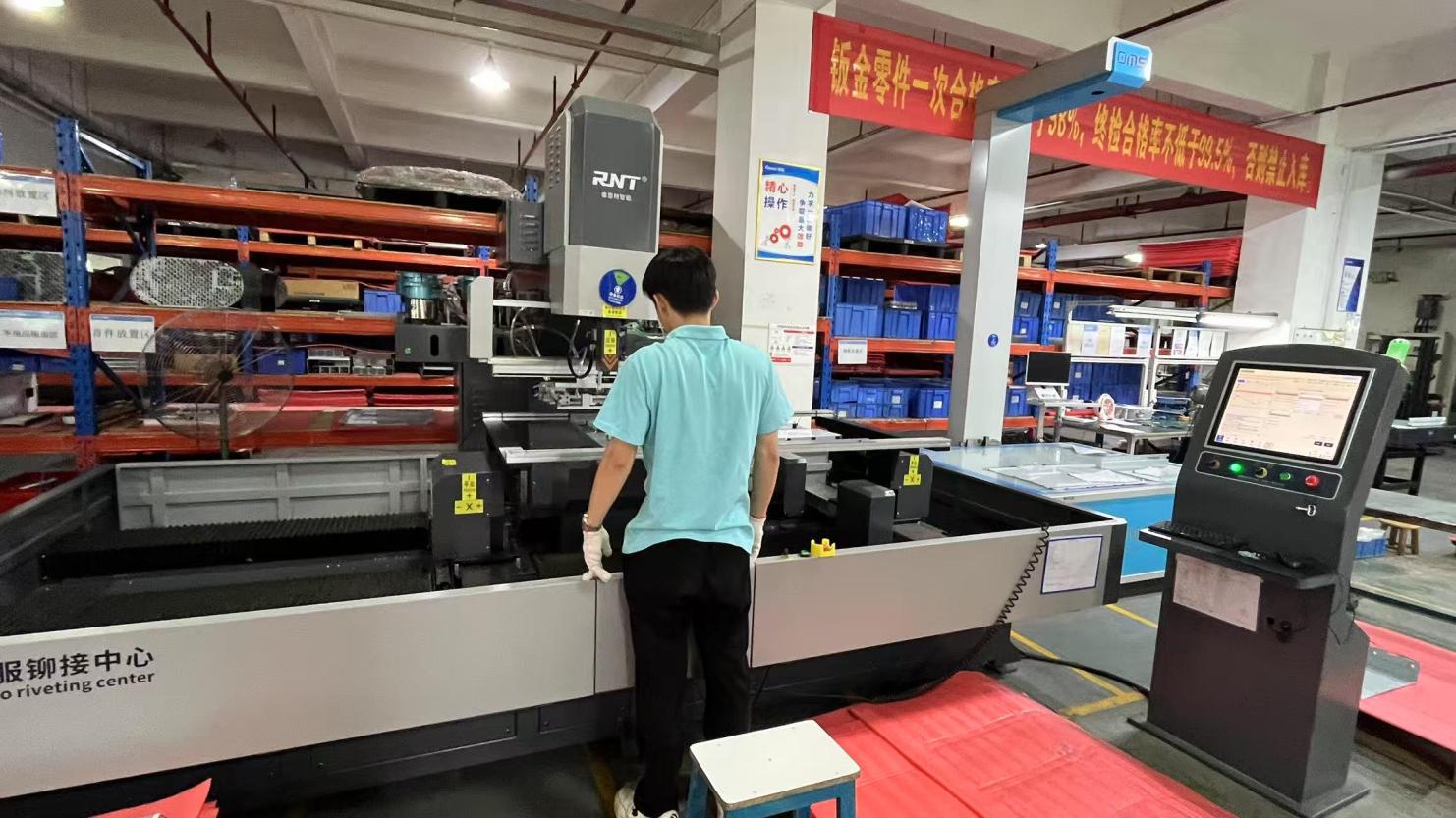
Riveting
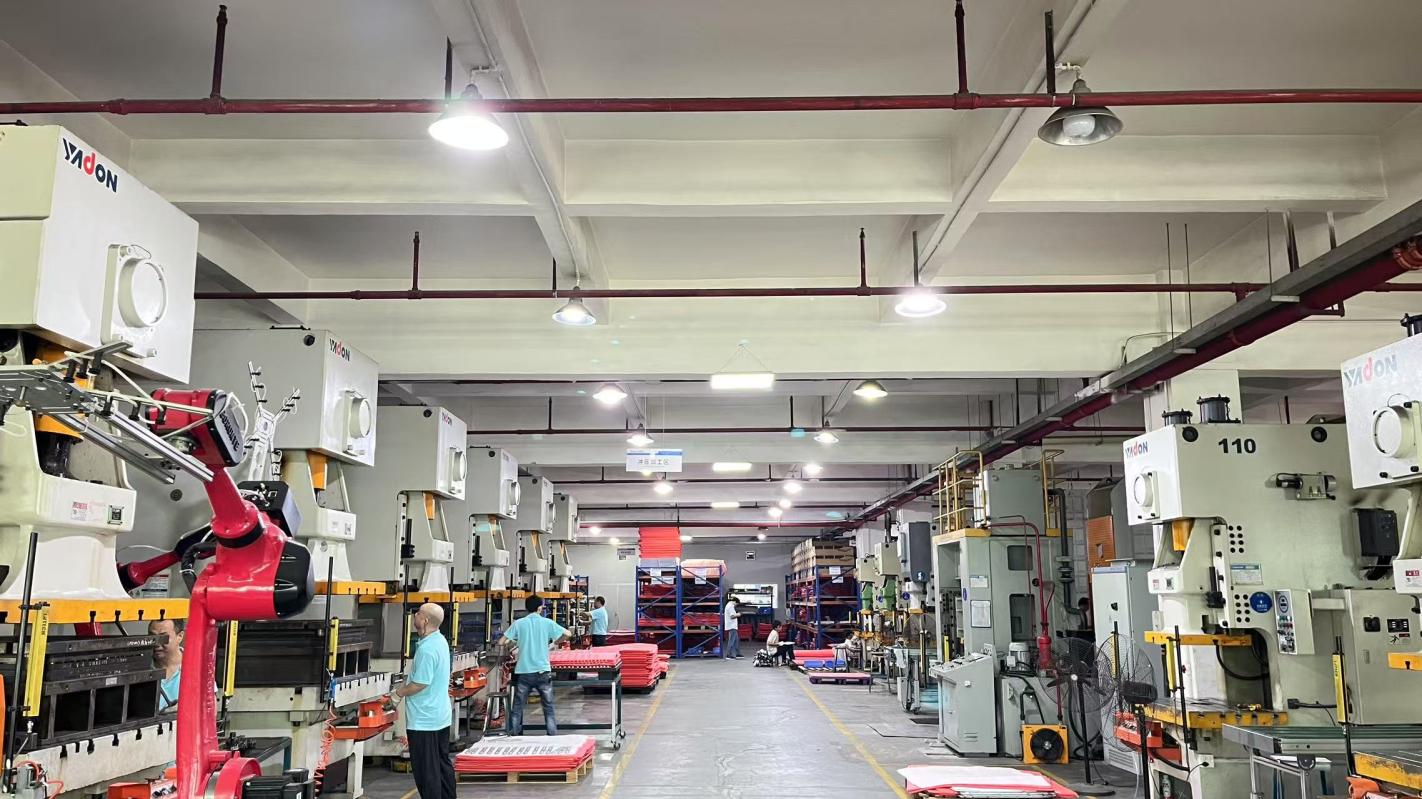
Stamping
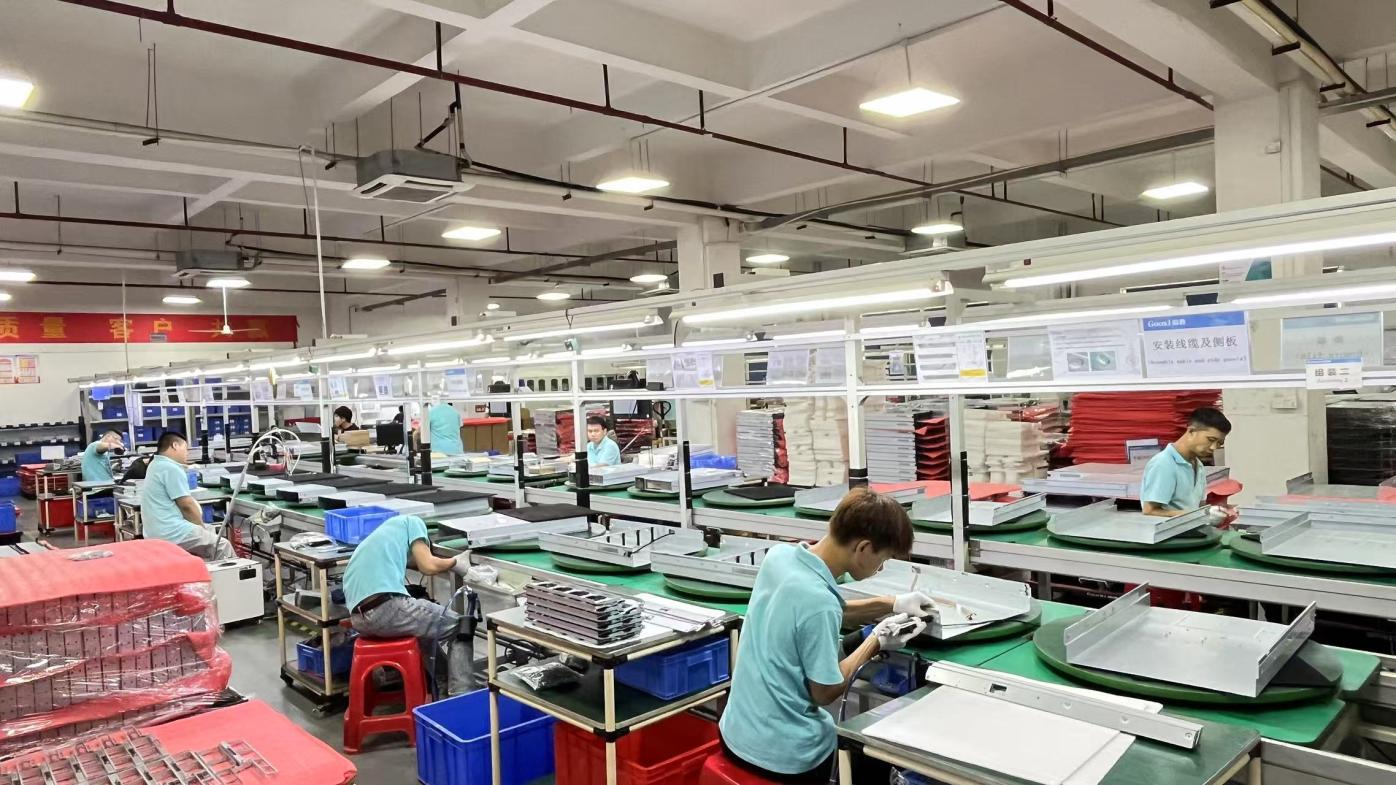
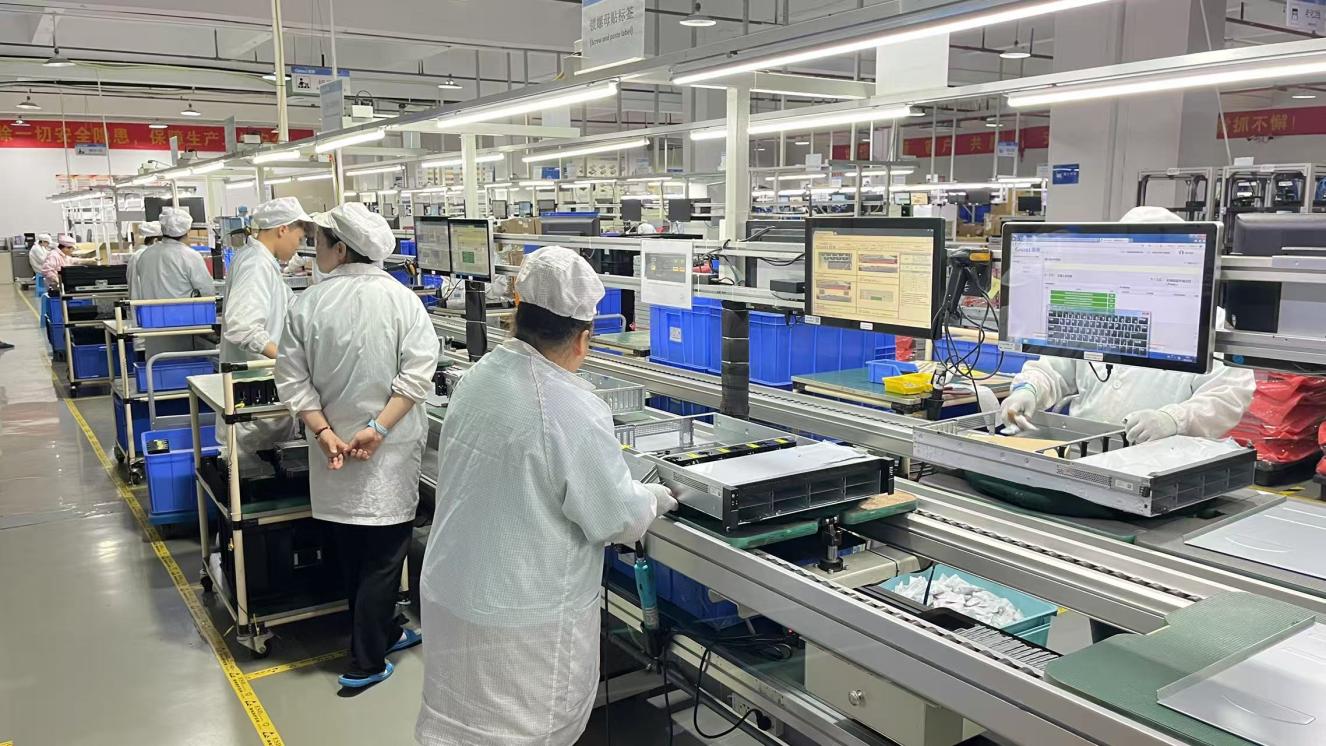
Housing Assembly
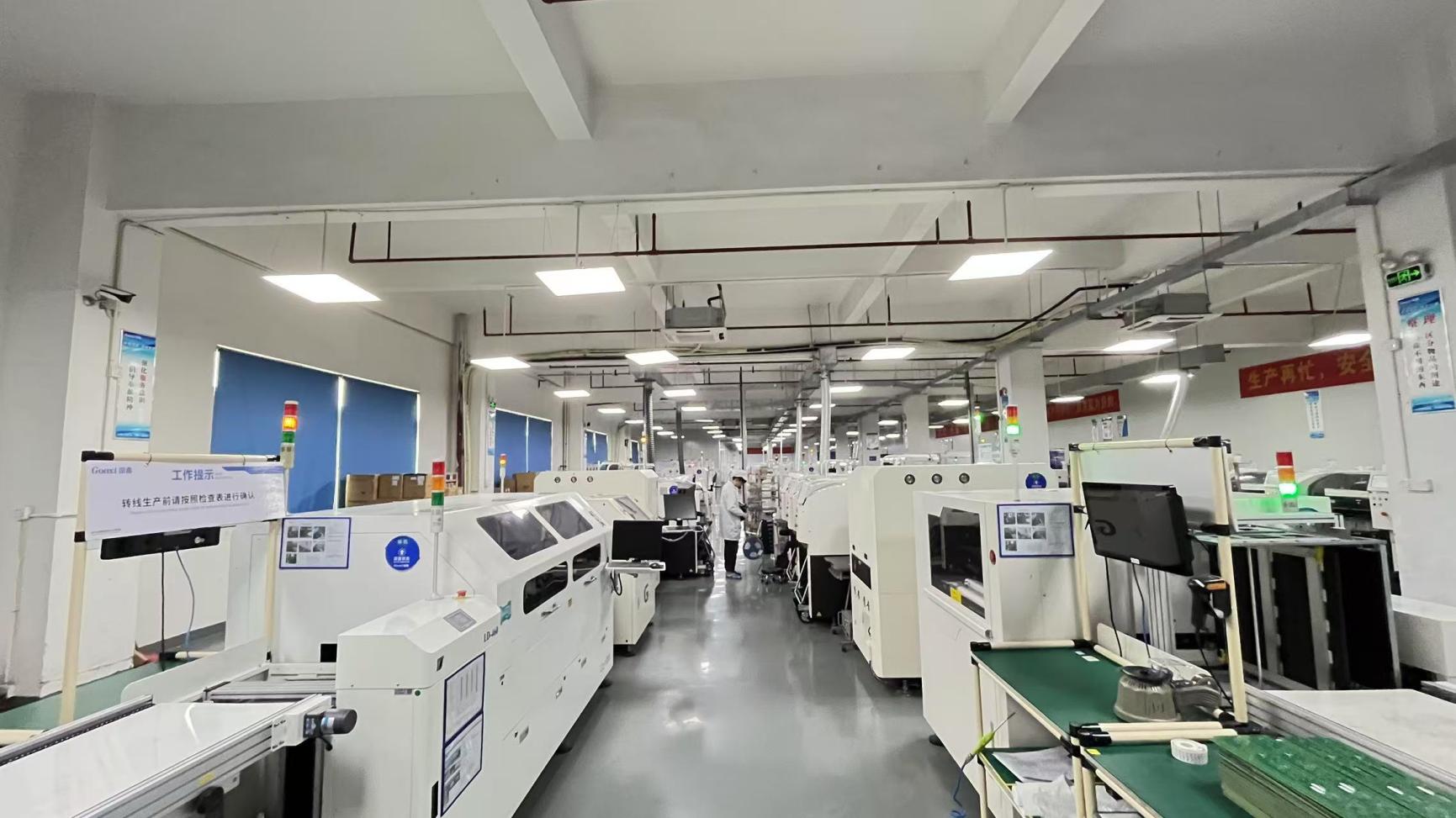
SMT Line
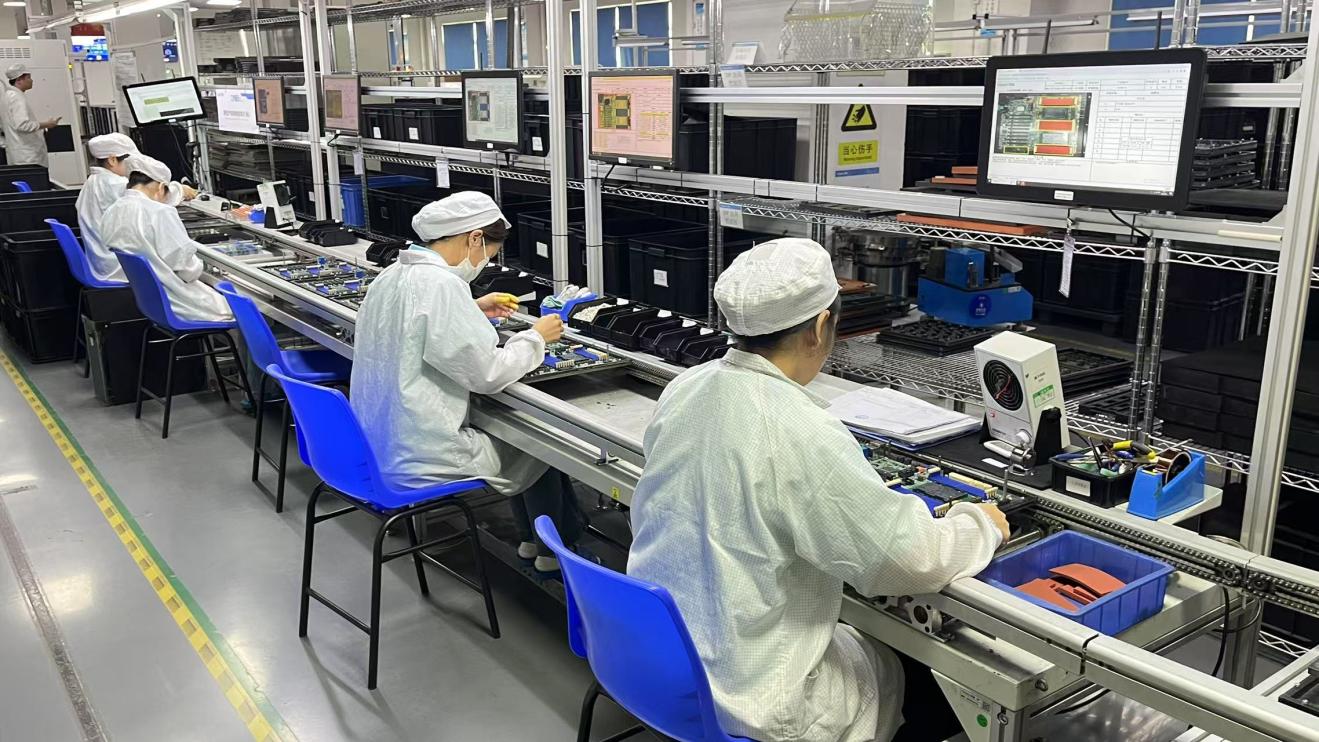
MI Assembly
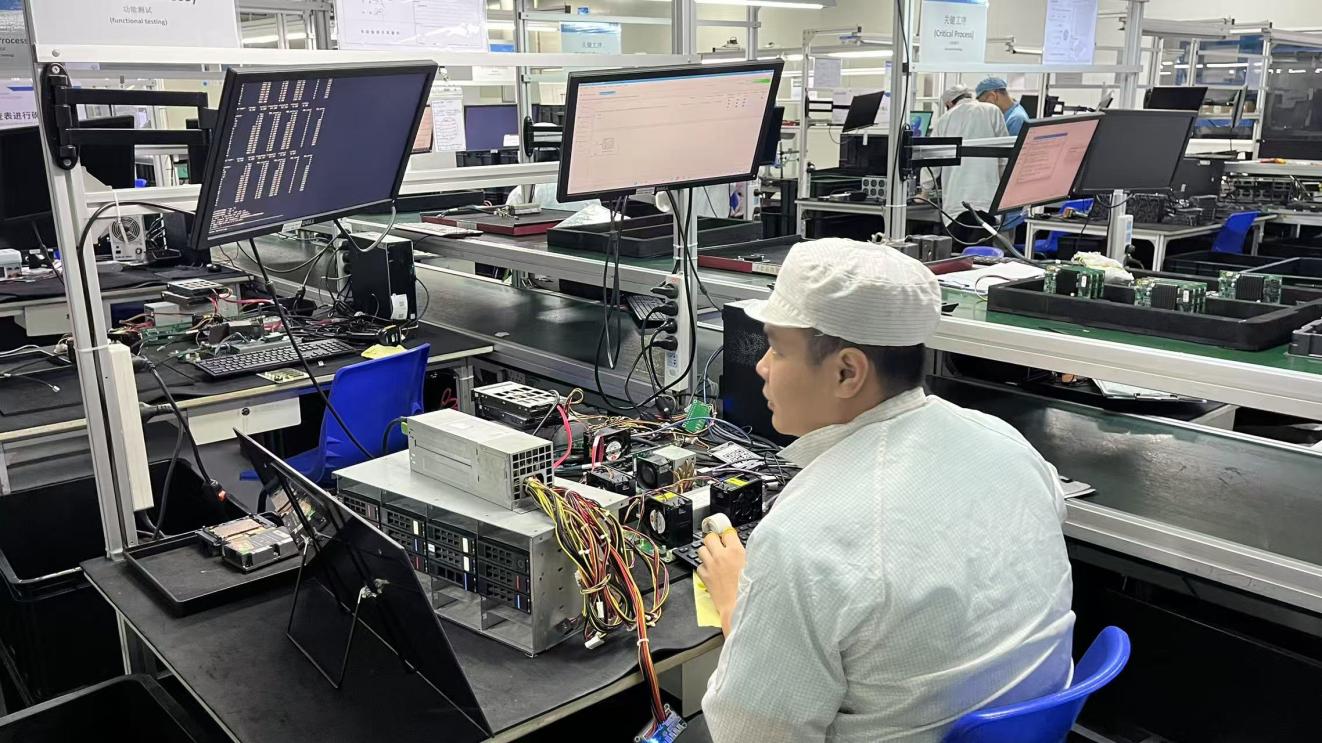
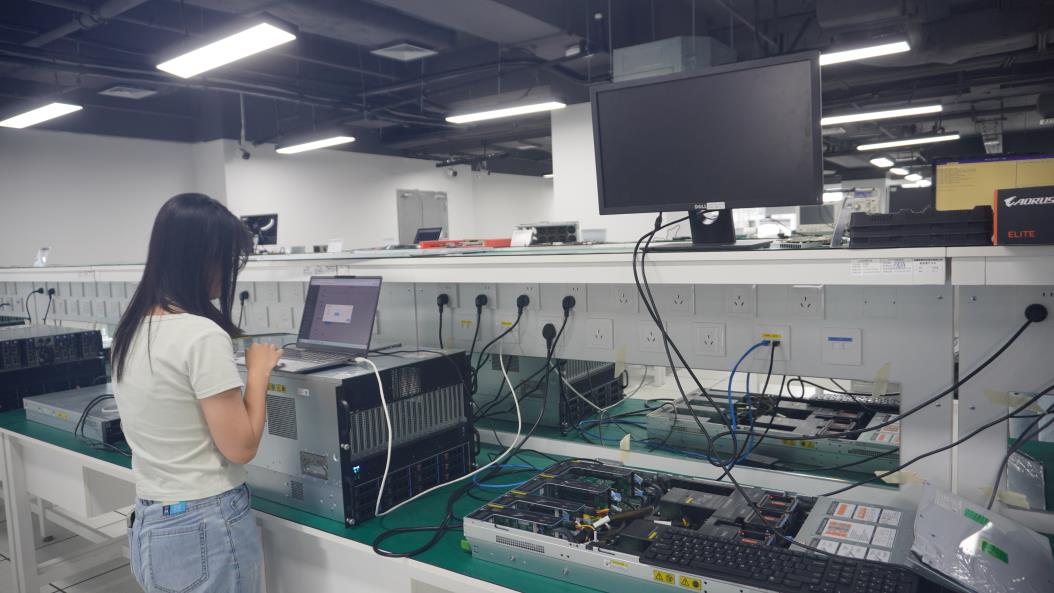
PCBA Test
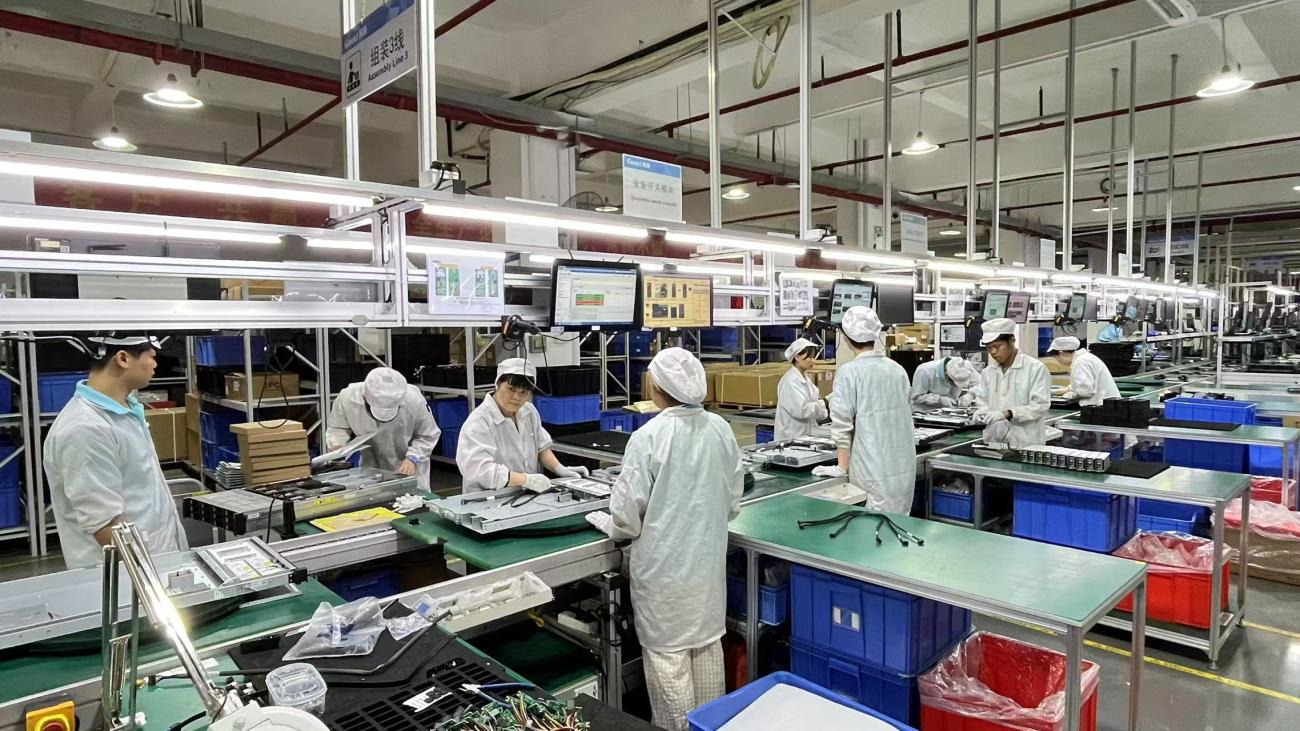
Final Assembly
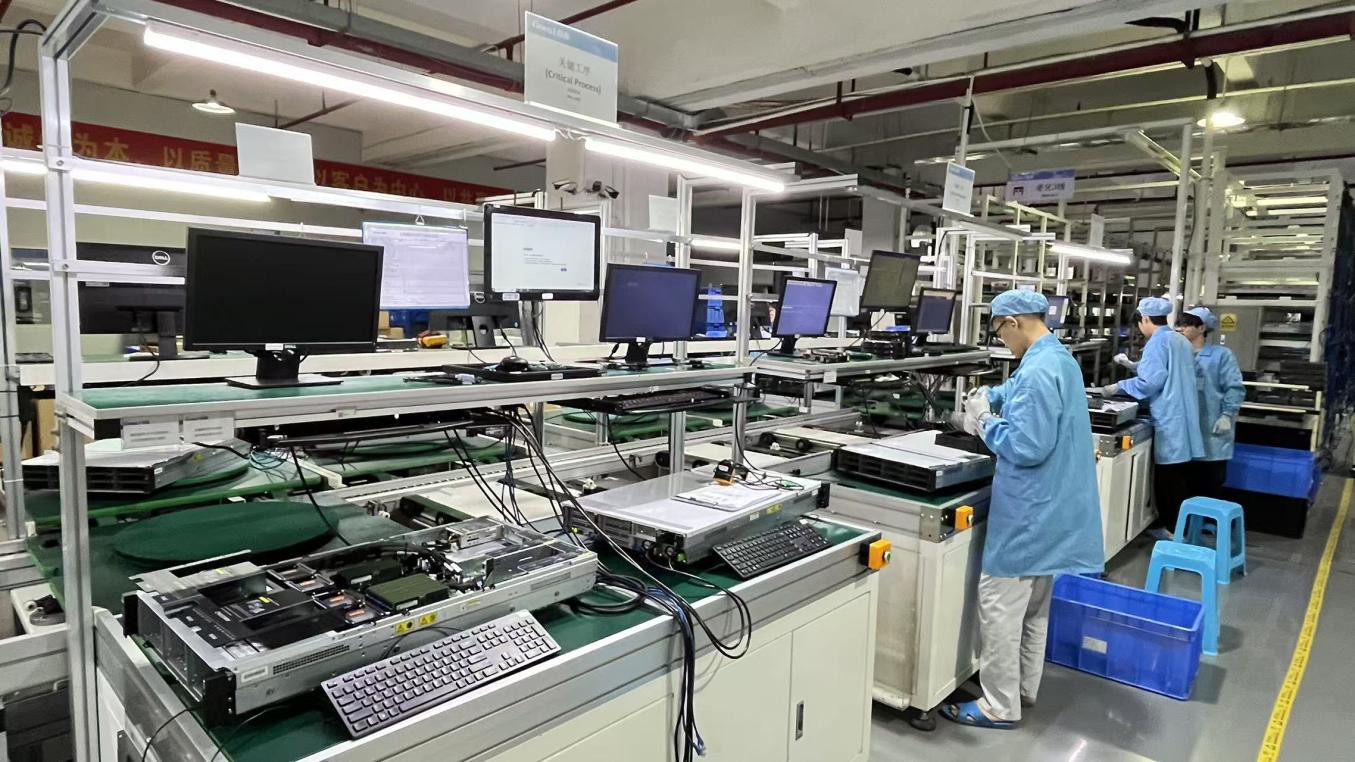
Testing Stage
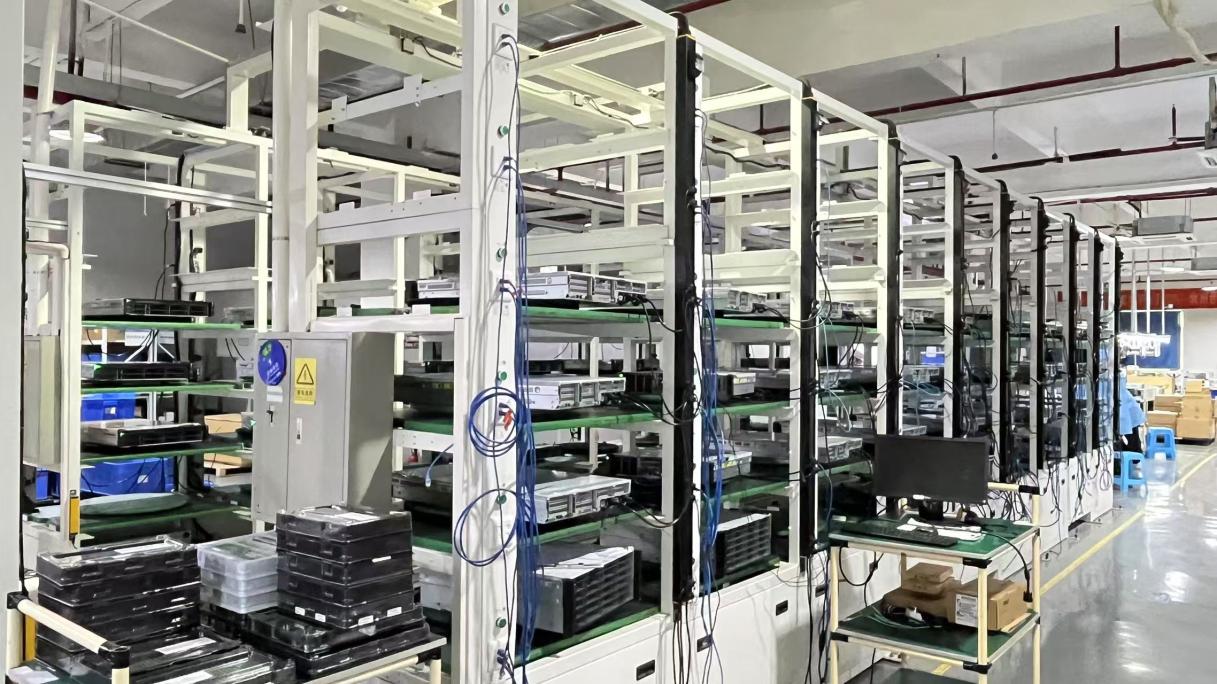
Thermal Aging Test
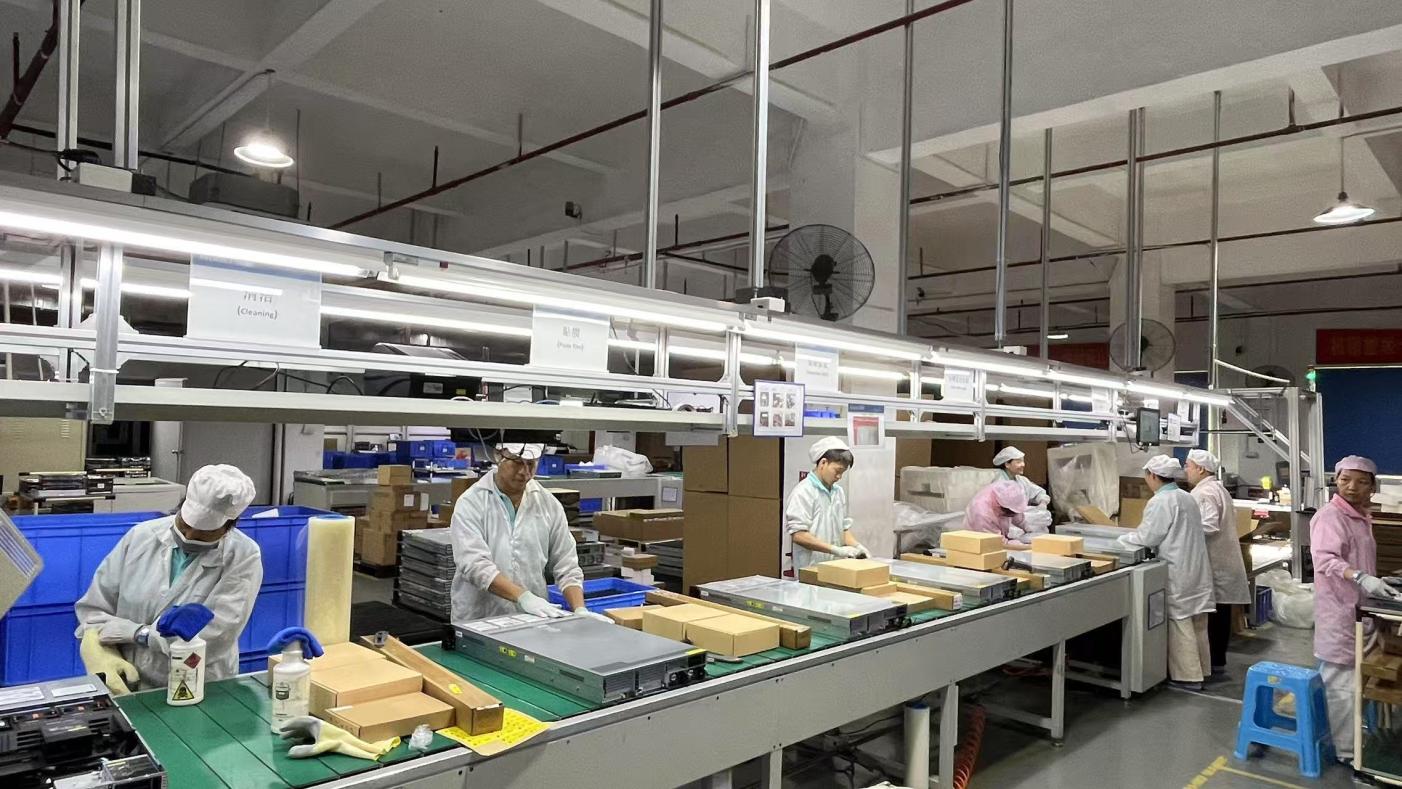
Safe Export Packing
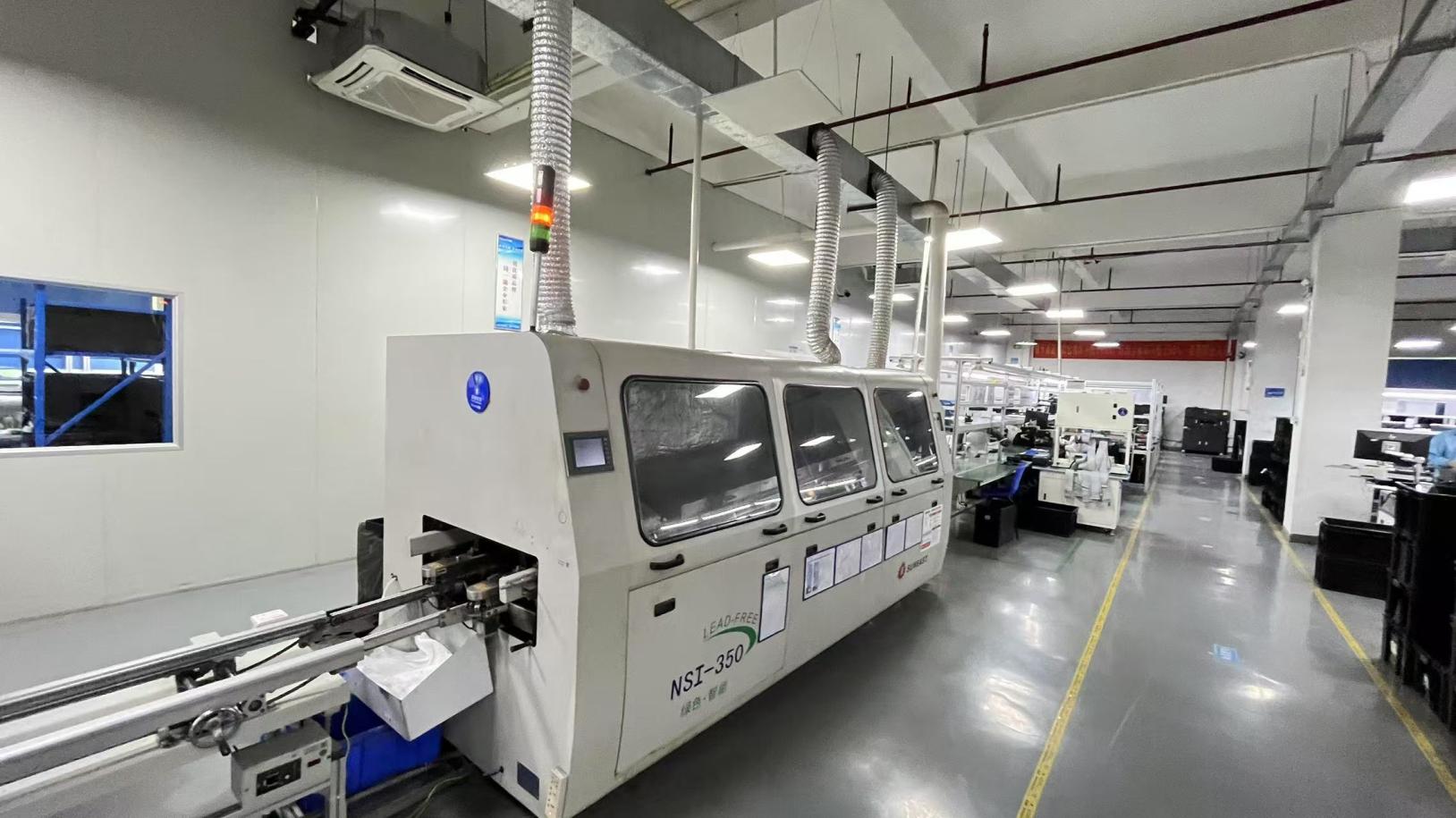
Reflow Soldering
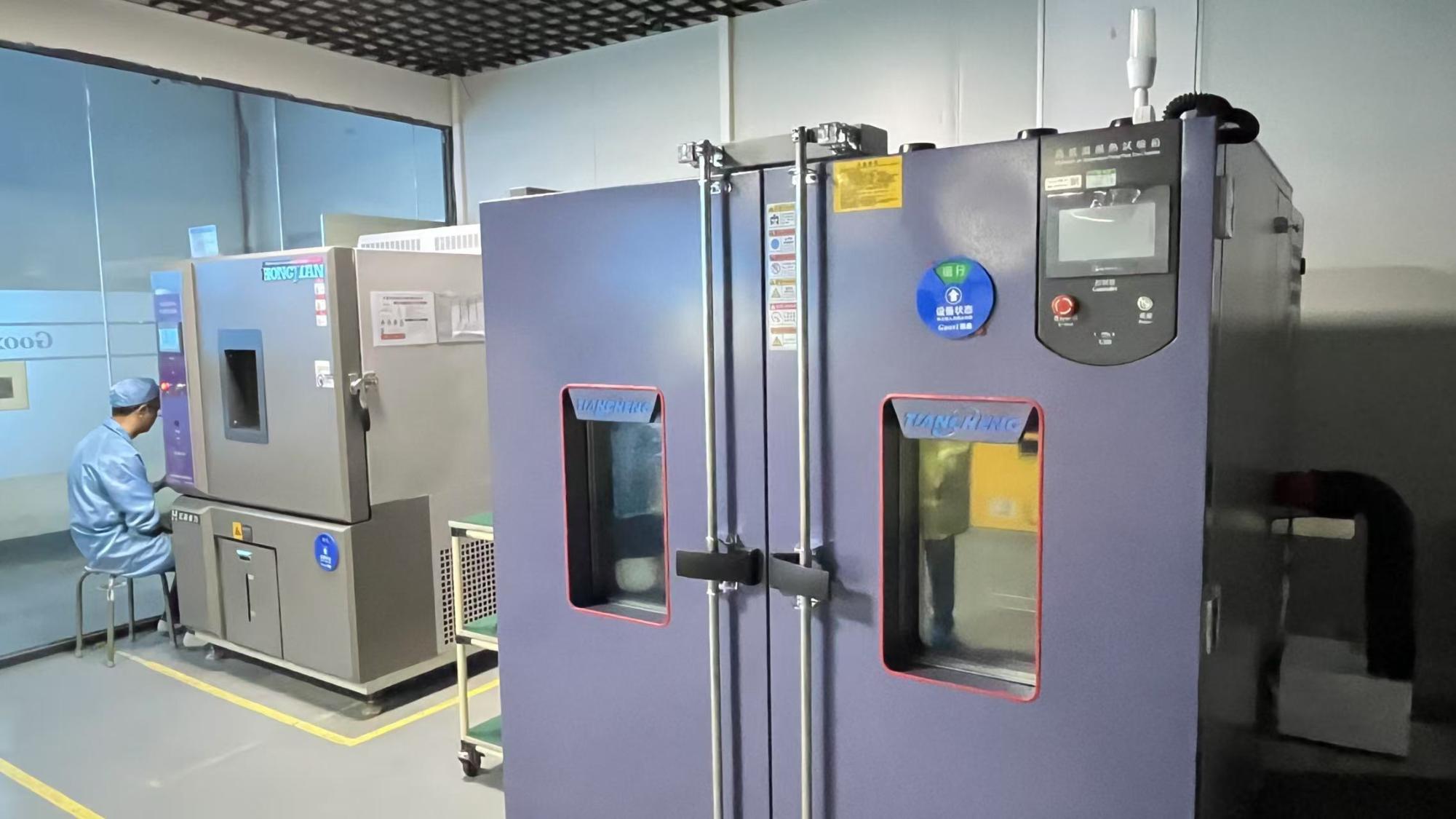
Thermal Chamber (Thermotank)
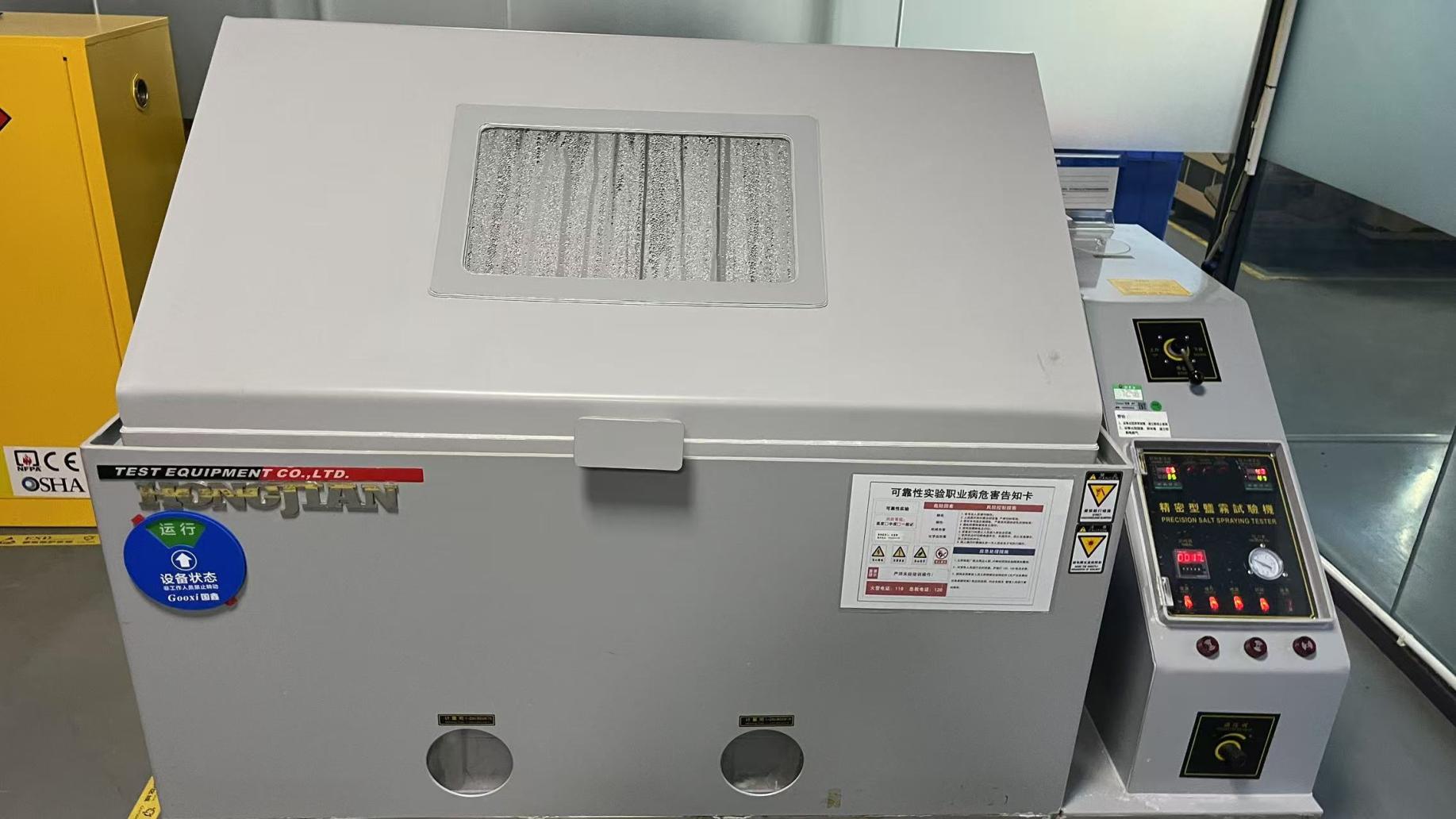
Salt Spray Corrosion Tester
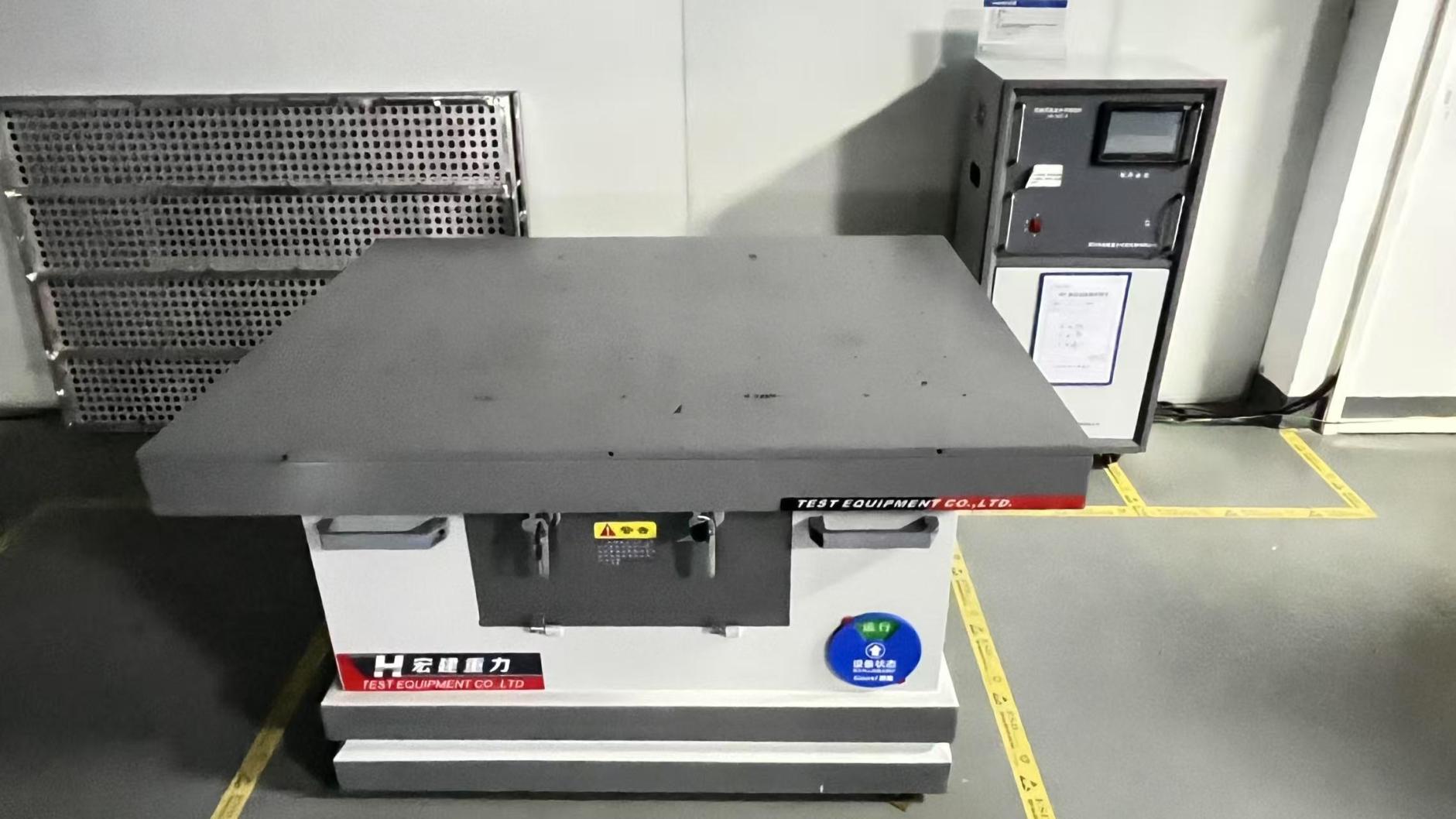
Dynamic Vibration Tester
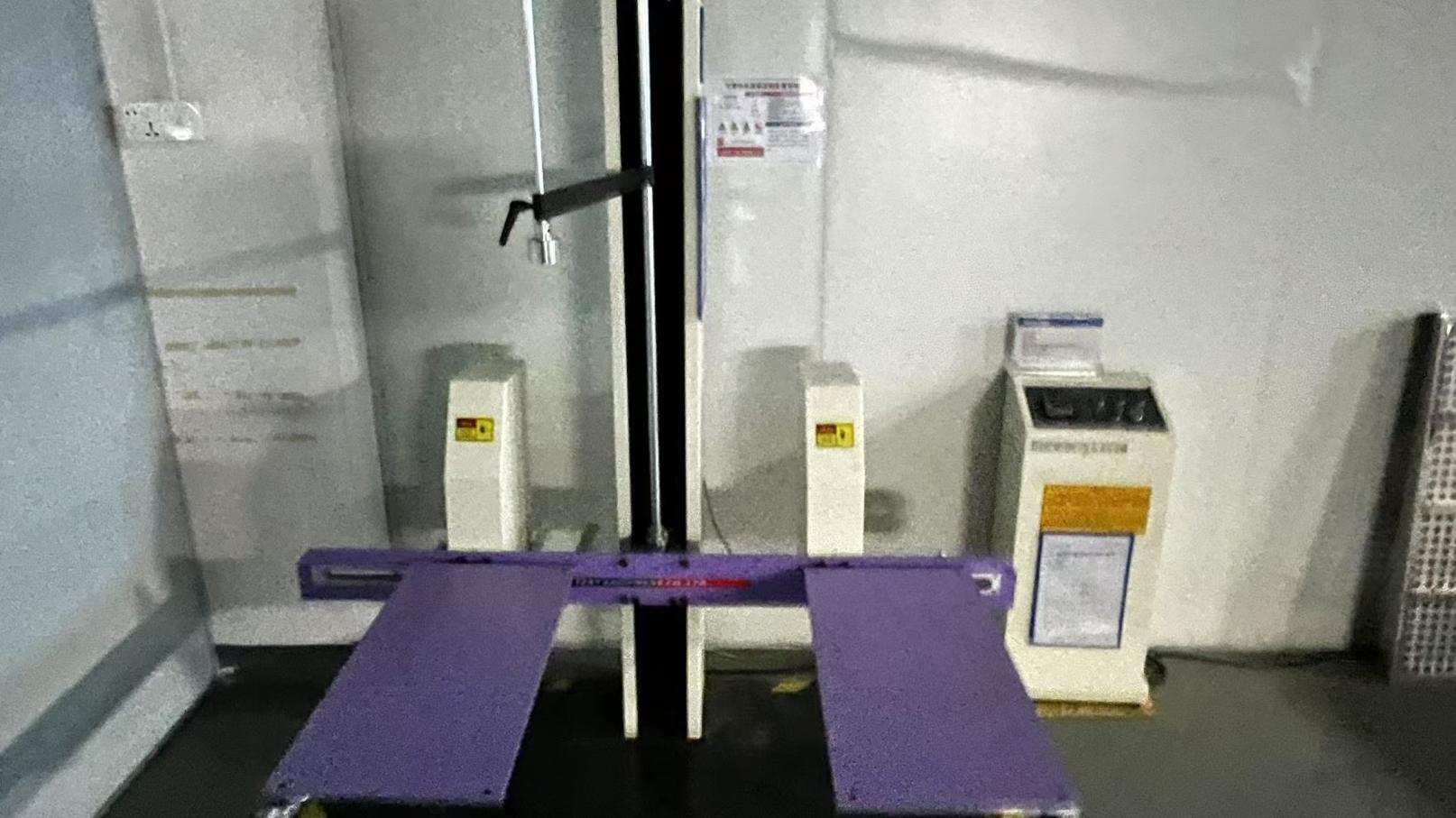
Drop Tester
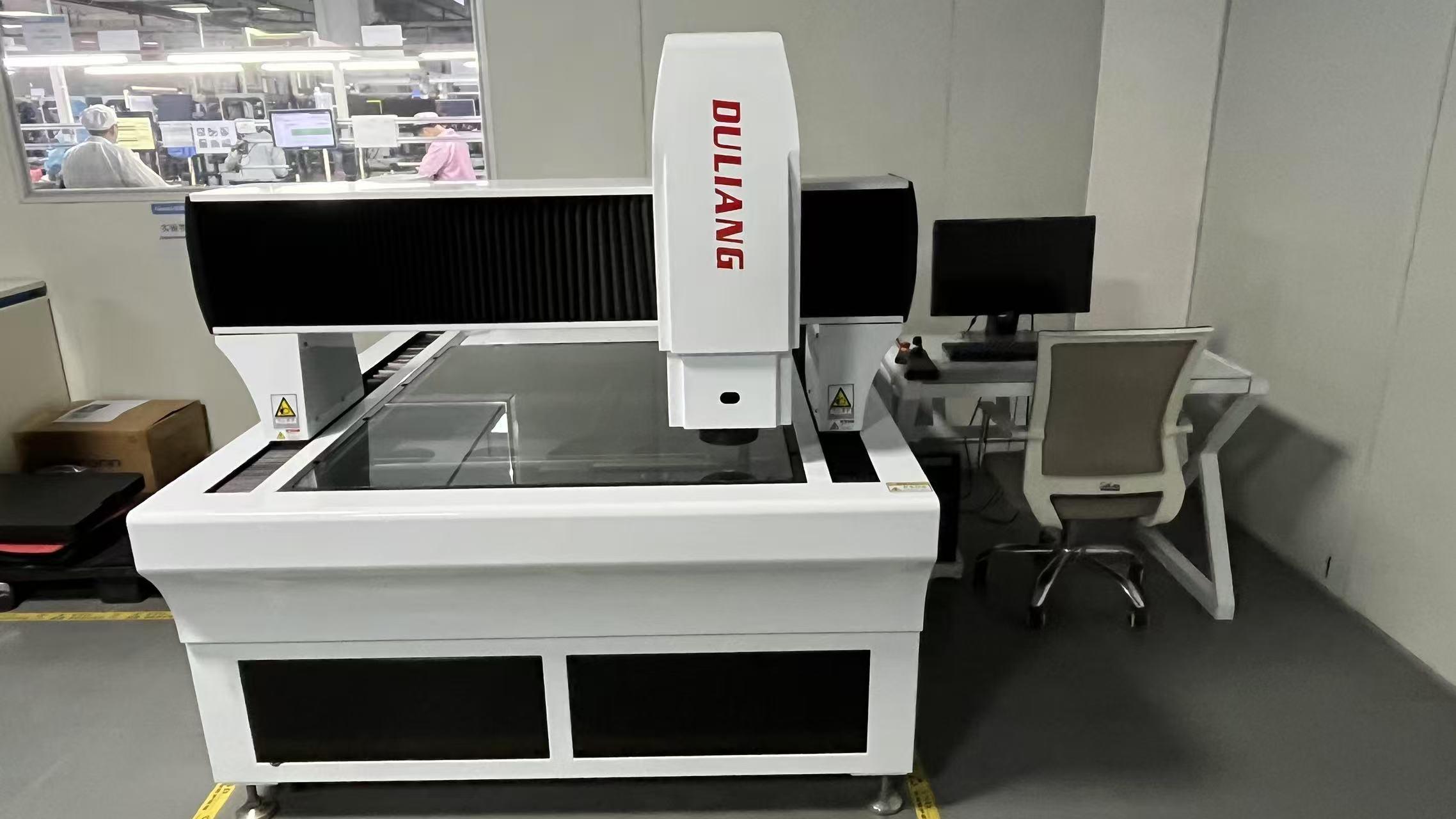
High-Precision CMM
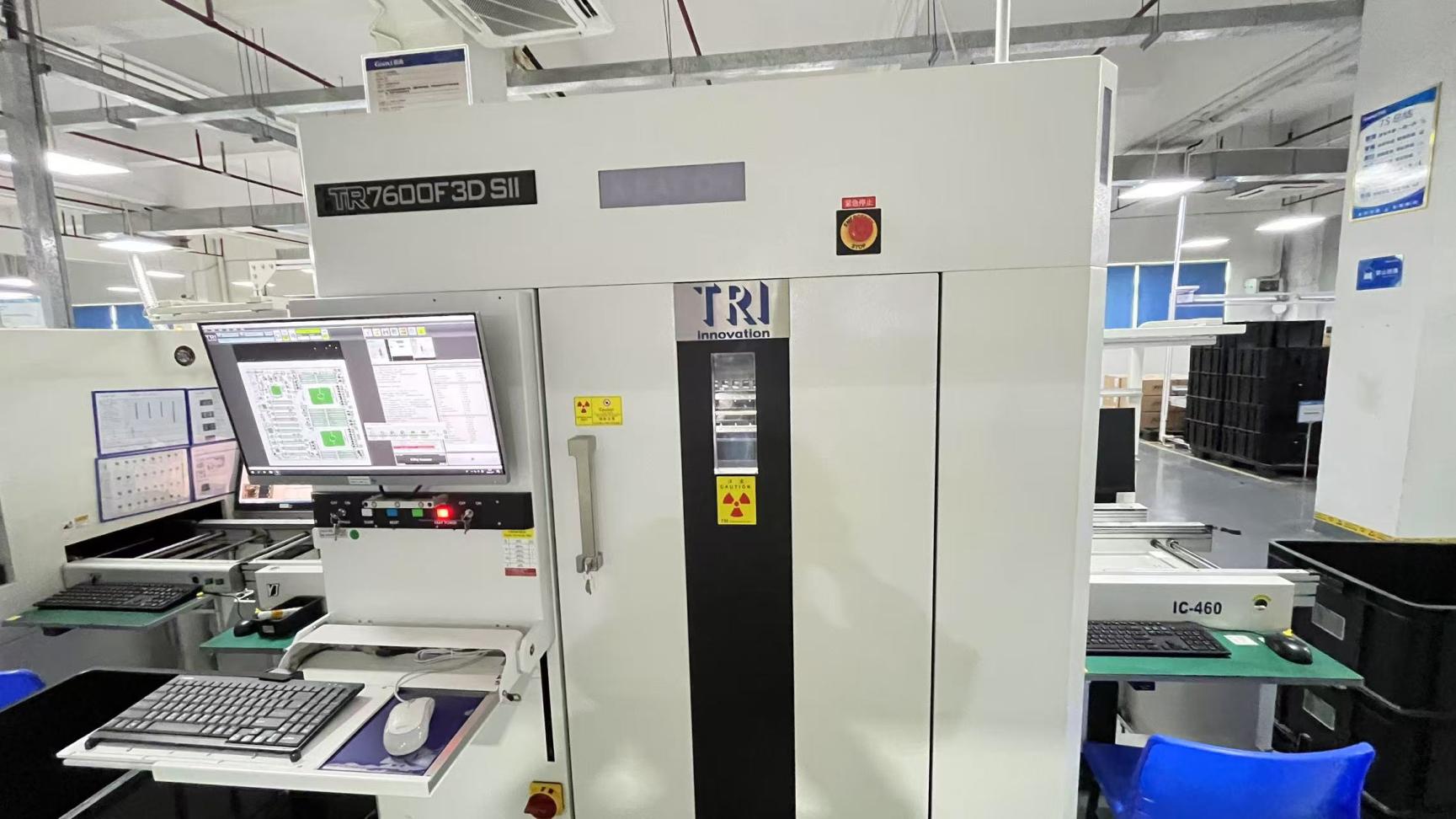
Real-Time X-Ray Inspector
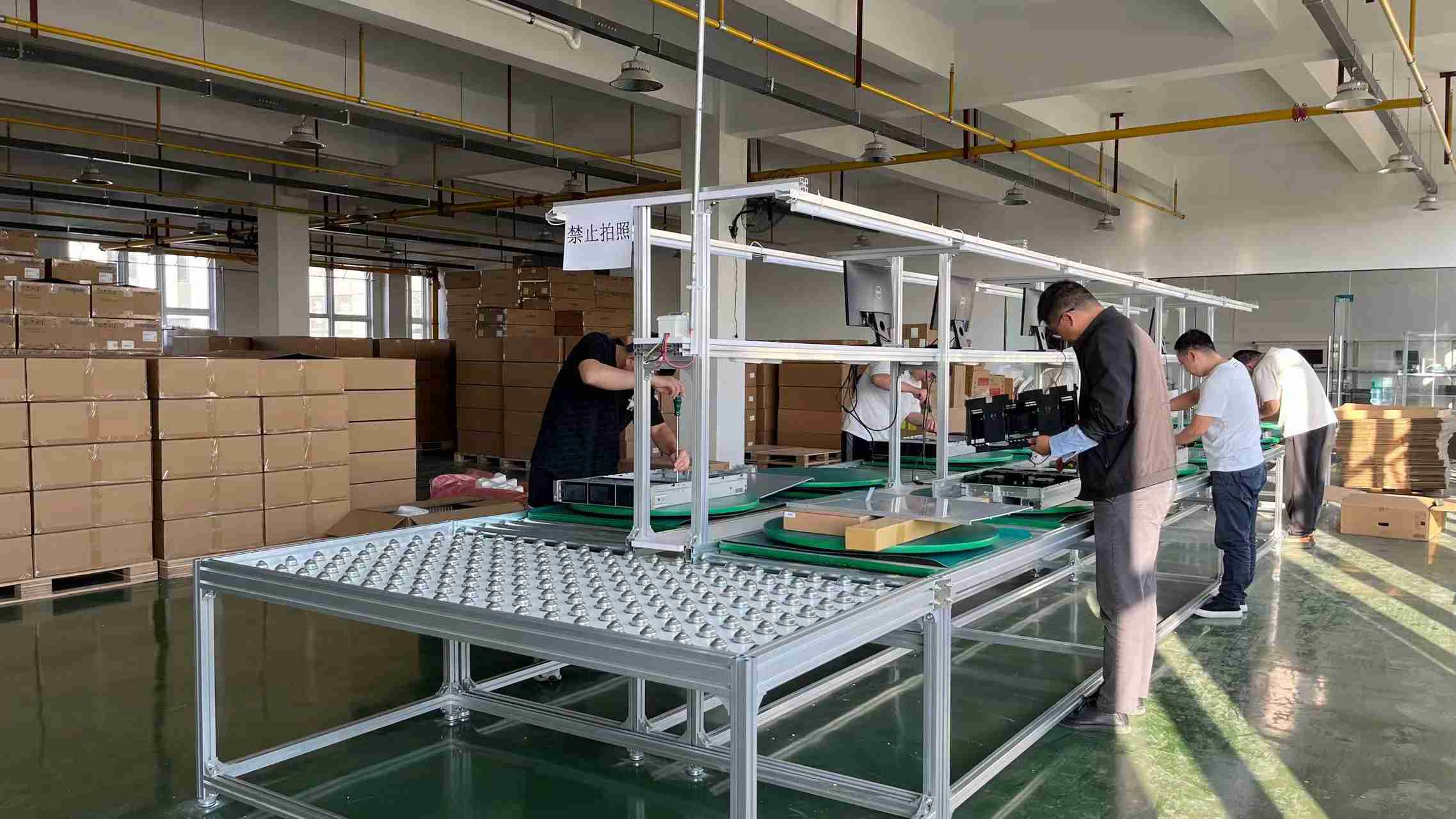
These processing stations support our custom configurations and compliance procedures. Through these methods, we guarantee that all hardware meets CE and international data center guidelines before shipment.
Our thermal and server infrastructure operates in multiple markets, including North America, Europe, Southeast Asia, and the Middle East. Cooling requirements vary significantly by region and facility parameters.
In regions like North America and Western Europe, where AI computation hubs are growing rapidly, cold-plate configurations directly extract heat from GPU dies. This enables systems to support heavy training arrays, including platforms running DeepSeek R1 networks, without thermal degradation.
For existing facilities in Southeast Asia and the Middle East, our Rear Door Heat Exchangers (RDHx) provide a practical path to scaling up densities. These units mount directly to the rear of standard server cabinets, converting hot exhaust air to cool air without requiring extensive underfloor duct re-engineering.
For edge nodes in industrial environments or telecom shelters, space constraint is a major factor. Our compact 1U/2U integrated liquid-assisted chassis designs utilize space-efficient heat pipes and small-scale manifolds to maintain stable operation under harsh environmental conditions.
ZhiCloud AI provides tailored hardware integration to align with specific data center requirements. This includes custom GPU layouts, storage array configurations, manifold placement, specific quick-disconnect fittings, and thermal validation under simulated workloads.
The focus of data center thermal management is shifts toward resource conservation, low-PUE targets, and simplified servicing. Our R&D team focuses on key technological advancements to address these challenges:
Integrating direct feedback loops from GPU/CPU core sensors allows for dynamic regulation of pump speed and coolant distribution. By aligning coolant flow rates with real-time computational workloads, cooling systems can reduce secondary pump power consumption, contributing to a lower overall PUE.
In collaboration with chemical manufacturers, we are evaluating next-generation synthetic fluids designed for high dielectric strength, thermal conductivity, and stability. Additionally, we are working to ensure compliance with upcoming global environmental regulations regarding fluorinated greenhouse gases (F-gases).
Future European data facility guidelines favor setups capable of exporting exhaust thermal energy. Our water-to-water heat exchange loops are designed to return exit water temperatures at 55°C–65°C, making them suitable for integration into local district heating networks or industrial heating processes.
Under EU directives (specifically LVD 2014/35/EU and PED 2014/68/EU), any pressurized closed-loop hydraulic module operating in proximity to electrical lines must undergo strict safety evaluation. CE certification ensures the unit is designed to prevent leaks, manage maximum operating pressures, and avoid electromagnetic interference with surrounding networking hardware.
Air cooling generally becomes inefficient at heat densities above 15–20 kW per rack due to fan power limitations and spatial constraints. Direct-to-Chip systems place a high-conductivity copper cold plate directly on the silicon die, carrying thermal energy away via liquid conduits. This approach supports heat densities of 100 kW+ per rack while lowering overall cooling energy costs.
Yes, our Rear Door Heat Exchangers (RDHx) are designed for this scenario. They replace the standard rear doors of existing rack enclosures, capturing hot air from the servers and cooling it through liquid-to-air heat exchange coils. This allows facilities to scale up heat density without modifications to their underfloor ducting.
We provide integration support for custom GPU assemblies, specialized storage backplanes, manifold design, dry-break quick-disconnect couplings, and tailored chassis styling. Additionally, we validate hardware functionality under simulated workload conditions before shipping.
Our quality control process includes structural checks, PCBA function testing, salt spray resistance validation, high-pressure leak testing, and thermal aging. These tests ensure the hardware remains reliable under long-term operational stresses.