ZhiCloud AI
Choosing the best AI server manufacturer can be daunting. With numerous options available, making an informed decision is essential. The right server plays a crucial role in AI performance. You need reliability and efficiency in your operations.
Consider the manufacturer's reputation. Look for companies with a strong track record. Reviews from previous customers can provide insights into their products. The best AI server manufacturer should prioritize customer service. Responsiveness can enhance your experience greatly.
Evaluate the specifications offered by different brands. High processing power and ample storage are vital. However, remember that not all manufacturers meet these requirements equally. Research is key to identifying those who do. Reflect on your specific needs and future scalability as well. This process may take time, but it is an investment worth making.
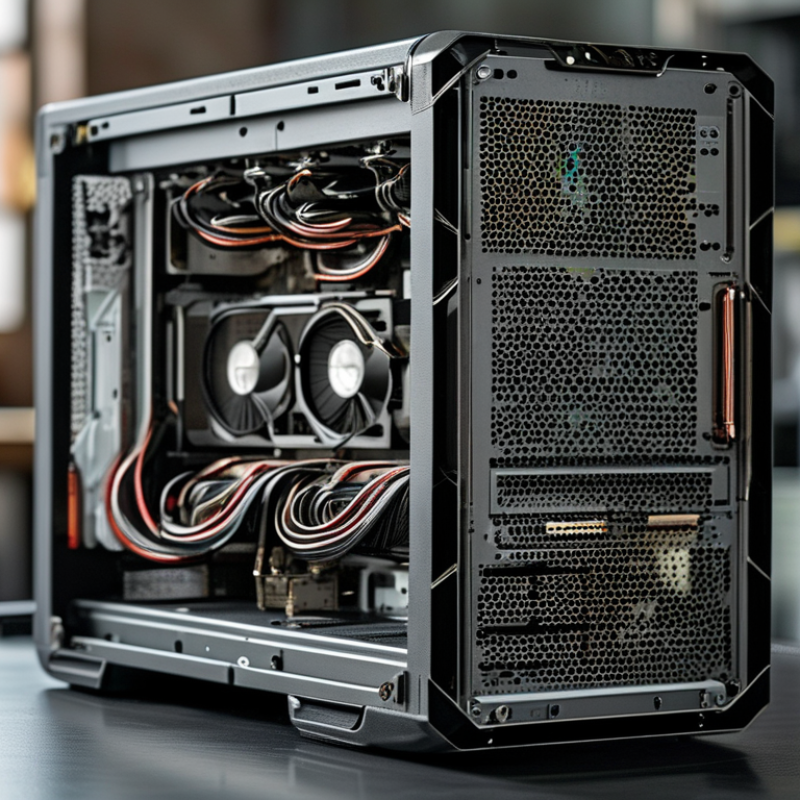
When evaluating AI server performance metrics, several key factors come into play. A primary aspect is processing power. Look for CPUs and GPUs that handle intense computational tasks. Higher core counts and clock speeds generally mean better performance. Memory capacity also matters. More RAM allows for smoother multitasking and faster data handling.
Another factor is energy efficiency. Servers that consume less power with optimal performance reduce operating costs. Consider thermal management as well. Effective cooling mechanisms prevent overheating, ensuring longevity and consistent performance. Reliability can’t be overlooked. Downtime is costly, making hardware durability crucial for continuous operation.
Additionally, assess scalability. Your server should grow with your needs. A flexible architecture allows easy upgrades or expansions. Pay attention to network capabilities. High-speed connectivity can significantly affect data transfer rates and overall performance. Balancing these metrics will help identify the right AI server manufacturer for your requirements.
When selecting an AI server manufacturer, scalability is a key factor. AI workloads can grow rapidly. Choosing a manufacturer that allows for easy upgrades ensures your server can keep pace with demand. This flexibility is critical for businesses that aim to innovate continuously.
Tip 1: Assess your current requirements and future growth. A robust AI server should support increased storage and processing. Check if the manufacturer offers modular designs that facilitate expansion. This can lead to significant cost savings in the long run.
Tip 2: Evaluate the support services. A reliable manufacturer should provide technical assistance as you expand. Responsive support can resolve issues quickly, ensuring minimal downtime. Consider testimonials or case studies for insights into their service capability.
Portability is another consideration. Some manufacturers may limit the physical relocation of servers. Ensure that scalability isn’t just about hardware upgrades, but also about adaptability in different environments. Reflect on these aspects before making a decision.
When selecting an AI server manufacturer, evaluating their reputation is crucial. Look for companies with a solid track record. Research online reviews and testimonials. Seek feedback from current users to gauge their satisfaction. A manufacturer’s reputation often reflects the reliability of their products. Stability and performance are essential for AI applications.
Customer support is another vital aspect. A responsive support team can save you time and frustration. Test their support channels before purchasing. Reach out with questions or concerns. Observe how quickly they respond and how helpful they are. Reliable support can make a significant difference in managing your server setup.
Additionally, consider the manufacturer's expertise in AI technology. Their knowledge can impact the server's efficiency and your overall experience. Engage with their representatives to assess their understanding. Quality communication reflects their commitment to customer success. A trustworthy company will prioritize your needs.
When analyzing the total ownership costs for AI servers, consider various factors that impact your budget. Initial purchase costs are just one part of the equation. Ongoing expenses, such as power consumption and cooling needs, should be evaluated. Efficient servers can significantly lower energy bills. Sometimes, choosing a less expensive option leads to higher operational costs.
Maintenance is another crucial aspect. Servers require regular updates and technical support. Some manufacturers offer better long-term support than others. It's essential to assess the reliability of the manufacturer and their warranty policies. This information can save you money as technology evolves.
Think about scalability as well. Your needs might grow over time. A server that meets today's requirements might not suffice in two years. Investing in an adaptable system may appear costly upfront, but it avoids expenses from premature replacements or upgrades. Reflect on how future growth impacts your current choice. Prioritize solutions that align with your long-term vision.
Choosing the right AI server requires careful consideration, especially regarding hardware compatibility. The components of an AI server must work in harmony. A mismatch can lead to issues, impacting performance. For example, a powerful GPU paired with underwhelming RAM will slow down processing. You need to ensure your server's architecture supports all components effectively.
Another aspect to consider is scalability. AI workloads can change rapidly. Compatible hardware allows for upgrades without entire system overhauls. Check if the manufacturer provides clear upgrade paths. This flexibility is crucial for adapting to new AI developments. Running AI models at peak efficiency hinges on reliable compatibility.
Lastly, always review documentation and user feedback. These resources can reveal potential pitfalls in hardware compatibility. Remember, an informed choice is rooted in understanding the bigger picture. Sometimes, opting for lesser-known manufacturers can lead to hidden gems that excel in compatibility. Explore thoroughly; this effort can prevent frustrating downtimes later.
| Feature | Importance | Recommended Specifications | Notes |
|---|---|---|---|
| Processor Type | High | Multi-core CPUs that support parallel processing | Ensure compatibility with AI software frameworks |
| GPU Availability | Critical | NVIDIA or AMD GPUs with suitable VRAM | Essential for deep learning tasks |
| Memory | Moderate | At least 64 GB RAM, preferably expandable | More RAM allows for larger datasets |
| Storage Type | High | SSD for speed, HDD for capacity | Ensure fast read/write speeds for data processing |
| Network Capability | High | 10 Gb Ethernet or higher | Crucial for large-scale AI model training |
| Cooling Solutions | Moderate | Liquid cooling for high-performance setups | Prevent overheating during intensive tasks |
| Expansion Slots | Moderate | Multiple PCIe slots available | Allows for future upgrades |
I server performance?
More RAM allows for smoother multitasking and faster handling of data, which enhances performance.
Energy-efficient servers reduce operating costs, making them more economical in the long run.
Effective cooling prevents overheating, ensuring hardware longevity and consistent performance during intense use.
A server should grow with your needs, allowing for easy upgrades as your requirements increase.
A solid reputation often indicates product reliability and overall stability, essential for AI applications.
Try reaching out with questions. A responsive support team can save you time and frustration.
Consider ongoing expenses like power consumption, cooling needs, and maintenance alongside initial purchase costs.
Investing in a scalable system can prevent costly replacements or upgrades later on.
Regular updates and support are necessary, so choose manufacturers with reliable long-term support policies.
When selecting the best AI server manufacturer, there are several critical factors to consider that can significantly impact performance and efficiency. Firstly, it’s essential to assess server performance metrics and how they relate to your specific AI workload needs. Scalability is also a vital aspect; as your demands grow, the ability to easily upgrade or expand your infrastructure becomes crucial. In addition, evaluating a manufacturer's reputation and the reliability of their customer support can ensure you receive effective assistance when needed.
Cost-effectiveness is another important consideration, where analyzing total ownership costs can help you make a financially sound decision. Lastly, understanding hardware compatibility is key to avoiding potential bottlenecks and ensuring seamless integration with your existing systems. By taking these factors into account, you can confidently choose the best AI server manufacturer that meets your operational requirements and long-term goals.
